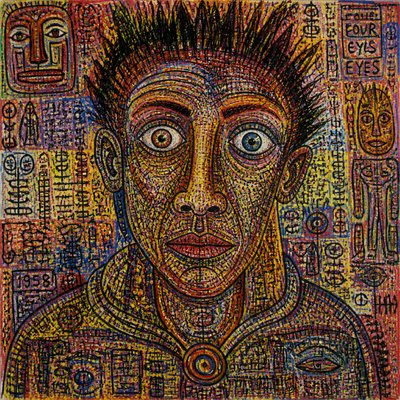
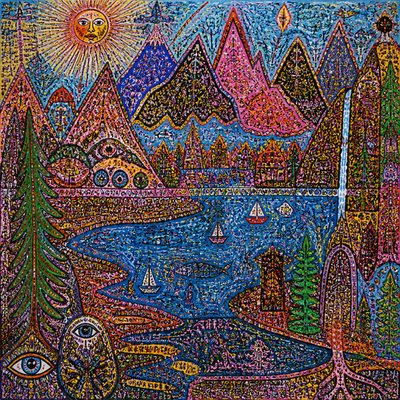
Cubist Modern Art Style
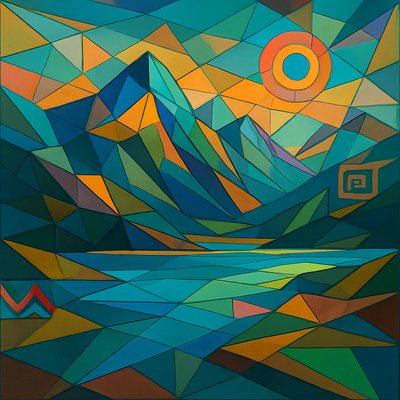
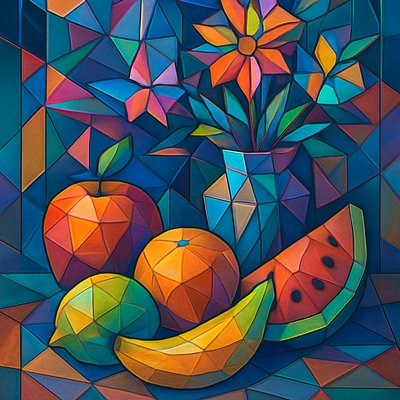
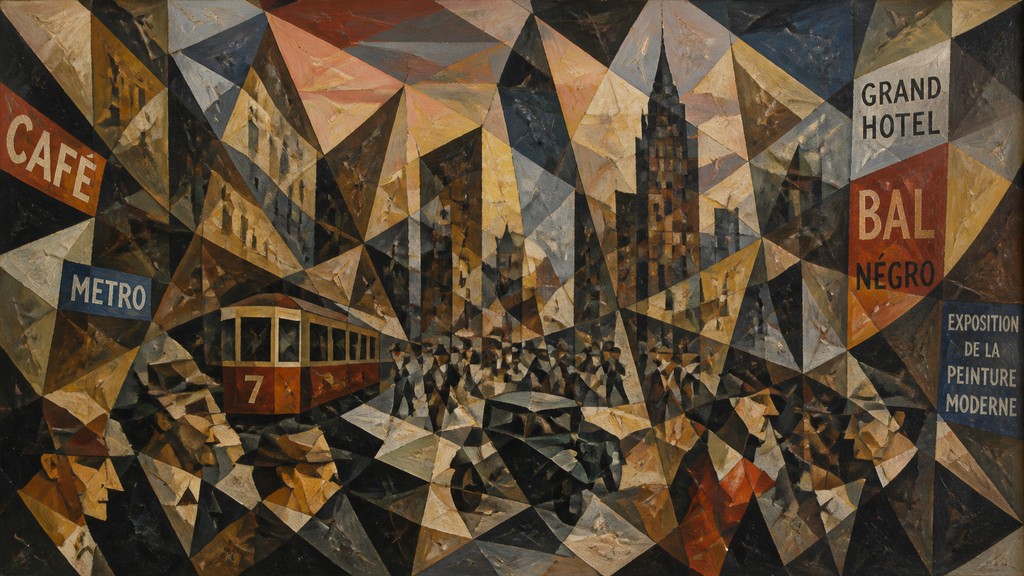
Cubist Modern Art fractures forms into geometric planes, multiple viewpoints, and earthy tonal blocks for a structured, modernist look.
Instantly rendered in Cubist Modern — or transform a photo
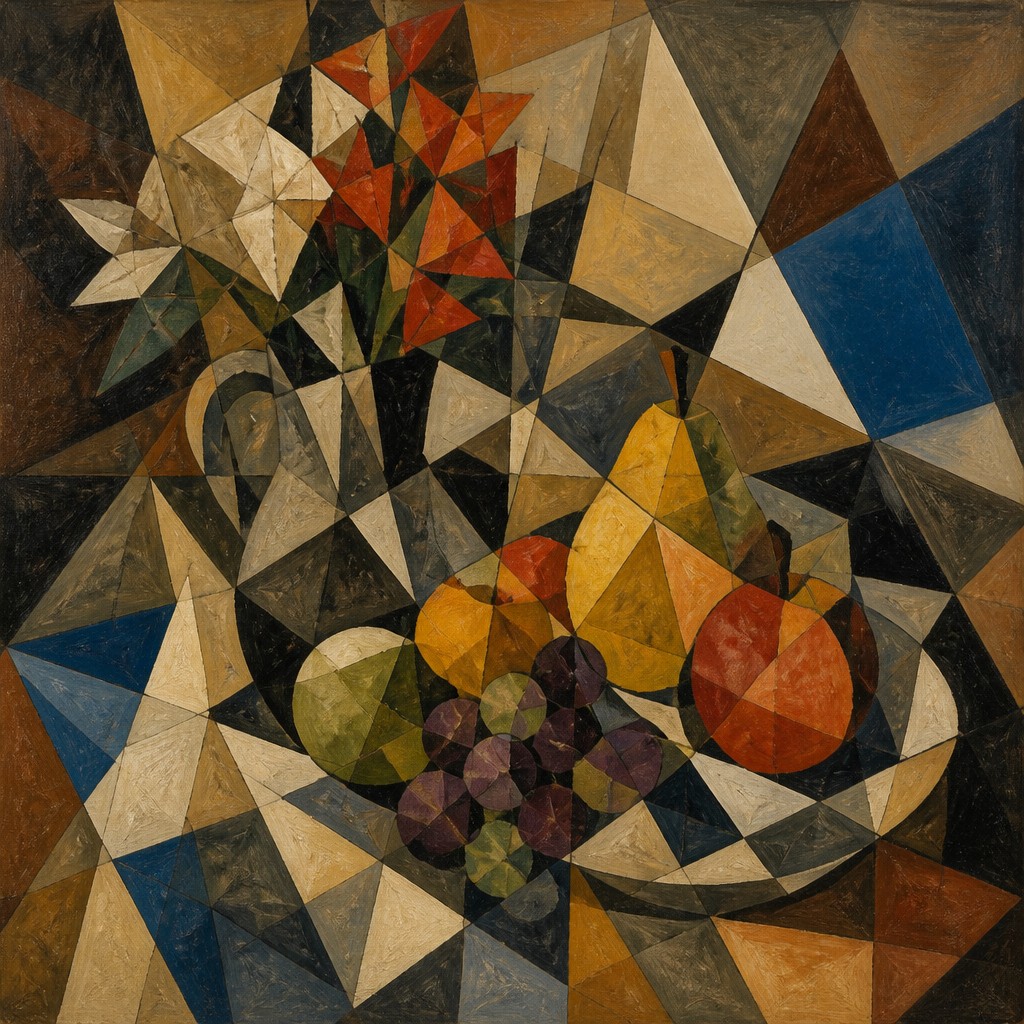
Cubist Modern Gallery
Tap any artwork to explore it
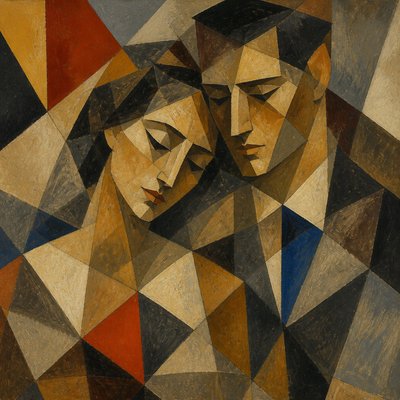
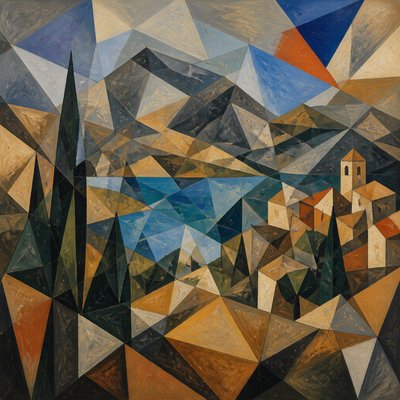
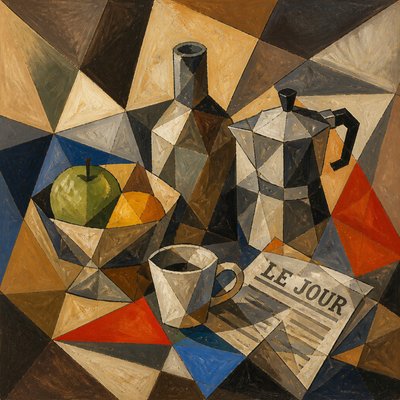
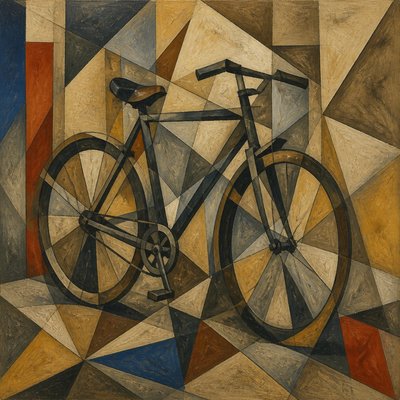
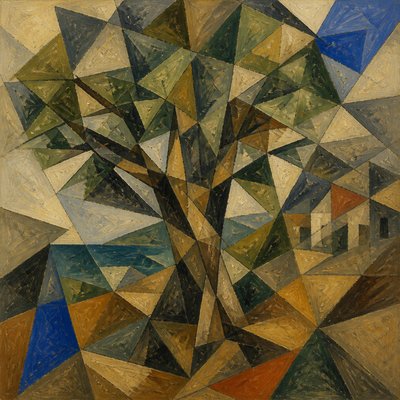
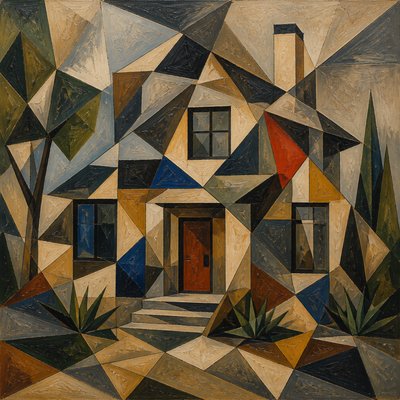
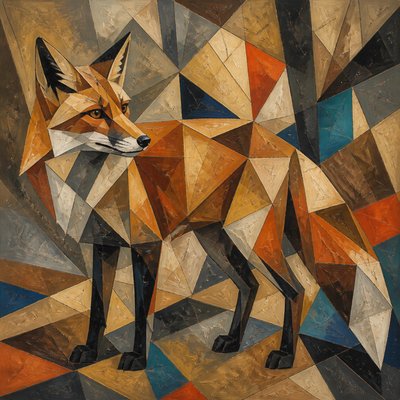
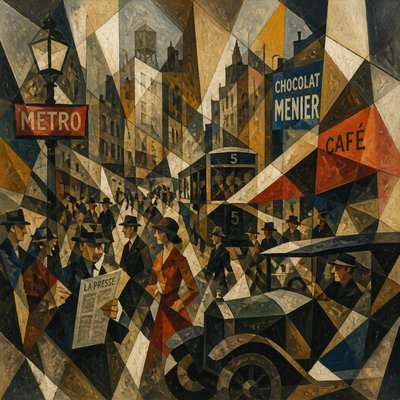
What is Cubist Modern Art Style?
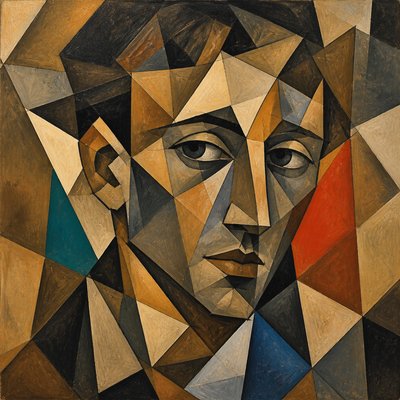
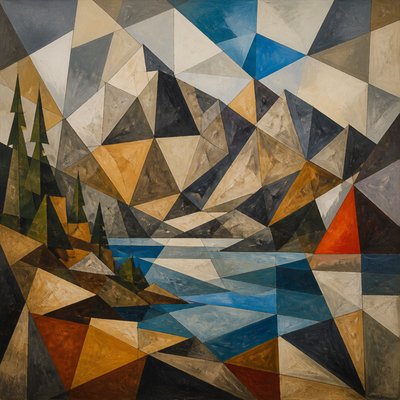
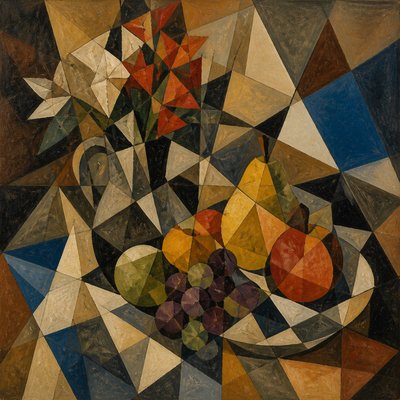
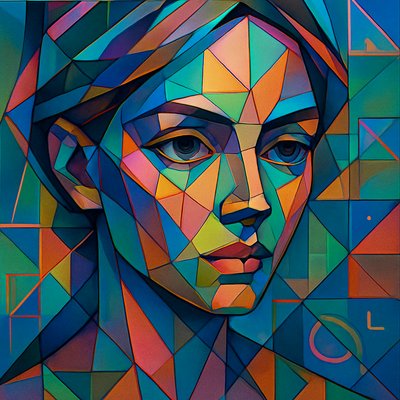
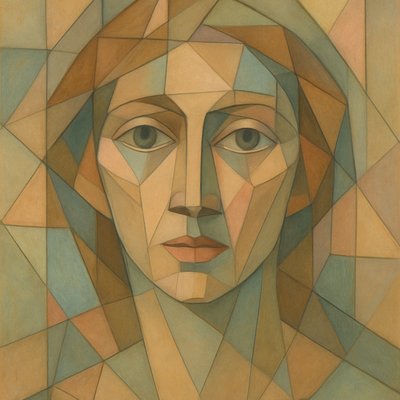
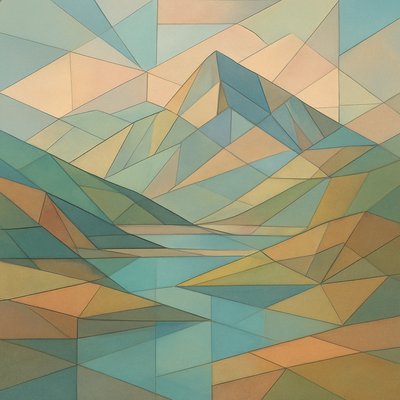
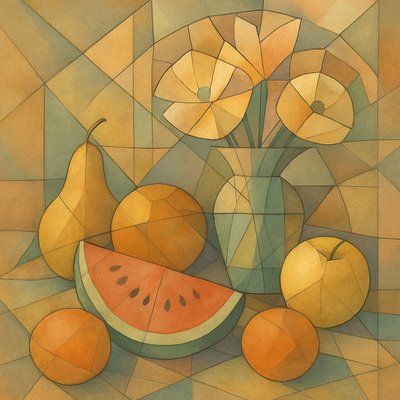
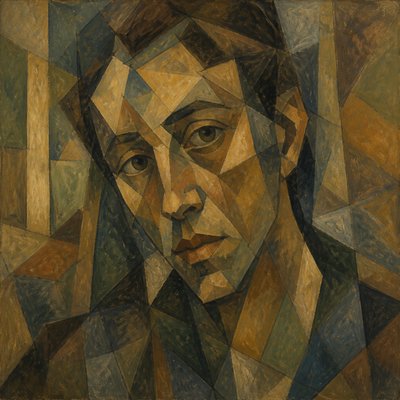
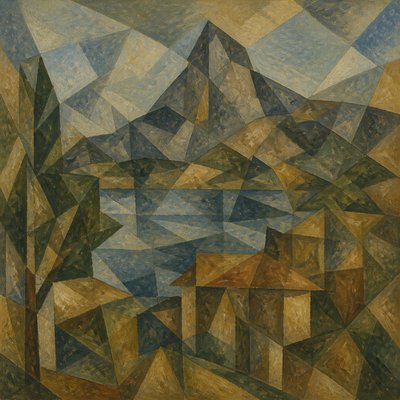
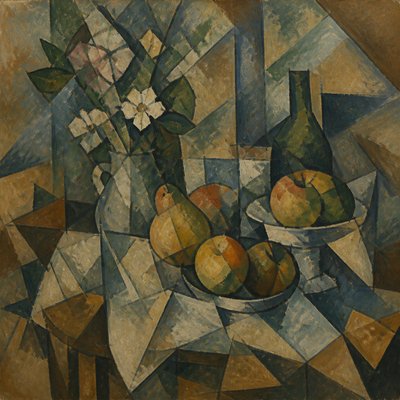
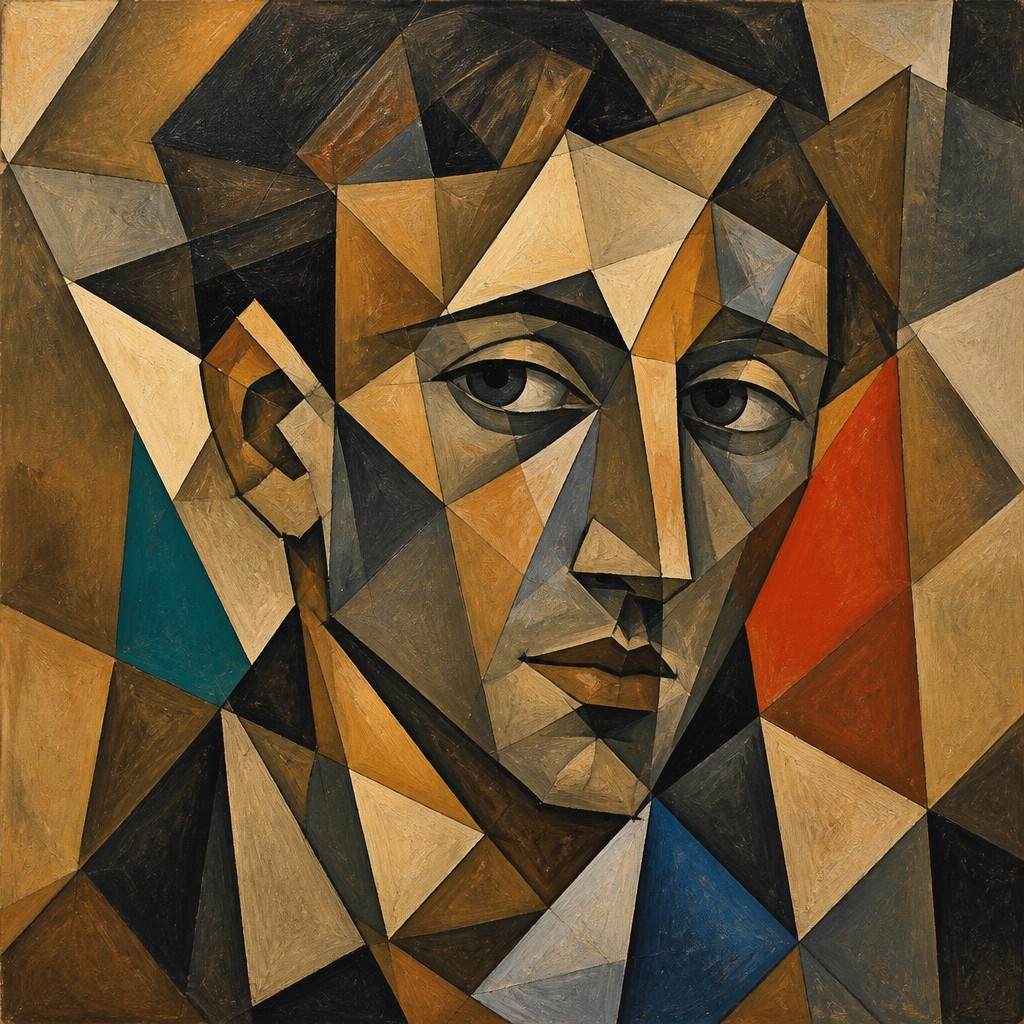
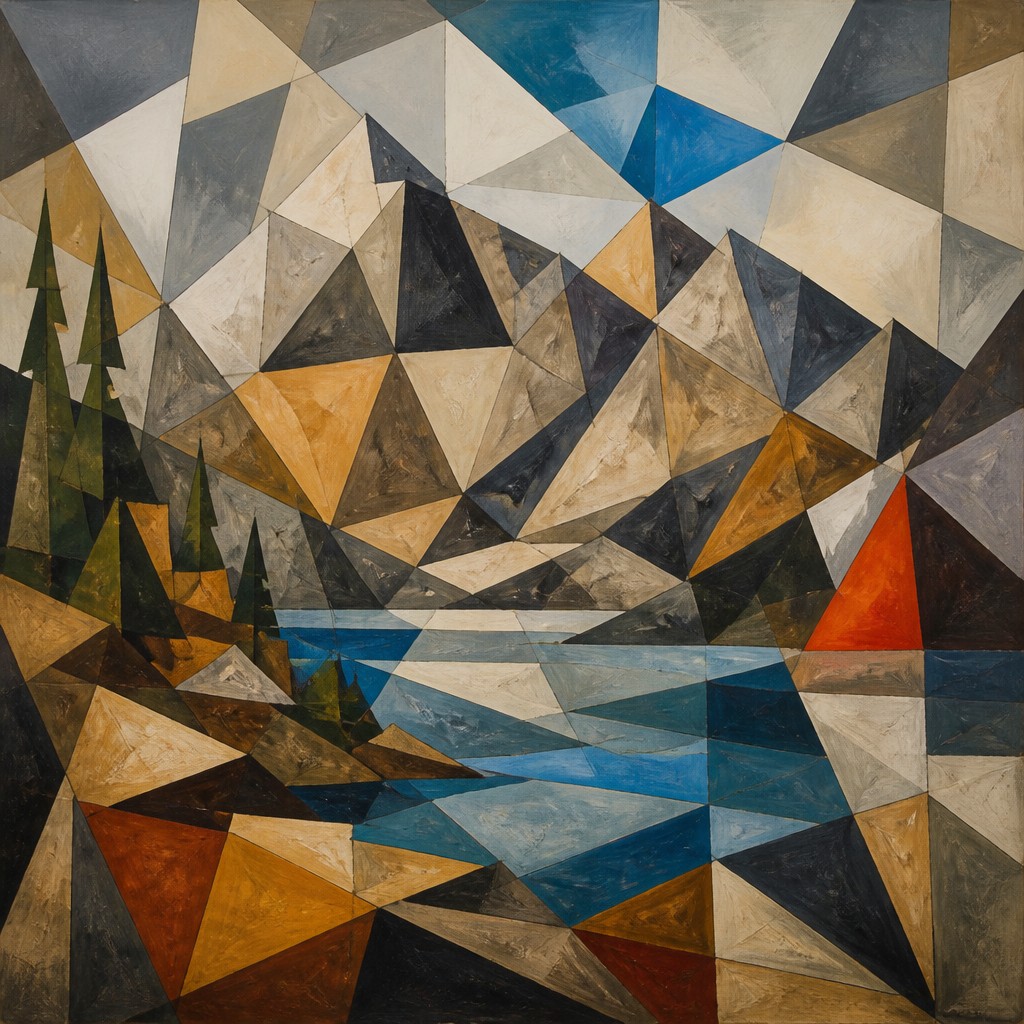
Cubist Modern Art Style is a contemporary interpretation of Cubist principles: it breaks subjects into interlocking geometric planes, shows more than one viewpoint at once, and emphasizes structure over naturalistic appearance. Rather than describing objects through single-point perspective and smooth contour, it reconstructs them through facets, diagonals, and overlapping tonal fields, so the image remains legible while feeling analytically assembled.
Its visual identity comes from the tension between fragmentation and coherence. Forms are flattened, edges are simplified into triangles, polygons, and angular planes, and depth is suggested by shifting values, transparent overlaps, and rhythmic composition instead of realistic shadow. Earthy ochres, siennas, grays, and muted browns often dominate, with occasional bold accent colors creating contrast and visual punctuation.
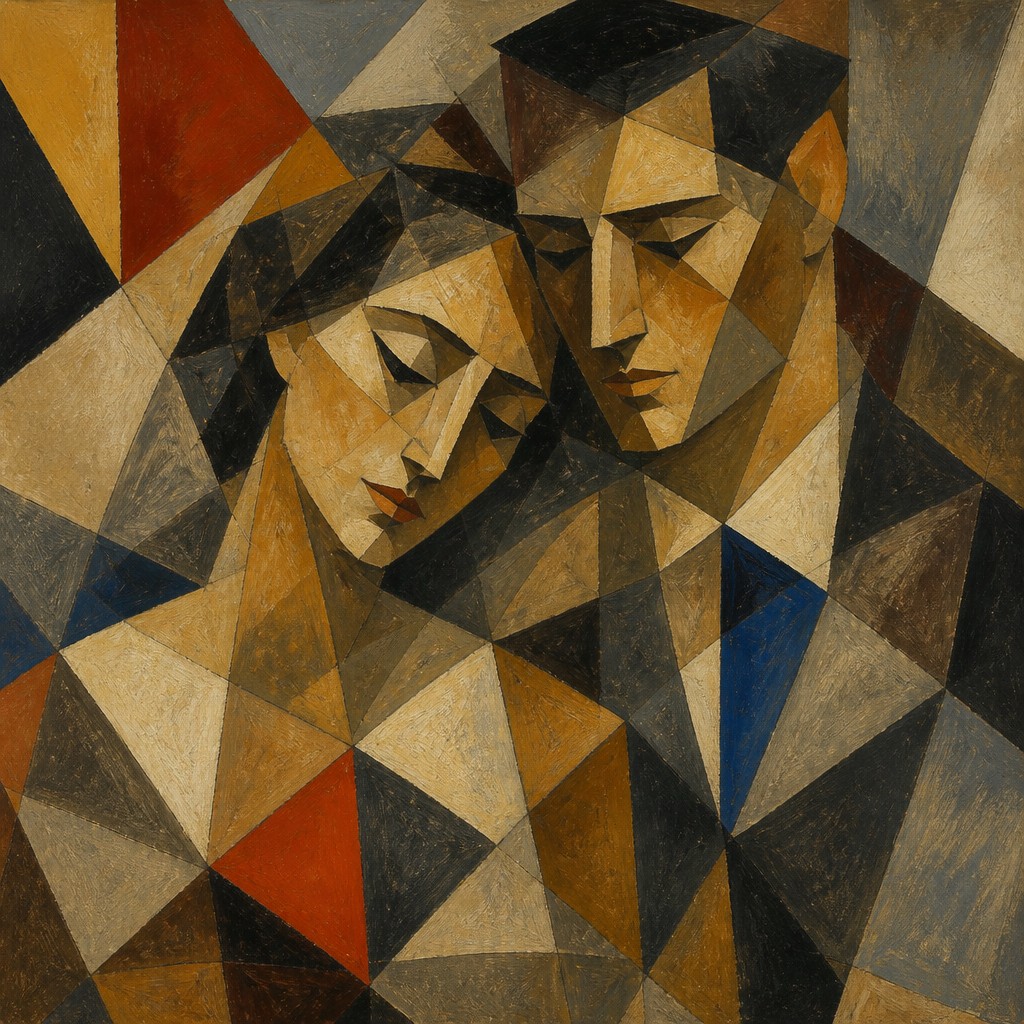
Try It On Your Photos
Upload any photo and convert it into Cubist Modern Art Style — drag the sliders to compare before and after.
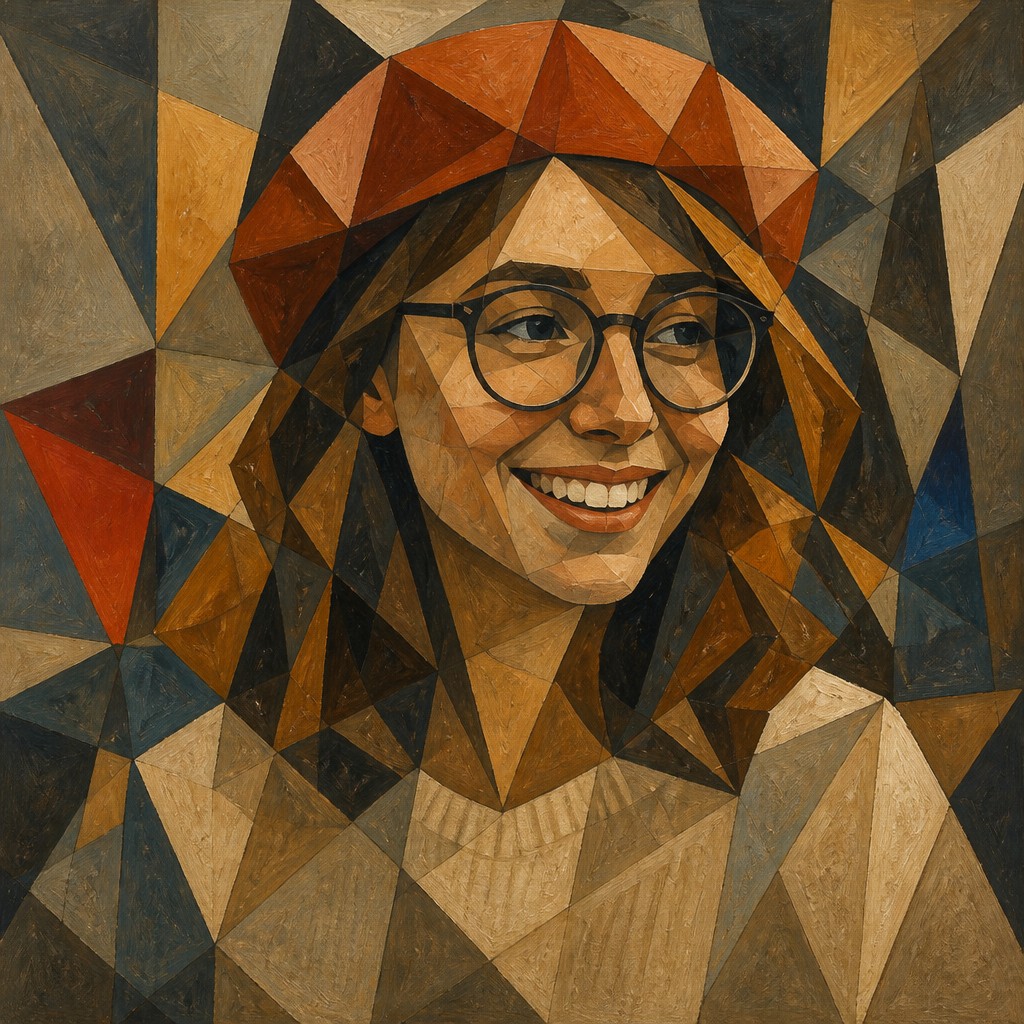

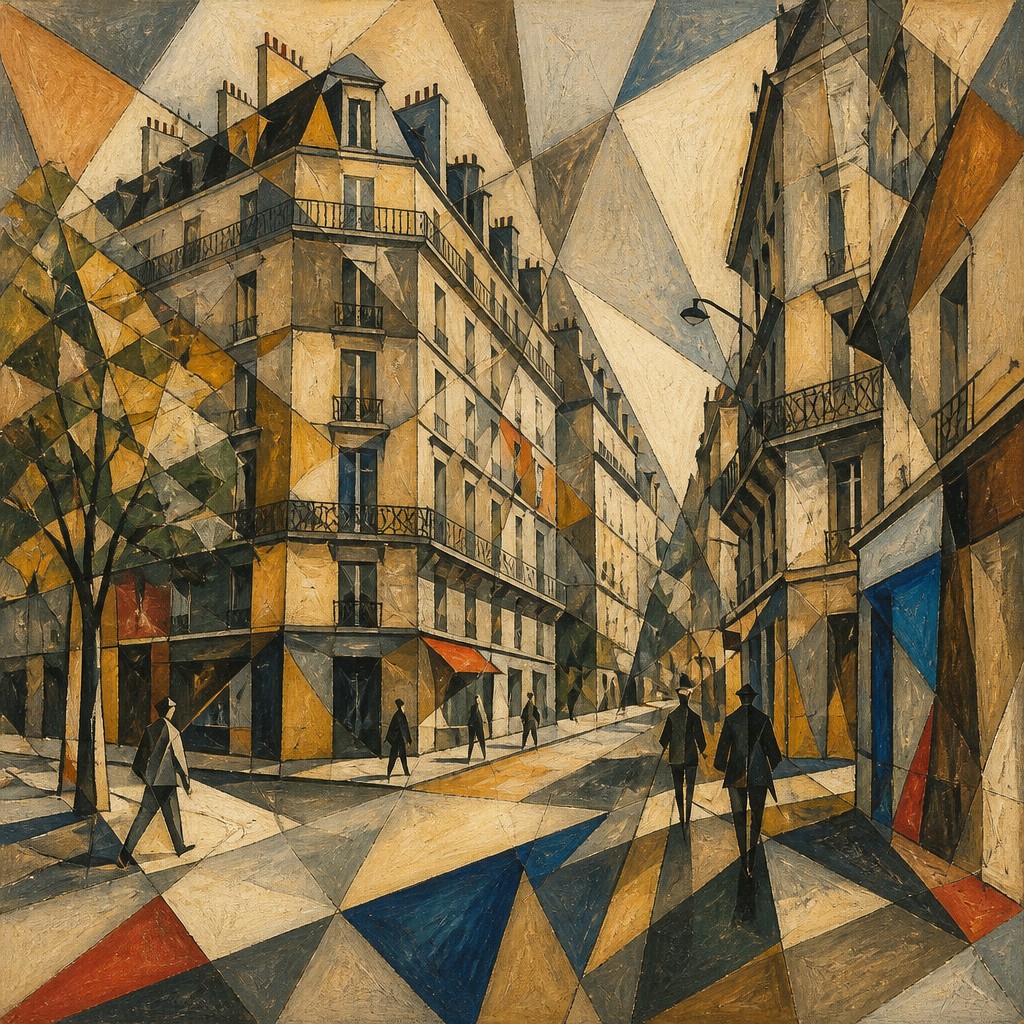

What Defines Cubist Modern Art Style
The signature details, up close
Multiple viewpoints
Subjects are shown from several angles simultaneously, producing a deliberate sense of visual instability. This gives the image Cubist logic even when the subject remains recognizable.
Geometric decomposition
Forms are broken into triangles, polygons, trapezoids, and faceted planes. The subject is rebuilt from these parts rather than outlined as a continuous silhouette.
Flattened but layered space
Depth is compressed and often ambiguous, with overlapping fragments creating a shallow pictorial field. Transparent and opaque segments help simulate spatial complexity without traditional perspective.
Earth-toned palette with accents
Ochres, siennas, umbers, graphite grays, and muted neutrals anchor the composition. Small blocks of saturated color are often used as focal points or visual counterweights.
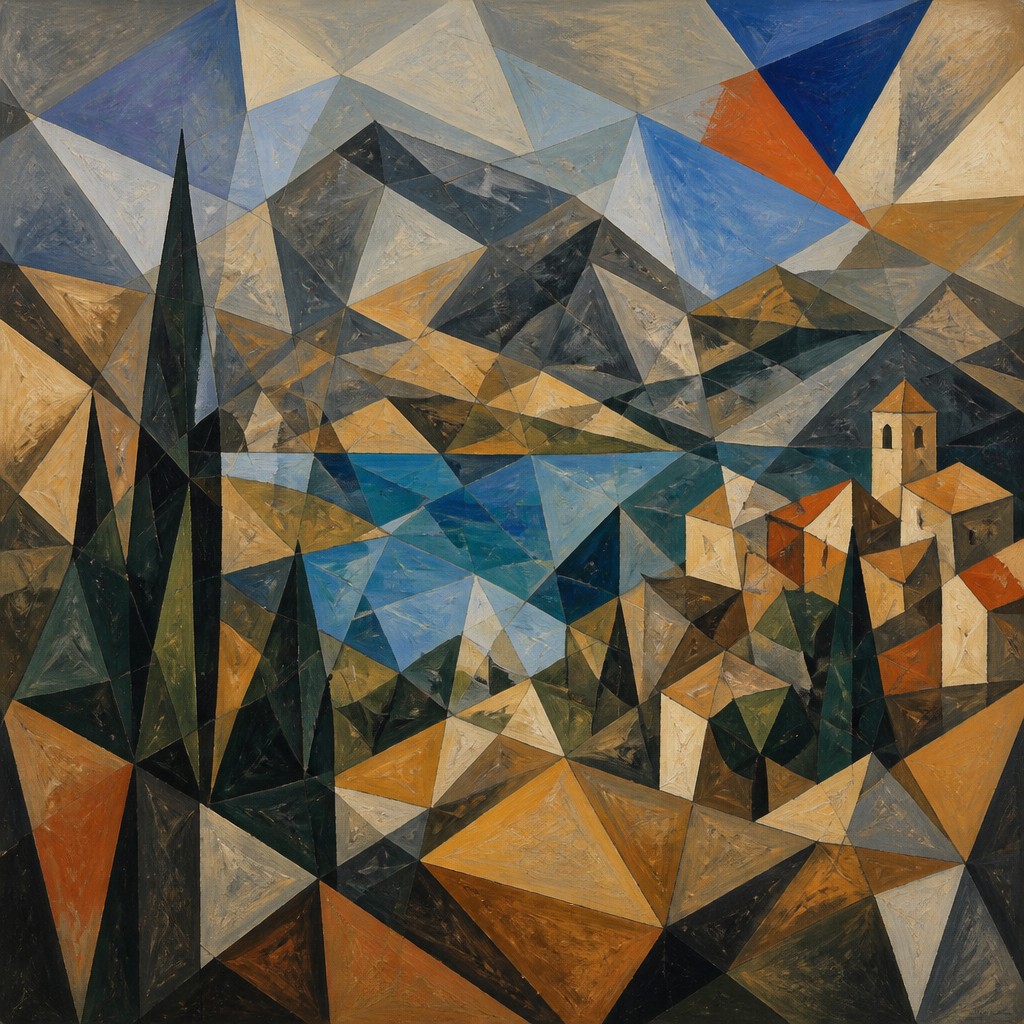
Diagonal rhythm
Strong slanted lines and angular breaks guide the eye across the frame. This creates a sense of motion and structural tension even in static subjects.
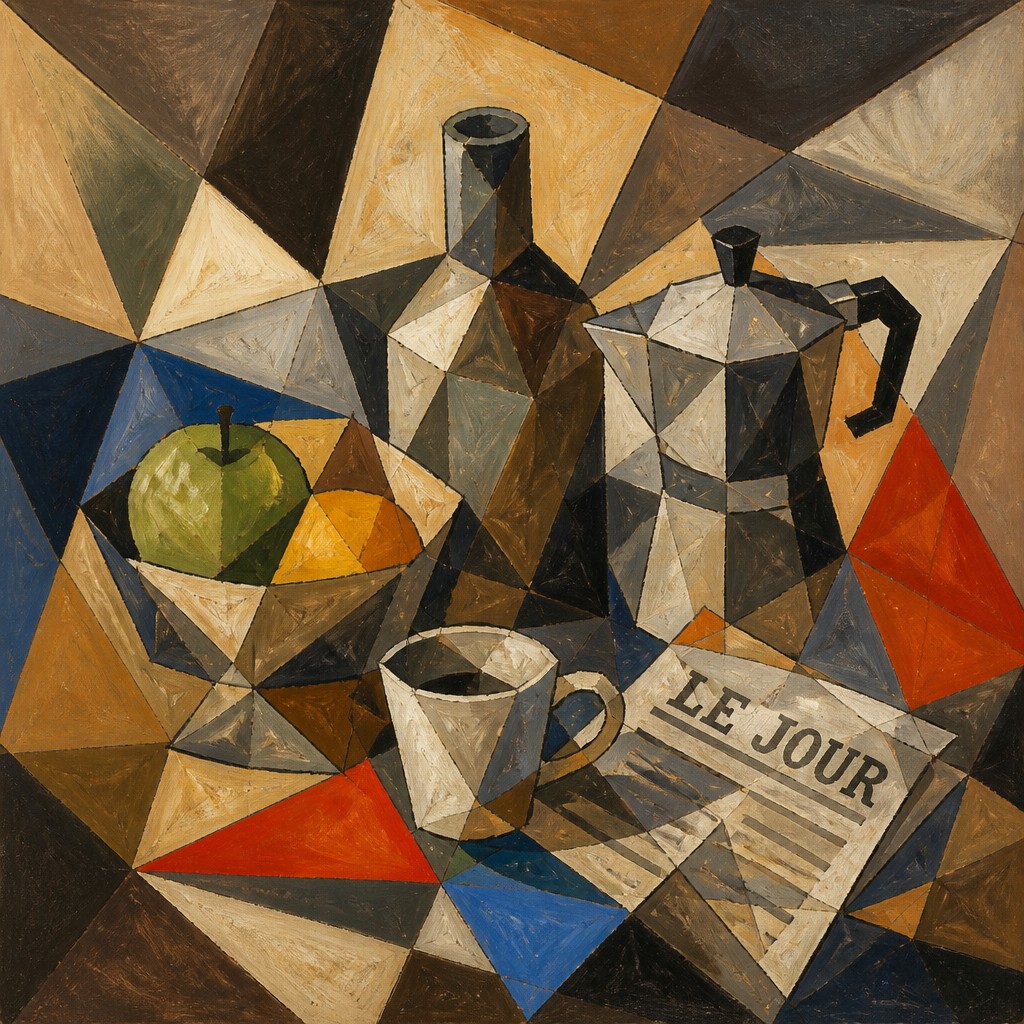
Structural brushwork
Whether painted or digitally simulated, surface marks often remain visible. The texture reinforces the idea that the image has been assembled plane by plane.
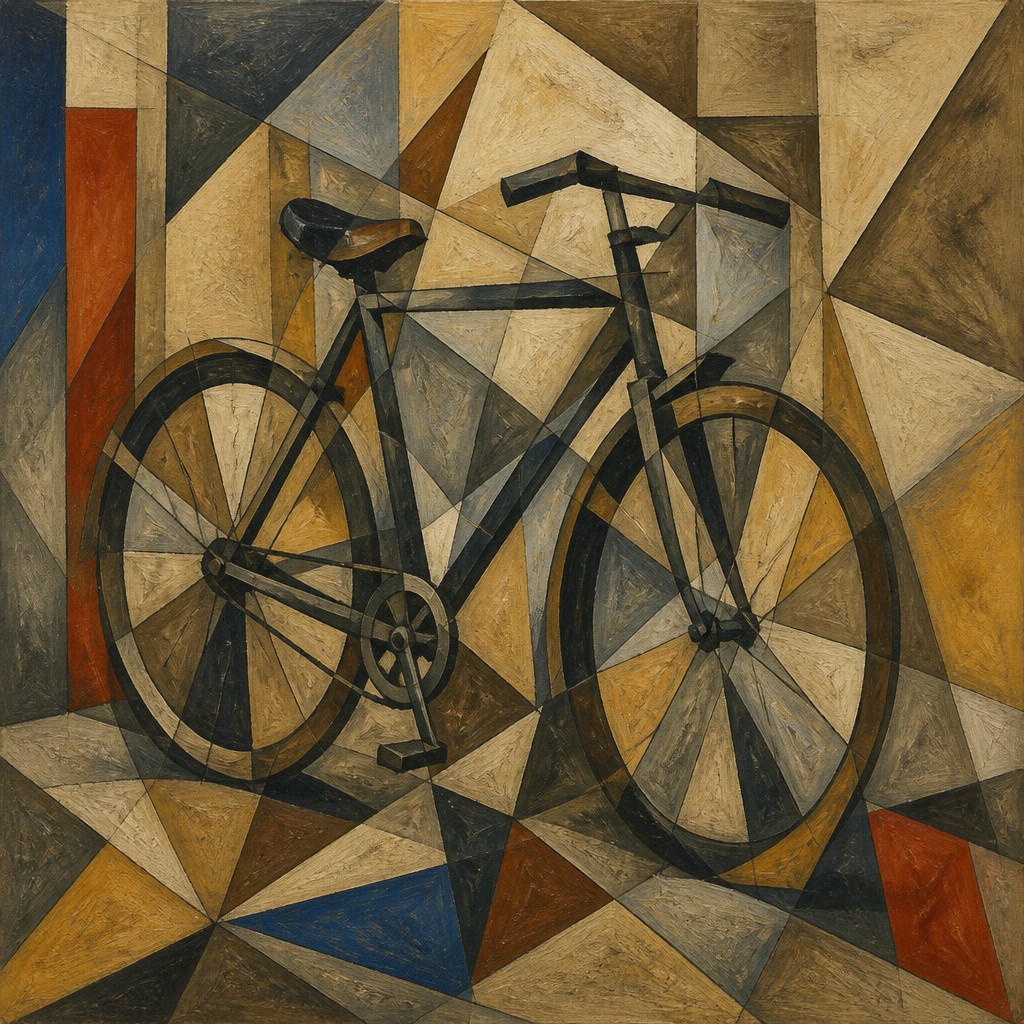
Legibility preserved through abstraction
Despite fragmentation, the subject is usually identifiable as a portrait, figure, still life, or landscape. The style prioritizes reconstruction over pure abstraction.
Try It
Create Videos in Cubist Modern Art Style
Styles aren't just for stills — describe a scene or animate an image and get a short video rendered in Cubist Modern. Press play to see this pond come to life.
Make a VideoCubist Modern Prompt Ideas
Start from an idea — each one opens the generator with the style ready to go. See all 40 Cubist Modern prompts →
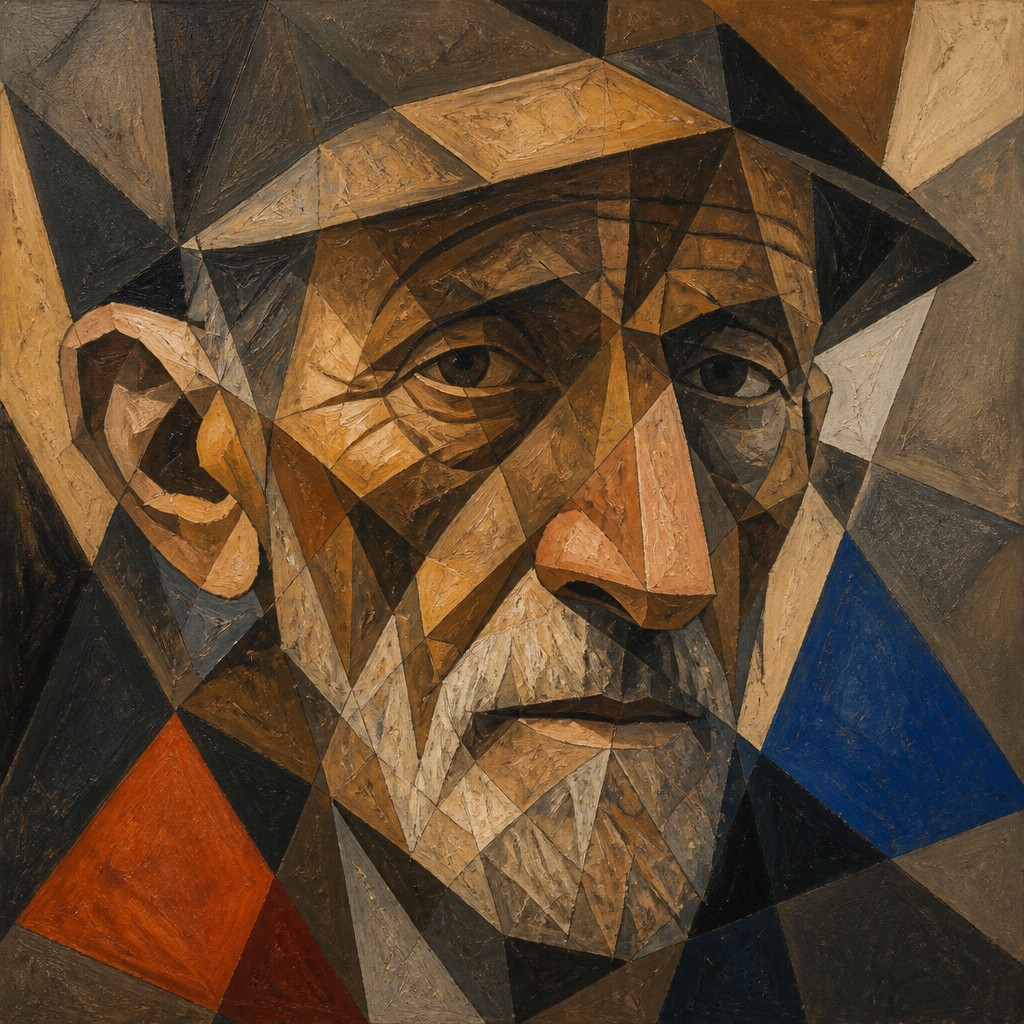
“close-up portrait of an elderly person with expressive weathered features”
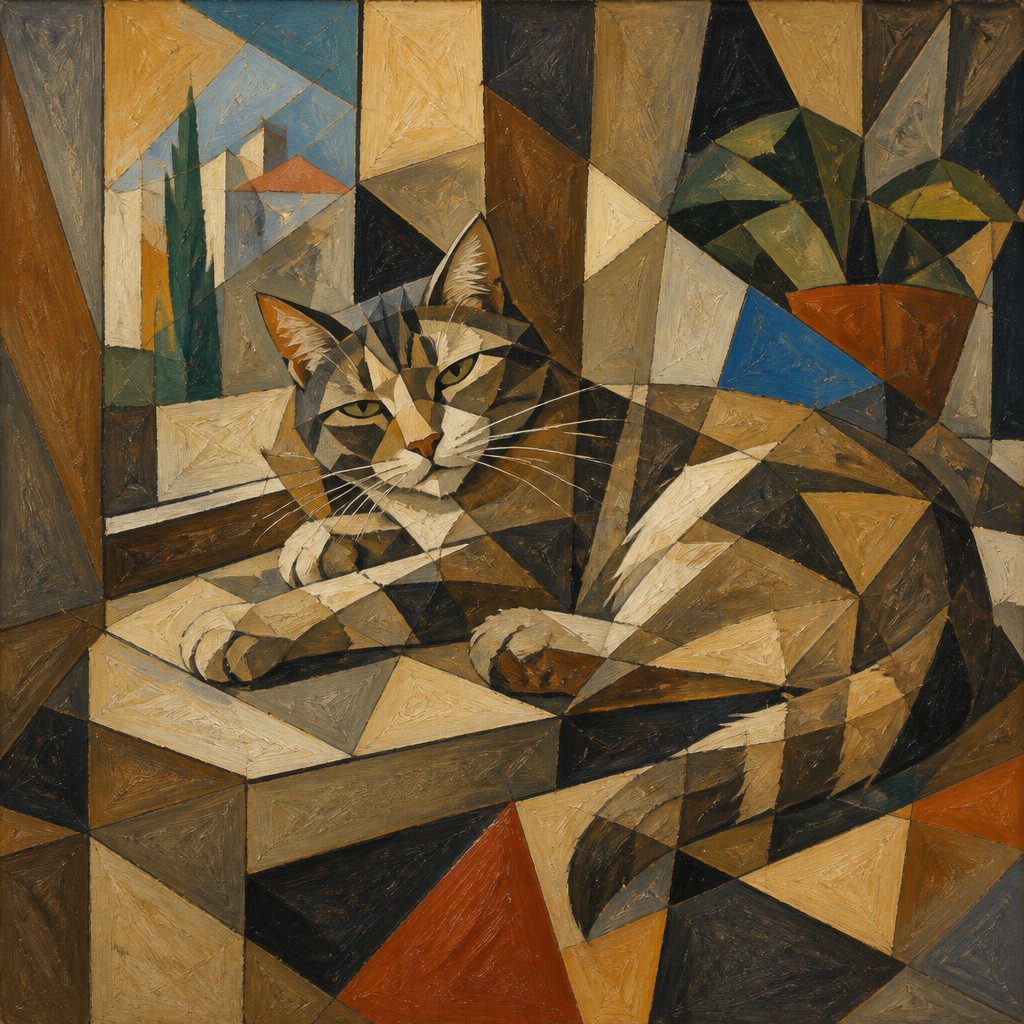
“a cat lounging in a sunlit window”
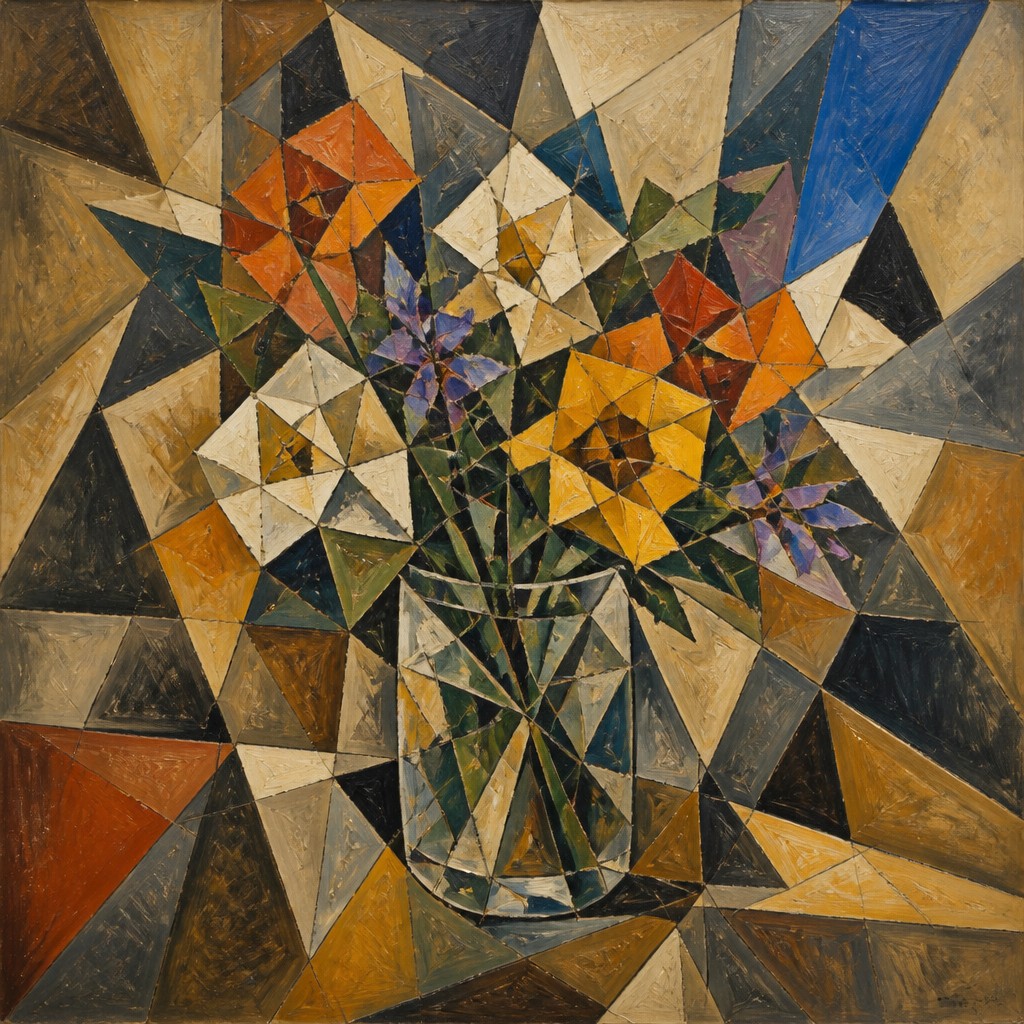
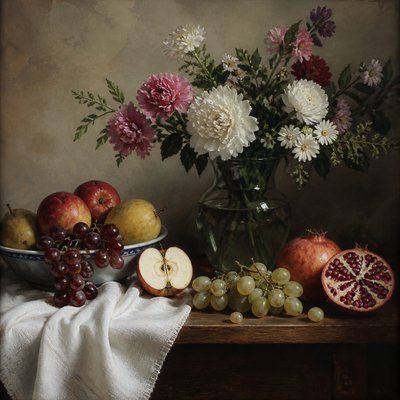
“bouquet of flowers in a glass vase”
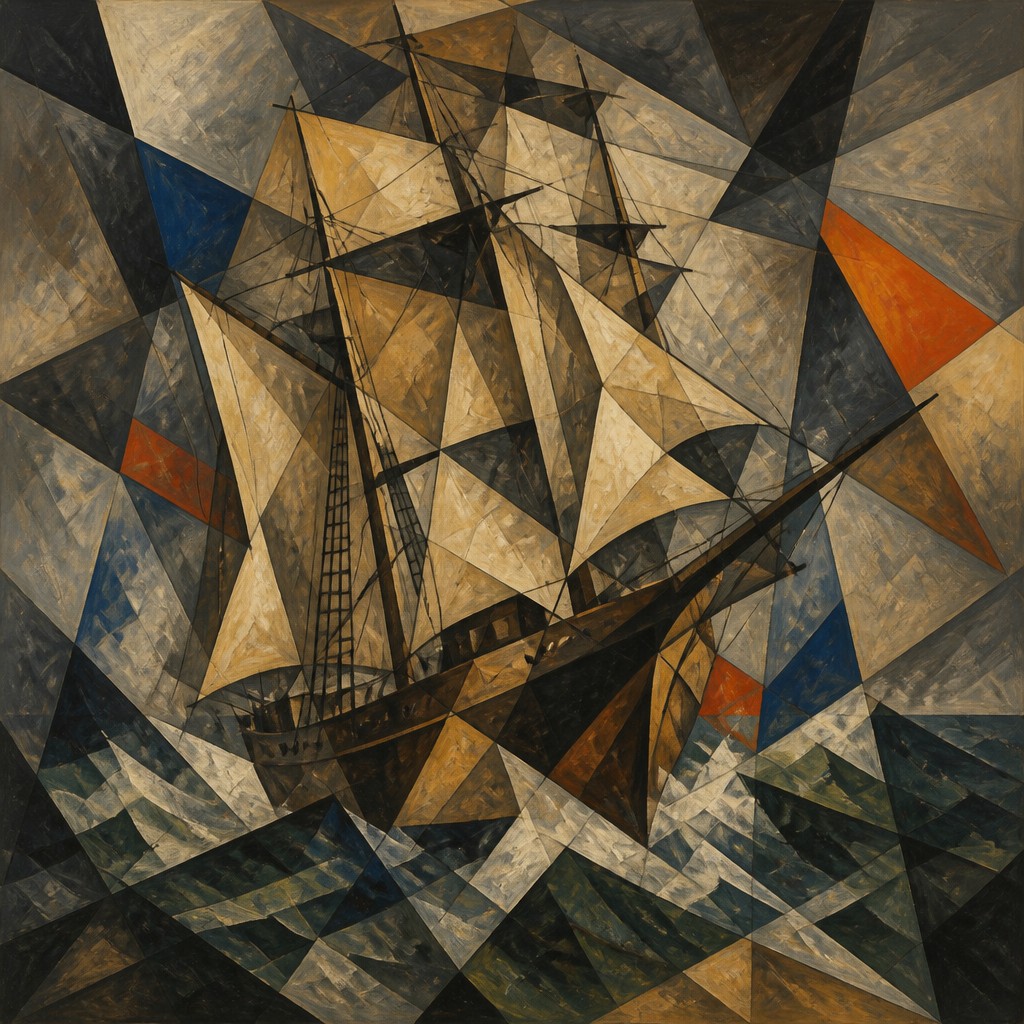
“sailing ship on a stormy sea”
How to Create Cubist Modern Art
Master the craft step by step — or skip straight to creating. Read the full guide →
- 1
Reduce the subject to facets
Start by identifying the major planes of the face, object, or building, then break them into angular fragments. Keep the overall proportions readable so the abstraction supports recognition instead of destroying it.
- 2
Use overlapping shapes instead of contour lines
Build forms through interlocking polygons and layered fragments rather than smooth outlines. In digital work, separate shapes on different layers; in paint, block in planes with clear value steps.
- 3
Control space with value and transparency
Suggest depth through tonal shifts, translucent overlays, and selective contrast rather than realistic shading. This helps create the flattened yet spatially complex Cubist look.
- 4
Choose a restrained palette
Use earthy neutrals as the foundation, then introduce one or two strong accent colors to create structure and emphasis. Too many saturated hues can weaken the modern Cubist character.
- 5
Maintain compositional rhythm
Arrange diagonals, repeated angles, and intersecting planes so the composition feels actively constructed. For prompt-based generation, specify faceted geometry, multiple viewpoints, flattened depth, and visible planar construction.
- 6
Preserve the subject’s identity
If making a portrait or object study, anchor the key landmarks: eyes, nose, bottle neck, chair back, skyline, or instrument outline. In prompts, name the subject clearly and pair it with cues like fragmented planes and interlocking polygons.
The Story
History & Origins of Cubist Modern
Cubist Modern Art draws directly from historic Cubism, the early twentieth-century movement developed in Paris by two pioneering Cubist painters, with important contributions by artists such as a major synthetic Cubist painter, a modernist painter associated with Purism and tubular form, and a painter known for Orphic abstraction in adjacent modernist directions. Analytical Cubism fragmented objects into faceted planes and multiple viewpoints, while Synthetic Cubism introduced flatter shapes, collage-like construction, and stronger color contrasts; this modern style adapts those ideas into a cleaner, more broadly usable visual language.
Its broader lineage also includes modernist abstraction, collage, constructivist composition, and later digital design aesthetics that favor geometric simplification and layered structure. In contemporary visual culture, the style survives as an accessible way to evoke modernism without fully abandoning recognizability, making it useful for portraits, still lifes, architecture, and conceptual imagery alike.
Influences: The style is rooted in early Cubism, especially the work of two pioneering Cubist painters, and it also reflects the synthetic clarity of a major later Cubist painter. Its flattened geometry and constructed surfaces connect it to collage, modernist abstraction, and later design traditions that favor modular form, including aspects of Constructivism and geometric abstraction. In contemporary usage, it often overlaps with editorial illustration and digital composition, where Cubist fragmentation is adapted for clearer visual communication.

Frequently Asked Questions
What defines Cubist Modern Art Style?
It is defined by fractured geometry, multiple viewpoints, and a reconstructed image space that rejects single-point perspective. The key is that the subject stays legible while being analytically broken into planes and facets.
How is this different from abstract art?
Abstract art may remove recognizable subject matter entirely, while Cubist Modern Art usually keeps the subject identifiable. The style abstracts by fragmenting and reassembling, not by eliminating representation.
How is this different from traditional Cubism?
Traditional Cubism refers to the historical early twentieth-century movement and its specific developments in painting and collage. Cubist Modern Art is a contemporary interpretation that simplifies the language, often using cleaner shapes, stronger digital clarity, and more controlled color systems.
What subjects work best in this style?
Portraits, still lifes, musical instruments, architecture, and city scenes work especially well because they have strong structural elements that can be broken into planes. Figures also work well if major landmarks remain visible.
How do I make an image look more Cubist?
Emphasize angular fragmentation, multiple viewpoints, flattened space, and tonal construction. In a prompt or brief, ask for faceted polygons, overlapping transparent shapes, earthy colors, and visible planar structure.
Where is this style commonly used?
It appears in poster design, editorial illustration, album art, contemporary painting, and conceptual digital imagery. Its balance of abstraction and recognizability makes it useful for projects that want a modernist feel without becoming unreadable.
Create your first Cubist Modern artwork
Describe anything — or upload a photo — and see it in Cubist Modern Art Style in seconds.
Make Something with Cubist Modern
Related Styles
Discover similar art styles