Rhythmic Repetition Art Style
Explore Rhythmic Repetition, a hypnotic visual style built from measured motifs, tonal variation, ranks, files, and architectural cadence.
Instantly rendered in Rhythmic Repetition — or transform a photo
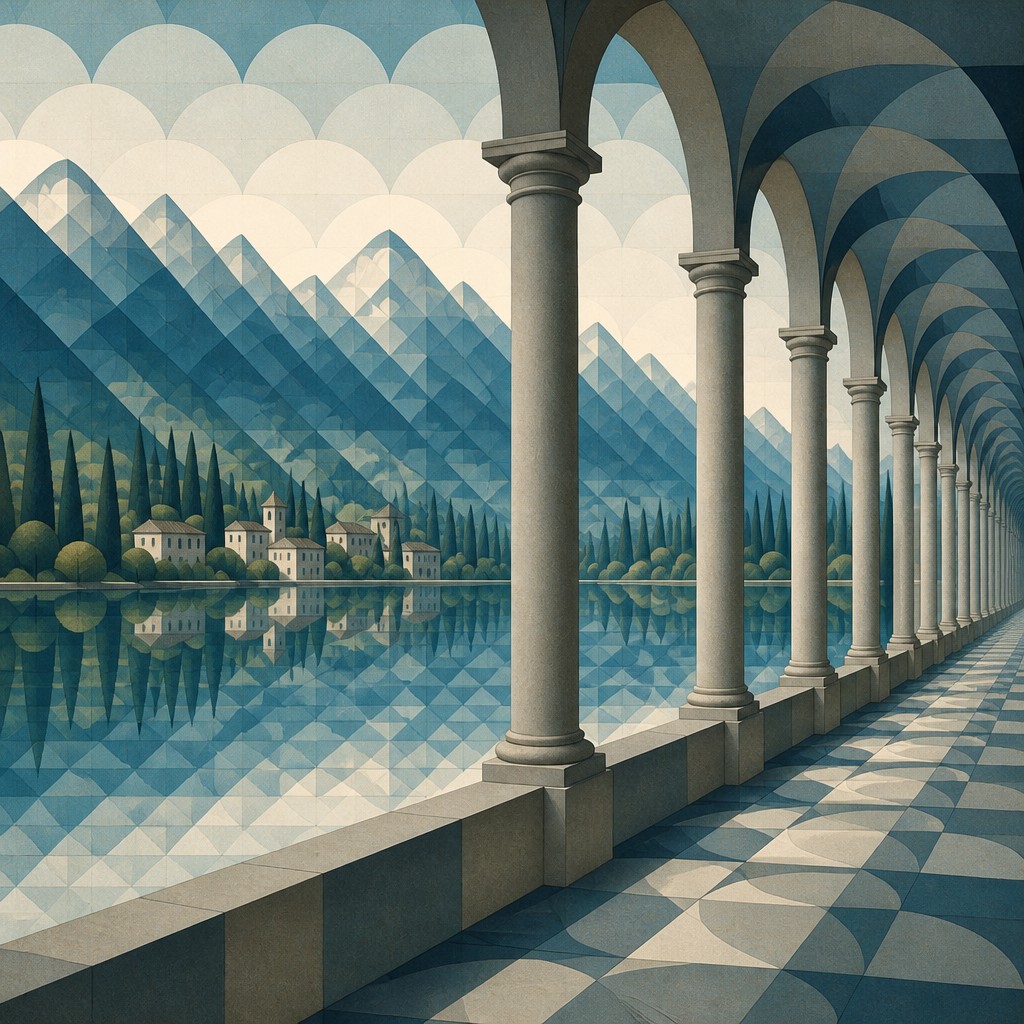
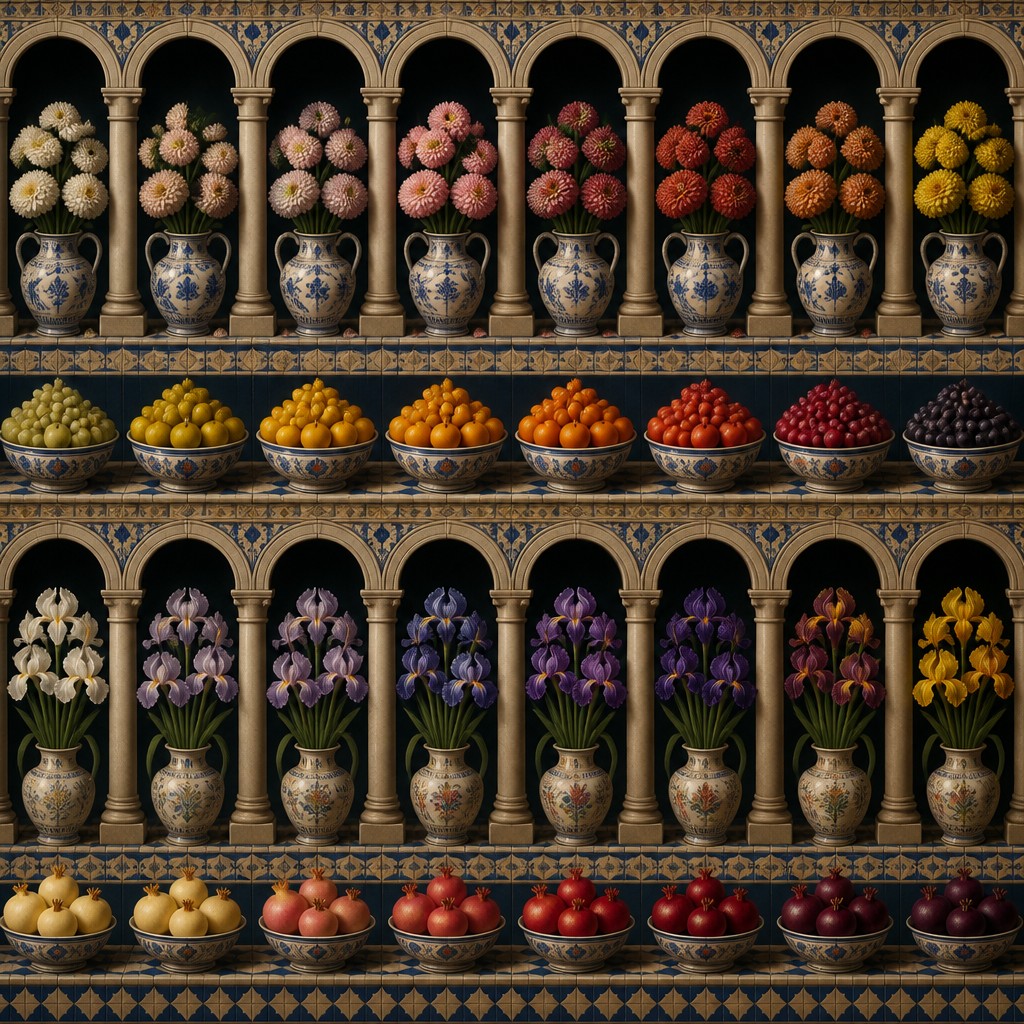
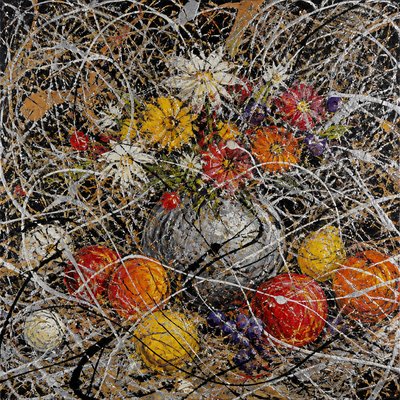
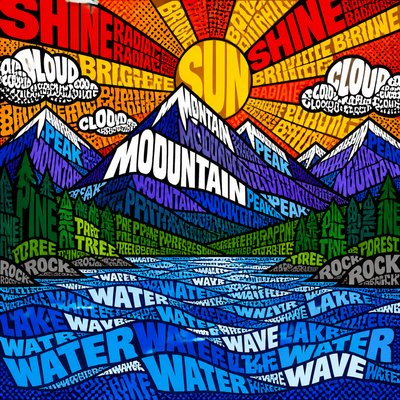
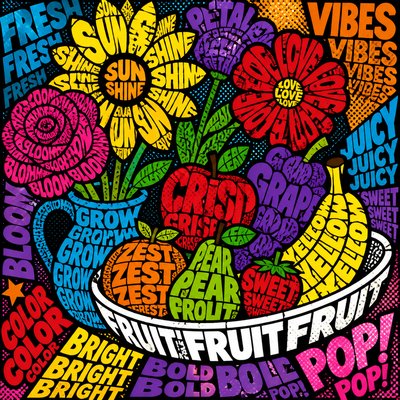
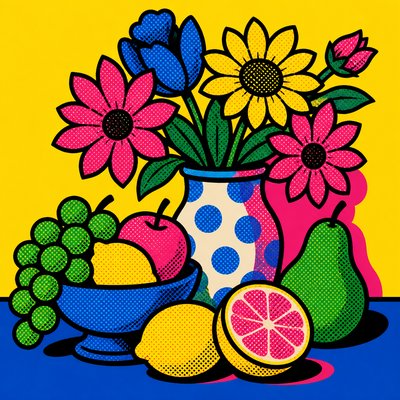
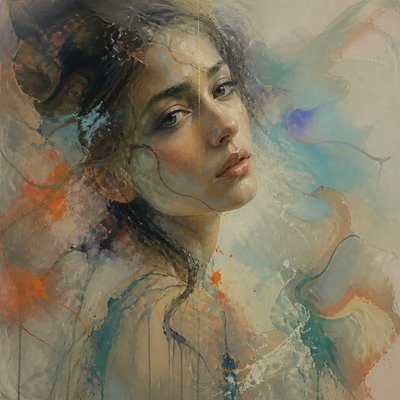
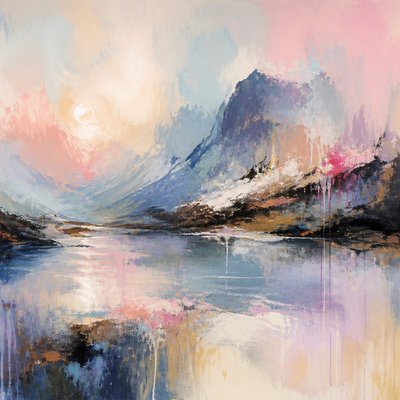
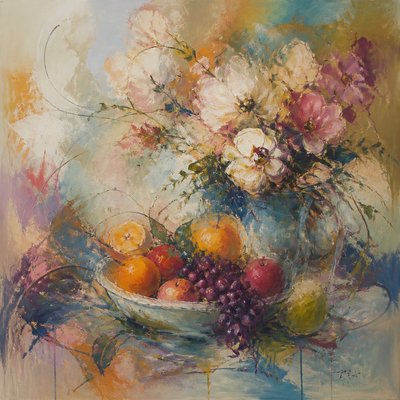
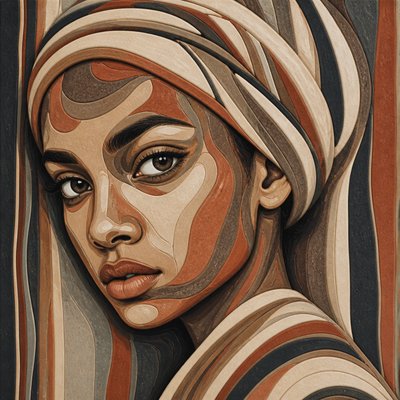
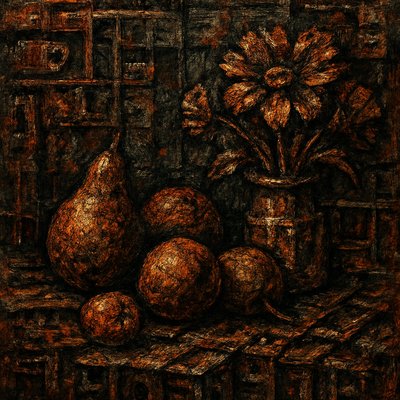
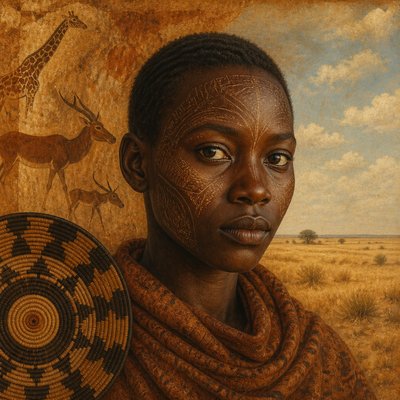
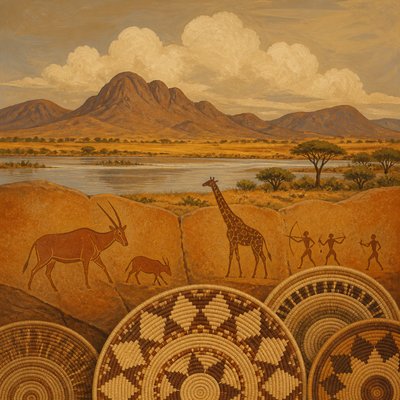
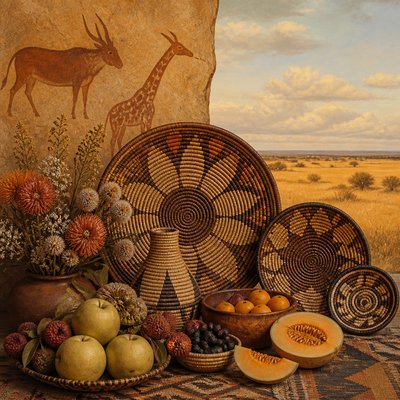
Rhythmic Repetition Gallery
Tap any artwork to explore it
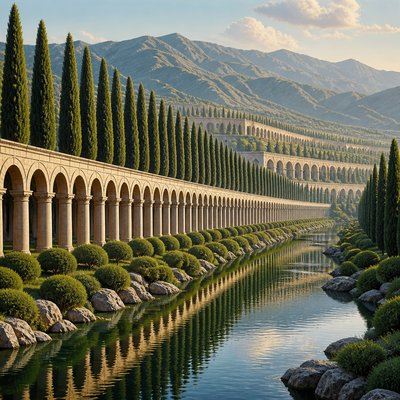
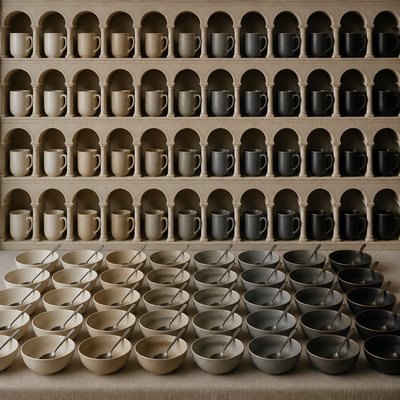
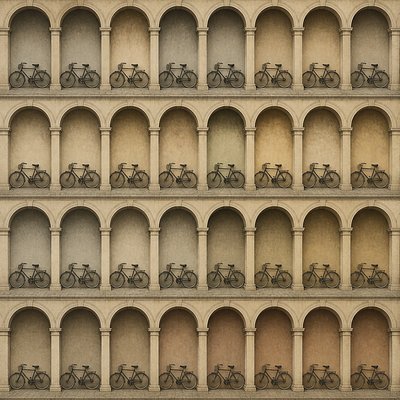
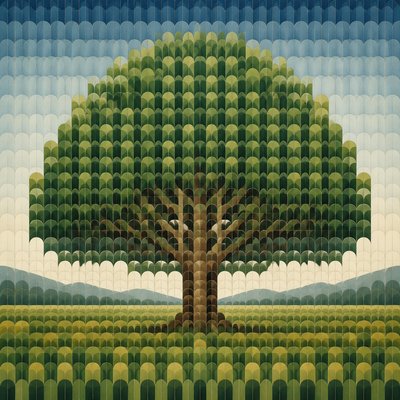
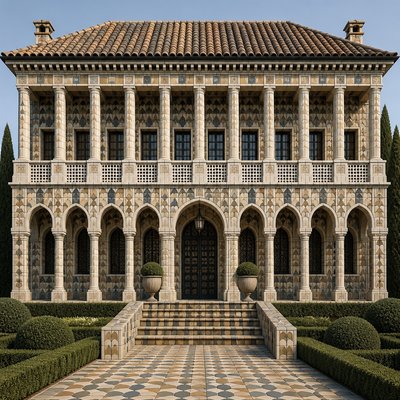
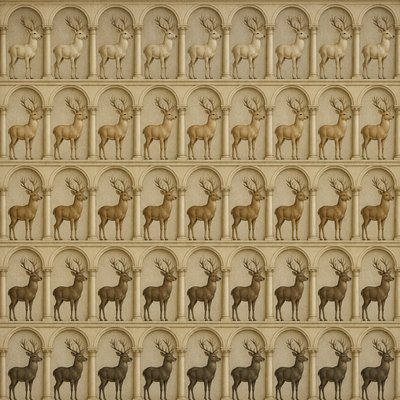
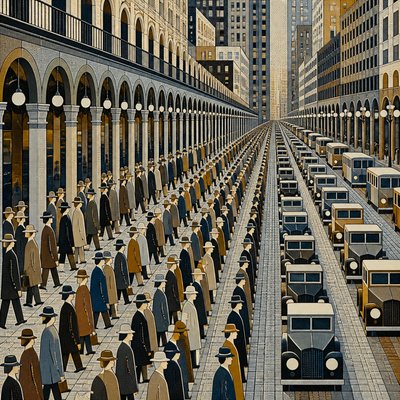
What is Rhythmic Repetition Art Style?
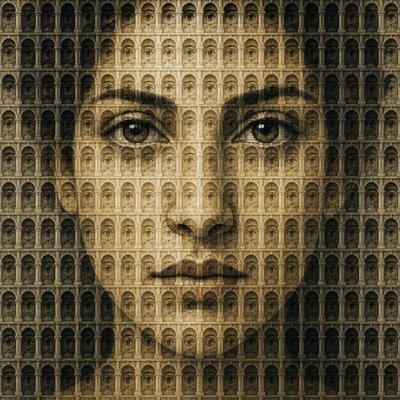
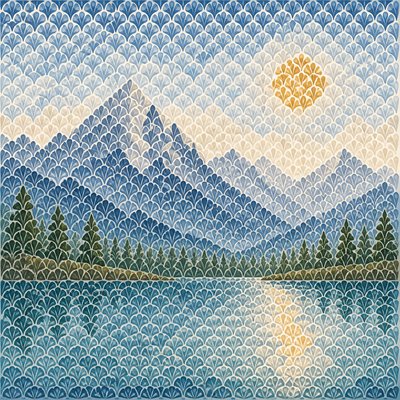
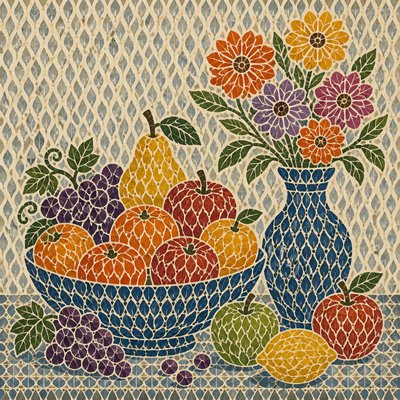
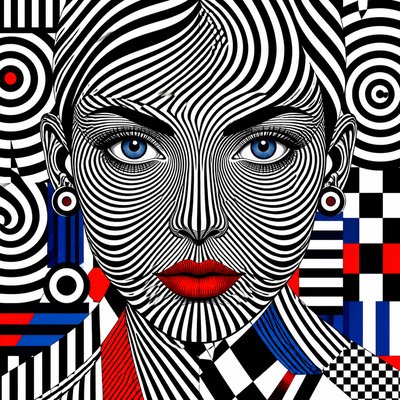
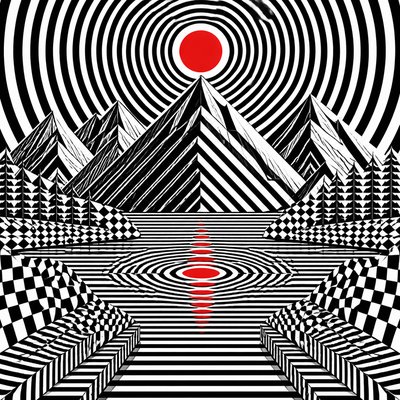
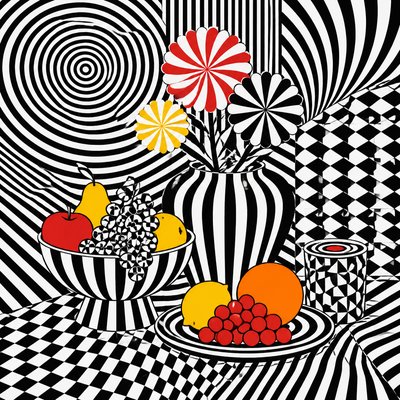
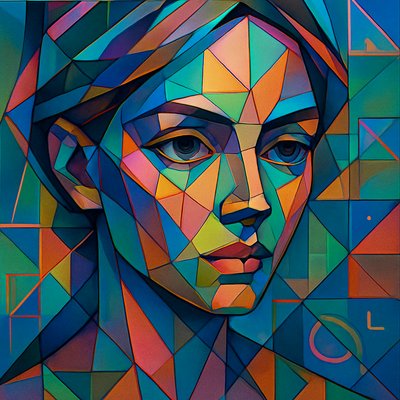
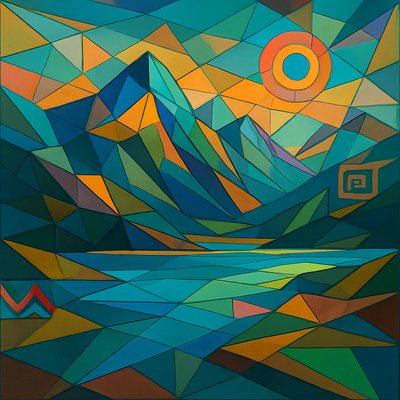
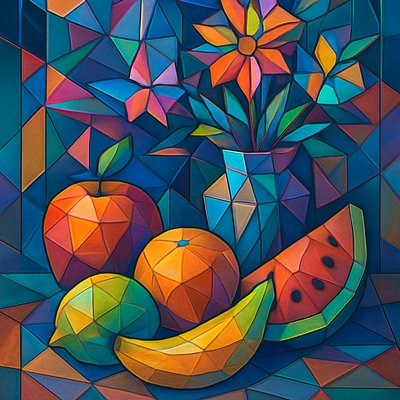
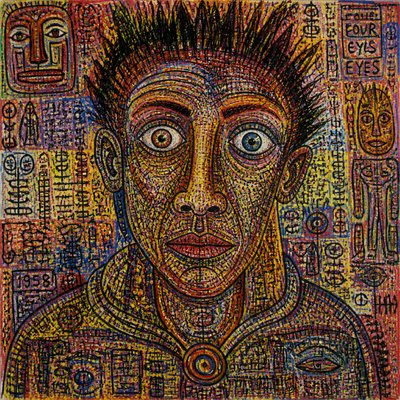
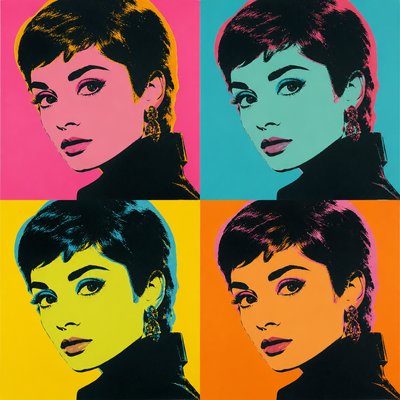
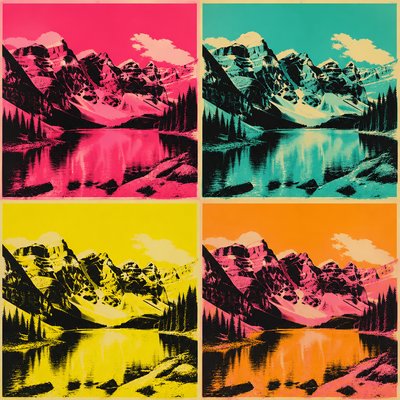
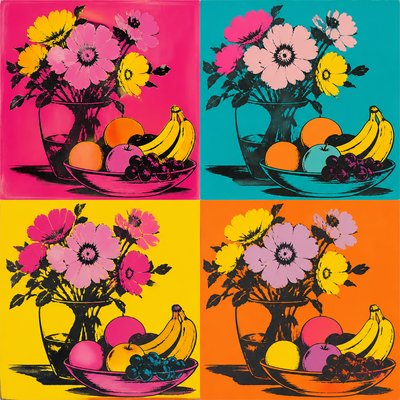
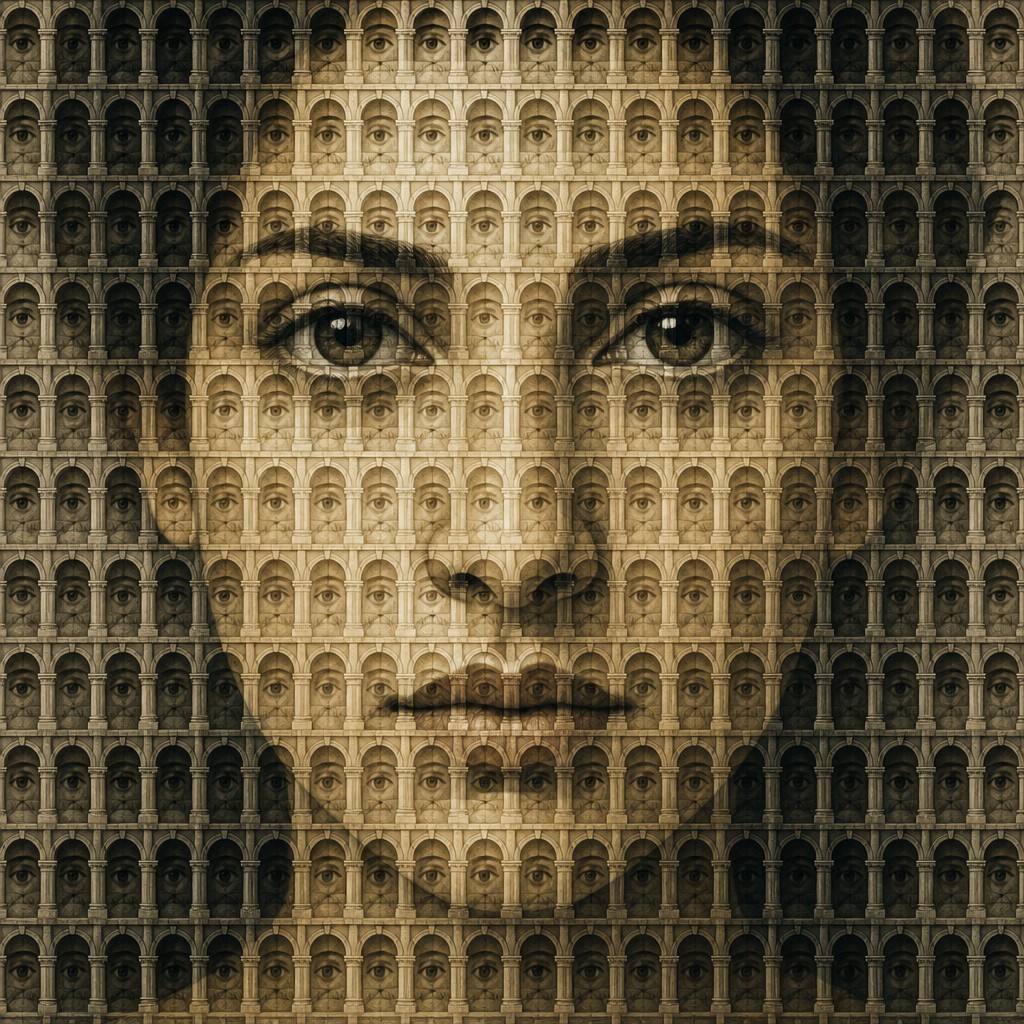
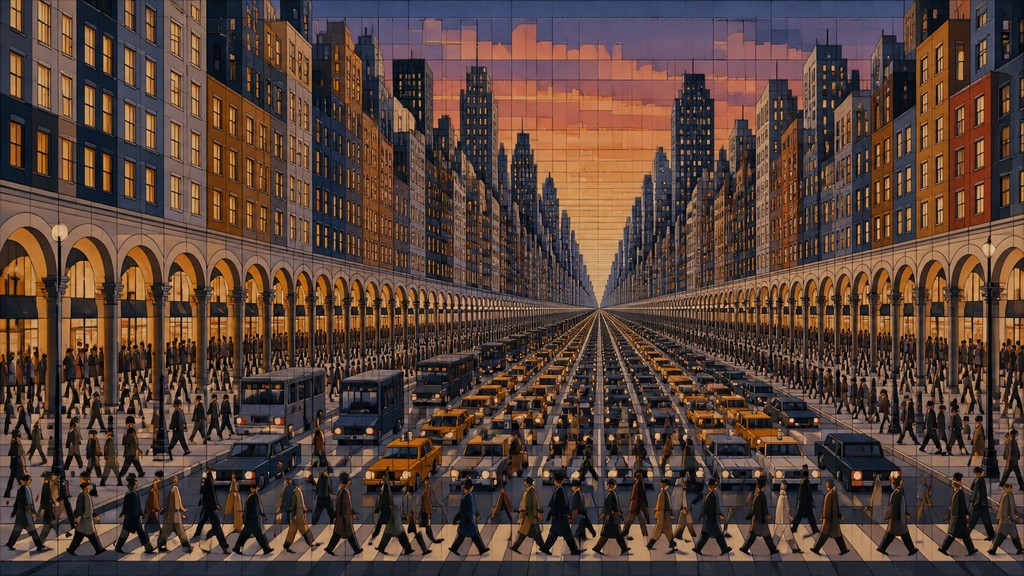
Rhythmic Repetition is a contemporary, motif-centered style in which one recognizable form is reproduced across measured ranks and files until it becomes a field of visual rhythm. The repeated subject may be architectural, botanical, geometric, figurative, or entirely invented; identity comes from serial arrangement rather than from the motif alone.
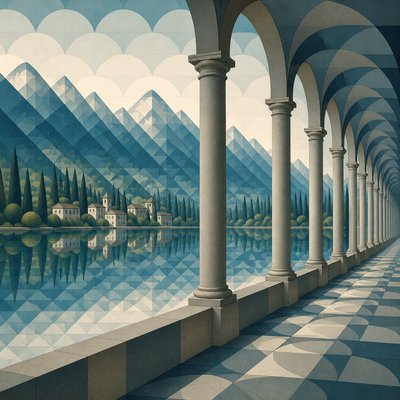
Its visual effect depends on controlled recurrence balanced by small changes in scale, tone, spacing, texture, or orientation. Colonnades, arcades, tiled surfaces, wallpaper, woven textiles, contact sheets, and modular grids provide related visual analogies. Repetition encourages the eye to move across the entire image, producing a sense of cadence, accumulation, and sometimes hypnotic perceptual tension.
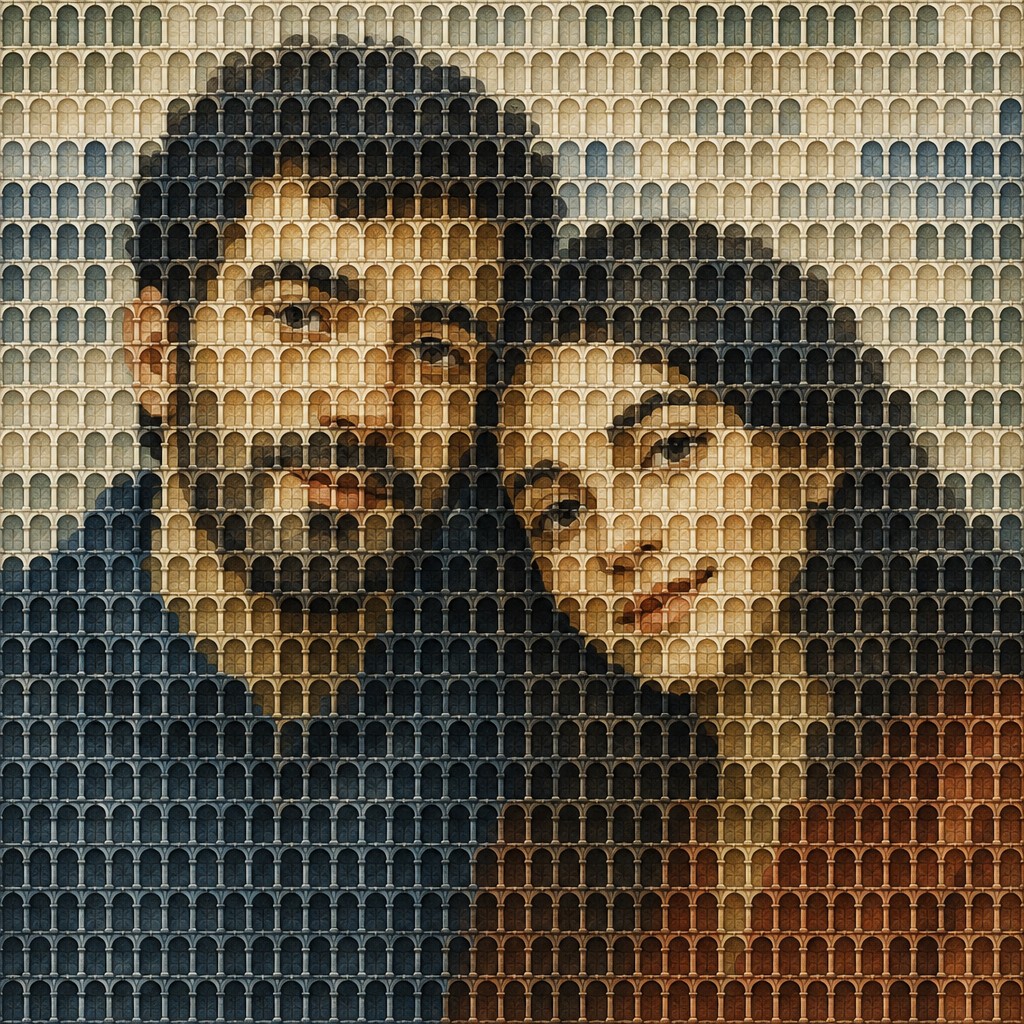
Try It On Your Photos
Upload any photo and convert it into Rhythmic Repetition Art Style — drag the sliders to compare before and after.
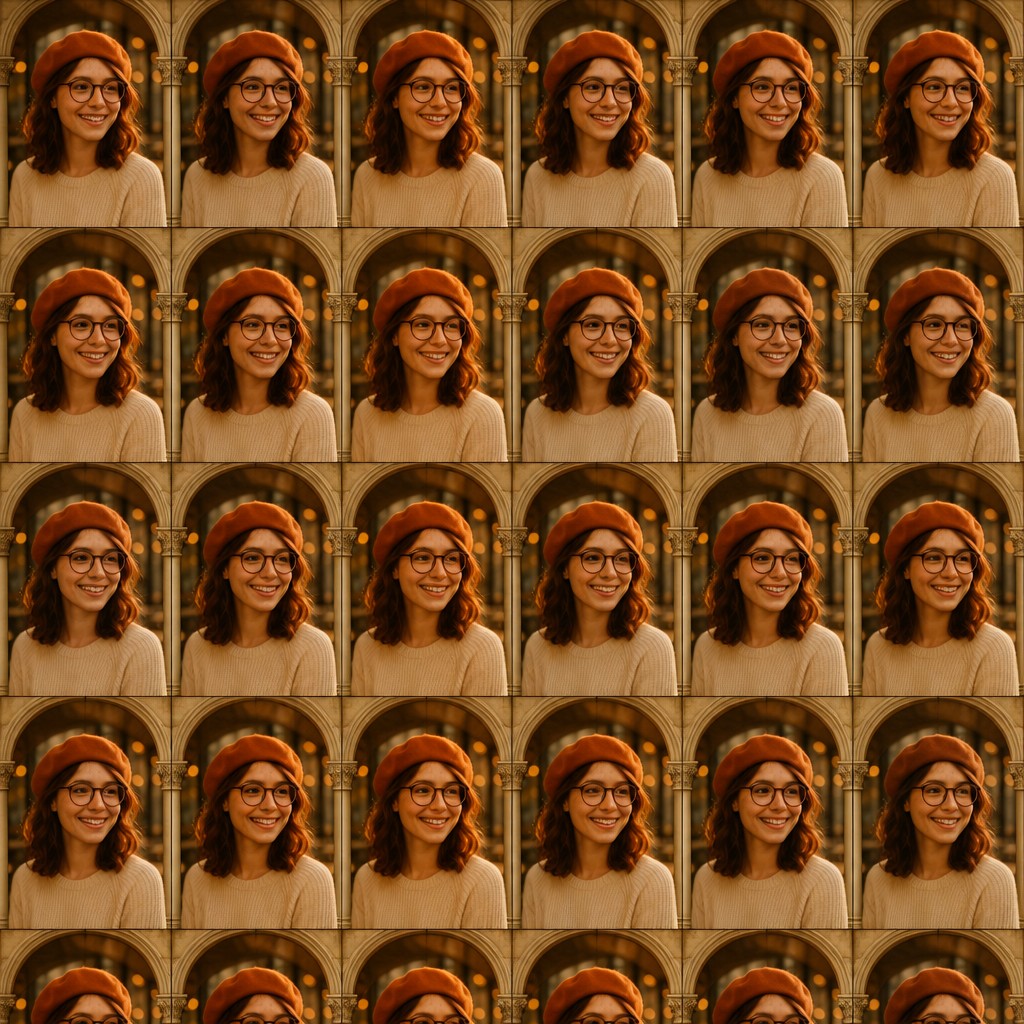


What Defines Rhythmic Repetition Art Style
The signature details, up close
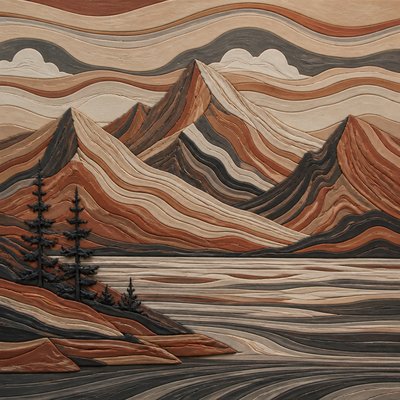
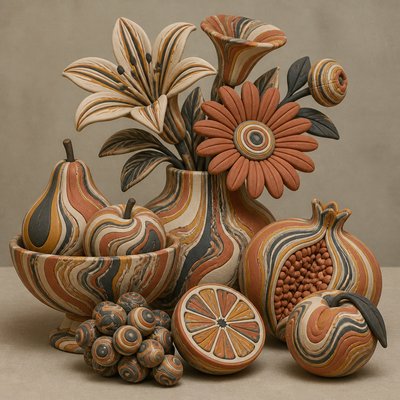
Serial motif
A single object, symbol, figure, or geometric unit appears repeatedly across the composition. The motif remains identifiable enough to establish continuity from one repetition to the next.
Measured grid
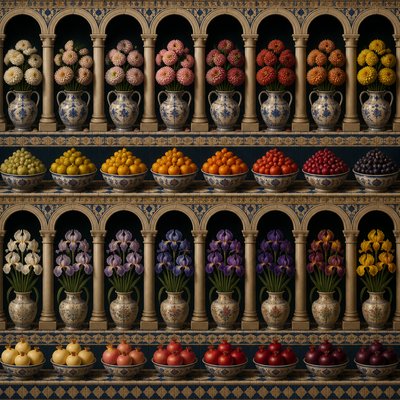
Ranks and files, modular spacing, and aligned intervals create an underlying structure. Even when the surface appears organic, the arrangement usually retains a clear cadence.
Controlled variation
Small shifts in tone, scale, orientation, sharpness, or texture prevent the field from becoming completely mechanical. Variation should support the rhythm rather than disrupt recognition of the repeated unit.
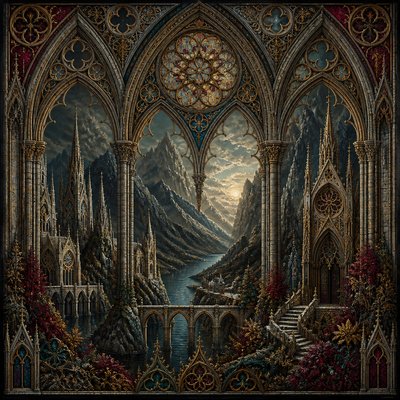
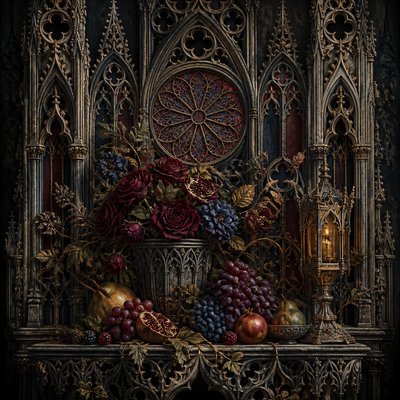
Architectural cadence
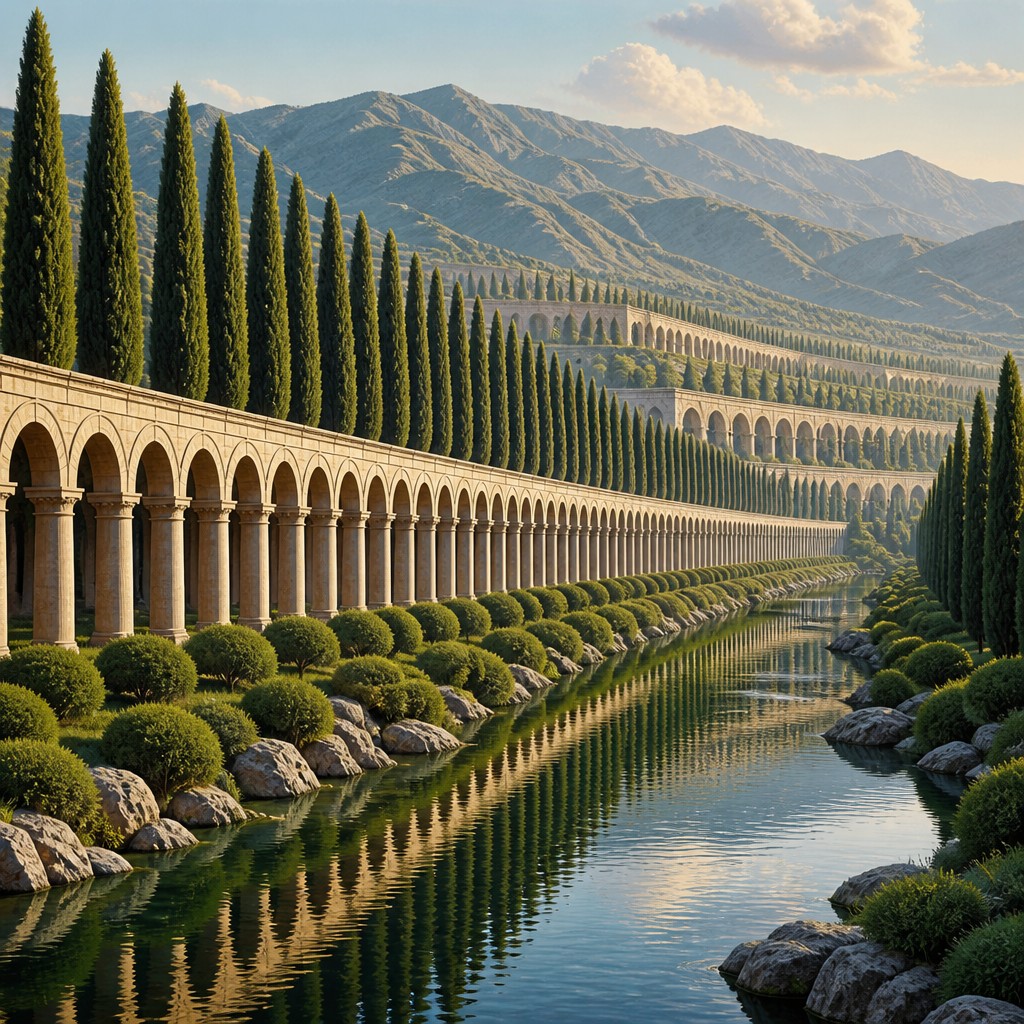
Columns, arches, windows, vaults, and receding bays often influence the composition. These forms lend the image a sense of procession, depth, and structural beat.
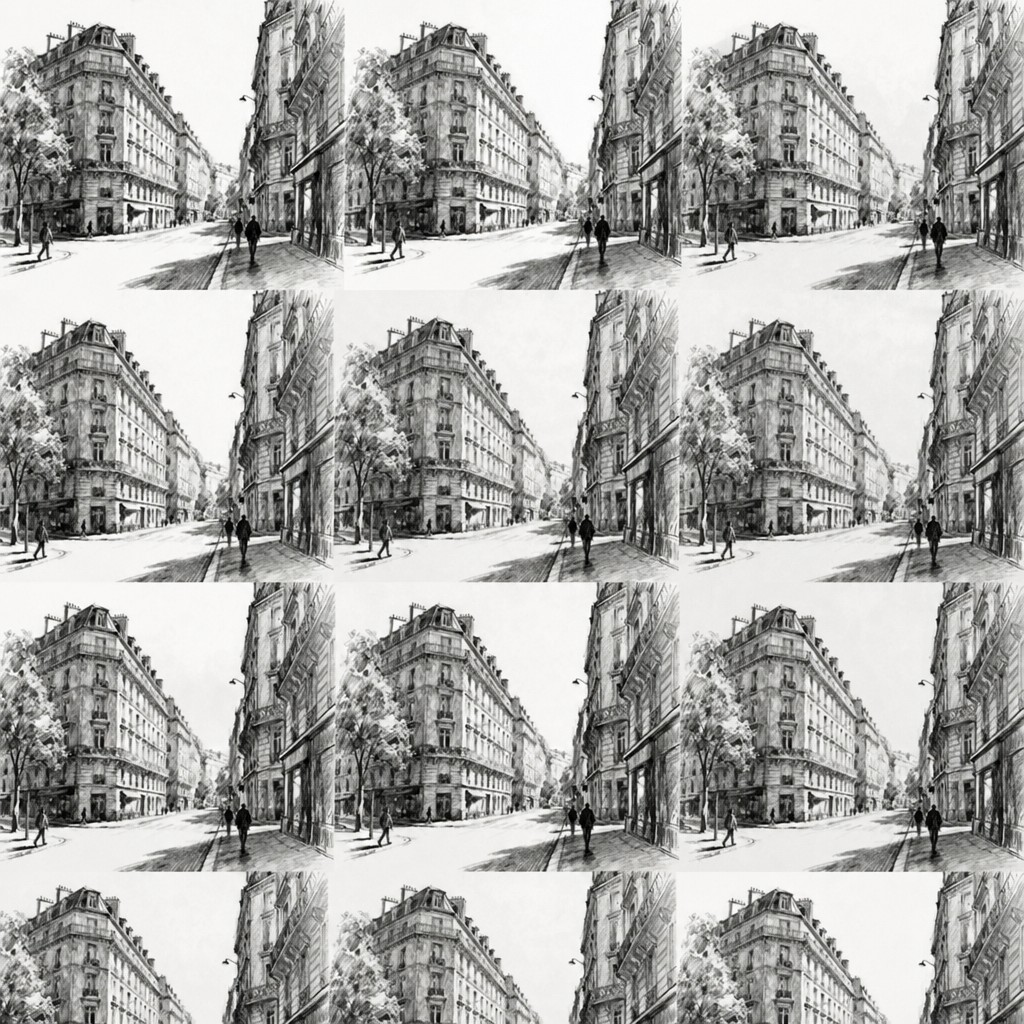
Tiled multiplicity
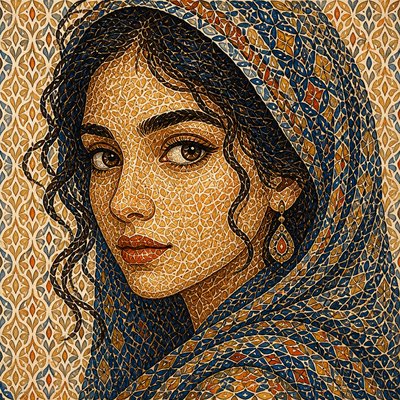
The motif may fill the frame like a tile, textile, mosaic, wallpaper, or contact sheet. Edges frequently continue beyond the visible image, implying an expansive repeating field.
Hypnotic visual flow
Repetition directs the viewer’s gaze laterally, vertically, or into depth. Accumulation can flatten the image into pattern or create optical vibration through close tonal and spatial intervals.
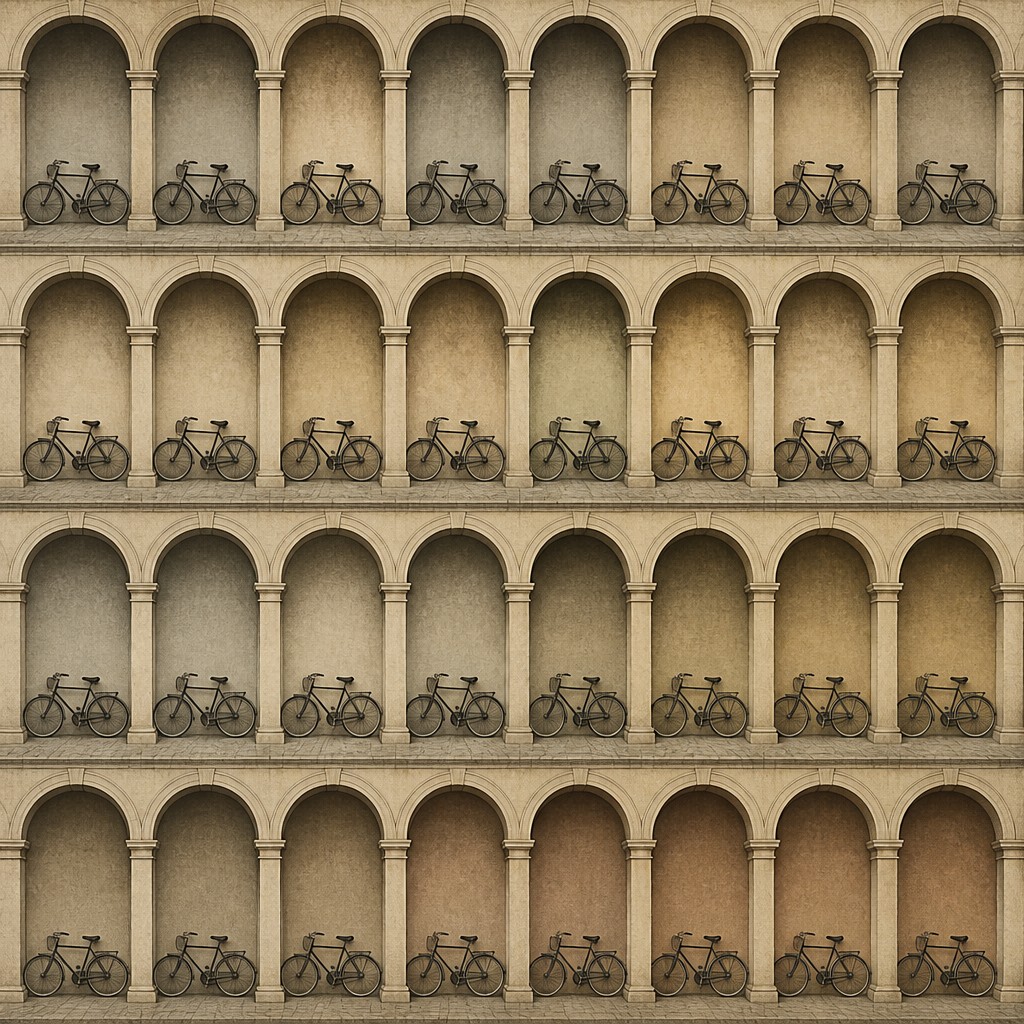
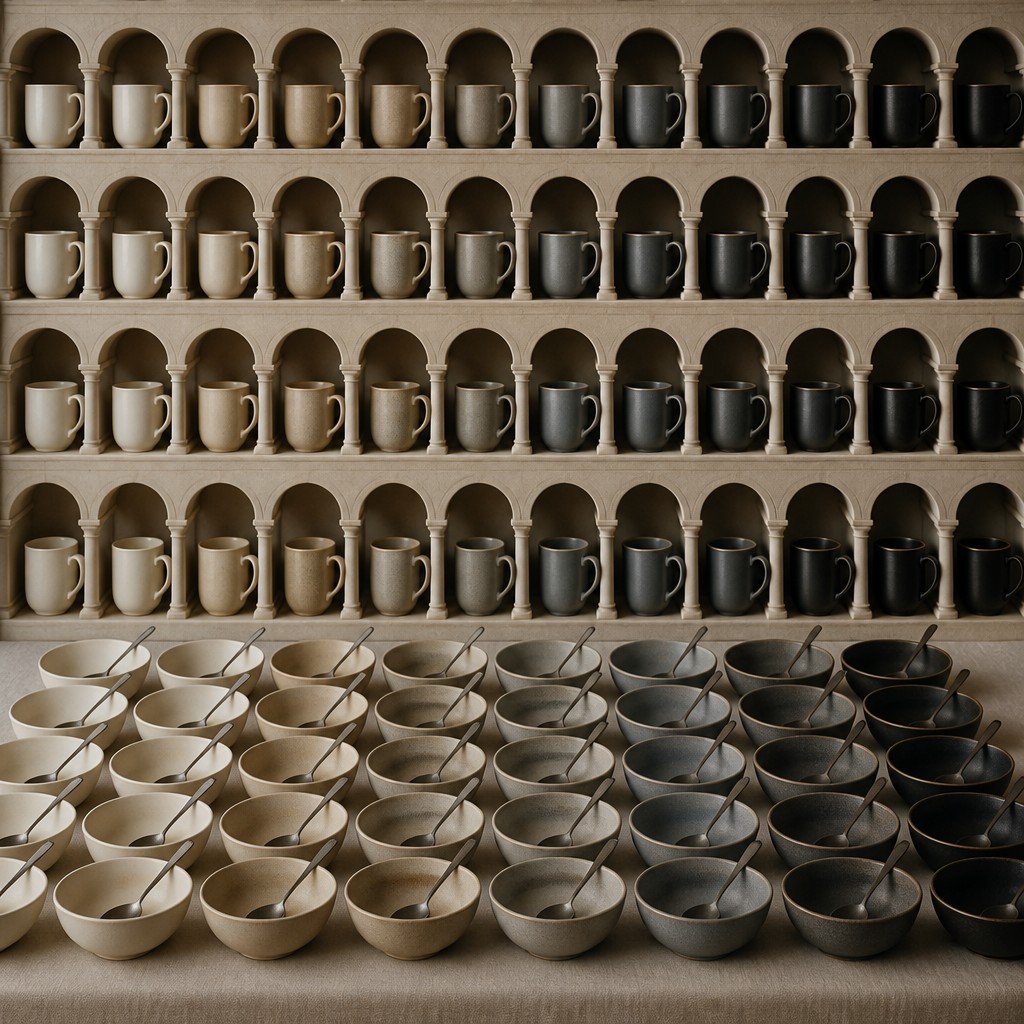
Selective tonal rhythm
Repeats often progress through restrained light-to-dark changes rather than using identical color throughout. Limited palettes and recurring contrasts help unify the sequence.
Try It
Create Videos in Rhythmic Repetition Art Style
Styles aren't just for stills — describe a scene or animate an image and get a short video rendered in Rhythmic Repetition. Press play to see this pond come to life.
Make a VideoRhythmic Repetition Prompt Ideas
Start from an idea — each one opens the generator with the style ready to go. See all 40 Rhythmic Repetition prompts →
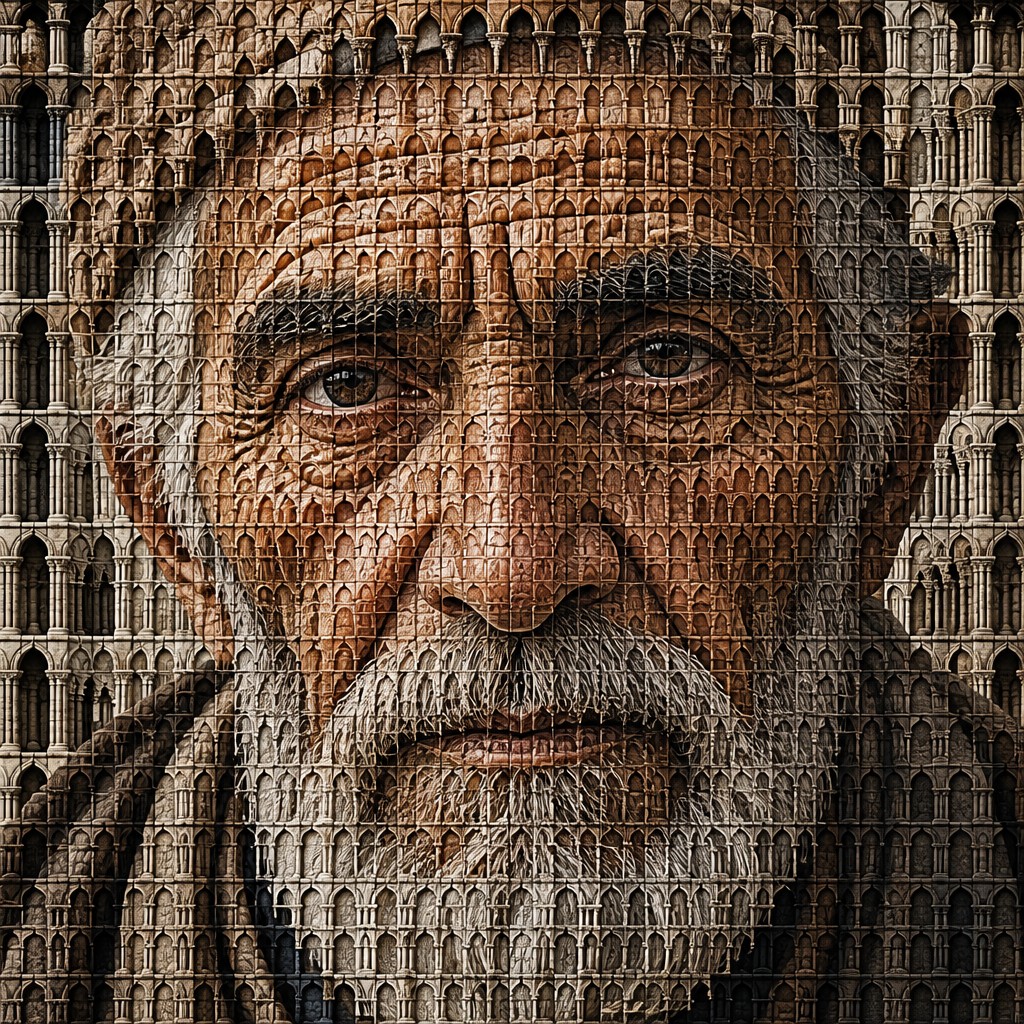
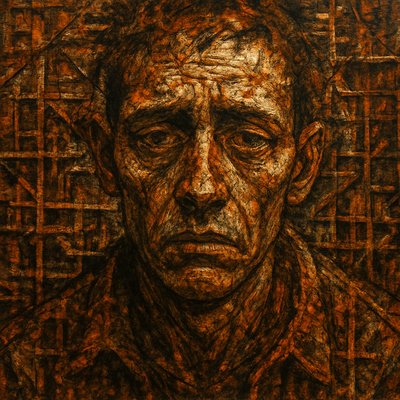
“close-up portrait of an elderly person with expressive weathered features”
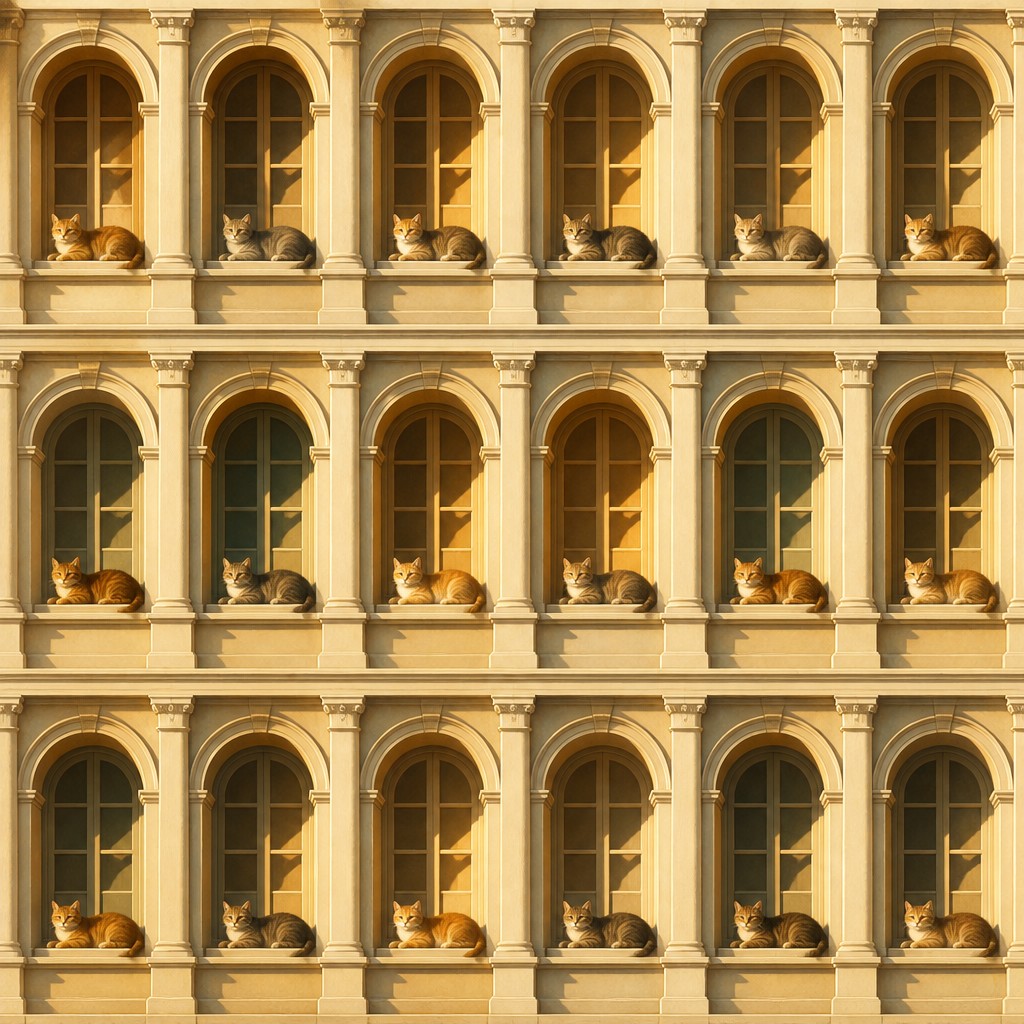
“a cat lounging in a sunlit window”
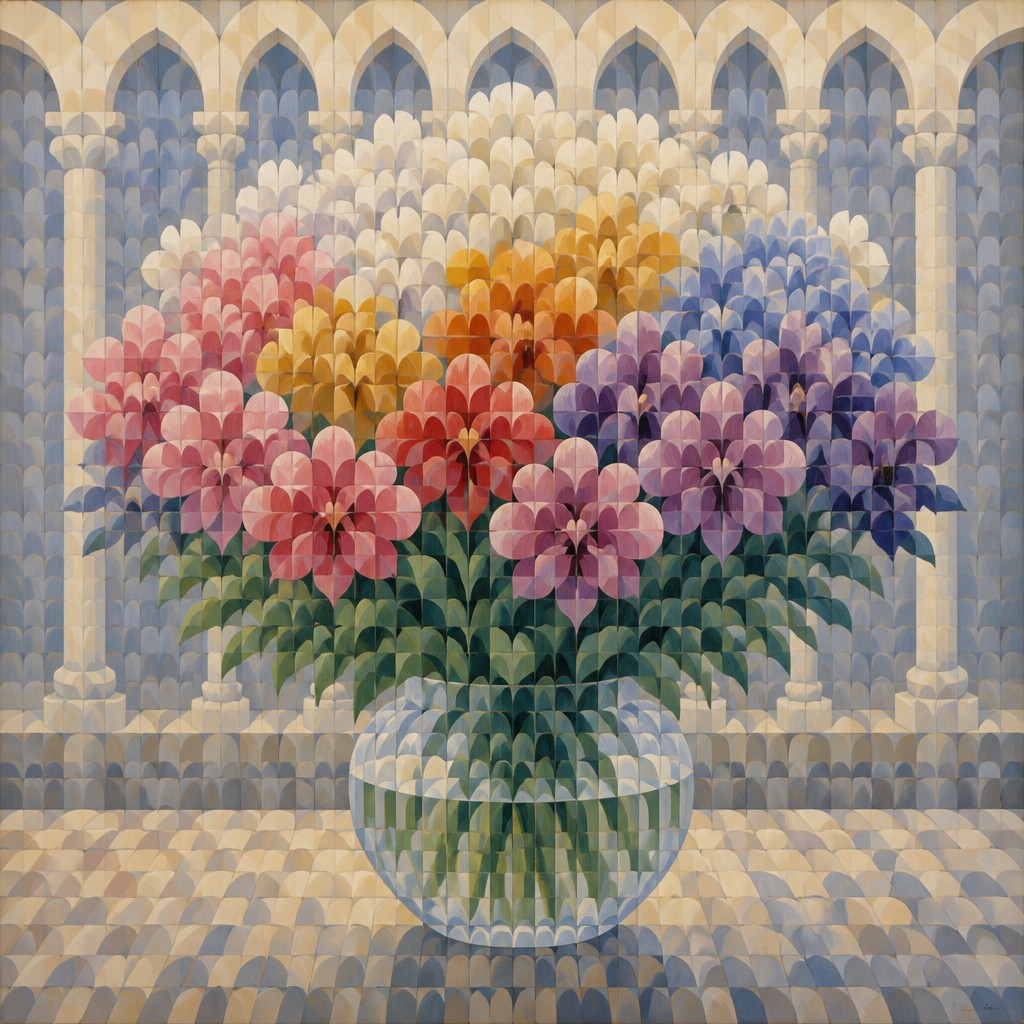
“bouquet of flowers in a glass vase”
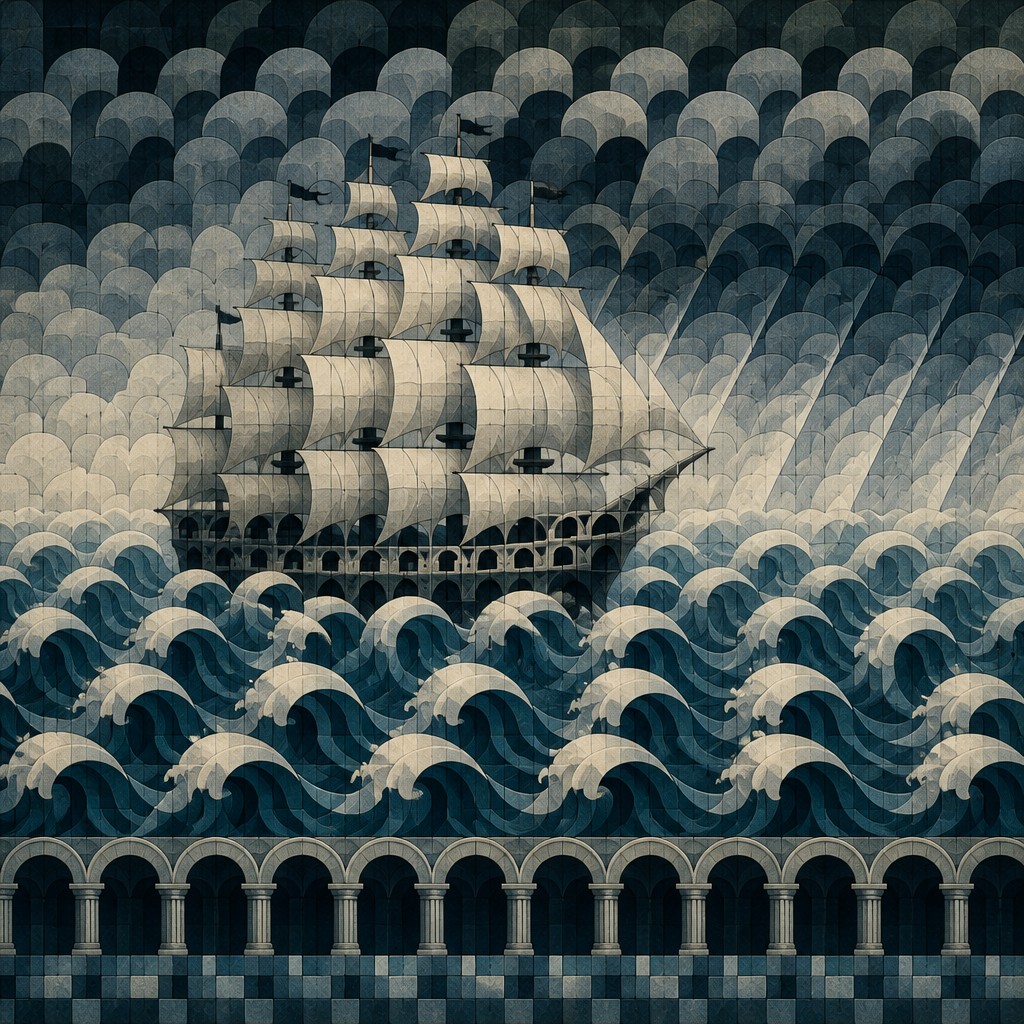
“sailing ship on a stormy sea”
How to Create Rhythmic Repetition Art
Master the craft step by step — or skip straight to creating. Read the full guide →
- 1
Choose a legible unit
Begin with a motif whose silhouette remains recognizable at small scale, such as an arch, flower, mask, vessel, shell, or window. Simplify unnecessary detail so repetition remains clear.
- 2
Build a measured grid
Lay out the motif in evenly spaced rows and columns, then test tighter and wider intervals. Use alignment to establish the base rhythm before introducing irregularity.
- 3
Vary without breaking the cadence
Change only one or two properties at a time—tone, scale, angle, texture, or depth. A gradual progression usually feels more coherent than random distortion.
- 4
Use depth and overlap deliberately
For a flat graphic result, keep spacing and scale consistent; for an architectural or immersive result, add recession, partial occlusion, and atmospheric shifts. Cropping at the frame edges can make the field feel continuous.
- 5
Refine through digital or physical means
A stencil, stamp, screen print, tile, collage unit, or repeated brush mark can establish the pattern traditionally. In digital work, duplicate the base form on a grid, apply restrained tonal modulation, and preserve a consistent interval.
- 6
Specify the system in a prompt
Describe the subject, number and arrangement of repeats, grid spacing, palette, degree of variation, and whether the result should be flat, architectural, tactile, or photographic. Ask for measured ranks and files, serial order, and subtle variation rather than merely saying “pattern.”

The Story
History & Origins of Rhythmic Repetition
Rhythmic Repetition is best understood as an invented, AI-native and design-oriented style rather than a formally recognized historical movement. Its lineage extends through ornamental pattern traditions, repeated architectural bays, tiled surfaces, woven and printed textiles, serial abstraction, geometric abstraction, Op art, and systems-based graphic design.
Contemporary digital tools have made it easy to replicate a motif with exact spacing while introducing subtle variation between iterations. This combination of mechanical order and controlled imperfection distinguishes the style from a simple pattern: the image behaves as a visual sequence, with repetition becoming the central subject and perceptual experience.
Influences: The style draws on ornamental geometry, Islamic and other architectural pattern traditions, textile weaving and surface design, mosaics, wallpaper, tiled floors, serial abstraction, Minimalism, Op art, Pop-era repetition, modular sculpture, photographic contact sheets, and contemporary generative design. It also shares with mandalas and process-based art an interest in recurrence, but places stronger emphasis on a visible sequence of related units across a field.

Frequently Asked Questions
What defines Rhythmic Repetition art?
Its defining feature is the deliberate recurrence of one motif in an organized field. Regular spacing establishes the rhythm, while limited changes in tone, scale, texture, or orientation keep the image active without abandoning serial unity.
Is Rhythmic Repetition a historical art movement?
No. The term describes a contemporary aesthetic category rather than a recognized historical movement with a fixed period or founding school. It synthesizes ideas from ornament, architecture, textiles, serial abstraction, graphic design, and digital image-making.
How is it different from a repeating pattern?
A conventional pattern may function mainly as decoration or surface coverage. Rhythmic Repetition treats the repeated unit, its progression, and the viewer’s movement through the field as the main subject of the artwork.
Can the style use realistic subjects?
Yes. Realistic buildings, plants, animals, objects, or people can all serve as the repeated motif. The style is determined by the arrangement and controlled variation, not by whether the source imagery is abstract or representational.
How can I make an image in this style?
Start with a simple, recognizable motif and place copies on a strict grid or architectural sequence. Introduce restrained tonal or textural changes, then adjust spacing, cropping, and depth until the repetition creates a clear visual cadence.
Where is Rhythmic Repetition commonly used?
It is suited to posters, editorial graphics, textile and wallpaper concepts, architectural visualizations, album artwork, installations, motion graphics, photographic series, and immersive digital environments. It can also transform a single photograph into a dense, patterned composition.
Create your first Rhythmic Repetition artwork
Describe anything — or upload a photo — and see it in Rhythmic Repetition Art Style in seconds.
Related Styles
Discover similar art styles