Manga vs Anime: What's the Difference?
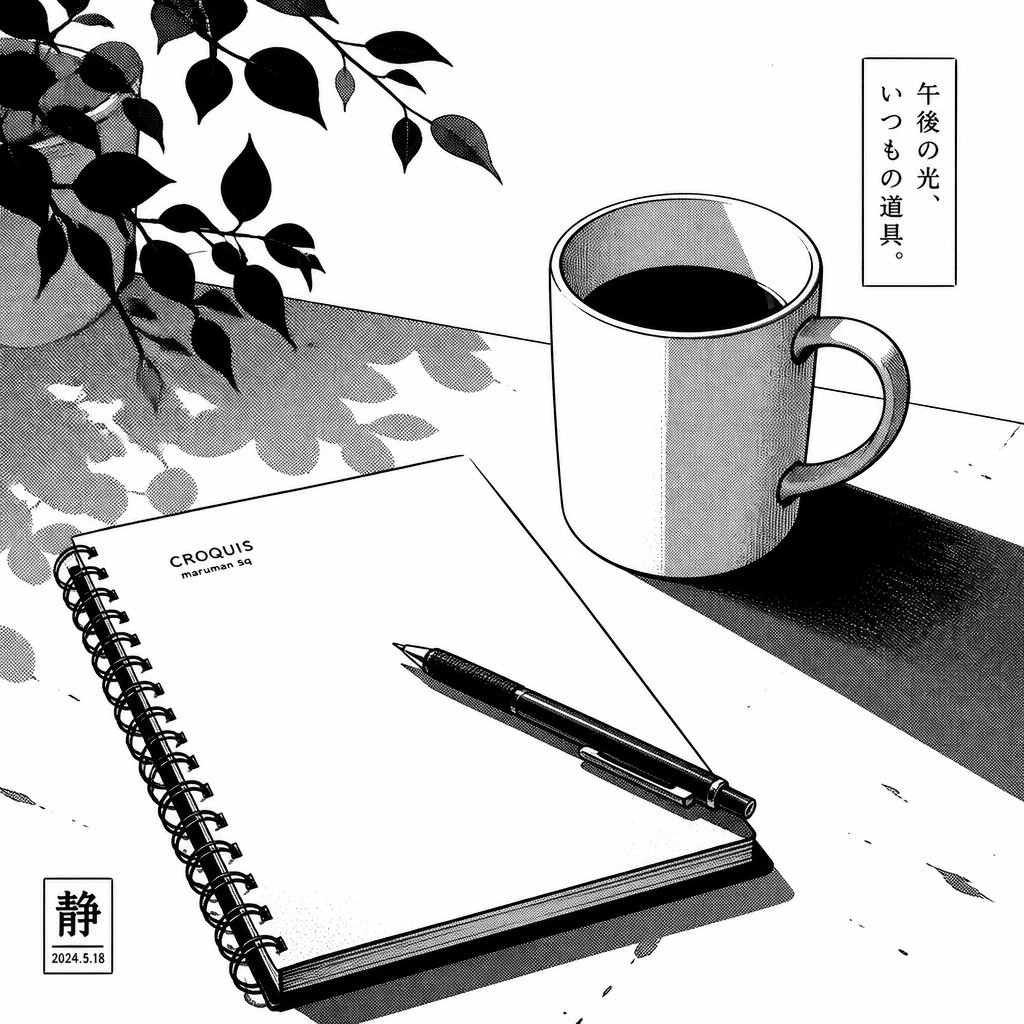
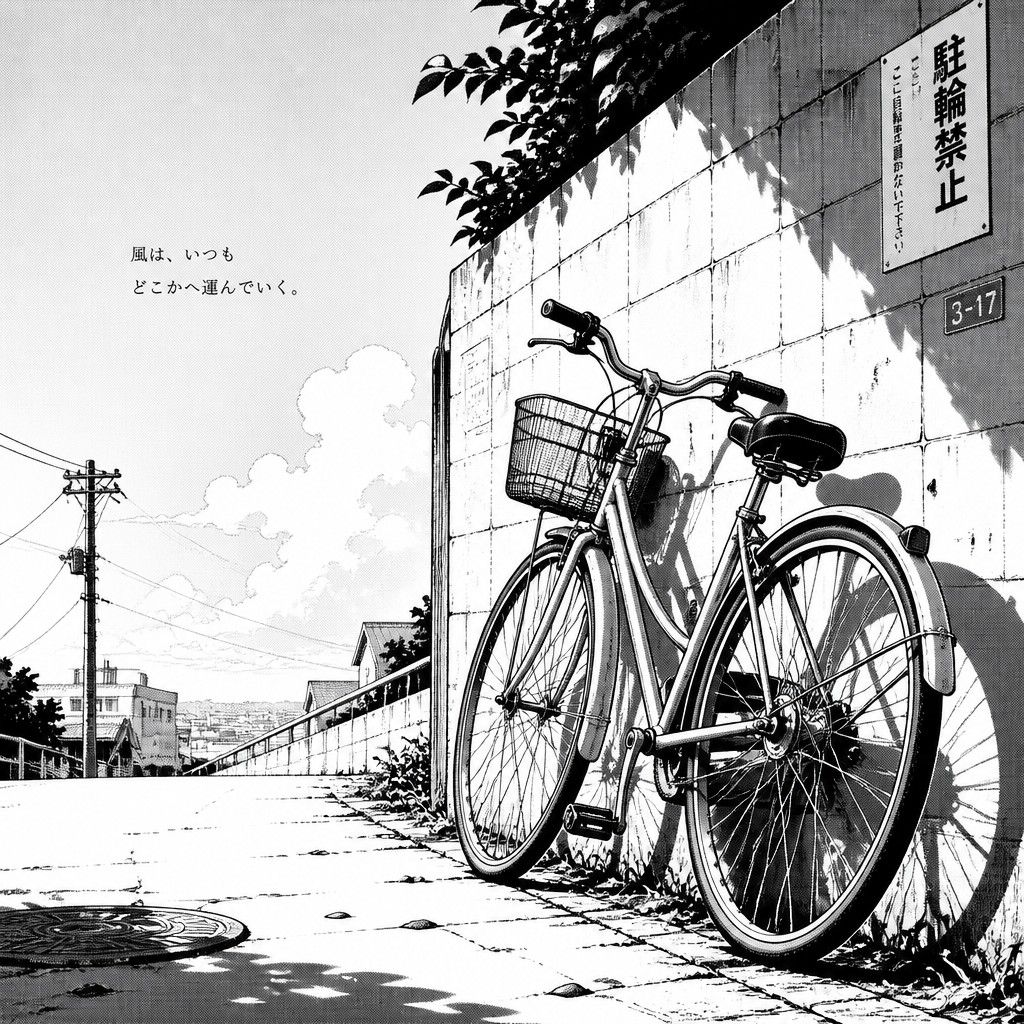
Manga art style is the visual language of Japanese comics: it often uses bold inks, screentones, expressive faces, panel-based storytelling, and dramatic black-and-white contrast to guide the reader through action, emotion, and pacing.
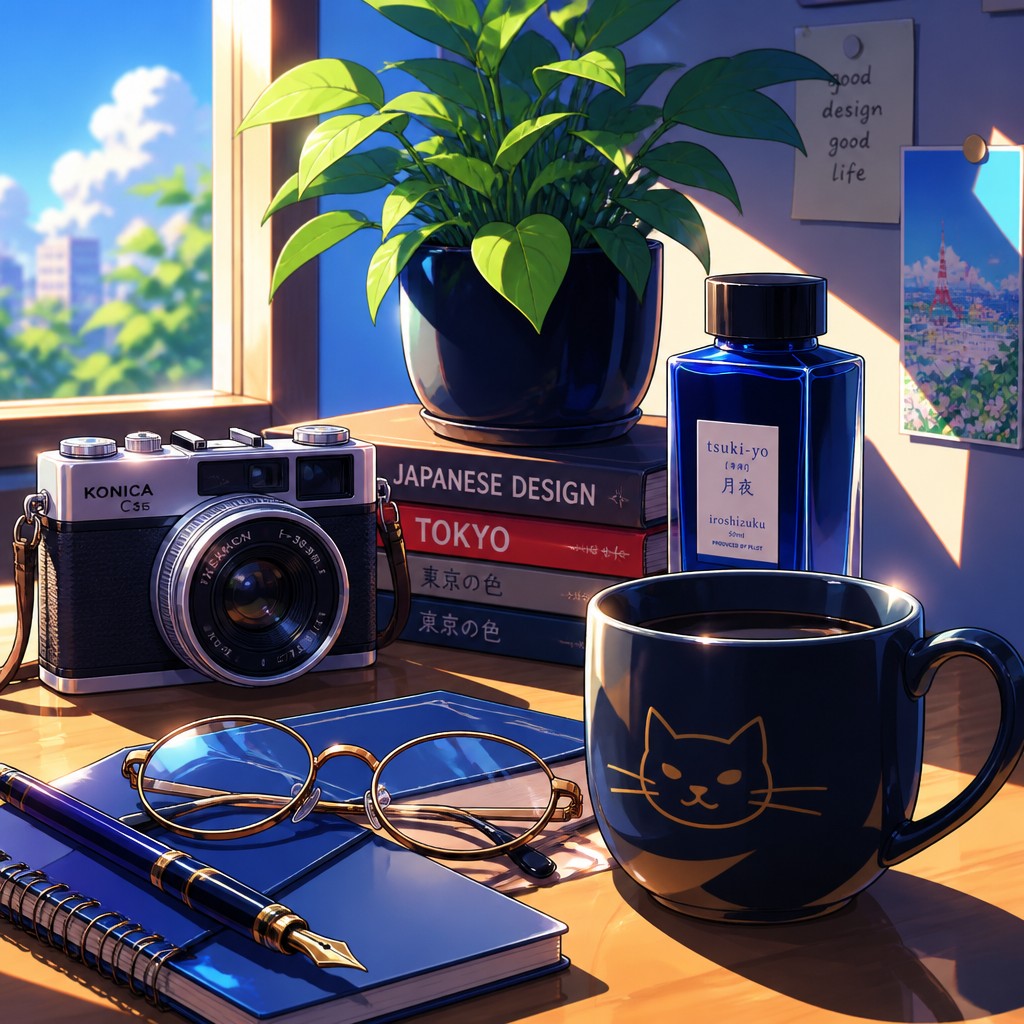
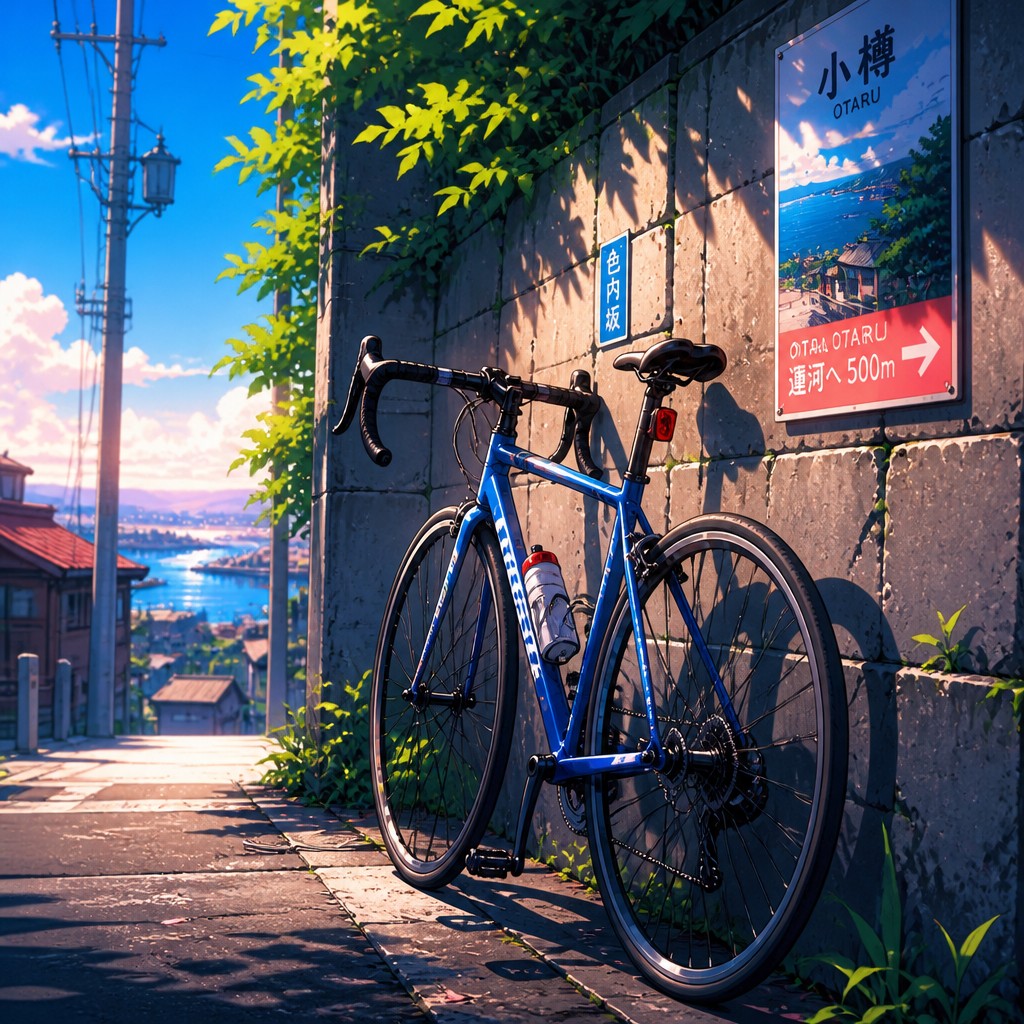
Anime art style is the look of Japanese animation: it usually features clean linework, cel shading, vivid color, stylized faces, and polished lighting designed for motion, clarity, and cinematic impact. People compare them because they share similar character design roots, but they are built for different media and viewing experiences.
Same Prompt, Both Styles
Each pair below was generated from the identical prompt — only the style changed.
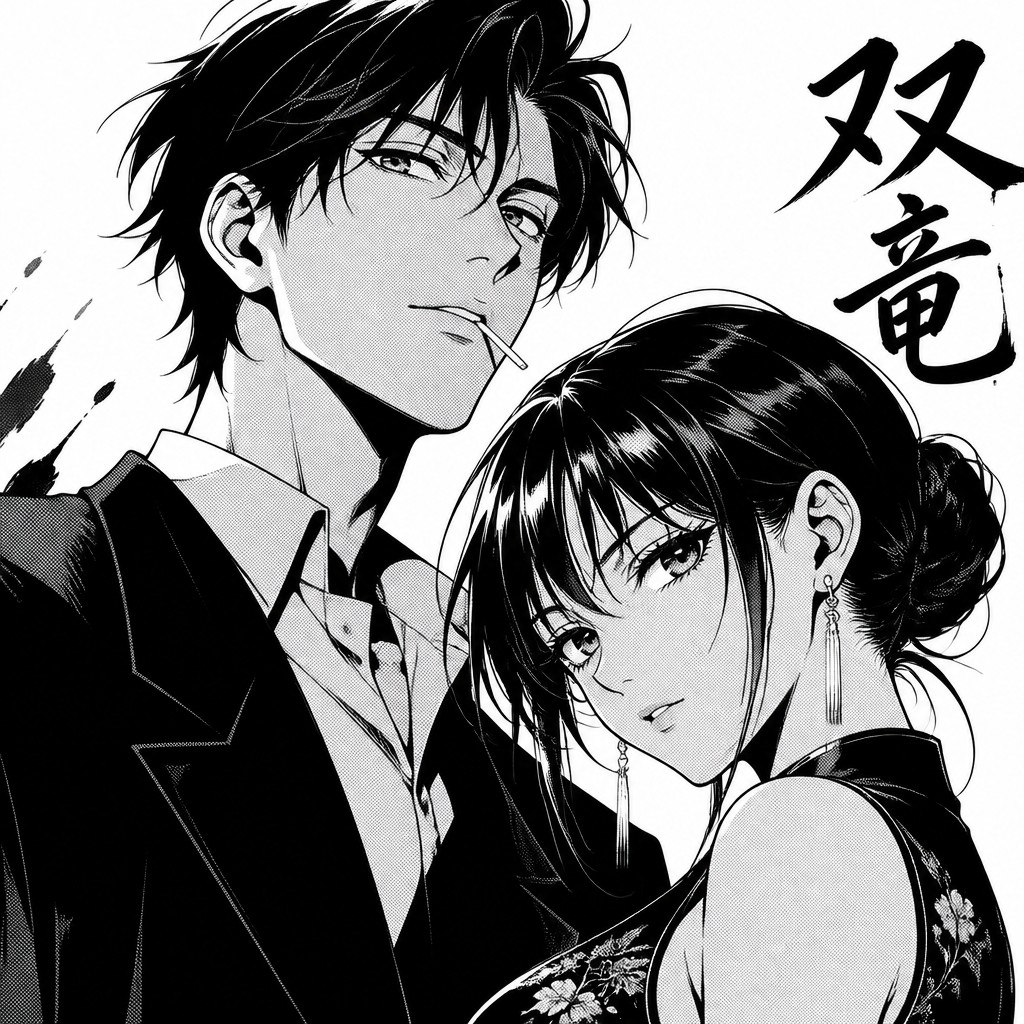
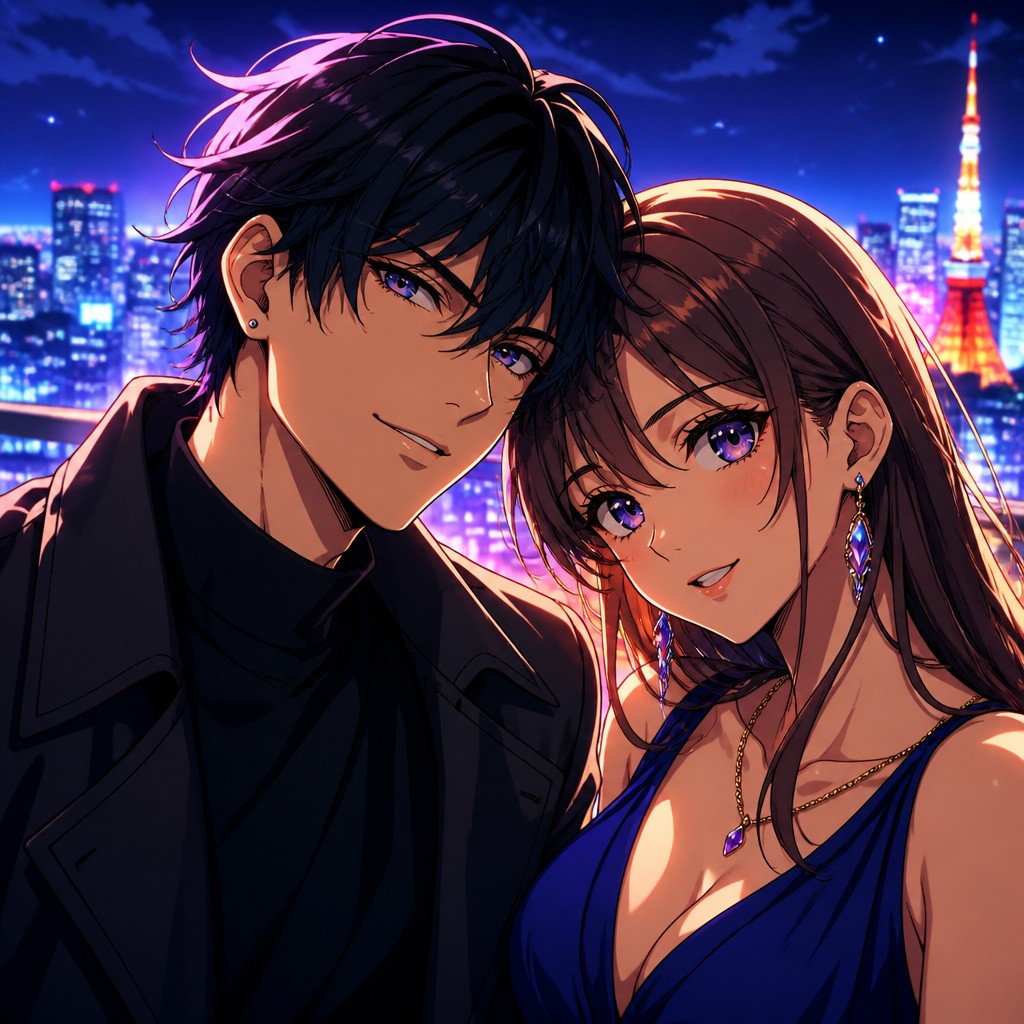
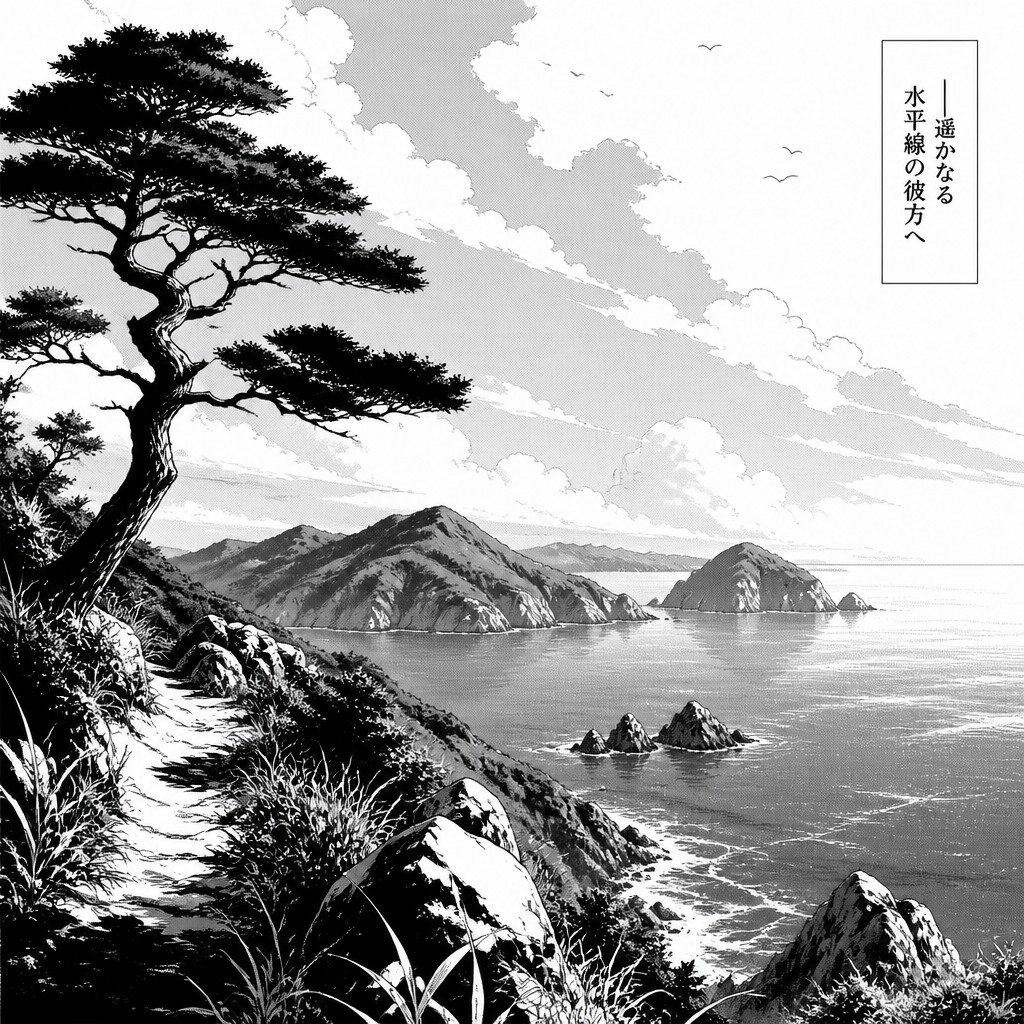
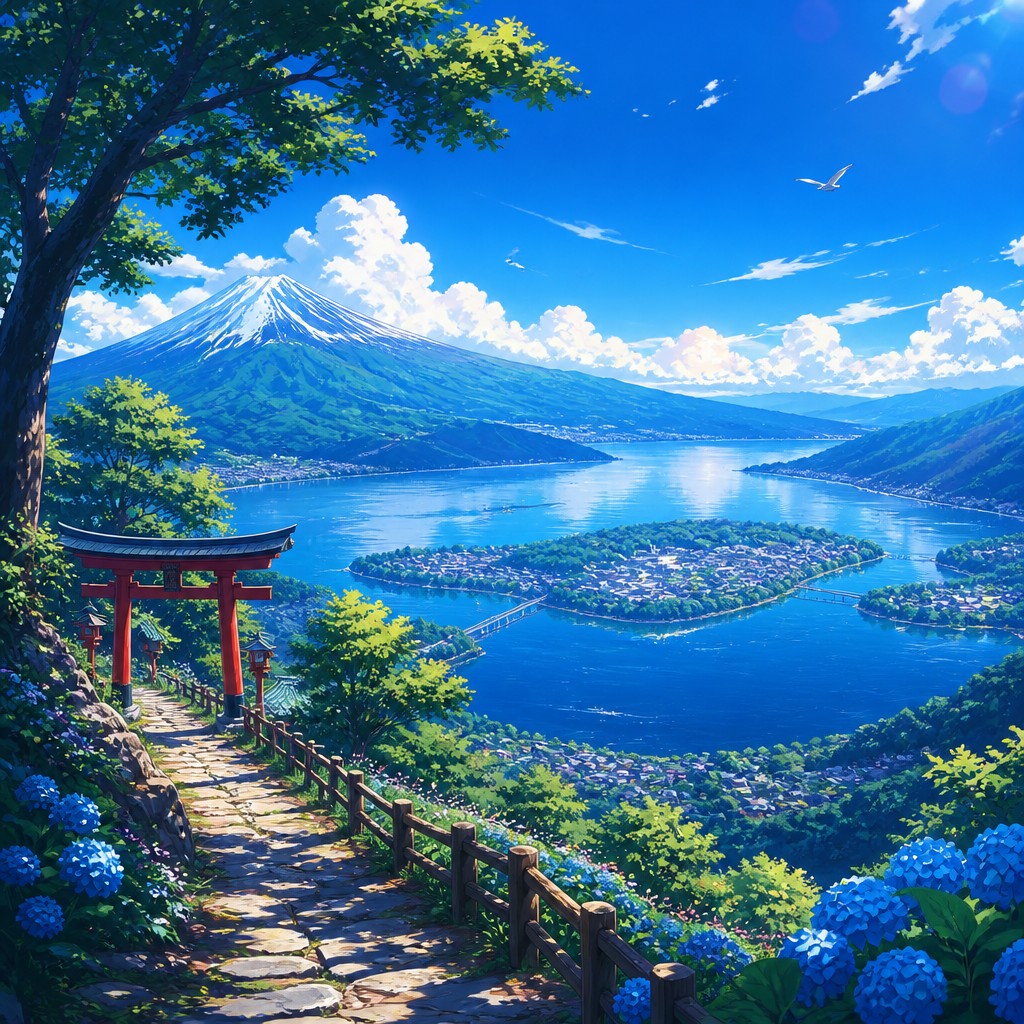
Key Differences
| Manga | Anime | |
|---|---|---|
| Medium | Designed for printed or digital pages read panel by panel. | Designed for moving images with timing, sound, and motion. |
| Color | Often black-and-white with screentones and limited gray values. | Usually full color with controlled palettes and scene lighting. |
| Line & form | Bold, economical lines emphasize contrast and readability. | Clean, precise lines support consistent shapes in motion. |
| Shading | Uses screentones, hatching, and ink contrast for depth. | Uses cel shading and lighting effects for volume and mood. |
| Pacing | Controls rhythm through panel size, layout, and page turns. | Controls rhythm through editing, animation timing, and camera movement. |
| Expression | Faces can shift dramatically for emotion, comedy, or intensity. | Faces stay more consistent while animation adds subtle performance. |
| Mood | expressive, dramatic, dynamic, emotive | expressive, vivid, playful, dramatic |
| Energy | lively | lively |
| Detail level | detailed | detailed |
| Color | black-and-white with selective accent color | bright, saturated, high-contrast colors |
| Texture | clean lines, crisp inked shading | smooth lines, crisp cel-shaded surfaces |
| Origin | Japan, postwar comic print culture | Japan, late 20th-century animation |
| Best for | comic pages, character portraits, storyboards, action scenes, editorial illustrations | posters, anime fan art, games, comics, key art, merchandise |
| Difficulty | advanced | moderate |
Which Should You Choose?
Choose manga style if you want stronger emphasis on page composition, high-contrast storytelling, and expressive black-and-white artwork that reads well in print or sequential illustrations. Choose anime style if you want a polished, color-rich look with cinematic lighting, smoother character consistency, and visuals that feel ready for motion or screen presentation.
Frequently Asked Questions
Is manga just black-and-white anime?
No. Manga is a comic format, while anime is animated video. They can share similar character design choices, but the storytelling tools and visual priorities are different.
Why do manga and anime sometimes look similar?
They often come from the same general design tradition, so you may see similar eyes, faces, and proportions. The difference is that manga prioritizes readable pages, while anime prioritizes movement and color.
Which style is better for emotional storytelling?
Both can be highly emotional, but they do it differently. Manga often uses panel pacing, symbolic effects, and stark contrast, while anime uses voice, motion, music, and lighting to strengthen emotion.
Can a work use elements of both styles?
Yes. Many illustrations blend manga-like linework with anime-like color and shading. The result can feel hybrid, as long as the artist keeps the visual priorities clear.