Manga vs Webcomic: What's the Difference?
Manga art style is a Japanese comic tradition known for bold inks, screentones, expressive faces, dynamic camera angles, and strong black-and-white storytelling. It often uses visual shorthand to show emotion, motion, and atmosphere with clarity and speed.
Webcomic art is a digital-first comic style built for online reading, with bold linework, flat colors, vertical pacing, and characters designed to read quickly on screens. People compare the two because both rely on clear storytelling, expressive characters, and efficient visual communication, but they often differ in format, color use, and reading experience.
Same Prompt, Both Styles
Each pair below was generated from the identical prompt — only the style changed.
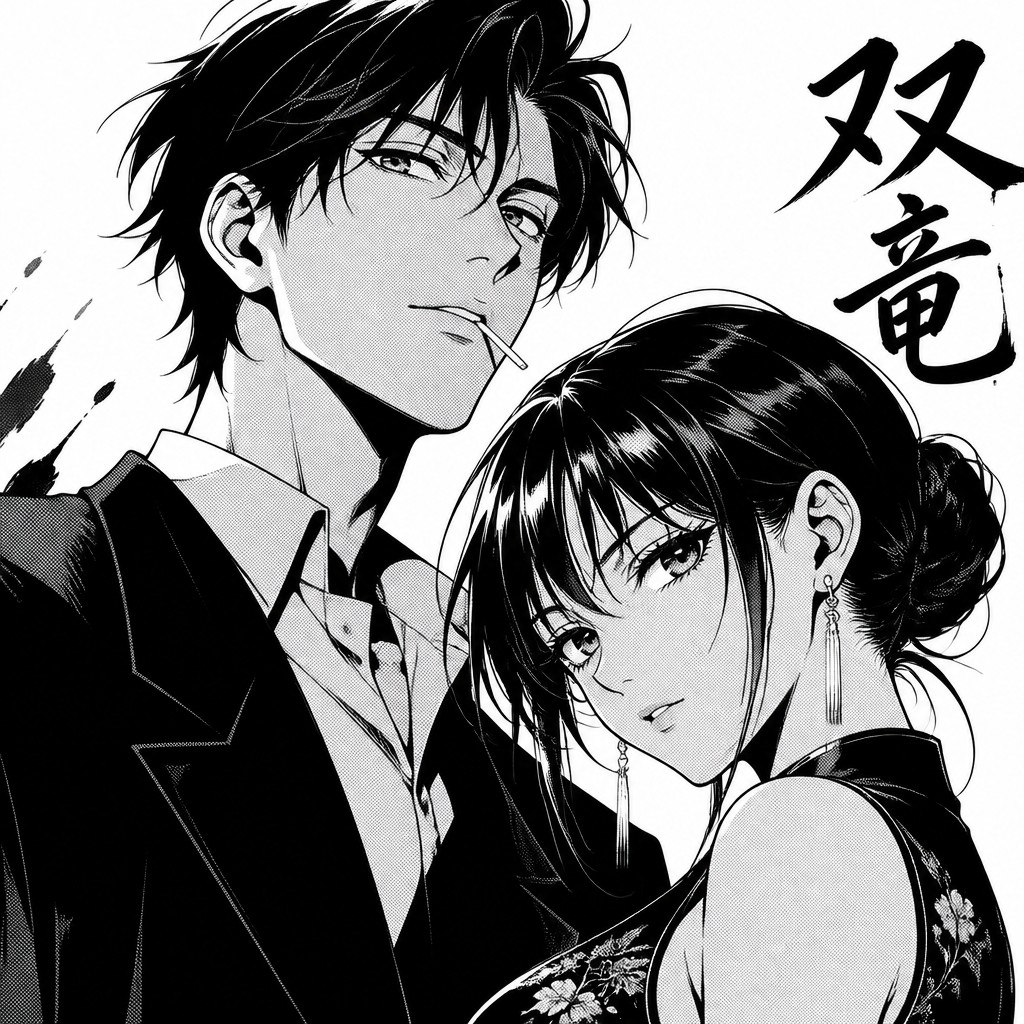
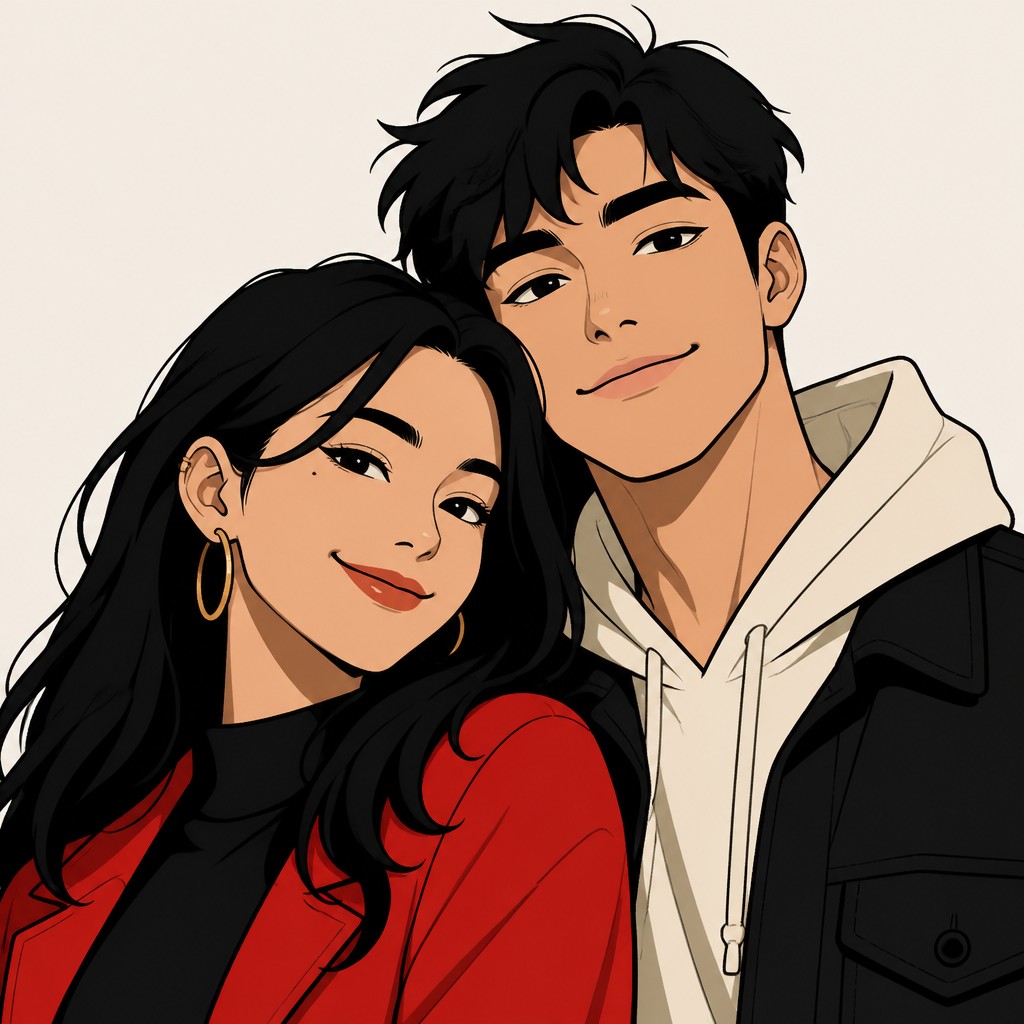
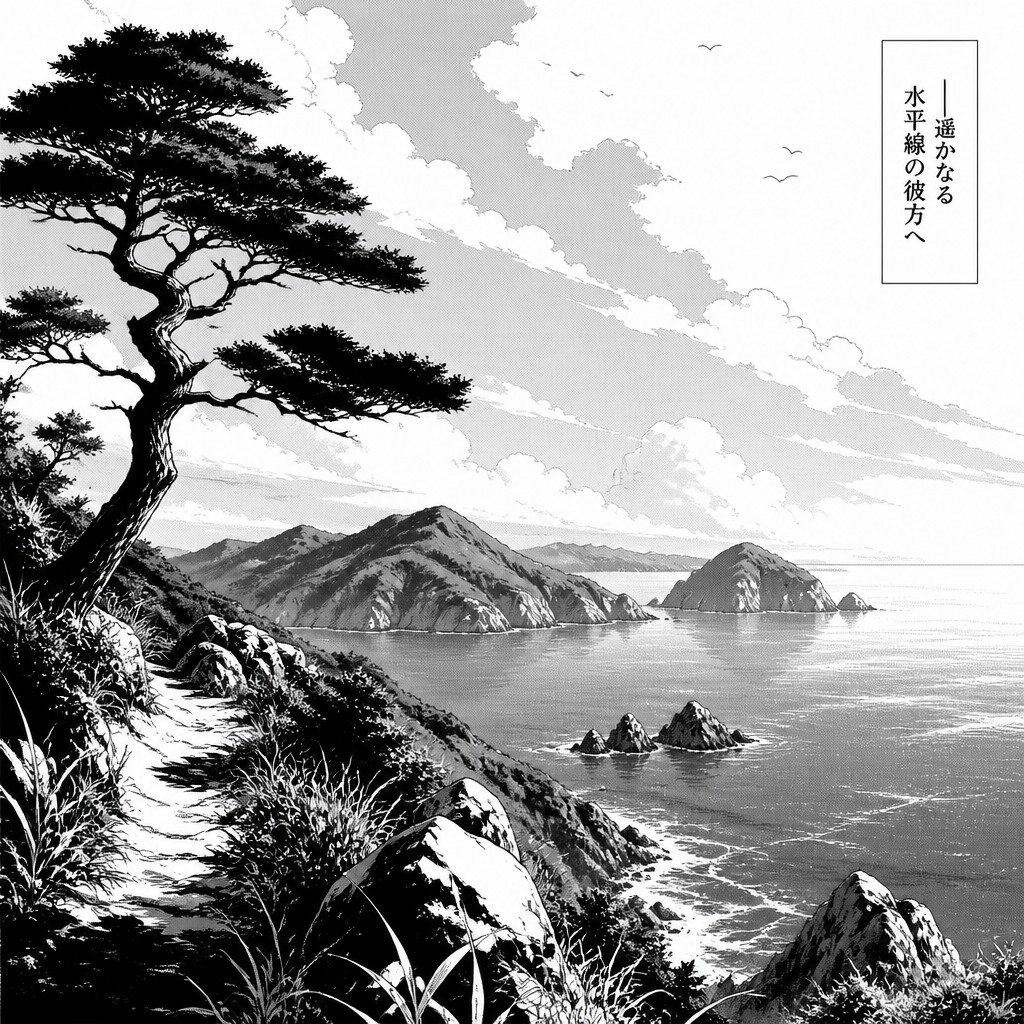
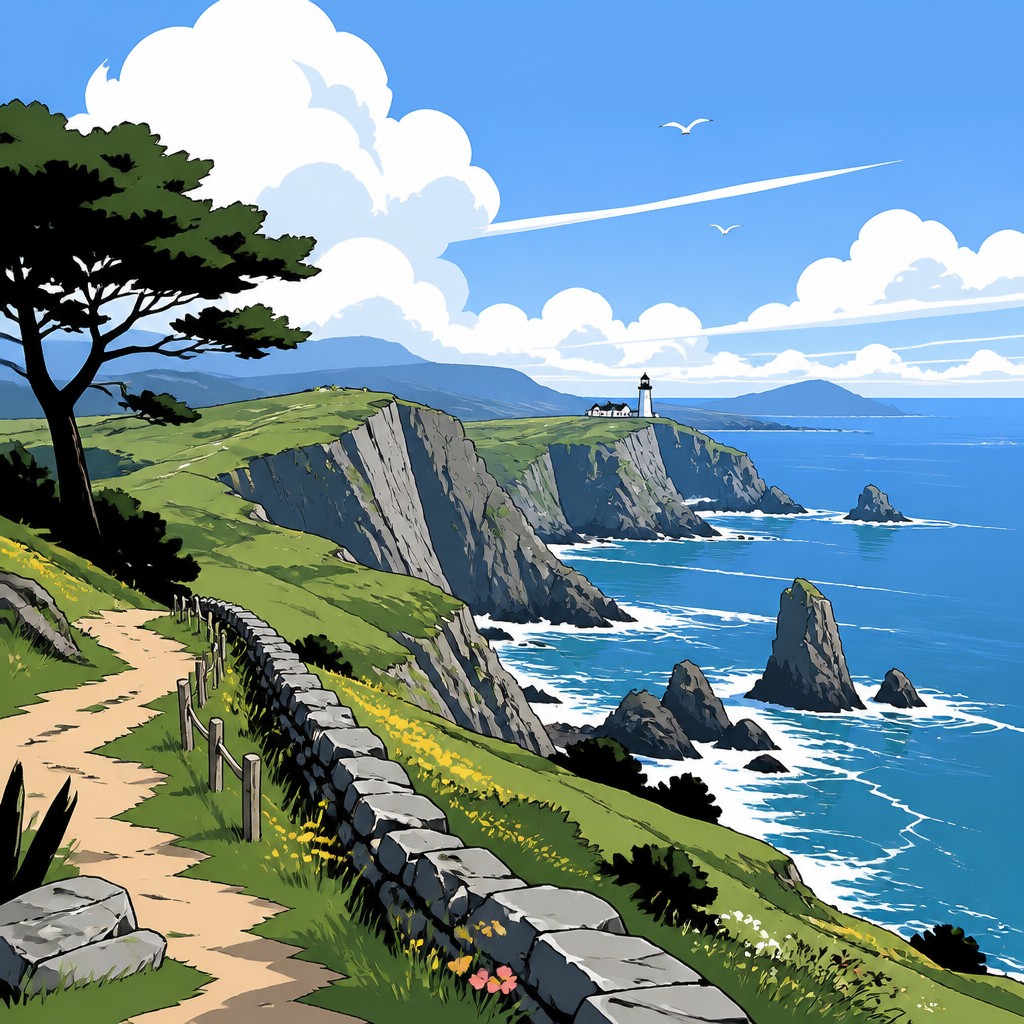
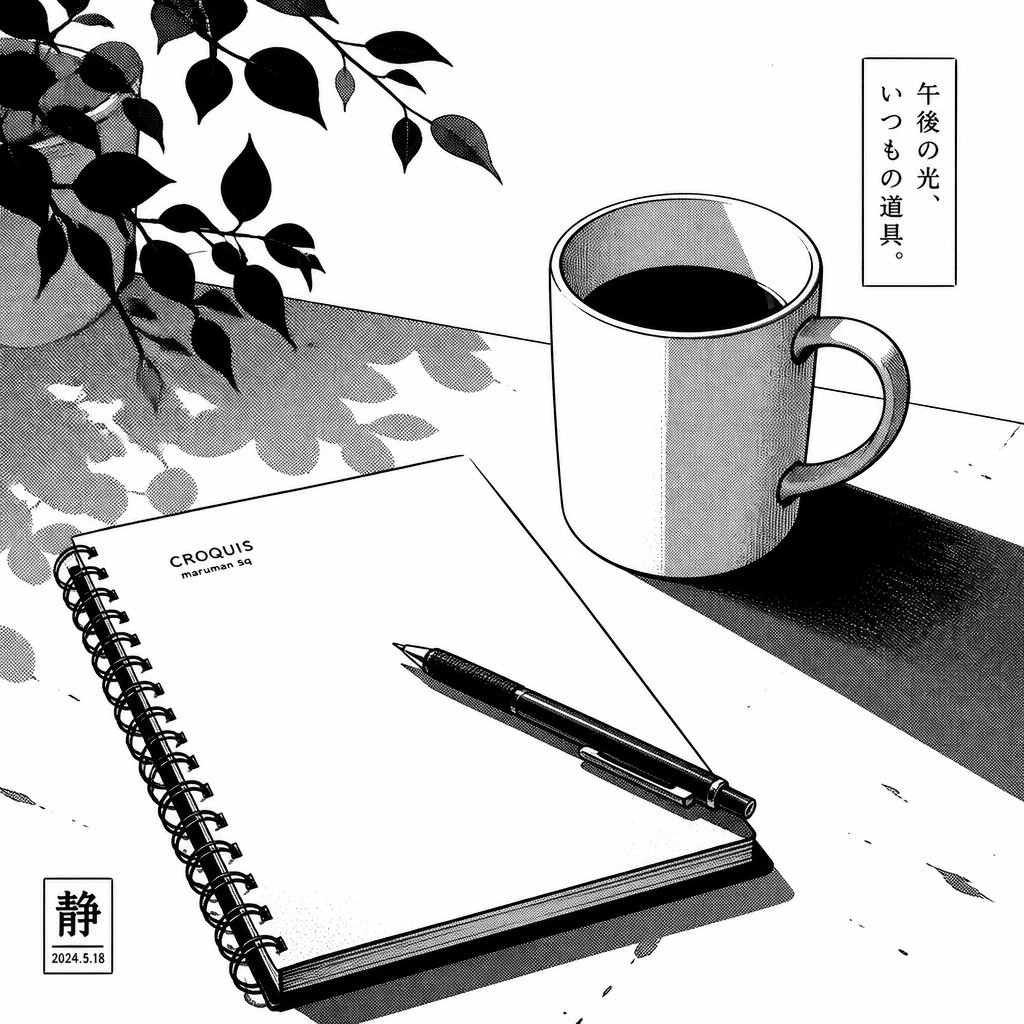
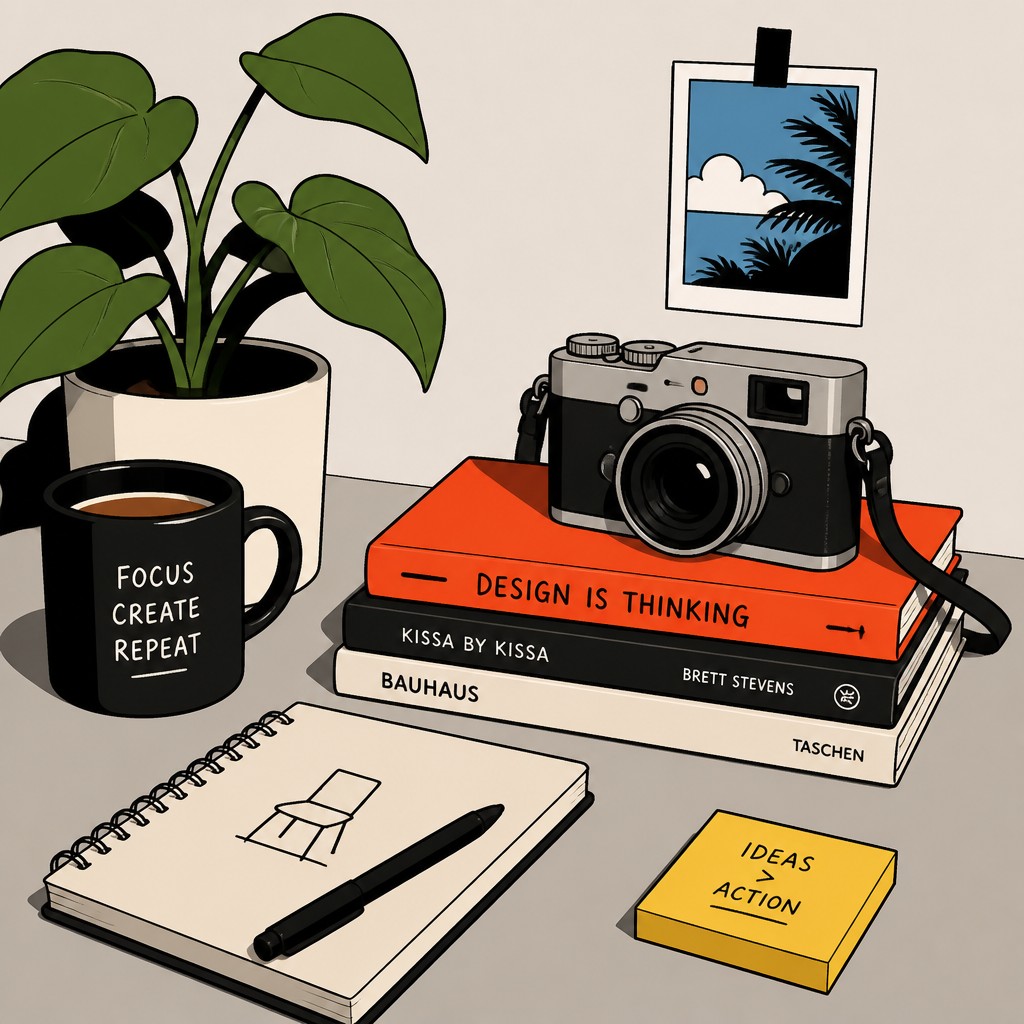
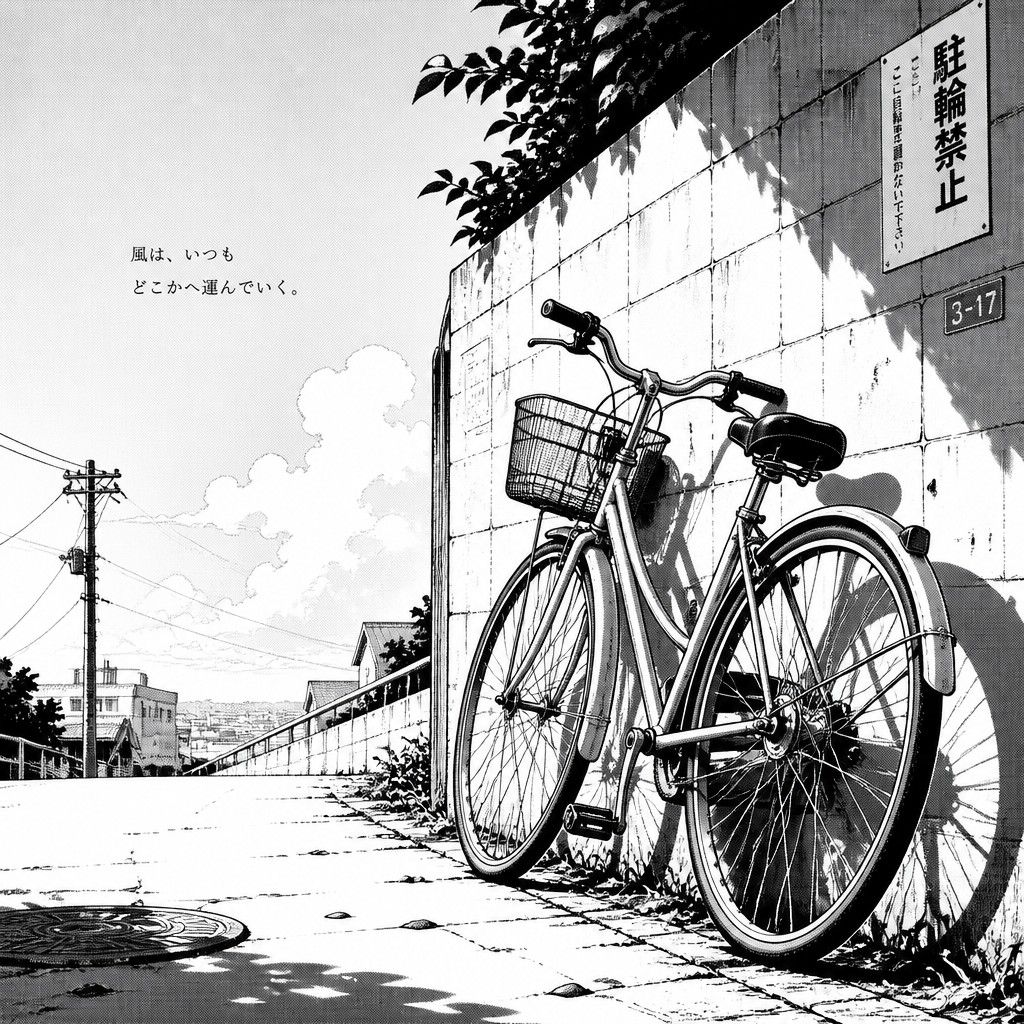
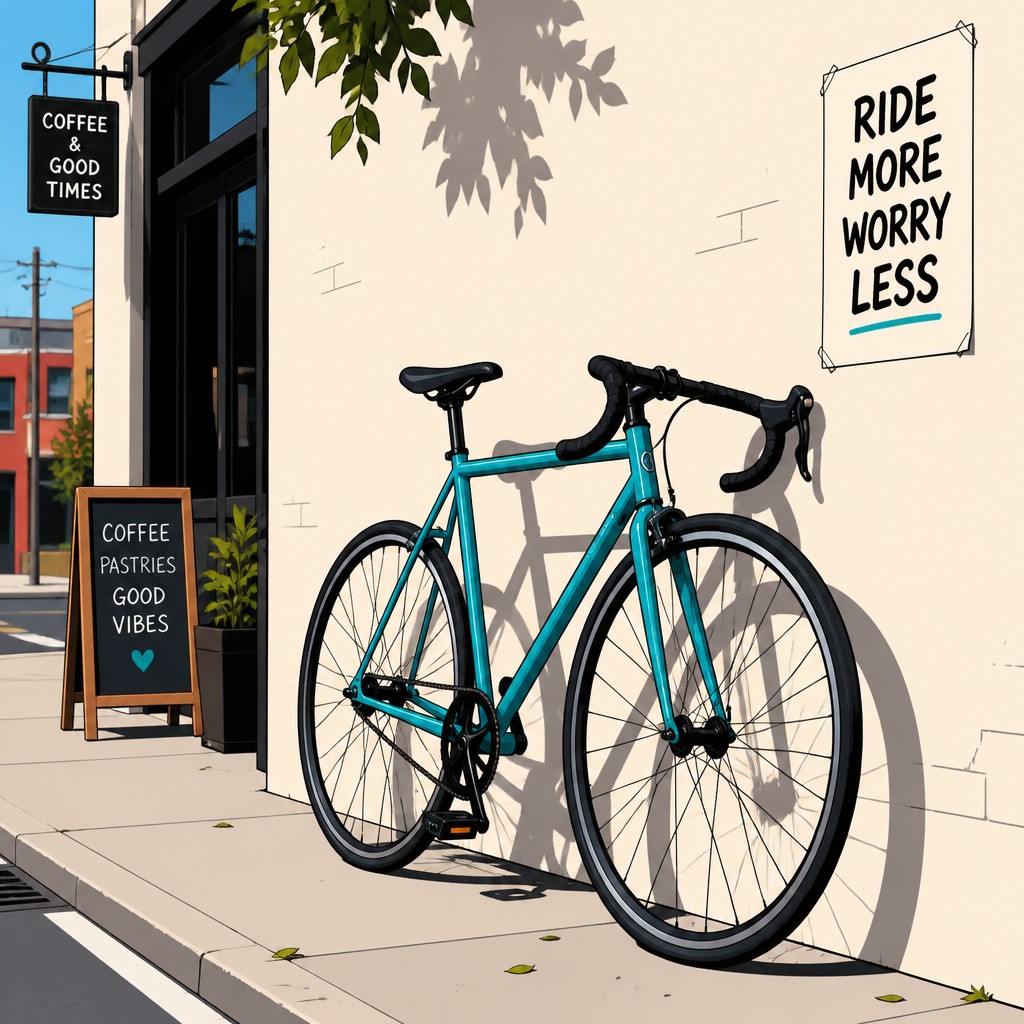
Key Differences
| Manga | Webcomic | |
|---|---|---|
| Line & form | Bold ink lines, varied weights, and stylized facial features. | Clean digital outlines with simpler forms and consistent linework. |
| Color use | Often black-and-white with screentones and selective effects. | Usually flat color palettes with digital shading or gradients. |
| Page layout | Designed for page turns, panel rhythm, and print-like composition. | Built for vertical scrolling and continuous online reading. |
| Pacing | Uses panel density and page reveals to control suspense. | Uses scroll spacing and long scenes for steady pacing. |
| Mood & emphasis | High contrast and dramatic framing support intense emotion. | Expressive characters and color help scenes feel immediate. |
| Production workflow | Traditionally associated with inking, tones, and print-ready pages. | Often made digitally with flexible editing and quicker updates. |
| Mood | expressive, dramatic, dynamic, emotive | relatable, expressive, playful, dramatic |
| Energy | lively | balanced |
| Detail level | detailed | moderate |
| Color | black-and-white with selective accent color | flat, bright, clean digital palette |
| Texture | clean lines, crisp inked shading | smooth, crisp, low-grain surfaces |
| Origin | Japan, postwar comic print culture | digital-native aesthetic |
| Best for | comic pages, character portraits, storyboards, action scenes, editorial illustrations | mobile comics, web stories, social media strips, character-driven drama, humor series, light fantasy |
| Difficulty | advanced | beginner-friendly |
Which Should You Choose?
Pick manga art style if you want dramatic black-and-white storytelling, strong contrast, and page-based composition that rewards careful panel design. Pick webcomic art if you want a digital-friendly format, faster production, color, and a layout that works well for scrolling on phones and browsers.
Frequently Asked Questions
Is manga always black and white?
No. Many manga are published in black and white, but color pages, covers, and special editions are common. The style is still often recognized by its linework, composition, and visual storytelling choices.
Are webcomics always in color?
No. Many webcomics use color, but some are black and white or limited-color by choice. What defines the format more is digital distribution and scroll-friendly pacing.
Which style is easier to read on a phone?
Webcomic art is usually easier on phones because it is designed for vertical scrolling and screen viewing. Manga can still work well on mobile, but page layouts may need zooming or panel-by-panel adaptation.
Can a comic use elements of both styles?
Yes. Many comics blend manga-inspired expression or panel drama with webcomic-friendly color and vertical layout. The final look depends on the creator’s storytelling goals and publishing format.