Furniture Design Style
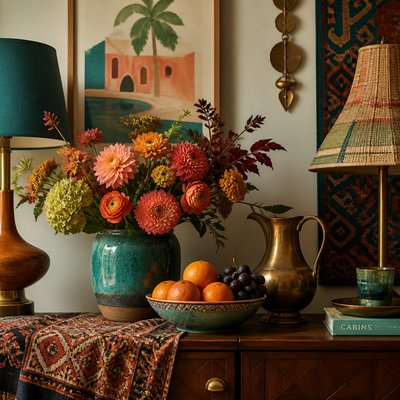
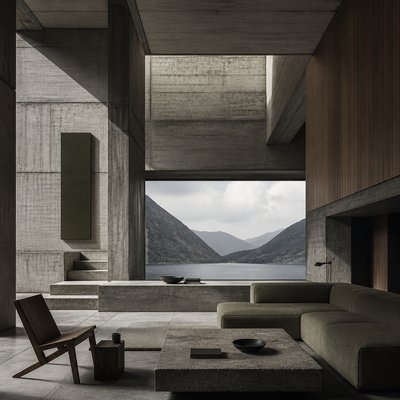
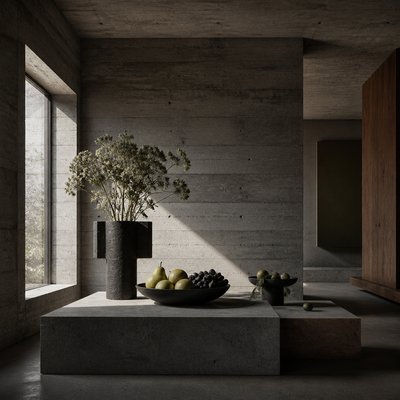
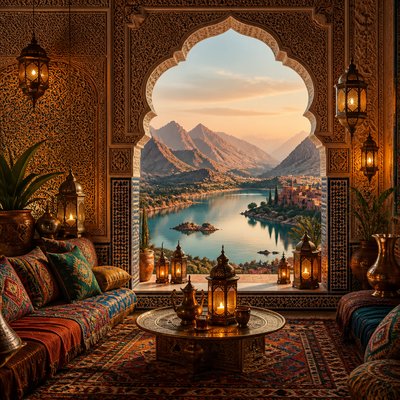
Explore Furniture Design Style: crafted wooden forms, visible joinery, carved details, polished grain, refined hardware, and functional elegance.
Instantly rendered in Furniture Design — or transform a photo
Furniture Design Gallery
Tap any artwork to explore it

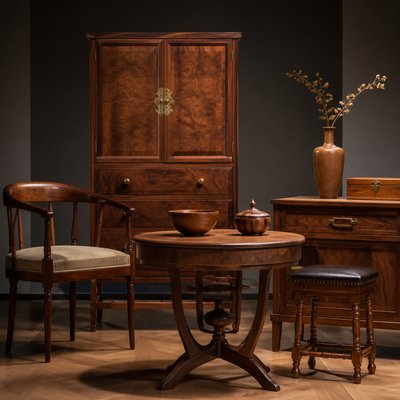
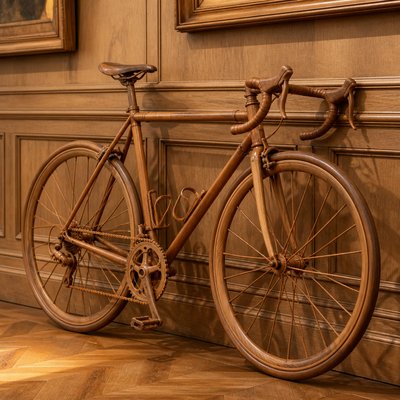
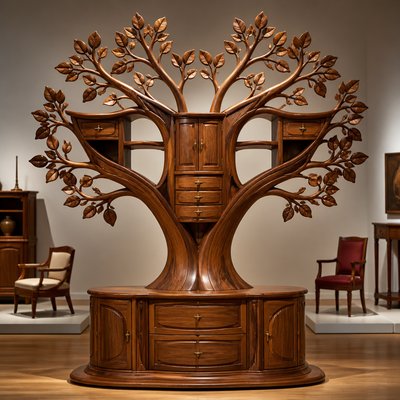
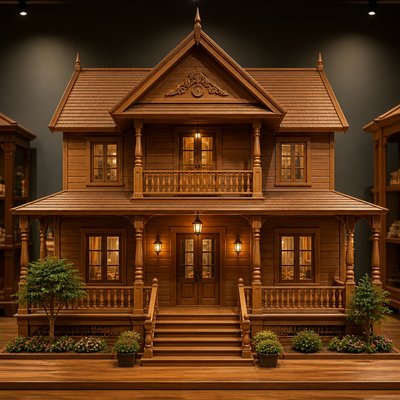
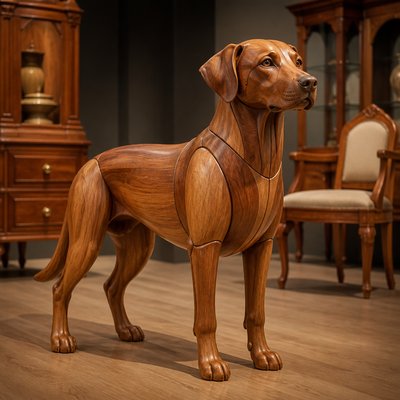
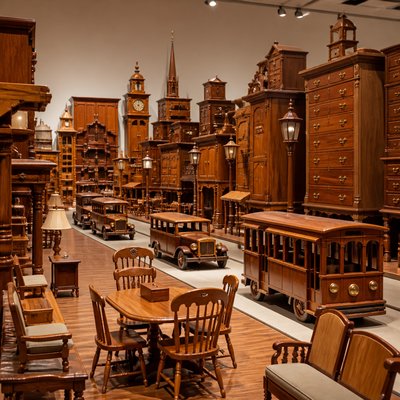
What is Furniture Design Style?
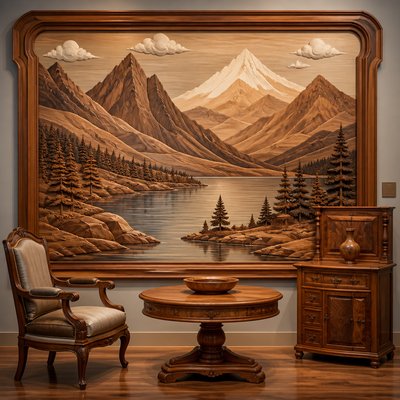
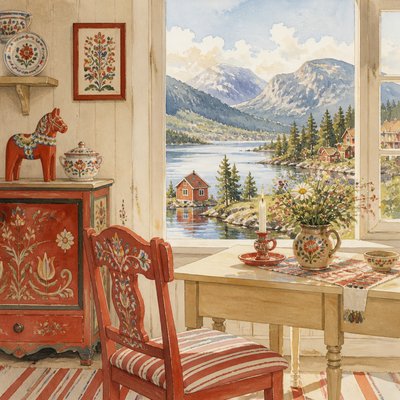
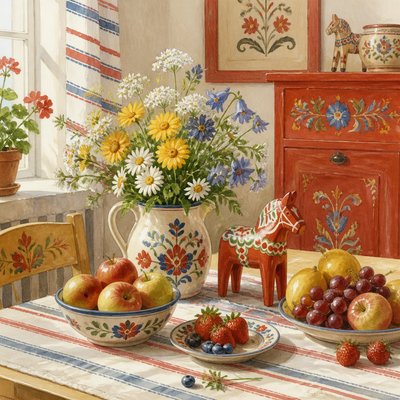
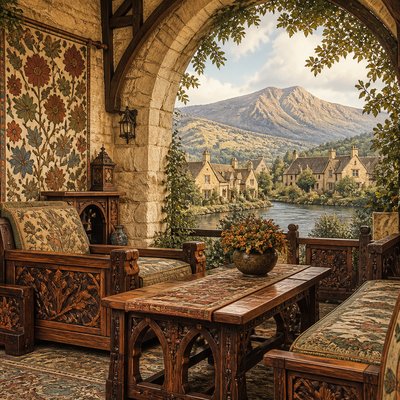
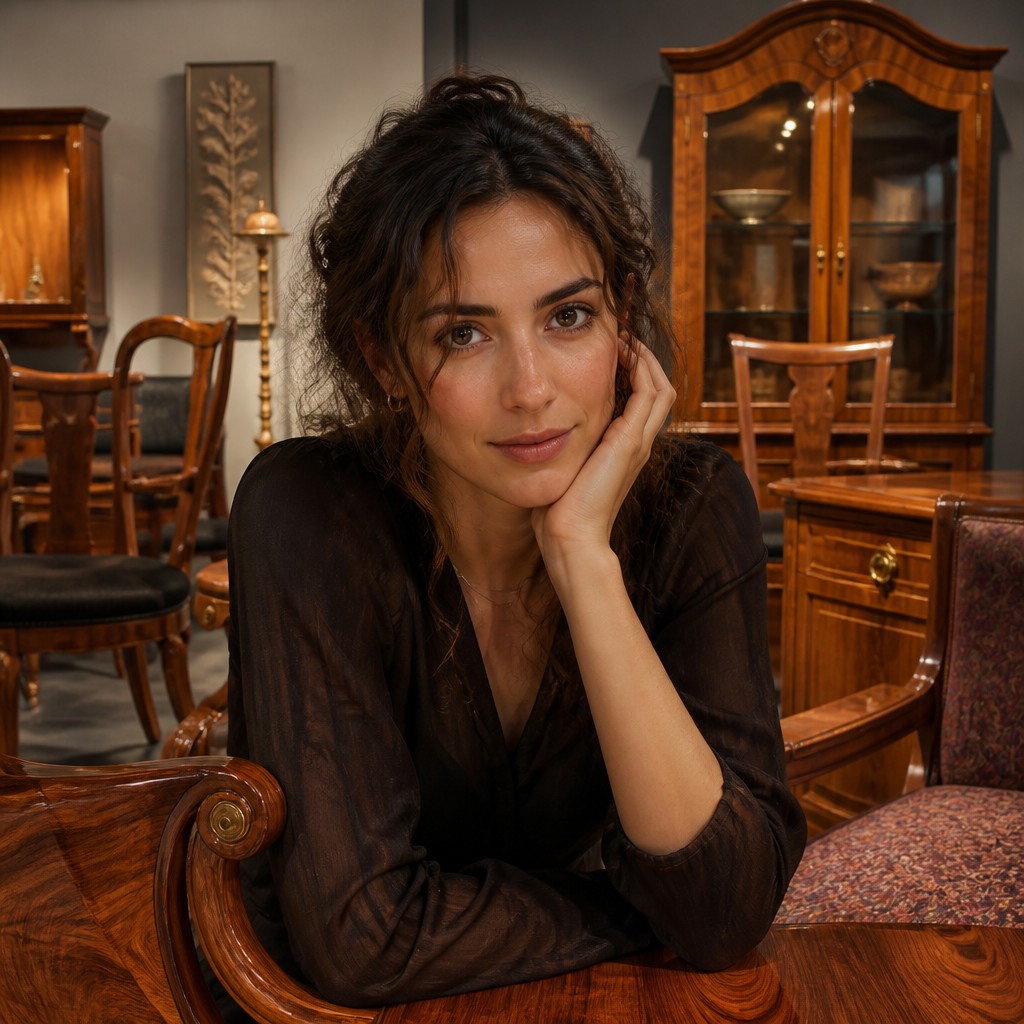
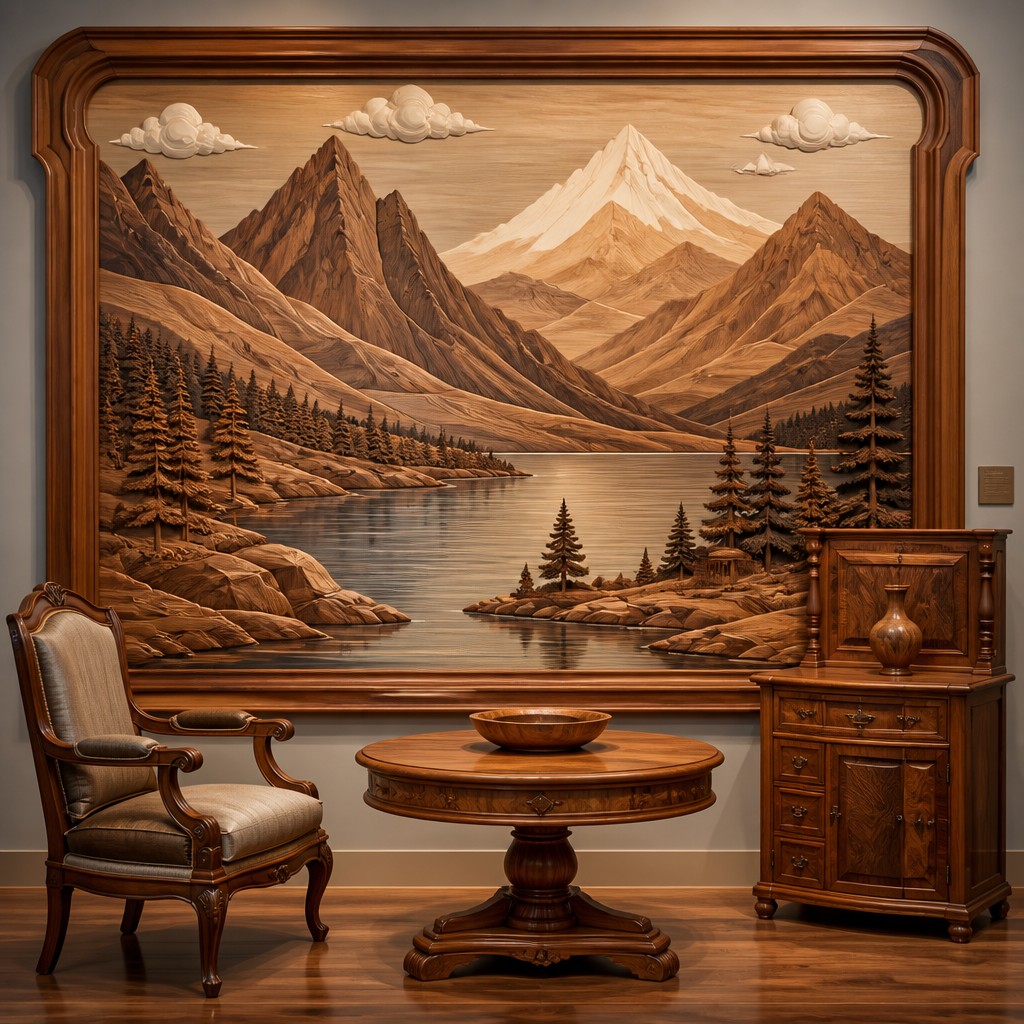
Furniture Design Style is a design-centered visual aesthetic focused on finely crafted wooden chairs, cabinets, tables, desks, and related objects. It treats furniture as both functional equipment and sculptural form, emphasizing precise construction, balanced proportions, tactile surfaces, and details that reward close inspection.
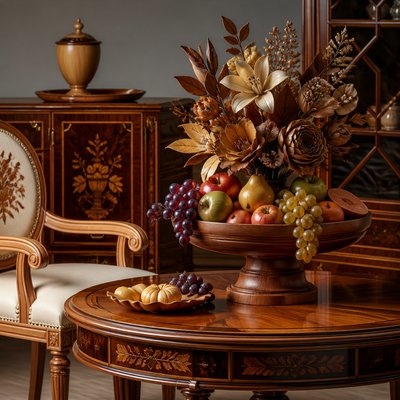
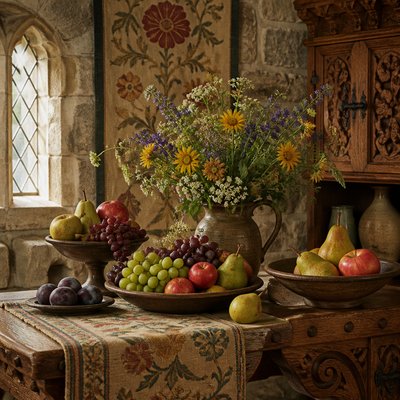
Its visual identity comes from the dialogue between structure and ornament. Polished wood grain, exposed or implied joinery, carved and turned components, carefully scaled hardware, and restrained upholstery create an impression of permanence and use. Warm natural timber under even gallery lighting makes the objects feel collected, documented, and presented as examples of skilled craftsmanship.
Try It On Your Photos
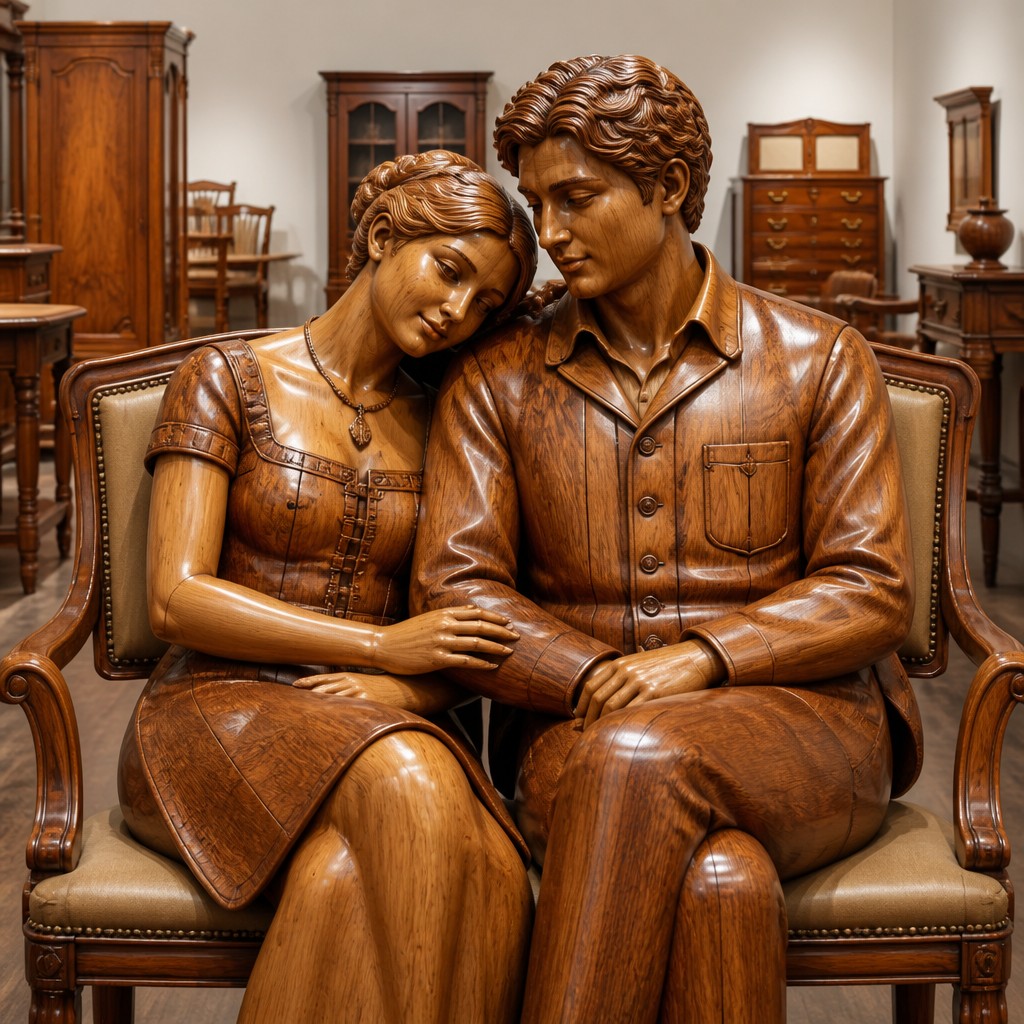
Upload any photo and convert it into Furniture Design Style — drag the sliders to compare before and after.


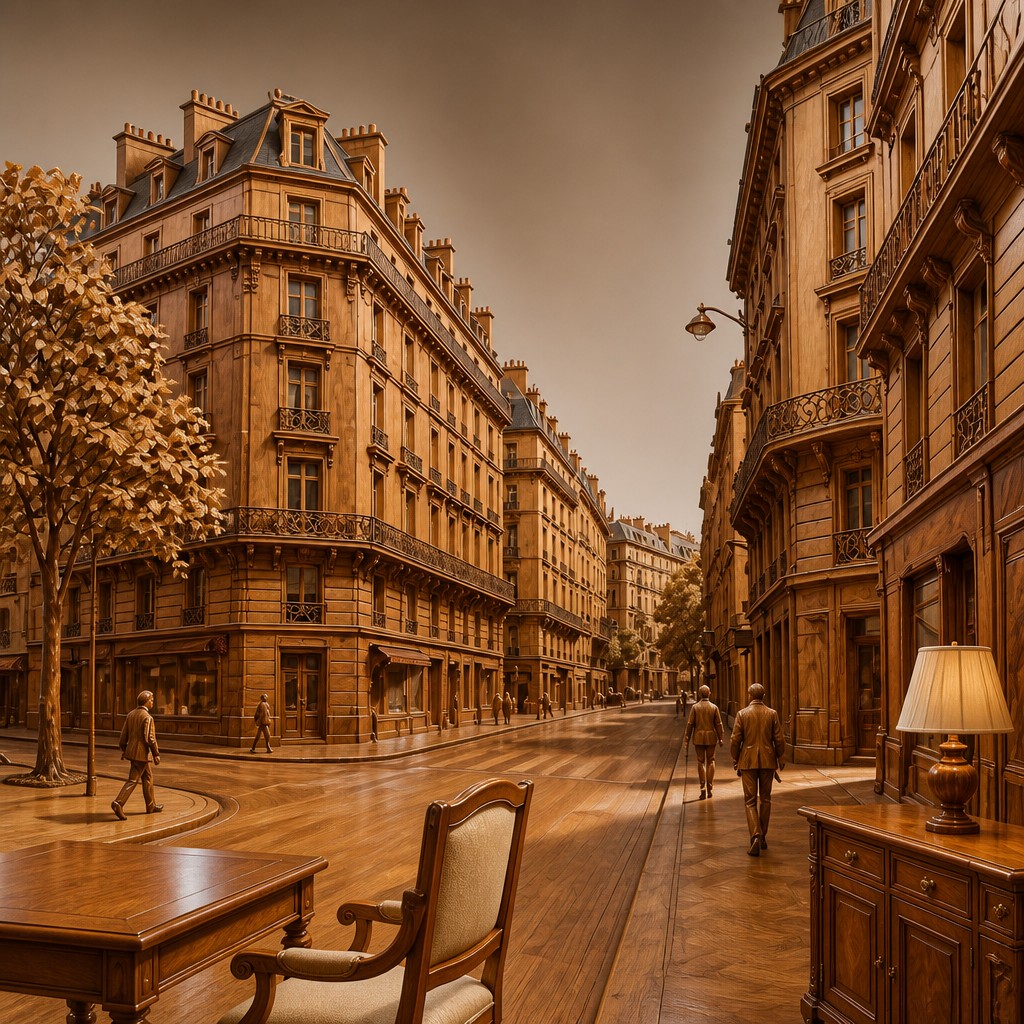

What Defines Furniture Design Style
The signature details, up close
Polished natural wood
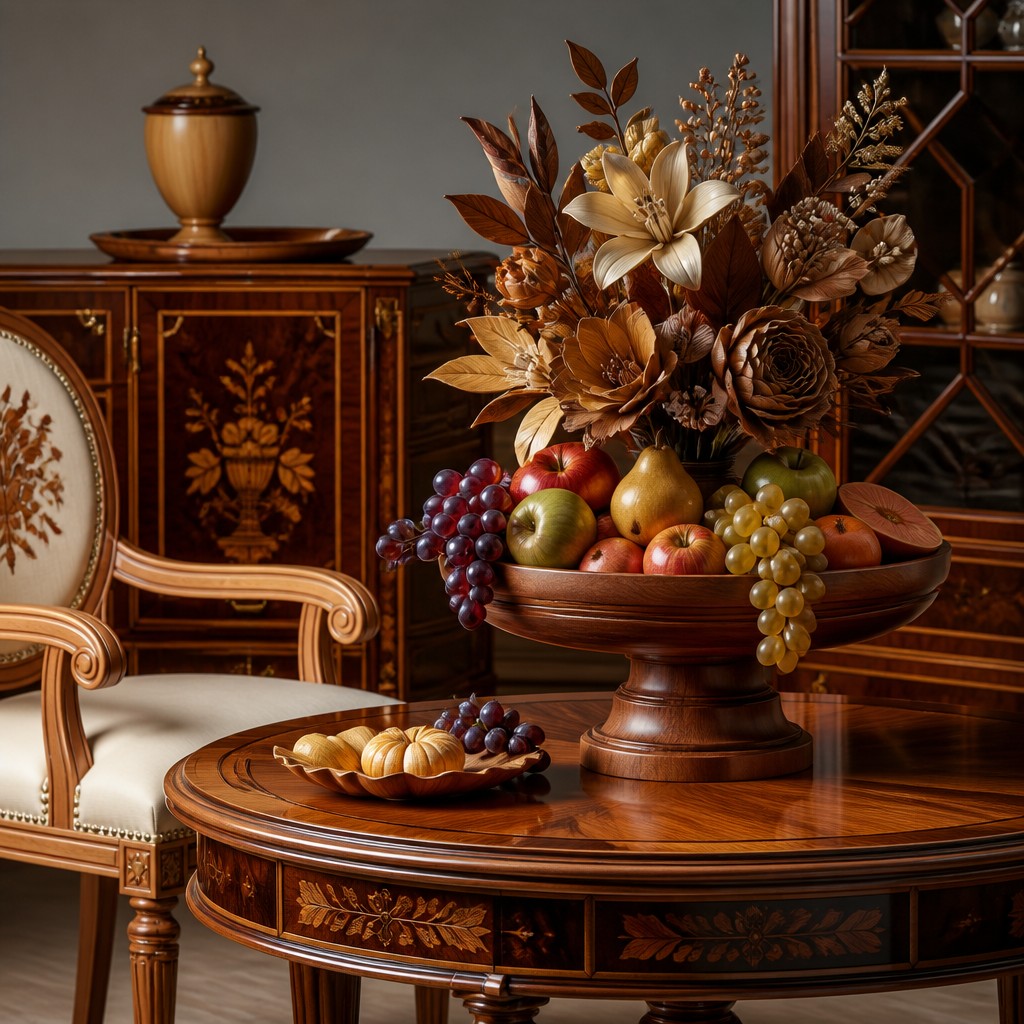
Oak, walnut, maple, cherry, mahogany, and other timber tones are shown with clear grain, subtle variation, and a satin or high-polish finish. The surface treatment communicates touch, durability, and careful maintenance.
Structural clarity
Legs, rails, supports, backs, drawers, and panels are arranged so that the furniture's construction remains legible. The forms feel engineered for stability rather than assembled from arbitrary decorative shapes.
Carved and turned details
Relief carving, fluting, tapered posts, turned legs, chamfered edges, and shaped feet provide ornament without overwhelming the overall silhouette. These details often appear at joints, borders, handles, or load-bearing transitions.
Balanced proportion
Visual weight is distributed between solid and open areas, broad surfaces and slender supports, and decorative accents and functional requirements. Chairs, cabinets, and tables tend to have calm, symmetrical, or carefully counterbalanced profiles.
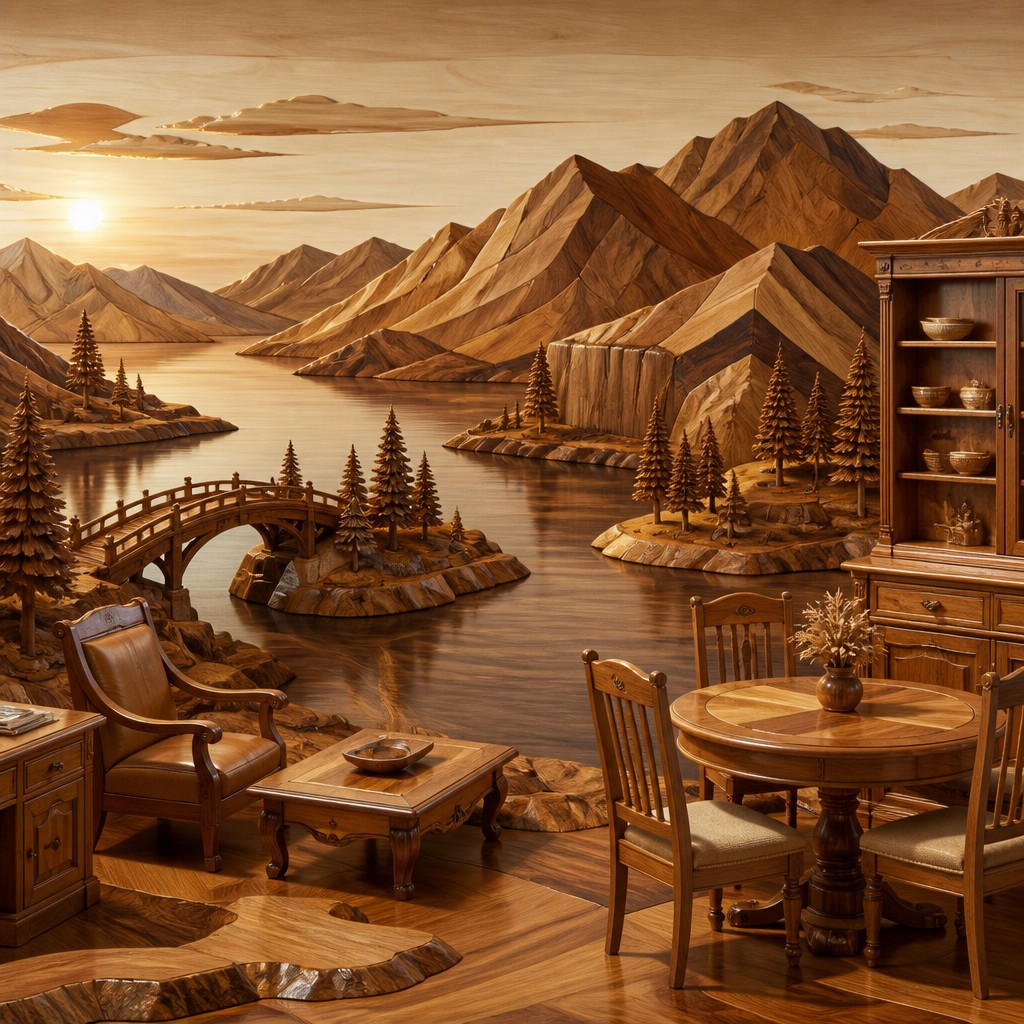
Refined hardware
Metal pulls, hinges, brackets, locks, and fasteners are small but deliberate, commonly rendered in brass, bronze, iron, or darkened steel. Hardware reinforces the object's use while contributing a controlled contrast to the timber.
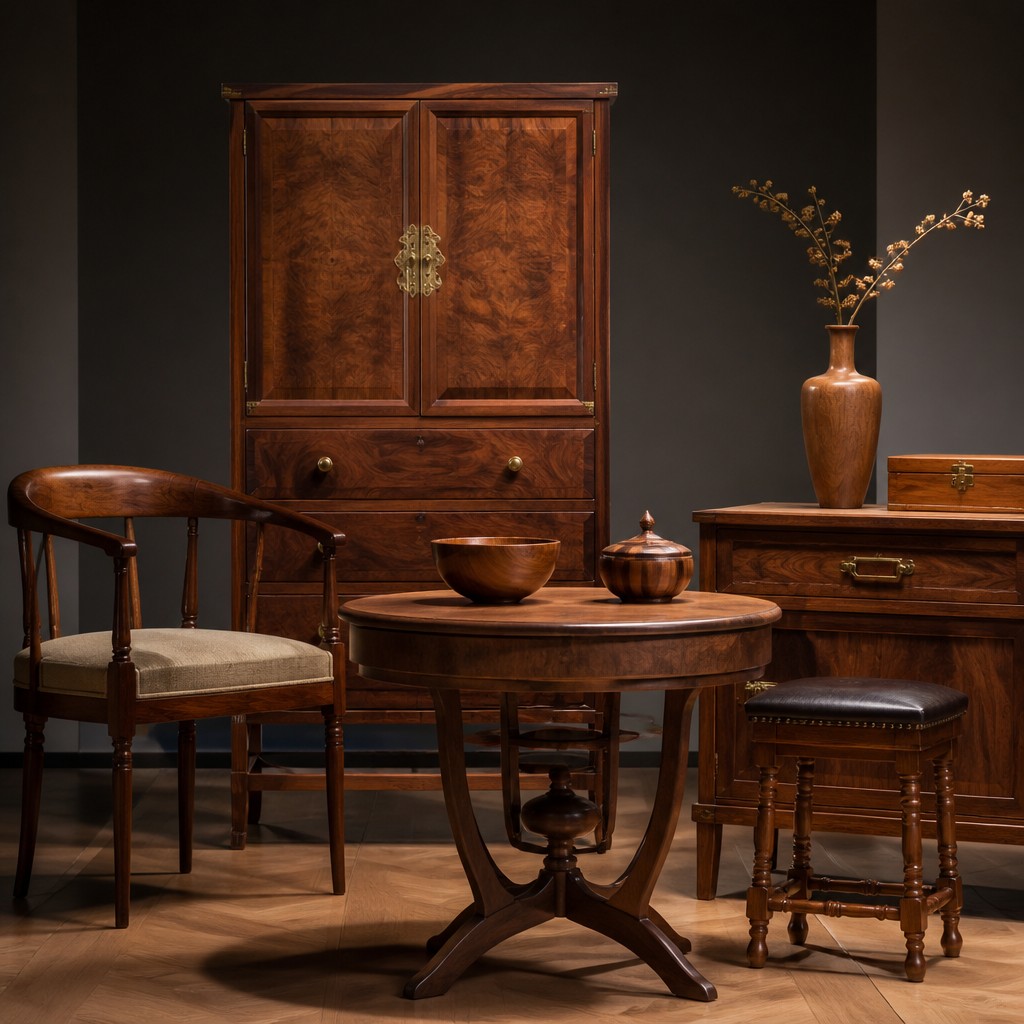
Selective upholstery
Leather, woven fabric, velvet, or neutral upholstery may soften seats, backs, and panels without competing with the wood. Seams, piping, tufting, and fabric tension are treated as precise construction details.
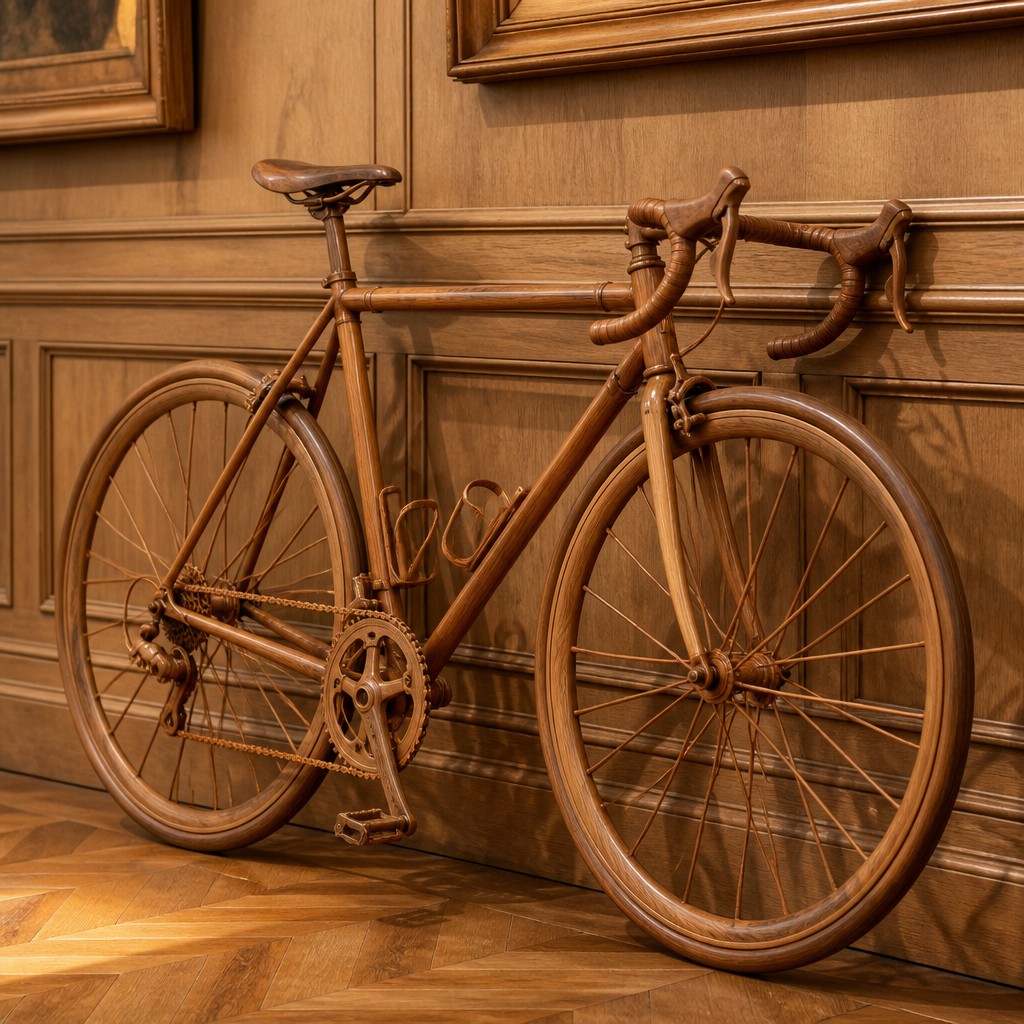
Gallery presentation
Soft museum or showroom lighting isolates the object against a restrained setting and reveals grain, edges, joinery, and surface sheen. The presentation favors a near-catalogue clarity over cluttered domestic staging.
Furniture Design Prompt Ideas
Start from an idea — each one opens the generator with the style ready to go. See all 40 Furniture Design prompts →
How to Create Furniture Design Art
Master the craft step by step — or skip straight to creating. Read the full guide →
- 1
Design the structural silhouette first
Begin with the intended use, dimensions, center of gravity, and load-bearing members before adding ornament. Establish a clear relationship between legs, panels, supports, and storage or seating surfaces.
- 2
Use believable woodworking details
Add mortise-and-tenon joints, dovetails, dowels, veneers, edge banding, or framed panels where construction would require them. Keep grain direction consistent with the way each component would realistically be cut.
- 3
Control material and finish
Choose one primary timber and specify its grain, sheen, and tone, then limit secondary materials to a few accents such as aged brass, dark iron, leather, or woven upholstery. Vary roughness subtly so polished surfaces do not look plasticky.
- 4
Light for form and texture
Use broad, soft gallery lighting with gentle directional highlights across edges and grain. Add restrained contact shadows beneath the object, avoiding harsh glare that hides joinery or makes the furniture appear weightless.
- 5
Build digitally with precise modeling
In 3D or digital illustration, use measured proportions, bevels, realistic wood textures, and separate geometry for hardware and upholstery. Render several views, including a three-quarter angle and a detail view of the construction.
- 6
Write focused generation prompts
Specify the furniture type, wood species, joinery, ornament, hardware, upholstery, camera angle, and lighting rather than relying on a broad style label alone. Include constraints such as functional proportions, realistic grain direction, clean museum background, and no excessive decoration.
The Story
History & Origins of Furniture Design
Furniture Design Style is not a formally established historical movement but a contemporary descriptive category. Its aesthetic lineage draws from the long traditions of cabinetmaking, joinery, vernacular woodworking, decorative arts, and the presentation of designed objects in museums and showrooms.
The style combines historical craft vocabulary with modern product visualization. Traditional construction details such as mortise-and-tenon joints, dovetails, turned legs, carved ornament, and hand-finished surfaces are often simplified or selectively emphasized, producing furniture that appears both historically informed and suitable for contemporary interiors.
Influences: The aesthetic draws on European and global cabinetmaking traditions, vernacular carpentry, decorative arts, Arts and Crafts principles, traditional joinery, classical furniture proportion, Shaker-like functional restraint, and modern product design. It also borrows from museum display, architectural visualization, still-life photography, and contemporary interior styling, combining historical workmanship with a clear, controlled presentation.
Frequently Asked Questions
What defines Furniture Design Style?
It is defined by crafted wooden furniture in which structure, material, and ornament are equally considered. Polished grain, believable joinery, balanced proportions, refined hardware, selective upholstery, and gallery-like lighting are recurring features.
Is Furniture Design Style a historical art movement?
No. The term functions as a descriptive contemporary category rather than the name of a recognized historical movement. It synthesizes visual qualities from cabinetmaking, woodworking, decorative arts, and modern furniture visualization.
How is it different from minimalist furniture design?
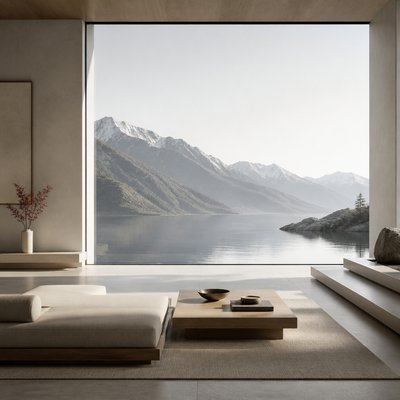
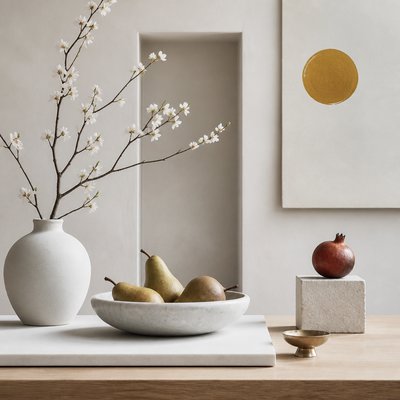
Minimalist furniture generally reduces ornament and material variety to emphasize simplicity. Furniture Design Style can be restrained, but it gives more attention to carved details, turned components, visible craftsmanship, hardware, and the expressive character of wood.
What materials work best for this style?
Warm hardwoods such as walnut, oak, cherry, maple, and mahogany are especially effective because their grain supports the crafted appearance. Brass, bronze, dark iron, leather, linen, and woven textiles work well as controlled secondary materials.
Can this style be used for interior scenes rather than isolated objects?
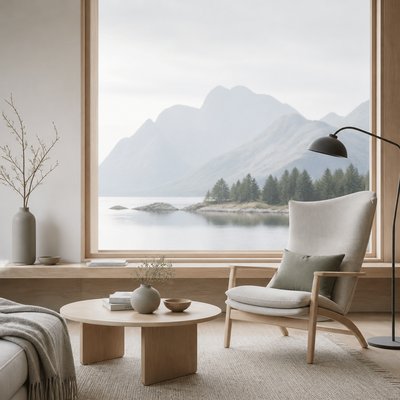
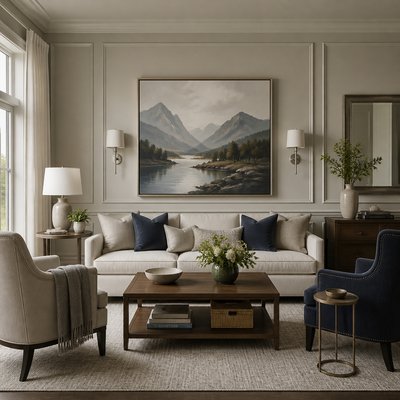
Yes. It works well in studies, libraries, dining rooms, workshops, galleries, and quiet residential interiors. Keep the surrounding architecture and decoration subordinate so the furniture's construction, proportion, and material remain visually dominant.
How can I make generated images look more realistic?
Describe plausible construction, consistent grain direction, accurate hardware placement, and functional dimensions. Request soft directional lighting, contact shadows, natural material variation, and a specific camera view while avoiding vague instructions for ornate or flawless surfaces.
Create your first Furniture Design artwork
Describe anything — or upload a photo — and see it in Furniture Design Style in seconds.
Related Styles
Discover similar art styles