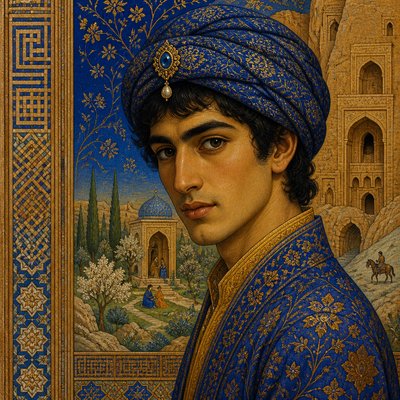
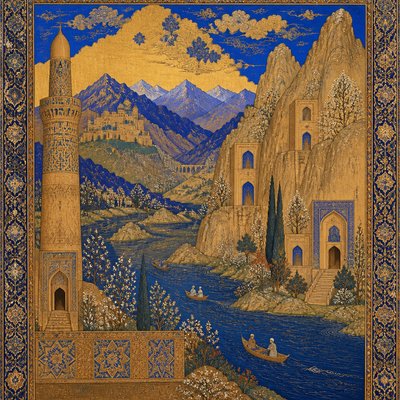
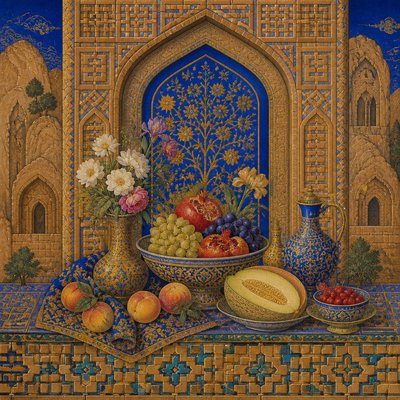
Positive Space Art Style
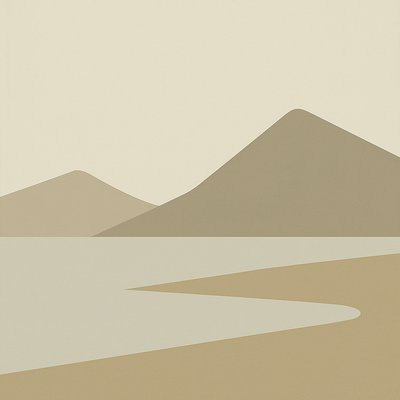
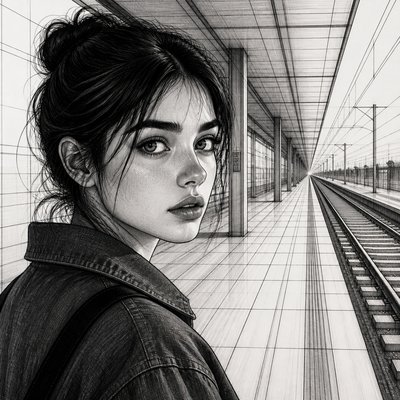
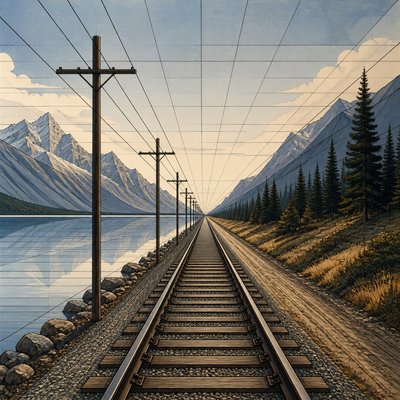
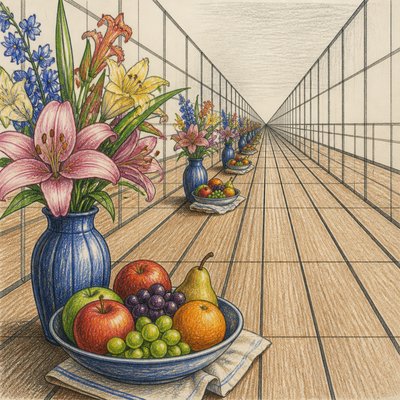
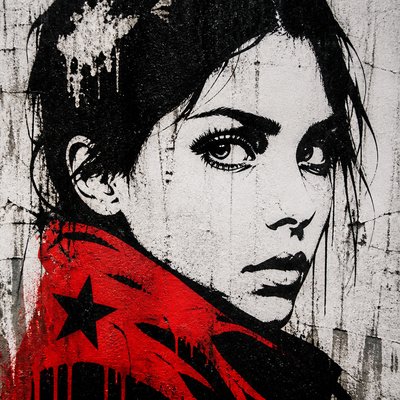
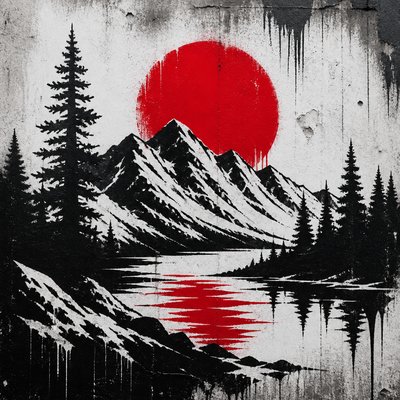
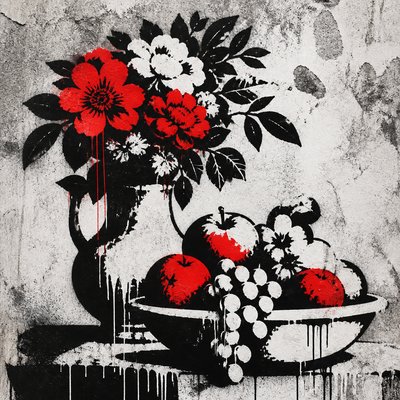
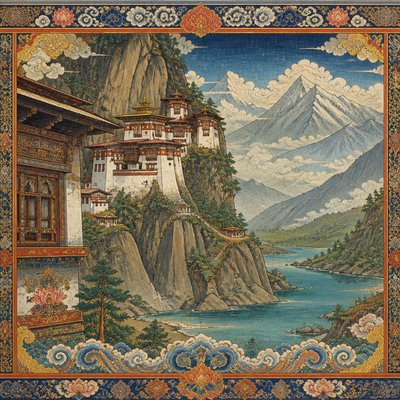
Explore Positive Space Art: bold saturated forms, crisp silhouettes, and empty backgrounds that make a single subject command the frame.
Instantly rendered in Positive Space — or transform a photo
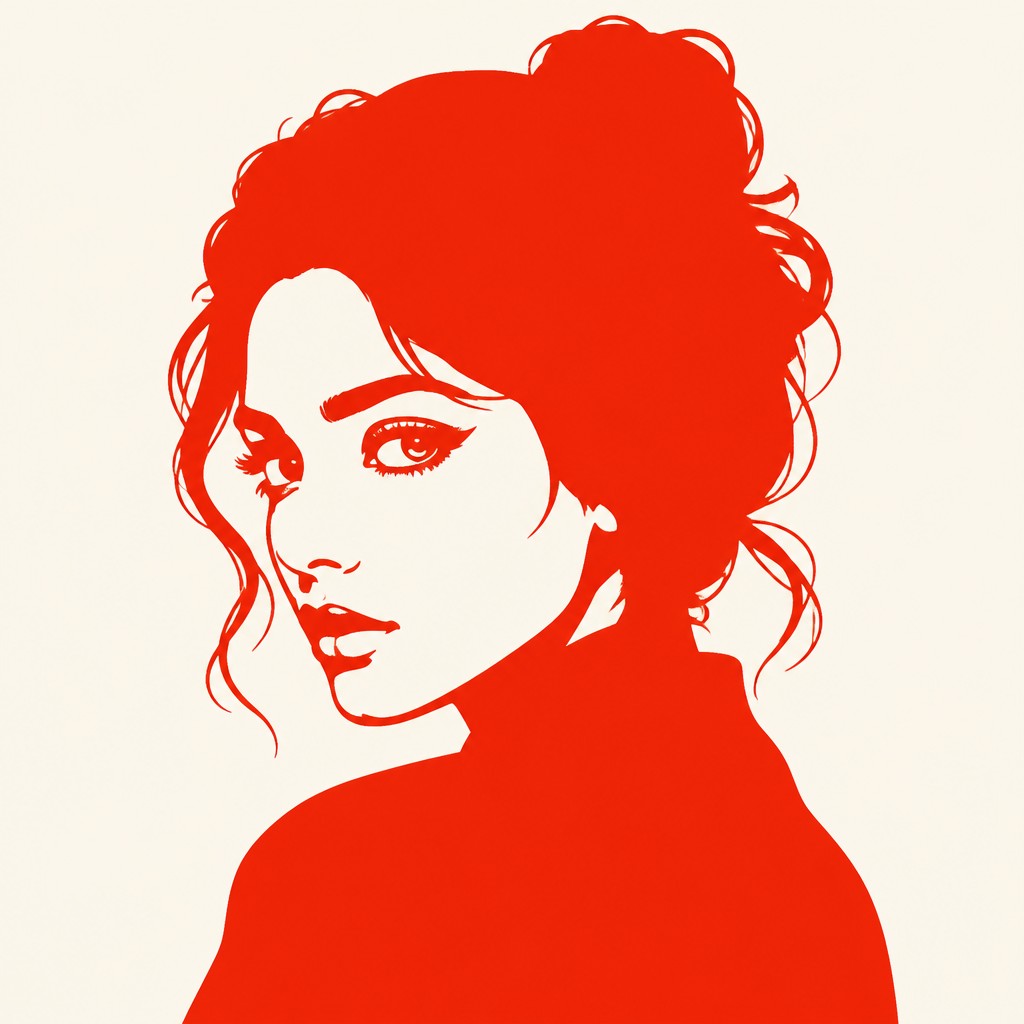

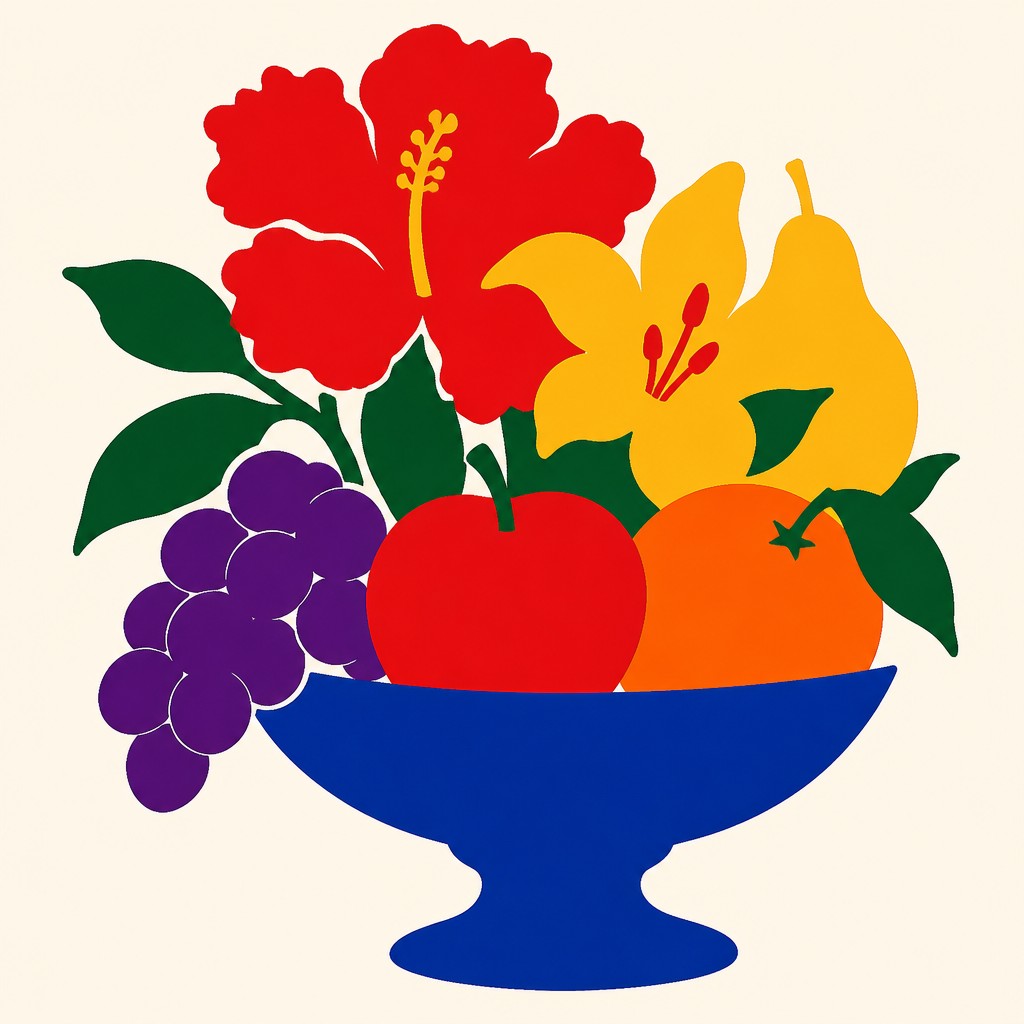
Positive Space Gallery
Tap any artwork to explore it



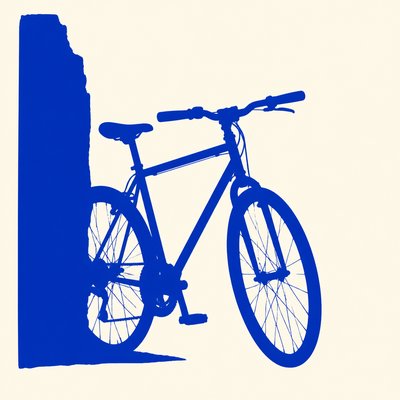


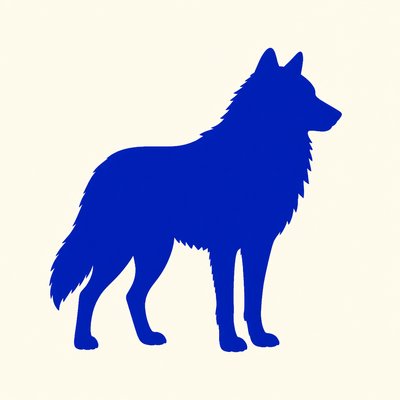
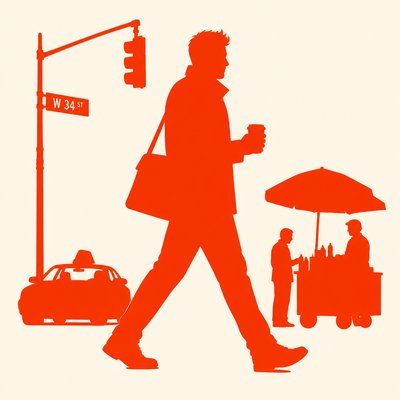
What is Positive Space Art Style?
Positive Space Art is a deliberately reduced visual approach in which one solid figure or object occupies the composition with unmistakable weight. The subject is rendered as a bold, usually saturated color shape with sharply defined edges, while the surrounding background remains plain, quiet, and largely unoccupied. The result depends on the contrast between presence and void: the filled form is the positive space, and the empty field around it becomes an active compositional counterweight.
The style looks powerful because it removes competing information. Texture, atmospheric detail, complex modeling, and decorative backgrounds are minimized so that silhouette, scale, color, and placement carry the image. A recognizable subject may be simplified almost to an emblem, while an abstract form can become equally legible through its contour and visual mass.

Try It On Your Photos
Upload any photo and convert it into Positive Space Art Style — drag the sliders to compare before and after.



What Defines Positive Space Art Style
The signature details, up close
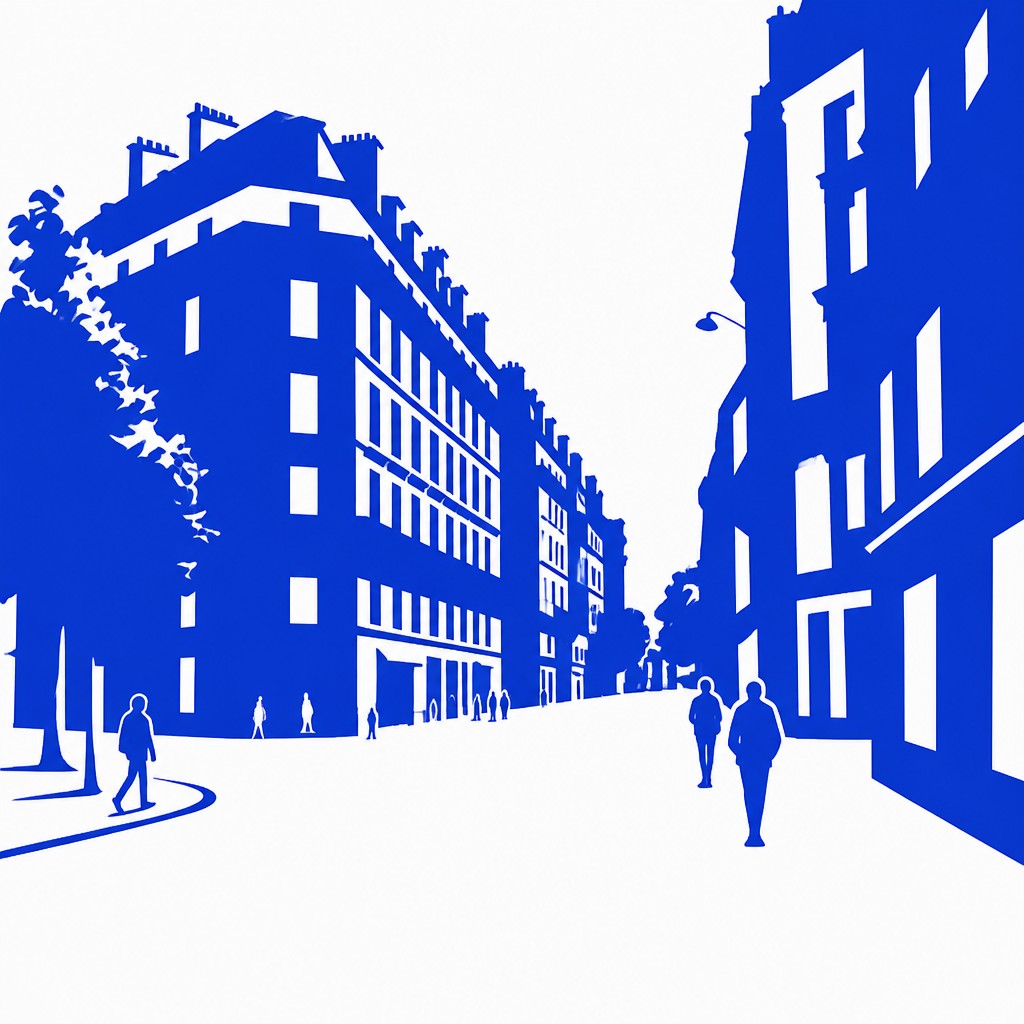
Dominant filled form
A single figure, object, or abstract shape claims most of the viewer’s attention and often much of the frame. Its visual mass establishes the composition immediately.
Crisp silhouette
Edges are sharply defined and easy to read at a glance. Internal modeling is subordinate to the outer contour, which functions almost like a symbol or cutout.
Saturated color
The main form commonly uses a vivid, concentrated hue such as cobalt, vermilion, emerald, yellow, or violet. Color strengthens the subject’s separation from the background and reinforces its graphic presence.
Plain surrounding field
The background is intentionally empty, flat, or nearly featureless. This negative space prevents environmental detail from competing with the occupied form.
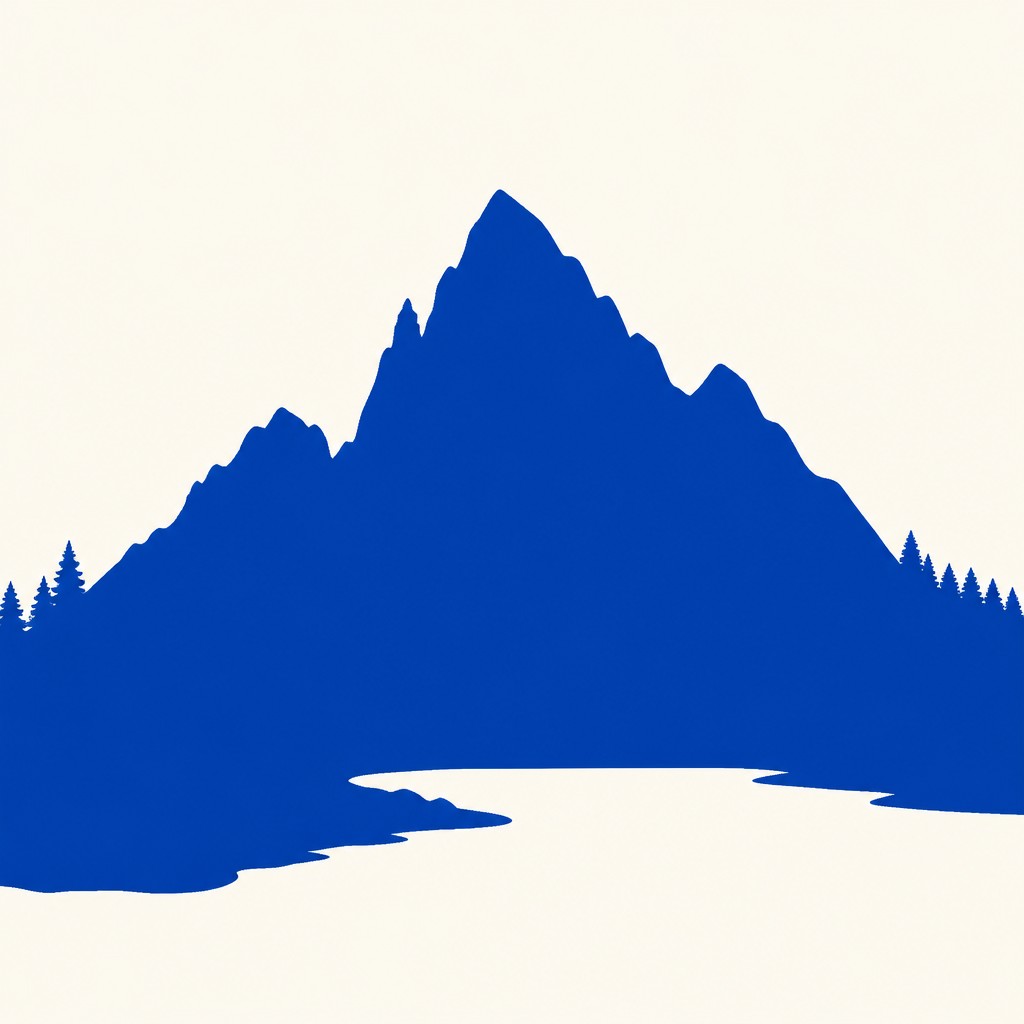
High figure-ground contrast
The subject and background differ strongly in value, hue, or both. Clear contrast makes the shape readable and gives the composition its assertive visual tension.
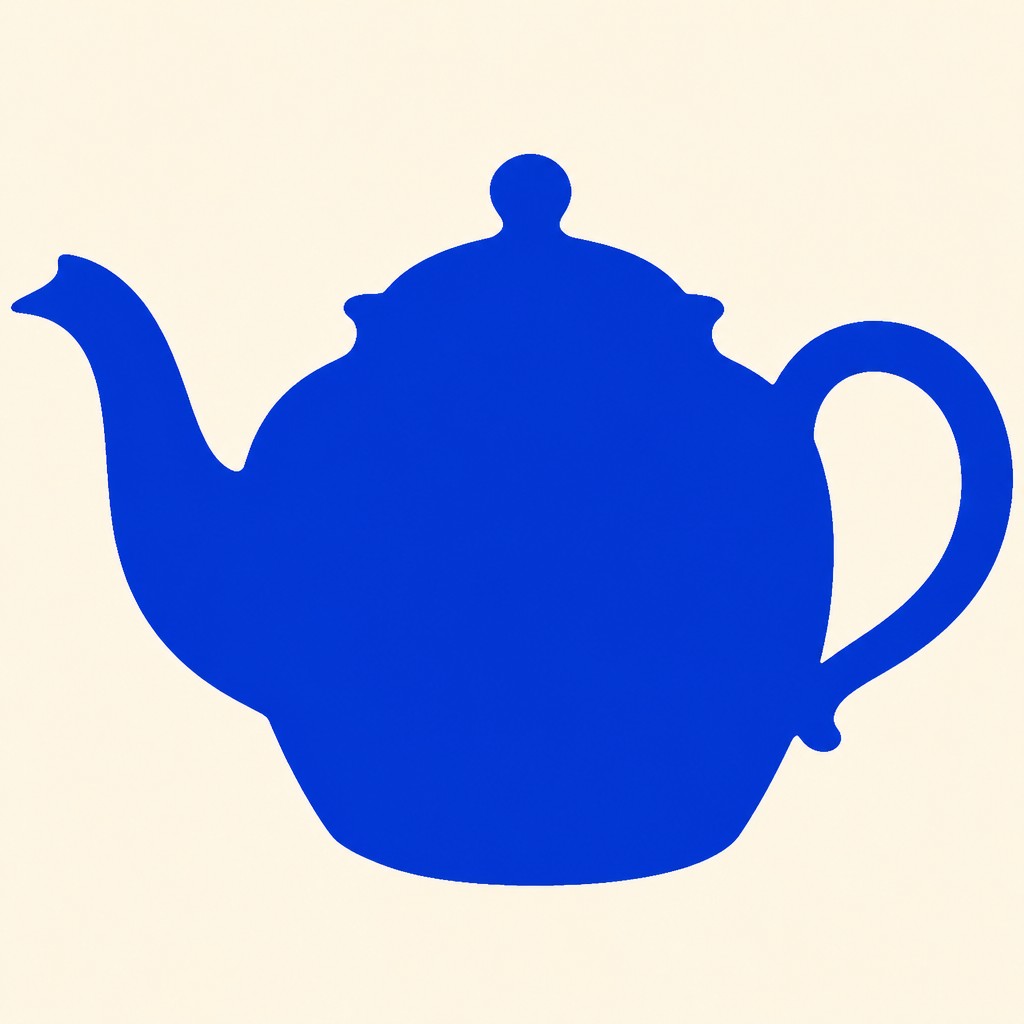
Minimal internal detail
Shading, texture, pattern, and small marks are used sparingly or omitted. Any remaining detail should clarify the subject rather than weaken its unified appearance.
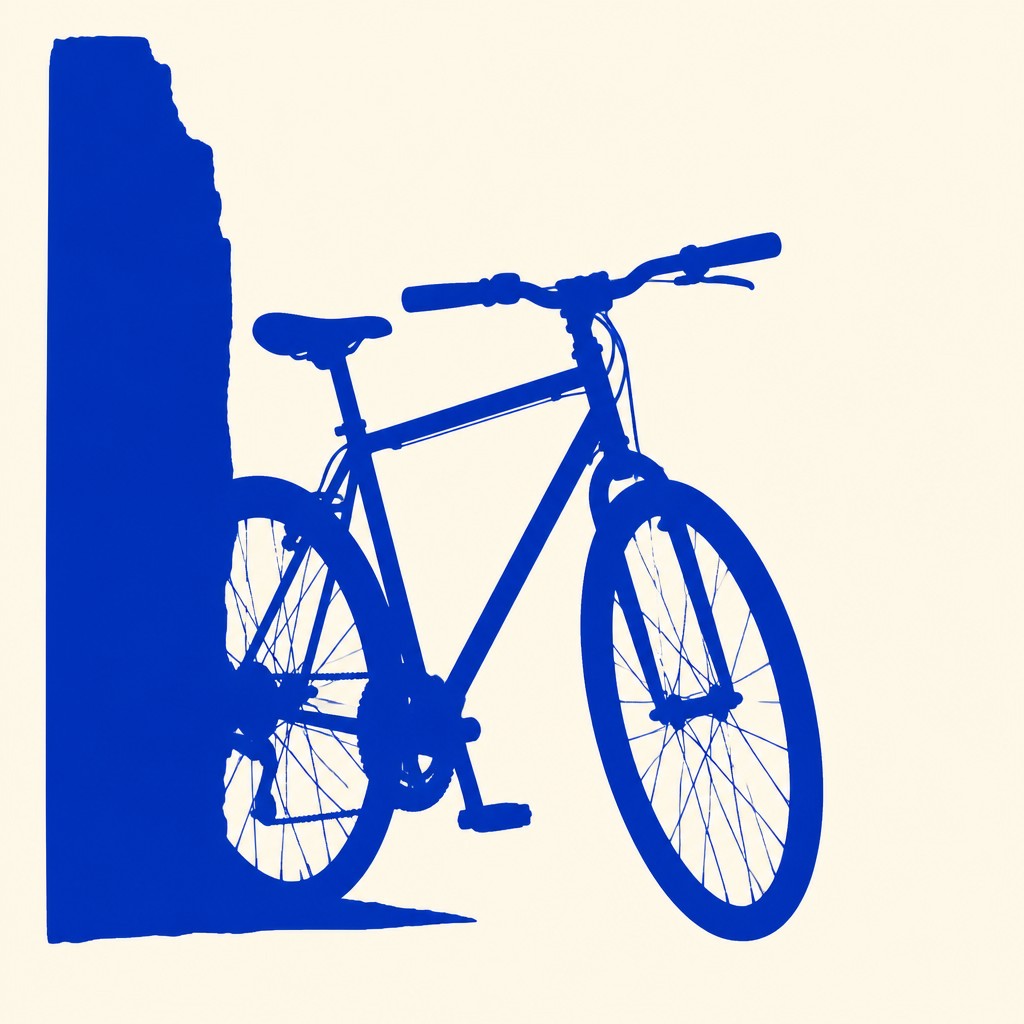
Confident framing
The figure may be oversized, centered, cropped by the edges, or positioned with deliberate asymmetry. Scale and placement create energy even when the image contains only one major element.
Positive Space Prompt Ideas
Start from an idea — each one opens the generator with the style ready to go. See all 40 Positive Space prompts →
How to Create Positive Space Art
Master the craft step by step — or skip straight to creating. Read the full guide →
- 1
Begin with a readable contour
Sketch the subject as a simple silhouette and remove details that do not improve recognition. Test the outline at thumbnail size to ensure its identity survives reduction.
- 2
Use a limited color plan
Choose one strong color for the positive form and a contrasting, quiet color for the background. Flat paint, opaque marker, cut paper, vinyl, or vector fills all support the style effectively.
- 3
Protect the empty space
Keep the background free of scenery, texture, shadows, and incidental marks. Adjust the subject’s scale and position so the surrounding void feels intentional rather than unfinished.
- 4
Refine the edge
In digital software, use vector paths, selection masks, or hard-edged brushes to create a clean perimeter. For physical work, cut templates carefully or apply masking materials to prevent fuzzy borders.
- 5
Control the composition
Try a centered monumental arrangement, a low or high placement, or a crop that lets the form extend beyond the frame. Keep one subject visually dominant and avoid secondary elements that create noise.
- 6
Write focused generation prompts
Specify one subject, a bold saturated fill, a sharply defined silhouette, a plain empty background, strong figure-ground contrast, and minimal detail. Example wording can also state the desired framing, such as oversized, centered, cropped, or isolated.
The Story
History & Origins of Positive Space
Positive Space Art is best understood as a contemporary descriptive style rather than a historically named art movement. Its lineage comes from the long-standing design principle of positive and negative space, together with silhouette-based drawing, paper-cut composition, stencil graphics, sign painting, poster design, pictograms, and modernist reduction. These traditions established that a clearly bounded shape can communicate identity and emphasis without internal detail.
Its current form also reflects digital illustration and image-based composition, where subjects can be isolated, recolored, enlarged, and placed against uniform fields with precision. The style develops these precedents into a strict visual formula: one dominant filled shape, strong figure-ground separation, and an intentional refusal of unnecessary visual noise.
Influences: The style is related to modernist graphic reduction, silhouette drawing, stencil and screen-print practices, pictograms, poster design, cut-paper composition, and the figure-ground principles of Gestalt theory. It also shares qualities with flat-color illustration, logo design, minimalism, and selected forms of Pop Art, while differing from them through its especially strict emphasis on one occupied shape surrounded by an uncluttered field.
Frequently Asked Questions
What defines Positive Space Art?
It is defined by one dominant solid figure or object, a clear silhouette, strong contrast, and a largely empty background. Saturated color and minimal internal detail make the occupied form visually unmistakable.
What is positive space in an artwork?
Positive space is the area occupied by the subject, figure, object, or mark. In this style, it is intentionally enlarged and emphasized, while the surrounding negative space remains simple and visually active.
How is it different from minimalist art?
Positive Space Art uses minimalist reduction, but it focuses specifically on the force of a single filled shape against an empty field. Minimalism is a broader approach that may include subtle materials, repeated forms, restrained objects, or spatial installations rather than one bold silhouette.
Does the subject have to be realistic?
No. The subject can be figurative, architectural, botanical, mechanical, or completely abstract. Recognition comes primarily from the contour and overall mass, so simplification is encouraged.
What materials work well for this style?
Opaque paint, gouache, ink, markers, cut paper, stencils, screen printing, and vector illustration are all suitable. The most important requirements are a controlled edge, a unified fill, and a background without distracting detail.
How can I generate an image in this style?
Describe a single subject and specify a solid saturated color, sharply defined silhouette, plain empty background, strong contrast, and minimal competing detail. Add framing instructions such as oversized, centered, isolated, or cropped to control how strongly the form occupies the composition.
Create your first Positive Space artwork
Describe anything — or upload a photo — and see it in Positive Space Art Style in seconds.
Related Styles
Discover similar art styles