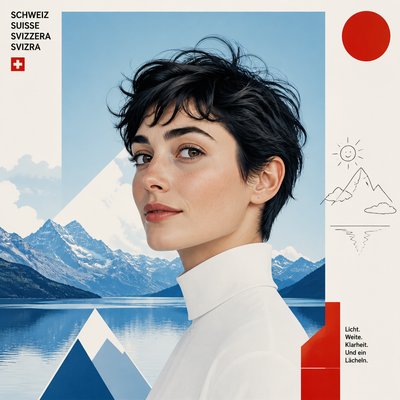
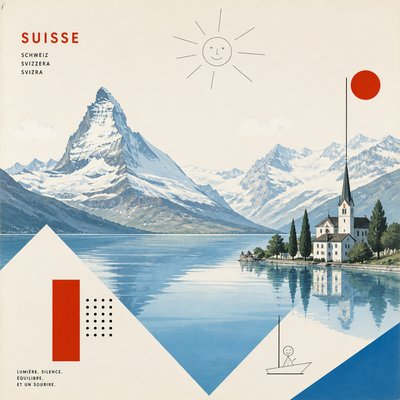
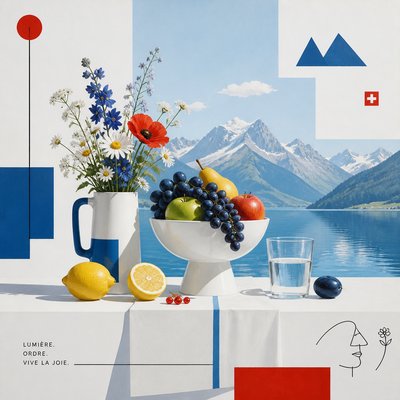
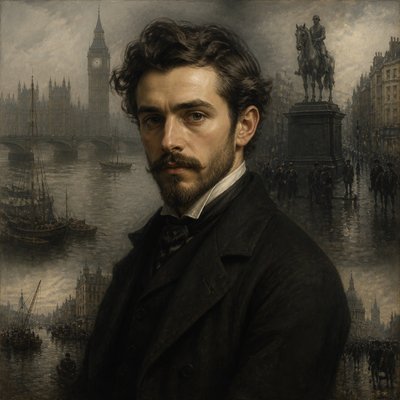
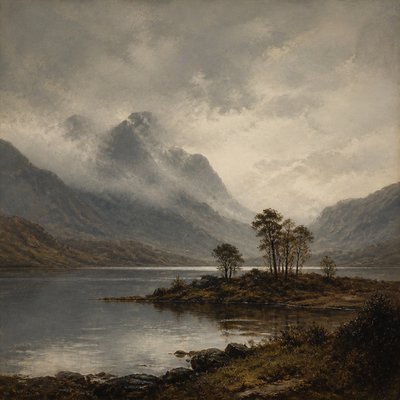
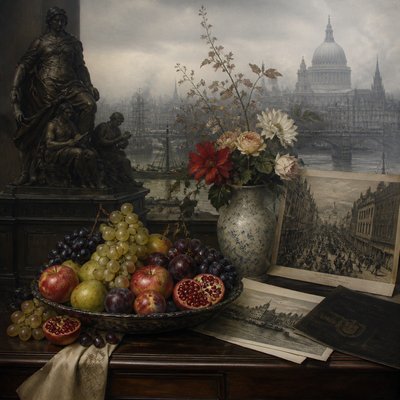
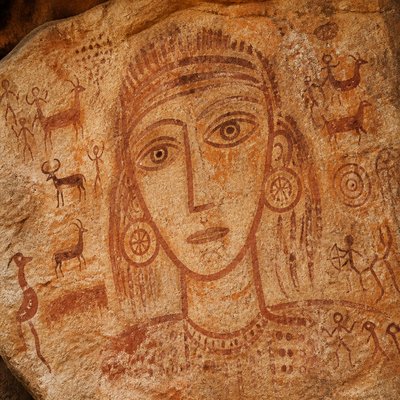
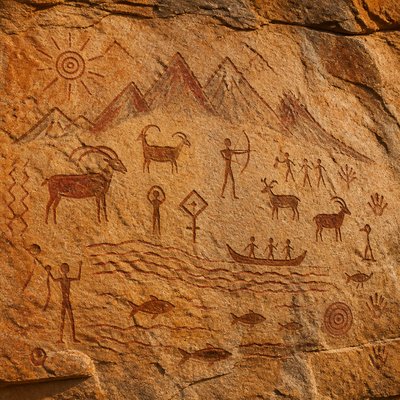
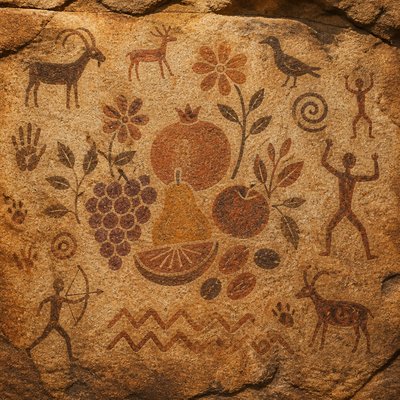
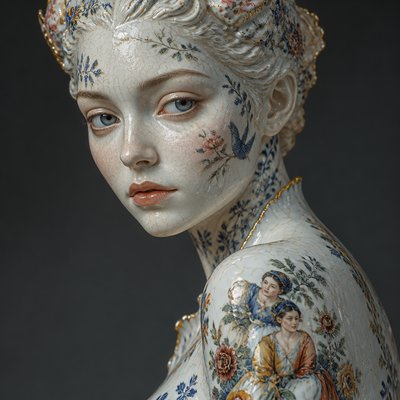
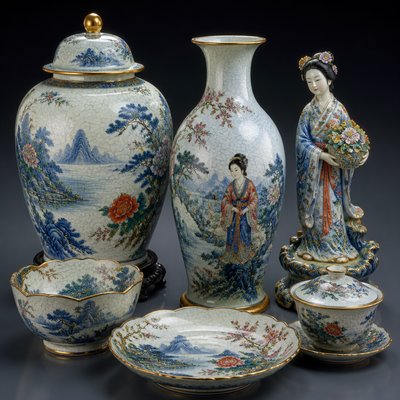
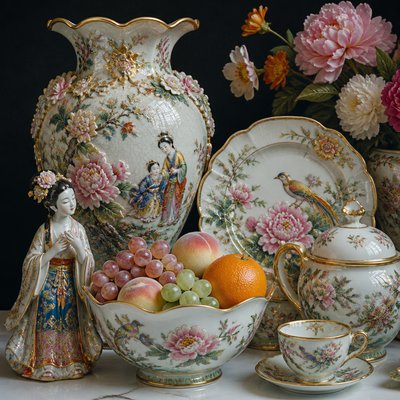
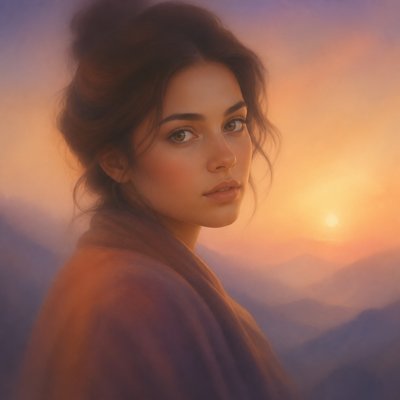
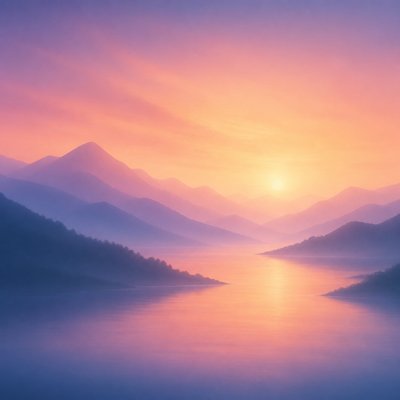
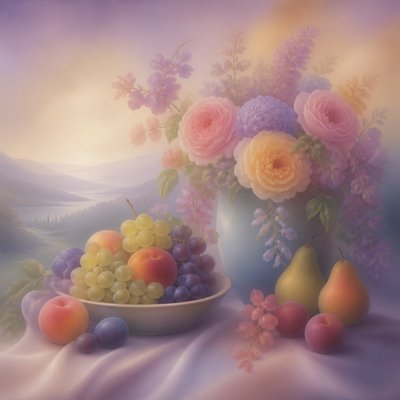
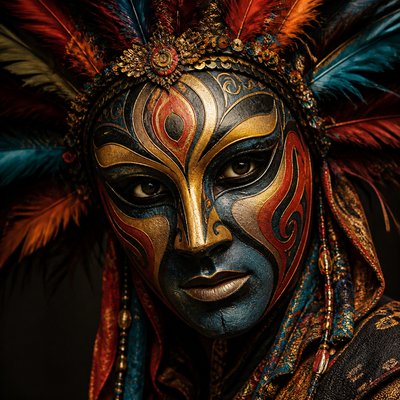
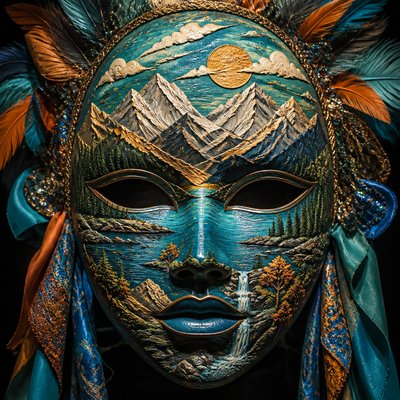
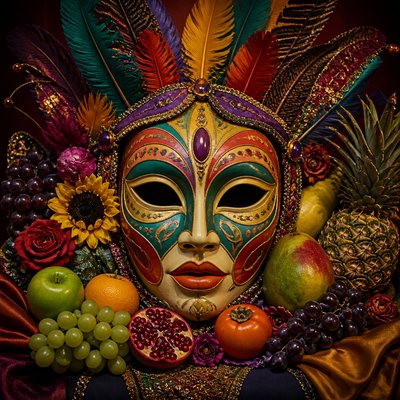
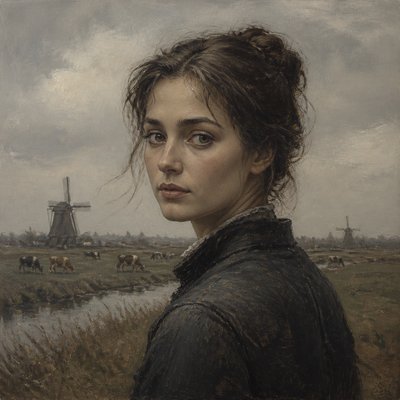
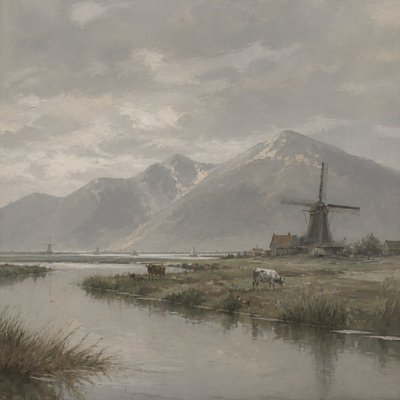
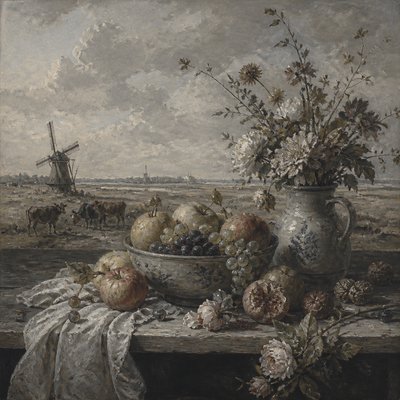
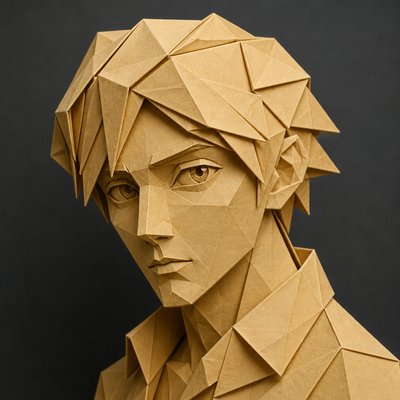
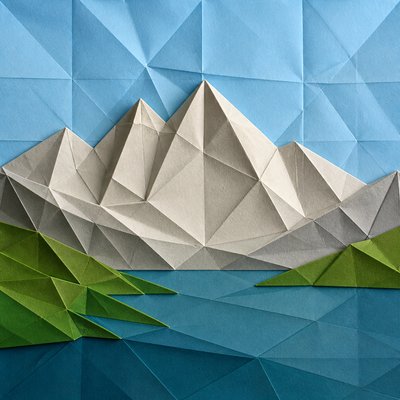
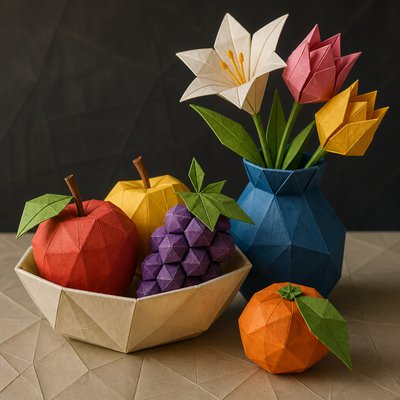
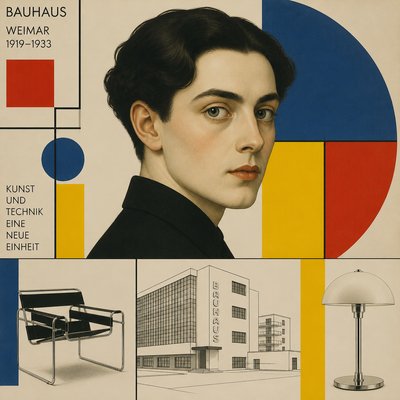
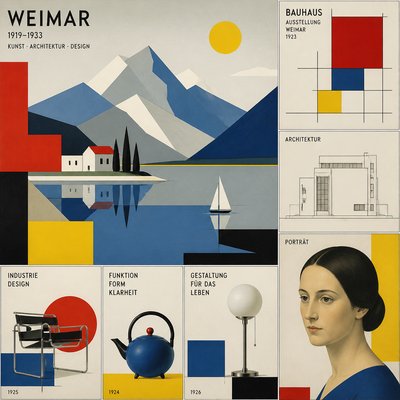
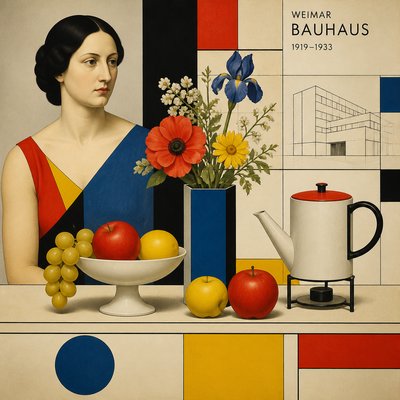
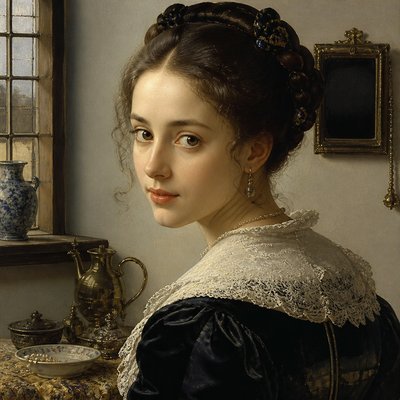
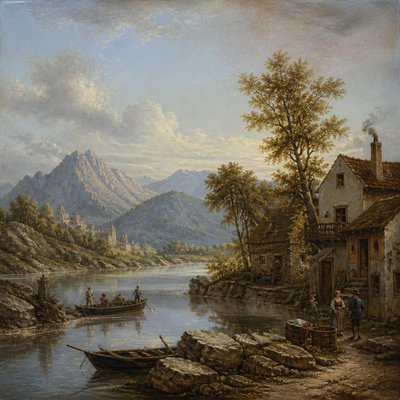
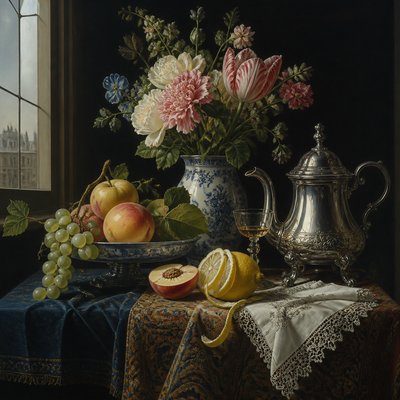
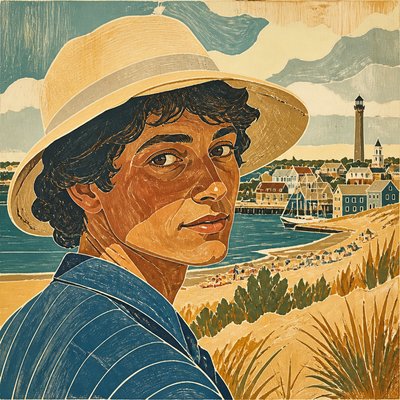
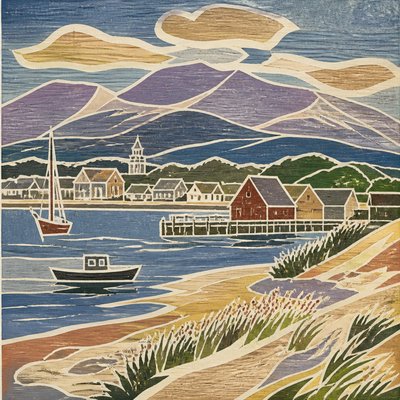
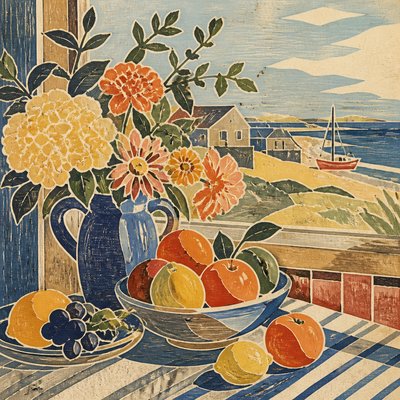
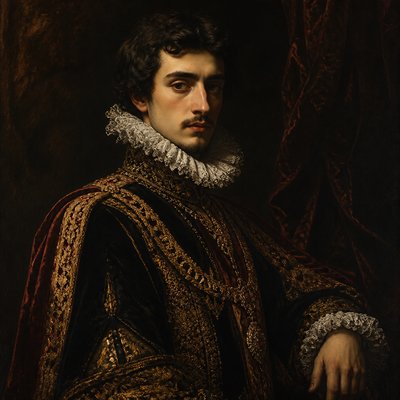
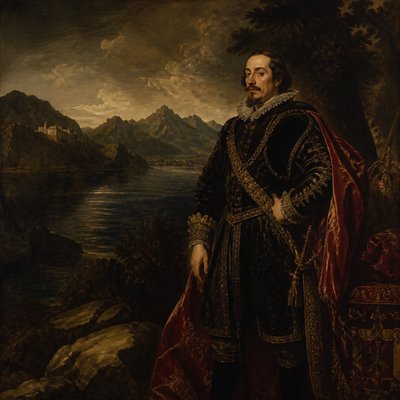
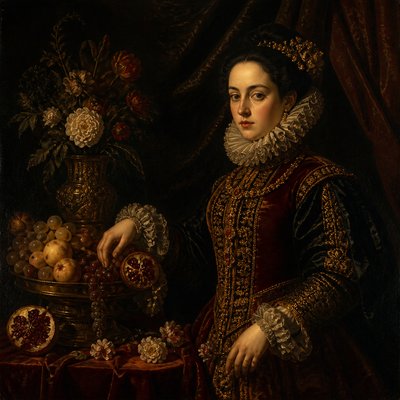
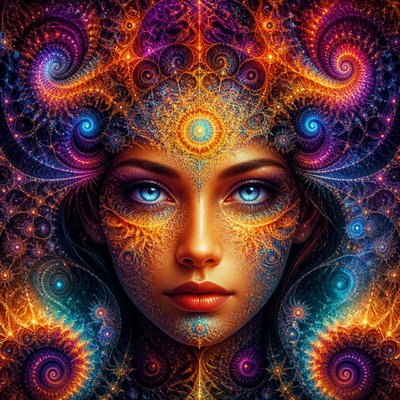
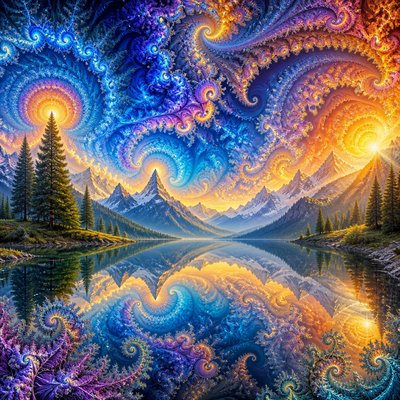
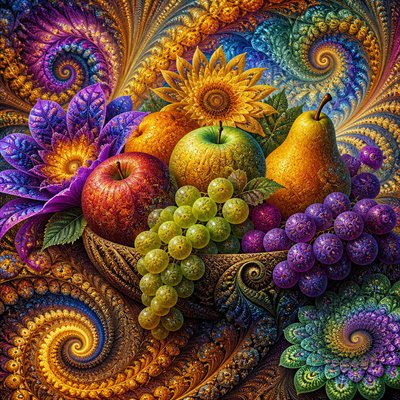
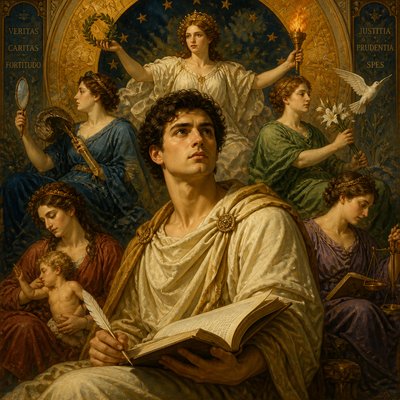
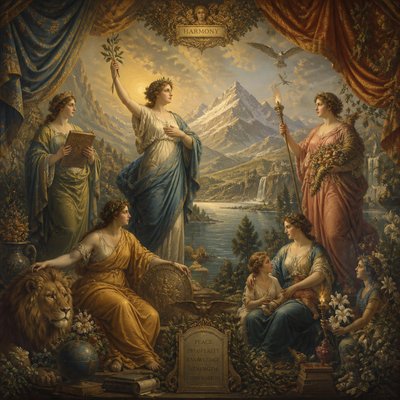
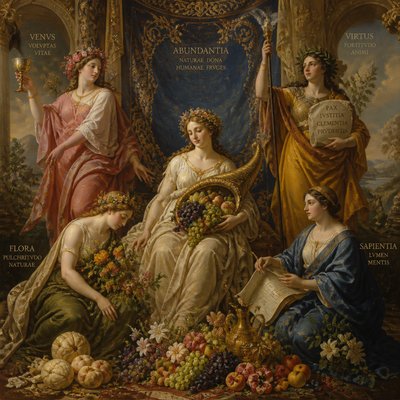
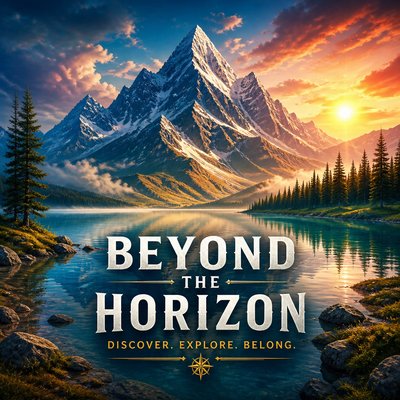
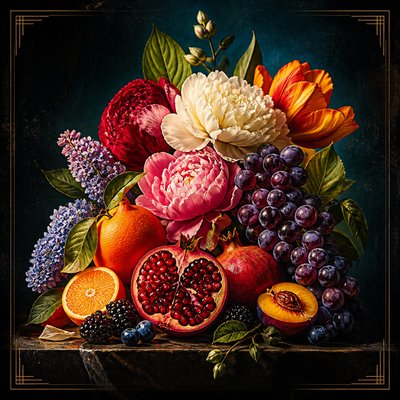
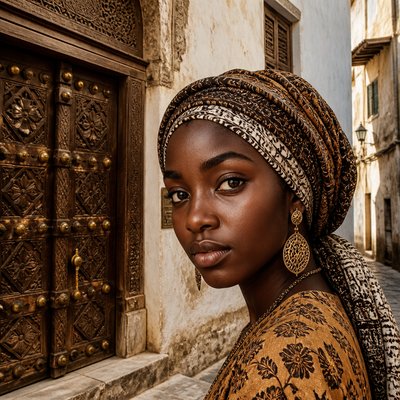
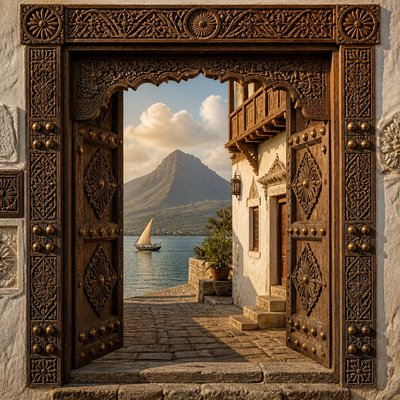
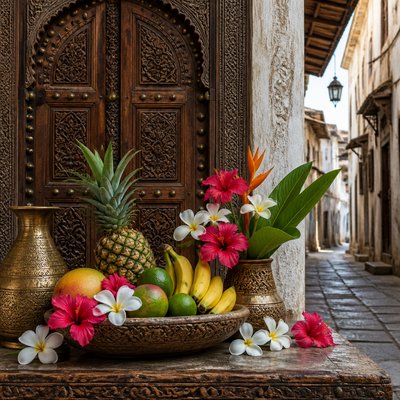
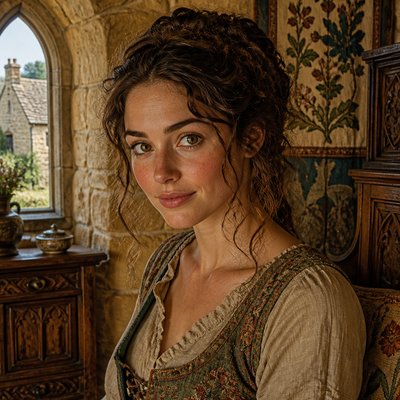
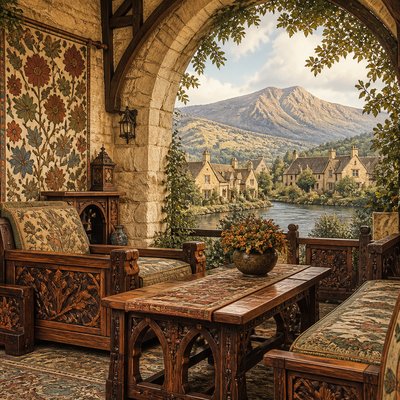
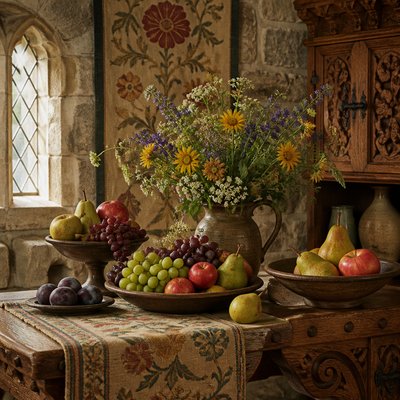
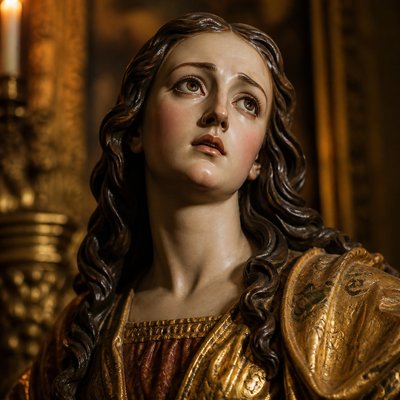
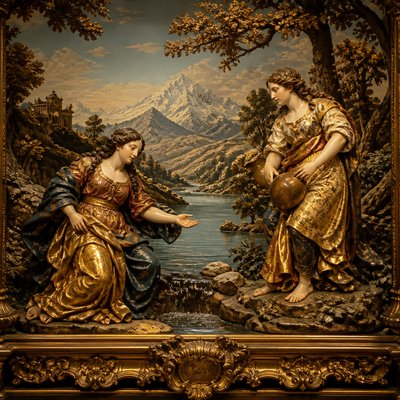
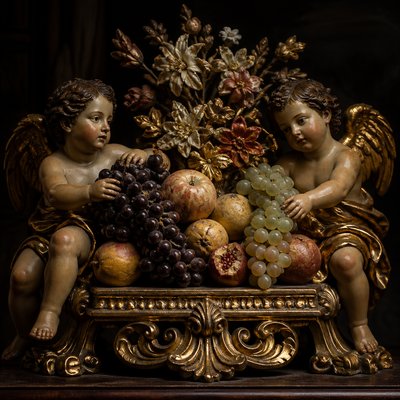
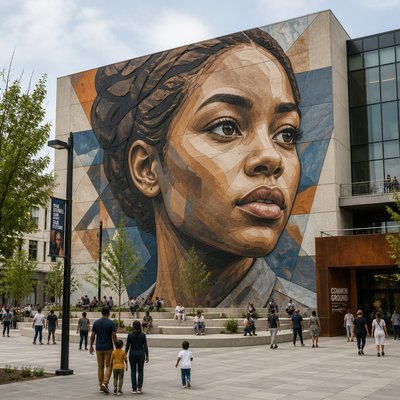
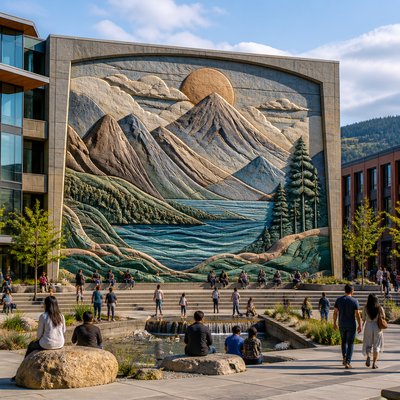
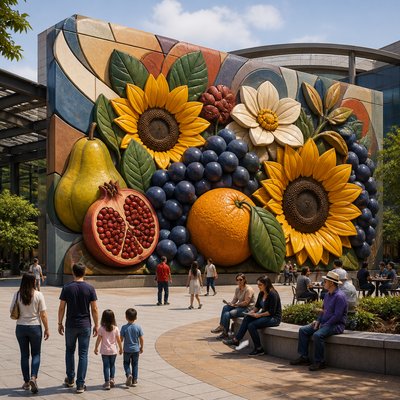
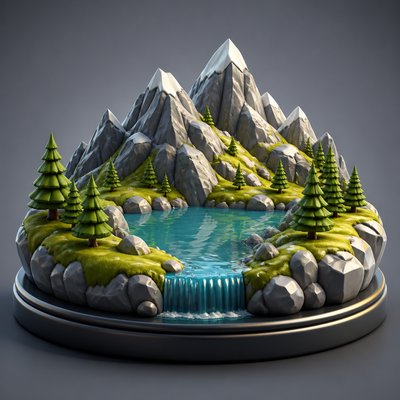
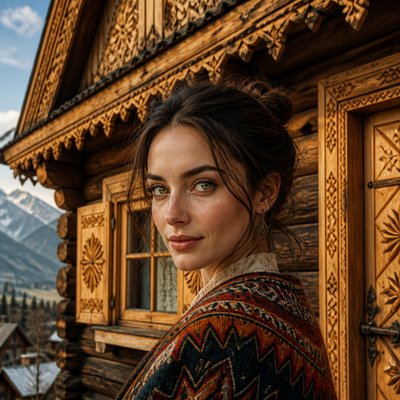
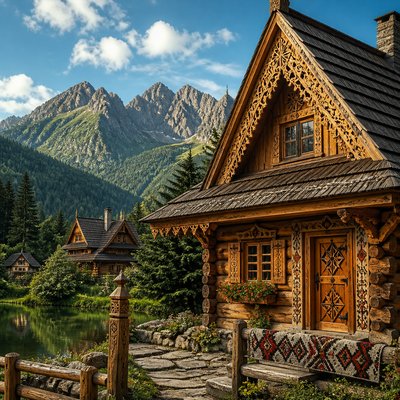
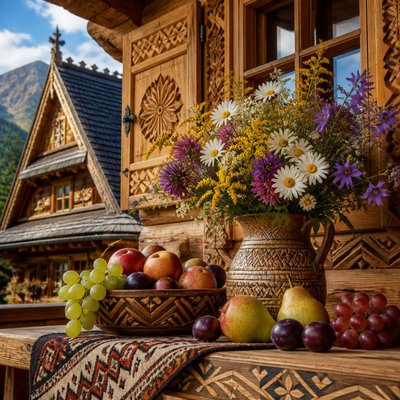
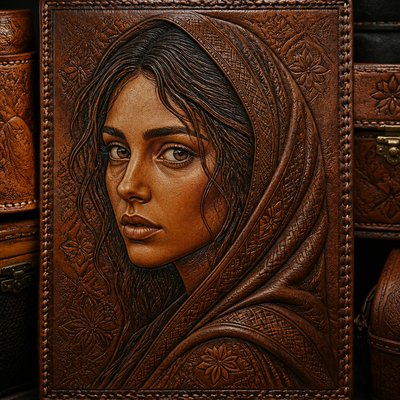
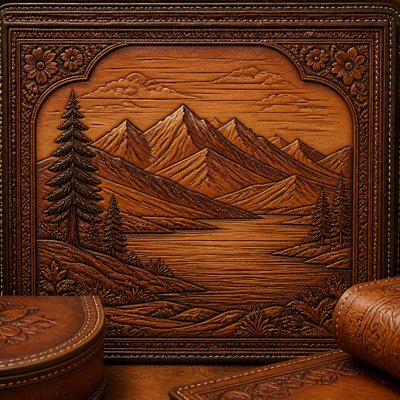
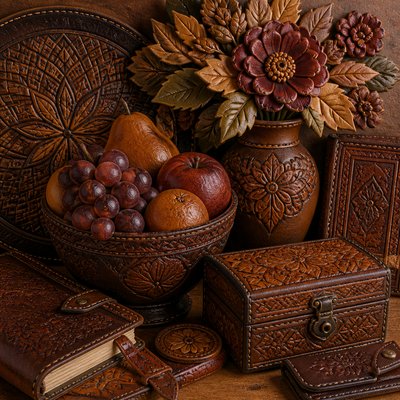
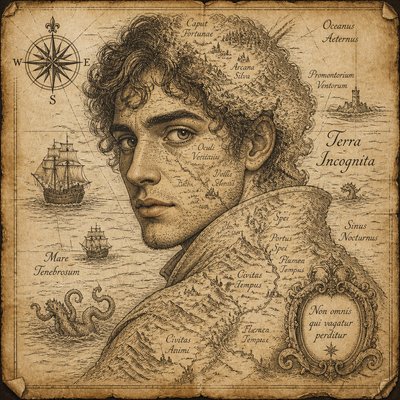
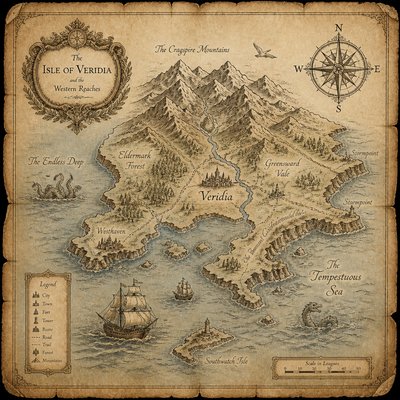
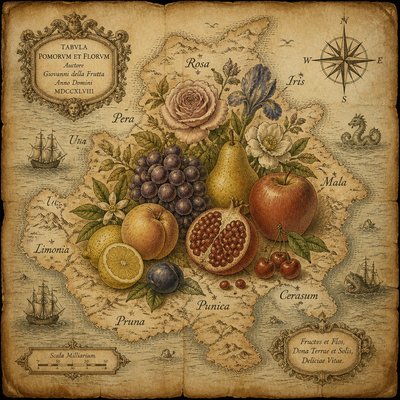
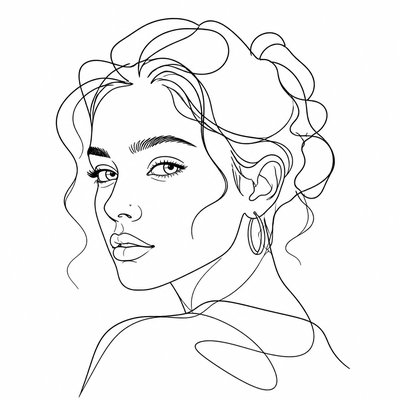
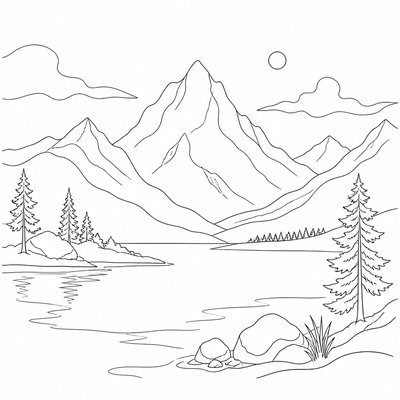
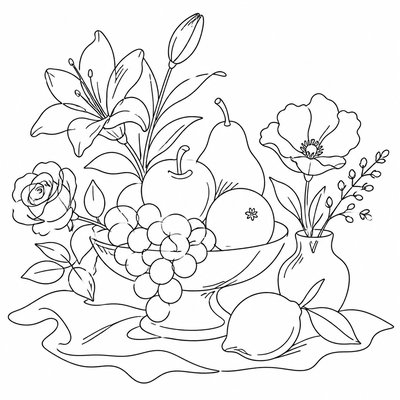
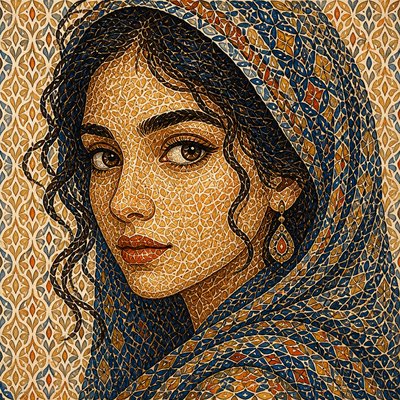
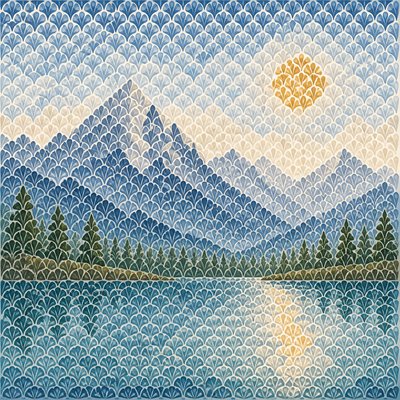
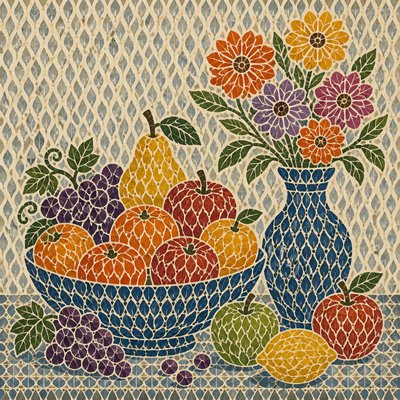
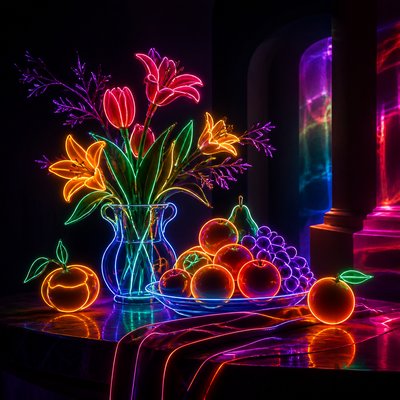
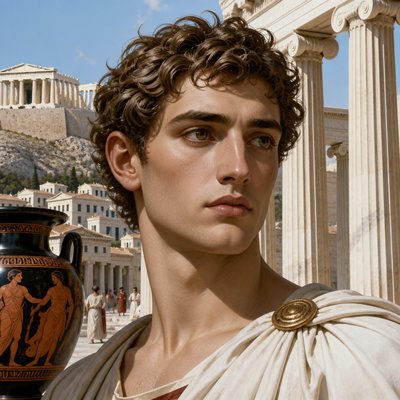
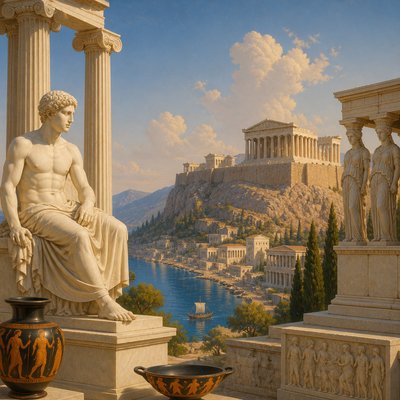
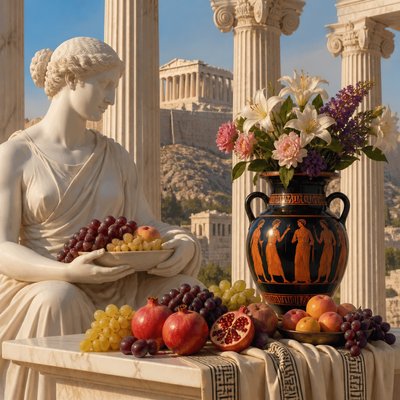
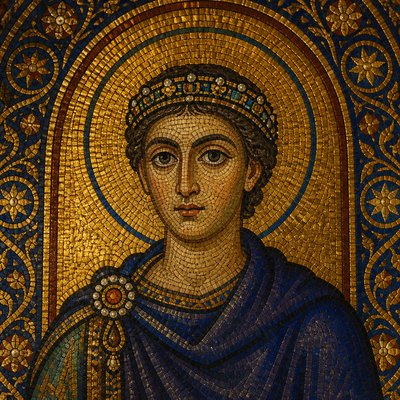
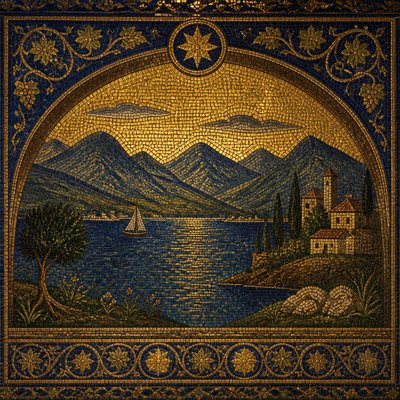
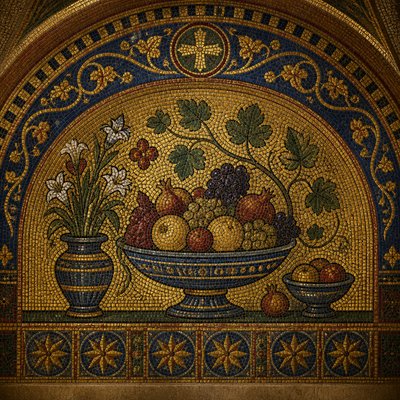
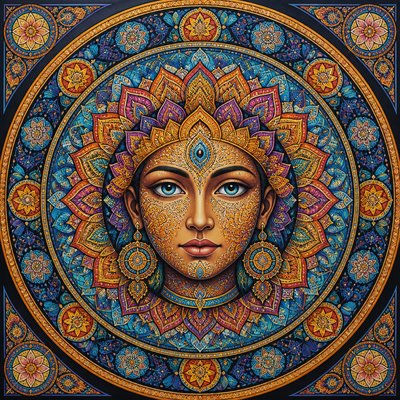
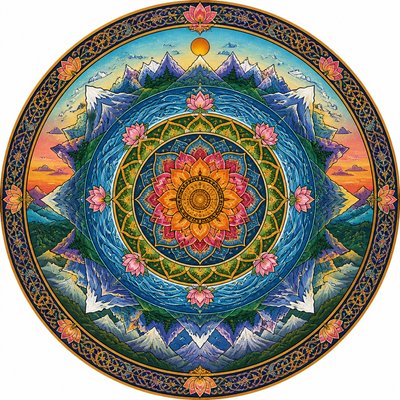
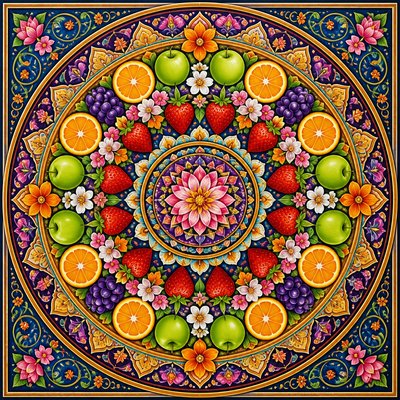
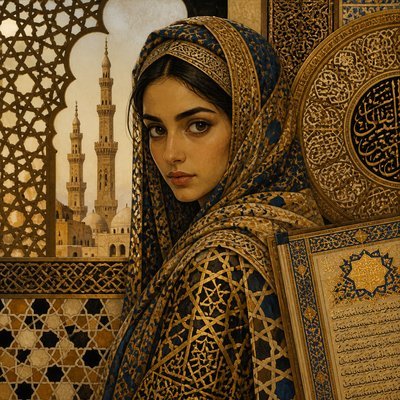
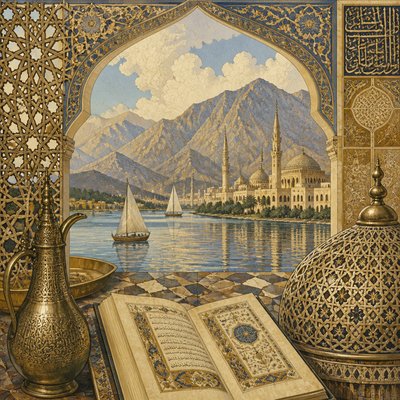
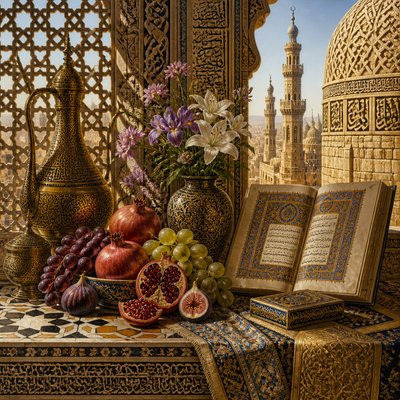
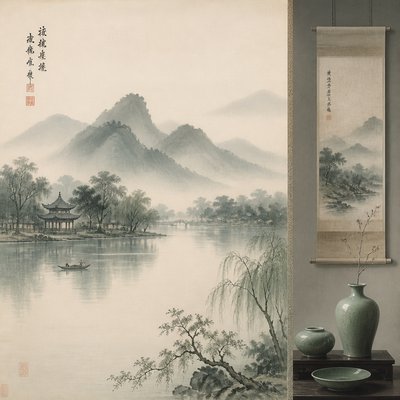
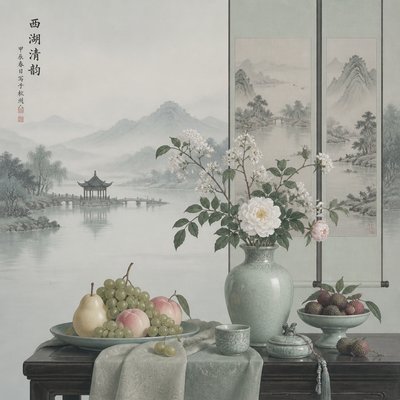
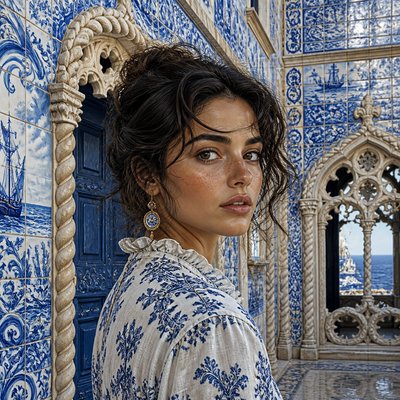
Explore Swiss Art Style: alpine light, crisp geometry, glacier blues, precise red accents, and playful modernist linework.
Instantly rendered in Swiss — or transform a photo
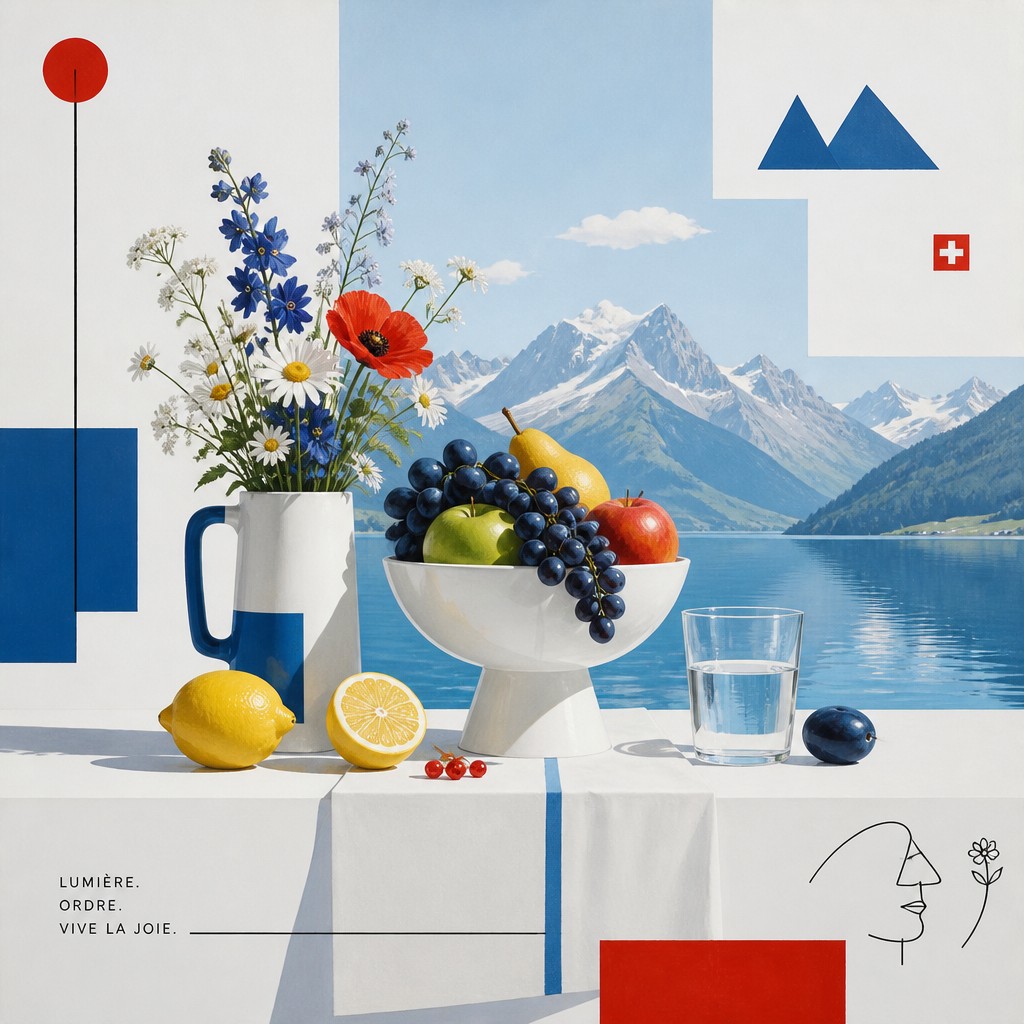
Swiss Gallery
Tap any artwork to explore it
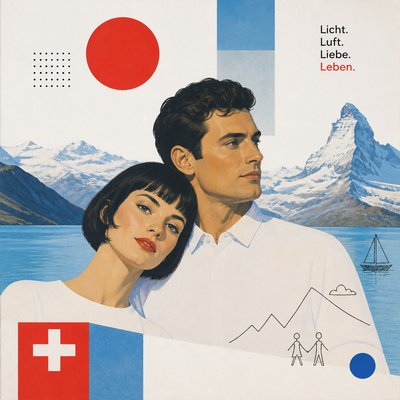
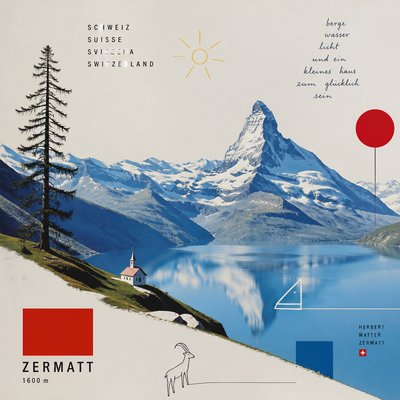
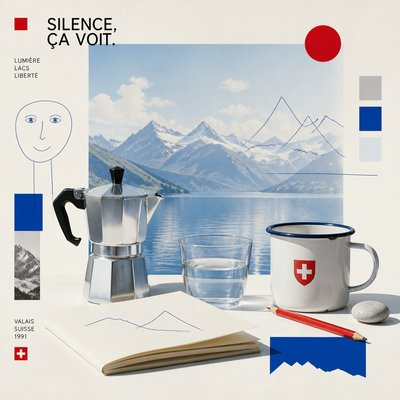
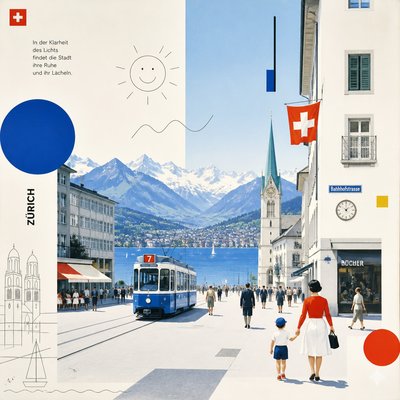
What is Swiss Art Style?
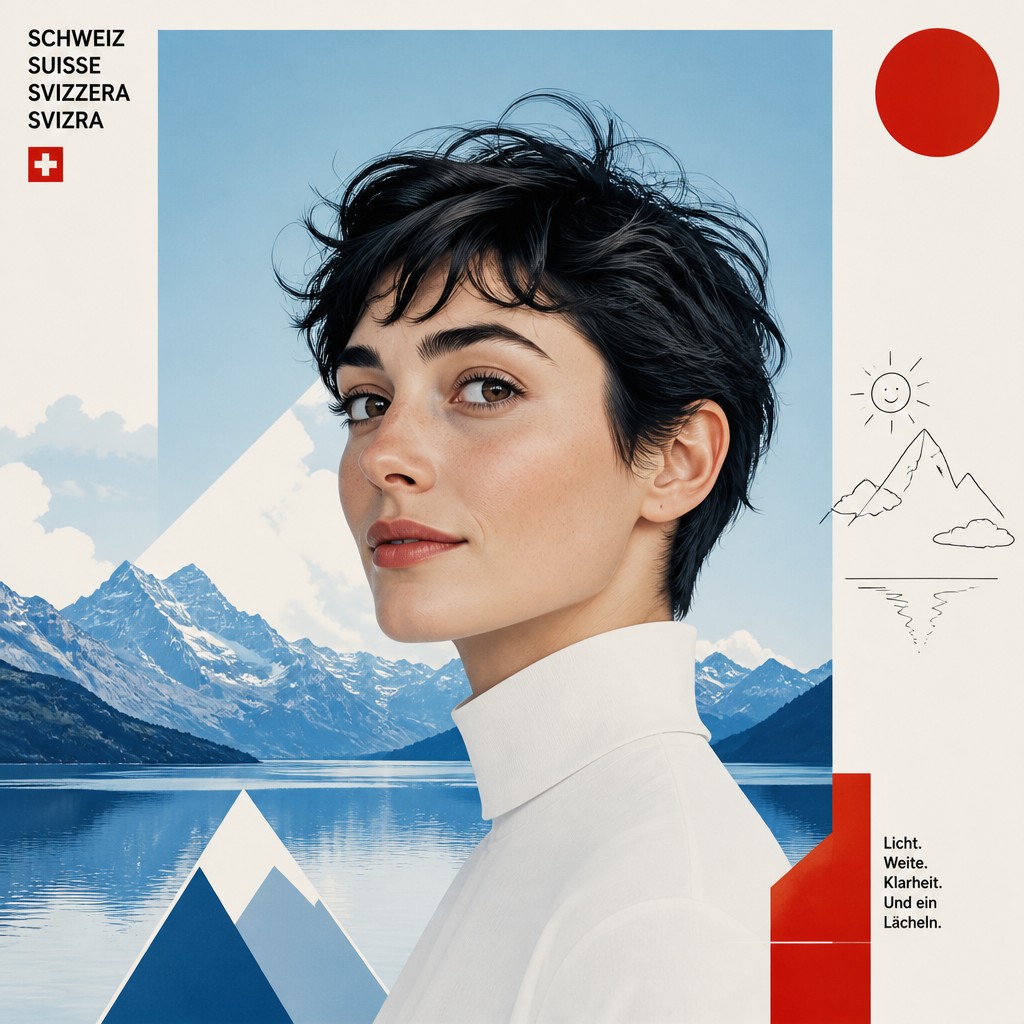
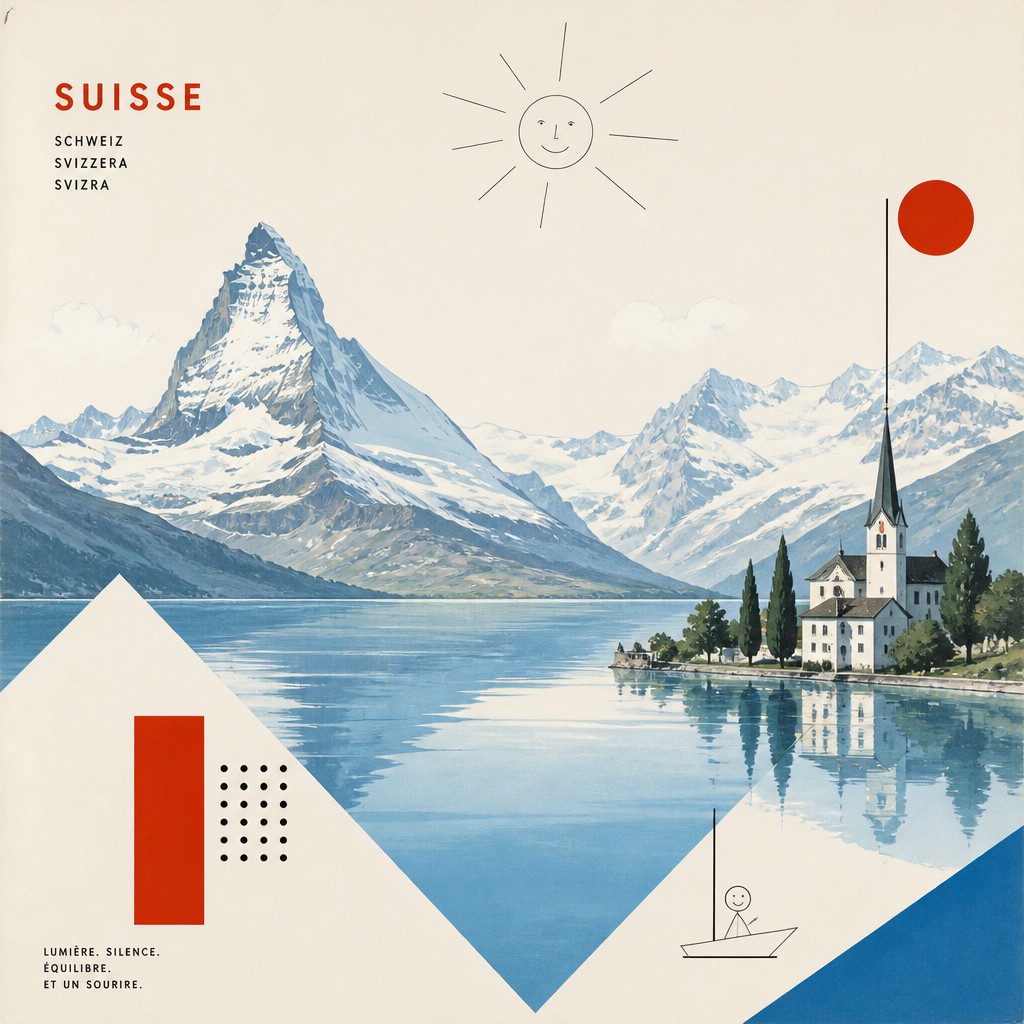
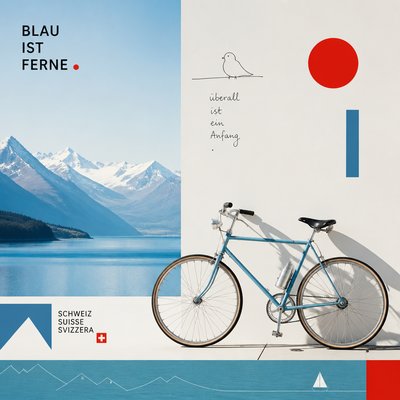
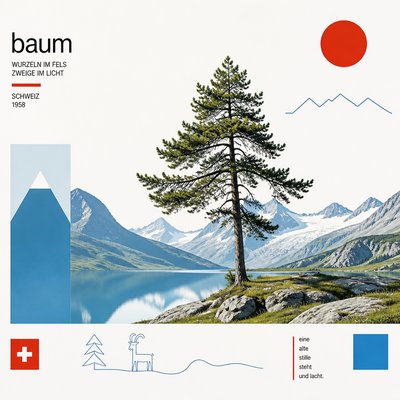
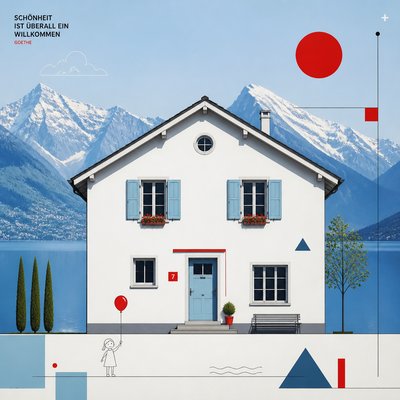
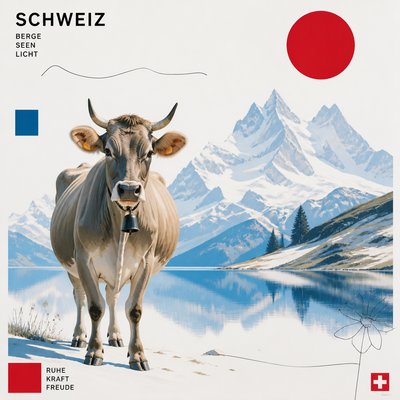
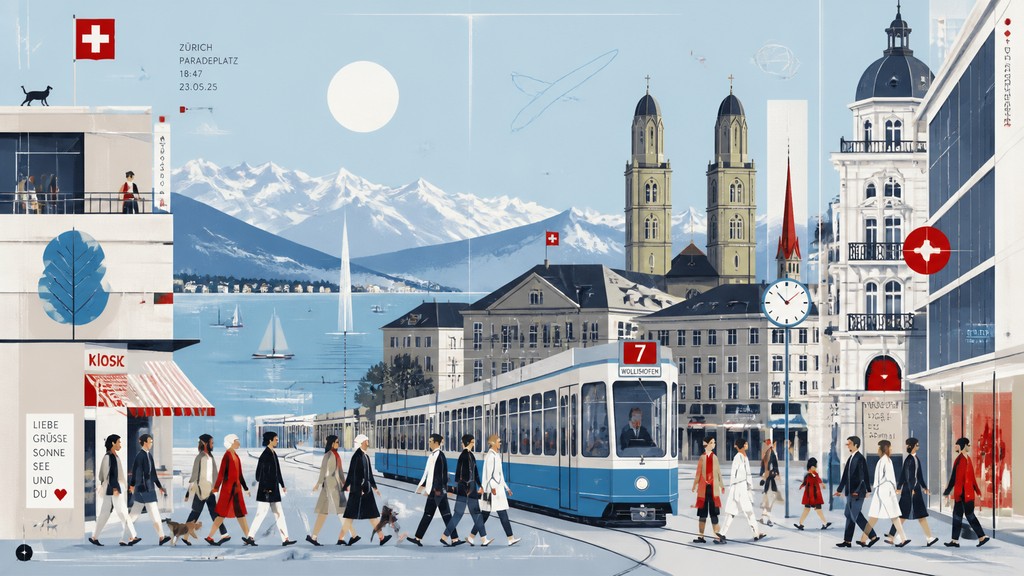
Swiss Art Style is a contemporary visual synthesis built around alpine clarity, modernist order, and playful geometric imagination. It pairs crystalline mountain and lake light with disciplined compositions, crisp whites, glacier blues, restrained neutrals, and small areas of vivid red used as visual punctuation. The result is calm and highly legible, but not austere: irregular marks, childlike line drawings, and unexpected shapes introduce wit and warmth.
The style looks the way it does because it balances structure with innocence. Broad fields of color, clear silhouettes, modular forms, and generous negative space establish visual order, while hand-drawn contours and whimsical geometric details prevent the image from feeling mechanical. Landscapes, architecture, objects, and figures are often simplified into emblematic forms that suggest place and atmosphere without relying on dense realism.
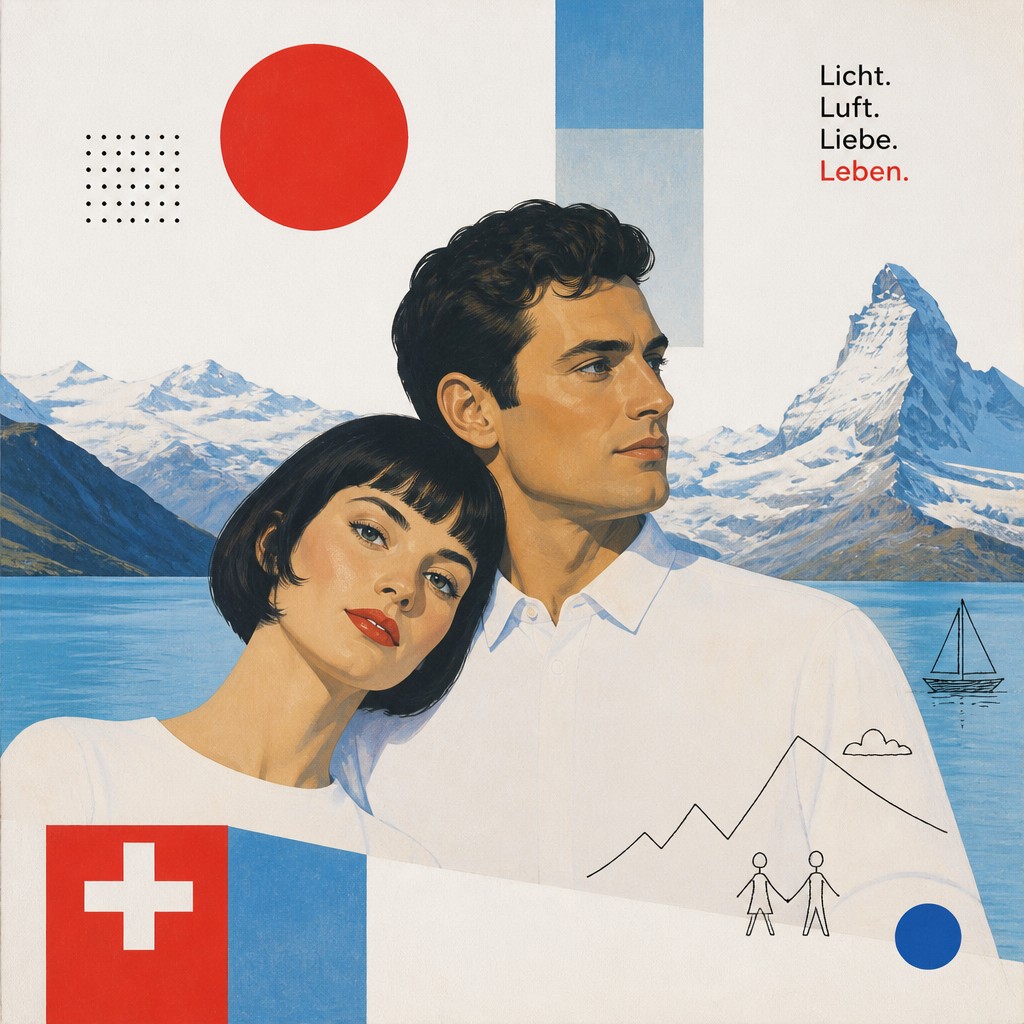
Try It On Your Photos
Upload any photo and convert it into Swiss Art Style — drag the sliders to compare before and after.
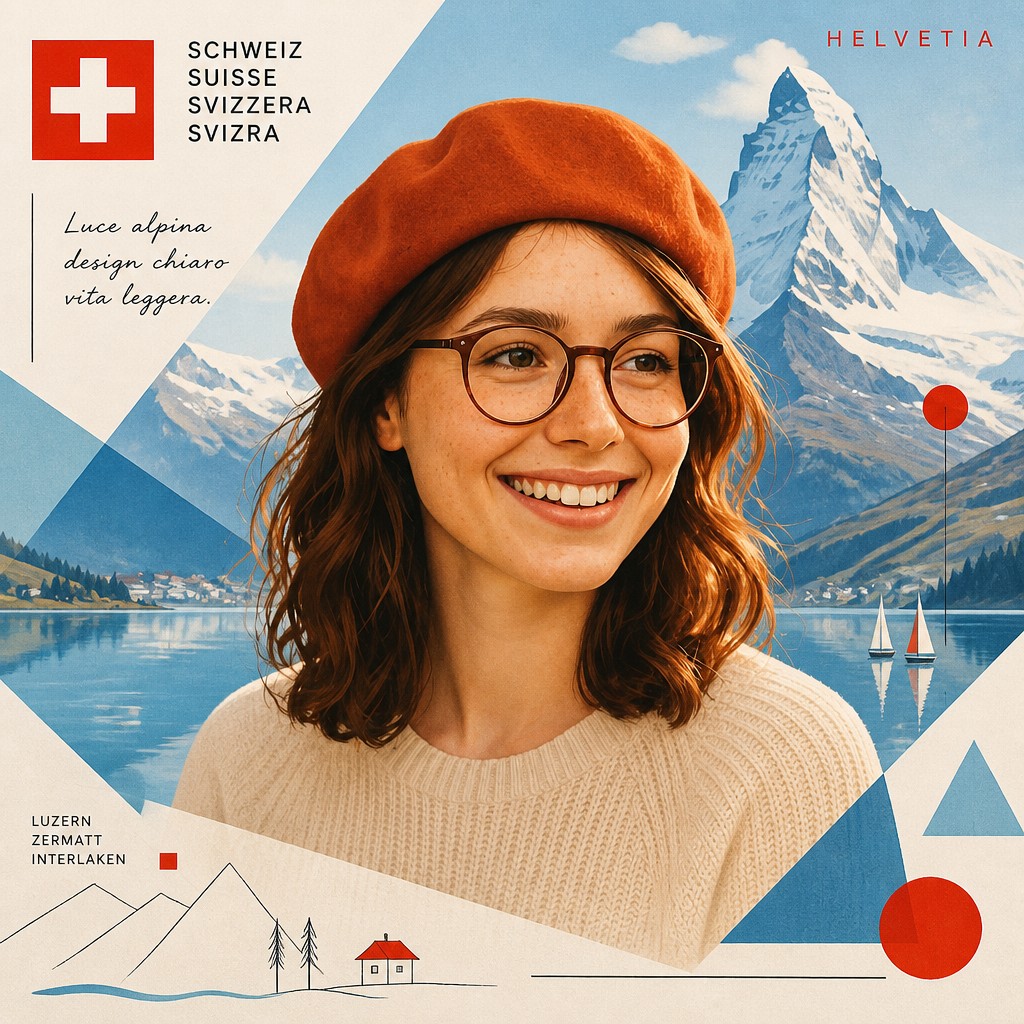

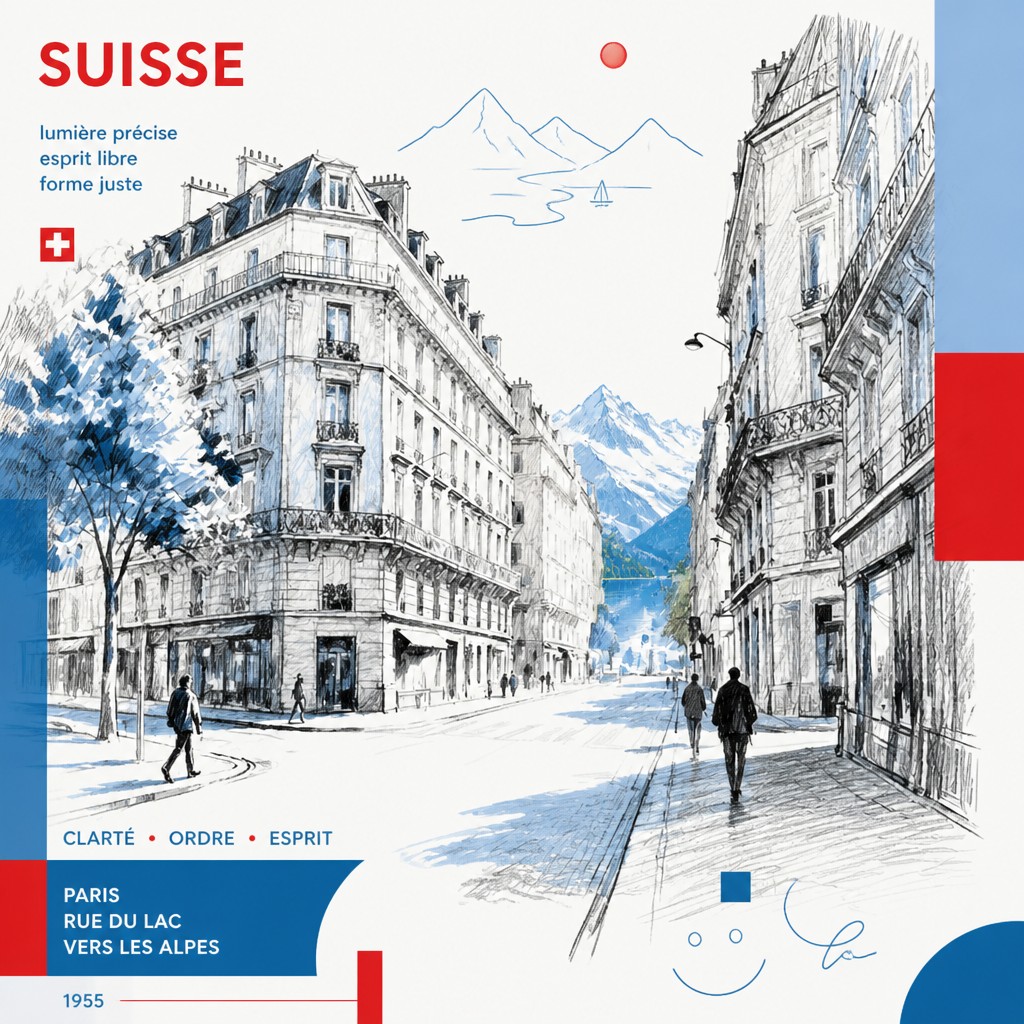

What Defines Swiss Art Style
The signature details, up close
Alpine luminosity
Scenes are illuminated by clear, high-altitude light that makes snow, water, stone, and sky appear sharply differentiated. Atmospheric haze is restrained in favor of crystalline visibility.
Modernist geometry
Mountains, buildings, trees, figures, and objects are reduced to circles, triangles, blocks, lines, and clean planar silhouettes. Geometry organizes the image without eliminating recognizable subject matter.
Glacier palette
Crisp white, icy blue, slate, cool gray, and deep blue form the dominant palette. A precise red accent is typically used sparingly to direct attention or create rhythmic contrast.
Ordered composition
Strong alignment, generous negative space, modular spacing, and carefully balanced asymmetry create a sense of visual calm. Elements often feel placed within an implied grid, even when the image is pictorial.
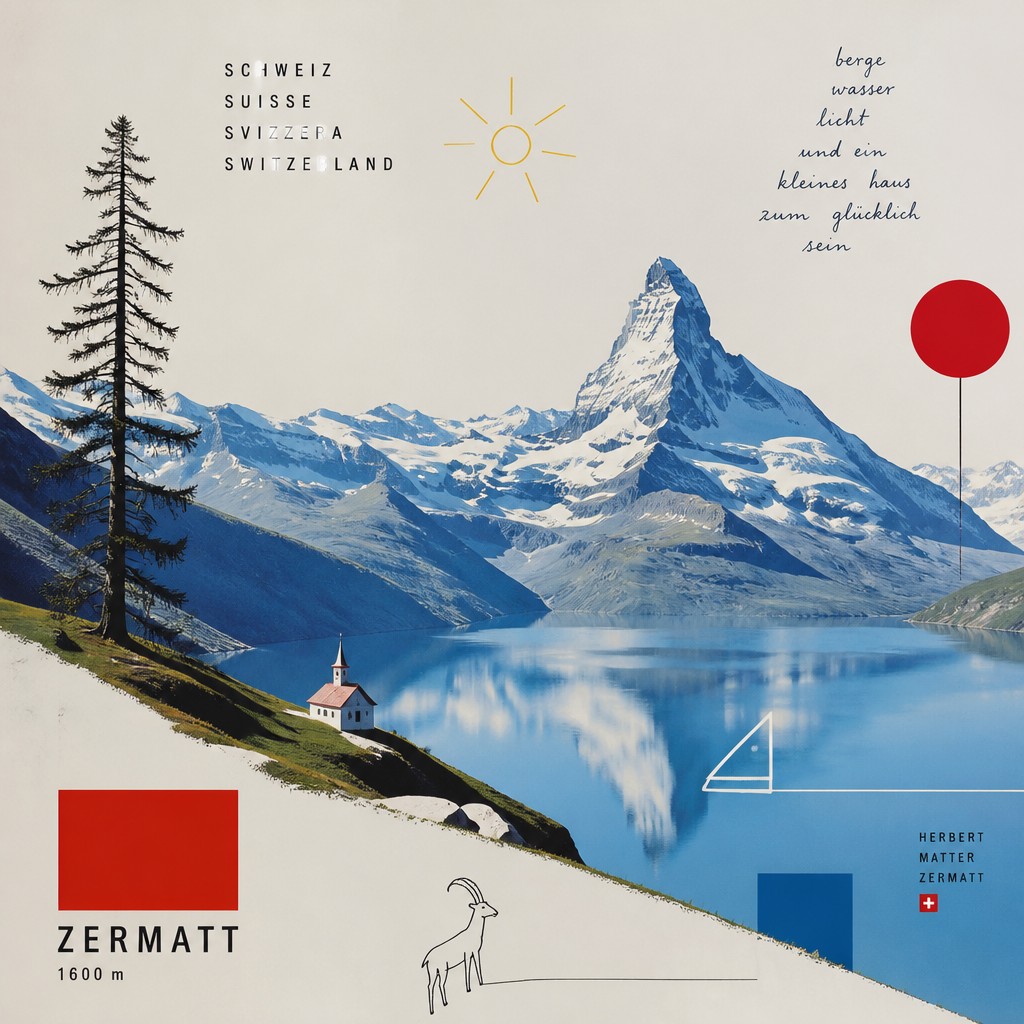
Playful line-poetry
Loose hand-drawn lines, small doodle-like marks, and slightly irregular contours soften the formal structure. These details suggest curiosity and childlike discovery rather than technical imperfection.
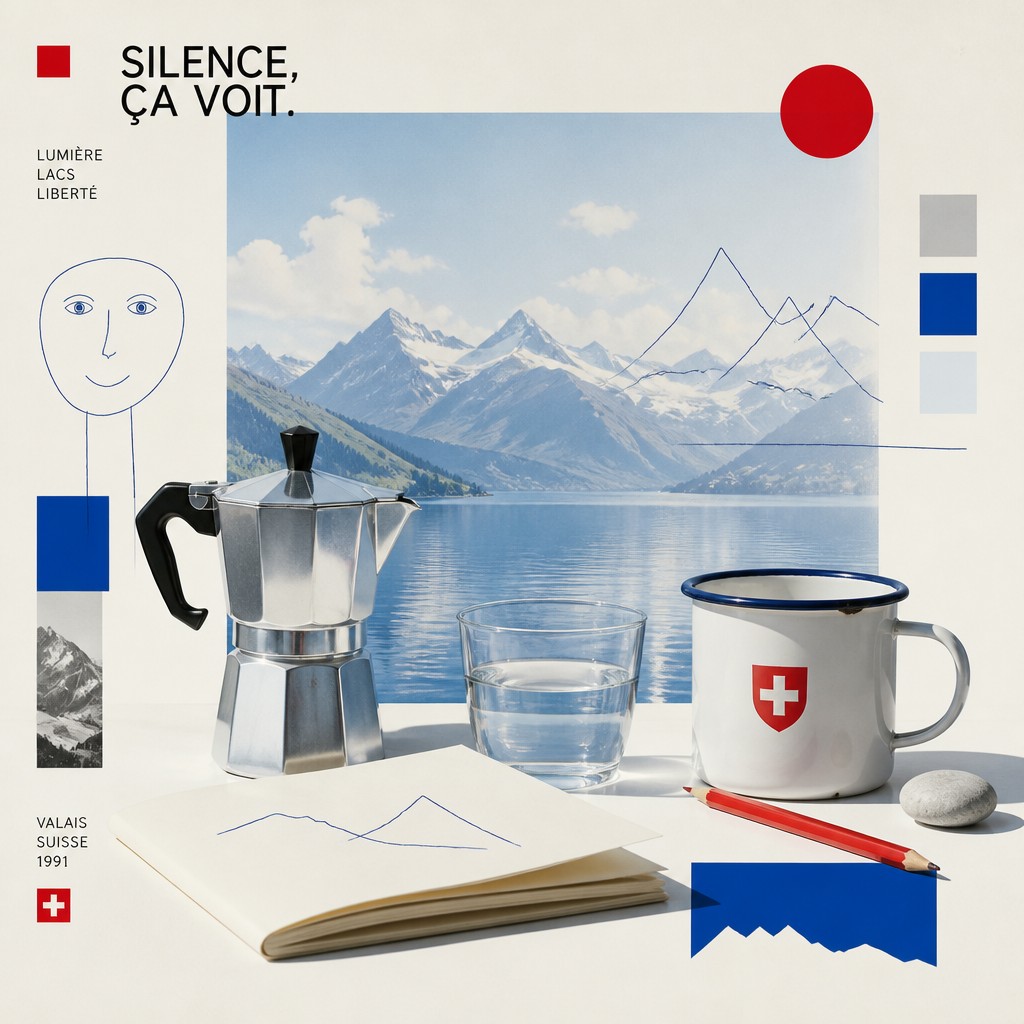
Graphic reduction
Textures and details are selectively omitted so that silhouettes, color relationships, and symbolic forms carry the image. Flat or gently graduated surfaces are preferred over photorealistic rendering.
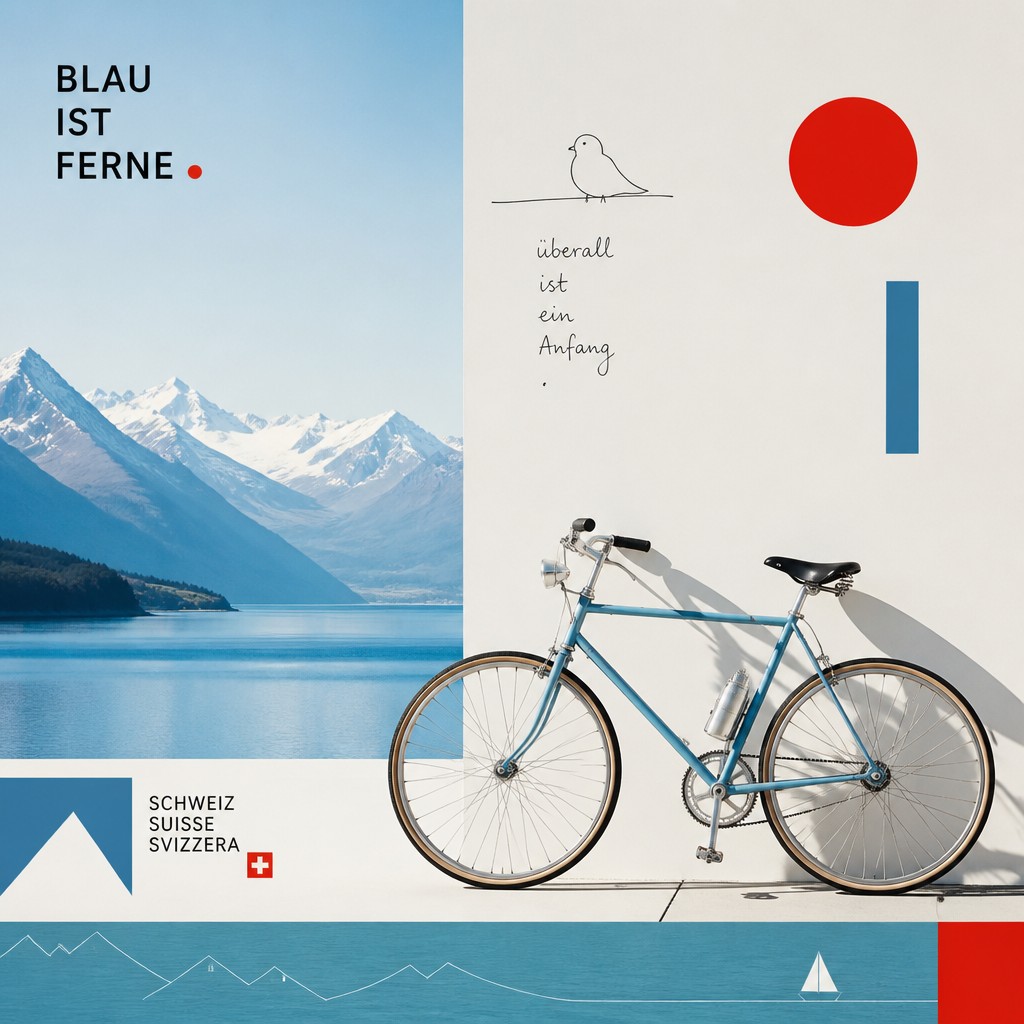
Serenity with wit
The overall mood is quiet, lucid, and spacious, but small visual surprises keep it lively. An oversized shape, unexpected color mark, or whimsical figure can provide the style's characteristic humor.
Try It
Create Videos in Swiss Art Style
Styles aren't just for stills — describe a scene or animate an image and get a short video rendered in Swiss. Press play to see this pond come to life.
Make a VideoSwiss Prompt Ideas
Start from an idea — each one opens the generator with the style ready to go. See all 40 Swiss prompts →
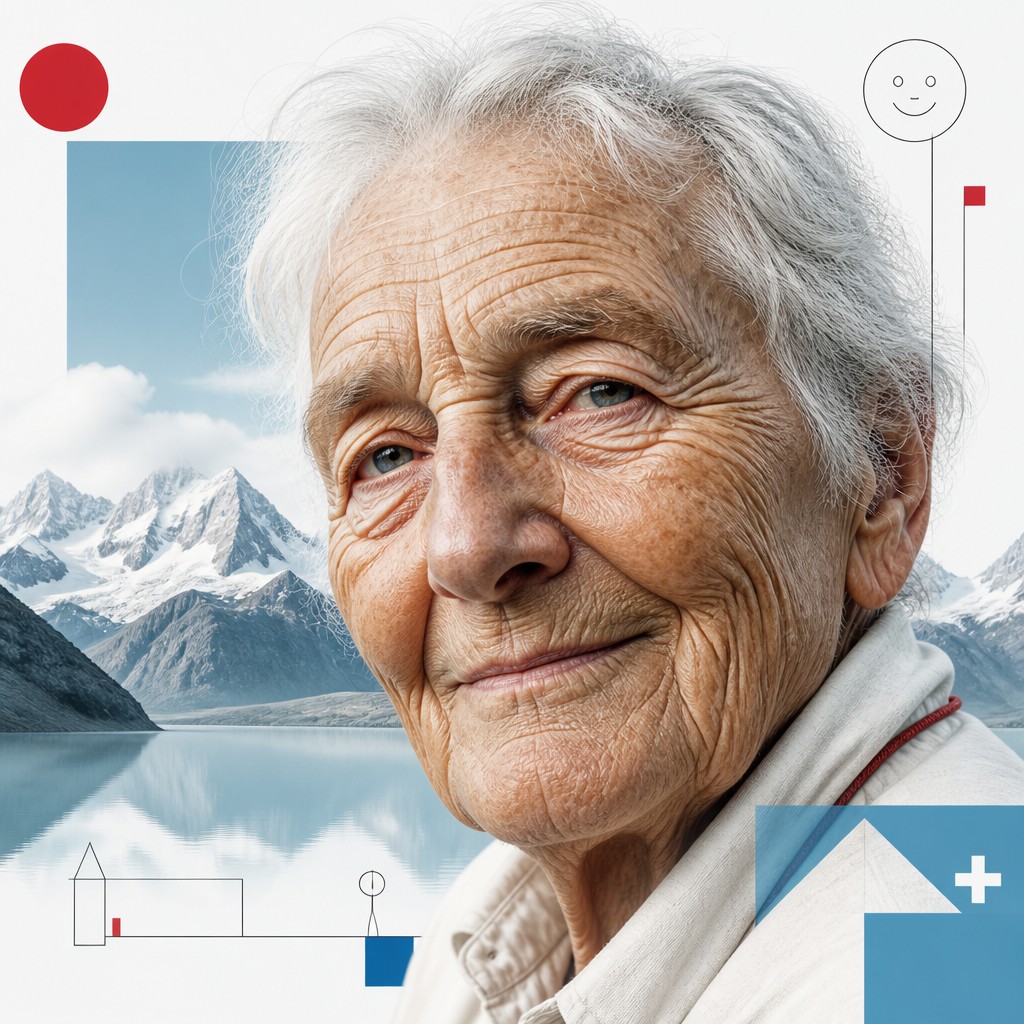
“close-up portrait of an elderly person with expressive weathered features”
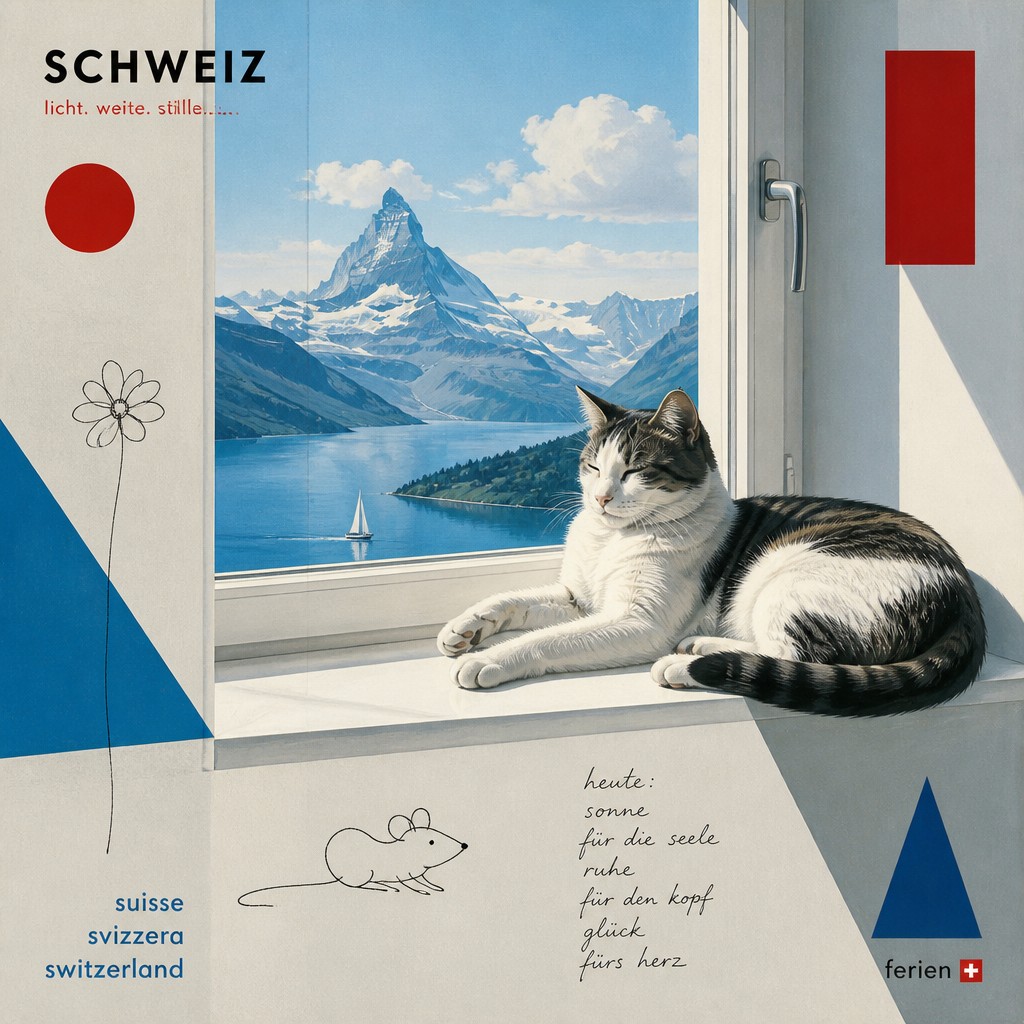
“a cat lounging in a sunlit window”
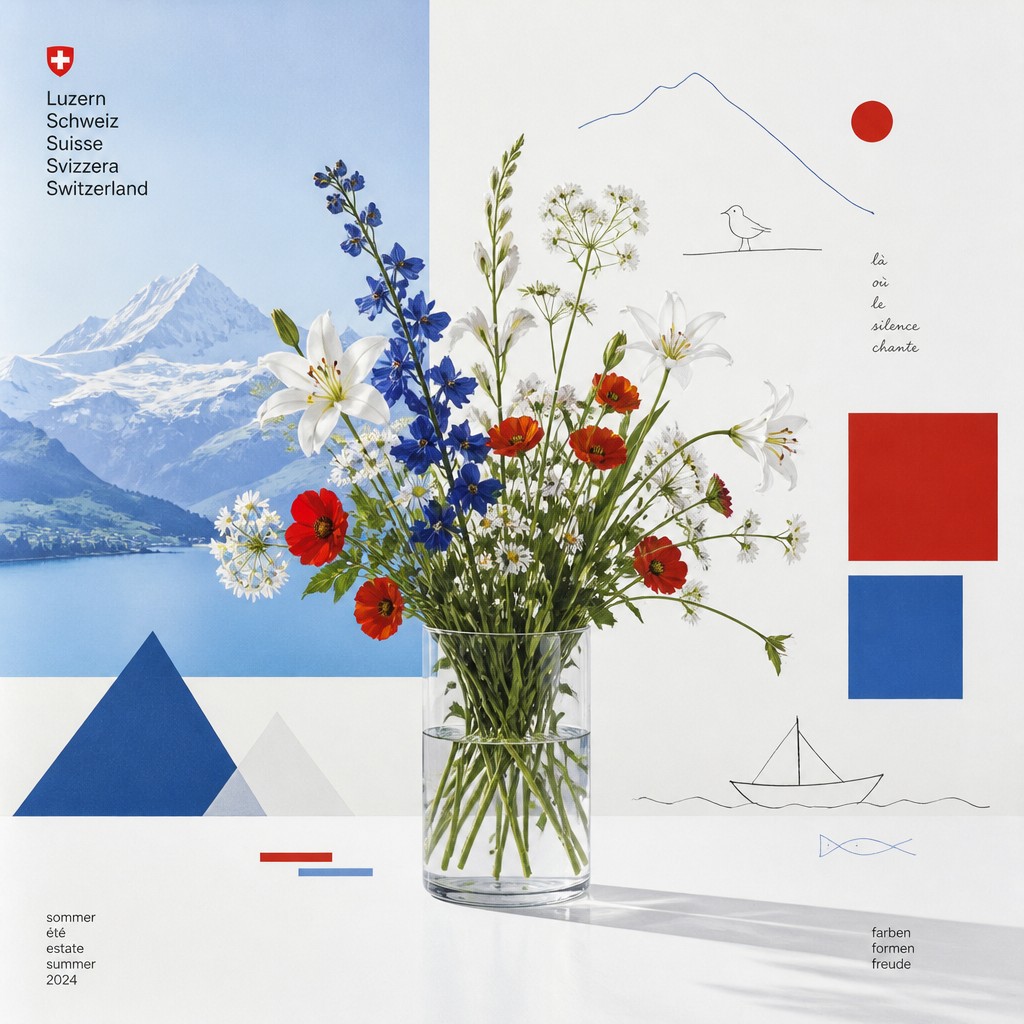
“bouquet of flowers in a glass vase”
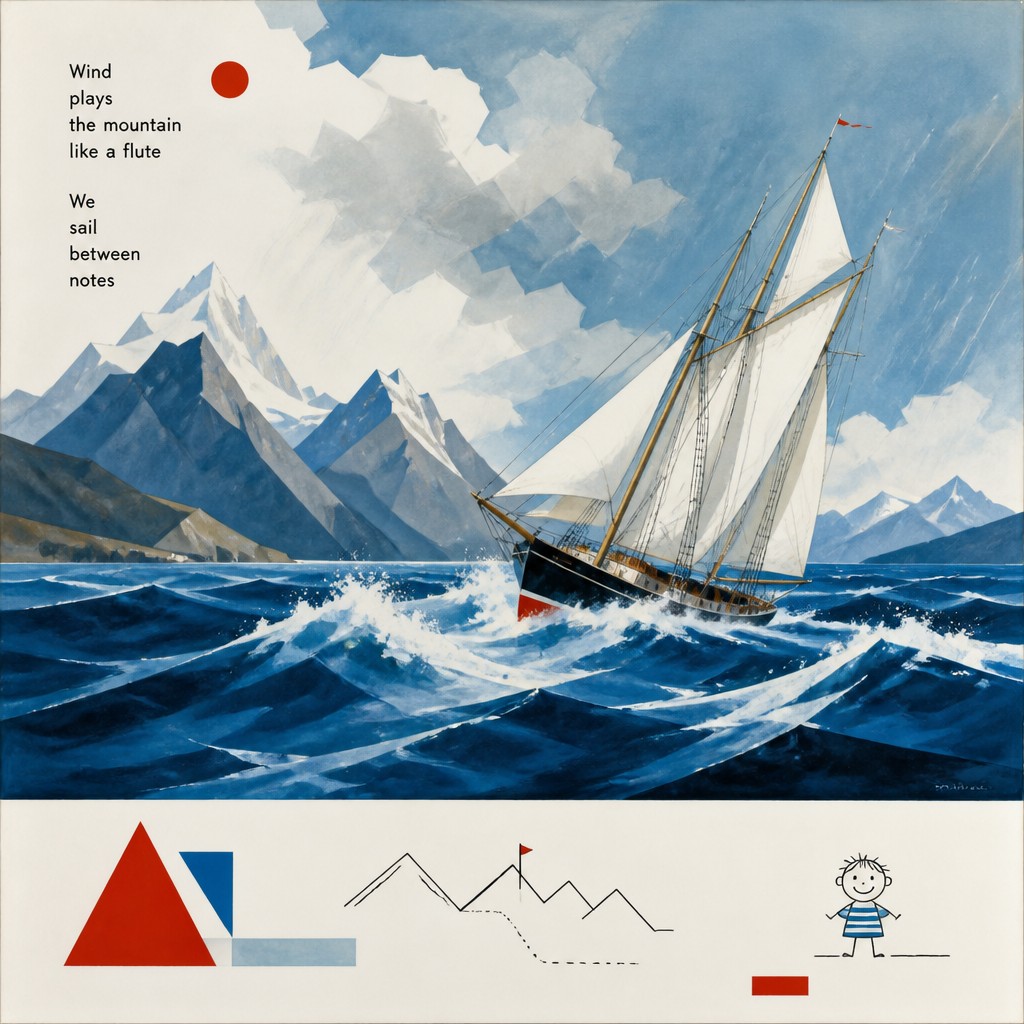
“sailing ship on a stormy sea”
How to Create Swiss Art
Master the craft step by step — or skip straight to creating. Read the full guide →
- 1
Begin with a clear visual hierarchy
Choose one dominant subject and arrange supporting forms around it using a simple grid or strong directional structure. Leave generous negative space so the image can breathe.
- 2
Reduce forms into geometry
Translate mountains into planes or triangles, trees into repeated tapered shapes, and architecture into clean blocks. Remove secondary detail unless it clarifies scale, place, or rhythm.
- 3
Control the palette
Build the image from white, glacier blue, cool gray, and one or two darker structural tones. Add red as a small, deliberate accent rather than allowing it to become a competing color field.
- 4
Combine precision with a human mark
Use rulers, vector shapes, masking, or a grid for the main construction, then introduce a few hand-drawn lines or playful symbols. In traditional media, try gouache, colored pencil, ink, or cut paper for crisp yet tactile surfaces.
- 5
Use light as structure
Favor clean illumination, sharp edges, and simple tonal separations over dramatic shadows or atmospheric effects. Make snow, water, and sky distinct through value and temperature changes.
- 6
Write focused generation prompts
Specify the subject, alpine light, geometric simplification, limited glacier palette, red accents, negative space, and playful line details. For image-to-image work, preserve the source subject's main silhouette while simplifying its textures and reorganizing its composition.
The Story
History & Origins of Swiss
Swiss Art Style is best understood as an invented contemporary aesthetic rather than a formally recognized historical movement. Its lineage draws strongly from Swiss modernist graphic design of the mid-20th century, especially the use of grids, sans-serif clarity, asymmetrical balance, limited palettes, and information-focused composition. It also adapts the visual language of alpine travel posters, cartographic diagrams, editorial illustration, and modernist abstraction.
The style adds a more playful layer to that disciplined foundation. Childlike line-poetry, simplified pictorial symbols, and bright red accents connect it to modern illustration, educational graphics, geometric abstraction, and contemporary digital art. Its alpine subject matter supplies the atmosphere: high-altitude light, snow, water, rock, and open space become vehicles for precision, serenity, and visual humor.
Influences: The style relates to Swiss modernist graphic design, International Typographic Style, alpine poster design, geometric abstraction, constructivist composition, editorial illustration, pictograms, cartography, and paper-cut collage. It also borrows from children's drawing and educational image-making, where simplified symbols and direct outlines communicate quickly. Its contemporary character comes from combining these structured traditions with digital flat design and a more whimsical, landscape-centered sensibility.

Frequently Asked Questions
What defines Swiss Art Style?
It is defined by alpine clarity, geometric simplification, restrained modernist composition, and a cool palette punctuated by red. Playful hand-drawn marks and childlike visual details keep the style expressive rather than purely functional.
Is Swiss Art Style a historical art movement?
No. The term describes a contemporary synthesis rather than a formally established historical movement. It draws on Swiss modernist graphic design and alpine visual traditions while adding elements of illustration, abstraction, and digital image-making.
How is it different from Swiss graphic design?
Swiss graphic design traditionally emphasizes typographic systems, grids, objective communication, and visual neutrality. Swiss Art Style uses related principles of order and clarity but applies them to imaginative scenes, landscapes, and playful pictorial storytelling.
What colors work best for this style?
Use crisp white, glacier blue, icy cyan, slate, charcoal, and cool gray as the foundation. A small amount of saturated red provides emphasis, while additional warm colors should be used sparingly to preserve the alpine mood.
Can this style be made with traditional materials?
Yes. Gouache, ink, colored pencil, cut paper, screen printing, and collage are well suited to its flat shapes and controlled palette. A grid or masking process can create precision, followed by hand-drawn marks for warmth.
Where is Swiss Art Style commonly used?
It works well for editorial illustration, posters, travel graphics, packaging, maps, educational imagery, children's publishing, editorial covers, and stylized landscape art. Its strong silhouettes and limited colors also translate effectively to icons, motion graphics, and interfaces.
Create your first Swiss artwork
Describe anything — or upload a photo — and see it in Swiss Art Style in seconds.
Related Styles
Discover similar art styles