Overlapping Art Style
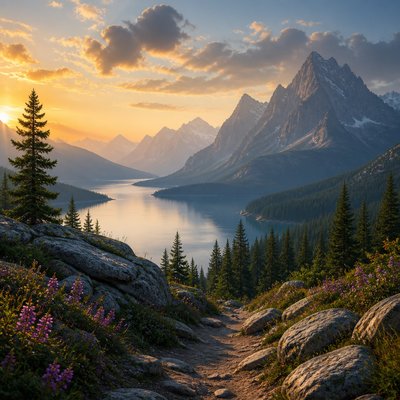
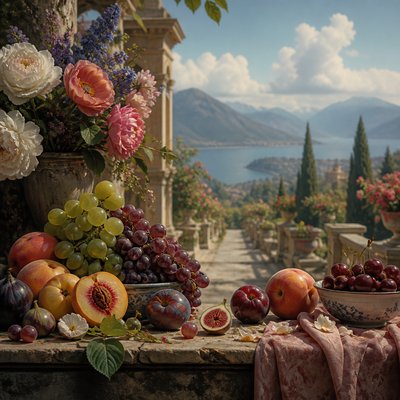
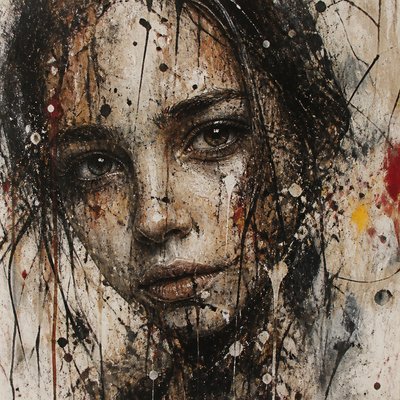
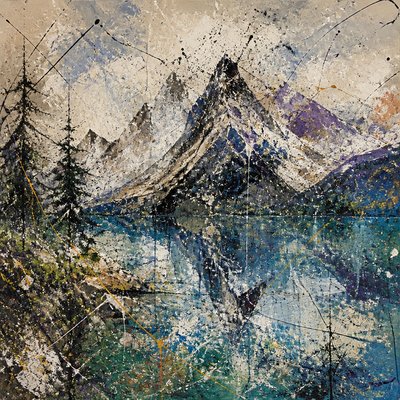
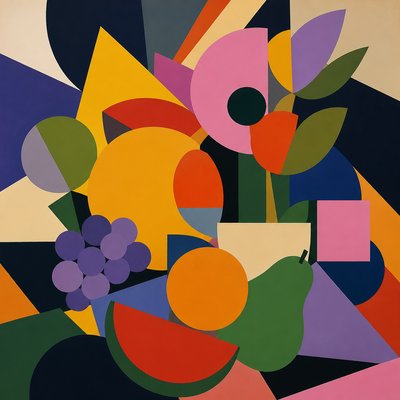
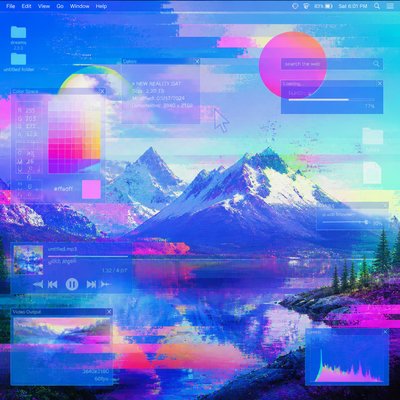
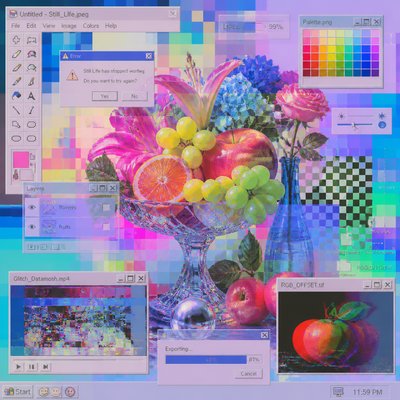
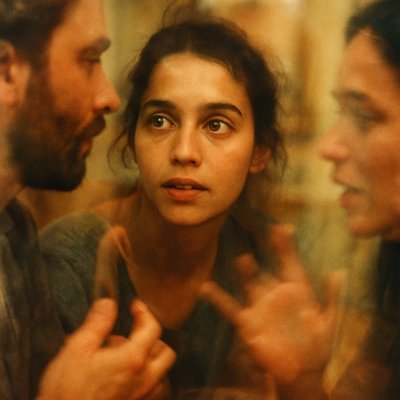
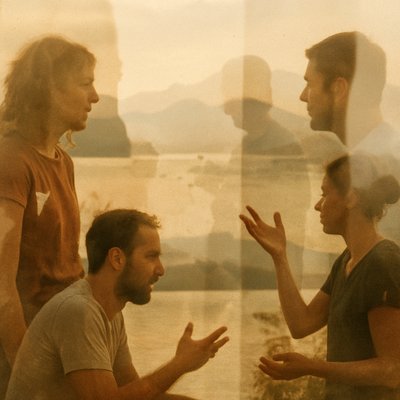
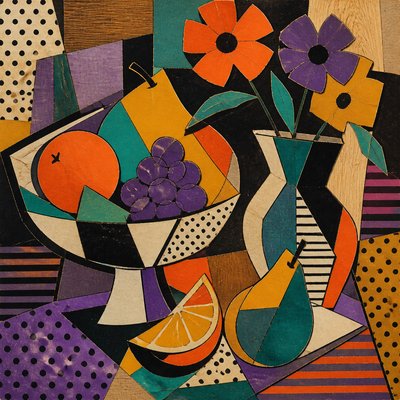
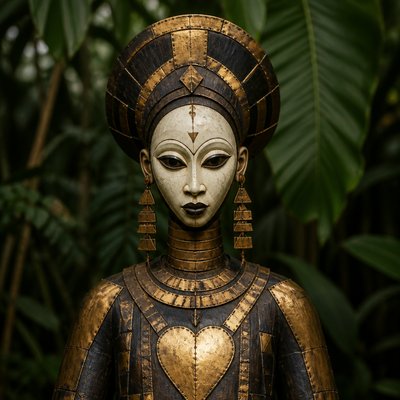
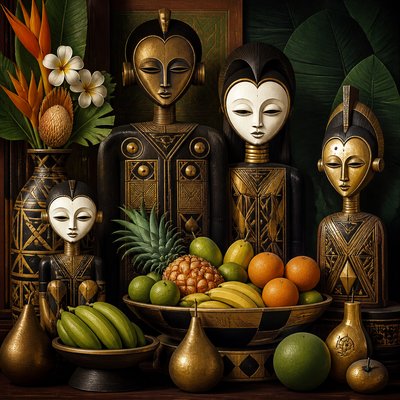
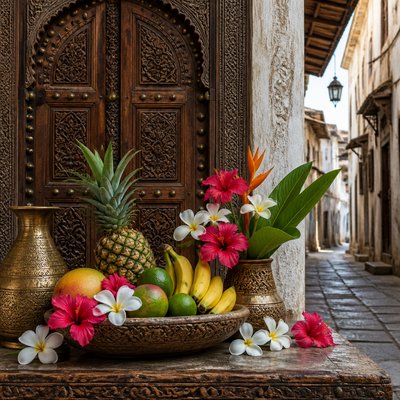
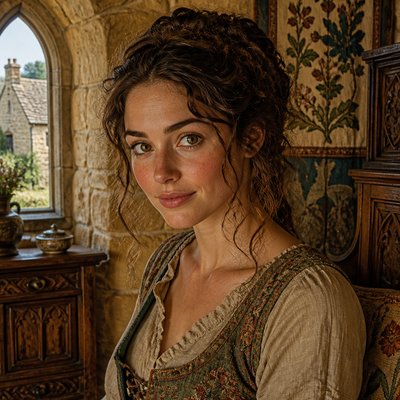
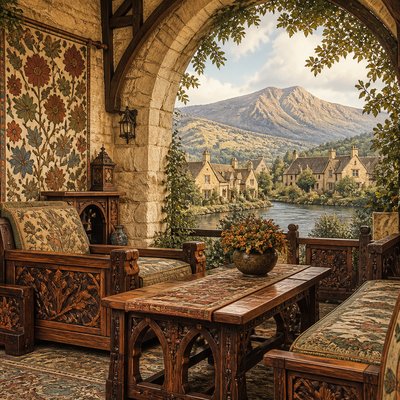
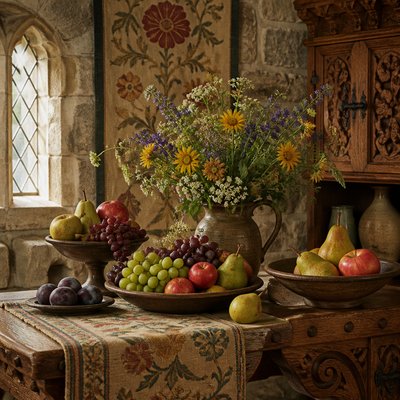
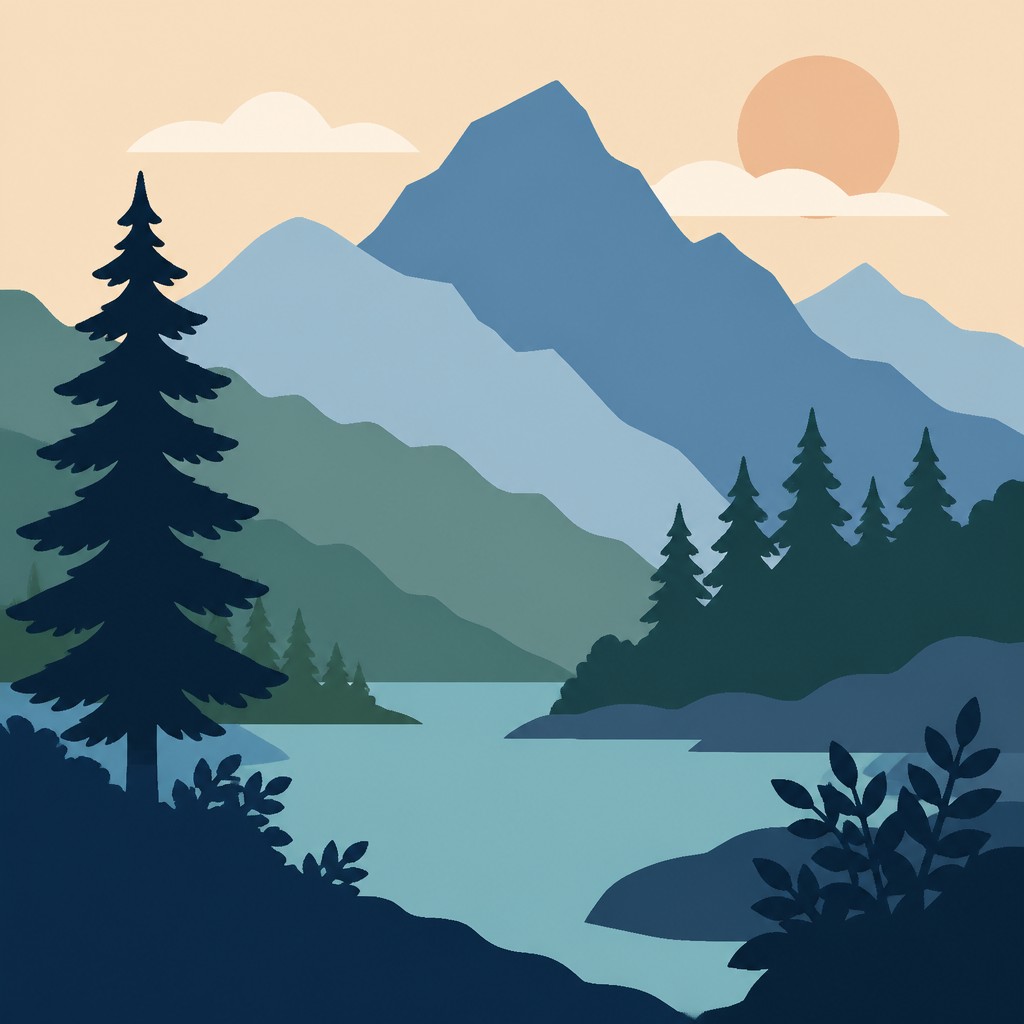
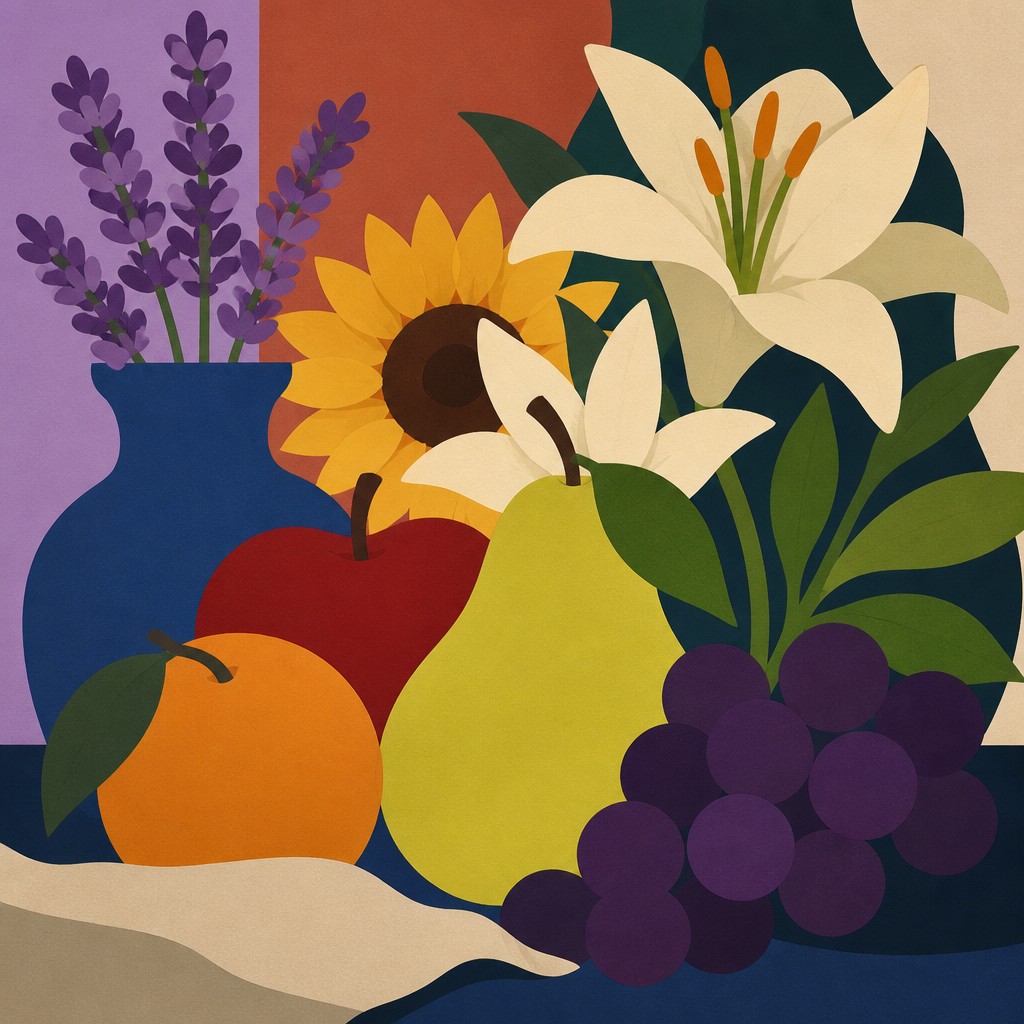
Explore Overlapping Art Style: layered silhouettes, flattened planes, and depth created through crisp occlusion instead of perspective.
Instantly rendered in Overlapping — or transform a photo
Overlapping Gallery
Tap any artwork to explore it
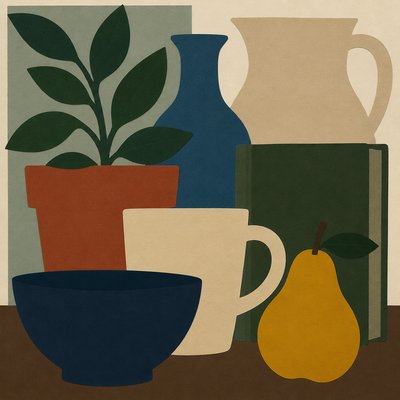
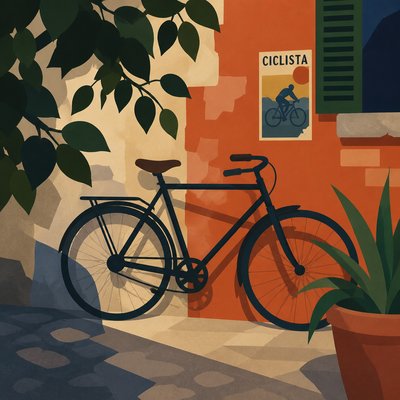
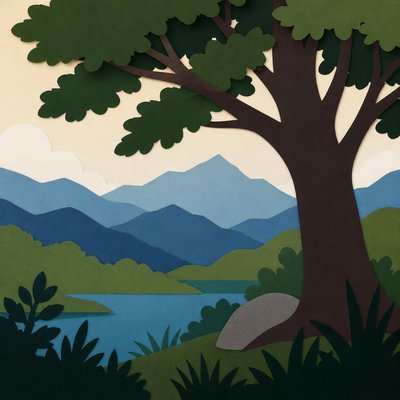
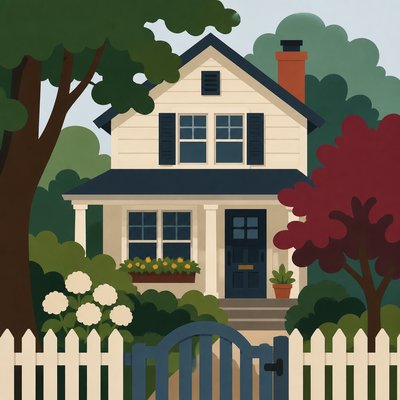
What is Overlapping Art Style?
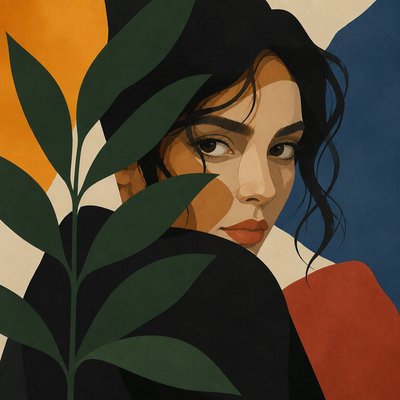
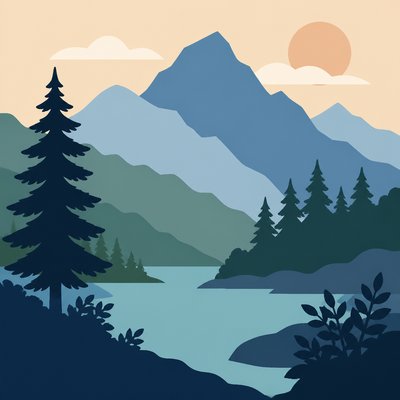
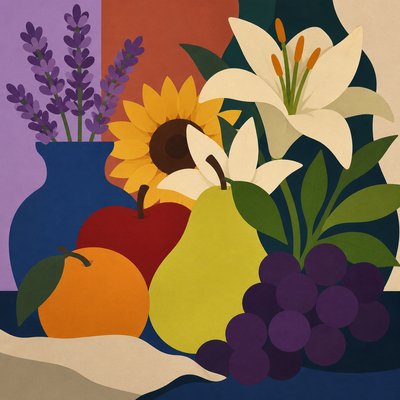
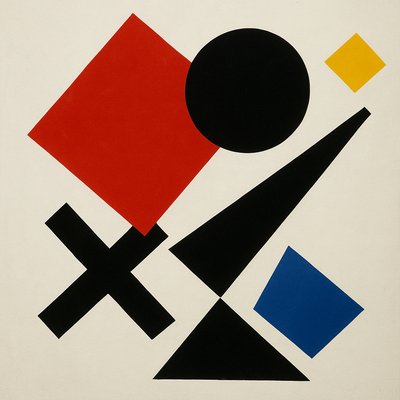
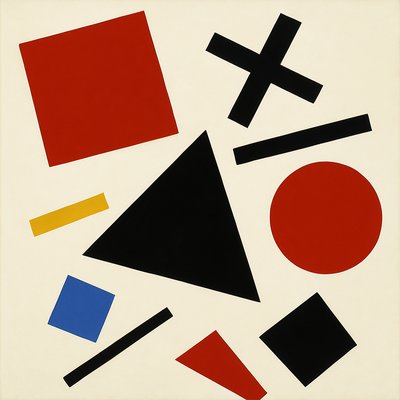
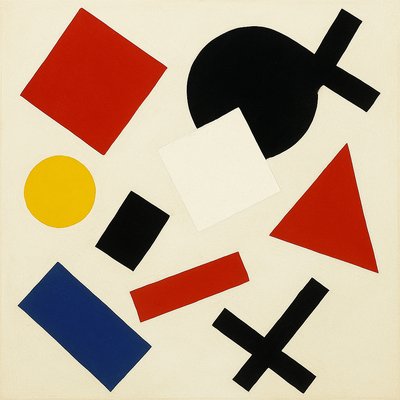
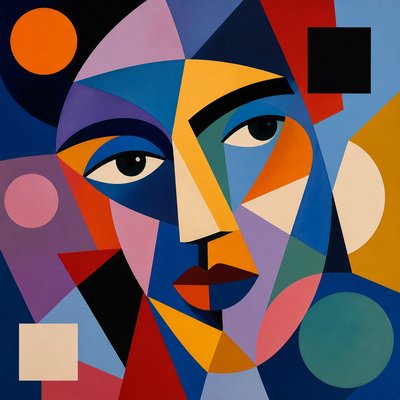
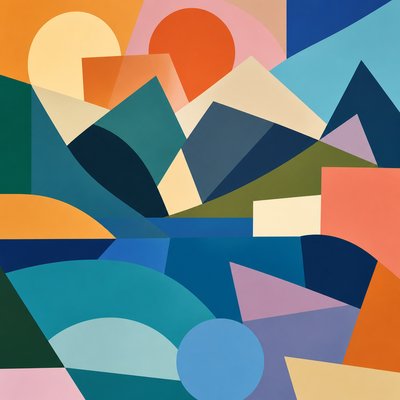
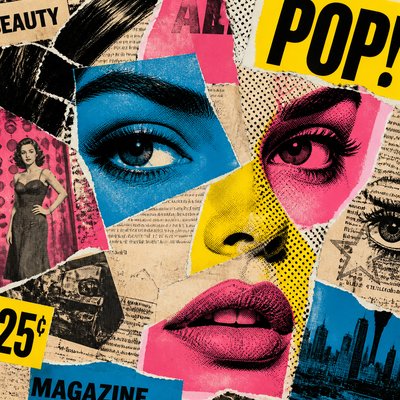
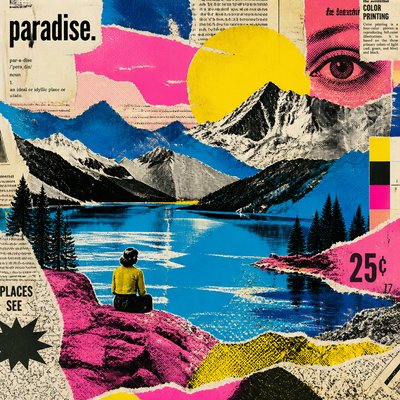
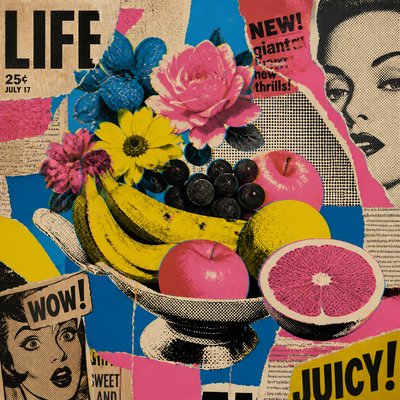
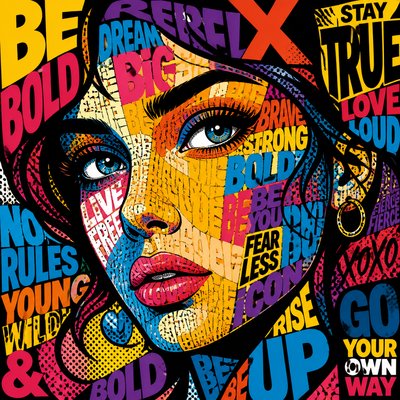
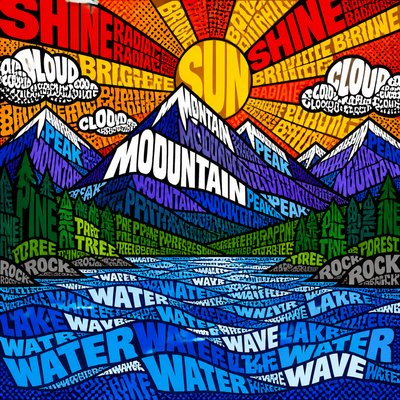
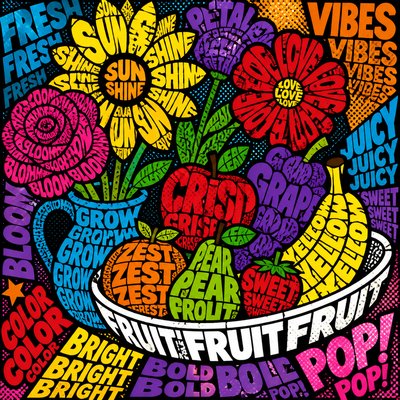
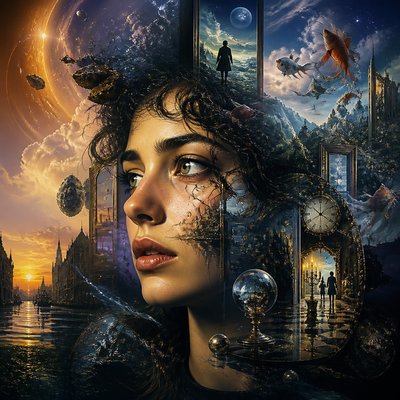
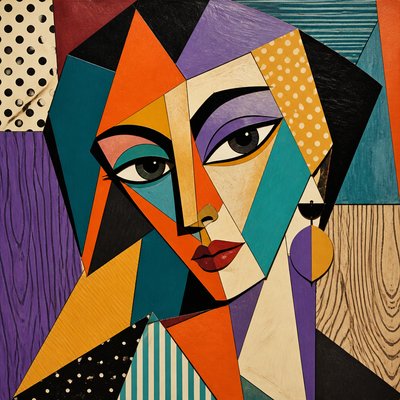
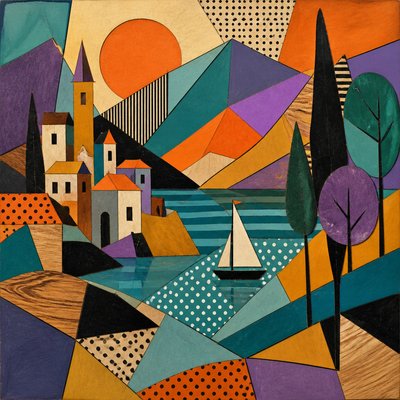
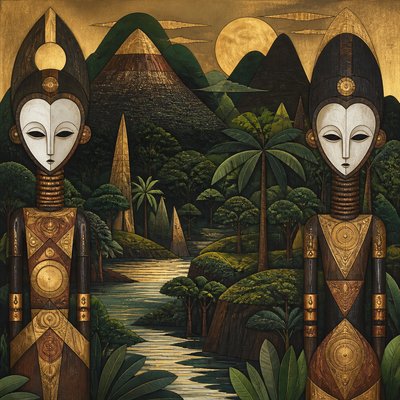
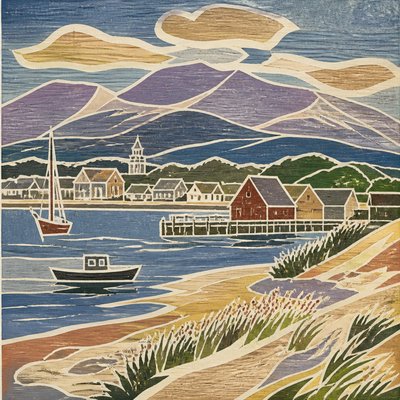
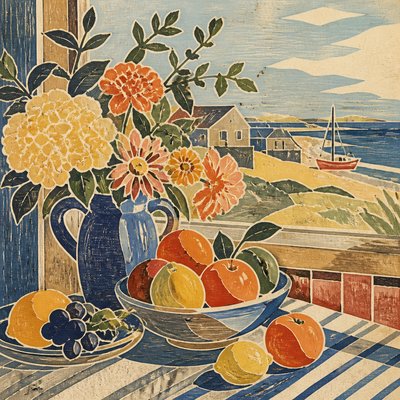
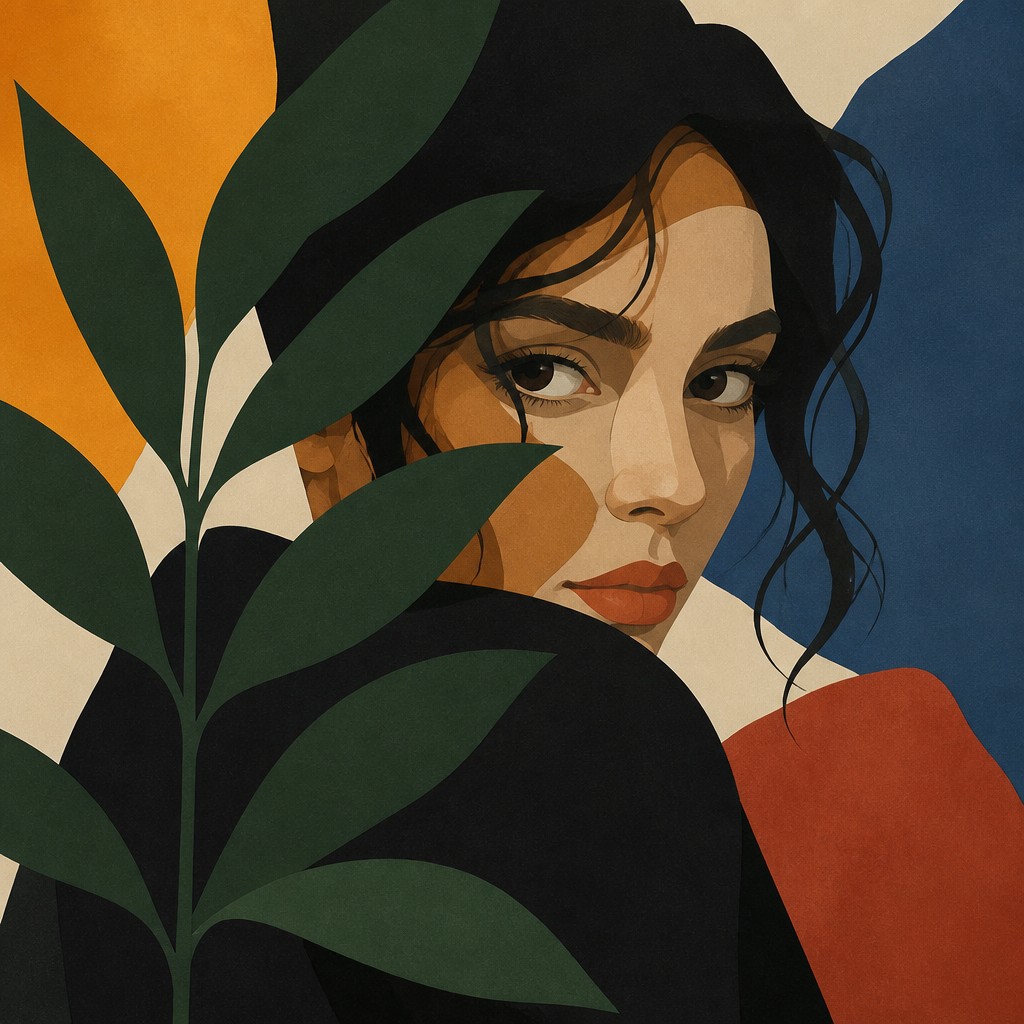
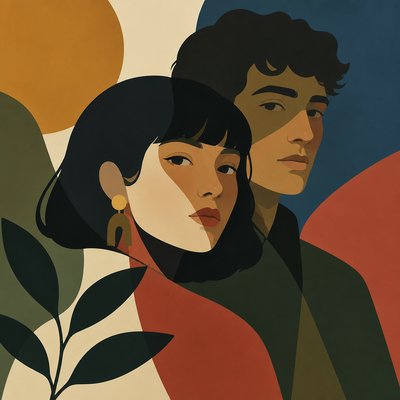
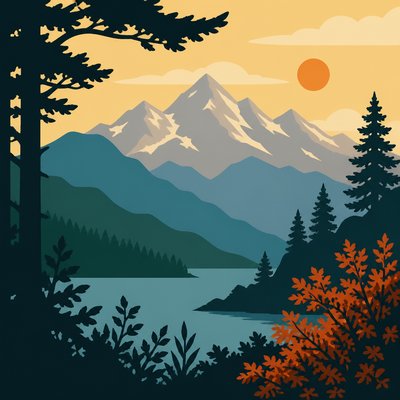
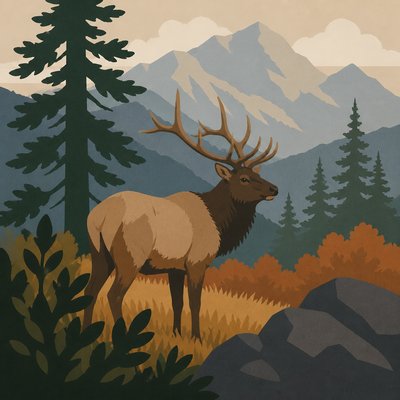
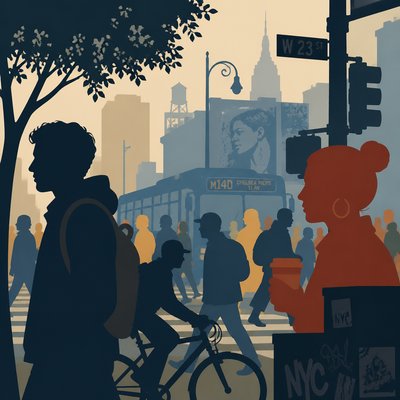
Overlapping Art Style is a contemporary visual approach in which depth is communicated by stacking shapes and silhouettes from front to back. Nearer forms cut across and partially conceal distant ones, creating a clear spatial hierarchy without relying on vanishing points, modeling, or conventional perspective lines.
The style is defined by flattened planes, decisive contours, and clean boundaries between successive layers. Its simplified construction can make landscapes, interiors, figures, and abstract scenes appear diagrammatic or graphic while still conveying distance, scale, and spatial order through occlusion alone.
Try It On Your Photos
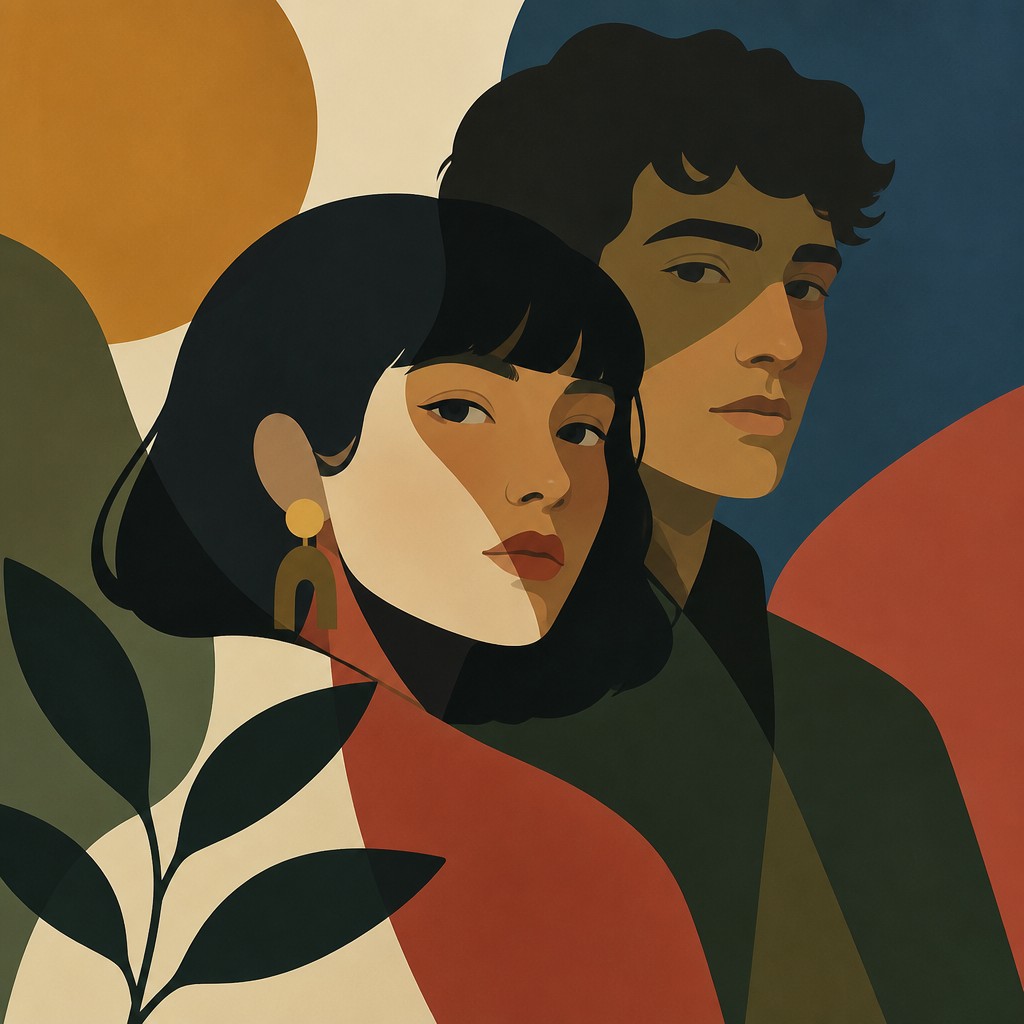
Upload any photo and convert it into Overlapping Art Style — drag the sliders to compare before and after.


What Defines Overlapping Art Style
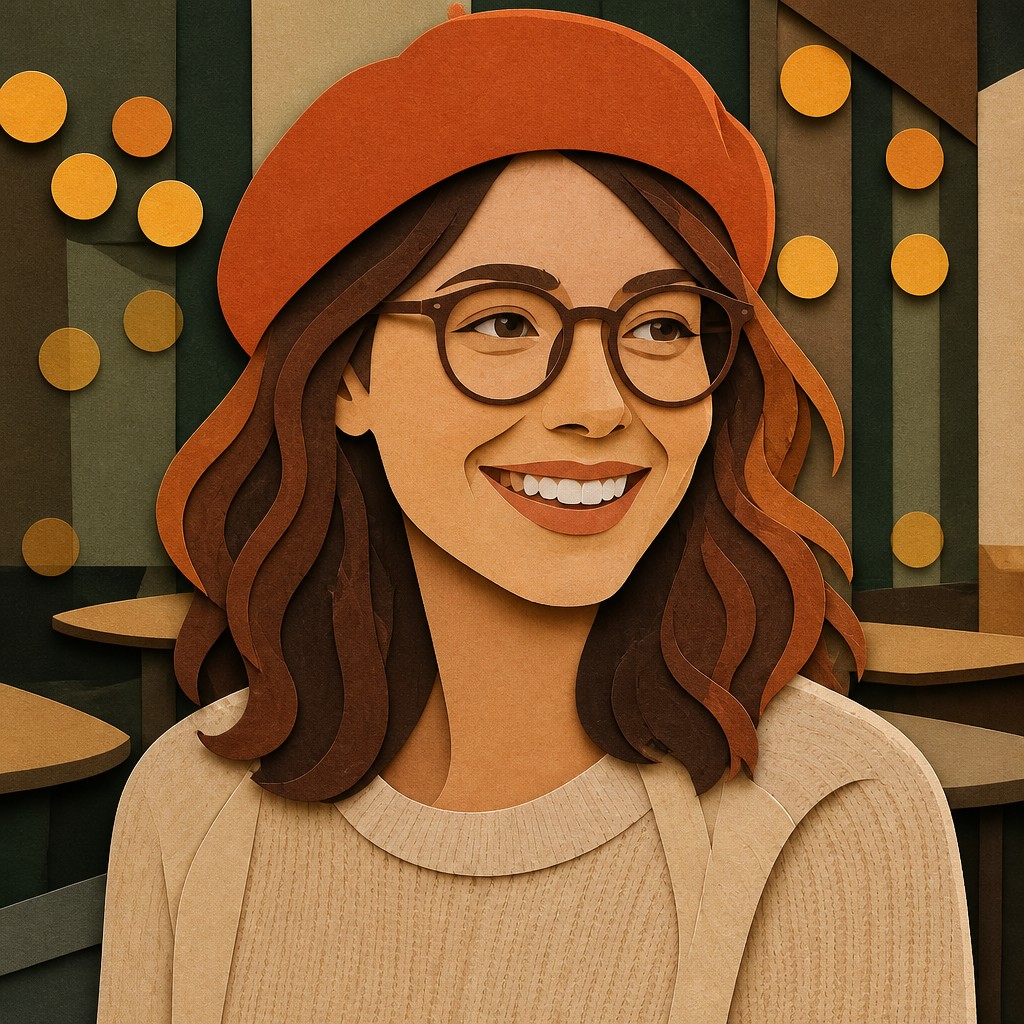
The signature details, up close
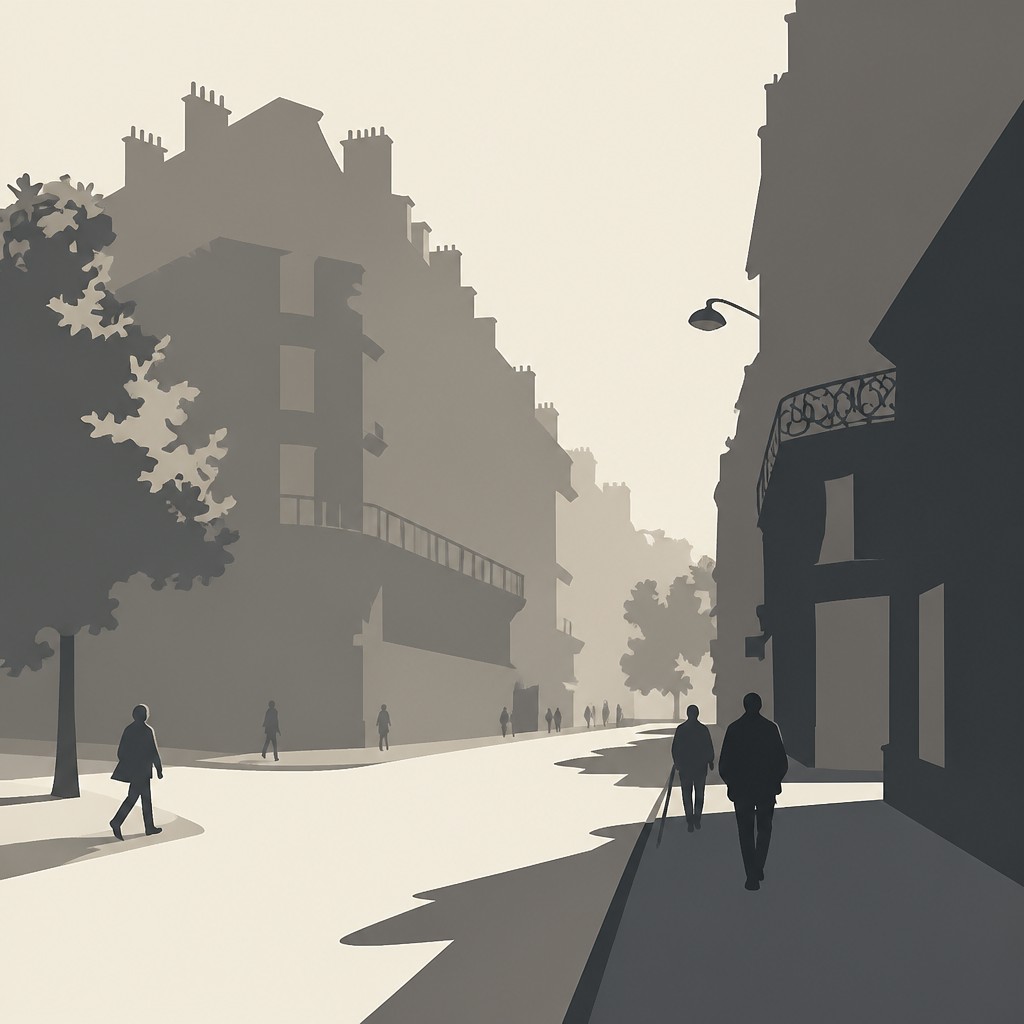
Depth through occlusion
Spatial distance is indicated primarily by one shape covering part of another. The viewer infers front-to-back order from visibility rather than from converging lines or atmospheric perspective.
Stacked silhouettes
Objects are often reduced to recognizable outer contours and arranged as distinct layers. Each silhouette contributes to the scene's spatial structure even when interior detail is minimal.
Flattened planes
Forms are treated as broad, relatively even areas of color or tone instead of fully modeled volumes. This preserves a graphic surface while allowing several spatial levels to coexist.
Crisp separating edges
Boundaries between layers are clean, deliberate, and easy to read. Soft blending, excessive texture, and ambiguous contours can weaken the intended hierarchy.
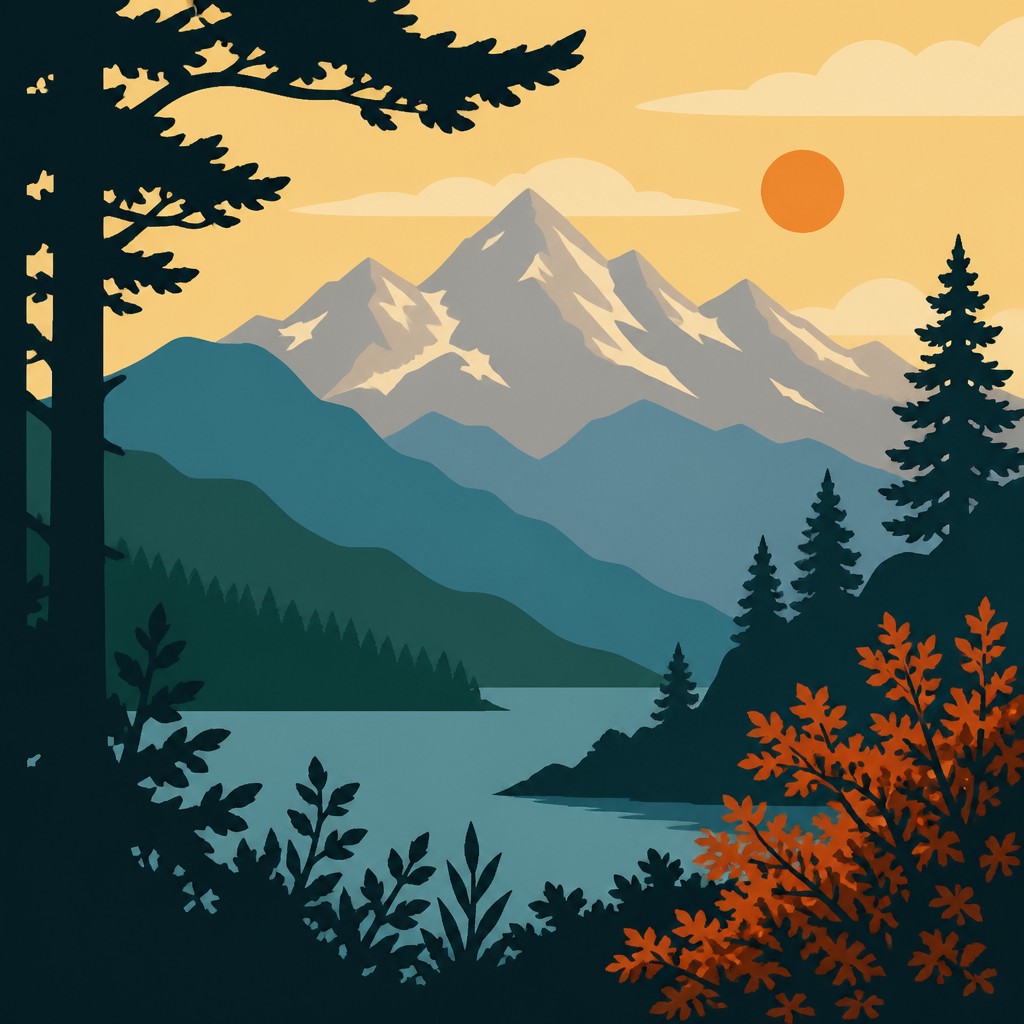
Limited perspective
The style may suggest distance through scale and placement, but it avoids making perspective construction the dominant organizing system. Objects can retain emblematic or icon-like proportions.
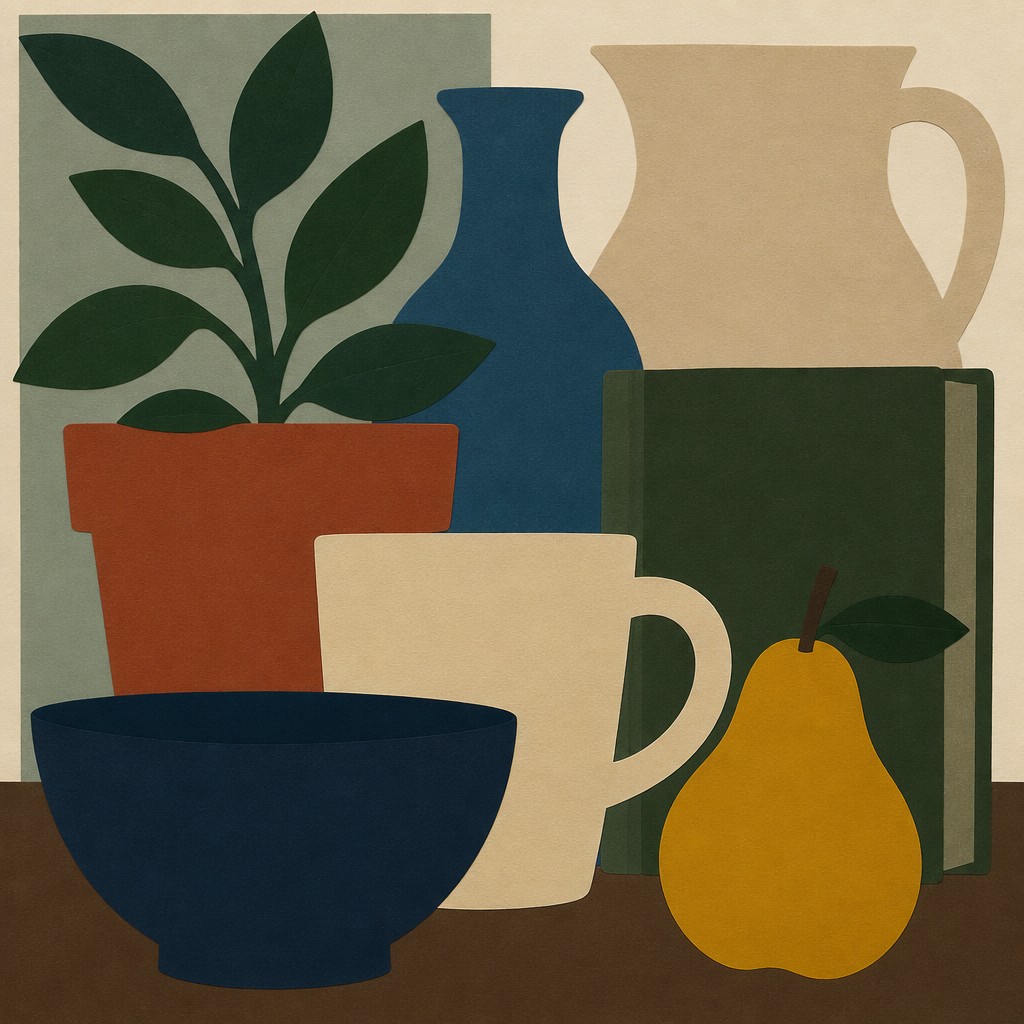
Controlled color grouping
Color often distinguishes one plane from another, with restrained palettes helping the stacked structure remain legible. Strong contrast may be reserved for important foreground forms or focal areas.
Overlapping Prompt Ideas
Start from an idea — each one opens the generator with the style ready to go. See all 40 Overlapping prompts →
How to Create Overlapping Art
Master the craft step by step — or skip straight to creating. Read the full guide →
- 1
Build from back to front
Sketch the background first, then add middle-distance forms and foreground silhouettes over it. Keep each depth level on a separate layer so overlaps can be adjusted without disturbing the rest of the image.
- 2
Simplify forms into readable contours
Remove details that do not clarify the subject's identity or position. Use distinctive outer shapes, not internal shading, to make objects recognizable at a glance.
- 3
Use occlusion deliberately
Let foreground forms conceal selected portions of background objects, while leaving enough visible evidence for the viewer to reconstruct them. Avoid accidental tangencies where edges merely touch without clearly overlapping.
- 4
Choose a disciplined palette
Assign related colors or values to each spatial group and reserve sharper contrast for focal overlaps. In traditional work, cut paper, opaque paint, ink, and screen-printing methods suit the style; digitally, vector shapes and layer-based editors provide precise edges.
- 5
Describe the layer logic in a prompt
For prompt-based generation, specify the subject, front-to-back order, flattened planes, crisp silhouettes, and depth created through partial obstruction. Mention the absence of perspective lines or realistic volumetric shading when a strongly graphic result is desired.
The Story
History & Origins of Overlapping
Overlapping Art Style is best understood as an invented, contemporary style rather than a historically documented movement with a fixed period or founding school. Its visual lineage comes from established traditions that simplify space into flat shapes, including cut-paper collage, poster design, color-field abstraction, cel animation, screen printing, pictorial illustration, and modernist approaches to composition.
Digital layering has made this principle especially accessible: separate silhouettes can be arranged, edited, recolored, and reordered as independent planes. The style develops from the longstanding artistic use of overlap as a depth cue, while deliberately reducing or omitting linear perspective and detailed surface modeling.
Influences: The style relates to cut-paper collage, paper sculpture, screen printing, flat poster illustration, cel animation, modernist abstraction, and simplified editorial graphics. It also draws on the basic perceptual depth cue of occlusion, used across painting, illustration, photography, and stage design, while combining that cue with the clean organization of digital compositing and vector-based design.
Frequently Asked Questions
What defines Overlapping Art Style?
Its defining feature is depth created through overlapping shapes rather than conventional perspective. Nearer silhouettes cover parts of farther forms, producing a readable front-to-back arrangement with flattened planes and crisp edges.
Is Overlapping Art Style a historical art movement?
No. It is best treated as a descriptive contemporary style rather than a formally established historical movement. Its aesthetic lineage includes collage, poster art, screen printing, modernist abstraction, animation, and graphic illustration.
How does it differ from flat design?
Both may use simplified shapes and limited shading, but Overlapping Art Style makes layered spatial order its central concern. Flat design can emphasize icons, interfaces, or clarity without constructing a complete front-to-back scene through occlusion.
Does the style require bright colors?
No. Bright colors are common because they separate layers clearly, but muted, monochromatic, earth-tone, and night palettes work equally well. Contrast and value separation matter more than saturation.
Can realistic subjects be rendered in this style?
Yes. Landscapes, animals, architecture, interiors, and people can all be translated into simplified silhouettes and layered planes. The subject remains recognizable when its major contours and overlapping relationships are preserved.
What is the best way to create this style digitally or traditionally?
Work in a back-to-front sequence using cut paper, opaque paint, vector shapes, or layers in a raster editor. Establish the silhouette of every major form, decide which shapes cover others, and keep edges clean so the spatial hierarchy remains unmistakable.
Create your first Overlapping artwork
Describe anything — or upload a photo — and see it in Overlapping Art Style in seconds.
Related Styles
Discover similar art styles