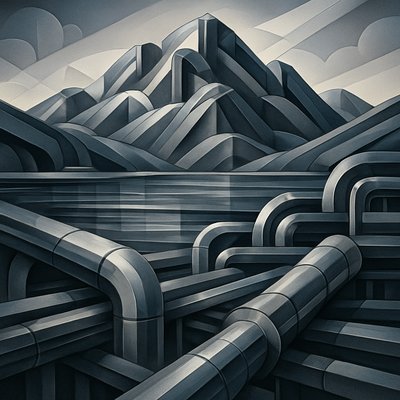
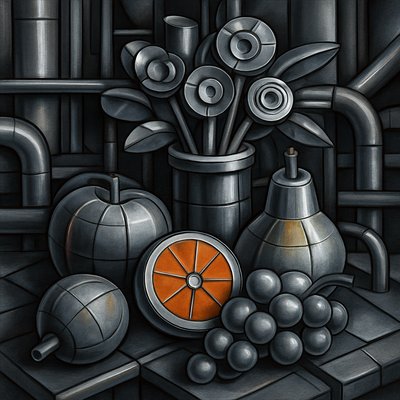
Sculptural Form Art Style
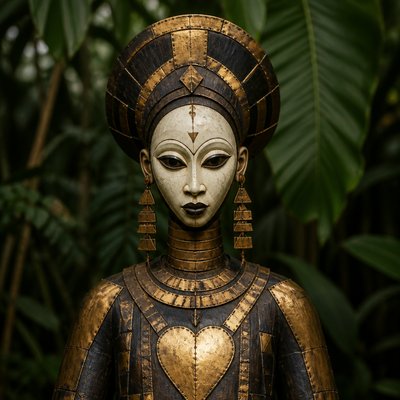
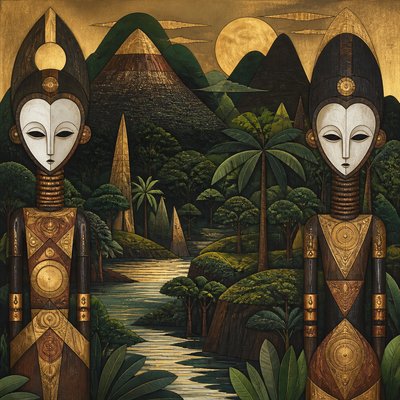
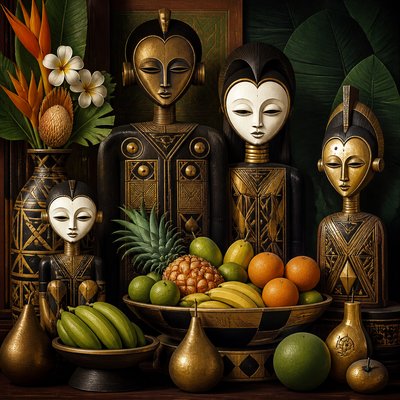
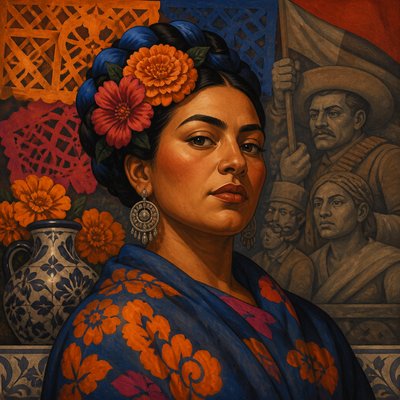
Explore Sculptural Form Art: monumental rounded volumes, matte stone and clay surfaces, and dramatic raking light that makes images feel physically tangible.
Instantly rendered in Sculptural Form — or transform a photo
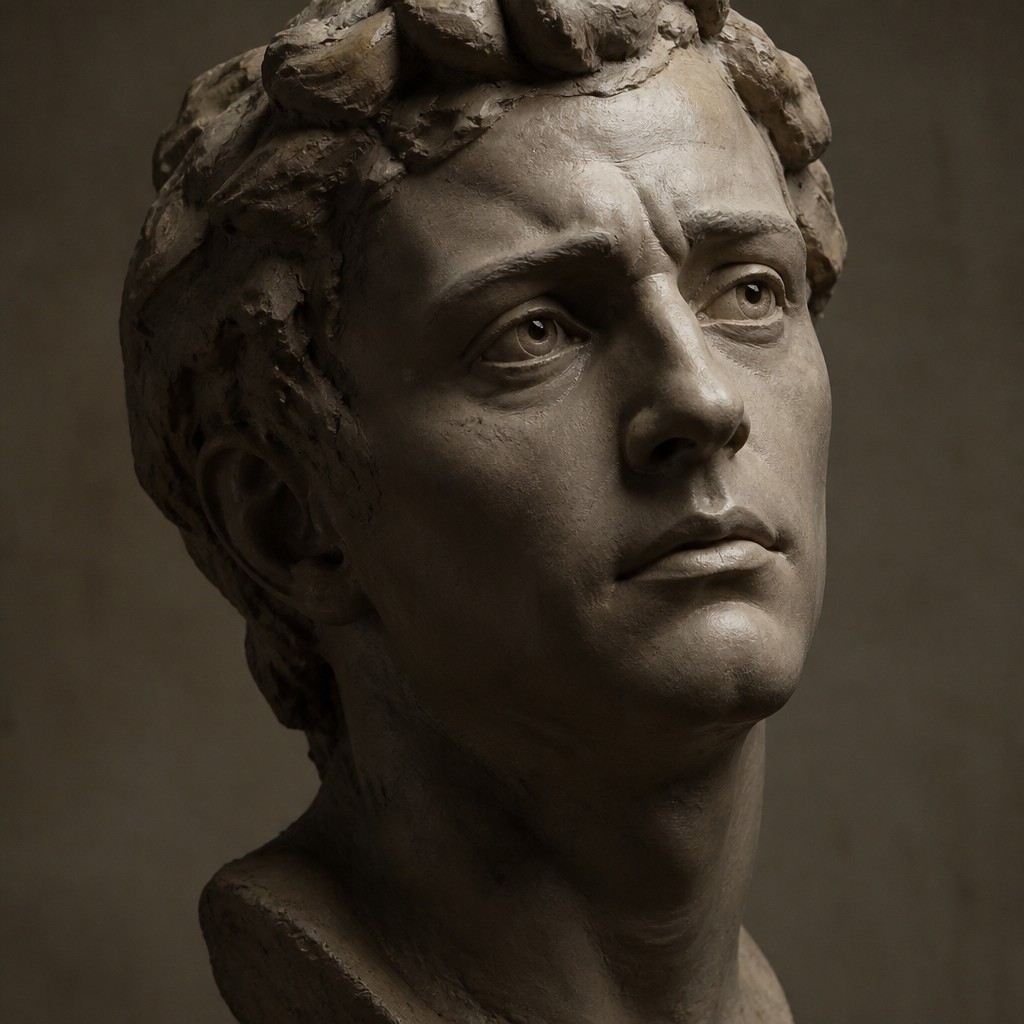
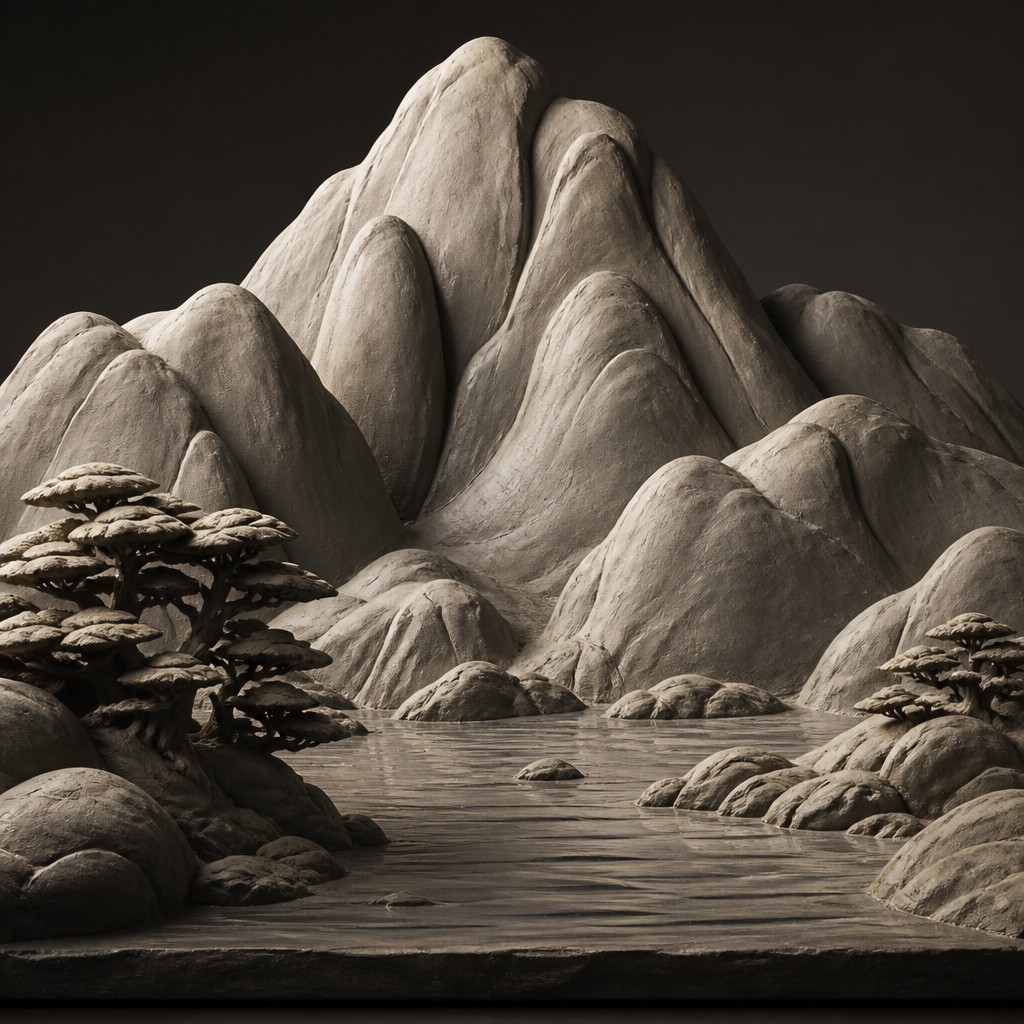
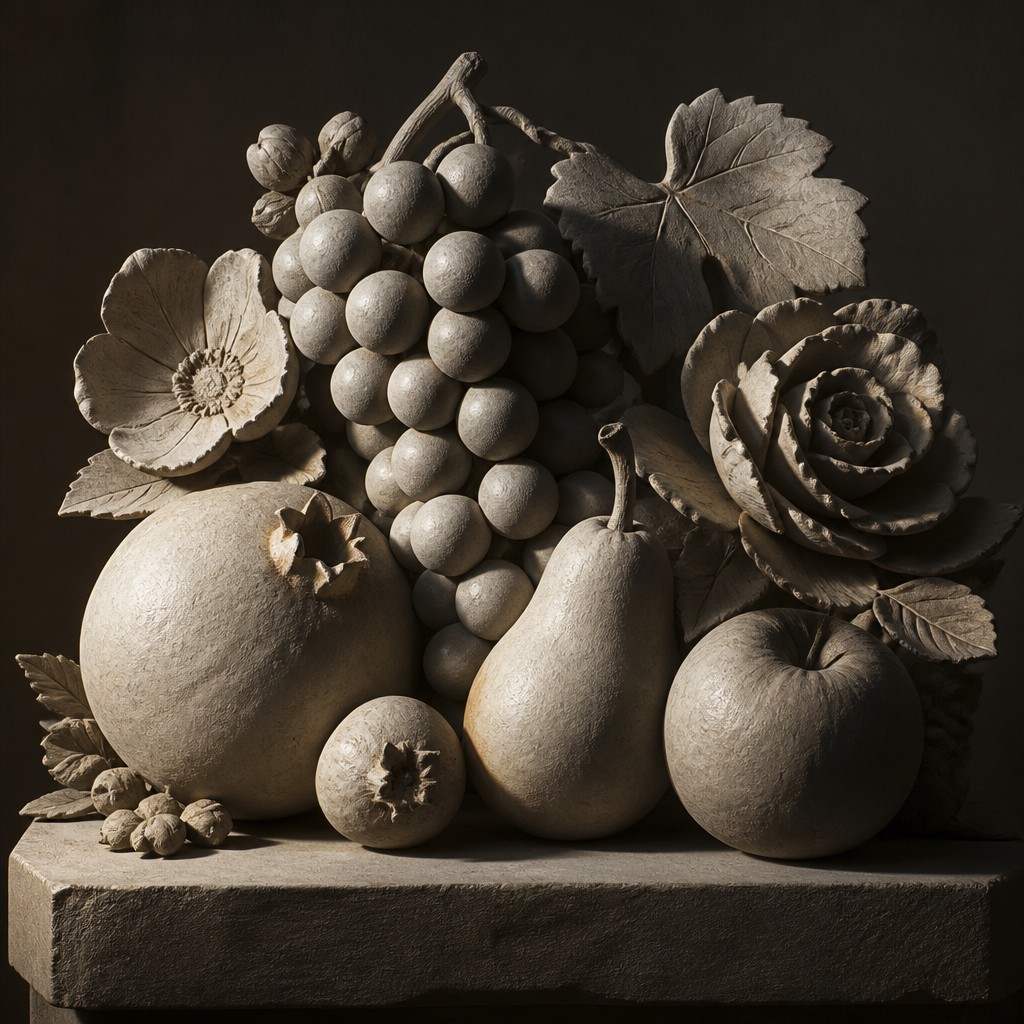
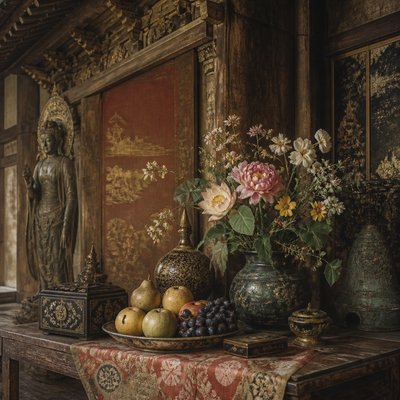
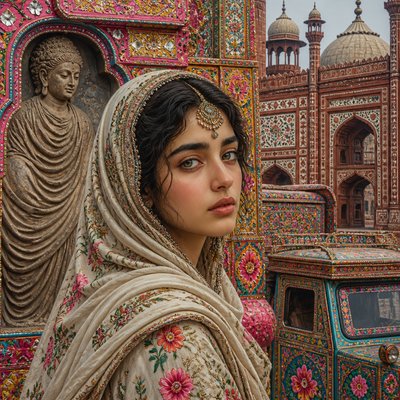
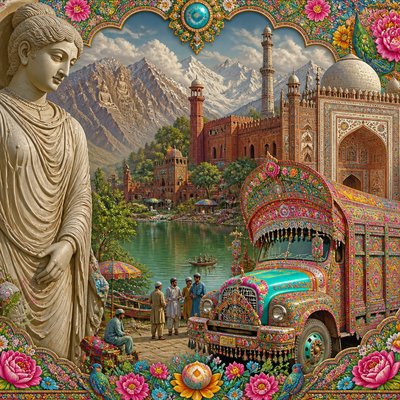
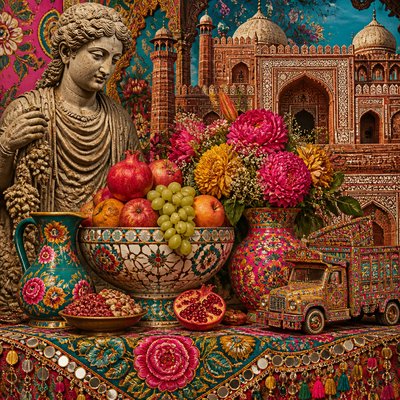
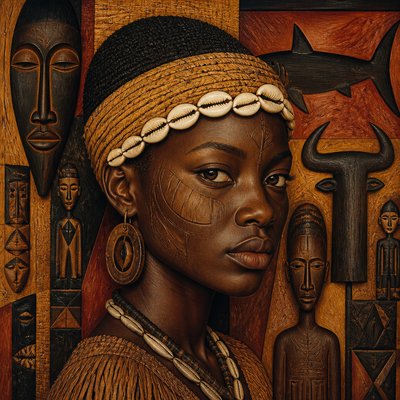
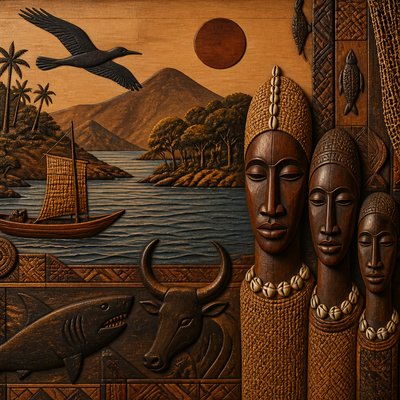
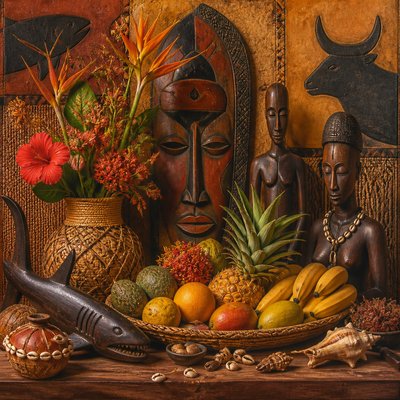
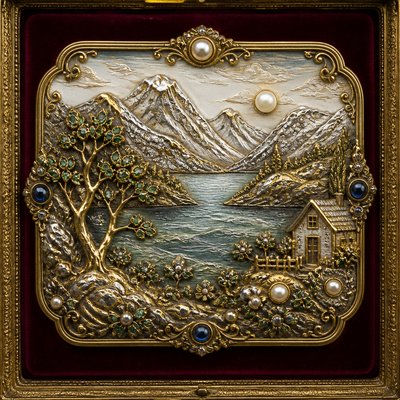
Sculptural Form Gallery
Tap any artwork to explore it
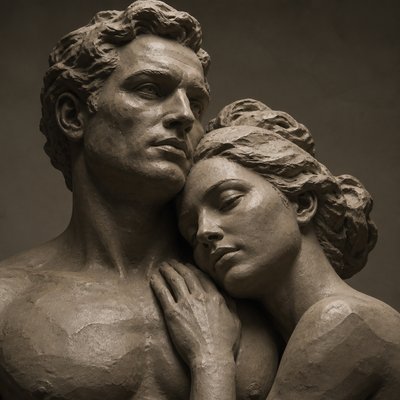
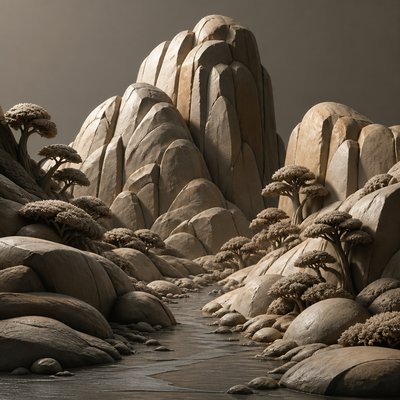
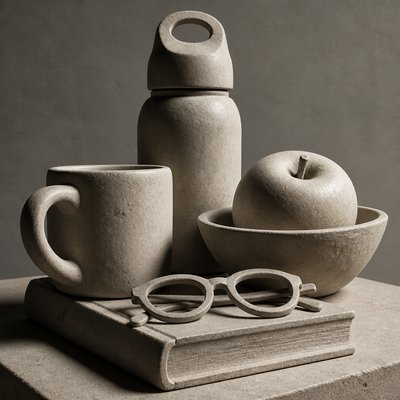
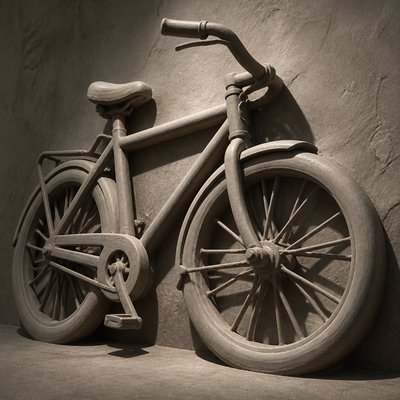
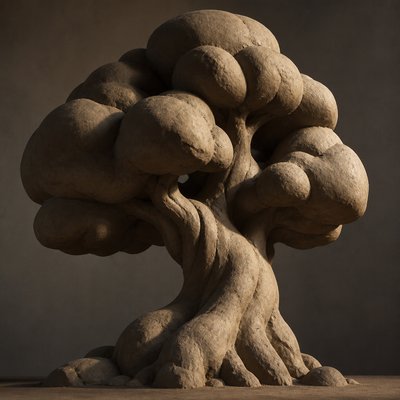
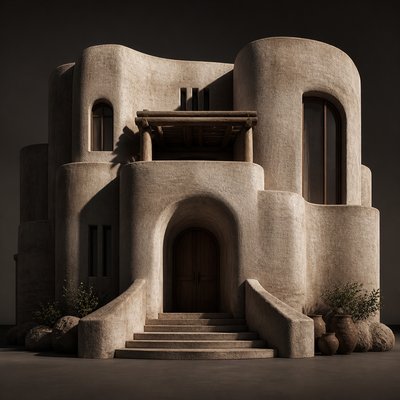
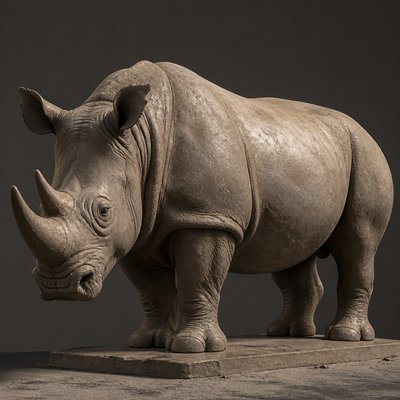
What is Sculptural Form Art Style?
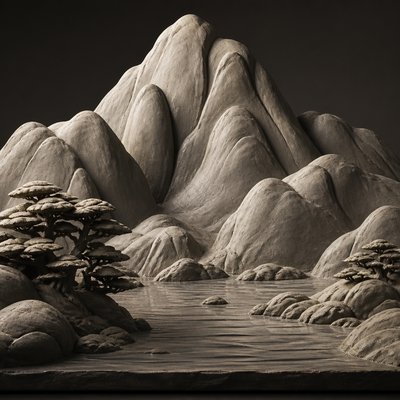
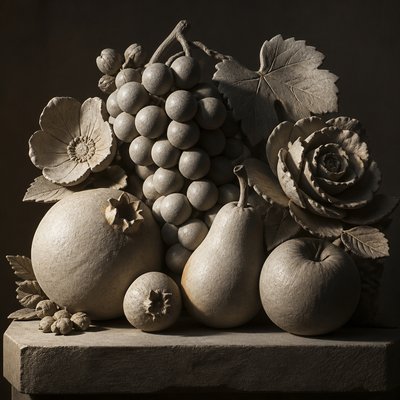
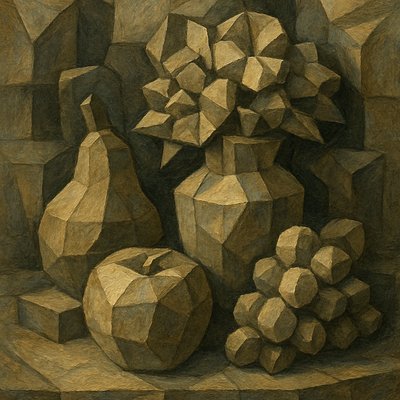
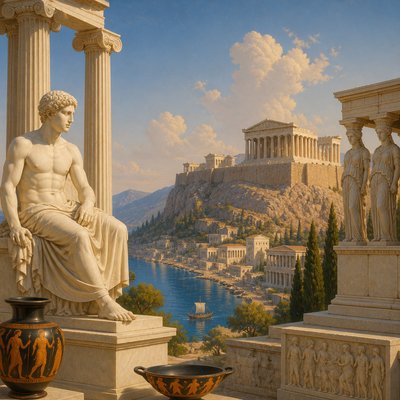
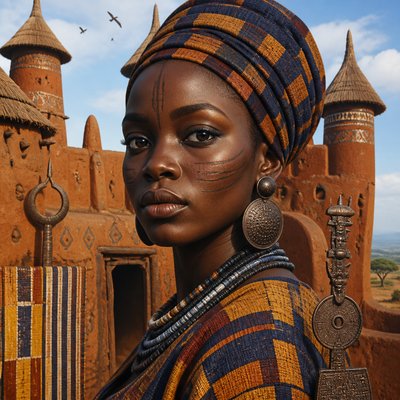
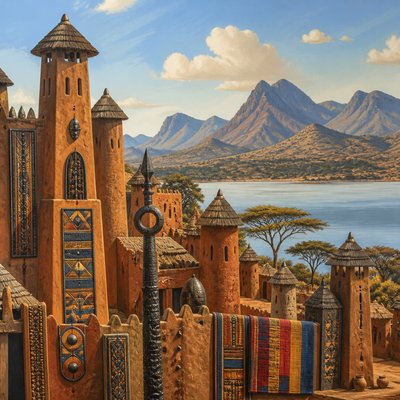
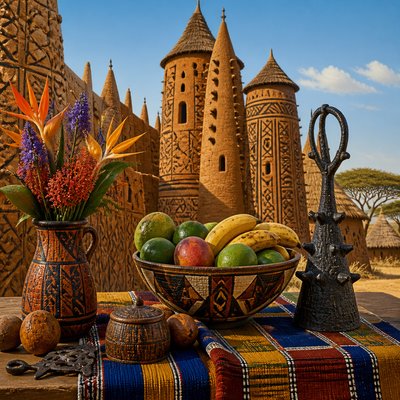
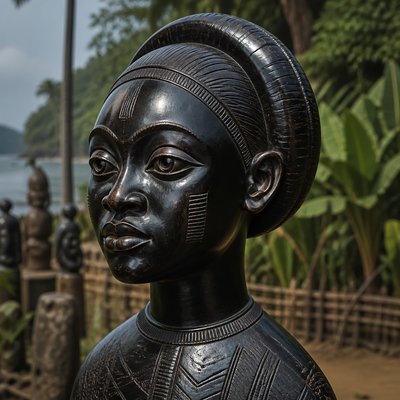
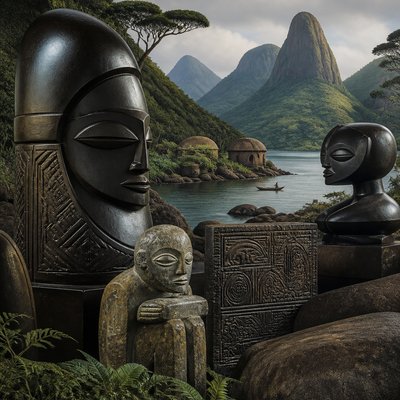
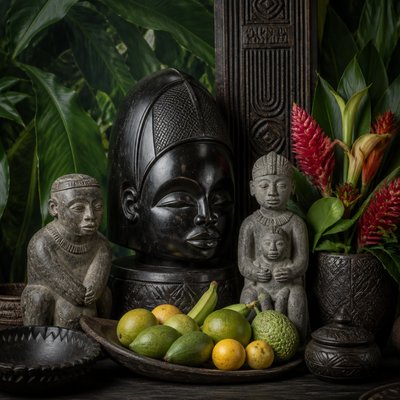
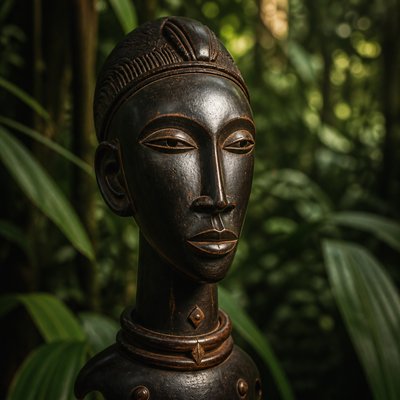
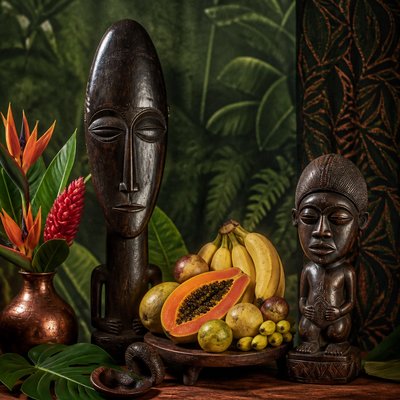
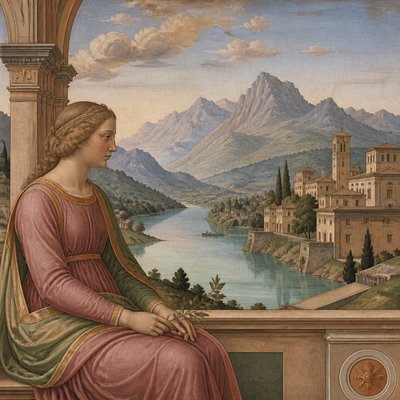
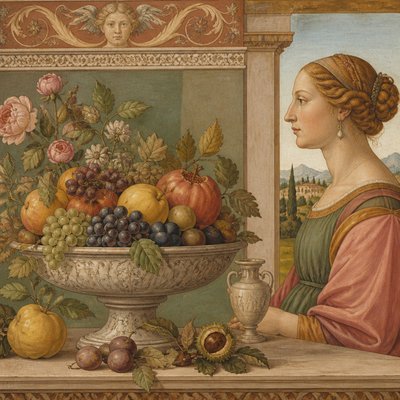
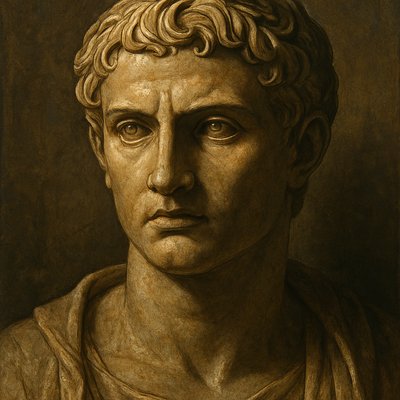
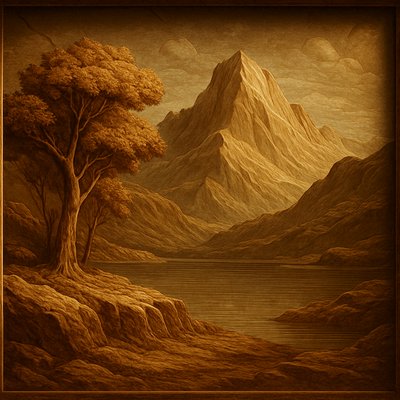
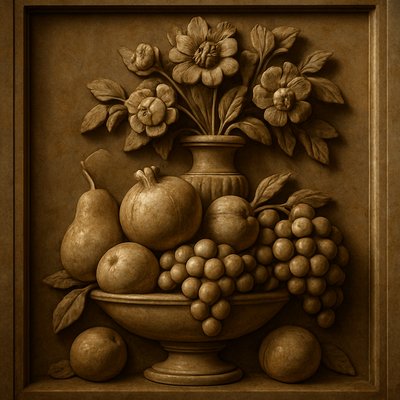
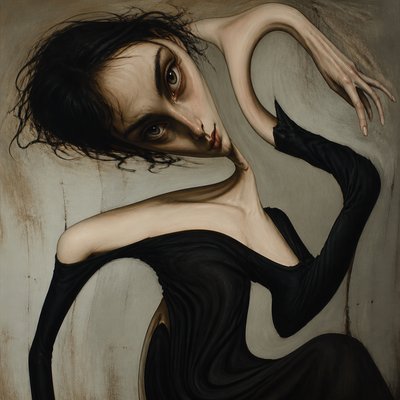
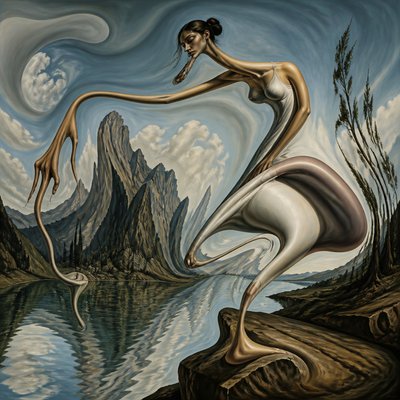
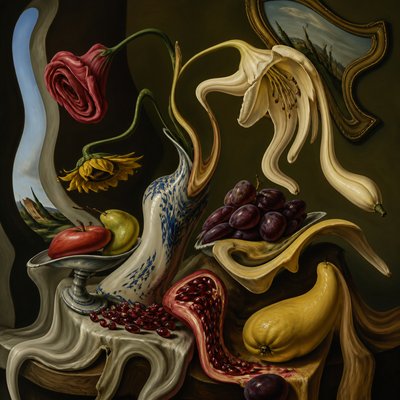
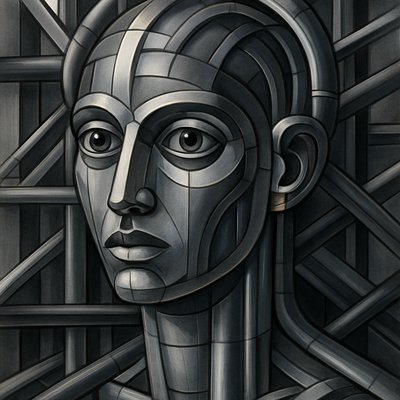
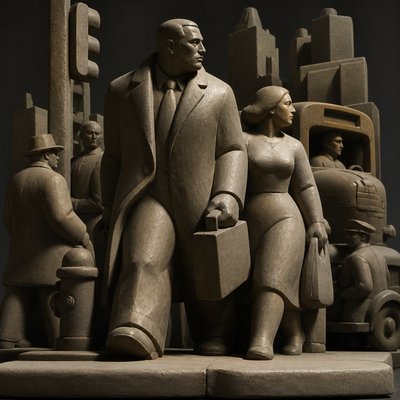
Sculptural Form Art is an image-making style organized around mass, volume, and the physical presence of modeled forms. Subjects appear as if carved, cast, or built by hand, with rounded silhouettes, substantial weight, and surfaces resembling matte stone, fired clay, plaster, or softly weathered concrete. Detail is restrained so that the eye concentrates on contour, proportion, and the way light travels across a solid body.
Its characteristic illumination is strong raking light: a directional source skims across the form, producing bright turning highlights, broad gradients, and deep core shadows. Sparse backgrounds and limited palettes reinforce the sense of an isolated object or monumental study. The result can be abstract or representational, but it always treats the subject as a three-dimensional structure rather than a flat outline or decorative pattern.
Try It On Your Photos
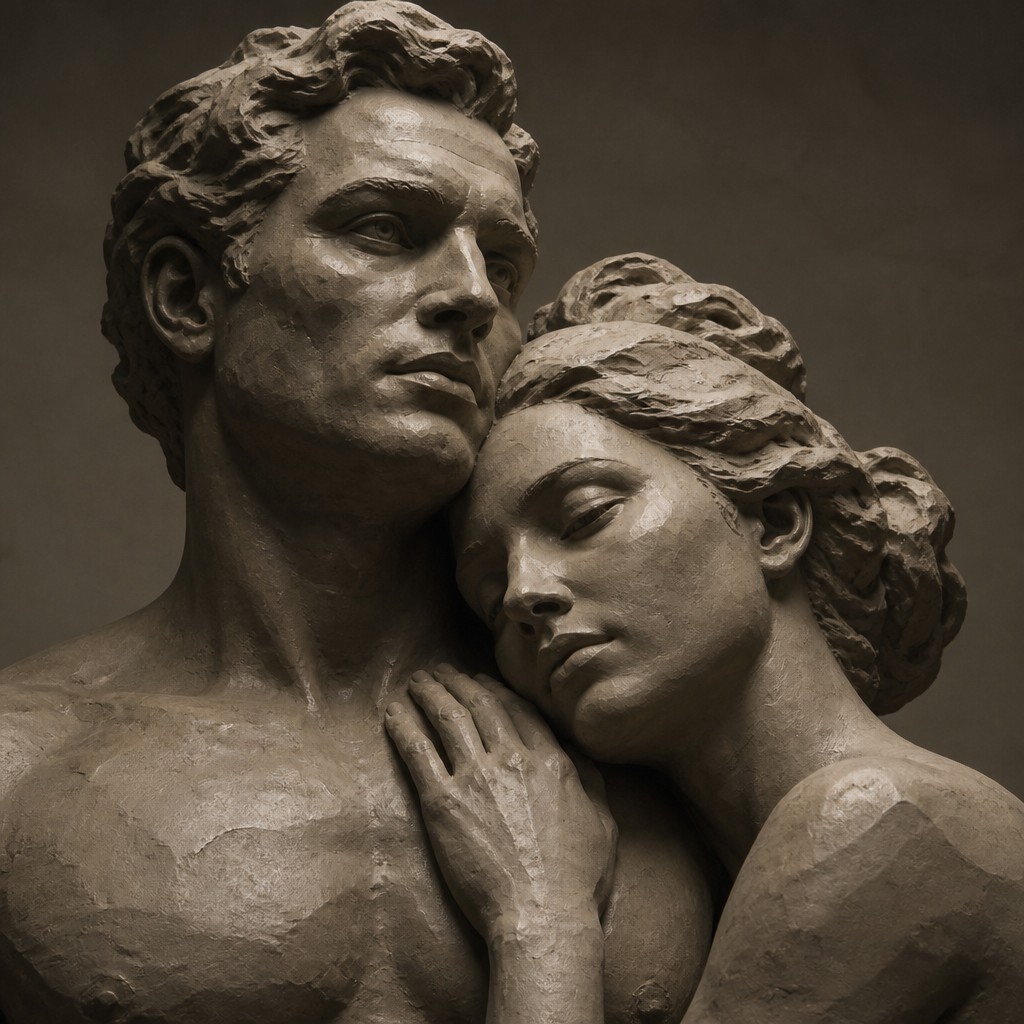
Upload any photo and convert it into Sculptural Form Art Style — drag the sliders to compare before and after.



What Defines Sculptural Form Art Style
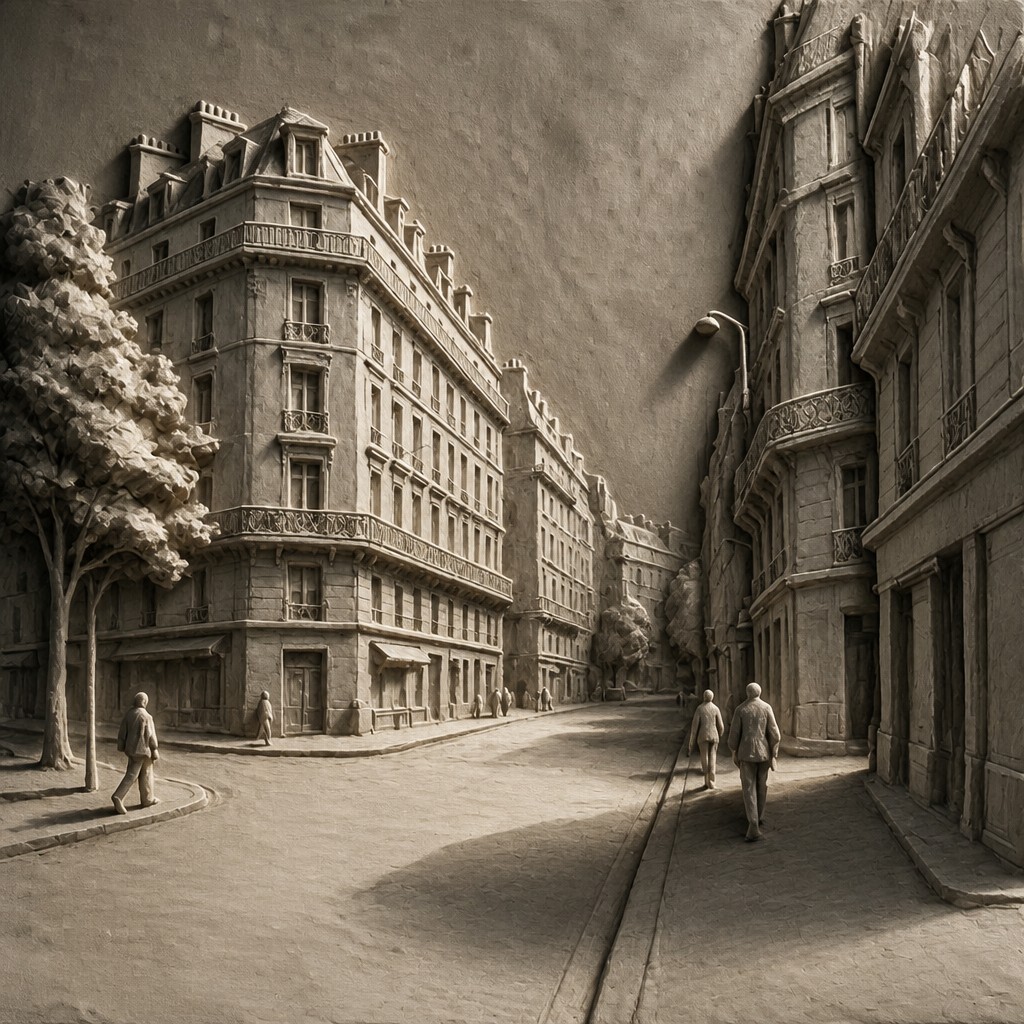
The signature details, up close
Monumental rounded volumes
Forms are enlarged in visual importance, with broad masses, softened edges, and weighty silhouettes. Even small subjects can feel like fragments of a monument or architectural model.
Raking directional light
A low or oblique light source passes across the surface, revealing curvature through gradual transitions. The lighting is purposeful and sculptural rather than evenly distributed.
Deep core shadows
Recesses, overlaps, and turning planes fall into rich, concentrated shadow. These dark areas give the subject depth and help separate major volumes.
Bright turning highlights
Highlights appear where rounded surfaces face the light, often as broad luminous bands rather than sharp reflective glints. They describe the bend of the form instead of adding a glossy finish.
Matte mineral surfaces
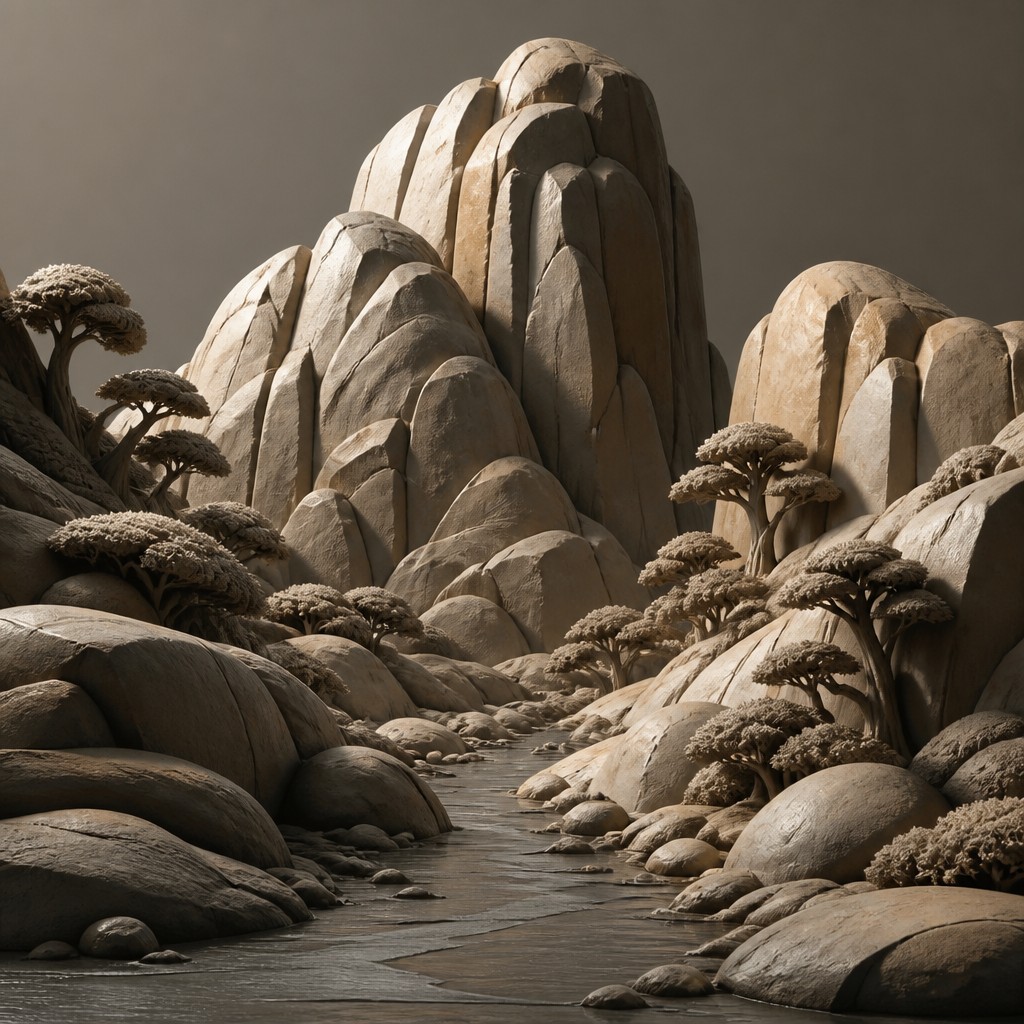
Stone, clay, plaster, chalk, and unglazed ceramic are common material references. Texture is subtle and tactile, with restrained reflectivity and little visual noise.
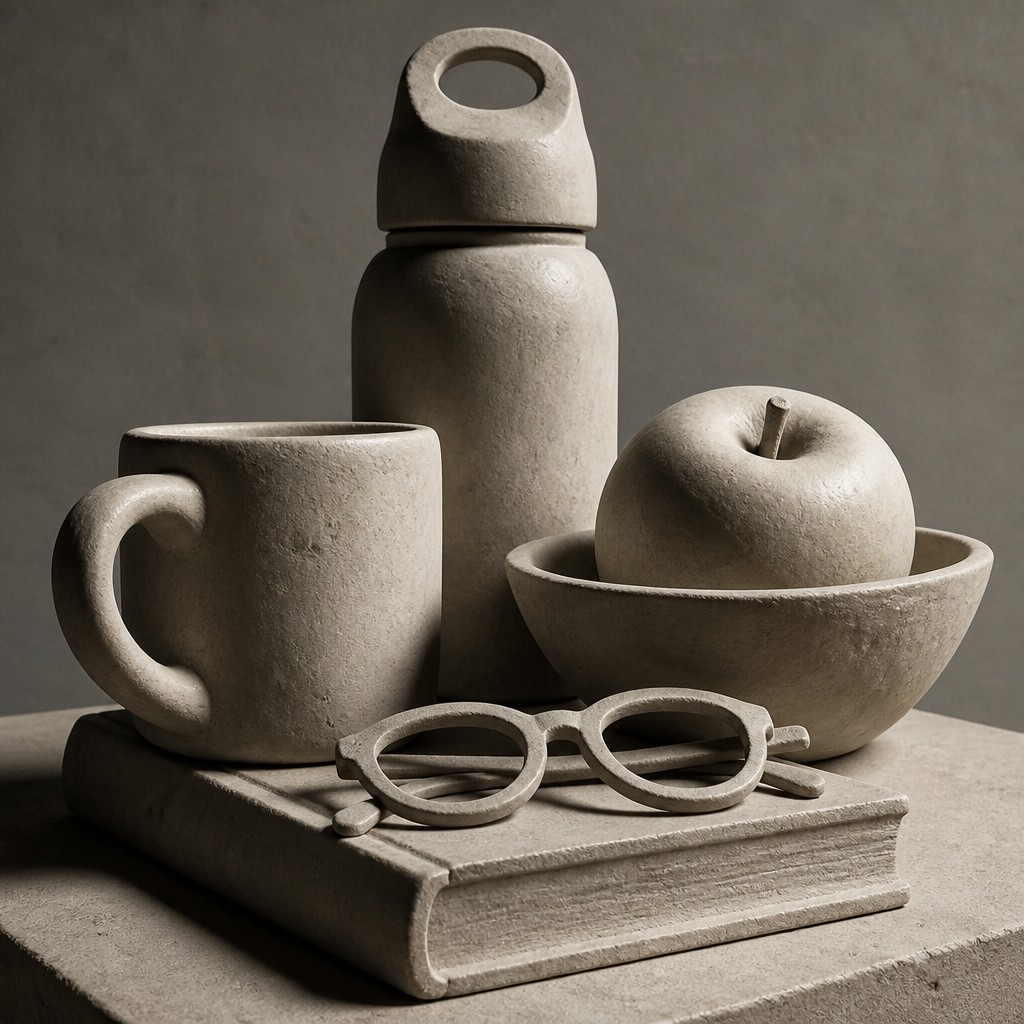
Minimal surroundings
Plain backdrops, quiet ground planes, and limited environmental detail keep attention on the object. Negative space amplifies the subject's scale and presence.
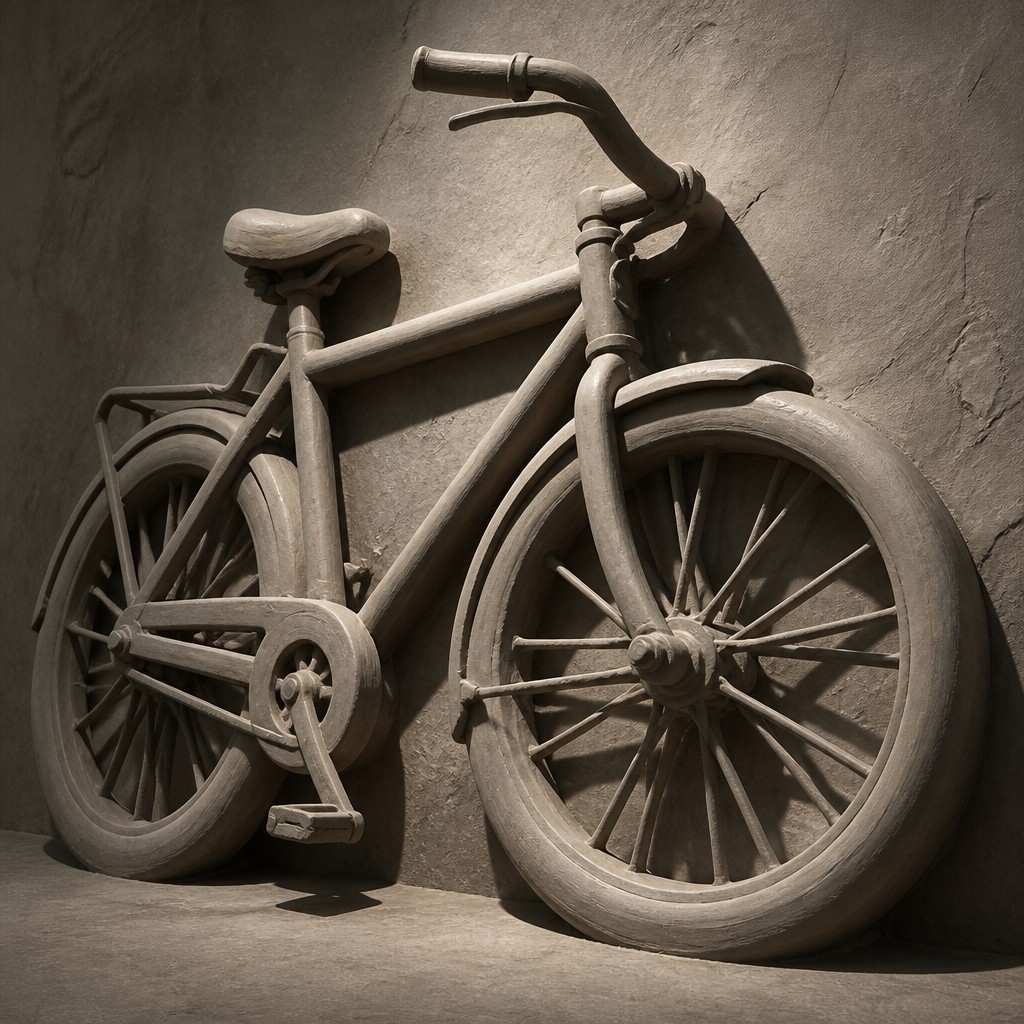
Reduced but grounded color
Earth tones, warm whites, charcoal, muted terracotta, and cool gray are favored over saturated color. Color supports material and light while preserving a unified sculptural impression.
Try It
Create Videos in Sculptural Form Art Style
Styles aren't just for stills — describe a scene or animate an image and get a short video rendered in Sculptural Form. Press play to see this pond come to life.
Make a VideoSculptural Form Prompt Ideas
Start from an idea — each one opens the generator with the style ready to go. See all 40 Sculptural Form prompts →
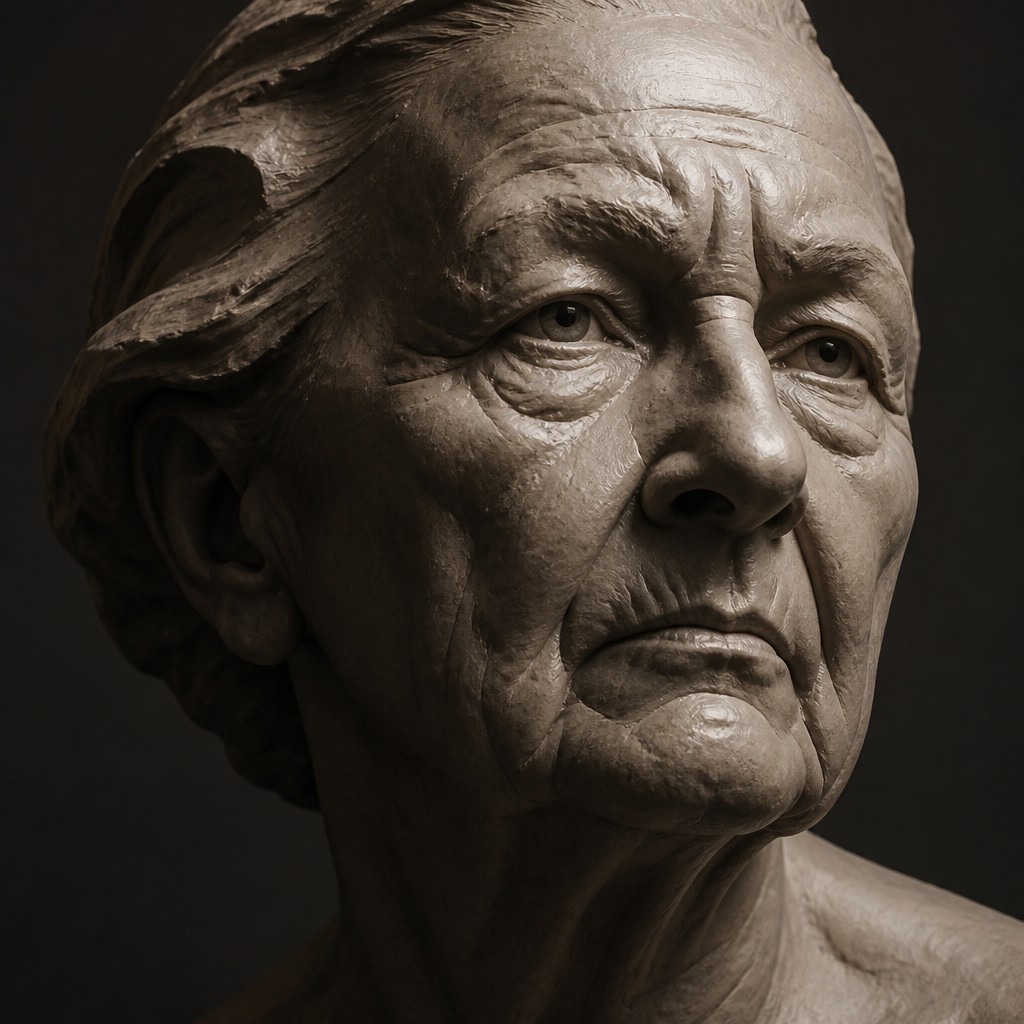
“close-up portrait of an elderly person with expressive weathered features”
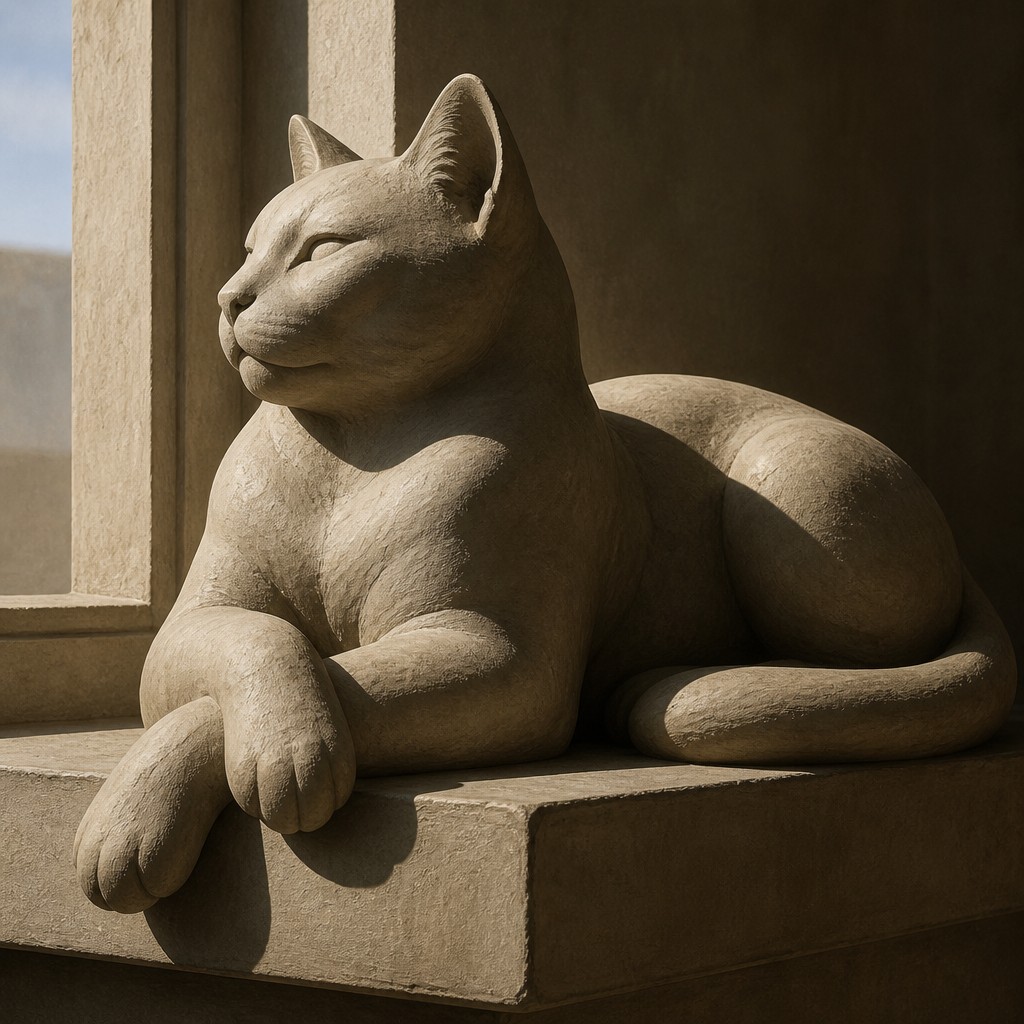
“a cat lounging in a sunlit window”
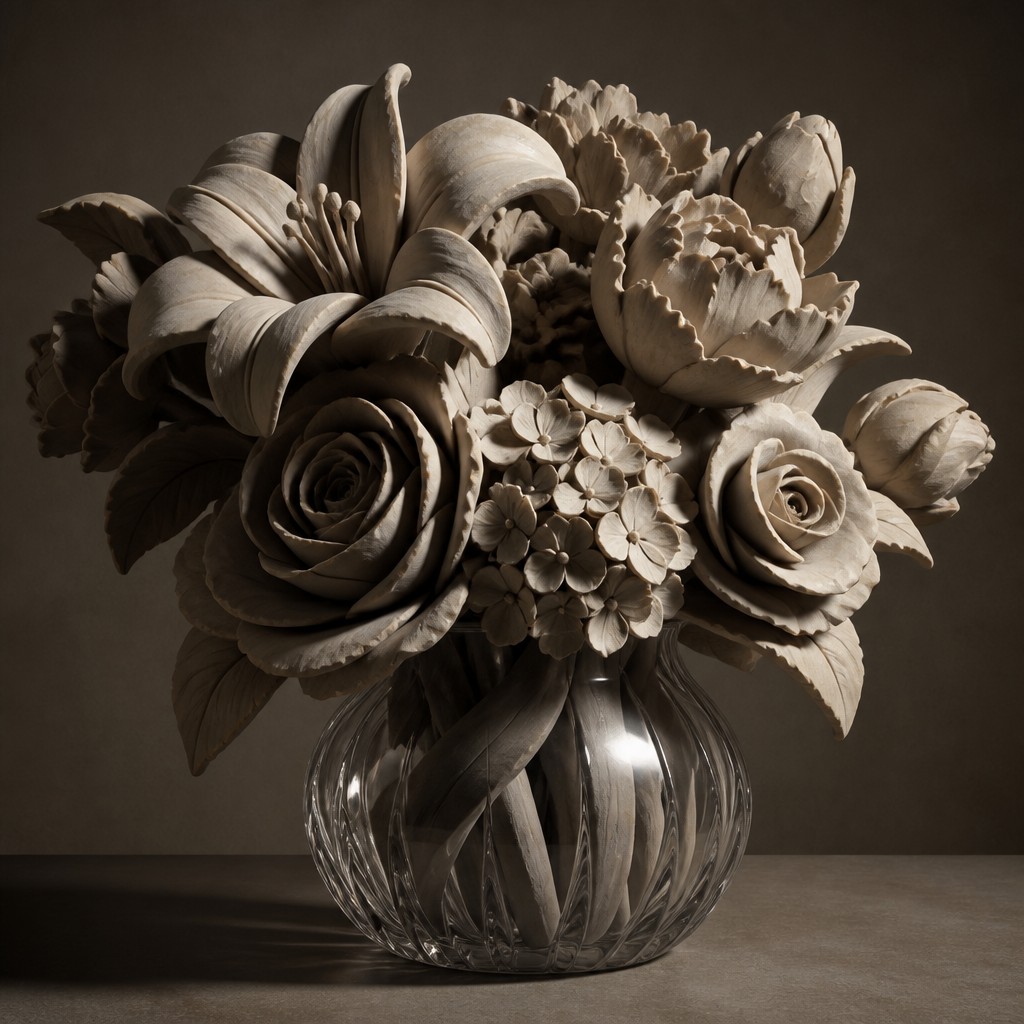
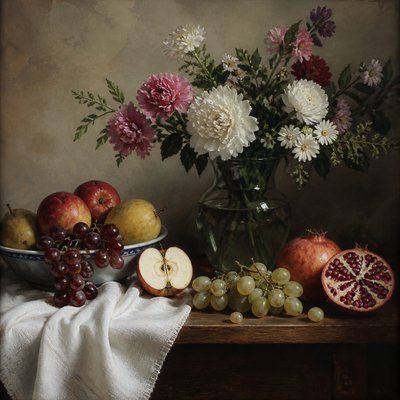
“bouquet of flowers in a glass vase”
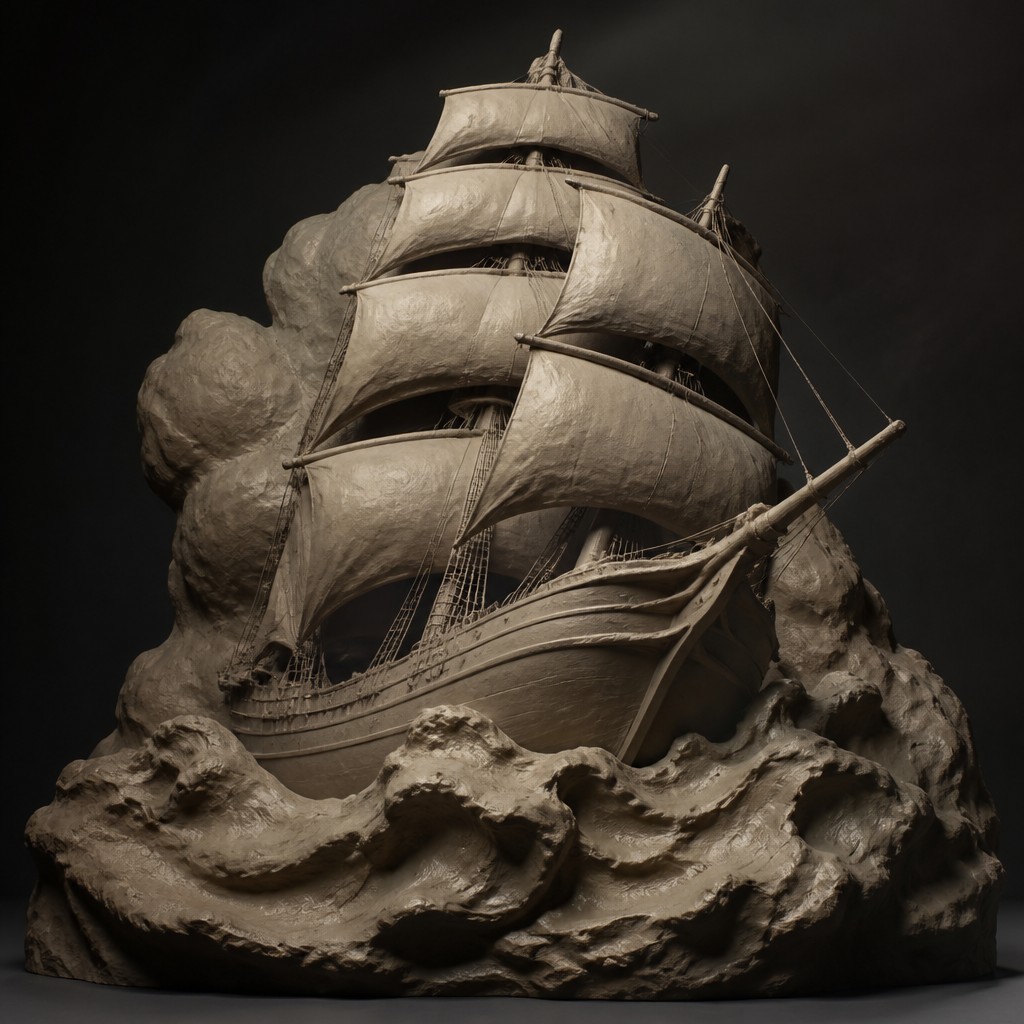
“sailing ship on a stormy sea”
How to Create Sculptural Form Art
Master the craft step by step — or skip straight to creating. Read the full guide →
- 1
Build the mass before the detail
Begin with a few large geometric or organic volumes and establish a convincing silhouette before adding surface features. In clay or plaster, block out the subject broadly; in digital work, use simple primitives and smooth subdivision.
- 2
Use a single hard-to-soft light direction
Place a large directional source to one side and slightly above or behind the subject, allowing it to rake across the surface. Keep fill light low enough to preserve core shadows without losing essential form information.
- 3
Choose a matte material language
Favor rough, low-reflective surfaces with subtle grain, pores, or tool marks. Avoid polished metal, wet gloss, and busy textures unless they are deliberately used as a contrast.
- 4
Simplify the composition
Use a neutral background, a restrained palette, and generous negative space. A centered or carefully offset arrangement makes the object read as a study in volume rather than as a crowded scene.
- 5
Model the lighting and material in digital tools
In 3D software or digital painting, combine soft ambient occlusion with directional shadows and broad highlight transitions. For prompt-based generation, specify the subject, monumental rounded volumes, matte stone or clay, raking light, deep core shadows, and a minimal background.

The Story
History & Origins of Sculptural Form
Sculptural Form Art is a contemporary, cross-media aesthetic rather than a historically codified movement. Its lineage draws on the formal study of sculpture, especially traditions concerned with mass, simplified geometry, modeled surfaces, and the contrast between light and shadow. It also relates to studio studies of plaster and clay, monumental modernist form, and still-life photography that isolates objects against neutral backgrounds.
In digital image-making, the style developed through the combination of three-dimensional modeling, physically based rendering, matte material design, and photographic lighting concepts. It is also informed by earlier art practices that used simplified bodies and dramatic illumination to make volume legible. Because it is defined by a visual treatment rather than a fixed period or school, it can be applied to figures, architecture, natural objects, symbols, and invented forms.
Influences: The style is related to sculptural abstraction, modernist simplification, studio modeling in clay and plaster, monumental architecture, and still-life traditions that use directional light to describe volume. It also draws from neoclassical and archaeological object studies, low-key photography, matte painting, and contemporary 3D rendering. Across these sources, the shared concern is the conversion of light, material, and silhouette into a strong sense of physical mass.
Frequently Asked Questions
What defines Sculptural Form Art?
It is defined by monumental modeled volumes, strong raking light, deep core shadows, broad turning highlights, and matte mineral surfaces. Minimal surroundings and restrained color keep attention on the subject's three-dimensional structure.
Is Sculptural Form Art a historical art movement?
No. It is a contemporary cross-media aesthetic rather than a formally established historical movement. Its visual lineage comes from sculpture, modeled clay and plaster studies, modernist abstraction, dramatic still-life lighting, and digital 3D rendering.
How does it differ from ordinary 3D rendering?
Ordinary 3D rendering can prioritize realism, complex environments, glossy materials, or technical precision. Sculptural Form Art is more selective: it simplifies the subject, emphasizes mass and silhouette, uses matte surfaces, and relies on directional light to make volume the central experience.
Can realistic subjects be made in this style?
Yes. Portraits, animals, plants, vessels, buildings, and landscapes can all be treated as sculptural forms. The subject remains recognizable while details are reduced in favor of broad planes, rounded masses, and tactile material cues.
How can I create this look with traditional materials?
Work in clay, plaster, wax, or another modeling medium, beginning with large masses and refining only the most important contours. Photograph or paint the result under a single oblique light with a neutral background and limited fill.
What should I include in a prompt for this style?
Name the subject first, then describe monumental rounded volumes, matte stone or clay, strong raking light, bright turning highlights, deep core shadows, and a minimal background. Adding words such as tactile, low-reflective, simplified, and museum-like can help reinforce the intended treatment.
Create your first Sculptural Form artwork
Describe anything — or upload a photo — and see it in Sculptural Form Art Style in seconds.
Related Styles
Discover similar art styles