Wabi-Sabi Kintsugi Painting
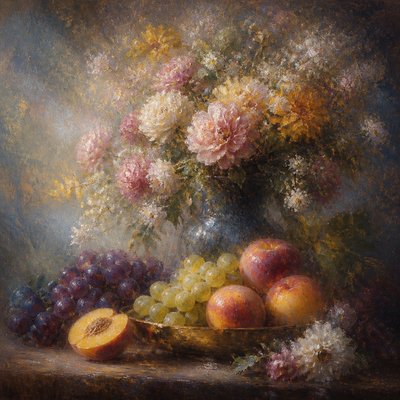
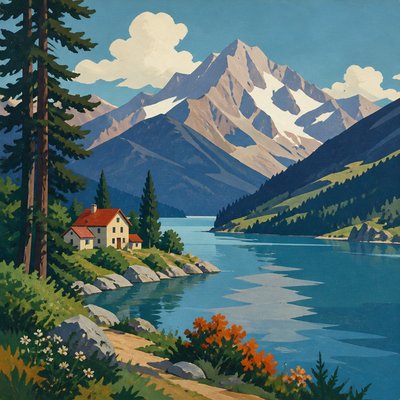
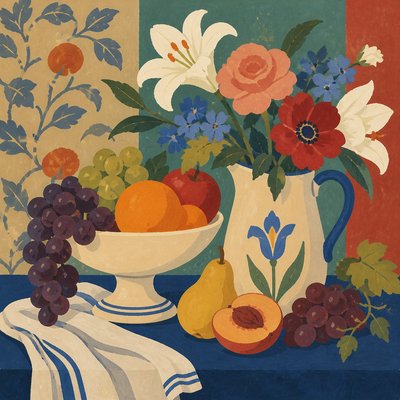
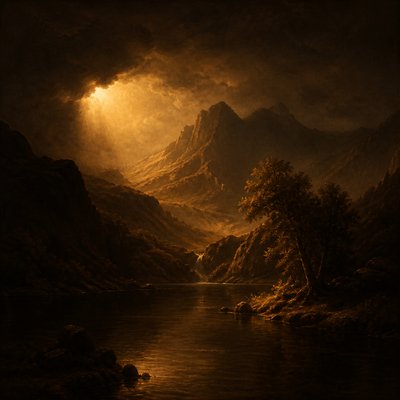
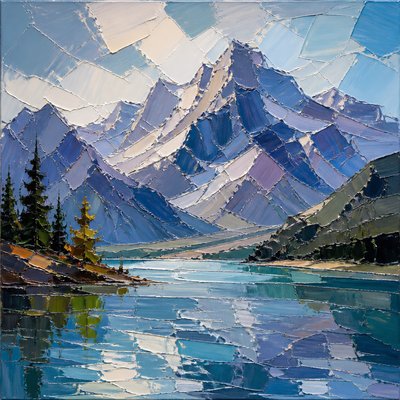
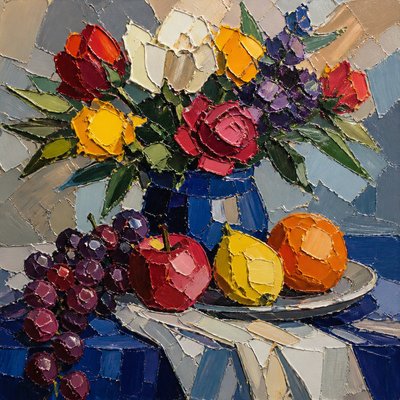
Muted, weathered surfaces repaired with gold seams: a calm aesthetic of imperfection, repair, and time-worn beauty.
Instantly rendered in Wabi-Sabi Kintsugi Painting — or transform a photo
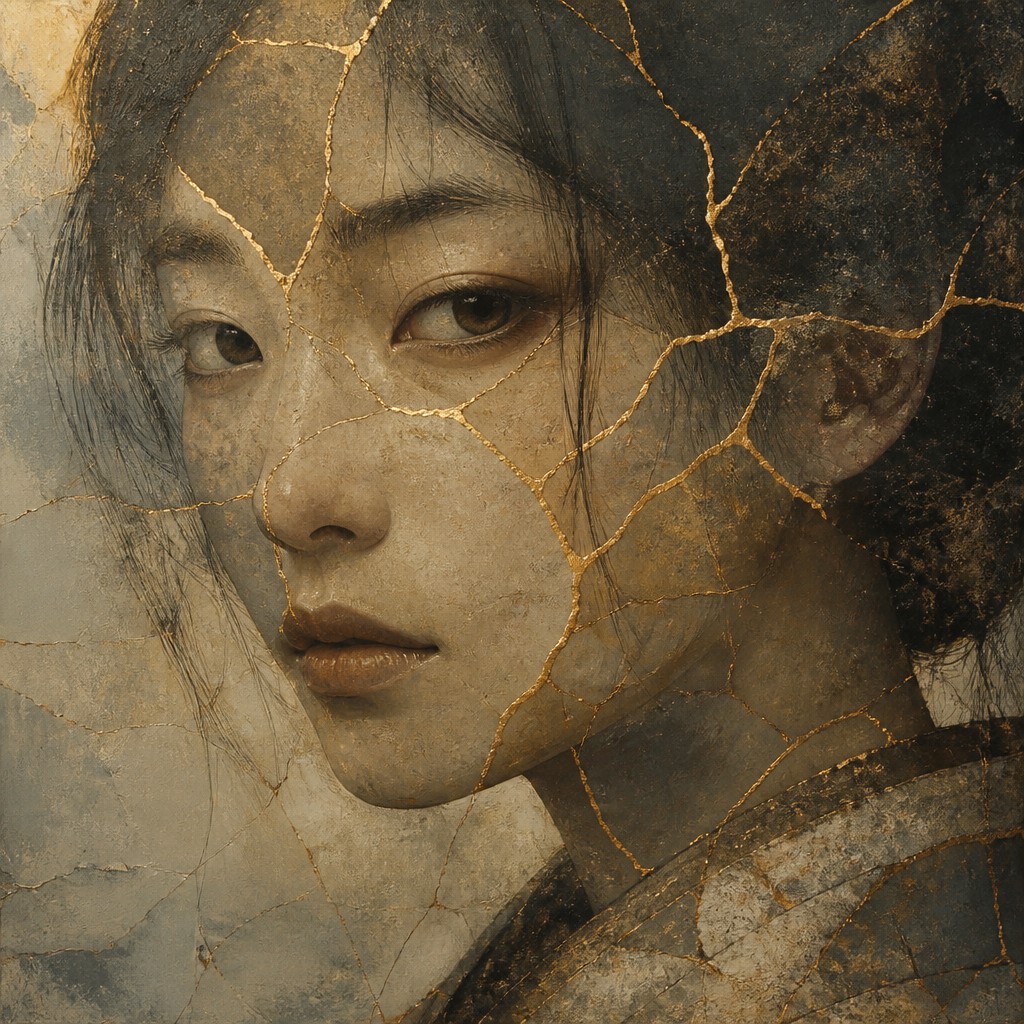
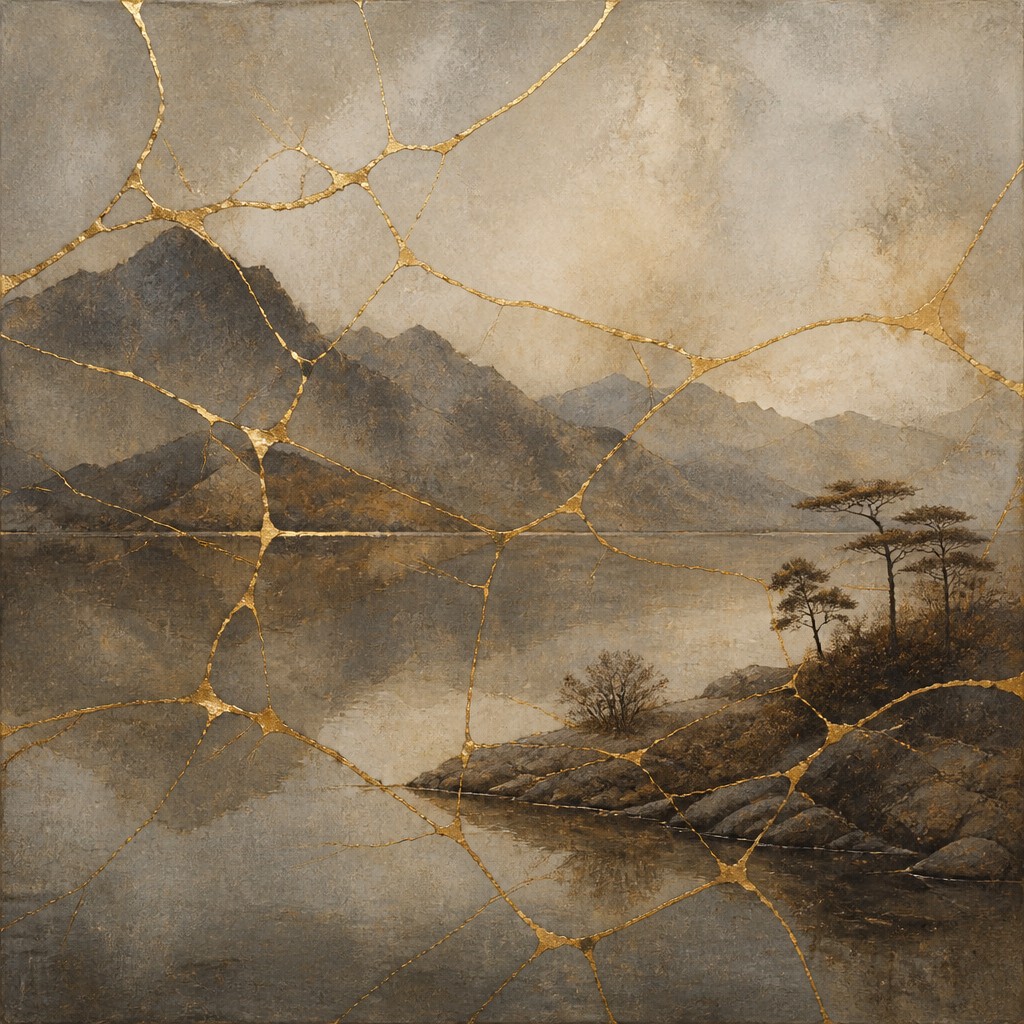
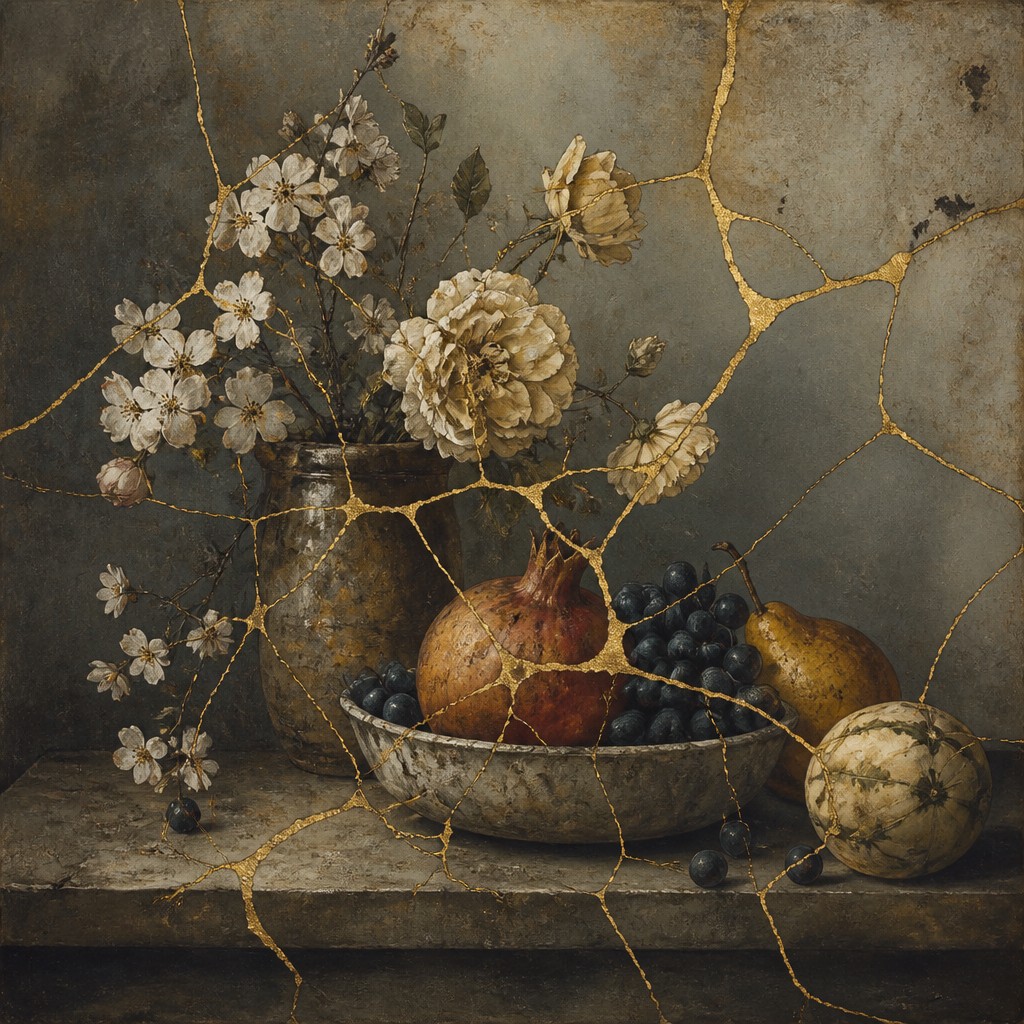
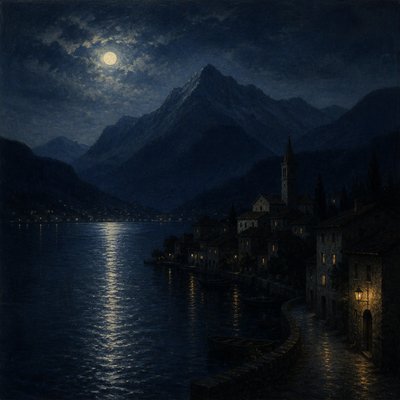
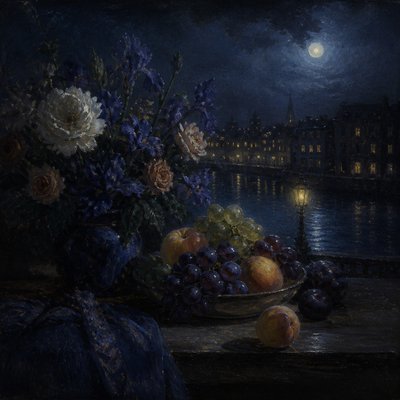
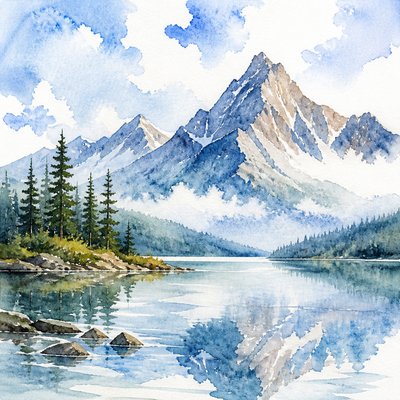
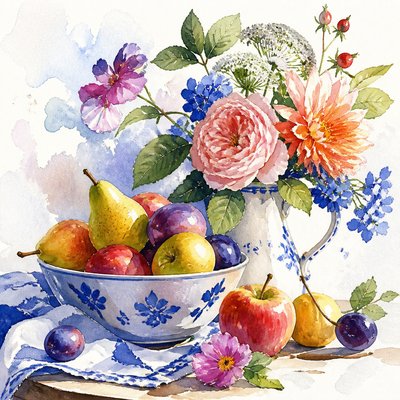
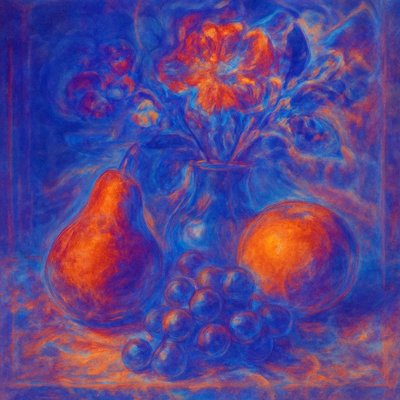
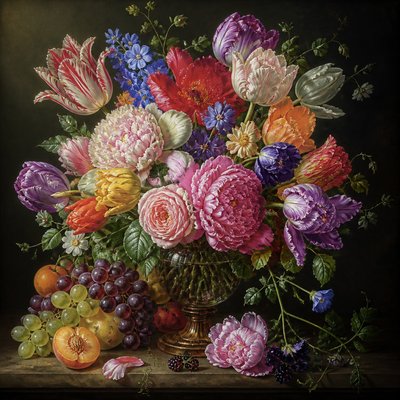
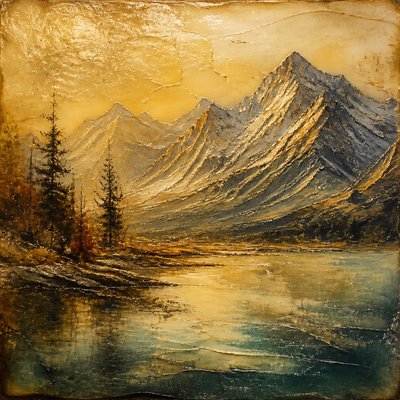
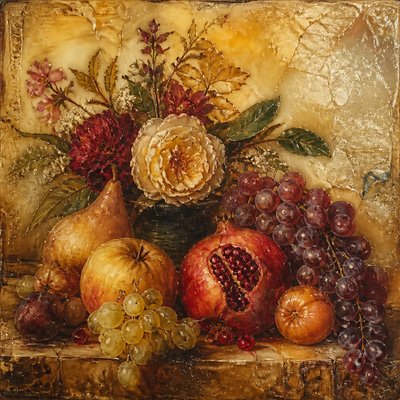
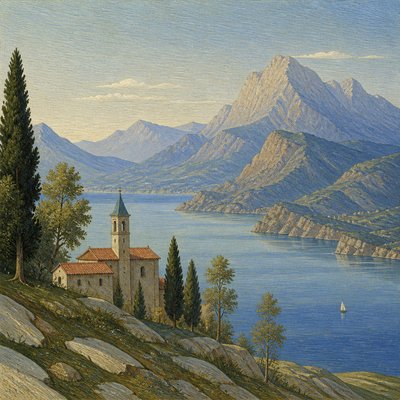
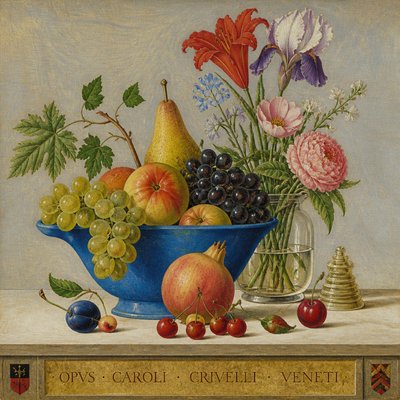
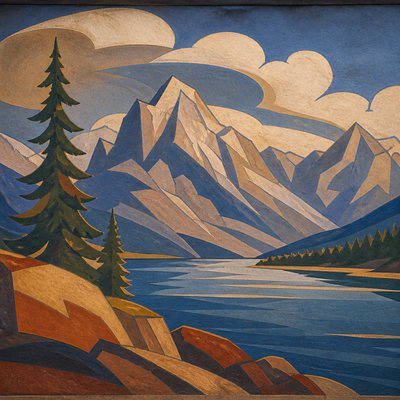
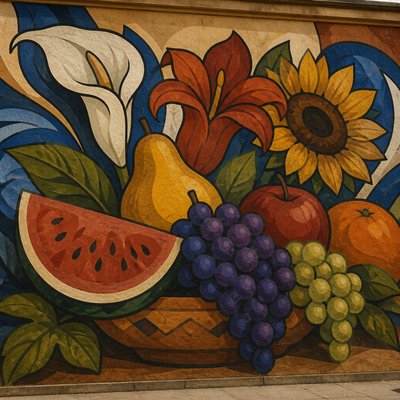
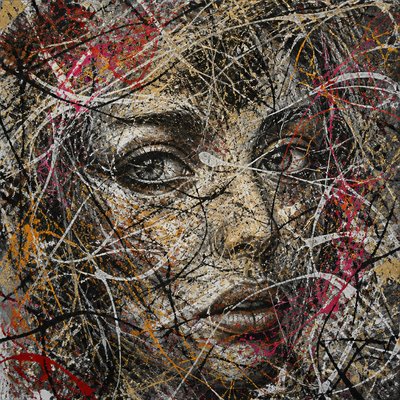
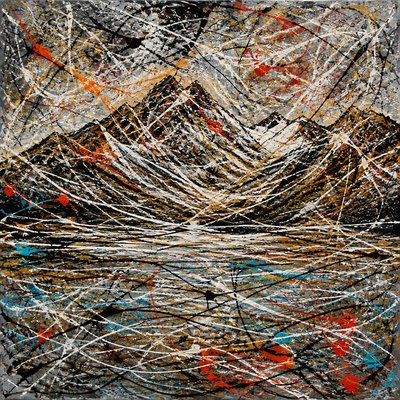
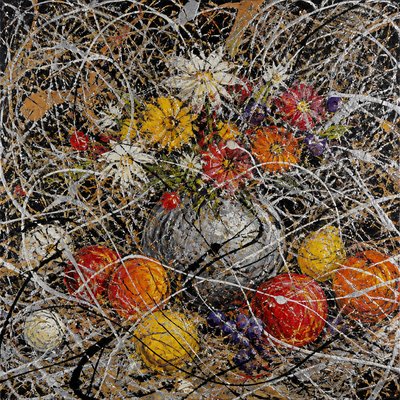
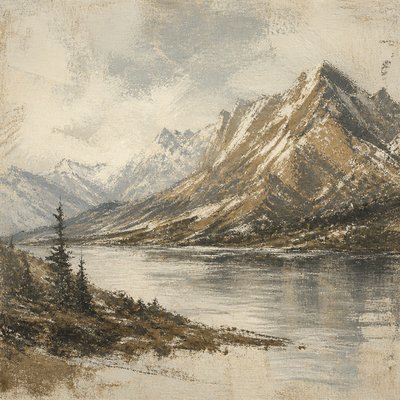
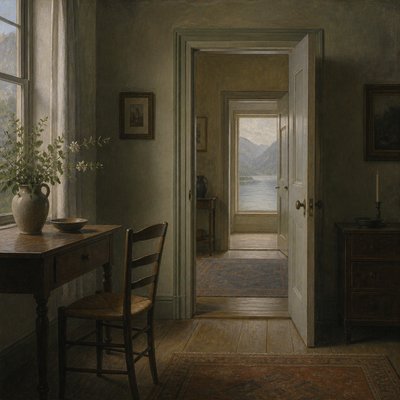
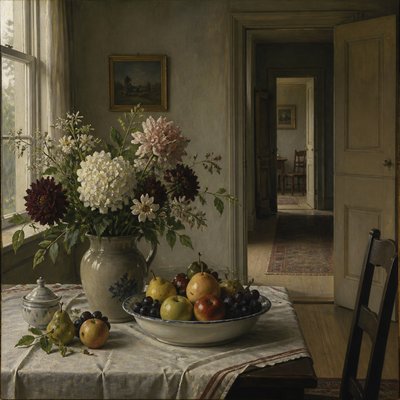
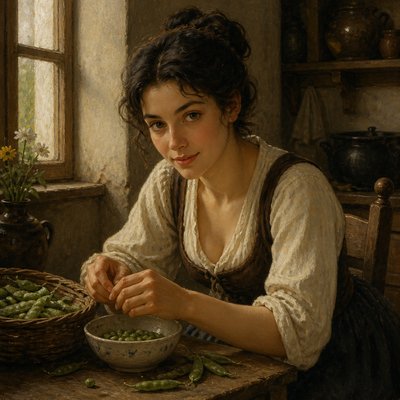
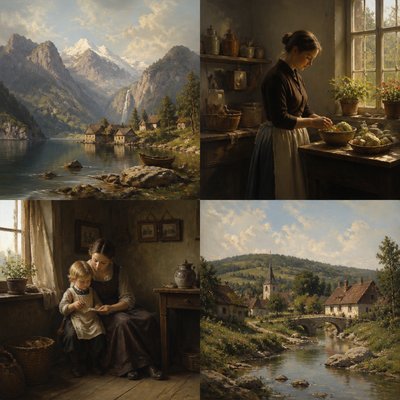
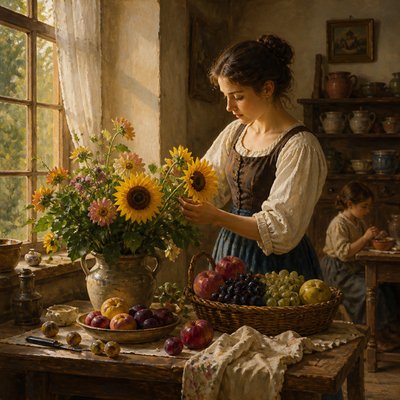
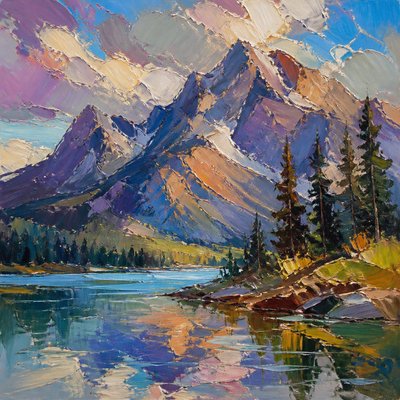
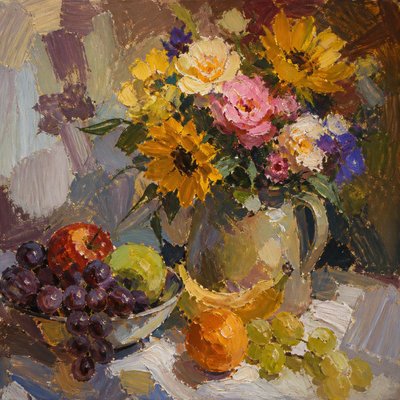
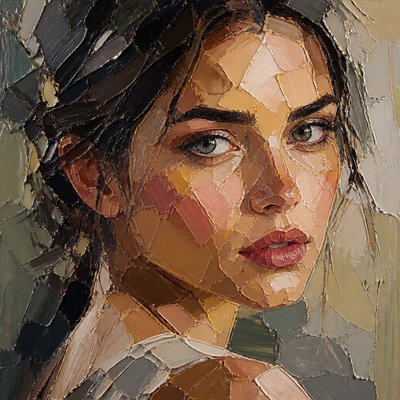
Wabi-Sabi Kintsugi Painting Gallery
Tap any artwork to explore it
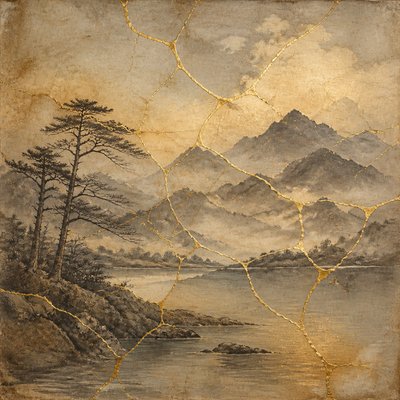
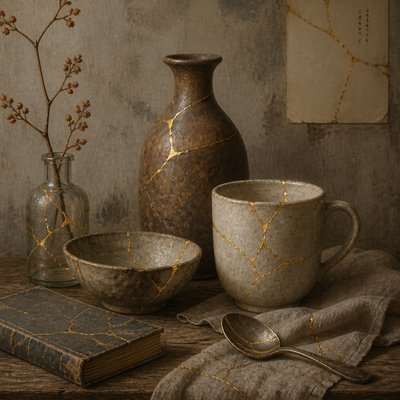
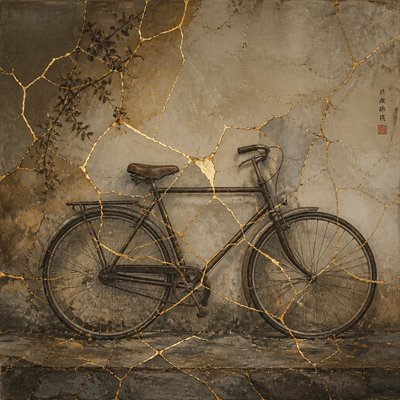
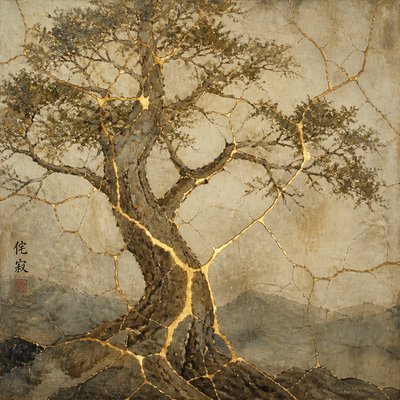
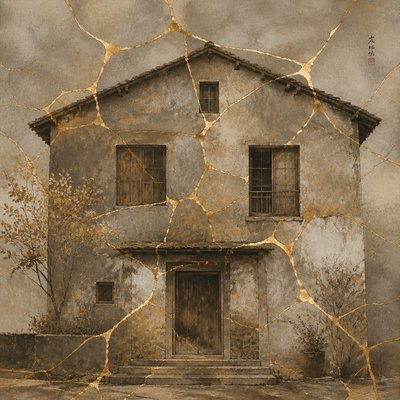
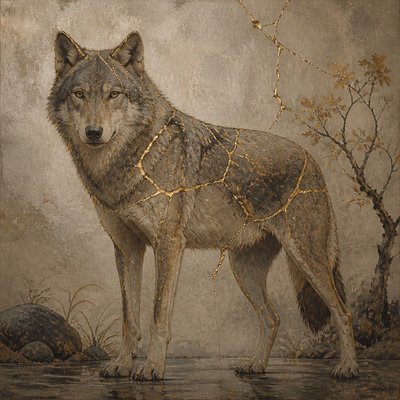
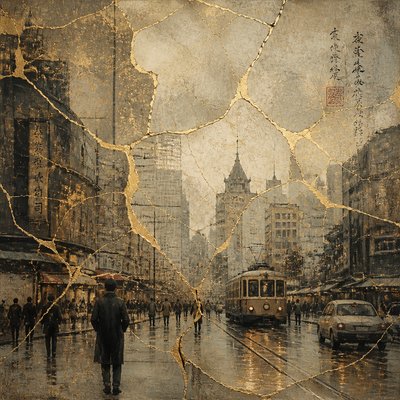
What is Wabi-Sabi Kintsugi Painting?
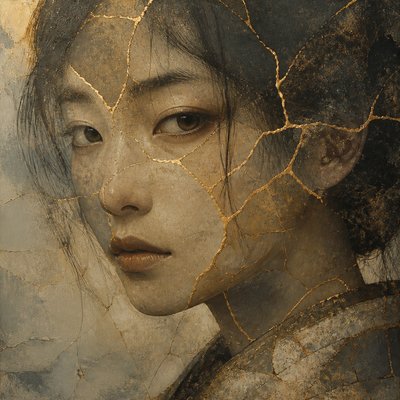
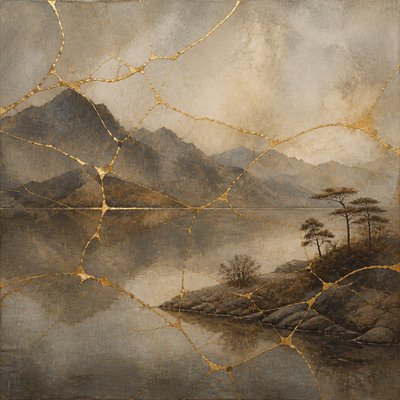
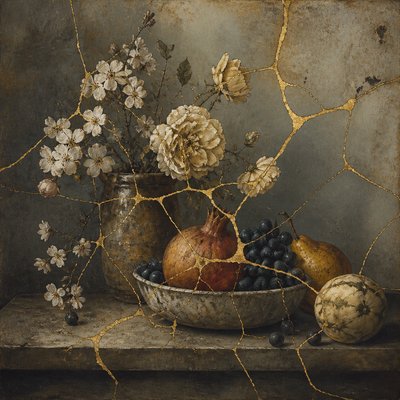
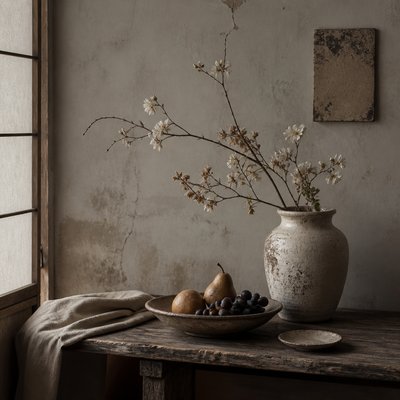
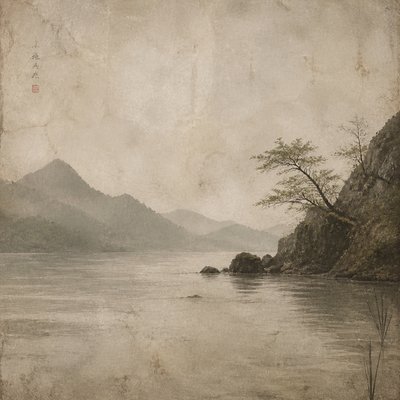
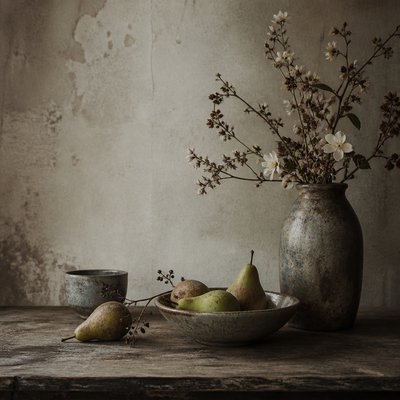
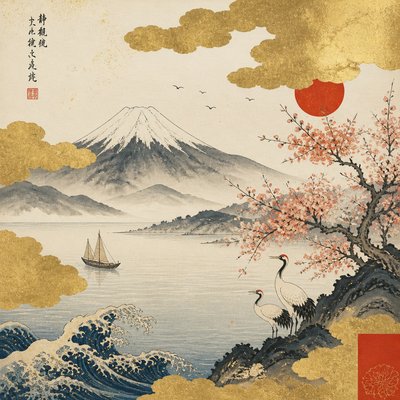
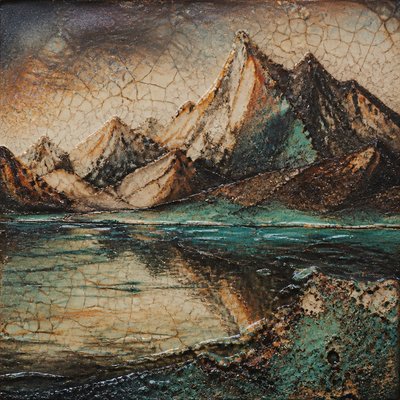
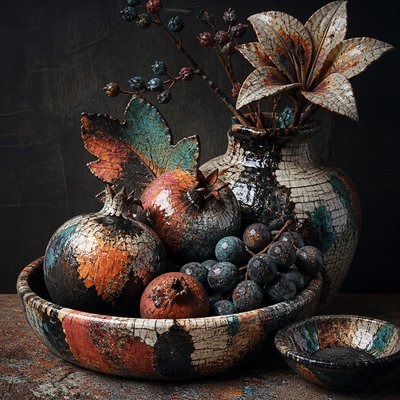
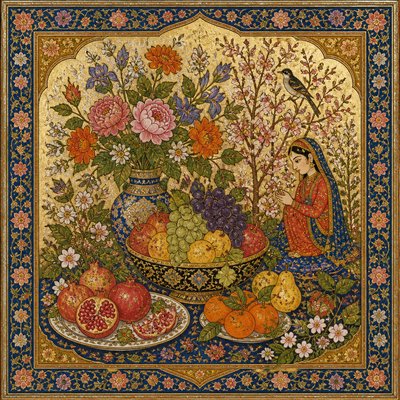
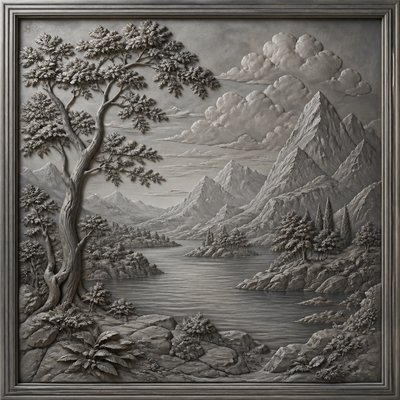
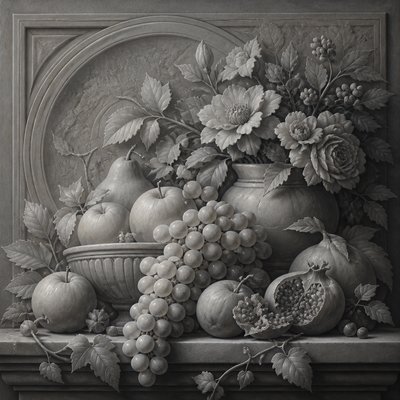
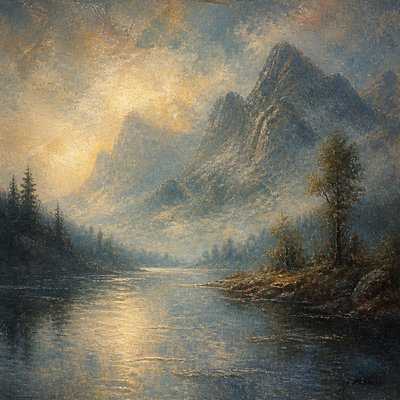
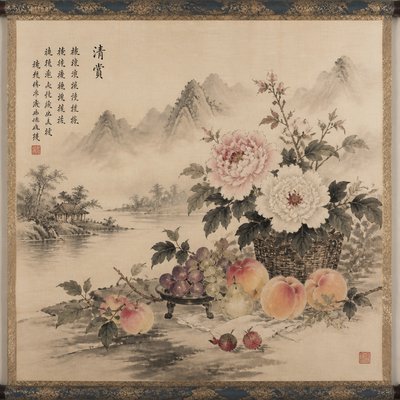
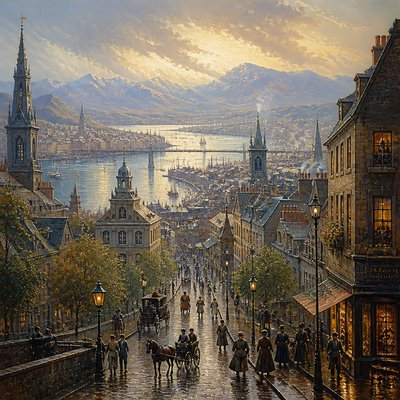
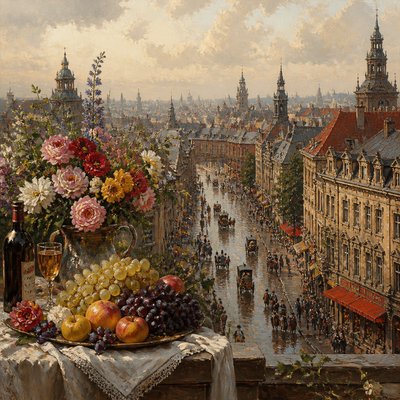
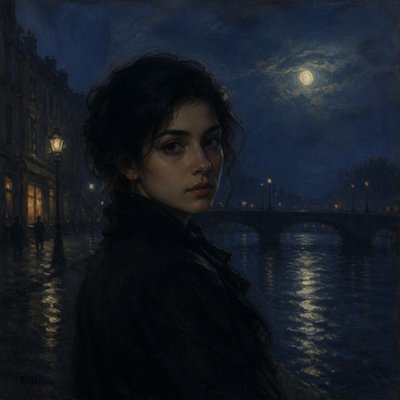
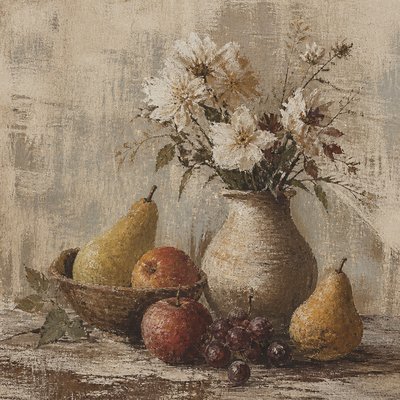
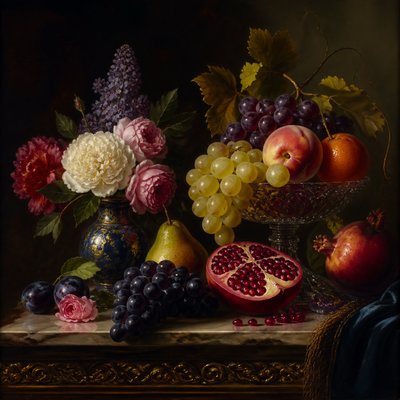
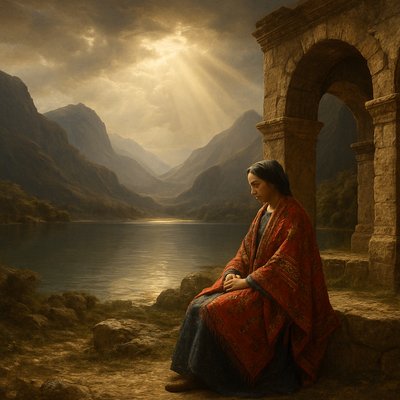
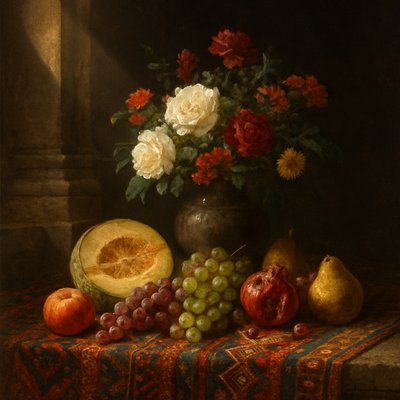
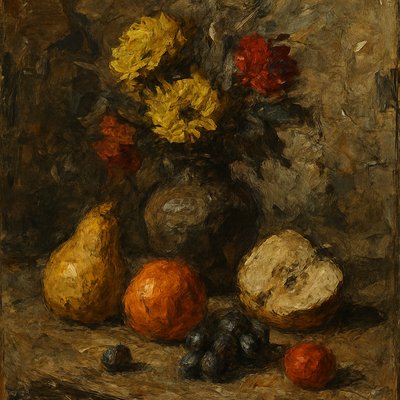
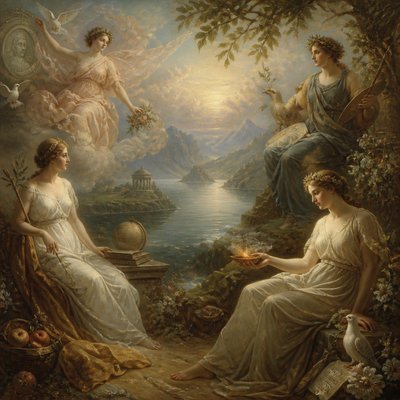
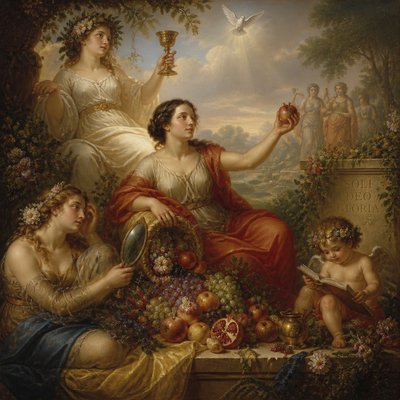
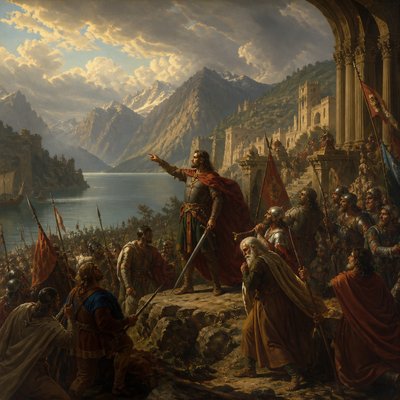
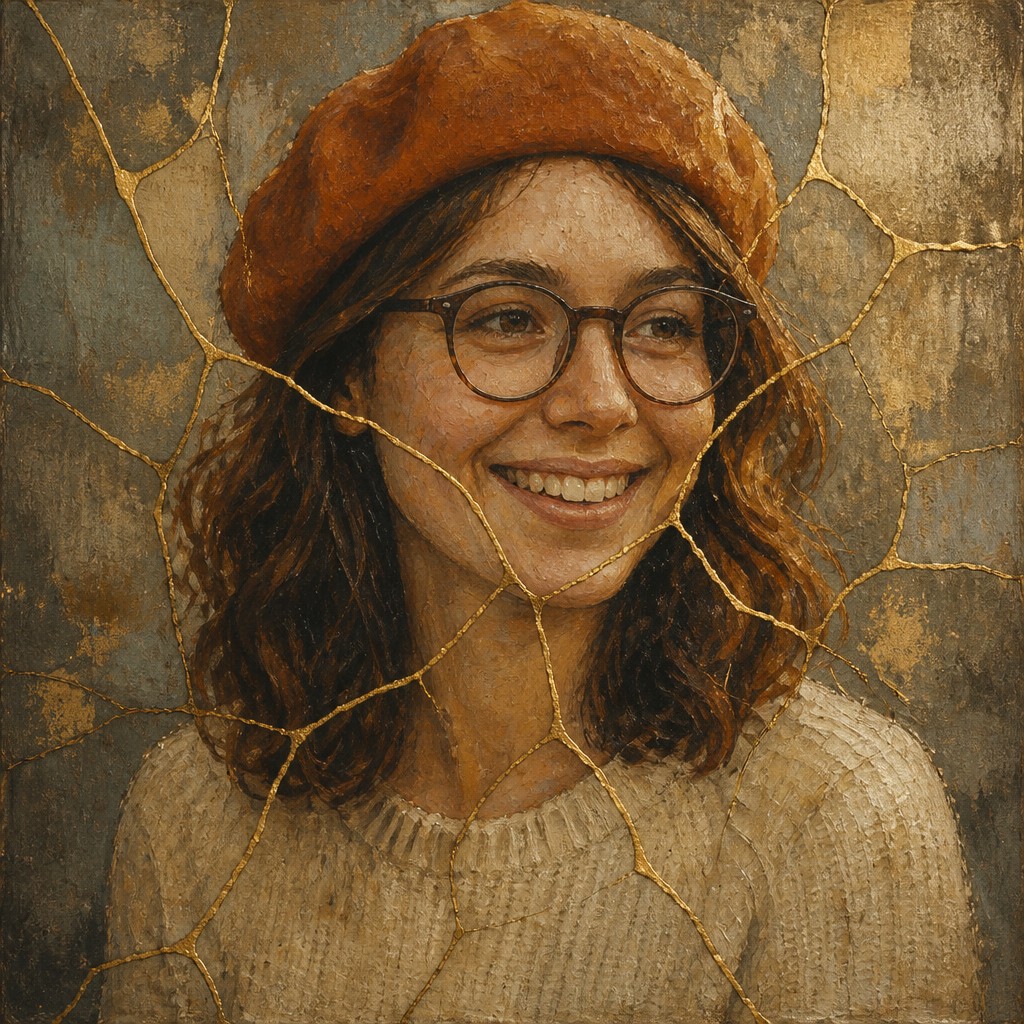
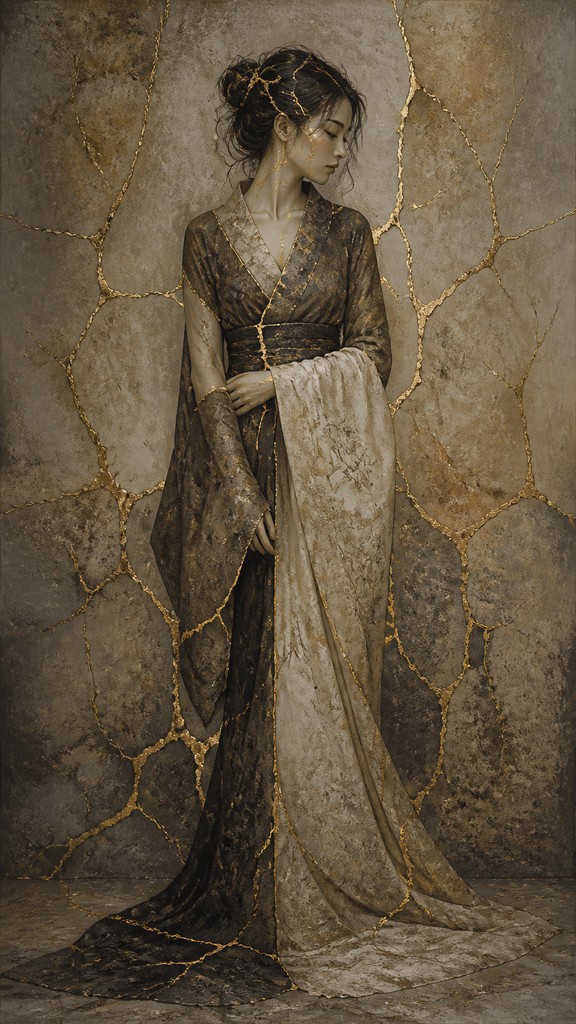
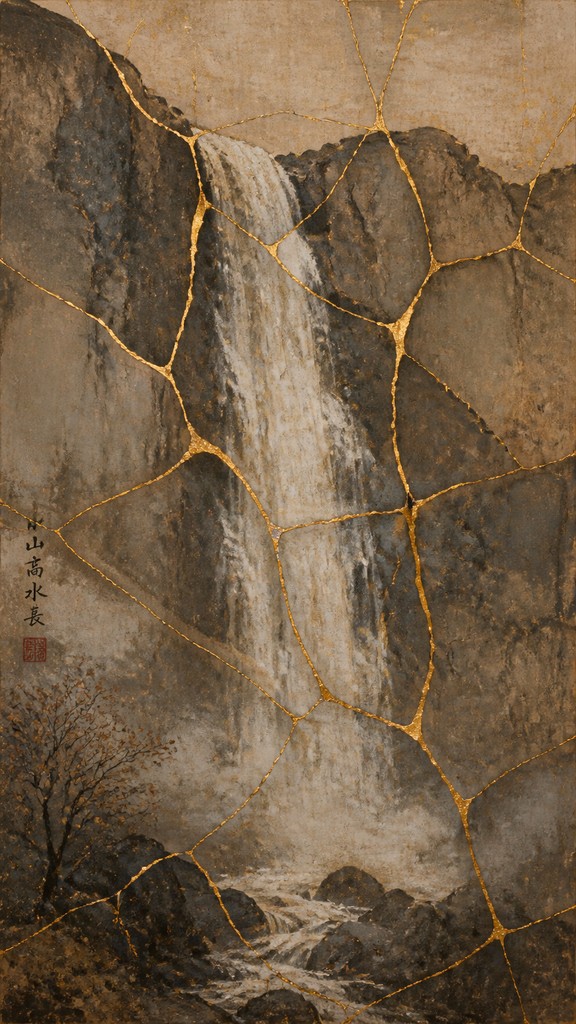
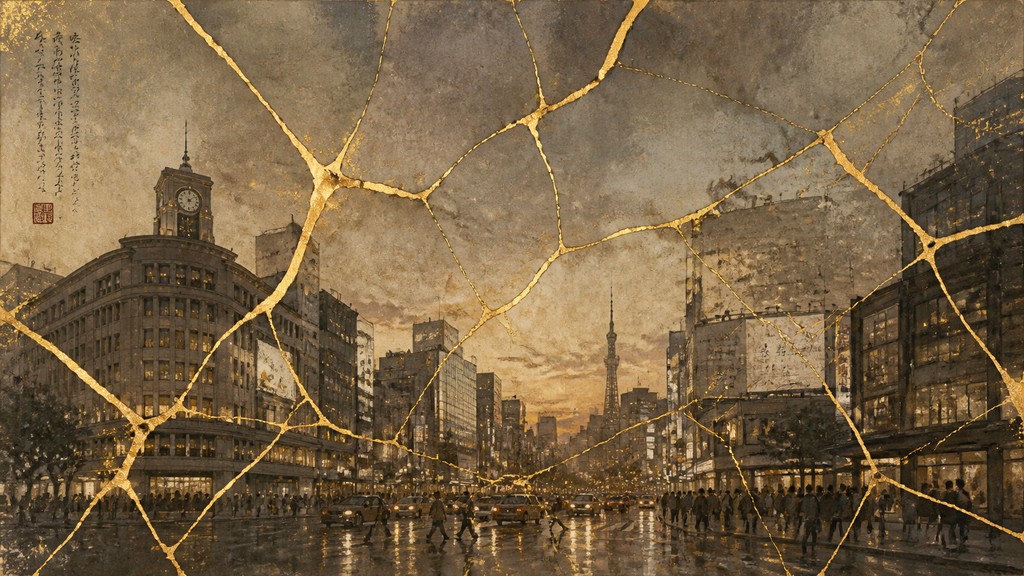
Wabi-Sabi Kintsugi Painting is an aesthetic style built around visible repair, quiet asymmetry, and the beauty of age. It presents fractured surfaces as part of an object’s history rather than as defects to hide, using luminous gold seams to bind broken forms back together. The result is often restrained and meditative: muted earth tones, worn textures, softened edges, and a strong contrast between matte surfaces and gleaming repairs.
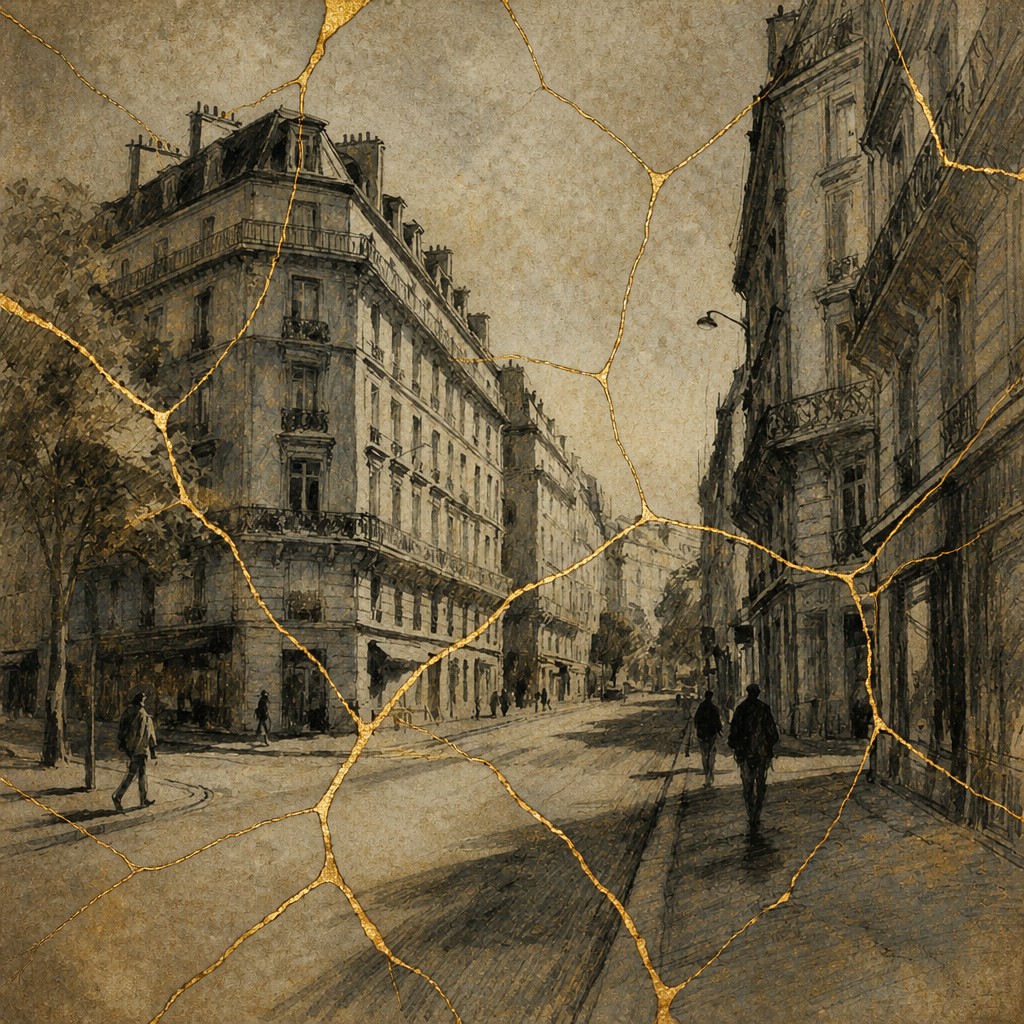
Visually, the style balances restraint and emphasis. Areas of ash grey, weathered brown, ivory, clay, and soot-like black create a subdued ground, while the repaired cracks become the compositional focal point. The gold lines are usually organic and branching, following the path of fracture rather than imposing a rigid pattern. This gives the work a calm dignity and a sense of lived time, where damage becomes evidence of endurance and renewal.
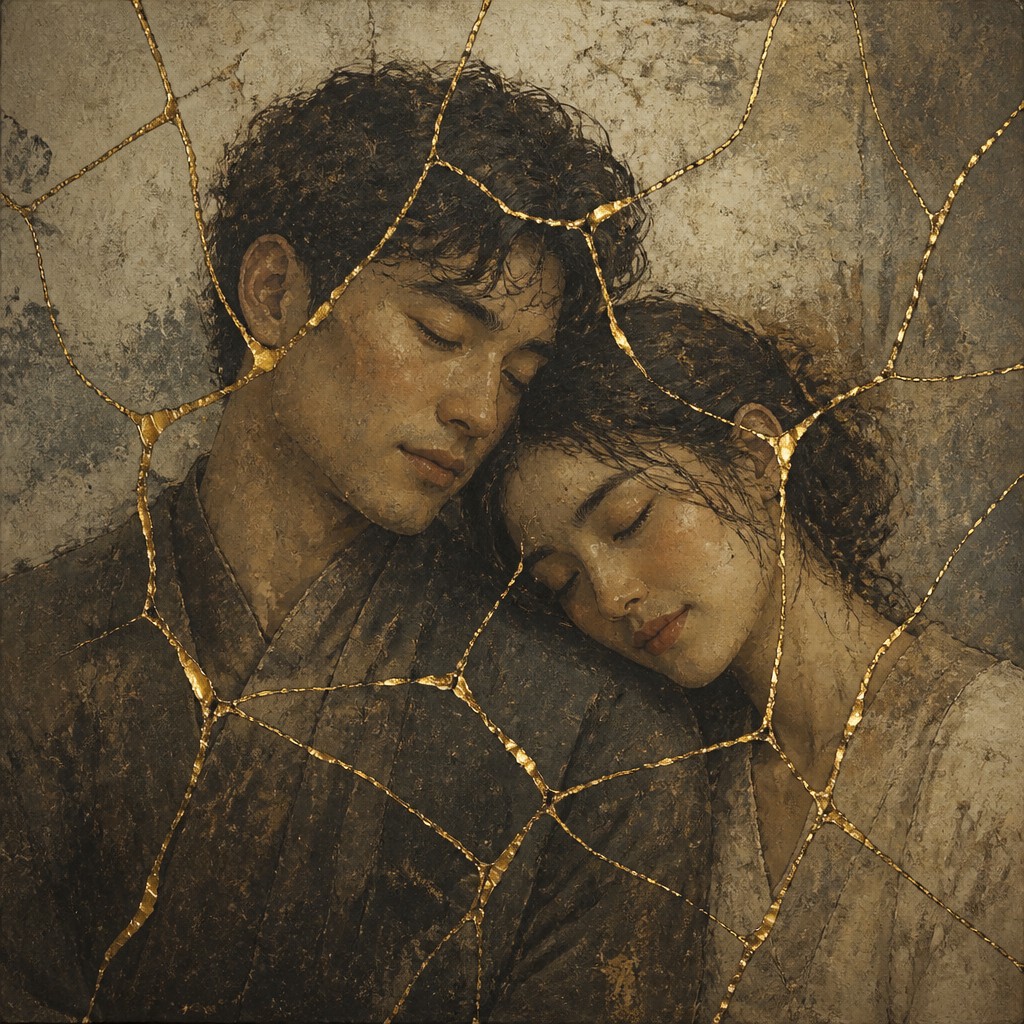
Try It On Your Photos
Upload any photo and convert it into Wabi-Sabi Kintsugi Painting — drag the sliders to compare before and after.


What Defines Wabi-Sabi Kintsugi Painting
The signature details, up close
Visible golden repairs
The defining feature is crack lines traced or filled with luminous gold, brass, or warm metallic tones. These seams are not hidden; they are emphasized as the most meaningful part of the composition.
Muted earth palette
Colors usually stay subdued: ash grey, taupe, aged ivory, clay, brown, charcoal, and desaturated umber. The restrained palette makes the metallic repairs appear brighter and more symbolic.
Weathered texture
Surfaces often look worn, matte, and time-marked, with patina, scuffs, chips, and subtle staining. The texture suggests age and use rather than polished perfection.
Asymmetry and irregular form
Composition tends to favor imbalance, uneven edges, and organic fracture patterns. The irregularity is intentional and central to the aesthetic.
Quiet, meditative atmosphere
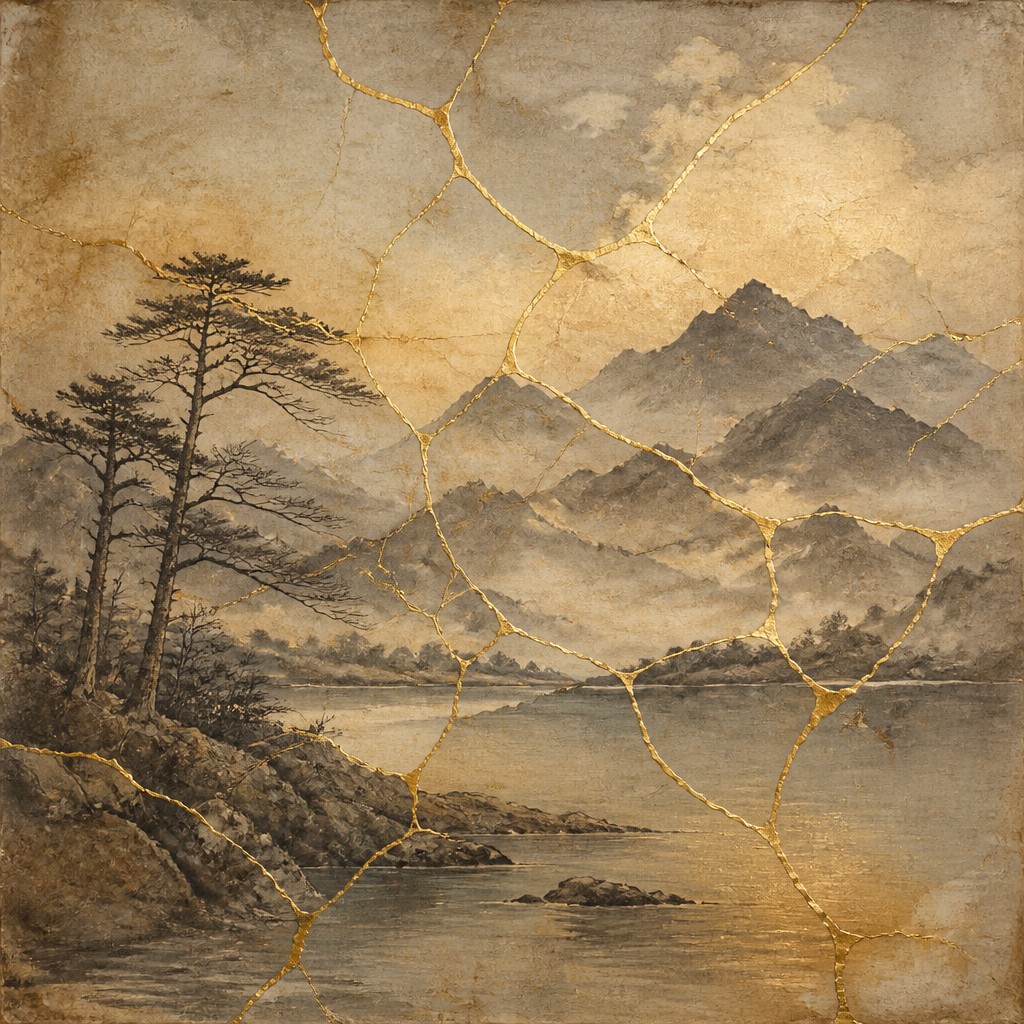
The style usually feels calm, reflective, and uncluttered. Even when the gold is vivid, the overall mood remains subdued rather than dramatic.
Contrast between damage and radiance
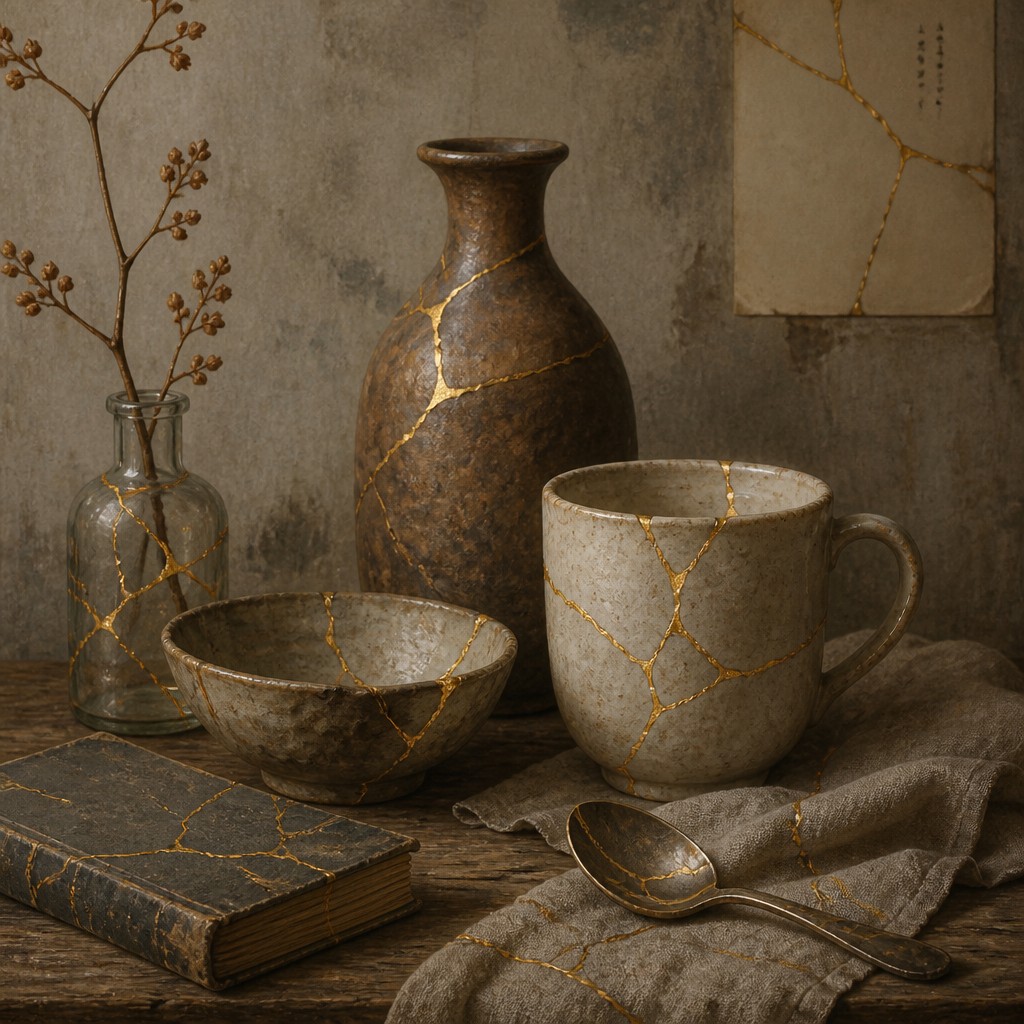
A key visual tension comes from pairing broken or cracked matter with glowing repair. This contrast turns imperfection into a point of beauty and focus.
Try It
Create Videos in Wabi-Sabi Kintsugi Painting
Styles aren't just for stills — describe a scene or animate an image and get a short video rendered in Wabi-Sabi Kintsugi Painting. Press play to see this pond come to life.
Make a VideoWabi-Sabi Kintsugi Painting Prompt Ideas
Start from an idea — each one opens the generator with the style ready to go. See all 40 Wabi-Sabi Kintsugi Painting prompts →
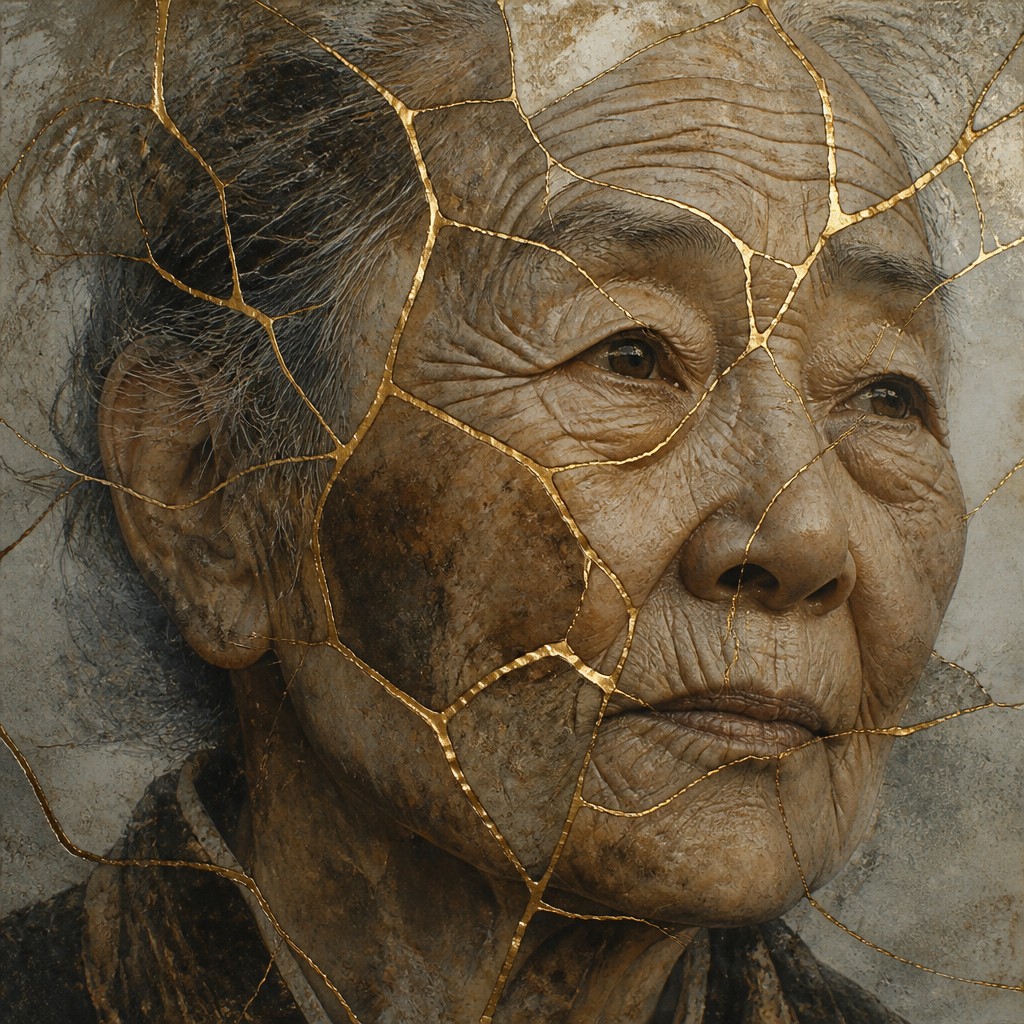
“close-up portrait of an elderly person with expressive weathered features”
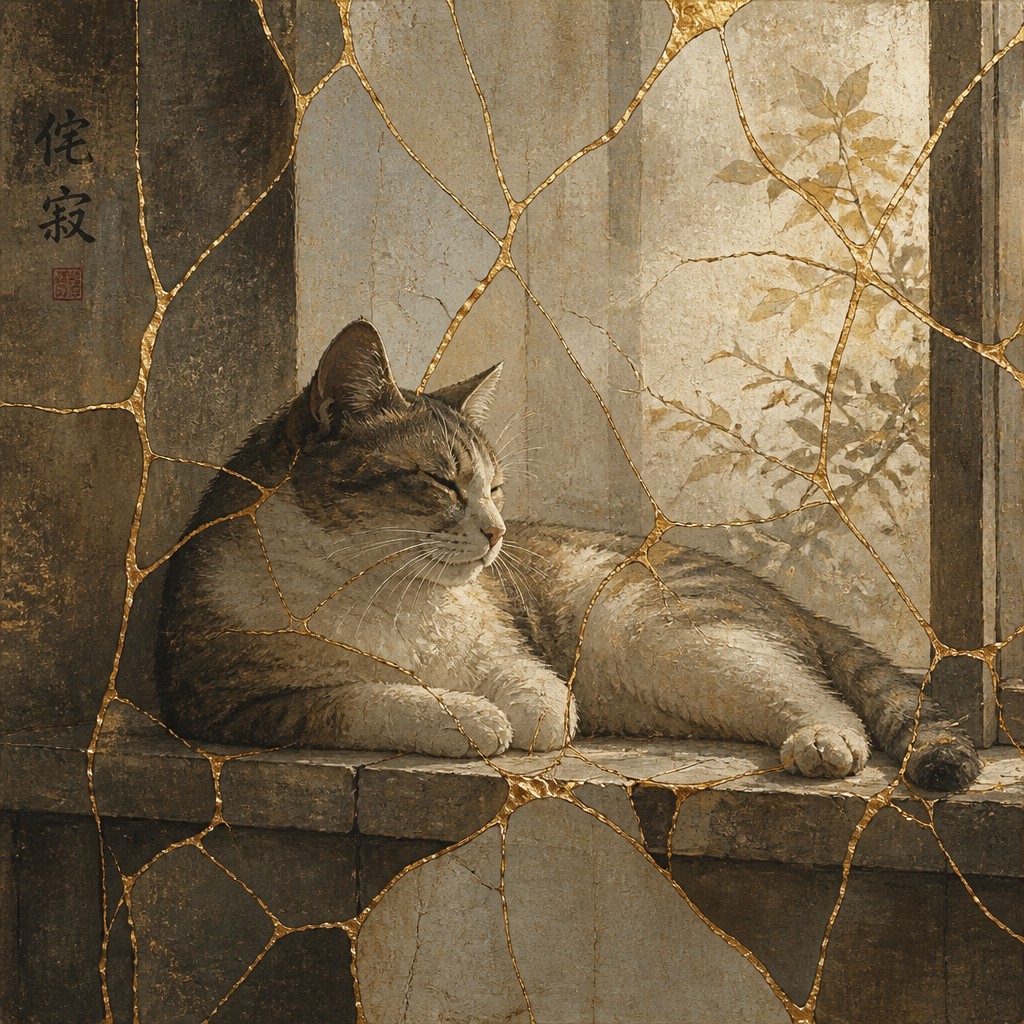
“a cat lounging in a sunlit window”
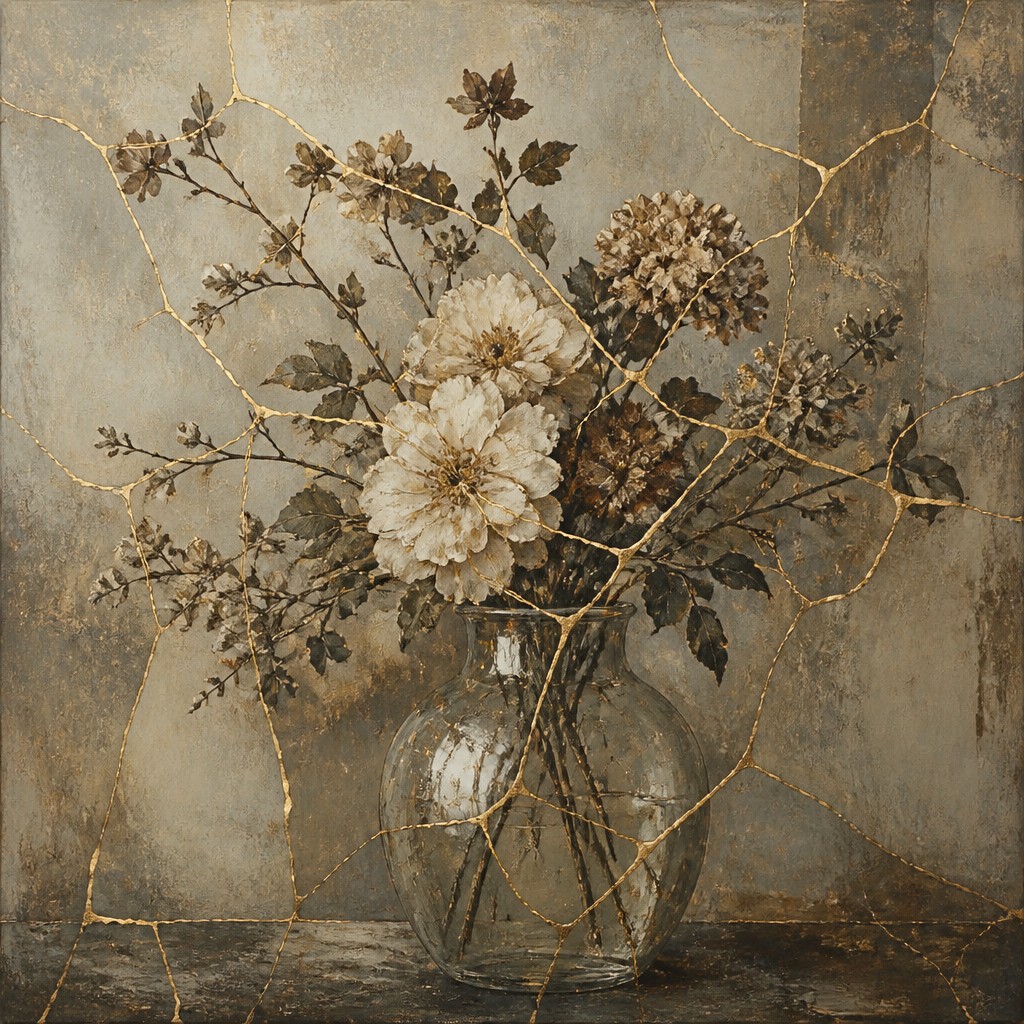
“bouquet of flowers in a glass vase”
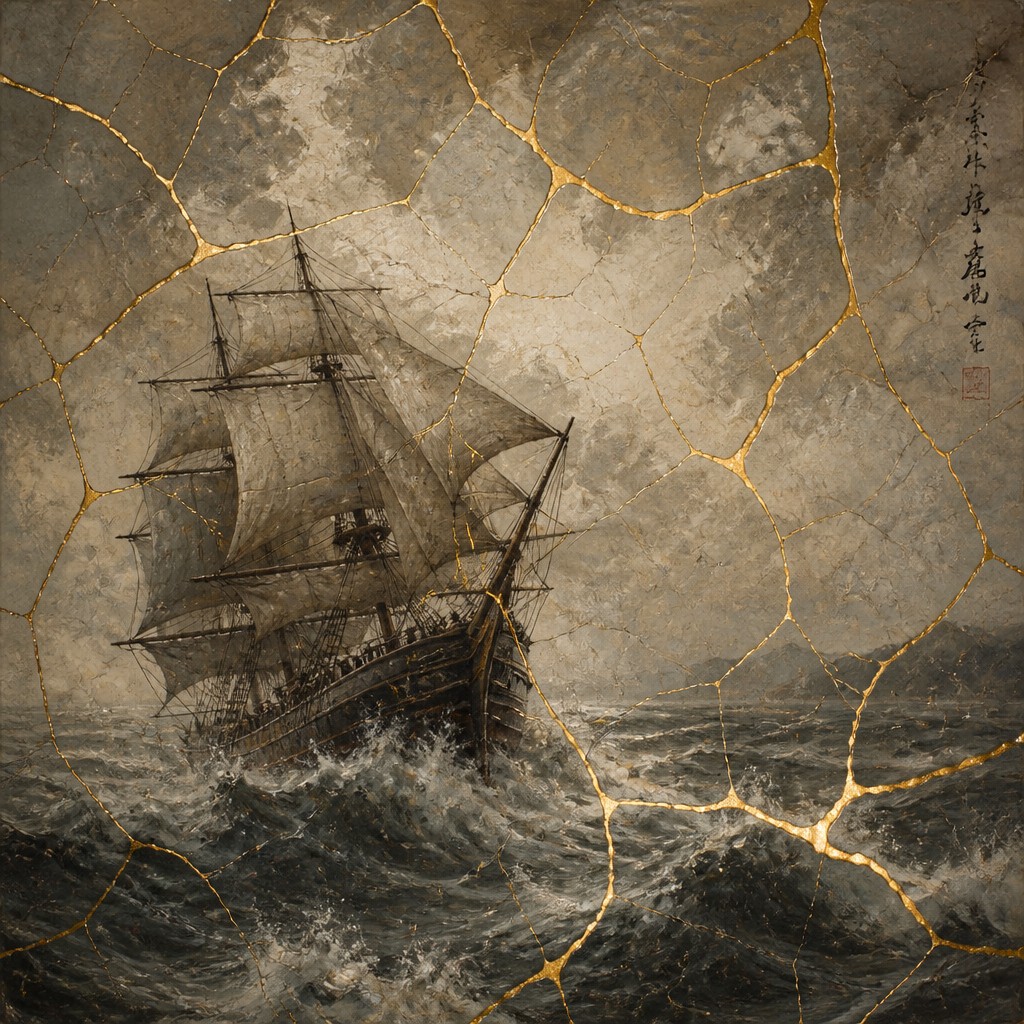
“sailing ship on a stormy sea”
How to Create Wabi-Sabi Kintsugi Painting Art
Master the craft step by step — or skip straight to creating. Read the full guide →
- 1
Start with a humble surface
Use a restrained base such as ceramic forms, stone, paper, wood, or plaster-like textures. Build in chips, cracks, abrasion, and subtle discoloration so the material feels aged before the repair is added.
- 2
Design the fractures as composition
Let crack lines guide the eye through the image instead of treating them as incidental damage. Branching, organic seams usually work better than neat geometric breaks because they feel natural and emotionally resonant.
- 3
Contrast matte ground with luminous repair
Keep most of the palette desaturated and weathered, then reserve gold for the repaired seams or focal breaks. In traditional media, metallic leaf, gold paint, or mixed metallic pigment can create this effect; in digital work, layer glow carefully so it remains elegant rather than flashy.
- 4
Preserve asymmetry and restraint
Avoid overfilling the frame or polishing away imperfections. Negative space, off-center placement, and uneven edges help maintain the wabi-sabi feeling of quiet dignity.
- 5
For prompt-based generation, specify repair and patina
Include terms like fractured surface, gold seams, weathered texture, muted earth tones, soft diffused light, and asymmetrical composition. If using AI or a digital workflow, describe the subject first and then layer the aesthetic cues so the repair feels integrated rather than decorative.
The Story
History & Origins of Wabi-Sabi Kintsugi Painting
The style draws from two real traditions: wabi-sabi, the Japanese aesthetic of impermanence, irregularity, and understated beauty, and kintsugi, the practice of repairing broken ceramics with lacquer dusted or mixed with gold. Kintsugi developed in Japan as a practical craft and later became an emblematic visual metaphor for acceptance, restoration, and continuity. In art and design, the pairing of these ideas has become a contemporary visual language rather than a single historical school.
As an aesthetic lineage, Wabi-Sabi Kintsugi Painting also connects to Japanese ceramics, ink painting, and modern decorative arts that value texture, restraint, and empty space. Its contemporary popularity comes from visual culture’s interest in mindfulness, sustainability, and visible repair. In painted and digital forms, the style often exaggerates the gold seams and weathered surfaces, translating a craft tradition into a broader image-making idiom.
Influences: This style is rooted in Japanese aesthetics, especially wabi-sabi and the craft tradition of kintsugi, and it also resonates with tea ceremony culture, ceramics, and ink painting’s appreciation of restraint and emptiness. In a broader art-historical sense, it overlaps with contemporary minimalism and material-focused studio practice, but its core logic remains tied to Japanese notions of impermanence and repair rather than to Western modernism. Its emphasis on visible process also connects it to repair-oriented design and conservation-minded making.
Frequently Asked Questions
What defines Wabi-Sabi Kintsugi Painting?
It is defined by the combination of imperfection, visible repair, and understated beauty. The most recognizable features are cracked or broken surfaces mended with gold, a muted earthy palette, and a calm, timeworn texture. The cracks are treated as meaningful visual elements rather than flaws to conceal.
Is kintsugi the same as wabi-sabi?
No. Wabi-sabi is a broader aesthetic philosophy centered on impermanence, irregularity, and restrained beauty. Kintsugi is a repair technique and visual tradition that aligns closely with wabi-sabi, which is why the two are often paired in contemporary art and design.
How does this style differ from ordinary gold leaf or luxury decoration?
In this style, gold is not used simply to signal richness or ornament. It marks damage, repair, and continuity, so its meaning depends on the crack it follows. The emotional effect comes from transformation and acceptance, not opulence.
What subjects work best in this style?
Ceramics, vessels, masks, stones, panels, and abstract surfaces are natural fits because they can show fracture and repair clearly. Portraits or landscapes can also work if they incorporate subtle cracking, patina, and a restrained composition. The best subjects are those that can carry a sense of age and restoration.
Can this style be made digitally?
Yes. Digital work can simulate worn surfaces, fracture maps, and metallic seams very effectively, especially with layered textures and controlled highlights. The key is to keep the image grounded in material realism and visual restraint rather than making the gold look overly glossy or synthetic.
Why is this style so popular in contemporary imagery?
It offers a clear visual metaphor for resilience, healing, and acceptance. Its combination of minimal color, tactile surfaces, and gold repair reads well in both print and screen formats. It also aligns with modern interest in mindfulness, sustainability, and visible restoration.
Create your first Wabi-Sabi Kintsugi Painting artwork
Describe anything — or upload a photo — and see it in Wabi-Sabi Kintsugi Painting in seconds.
Make Something with Wabi-Sabi Kintsugi Painting
Related Styles
Discover similar art styles