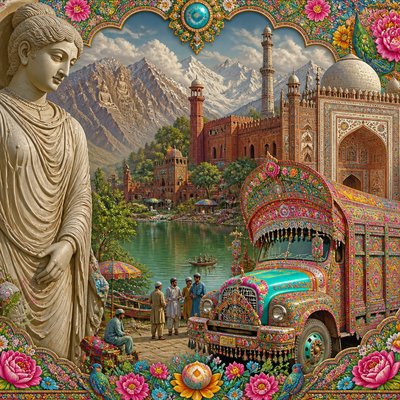
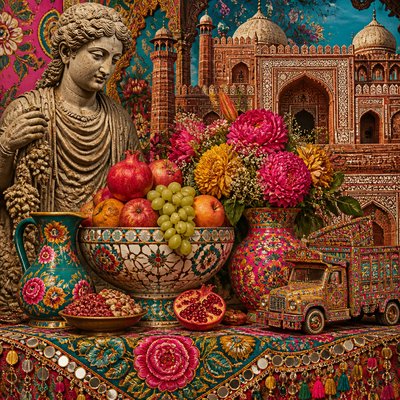
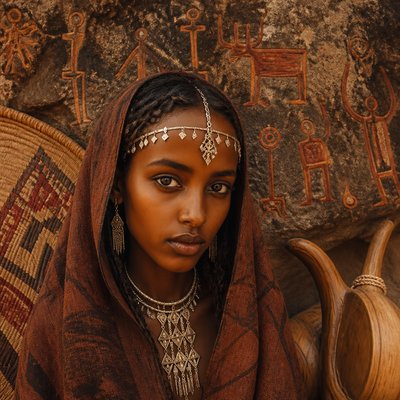
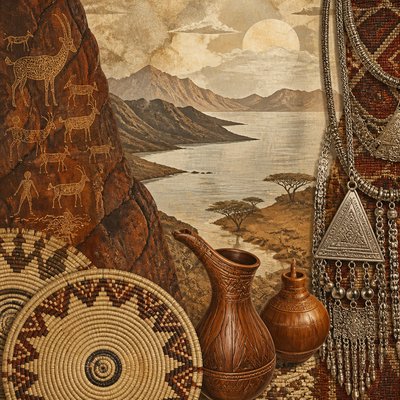
Photorealistic Figurative Art Style
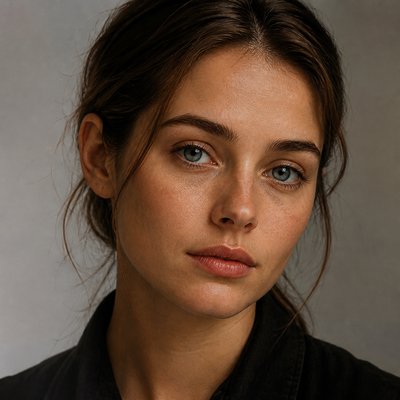
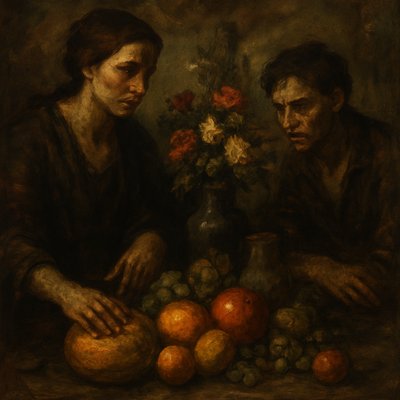
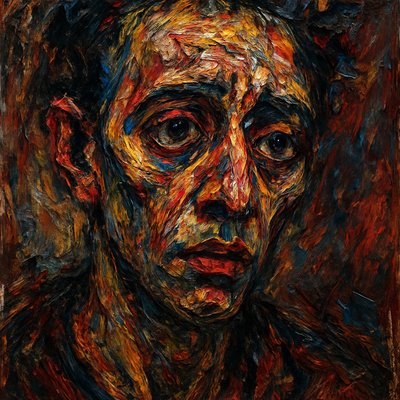
Photorealistic figurative art renders people with camera-like precision, lifelike detail, and seamless paint handling.
Instantly rendered in Photorealistic Figurative — or transform a photo
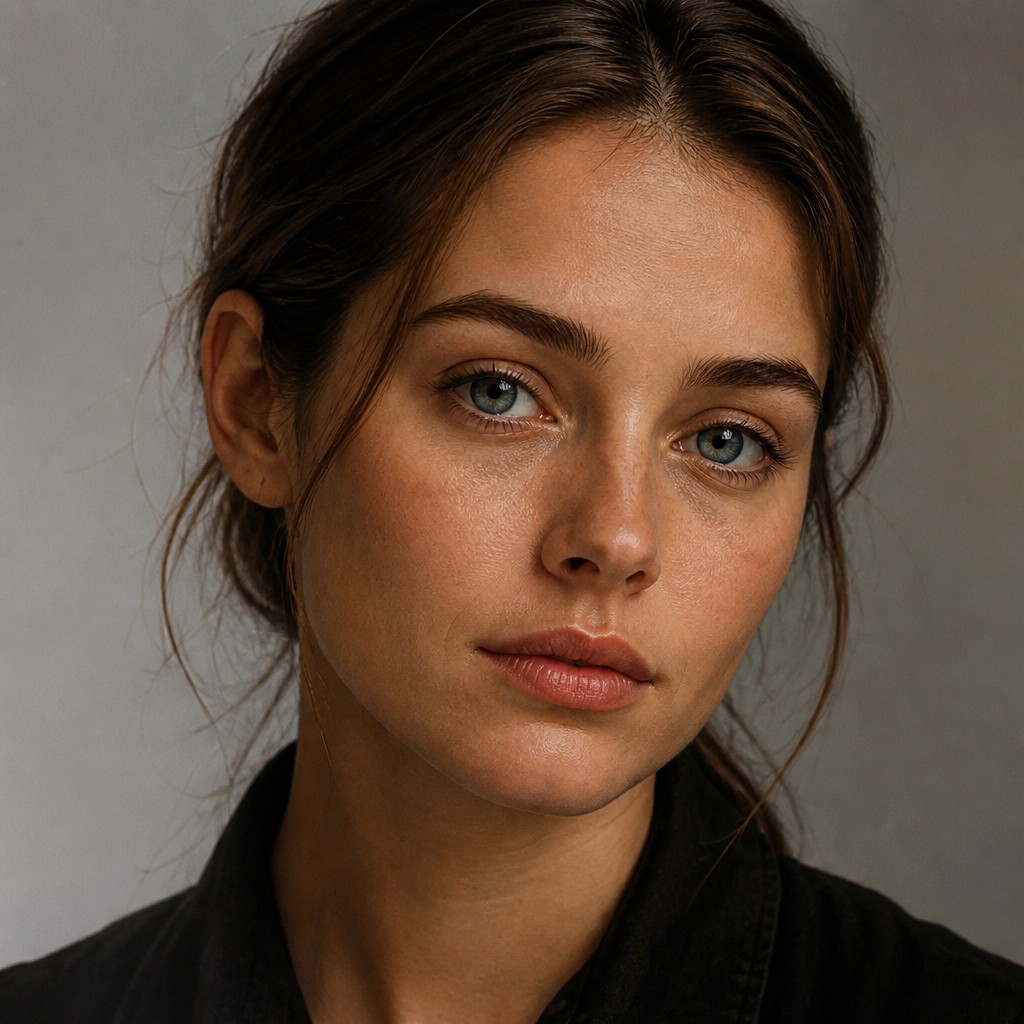
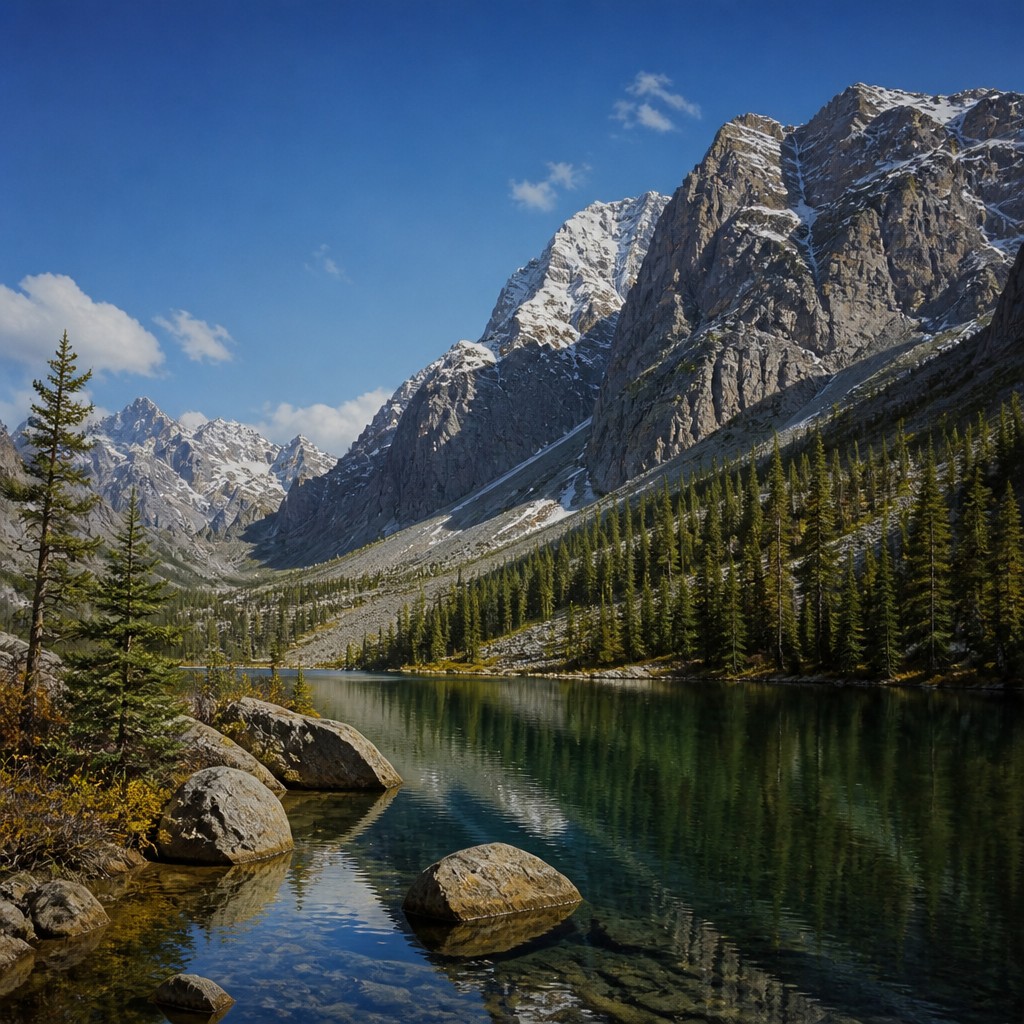
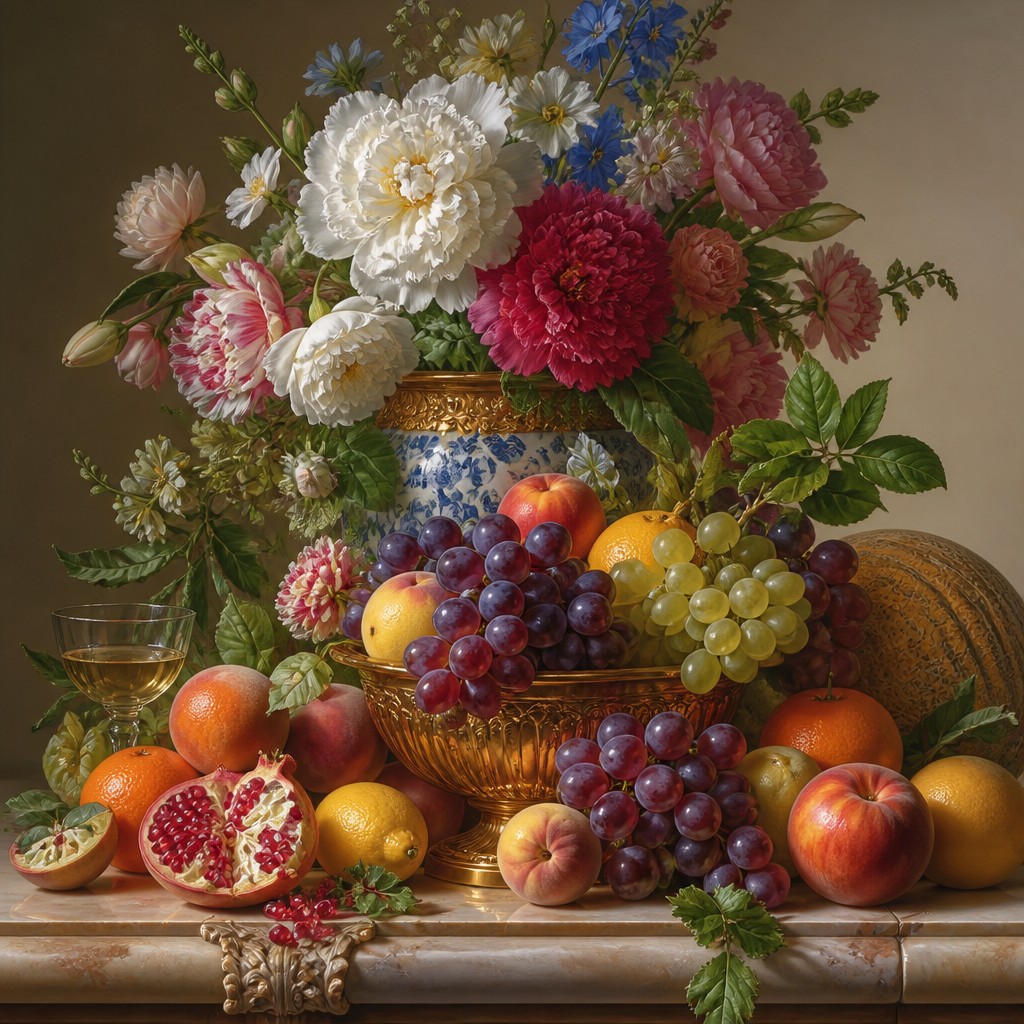
Photorealistic Figurative Gallery
Tap any artwork to explore it
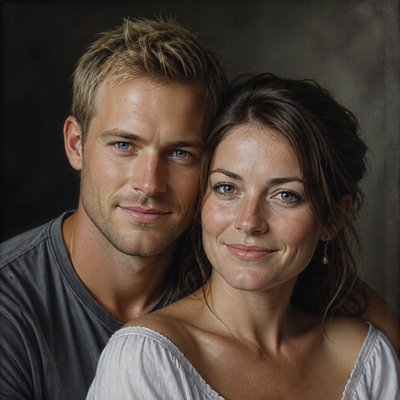
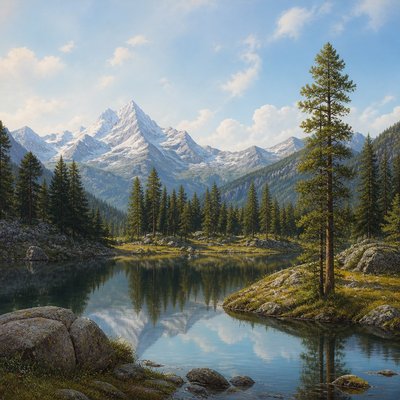
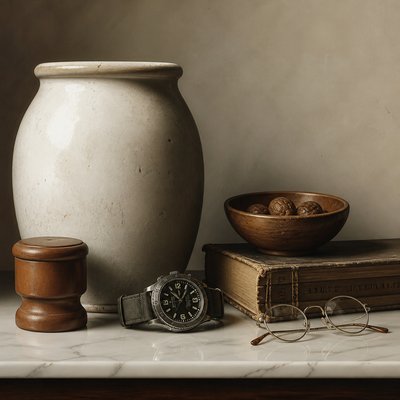
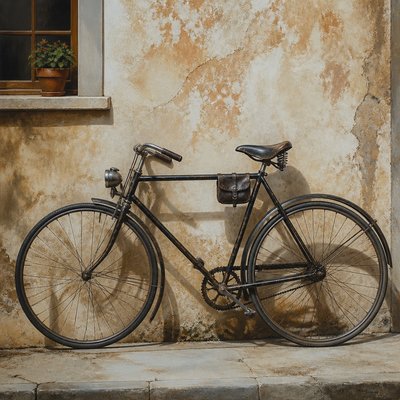
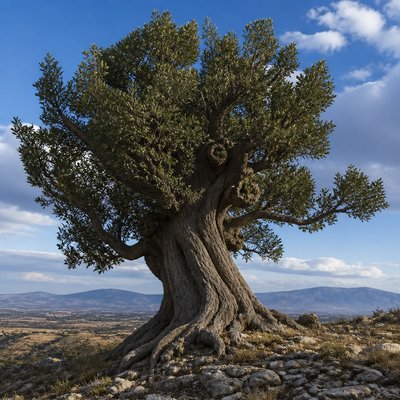

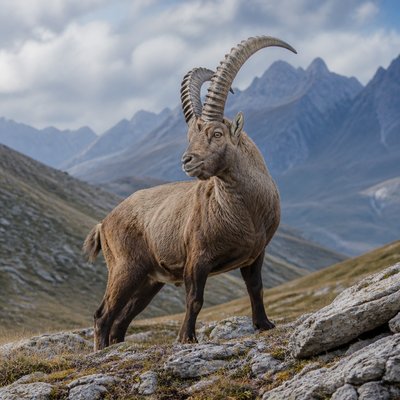
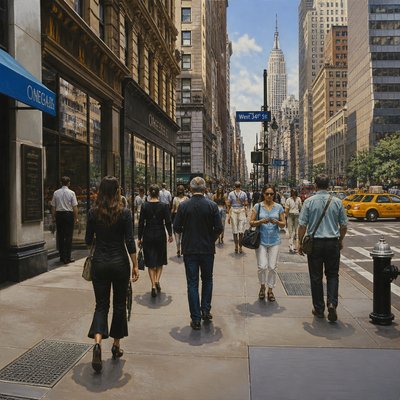
What is Photorealistic Figurative Art Style?
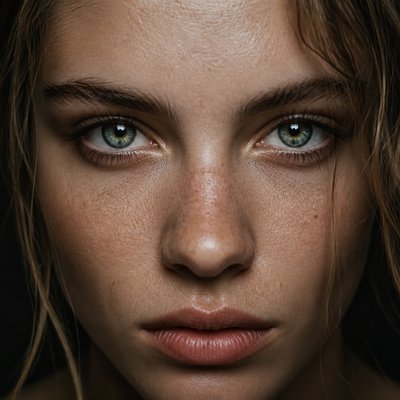
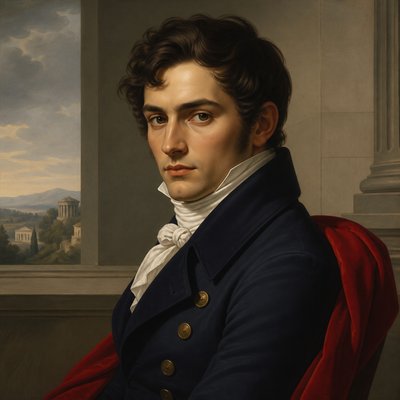
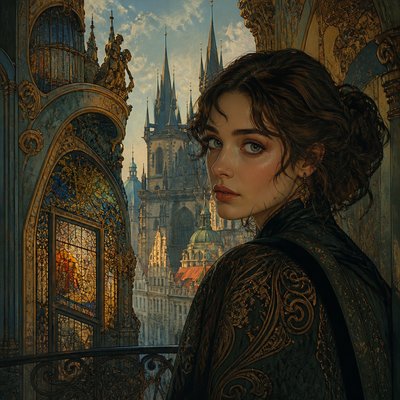
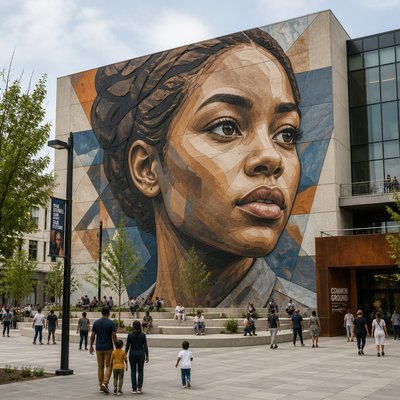
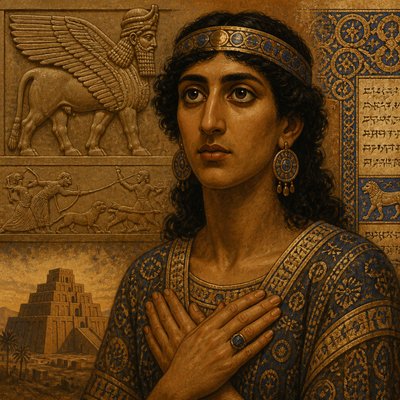
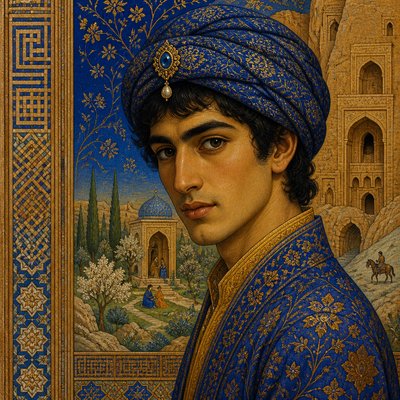
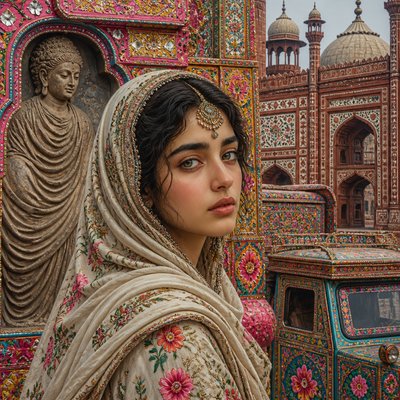
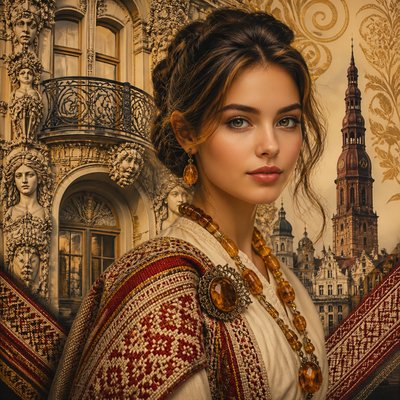
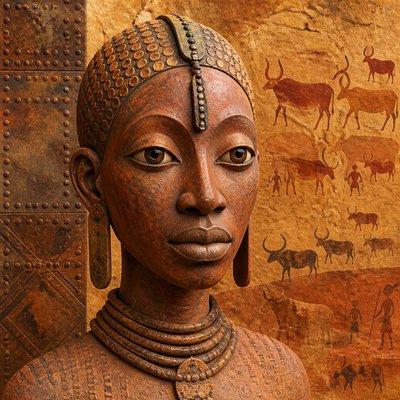
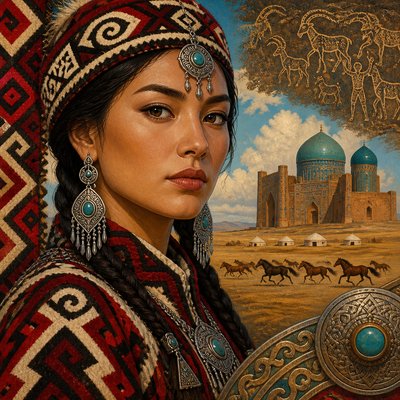
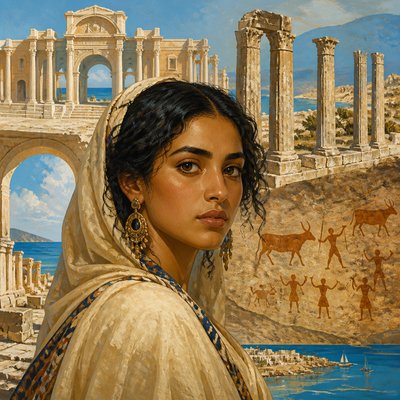
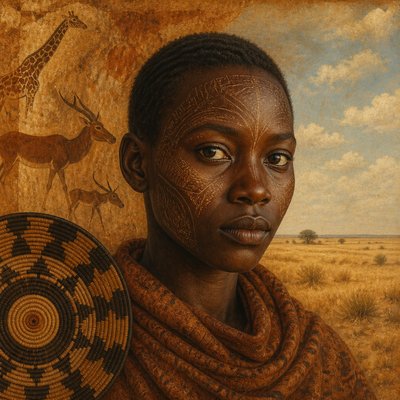
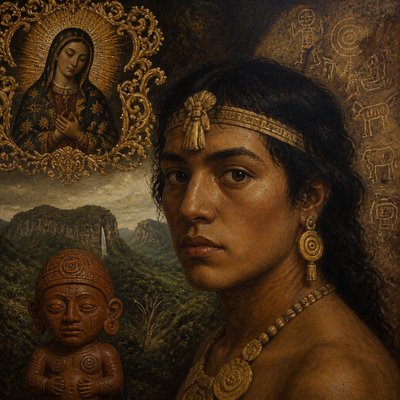
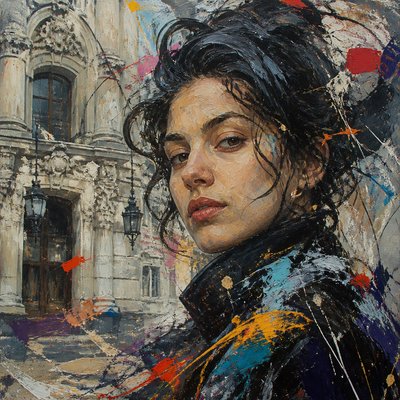
Photorealistic figurative art is a representational style focused on rendering human subjects with the precision, clarity, and tonal complexity associated with high-resolution photography. Faces, skin, fabric, hands, and hair are described with exacting detail, while proportions, perspective, and lighting are carefully controlled to produce a convincing sense of physical presence.
Its visual identity depends on invisibility of technique. Brushstrokes, edges, and transitions are minimized so the image reads as a coherent reality rather than a visibly made picture. The effect is achieved through meticulous observation, subtle value shifts, accurate reflected light, and careful surface description, which together create the impression of volume, texture, and three-dimensional weight.
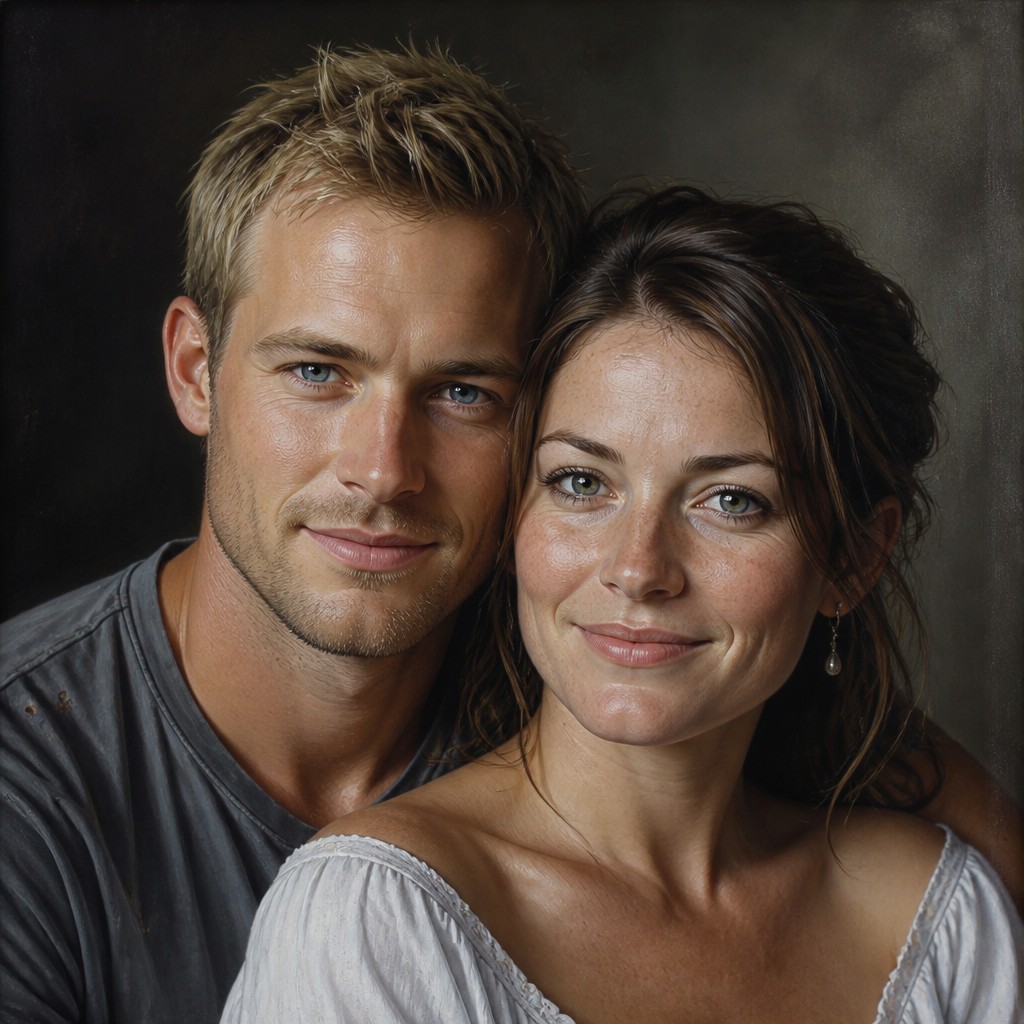
Try It On Your Photos
Upload any photo and convert it into Photorealistic Figurative Art Style — drag the sliders to compare before and after.


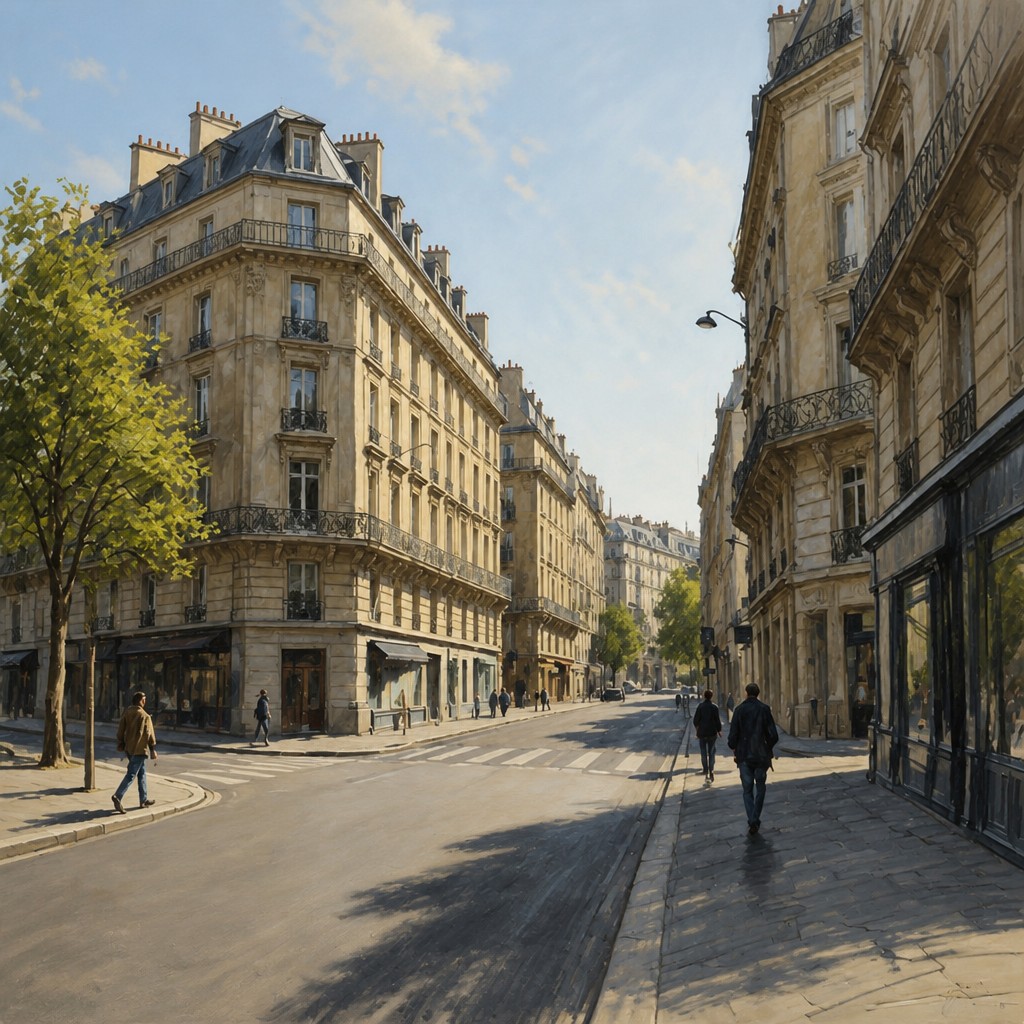

What Defines Photorealistic Figurative Art Style
The signature details, up close
Camera-like precision
The subject is rendered with extreme fidelity to anatomy, proportion, and detail. Facial features, hands, hair strands, and fabric folds are described with a clarity that suggests optical exactness.
Invisible brushwork
Surface handling is intentionally smooth, with blended transitions and little to no visible mark-making. The image should feel fully resolved rather than painterly in the expressive sense.
Naturalistic light and shadow
Modeling depends on accurate tonal relationships, reflected light, and soft edge variation. Highlights, cast shadows, and midtones are orchestrated to make forms feel physically believable.
Rich surface detail
Skin pores, eyelashes, pores, beard stubble, textile fibers, and other micro-textures are carefully observed. These details help anchor the image in a tangible, material world.
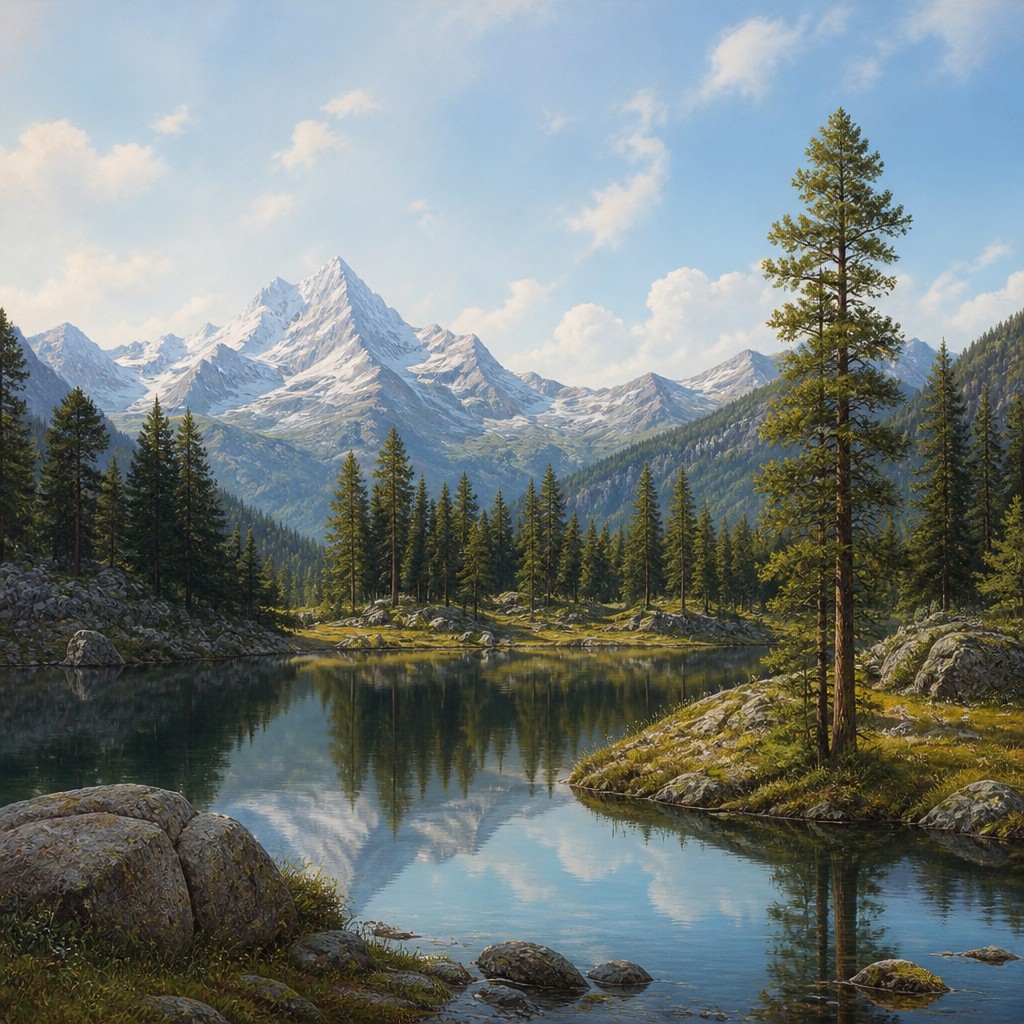
Accurate color temperature
Warm and cool shifts within flesh tones, shadows, and reflected light add depth and realism. Subtle chromatic variation prevents the image from looking flat or airbrushed.
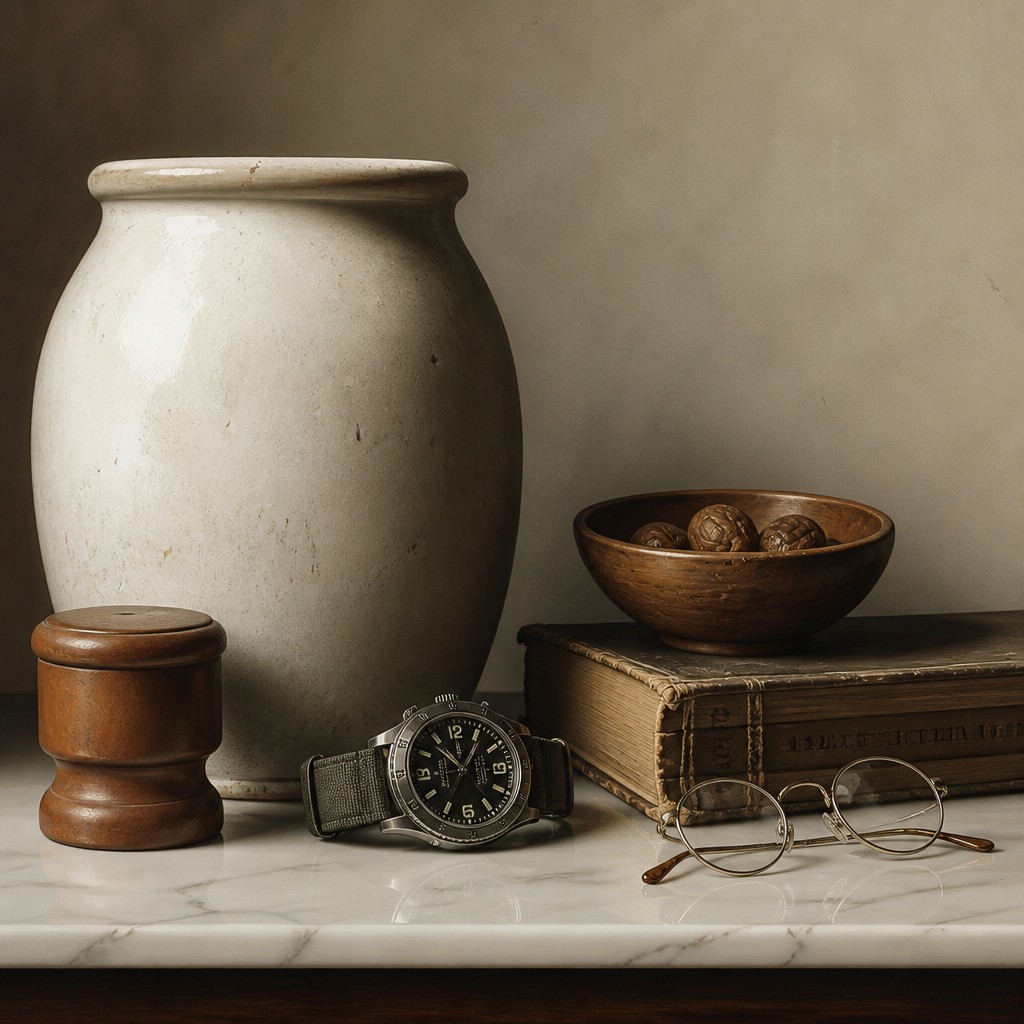
Three-dimensional presence
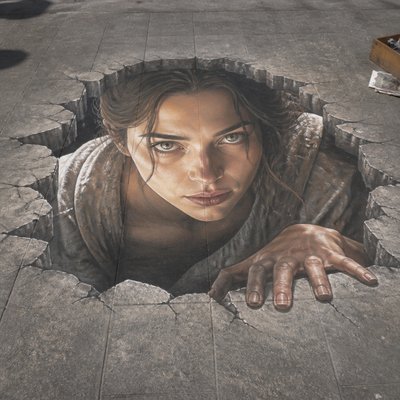
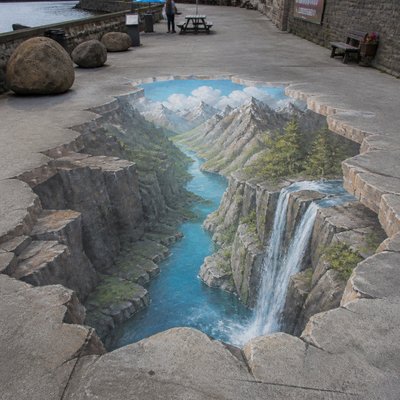
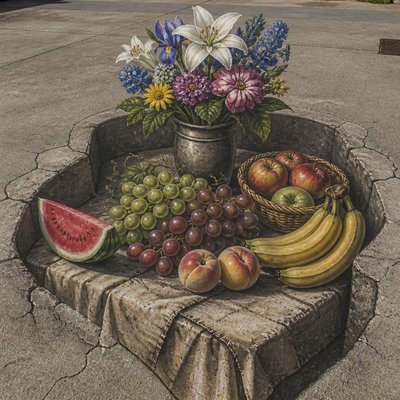
The figure is constructed to feel weighty and spatially coherent, often with a trompe-l'oeil effect. The viewer should sense depth, volume, and physical occupancy of space.
Try It
Create Videos in Photorealistic Figurative Art Style
Styles aren't just for stills — describe a scene or animate an image and get a short video rendered in Photorealistic Figurative. Press play to see this pond come to life.
Make a VideoPhotorealistic Figurative Prompt Ideas
Start from an idea — each one opens the generator with the style ready to go. See all 40 Photorealistic Figurative prompts →
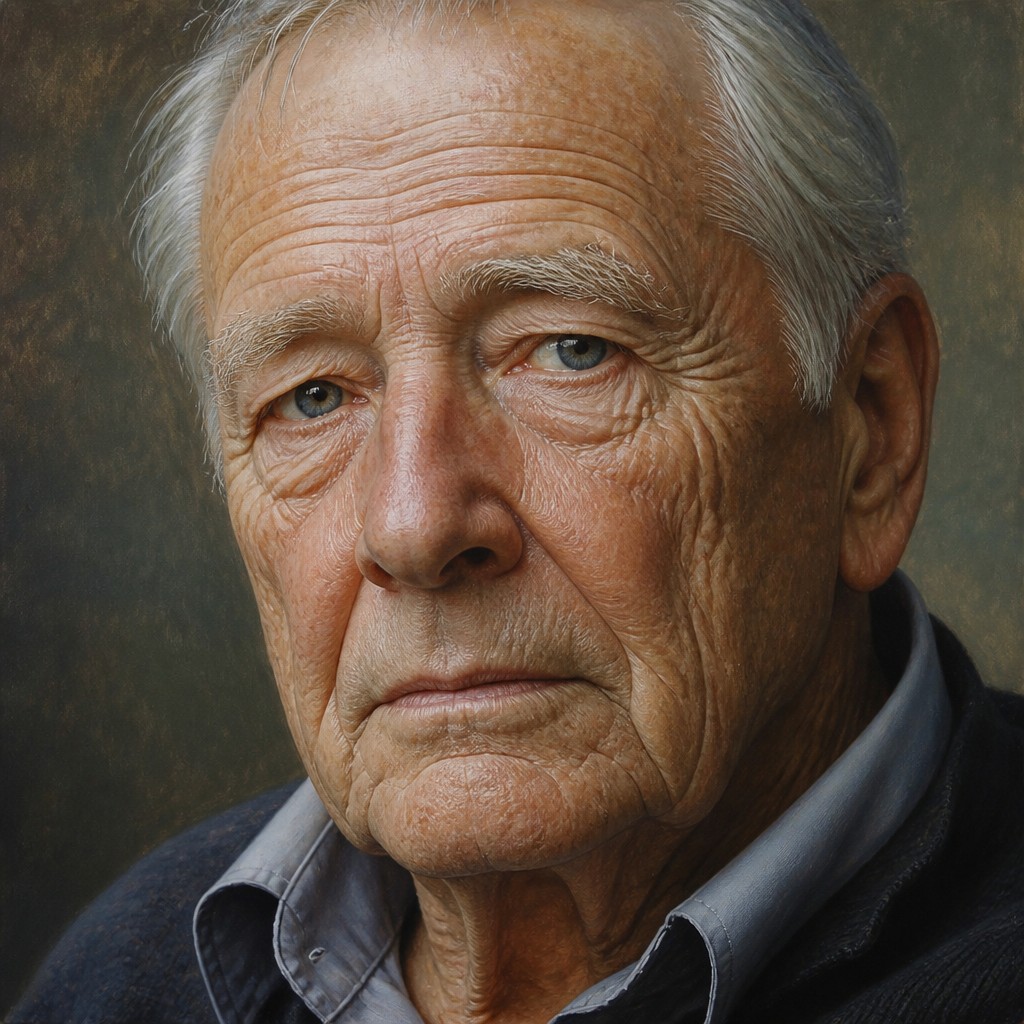
“close-up portrait of an elderly person with expressive weathered features”
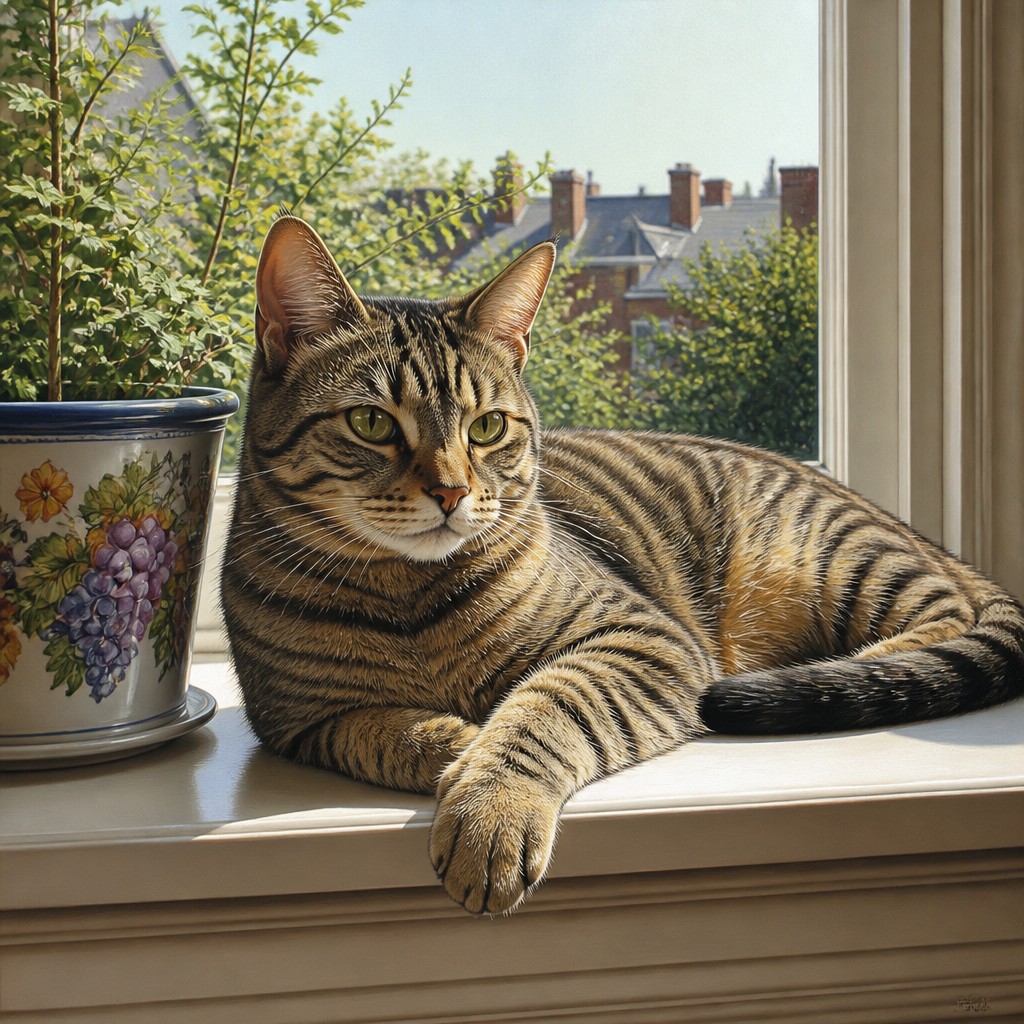
“a cat lounging in a sunlit window”
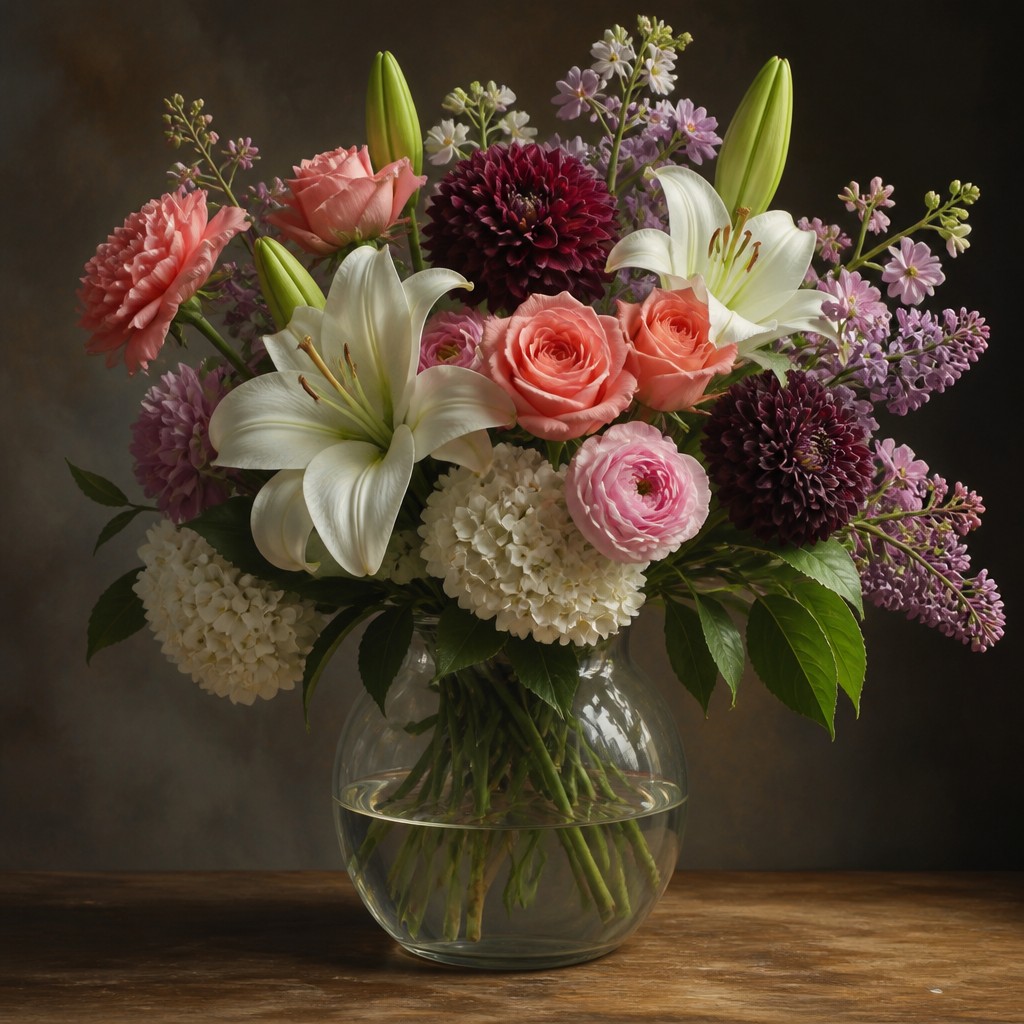
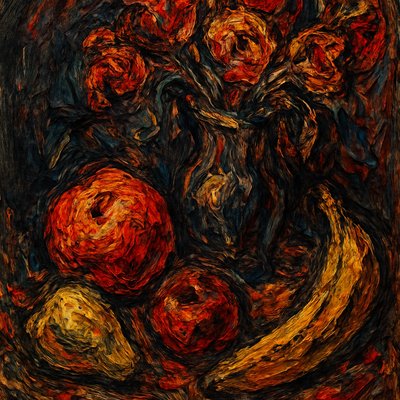
“bouquet of flowers in a glass vase”
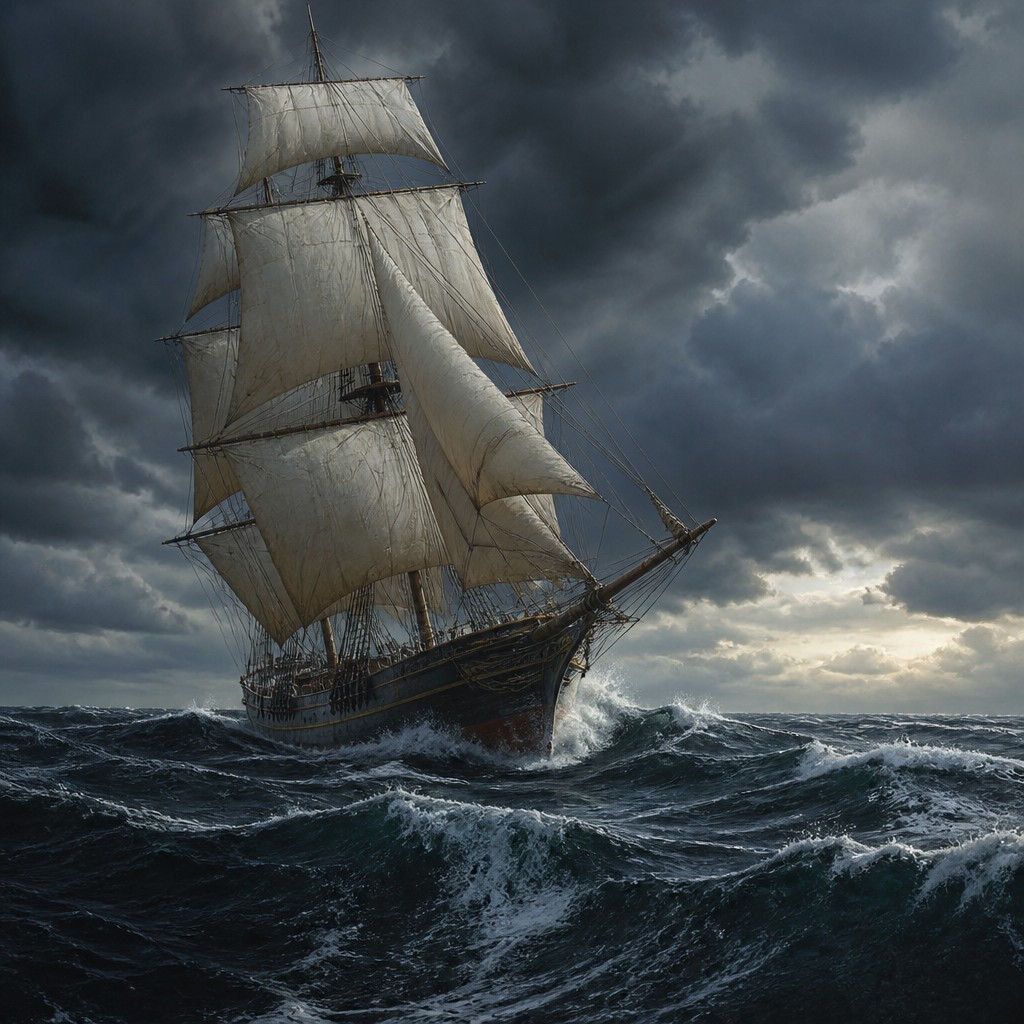
“sailing ship on a stormy sea”
How to Create Photorealistic Figurative Art
Master the craft step by step — or skip straight to creating. Read the full guide →
- 1
Build from life or strong reference
Start with accurate proportions, gesture, and anatomy before adding detail. Whether working traditionally or digitally, use reference material for pose, lighting, and facial structure so the final image remains believable.
- 2
Model form with values first
Establish the full range of light, halftone, and shadow before focusing on textures. Precise value control is what gives the figure volume and makes the surface read as solid and dimensional.
- 3
Blend transitions without erasing structure
Keep edges sharp where detail matters and soft where forms turn away from light. The goal is seamless realism, not a plastic or over-smoothed appearance, so preserve subtle changes in plane.
- 4
Resolve textures selectively
Render skin, eyes, lips, hair, clothing, and background with appropriate levels of detail. Over-detailing everything equally can flatten the image, so prioritize focal areas and let secondary areas breathe.
- 5
For digital or AI generation, specify realism cues clearly
Use prompts that emphasize photorealistic lighting, precise anatomy, micro-textures, and seamless blending. Include subject, environment, pose, lens or portrait cues if desired, and avoid stylistic terms that imply painterly brushwork.
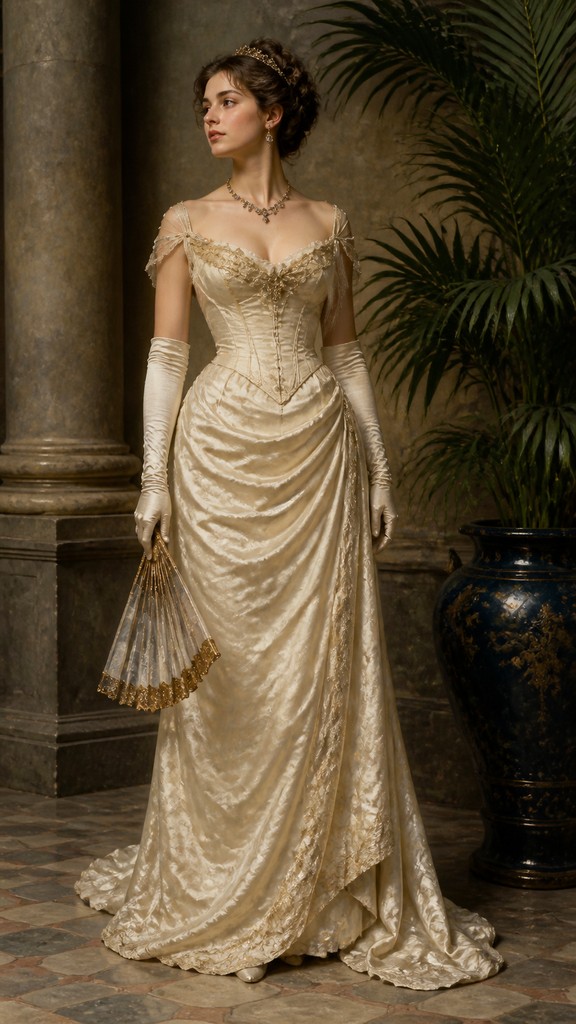
The Story
History & Origins of Photorealistic Figurative
Photorealistic figurative art emerged from the long tradition of Western naturalism, especially the academic study of anatomy, perspective, and light developed in Renaissance and post-Renaissance painting. Its modern identity was shaped by 20th-century photorealism and hyperrealism, where artists used photographic reference, systematic rendering, and highly controlled surfaces to produce images that rival the apparent specificity of the camera.
Although closely associated with painting, the style also draws on portraiture, academic figure drawing, trompe-l'oeil, and studio-based realism across drawing, oil painting, and digital media. In contemporary practice, it often combines classical observational discipline with photographic source material and digital tools, while preserving the core aim: a lifelike human image that appears immediate, precise, and materially present.
Influences: Photorealistic figurative art is closely related to academic realism, portrait painting, and trompe-l'oeil traditions, as well as 20th-century Photorealism and Hyperrealism. Important historical touchpoints include the observational rigor of Renaissance draftsmanship and the exacting surface control seen in leading portrait masters, the finest court and ceremonial painters of the Spanish Golden Age, and major Photorealist painters associated with the movement’s technical extremes, though their practices differ in emphasis and medium. It also overlaps with contemporary figurative realism in painting, drawing, and photographic source-based image making.

Frequently Asked Questions
What defines photorealistic figurative art?
It is figurative art that aims to depict human subjects with the clarity, precision, and visual authority of a photograph. The defining features are accurate anatomy, highly resolved textures, and seamless handling that minimizes evidence of the making process.
How is it different from hyperrealism?
The two terms are often used interchangeably, but hyperrealism sometimes adds heightened detail, cinematic contrast, or intensified emotional emphasis beyond strict photographic likeness. Photorealistic figurative art is more narrowly focused on faithful, camera-like representation of the figure.
How is it different from portrait painting in general?
Portrait painting can be loose, expressive, stylized, or abstracted, while photorealistic figurative art prioritizes optical accuracy and finish. In this style, brushwork or digital mark-making is intentionally hidden so the image appears almost mechanically precise.
What subjects work best in this style?
Faces, hands, half-length portraits, and full-body figures are especially effective because they showcase anatomy, expression, and surface detail. Strong directional light, clear textures, and emotionally readable poses also help the style feel convincing.
Can this style be made digitally?
Yes. Digital painting and image synthesis can both be used, provided the artist controls anatomy, lighting, textures, and edge quality carefully. The final image should still look observational and physically grounded rather than filtered or overprocessed.
What makes this style look realistic instead of merely detailed?
Realism comes from coherent structure, not detail alone. Correct perspective, proportional accuracy, tonal hierarchy, reflected light, and believable material behavior are what convince the eye that the figure occupies real space.

Create your first Photorealistic Figurative artwork
Describe anything — or upload a photo — and see it in Photorealistic Figurative Art Style in seconds.
Make Something with Photorealistic Figurative
Related Styles
Discover similar art styles