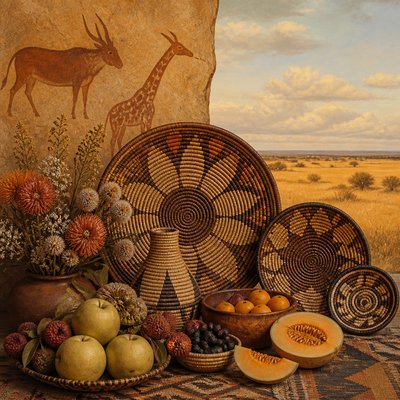
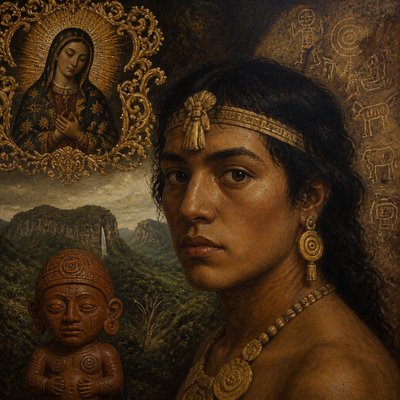
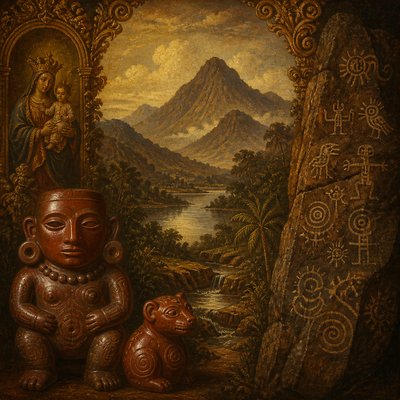
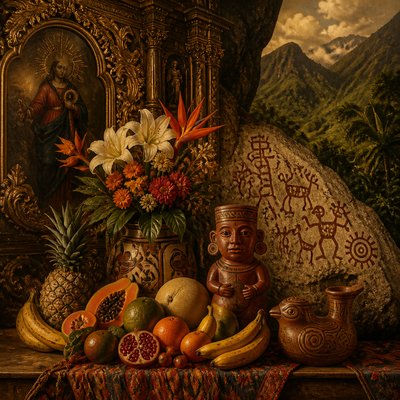
Wabi Sabi Art Style
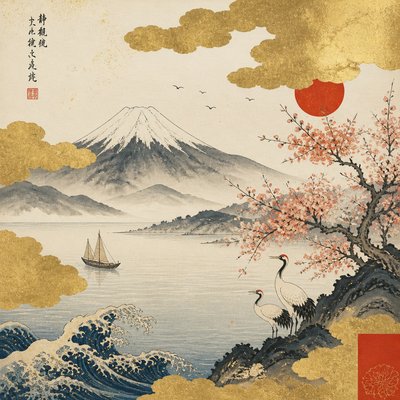
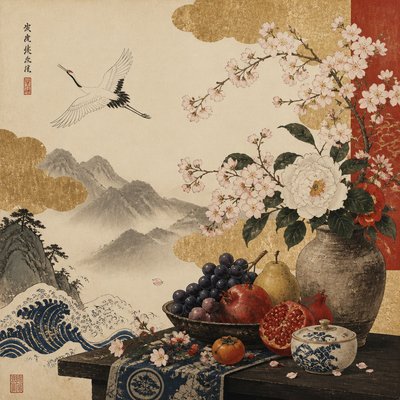
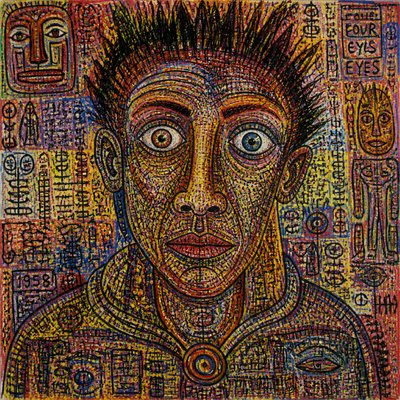
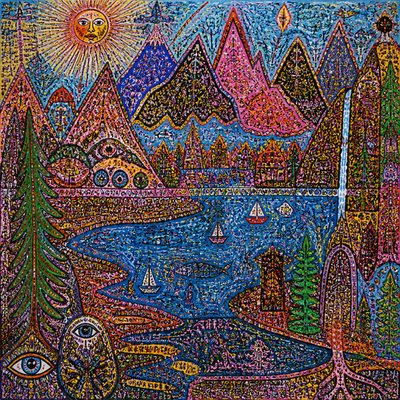
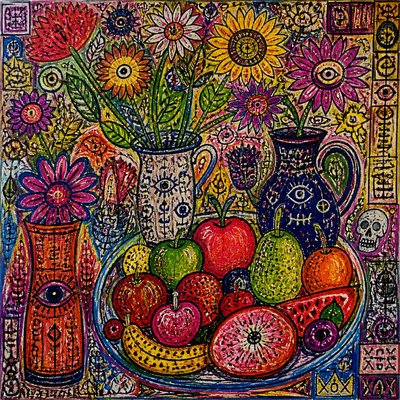
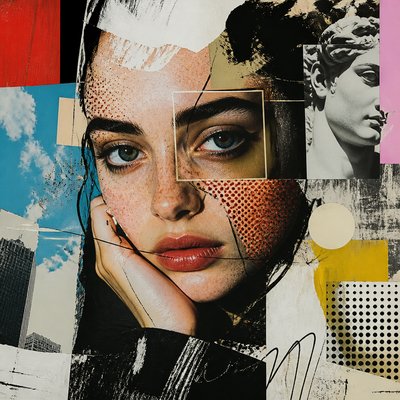
Japanese aesthetic of imperfection, impermanence, and quiet simplicity, defined by weathered textures, muted tones, and contemplative space.
Instantly rendered in Wabi Sabi — or transform a photo
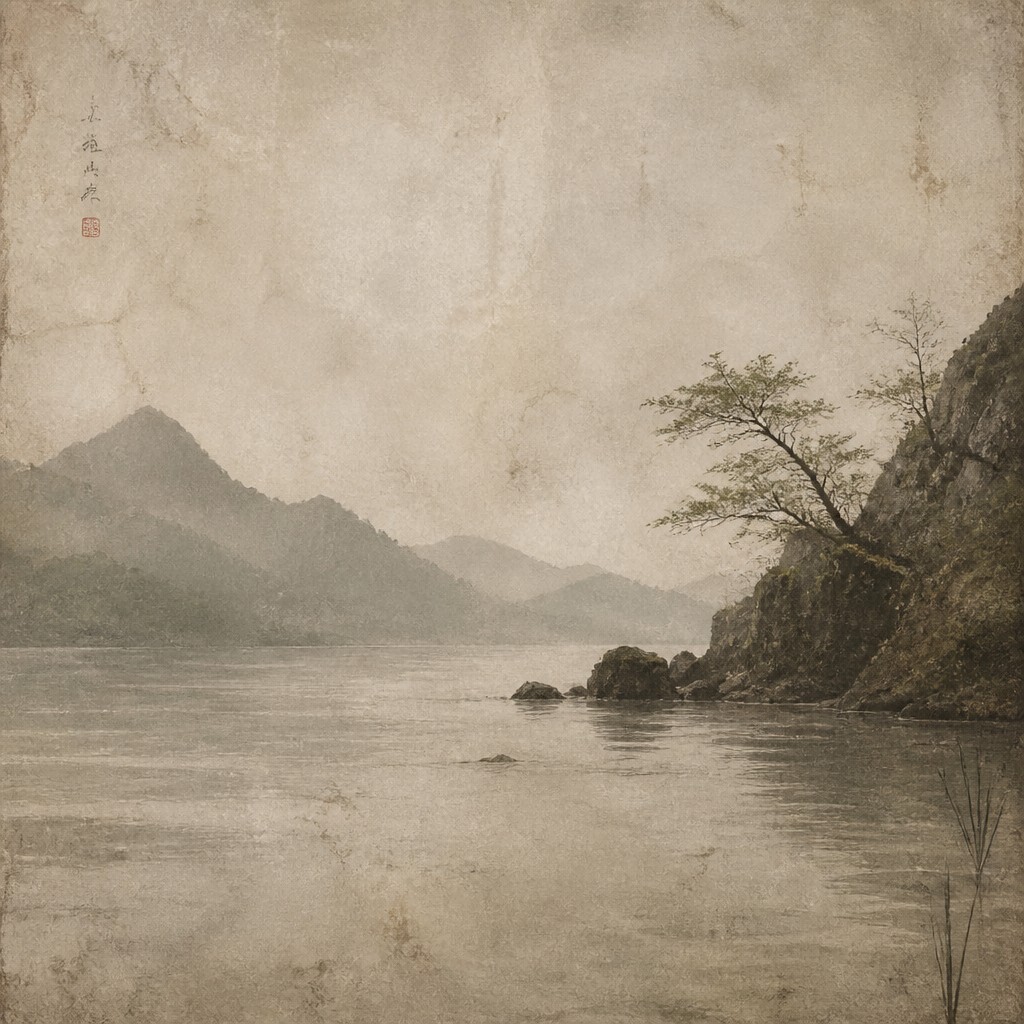
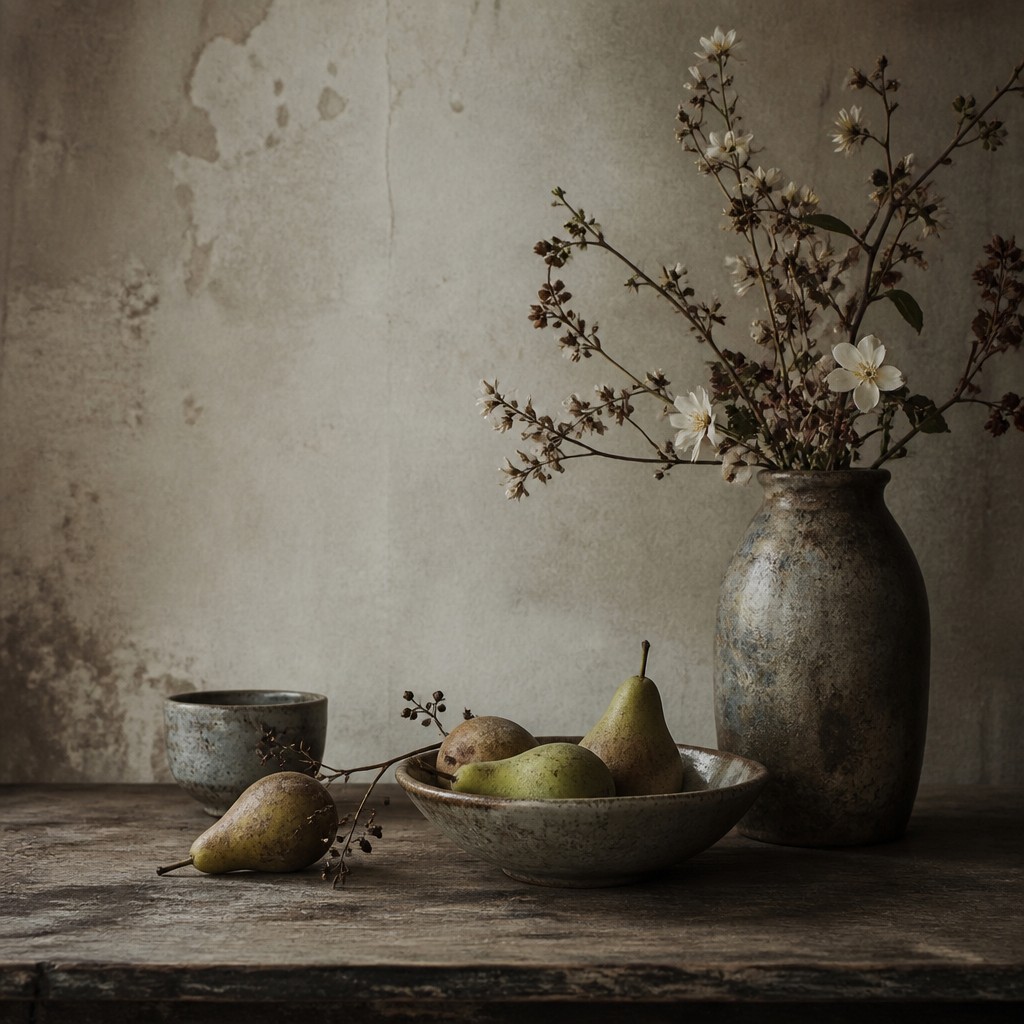
Wabi Sabi Gallery
Tap any artwork to explore it
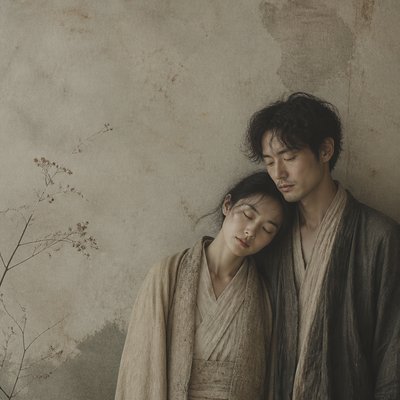
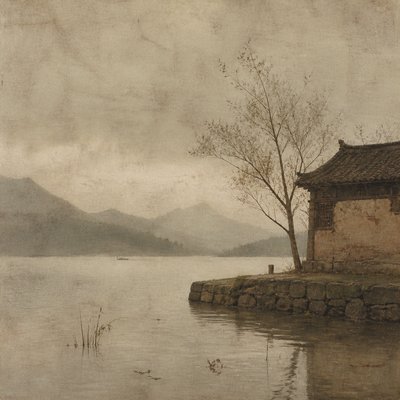
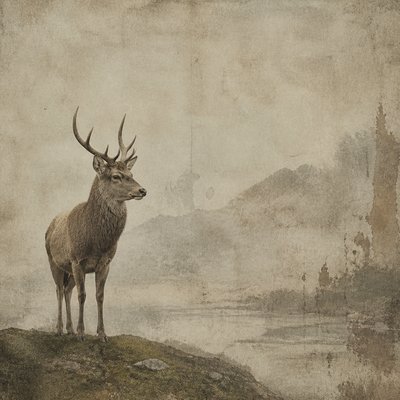
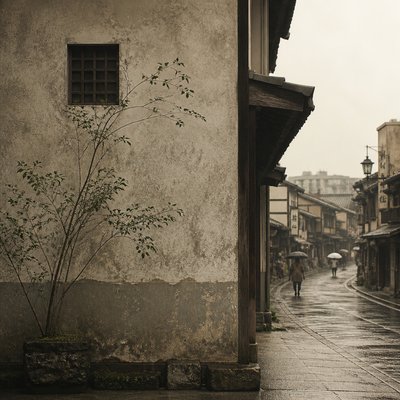
What is Wabi Sabi Art Style?
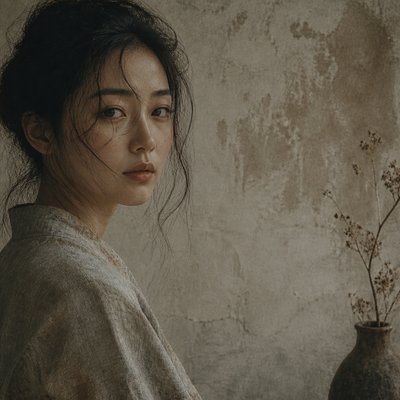
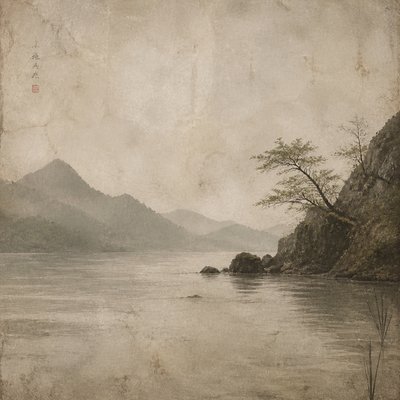
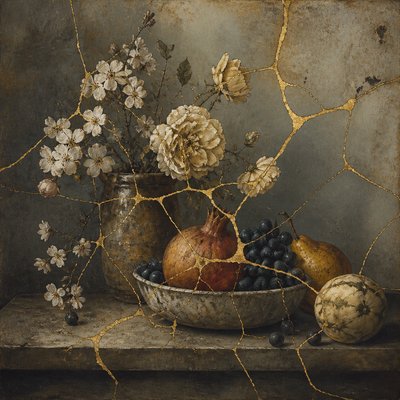
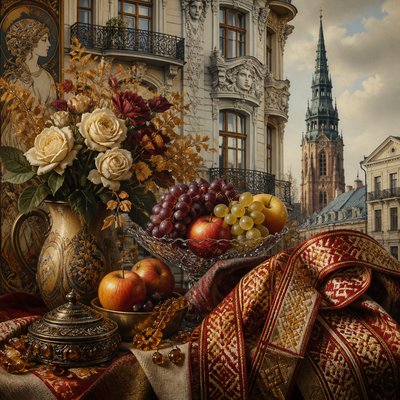
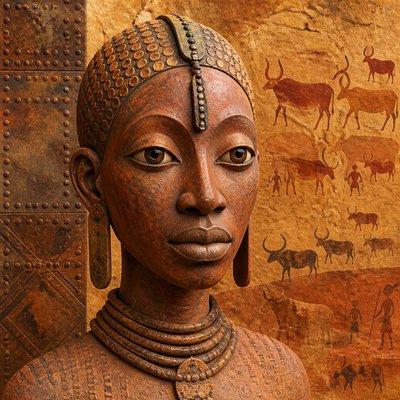
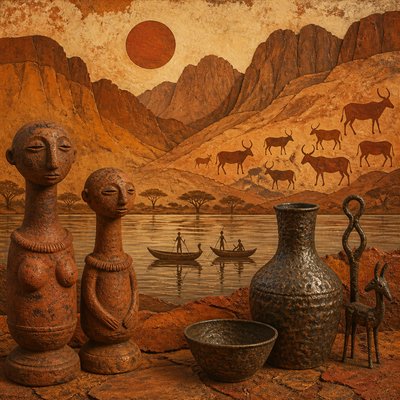
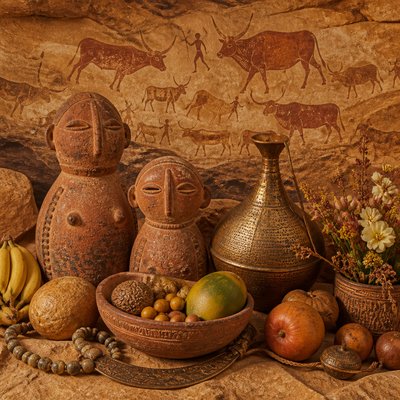
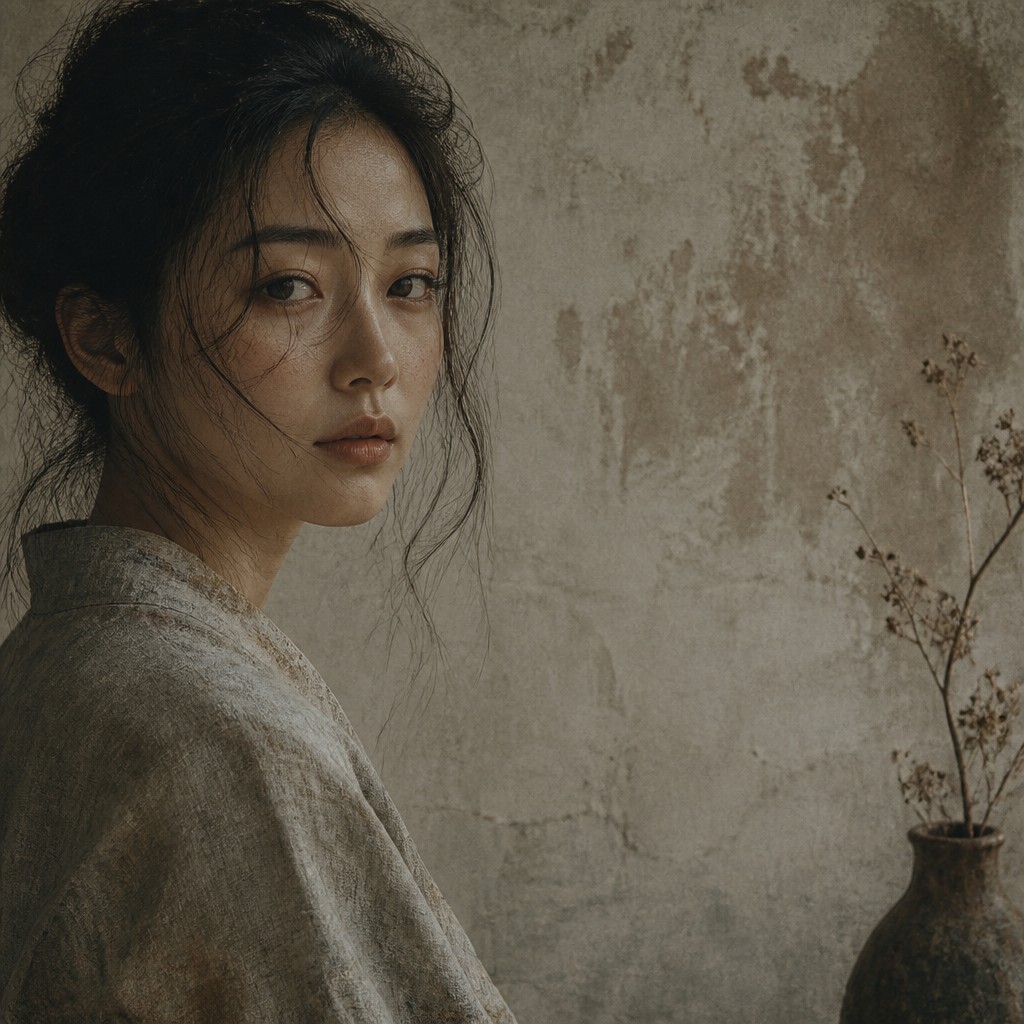
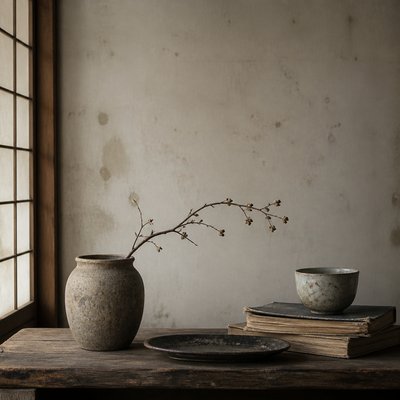
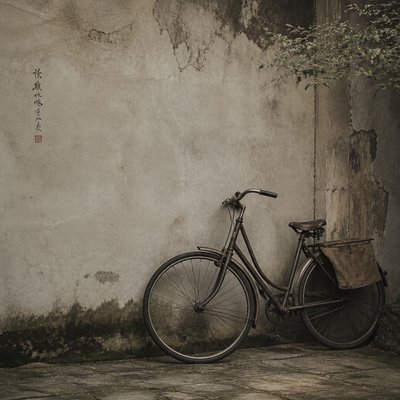
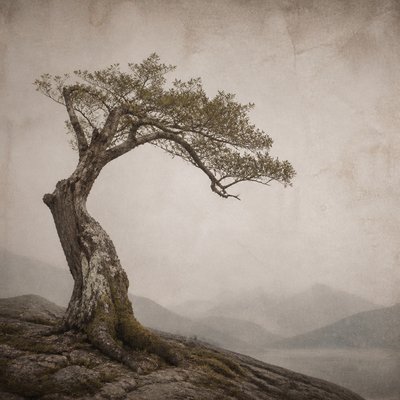
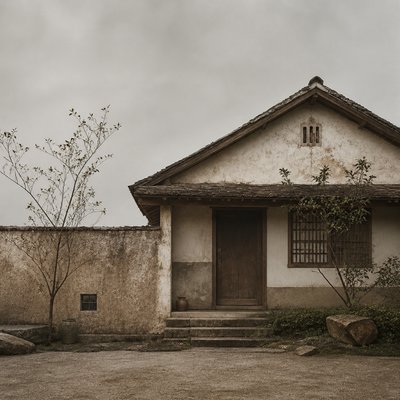
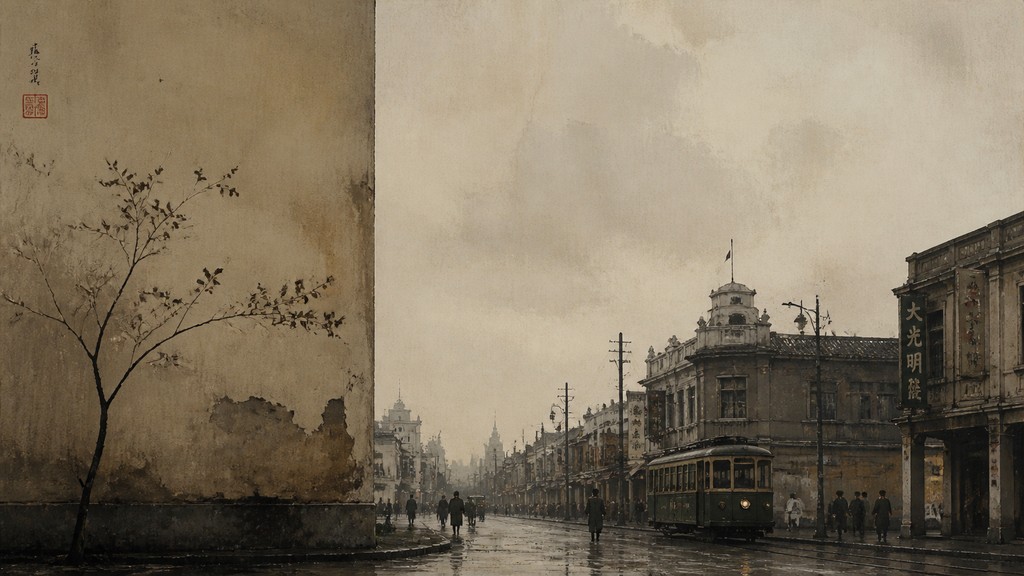
Wabi-sabi is a Japanese aesthetic philosophy rather than a fixed historical style. It values imperfection, transience, incompleteness, and the quiet beauty of natural aging. In visual form, it often appears as modest subjects, restrained compositions, subdued color, and surfaces that show wear, patina, grain, or hand-made irregularity.
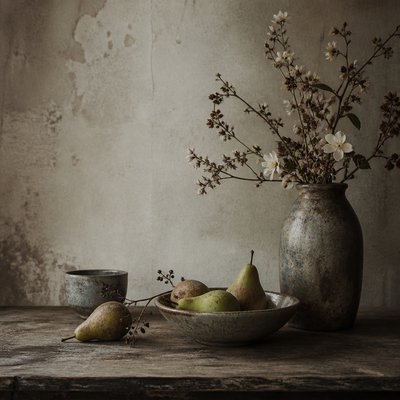
The style looks the way it does because it is rooted in attention to time and material truth. Instead of polish and symmetry, wabi-sabi favors asymmetry, empty space, and tactile evidence of use or weathering. Its visual language invites calm observation: a cracked bowl, a faded wall, a rough ceramic surface, or a sparse room can become the center of the image when treated with restraint and care.
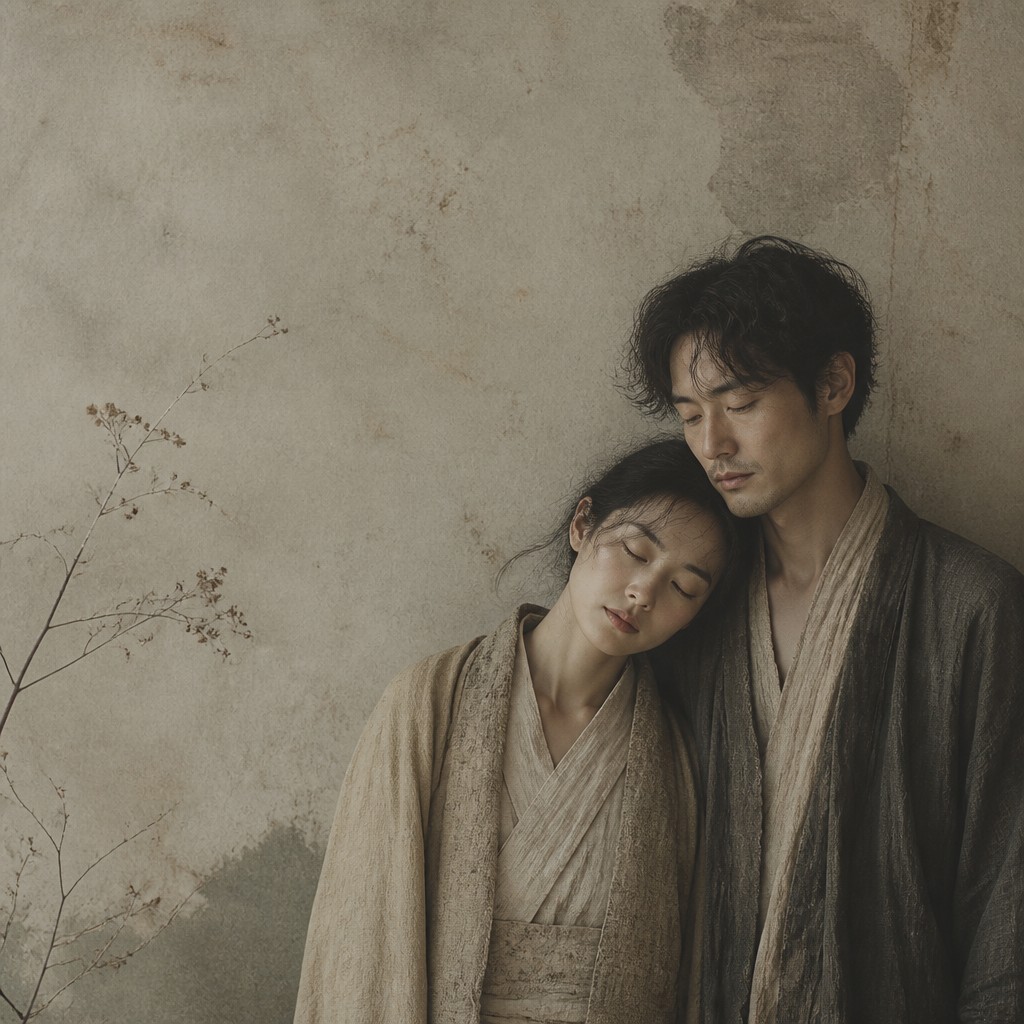
Try It On Your Photos
Upload any photo and convert it into Wabi Sabi Art Style — drag the sliders to compare before and after.
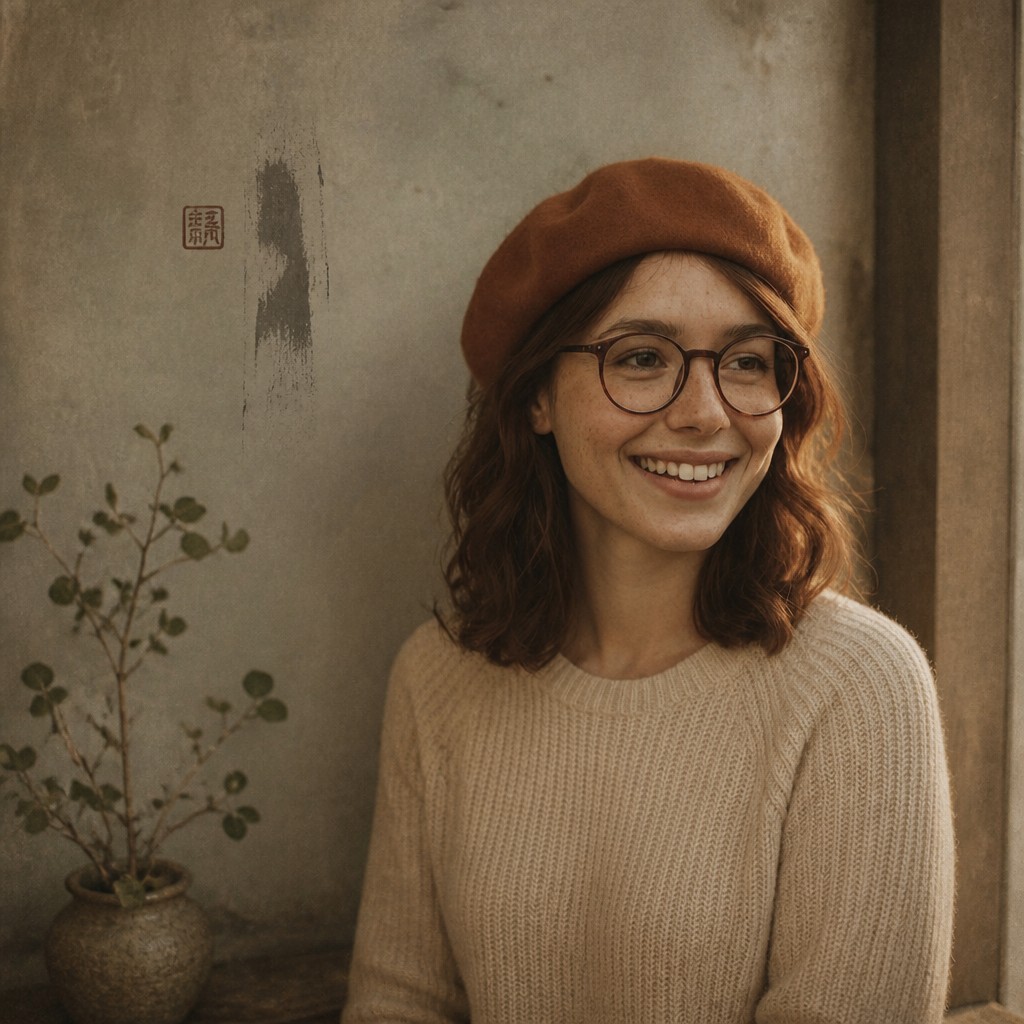

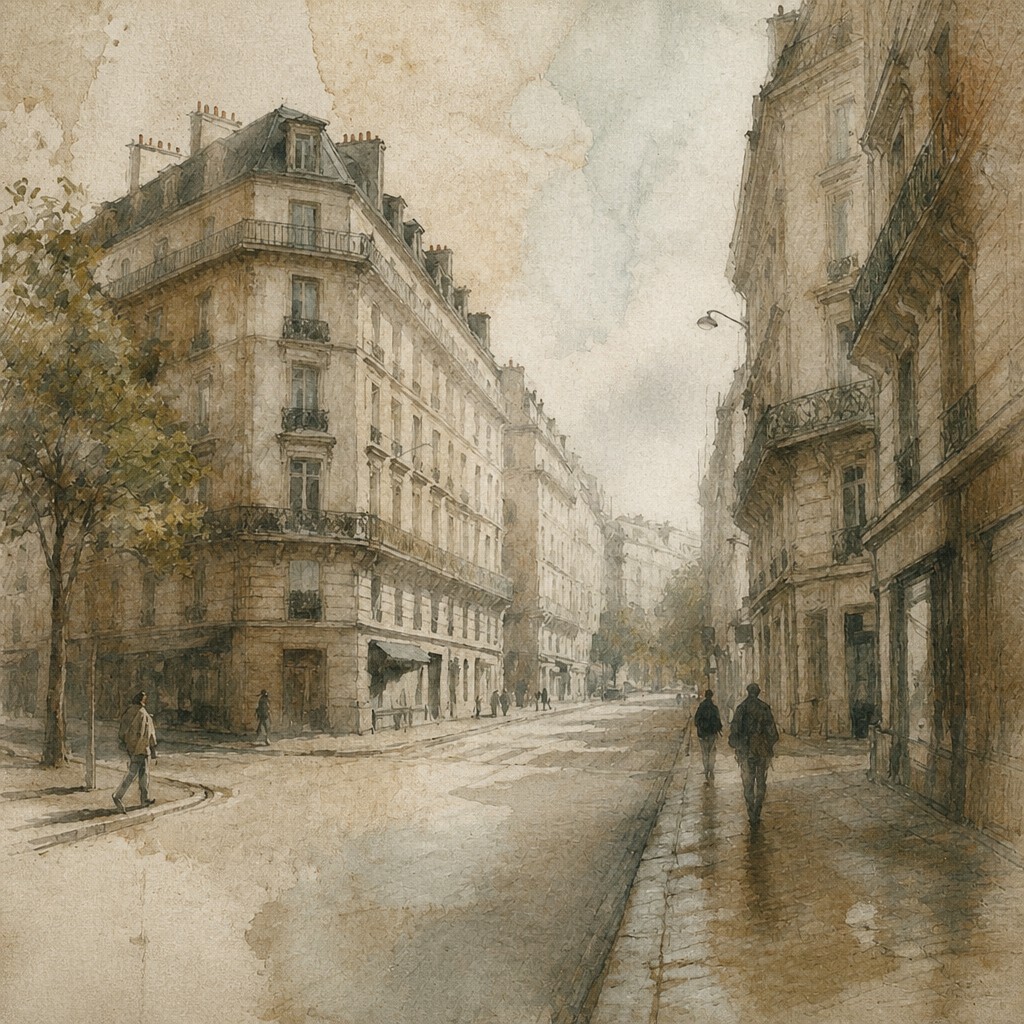

What Defines Wabi Sabi Art Style
The signature details, up close
Muted earth tones
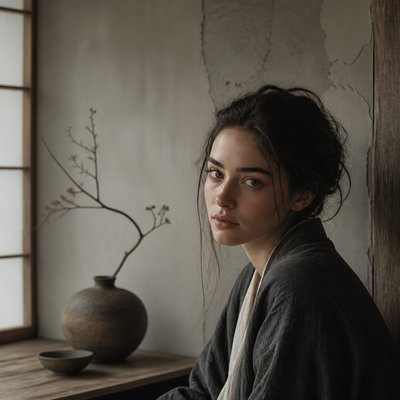
The palette typically relies on browns, greys, aged whites, moss greens, charcoal, and other subdued natural colors. Bright saturation is usually minimized so that the image feels weathered, grounded, and calm.
Visible imperfection
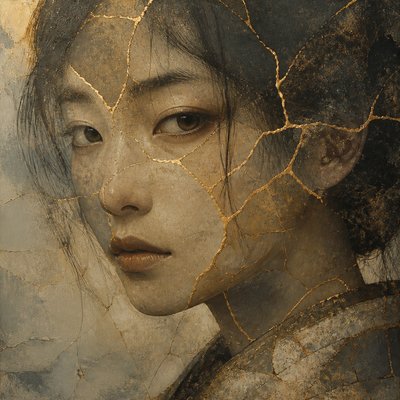
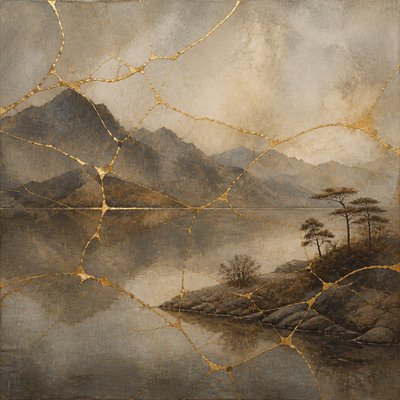
Cracks, chips, uneven edges, stains, grain, and irregular brushwork are not hidden but emphasized as part of the image’s meaning. These marks suggest time, use, and authenticity.
Asymmetrical composition
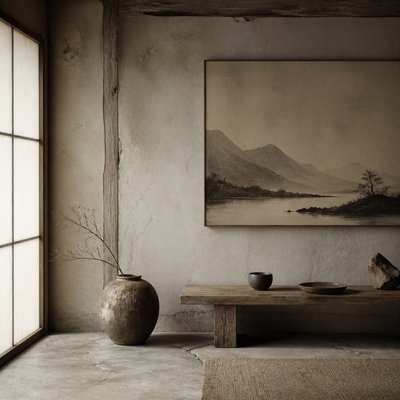
Rather than centered or rigidly balanced layouts, wabi-sabi compositions often feel organic and slightly off-center. Generous negative space helps create a contemplative rhythm.
Natural materials and texture
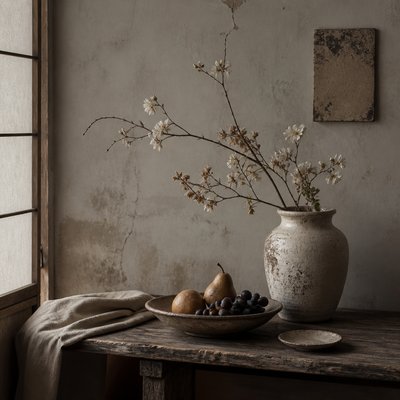
Wood, clay, paper, stone, linen, plaster, and weathered metal are common visual cues. Surfaces tend to look matte, tactile, and handmade rather than glossy or synthetic.
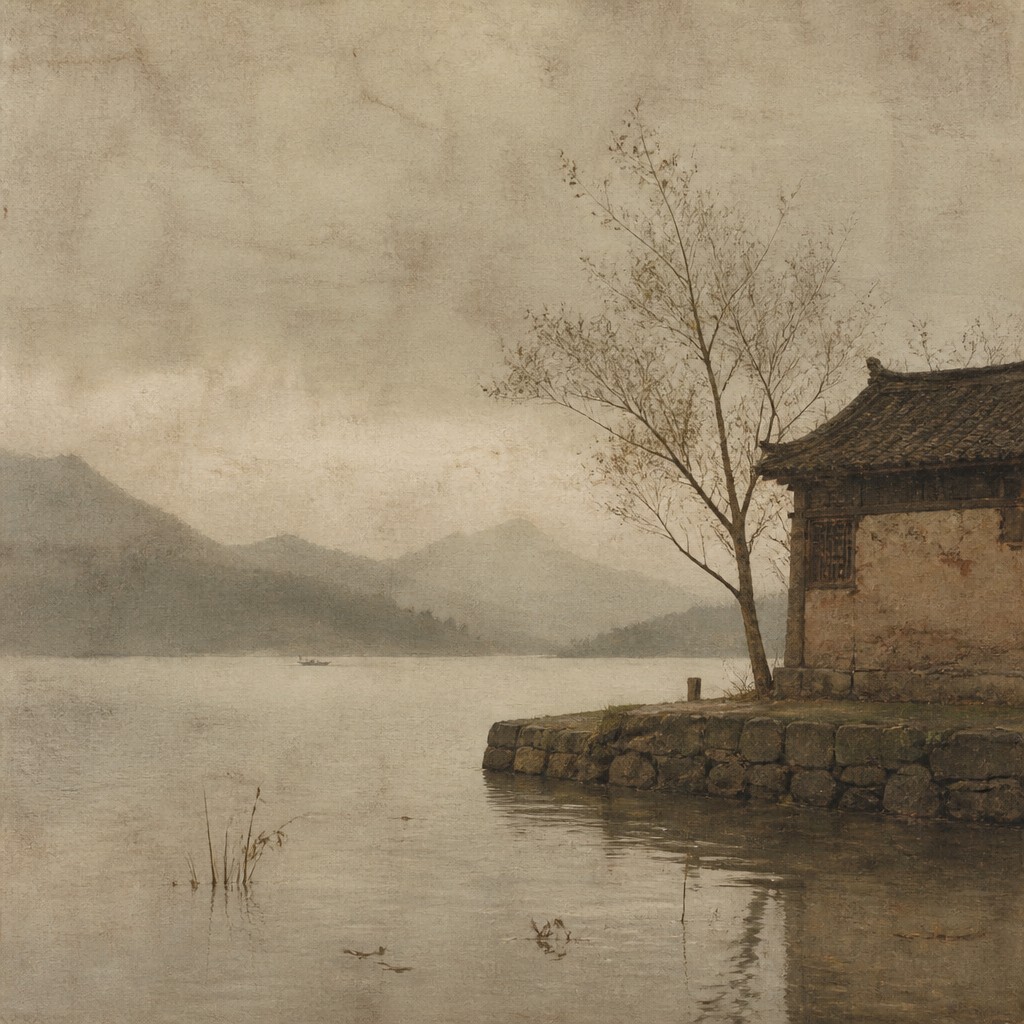
Soft, diffused light
Lighting is usually gentle and indirect, often resembling overcast daylight or light filtered through paper screens. Strong contrast and dramatic highlights are avoided in favor of subtle tonal variation.
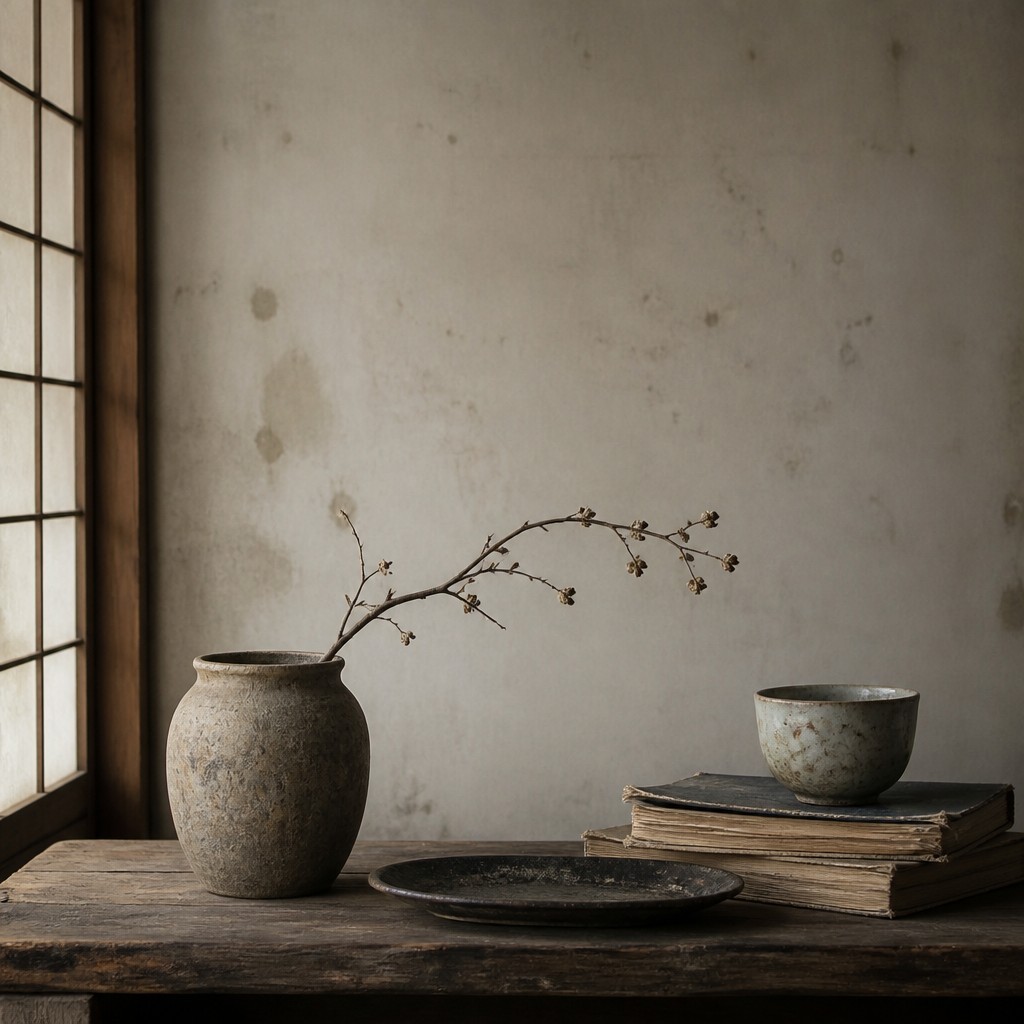
Quiet subject matter
Everyday objects, sparse interiors, rustic vessels, plants, and ordinary landscapes are frequent subjects. The style values stillness and modesty over spectacle.
Try It
Create Videos in Wabi Sabi Art Style
Styles aren't just for stills — describe a scene or animate an image and get a short video rendered in Wabi Sabi. Press play to see this pond come to life.
Make a VideoWabi Sabi Prompt Ideas
Start from an idea — each one opens the generator with the style ready to go. See all 40 Wabi Sabi prompts →
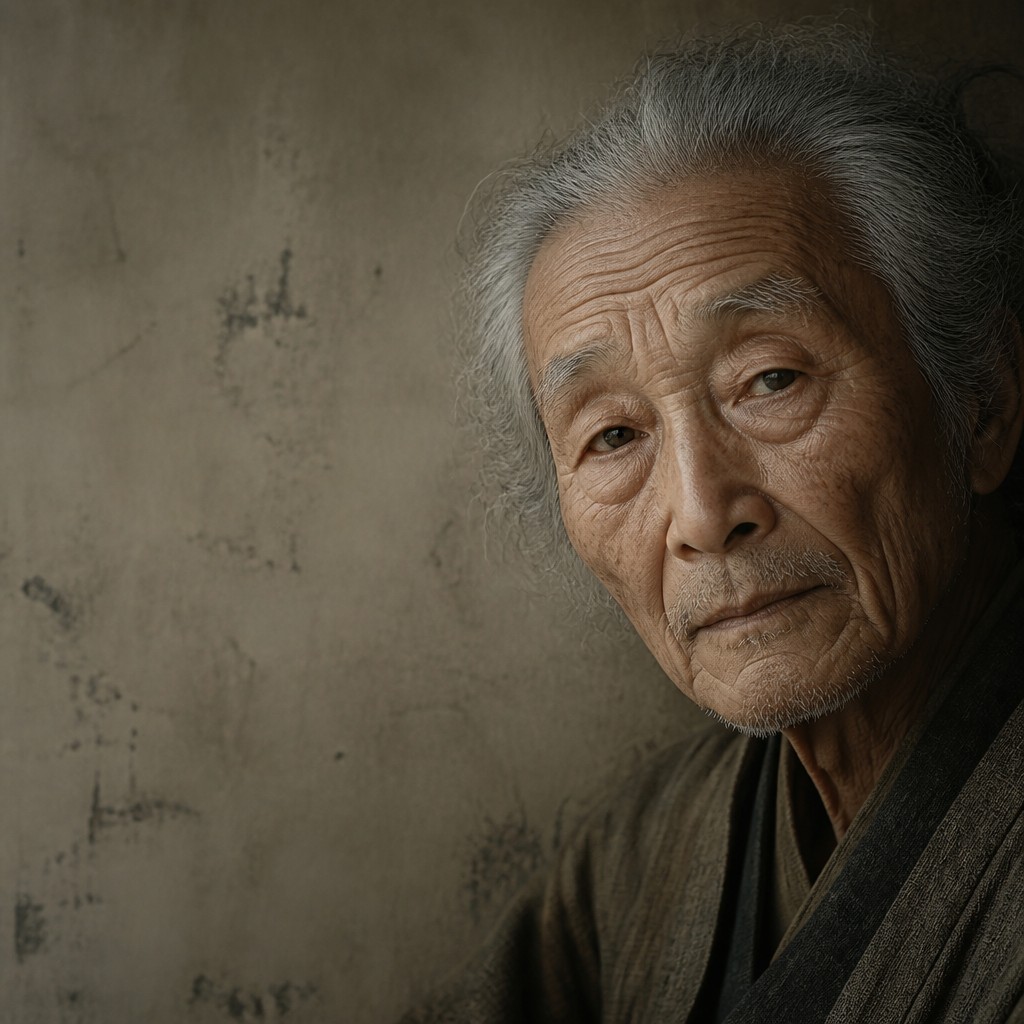
“close-up portrait of an elderly person with expressive weathered features”
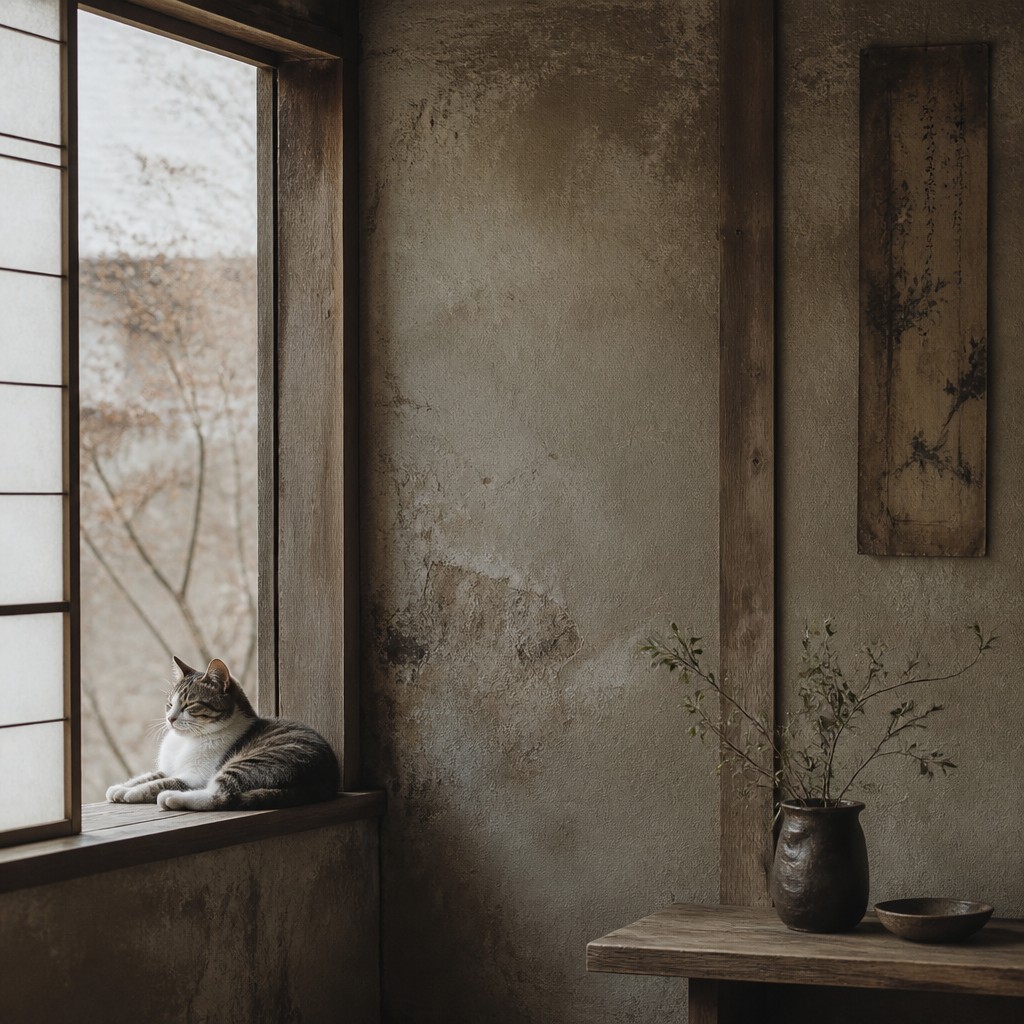
“a cat lounging in a sunlit window”
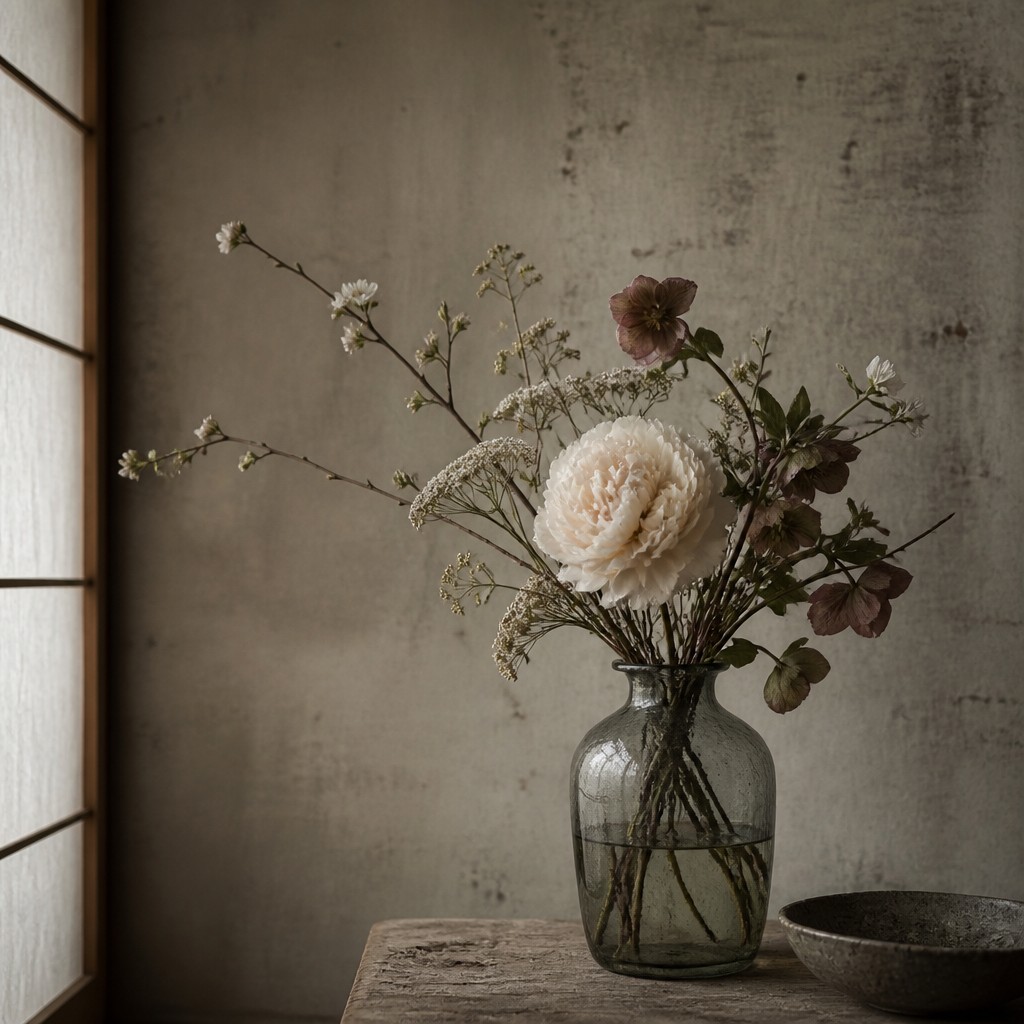
“bouquet of flowers in a glass vase”
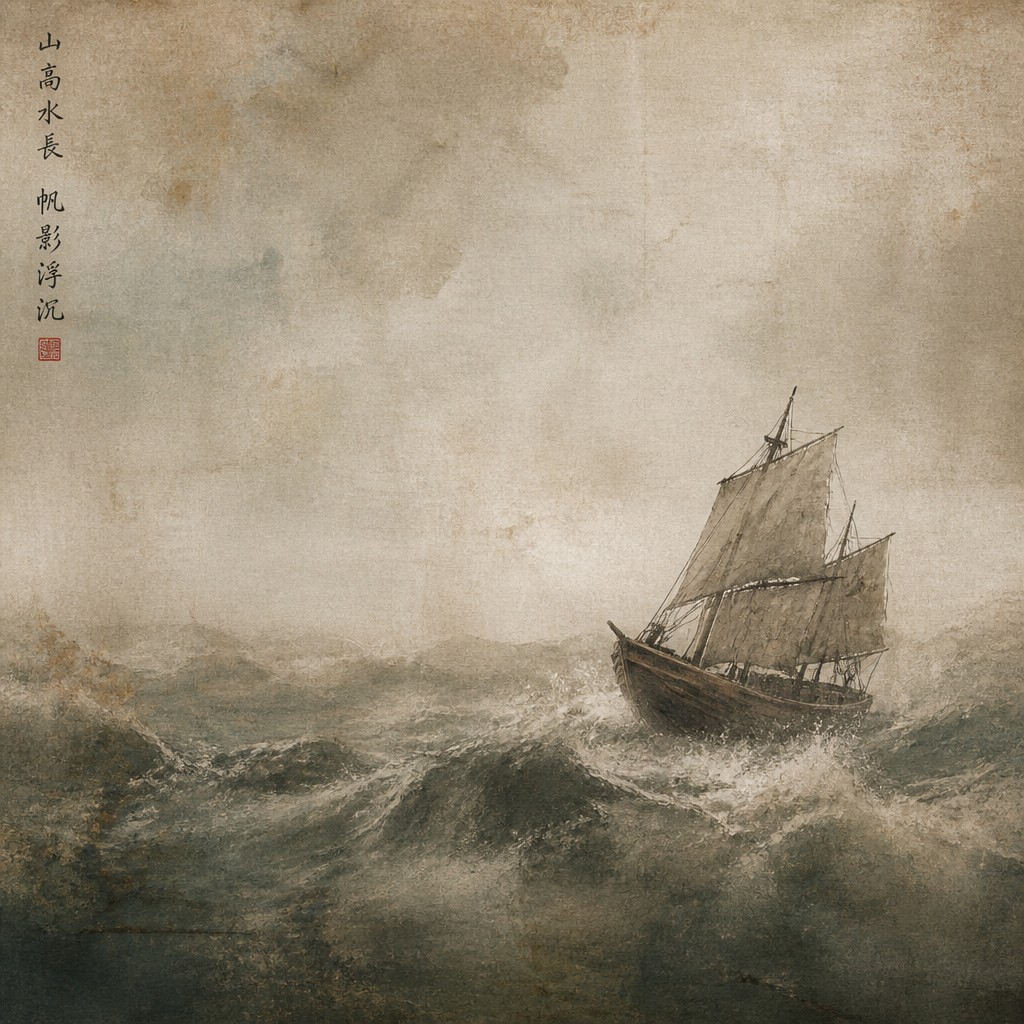
“sailing ship on a stormy sea”
How to Create Wabi Sabi Art
Master the craft step by step — or skip straight to creating. Read the full guide →
- 1
Choose humble, ordinary subjects
Start with simple forms such as ceramic bowls, tea cups, linen cloth, branches, stones, or worn furniture. The subject should feel lived-in and understated rather than ornate.
- 2
Work with restrained color and tonal variation
Limit the palette to earth pigments, softened neutrals, and natural greens. In painting or digital work, favor layered midtones and subtle shifts over hard contrast and vivid color.
- 3
Preserve irregularity in the process
Allow edges to remain uneven, brush marks to show, and textures to stay imperfect. In traditional media, use dry brush, staining, washes, or handmade paper; in digital work, use texture overlays and avoid overly clean contours.
- 4
Build space around the subject
Leave breathing room in the composition so emptiness becomes part of the image. Negative space is important because it reinforces stillness and attention.
- 5
Use soft, natural lighting
Favor cloudy daylight, window light, or diffused illumination that reveals surface texture without creating harsh shadows. This helps the image feel contemplative rather than theatrical.
- 6
For prompt-based generation, specify material and mood
Describe the subject, then add cues such as weathered textures, muted palette, asymmetrical composition, and diffused light. Avoid words that push the image toward glossy perfection, neon color, or high drama.

The Story
History & Origins of Wabi Sabi
Wabi-sabi developed from Japanese aesthetic and philosophical traditions shaped by Zen Buddhism, tea culture, and artisanal practices. The terms wabi and sabi have shifted in meaning over time, but in modern usage they describe a sensitivity to simplicity, solitude, and the marks left by age. The aesthetic became especially visible in the Japanese tea ceremony, where humble utensils, natural materials, and irregular forms were prized over luxury and perfect symmetry.
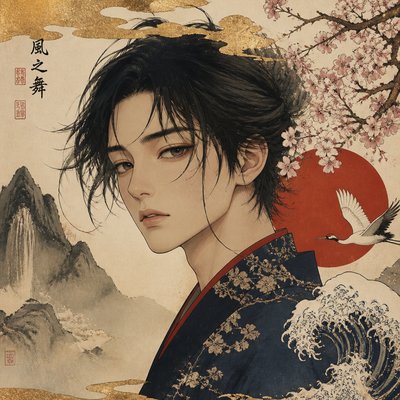
It is not a single school with a canon of named painters in the way Western art movements are. Instead, wabi-sabi is an enduring sensibility found across Japanese craft, architecture, garden design, ceramics, ink painting, and contemporary interior design. In modern visual culture, it has also influenced photography, design, and digital imagery that seek understatement, natural texture, and an atmosphere of contemplative quiet.
Influences: Wabi-sabi draws on Japanese tea ceremony aesthetics, Zen-inflected simplicity, traditional ceramics, ink painting, garden design, and carpentry, as well as broader East Asian ideas about harmony with nature and seasonal change. In modern visual culture it is often related to minimalism, but unlike International Style minimalism it tends to welcome texture, asymmetry, and the evidence of age. It also overlaps with rustic craft traditions and the handmade sensibility found in artisanal pottery and paper-based arts.
Frequently Asked Questions
What defines wabi-sabi art?
Wabi-sabi is defined by simplicity, imperfection, impermanence, and quiet restraint. Visually, that usually means natural materials, subdued colors, asymmetry, and surfaces that show wear or handmade irregularity. The style values authenticity and atmosphere over polish.
Is wabi-sabi the same as minimalism?
They are related but not identical. Minimalism often emphasizes reduction, clarity, and clean geometry, while wabi-sabi accepts irregularity, patina, and the beauty of age. A wabi-sabi image may be minimal, but it usually feels warmer and more tactile.
What subjects work best in this style?
Ordinary, modest subjects work especially well: ceramics, textiles, weathered architecture, natural objects, and sparse interiors. Landscape details like mist, moss, stone, and dry branches are also strong choices because they reinforce the sense of transience and natural change.
How do I make a photo look wabi-sabi?
Use soft light, muted color grading, and compositions with more empty space than detail. Emphasize texture, aging, and imperfect surfaces rather than sharpening everything or boosting contrast. Cropping out clutter and simplifying the scene also helps.
Where is wabi-sabi commonly used today?
It is common in interior design, ceramics, photography, branding, editorial illustration, and contemporary digital art. Designers often use it to create a calm, grounded mood that feels handmade and humane. It is especially popular in spaces or images meant to feel contemplative and natural.
Can wabi-sabi include color?
Yes, but the color is usually subdued and natural rather than bright or saturated. Moss green, clay brown, stone grey, warm white, and faded ochre are typical because they reinforce the sense of age and organic material. The palette should feel weathered and softened by time.
Create your first Wabi Sabi artwork
Describe anything — or upload a photo — and see it in Wabi Sabi Art Style in seconds.
Make Something with Wabi Sabi
Related Styles
Discover similar art styles