Cropping Art Style
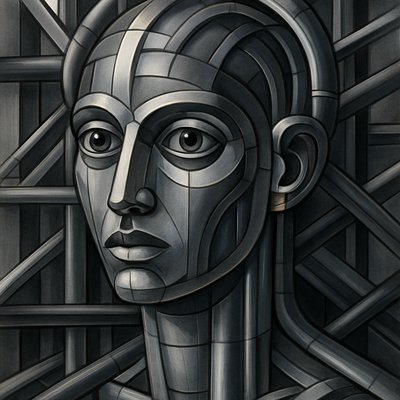
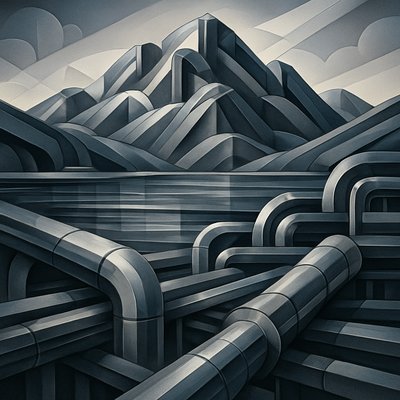
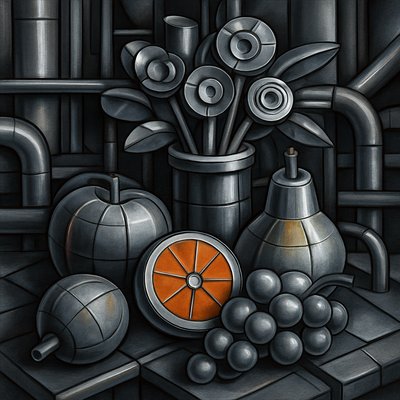
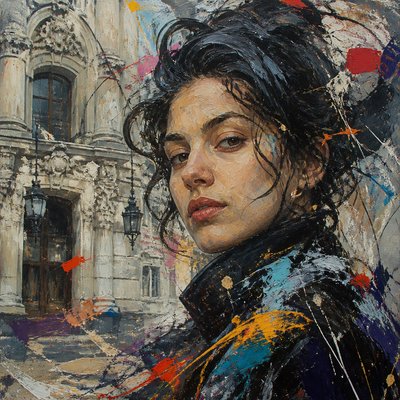
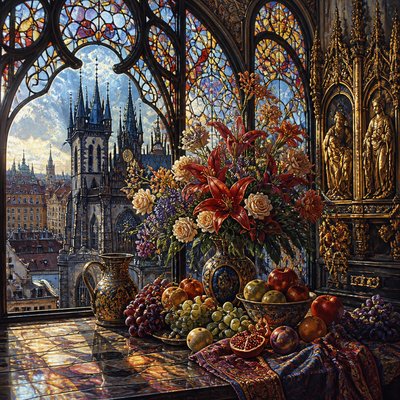
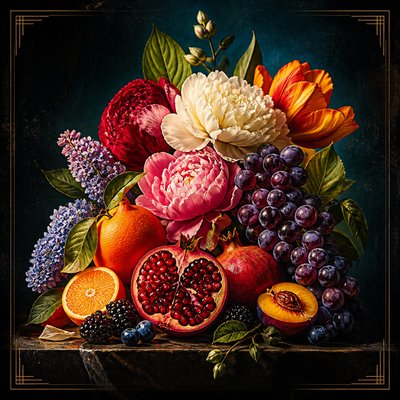
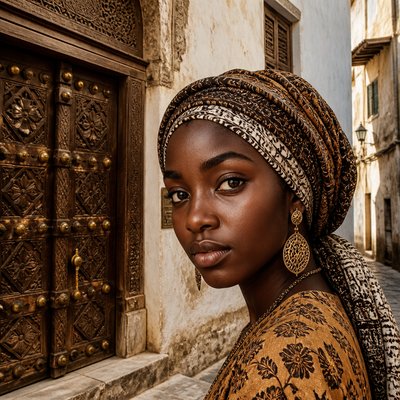
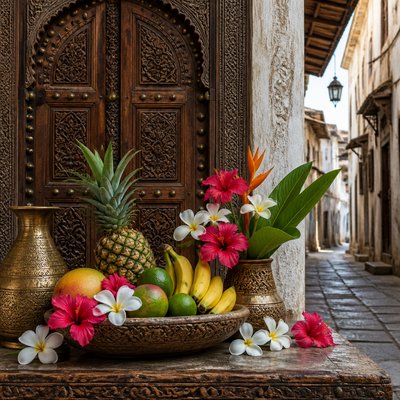
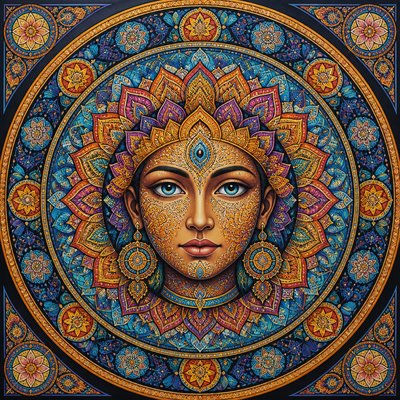
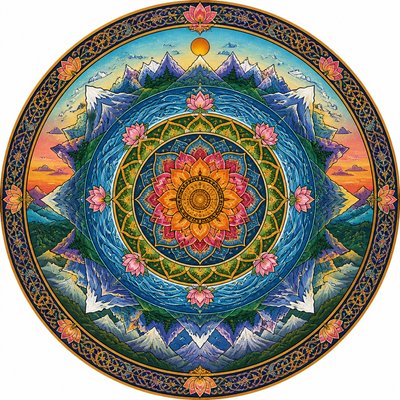
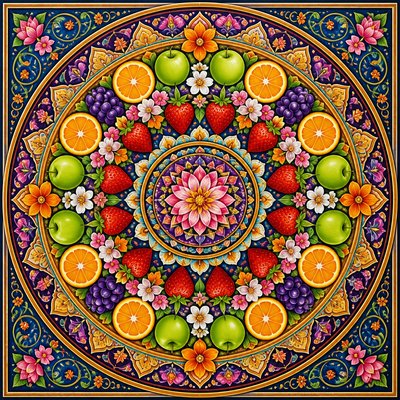
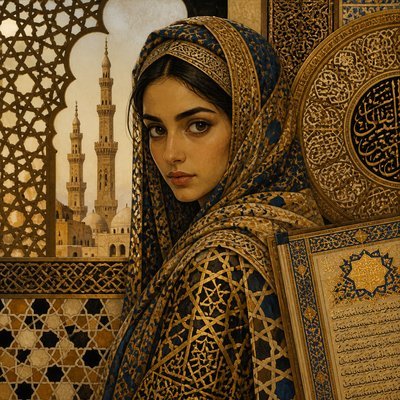
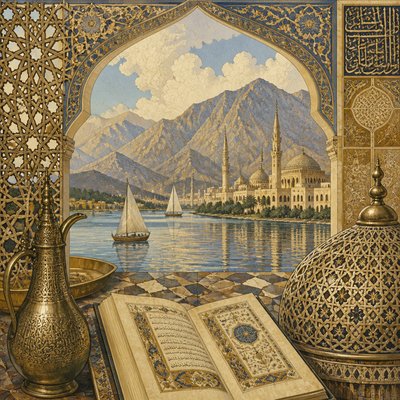
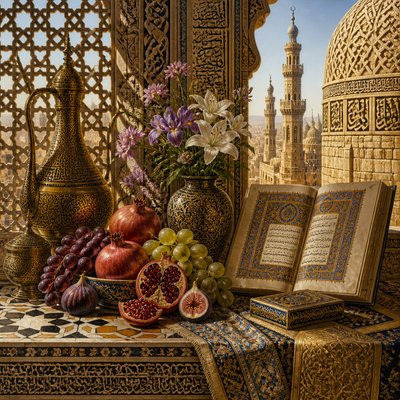
Explore Cropping Art Style: tight, asymmetrical framing, abrupt edge cuts, and kinetic compositions that heighten intimacy and immediacy.
Instantly rendered in Cropping — or transform a photo

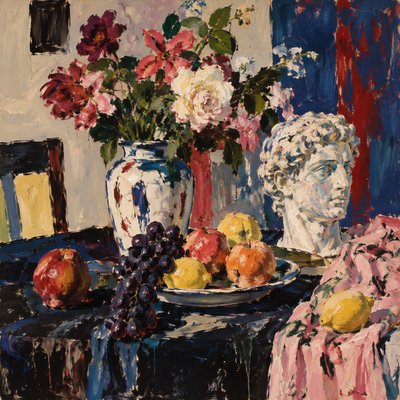
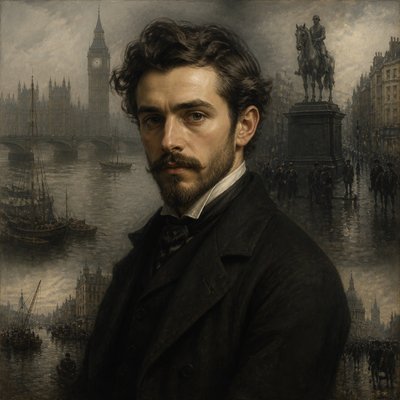
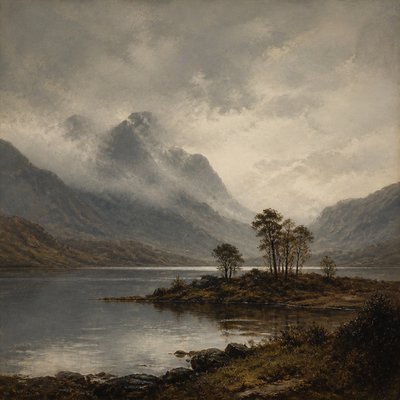
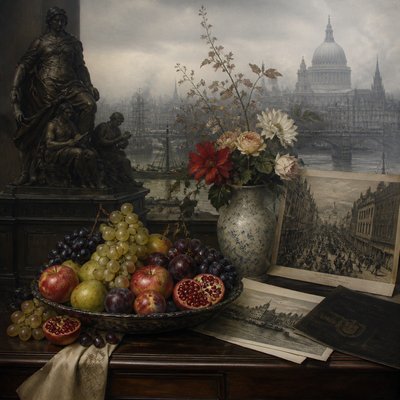
Cropping Gallery
Tap any artwork to explore it
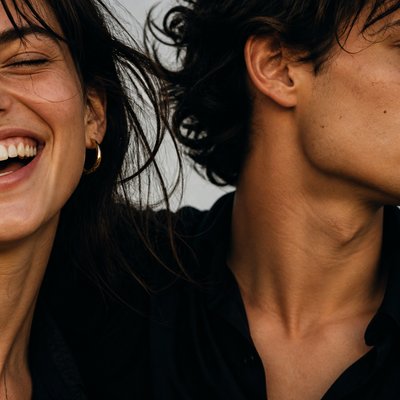
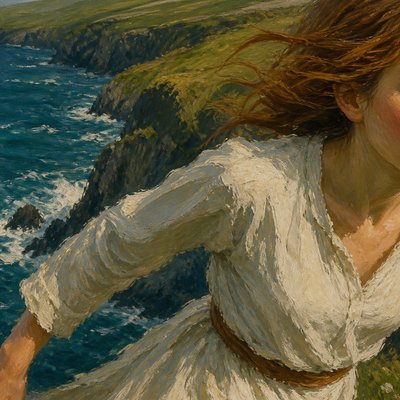
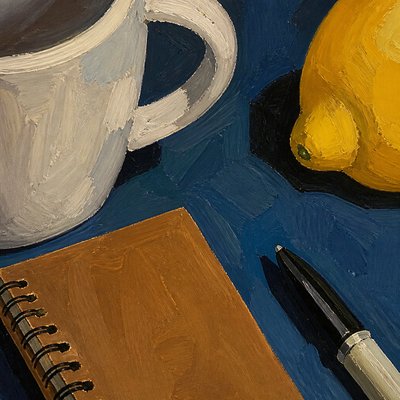
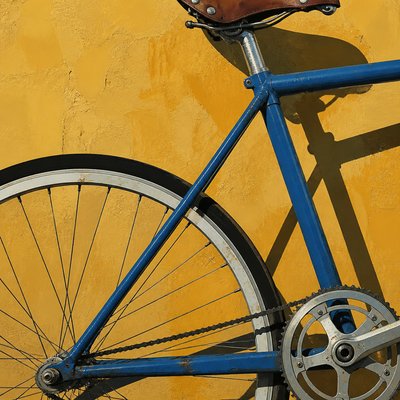

What is Cropping Art Style?
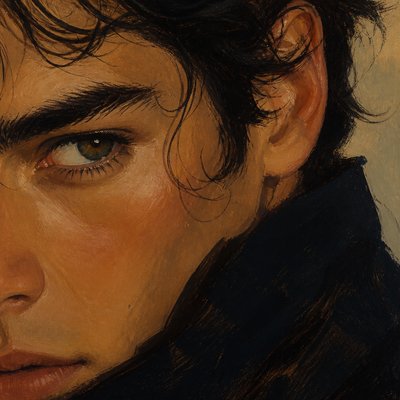
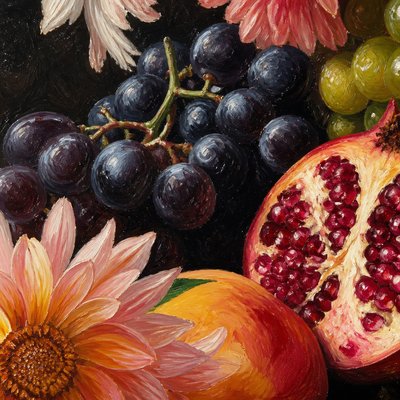
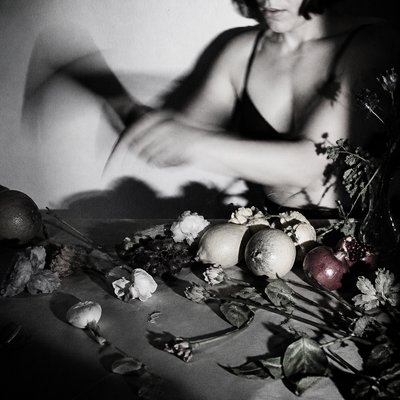
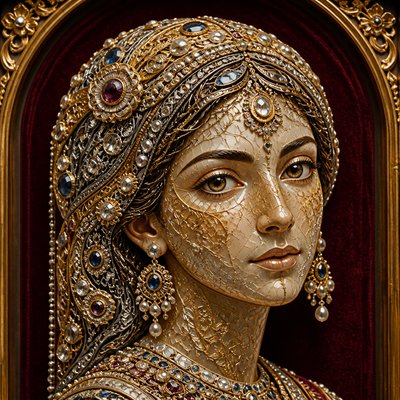
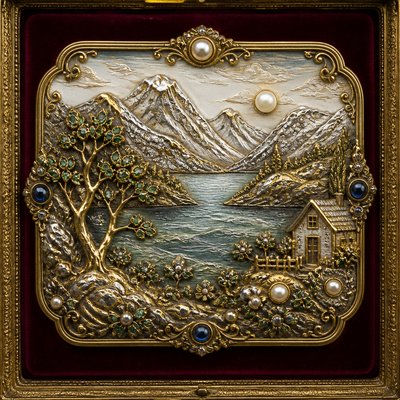
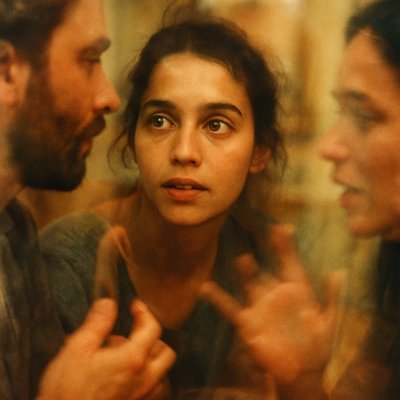
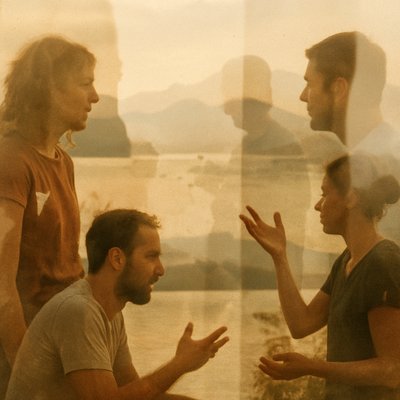
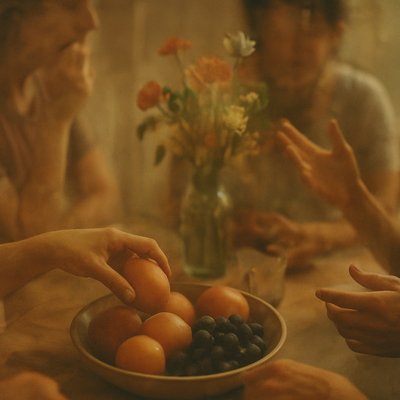
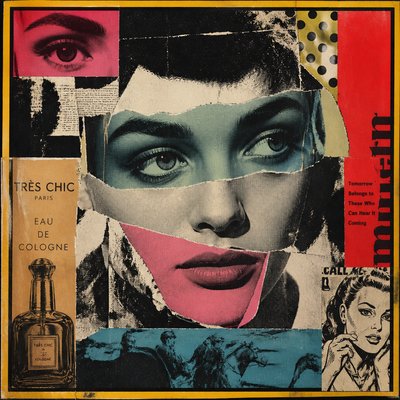
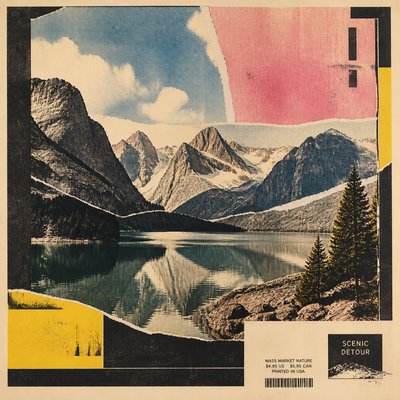
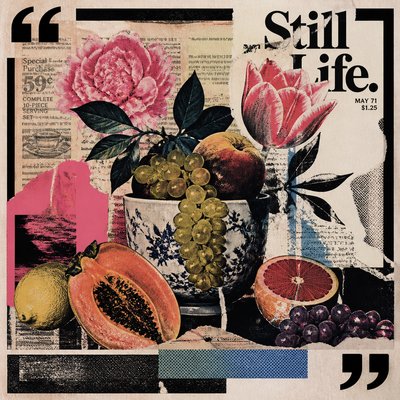
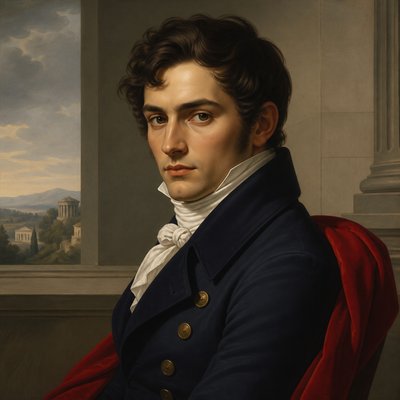
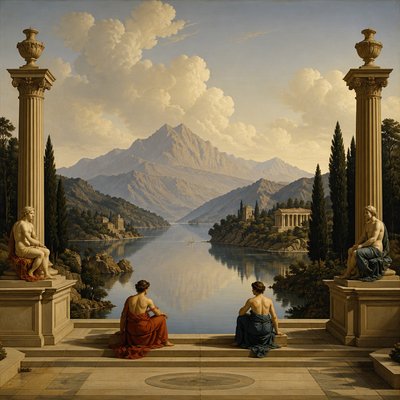
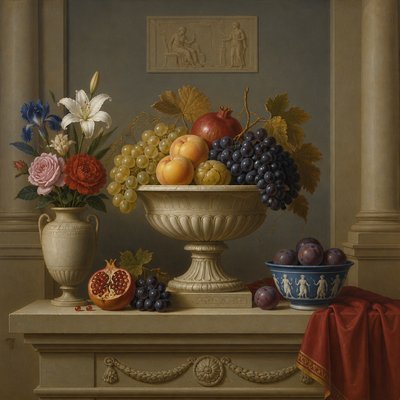
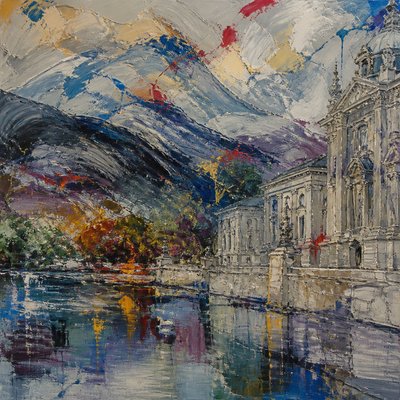
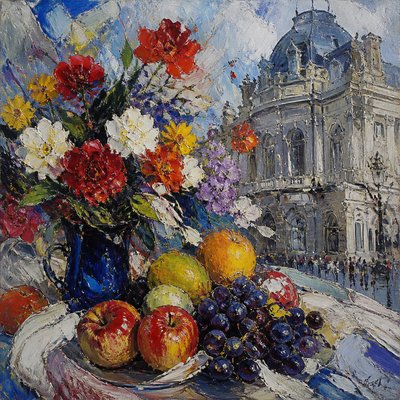
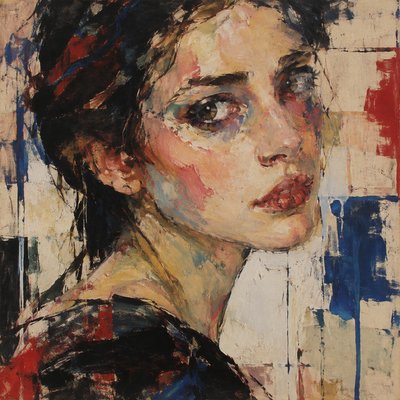
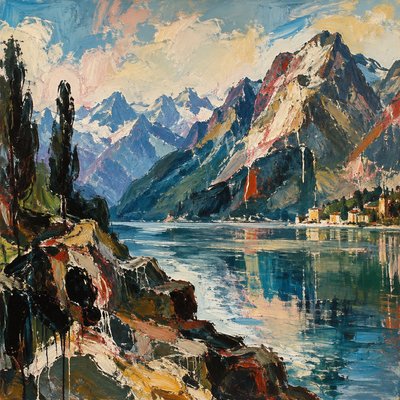
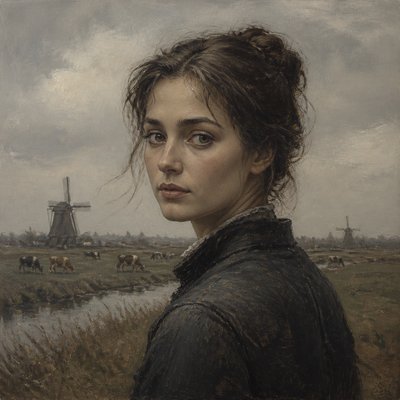
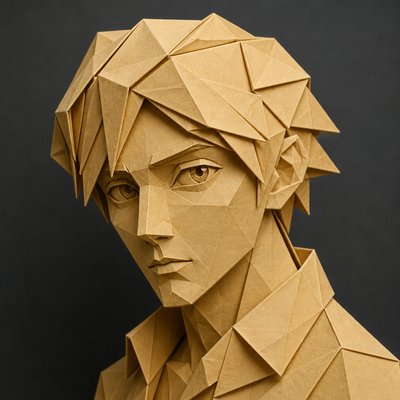
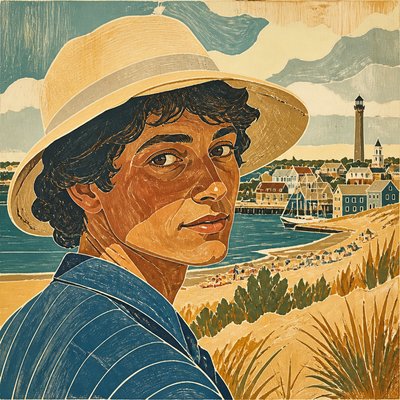
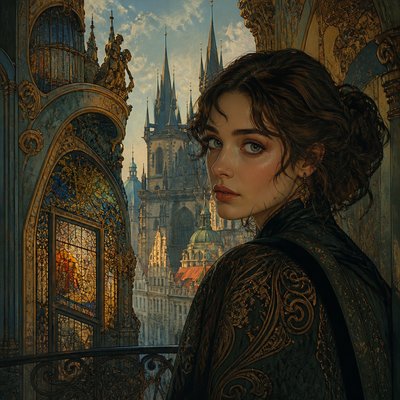
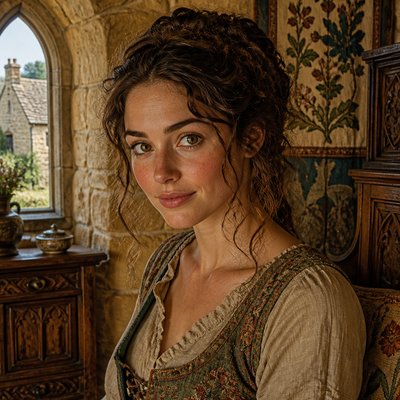
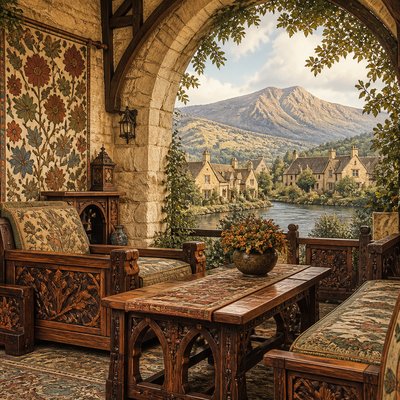
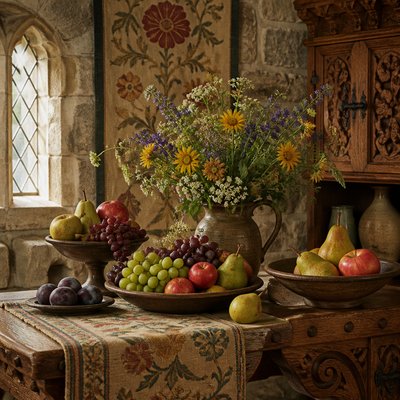
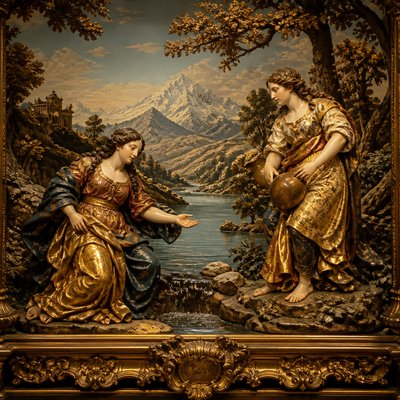
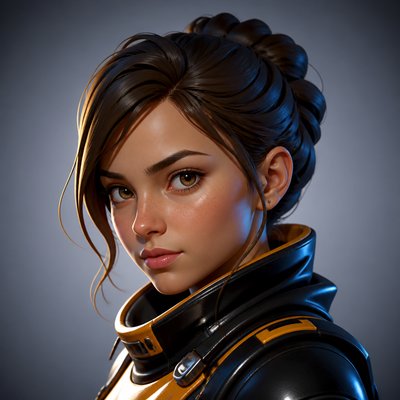
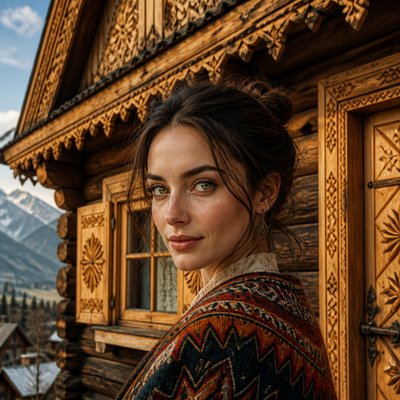
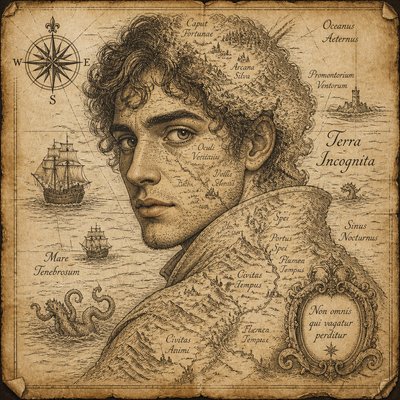
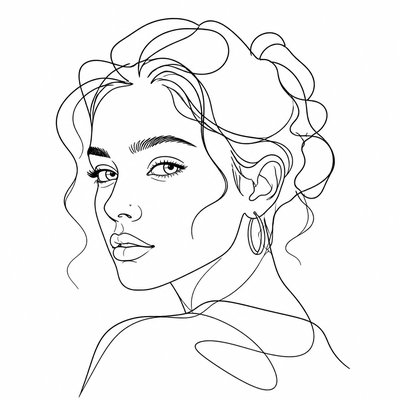
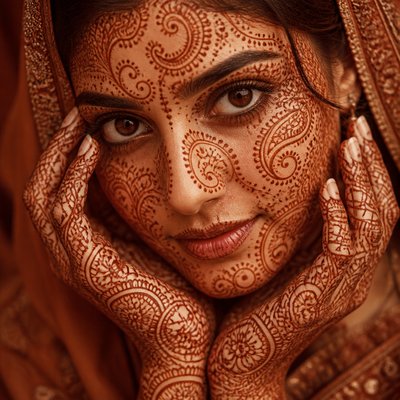
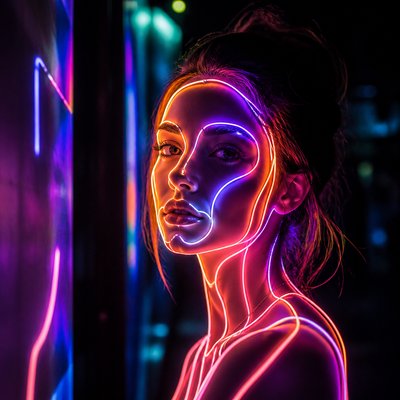
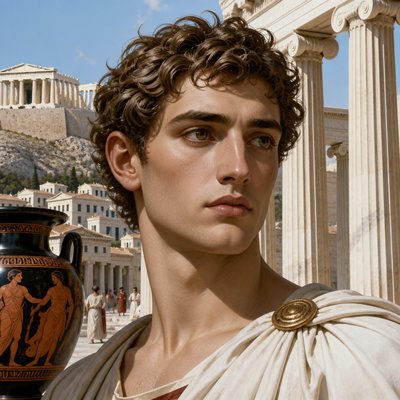
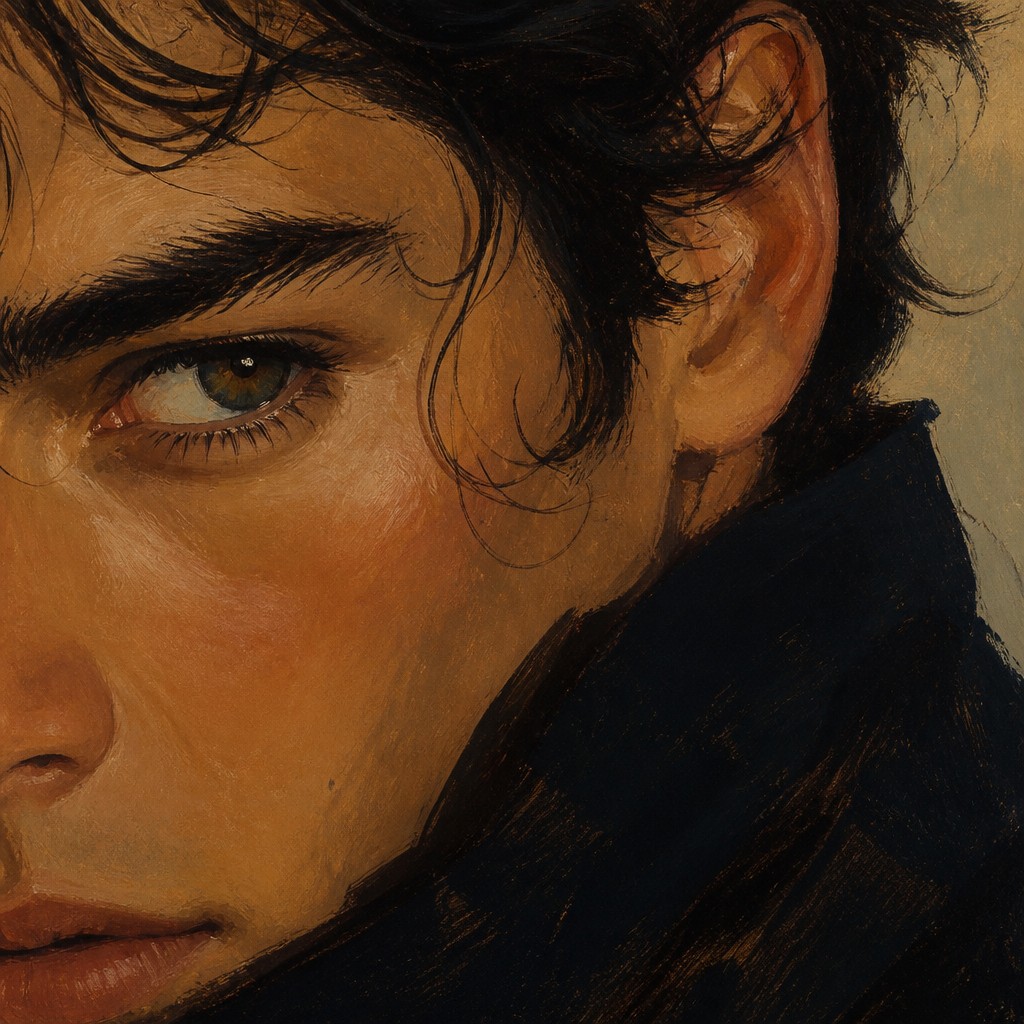
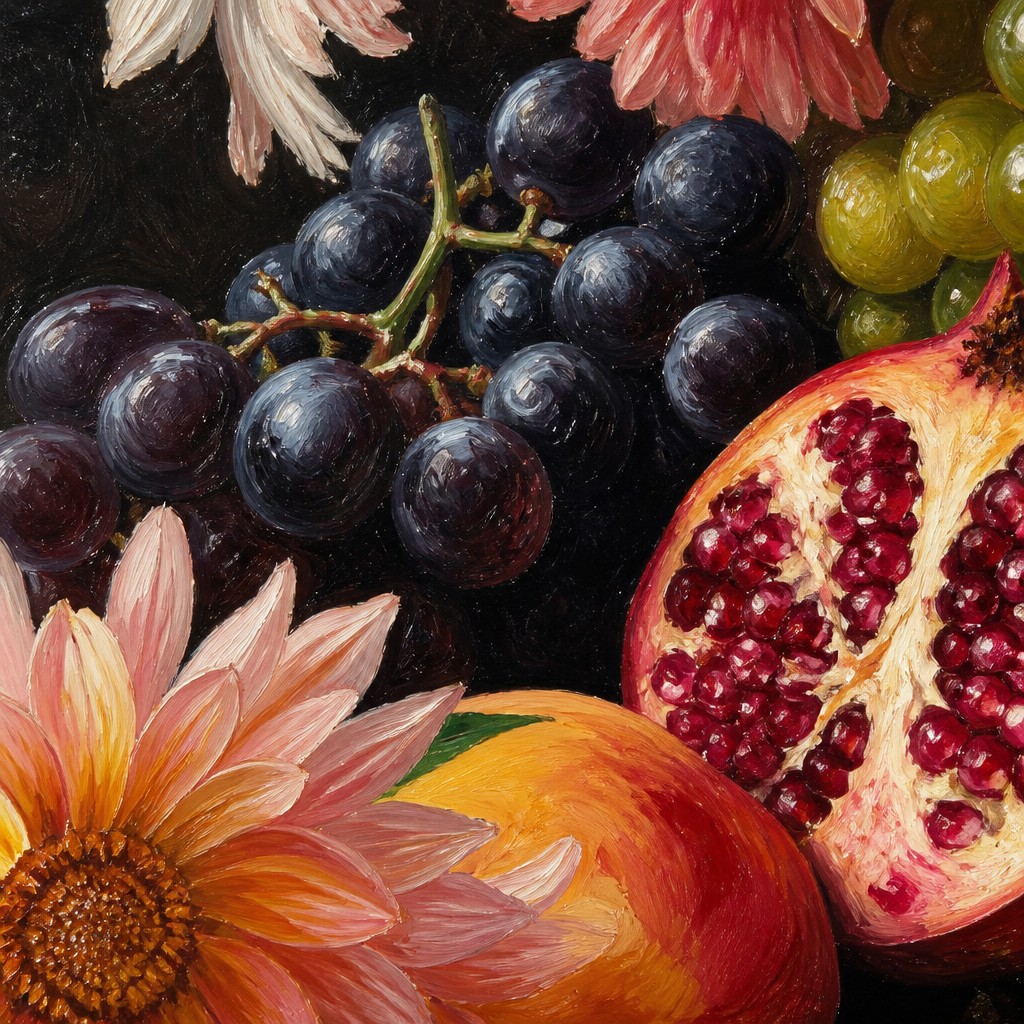
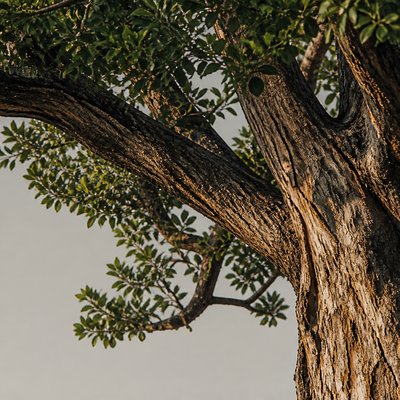
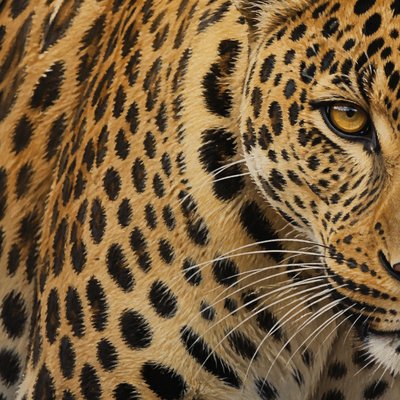
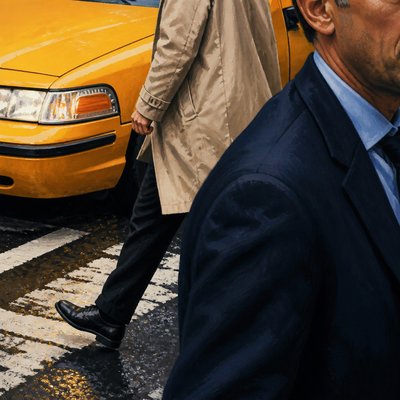
Cropping Art Style is a composition-led approach defined by deliberate, abrupt cuts at the image boundary. A figure, object, or gesture is shown in an unusually tight view, often with part of the subject disappearing beyond one or more edges. The resulting image withholds context and makes the viewer feel physically close to the subject.
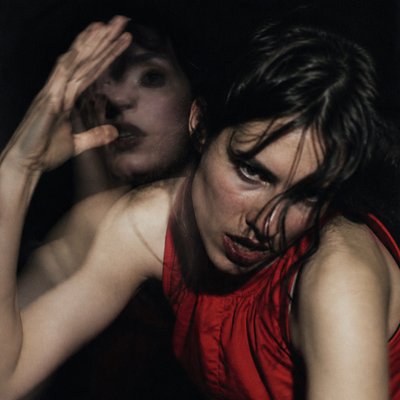
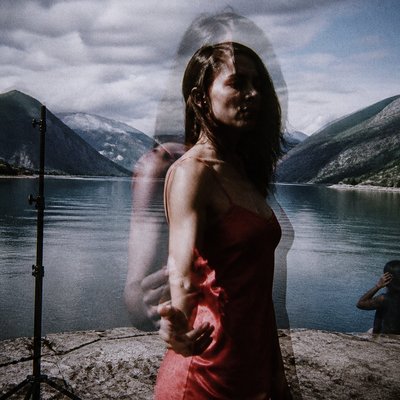
Its visual identity depends on asymmetry, interruption, and implied continuation. Rather than treating the frame as a neutral container, the style makes the frame an active source of tension: a shoulder may be cut away, a face may extend beyond the top edge, or a moving body may enter and leave the image simultaneously. The unseen space becomes part of the composition, creating immediacy, movement, and psychological intimacy.
Try It On Your Photos
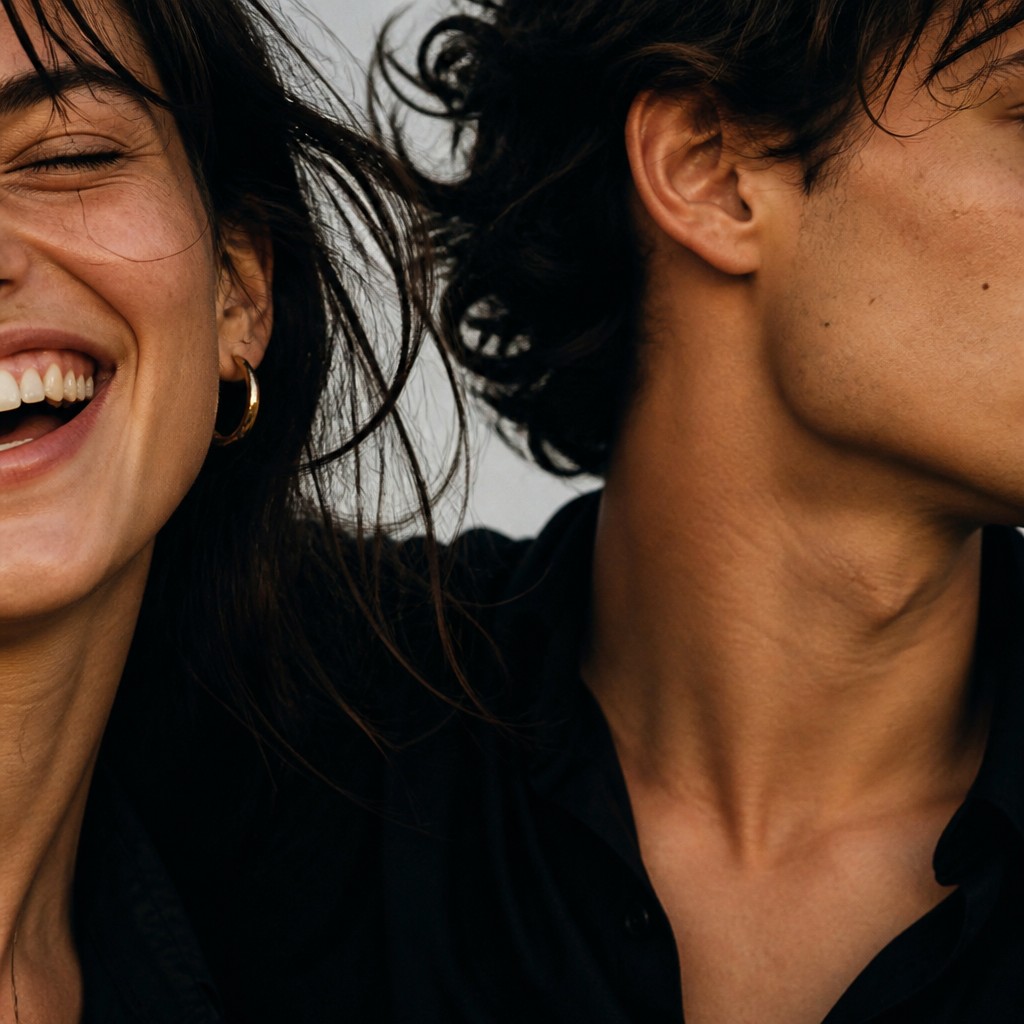
Upload any photo and convert it into Cropping Art Style — drag the sliders to compare before and after.



What Defines Cropping Art Style
The signature details, up close
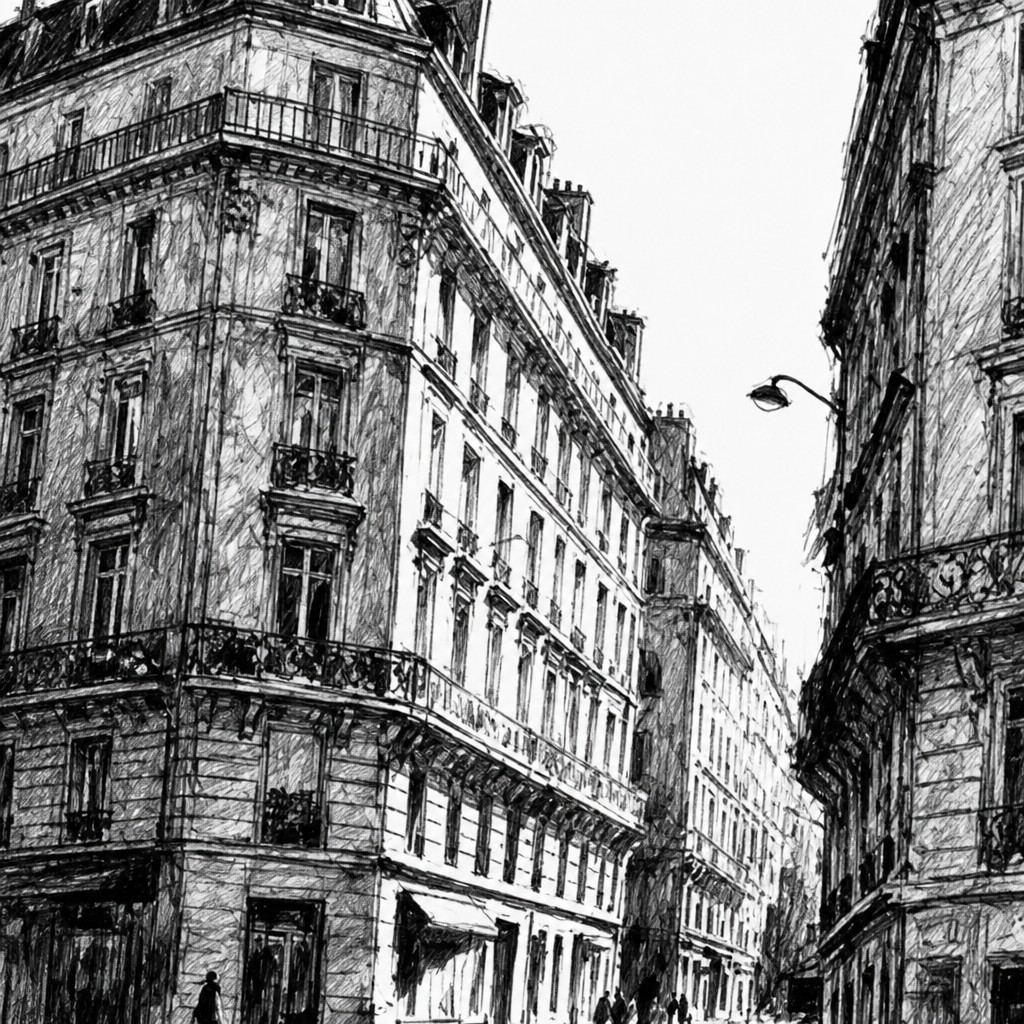
Decisive edge cuts
The subject is sharply truncated by the frame rather than comfortably contained within it. Cuts often occur at visually charged points such as the face, hands, shoulders, or limbs.
Tight close composition
The image offers little or no surrounding context, directing attention toward texture, expression, gesture, or bodily presence. The compressed view creates a sense of proximity.
Asymmetrical framing
The subject is commonly positioned off-center, with unequal visual weight across the frame. This imbalance prevents the composition from feeling static or conventionally posed.
Implied continuation
Cut-off forms suggest that the subject continues beyond the visible canvas. The viewer mentally completes the unseen environment, gesture, or movement.
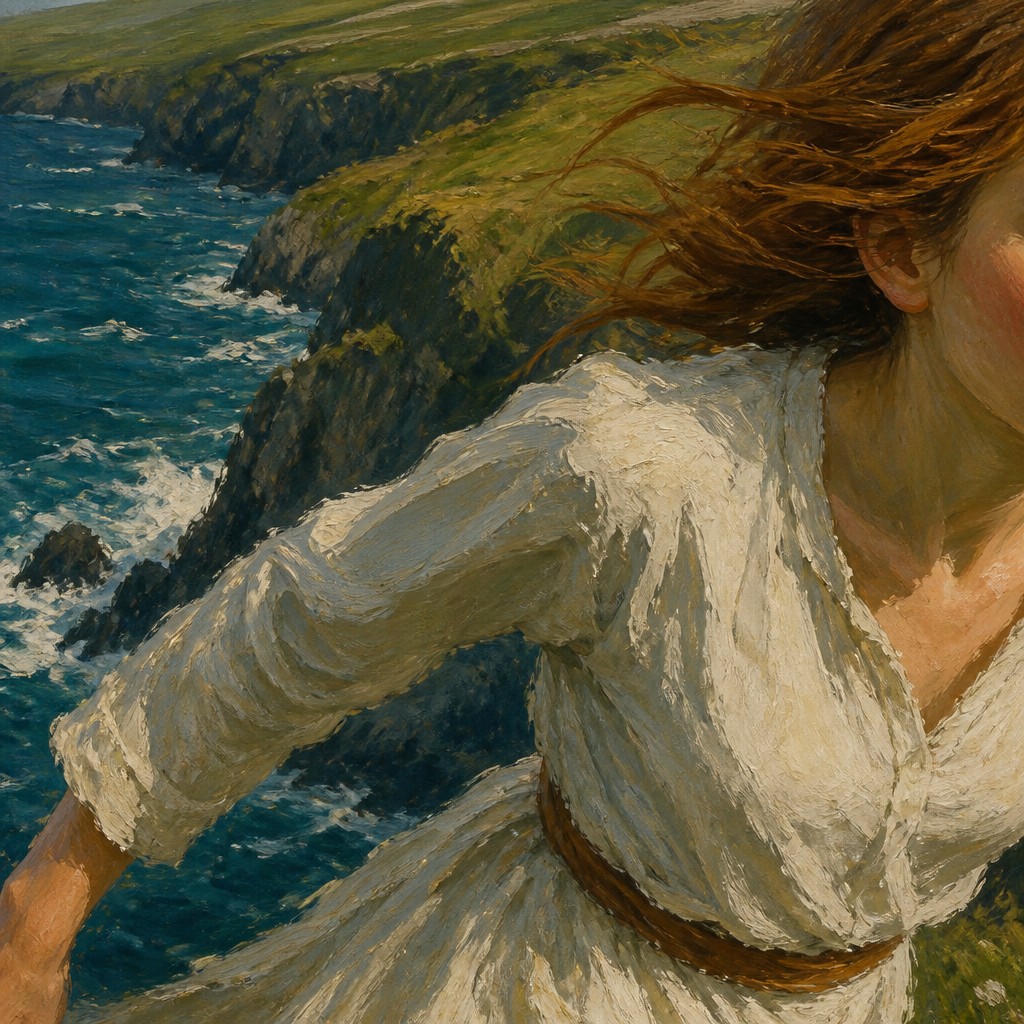
Kinetic tension
Diagonal poses, directional gazes, blurred motion, and interrupted gestures make the image feel as though it captures an instant within a larger event.
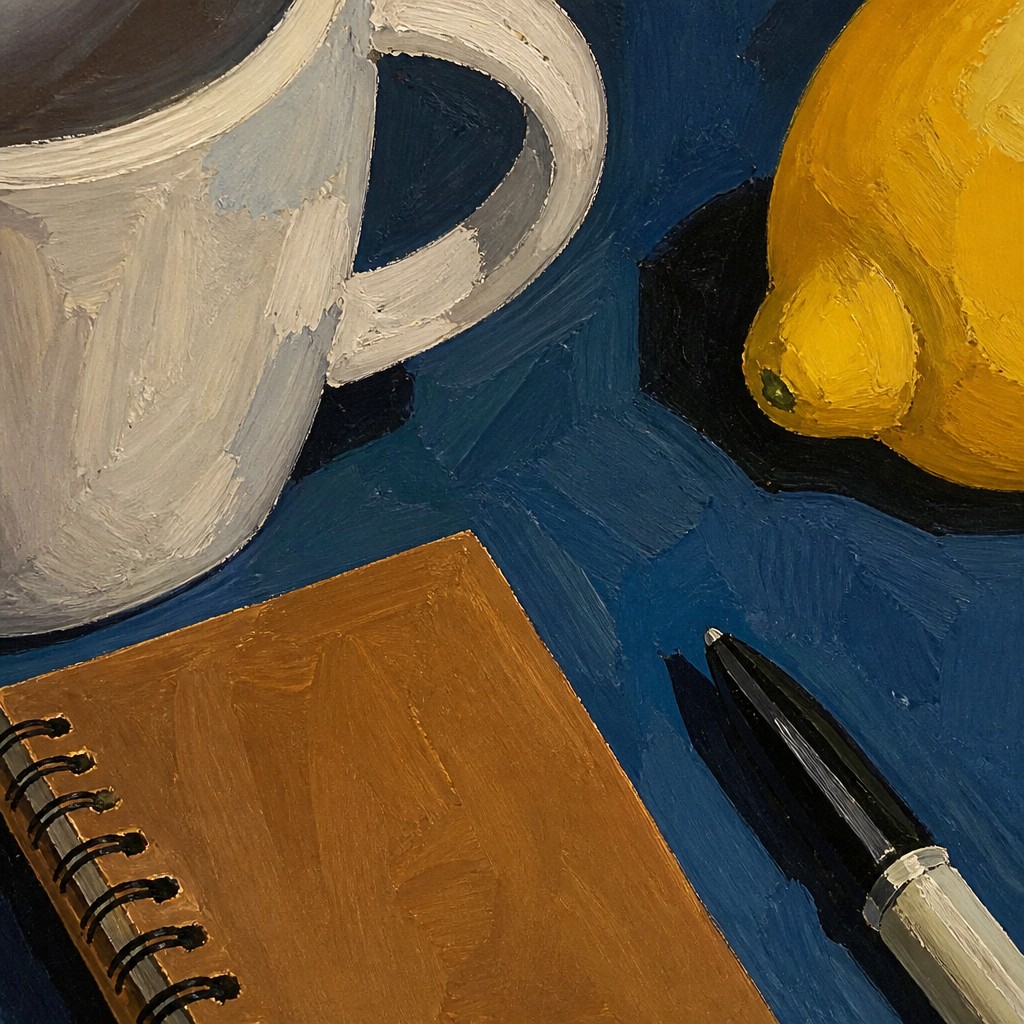
Reduced context
Background information is minimized, obscured, or excluded so that the edge relationship becomes more important than location. Surface detail and silhouette often carry the composition.
Cropping Prompt Ideas
Start from an idea — each one opens the generator with the style ready to go. See all 40 Cropping prompts →
How to Create Cropping Art
Master the craft step by step — or skip straight to creating. Read the full guide →
- 1
Choose a charged subject
Begin with a face, hand, athletic gesture, animal, or object whose partial visibility communicates something on its own. Select a moment that feels active rather than fully resolved.
- 2
Crop before you decorate
Work with the frame first: enlarge the subject until it reaches or exceeds several edges, then adjust the focal point asymmetrically. Avoid adding background elements that weaken the intended pressure.
- 3
Use directional structure
Favor diagonals, off-center gazes, leaning bodies, and movement toward or away from an edge. Keep important lines from settling into a balanced, centered pose.
- 4
Refine through editing
In photography or digital painting, test multiple aspect ratios and crop positions, preserving the version with the strongest tension. Masks, layer-based cropping, and edge-aware retouching help keep the cuts clean and intentional.
- 5
Specify the frame in a prompt
For prompt-based generation, describe the subject, the exact body parts or objects cut by the frame, a tight close view, asymmetrical placement, and motion continuing beyond the canvas. Add negative guidance such as no wide establishing shot, no centered full figure, and no empty border.
The Story
History & Origins of Cropping
Cropping Art Style is best understood as a contemporary compositional aesthetic rather than a formally established historical movement. It draws on the close cropping and unconventional viewpoints developed in modern photography, particularly through candid observation, street photography, portraiture, and editorial image-making.
Its lineage also includes the asymmetrical compositions of Japanese woodblock prints, the flattened framing and temporal immediacy associated with modernist visual culture, and the bold edge relationships found in poster design, comics, cinema, and contemporary digital imagery. Digital editing and text-to-image workflows have made these intentional cuts easy to specify, repeat, and refine as a central stylistic device.
Influences: The style is related to close-up and candid photography, modernist photographic composition, Japanese woodblock print framing, cinematic close-ups, editorial portraiture, street photography, comics panel composition, and avant-garde poster design. It shares modernism's interest in flattening and disrupting conventional spatial order, while its abrupt boundaries also echo the snapshot's sense of an unrepeatable instant. In digital practice, it connects with contemporary collage, motion-led image editing, and generative composition systems that can treat the frame boundary as a deliberate design element.
Frequently Asked Questions
What defines Cropping Art Style?
Its defining feature is an intentional, visibly abrupt crop at the image edge, usually combined with a tight composition and asymmetrical placement. The cut should create tension or imply continuation, not simply result from accidental framing.
How is it different from an ordinary close-up?
A close-up can keep the subject centered and comfortably contained. Cropping Art Style uses the boundary more aggressively, cutting through forms and removing context so that the missing information becomes part of the visual meaning.
Does the style require photography?
No. It can be made through photography, drawing, painting, collage, graphic design, 3D rendering, or digital image generation. The essential element is the compositional treatment of the frame rather than a particular medium.
How can I avoid making the crop look accidental?
Place the crop at a purposeful point and balance it against the direction of the subject's gaze or movement. Use a strong focal area, clear edge contact, and an intentional asymmetry instead of allowing random parts to be clipped.
What subjects work well with this style?
Portraits, dancers, athletes, animals, vehicles, hands, instruments, and expressive objects work especially well because their gestures or directional forms can extend beyond the frame. Static subjects can also succeed when texture, gaze, or psychological closeness is the focus.
Where is this compositional style commonly used?
It appears in editorial portraiture, fashion imagery, advertising, album and poster design, comics, cinematic stills, social photography, and contemporary digital art. It is useful whenever an image needs immediacy, energy, or a strong sense of visual proximity.
Create your first Cropping artwork
Describe anything — or upload a photo — and see it in Cropping Art Style in seconds.
Related Styles
Discover similar art styles