Flat Shape Art Style
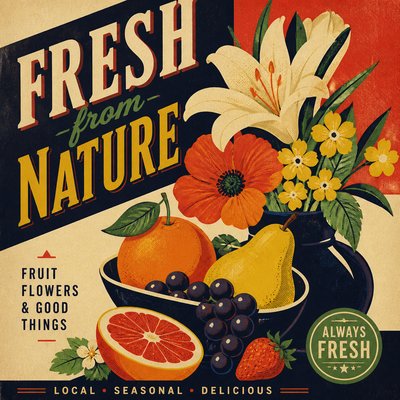
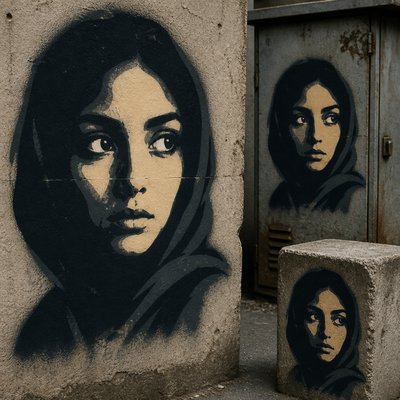
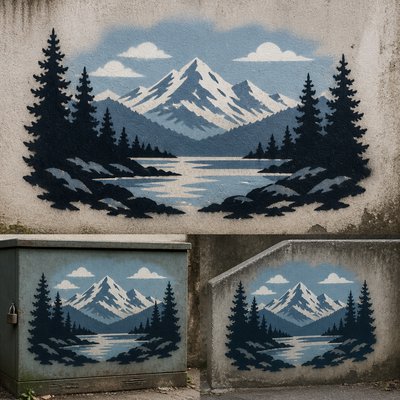
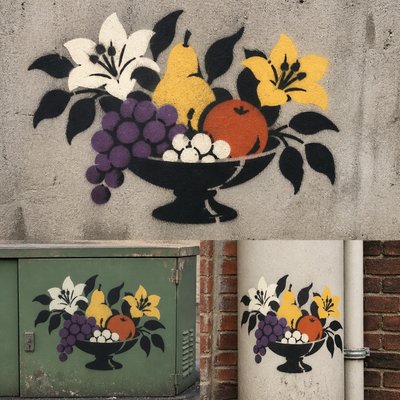
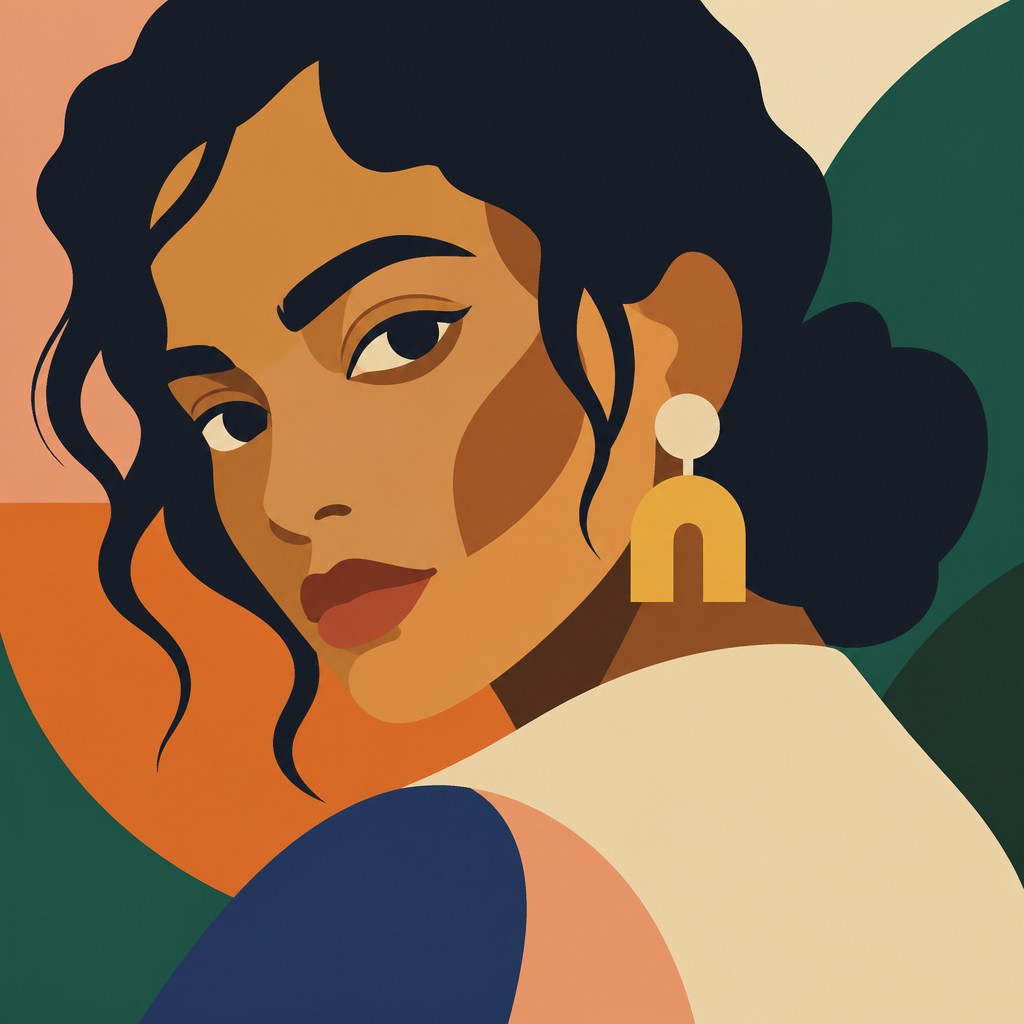
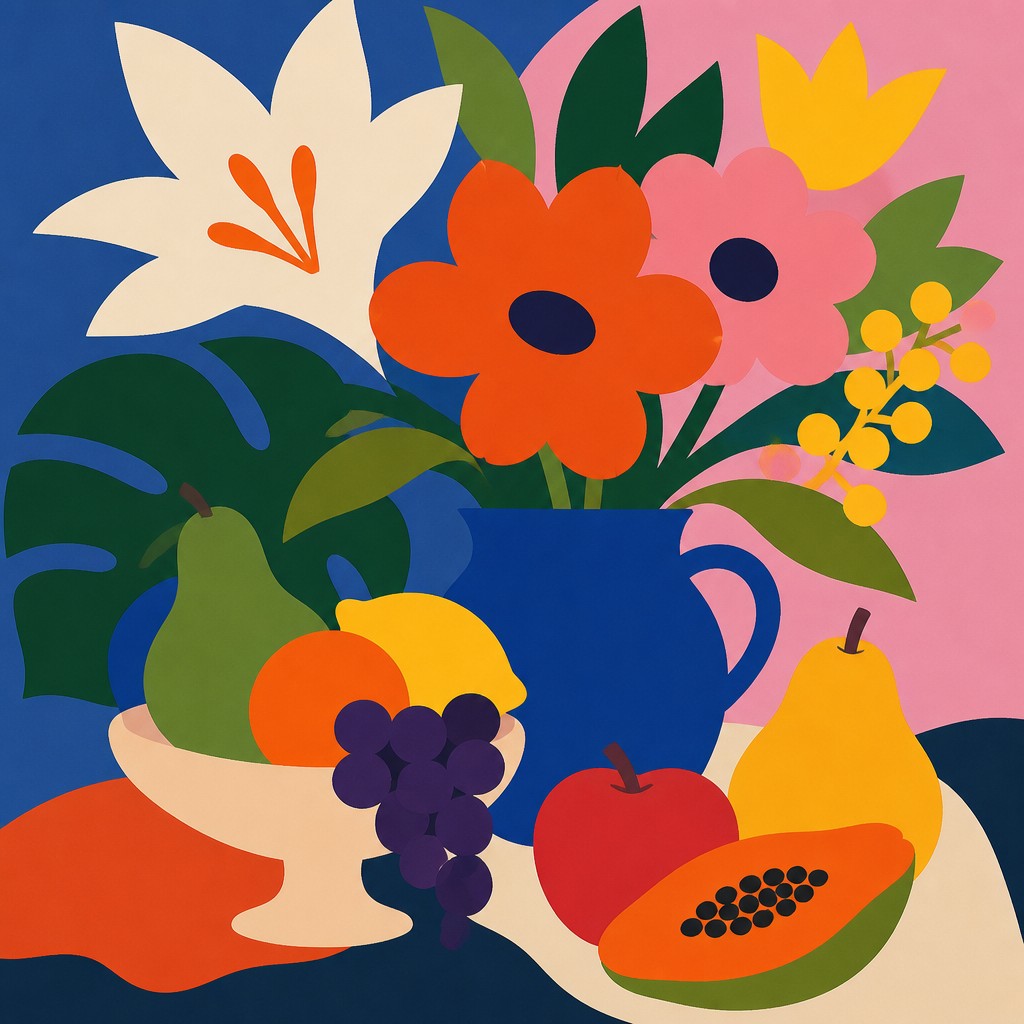
Explore Flat Shape Art: crisp silhouettes, bold color blocks, and clean geometric forms for posters, illustrations, icons, and digital images.
Instantly rendered in Flat Shape — or transform a photo

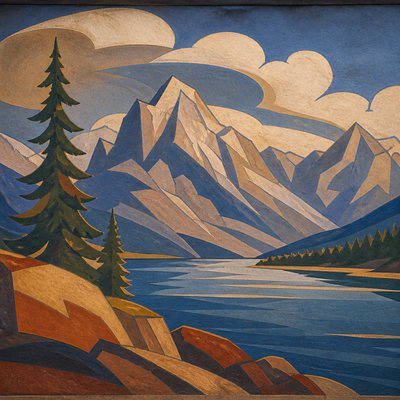
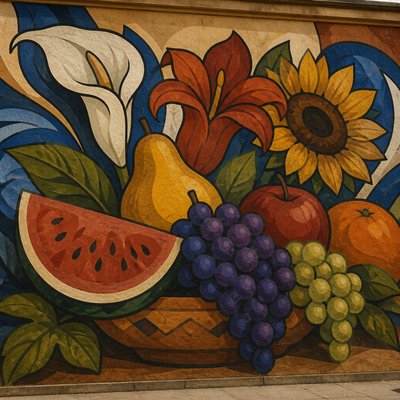
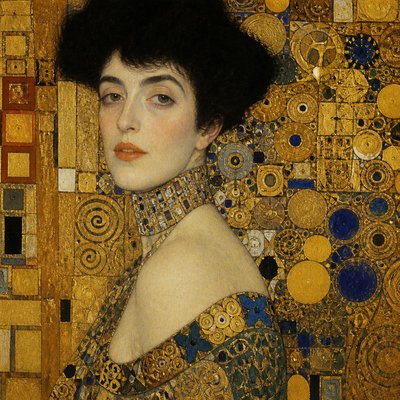
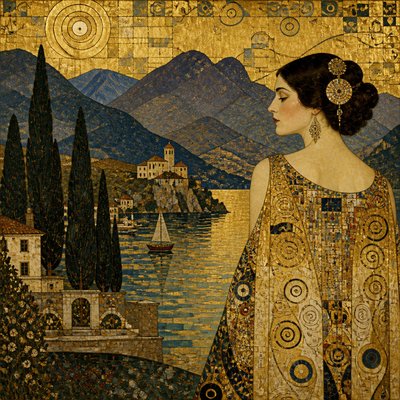
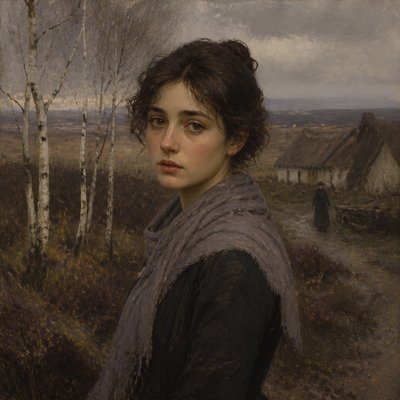
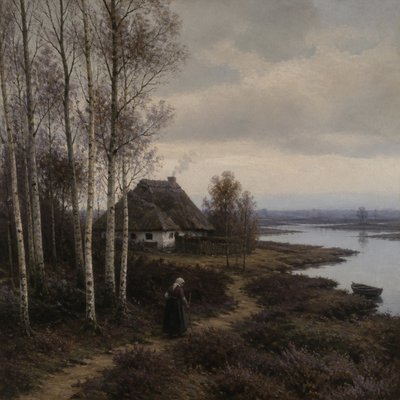
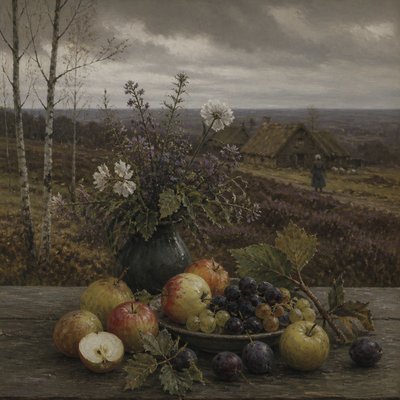
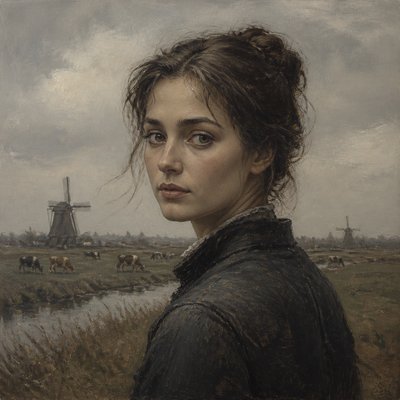
Flat Shape Gallery
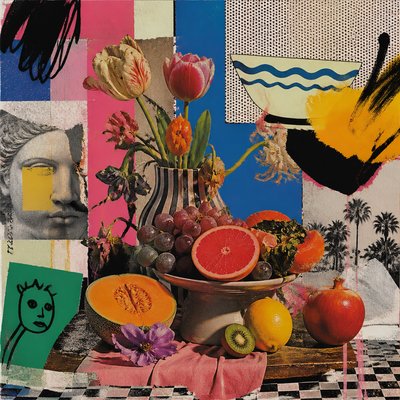
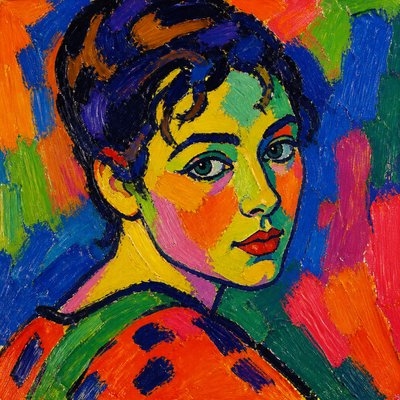
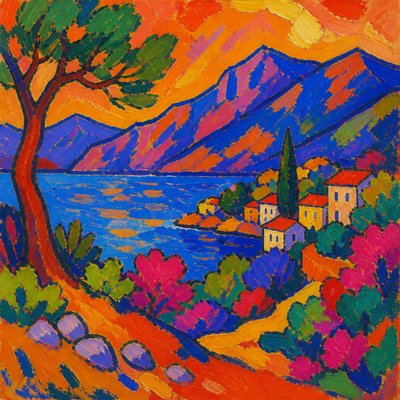
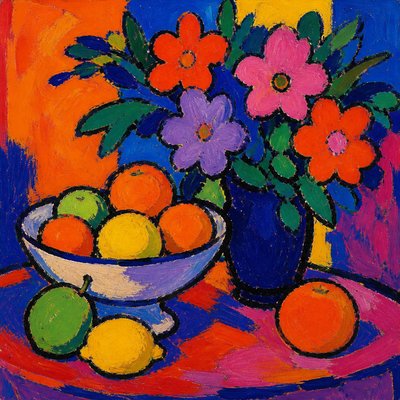
Tap any artwork to explore it






What is Flat Shape Art Style?
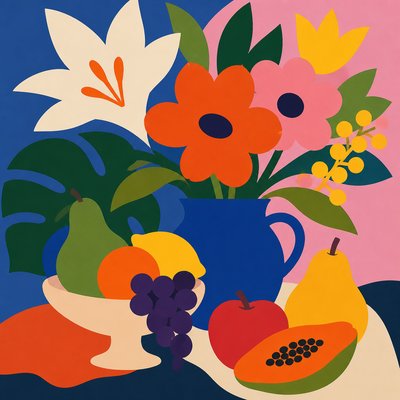
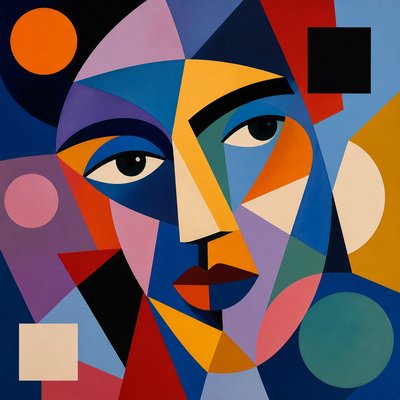
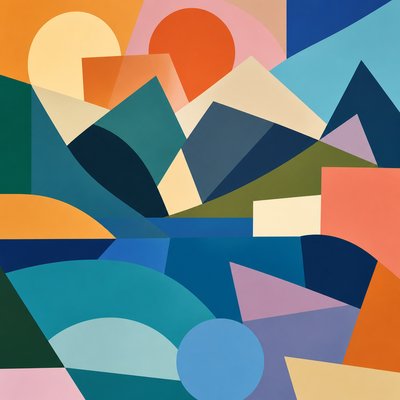
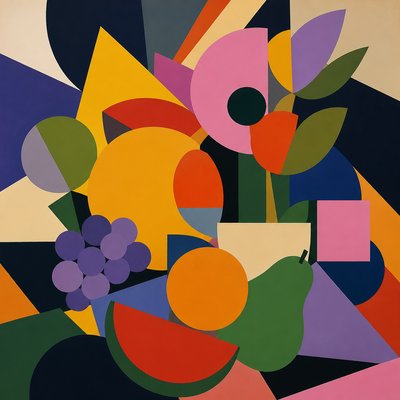
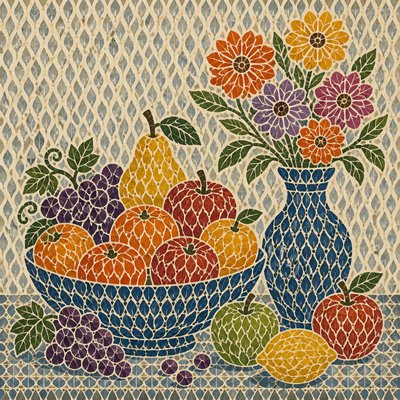
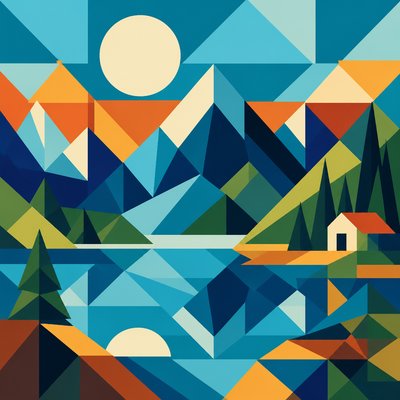
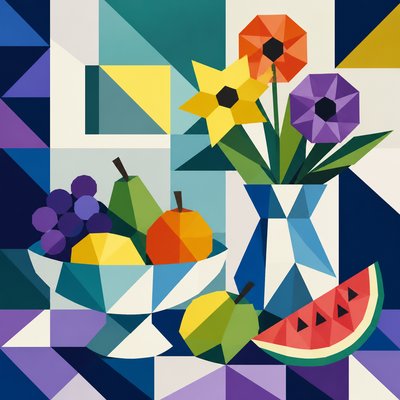
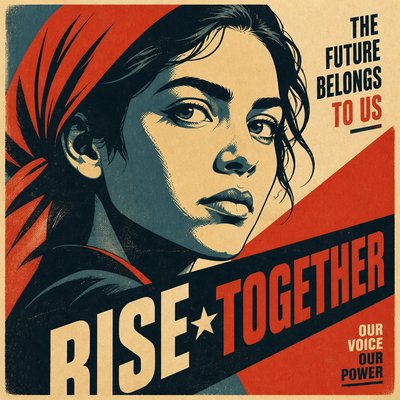
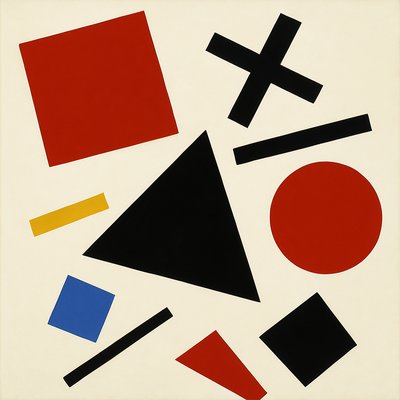
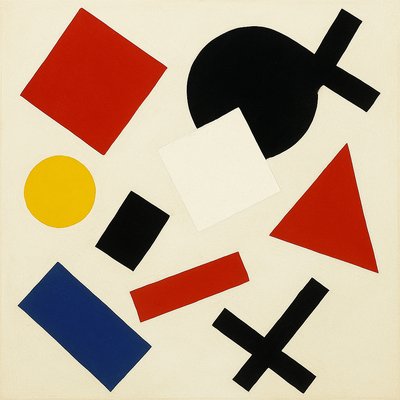
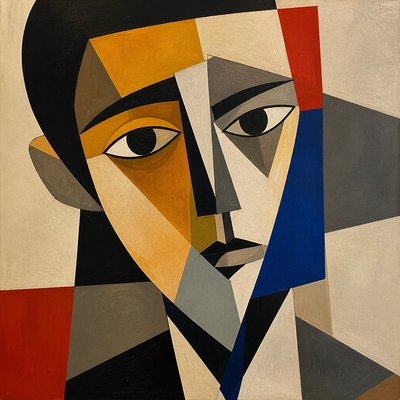
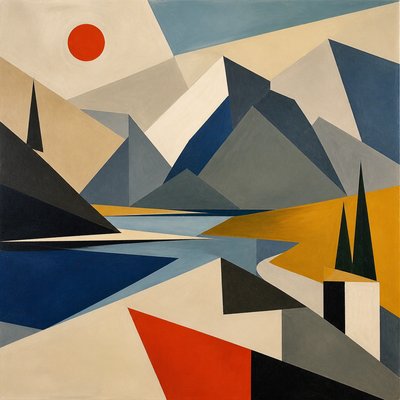
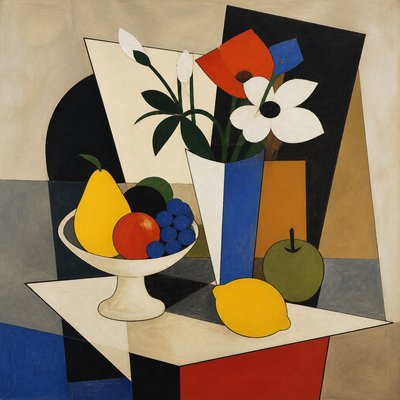
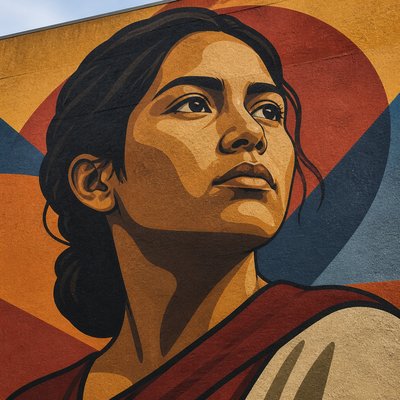
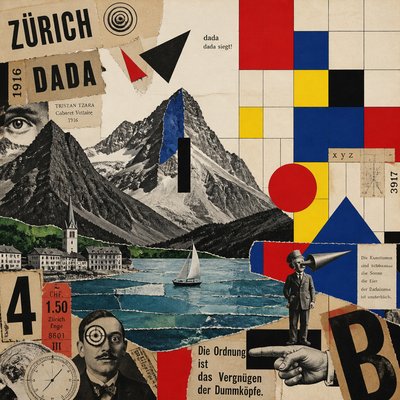
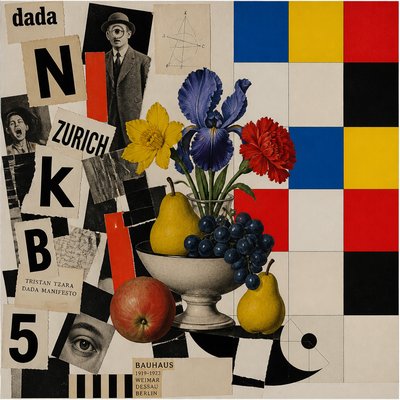
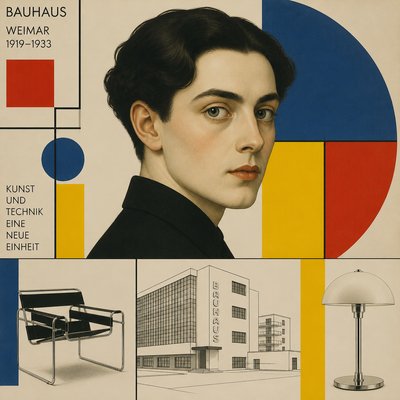
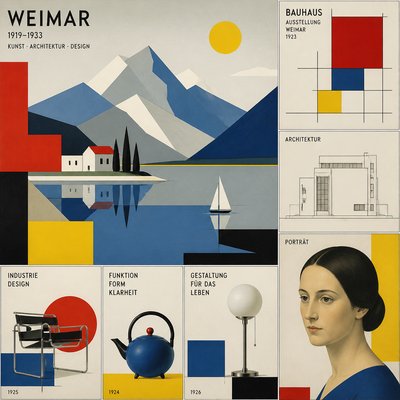
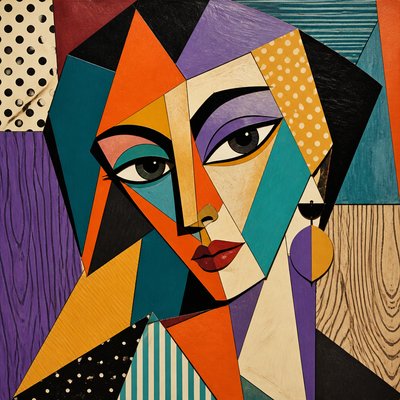
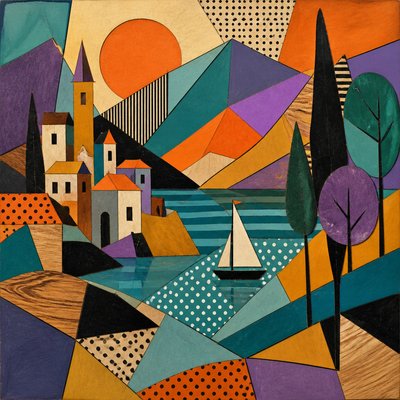
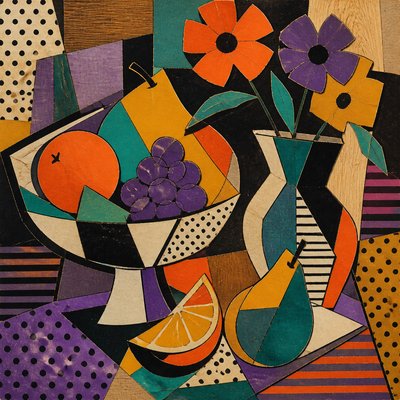
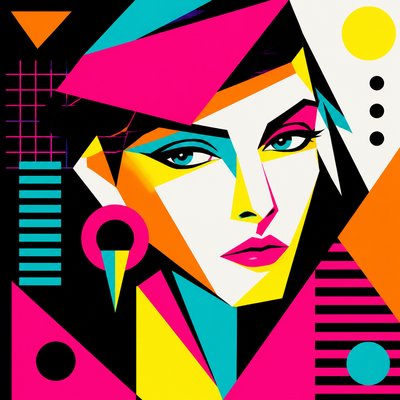
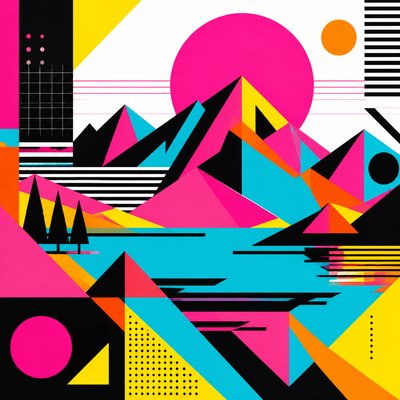
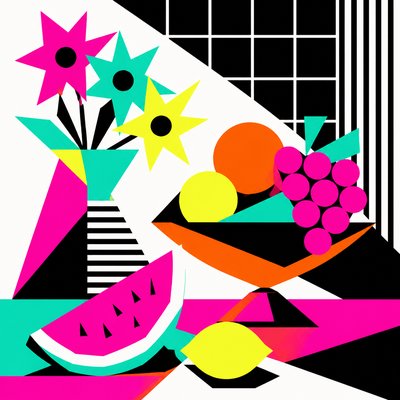
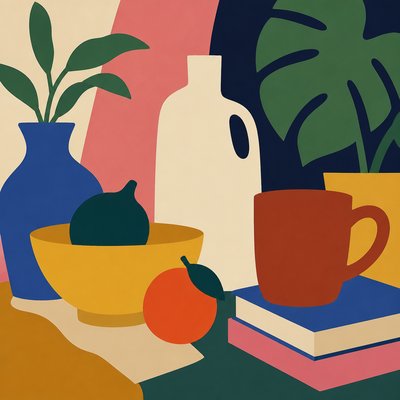
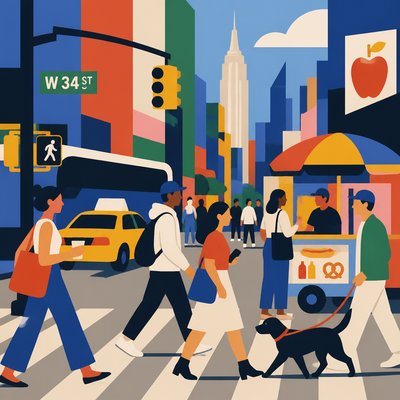
Flat Shape Art is a visual style built from clean, solid areas of color rather than lines, gradients, textures, or modeled shading. Subjects are reduced to interlocking geometric and organic silhouettes, producing images that read quickly and clearly at a glance. Edges remain crisp, and every shape contributes to the structure of the composition.
The style gains its distinctive appearance through deliberate simplification. Depth is suggested by overlap, scale, placement, and color contrast instead of perspective detail or tonal modeling. The result can feel like cut paper, a screen-printed poster, a modern icon, or a carefully assembled vector illustration, depending on the subject and palette.

Try It On Your Photos
Upload any photo and convert it into Flat Shape Art Style — drag the sliders to compare before and after.


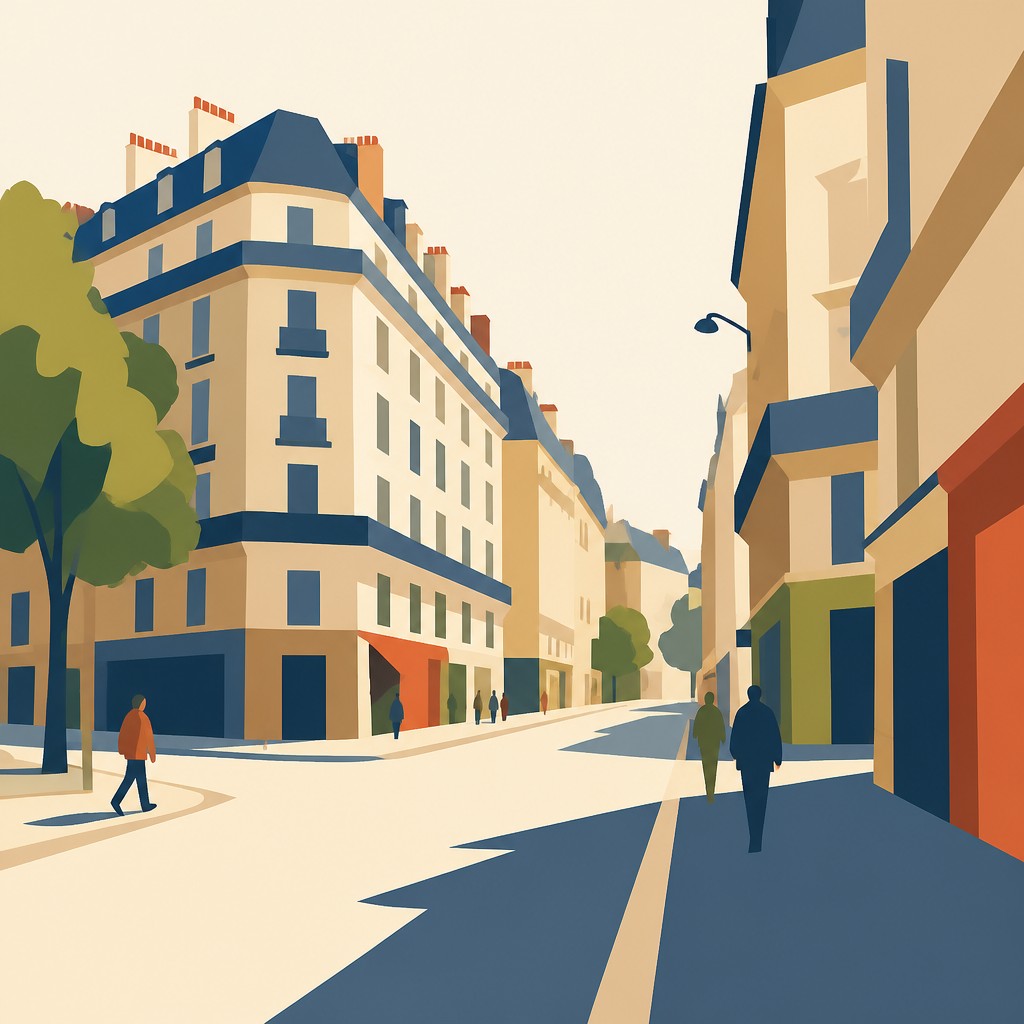

What Defines Flat Shape Art Style
The signature details, up close
Outline-free silhouettes
Forms are defined by their edges and color boundaries rather than by drawn contours. The absence of outlines creates a clean, assembled appearance.
Solid color fields
Each area generally uses a flat, uninterrupted color with little or no gradient, brush texture, or surface modeling. Color is chosen for separation, hierarchy, and mood.
Interlocking shapes
Complex subjects are constructed from overlapping pieces that fit together like paper cutouts or vector layers. Controlled intersections communicate anatomy, objects, and spatial relationships.
Geometric and organic simplification
Detailed forms are reduced to circles, wedges, blocks, arcs, and flowing biomorphic shapes. The simplification preserves recognition while removing incidental information.

Crisp cut-paper edges
Boundaries are deliberate and sharply resolved, whether straight, angular, or smoothly curved. Slightly irregular edges can suggest handmade collage without introducing visual noise.
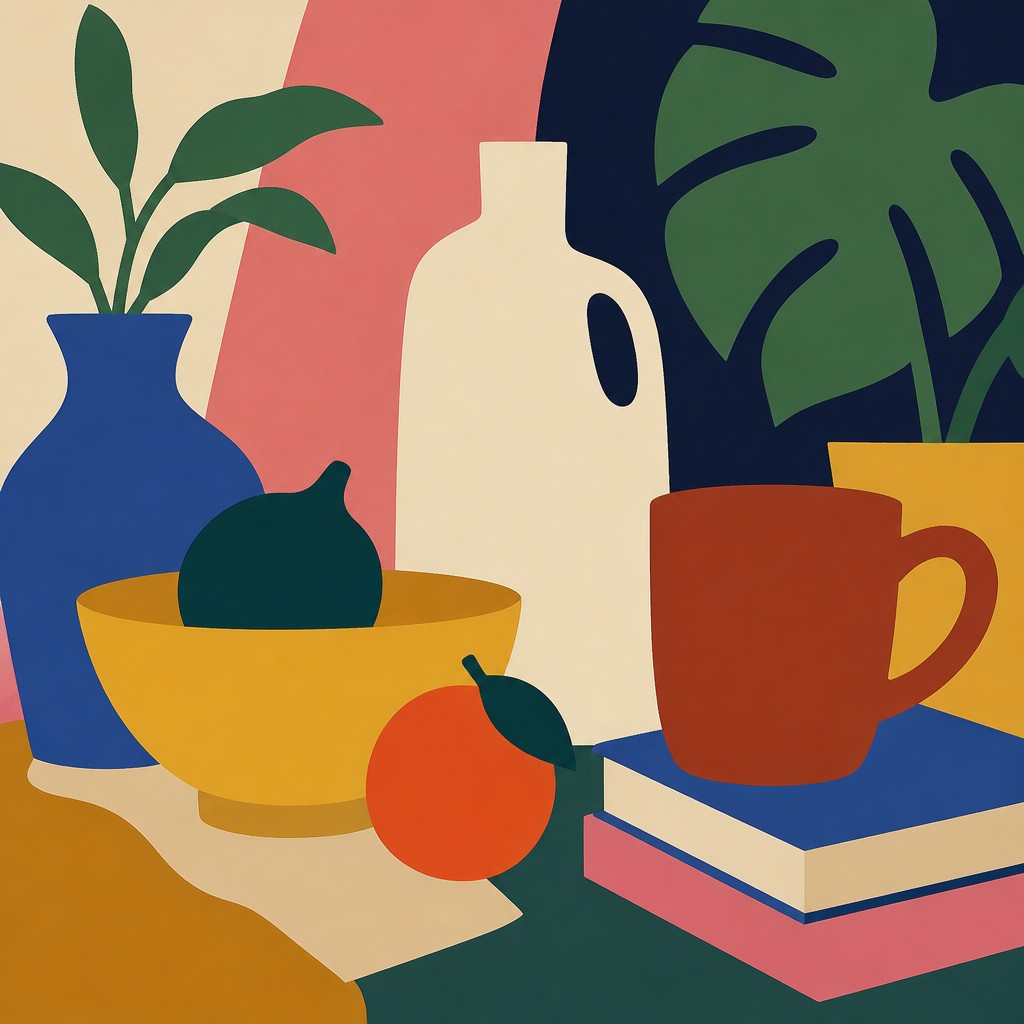
Poster-flat color contrast
Limited palettes often combine strong light-dark, warm-cool, or complementary contrasts. A dominant background and a few carefully placed accent colors organize the image.
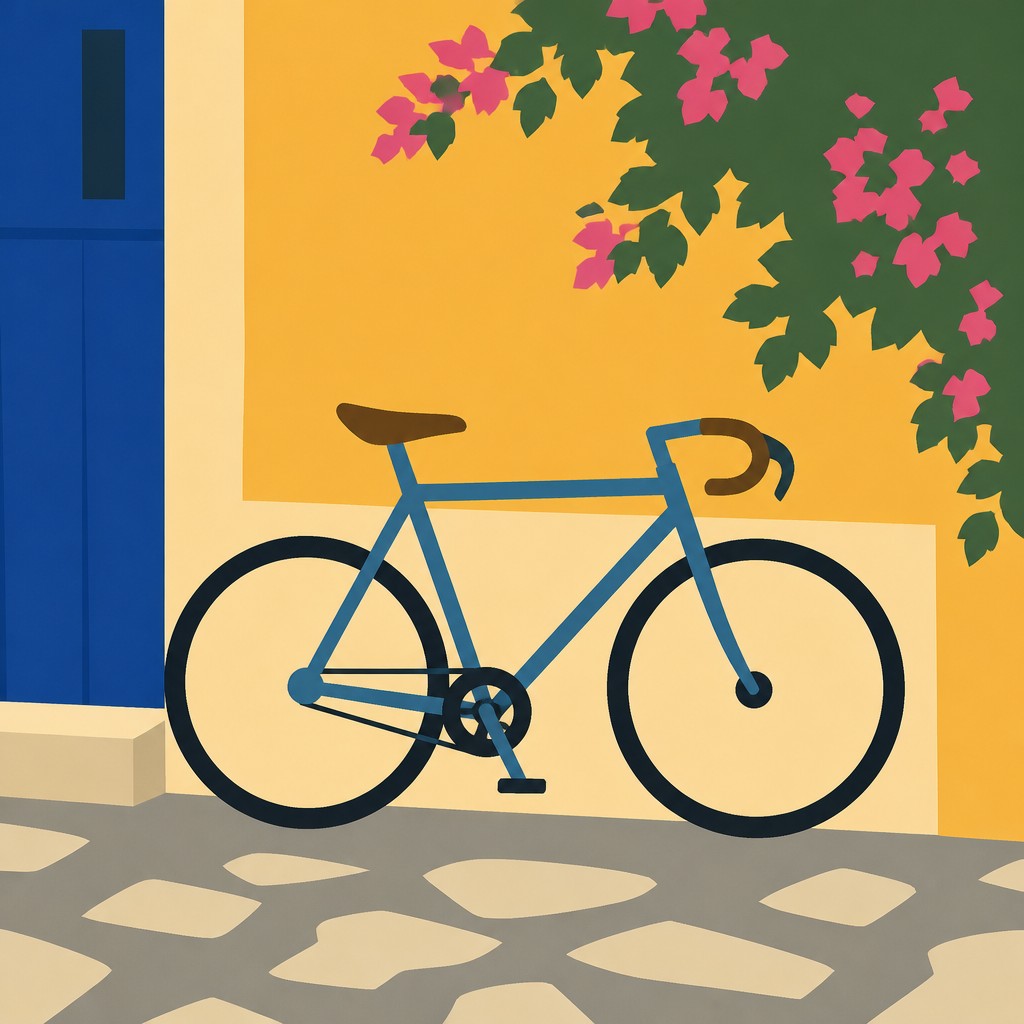
Depth through arrangement
Layering, overlap, scale, and negative space establish foreground and background in place of cast shadows or realistic perspective. The composition usually remains visually shallow and highly readable.
Try It
Create Videos in Flat Shape Art Style
Styles aren't just for stills — describe a scene or animate an image and get a short video rendered in Flat Shape. Press play to see this pond come to life.
Make a VideoFlat Shape Prompt Ideas
Start from an idea — each one opens the generator with the style ready to go. See all 40 Flat Shape prompts →
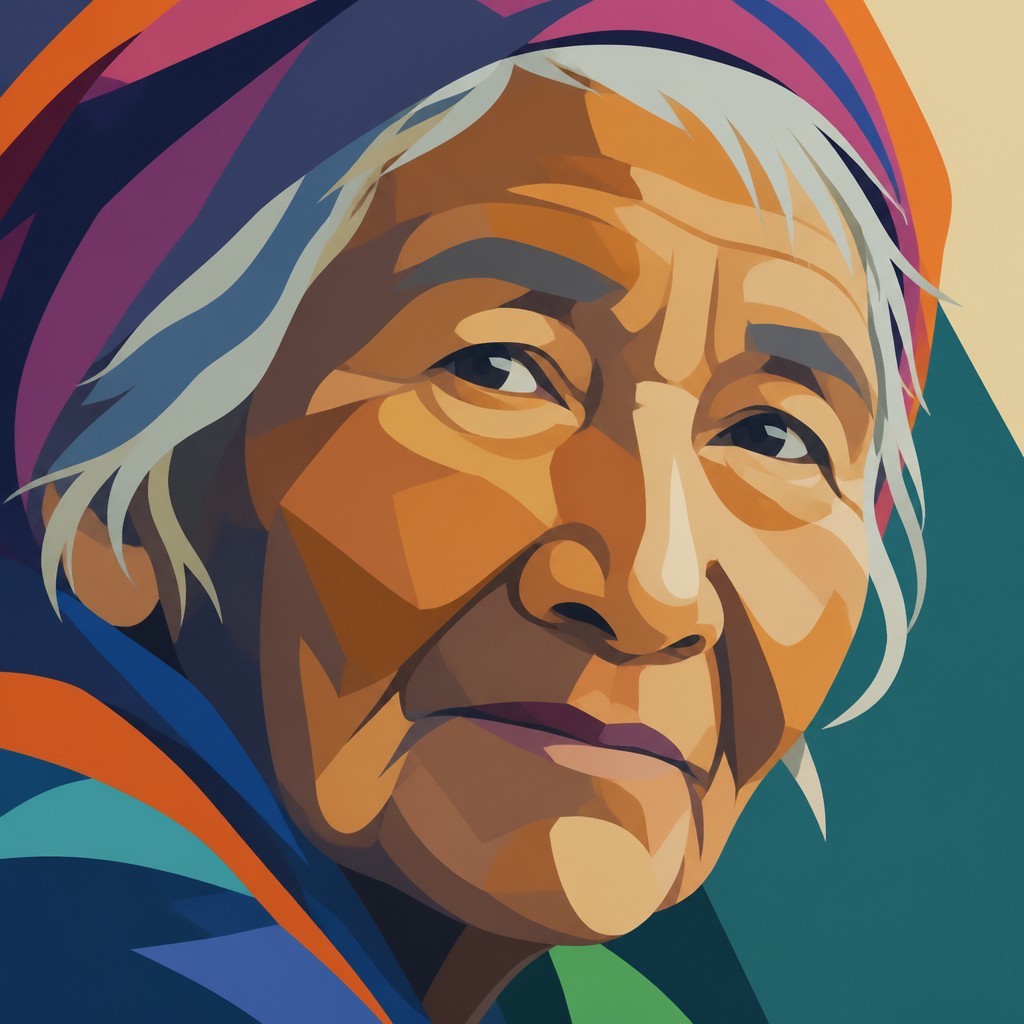
“close-up portrait of an elderly person with expressive weathered features”

“a cat lounging in a sunlit window”

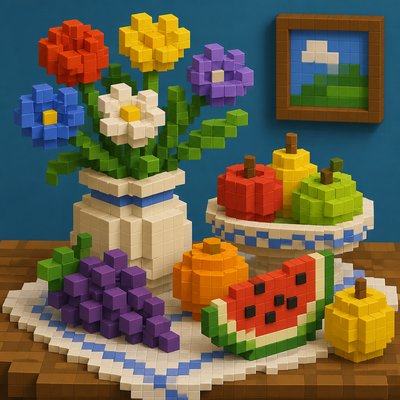
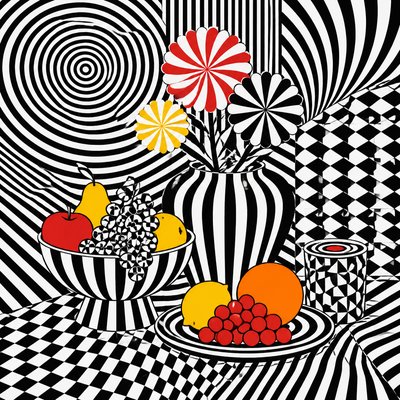
“bouquet of flowers in a glass vase”
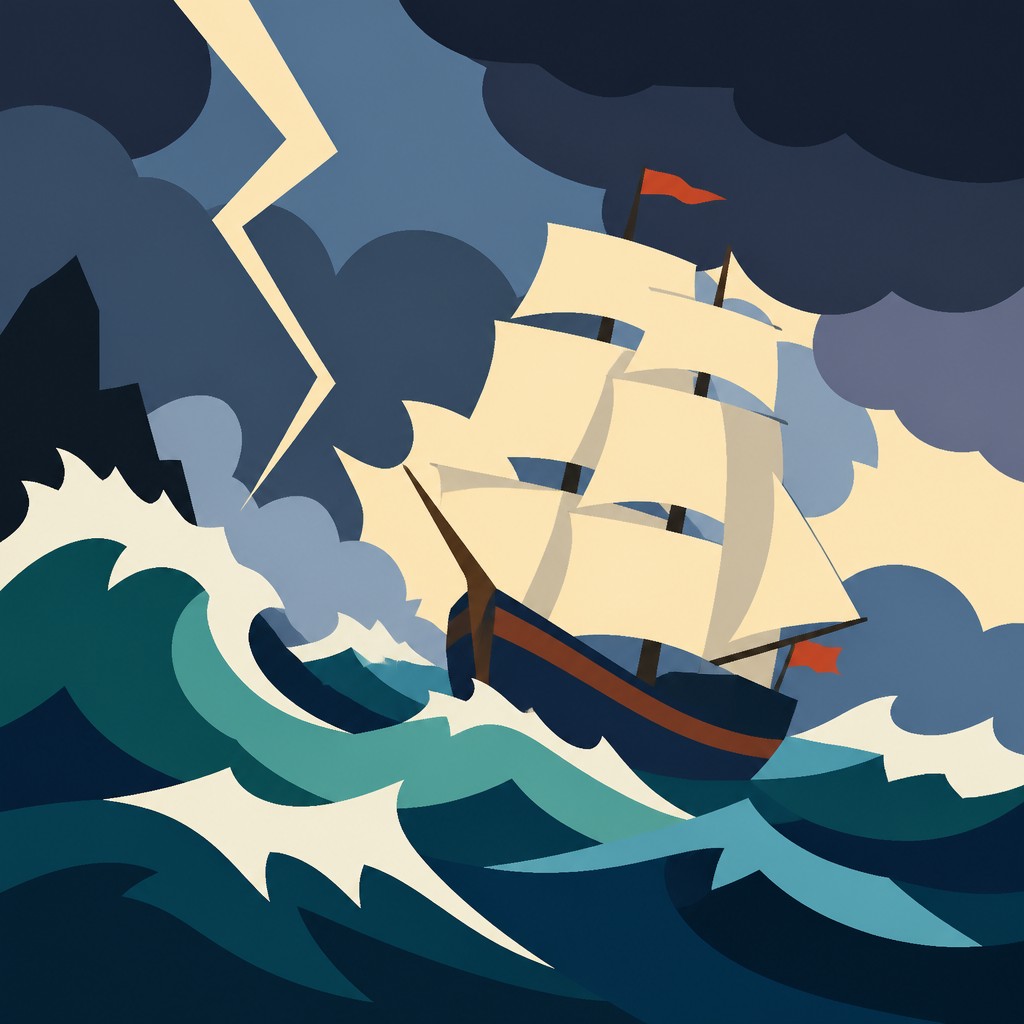
“sailing ship on a stormy sea”
How to Create Flat Shape Art
Master the craft step by step — or skip straight to creating. Read the full guide →
- 1
Reduce the subject to major masses
Begin with the largest silhouettes and remove details that do not improve recognition. Identify the subject's defining contour before adding smaller interior shapes.
- 2
Build with layered shapes
Use paper cutouts, stencils, paint blocks, or vector layers to assemble the image from back to front. Let overlap establish depth, and keep intersections intentional.
- 3
Limit and test the palette
Choose a compact palette of roughly three to eight colors, then check whether adjacent shapes remain distinct at thumbnail size. Reserve the strongest contrast for the focal area.
- 4
Avoid tonal modeling
Replace gradients, highlights, and cast shadows with separate flat shapes only when they clarify form. Keep edges clean and remove stray outlines, texture, and unnecessary micro-detail.
- 5
Use digital or prompt-based construction
In vector or raster software, create hard-edged filled shapes on separate layers and refine their contours with shape, path, or selection tools. For AI image generation, describe the subject together with flat color blocks, crisp silhouettes, no outlines, no shading, and cut-paper edges, then revise for unwanted texture or realism.

The Story
History & Origins of Flat Shape
Flat Shape Art is best understood as a contemporary descriptive style rather than a single historical movement with a fixed origin. Its aesthetic lineage includes early modernist reduction, poster design, screen printing, paper collage, stencil graphics, commercial illustration, and the simplified visual language of twentieth-century graphic design.
Digital vector tools strengthened this approach by making scalable silhouettes, precise curves, layered compositions, and limited palettes easy to construct. Contemporary image-making also combines these design principles with editorial illustration, interface iconography, motion graphics, and prompt-based image generation, where concise forms and strong color separation remain especially legible.
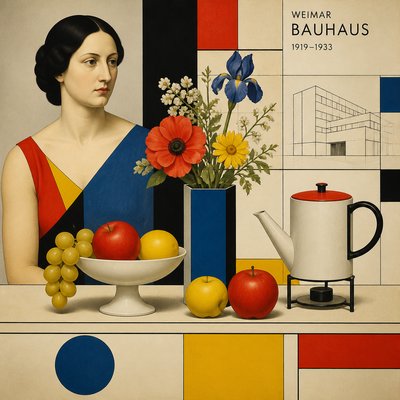
Influences: The style draws on modernist abstraction, constructivist and Bauhaus-related graphic reduction, mid-century poster design, screen printing, stencil art, paper collage, editorial illustration, and contemporary vector graphics. It also shares principles with pictograms, logo design, animation backgrounds, and simplified folk-art compositions, while differing from many of them through its deliberate combination of geometric and organic silhouettes without relying on outlines or shading.
Frequently Asked Questions
What defines Flat Shape Art?
It is defined by solid color shapes, crisp boundaries, simplified silhouettes, and the absence of conventional outlines and tonal shading. Composition, overlap, scale, and color contrast do most of the work that realism would assign to detail and modeling.
Is Flat Shape Art a historical art movement?
No. The term describes a contemporary visual treatment rather than a formally established movement with a single founding period or school. It combines ideas from modernist design, collage, posters, screen printing, vector illustration, and related flat graphic traditions.
How is it different from flat design?
Flat design is a broad design philosophy commonly associated with interfaces, icons, and simplified digital graphics. Flat Shape Art is more image-making oriented: it emphasizes expressive silhouettes, layered composition, and poster-like color even when the result is not functional interface design.
Can Flat Shape Art include texture or shadows?
The defining version uses little or no texture, gradient, outline, or realistic shadow. A subtle paper grain or a separate flat shadow shape may be used for a handmade or dimensional effect, but heavy rendering moves the image toward another style.
How can beginners make an image in this style?
Start with a thumbnail, trace the largest recognizable silhouettes, and assign each major form a solid color. Work from background to foreground, use a limited palette, and repeatedly remove details until the image remains clear at a small size.
Where is this style commonly used?
It is well suited to posters, editorial illustrations, book covers, packaging, educational graphics, icons, animation assets, social media artwork, and decorative prints. Its strong silhouettes and limited colors also make it effective for screen printing, cut-paper work, and scalable vector compositions.
Create your first Flat Shape artwork
Describe anything — or upload a photo — and see it in Flat Shape Art Style in seconds.
Related Styles
Discover similar art styles