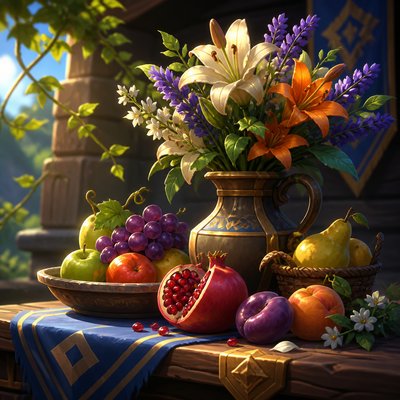
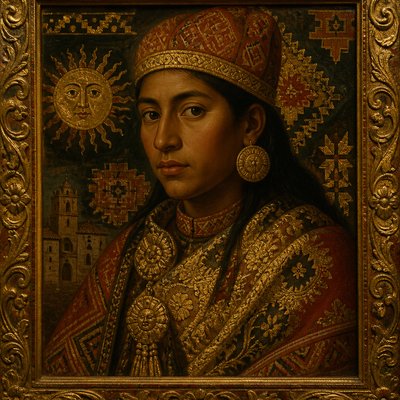
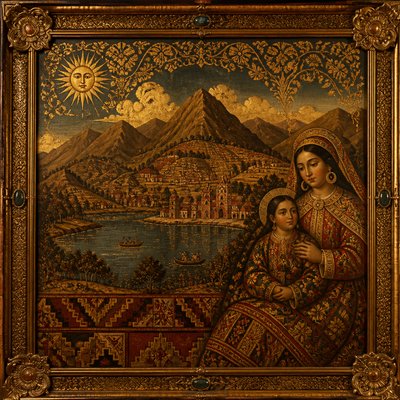
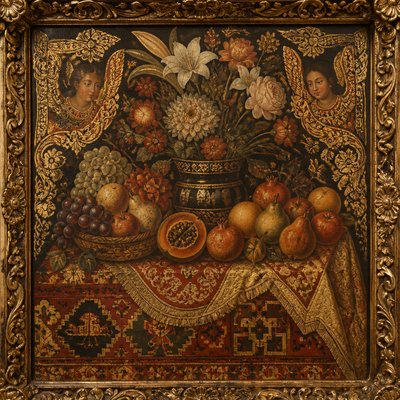
Hand Embroidery Illustration / Textile Art
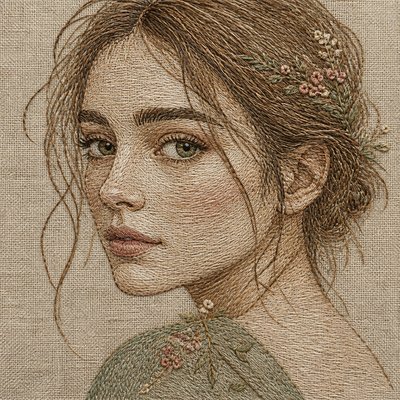
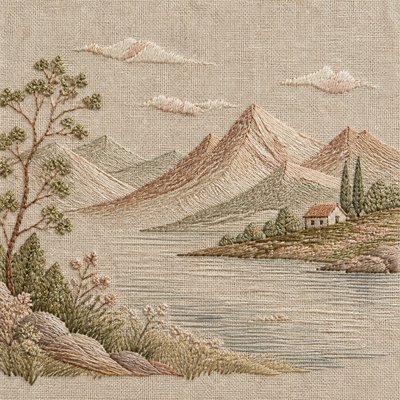
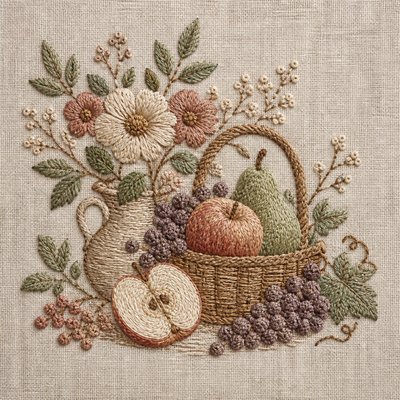
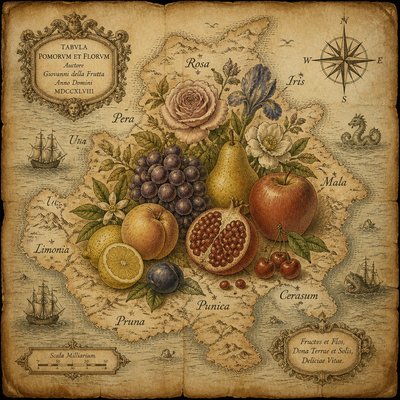
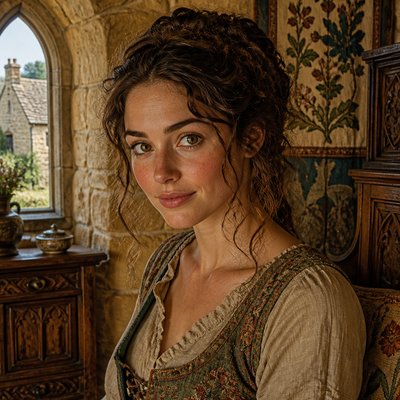
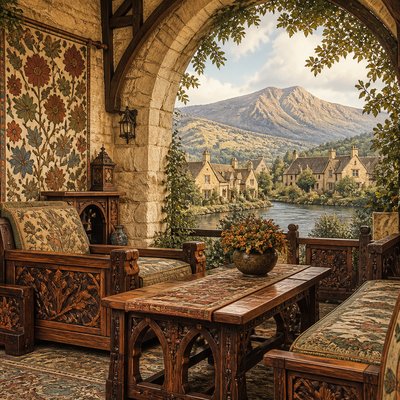
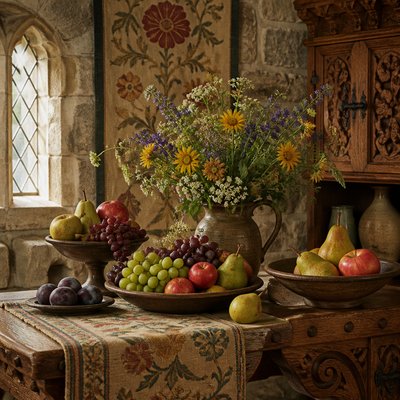
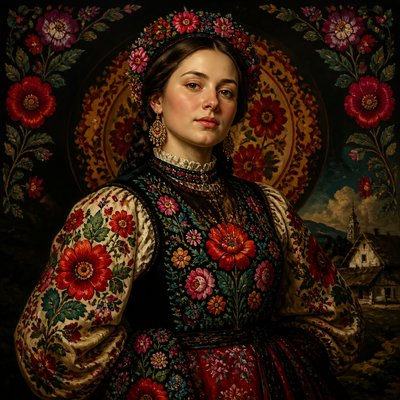
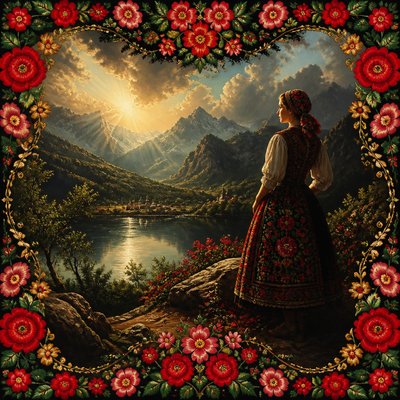
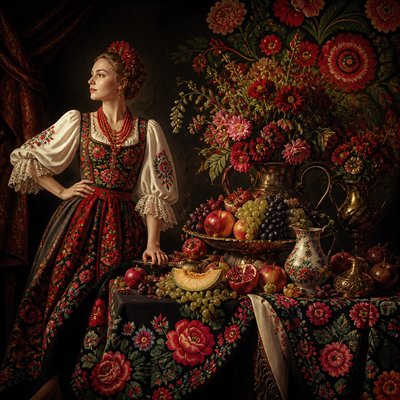
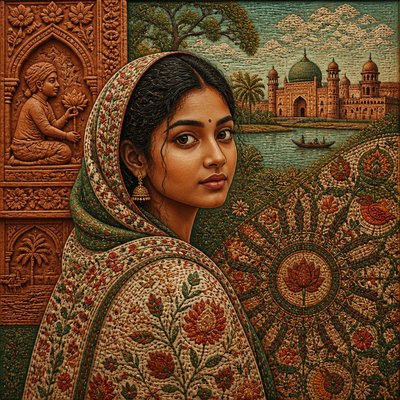
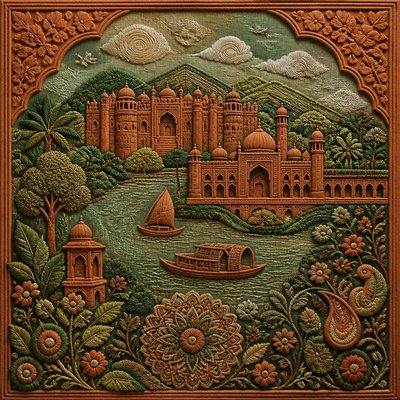
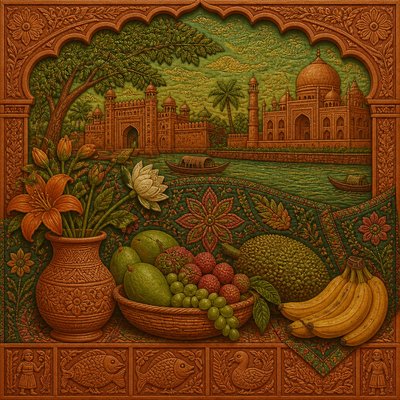
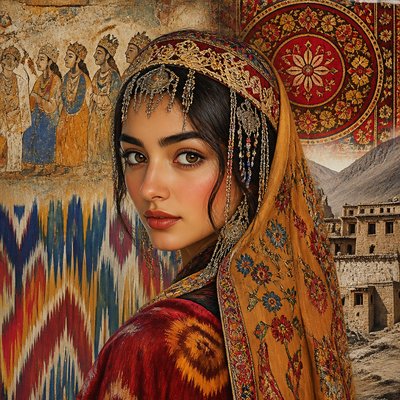
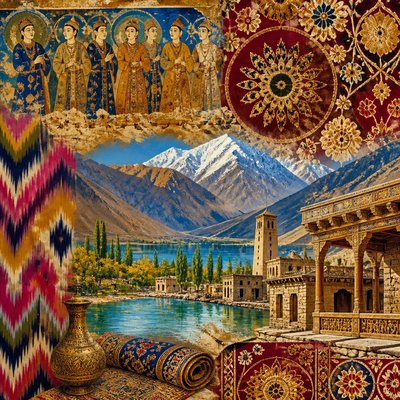
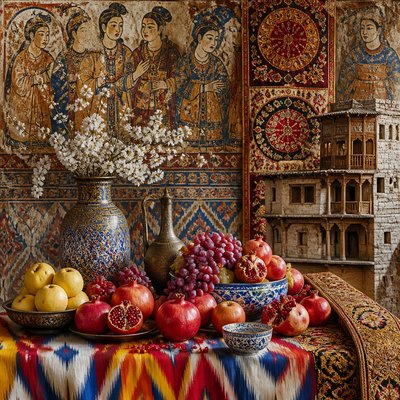
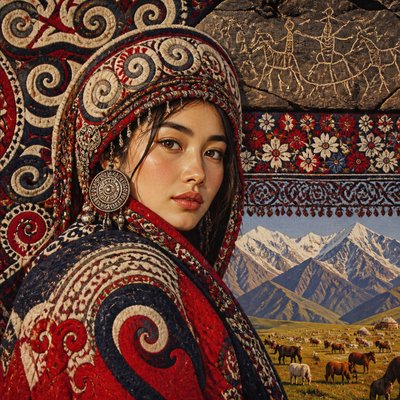
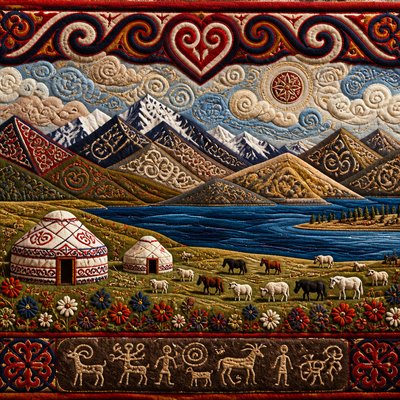
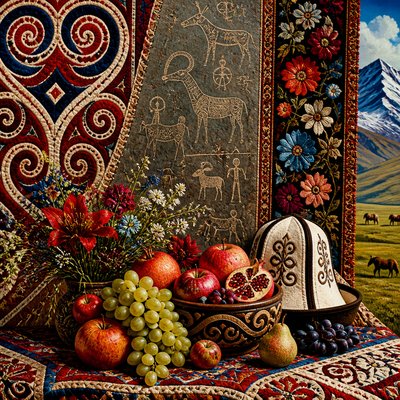
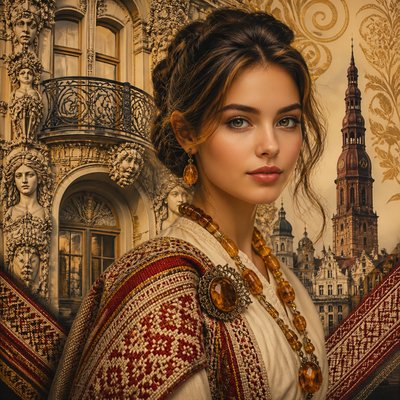
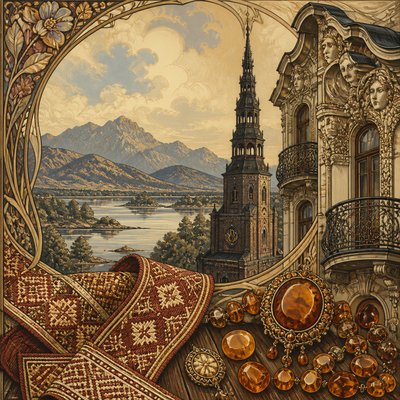
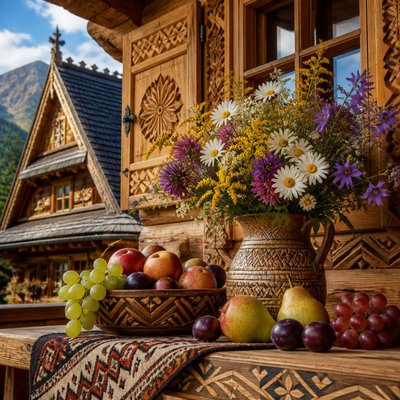
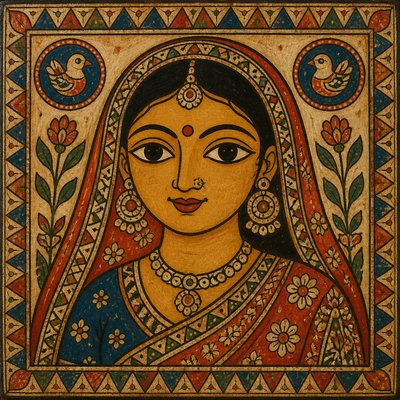
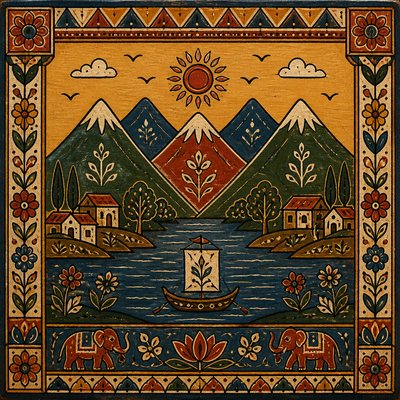
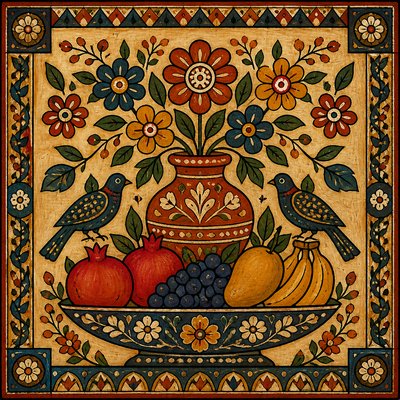
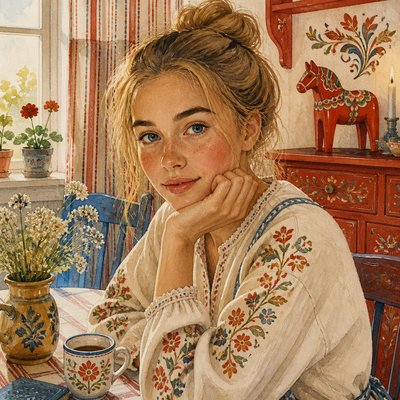
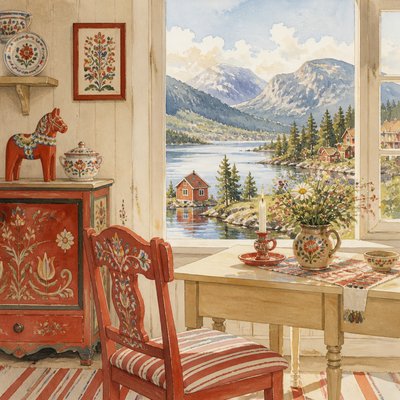
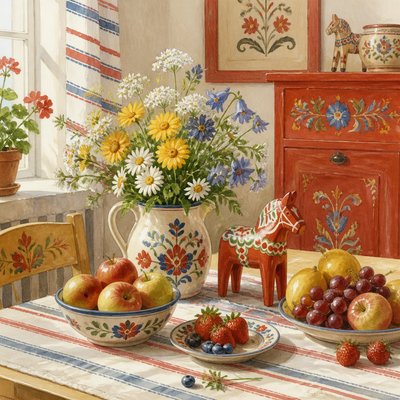
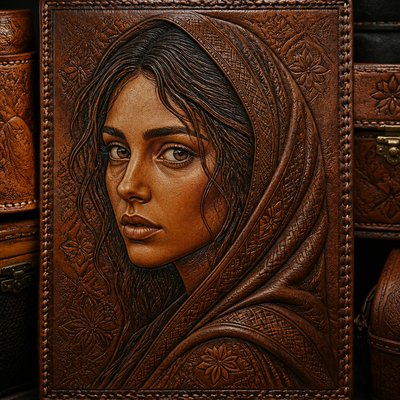
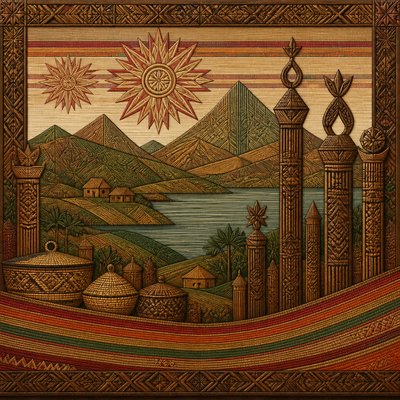
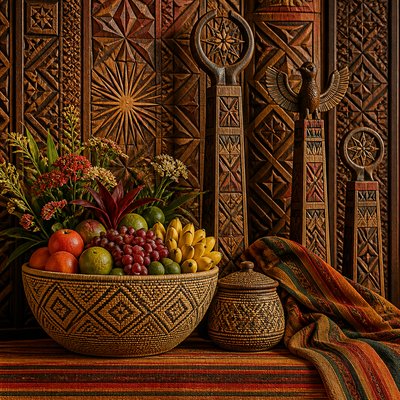
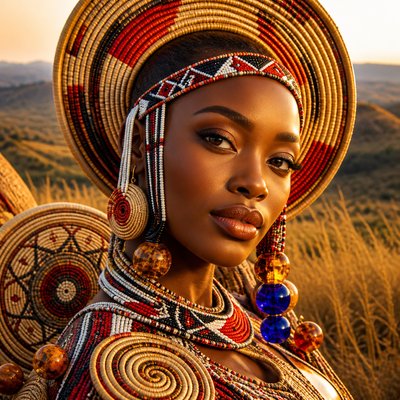
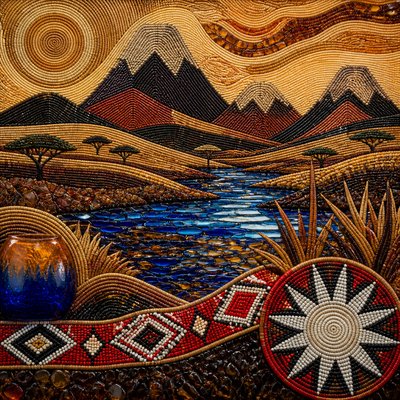
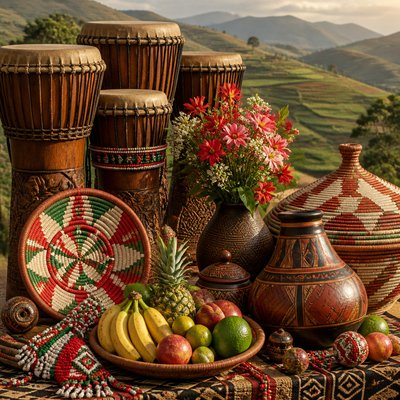
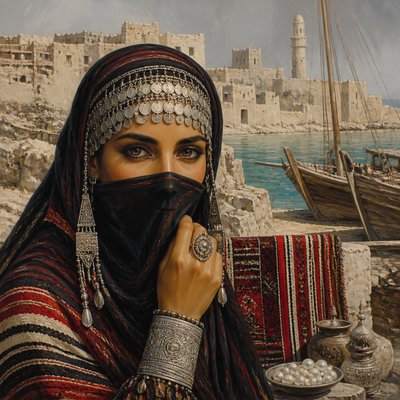
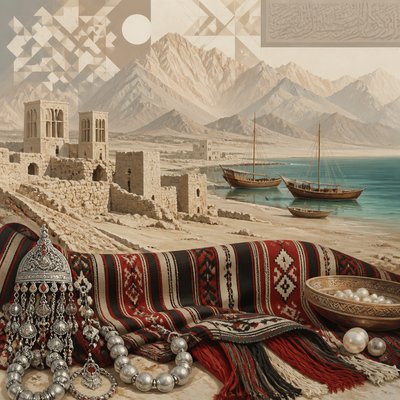
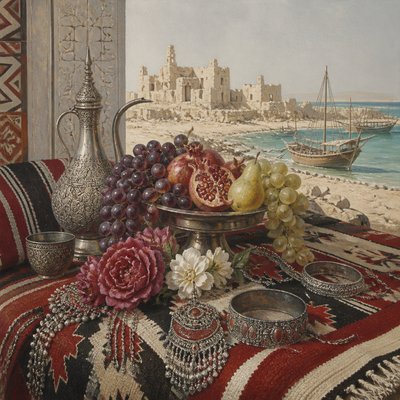
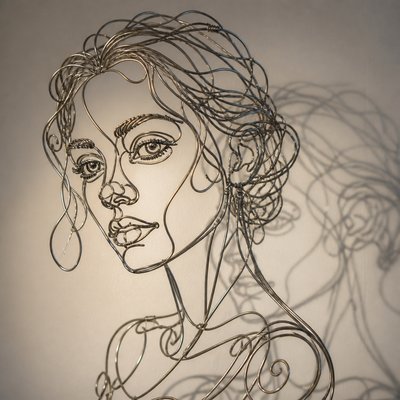
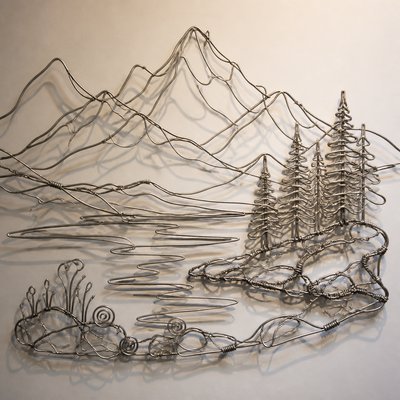
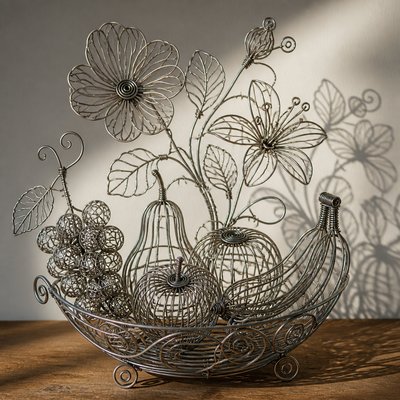
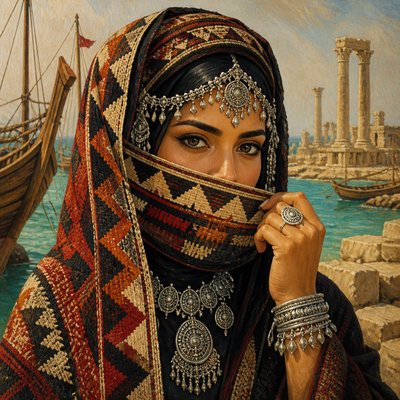
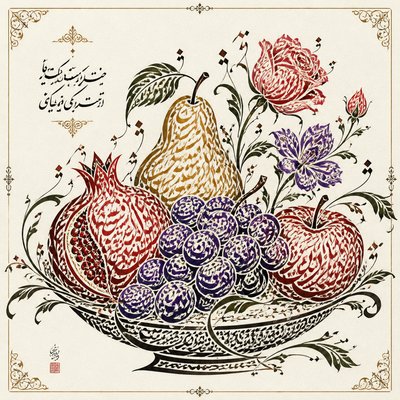
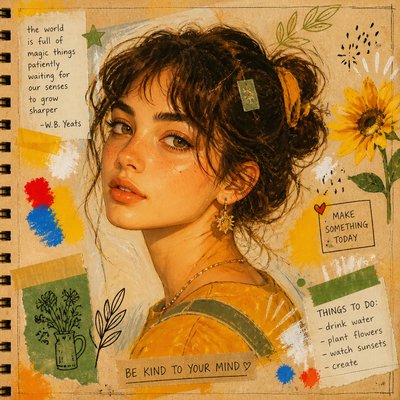
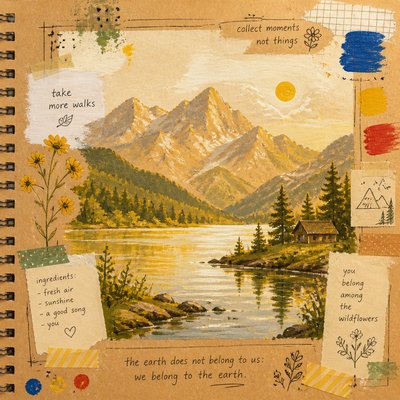
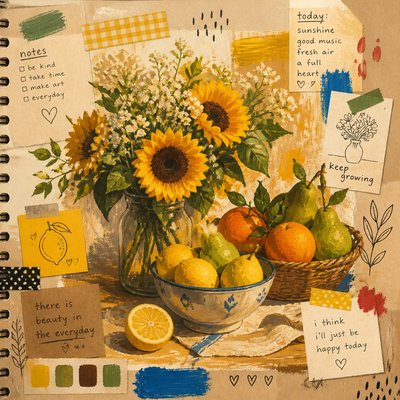
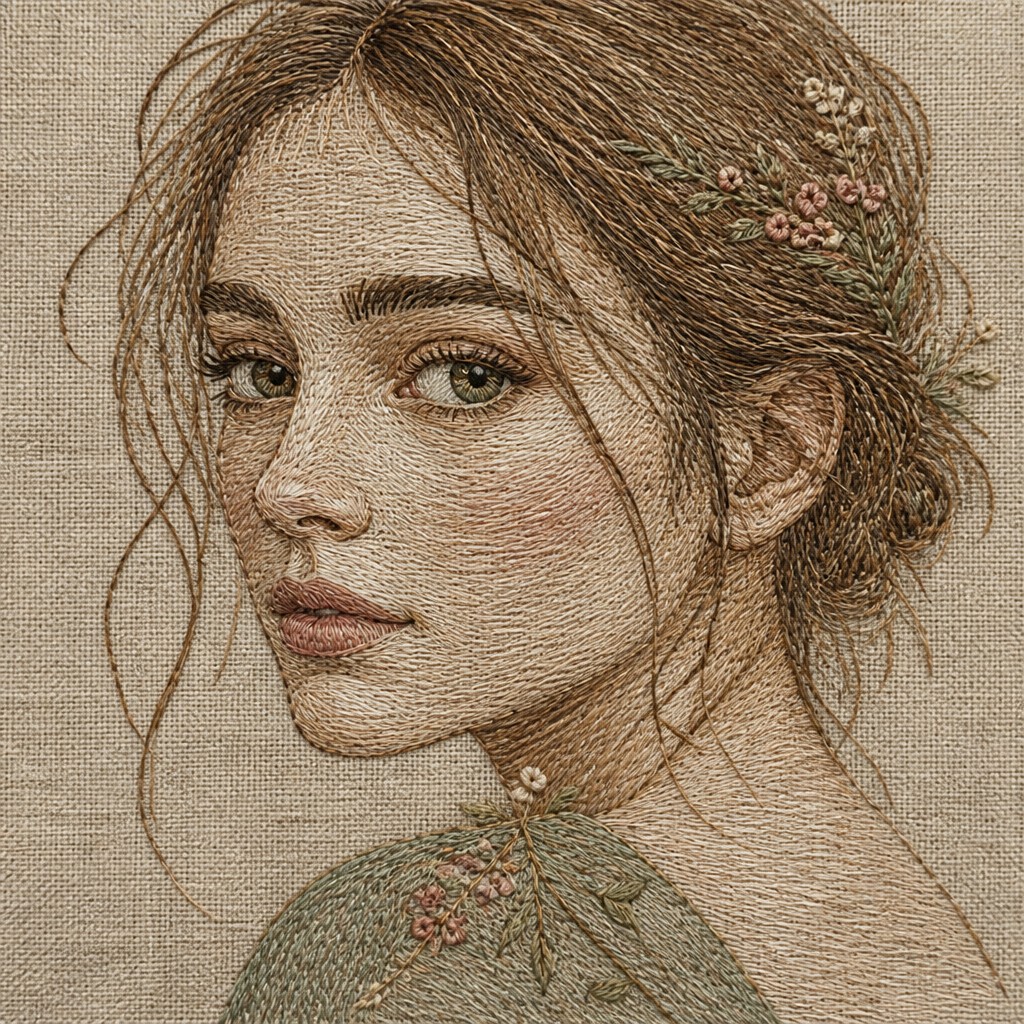
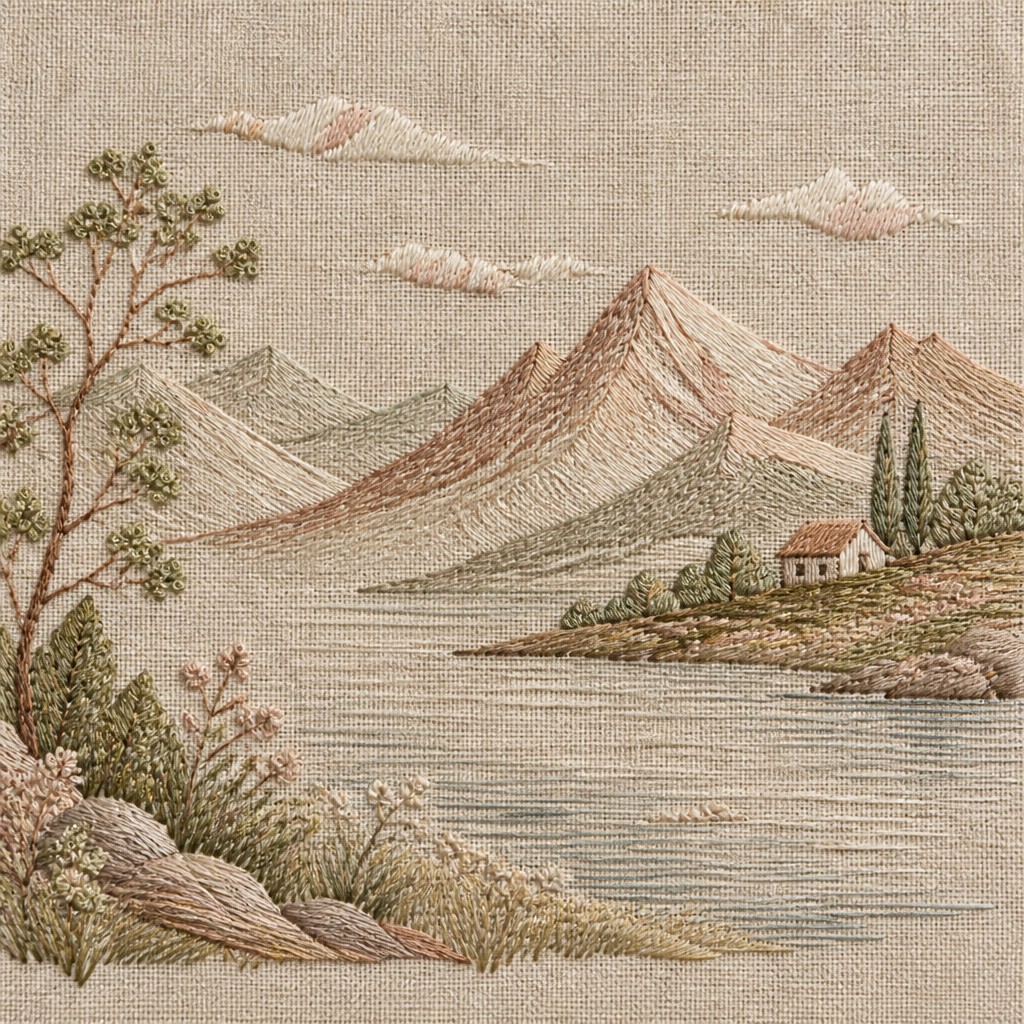
Delicate linen embroidery art with visible stitches, earthy tones, and peaceful countryside motifs inspired by hand-sewn textile illustration.
Instantly rendered in Hand Embroidery Illustration / Textile — or transform a photo
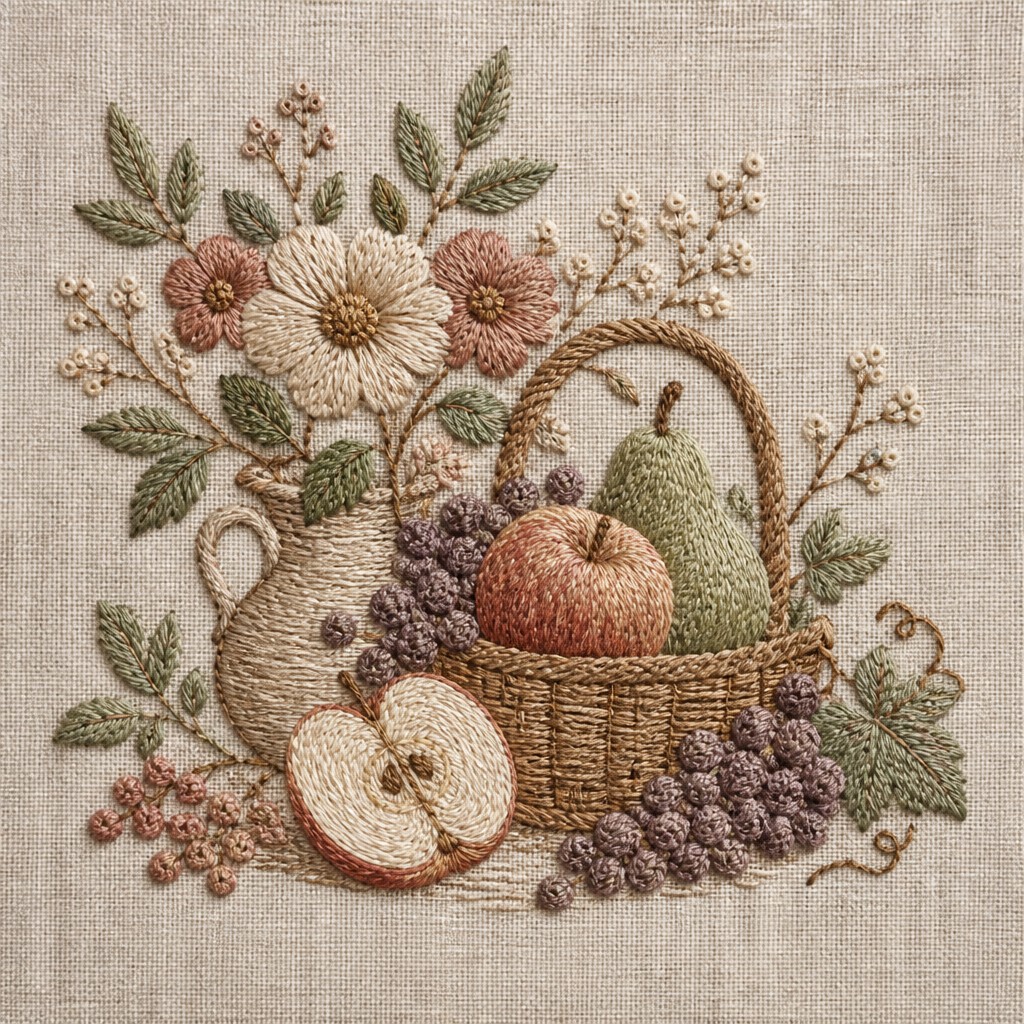
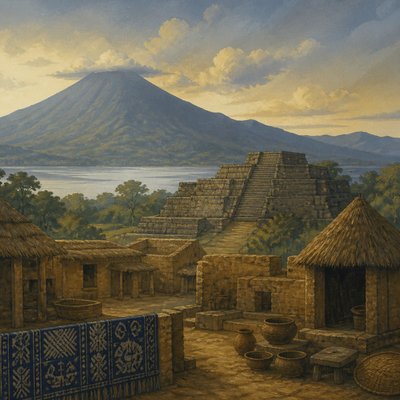
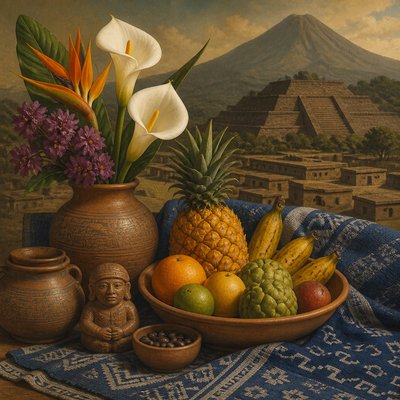
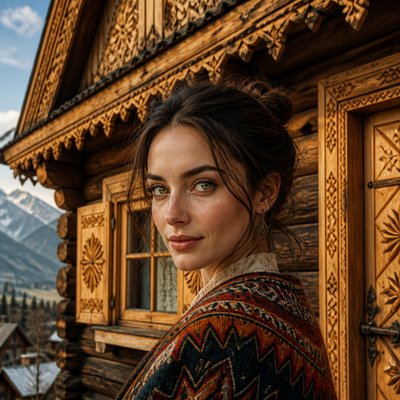
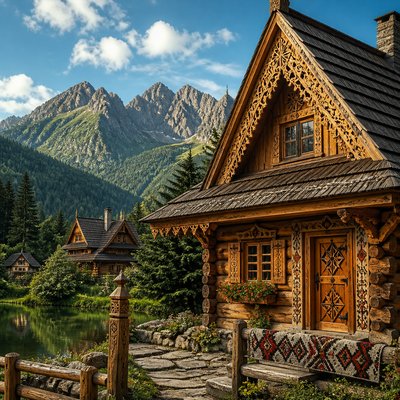
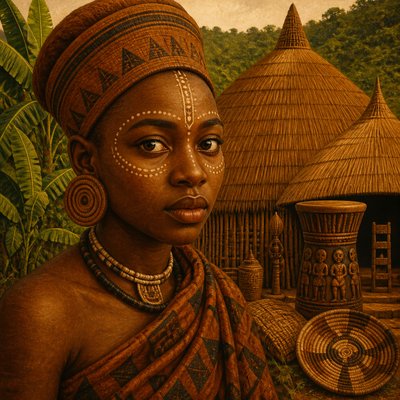
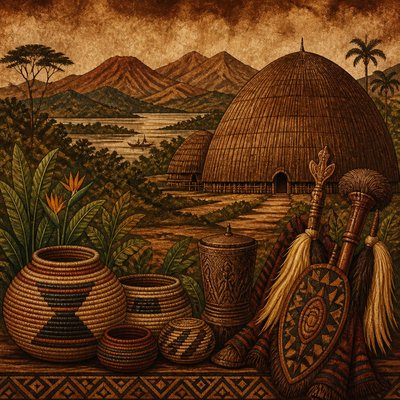
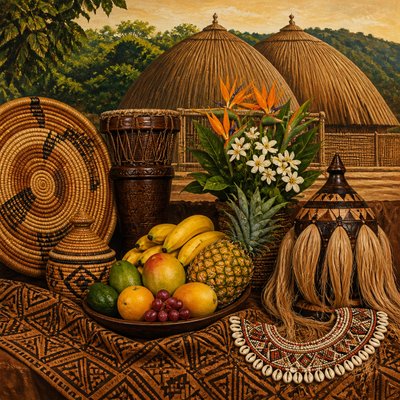
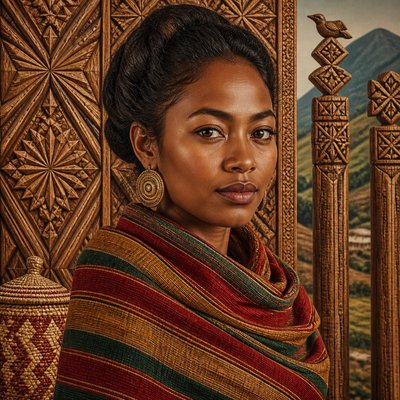
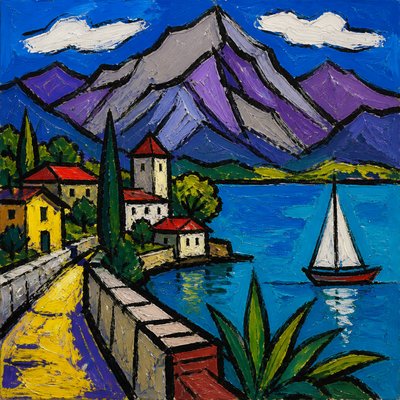
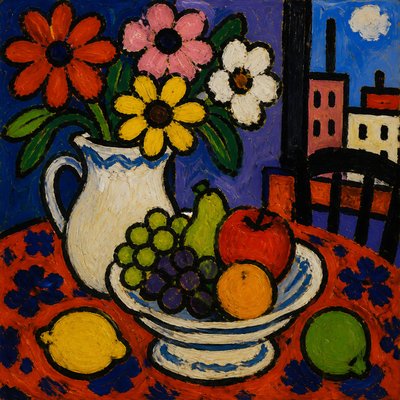
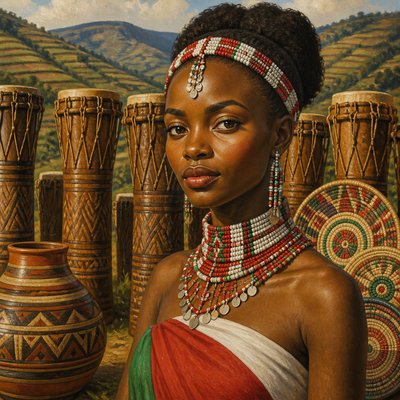
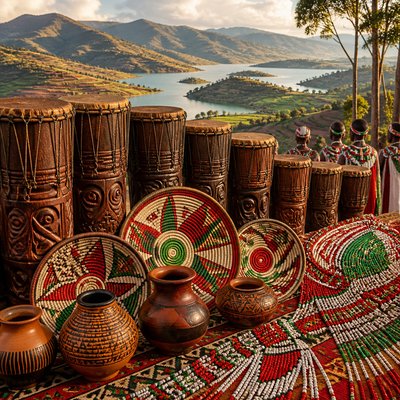
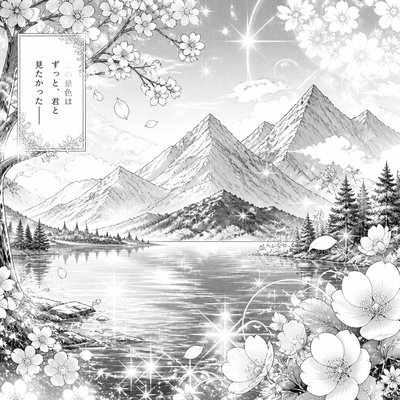
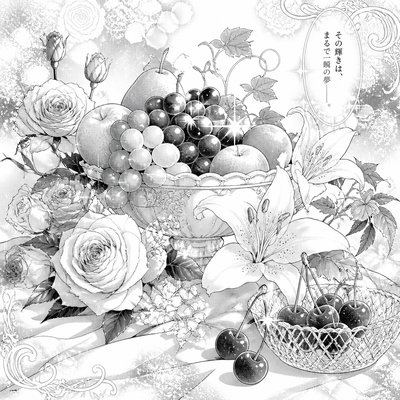
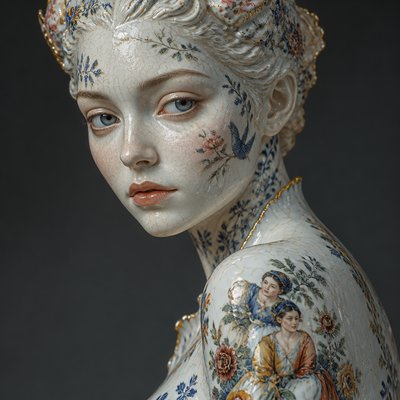
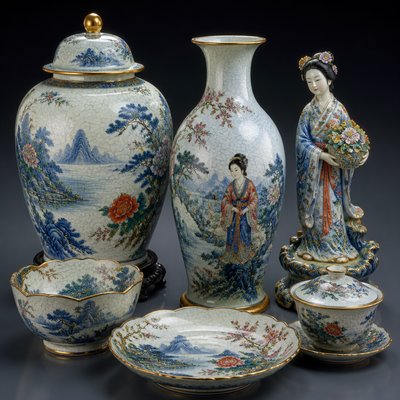
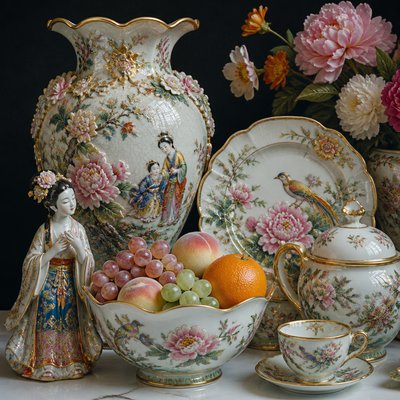
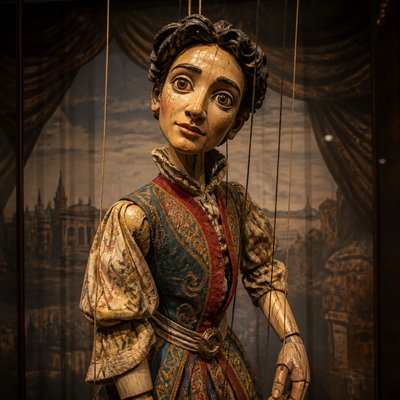
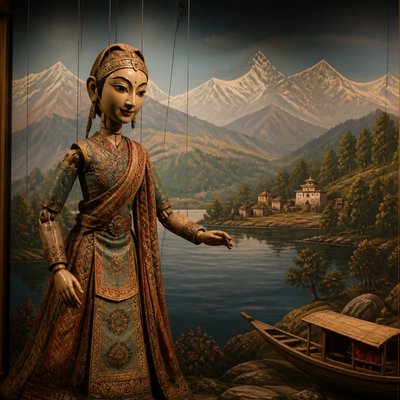
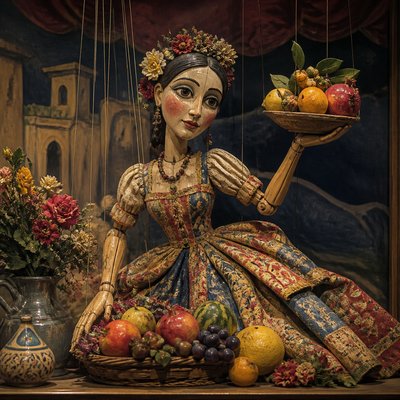
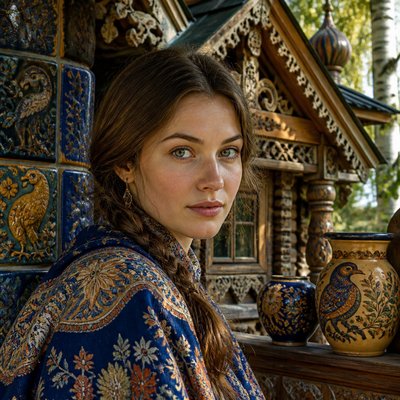
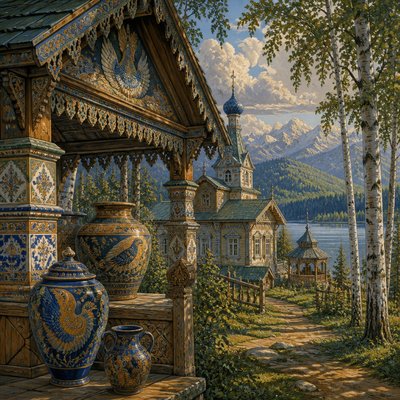
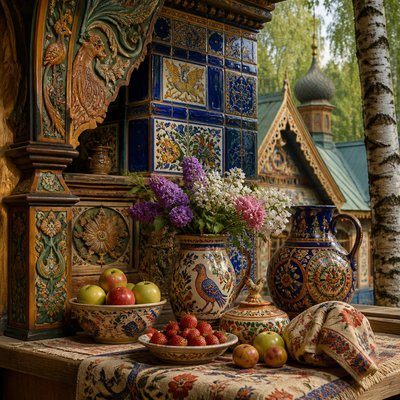
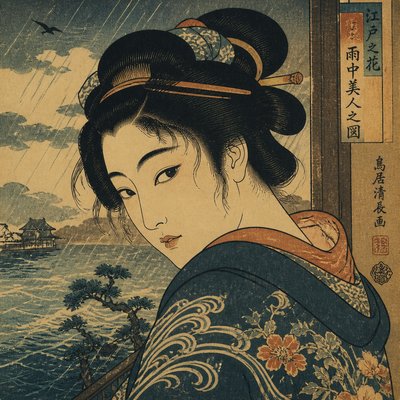
Hand Embroidery Illustration / Textile Gallery
Tap any artwork to explore it
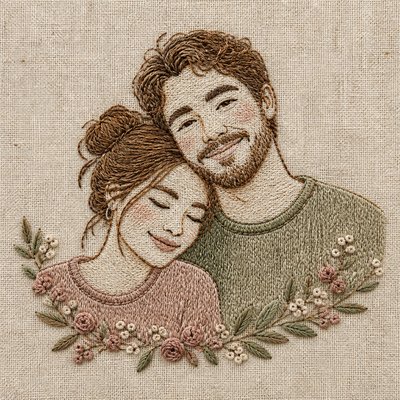
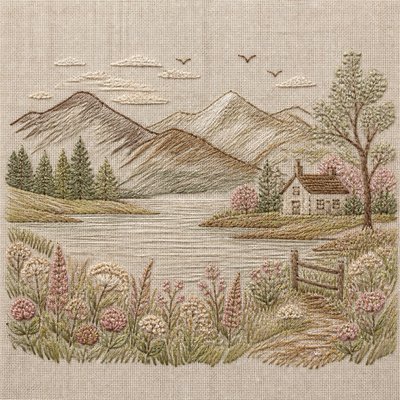
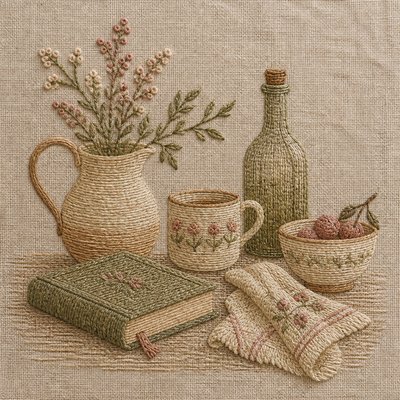
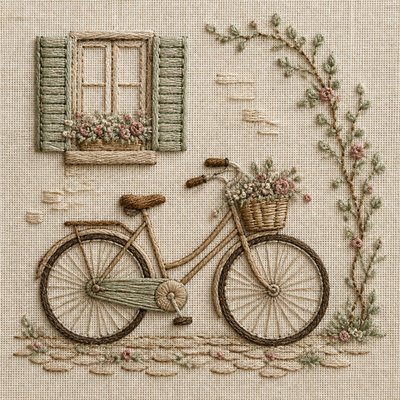
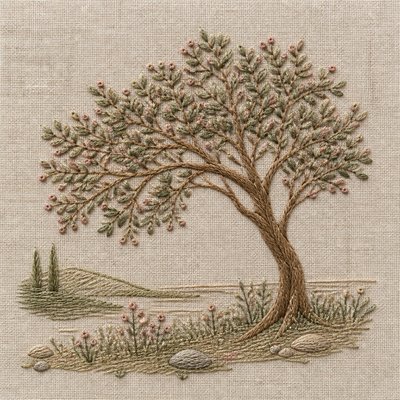
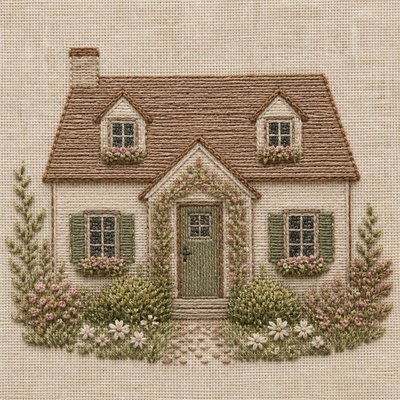
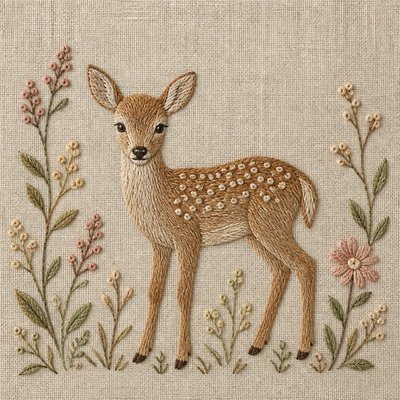
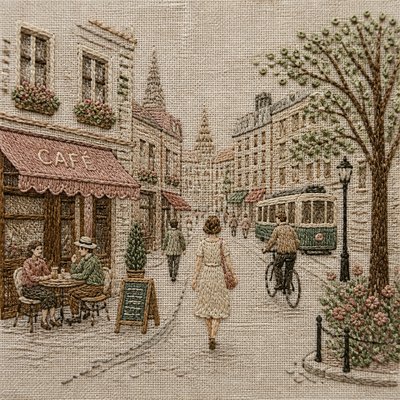
What is Hand Embroidery Illustration / Textile Art?
Hand Embroidery Illustration / Textile Art is a decorative illustration style that represents images through stitched thread on fabric, usually natural linen or other plain woven textiles. Its visual identity comes from the interplay between thread and cloth: each line, contour, and shaded area is built from visible stitches such as backstitch, satin stitch, and French knots, while the weave of the fabric remains part of the composition.
The style is closely associated with calm, domestic, and handcrafted imagery. Color palettes are typically restrained and organic, favoring muted browns, sage greens, dusty roses, warm creams, and soft neutrals. Rather than aiming for photorealism, the aesthetic emphasizes tactility, rhythm, and slight irregularities that reveal the maker’s hand, giving the image a quiet, artisanal character.
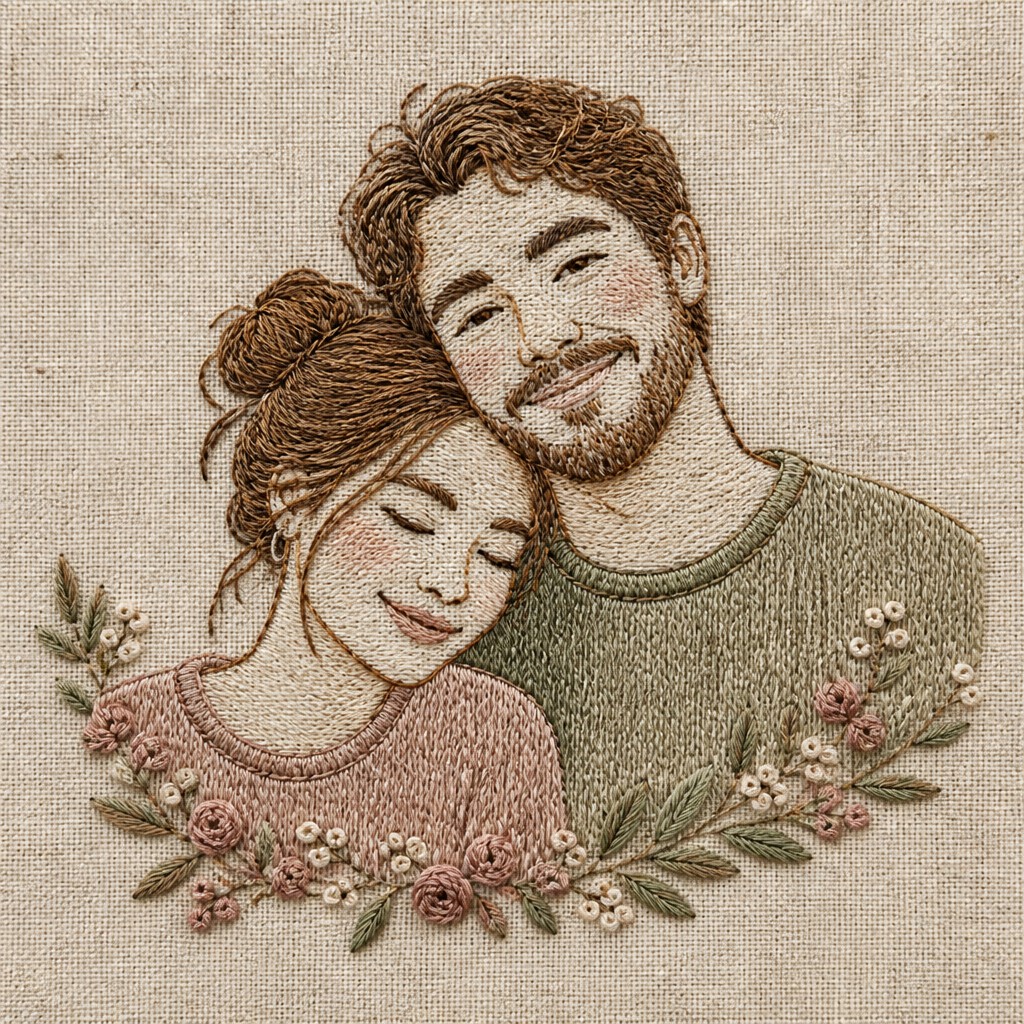
Try It On Your Photos
Upload any photo and convert it into Hand Embroidery Illustration / Textile Art — drag the sliders to compare before and after.
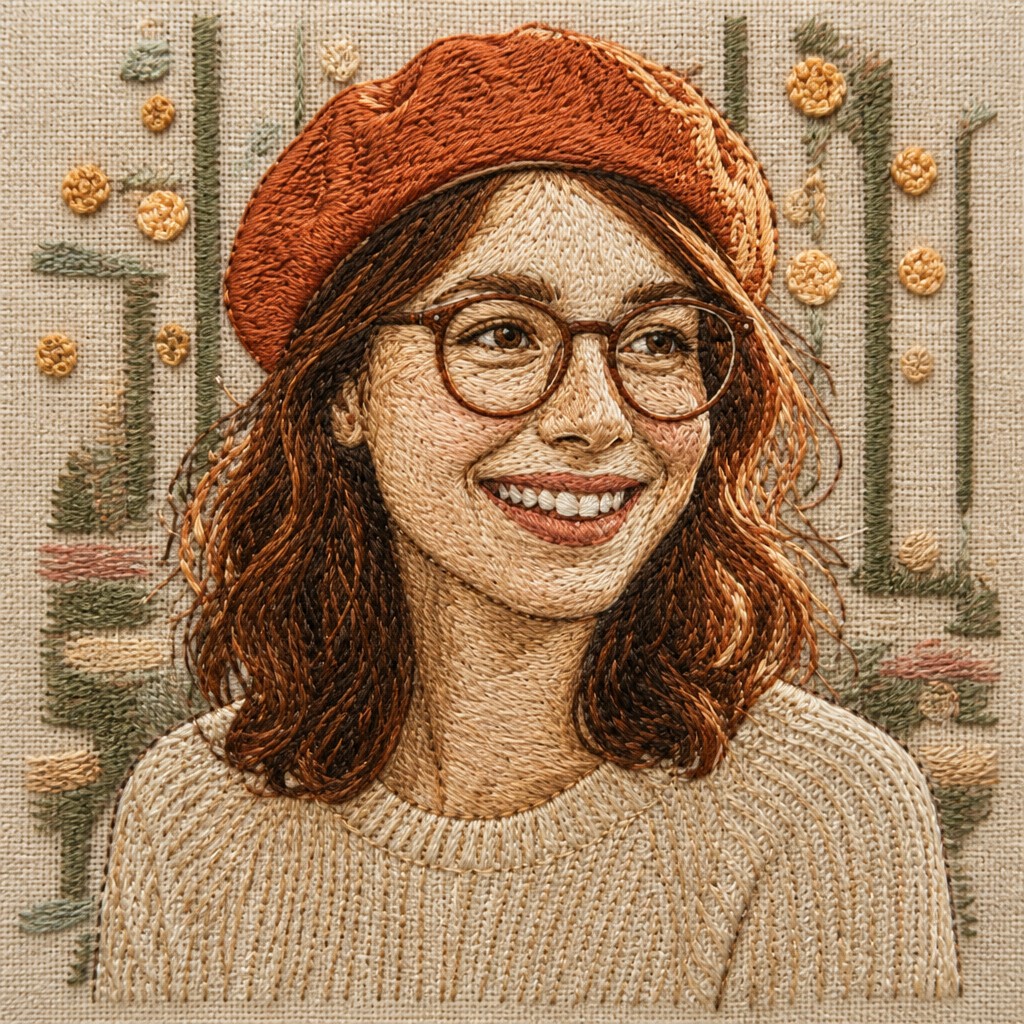

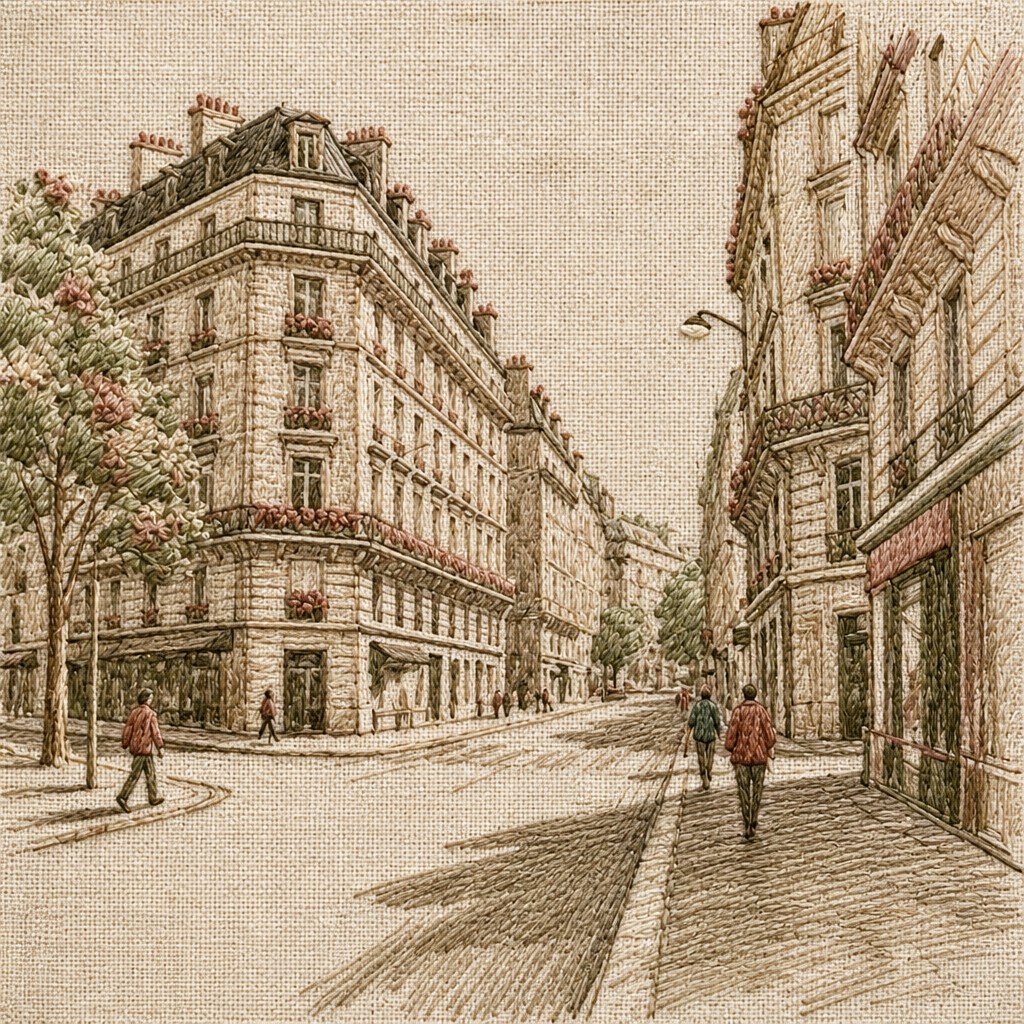

What Defines Hand Embroidery Illustration / Textile Art
The signature details, up close
Visible stitch structure
The image is constructed from clearly legible stitches rather than smooth painted lines. Backstitch, satin stitch, and French knots often define contours, fills, and texture.
Natural linen base
Unbleached or lightly toned linen is the most characteristic ground. Its woven texture stays visible through open areas, giving the composition warmth and physical depth.
Earthy restrained palette
Colors tend to be soft and subdued, with muted browns, greens, creams, and dusty pinks. The palette supports a calm, handmade feeling instead of high contrast drama.
Thread-based shading
Volume and shadow are created by changing stitch density, direction, and color gradation. This produces subtle tonal transitions that feel woven into the surface.
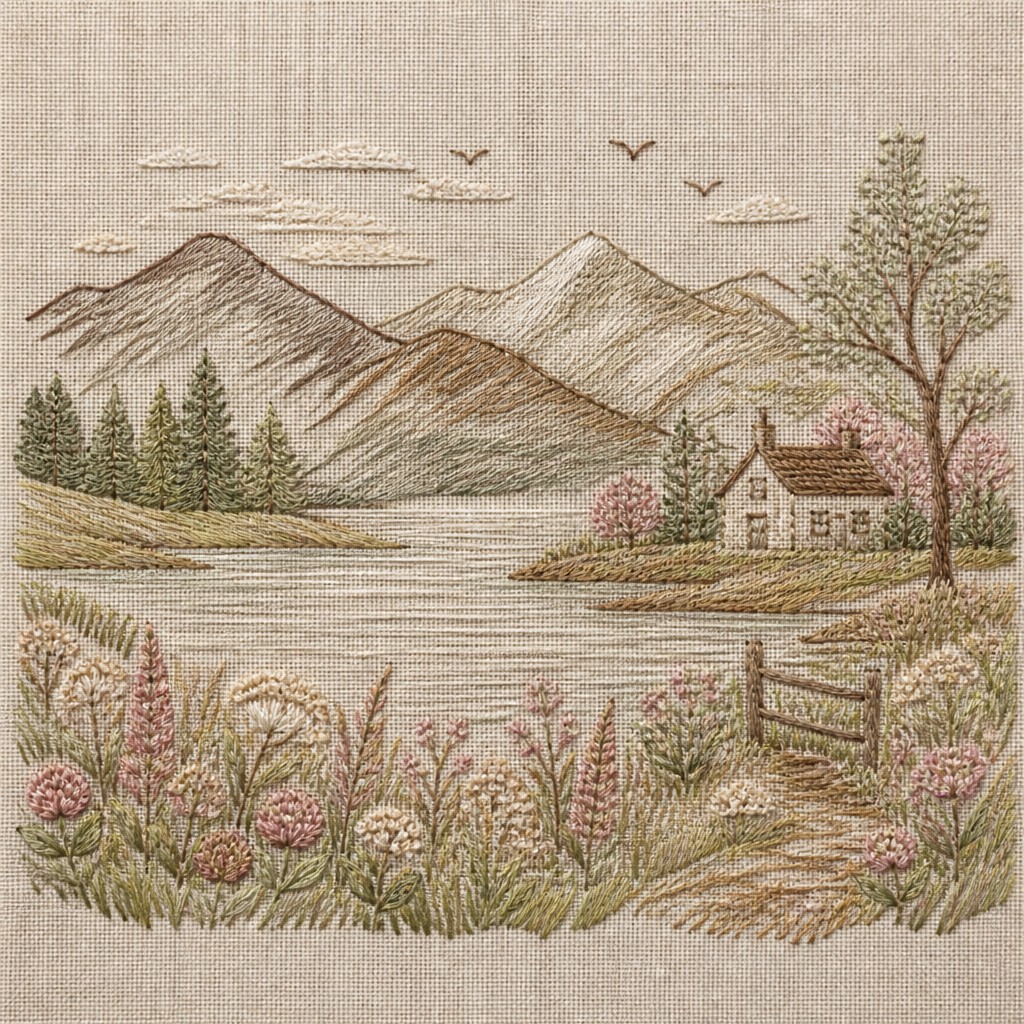
Peaceful natural motifs
Common subjects include flowers, leaves, birds, cottages, hills, and other countryside imagery. The scenes are often simple and balanced, with a quiet narrative mood.
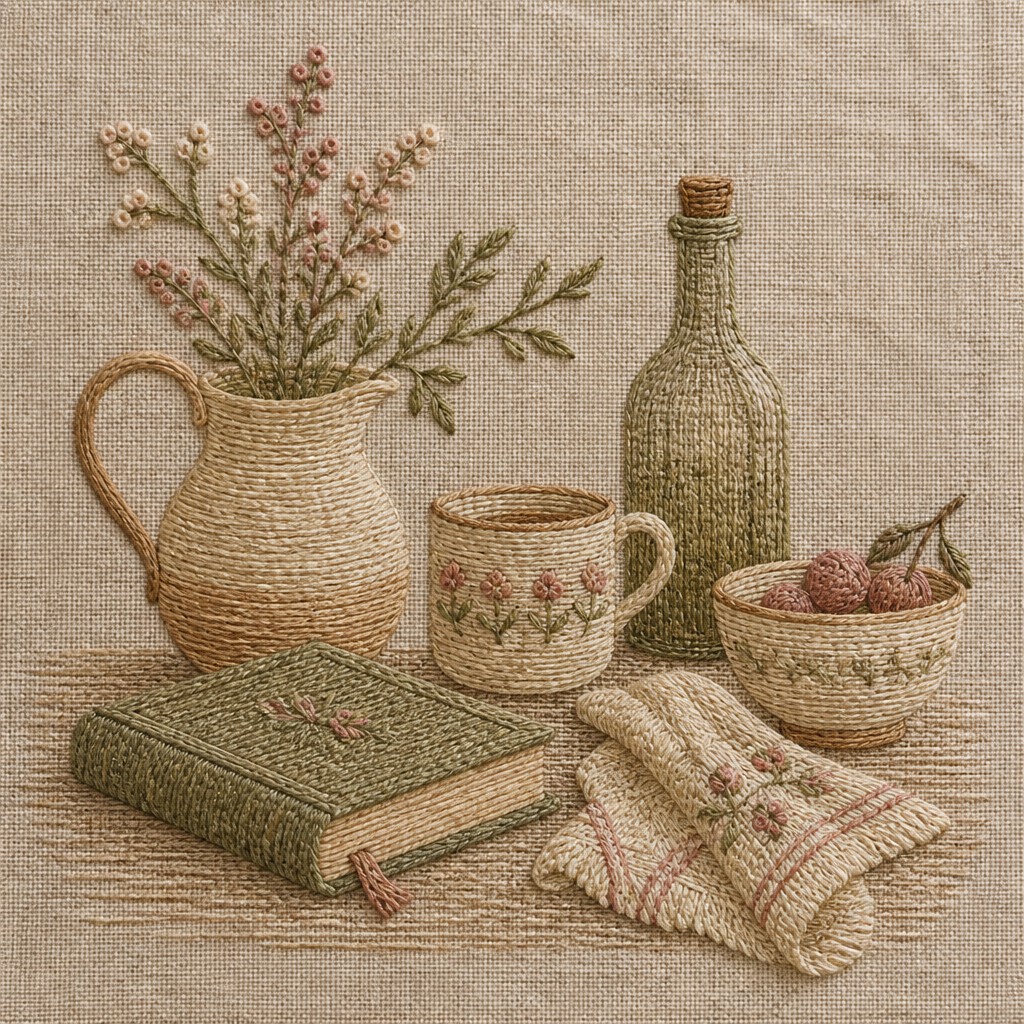
Handmade irregularity
Slight asymmetry, uneven thread sheen, and tiny variations in stitch length are part of the appeal. These details signal the handmade process and keep the image from feeling mechanical.
Try It
Create Videos in Hand Embroidery Illustration / Textile Art
Styles aren't just for stills — describe a scene or animate an image and get a short video rendered in Hand Embroidery Illustration / Textile. Press play to see this pond come to life.
Make a VideoHand Embroidery Illustration / Textile Prompt Ideas
Start from an idea — each one opens the generator with the style ready to go. See all 40 Hand Embroidery Illustration / Textile prompts →
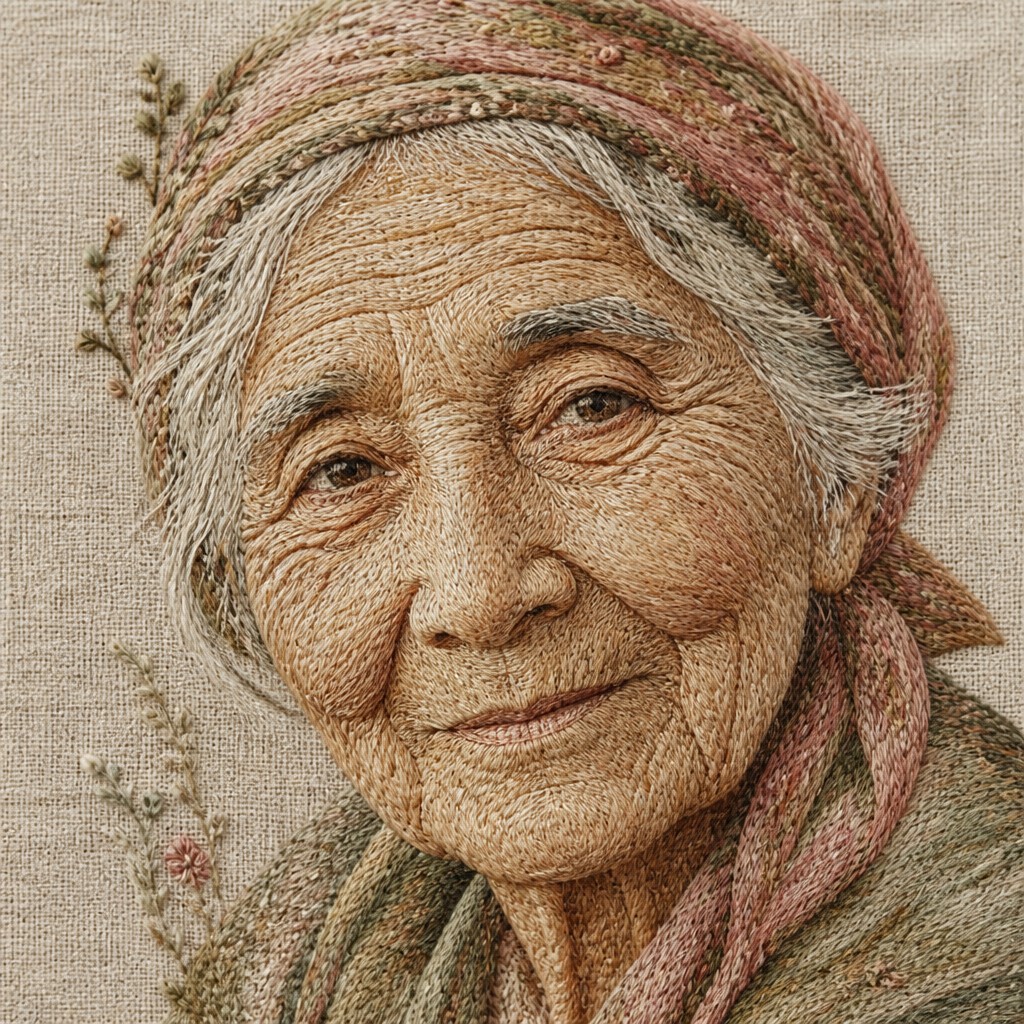
“close-up portrait of an elderly person with expressive weathered features”
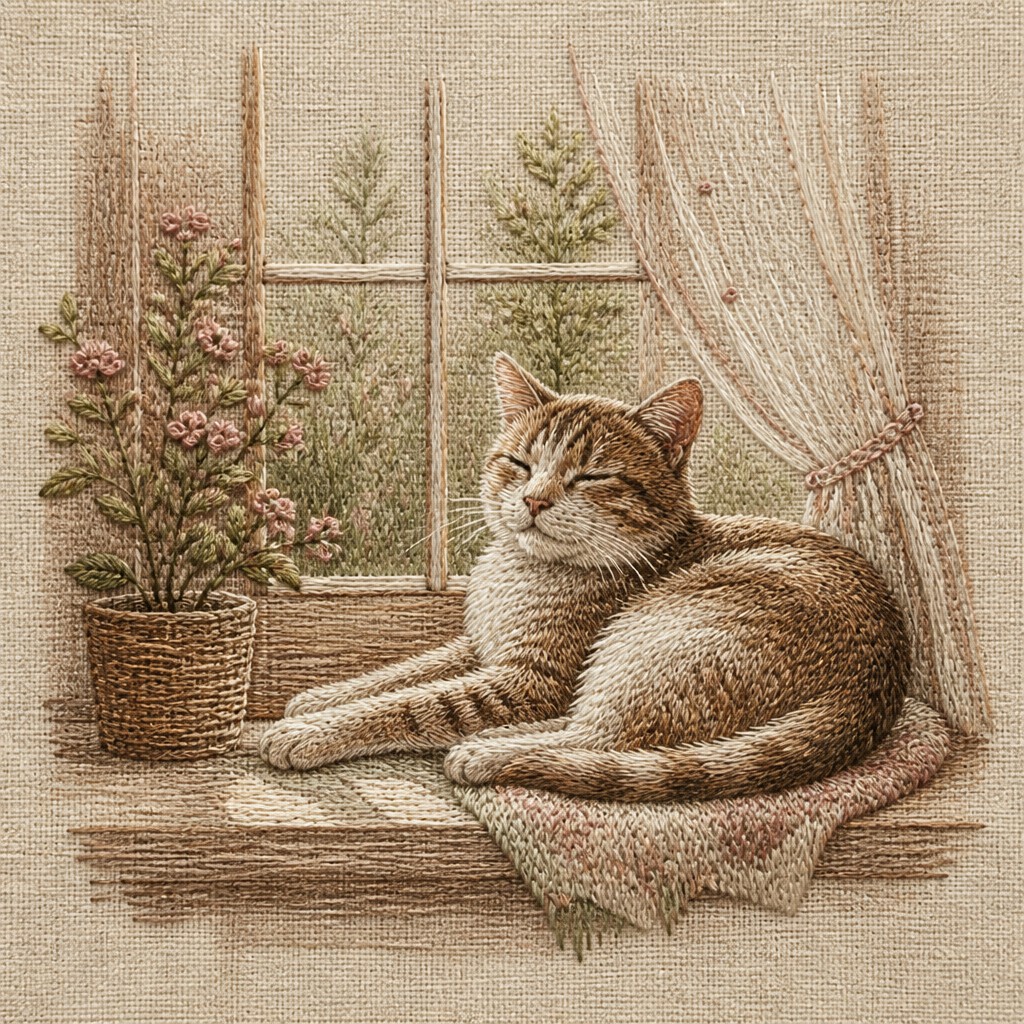
“a cat lounging in a sunlit window”
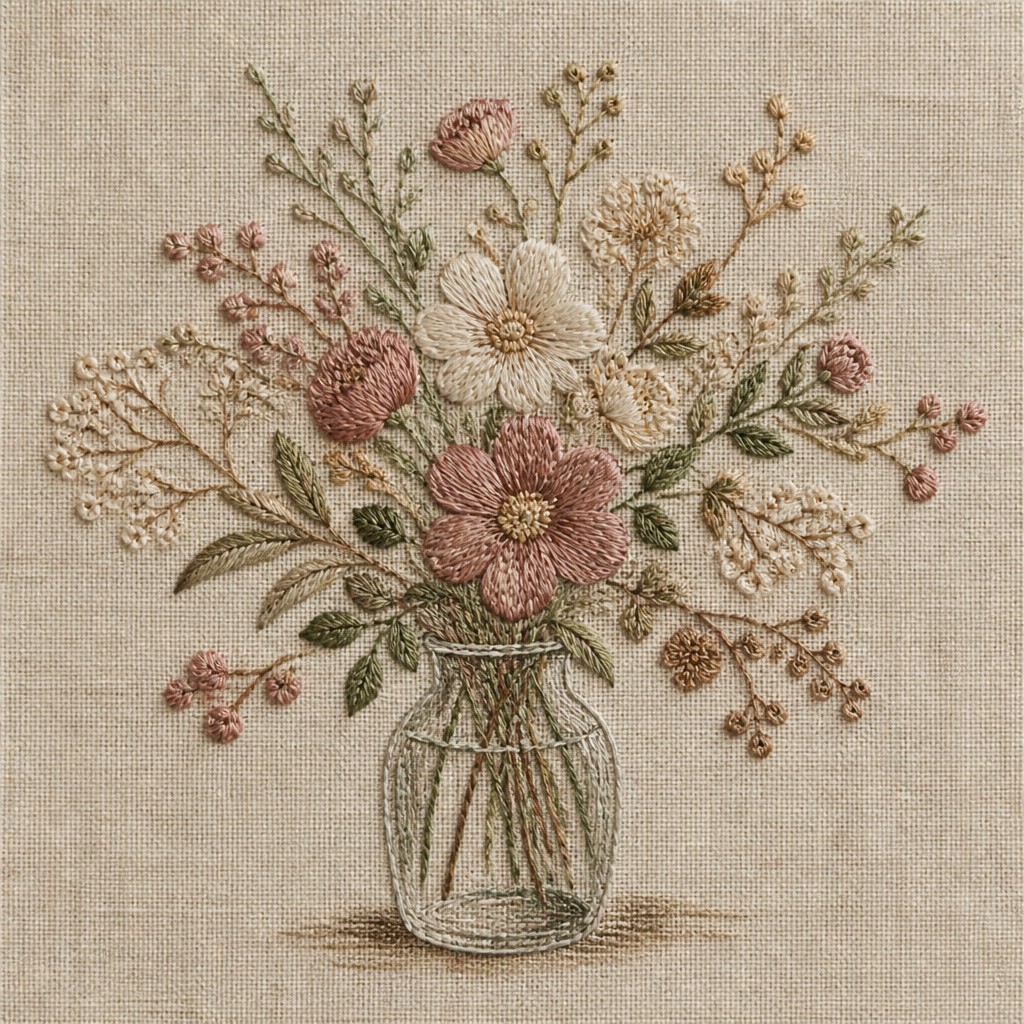
“bouquet of flowers in a glass vase”
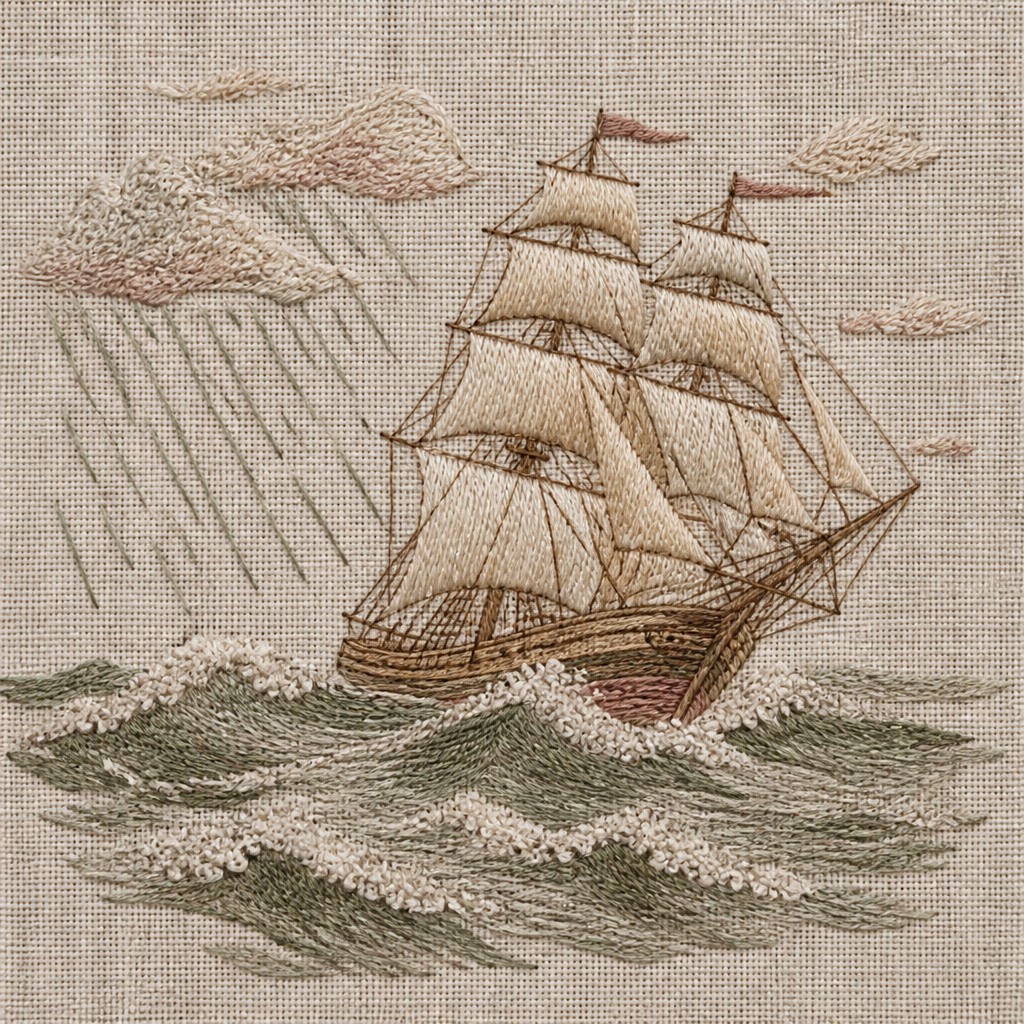
“sailing ship on a stormy sea”
How to Create Hand Embroidery Illustration / Textile Art
Master the craft step by step — or skip straight to creating. Read the full guide →
- 1
Plan the image as a stitch map
Start with a simplified drawing that breaks the subject into clear outlines, fill zones, and texture areas. Good embroidery images rely on strong shapes that can be translated into stitch paths.
- 2
Use a limited natural palette
Choose a small set of fibers or digital colors in earthy, low-saturation tones. Restrained color helps the textile texture remain the focus and makes shading feel cohesive.
- 3
Build form with stitch direction
Lay stitches to follow the contours of petals, leaves, clothing folds, or animal fur. Vary stitch density and direction to create shadow, edge definition, and soft dimensionality.
- 4
Preserve fabric negative space
Leave portions of the linen visible so the weave contributes to the composition. This open spacing is essential for the airy, peaceful look associated with textile illustration.
- 5
For digital work, simulate thread and weave
If creating digitally, use visible thread strands, slight sheen, and fabric grain rather than flat vector fills. Irregular micro-variations make the result feel convincingly stitched.
- 6
For prompt-based generation, specify stitch types and material
Describe the subject, then add details such as visible satin stitch, backstitch, French knots, unbleached linen, soft diffused light, and generous negative space. The more explicitly the prompt references thread behavior and textile surface, the more faithful the result.
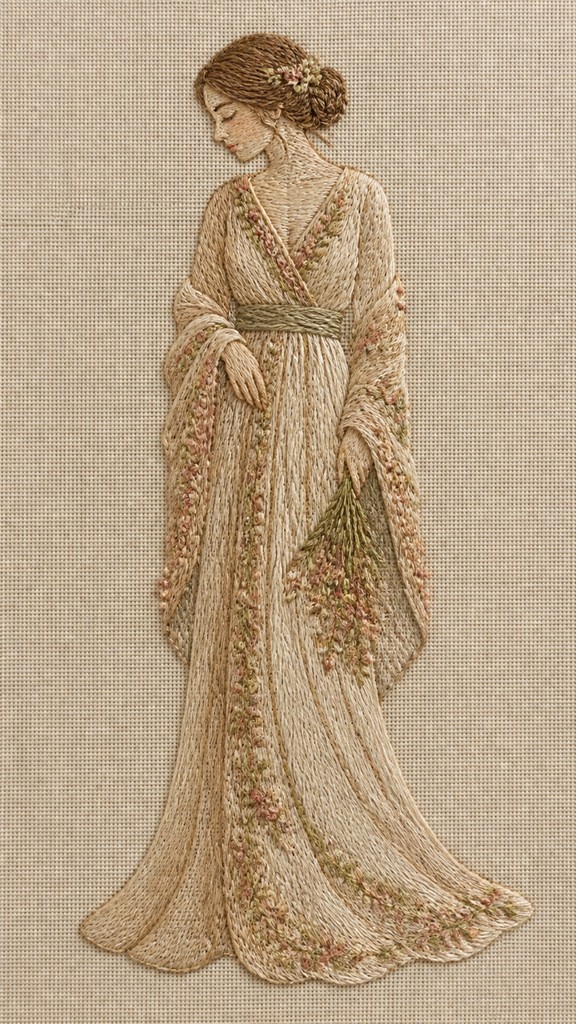
The Story
History & Origins of Hand Embroidery Illustration / Textile
This style belongs to the long tradition of embroidery as both decoration and pictorial art, a practice found across many cultures for centuries. Its modern visual identity draws especially from hand embroidery, sampler traditions, folk textile arts, and contemporary craft illustration, where stitches are used not only to ornament cloth but to describe forms, shading, and narrative scenes.
In recent decades, embroidery has also been reappraised as a fine-art and illustration medium, with artists and designers using textile surfaces to create delicate figurative images, botanical studies, and minimalist compositions. The look seen in this style is therefore less a single historical movement than a synthesis of traditional needlework techniques, folk craft aesthetics, and modern appreciation for handmade texture and material honesty.
Influences: This aesthetic draws from traditional embroidery, folk and domestic textile arts, and the broader handcrafted illustration movement. It also overlaps with modern craft revival practices and with the visual logic of botanical illustration and minimalist design, though unlike painted or printed media, its defining feature is the material presence of thread and fabric rather than illusionistic brushwork. Historical needlework traditions across Europe, East Asia, the Middle East, and the Americas inform the medium broadly, but no single canonical art movement owns the look.

Frequently Asked Questions
What defines hand embroidery illustration?
It is a pictorial style created through stitches on fabric rather than paint or ink. The key features are visible thread, a textile surface such as linen, and a handmade look that uses stitch direction and density to describe form.
How is it different from cross-stitch or needlepoint?
Cross-stitch and needlepoint are specific counted-thread techniques with more structured, grid-based results. Hand embroidery illustration is broader and often freer, using multiple stitch types to draw and shade images in a more pictorial way.
What subjects work best in this style?
Simple, organic subjects usually work best: flowers, birds, cottages, animals, leaves, and pastoral scenes. Designs with clear silhouettes and gentle detail translate well into stitch-based image making.
Can this style be made digitally?
Yes. Digital versions usually imitate thread texture, linen grain, and the slight irregularity of handmade stitching. The most convincing results keep visible stitch structure instead of smoothing everything into a painted surface.
Why does this style feel so calm and delicate?
The effect comes from the combination of soft colors, tactile materials, and restrained compositions. Because the imagery is built slowly from thread, it tends to read as intimate, quiet, and contemplative.
Where is this style commonly used?
It appears in decorative art, home textiles, stationery, book illustration, patterns, and contemporary craft-inspired design. It is also popular in photo transformations that aim for a handmade, textile-based finish.
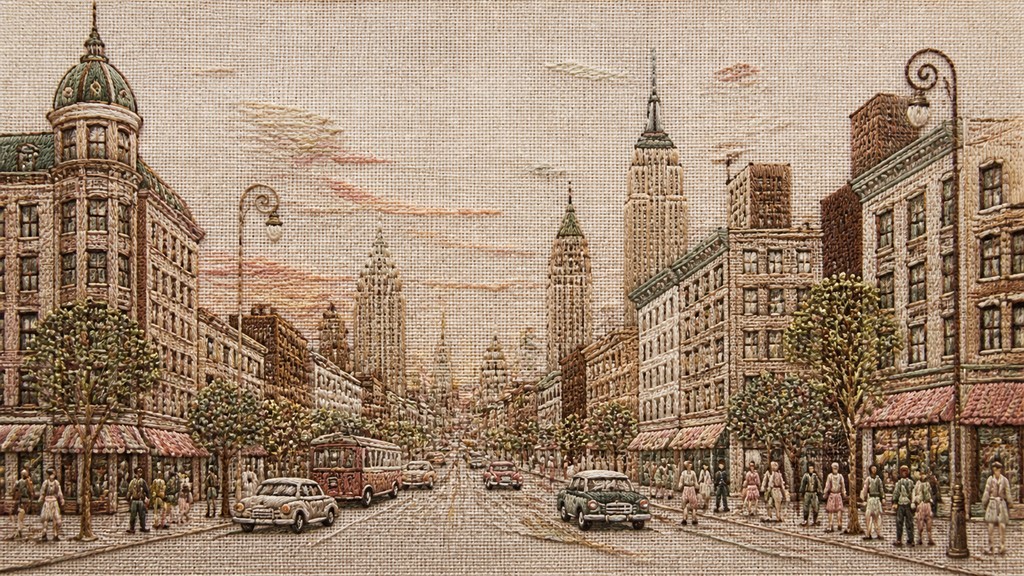
Create your first Hand Embroidery Illustration / Textile artwork
Describe anything — or upload a photo — and see it in Hand Embroidery Illustration / Textile Art in seconds.
Make Something with Hand Embroidery Illustration / Textile
Related Styles
Discover similar art styles