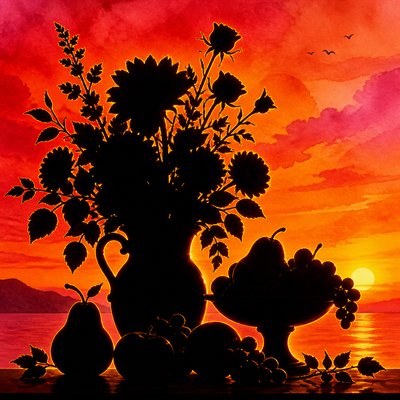
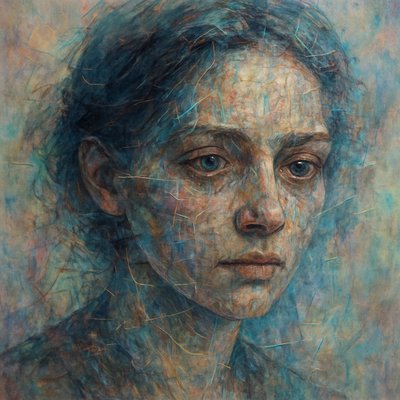
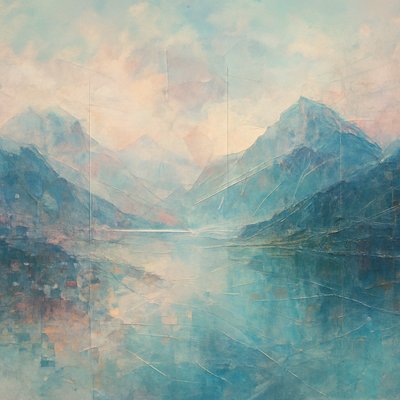
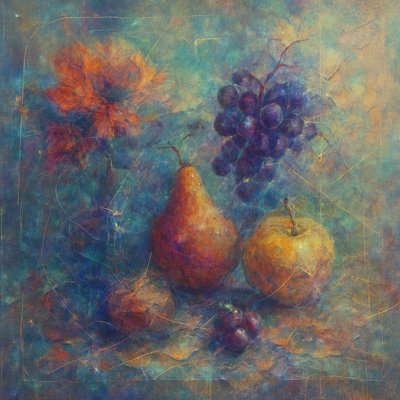
Storybook Watercolor
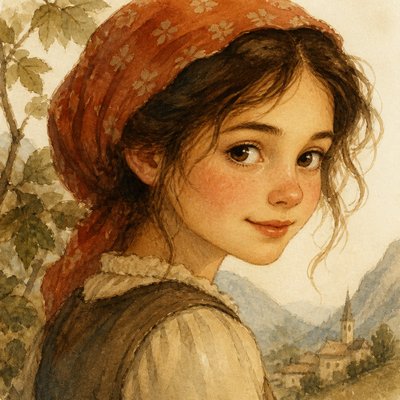
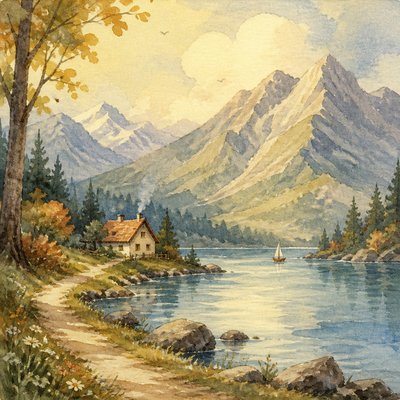
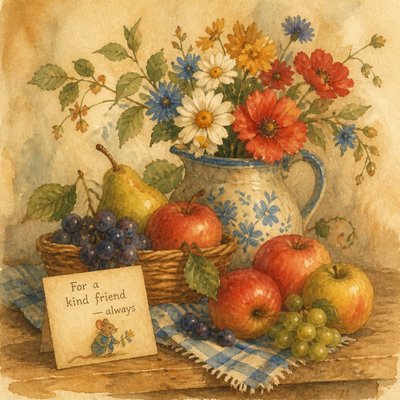
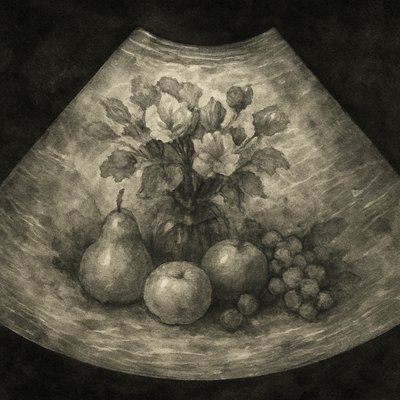
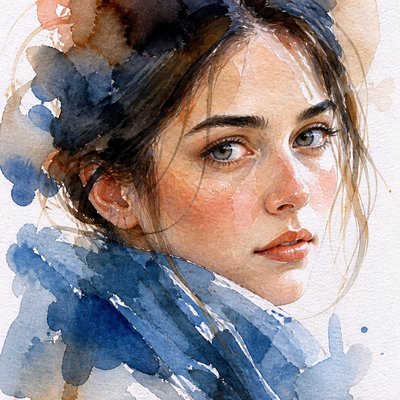
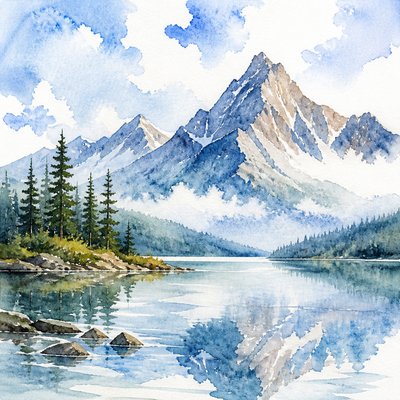
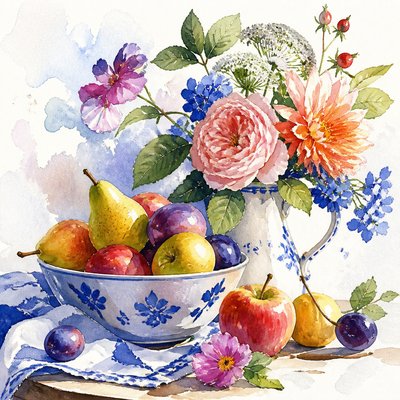
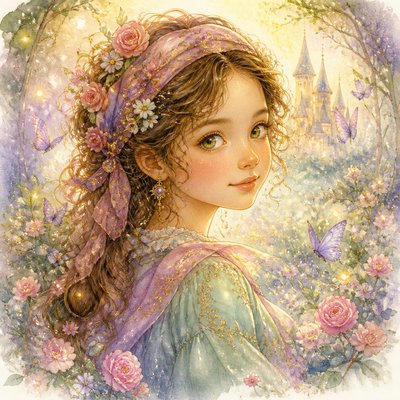
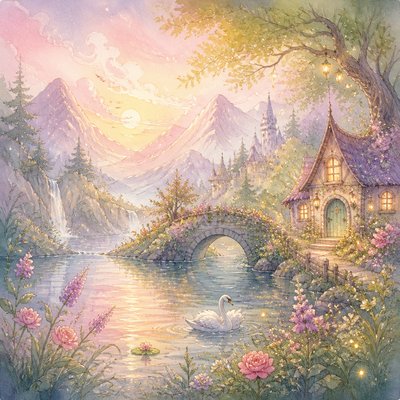
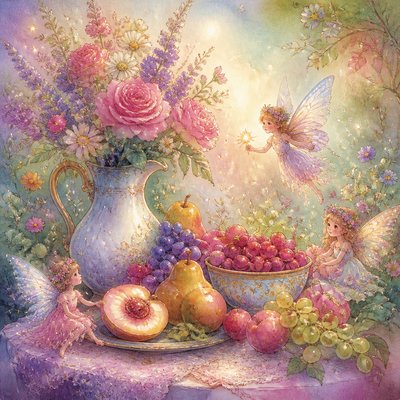
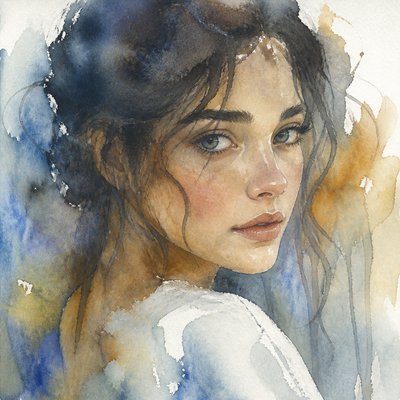
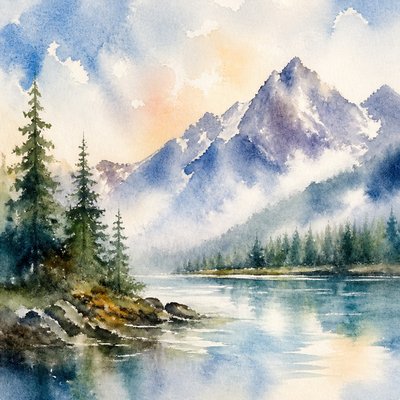
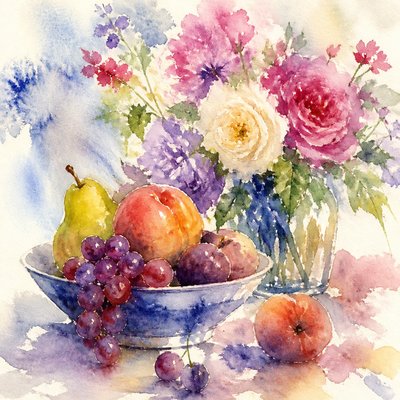
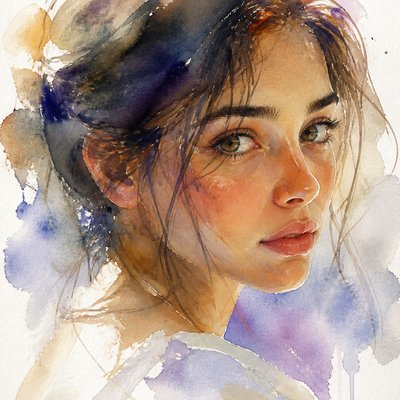
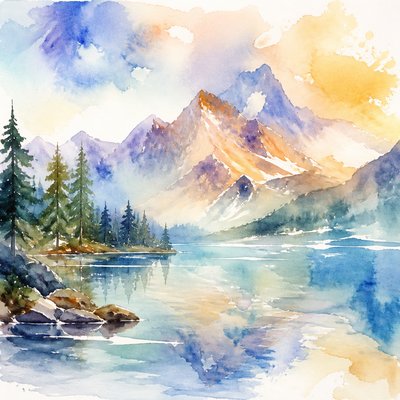
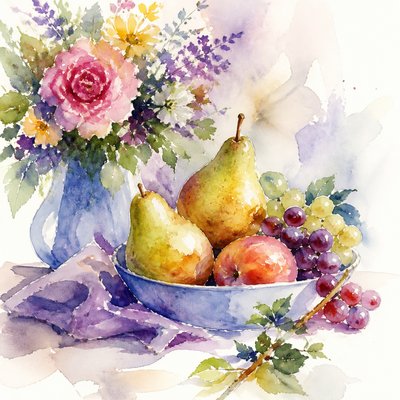
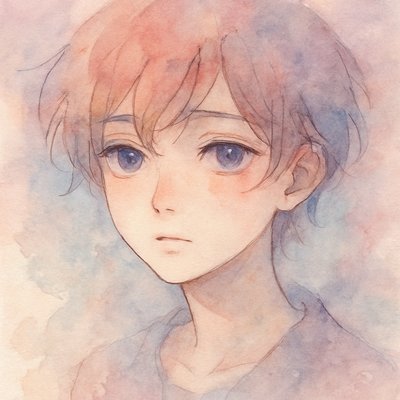
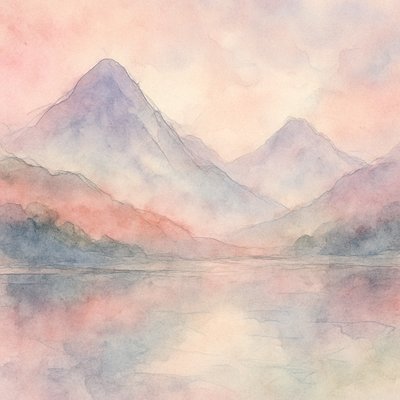
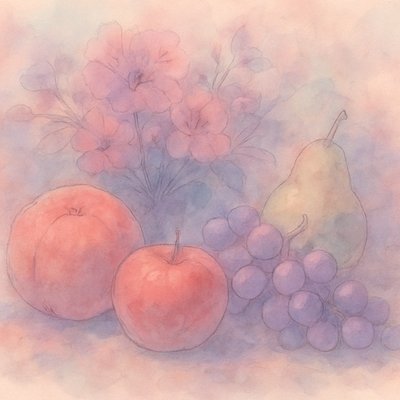
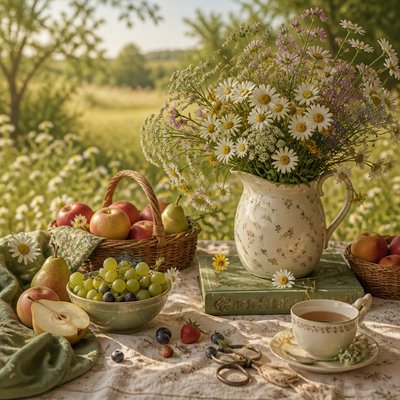
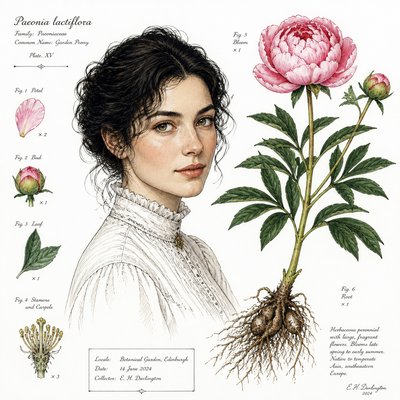
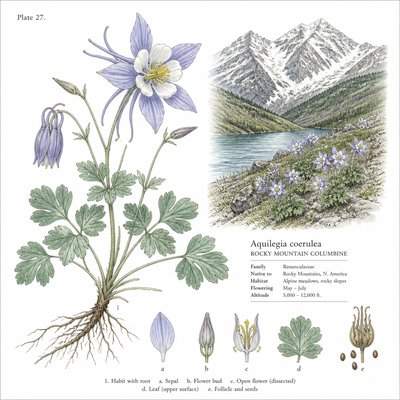
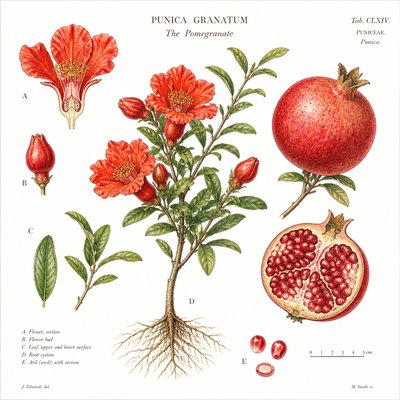
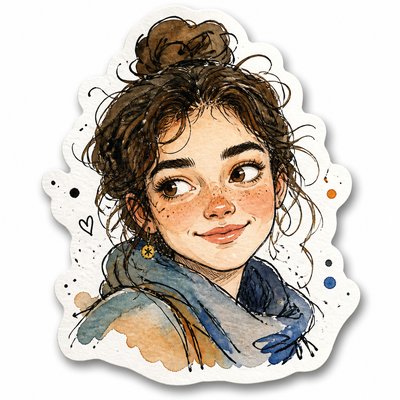
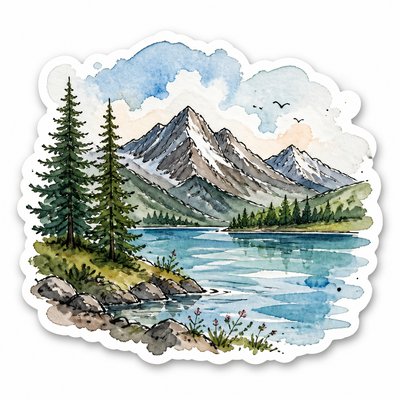
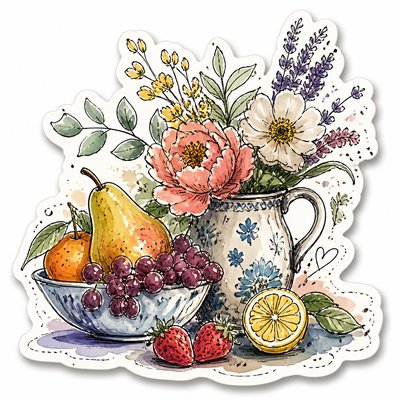
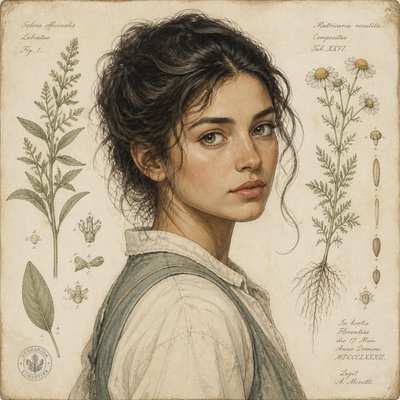
Soft, nostalgic children's book illustration with watercolor washes, paper texture, gentle brushwork, and warm earthy tones.
Instantly rendered in Storybook Watercolor — or transform a photo
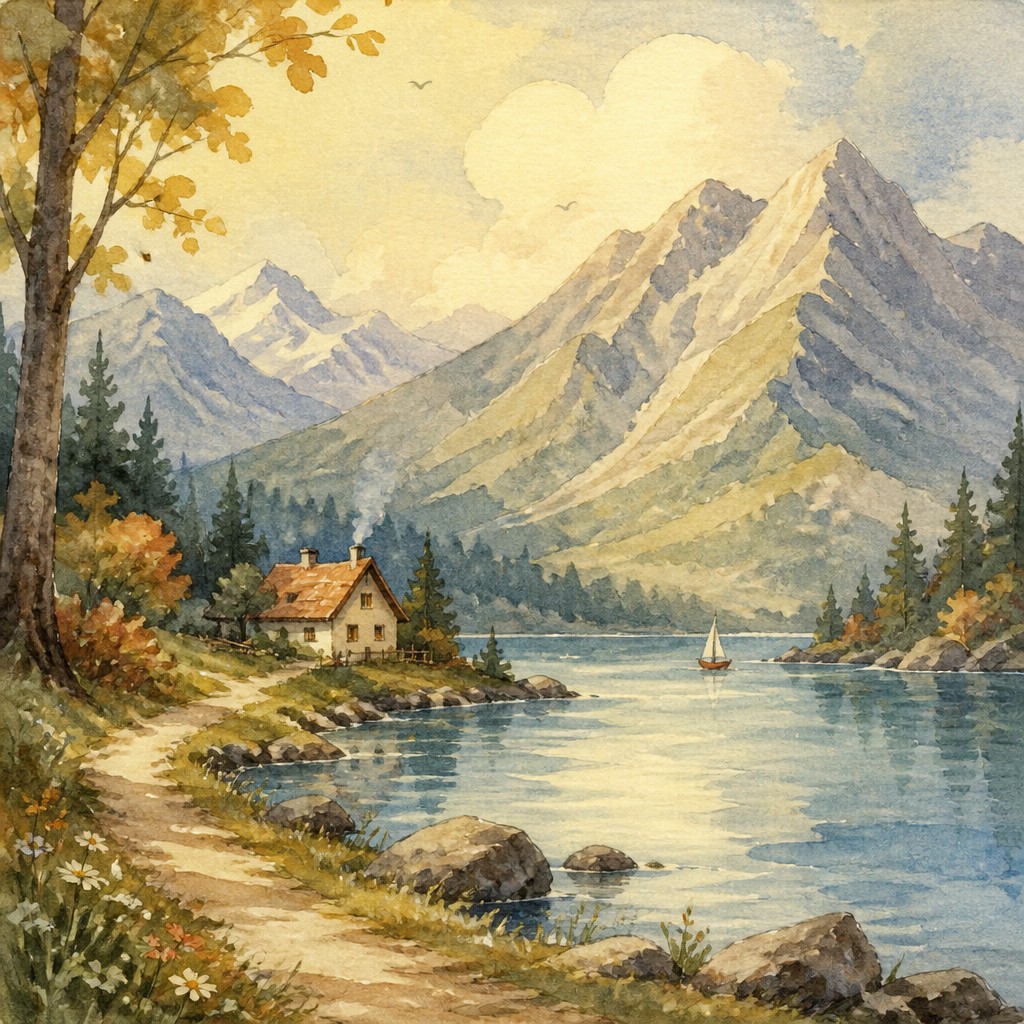
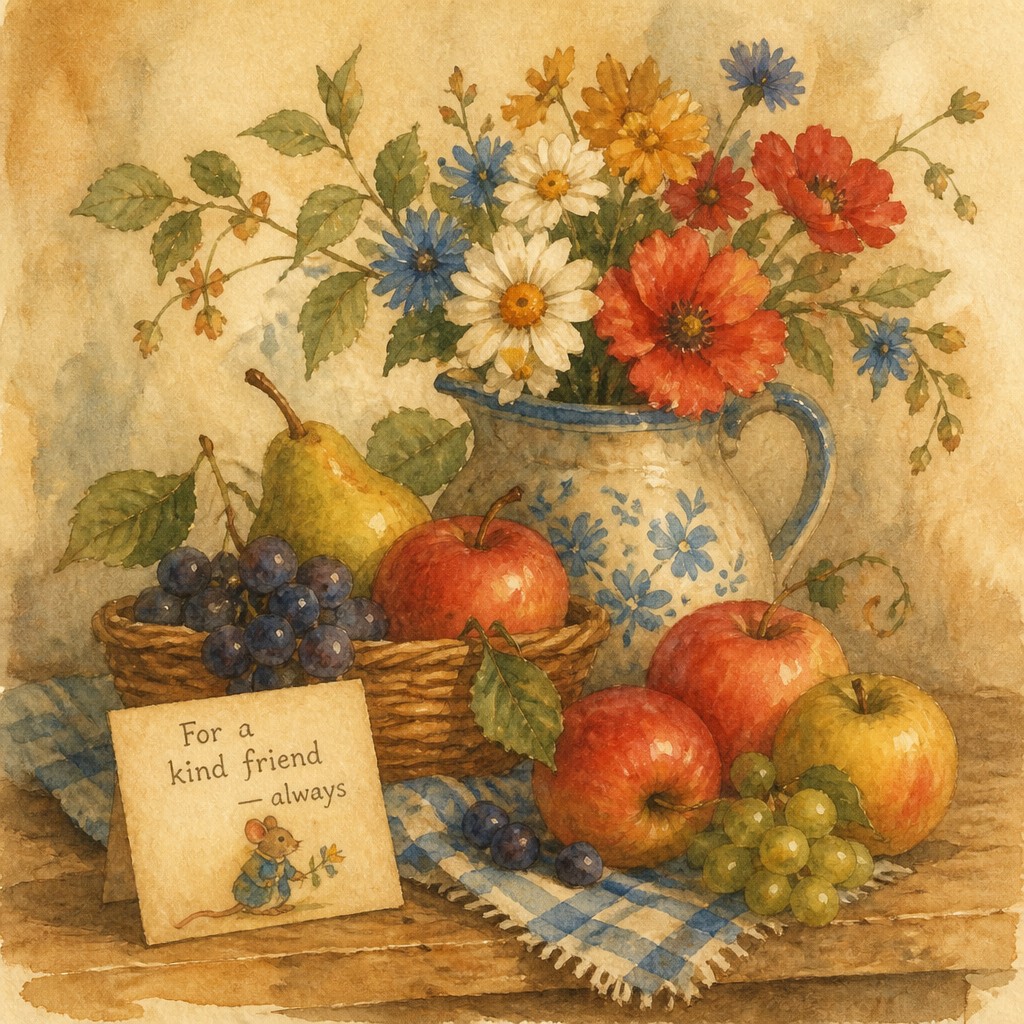
Storybook Watercolor Gallery
Tap any artwork to explore it
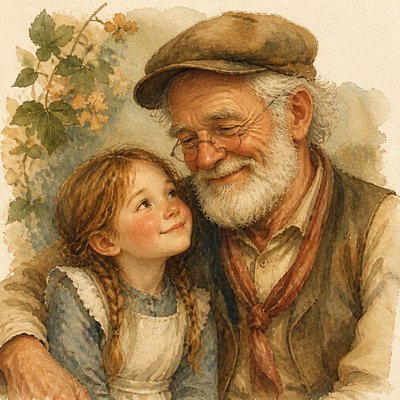
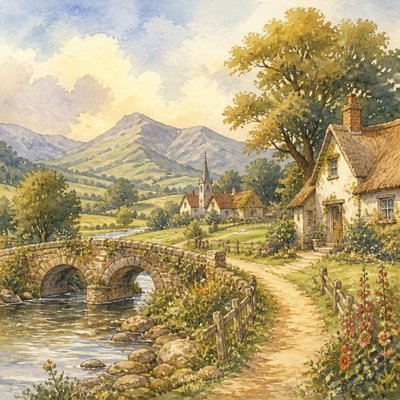
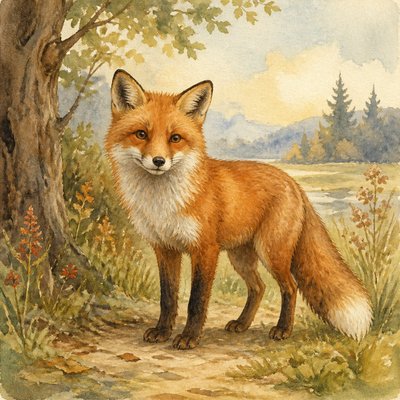
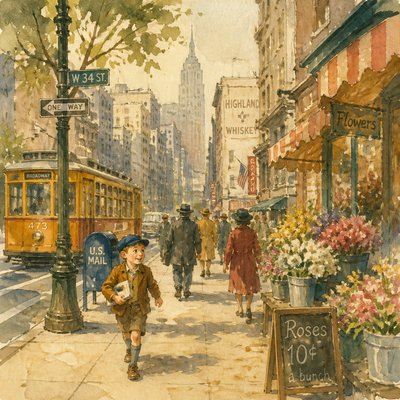
What is Storybook Watercolor?
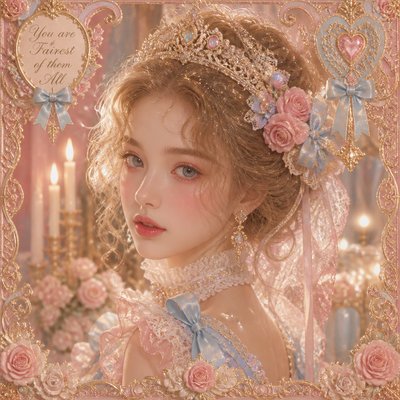
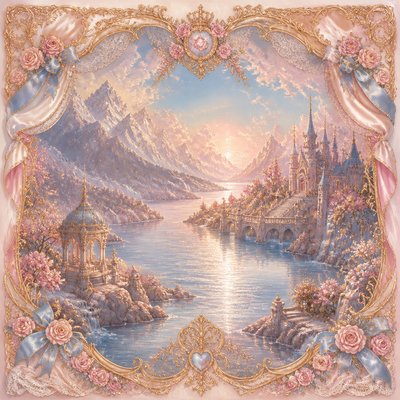
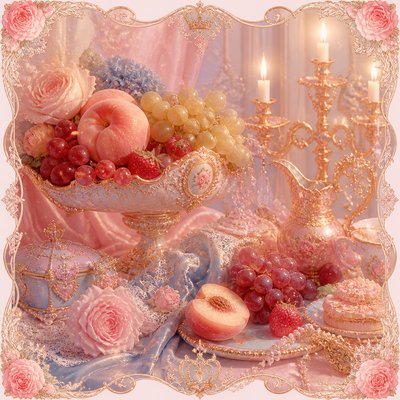
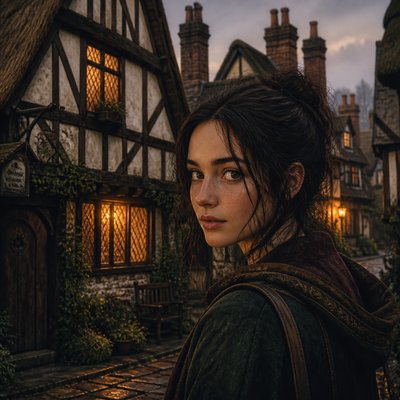
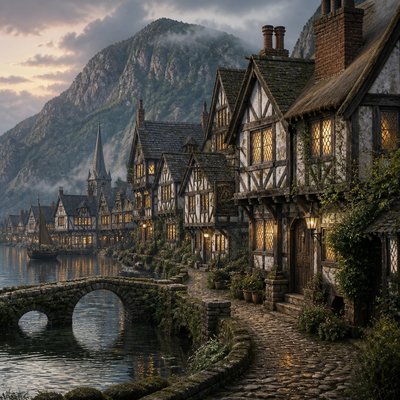
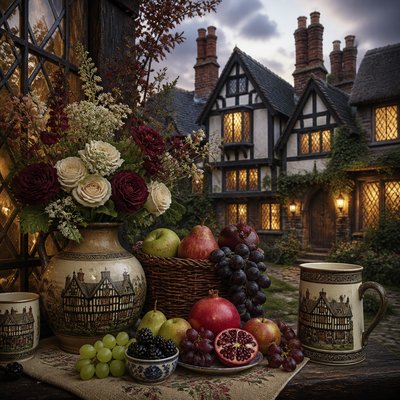
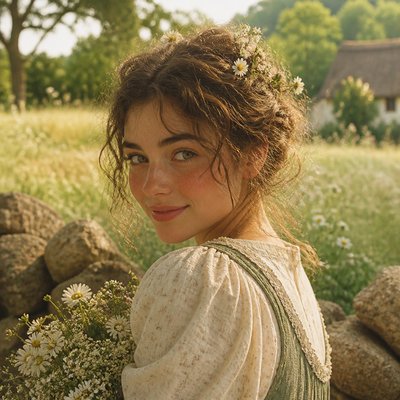
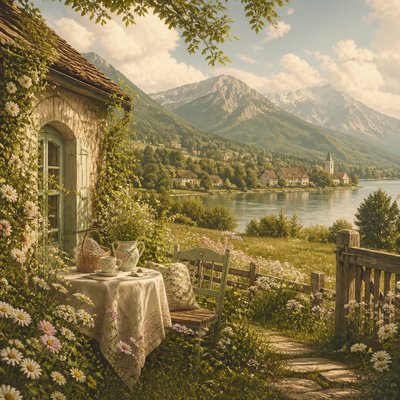
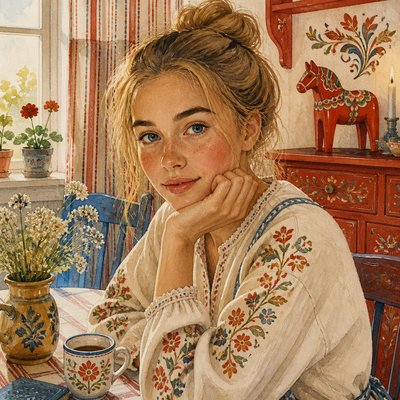
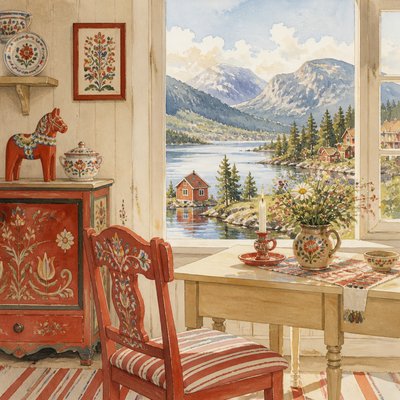
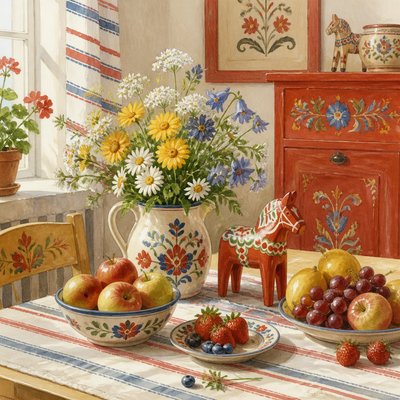
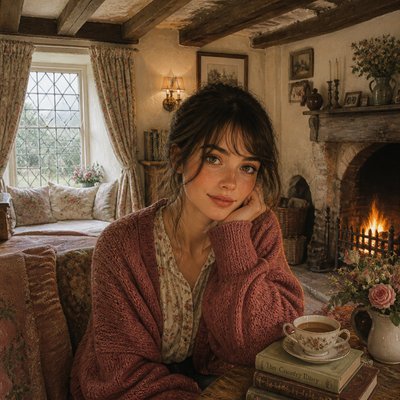
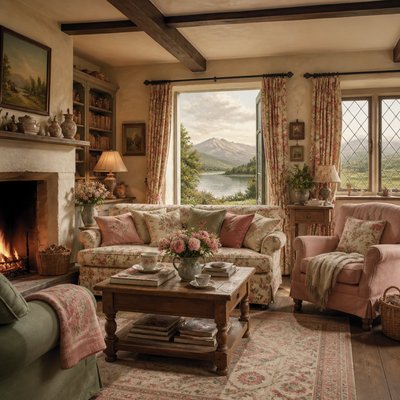
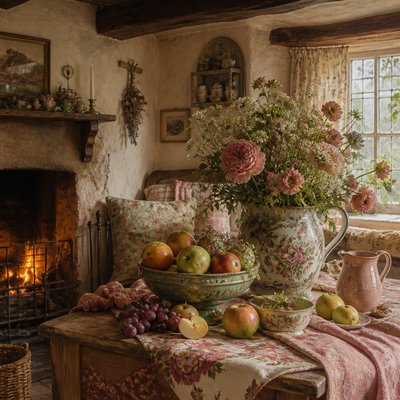
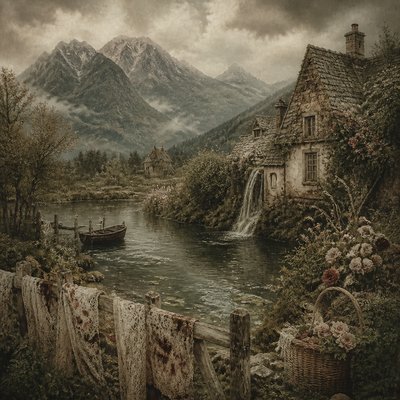
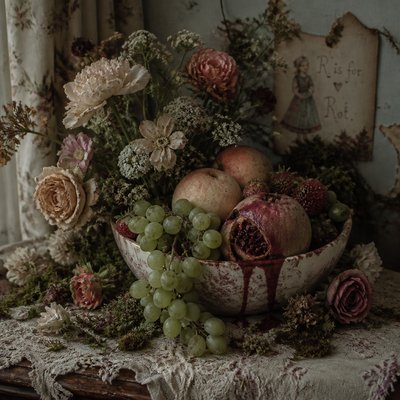
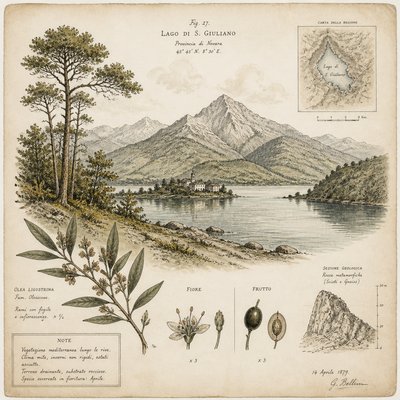
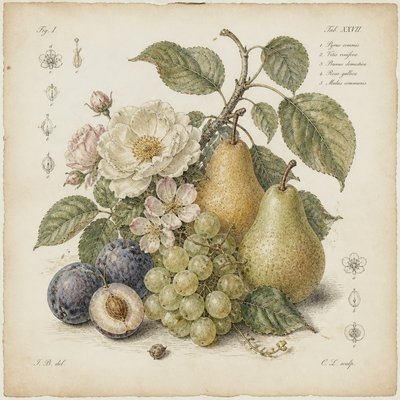
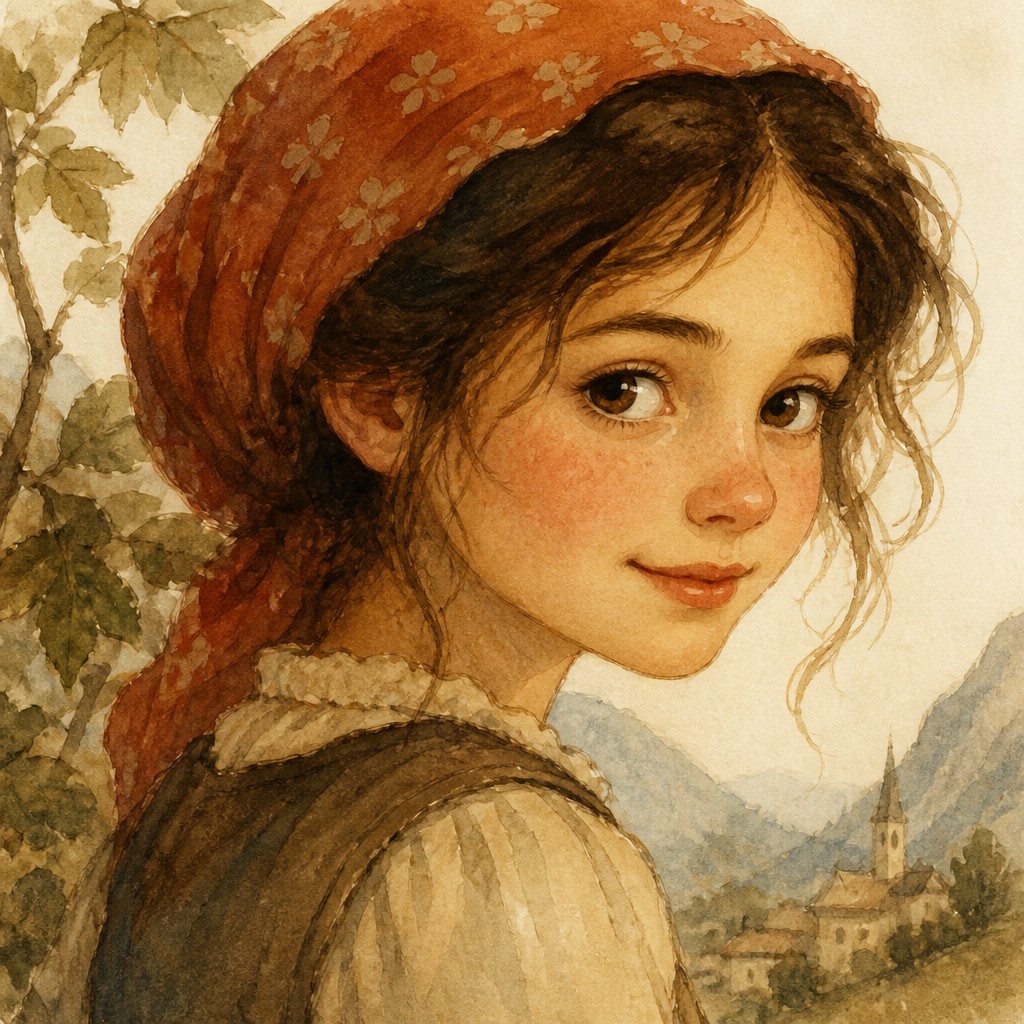
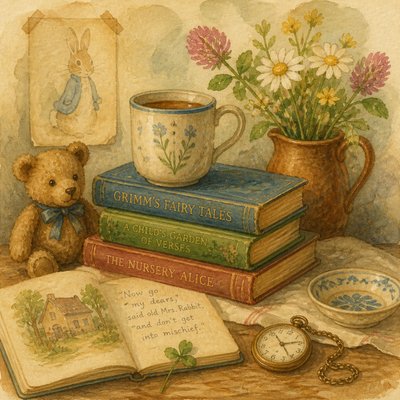
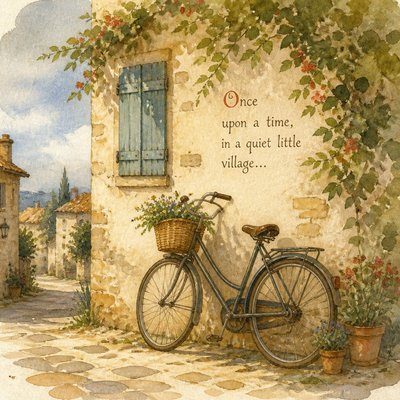
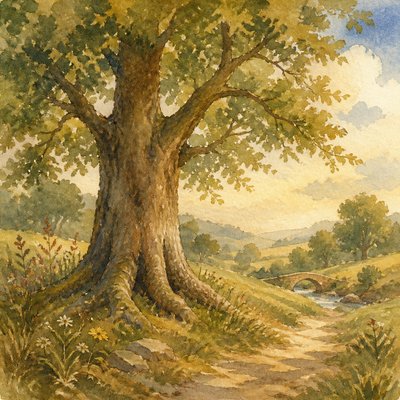
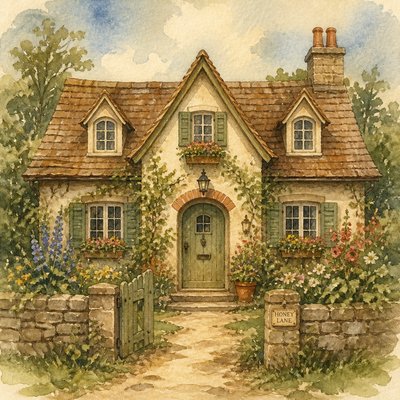
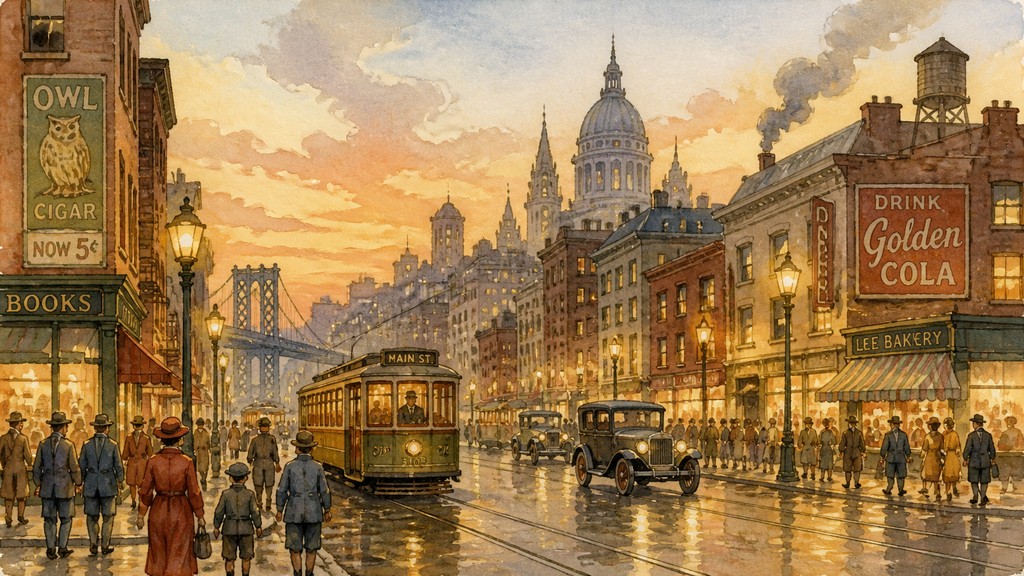
Storybook Watercolor is a hand-painted illustration look associated with classic children's books: soft transparent washes, visible paper texture, gentle edges, and a warm, nostalgic mood. It favors approachable forms, readable silhouettes, and a restrained palette of earthy browns, mossy greens, muted blues, and golden light.
The style feels tender and timeless because the medium itself encourages softness. Watercolor naturally creates translucent layers, subtle blooms, and irregular edges, while traditional picture-book composition often emphasizes clear storytelling, decorative detail, and a sense of intimate domestic or pastoral world-building. The result is an image language that feels illustrated rather than photographic, with handmade warmth and a quietly dreamlike atmosphere.
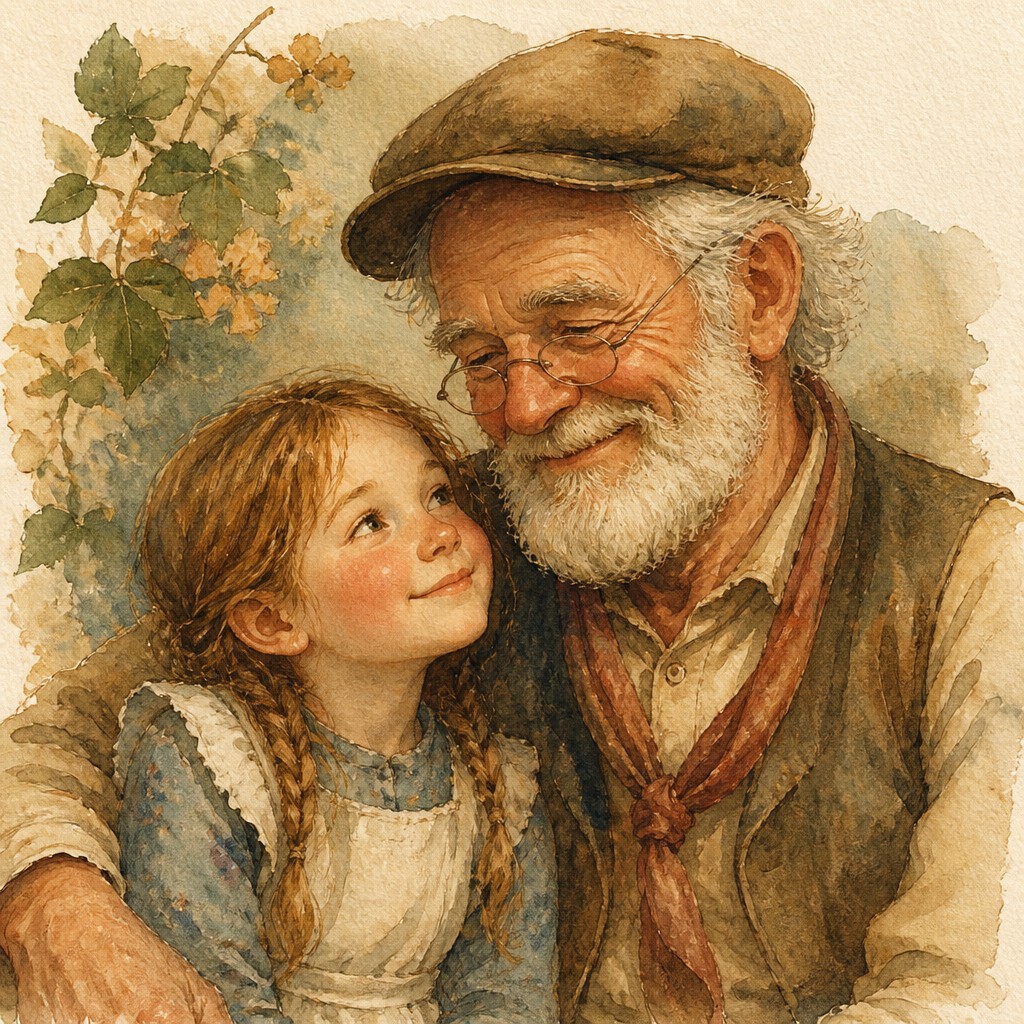
Try It On Your Photos
Upload any photo and convert it into Storybook Watercolor — drag the sliders to compare before and after.


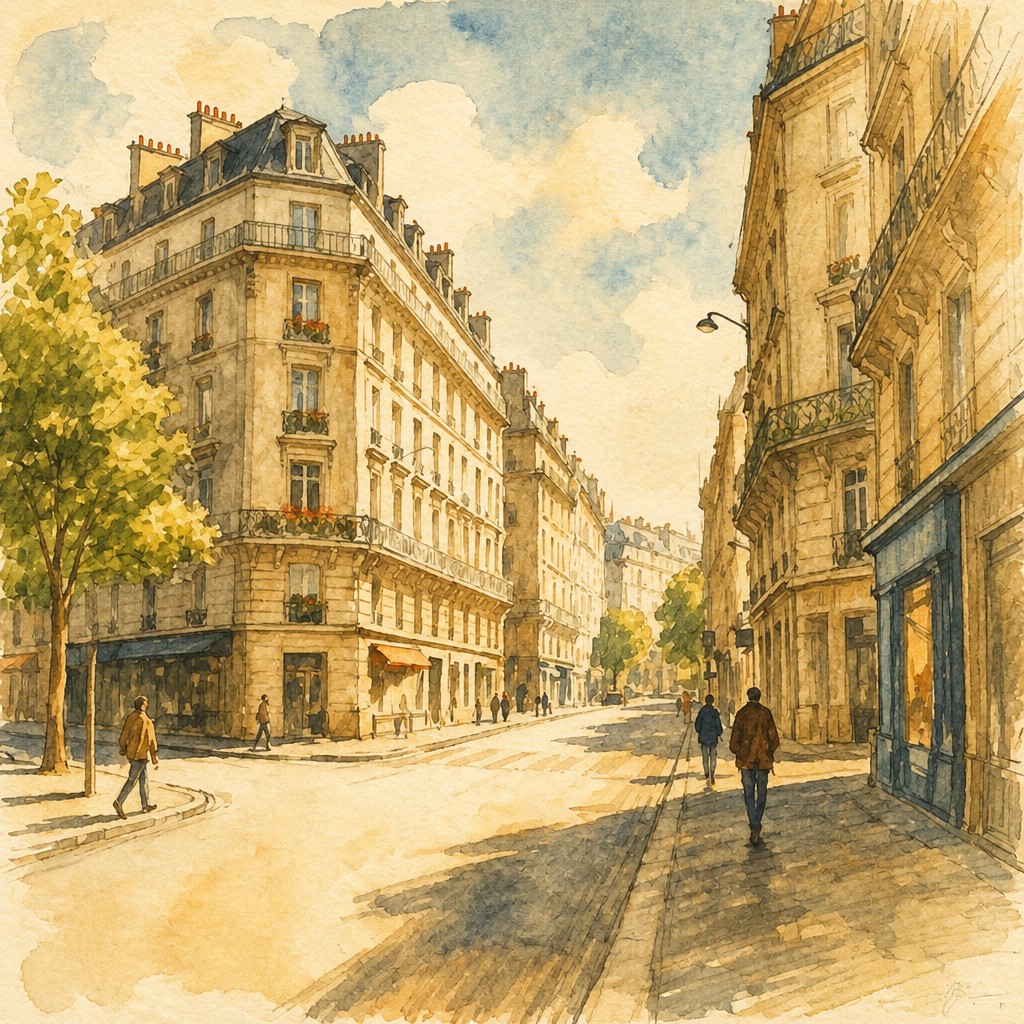

What Defines Storybook Watercolor
The signature details, up close
Transparent watercolor washes
Color appears in layered translucent passes rather than opaque fills. This creates soft tonal variation and lets underlying paper texture remain visible.
Visible paper grain
The surface often looks like cold-pressed watercolor paper with subtle fibers and tooth. That texture helps the image feel handcrafted and physically painted.
Soft, irregular edges
Forms often feather out, pool slightly, or bleed at the borders. Hard outlines are minimized unless they serve a storybook-illustration function.
Muted, earthy palette
Colors tend toward sage, ochre, umber, dusty rose, slate blue, and cream. Small touches of gold or warm sunlight add a nostalgic glow.
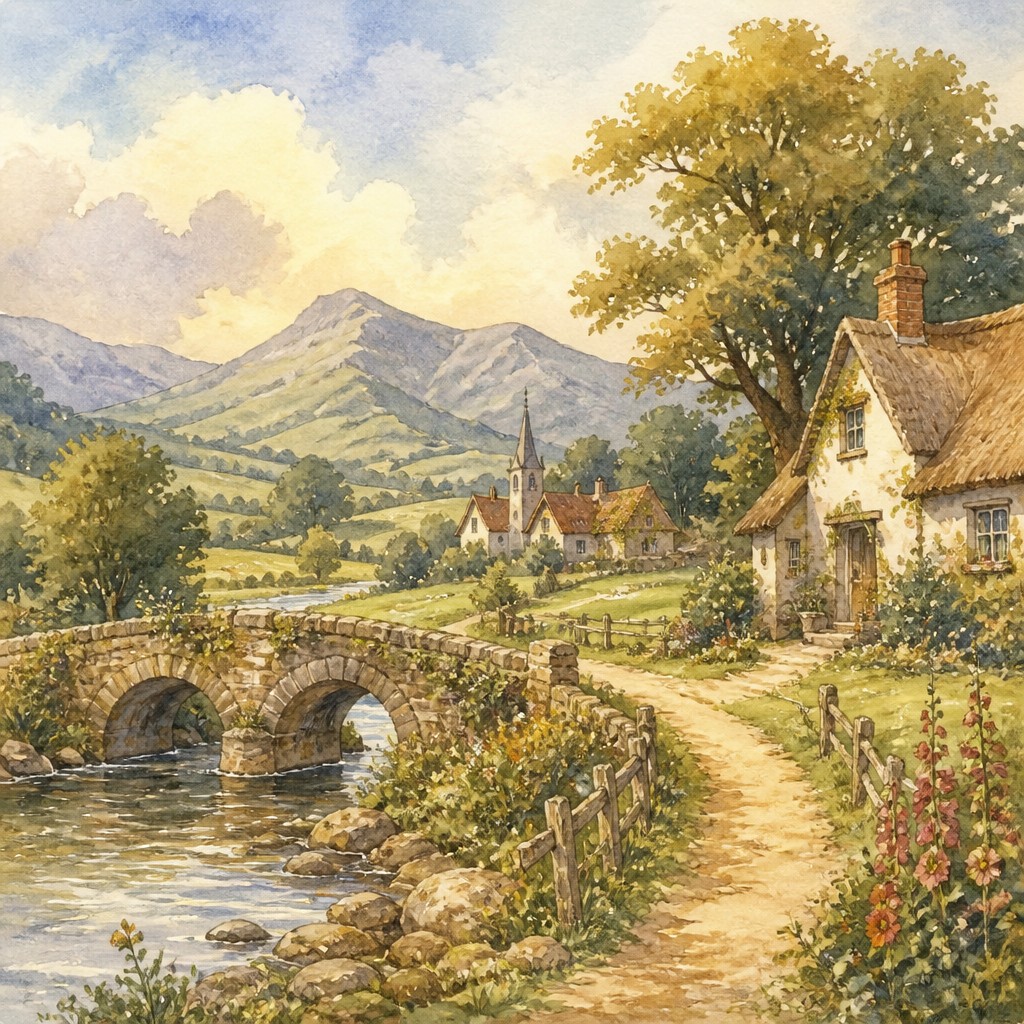
Gentle brushwork
Brush marks are delicate rather than dramatic, with layered strokes used to suggest fur, foliage, fabric, and weathered surfaces. Details remain clear but never overly crisp.
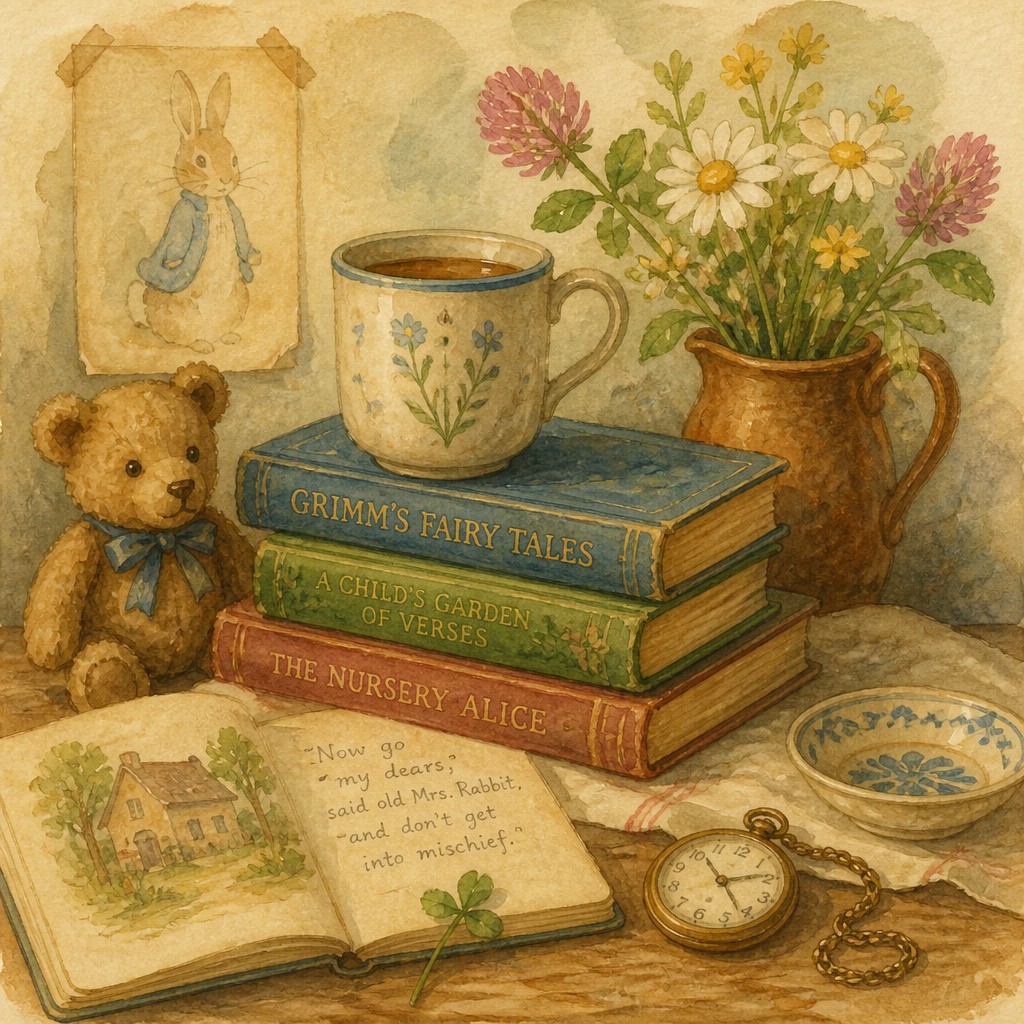
Nostalgic narrative composition
Scenes are usually designed like illustrations from a story, with centered subjects, readable gestures, and cozy environmental context. Even when the subject is simple, the image suggests a larger tale.
Try It
Create Videos in Storybook Watercolor
Styles aren't just for stills — describe a scene or animate an image and get a short video rendered in Storybook Watercolor. Press play to see this pond come to life.
Make a VideoStorybook Watercolor Prompt Ideas
Start from an idea — each one opens the generator with the style ready to go. See all 40 Storybook Watercolor prompts →
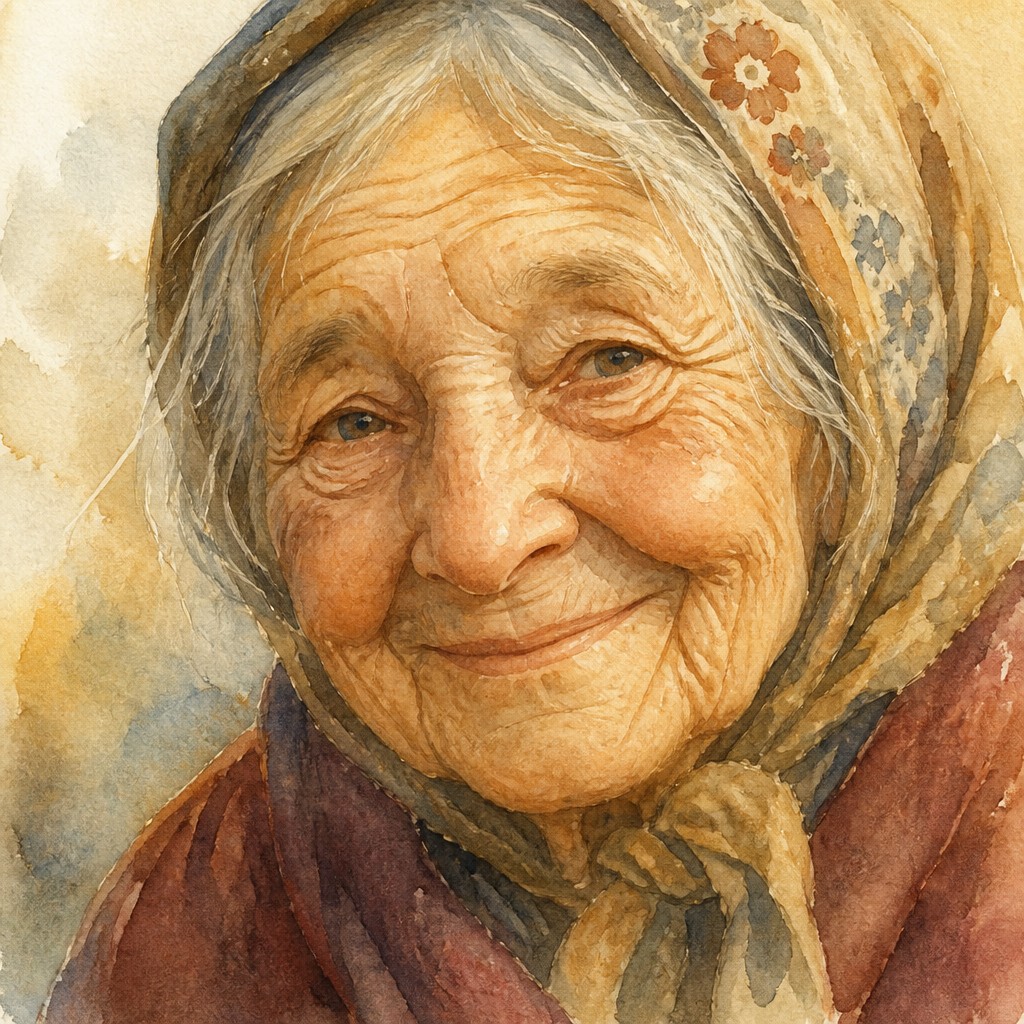
“close-up portrait of an elderly person with expressive weathered features”
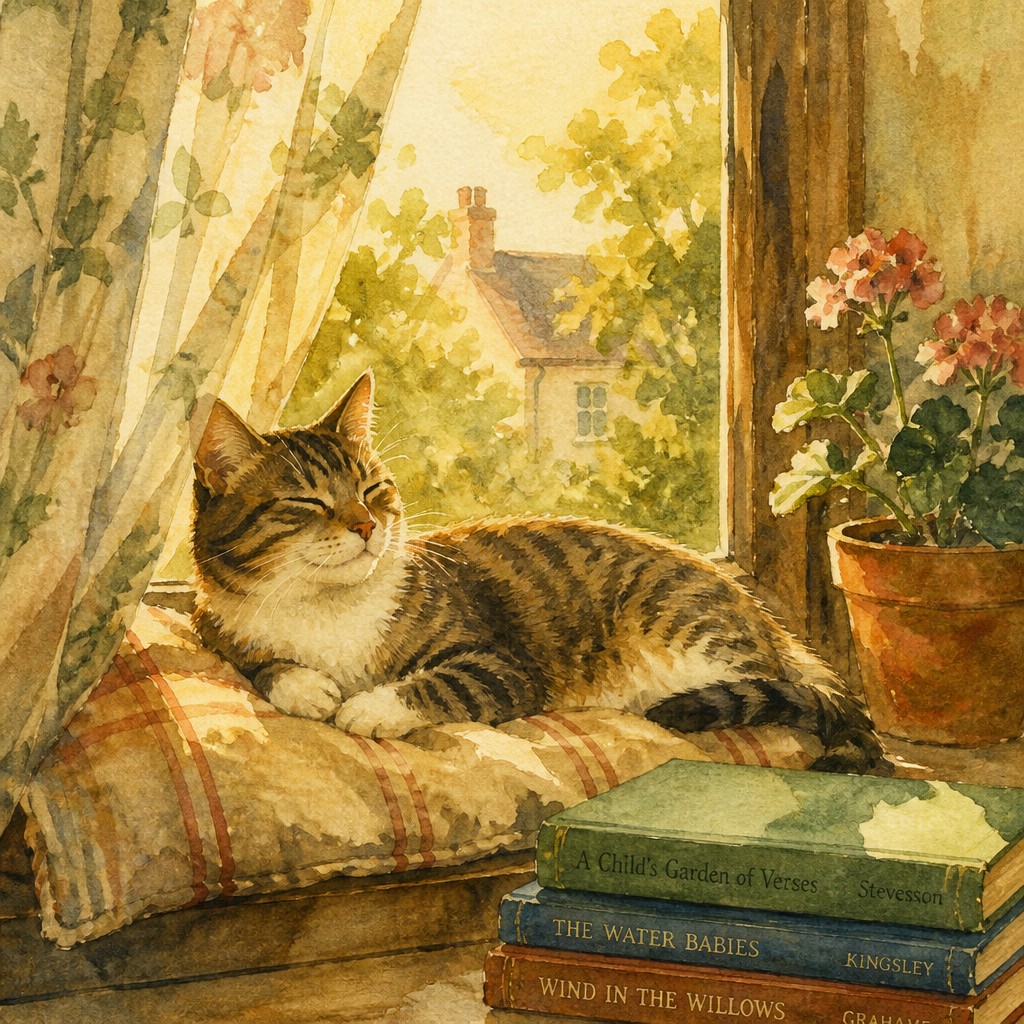
“a cat lounging in a sunlit window”
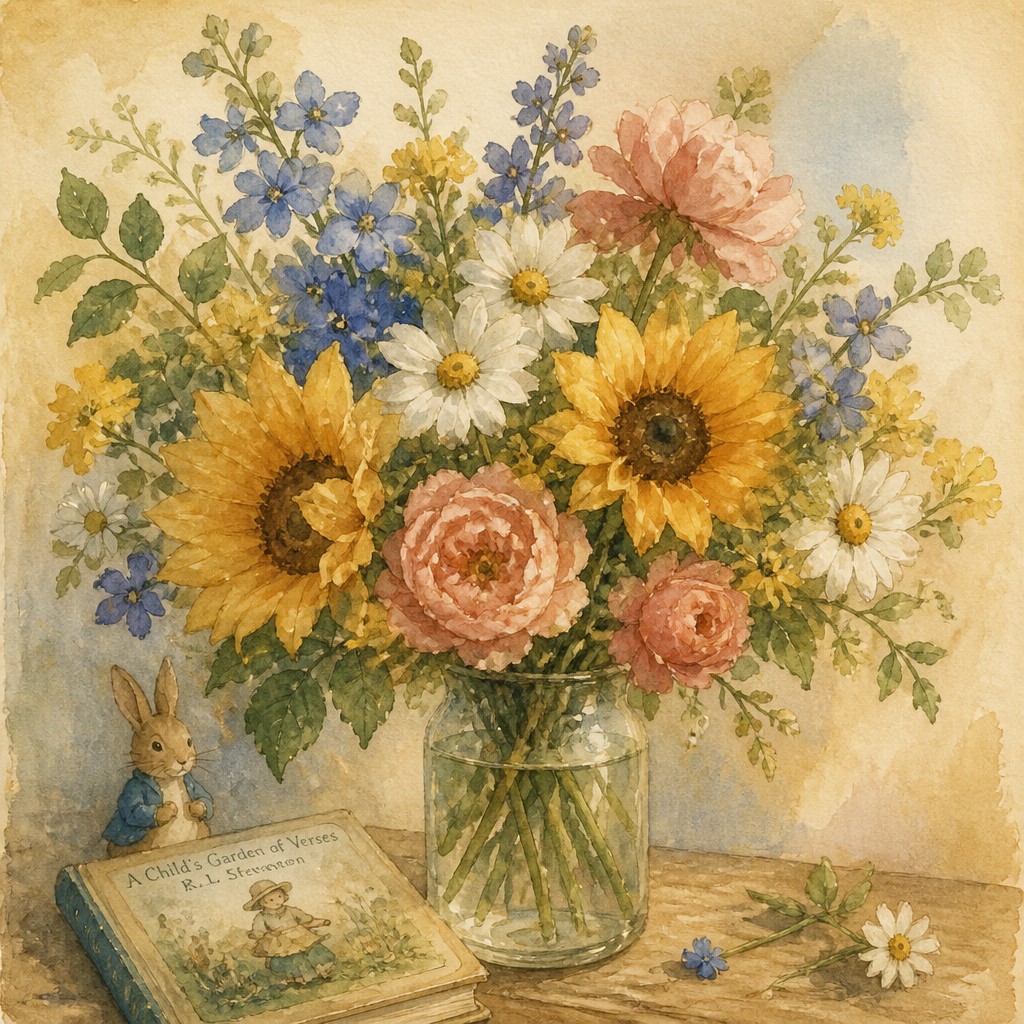
“bouquet of flowers in a glass vase”
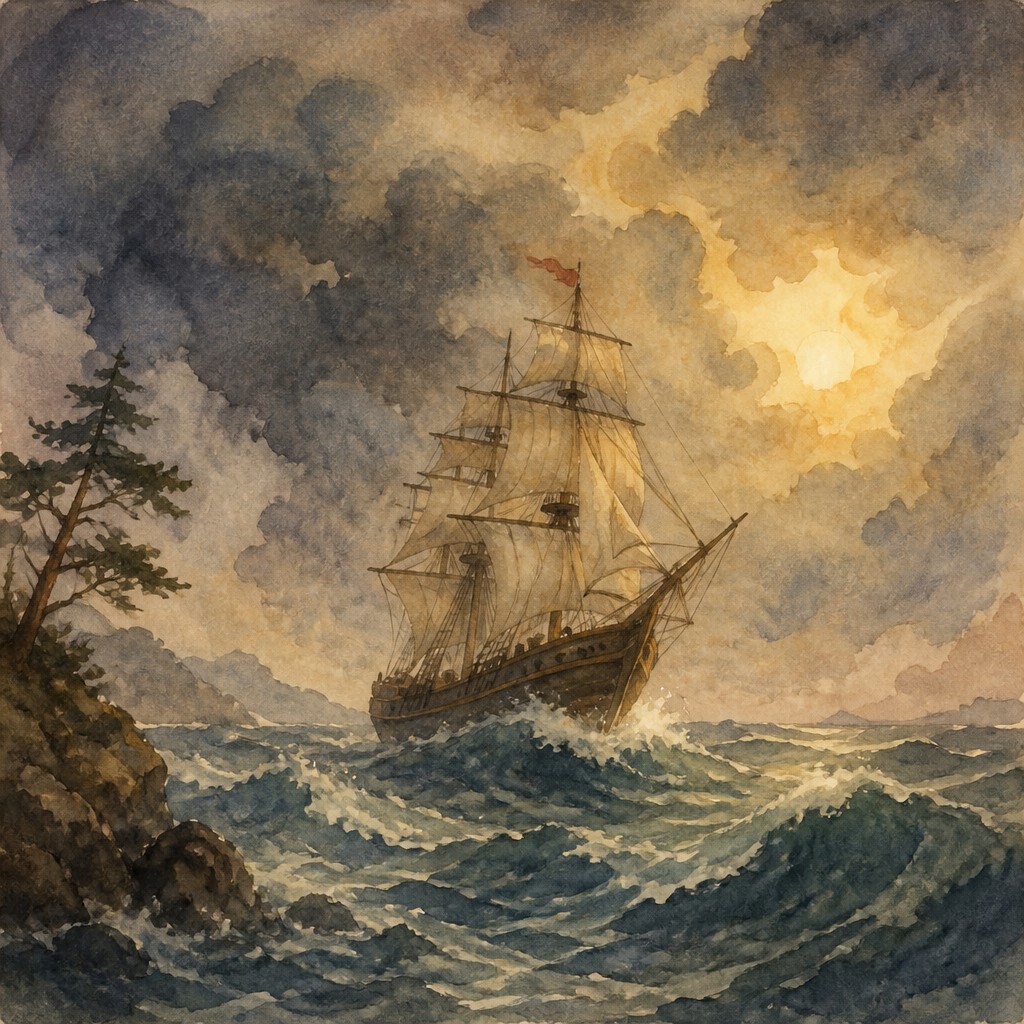
“sailing ship on a stormy sea”
How to Create Storybook Watercolor Art
Master the craft step by step — or skip straight to creating. Read the full guide →
- 1
Build the image with translucent layers
Start with a light sketch and block in color using diluted washes, then deepen shadows with several thin passes rather than one opaque layer. Leave small areas of paper or light ground visible to preserve the airy watercolor feel.
- 2
Preserve watercolor behavior
In traditional work, use wet-on-wet for soft backgrounds and wet-on-dry for controlled details, allowing blooms and edge variation to occur naturally. In digital painting, simulate this with textured brushes, low-opacity layering, and subtle edge diffusion.
- 3
Choose a storybook palette
Favor muted natural hues and reserve saturated color for focal points like clothing, flowers, or evening light. Warm the highlights slightly so the scene feels lit by lamplight, afternoon sun, or a gentle hearth glow.
- 4
Design for illustration, not realism
Simplify anatomy and architecture into readable shapes with clear silhouettes and expressive details. Composition should support narrative clarity, suggesting mood, place, and character at a glance.
- 5
Use texture and paper cues deliberately
Add paper grain, pigment granulation, and imperfect wash edges so the surface feels physical. If generating with a prompt, specify watercolor washes, visible paper texture, delicate paint bleeds, and nostalgic children's-book charm.
The Story
History & Origins of Storybook Watercolor
Storybook Watercolor is not a single historical movement so much as a visual tradition that grew out of children's publishing, nursery illustration, and late-19th- to mid-20th-century picture books. It draws from watercolor illustration practices used in literary illustration, greeting cards, and educational books, where clarity, warmth, and reproducible color work were especially valued.
Its aesthetic lineage includes the work of influential animal-and-child picture-book illustrators, clean-lined early-20th-century narrative illustrators, and beloved mid-century domestic and nature-oriented children’s illustrators, alongside the broader Anglo-American picture-book tradition. The style today is also shaped by contemporary nostalgia for vintage printed books. In digital and AI contexts, it is often recreated by combining watercolor media cues—paper grain, wash gradients, edge bleeding—with composition choices that evoke classic children's storytelling.
Influences: Storybook Watercolor draws from watercolor illustration, nursery art, and classic picture-book traditions in Britain and North America, especially the gentle naturalism of influential animal-and-child picture-book illustrators and the clean narrative clarity associated with major early-20th-century children’s illustrators. It also overlaps with the handcrafted warmth of beloved mid-century nursery and domestic illustrators and later vintage-inspired children’s illustration, where soft washes, domestic scenes, and animal characters became enduring visual cues.
Frequently Asked Questions
What defines Storybook Watercolor?
Its defining traits are soft transparent color, visible paper texture, delicate edges, and a nostalgic children's-book mood. The style usually balances realism and simplification, making scenes feel handcrafted and narratively inviting.
How is it different from a generic watercolor style?
Generic watercolor can describe many subjects and moods, including loose expressive painting or contemporary fine art. Storybook Watercolor is more specific: it emphasizes illustration, gentle storytelling, warm palette choices, and the kind of polished but handmade look common in classic picture books.
How do I make my image look more like a vintage children's book illustration?
Use a restrained earthy palette, soften outlines, and let washes layer transparently instead of filling everything flatly. Add paper grain, slight pigment blooms, and a composition that feels like it belongs to a story scene rather than a standalone painting.
What subjects work best in this style?
Animals, children, cottages, forests, gardens, seasonal scenes, and quiet domestic moments are especially effective. These subjects naturally support the style's warmth, simplicity, and narrative quality.
Can this style be created digitally?
Yes. Digital painting can convincingly mimic it when you combine watercolor brushes, layered translucency, paper texture overlays, and controlled soft edges. The key is to avoid overly clean vector-like shapes and preserve the irregularity of real paint.
Where is this style commonly used?
It is often used for children's books, nursery décor, greeting cards, seasonal illustrations, stationery, and whimsical editorial art. It also appears frequently in fantasy-themed imagery that wants a gentle, nostalgic tone.
Create your first Storybook Watercolor artwork
Describe anything — or upload a photo — and see it in Storybook Watercolor in seconds.
Make Something with Storybook Watercolor
Related Styles
Discover similar art styles