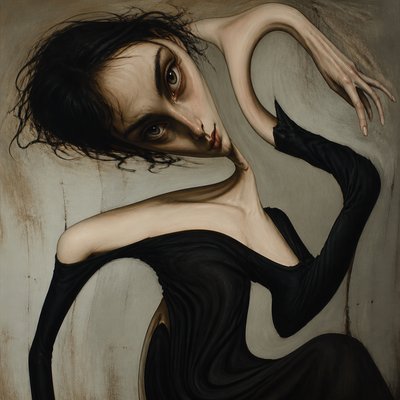
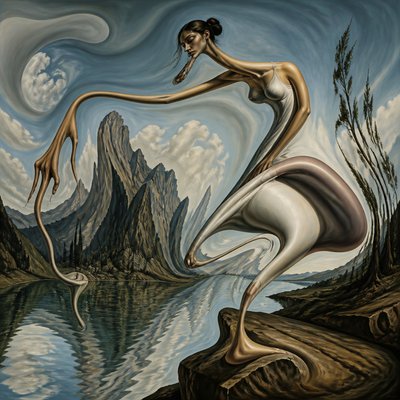
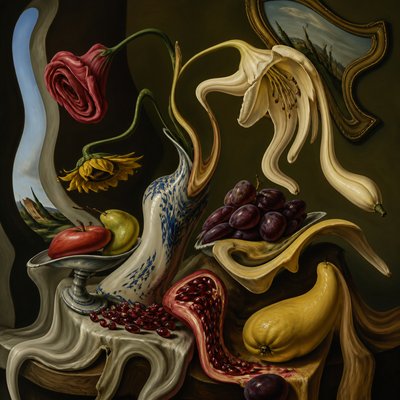
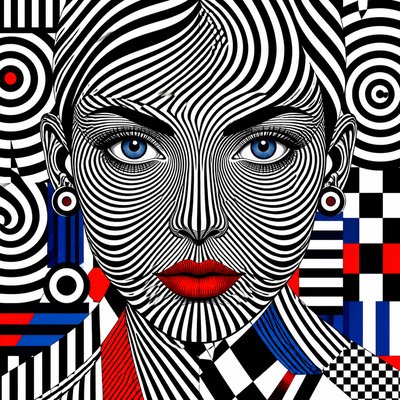
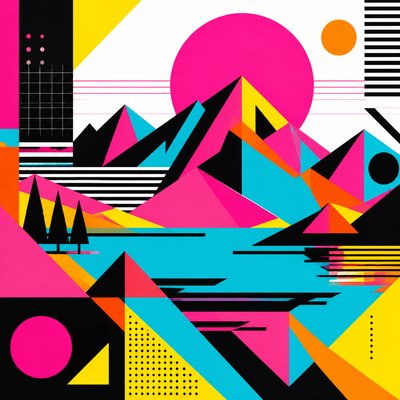
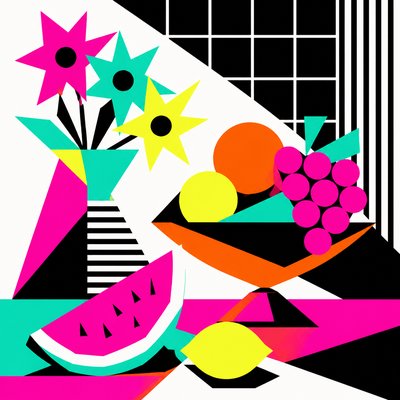
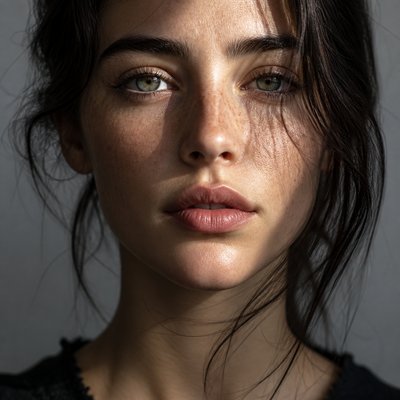
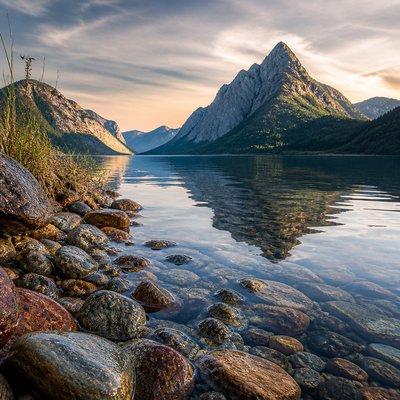
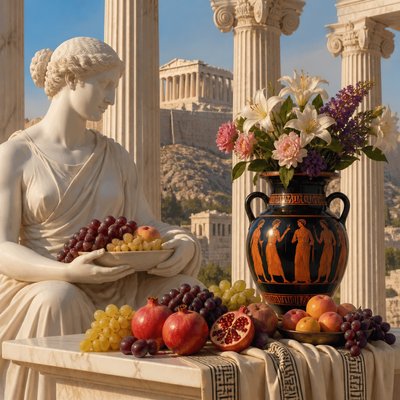
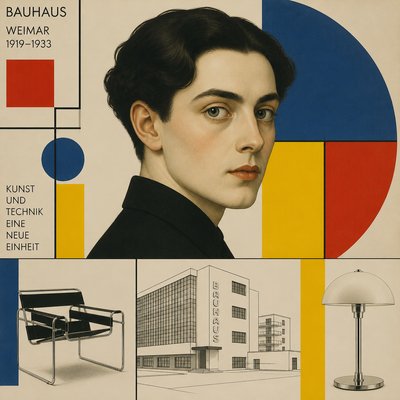
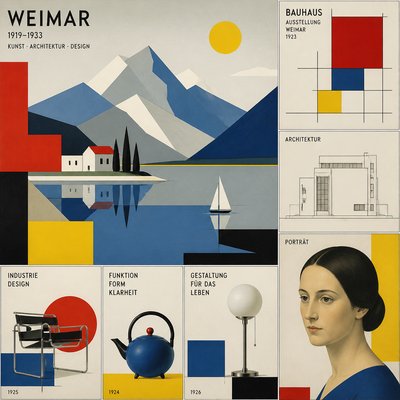
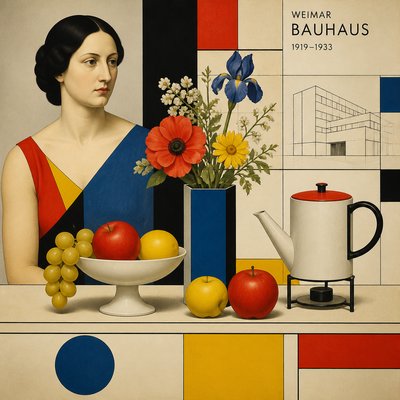
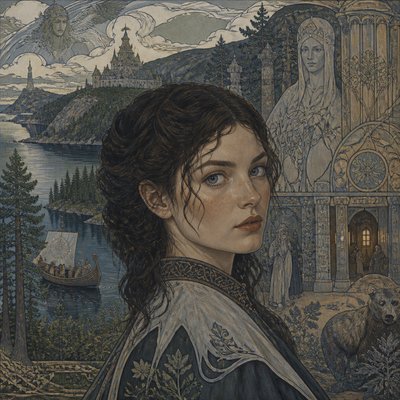
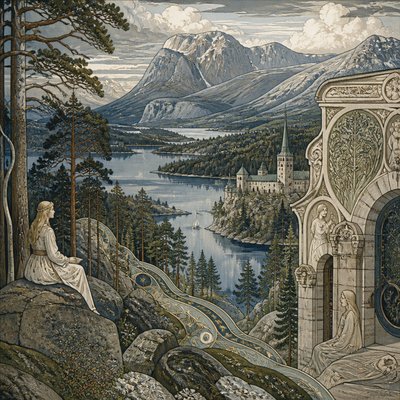
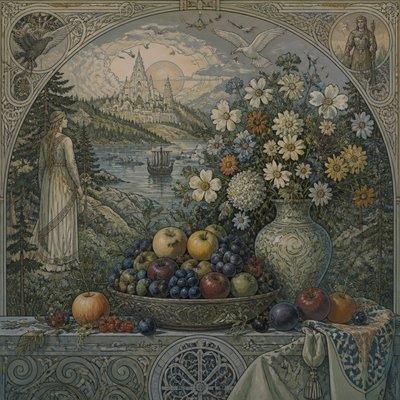
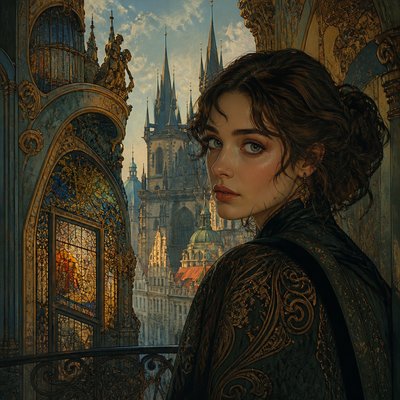
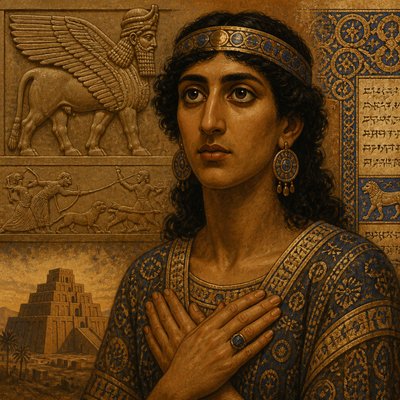
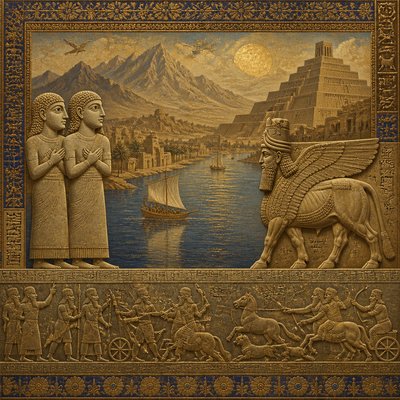
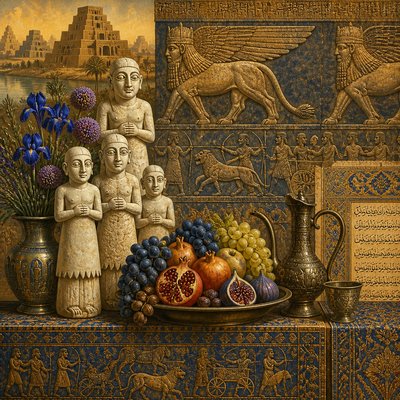
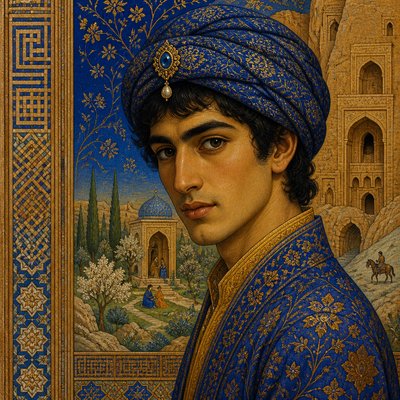
Perfect Balance Art Style
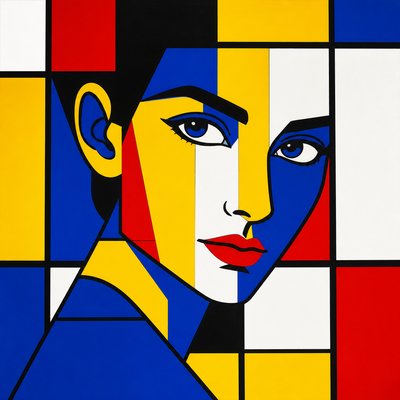
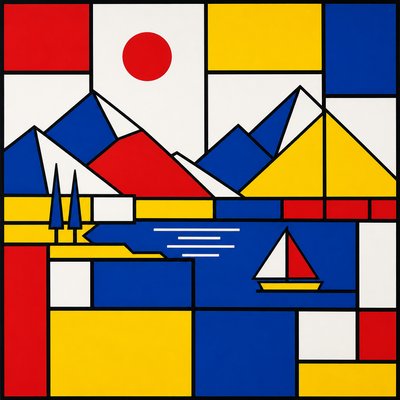
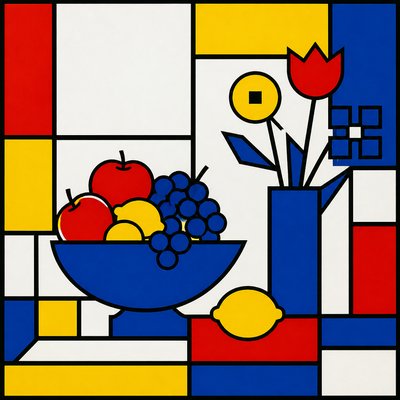
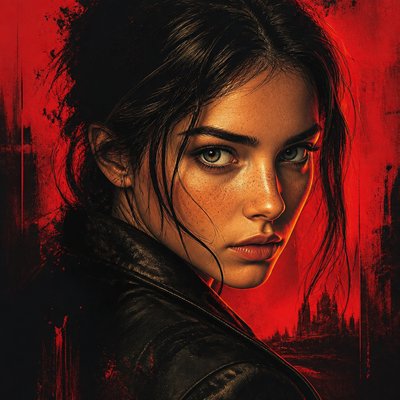
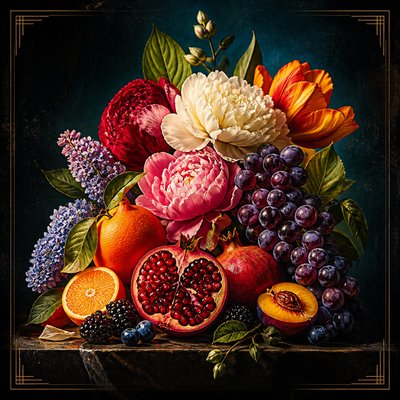
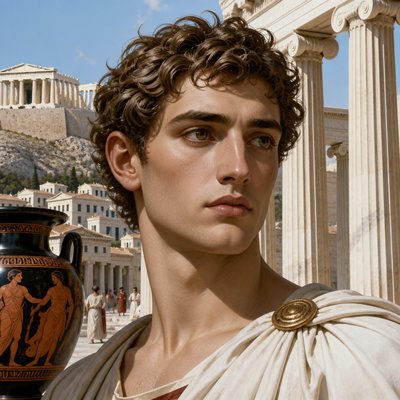
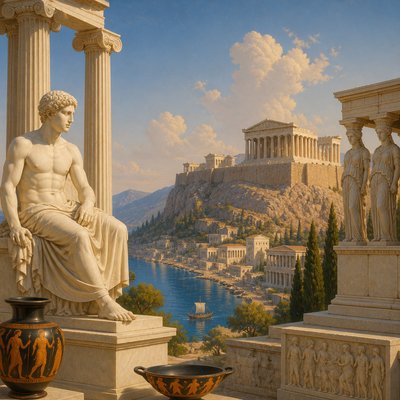
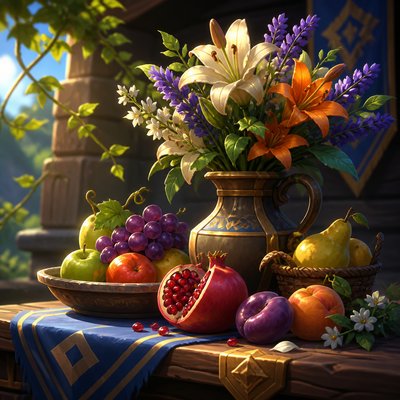
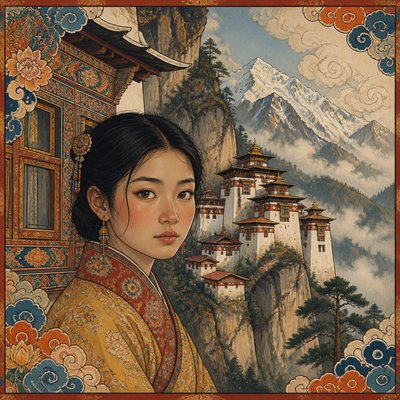
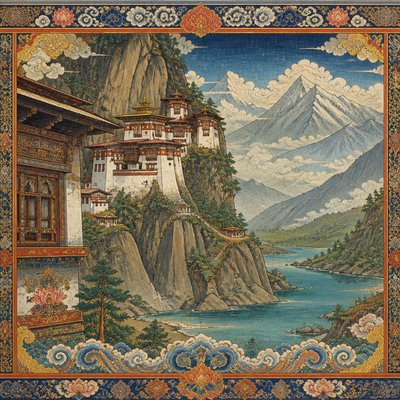
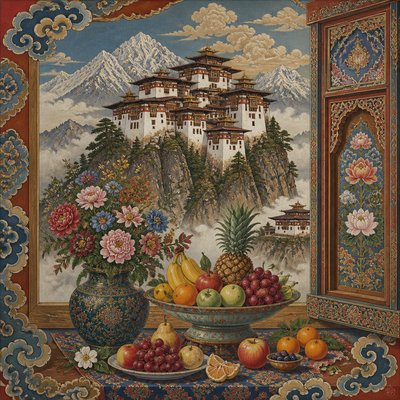
Explore Perfect Balance, an art style of stillness, equal visual weight, calm structure, and meditative compositional harmony.
Instantly rendered in Perfect Balance — or transform a photo
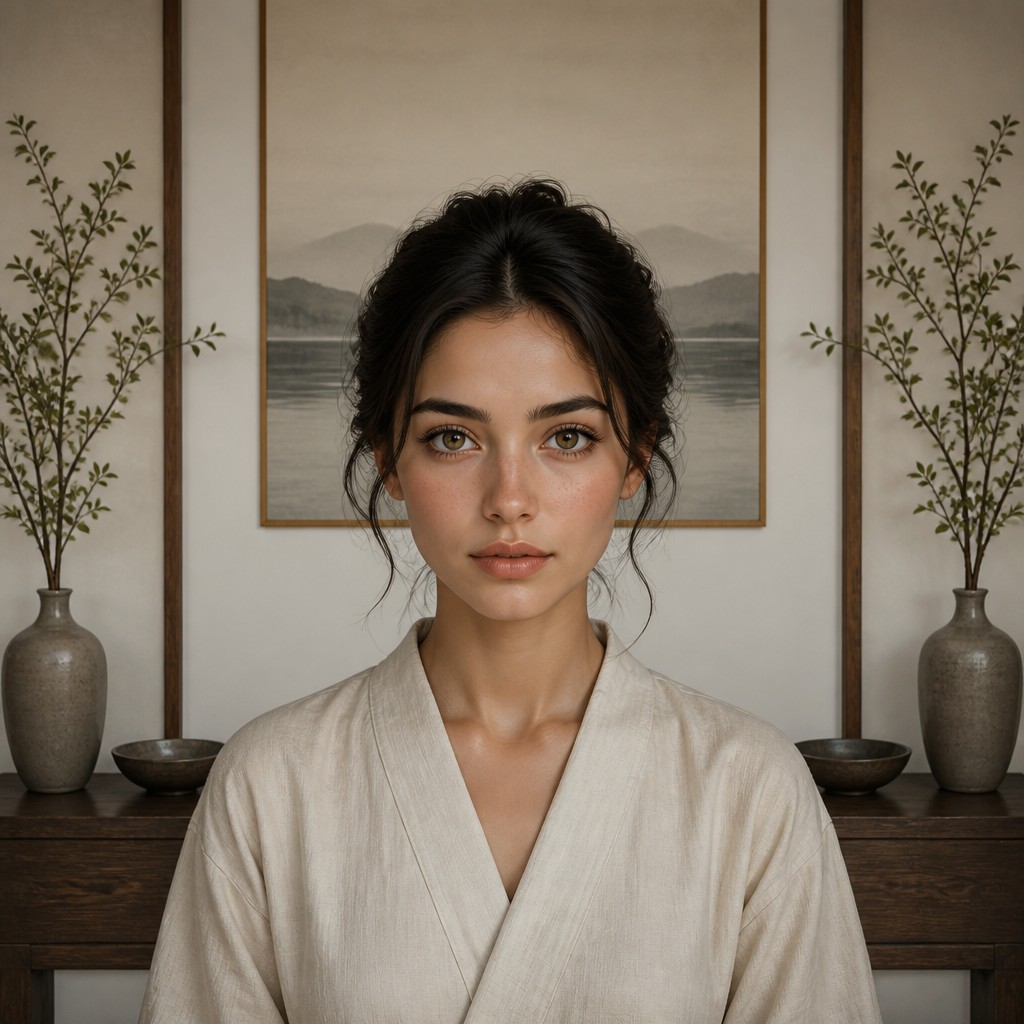
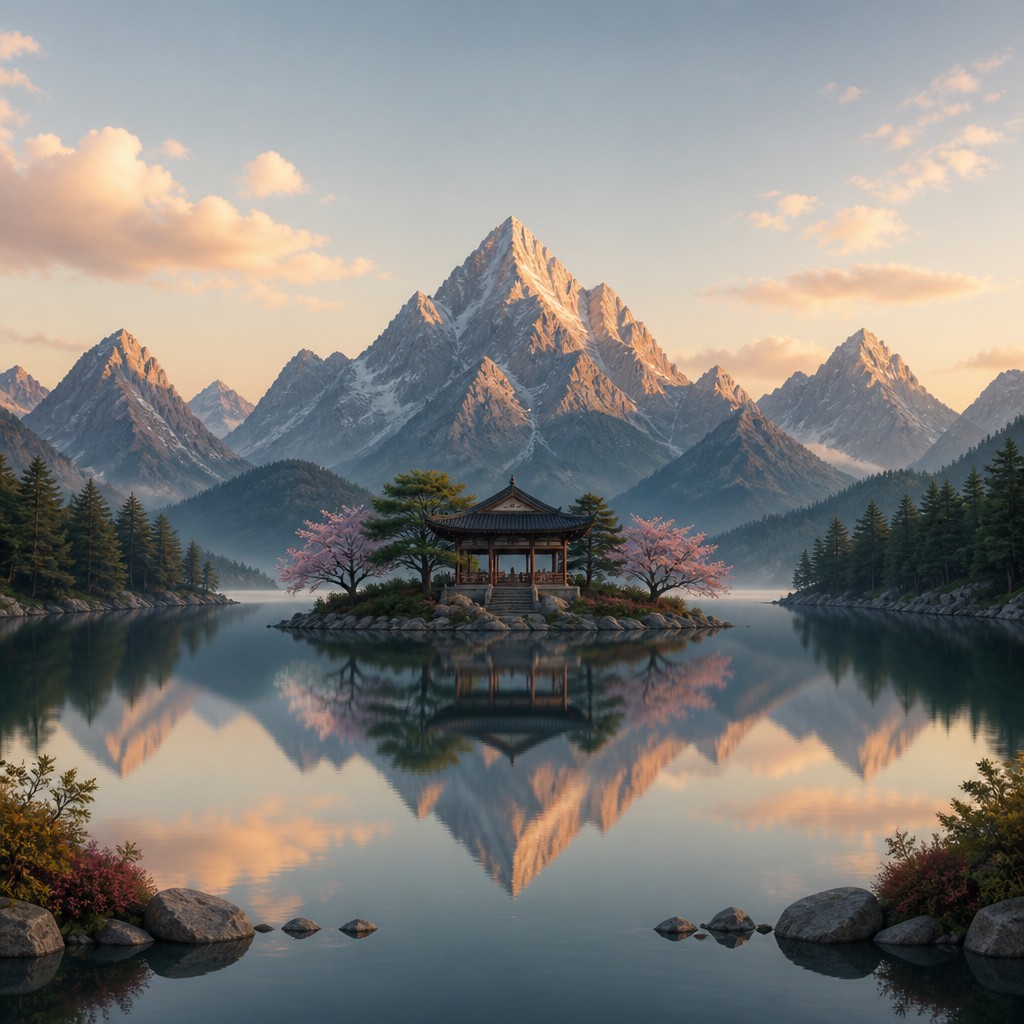
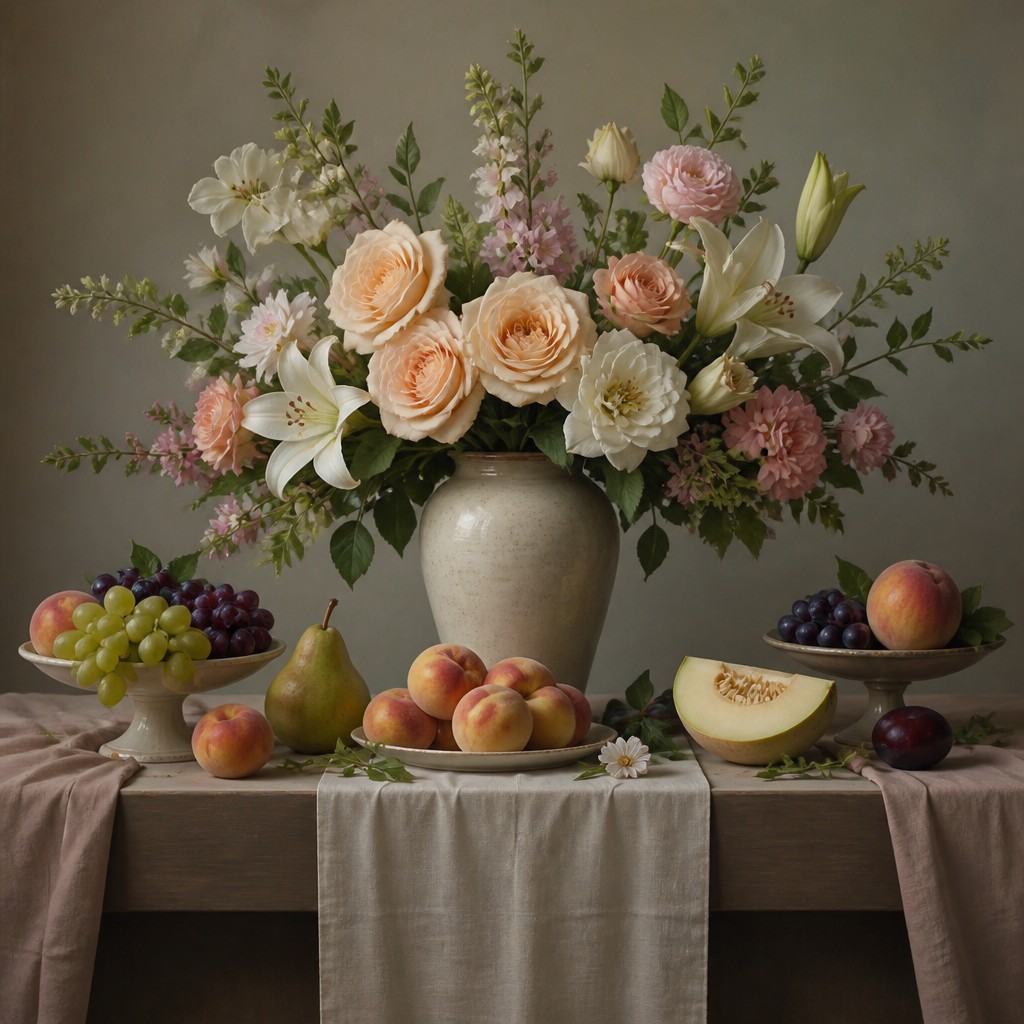
Perfect Balance Gallery
Tap any artwork to explore it
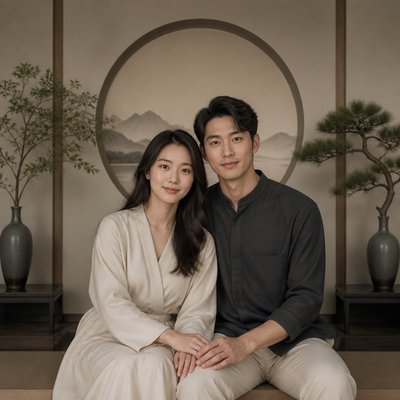
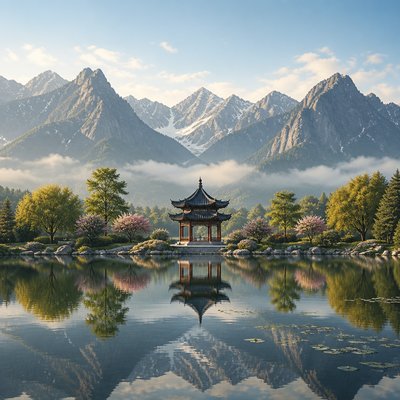
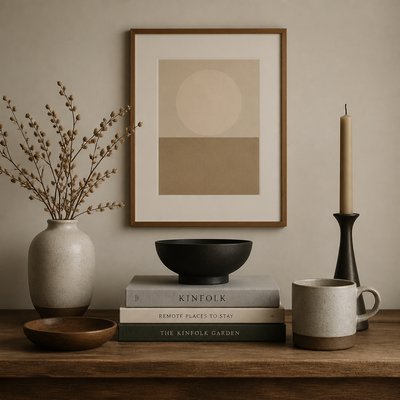
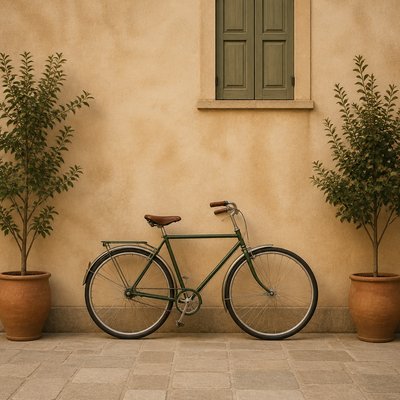
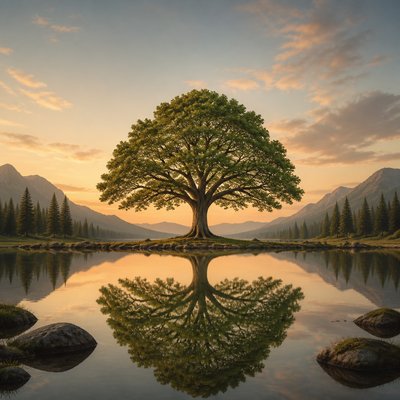
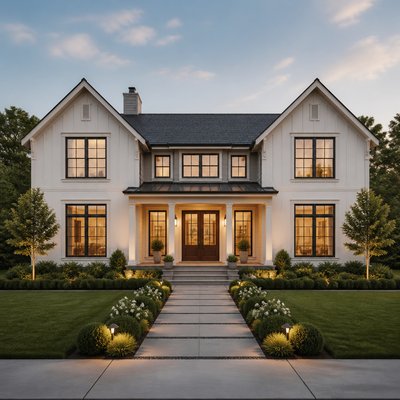
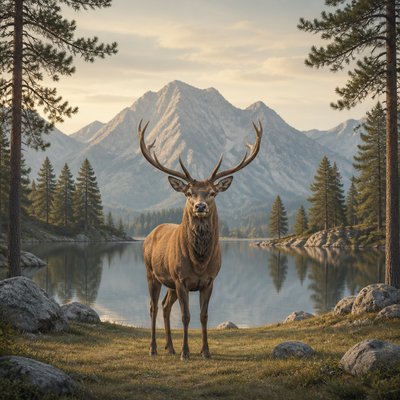
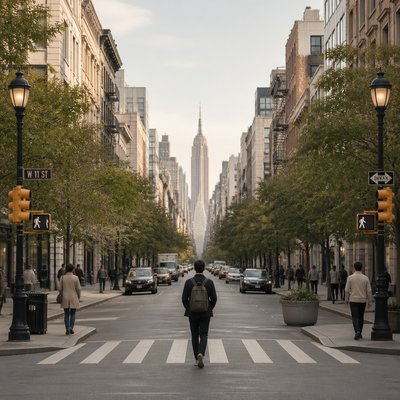
What is Perfect Balance Art Style?
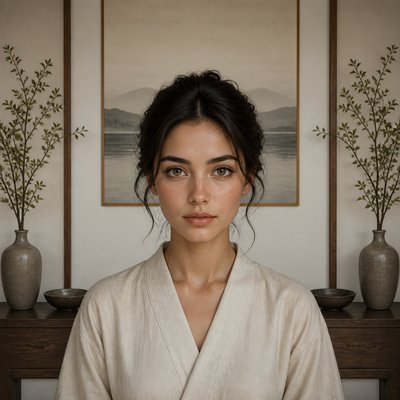
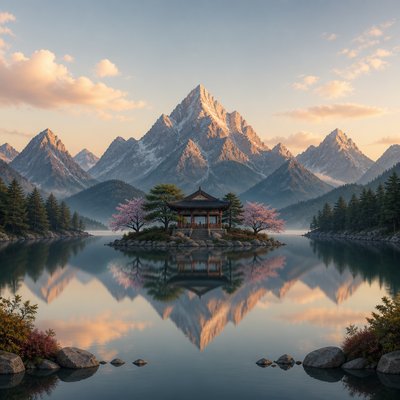
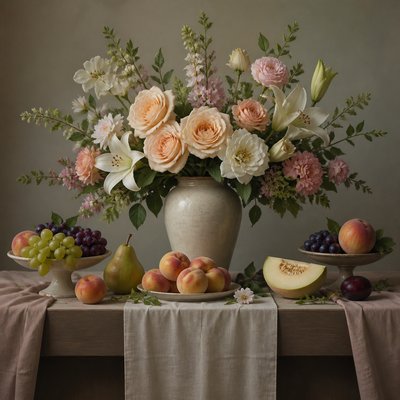
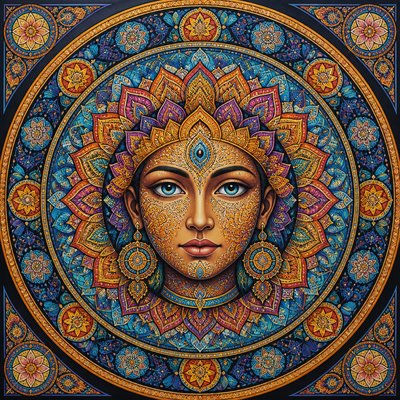
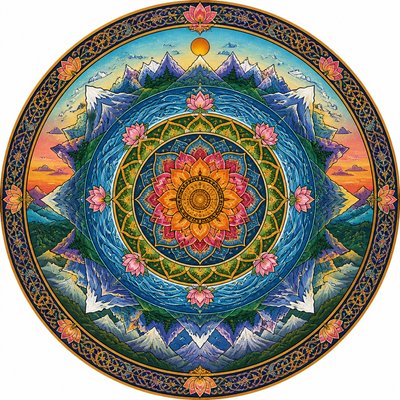
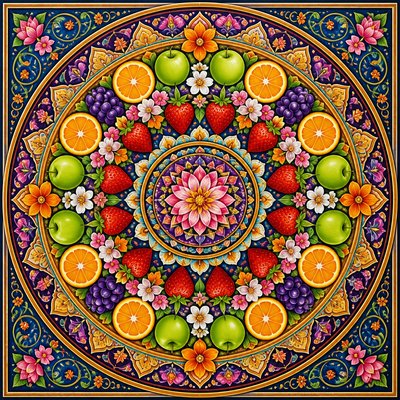
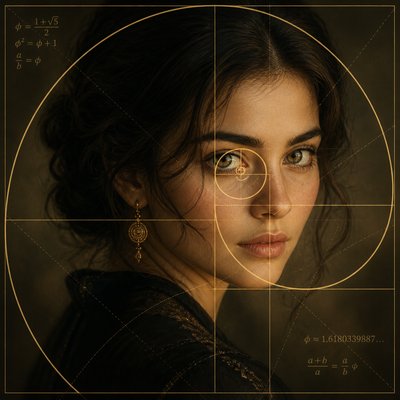
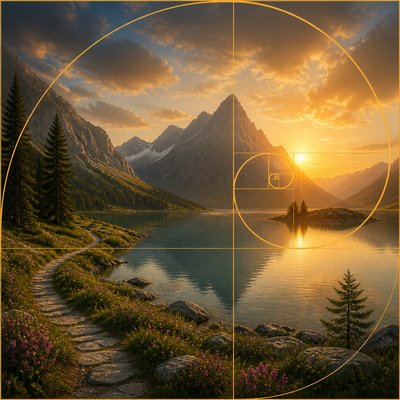
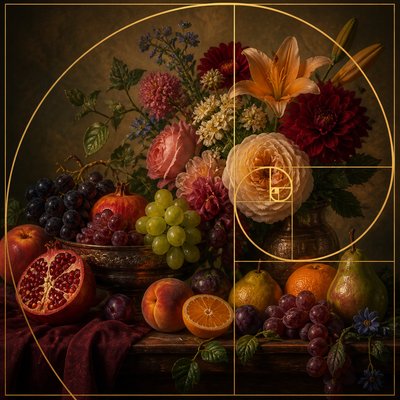
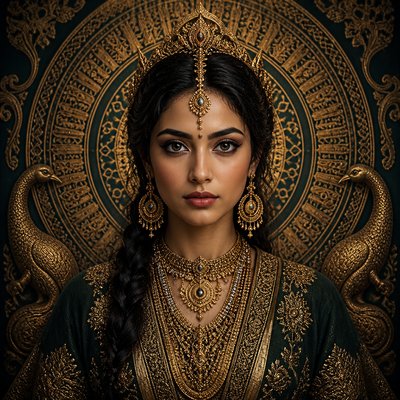
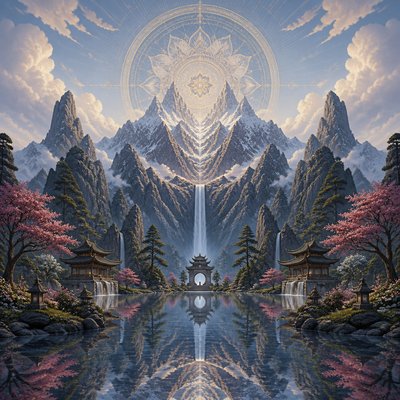
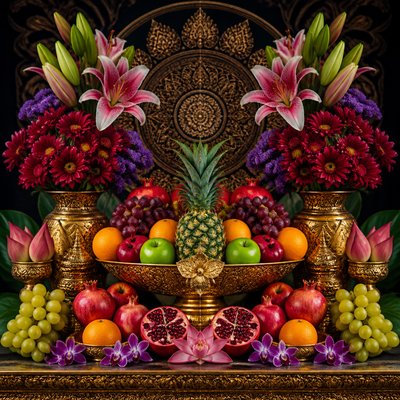
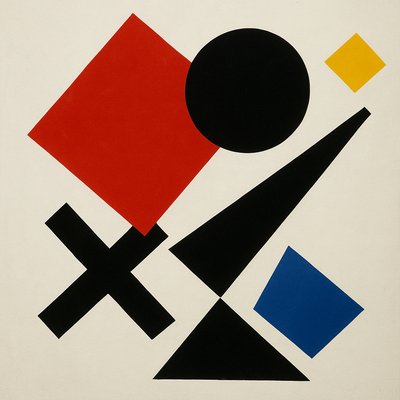
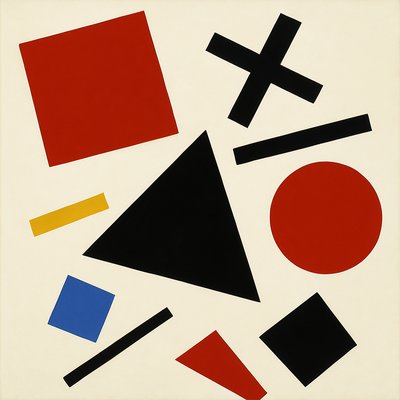
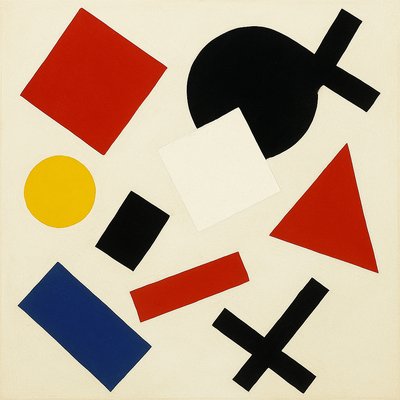
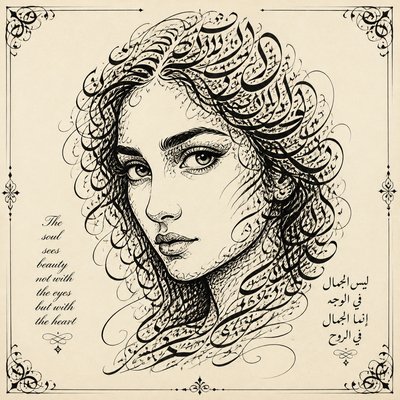
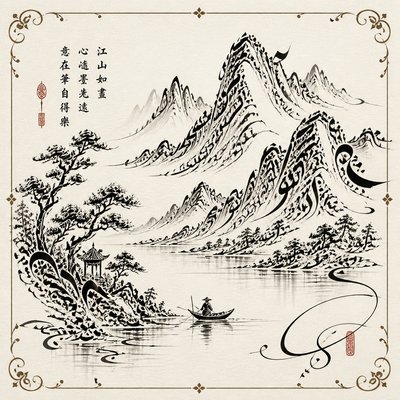
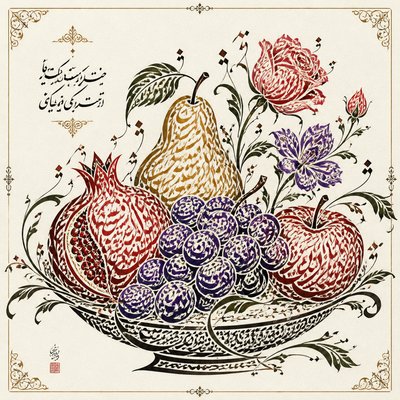
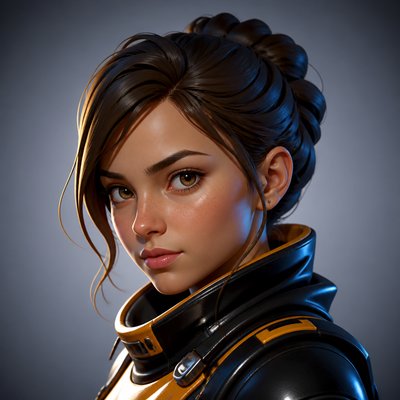
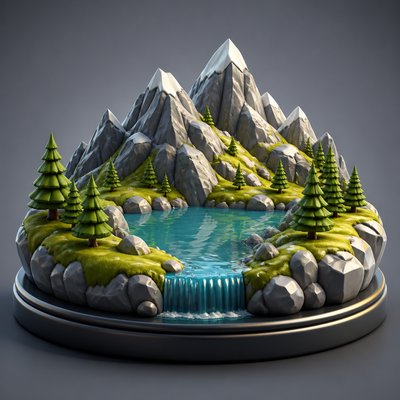
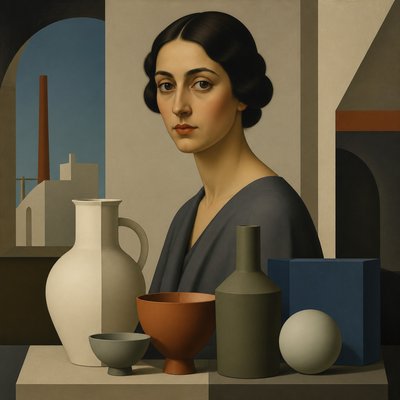
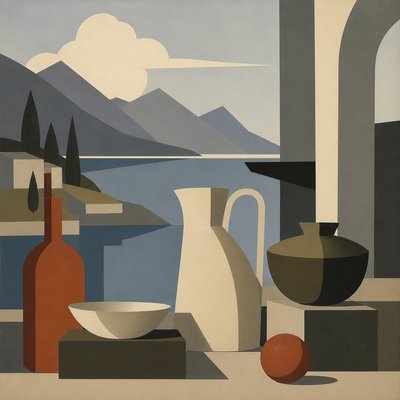
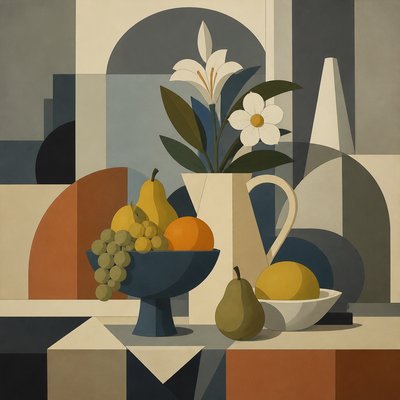
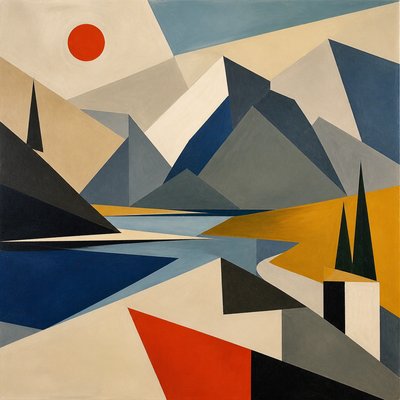
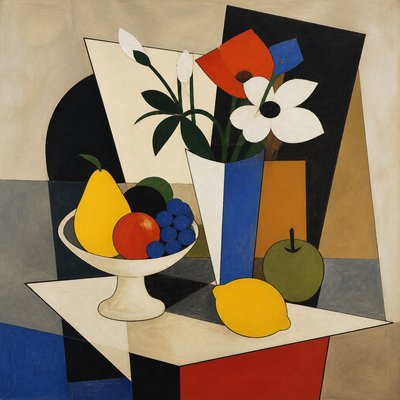
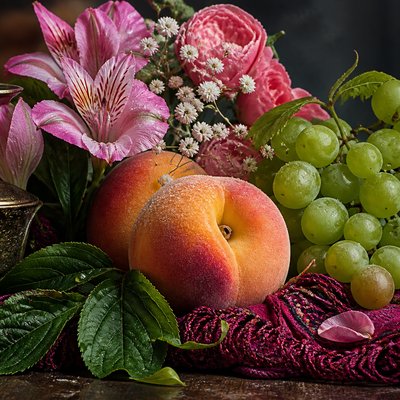
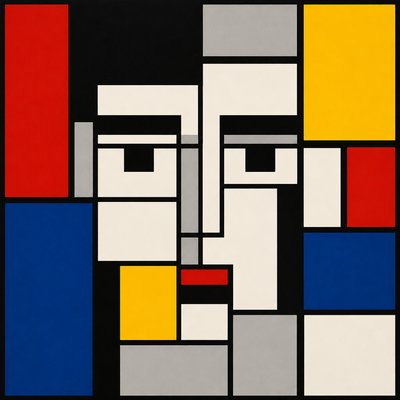
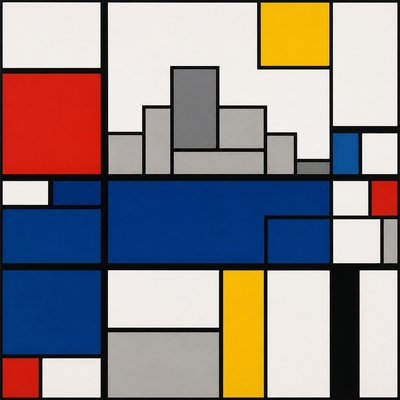
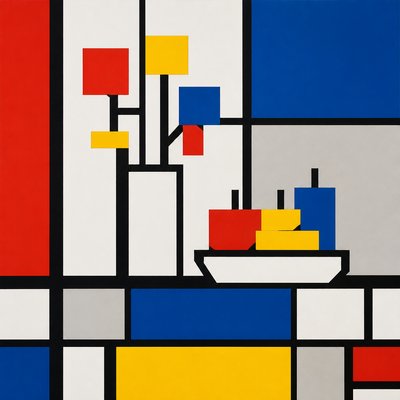
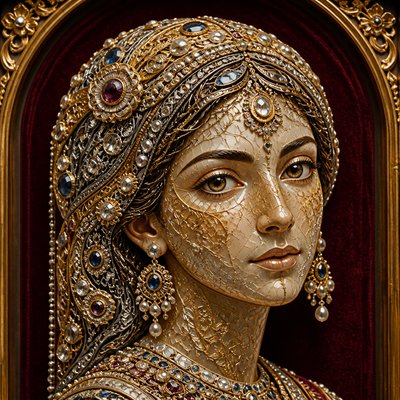
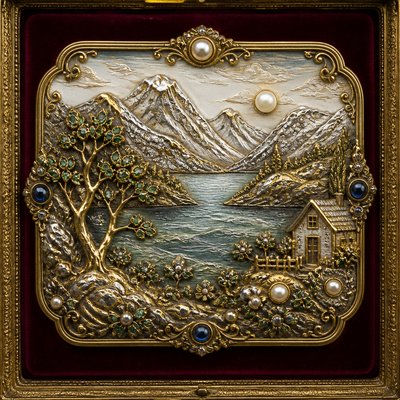
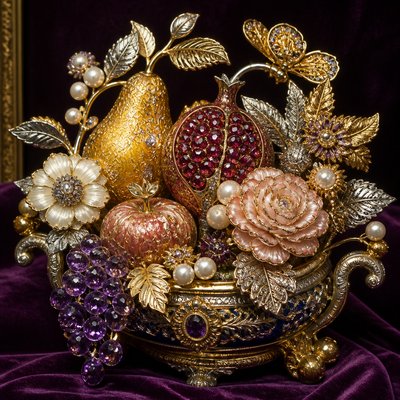
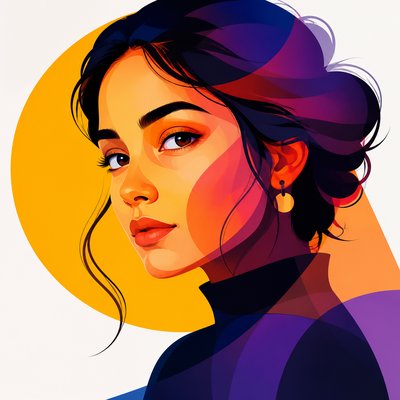
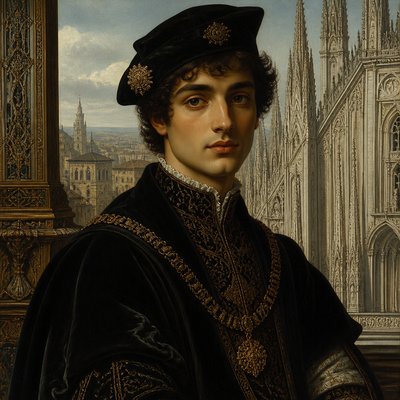
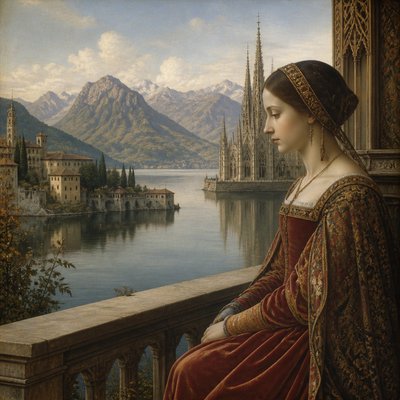
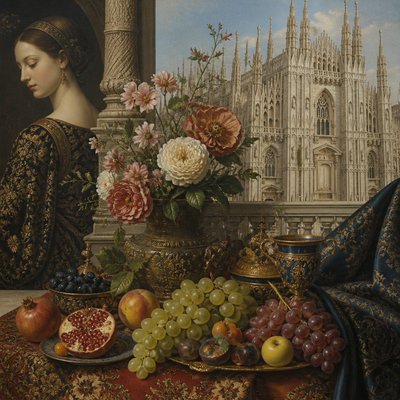
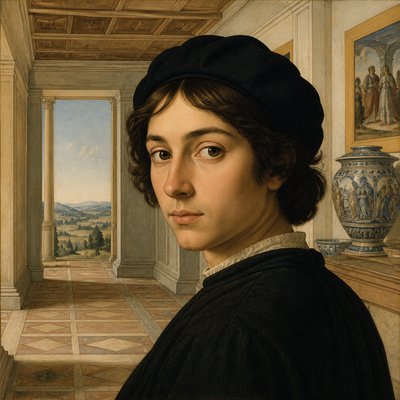
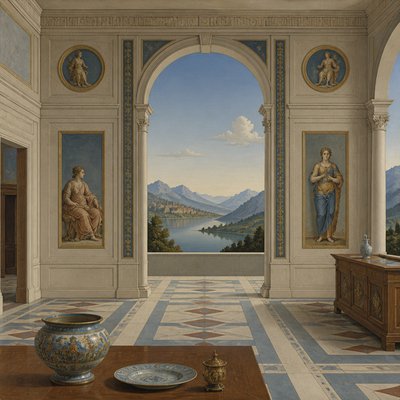
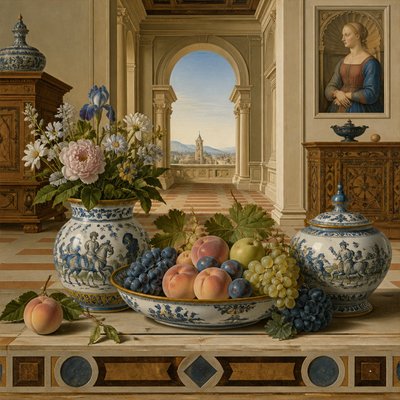
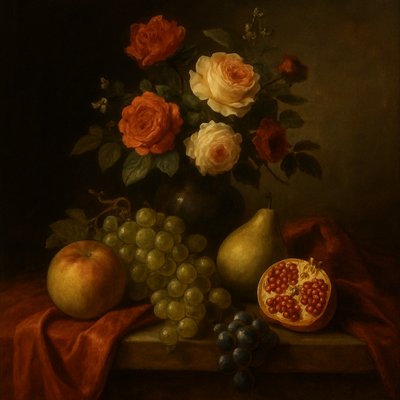
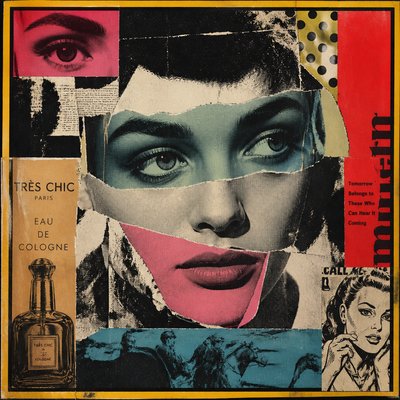
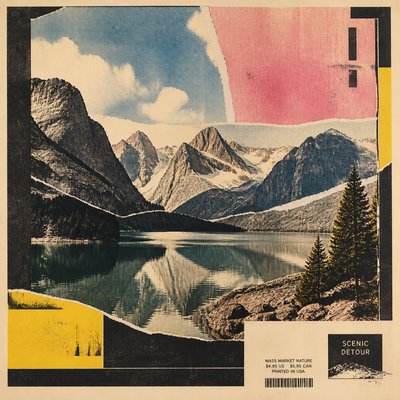
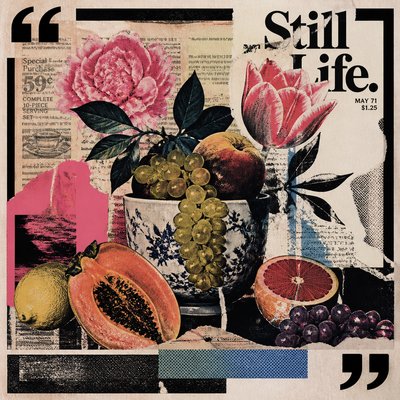
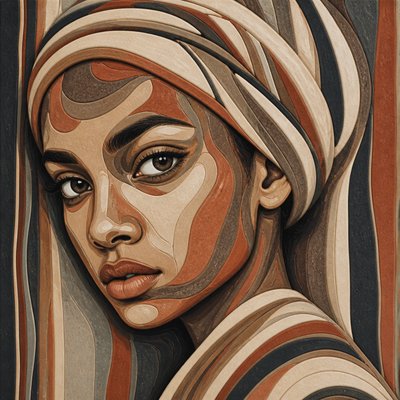
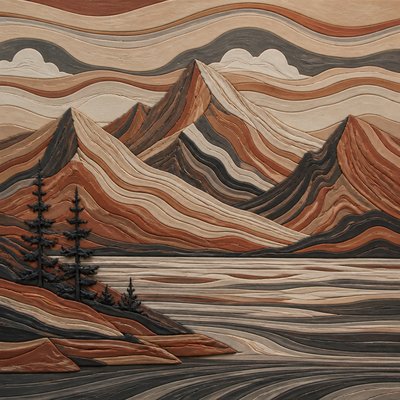
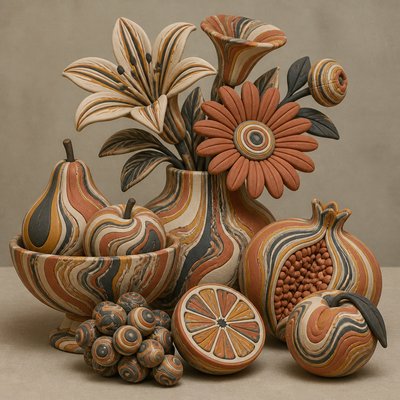
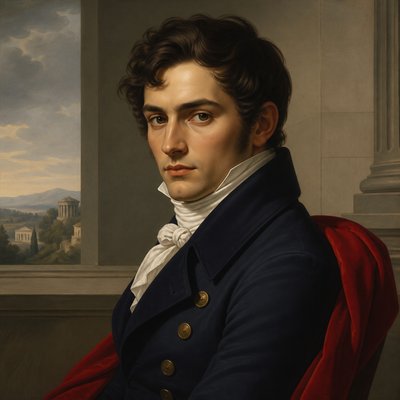
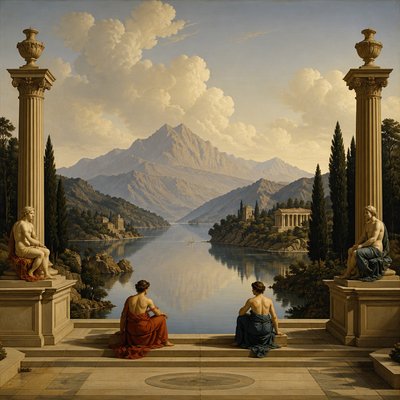
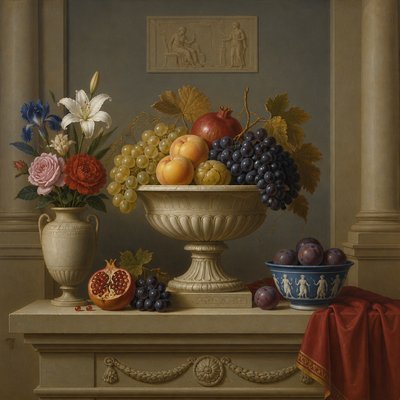
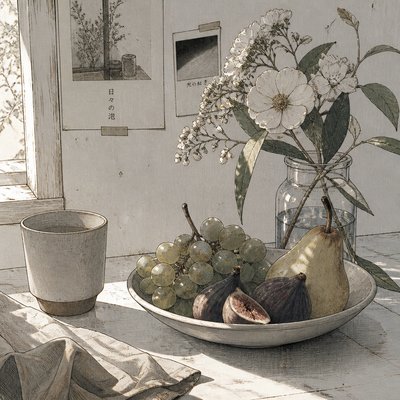
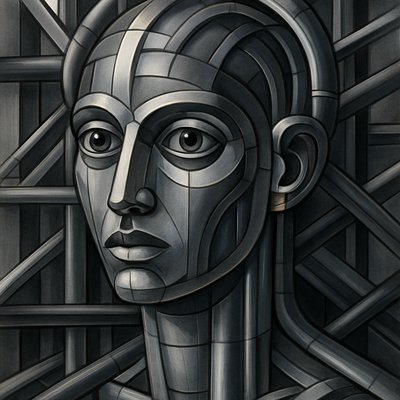
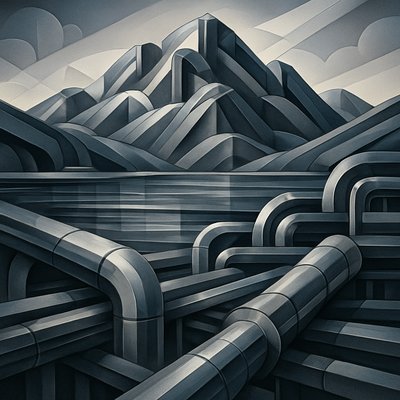
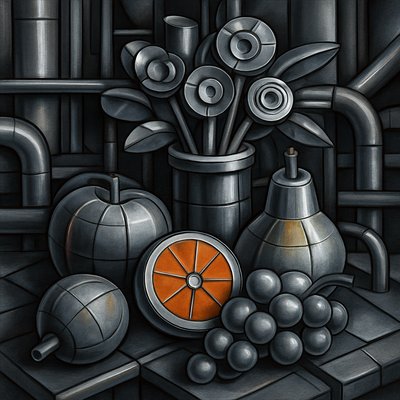
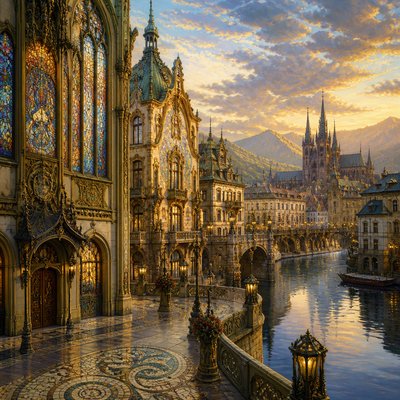
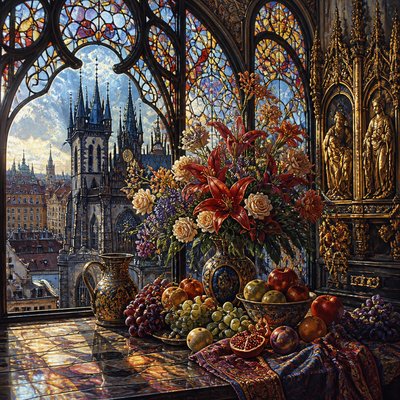
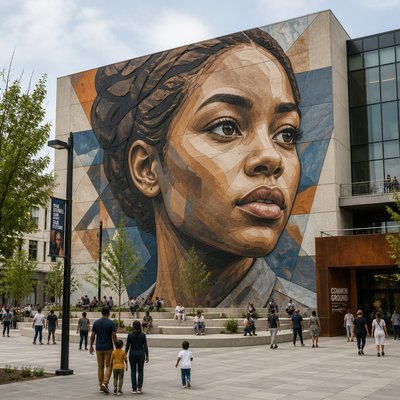
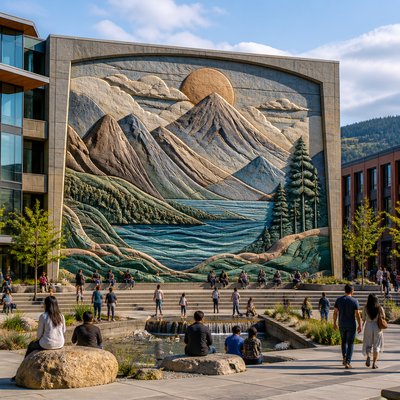
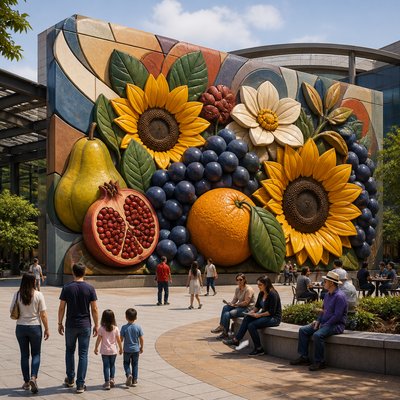
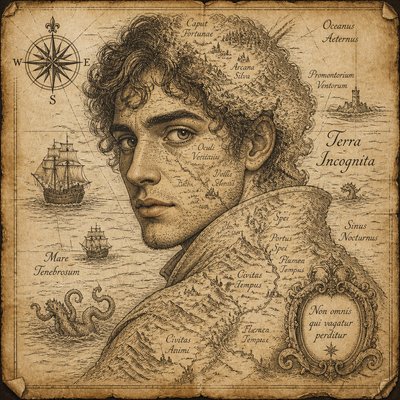
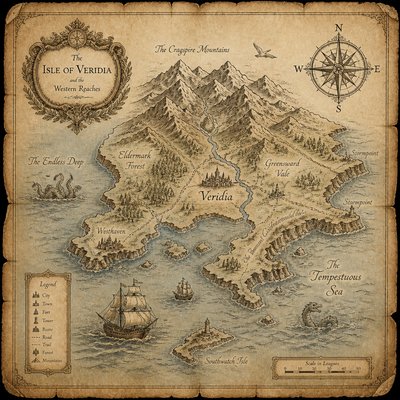
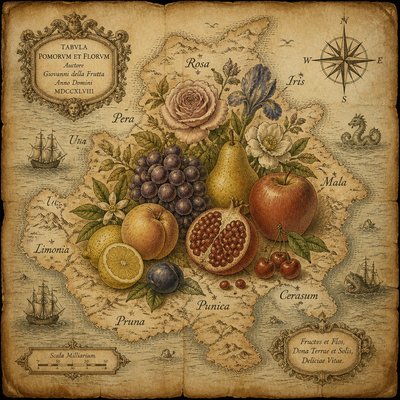
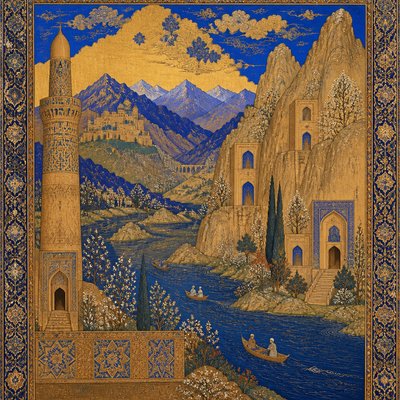
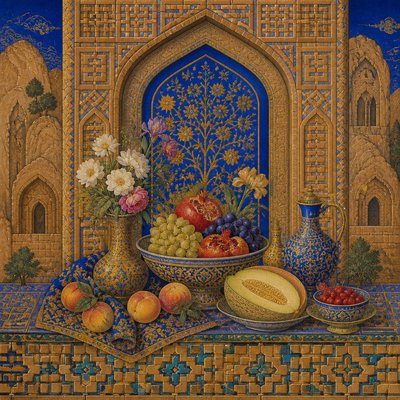
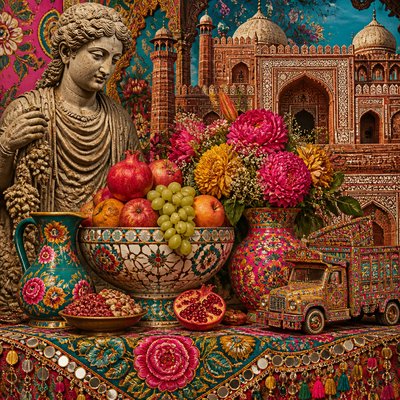
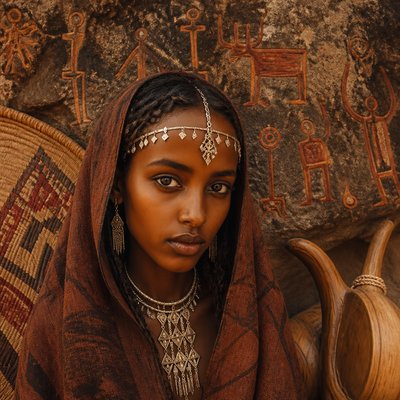
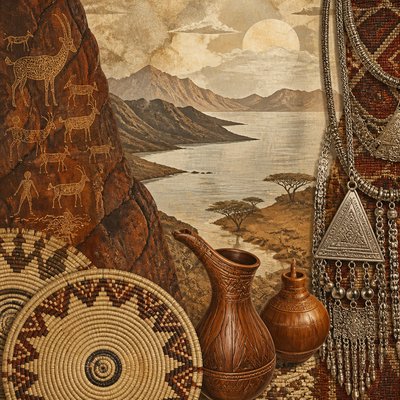
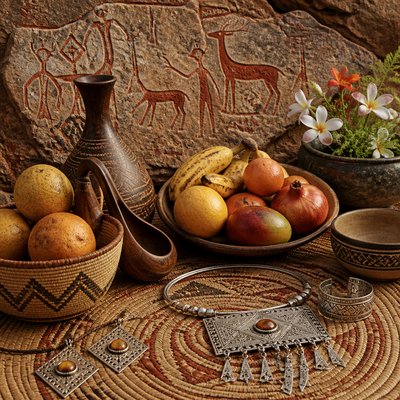
Perfect Balance is a compositional art style organized around equilibrium. Its images feel utterly still because visual weight is distributed with deliberate care: a central anchor is answered by flanking forms, stable horizontals, calm verticals, and measured areas of negative space. The result may be symmetrical, but it can also use carefully calibrated asymmetry in which different shapes, colors, or textures counter one another.
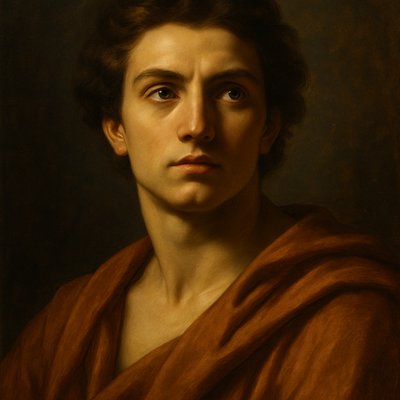
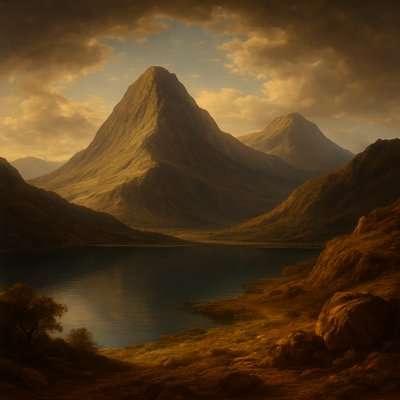
The style favors quiet harmony over drama. Forms are simplified without becoming empty, colors are restrained, edges are controlled, and every major element appears to have a structural reason for being present. Whether applied to a landscape, interior, portrait, still life, poster, or abstract arrangement, the goal is a meditative sense that nothing is tipping, competing, or demanding unnecessary attention.
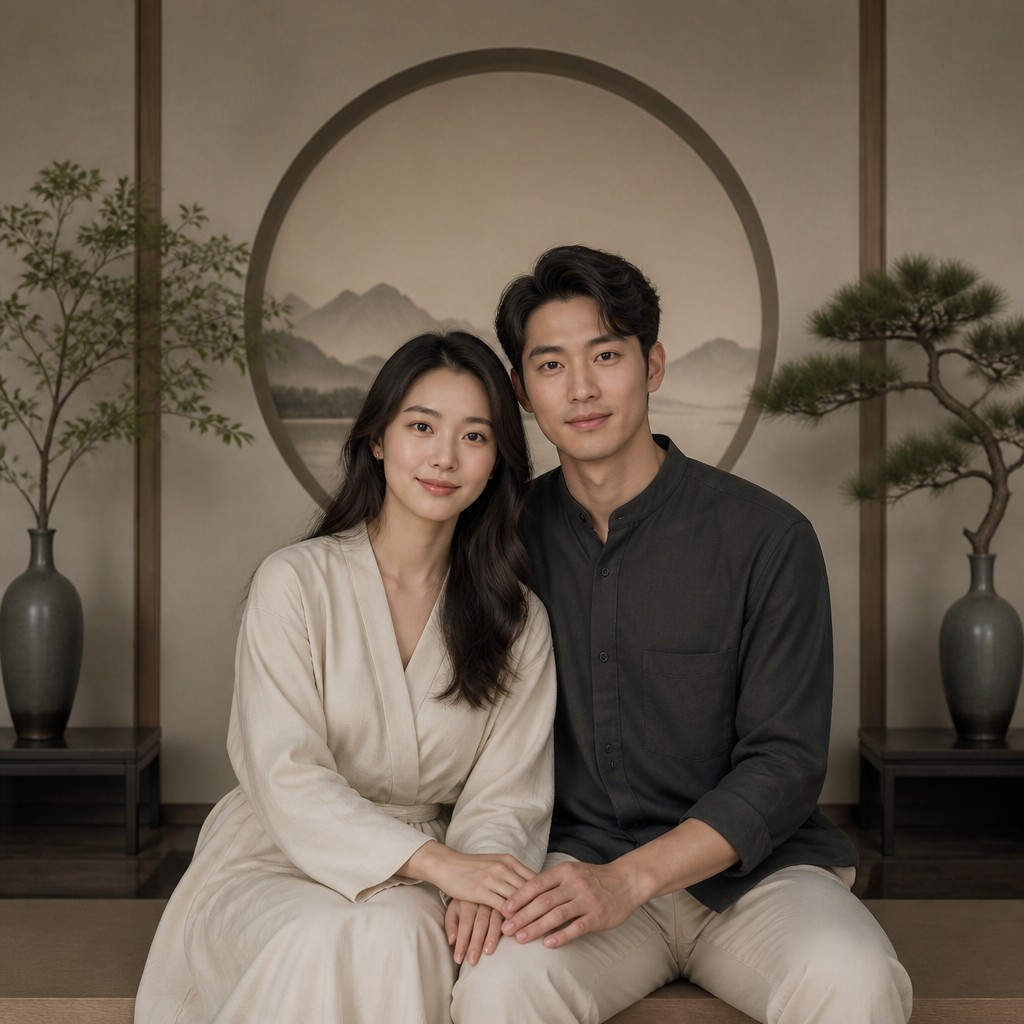
Try It On Your Photos
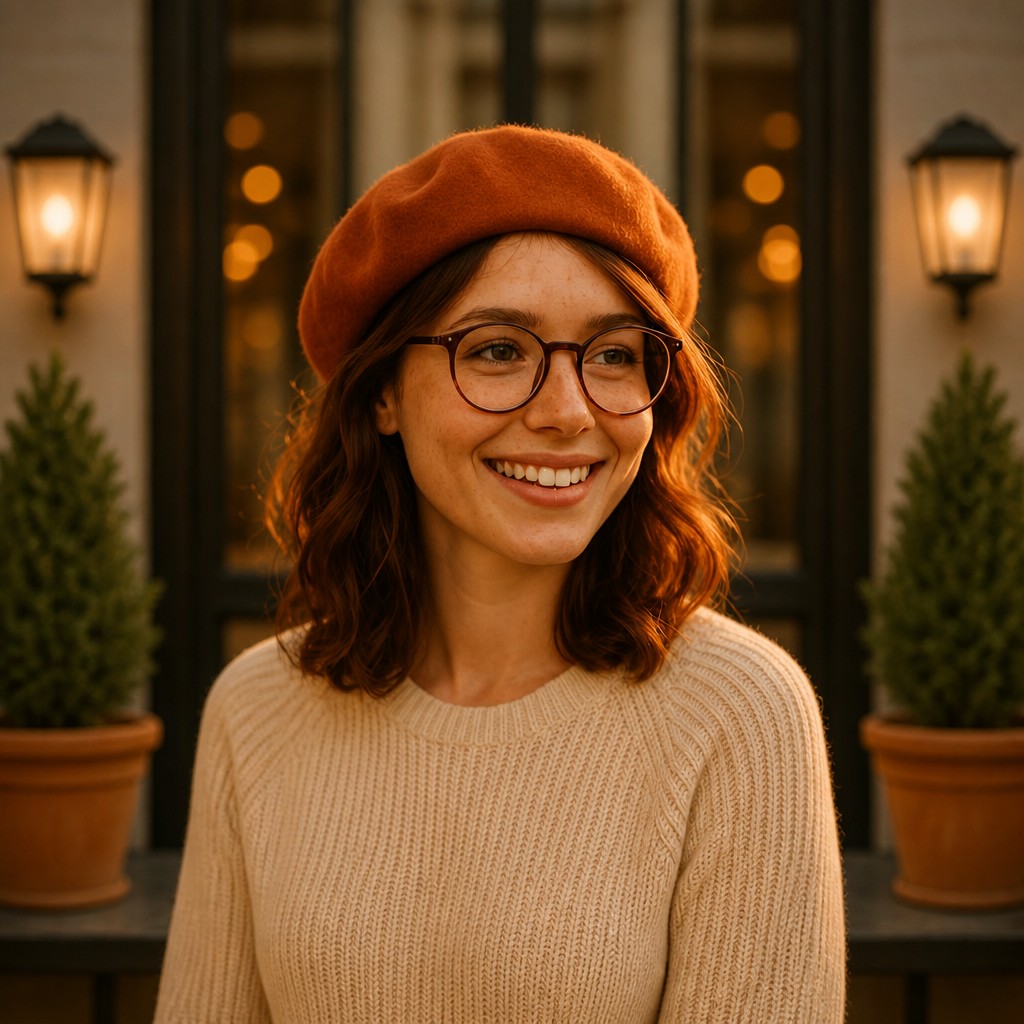
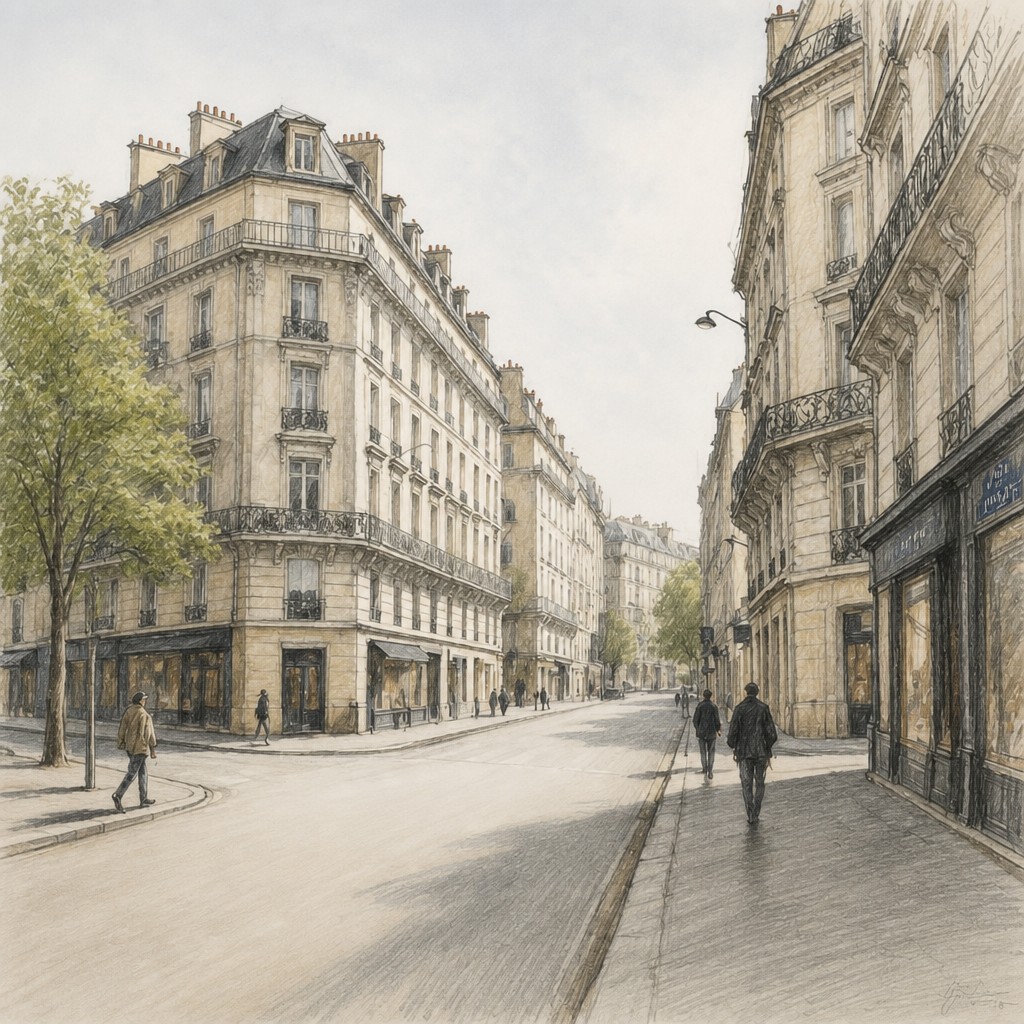
Upload any photo and convert it into Perfect Balance Art Style — drag the sliders to compare before and after.


What Defines Perfect Balance Art Style
The signature details, up close
Distributed visual weight
Large, dark, saturated, or detailed forms are balanced by answering elements elsewhere in the frame. Balance depends on perceived mass rather than identical size or exact mirroring.
Central anchors
A central object, axis, horizon, doorway, figure, or focal shape often establishes the composition. Supporting forms reinforce the anchor without overwhelming it.
Stable geometry
Horizontals, verticals, broad planes, and gently repeated intervals create a grounded structure. Diagonals are used sparingly and usually counter another directional force.
Quiet palette
Colors are harmonious and controlled, often built from neutrals, softened earth tones, muted blues, or restrained complementary accents. Contrast is sufficient for clarity but rarely aggressive.
Measured negative space
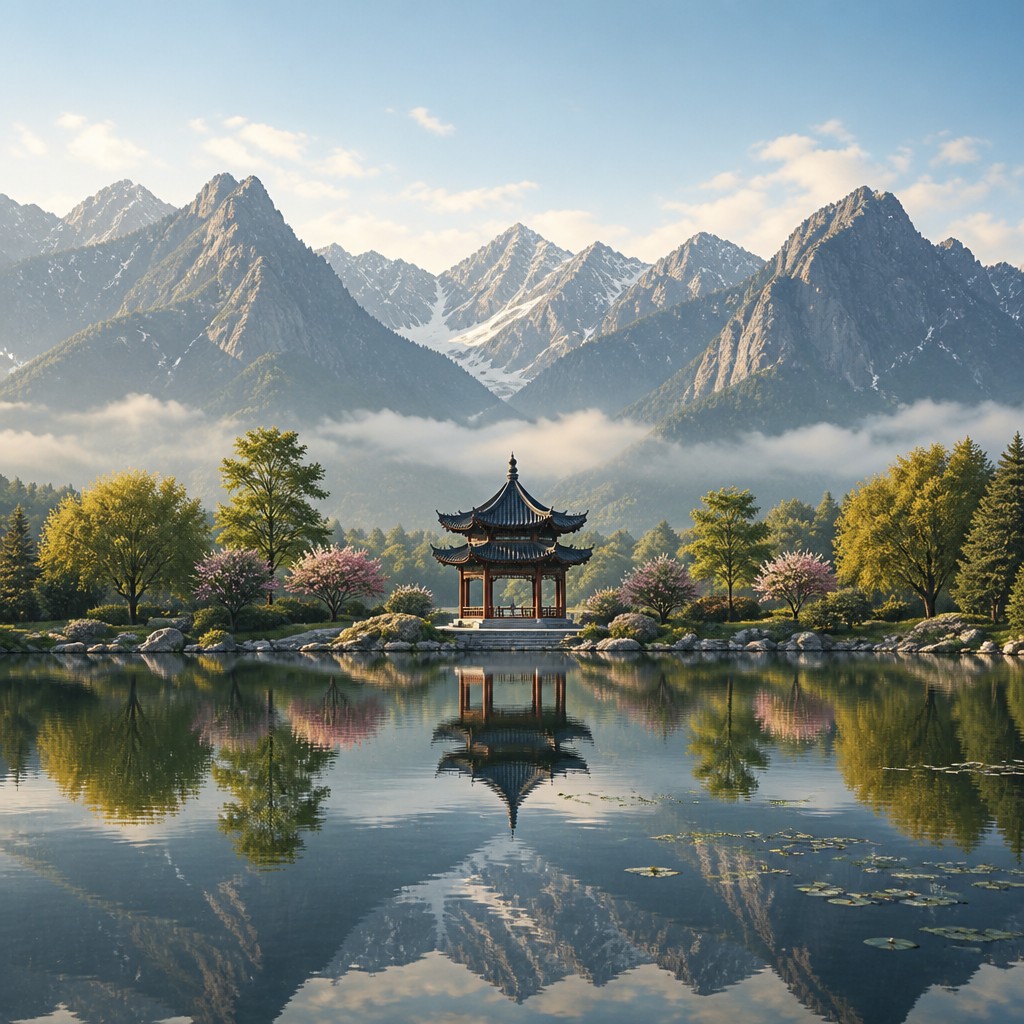
Empty areas are treated as active compositional elements. Their size and placement help distribute attention and prevent the image from feeling crowded.
Simplified form
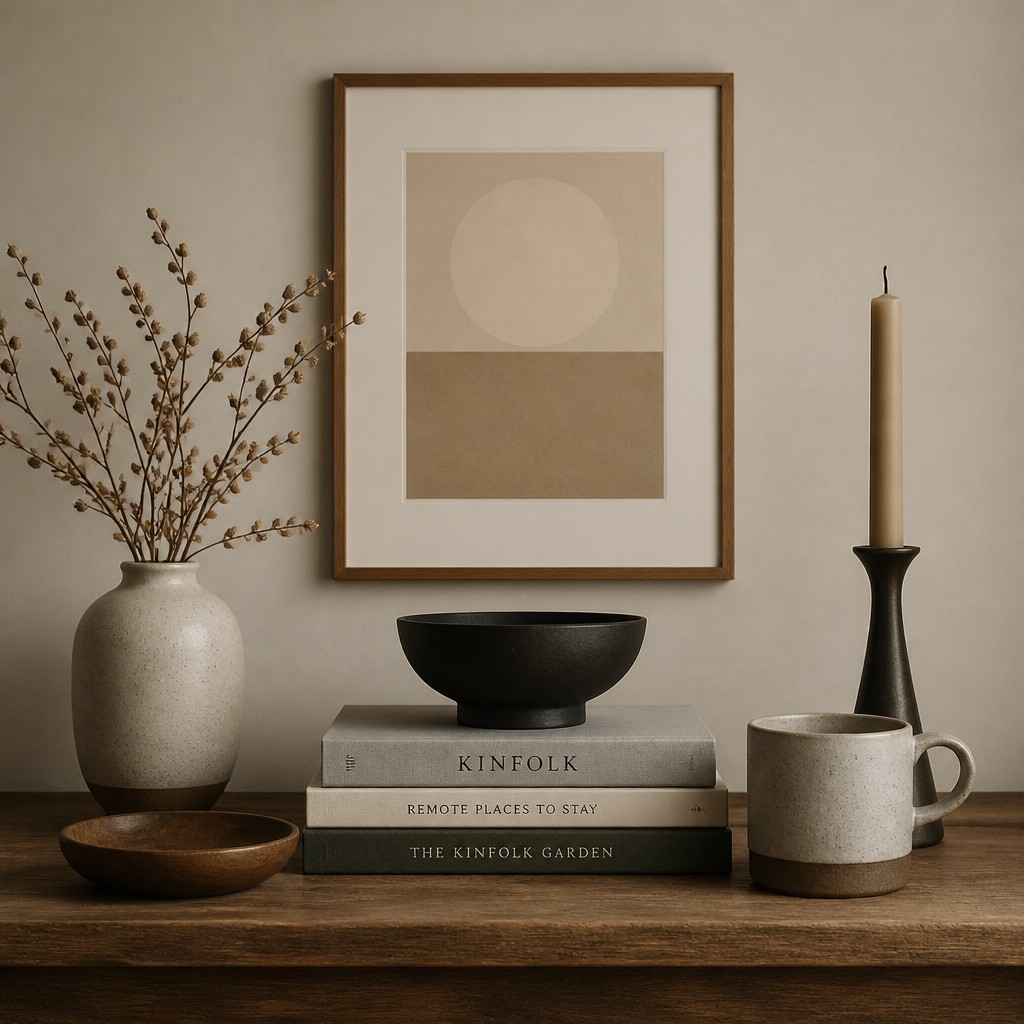
Objects are reduced to clear silhouettes, broad planes, and legible contours. Surface detail supports material recognition and rhythm rather than visual distraction.
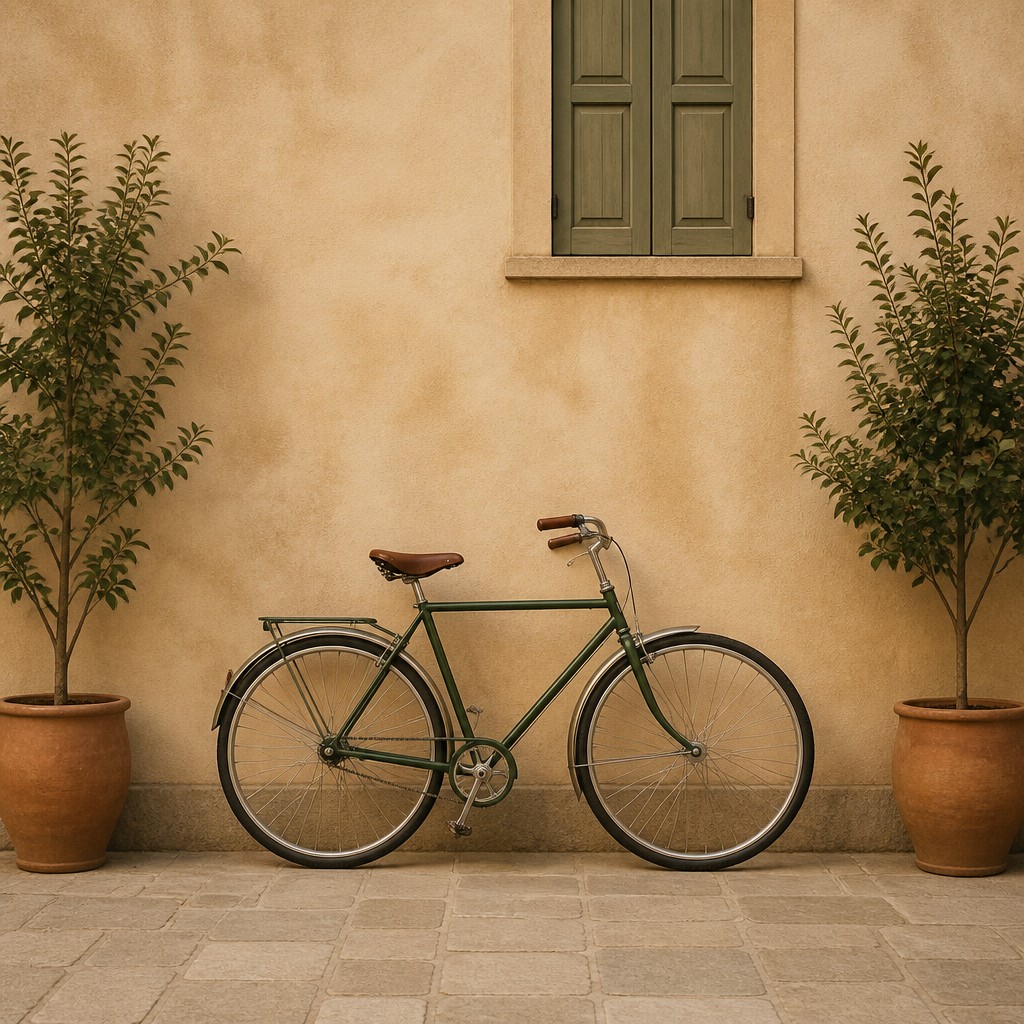
Meditative stillness
The style avoids frantic motion, theatrical gestures, and unstable cropping. Even dynamic subjects are presented with calm pacing, visual pauses, and a sense of suspended time.
Try It
Create Videos in Perfect Balance Art Style
Styles aren't just for stills — describe a scene or animate an image and get a short video rendered in Perfect Balance. Press play to see this pond come to life.
Make a VideoPerfect Balance Prompt Ideas
Start from an idea — each one opens the generator with the style ready to go. See all 40 Perfect Balance prompts →
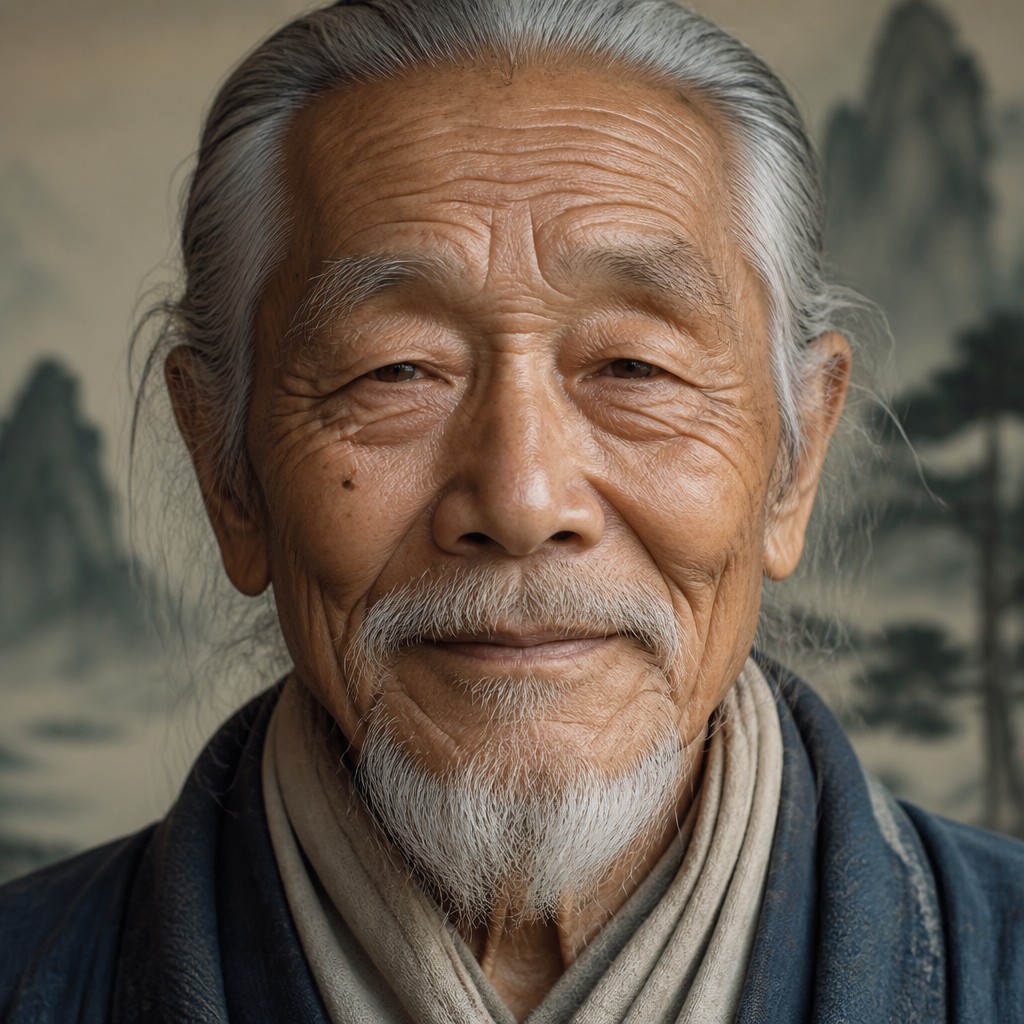
“close-up portrait of an elderly person with expressive weathered features”
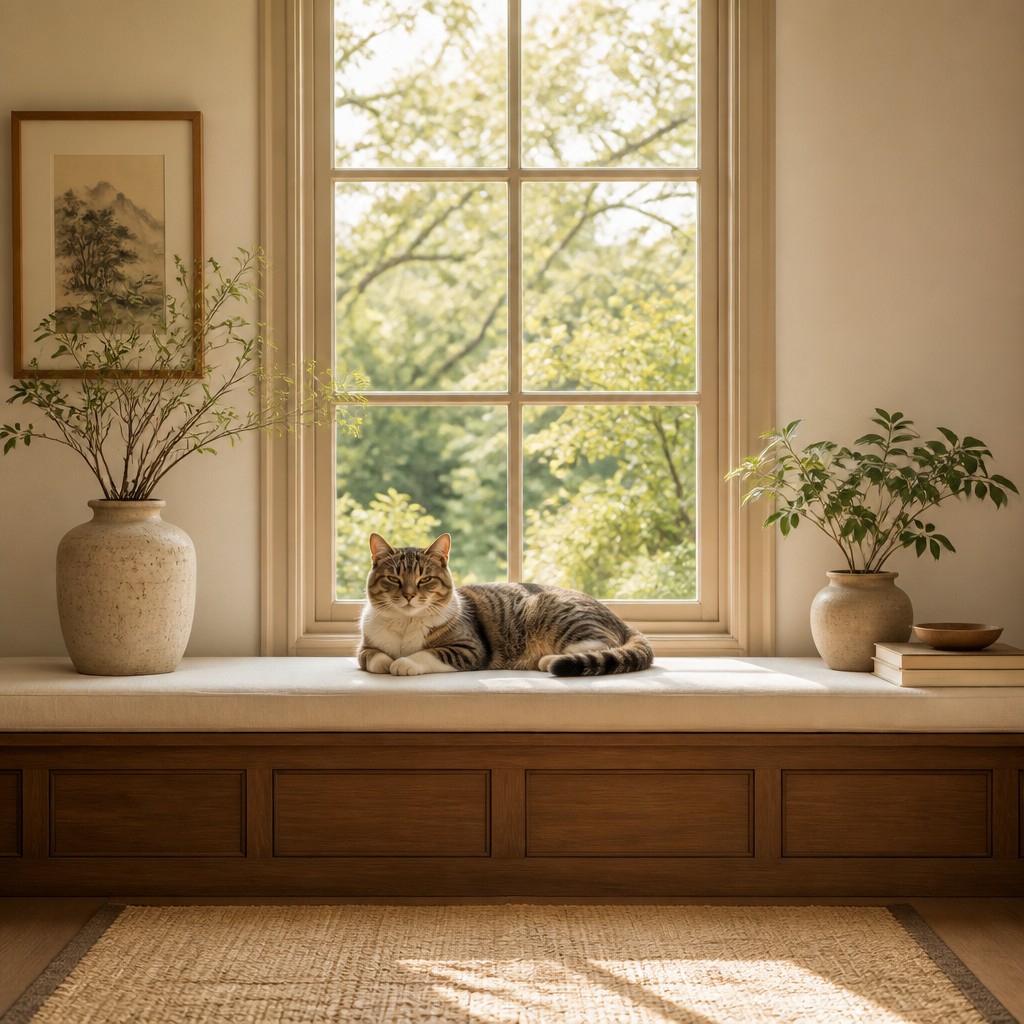
“a cat lounging in a sunlit window”
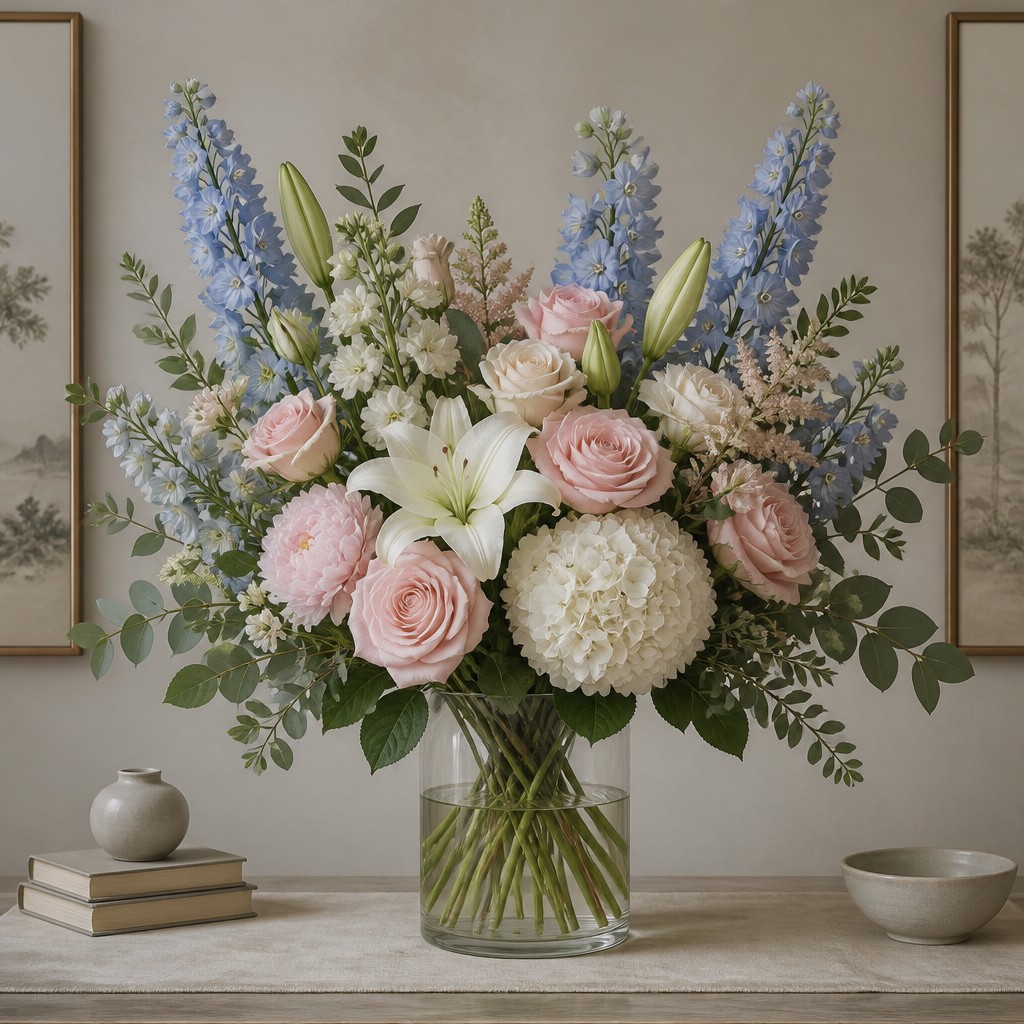
“bouquet of flowers in a glass vase”
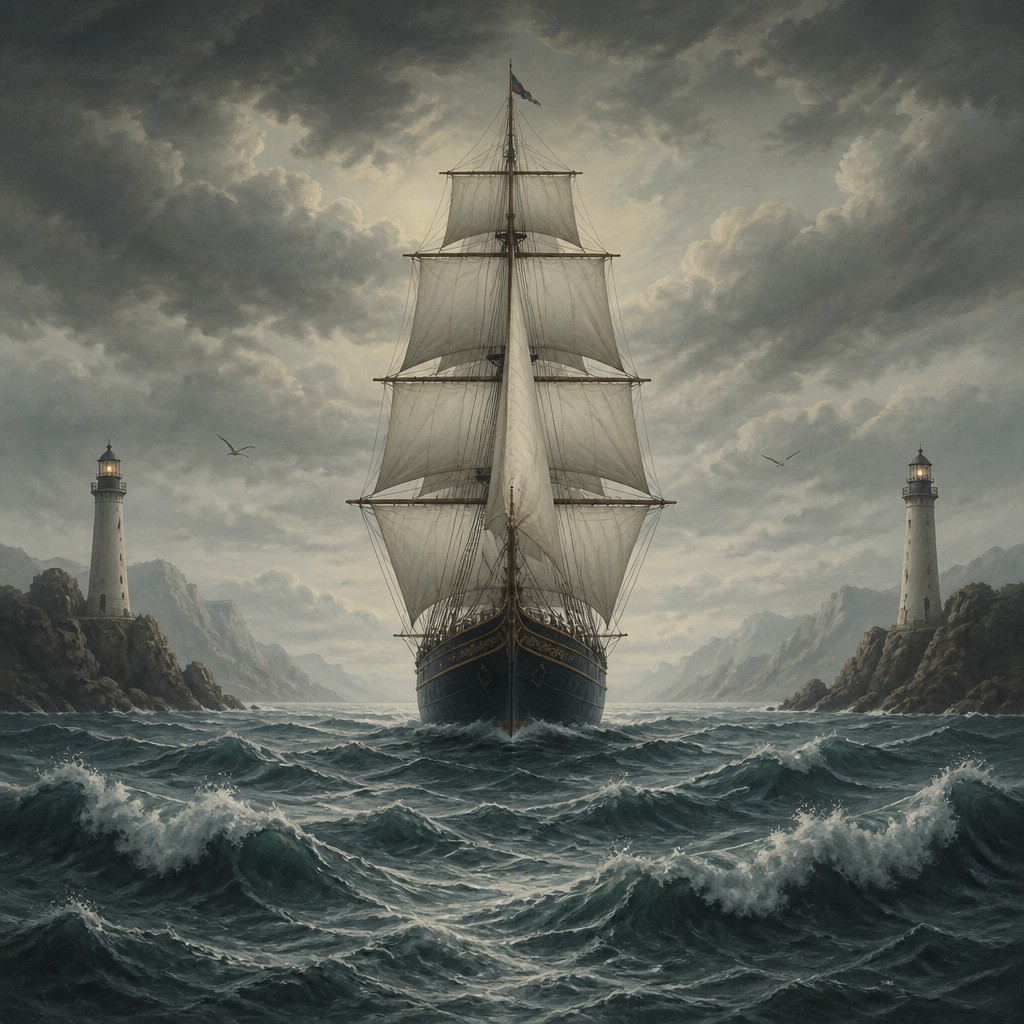
“sailing ship on a stormy sea”
How to Create Perfect Balance Art
Master the craft step by step — or skip straight to creating. Read the full guide →
- 1
Establish a compositional axis
Begin with a central vertical, horizontal horizon, or geometric framework, then place the primary subject where it can organize the surrounding space. Check whether each major mass has a visual counterweight.
- 2
Balance without copying
Use near-symmetry or asymmetrical equivalence rather than automatically mirroring every element. A small dark object can balance a larger pale form, while texture, height, color, and detail can also act as counterweights.
- 3
Control the palette and edges
Limit the palette to a unified family and reserve the strongest contrast for the focal area. In painting or digital work, use clean edges selectively, soft transitions in quiet zones, and consistent atmospheric depth.
- 4
Design the negative space
Treat empty areas as carefully as the subject itself. Leave breathing room around the anchor, maintain deliberate margins, and remove details that introduce accidental imbalance.
- 5
Build with grids and guides
For drawing, photography, or graphic design, use center lines, modular grids, horizon guides, and thumbnail studies before refining the image. In digital tools, temporarily flip or desaturate the composition to reveal uneven weight.
- 6
Describe equilibrium in prompts
For prompt-based generation, specify a central anchor, answering side elements, stable horizontals, calm verticals, restrained color, generous negative space, and a quiet mood. For image transformation, preserve the subject while requesting simplified geometry, balanced spacing, and reduced visual clutter.
The Story
History & Origins of Perfect Balance
Perfect Balance is an invented, contemporary style rather than a documented historical movement with a single origin. Its aesthetic lineage draws from classical compositional proportion, the frontal stability of Byzantine and icon traditions, the order of Neoclassicism, the geometric reduction of modernist design, and the negative-space discipline found in Japanese visual traditions.
It also reflects the influence of minimalist painting, architectural photography, editorial grid systems, and contemporary digital image-making. In text-to-image practice, the style has developed as a useful visual language for describing equilibrium, centered structure, low visual noise, and emotionally quiet scenes.
Influences: The style relates to classical theories of proportion, Byzantine frontal composition, Neoclassical order, Japanese ideas of interval and restraint, minimalist painting, Bauhaus and International Typographic Style grid systems, modernist architecture, mandala-like radial organization, and contemporary editorial design. It can also borrow the stillness of formal portrait photography and the careful framing of architectural and interior photography.
Frequently Asked Questions
What defines the Perfect Balance art style?
It is defined by an even distribution of visual weight, a clear compositional anchor, stable geometry, restrained color, and deliberate negative space. The intended emotional effect is calm, still, and meditative rather than dramatic or chaotic.
Does Perfect Balance require perfect symmetry?
No. Exact symmetry is one possible structure, but the style is more fundamentally concerned with equilibrium. Different sizes, colors, textures, or levels of detail can balance one another without being identical.
How is it different from minimalist art?
Minimalism often reduces an image to a small number of forms or materials, while Perfect Balance specifically emphasizes the relationship between those forms. A balanced image may contain several subjects, provided their spacing, weight, and contrast remain controlled.
What subjects work well in this style?
Landscapes, architecture, interiors, still lifes, portraits, gardens, product scenes, and abstract geometric arrangements all work well. Subjects with a strong central axis, repeated forms, or clear horizon are especially compatible.
How can I make a photograph look balanced?
Use a centered or carefully offset subject, level horizons, deliberate margins, and a limited range of tones. Remove distracting objects, watch for heavy corners, and use cropping or tonal adjustments to give opposing areas comparable visual weight.
Can this style be used for digital and generated images?
Yes. Digital illustration, photo editing, 3D rendering, and prompt-based image generation can all produce it. Describe compositional relationships rather than relying only on a style label: request a central anchor, answering forms, calm geometry, muted harmony, and generous negative space.
Create your first Perfect Balance artwork
Describe anything — or upload a photo — and see it in Perfect Balance Art Style in seconds.
Related Styles
Discover similar art styles