Silhouette Art Style
Explore silhouette art: crisp black profile portraits and cut-paper forms defined by stark contrast, elegant contours, and expressive negative space.
Instantly rendered in Silhouette — or transform a photo
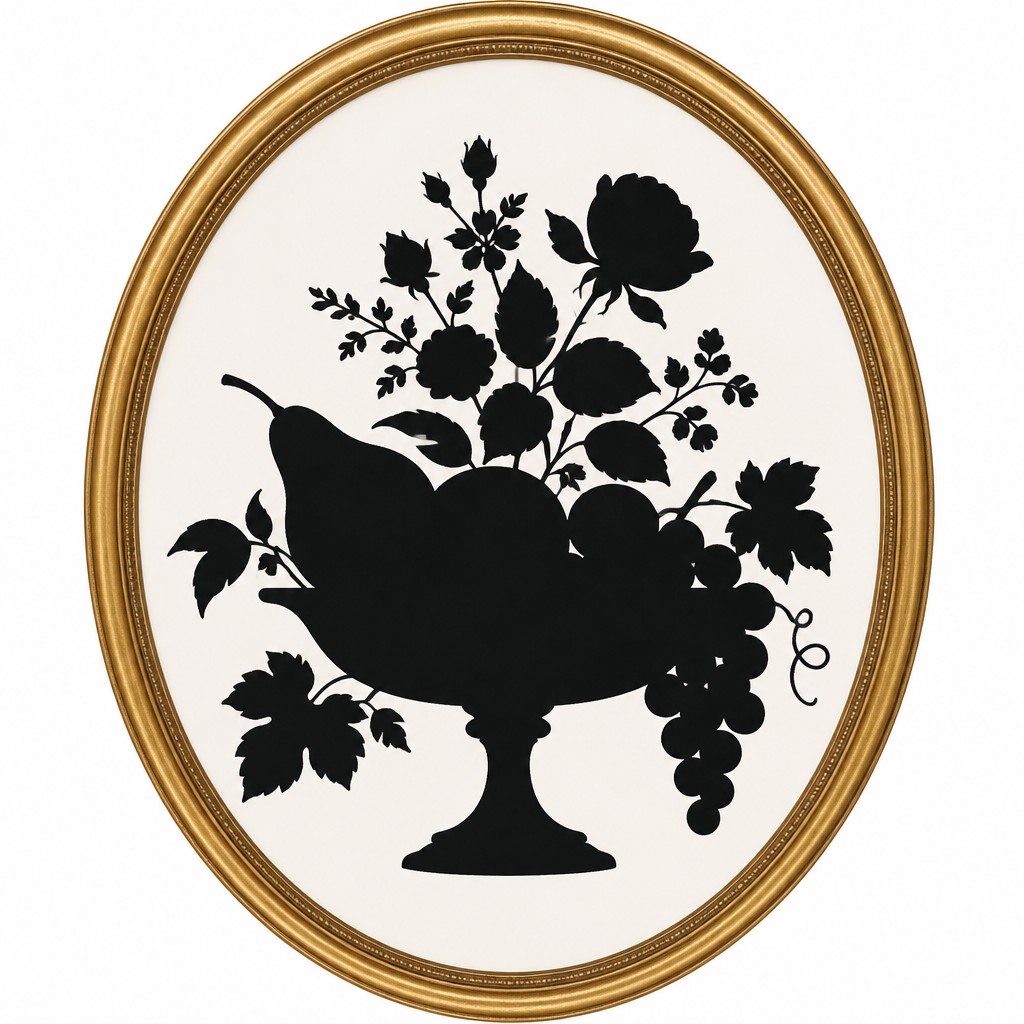
Silhouette Gallery
Tap any artwork to explore it
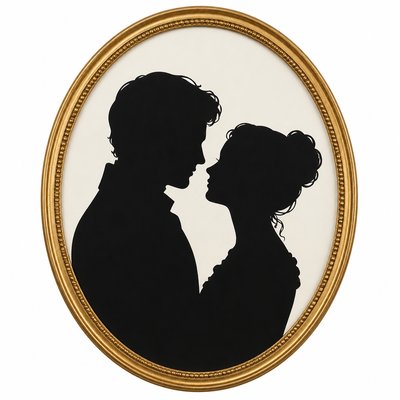
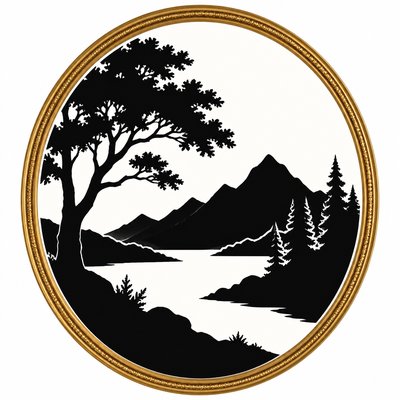
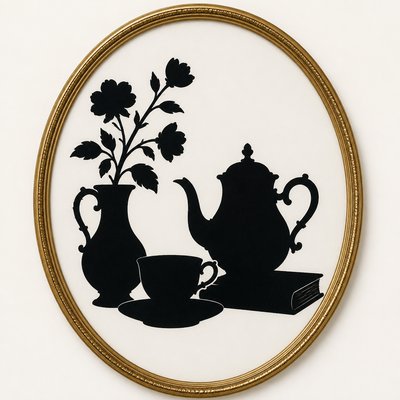
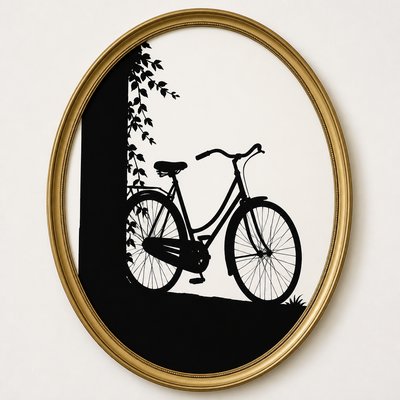
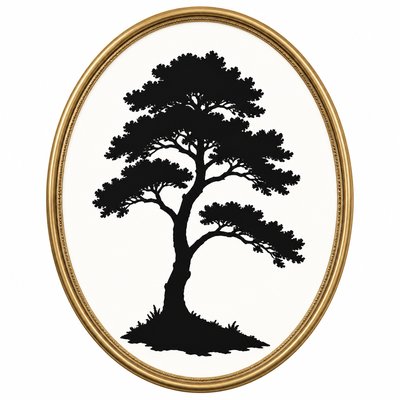
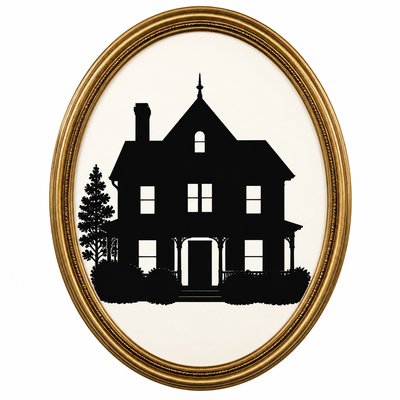
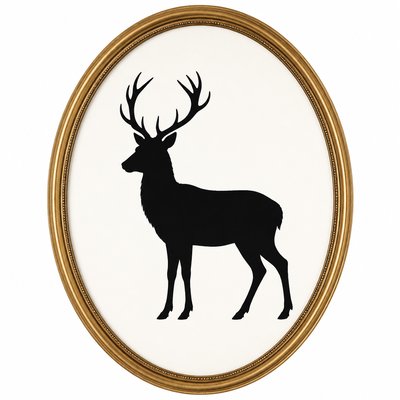
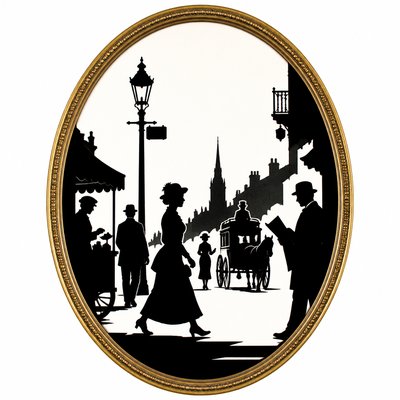
What is Silhouette Art Style?
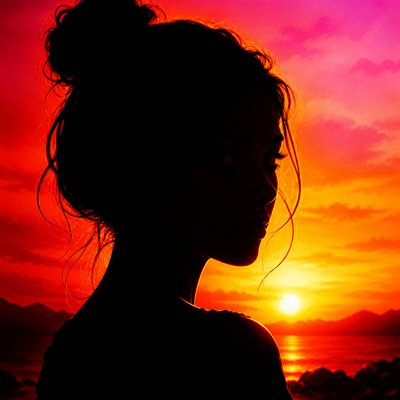
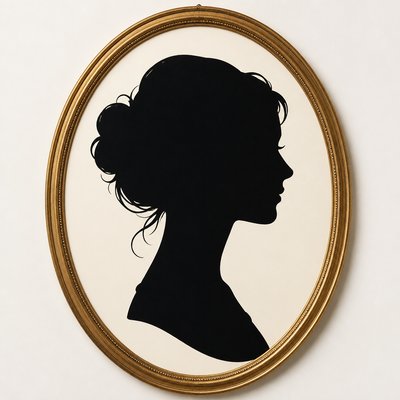
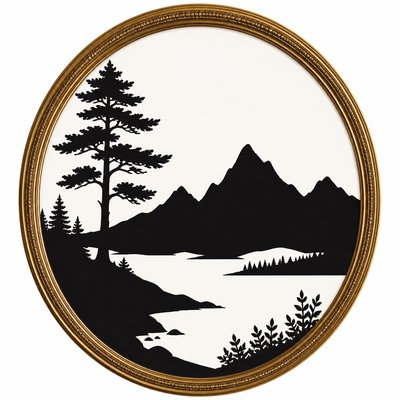
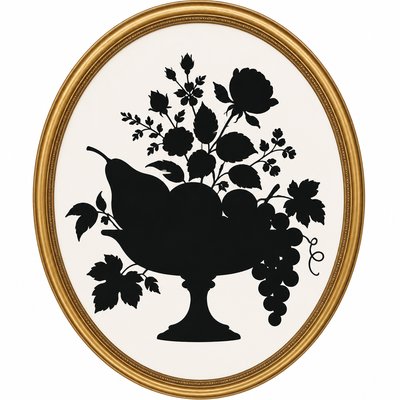
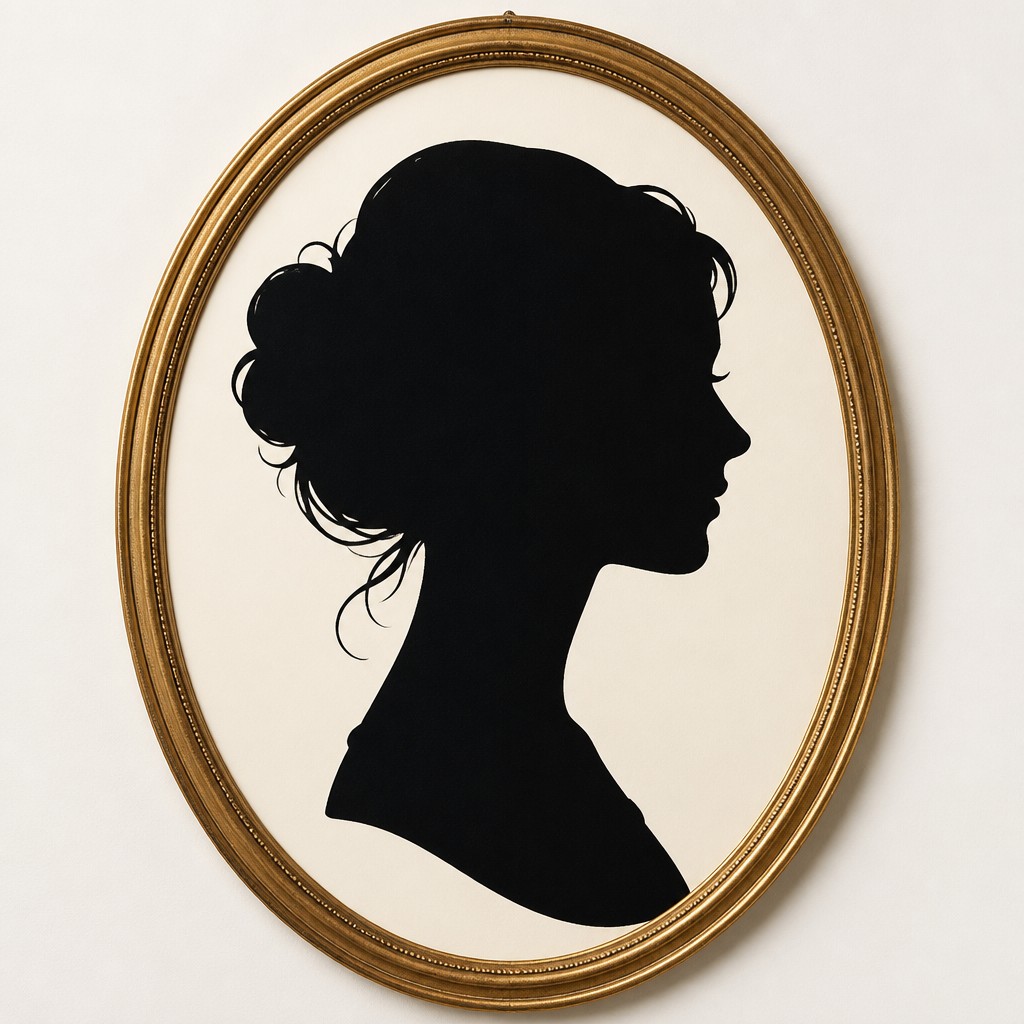
Silhouette art reduces a subject to a sharply defined outer contour, usually rendered as a solid black shape against a white or lightly colored ground. Faces are most often shown in strict profile, where the forehead, nose, lips, chin, and hairline become a readable sequence of curves. With interior detail removed, likeness depends on proportion, gesture, hairstyle, accessories, and the shape of the surrounding negative space.
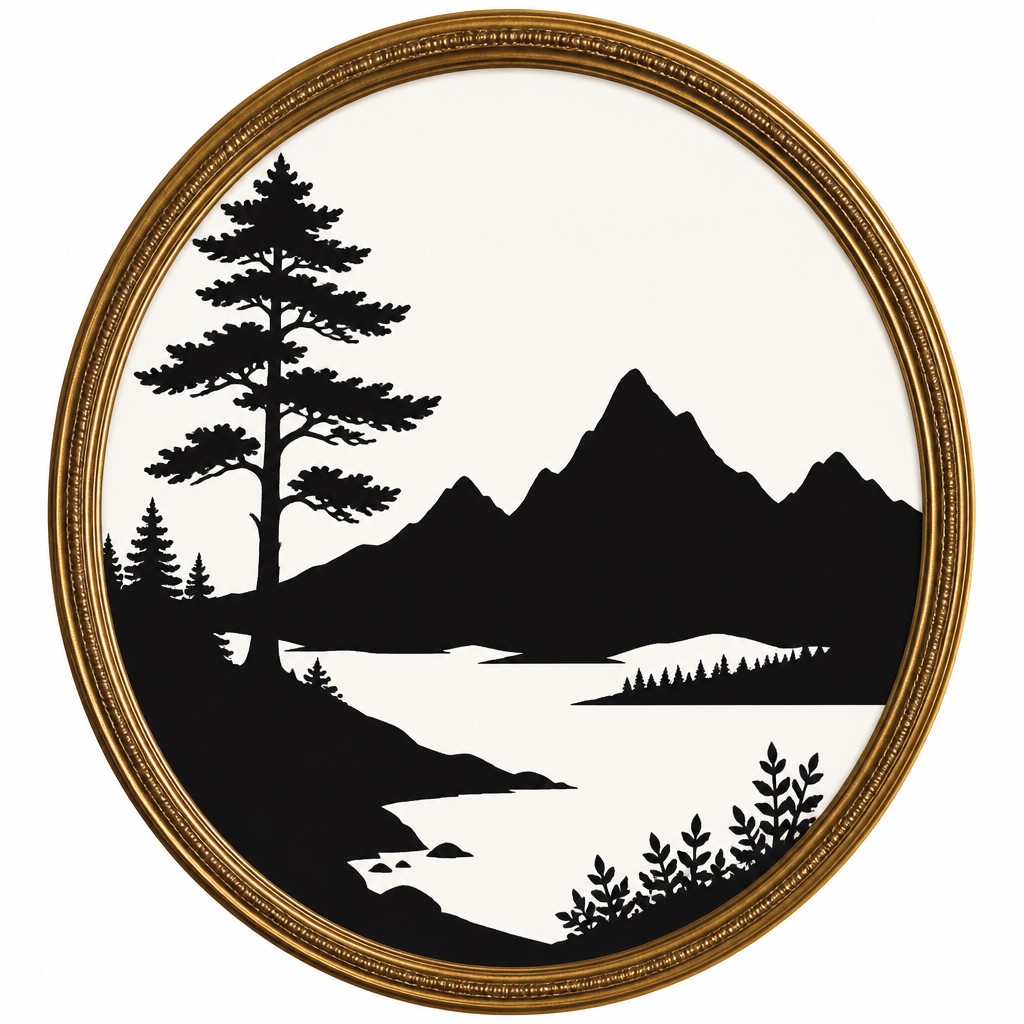
The style is associated with cut-paper portraiture, shadow profiles, stencil-like graphics, and oval-framed keepsakes. Its visual power comes from severe tonal contrast and economy: a single flat shape can suggest identity, period, mood, and social status without modeling, texture, or shading. Fine irregularities along the edge may preserve the tactile character of hand-cut paper, while a gilt oval frame introduces a formal, antique presentation.
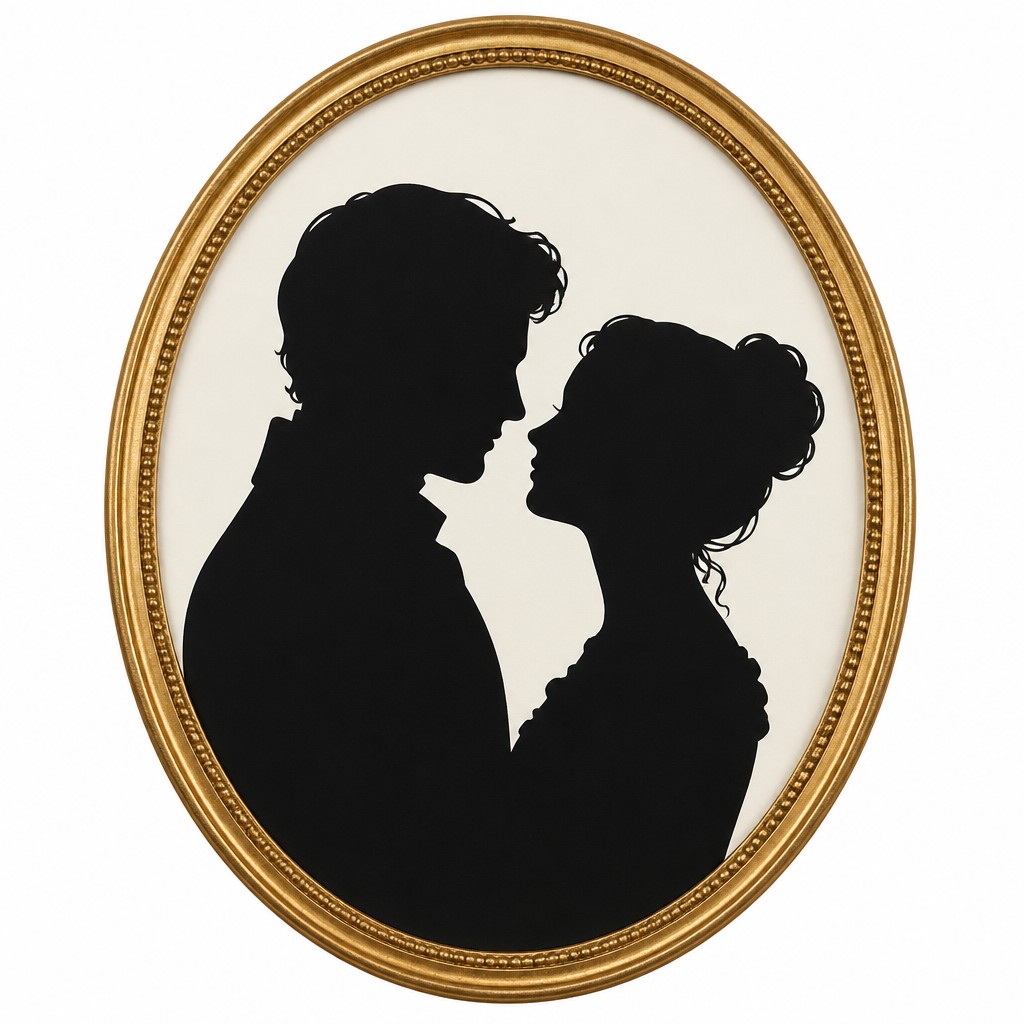
Try It On Your Photos
Upload any photo and convert it into Silhouette Art Style — drag the sliders to compare before and after.
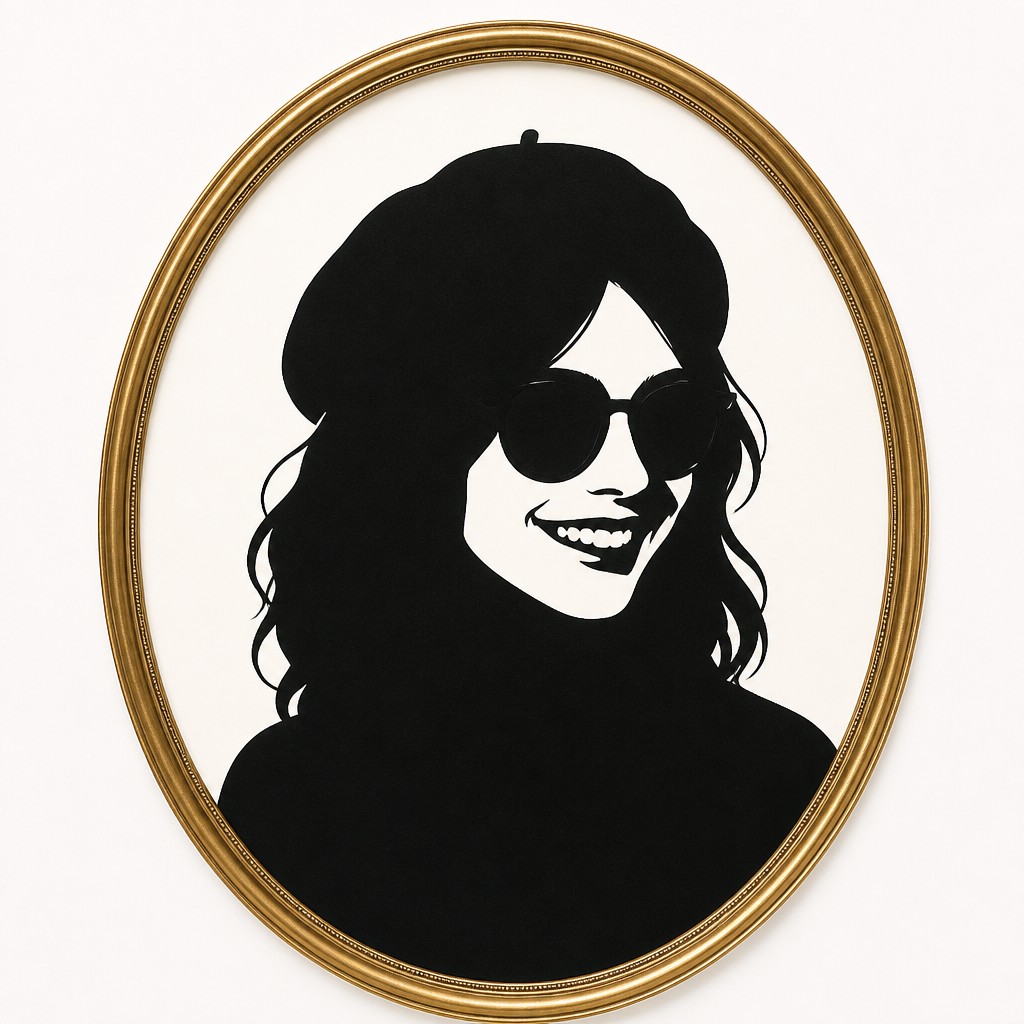


What Defines Silhouette Art Style
The signature details, up close
Solid black masses
The subject is built from one or more completely filled black shapes rather than lines, gradients, or modeled tones. A uniform fill keeps attention on the contour.
Crisp profile contour
The defining edge is sharply cut and carefully proportioned, particularly around facial features, hair, shoulders, hands, and distinctive clothing. Small changes in the outline can substantially alter the likeness.
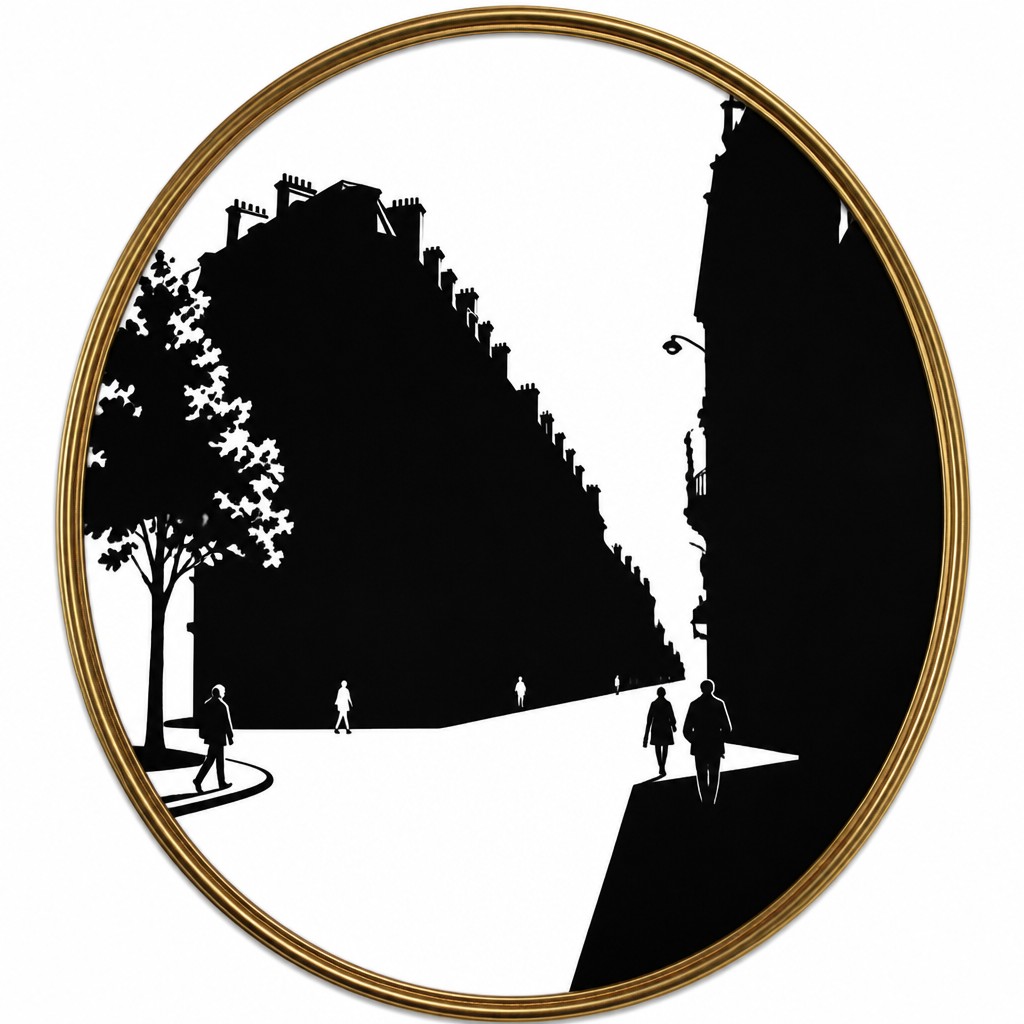
Stark negative space
Plain white or pale backgrounds create maximum separation from the dark form. The empty field is an active compositional element, clarifying the profile and giving the image a calm, formal presence.
No internal modeling
Eyes, facial planes, fabric folds, and surface texture are normally omitted. Recognition comes from the outer shape and occasional cutouts rather than internal shading.
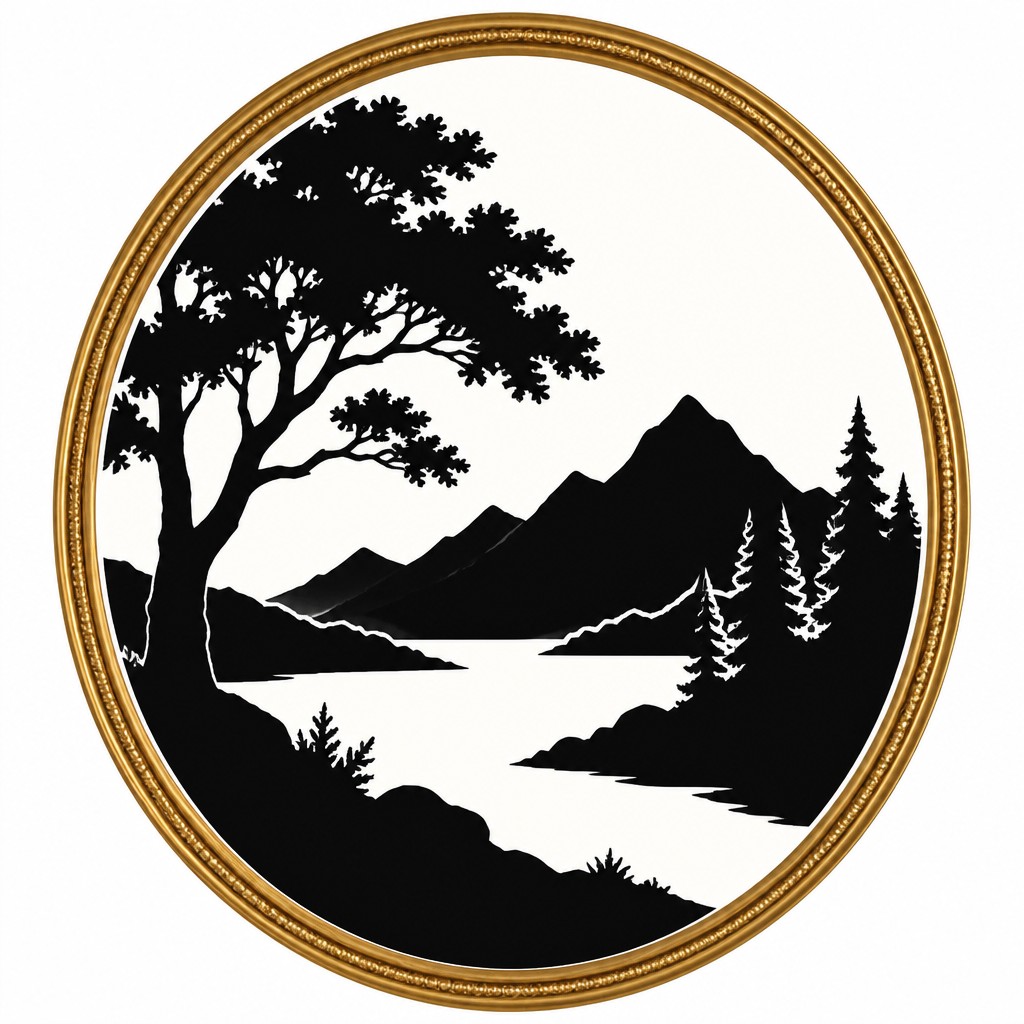
Hand-cut edge character
A subtly organic edge can suggest scissors, a blade, or layered paper, avoiding the sterile perfection of a purely geometric vector outline. The irregularity should remain delicate rather than rough.
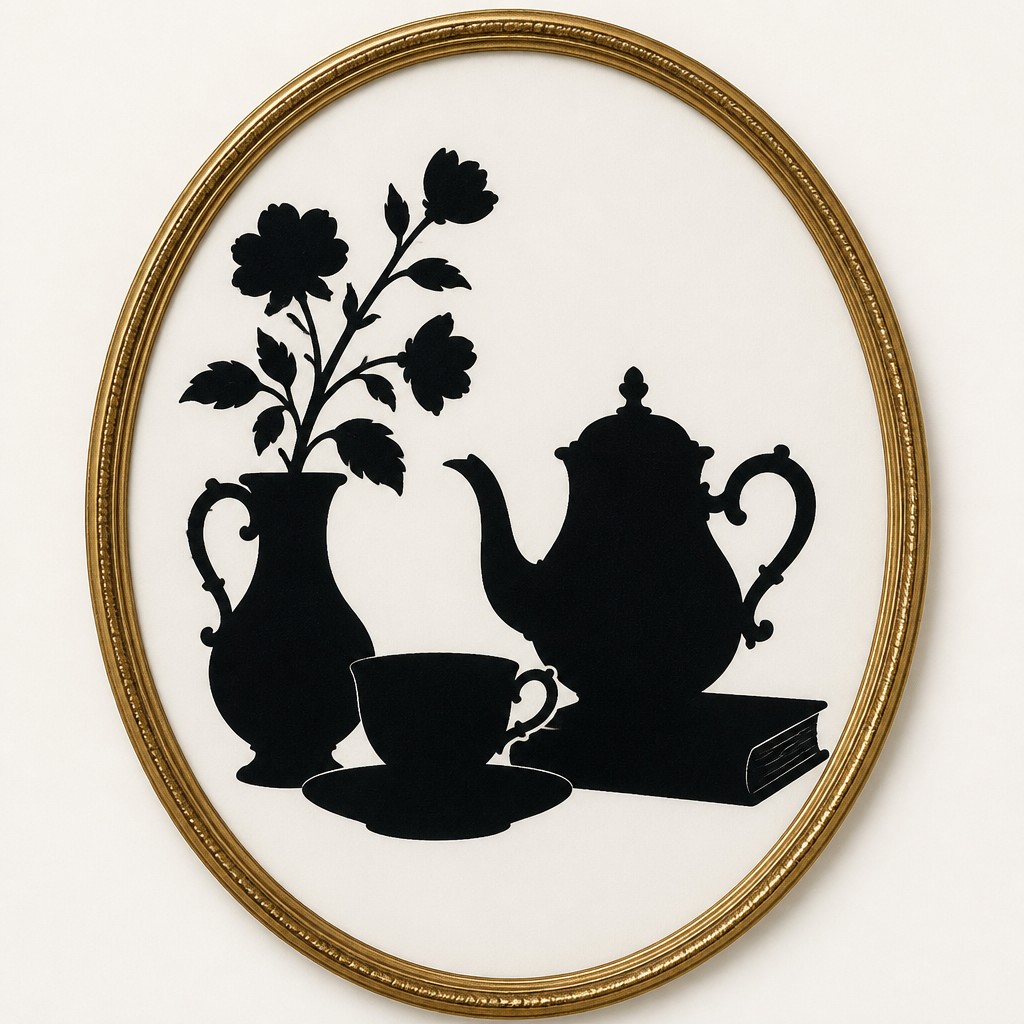
Oval portrait framing
An oval mount or fine gilt border gives the work the appearance of a historical keepsake or framed commemorative portrait. The frame is optional but strongly reinforces the traditional association.
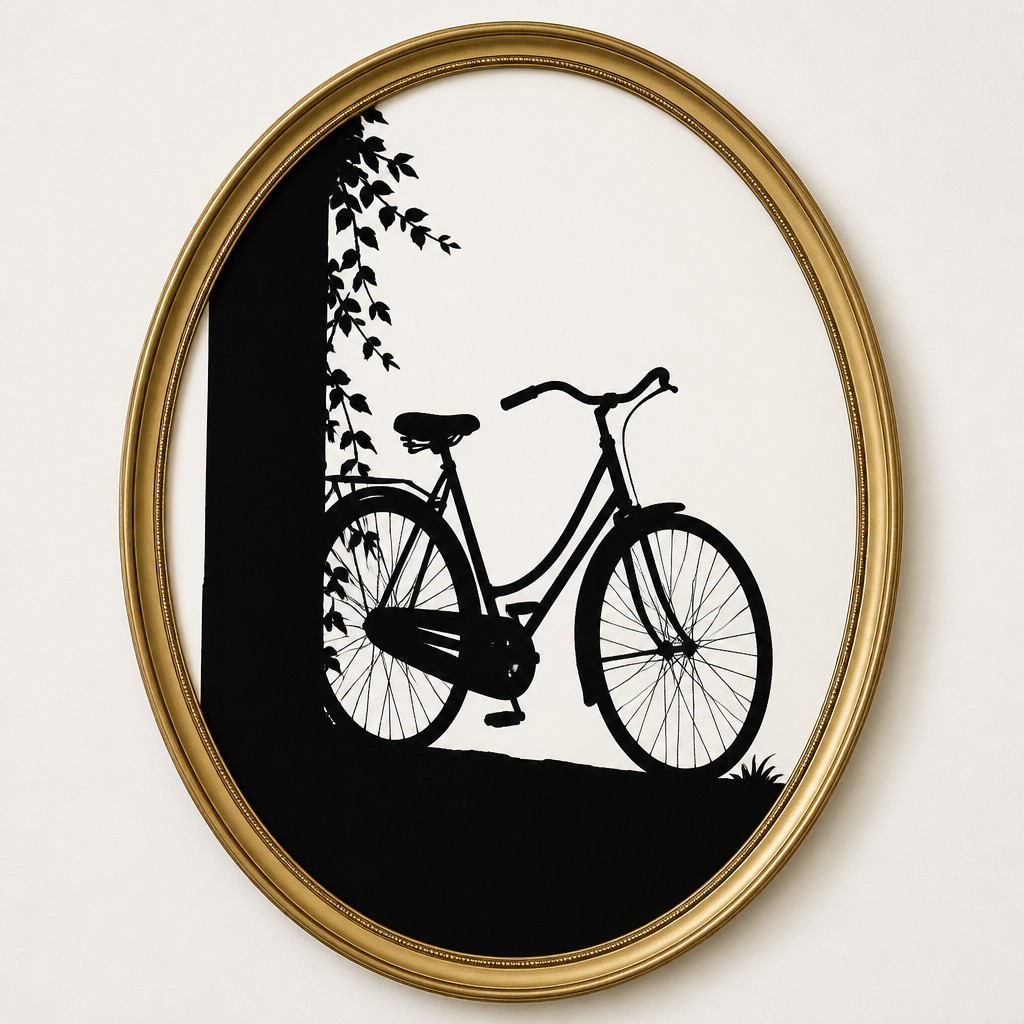
Economical visual symbolism
Accessories, hats, hairstyles, collars, instruments, and gestures carry much of the subject's identity. Carefully chosen external details can communicate occupation, era, character, or status without breaking the flatness.
Silhouette Prompt Ideas
Start from an idea — each one opens the generator with the style ready to go. See all 40 Silhouette prompts →
How to Create Silhouette Art
Master the craft step by step — or skip straight to creating. Read the full guide →
- 1
Trace a strong profile
Use a side-facing photograph with an unobstructed forehead, nose, lips, chin, neck, and hairline. Trace the most recognizable contour first, then simplify minor irregularities while preserving distinctive features.
- 2
Cut or block the shape
For a traditional piece, transfer the reversed profile to black paper and cut it with a sharp craft knife or fine scissors. For digital work, convert the contour into a closed vector path and fill it with a single black color.
- 3
Control the negative space
Place the form on an untextured white or warm ivory ground, leaving generous breathing room around the head or figure. Check the silhouette at thumbnail size to ensure the outline remains immediately legible.
- 4
Add restrained presentation
Use an oval crop, narrow cream mat, or delicate gilt border when a period portrait effect is desired. Avoid heavy backgrounds, cast shadows, and decorative detail that compete with the contour.
- 5
Preserve edge nuance
Slightly soften or vary the vector edge if you want a paper-cut impression, but keep the overall boundary clean and decisive. A scanned paper texture may be added outside the black form without introducing interior shading.
- 6
Write precise generation instructions
For prompt-based creation, specify a solid flat black profile, plain white or pale background, sharp clean outline, no internal detail, and an optional oval gilt frame. Name the subject's profile, hairstyle, clothing, pose, and distinctive accessories so the outer contour carries the likeness.
The Story
History & Origins of Silhouette
Silhouette portraiture developed in Europe during the eighteenth century as an economical alternative to painted portrait miniatures. The term is connected to a period of financial austerity in France, while the practice itself grew through profile tracing, cutting, and later mechanical reproduction. Black paper portraits became especially popular in the late eighteenth and early nineteenth centuries, when they served as accessible mementos of family members and public figures.
The tradition later influenced Victorian keepsakes, cameo imagery, decorative arts, theater and film shadow effects, editorial illustration, signage, and modern graphic design. Contemporary versions may retain the oval frame and hand-cut appearance or treat the silhouette as a broader visual language for icons, editorial portraits, posters, and digitally generated compositions.
Influences: The style draws primarily from eighteenth- and nineteenth-century European paper-cut portraiture, profile tracing, and cameo traditions. It also relates to shadow theater, stencil graphics, heraldic emblems, woodcut reduction, sign painting, modernist poster design, and minimalist vector illustration. Its use of one dominant shape and carefully managed empty space connects it to broader traditions of graphic simplification and symbolic image-making.
Frequently Asked Questions
What defines silhouette art?
Silhouette art is defined by a recognizable outer contour rendered as a flat, usually black shape against a contrasting background. It normally removes internal facial and surface detail, so likeness depends on profile, proportion, pose, and distinctive accessories.
Why are silhouettes usually shown in profile?
A side view creates a continuous contour that clearly describes the forehead, nose, mouth, chin, and hairline. A frontal face generally requires interior features to remain recognizable, which moves the image away from the most traditional silhouette approach.
How is silhouette art different from a shadow photograph?
A shadow photograph records projected light and often includes soft edges, environmental context, and tonal variation. Silhouette art is an intentionally designed graphic or cut-paper form with a controlled outline and typically a uniform interior.
Can silhouette art include colors besides black and white?
Yes. Black against white is the conventional treatment because it provides maximum clarity, but dark navy, sepia, deep green, or colored paper can be used. The essential qualities are the flat shape, strong contrast, and absence of modeled interior detail.
How can I make a convincing silhouette from a photograph?
Choose a well-lit side-facing image with a clear background and visible facial profile. Trace the outer edge, simplify distracting details, and preserve distinctive features such as the nose shape, hairline, glasses, hat, collar, or posture.
Where is silhouette art commonly used?
It appears in keepsake portraits, wedding and family stationery, book and editorial illustration, logos, posters, theater graphics, educational materials, and decorative wall art. Its compact shape and strong contrast also make it effective for icons and small-format designs.
Create your first Silhouette artwork
Describe anything — or upload a photo — and see it in Silhouette Art Style in seconds.
Related Styles
Discover similar art styles