Dada vs Surrealism: What's the Difference?
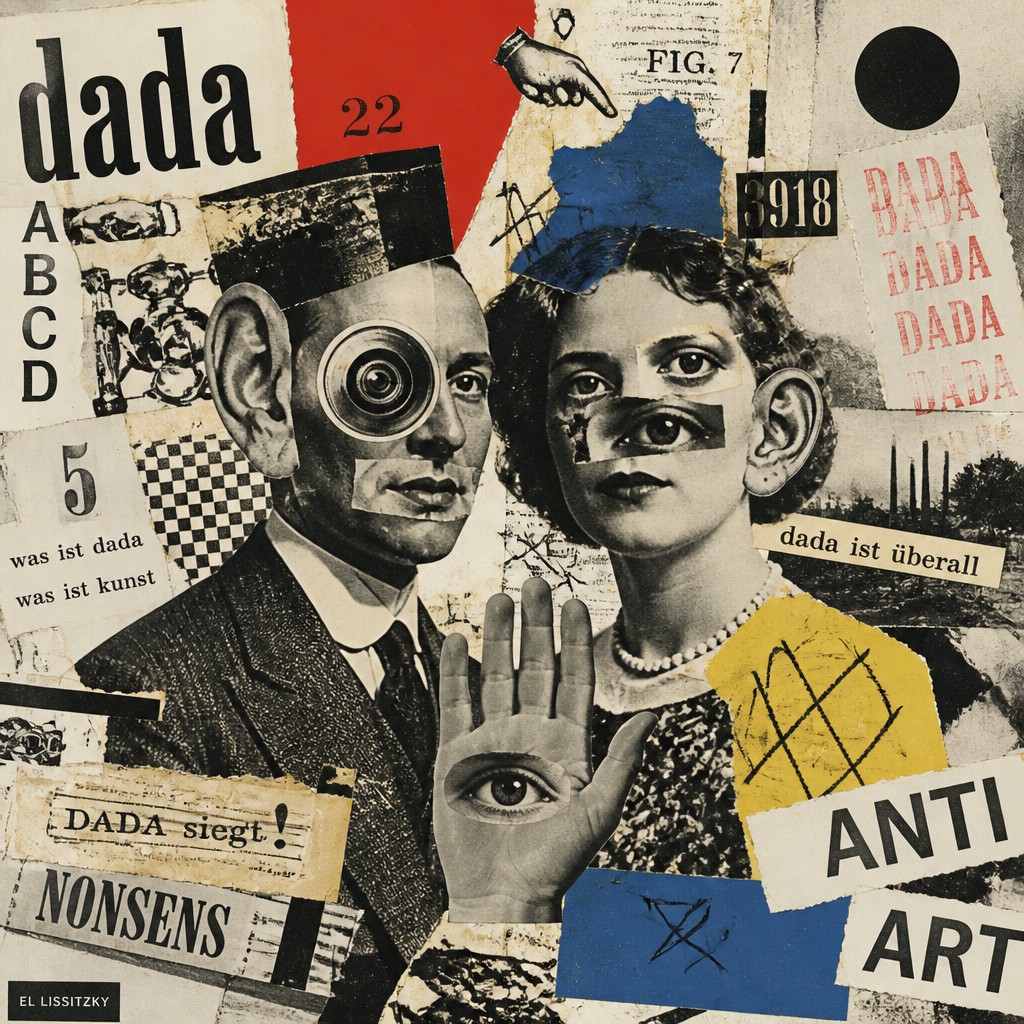
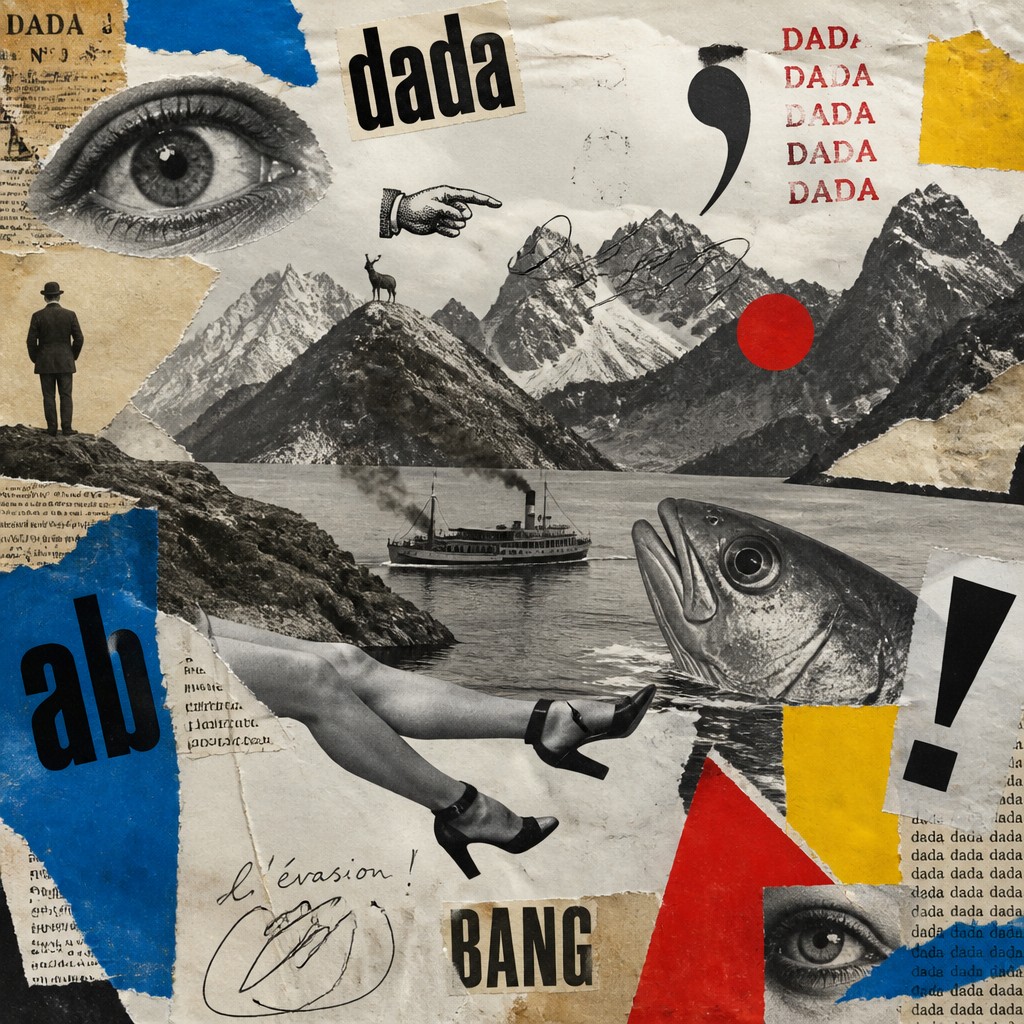
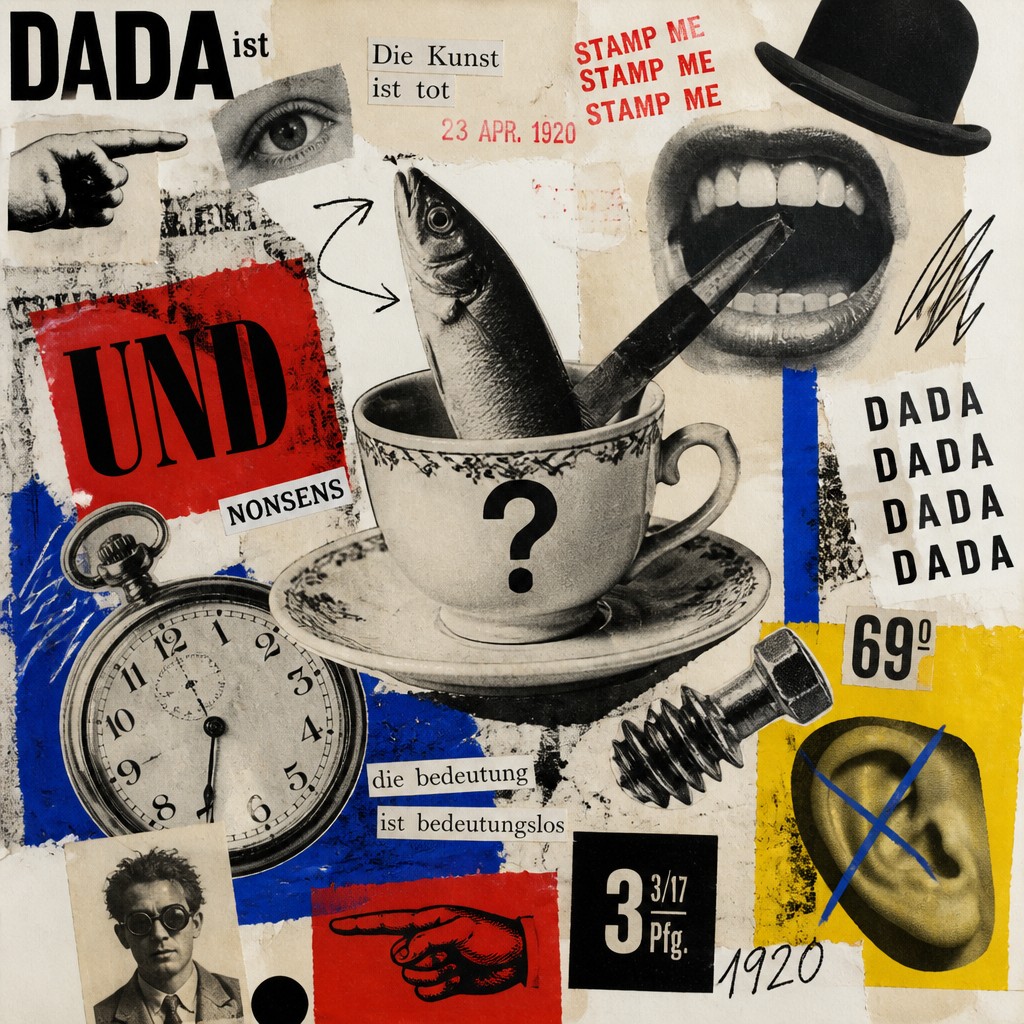
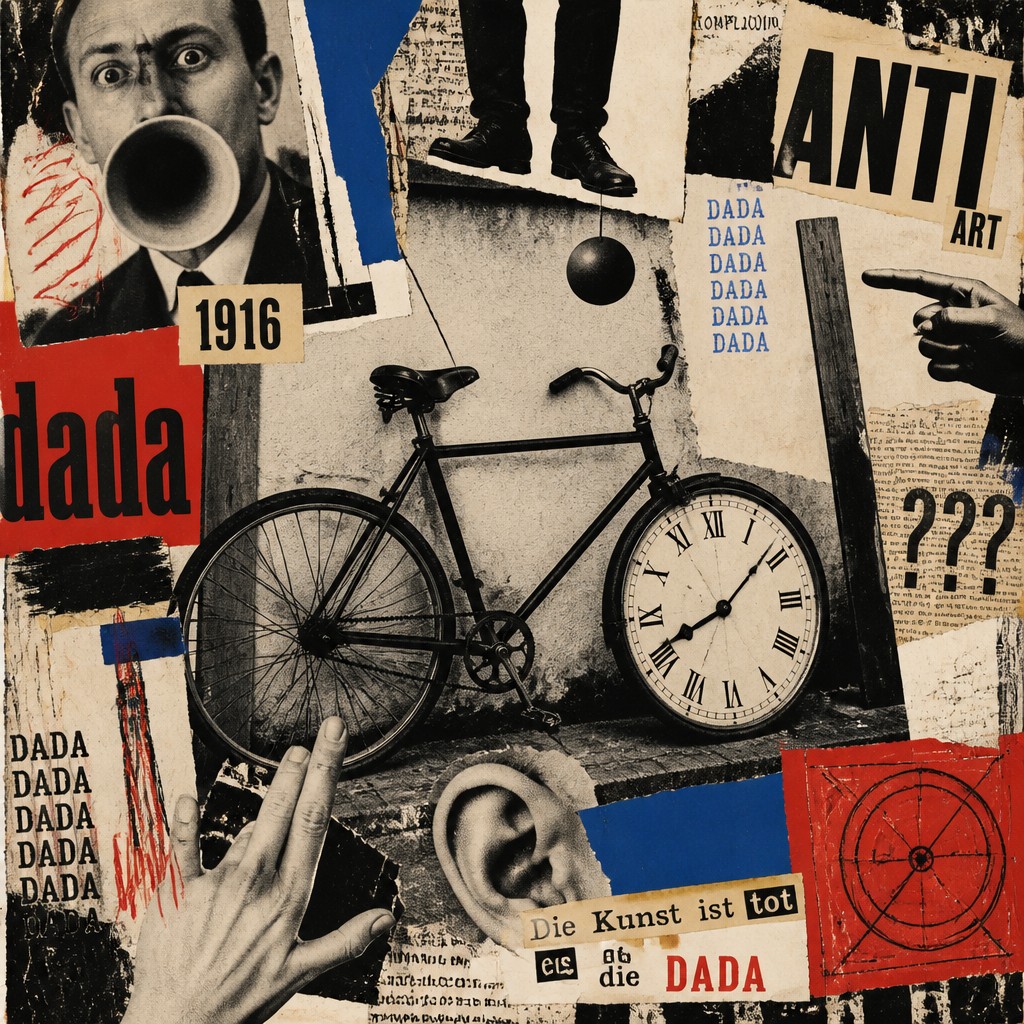
Dada art is a deliberate anti-art movement built from absurd photomontage, found objects, torn paper, and tactics that reject logic, taste, and artistic convention. It often feels chaotic, sarcastic, and confrontational, using mismatch and disruption to question what art is supposed to be.
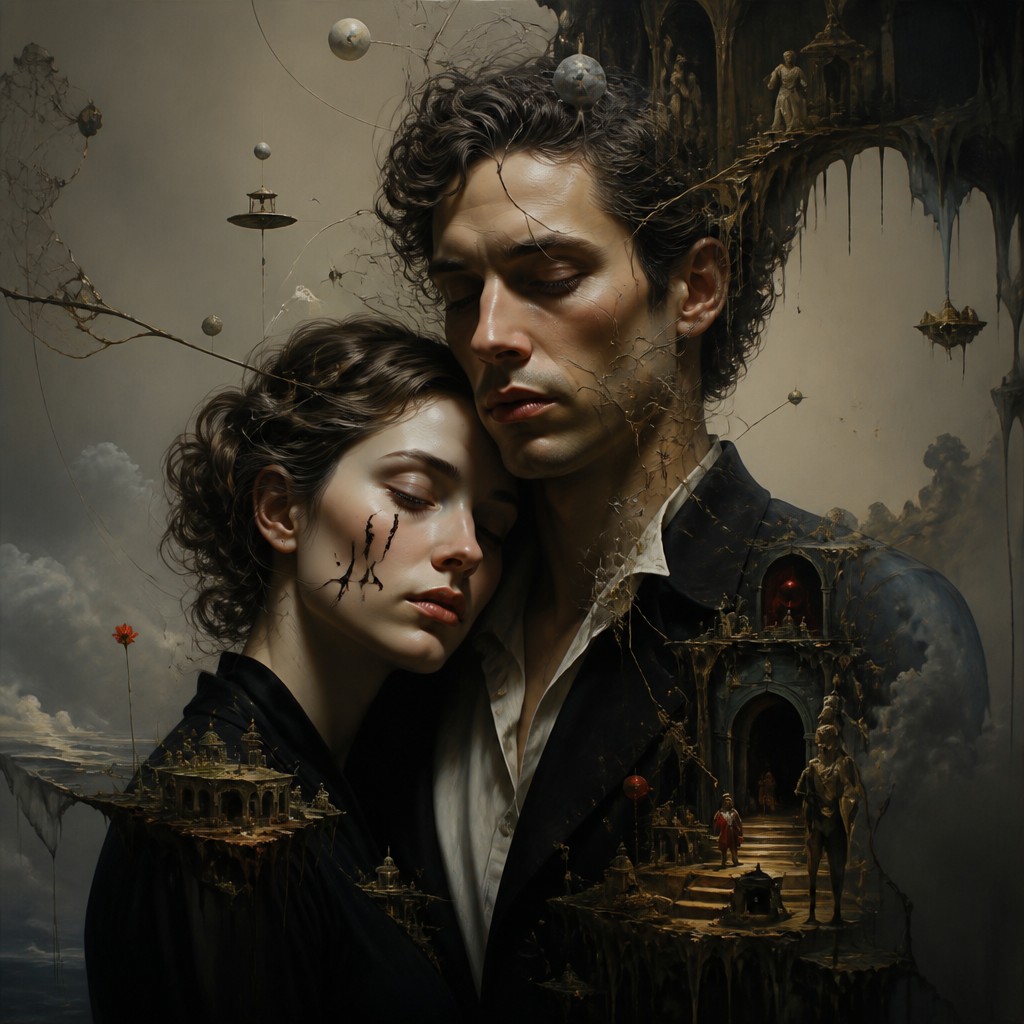
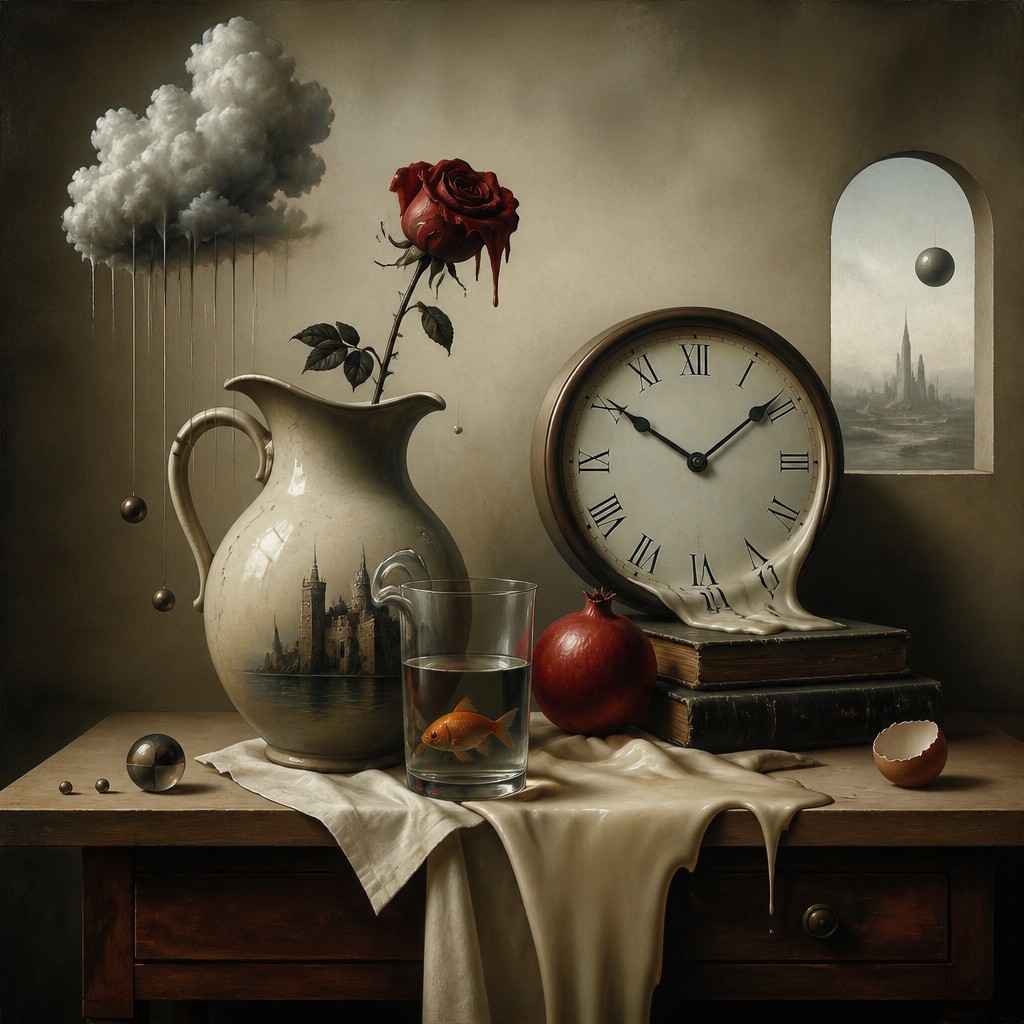
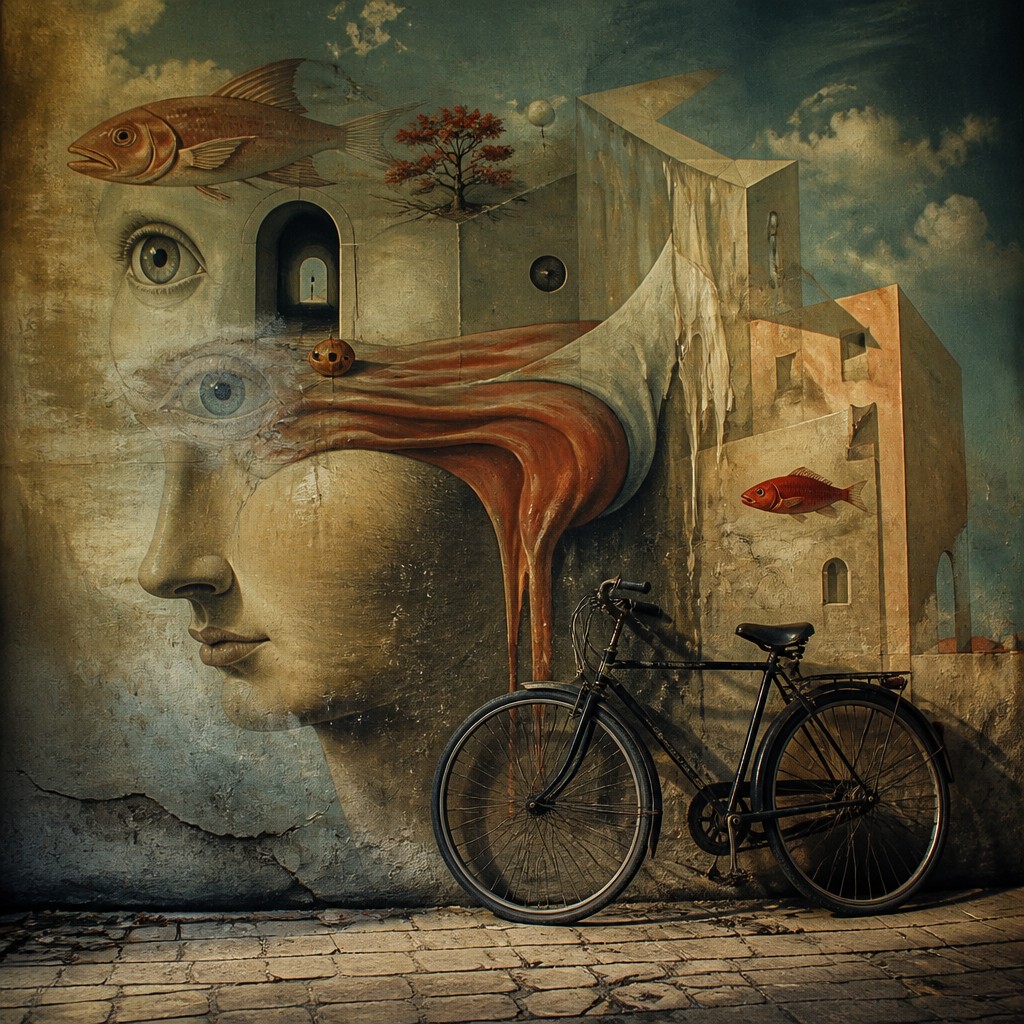
Surrealism is also rooted in the unexpected, but it aims to reveal dream states, unconscious imagery, and strange symbolic relationships. People compare the two because both break realism and combine unrelated things, yet Dada tends to mock and destabilize meaning while Surrealism tends to explore hidden meaning and inner psychology.
Same Prompt, Both Styles
Each pair below was generated from the identical prompt — only the style changed.
“portrait of two people together”
“wide landscape with natural scenery”

“still life with everyday objects”
“bicyle resting against a wall”
Key Differences
| Dada | Surrealism | |
|---|---|---|
| Intent | Mocks art rules and cultural seriousness. | Explores dreams, desire, and the unconscious. |
| Mood | Defiant, ironic, chaotic, and confrontational. | Uncanny, mysterious, poetic, and atmospheric. |
| Imagery | Uses absurd juxtapositions and rough assemblage. | Uses impossible scenes that still feel believable. |
| Materials | Found objects, torn paper, collage, and photomontage. | Paint, drawing, collage, and highly detailed rendering. |
| Finish | Often intentionally rough, fragmented, or crude. | Often crisp, polished, and sharply detailed. |
| Meaning | Meaning may be rejected, fractured, or satirical. | Meaning often comes through symbols and dream logic. |
| Mood | absurd, rebellious, chaotic, satirical, irreverent | dreamlike, uncanny, enigmatic, subconscious, disorienting |
| Energy | intense | balanced |
| Detail level | detailed | detailed |
| Color | mixed, collage-like, often stark and clashing | naturalistic tones with eerie contrasts |
| Texture | rough, torn, pasted, layered | smooth realism with paradoxical surfaces |
| Origin | 1910s Europe, wartime anti-art movement | 1920s Europe, especially Paris |
| Best for | editorial posters, album covers, zines, experimental typography, political protest art, collage compositions | album covers, editorial art, poster design, book covers, concept art |
| Difficulty | advanced | advanced |
Which Should You Choose?
Choose Dada if you want work that feels rebellious, humorous, and intentionally disruptive, especially when using collage, found materials, or anti-establishment themes. Choose Surrealism if you want strange but coherent imagery that feels like a dream, with symbolic tension, eerie realism, and a stronger sense of psychological exploration.
Frequently Asked Questions
Are Dada and Surrealism the same thing?
No. They overlap in their use of the unexpected, but Dada is mainly anti-art and anti-logic, while Surrealism is focused on dreams and the unconscious. Dada often tries to break meaning apart, whereas Surrealism often tries to uncover hidden meaning.
Which style is more chaotic?
Dada is usually more chaotic in a deliberate, disruptive way. Surrealism can be strange or unsettling, but it often keeps a more controlled composition and visual finish. If the goal is disorder and provocation, Dada is the closer fit.
Which style uses more realistic detail?
Surrealism usually uses more realistic detail, even when the scene is impossible. Dada can include realistic fragments, but it often emphasizes collage, roughness, and deliberate interruption over finish. That makes Surrealism feel more polished and Dada more assembled.
Can a work belong to both styles?
Yes, some works can share features of both styles. A piece might use Dada-like collage and absurdity while also using Surrealist dream imagery. In that case, the stronger emphasis usually determines the primary style.