Anime vs Classic 90s Anime: What's the Difference?
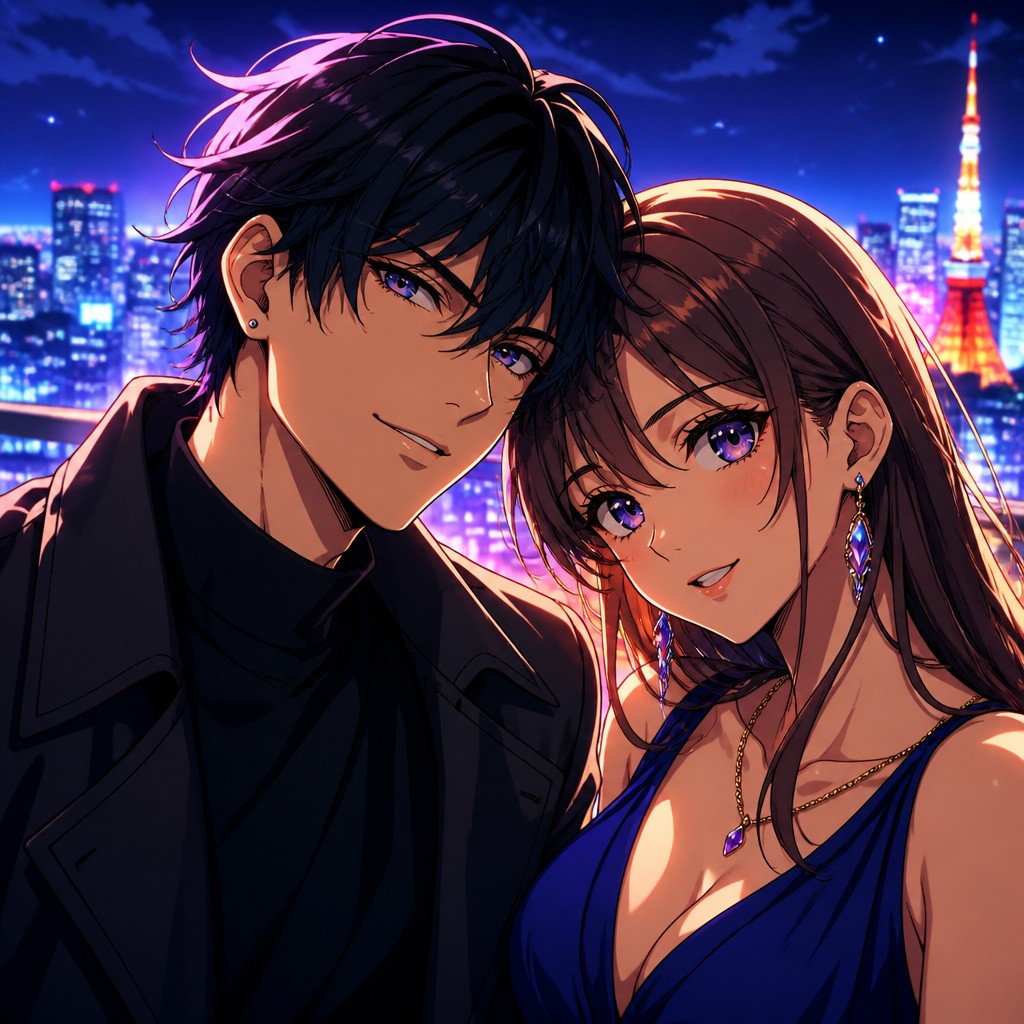
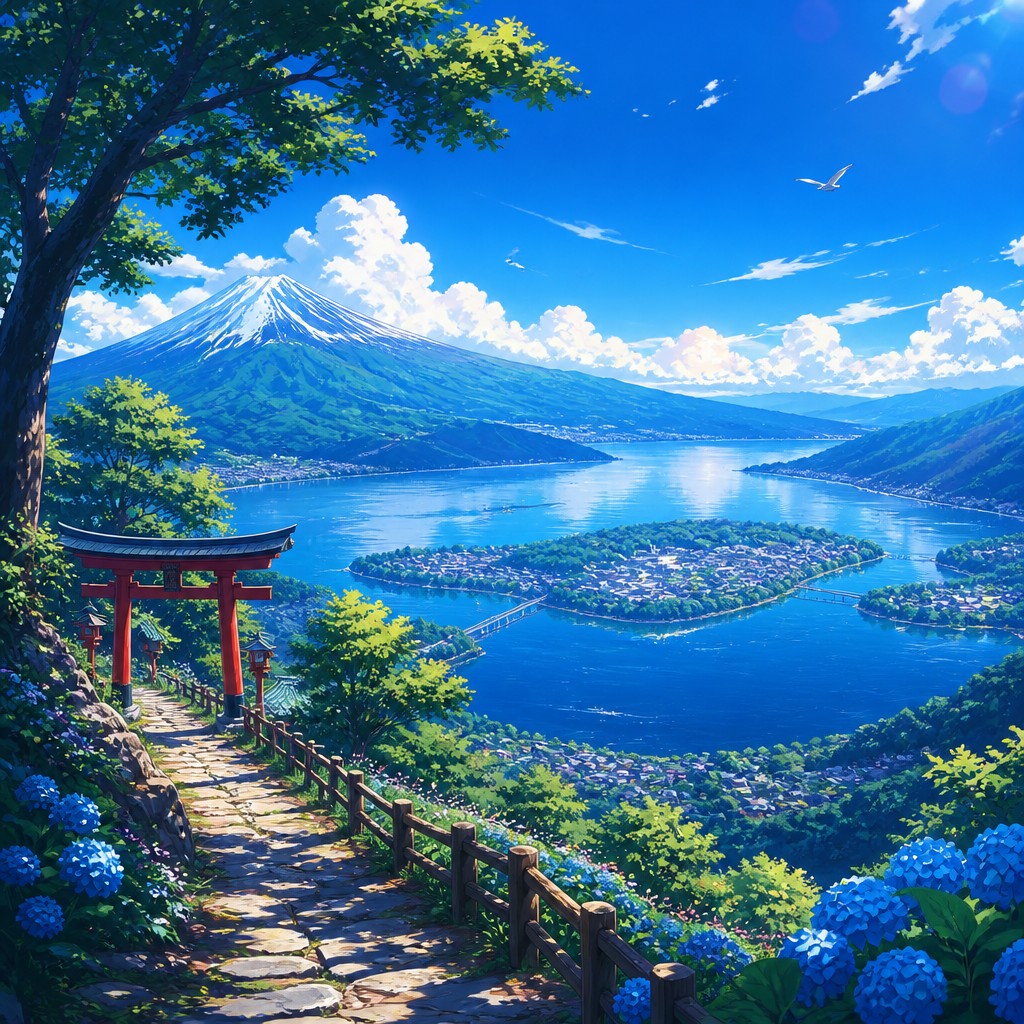
Anime art style is a broad modern visual language inspired by Japanese animation. It often features clean linework, cel shading, vivid color, stylized faces, and polished cinematic lighting, making it feel crisp, dynamic, and adaptable across genres.
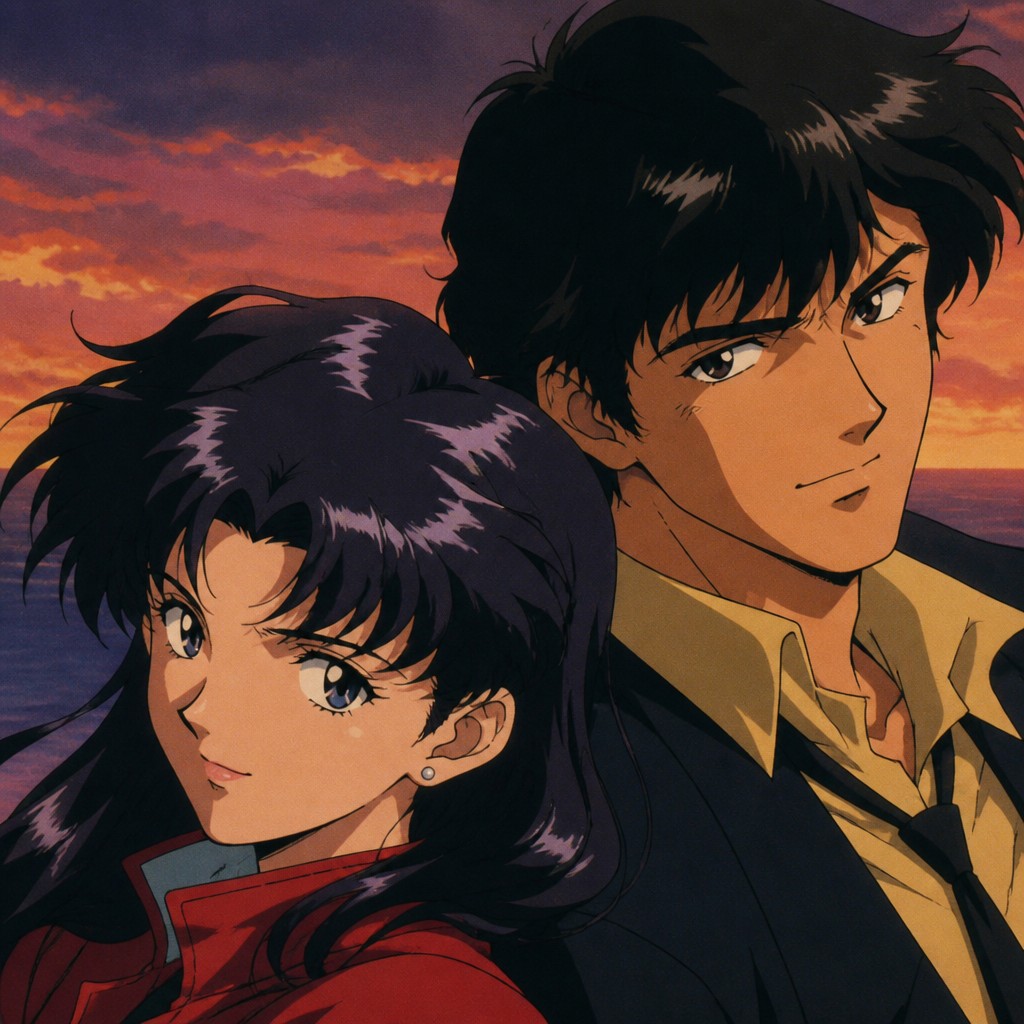
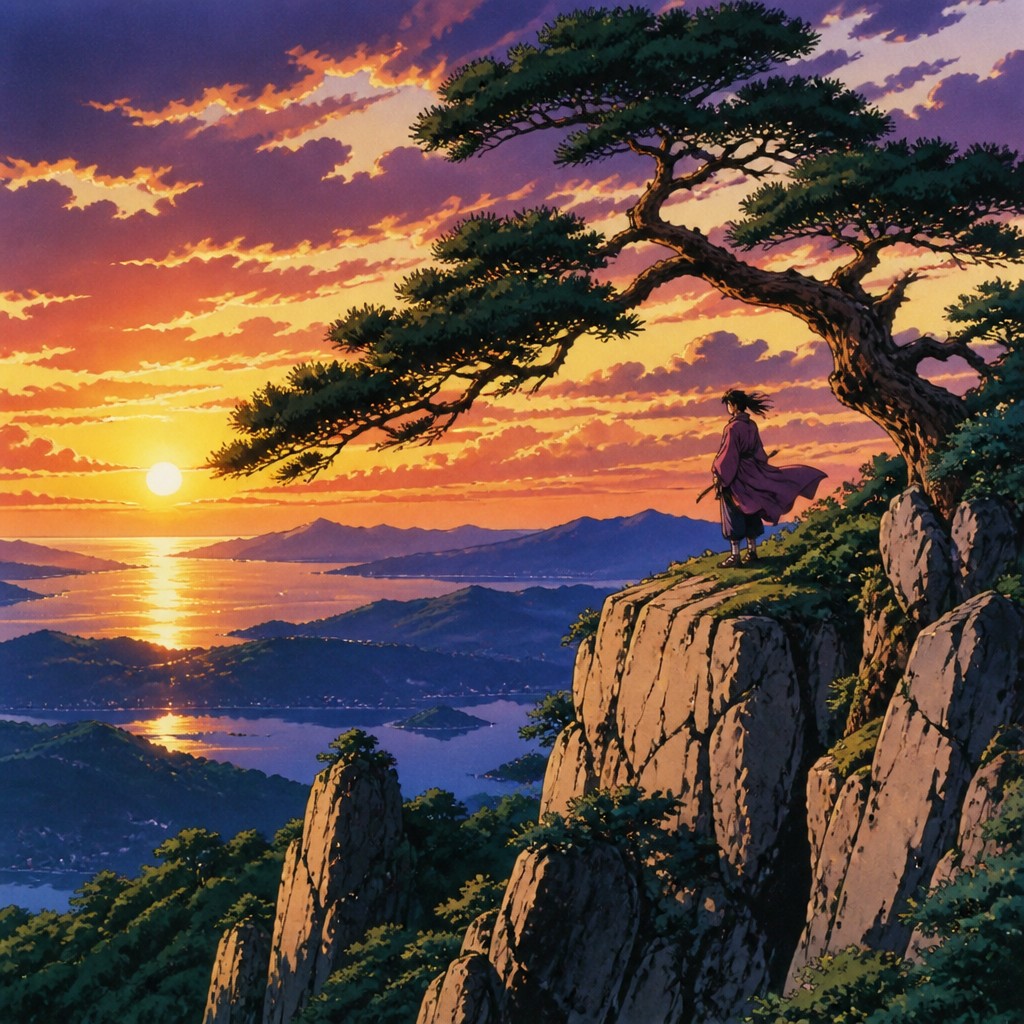
Classic 90s anime art style refers to a vintage hand-drawn look associated with older animation production. It typically uses cel shading, glossy eyes, pointed features, and painted backgrounds, creating a warmer, more tactile, and nostalgic feel. People compare the two because both share anime roots, yet they differ in finish, texture, color treatment, and overall mood.
Same Prompt, Both Styles
Each pair below was generated from the identical prompt — only the style changed.
“portrait of two people together”
“wide landscape with natural scenery”
“still life with everyday objects”
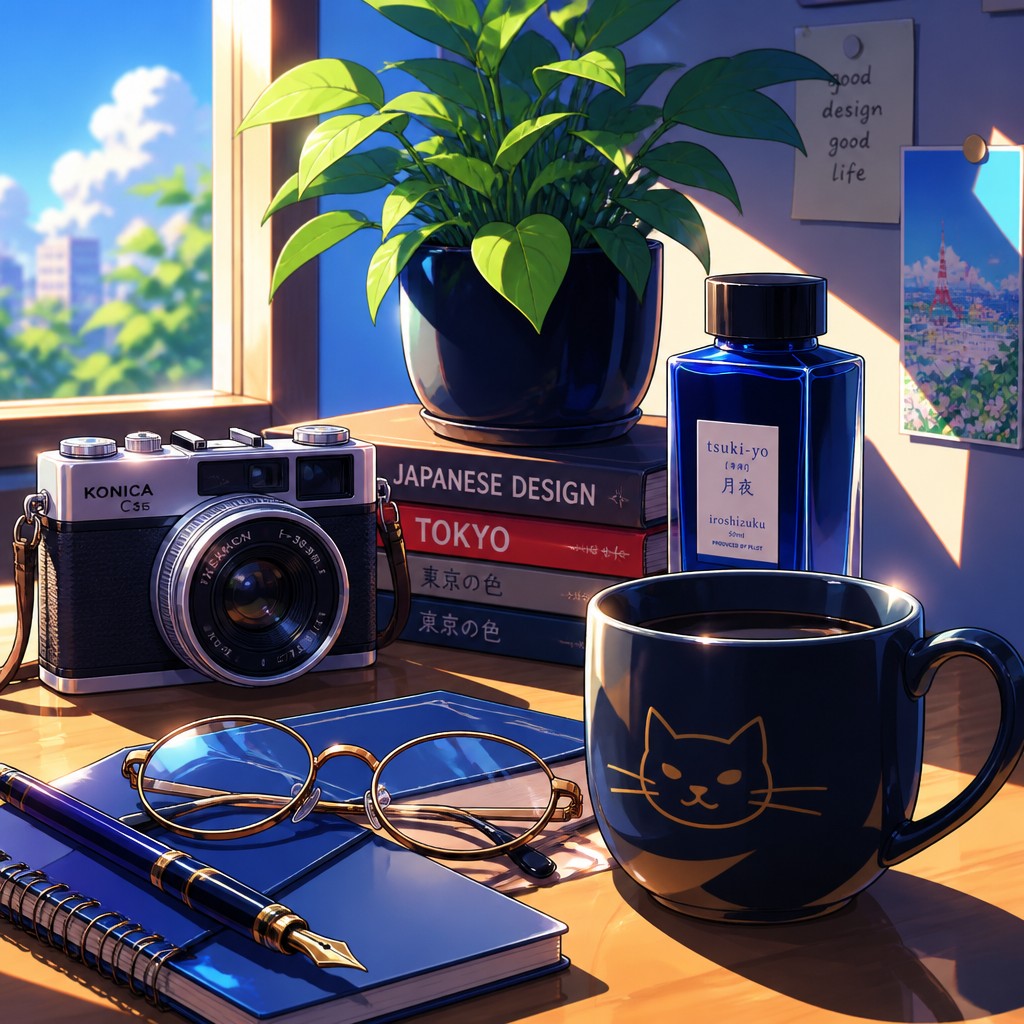
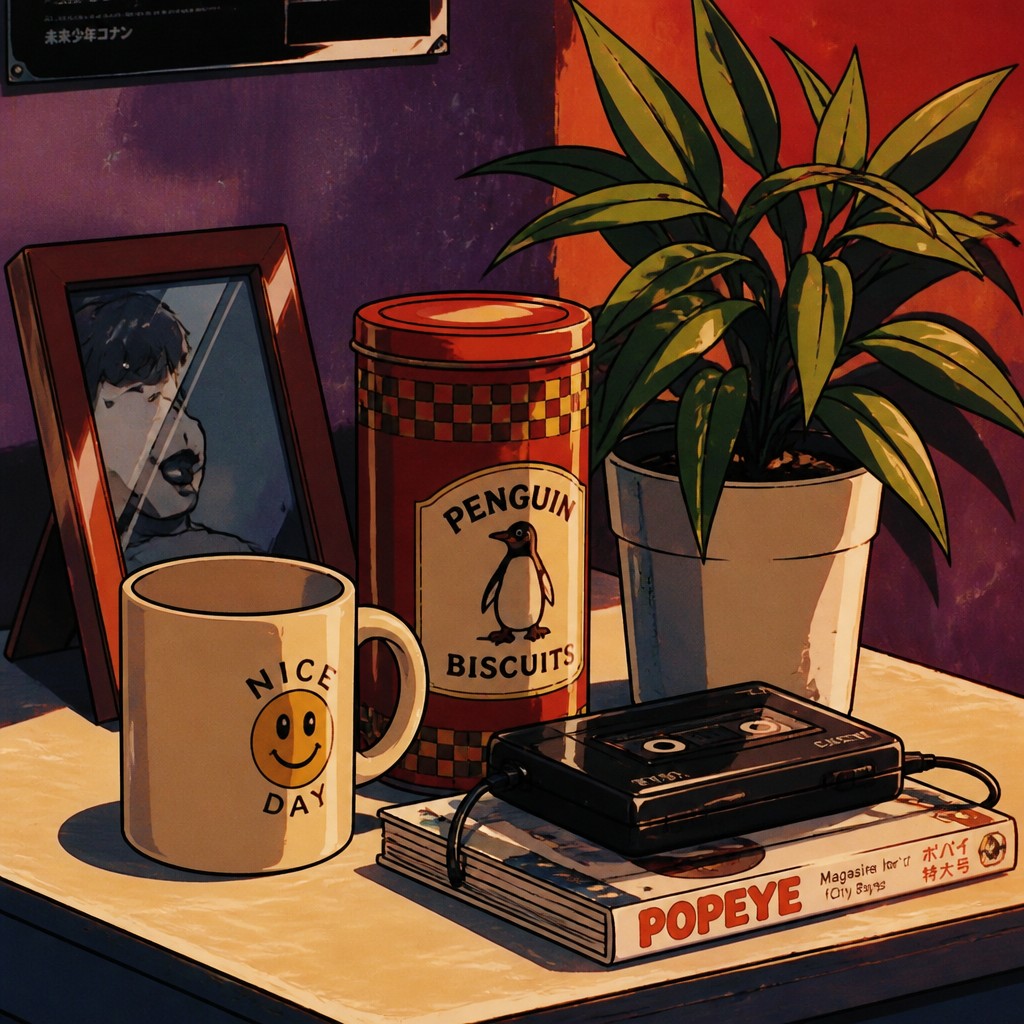
“bicyle resting against a wall”
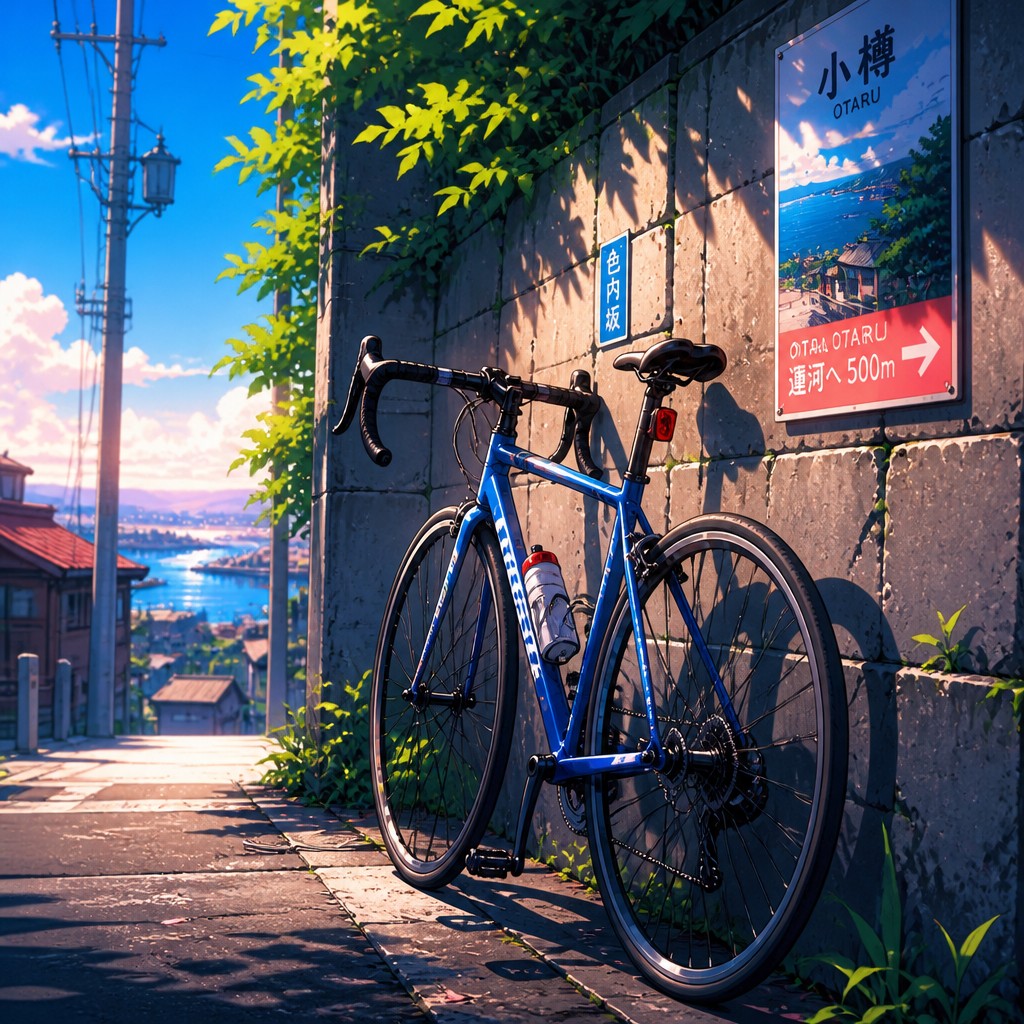
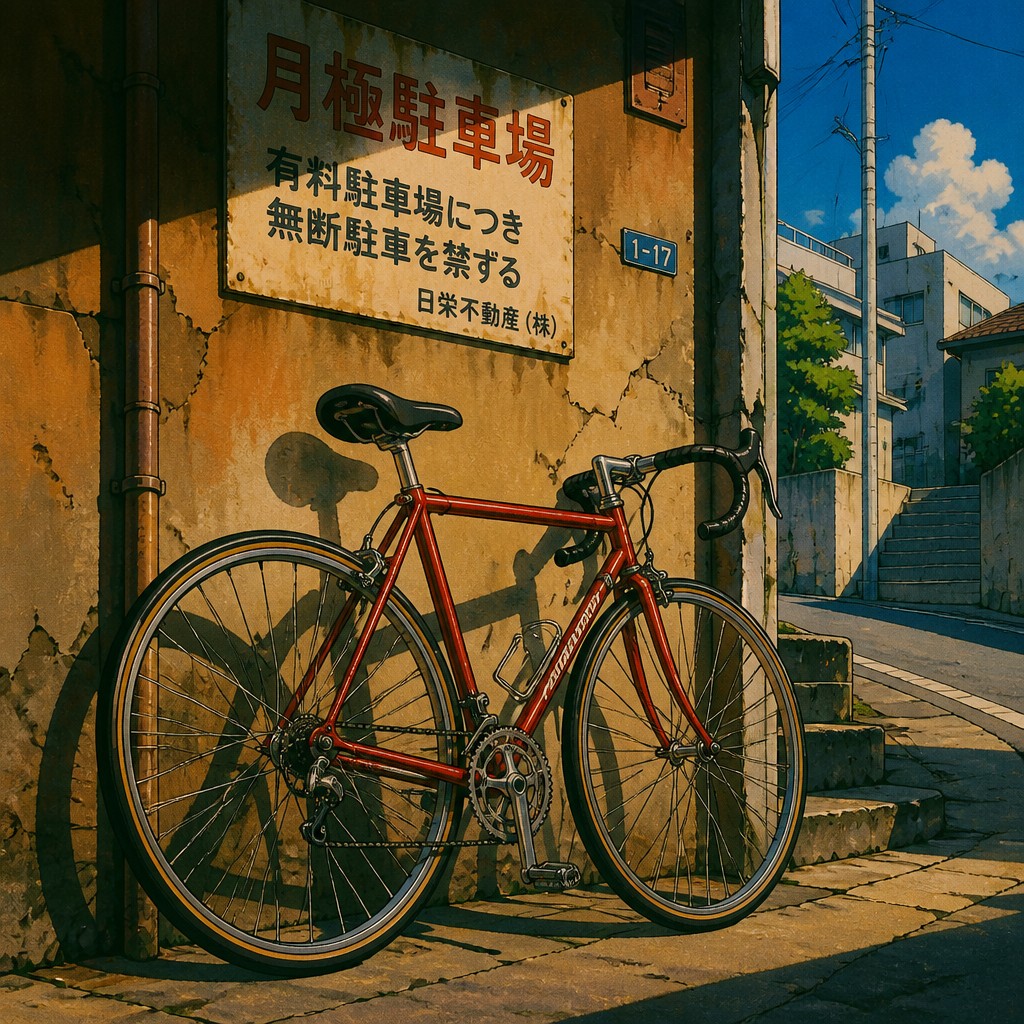
Key Differences
| Anime | Classic 90s Anime | |
|---|---|---|
| Line & form | Clean, controlled outlines with smooth shapes and modern polish. | Looser hand-drawn lines with sharper features and a more tactile feel. |
| Shading | Crisp cel shading with refined gradients and cinematic depth. | Simple cel shading with flatter tones and a vintage animation look. |
| Color | Vivid, often high-saturation palettes with strong visual clarity. | Softer, warmer colors that feel slightly muted or nostalgic. |
| Eyes & faces | Stylized faces with expressive features and versatile proportions. | Glossy eyes, pointed features, and a more distinctly retro character design. |
| Backgrounds | Often digitally rendered or blended for a polished, cinematic scene. | Painted backgrounds with visible texture and handcrafted atmosphere. |
| Overall mood | Modern, clean, energetic, and production-ready. | Nostalgic, handcrafted, and emotionally warm. |
| Mood | expressive, vivid, playful, dramatic | nostalgic, expressive, romantic, dramatic |
| Energy | lively | balanced |
| Detail level | detailed | detailed |
| Color | bright, saturated, high-contrast colors | warm saturated cel colors, painted backgrounds |
| Texture | smooth lines, crisp cel-shaded surfaces | clean linework, soft painted surfaces |
| Origin | Japan, late 20th-century animation | late 1980s–1990s Japanese animation |
| Best for | posters, anime fan art, games, comics, key art, merchandise | anime posters, character art, nostalgic fan art, storybook illustrations, retro game art |
| Difficulty | moderate | advanced |
Which Should You Choose?
Pick Anime Art Style A if you want a clean, flexible look that feels modern, vibrant, and polished for web, games, branding, or contemporary illustration. Choose Classic 90s Anime Art Style B if you want nostalgic charm, painterly texture, and a hand-drawn atmosphere that evokes vintage animation and emotional warmth.
Frequently Asked Questions
Is one style more accurate to anime than the other?
Both are valid anime-inspired styles, but they belong to different eras and production approaches. Style A reflects a modern, polished interpretation, while Style B reflects a vintage hand-drawn tradition.
Which style is easier to reproduce digitally?
Style A is usually easier to reproduce digitally because its clean lines and controlled shading fit modern tools well. Style B can also be recreated digitally, but it often needs careful texture, brushwork, and background treatment to feel authentic.
Why does Classic 90s Anime look more nostalgic?
It often uses painted backgrounds, hand-drawn line variation, and softer color treatment that feel less synthetic. Those traits remind viewers of older animation workflows and media from that era.
Which style works better for dramatic scenes?
Style A can emphasize dramatic lighting and sharp clarity, which works well for action or suspense. Style B can feel more emotionally intimate and atmospheric, especially in quiet or reflective scenes.