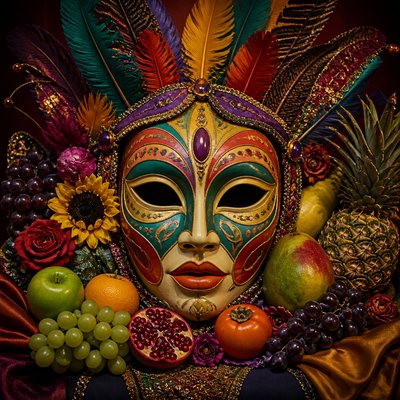
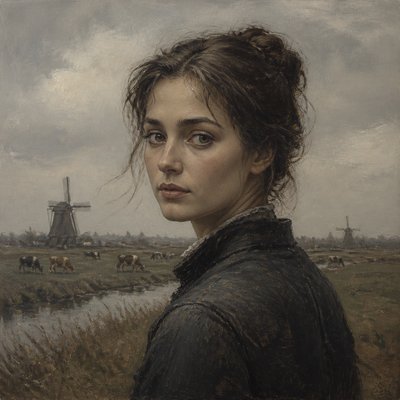
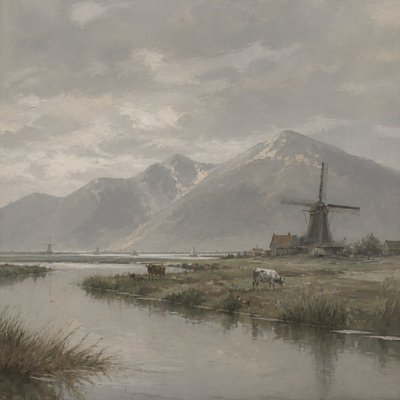
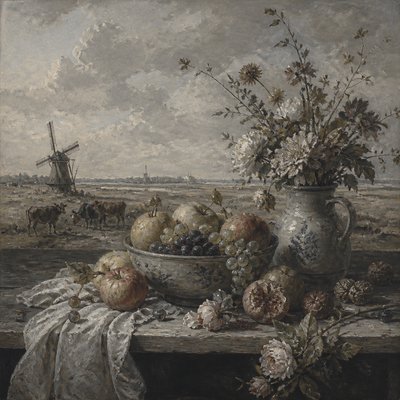
Mannerism Art Style
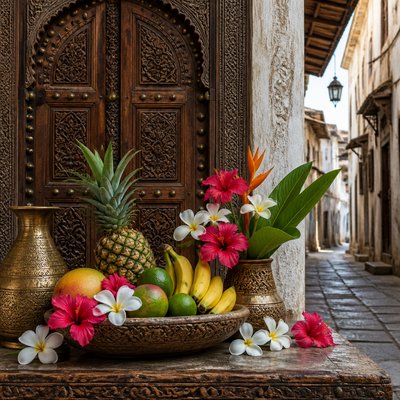
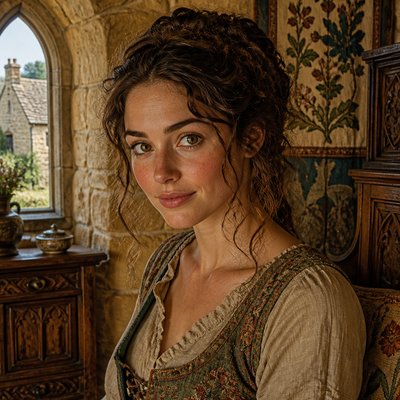
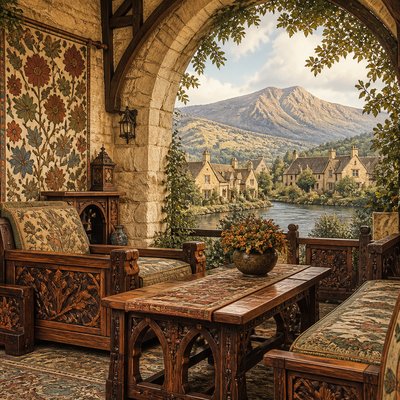
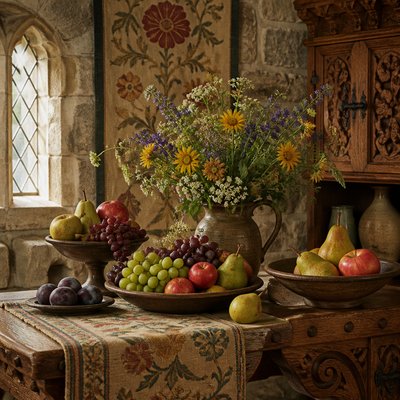
Explore Mannerism: elongated figures, serpentine poses, acid colors, compressed space, and refined artificiality in late-Renaissance art.
Instantly rendered in Mannerism — or transform a photo
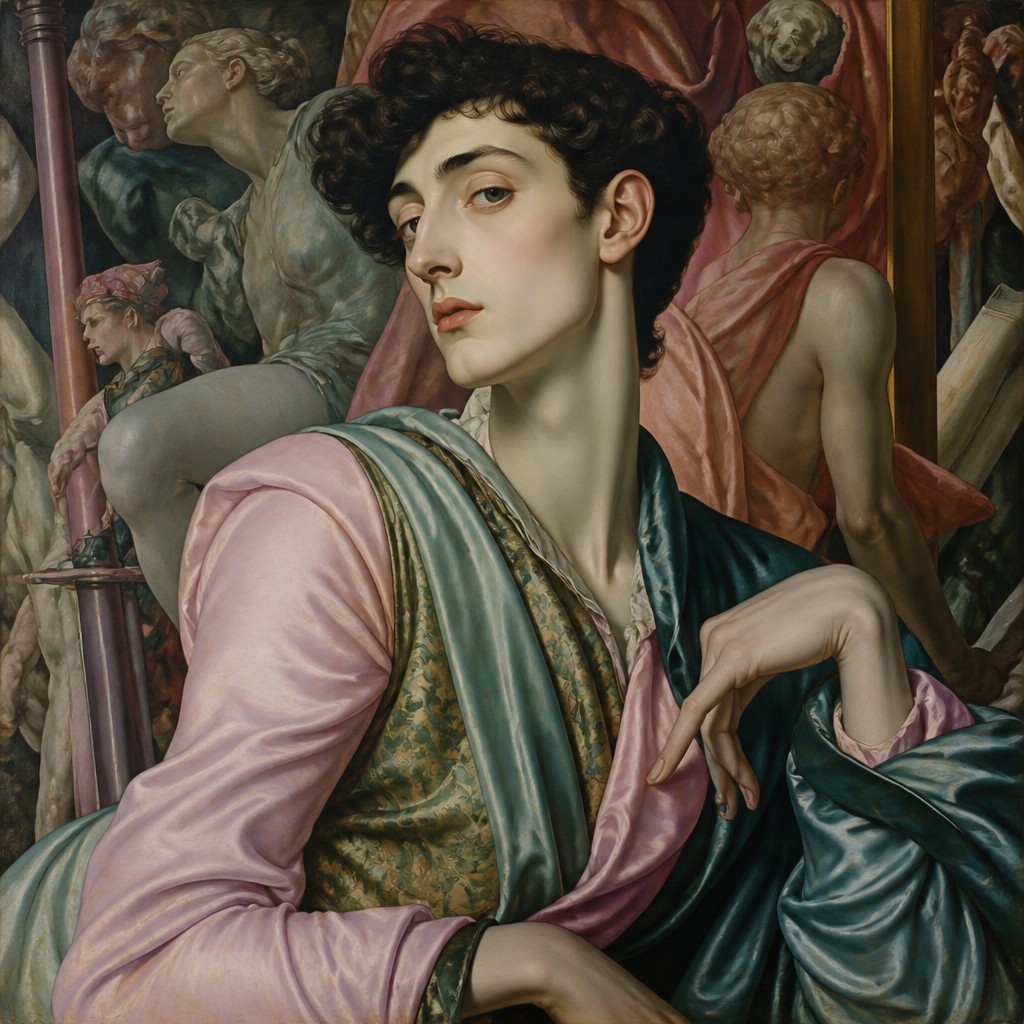
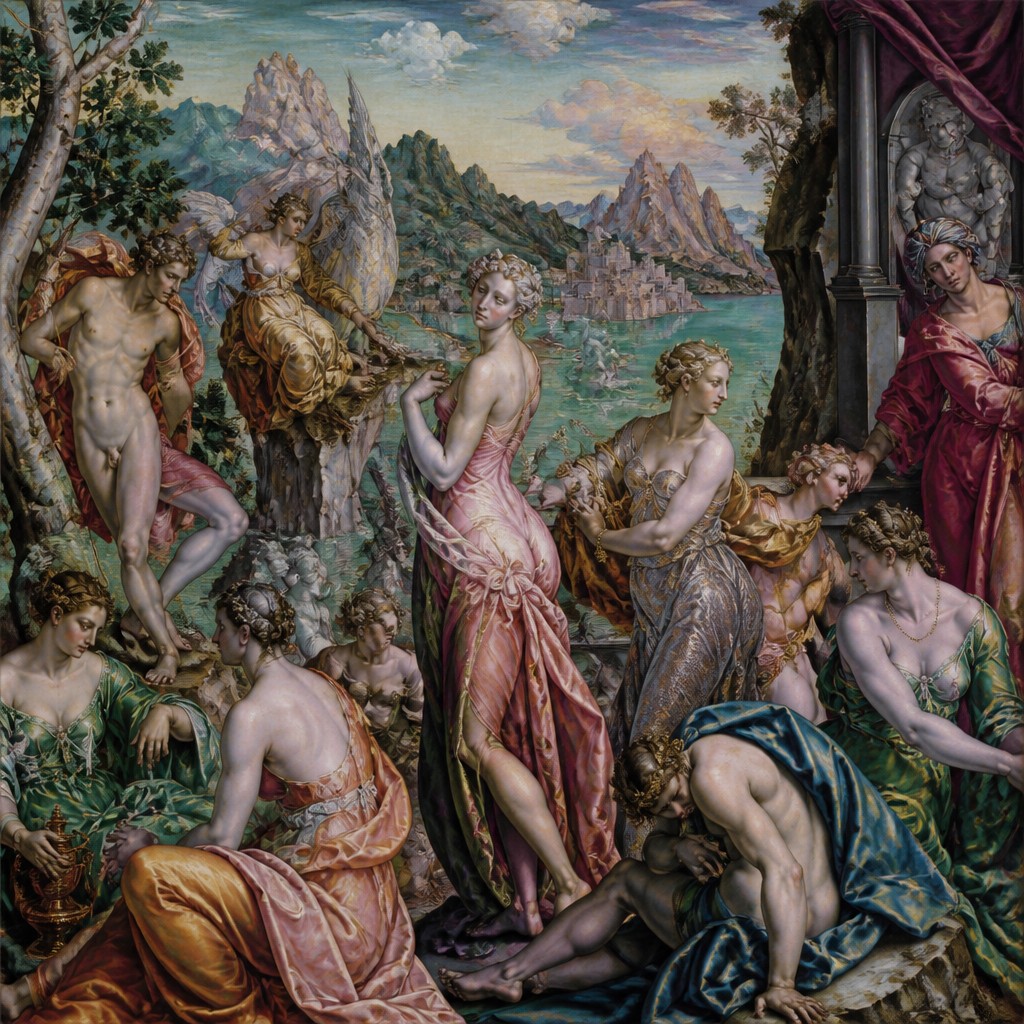
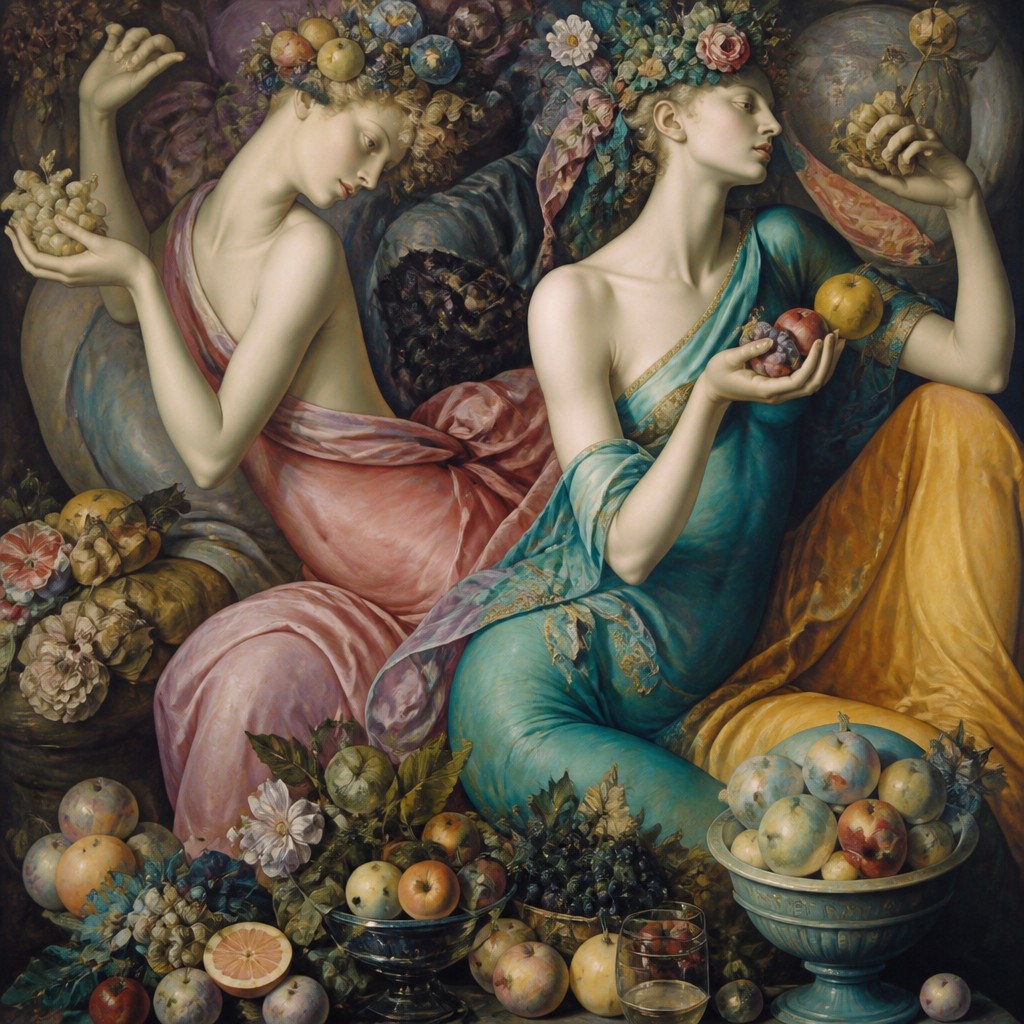
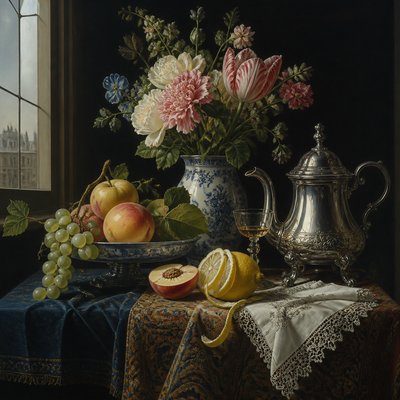
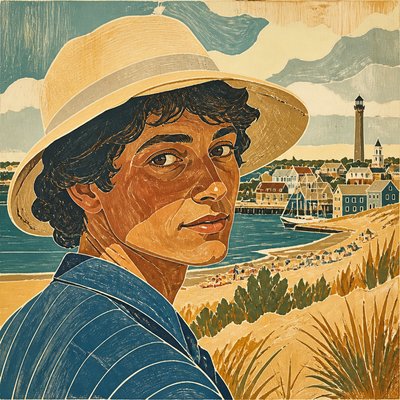
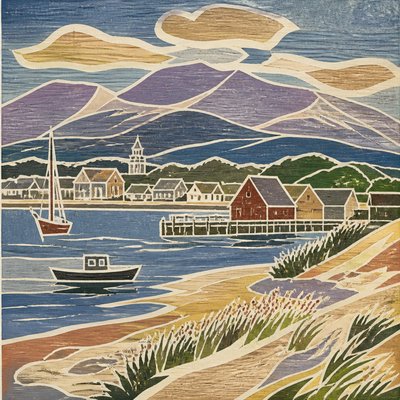
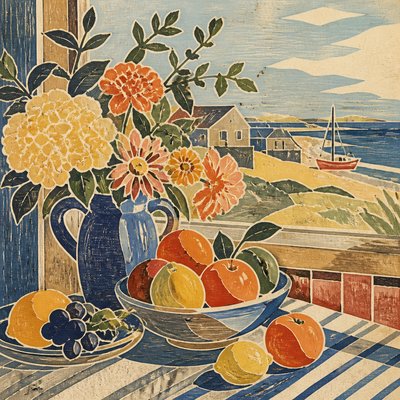
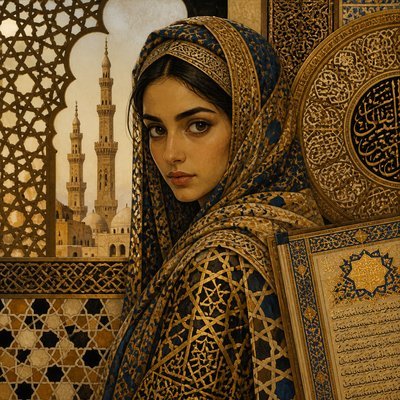
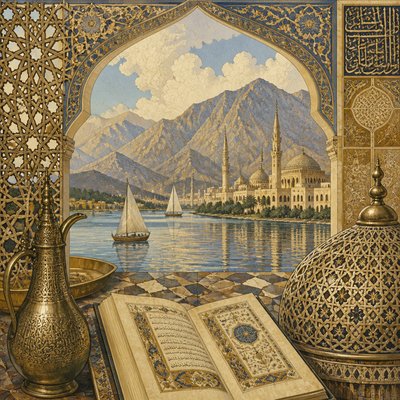
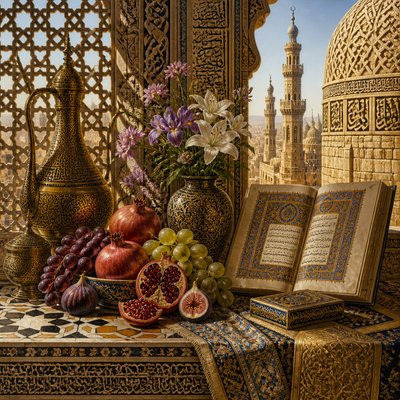
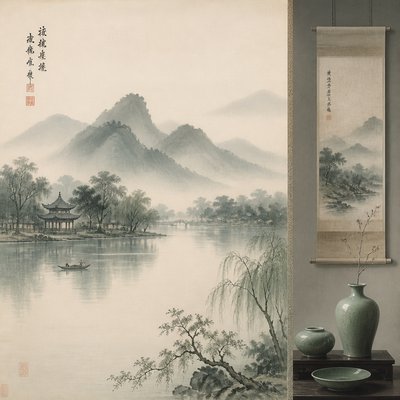
Mannerism Gallery
Tap any artwork to explore it
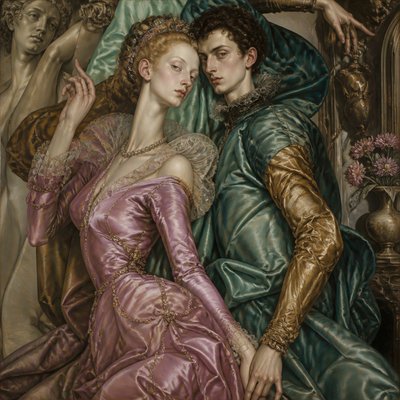
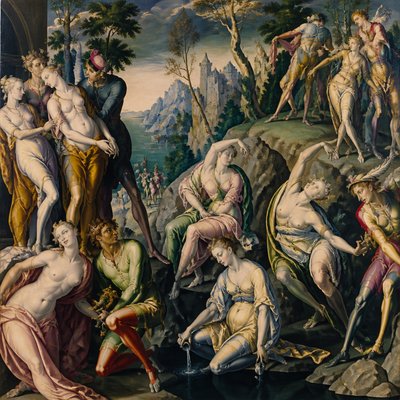
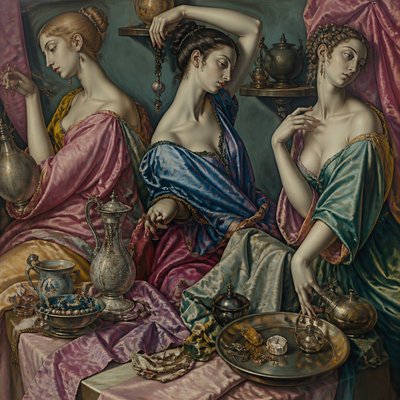
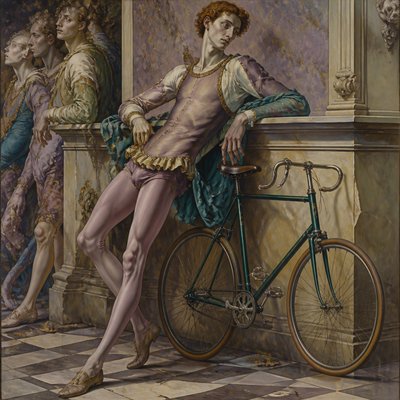
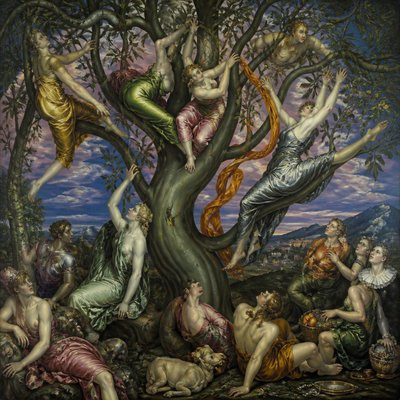
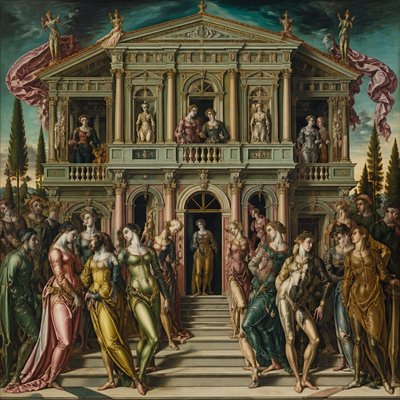
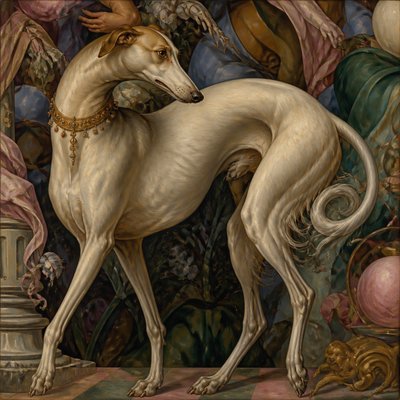
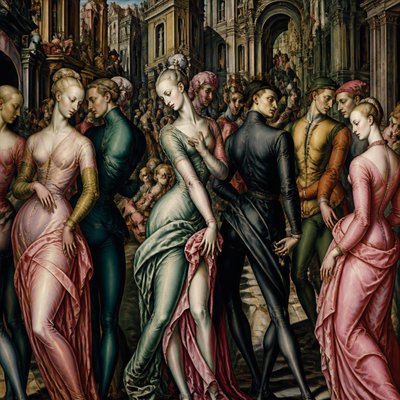
What is Mannerism Art Style?
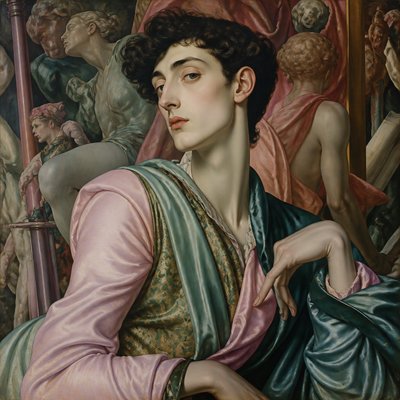
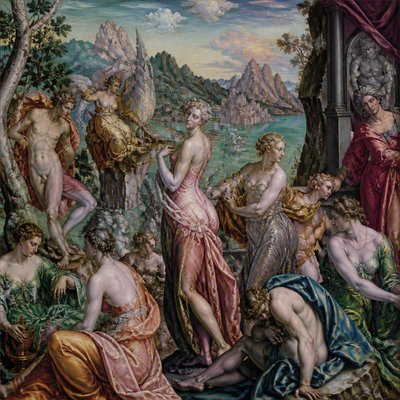
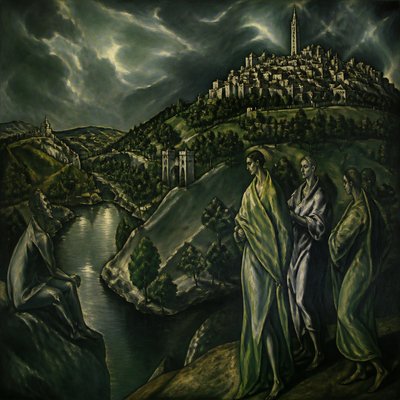
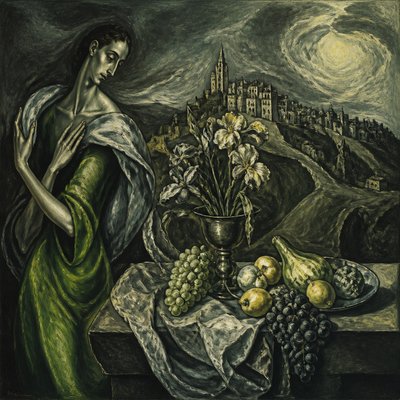
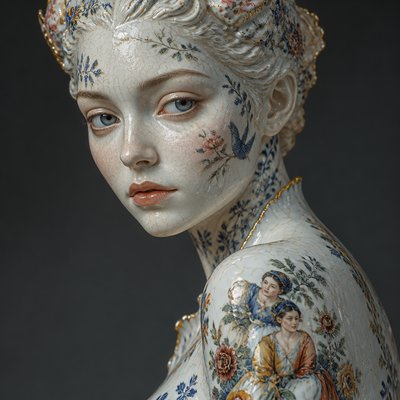
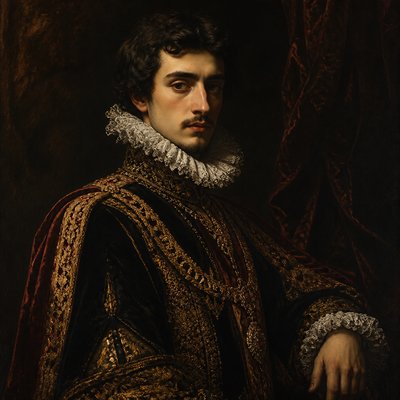
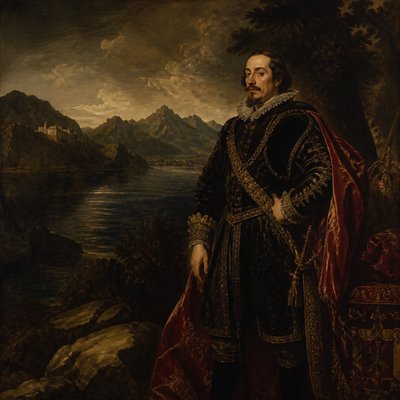
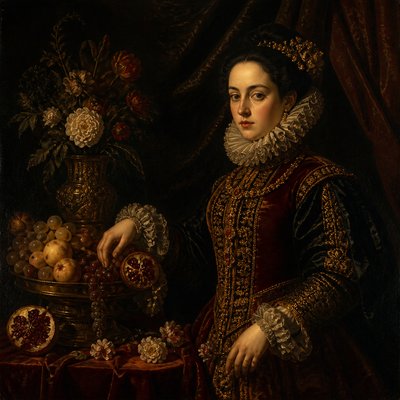
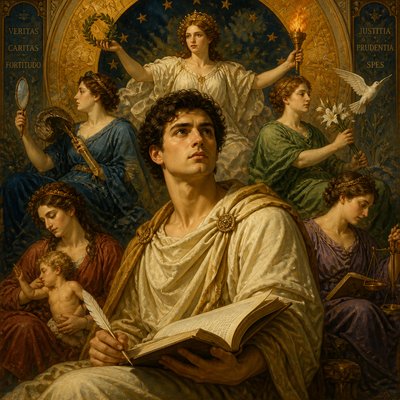
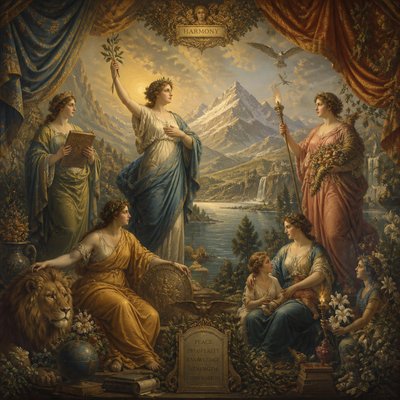
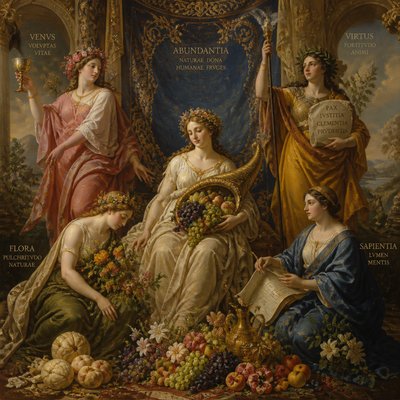
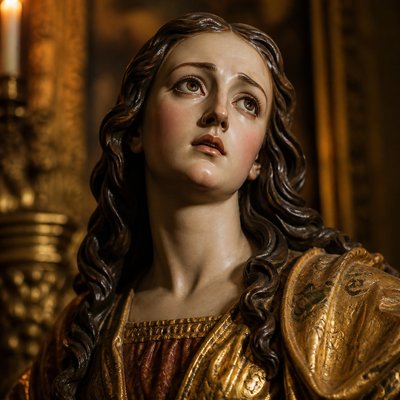
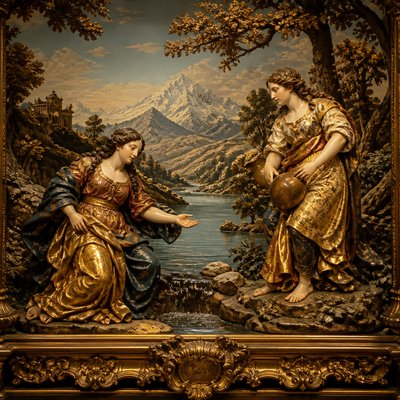
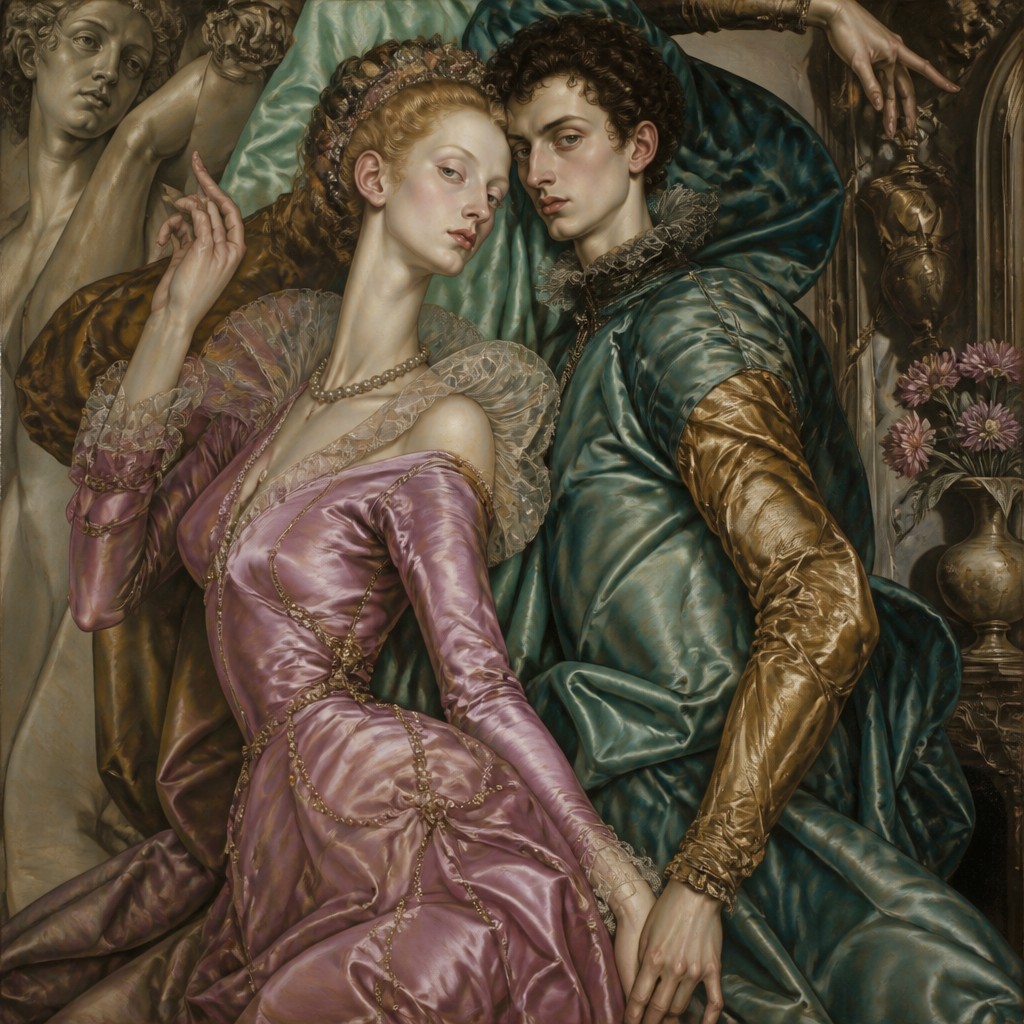
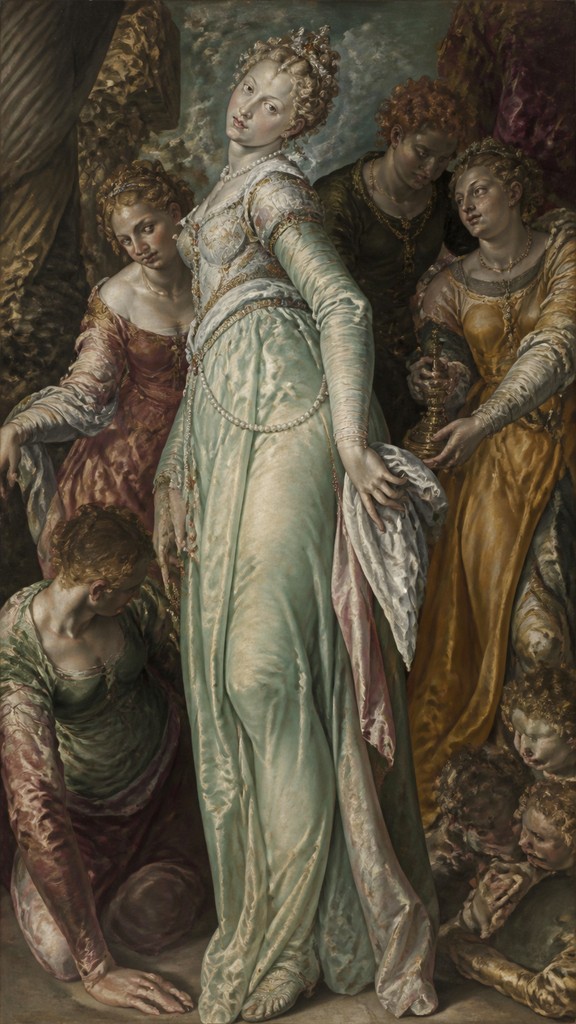
Mannerism is a late-Renaissance art style that favors elegant distortion over natural proportion. Its figures are unusually tall and slender, their limbs arranged in intricate twisting poses known as figura serpentinata. Rather than creating a stable window onto the world, Mannerist compositions often compress space, crowd figures together, and introduce ambiguous architectural settings.
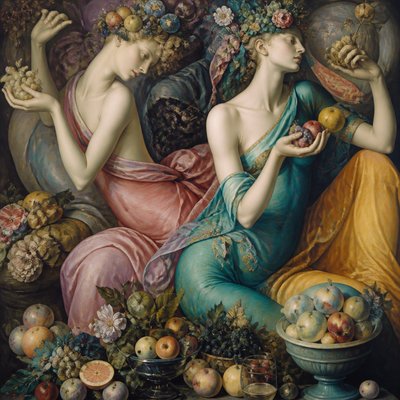
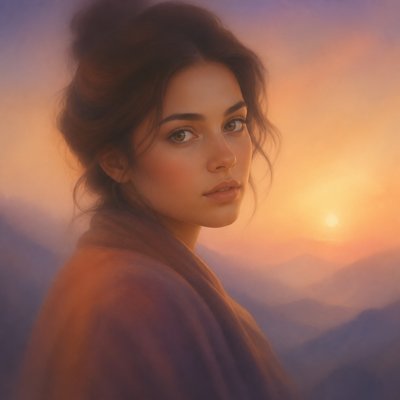
The style is recognized by its polished surfaces, sophisticated courtly mood, artificial lighting, and unexpectedly intense color. Acidic pinks, mint greens, lavender, pale blue, and jewel tones may appear beside pearlescent or shot-silk shifts. This deliberate refinement reflects an interest in invention, difficulty, intellectual display, and grace rather than the balanced realism associated with the High Renaissance.
Try It On Your Photos
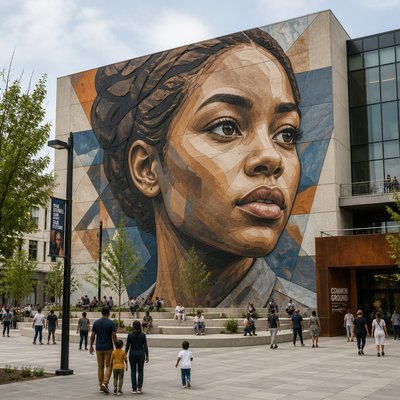
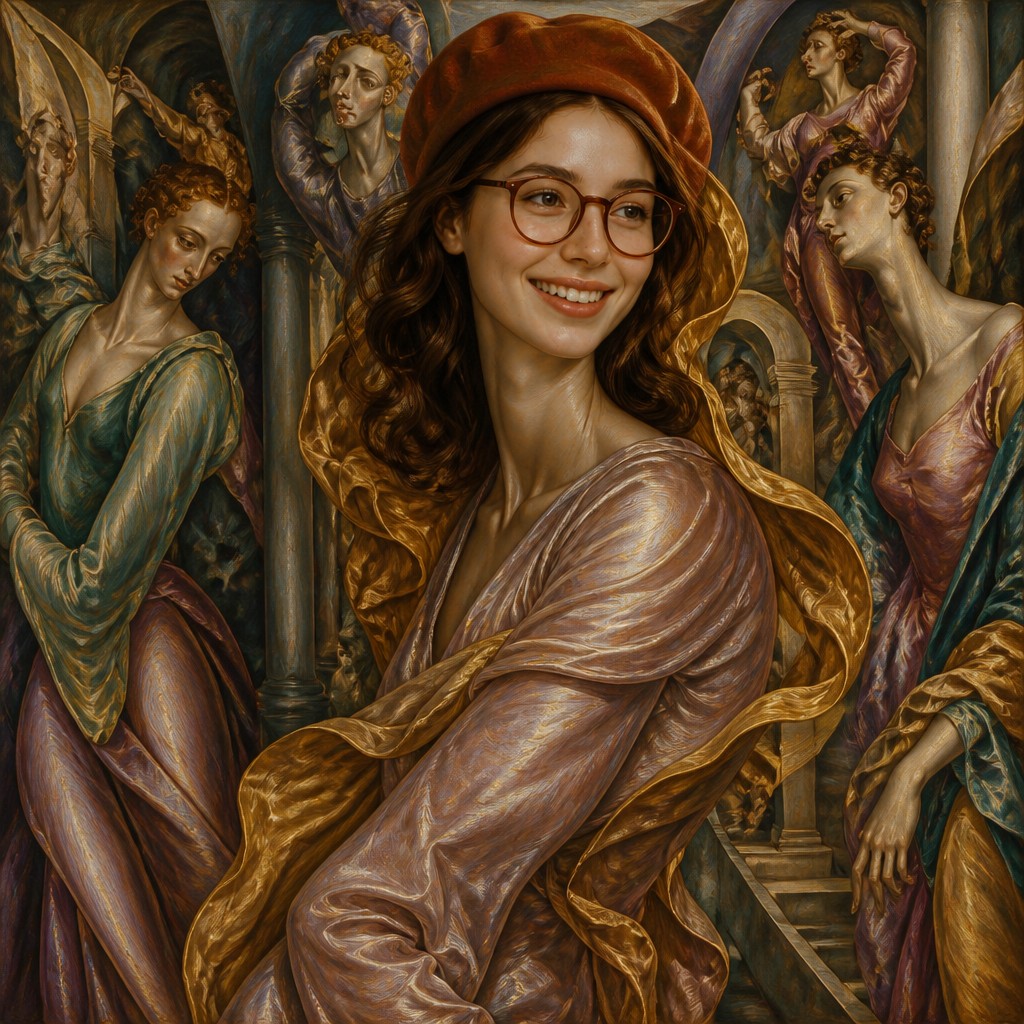
Upload any photo and convert it into Mannerism Art Style — drag the sliders to compare before and after.


What Defines Mannerism Art Style
The signature details, up close
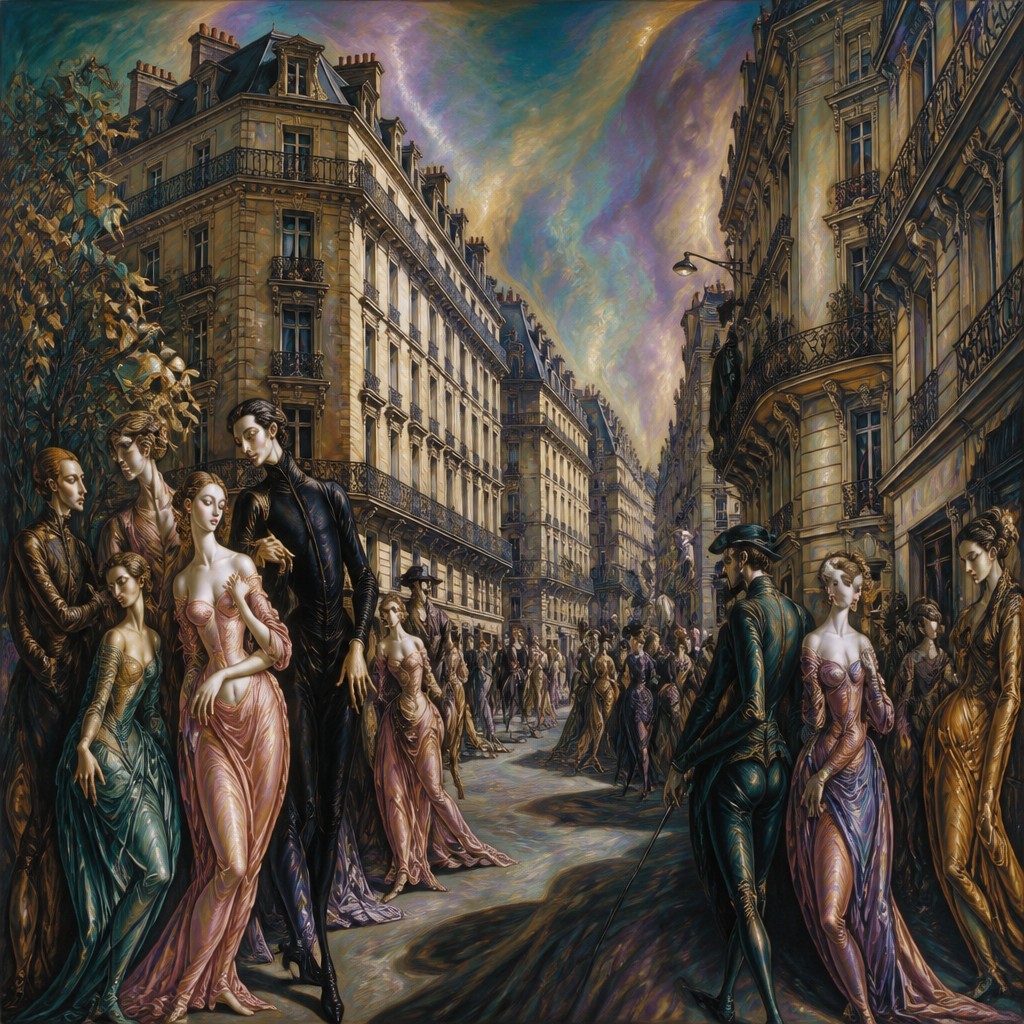
Elongated anatomy
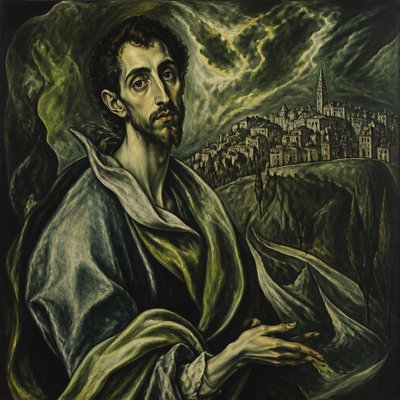
Bodies are stretched beyond natural proportion, with long necks, fingers, limbs, and torsos. The distortion is controlled and elegant, presenting ideal beauty as an artistic construction rather than an anatomical fact.
Serpentine poses
Figures often twist through a continuous S-shaped movement, with the shoulders, hips, and limbs turning in different directions. These complex poses create visual rhythm and demonstrate technical mastery.
Compressed or ambiguous space
Foreground and background may seem unusually close, while architectural settings can be narrow, unstable, or difficult to read. Spatial uncertainty encourages the viewer to study the arrangement rather than enter a convincing natural world.
Artificial color
Mannerist palettes frequently combine pale acidic hues with saturated jewel tones, unexpected complementary contrasts, and cool porcelain-like flesh colors. Color serves expressive and decorative purposes instead of simply describing observed light.
Polished surfaces
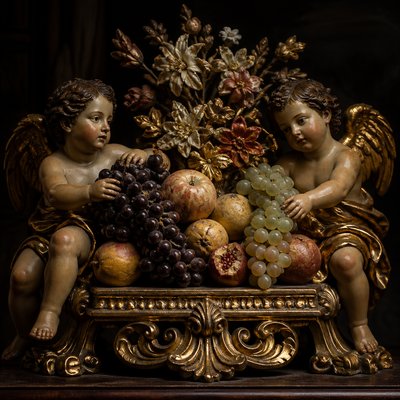
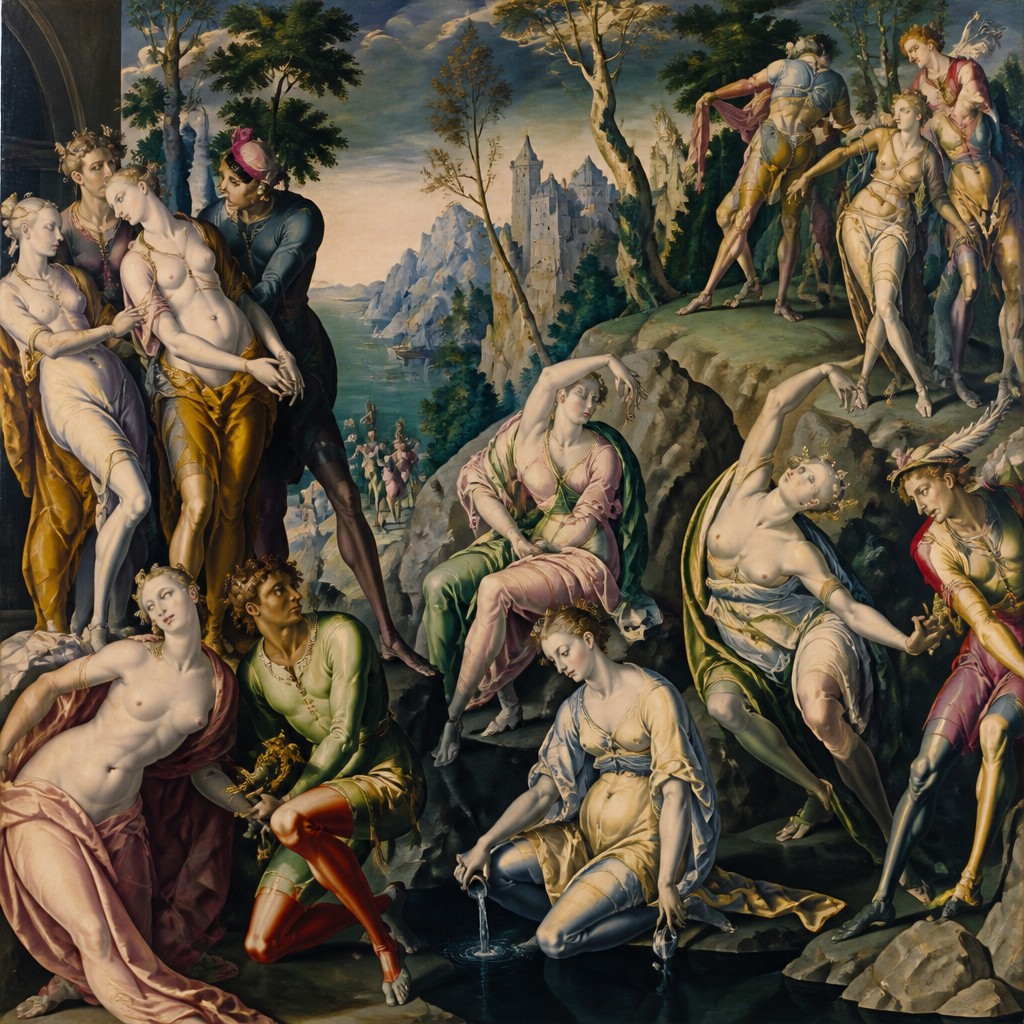
Smooth modeling, carefully finished contours, luxurious fabrics, and refined textures contribute to an aristocratic appearance. Oil glazing, delicate highlights, and controlled brushwork can make skin and materials appear almost enamel-like.
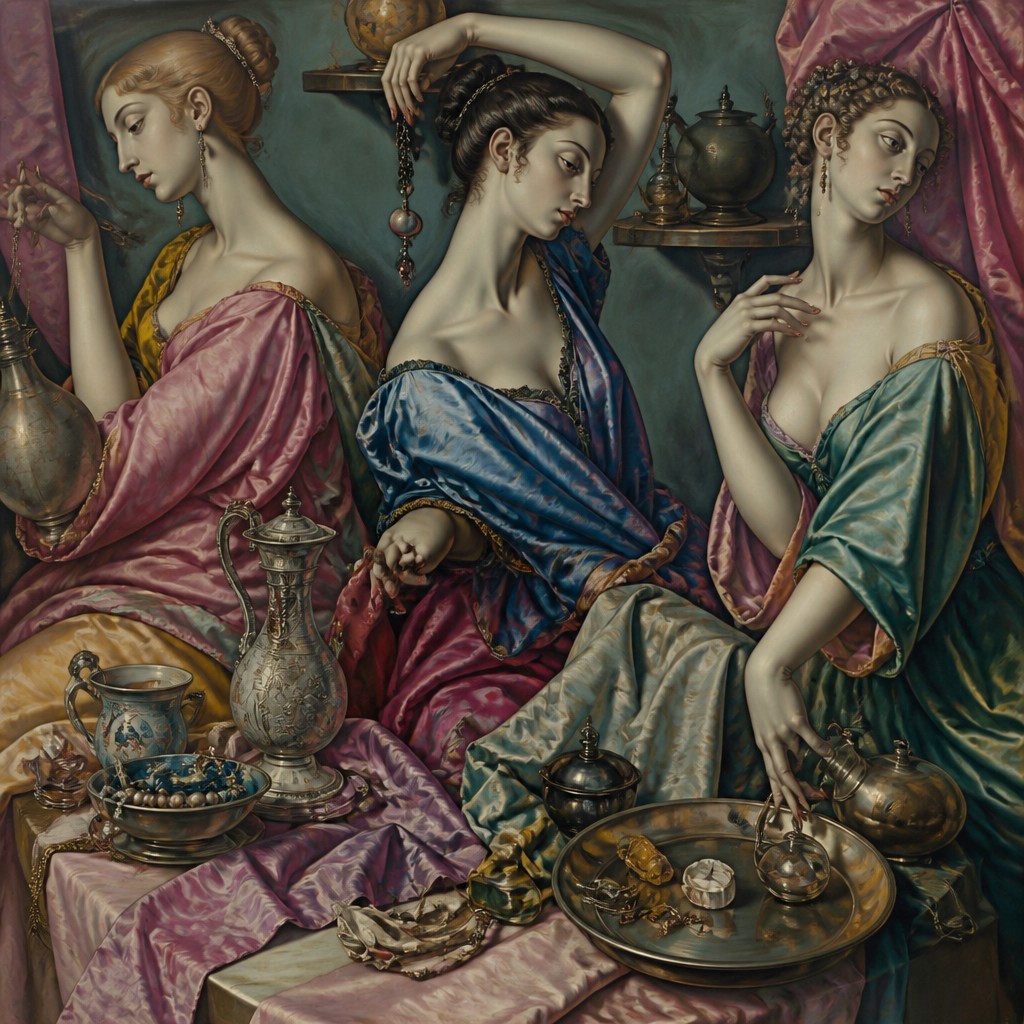
Courtly theatricality
The style favors poised gestures, elaborate clothing, symbolic objects, and an atmosphere of cultivated display. Even religious or mythological scenes may feel staged, ceremonial, and intellectually calculated.
Try It
Create Videos in Mannerism Art Style
Styles aren't just for stills — describe a scene or animate an image and get a short video rendered in Mannerism. Press play to see this pond come to life.
Make a VideoMannerism Prompt Ideas
Start from an idea — each one opens the generator with the style ready to go. See all 40 Mannerism prompts →
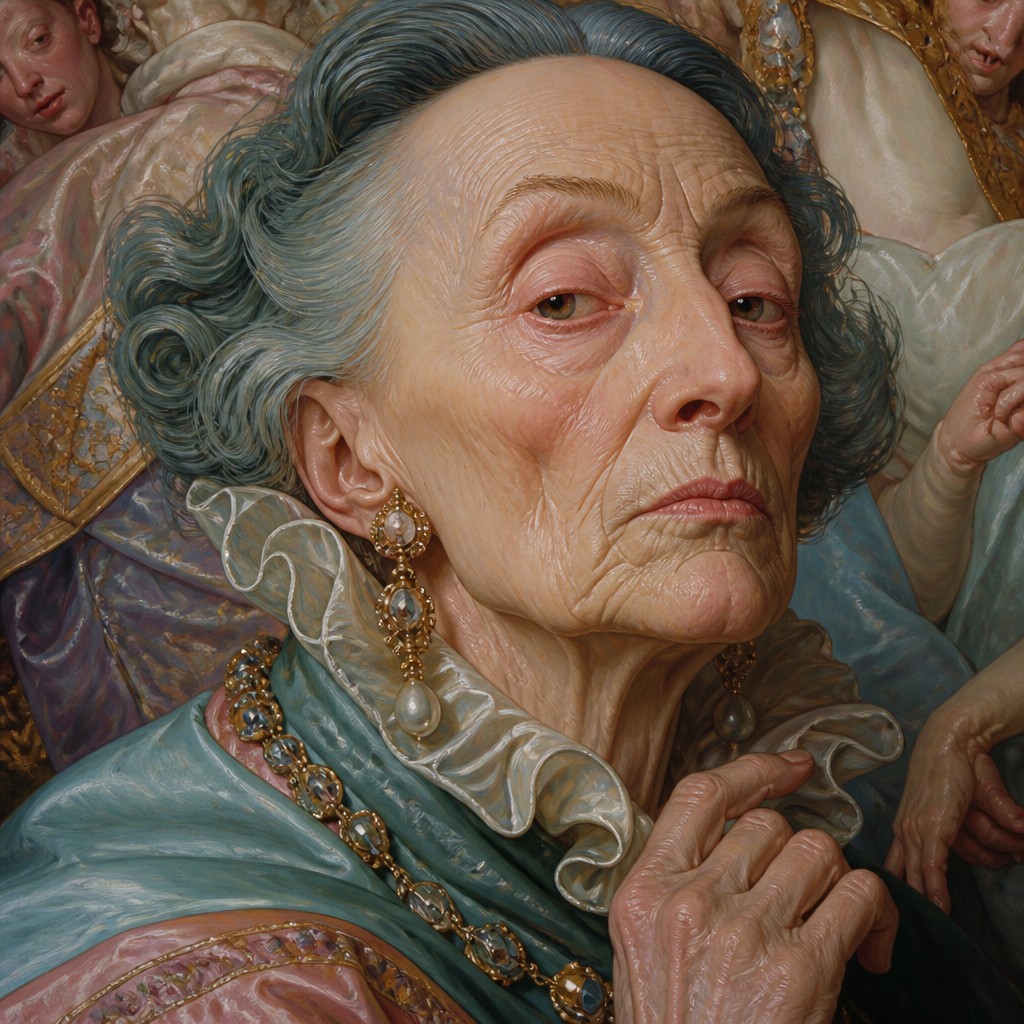
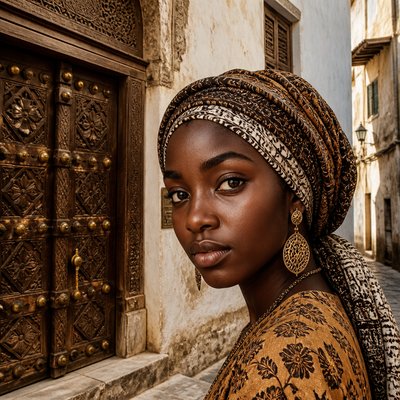
“close-up portrait of an elderly person with expressive weathered features”
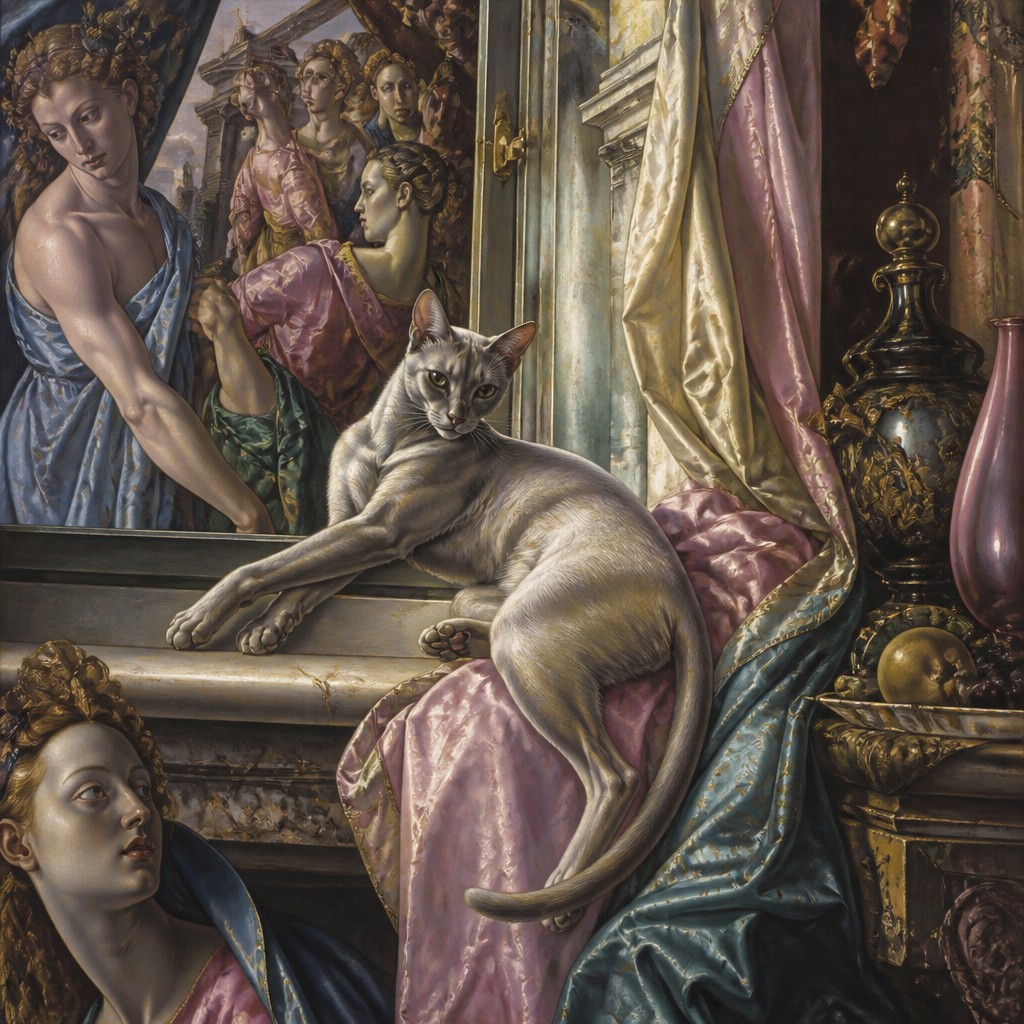
“a cat lounging in a sunlit window”
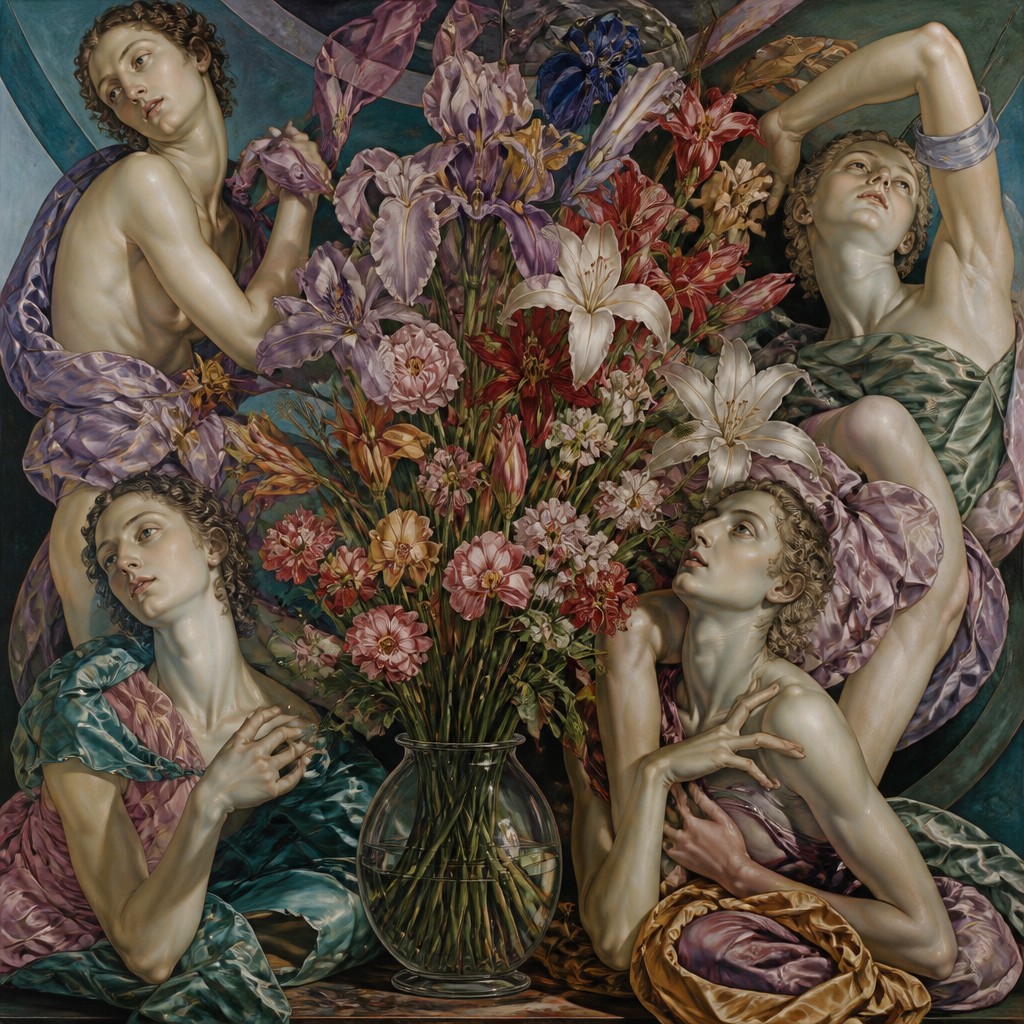
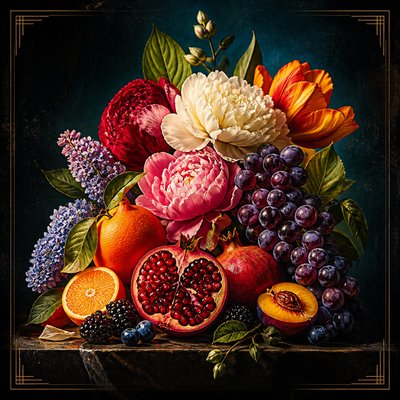
“bouquet of flowers in a glass vase”
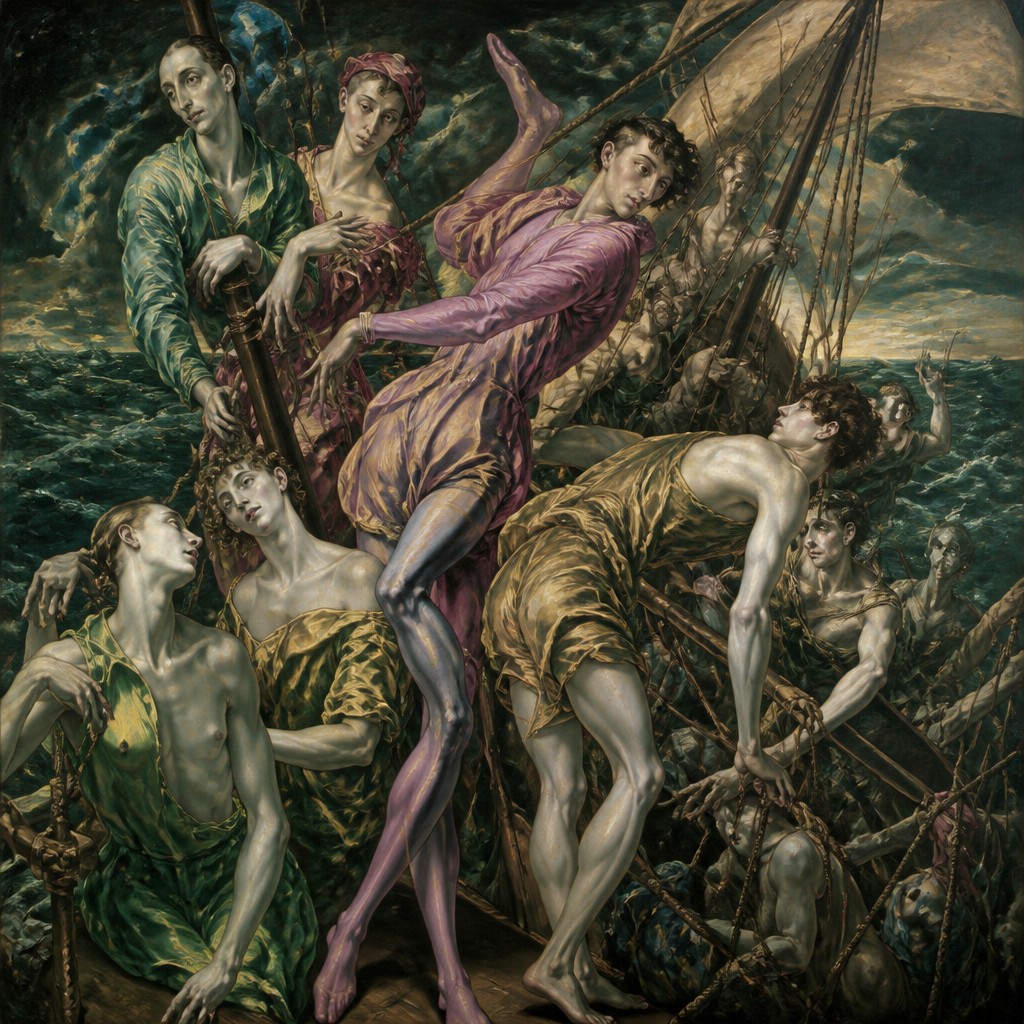
“sailing ship on a stormy sea”
How to Create Mannerism Art
Master the craft step by step — or skip straight to creating. Read the full guide →
- 1
Build the figure as a twisting axis
Begin with a strong S-curve running through the torso, then counter-rotate the shoulders, hips, and head. Extend the limbs selectively while keeping the pose balanced enough to feel deliberate rather than accidental.
- 2
Compress the setting
Use a shallow picture plane, crowded groupings, narrow architecture, or overlapping figures to reduce ordinary depth. Let some spatial relationships remain ambiguous so the composition feels designed rather than observed.
- 3
Choose an artificial palette
Combine pastel pink, mint, lilac, and powder blue with crimson, ultramarine, emerald, or gold accents. For traditional painting, thin transparent glazes over a carefully modeled underpainting can produce luminous color shifts and porcelain skin.
- 4
Emphasize contour and finish
Refine silhouettes, hands, fabric edges, jewelry, and facial details with controlled drawing and smooth transitions. In digital work, use clean line control, layered glazing, selective highlights, and restrained texture rather than loose naturalistic brushwork.
- 5
Stage the lighting
Use theatrical illumination that highlights faces, hands, and reflective textiles while allowing the surrounding space to remain cool or subdued. Avoid evenly distributed daylight if you want a more artificial and courtly effect.
- 6
Describe the visual logic in a prompt
Specify elongated anatomy, a serpentine pose, compressed space, acidic pastel and jewel tones, polished skin, theatrical light, and refined courtly elegance alongside the subject. For image-to-image work, preserve the source composition selectively while reshaping proportions, palette, posture, and surface finish.
The Story
History & Origins of Mannerism
Mannerism emerged in central Italy during the 1520s, especially in Florence and Rome, as younger artists responded to the classical harmony and idealized naturalism of the High Renaissance. The movement developed during a period of political and religious upheaval, including the Sack of Rome in 1527, and its art often replaced serene balance with tension, ambiguity, and elaborate artifice.
By the mid- and late sixteenth century, Mannerist ideas had spread through Italian courts and across Europe, influencing portraiture, religious painting, decorative programs, printmaking, and court culture. The style gradually gave way to the more emotionally direct, spatially dramatic approaches associated with the Baroque, although its elongated bodies, theatrical compositions, and artificial elegance continued to influence later decorative and modern art.
Influences: Mannerism developed from the intellectual refinement, anatomical study, idealized beauty, and compositional control of the High Renaissance, while also drawing on classical sculpture, courtly spectacle, Northern European detail, and the expressive possibilities of allegory. Its later legacy appears in Baroque theatricality, Rococo elegance, Symbolist distortion, fashion illustration, editorial portraiture, and contemporary surreal or fantasy imagery that treats anatomy and color as deliberately malleable.

Frequently Asked Questions
What defines Mannerist art?
Mannerism is defined by elongated figures, complex twisting poses, compressed or unstable space, artificial color, and polished courtly elegance. It values sophisticated invention and expressive distortion over the balanced naturalism associated with the High Renaissance.
When and where did Mannerism develop?
It emerged in central Italy during the 1520s, particularly in Florence and Rome, and flourished across the sixteenth century. It later spread through Italian and European courts, religious commissions, decorative arts, and print culture.
How is Mannerism different from the High Renaissance?
High Renaissance art generally emphasizes harmony, clarity, stable space, and proportionate ideal bodies. Mannerism intentionally unsettles those qualities through elongated anatomy, difficult poses, unusual color, crowded arrangements, and theatrical artificiality.
How is Mannerism different from Baroque art?
Mannerism tends toward elegant restraint, intellectual complexity, decorative refinement, and spatial ambiguity. Baroque art more often uses forceful movement, strong light-dark contrast, emotional immediacy, and convincing dramatic space, although the two styles overlap historically.
What materials and techniques are associated with Mannerism?
Mannerist works were made in oil, fresco, tempera, drawing media, printmaking, sculpture, and decorative arts. Common effects include precise contour drawing, elongated figure studies, smooth modeling, transparent glazing, elaborate textile detail, and carefully staged color.
Can contemporary digital art use Mannerist principles?
Yes. Digital artists can construct elongated anatomy, serpentine gestures, compressed perspective, artificial palettes, and porcelain-like rendering with layered painting, 3D posing, compositing, or generative tools. The result is strongest when the distortion is organized by a clear compositional design rather than applied as a random filter.
Create your first Mannerism artwork
Describe anything — or upload a photo — and see it in Mannerism Art Style in seconds.
Related Styles
Discover similar art styles