Utrecht Art Style
Explore Utrecht Art Style: candlelit Caravaggist drama, warm Dutch tavern scenes, theatrical realism, and sculptural chiaroscuro.
Instantly rendered in Utrecht — or transform a photo
Utrecht Gallery
Tap any artwork to explore it
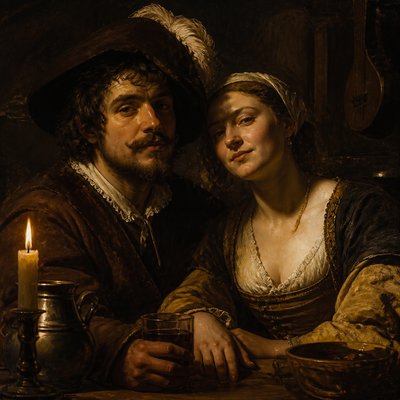
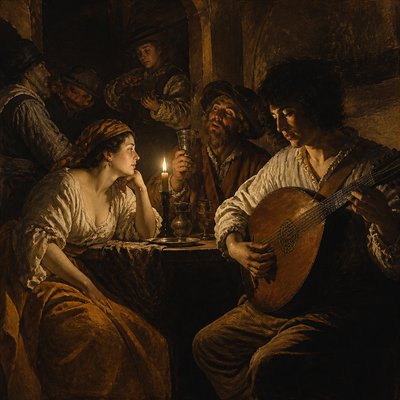
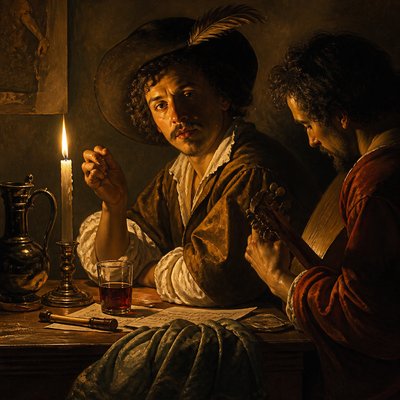
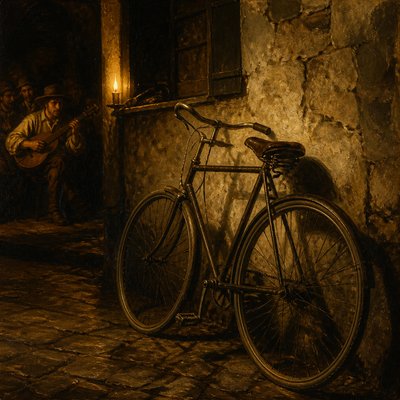
What is Utrecht Art Style?
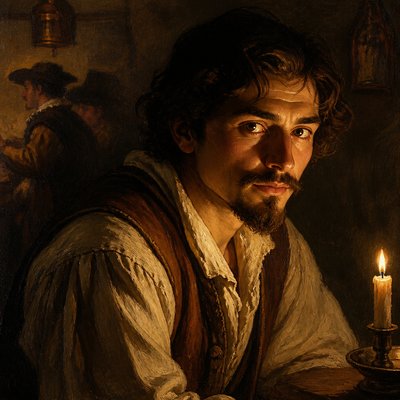
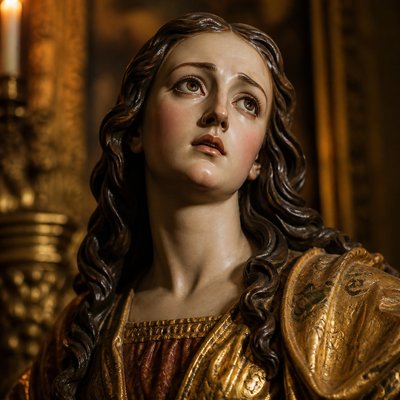
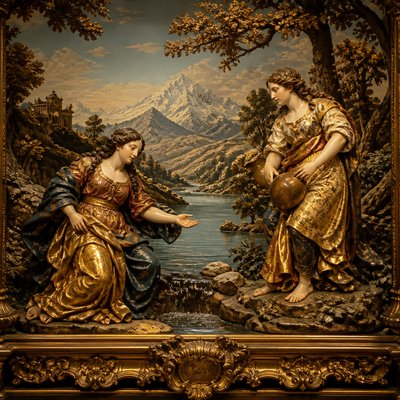
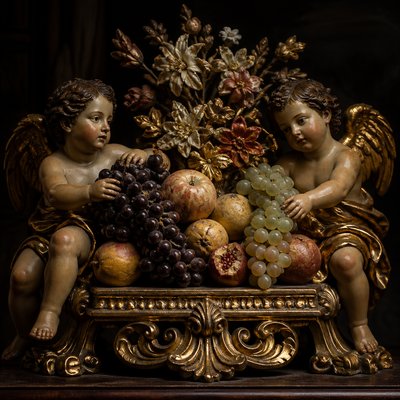
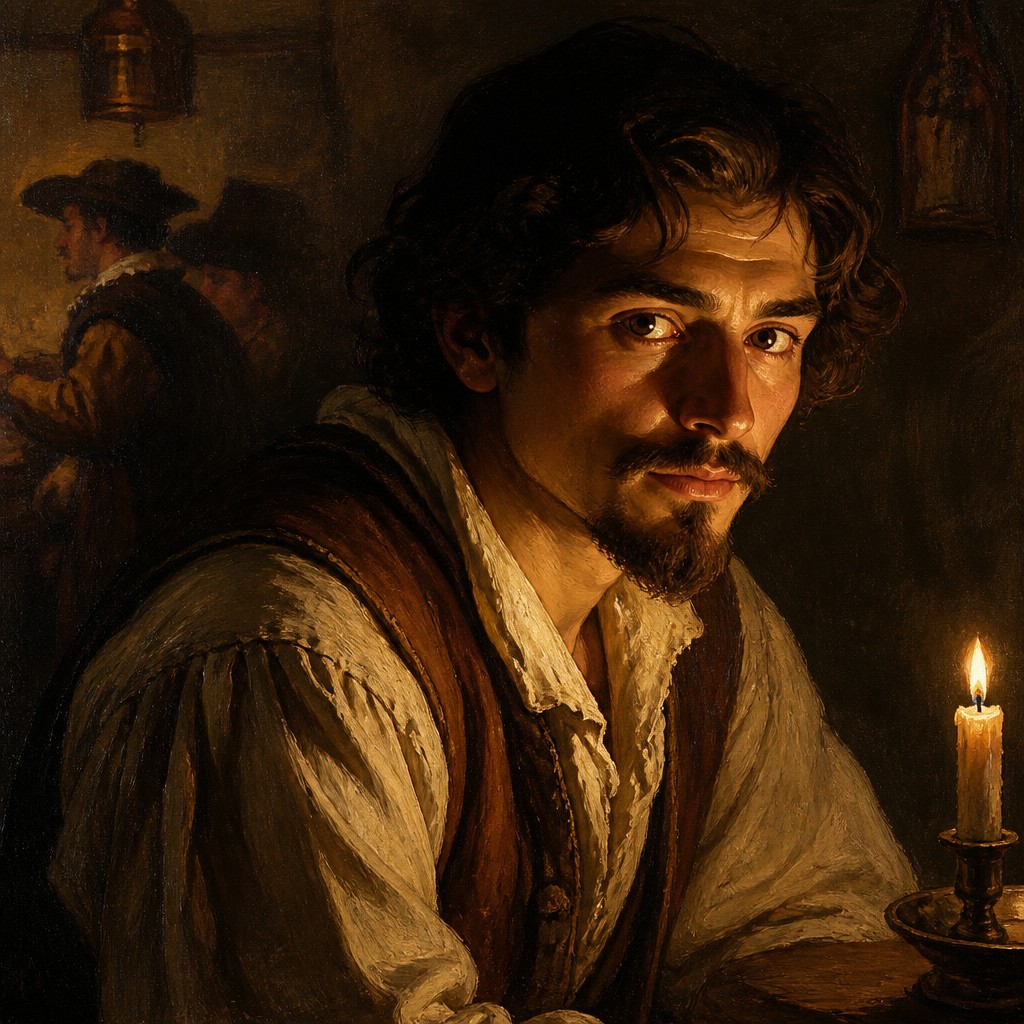
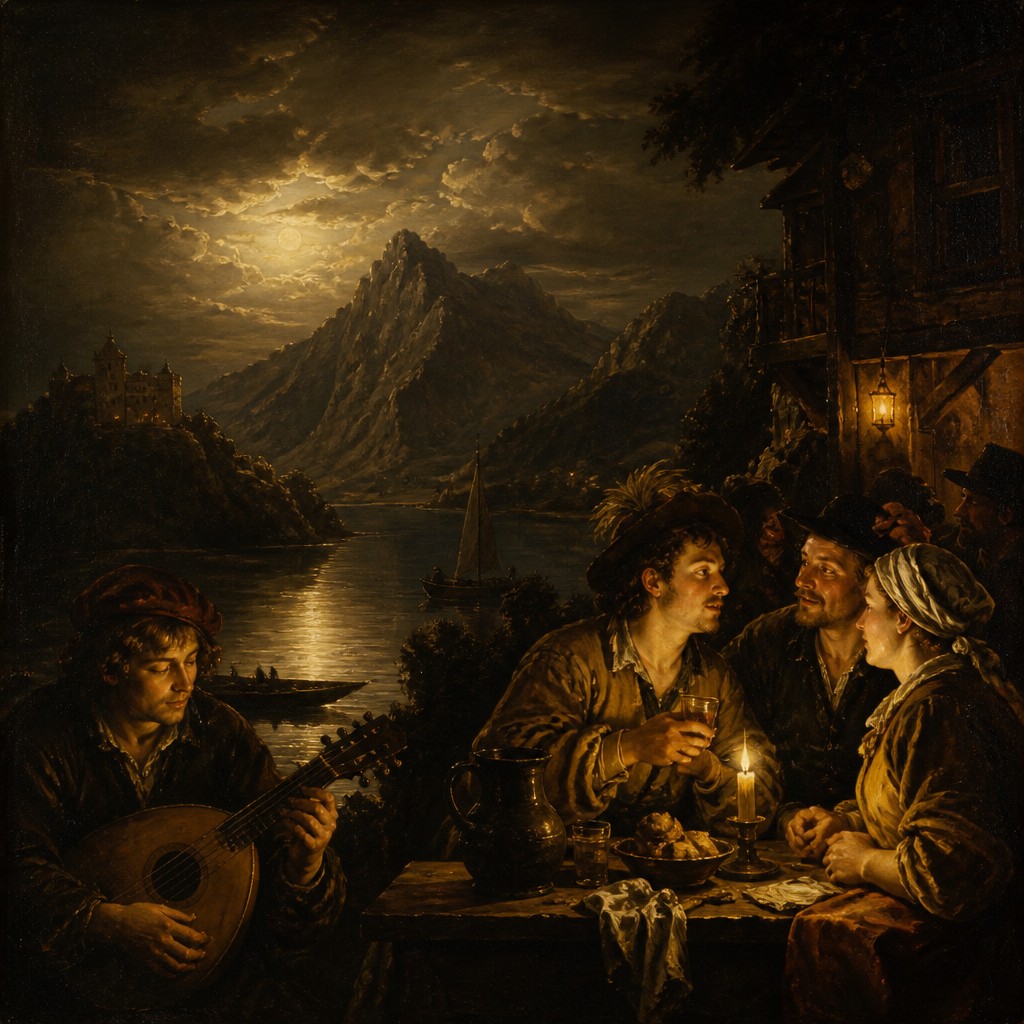
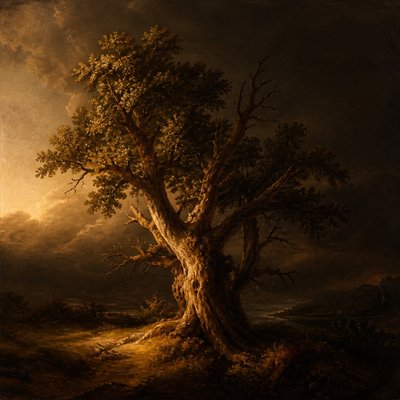
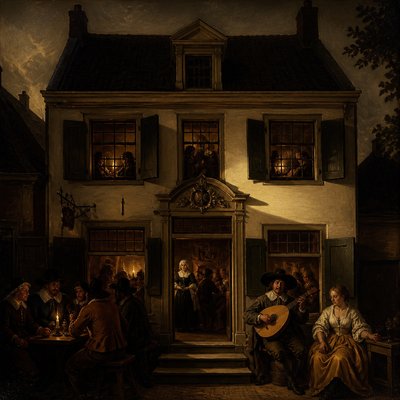
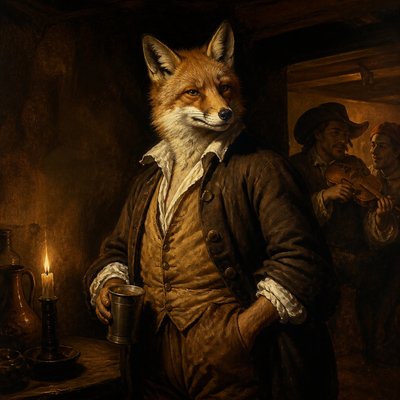
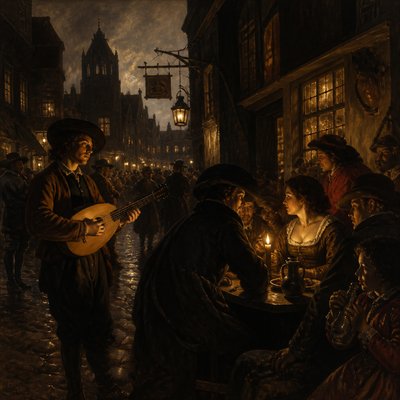
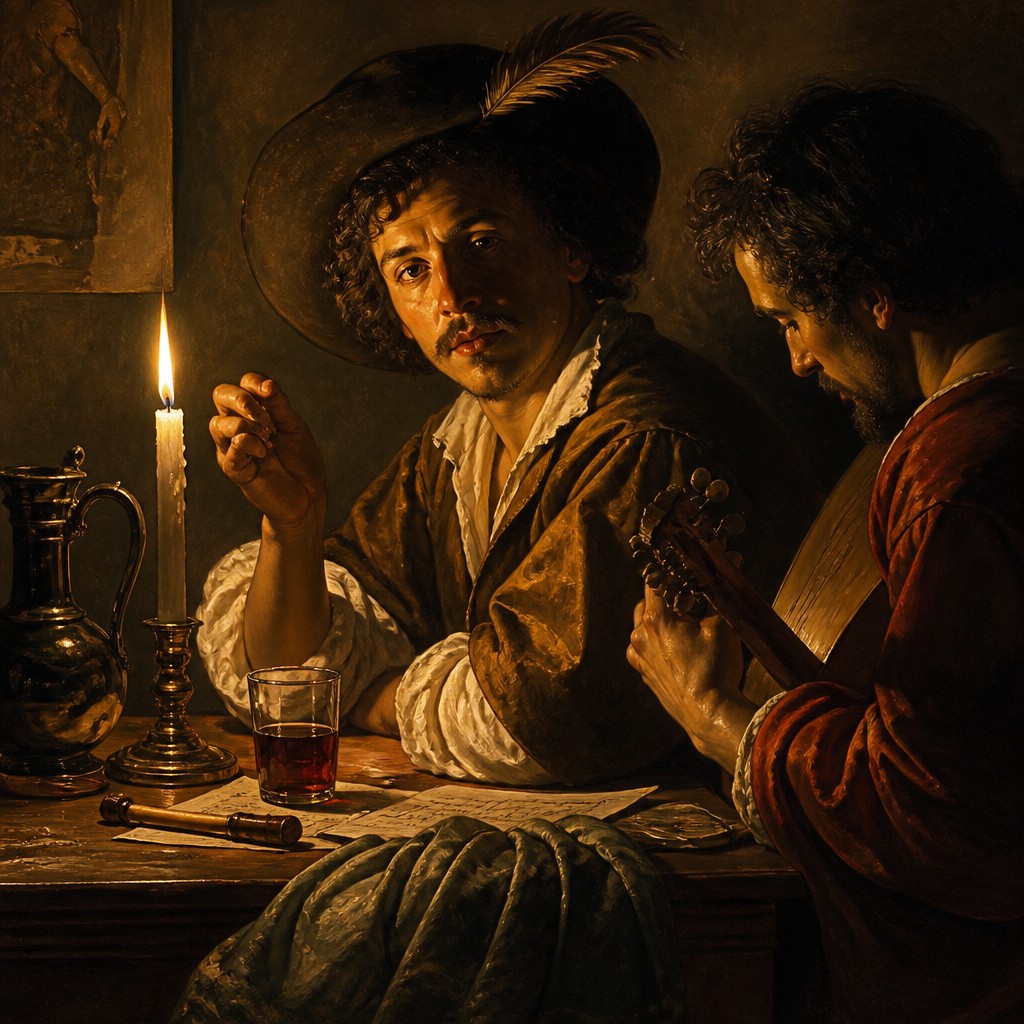
Utrecht Art Style is a visual shorthand based on Utrecht Caravaggism, an early seventeenth-century Dutch approach to painting shaped by Italian Baroque lighting and the lively subject matter of Northern European genre art. Its hallmark is a concentrated candle or lamp illuminating faces, hands, instruments, and richly textured clothing while leaving much of the setting in deep shadow.
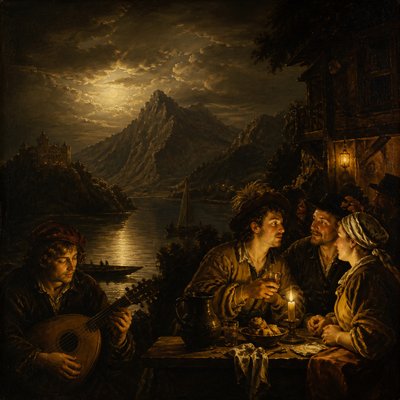
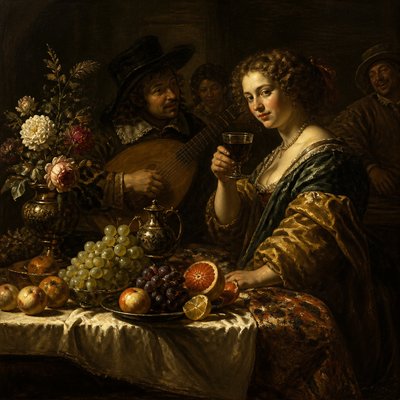
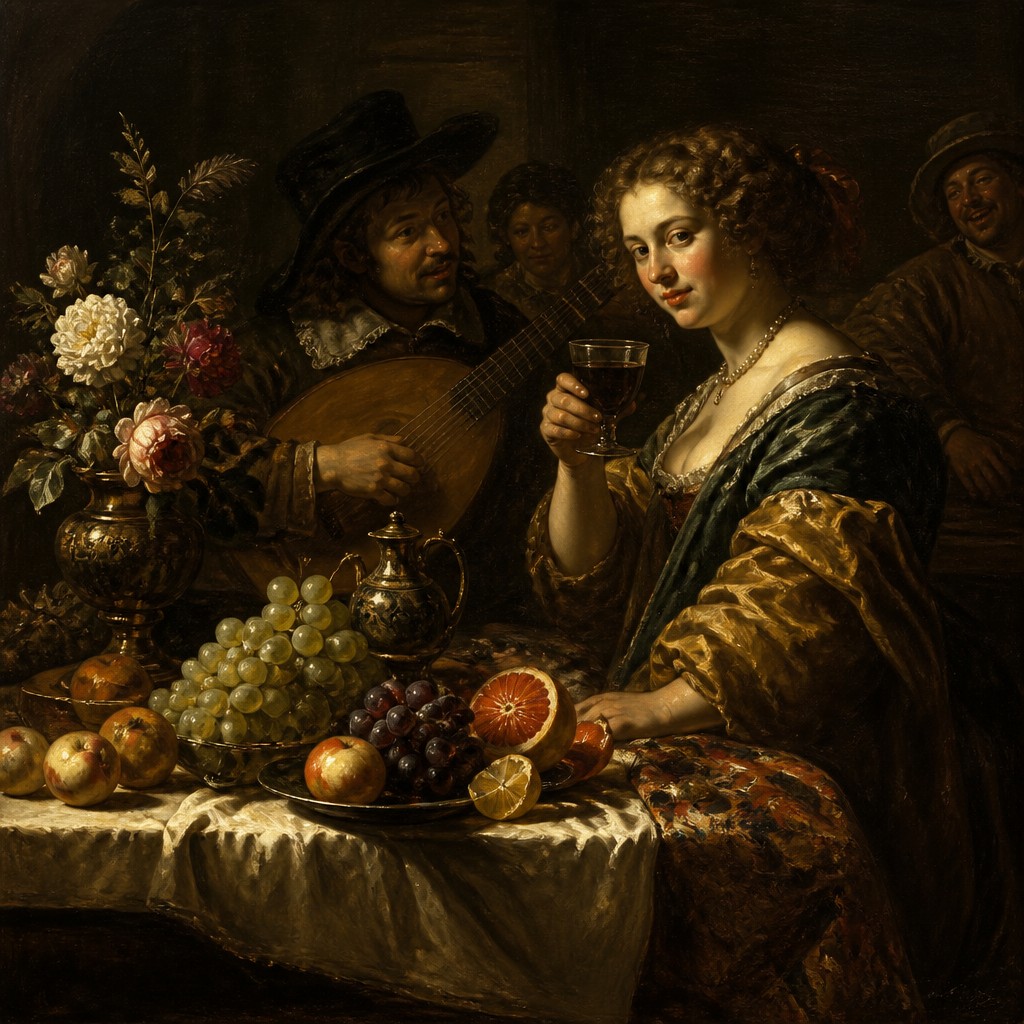
The style combines theatrical staging with earthy Dutch color: umber, ochre, russet, muted red, and tarnished gold dominate against nearly black backgrounds. Tavern gatherings, musicians, card players, cooks, scholars, and intimate domestic figures are treated with direct physical realism, while strong directional light gives the scene emotional intensity and makes folds, skin, wood, glass, and metal appear tactile.
Try It On Your Photos
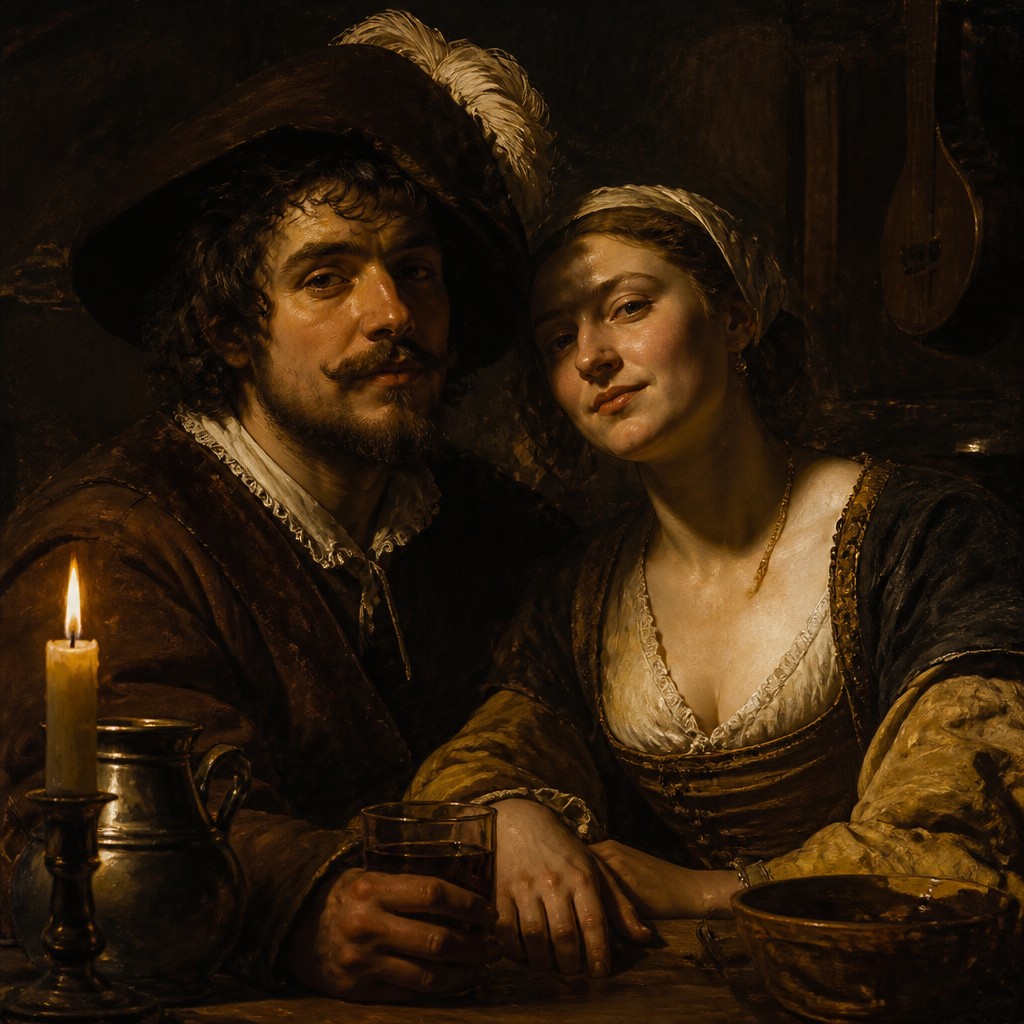
Upload any photo and convert it into Utrecht Art Style — drag the sliders to compare before and after.


What Defines Utrecht Art Style
The signature details, up close
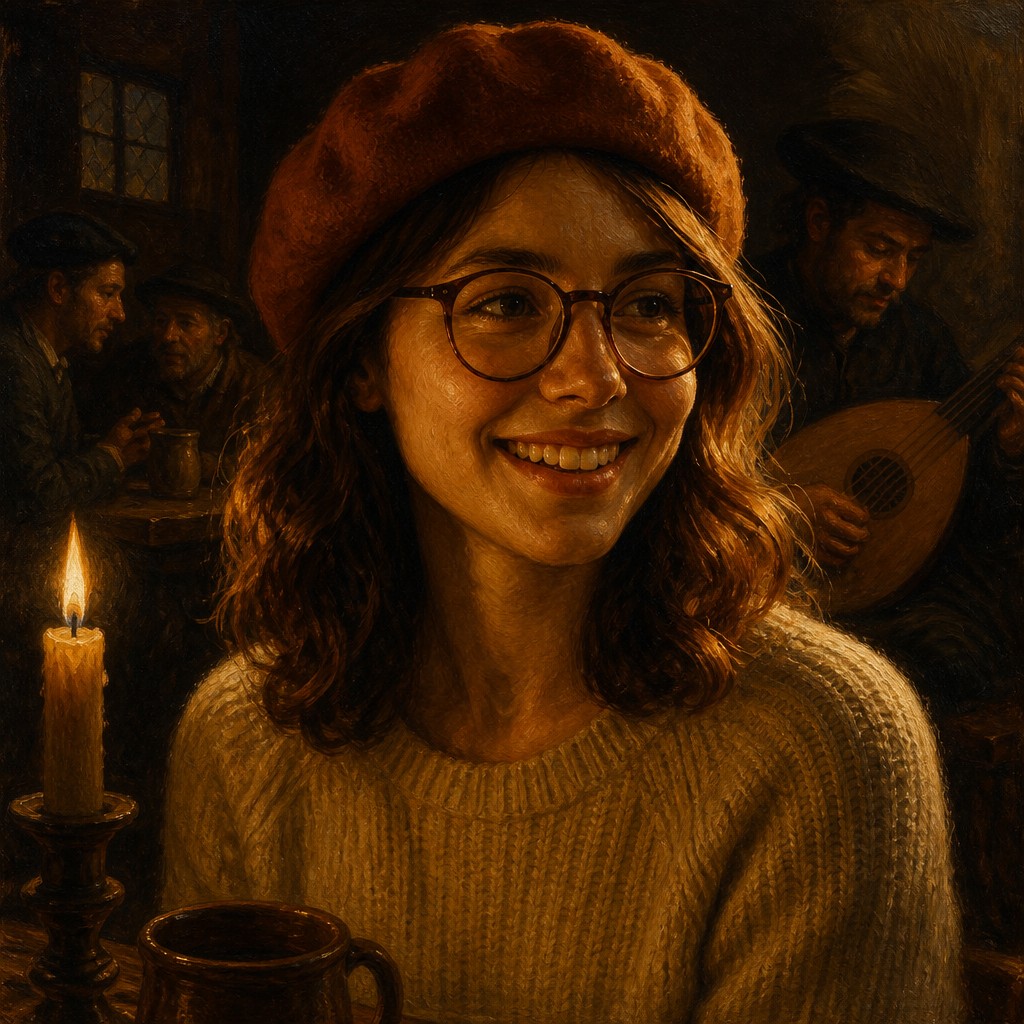
Candlelit chiaroscuro
A single candle, lamp, or concealed light source establishes a sharp hierarchy between illuminated figures and surrounding darkness. The contrast is dramatic but usually softened by warm reflected light on nearby surfaces.
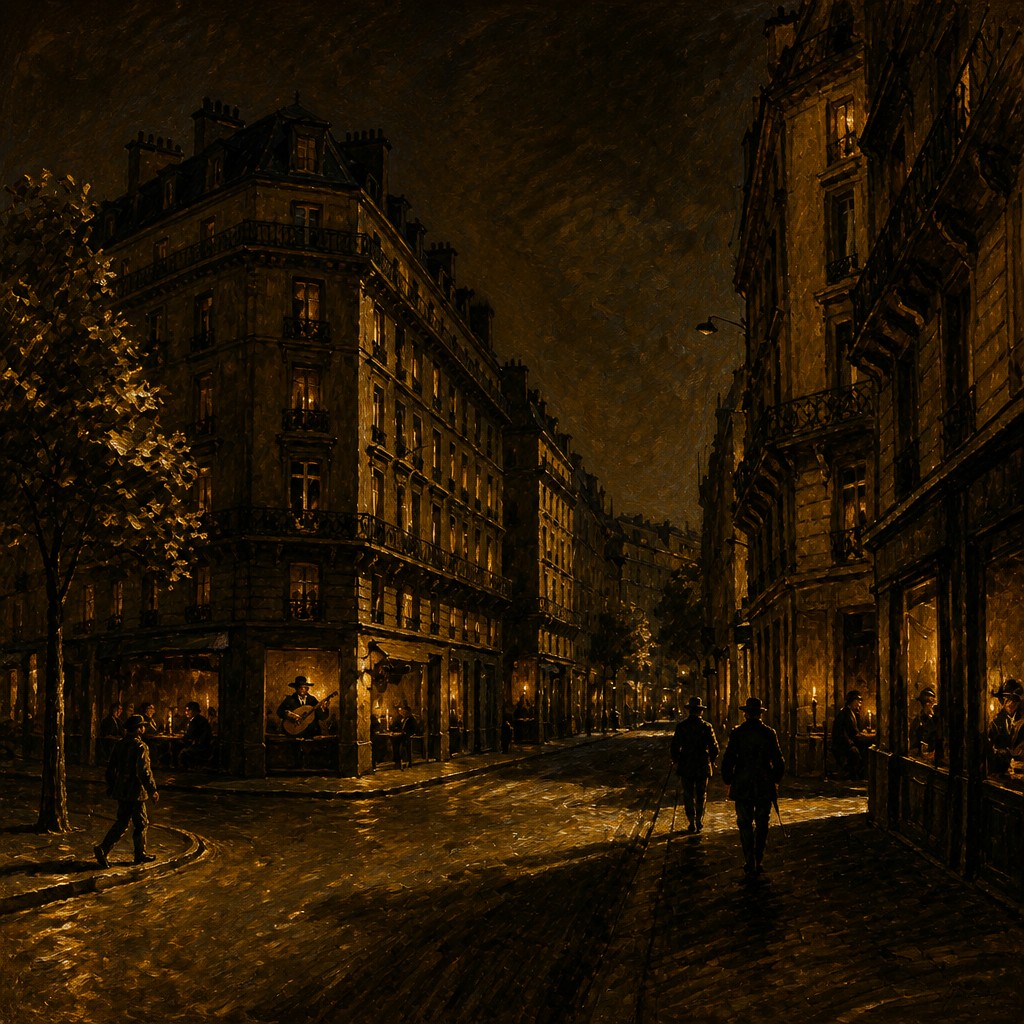
Warm earthy palette
Deep umber, brown, ochre, russet, muted crimson, and antique gold create a compact, low-key color range. Small accents of pale skin, white linen, or polished metal become especially vivid within the darkness.
Theatrical staging
Figures are arranged like performers in a compact stage set, often facing one another or turning toward the viewer. Gestures, glances, and raised hands guide attention through the scene.
Tavern and musician subjects
Drinking companions, singers, instrument players, card players, and convivial gatherings are recurring subjects. Everyday activity becomes a vehicle for humor, tension, intimacy, or sensory richness.
Sculptural modeling
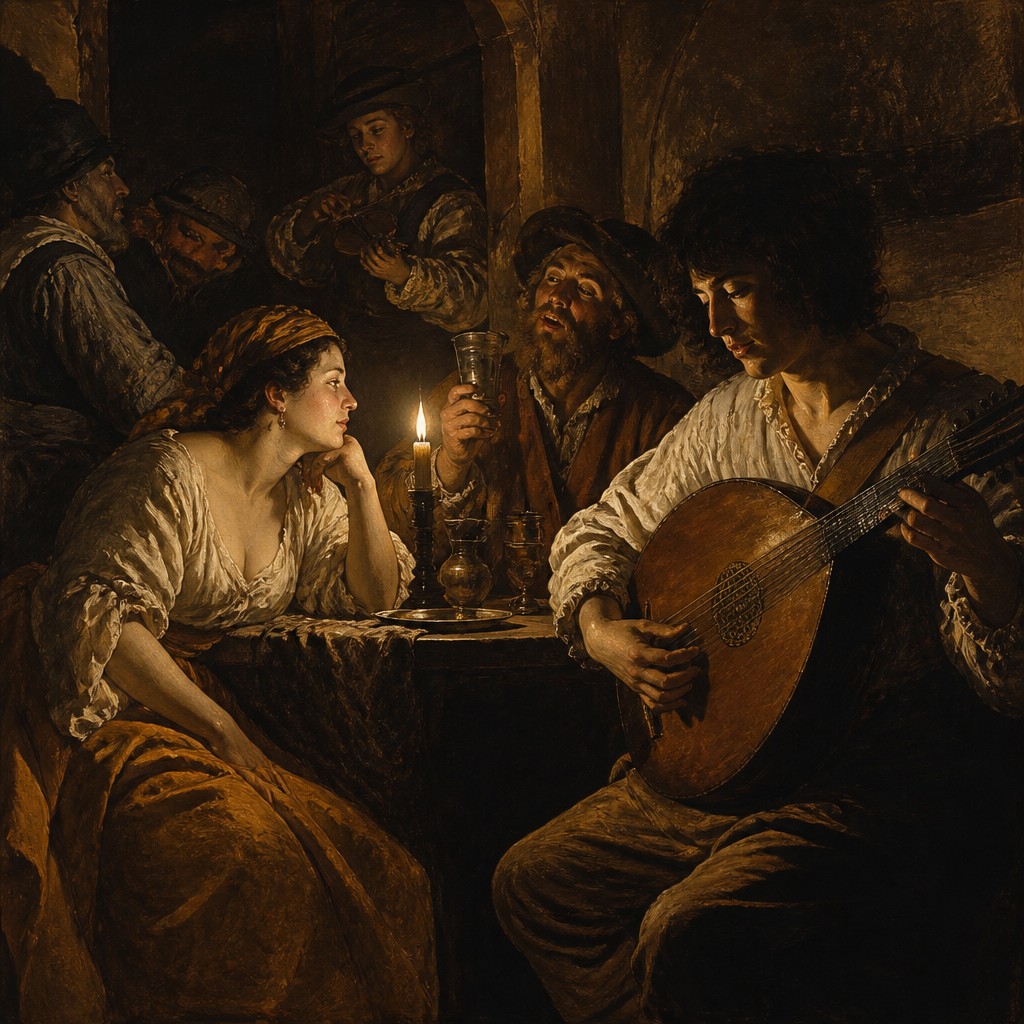
Directional light describes the volume of cheeks, hands, sleeves, instruments, and vessels with strong tonal transitions. Figures often appear solid and close to the picture plane.
Tactile brushwork
Confident marks distinguish rough wool, satin, skin, wood, brass, bread, and glass. Surfaces are described selectively rather than evenly, with the brightest details reserved for focal areas.
Utrecht Prompt Ideas
Start from an idea — each one opens the generator with the style ready to go. See all 40 Utrecht prompts →
How to Create Utrecht Art
Master the craft step by step — or skip straight to creating. Read the full guide →
- 1
Build around one light source
Place a candle or small lamp just outside or within the composition and let it establish the entire value structure. Keep the background substantially darker than the faces and hands.
- 2
Limit the palette
Begin with umber, black, ochre, warm red, and subdued cream, then add restrained highlights. Warm reflected light in the shadows will keep the darkness rich rather than flat.
- 3
Stage a compact narrative
Arrange a small group around a table, instrument, meal, or exchange of objects. Use overlapping figures, turned heads, and expressive hands to create a readable visual drama.
- 4
Model materials selectively
Use thicker, more visible marks for fabric, wood, and food, while reserving finer transitions for skin and glass. In digital work, textured brushes and layered value masks can imitate this controlled variation.
- 5
Control the image during generation
For prompt-based creation, specify a single candlelit source, half-shadowed faces, warm umber and gold tones, a dark tavern interior, theatrical realism, and tactile fabric detail. Add exclusions such as modern lighting, bright daylight, glossy photographic polish, or evenly lit backgrounds when needed.
The Story
History & Origins of Utrecht
The style derives from Utrecht Caravaggism, a movement that developed in the Dutch city of Utrecht during the early seventeenth century, particularly from the 1610s through the 1630s. Dutch painters who encountered the revolutionary naturalism and tenebrism of Italian Baroque painting adapted those ideas to local interests in genre scenes, portraiture, religious subjects, and musical tableaux.
Rather than copying Italian compositions exactly, Utrecht-based painters merged single-source illumination and monumental figures with Northern European attention to ordinary life and material detail. The movement helped transmit Caravaggesque lighting across the Dutch Republic before gradually giving way to other forms of Dutch Baroque painting and more varied approaches to light and atmosphere.
Influences: The style draws primarily from early Baroque tenebrism and Caravaggist naturalism, especially their emphasis on direct observation, close cropping, and forceful light-dark contrast. It also incorporates Dutch and Flemish genre painting, Northern European attention to domestic detail, Renaissance compositional structure, and the theatrical conventions of religious and stage imagery. Related traditions include Dutch Baroque candlelight painting, low-key genre scenes, and European vanitas imagery.
Frequently Asked Questions
What defines the Utrecht Art Style?
It is defined by dramatic single-source candlelight, deep umber shadows, warm gold and brown tones, and theatrical scenes of ordinary people. Faces, hands, instruments, and fabric are modeled with close naturalistic attention.
Is Utrecht Art Style a historical movement?
The name is best understood as a contemporary label for an aesthetic rooted in Utrecht Caravaggism, a genuine Dutch movement of the early seventeenth century. It may also describe modern artworks that borrow that movement's lighting, subjects, and palette without reproducing its original historical context.
How is it different from general Baroque painting?
Baroque painting is a broad period and includes many different regional approaches. This style is more specifically associated with Utrecht Caravaggist darkness, intimate genre subjects, close staging, and warm candlelit realism rather than the full range of Baroque color, scale, and subject matter.
How can I make a convincing image in this style?
Start with one visible or implied candle, a dark interior, and a small group engaged in a clear action. Restrict the palette to warm earth colors, emphasize hands and faces, and describe tactile materials such as wool, wood, brass, glass, and worn plaster.
Does the style only depict taverns?
No. Taverns and musicians are especially recognizable subjects, but the visual language also suits domestic interiors, religious narratives, portrait-like studies, scholars, markets, kitchens, and intimate still lifes. The lighting and staging matter more than the specific setting.
Can this style be used for photography or digital art?
Yes. Photographers can use a single warm practical light, dark backgrounds, close framing, and controlled exposure to create a related effect. Digital artists and image generators can reproduce the look through low-key value design, warm color grading, directional light, and descriptions of painterly surface texture.
Create your first Utrecht artwork
Describe anything — or upload a photo — and see it in Utrecht Art Style in seconds.
Related Styles
Discover similar art styles