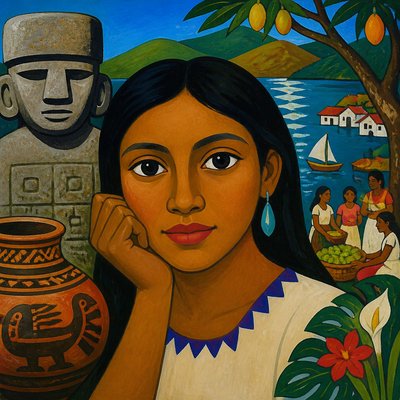
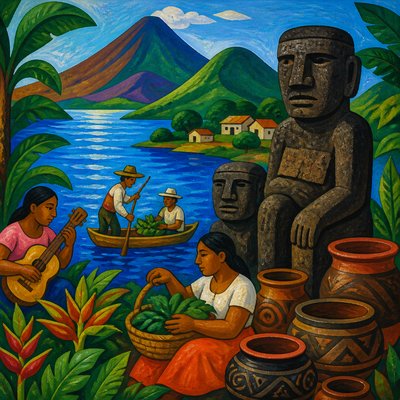
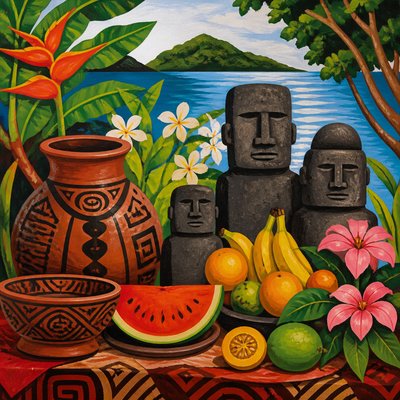
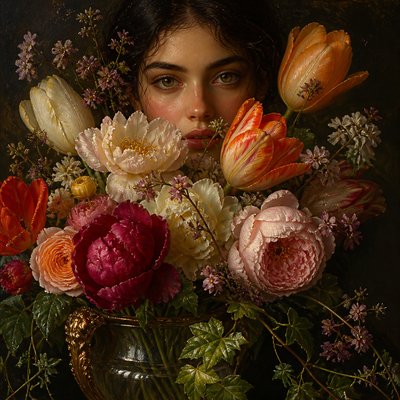
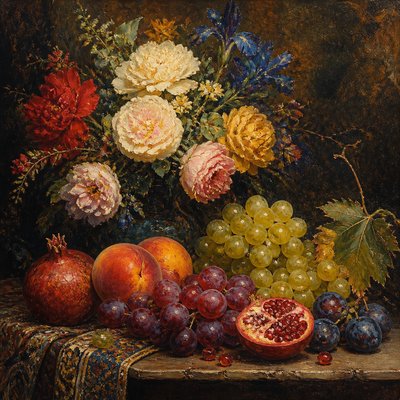
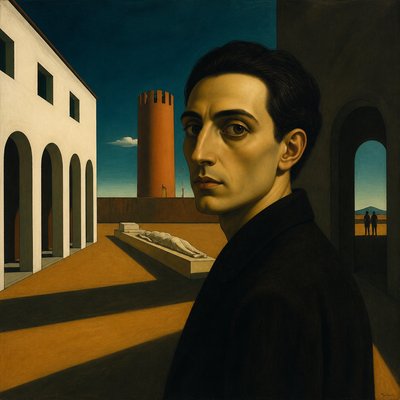
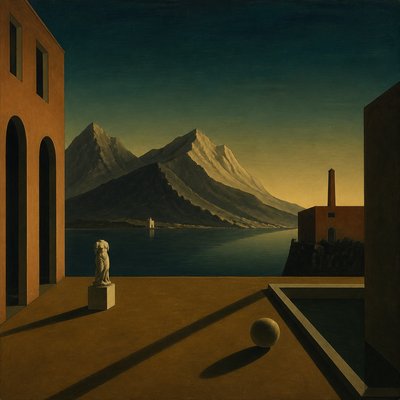
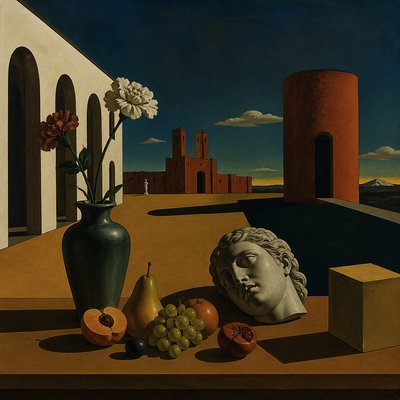
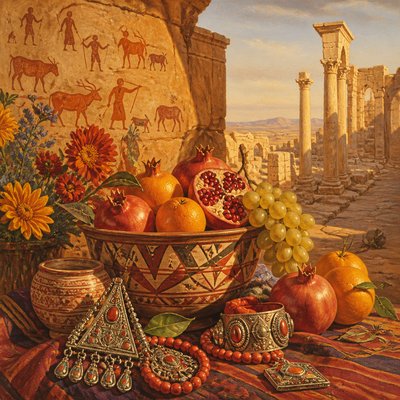
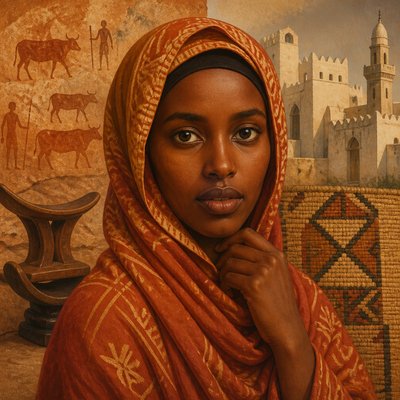
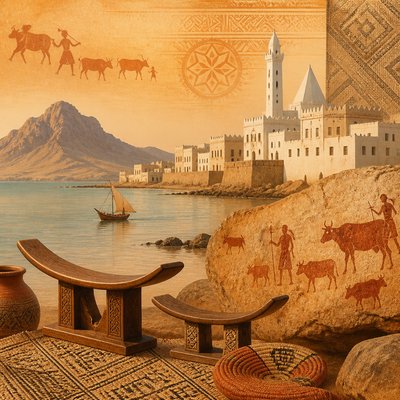
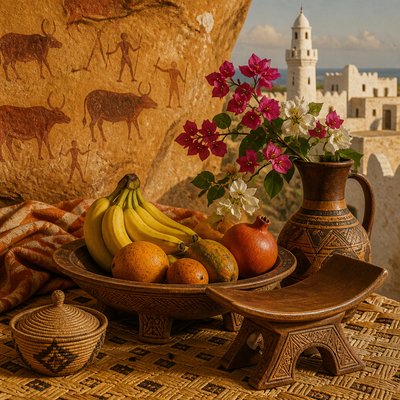
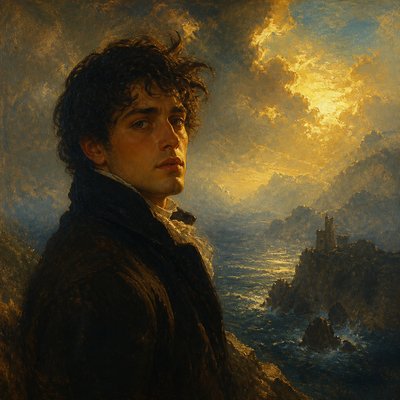
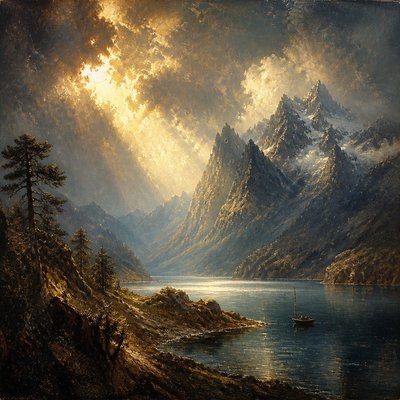
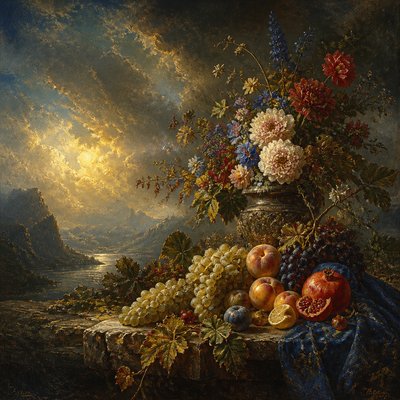
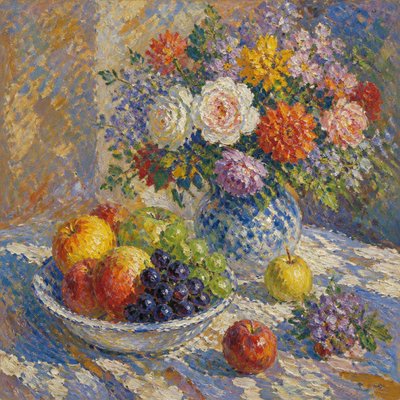
Genre Painting Art Style
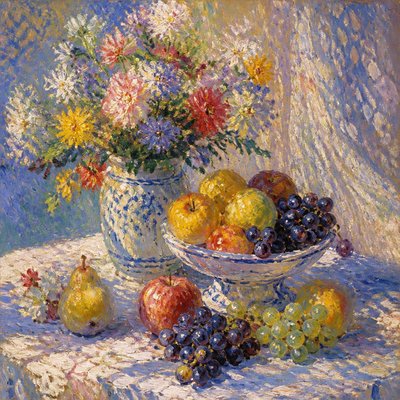
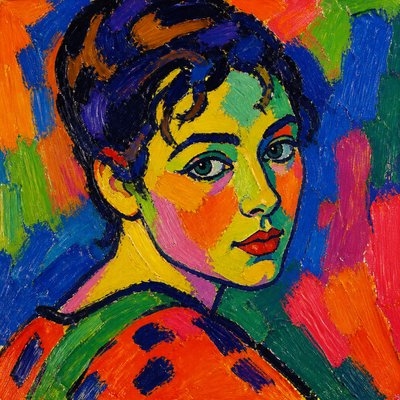
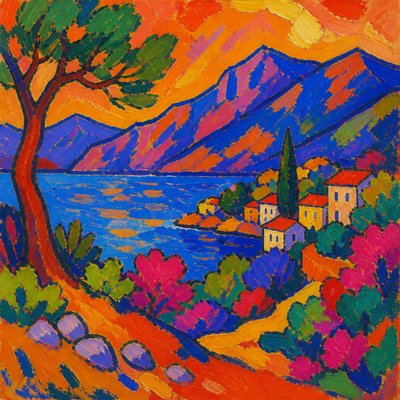
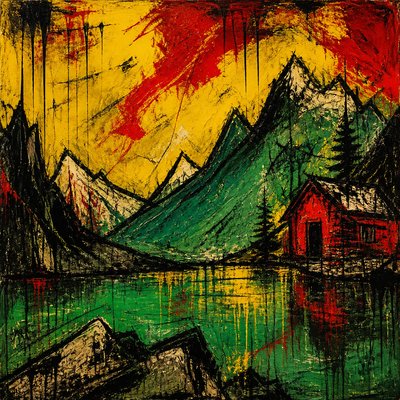
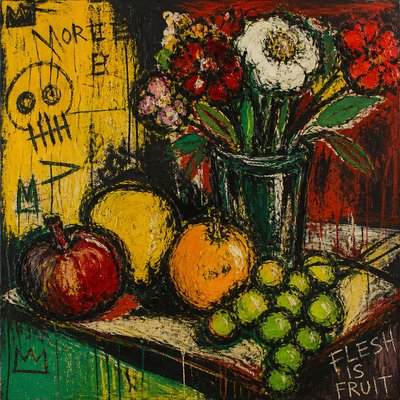
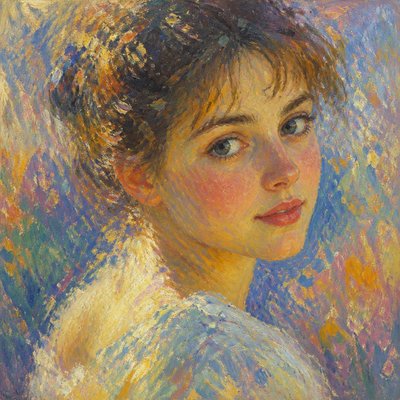
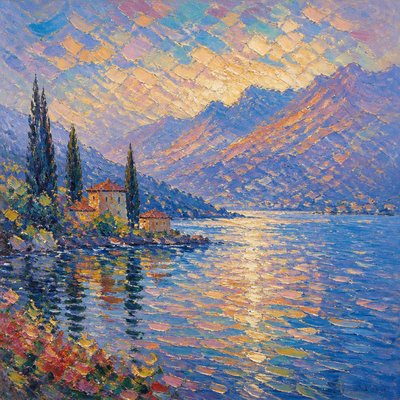
Explore genre painting: luminous scenes of kitchens, taverns, markets, and domestic life shaped by intimate storytelling and old-master light.
Instantly rendered in Genre Painting — or transform a photo
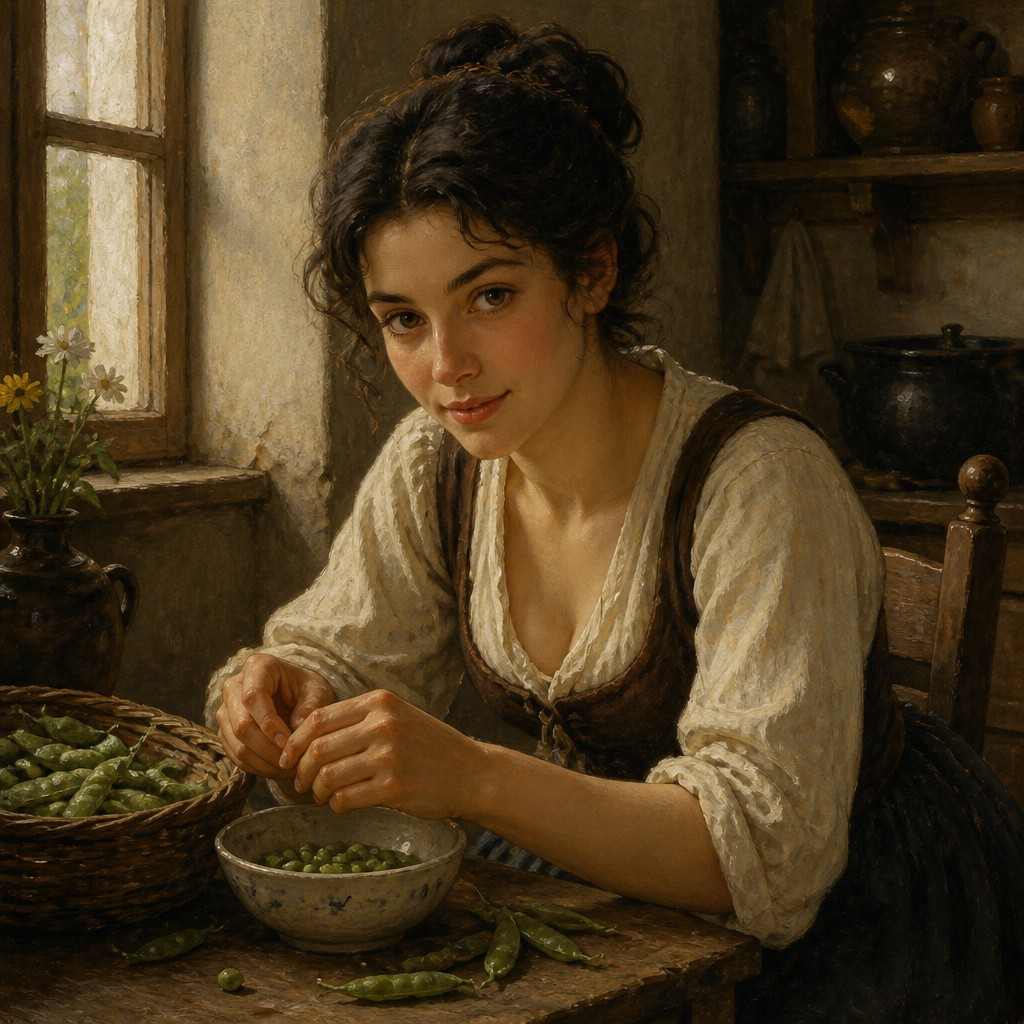
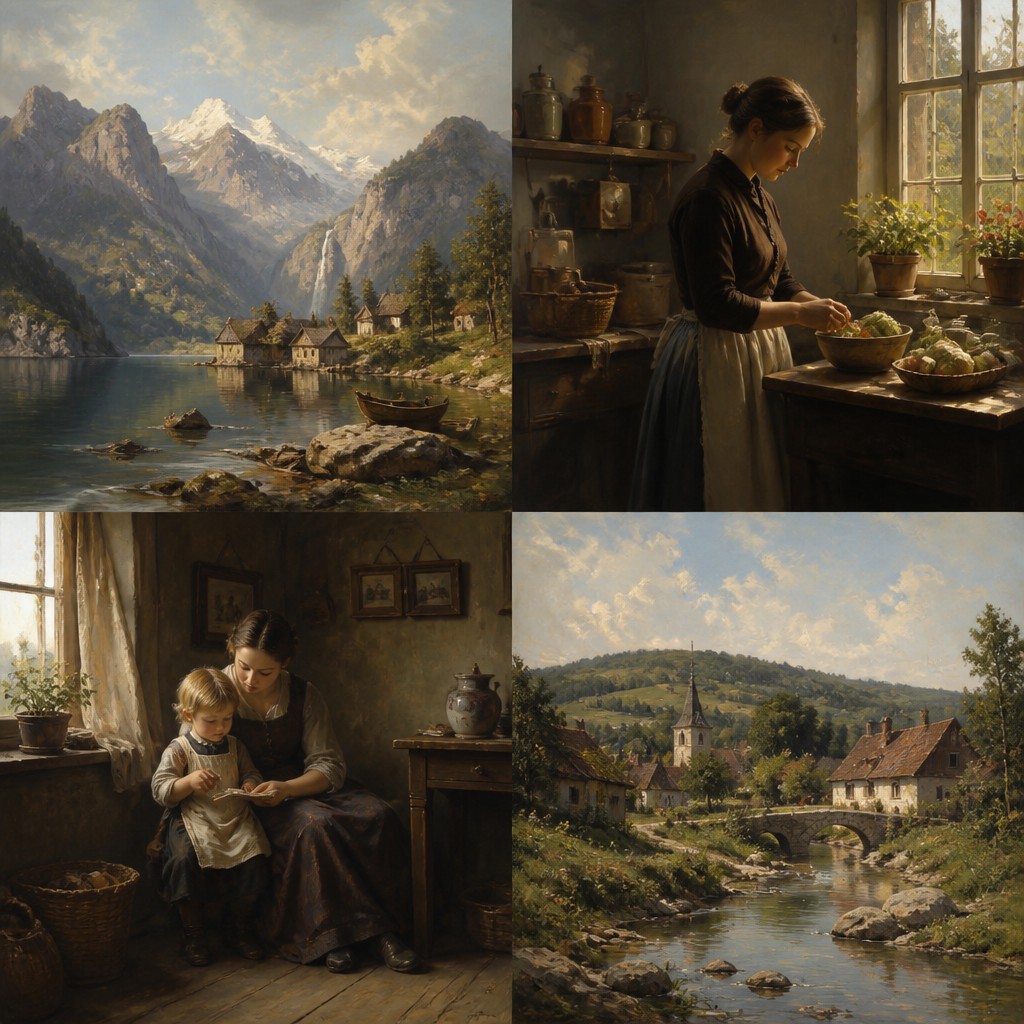
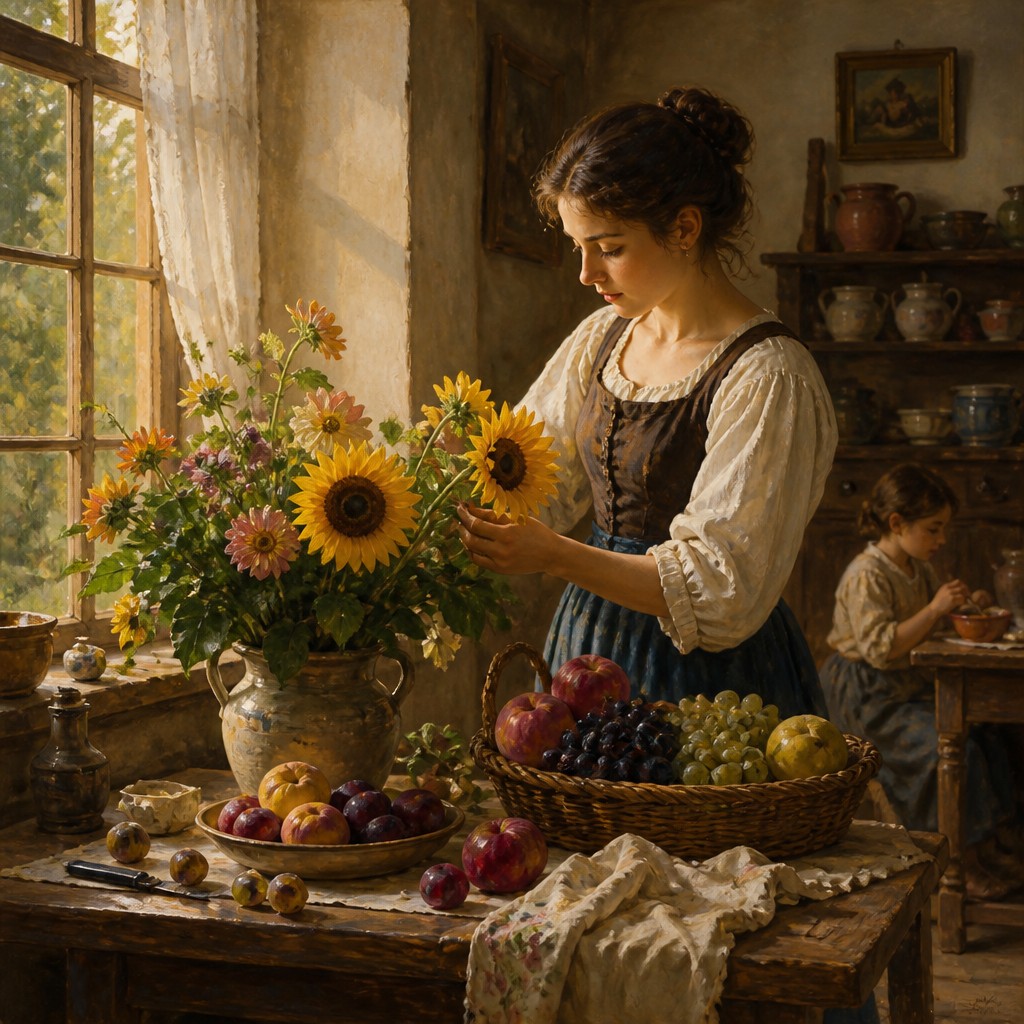
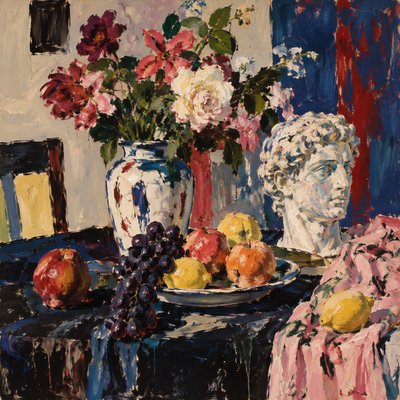
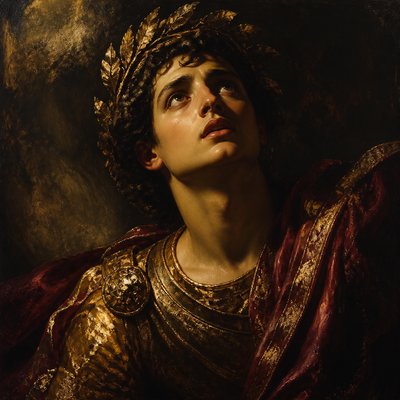
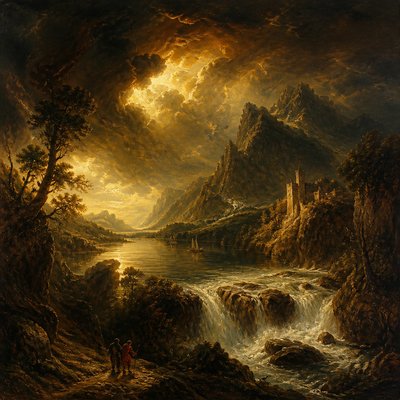
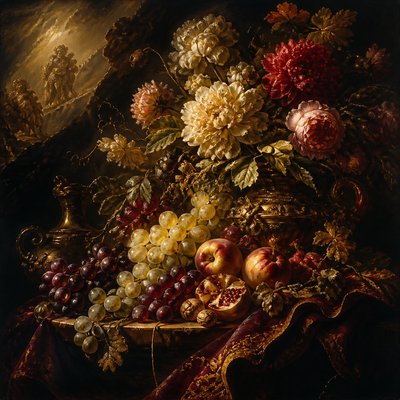
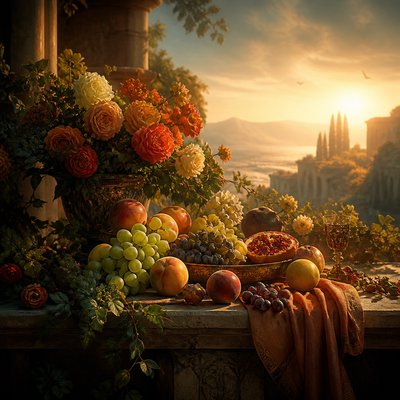
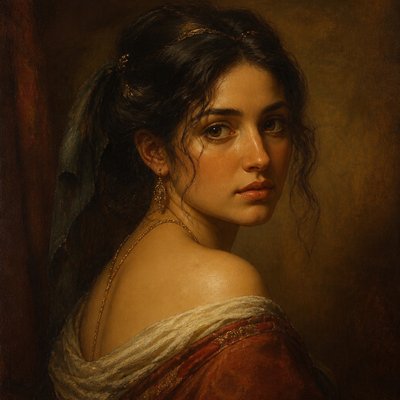
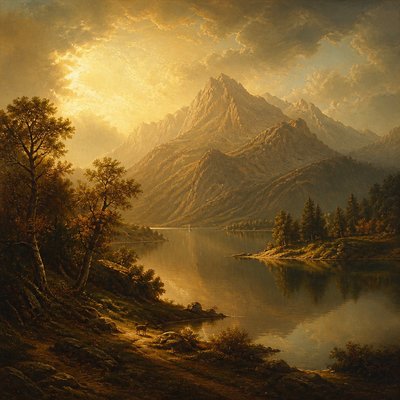
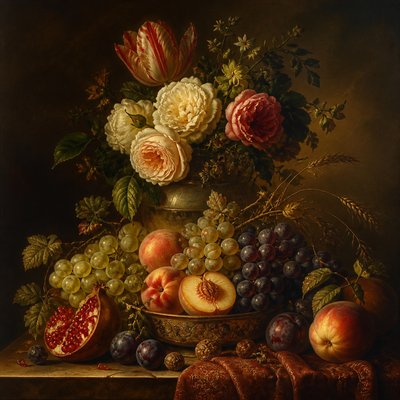
Genre Painting Gallery
Tap any artwork to explore it
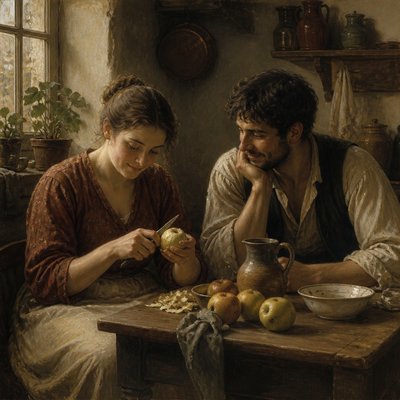
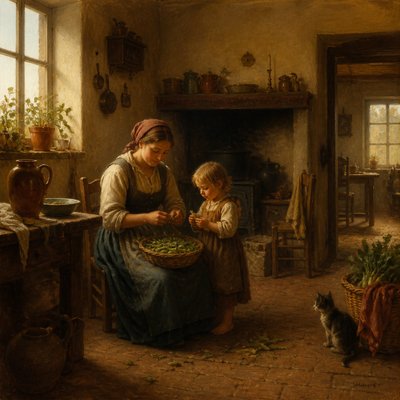
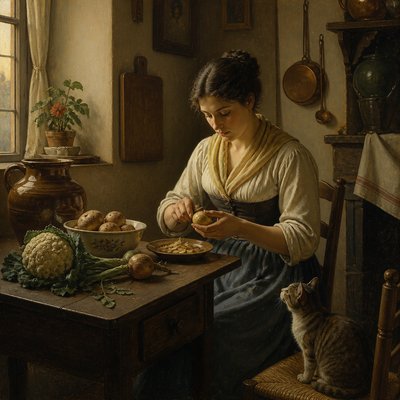
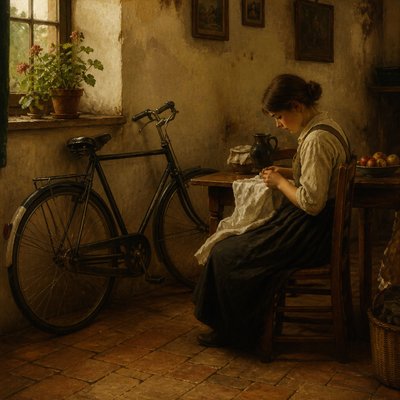
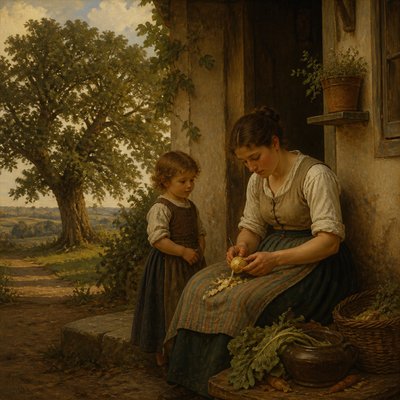
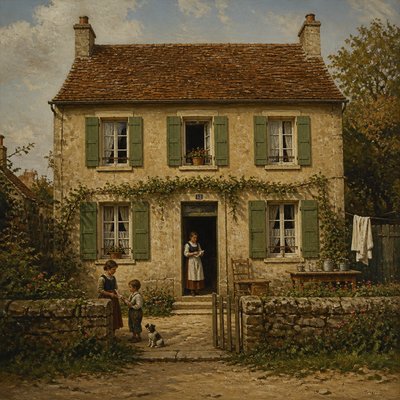
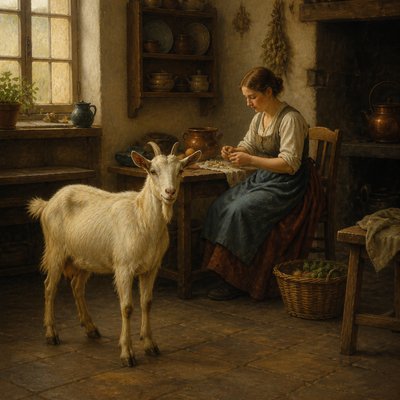
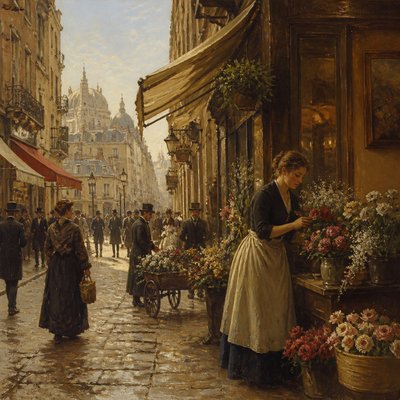
What is Genre Painting Art Style?
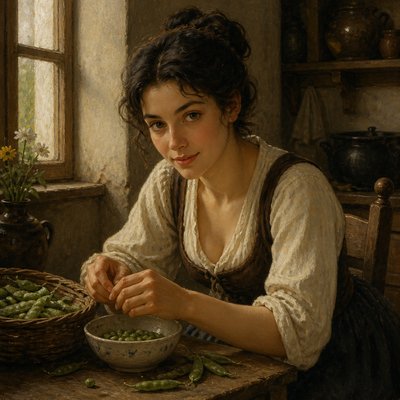
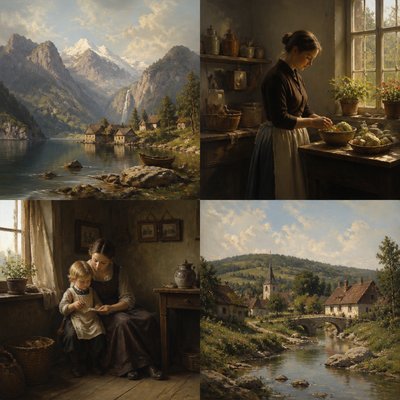
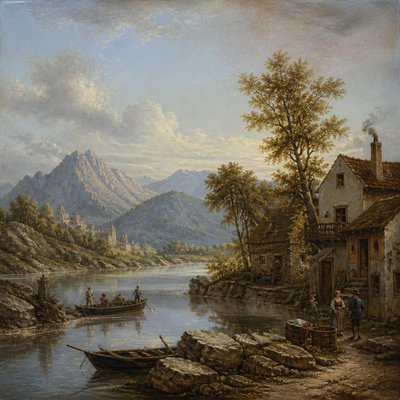
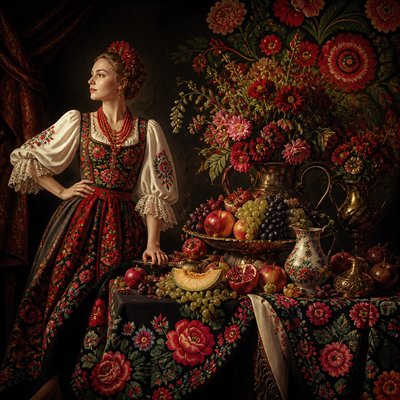
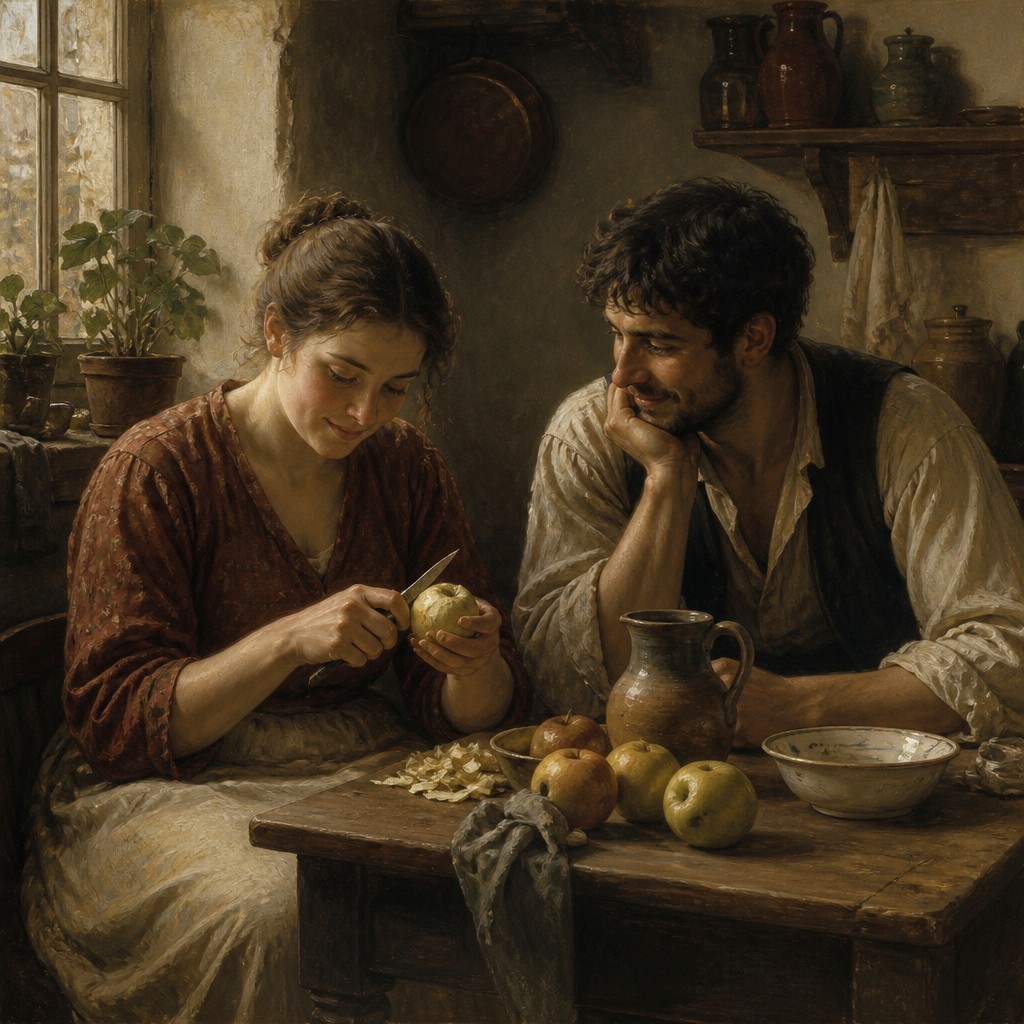
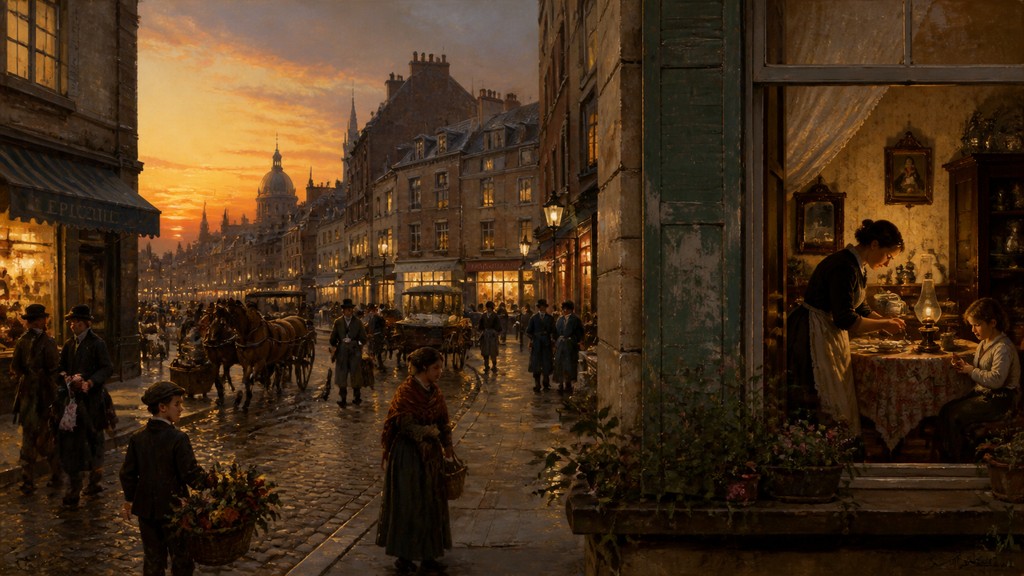
Genre painting depicts ordinary people engaged in everyday activities rather than historical, religious, mythological, or formal portrait subjects. Its settings include kitchens, taverns, workshops, marketplaces, courtyards, and family rooms, where cooking, sewing, drinking, reading, conversation, and labor become worthy of close attention.
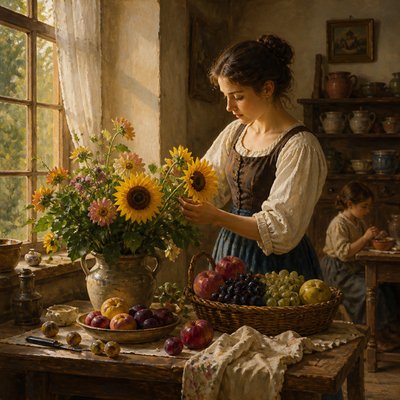
The style is defined by intimate scale, carefully observed interiors, warm oil-paint luminosity, and small details that imply a larger story. Light often enters from a side window, organizing the composition while revealing worn wood, ceramic vessels, textiles, food, tools, and expressive gestures. The resulting images feel quiet and narrative without requiring a dramatic event.
Try It On Your Photos
Upload any photo and convert it into Genre Painting Art Style — drag the sliders to compare before and after.


What Defines Genre Painting Art Style
The signature details, up close
Everyday subject matter
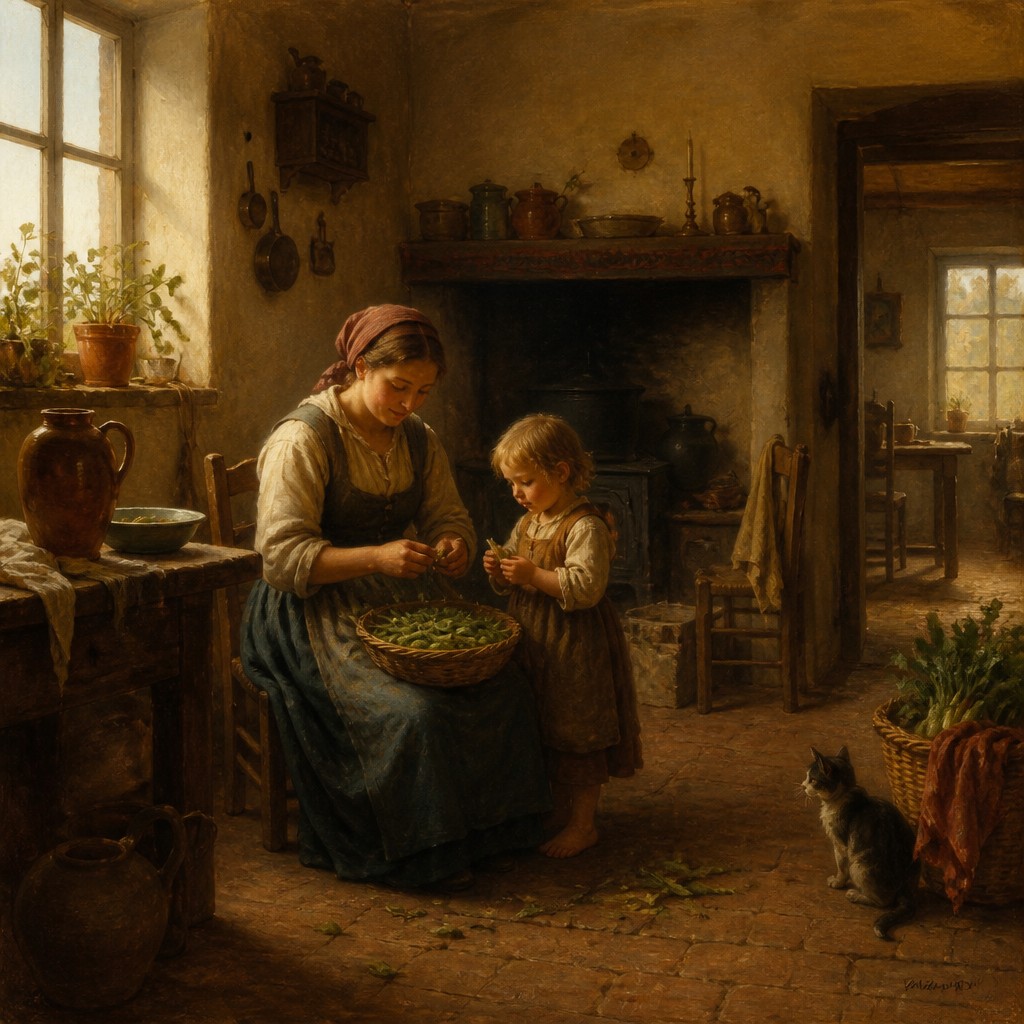
The central action is usually modest: preparing food, mending clothing, serving a meal, tending a child, or sharing conversation. The importance comes from observation and implication rather than spectacle.
Warm old-master illumination
Amber, umber, ochre, cream, and muted red tones create a candlelit or sun-warmed atmosphere. Soft directional light models faces, hands, furniture, and still-life objects with gradual tonal transitions.
Intimate interiors
Kitchens, taverns, workshops, and family rooms provide enclosed stages for human activity. Doorways, windows, tables, and beams often divide the space into layered areas of light and shadow.
Narrative gestures
Posture, gaze, hand movements, and the arrangement of objects suggest relationships or an unseen event. The scene may remain ambiguous, inviting the viewer to infer its social or emotional meaning.
Still-life detail
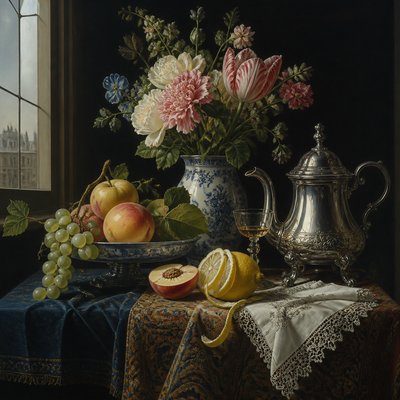
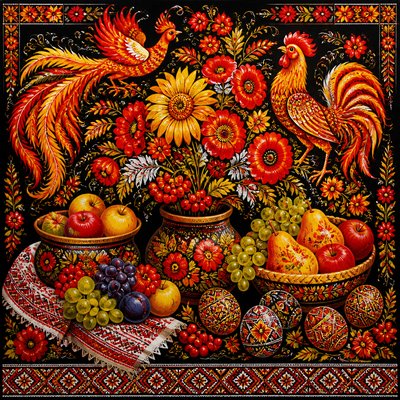
Bread, vessels, cookware, flowers, fabrics, tools, books, and food enrich the setting. These objects establish material texture and can carry symbolic, social, or seasonal associations.
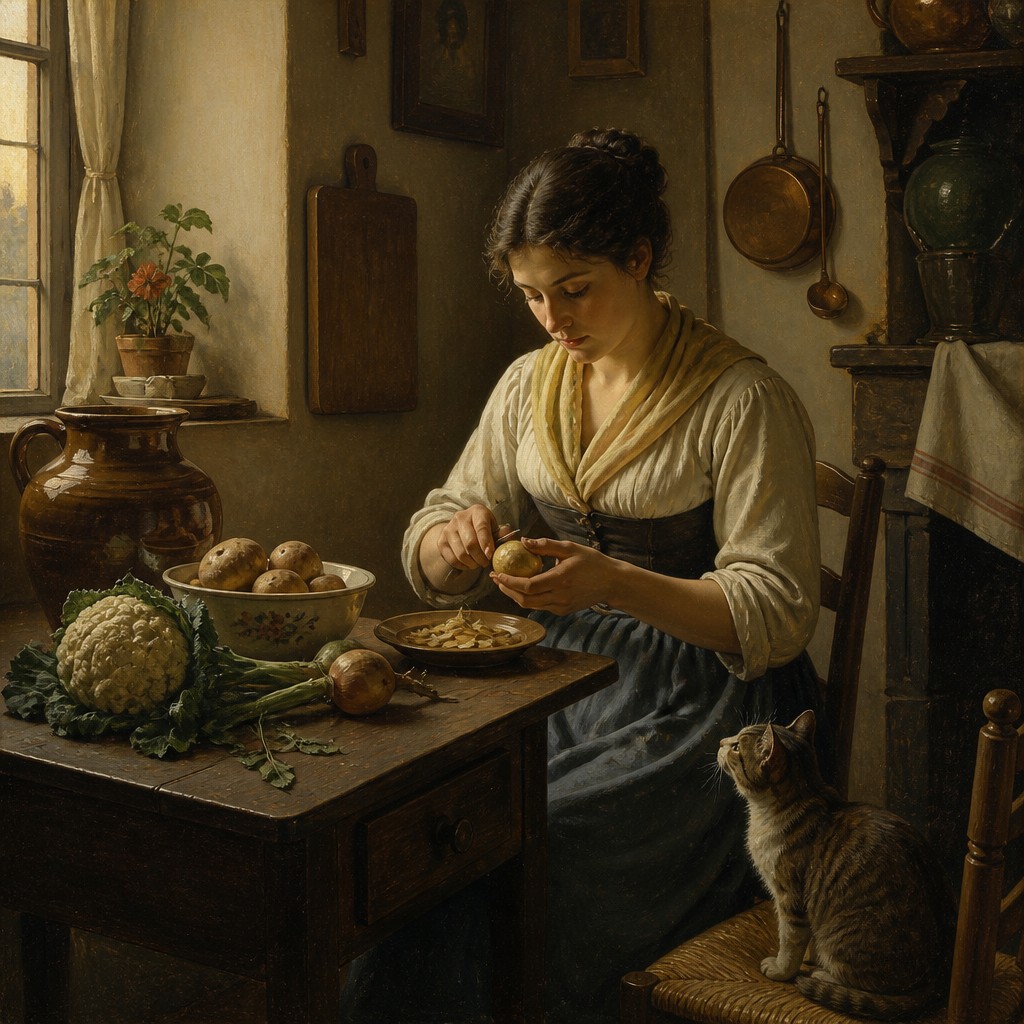
Balanced composition
Figures and furnishings are arranged in a stable, readable structure, often around a table or strong diagonal of light. Repeated shapes and subdued contrasts keep the scene coherent rather than theatrical.
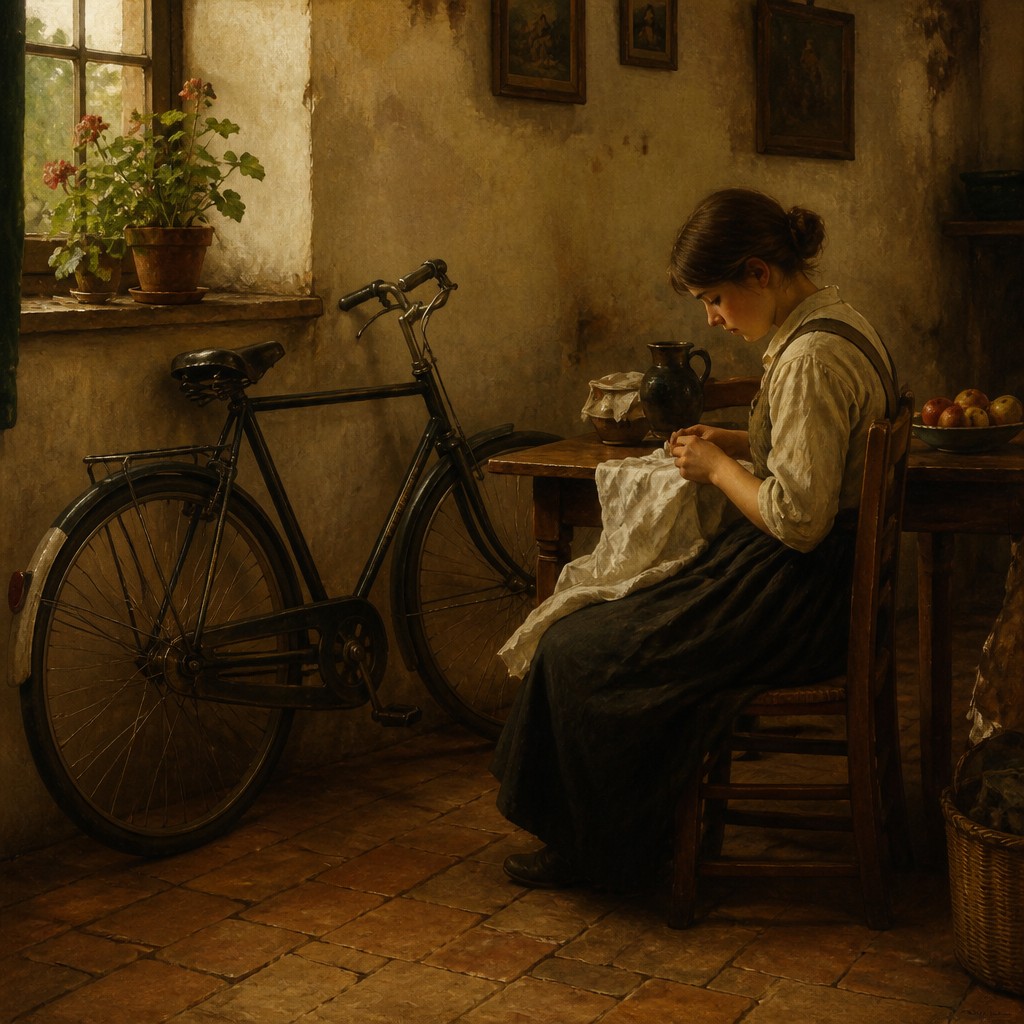
Material realism
Paint handling distinguishes wood, linen, earthenware, metal, skin, and food through controlled edges and varied surface texture. Details are selective, supporting atmosphere and storytelling instead of photographic exactness.
Try It
Create Videos in Genre Painting Art Style
Styles aren't just for stills — describe a scene or animate an image and get a short video rendered in Genre Painting. Press play to see this pond come to life.
Make a VideoGenre Painting Prompt Ideas
Start from an idea — each one opens the generator with the style ready to go. See all 40 Genre Painting prompts →
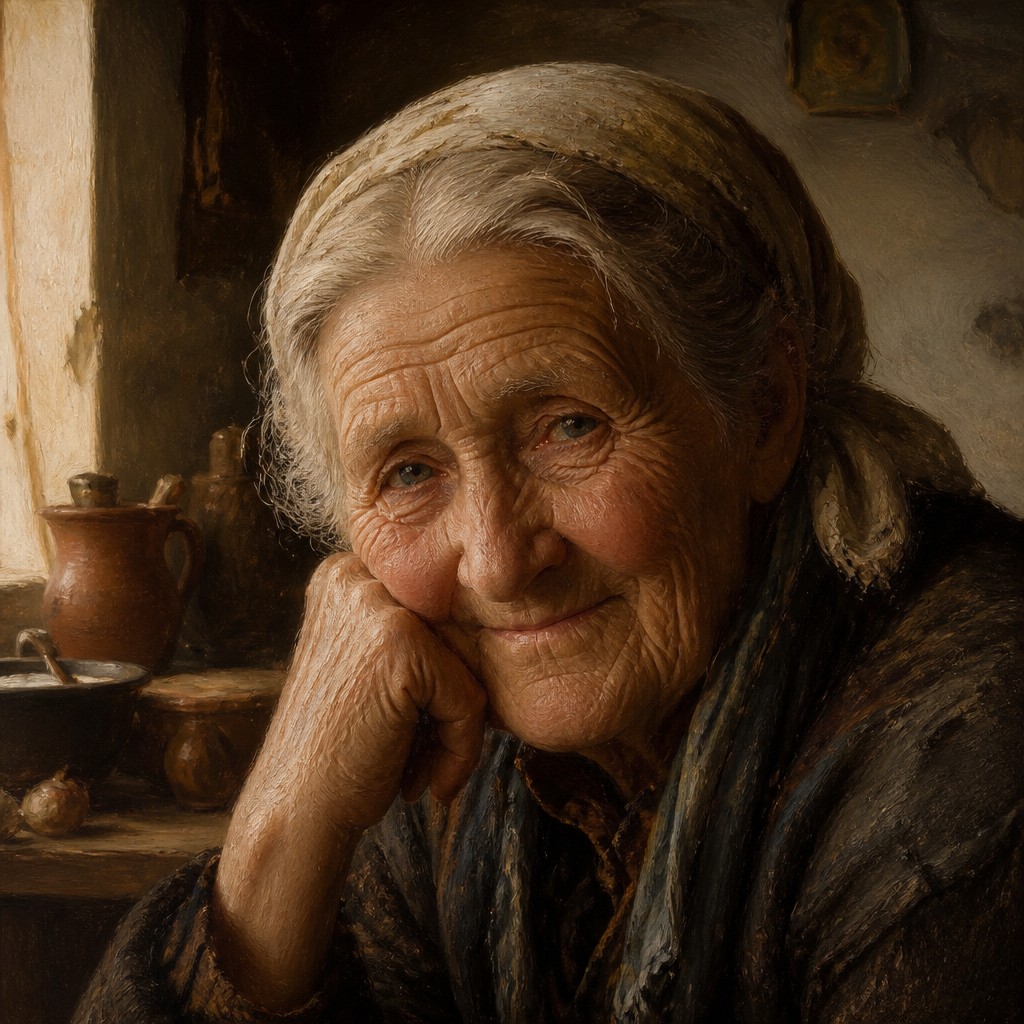
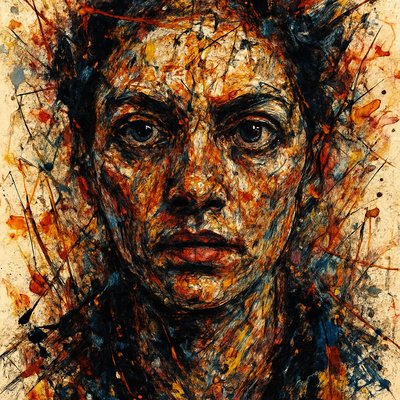
“close-up portrait of an elderly person with expressive weathered features”
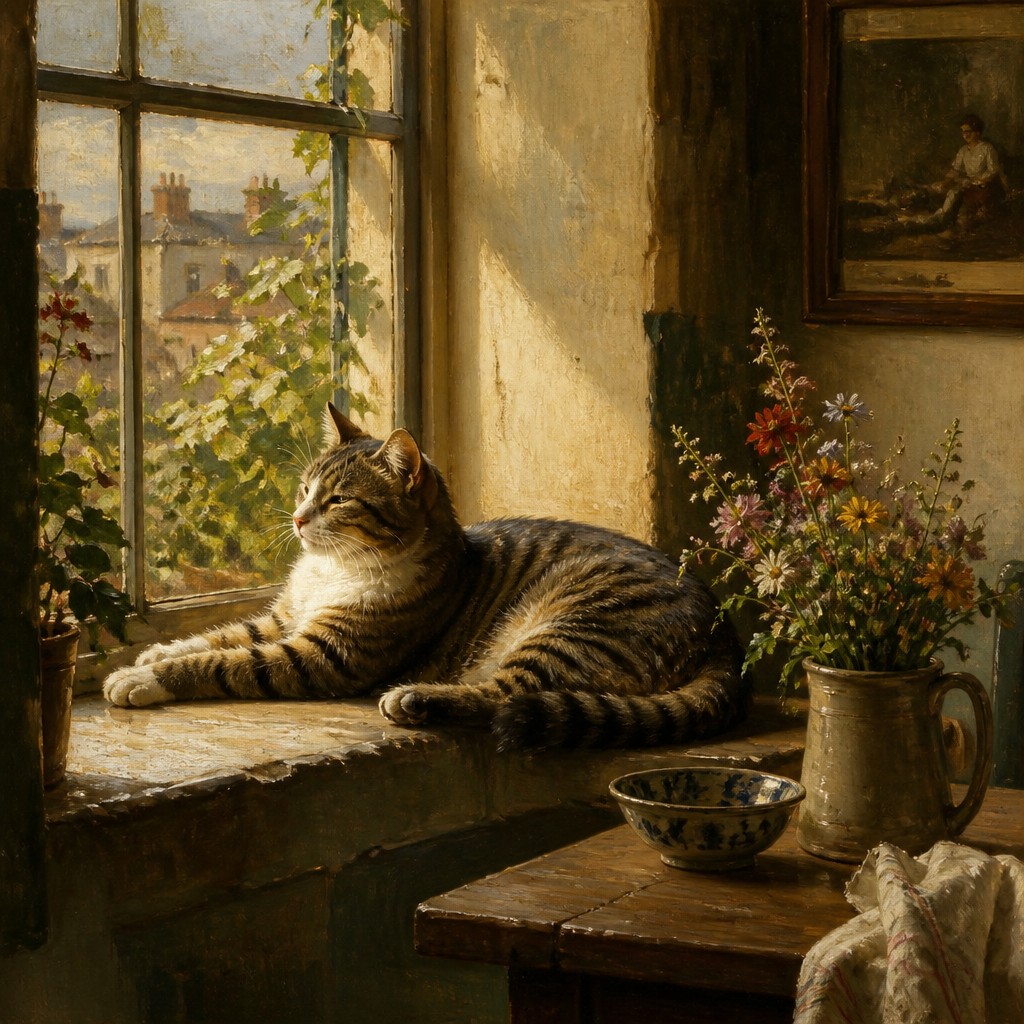
“a cat lounging in a sunlit window”
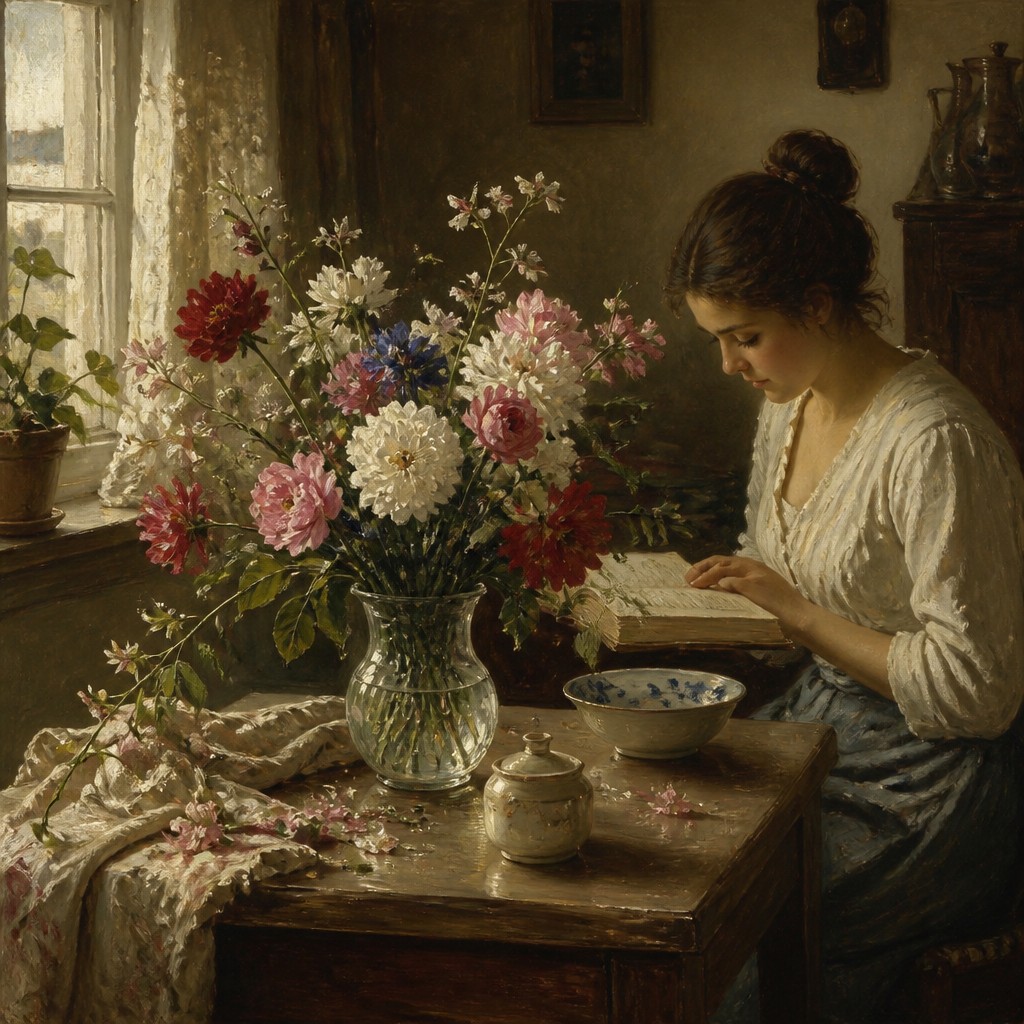
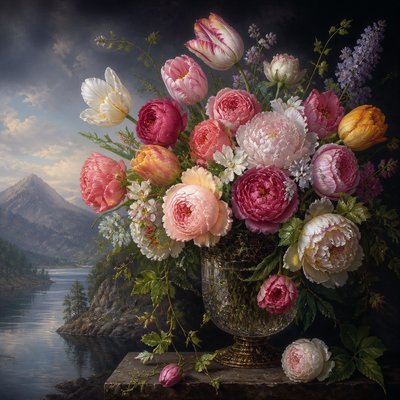
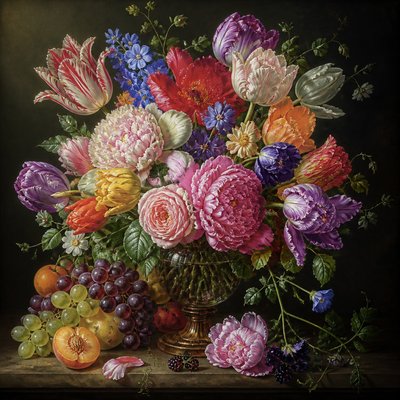
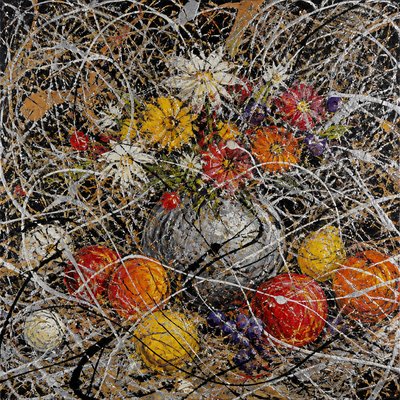
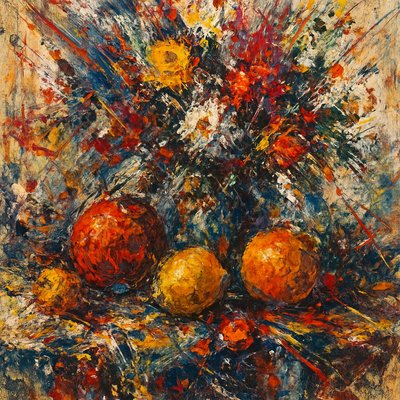
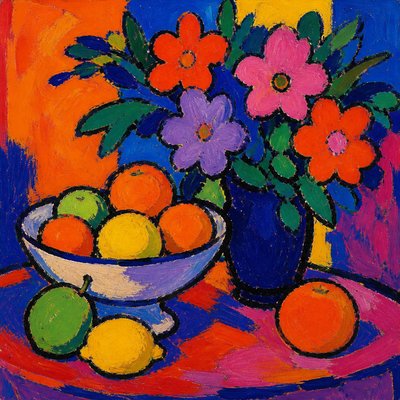
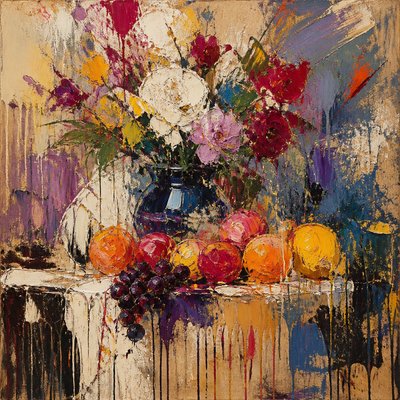
“bouquet of flowers in a glass vase”
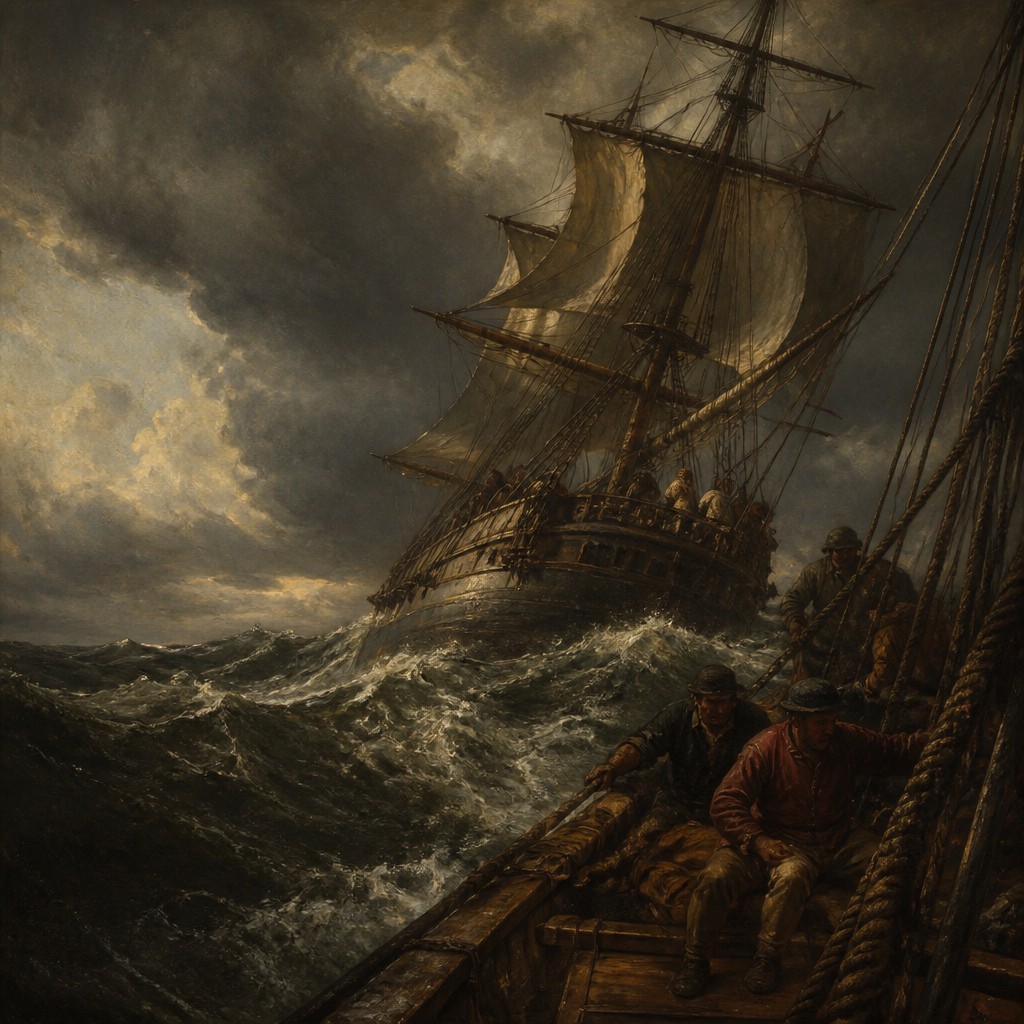
“sailing ship on a stormy sea”
How to Create Genre Painting Art
Master the craft step by step — or skip straight to creating. Read the full guide →
- 1
Build a clear domestic situation
Choose one ordinary action and give each figure a specific task, posture, and relationship to the others. Limit the cast so the viewer can read the gestures and objects without confusion.
- 2
Design the light first
Place a window, doorway, candle, or hearth as the dominant light source and reserve the deepest shadows for the edges of the room. In traditional painting, establish a monochrome value study before adding warm color.
- 3
Layer muted oil color
Use a restrained palette of earth colors, warm whites, smoky blues, and subdued reds, then add cooler accents sparingly. Digital painters can imitate glazing with low-opacity layers and textured brushes while preserving visible tonal depth.
- 4
Populate the scene selectively
Add a few tactile objects that reveal the household, occupation, season, or social setting. Avoid filling every surface; purposeful empty space helps the figures and light carry the narrative.
- 5
Use painterly image prompts
Specify the action, location, time of day, light direction, materials, mood, and composition rather than relying on vague period labels. For text-to-image work, request soft window illumination, warm oil texture, restrained colors, natural gestures, and a quiet narrative atmosphere.
- 6
Refine faces and hands
Whether working traditionally or digitally, correct anatomy and gesture before polishing surfaces. In image-to-image workflows, preserve the subject’s pose while guiding the transformation toward softened edges, layered brushwork, and historically plausible furnishings.
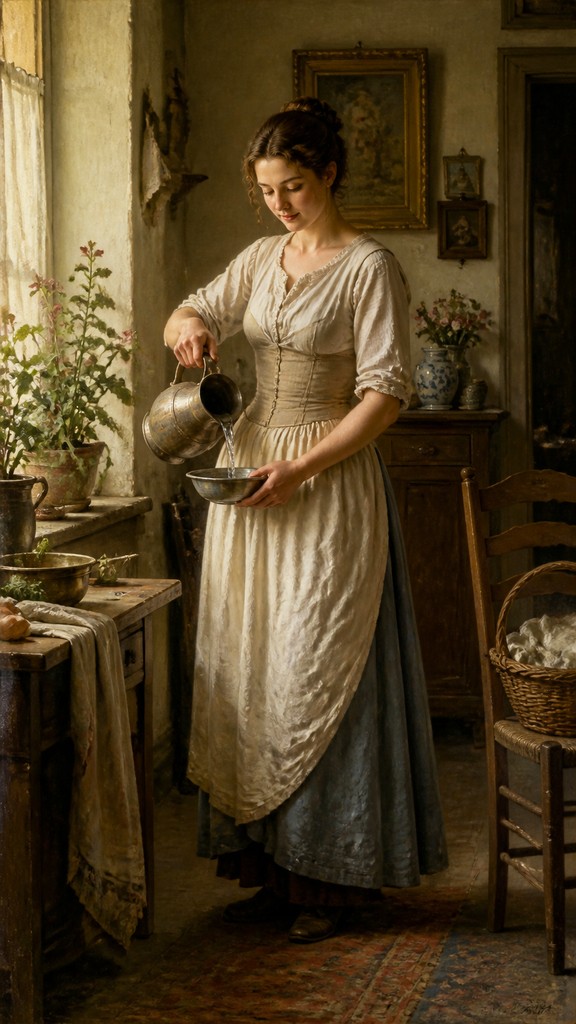
The Story
History & Origins of Genre Painting
Genre painting developed as a distinct category in seventeenth-century Europe, particularly in the Dutch Republic and Flanders, where expanding urban audiences supported images of domestic life, trade, leisure, and household labor. Its roots extend through Renaissance depictions of daily activity and early modern scenes of peasant or civic life, while its rise was encouraged by the growing market for subjects outside religious and courtly commissions.
The tradition continued across eighteenth- and nineteenth-century Europe, changing from moralizing tavern scenes and carefully coded interiors to more sympathetic views of family life, work, childhood, and modern society. Later realist, naturalist, and impressionist painters retained its interest in ordinary experience, even when they loosened its finish, brightened its palette, or moved the subject outdoors.
Influences: Genre painting is closely related to Dutch and Flemish Golden Age interiors, peasant and tavern scenes, Baroque chiaroscuro, still life, realist social observation, and nineteenth-century naturalism. It also shares with domestic photography and documentary illustration an interest in unremarkable moments, while differing from historical painting through its focus on common experience. Later impressionist and post-impressionist approaches influenced its color and brushwork, even when they moved away from the traditional polished finish.
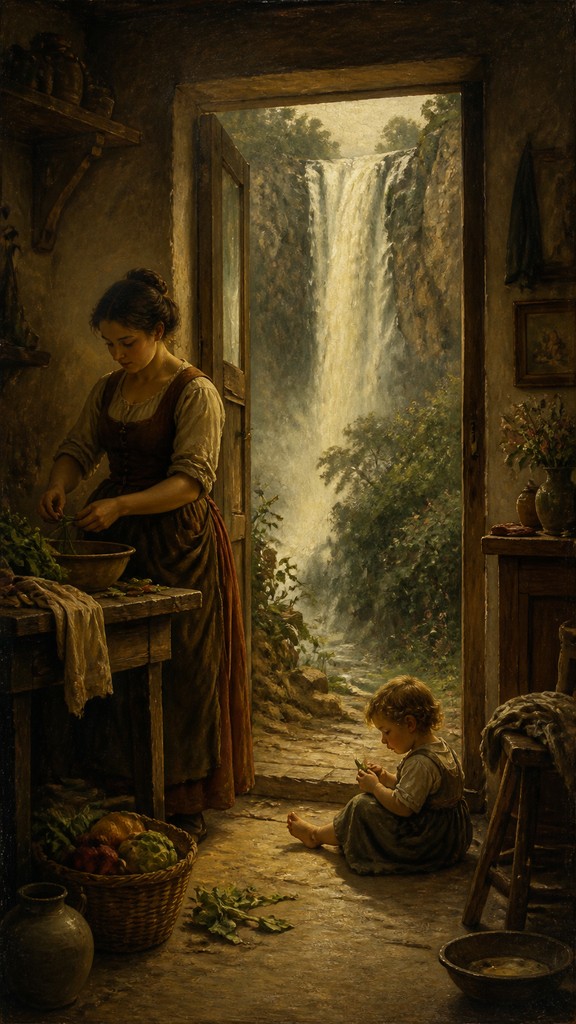
Frequently Asked Questions
What defines genre painting?
Genre painting focuses on ordinary people performing everyday activities in familiar settings. Its defining qualities are observational detail, intimate scale, narrative gestures, domestic or social environments, and carefully controlled light.
Is genre painting the same as realism?
They overlap but are not identical. Genre painting describes the subject category—daily life—whereas realism describes an approach that favors credible observation and resistance to idealization. A genre scene can be romanticized, comic, moralizing, or highly realistic.
How does genre painting differ from a portrait?
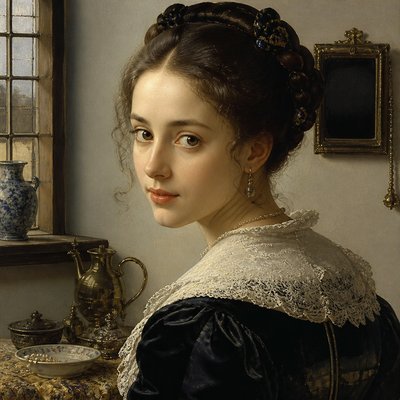
A portrait primarily identifies and presents a particular person, while a genre painting emphasizes an activity, setting, or social situation. Individuals may appear in genre scenes, but their role in the shared narrative is usually more important than their identity.
What lighting works best for this style?
Soft, directional light from a window, doorway, hearth, or candle is especially effective. It creates a readable focal area, gently models figures, and allows surrounding shadows to give the interior depth and atmosphere.
Can genre painting depict contemporary life?
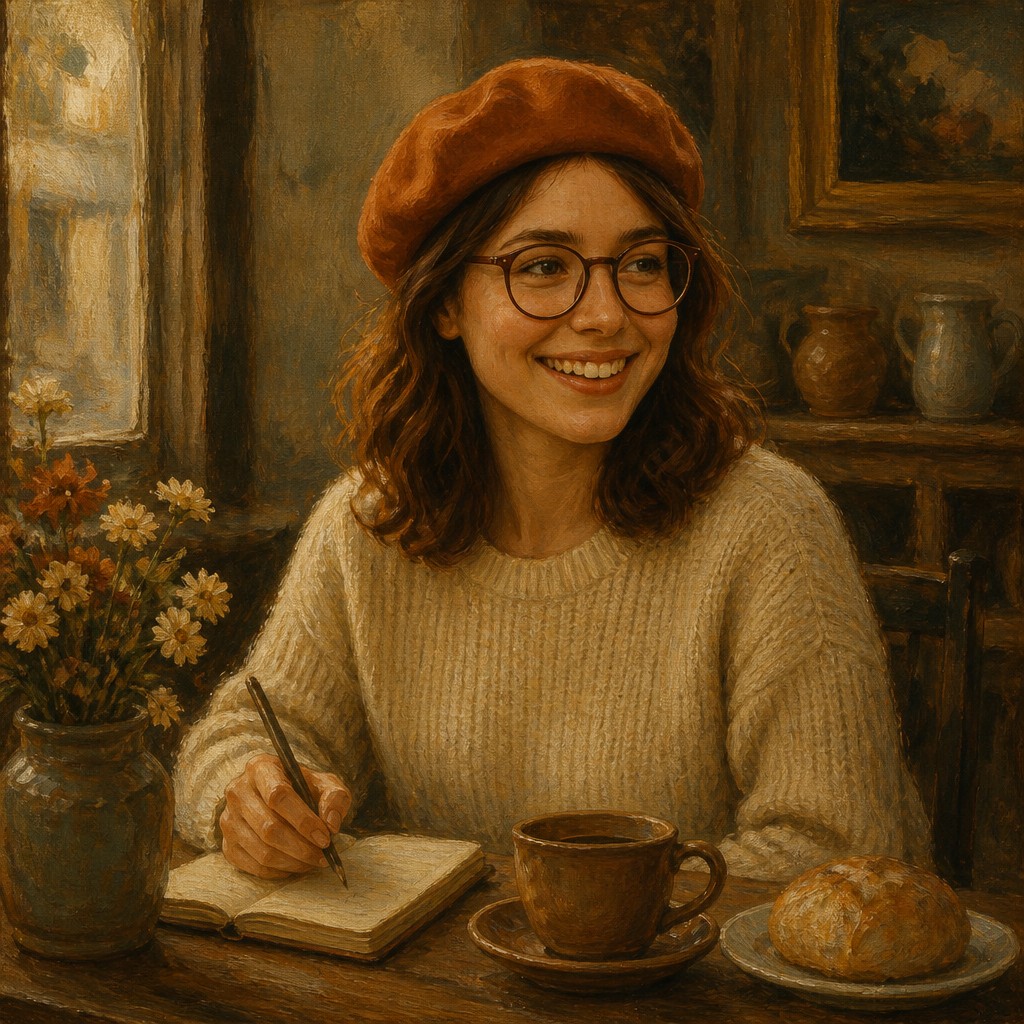
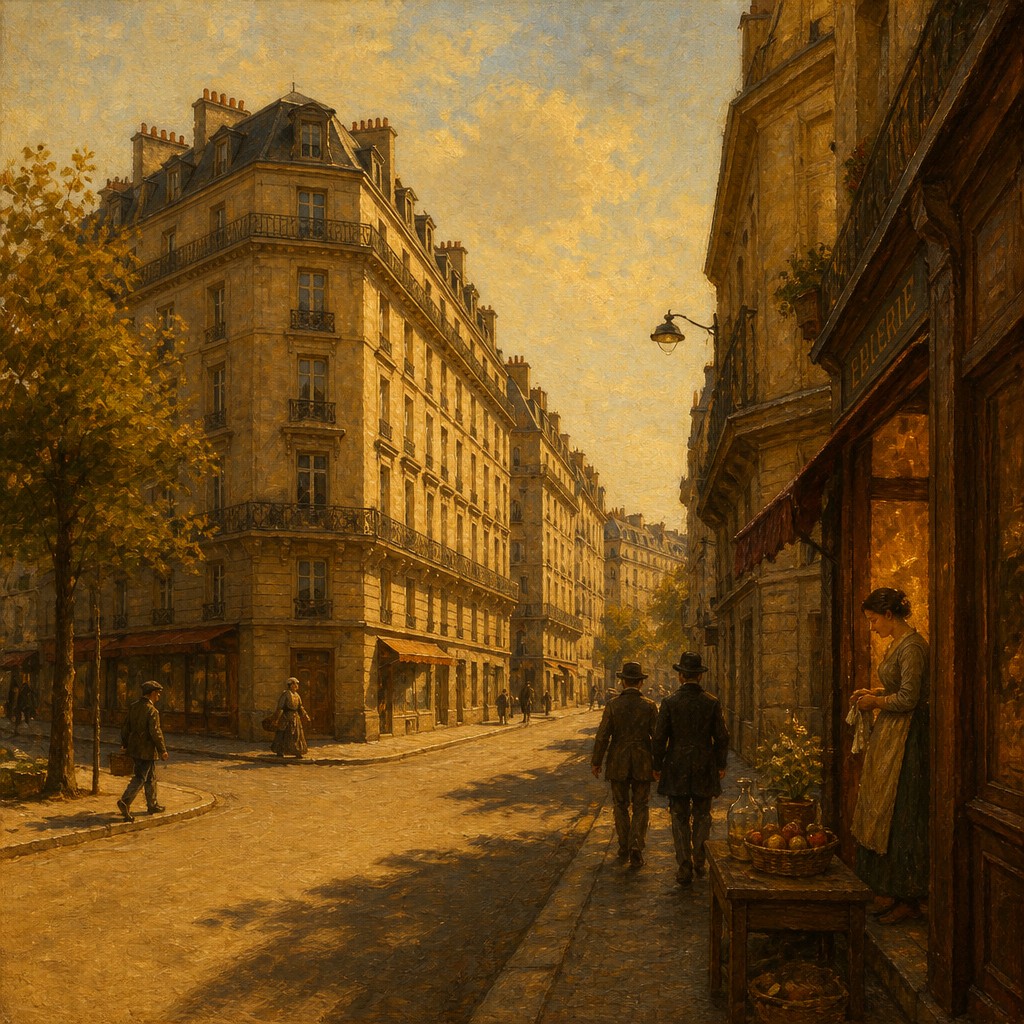
Yes. The category is defined by its attention to everyday experience, not by a fixed historical period. A present-day apartment, café, repair shop, or family kitchen can function as a genre subject when treated with close observation and narrative restraint.
How can I prompt an image in this style?
Describe a specific ordinary action, the people involved, the interior or public setting, and the objects that reveal their lives. Add directional window or candlelight, warm muted oil colors, natural gestures, layered shadows, and a quiet implied story for a convincing result.
Create your first Genre Painting artwork
Describe anything — or upload a photo — and see it in Genre Painting Art Style in seconds.
Related Styles
Discover similar art styles