Socialist Realism Art Style
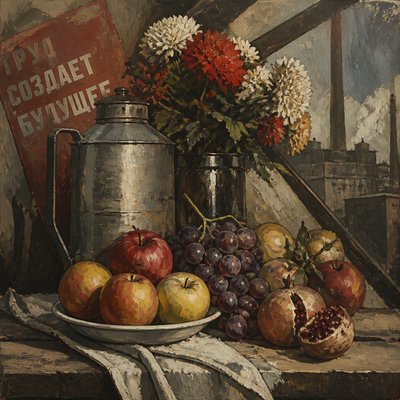
Explore Socialist Realism: monumental workers, harvests, heroic figures, dawn light, and optimistic public imagery rooted in Soviet-era art.
Instantly rendered in Socialist Realism — or transform a photo
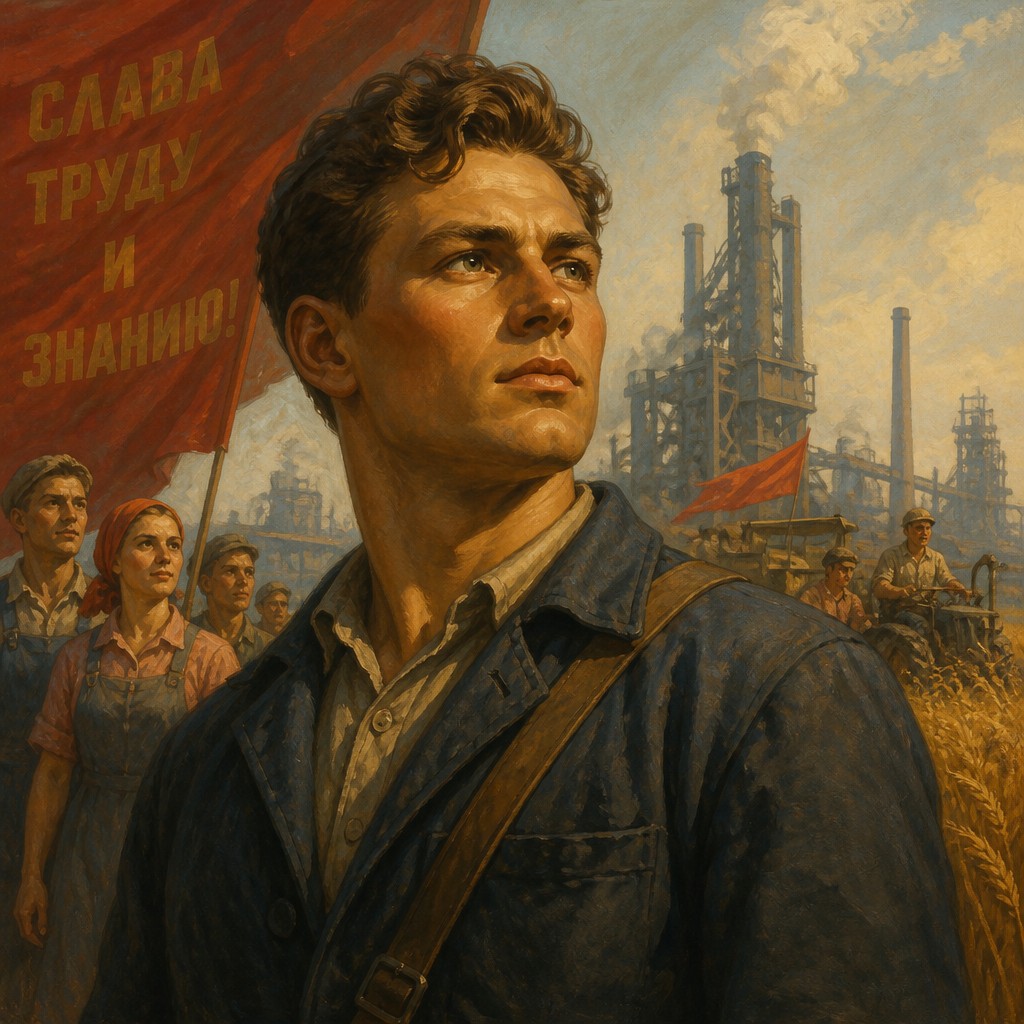
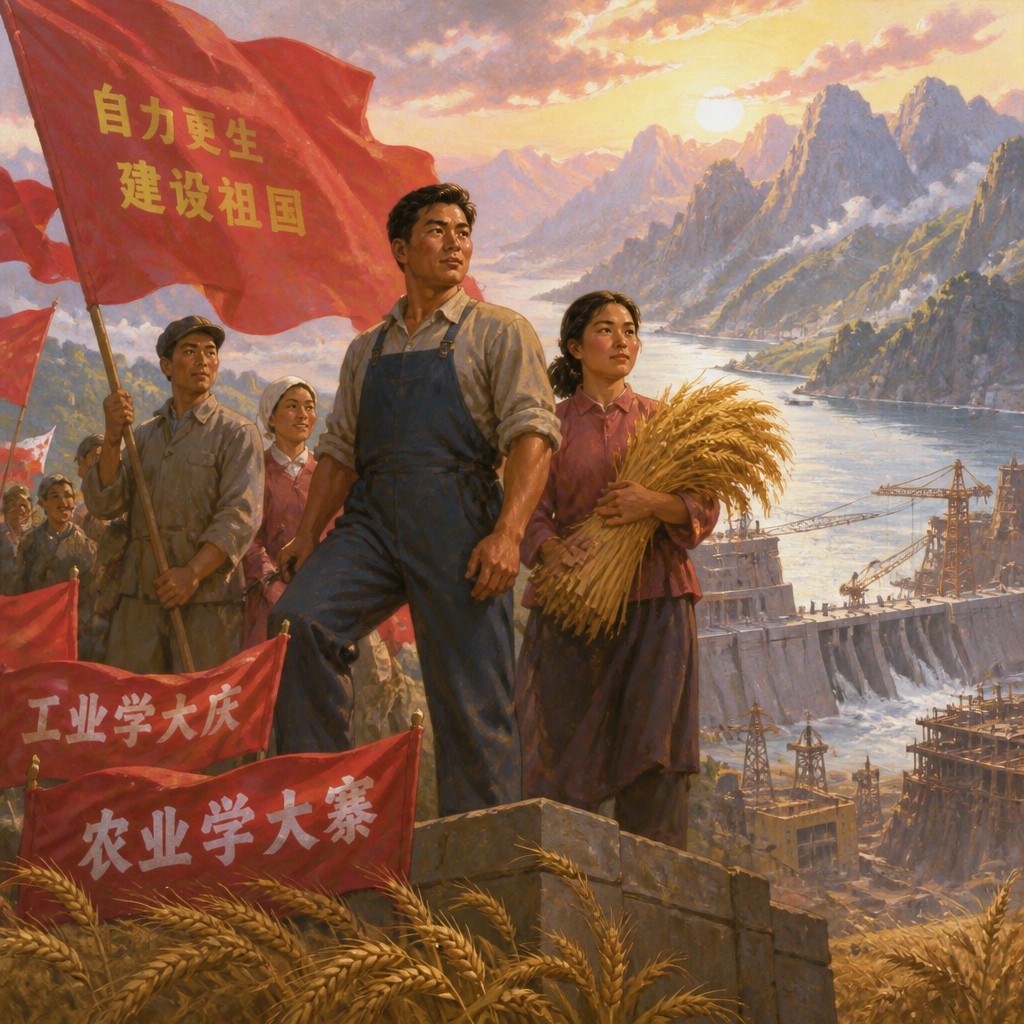
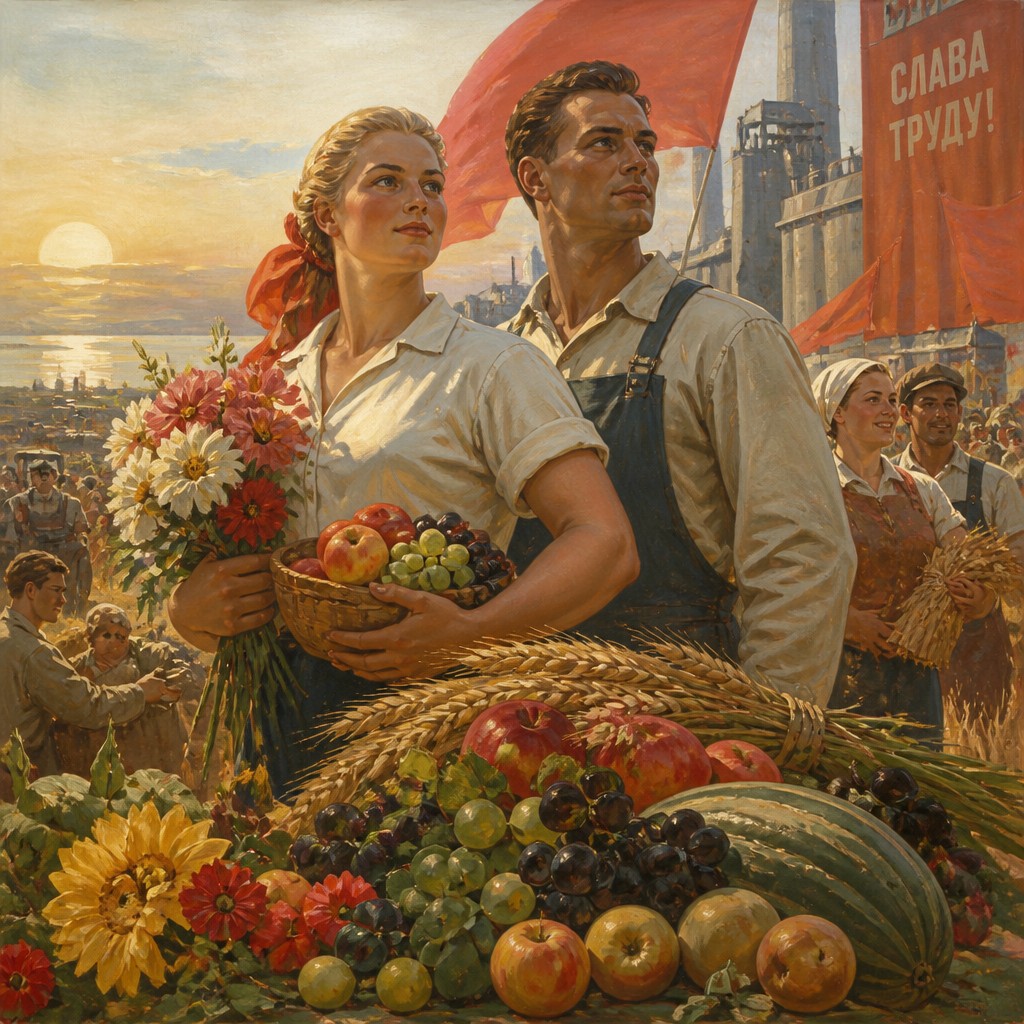
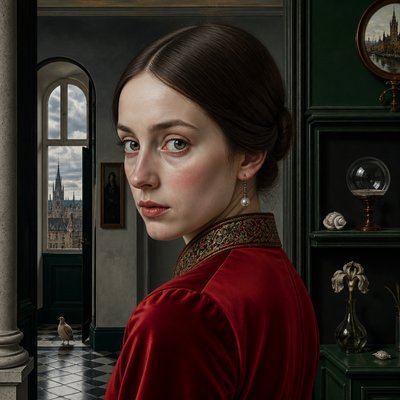
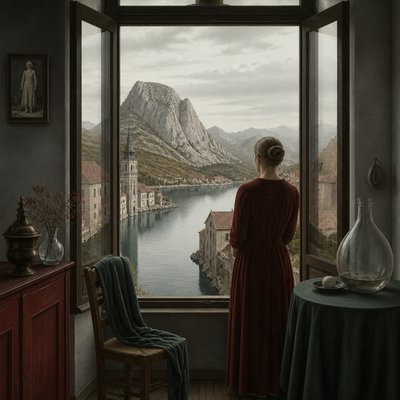
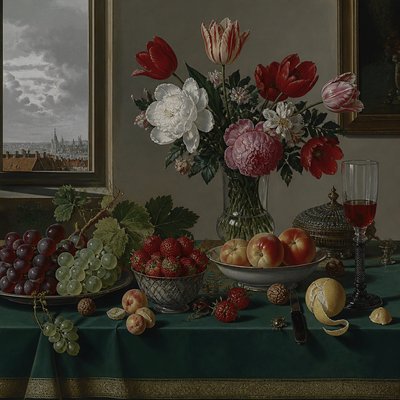
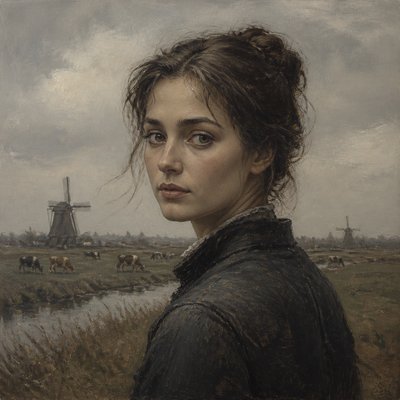
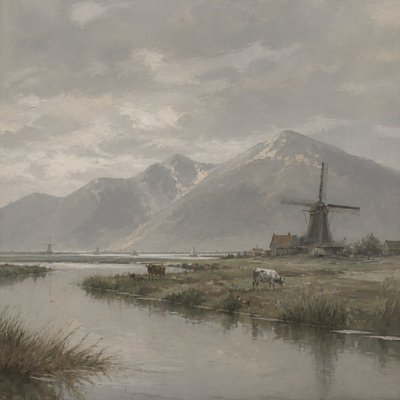
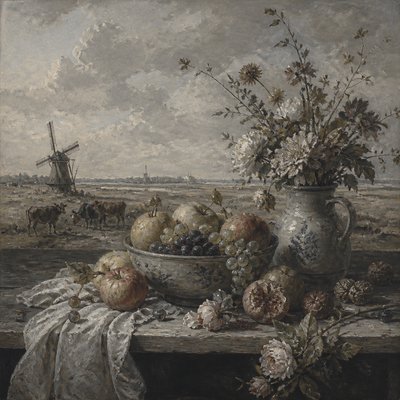
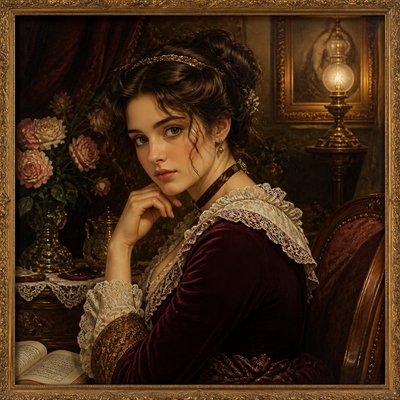
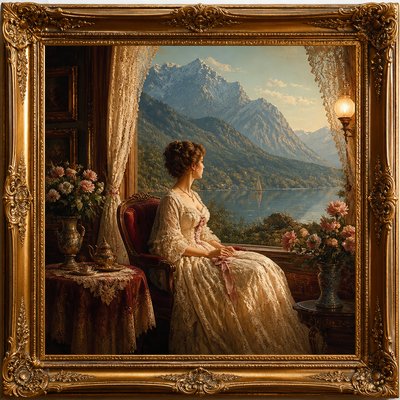
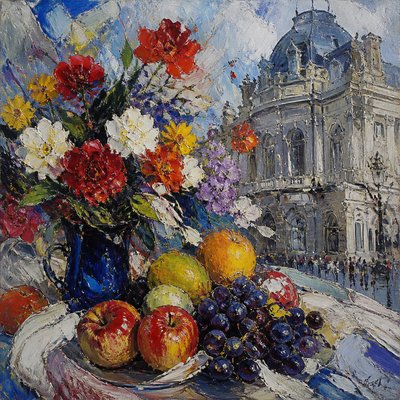
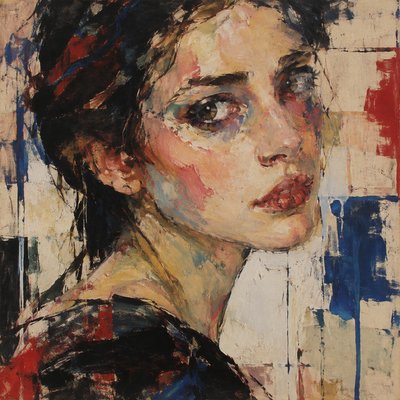
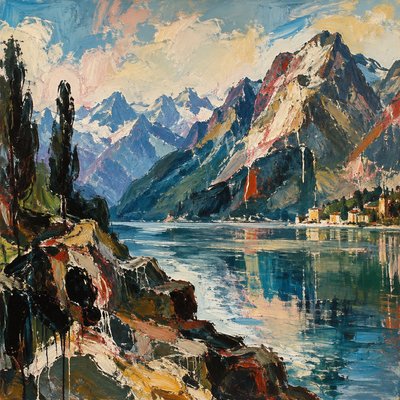
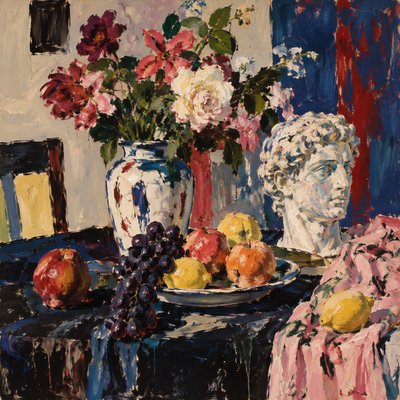
Socialist Realism Gallery
Tap any artwork to explore it
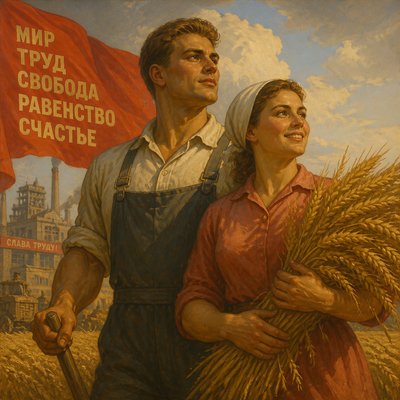
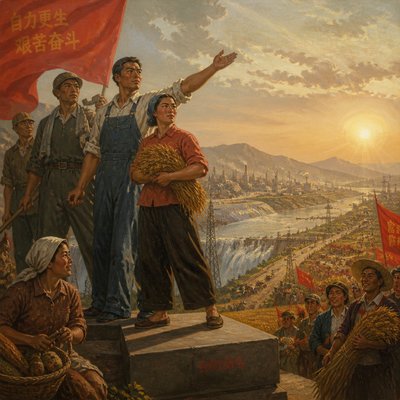
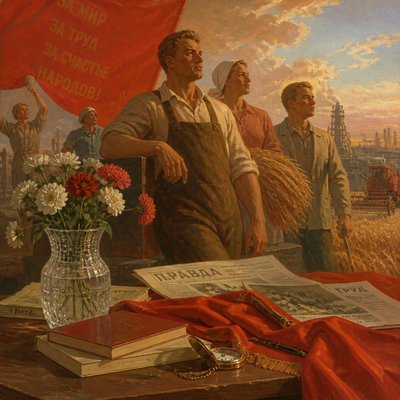
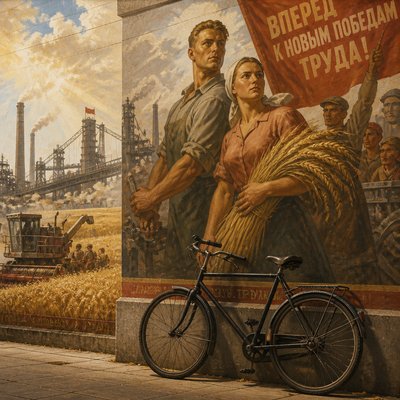
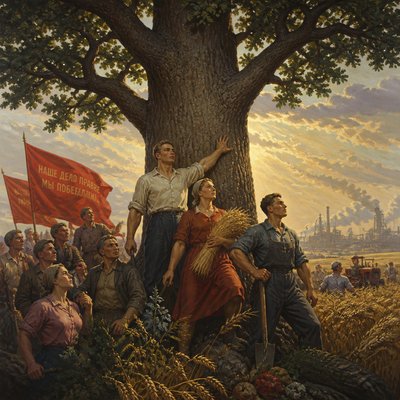
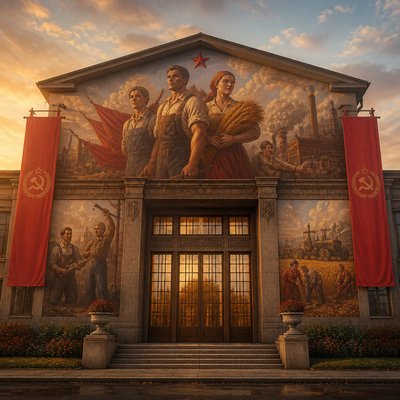
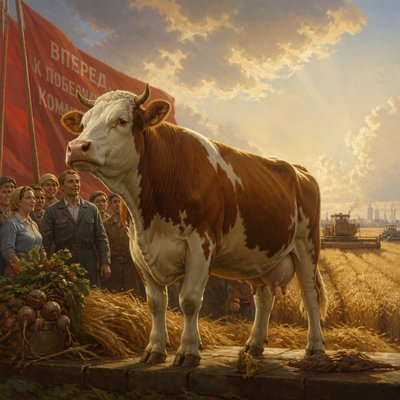
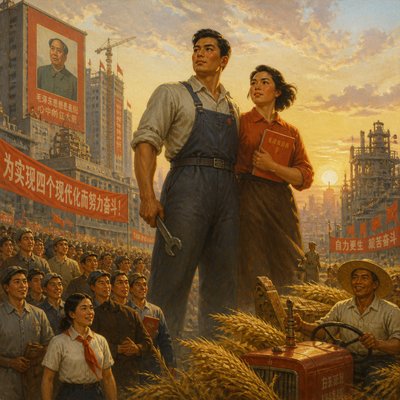
What is Socialist Realism Art Style?
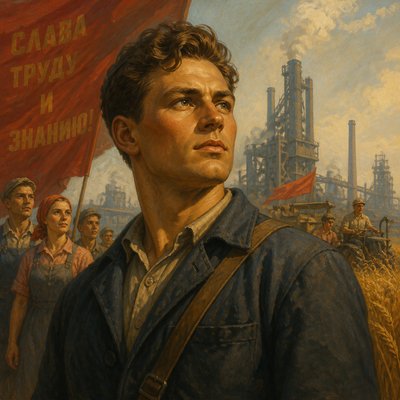
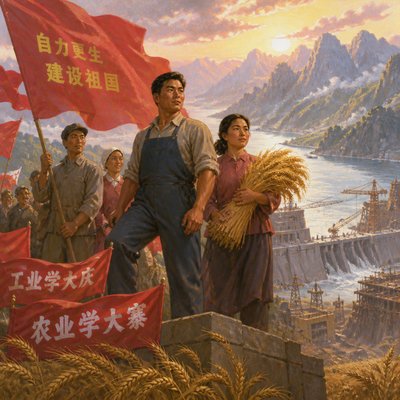
Socialist Realism is a state-sponsored artistic movement that developed in the Soviet Union during the 1930s and spread throughout much of the socialist world. Its subjects commonly include industrial labor, agriculture, military service, education, collective life, and revolutionary history. Figures are presented as purposeful, healthy, and socially representative, often within expansive landscapes or monumental architectural settings.
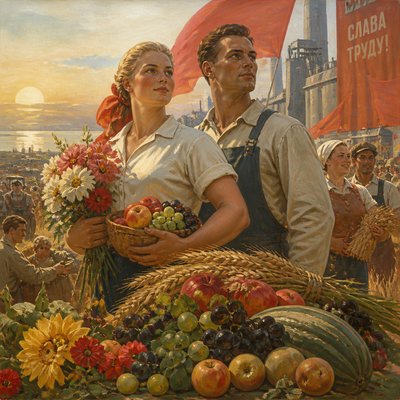
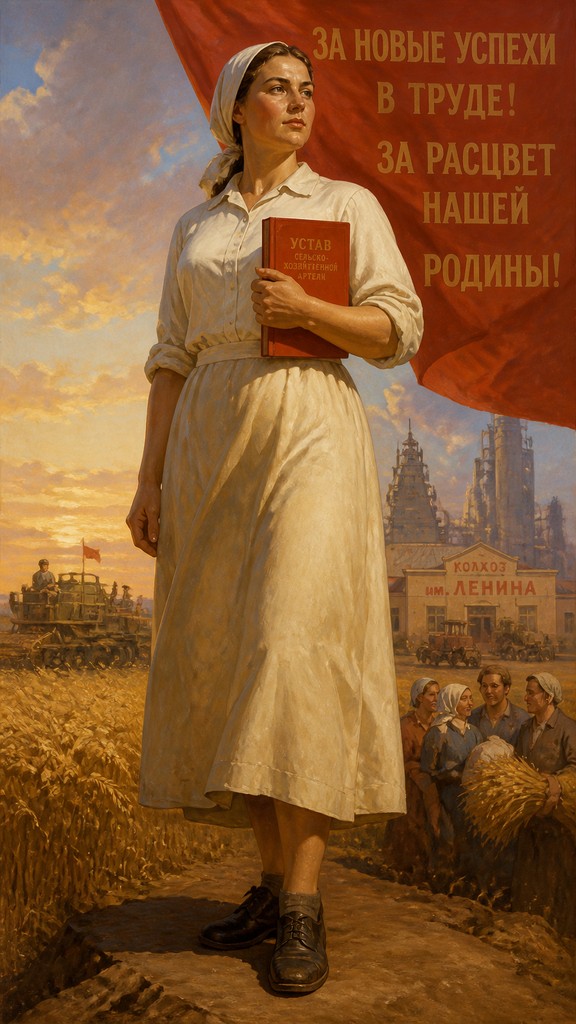
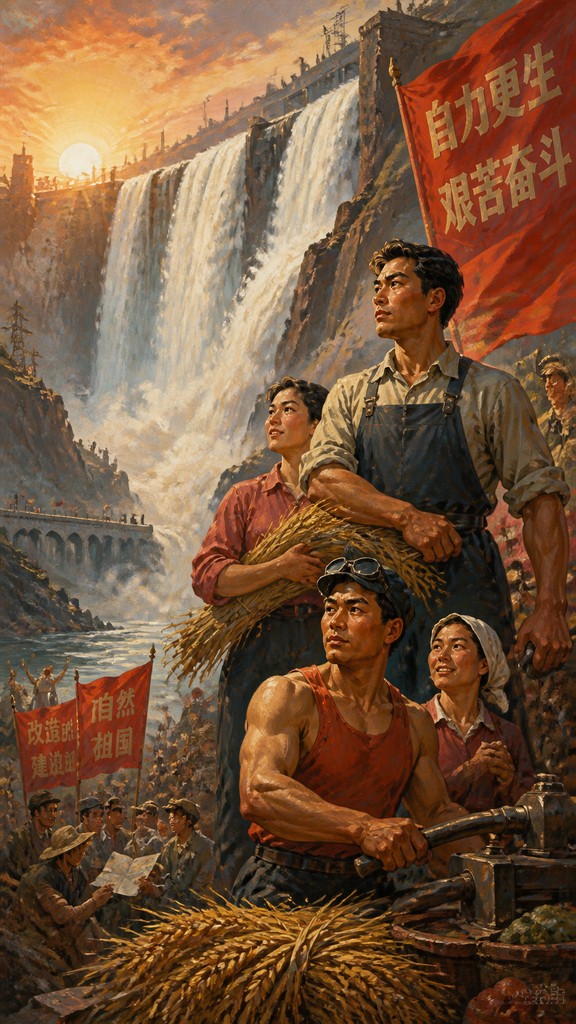
The style combines readable realism with idealization and theatrical composition. Strong silhouettes, stable geometry, muscular academic modeling, warm illumination, and carefully controlled symbolism create an image of collective progress rather than private uncertainty. Red flags, wheat fields, machinery, uniforms, and radiant horizons function as visual signs of solidarity, labor, and a promised future.
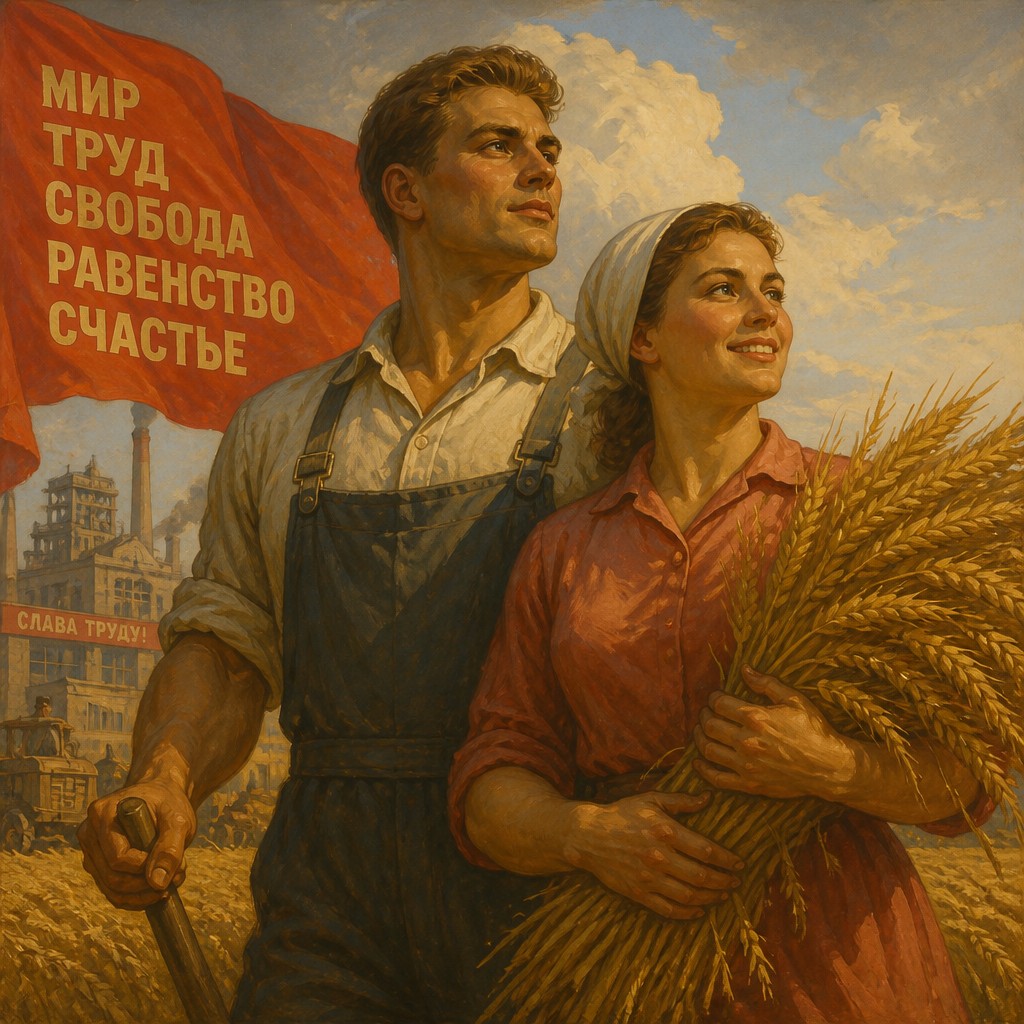
Try It On Your Photos
Upload any photo and convert it into Socialist Realism Art Style — drag the sliders to compare before and after.
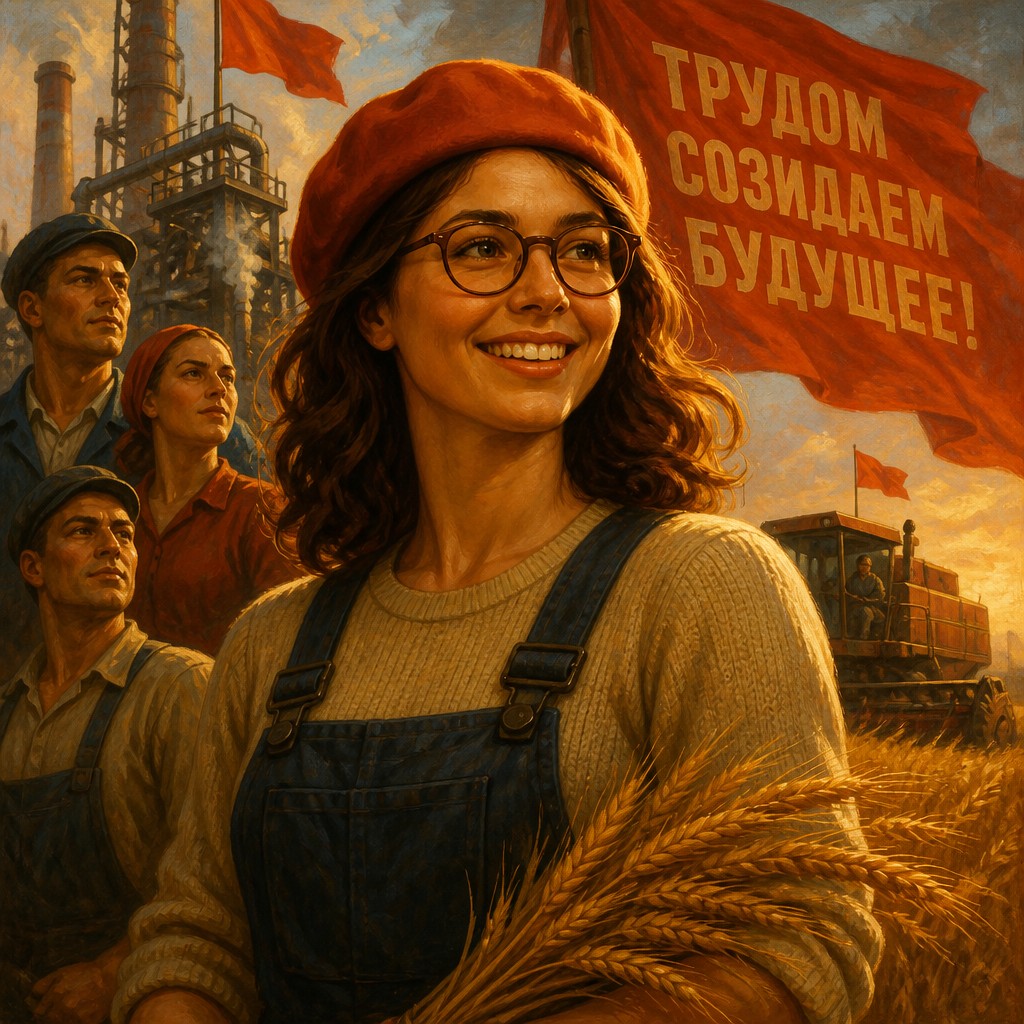

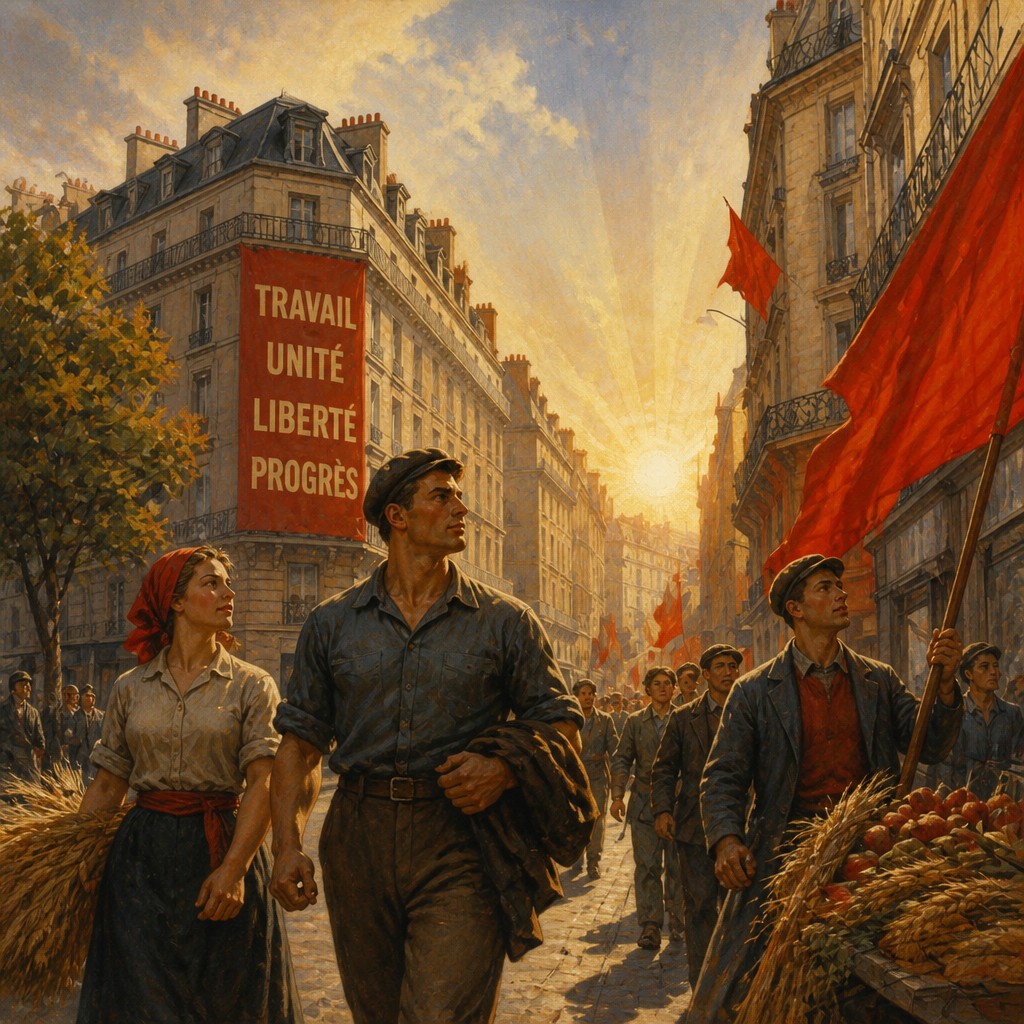

What Defines Socialist Realism Art Style
The signature details, up close
Heroic human figures
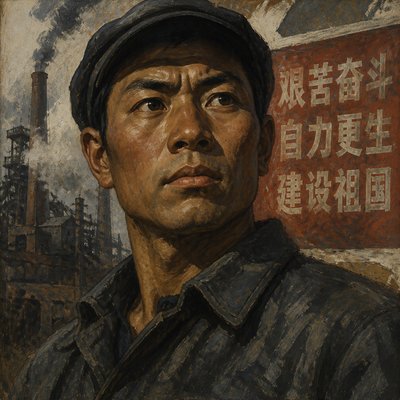
Workers, soldiers, farmers, students, and civic leaders are shown with upright posture, strong anatomy, confident gestures, and purposeful expressions. Individual identity is often balanced against the figure’s role within a collective.
Monumental composition
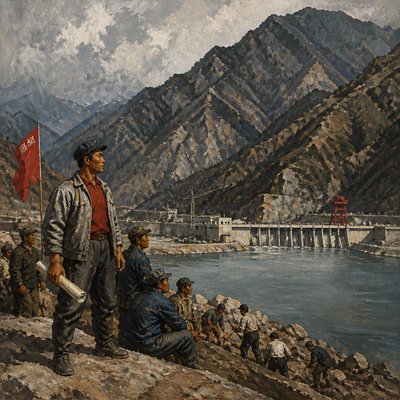
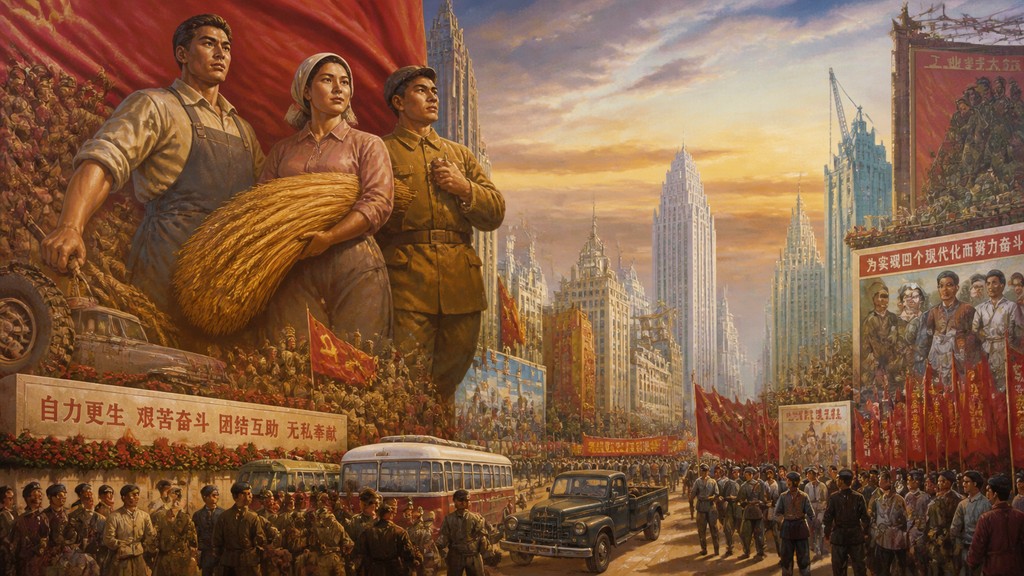
Low viewpoints, broad diagonals, panoramic settings, and tightly organized groups give ordinary activities the scale of public history. Figures frequently occupy the foreground like sculptural monuments.
Idealized realism
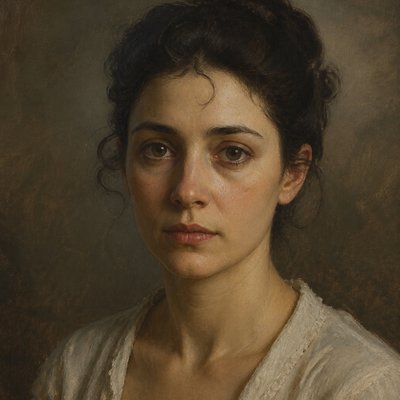
The visual language remains legible and observational but removes ambiguity, exhaustion, and disorder when they conflict with the image’s exemplary message. Academic drawing, modeled volume, and convincing space support an idealized social narrative.
Labor and collective life
Factories, collective farms, construction sites, harvests, parades, classrooms, and military units provide recurring settings. Tools and machinery are composed as symbols of productive cooperation and modernization.
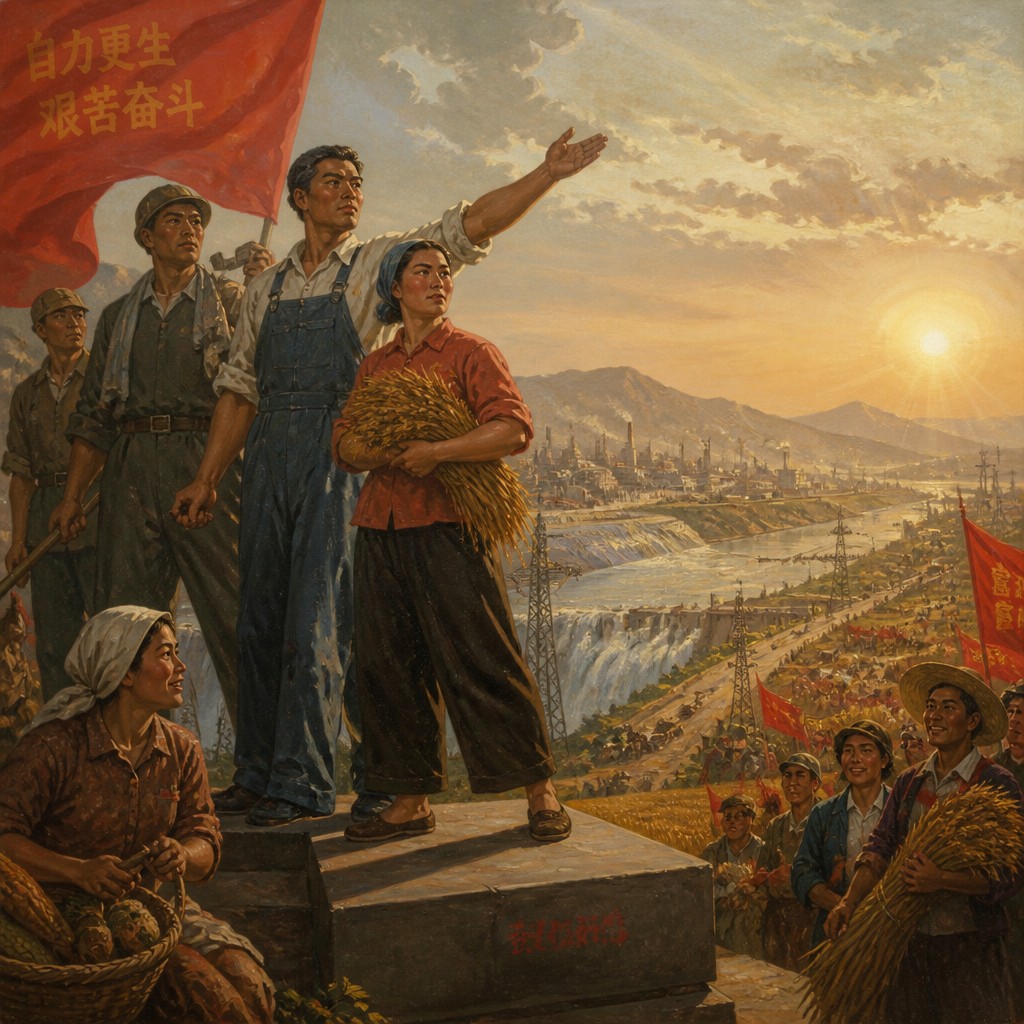
Optimistic illumination
Dawn and golden-hour light suggest renewal, progress, and a future-oriented society. Warm highlights often contrast with steel grays, deep greens, earth browns, and saturated reds.
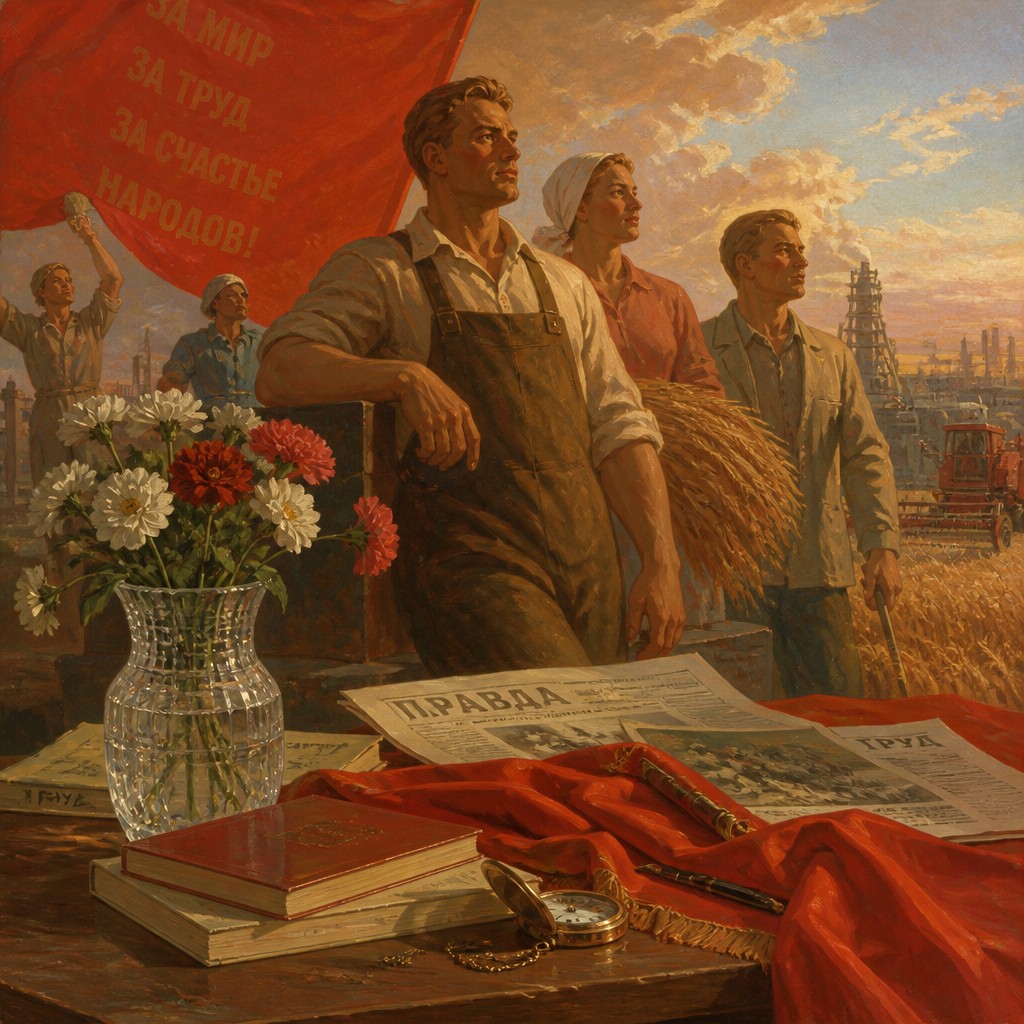
Public symbolism
Banners, wheat, uniforms, industrial structures, books, and geometric architecture communicate shared ideals without relying on private symbolism. Color and placement make the intended message immediately readable.
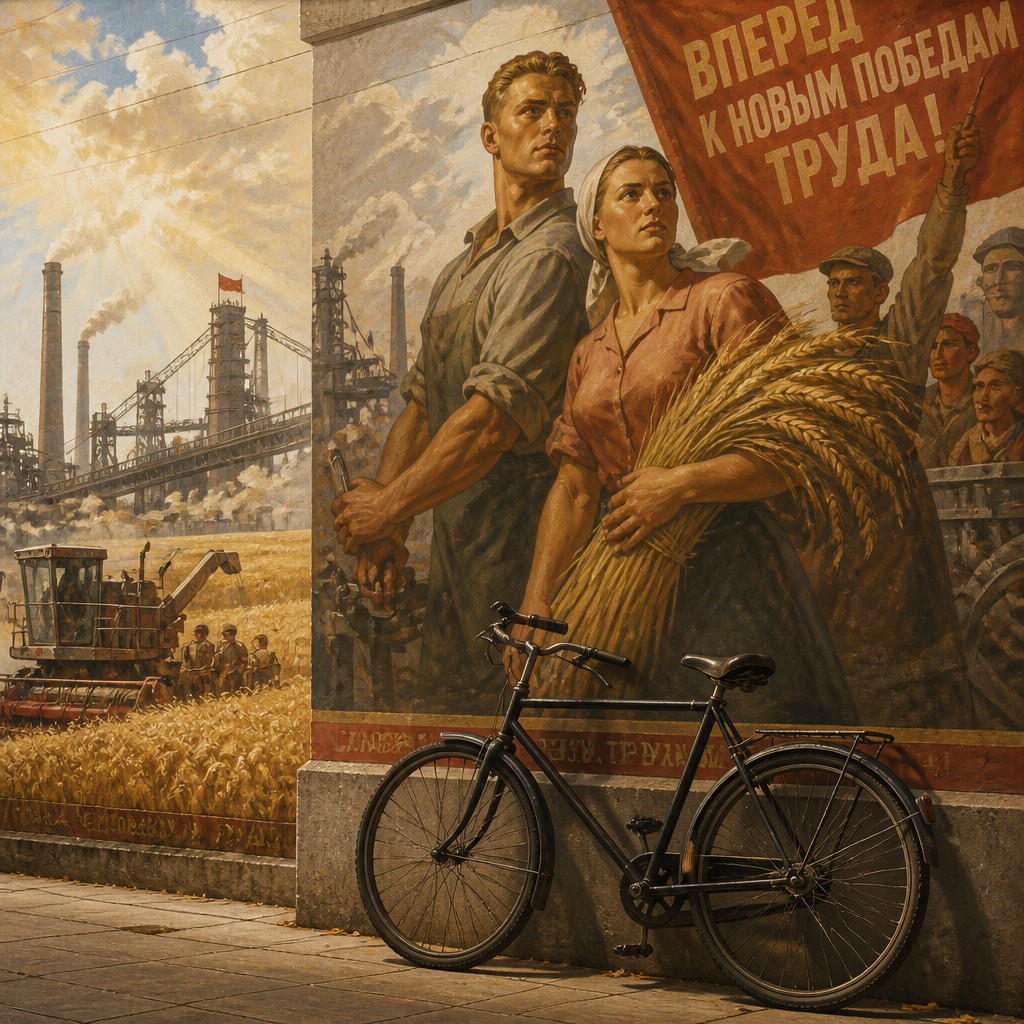
Monumental graphic clarity
Large color masses, emphatic contours, simplified backgrounds, and poster-like organization help images remain clear at civic scale. The same principles appear in murals, posters, mosaics, sculpture, and public architecture.
Try It
Create Videos in Socialist Realism Art Style
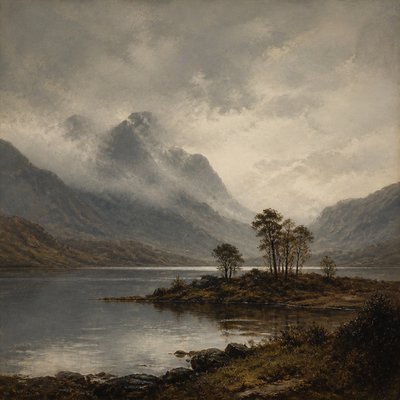
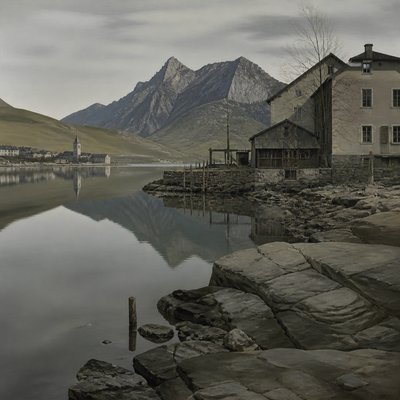
Styles aren't just for stills — describe a scene or animate an image and get a short video rendered in Socialist Realism. Press play to see this pond come to life.
Make a VideoSocialist Realism Prompt Ideas
Start from an idea — each one opens the generator with the style ready to go. See all 40 Socialist Realism prompts →
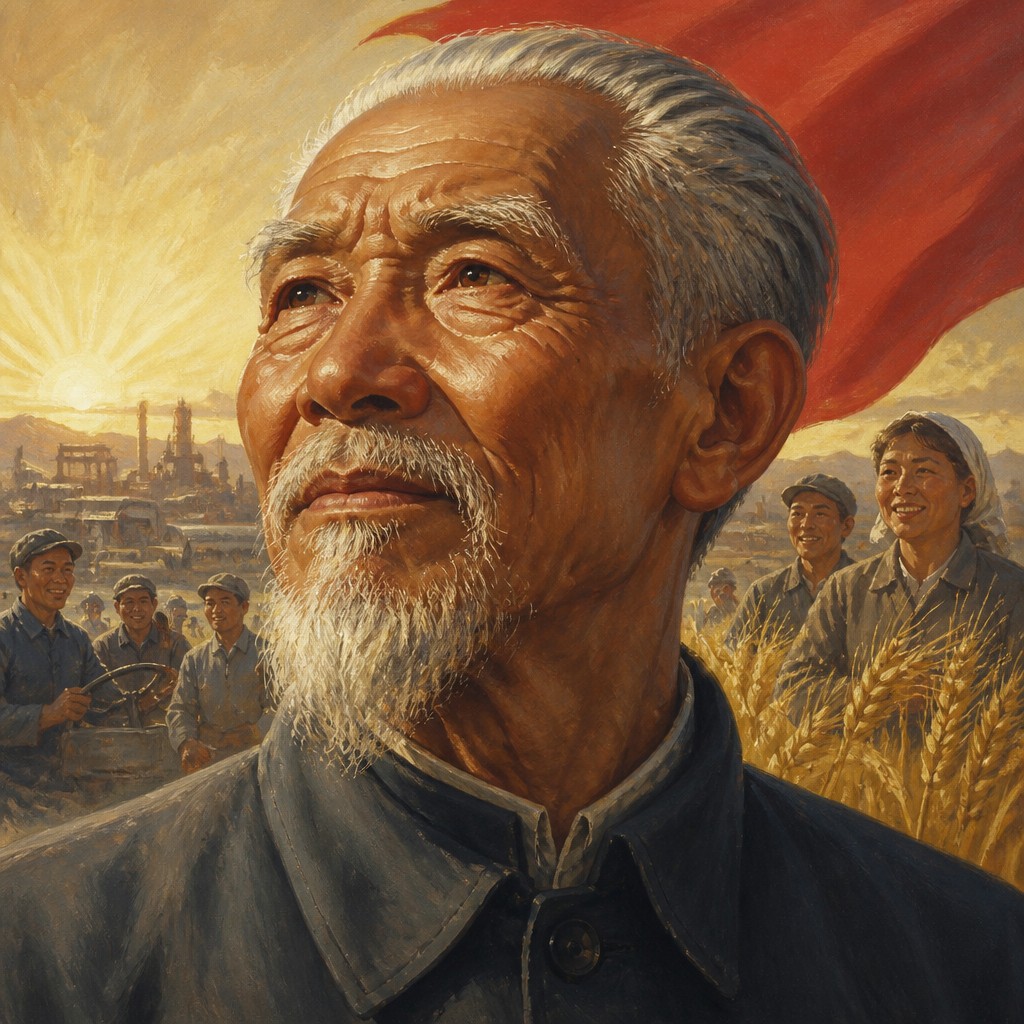
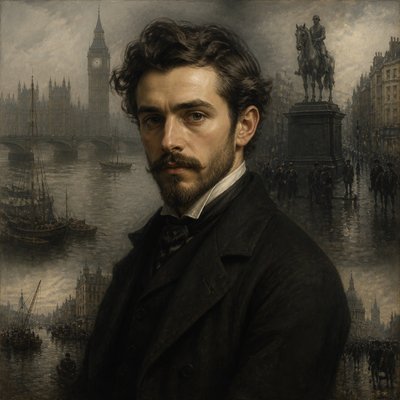
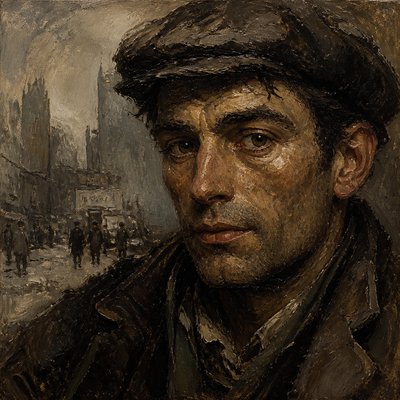
“close-up portrait of an elderly person with expressive weathered features”
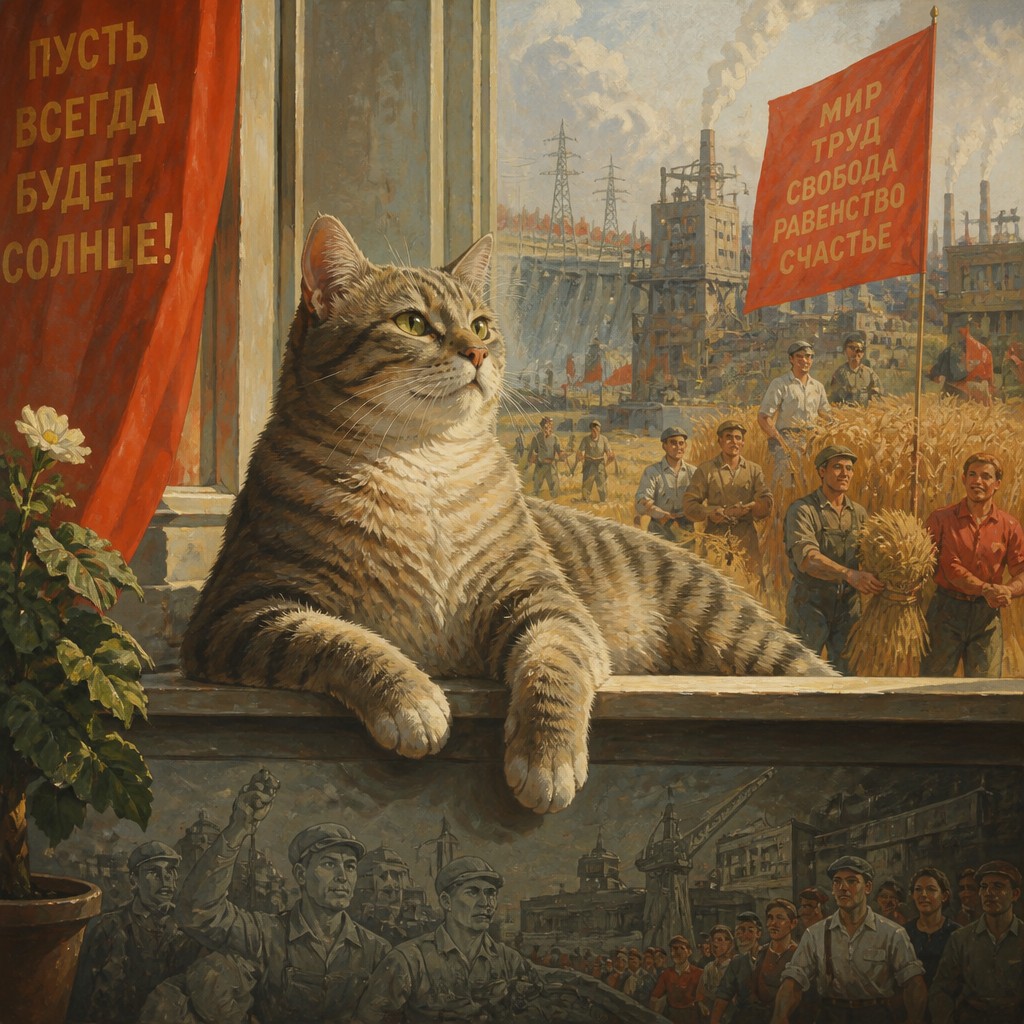
“a cat lounging in a sunlit window”
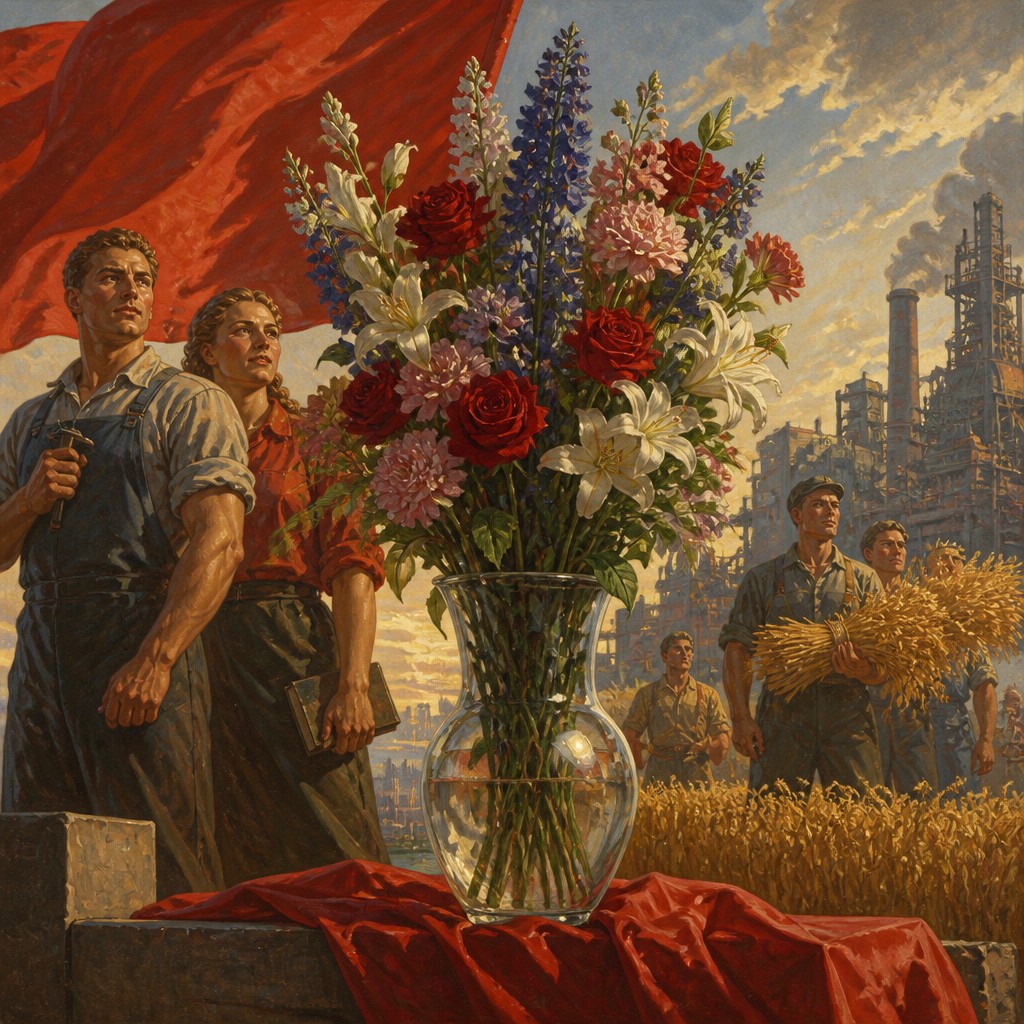
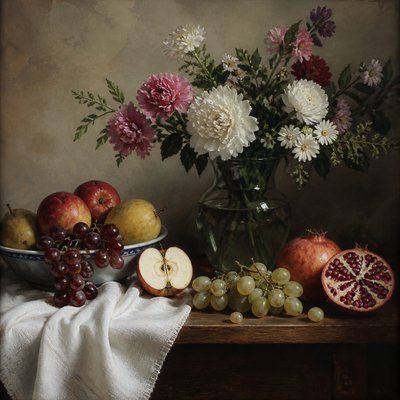
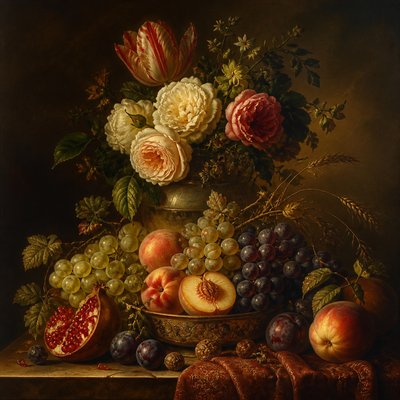
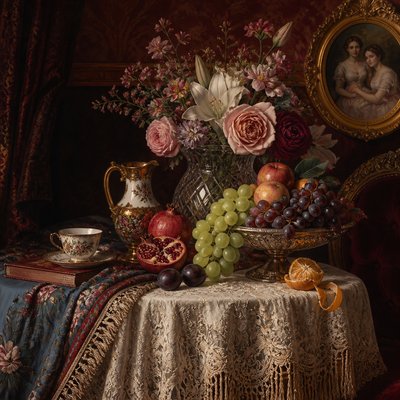
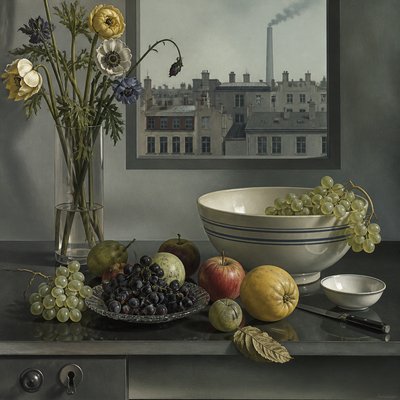
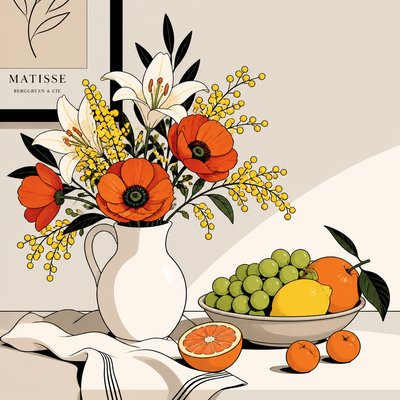
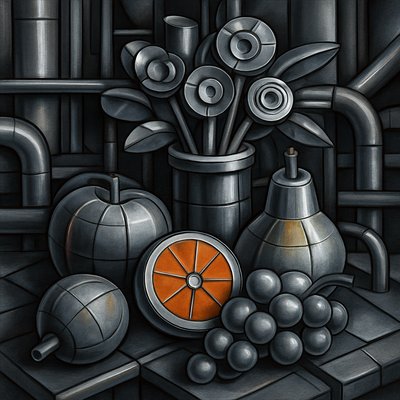
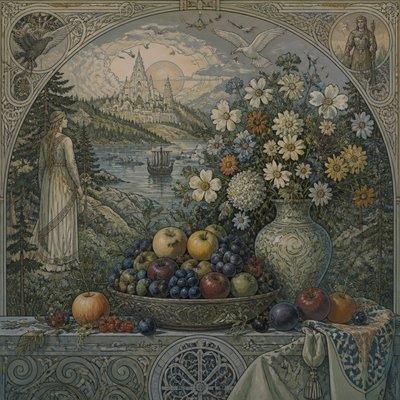
“bouquet of flowers in a glass vase”
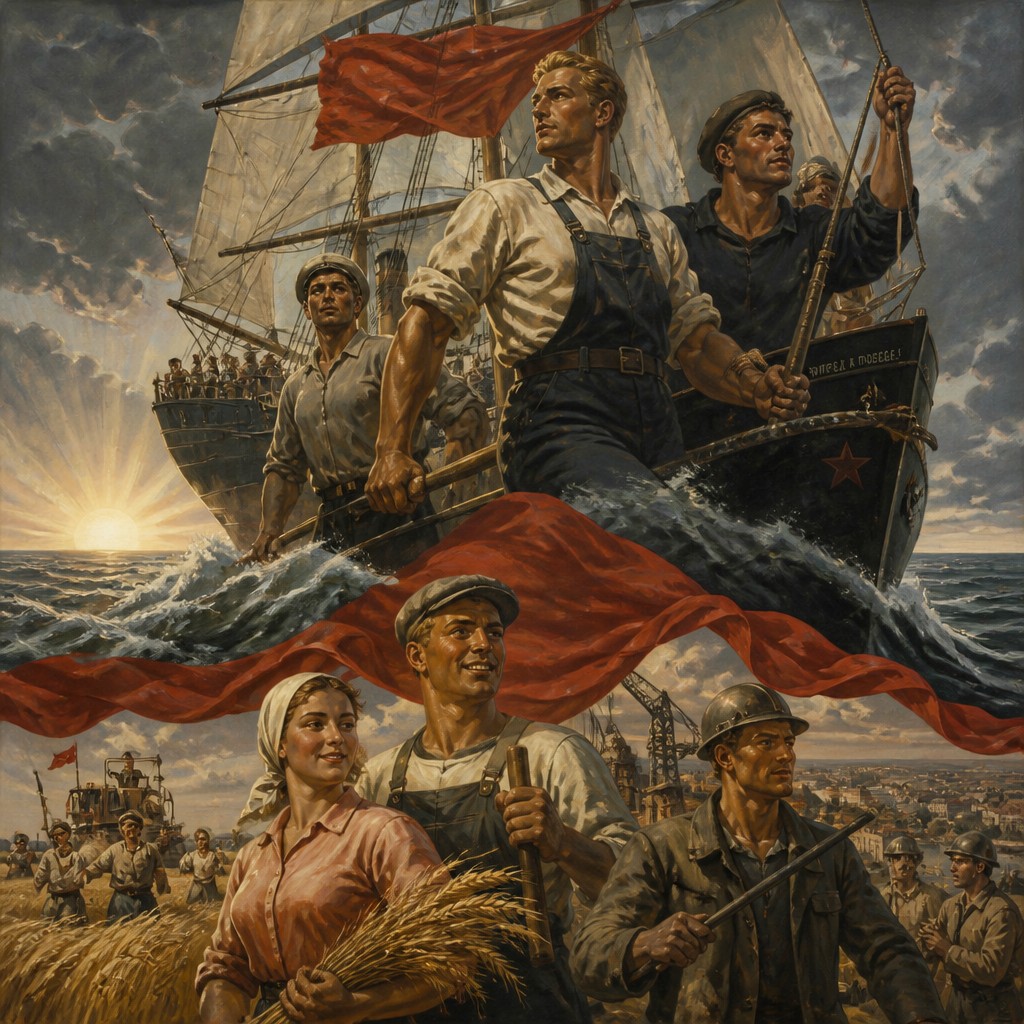
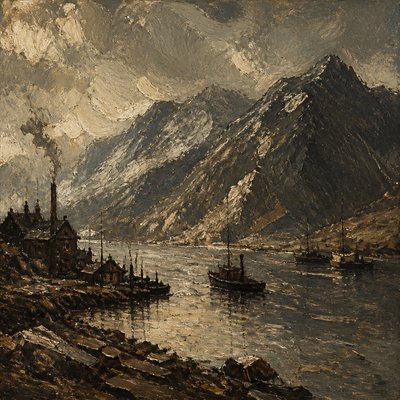
“sailing ship on a stormy sea”
How to Create Socialist Realism Art
Master the craft step by step — or skip straight to creating. Read the full guide →
- 1
Build a clear collective scene
Choose a public activity such as harvesting, bridge construction, scientific study, or a civic procession. Arrange several figures around a shared task so the image communicates cooperation rather than isolated portraiture.
- 2
Use a low viewpoint and strong geometry
Sketch the composition from slightly below eye level, establish a broad horizon, and organize bodies, tools, roads, or buildings along decisive diagonals. Keep the focal gesture readable from a distance.
- 3
Model figures academically
Begin with accurate proportions, weight-bearing poses, and clear anatomical planes, then simplify details into sturdy, monumental forms. Avoid excessive fashion styling or fragile, overly mannered gestures.
- 4
Control the palette and light
Combine wheat golds, warm skin tones, muted greens, earth colors, and industrial grays with selective red accents. Use directional dawn or sunset light to create a hopeful focal glow without losing structural detail.
- 5
Work across traditional and digital media
Oil, tempera, mural paint, poster ink, lithographic processes, sculpture, and digital painting can all support the style. In digital work, use layered value studies, hard-edged shapes, textured brushwork, and restrained atmospheric perspective.
- 6
Write prompts with subject, staging, and symbolism
For prompt-based generation, specify the workers or community, their action, a low-angle composition, academic figure modeling, dawn lighting, public-scale framing, and a limited red-and-gold palette. For photo transformations, preserve recognizable faces and anatomy while directing the clothing, background, pose, and lighting toward monumental civic imagery.
The Story
History & Origins of Socialist Realism
Socialist Realism emerged in the Soviet Union as cultural policy hardened in the early 1930s. It was formally promoted as the accepted method for literature and the visual arts during the 1930s, replacing the greater stylistic experimentation associated with earlier revolutionary modernism. Artists were expected to depict reality in its revolutionary development: recognizable present-day life shaped toward an optimistic socialist future.
The approach expanded after the Second World War across Eastern Europe and influenced official art in parts of Asia, Cuba, and other socialist states, though local traditions produced significant variations. Painting, monumental sculpture, posters, murals, illustration, film, and architecture all adapted its emphasis on public scale, legibility, exemplary citizens, and collective achievement. Later practitioners sometimes used the visual language critically, nostalgically, or in dialogue with modernism and popular culture.
Influences: Socialist Realism draws on nineteenth-century academic painting, history painting, naturalist observation, realist social subjects, public mural traditions, monumental sculpture, lithographic and screen-printed poster design, and the compositional language of revolutionary propaganda. It also intersects with neoclassical monumentality, Russian and Eastern European realist schools, worker photography, industrial design, and the civic art of world expositions. Regional traditions often modified the official formula through local costume, landscape, decorative pattern, and indigenous pictorial conventions.
Frequently Asked Questions
What defines Socialist Realism?
Its defining combination is recognizable realism, heroic idealization, collective subject matter, and an optimistic social message. Workers, farmers, soldiers, students, and public institutions are presented at monumental scale, often with dawn light and clear symbolic details.
When and where did Socialist Realism begin?
It developed in the Soviet Union during the early 1930s and became the officially promoted method for the arts during that decade. After the Second World War, related forms appeared across Eastern Europe and in several other socialist states.
How does Socialist Realism differ from ordinary realism?
Realism generally emphasizes observation and the truthful depiction of social life, while Socialist Realism adds a prescribed ideological and future-oriented dimension. Hardship or conflict may appear, but the composition typically resolves toward collective purpose, progress, and confidence.
Is Socialist Realism always a painting style?
No. It is a broad cultural method found in painting, sculpture, murals, posters, illustration, film, architecture, mosaics, and public monuments. The same traits—legible storytelling, monumental scale, idealized citizens, and civic symbolism—can be adapted to many media.
How can I make an image look like Socialist Realism?
Use a clear public subject, a low viewpoint, sturdy anatomically modeled figures, broad geometric composition, and a palette of steel gray, earth tones, wheat gold, and selective red. Add dawn light, banners, machinery, harvests, or monumental architecture only when they support the central narrative.
Can the style be used for contemporary subjects?
Yes. Contemporary healthcare, renewable energy, public education, disaster relief, scientific research, and community projects can be staged through its visual grammar. The key is to retain collective purpose, idealized but readable figures, and a public-scale composition rather than simply adding vintage colors.
Create your first Socialist Realism artwork
Describe anything — or upload a photo — and see it in Socialist Realism Art Style in seconds.
Related Styles
Discover similar art styles