Taos Art Style
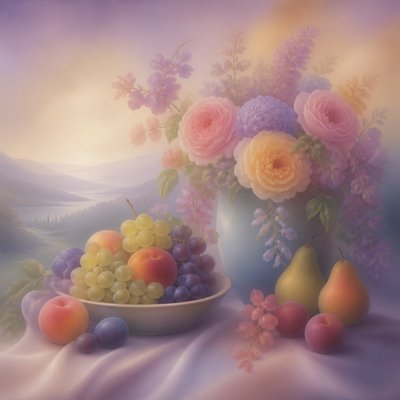
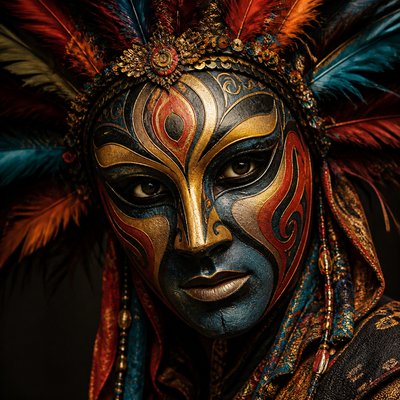
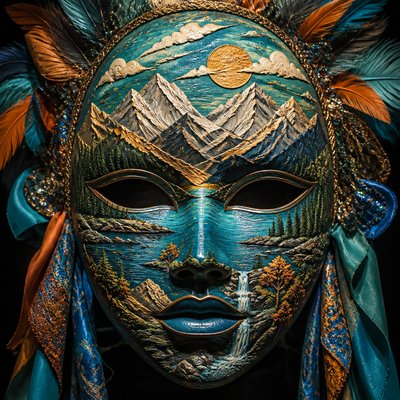
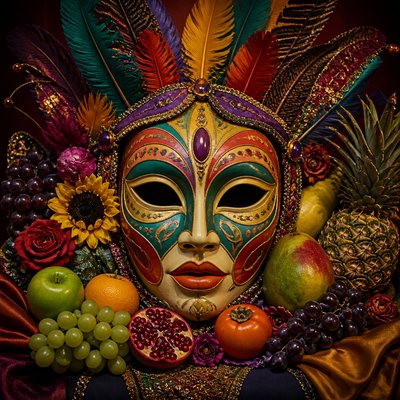
Explore the Taos art style: luminous Southwestern landscapes, adobe villages, turquoise skies, woven patterns, and expressive regionalist brushwork.
Instantly rendered in Taos — or transform a photo
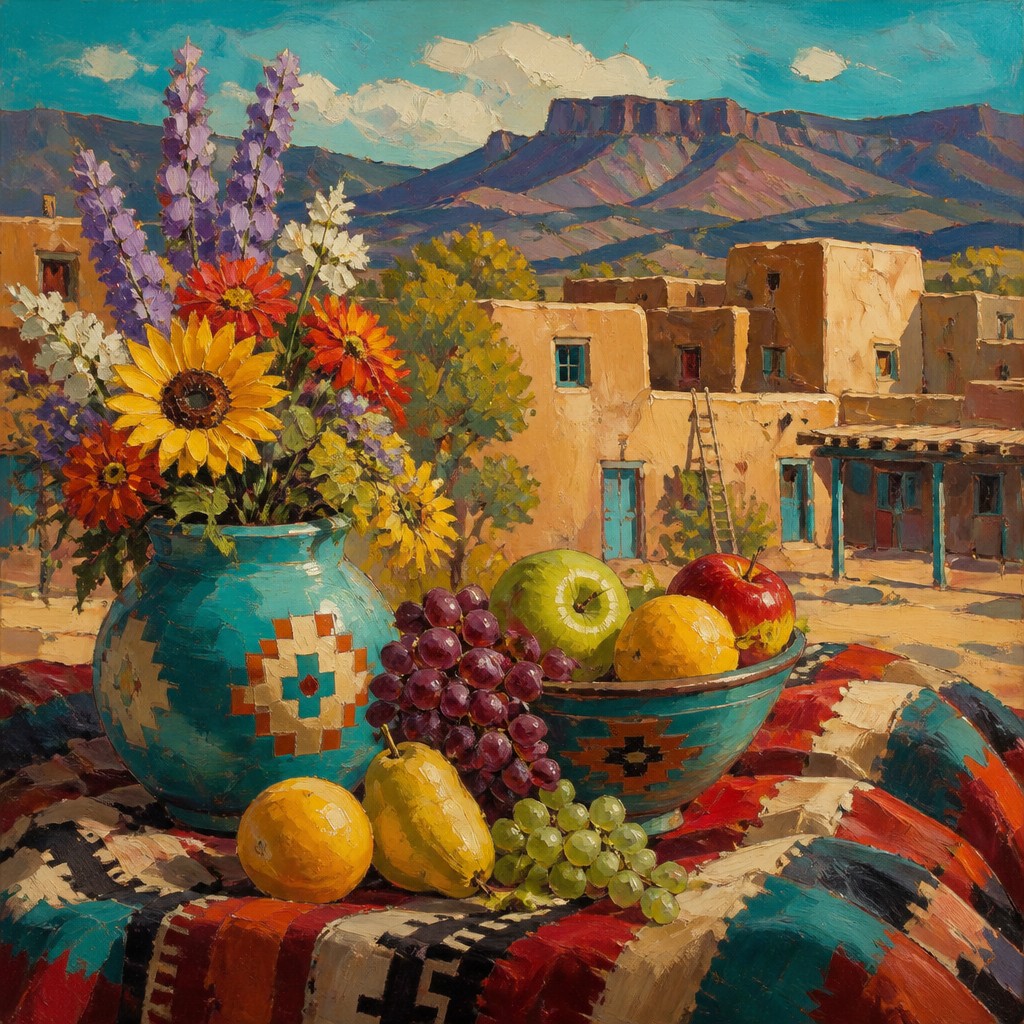
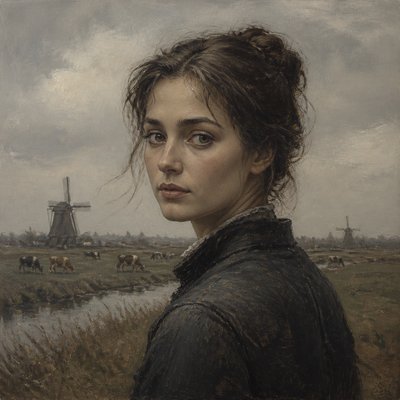
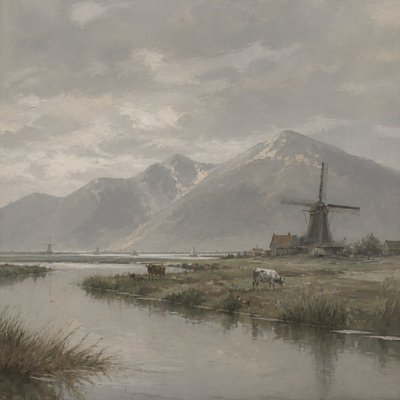
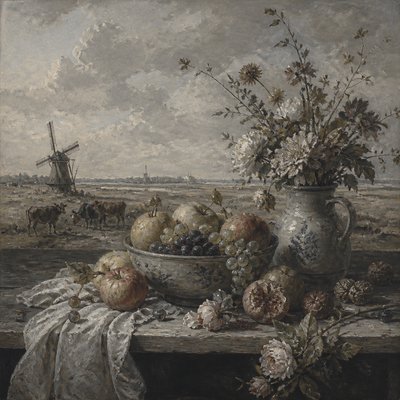
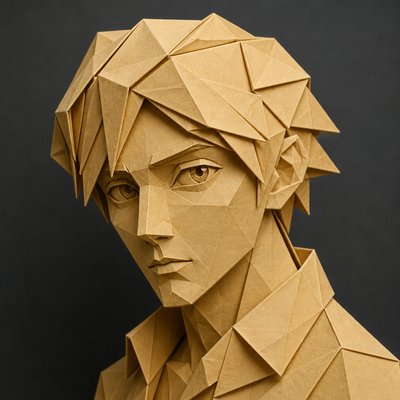
Taos Gallery
Tap any artwork to explore it
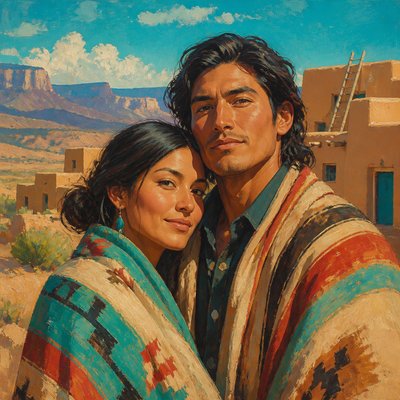
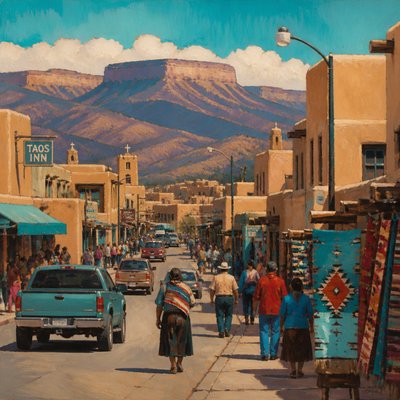
What is Taos Art Style?
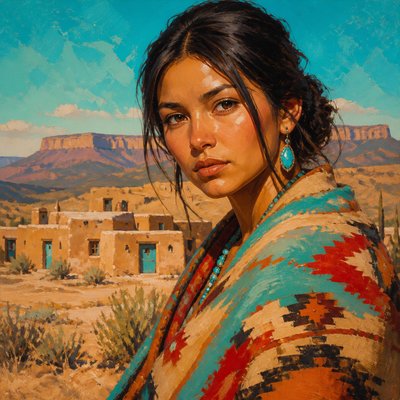
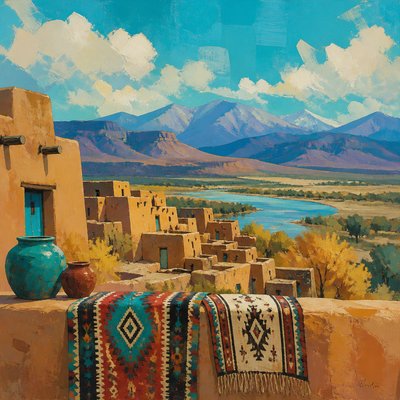
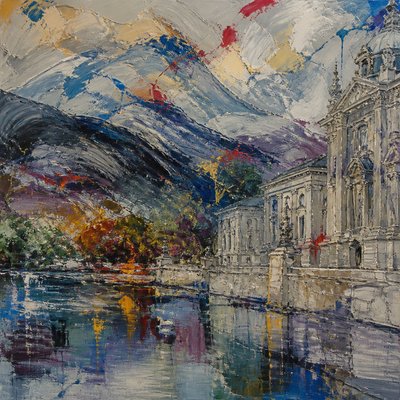
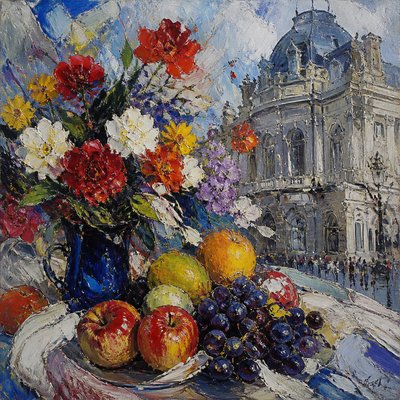
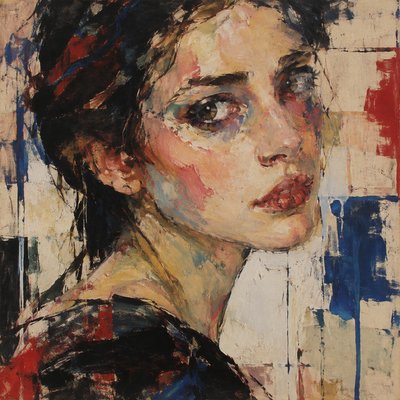
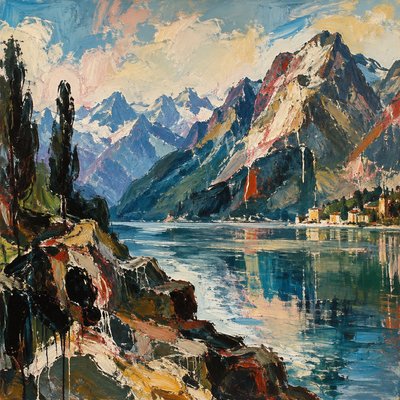
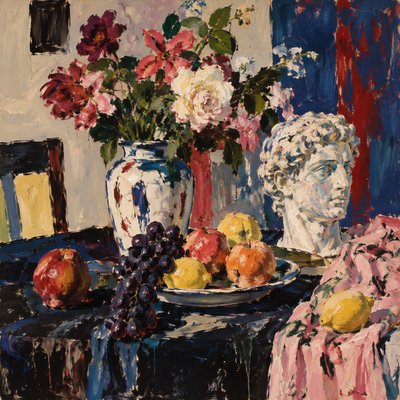
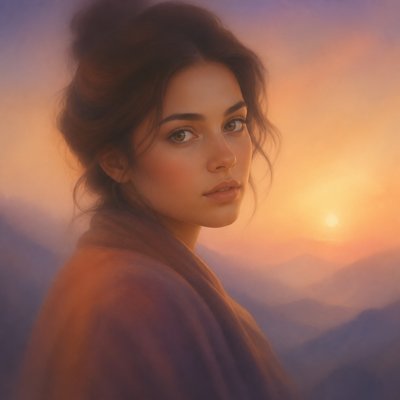
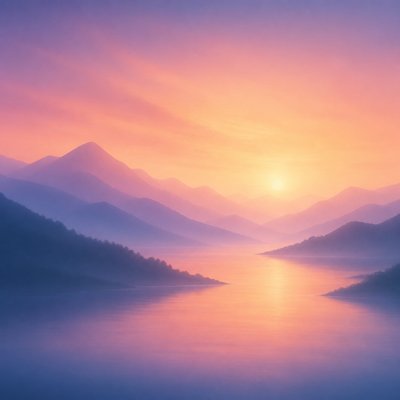
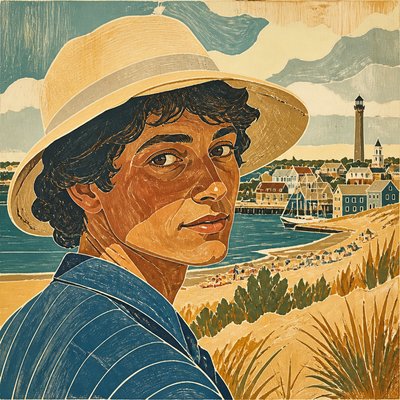
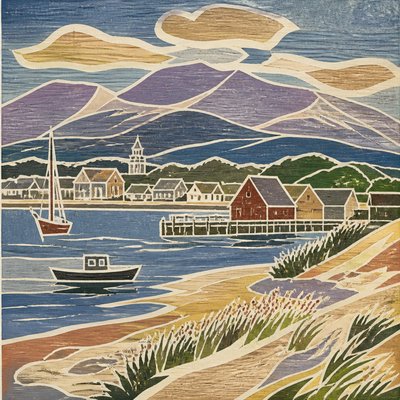
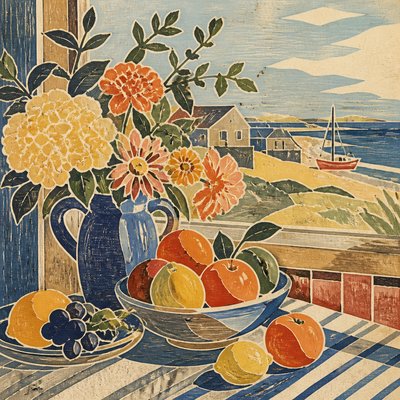
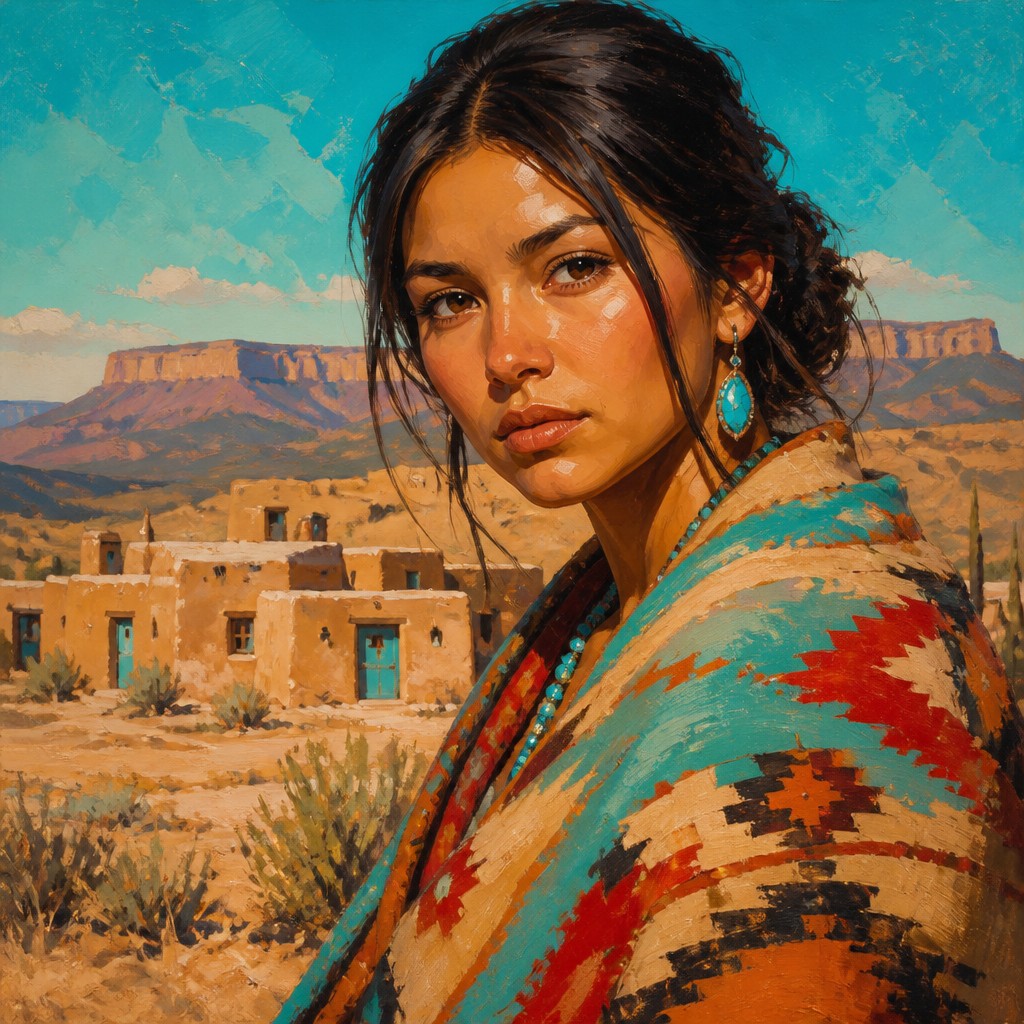
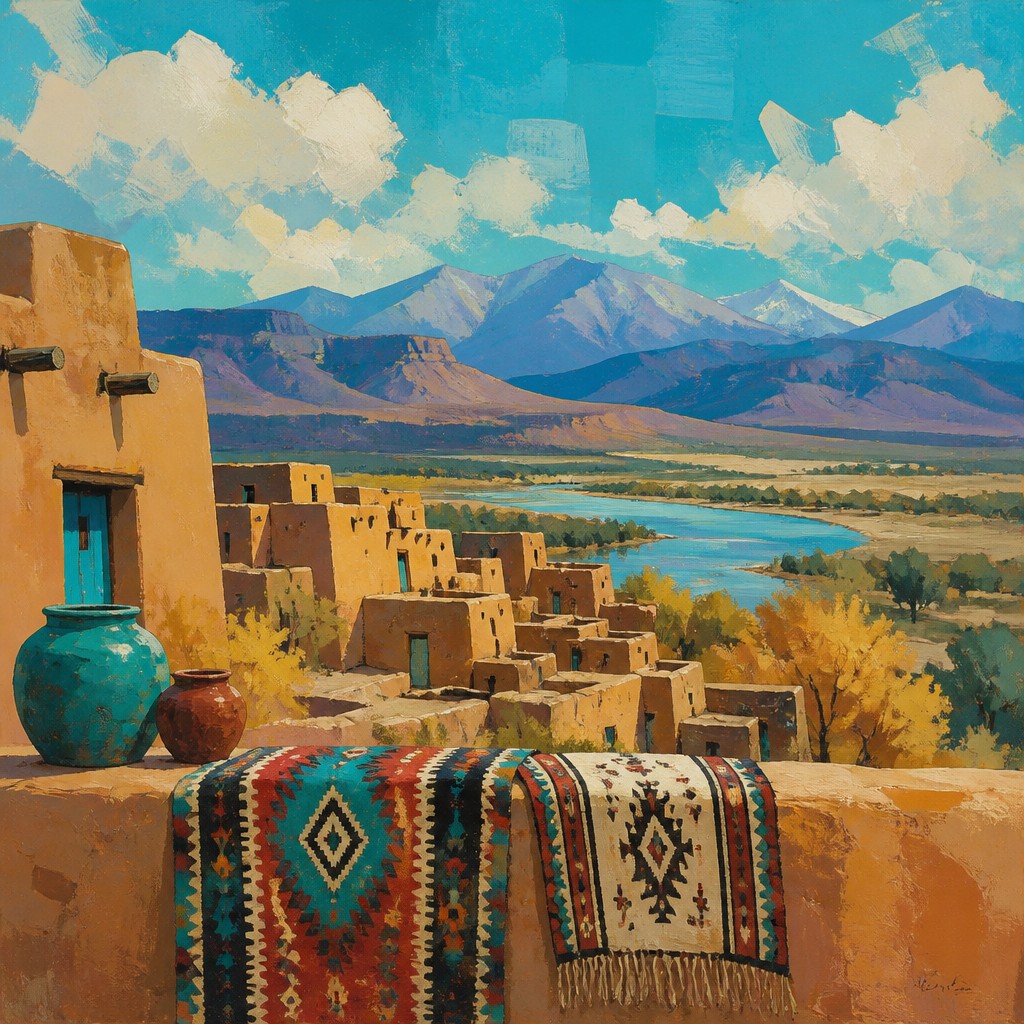
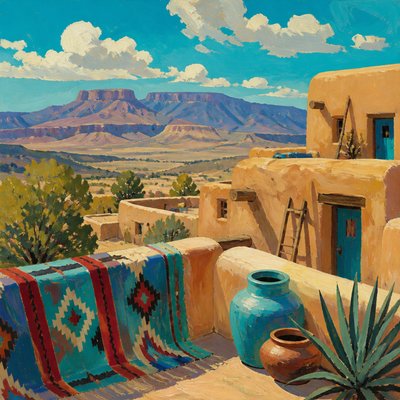
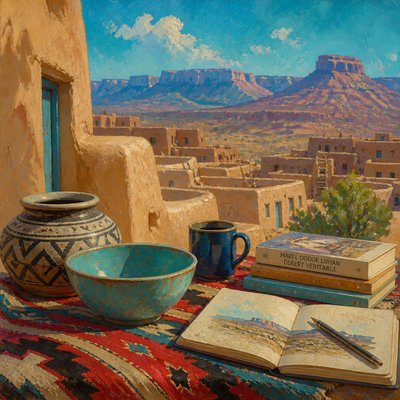
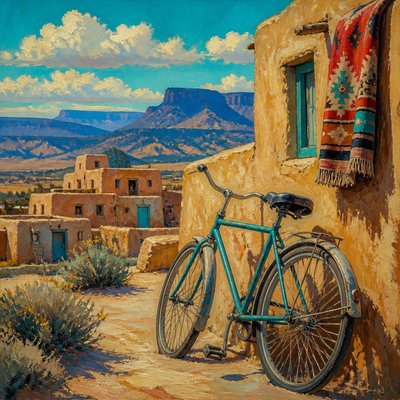
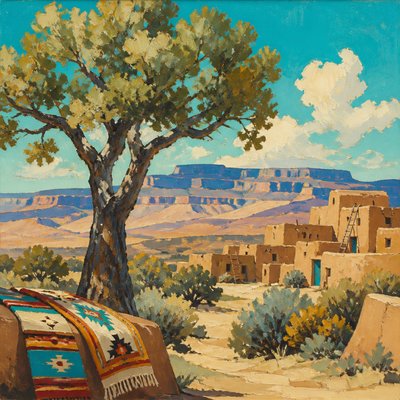
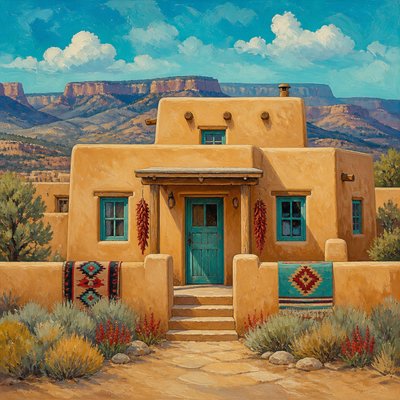
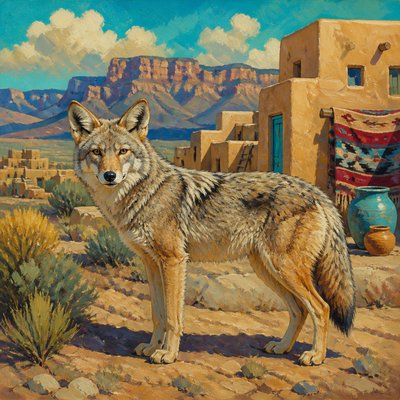
The Taos art style presents the American Southwest through sunlit desert valleys, layered mesas, adobe architecture, mountain horizons, and intensely clear skies. Its palette commonly combines warm ochre, terracotta, umber, dusty rose, and sandy beige with accents of turquoise, cobalt, or woven textile color. Rounded building forms, simplified silhouettes, and broad fields of light give the imagery a calm, spacious presence.
This style is best understood as a contemporary synthesis of early twentieth-century Southwestern regionalist painting, plein-air observation, Pueblo and Hispano architectural traditions, and the material textures of desert life. Loose impressionistic brushwork suggests changing sunlight rather than recording every detail, while patterned blankets, earthen walls, cottonwoods, and ceremonial or village spaces provide cultural and visual specificity. Historically grounded work should distinguish respectful observation of living communities from generalized romantic images of the Southwest.
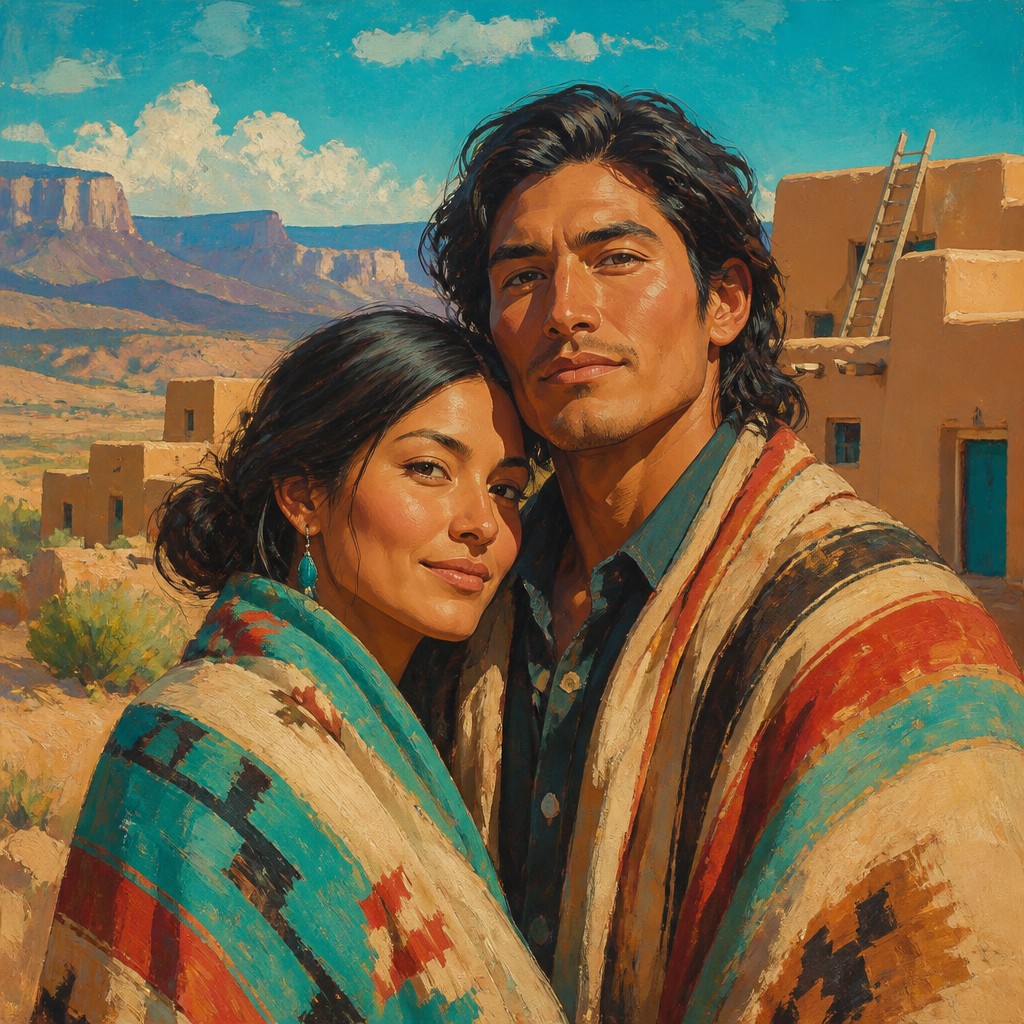
Try It On Your Photos
Upload any photo and convert it into Taos Art Style — drag the sliders to compare before and after.
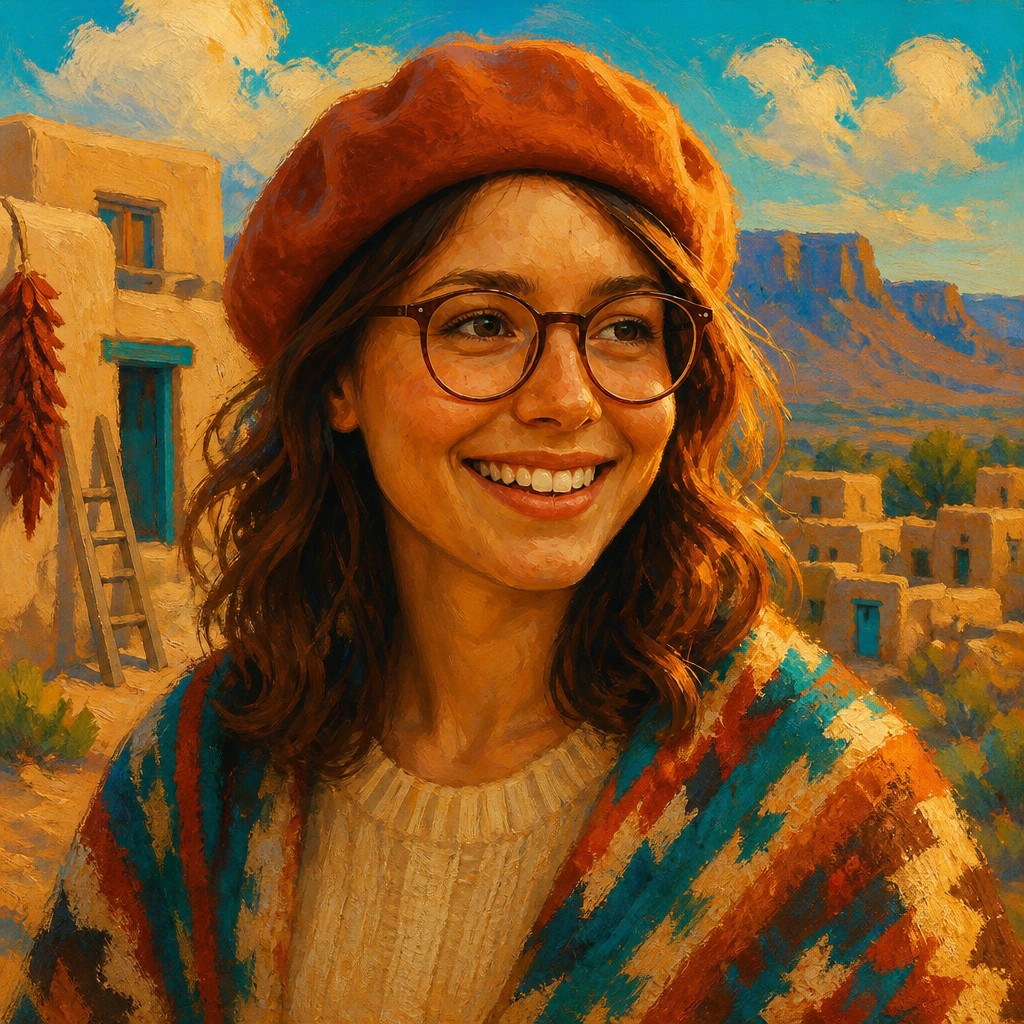

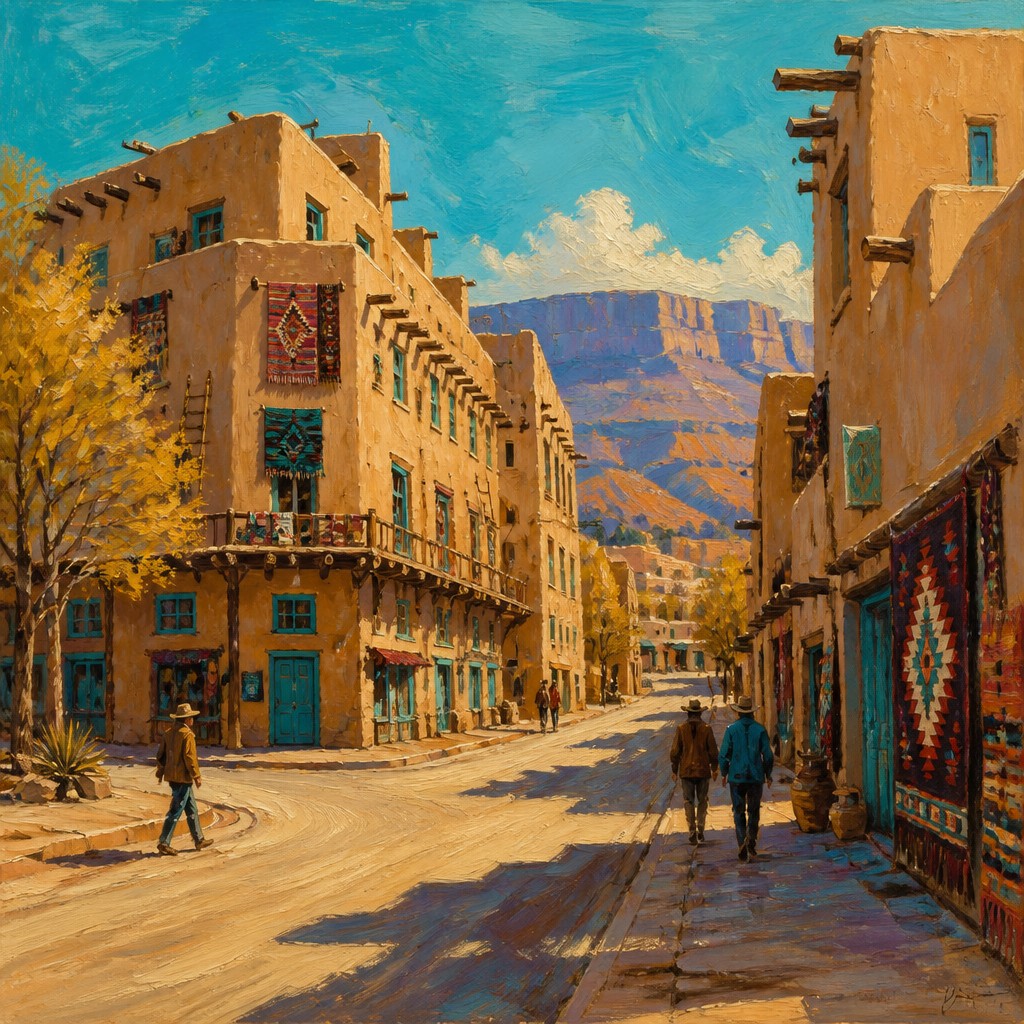

Or use the free Taos photo filter
What Defines Taos Art Style
The signature details, up close
High-desert luminosity
Clear, elevated light creates crisp but gentle illumination across mountains, adobe walls, and open ground. Shadows are often compact, blue-violet, or cool gray against sun-warmed surfaces.
Layered mesa horizons
Distant mountain and mesa forms are arranged in overlapping bands, using atmospheric shifts in value and saturation to establish depth. The horizon often anchors a broad, quiet composition.
Adobe architecture
Rounded corners, flat roofs, earthen walls, vigas, ladders, and clustered village forms provide the architectural vocabulary. Buildings are simplified into substantial geometric masses rather than rendered as precise blueprints.
Ochre and turquoise palette
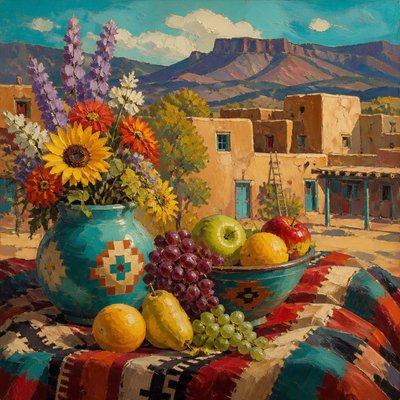
Sandy earth tones, clay reds, muted browns, and sunlit creams dominate the ground and architecture. Turquoise or deep blue in the sky, textiles, doors, or shadows creates a strong Southwestern color contrast.
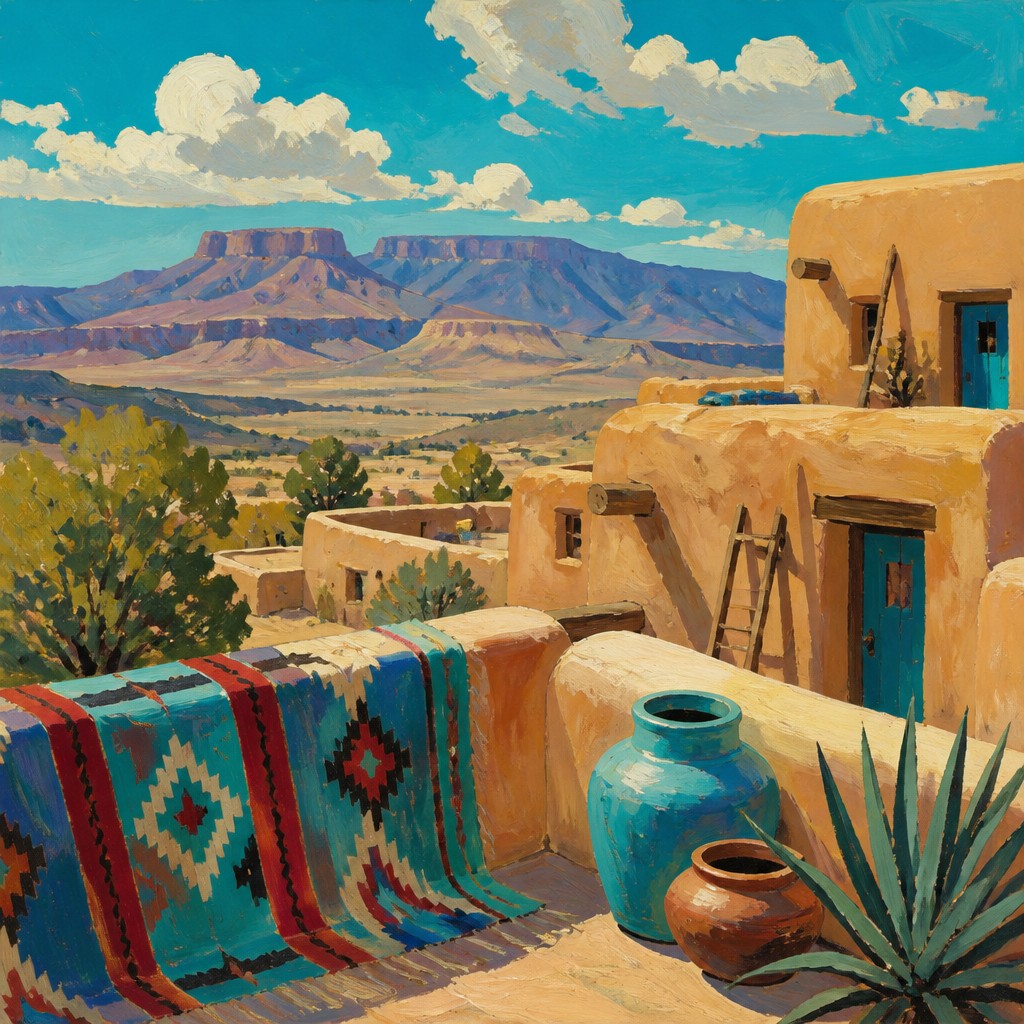
Loose impressionistic brushwork
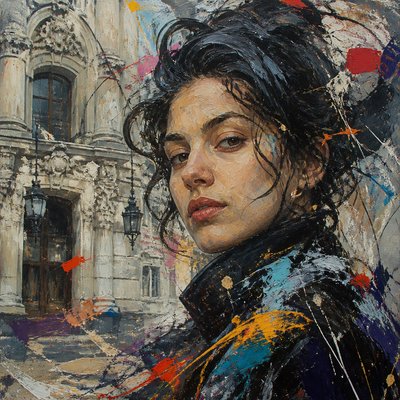
Visible, varied strokes describe atmospheric conditions and reflected light instead of outlining every object. Broken color and softened edges are especially effective in skies, distant ridges, and sunlit terrain.
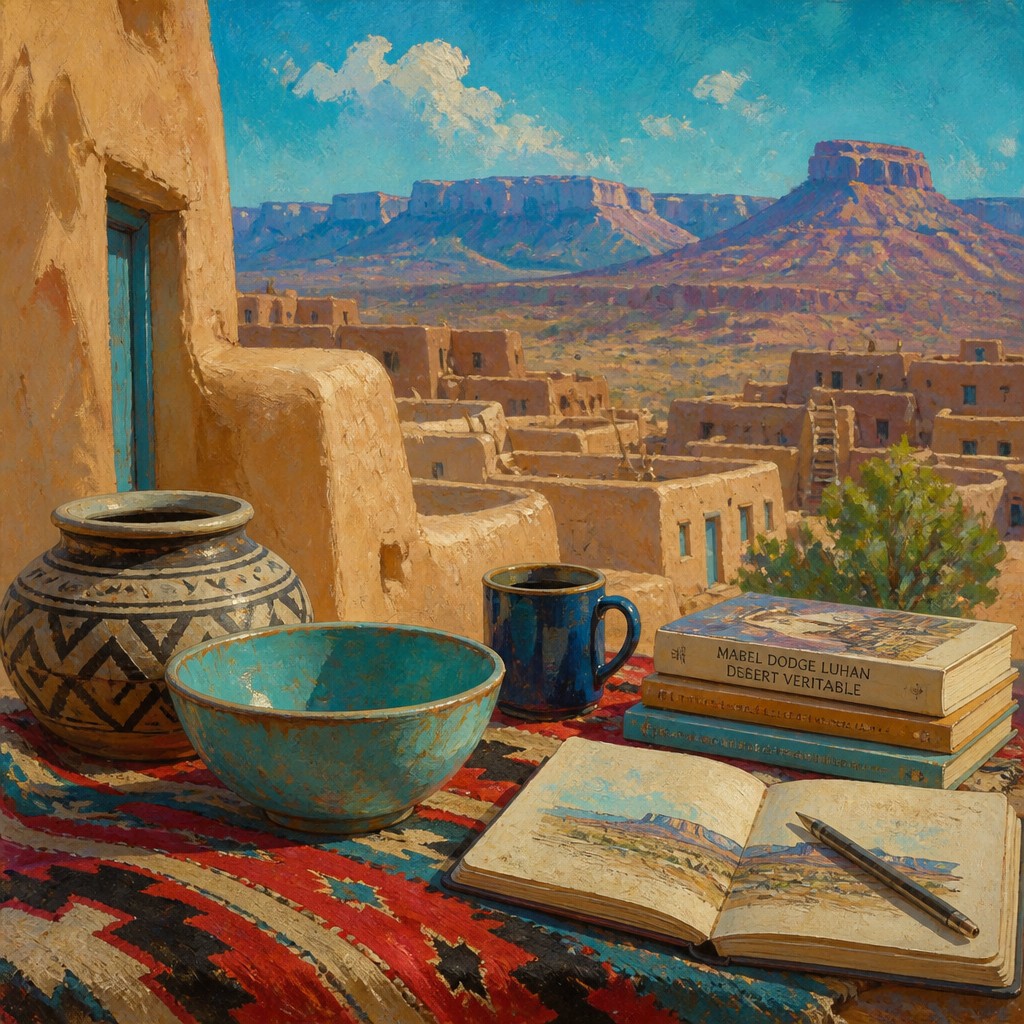
Woven pattern and tactile surfaces
Blankets, rugs, pottery, plaster, dry grasses, and weathered wood introduce rhythmic patterns and material contrast. Textile motifs should be handled with cultural care and should not be presented as interchangeable generic decoration.
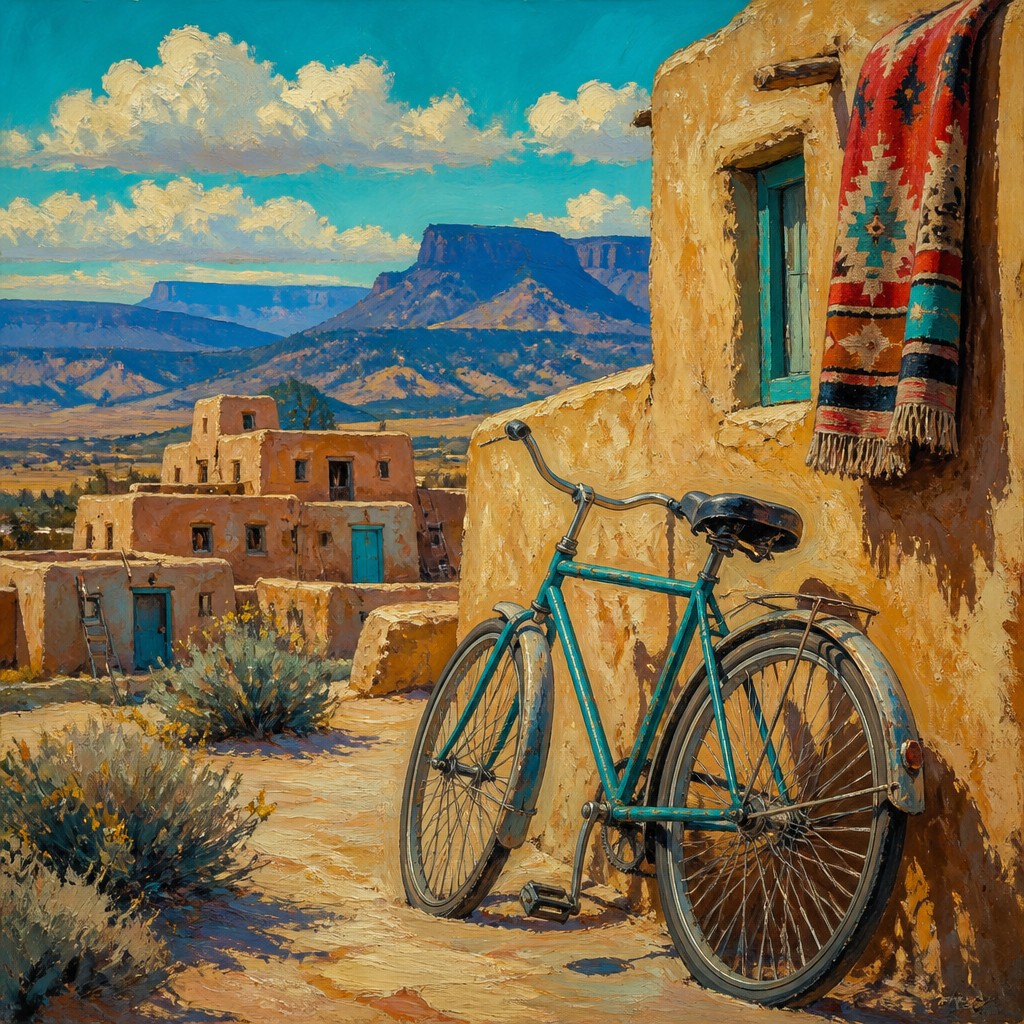
Still, spacious composition
Wide vistas, balanced architectural groupings, and restrained human activity produce a contemplative sense of place. Figures, when included, are usually integrated into the landscape rather than made the sole focus.
Taos Prompt Ideas
Start from an idea — each one opens the generator with the style ready to go. See all 40 Taos prompts →
How to Create Taos Art
Master the craft step by step — or skip straight to creating. Read the full guide →
- 1
Block in the large value masses
Begin with a simple division between sky, distant mesas, middle-ground settlement, and foreground earth. Establish the brightest light and deepest shadow before adding surface detail.
- 2
Use a restricted, sunlit palette
Build the image from ochre, sienna, clay red, sand, cream, and umber, then introduce turquoise or blue as a deliberate counterpoint. Mix cool colors into shadows rather than using black alone.
- 3
Paint light with broken strokes
Use short, directional marks for rock, plaster, and vegetation, and broader horizontal strokes for skies and distant ridges. Leave selected underlayers visible so the surface feels atmospheric rather than mechanically smooth.
- 4
Simplify architecture without flattening place
Construct adobe villages from rounded, irregular masses with flat roofs and carefully placed openings. Include locally meaningful materials and spatial features, and avoid turning Pueblo or Hispano architecture into an undifferentiated exotic backdrop.
- 5
Compose a clear text-to-image prompt
Specify the subject, season, viewpoint, layered mesa depth, adobe forms, warm earth palette, turquoise sky, and loose impressionistic handling. Add constraints such as natural proportions, visible brush texture, and no modern signage when historical atmosphere is desired.
- 6
Refine with image-to-image or digital paintover
Use a reference photograph for believable light and structure, then lower detail where the image becomes too photographic. Paint over generated or transferred results with textured brushes, especially along adobe edges, textile patterns, and atmospheric transitions.
The Story
History & Origins of Taos
The style draws primarily from the Taos art colony that developed in northern New Mexico in the late nineteenth and early twentieth centuries. A community of painters formed there in the 1890s, followed by the Taos Society of Artists in 1915; their work helped establish Southwestern landscape and regionalist painting as significant subjects in American art. These artists often worked outdoors, responding to the region's unusual altitude, strong sunlight, adobe settlements, mountains, and distinctive seasonal colors.
The visual language also developed in proximity to long-established Pueblo and Hispano material traditions, including earthen architecture, woven textiles, courtyard settlements, and ceremonial landscapes. The modern digital version is not a single historical school or a fixed canonical movement; it is an aesthetic lineage that combines these sources with impressionistic paint handling, simplified modern composition, and contemporary image-making. Because historical Southwestern art sometimes filtered Indigenous and local life through outsider romanticism, responsible interpretation should avoid treating living cultures as decorative motifs.
Influences: Related influences include American regionalism, plein-air painting, Impressionism, Southwestern modernism, Pueblo and Hispano architectural traditions, Native Southwestern textile design, and the broader visual language of desert landscape painting. It also shares with tonalism an interest in atmospheric unity, while its stronger color contrasts and visible strokes connect it to impressionistic approaches. Contemporary interpretations may incorporate simplified modern composition and digital painterly texture, but they remain most convincing when grounded in specific geography, materials, and cultural context.
Frequently Asked Questions
What defines the Taos art style?
It is defined by luminous high-desert landscapes, layered mesas, adobe architecture, warm earth colors, turquoise or blue skies, and expressive painterly brushwork. The mood is typically spacious and contemplative, with close attention to the region's intense natural light.
Is Taos art a historical movement or a contemporary style label?
The label refers both to the historical Taos art colony and to a broader contemporary aesthetic inspired by it. Historical Taos painting developed in the late nineteenth and early twentieth centuries, while current uses often combine regionalist landscape painting with Pueblo and Hispano visual traditions and digital image-making.
How does it differ from generic Southwestern art?
Taos-associated imagery usually places greater emphasis on northern New Mexico's adobe villages, mountain light, layered mesas, and painterly regional atmosphere. Generic Southwestern art may draw from a much wider area and can include desert modernism, Western illustration, canyon photography, or commercial motifs unrelated to Taos.
What colors work best for this style?
A foundation of ochre, clay red, sienna, sand, cream, and umber suits the sunlit ground and adobe surfaces. Turquoise, cobalt, violet, and cool blue-gray can be added selectively in skies, shadows, textiles, and distant mountains to create contrast.
Can I create Taos-style art from a photograph?
Yes. A landscape or architectural photograph can provide accurate structure and lighting, while a painterly conversion, textured brushwork, and simplified edges establish the visual language. Choose references that show identifiable places and materials rather than relying only on generalized desert stereotypes.
How can I use Indigenous or Hispano visual references respectfully?
Research the specific community, architecture, textile tradition, or object being referenced, and avoid copying sacred imagery or presenting living cultures as costume. When cultural specificity is not necessary, use landforms, adobe materials, natural light, and regional color without inventing ceremonial details.
Create your first Taos artwork
Describe anything — or upload a photo — and see it in Taos Art Style in seconds.
Related Styles
Discover similar art styles