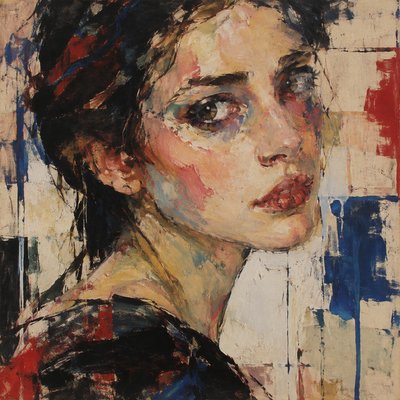
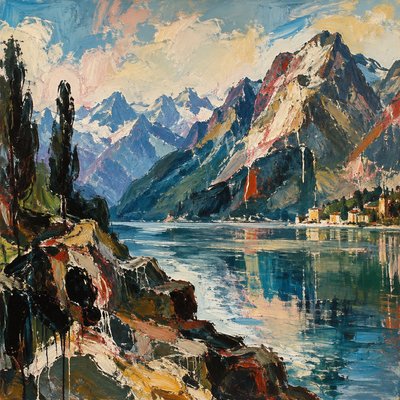
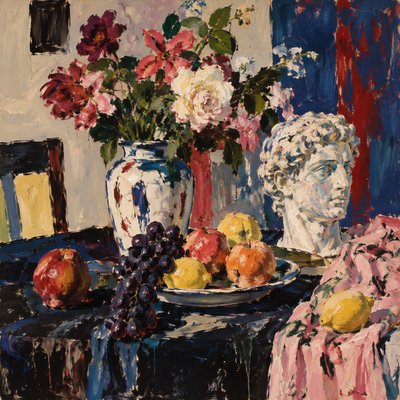
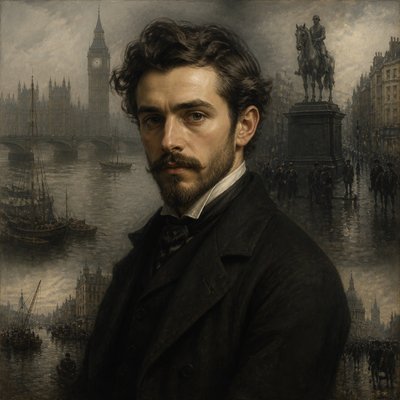
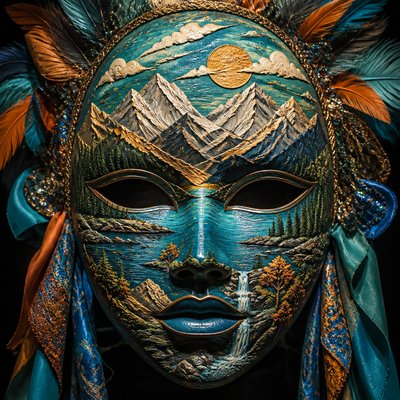
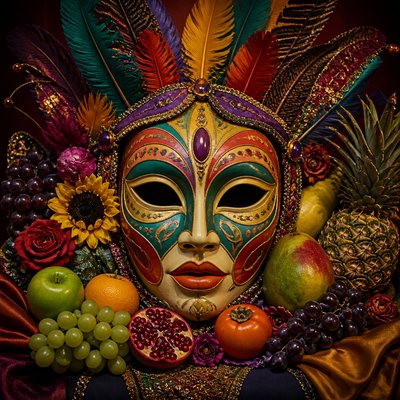
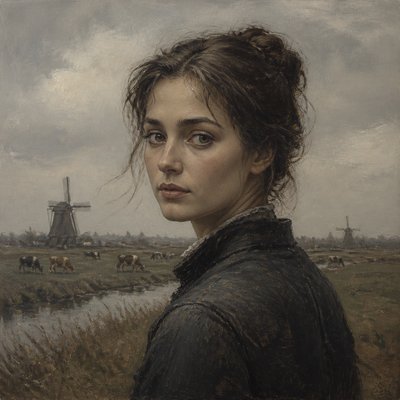
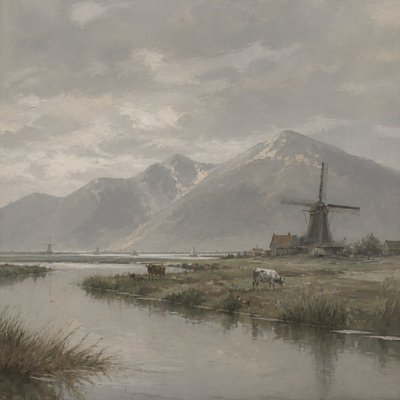
Spanish Art Style
Explore Spanish Art Style: velvet darkness, fierce directional light, austere color, solemn figures, and the dramatic legacy of Spanish Baroque.
Instantly rendered in Spanish — or transform a photo
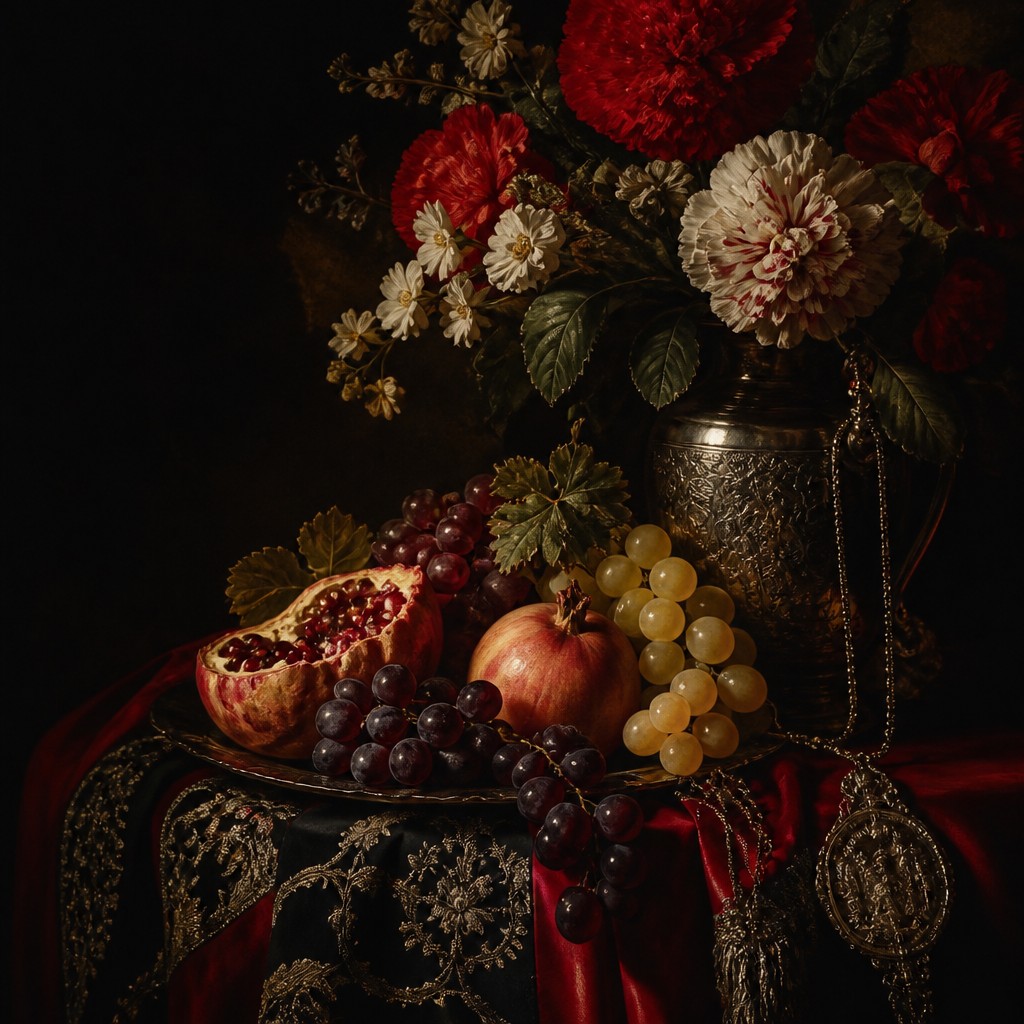
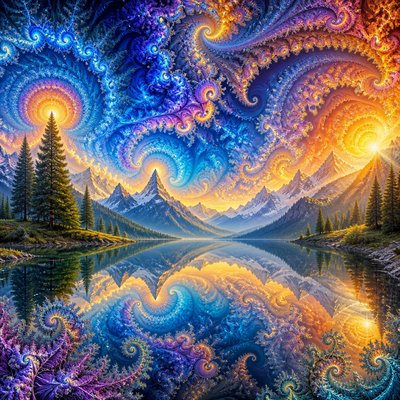
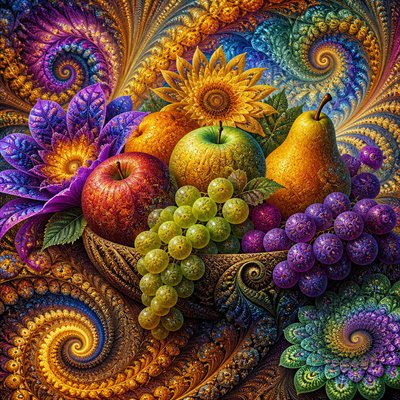
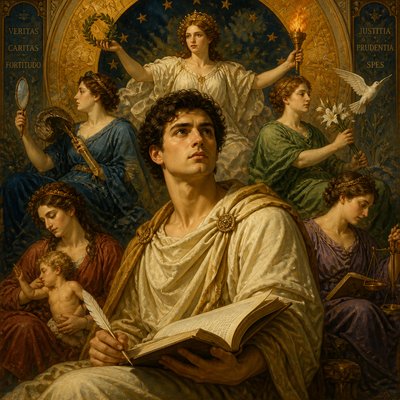
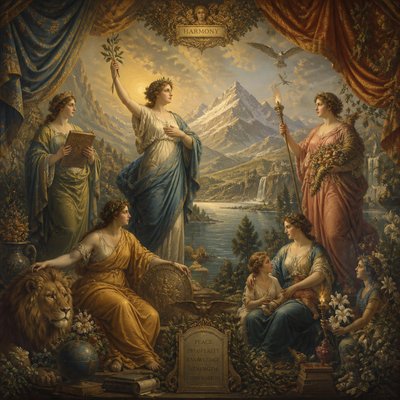
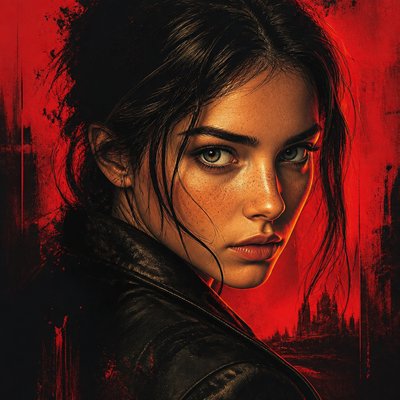
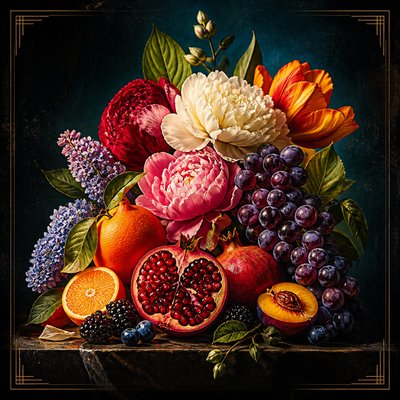
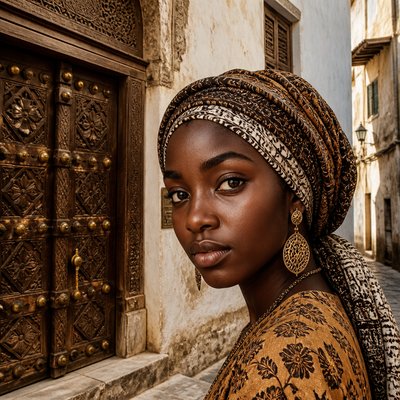
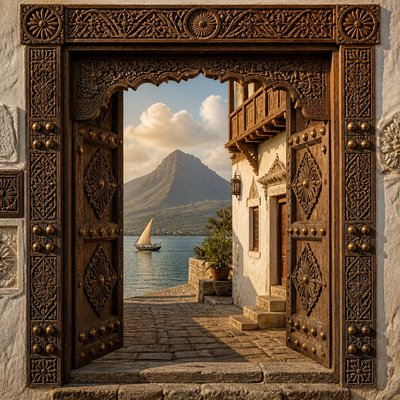
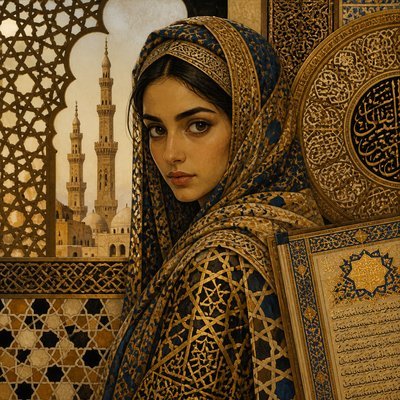
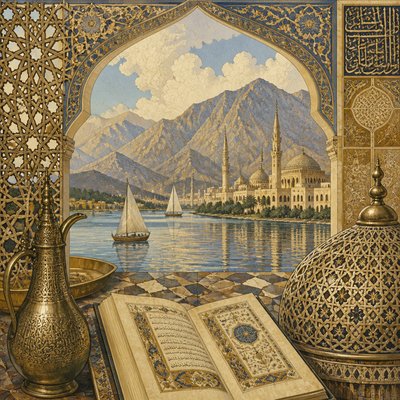
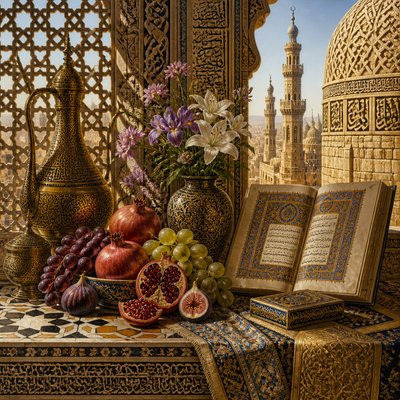
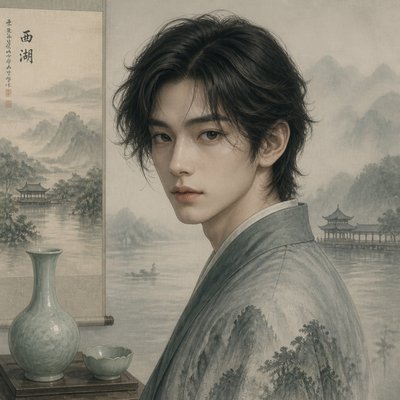
Spanish Gallery
Tap any artwork to explore it
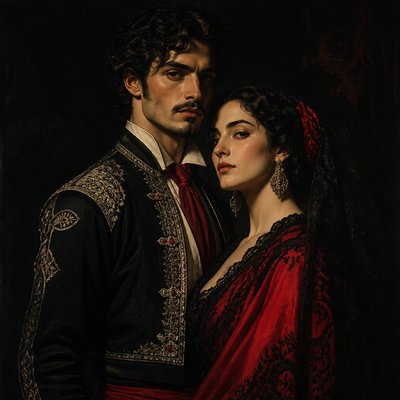
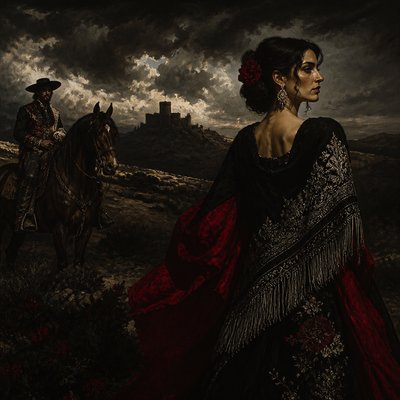
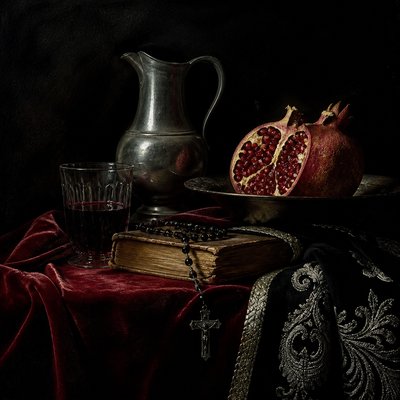
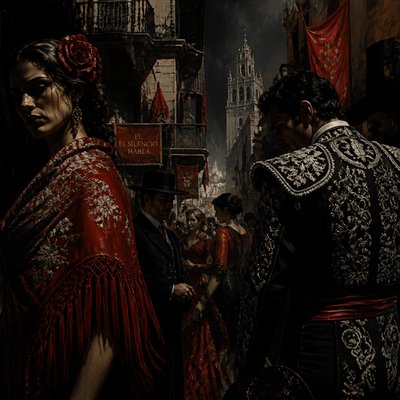
What is Spanish Art Style?
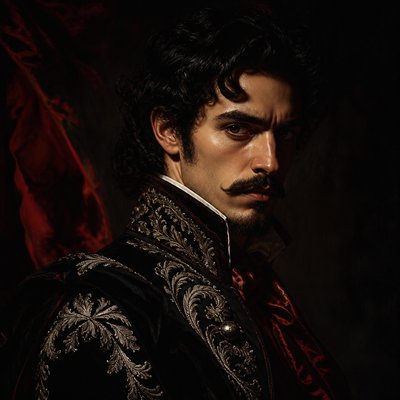
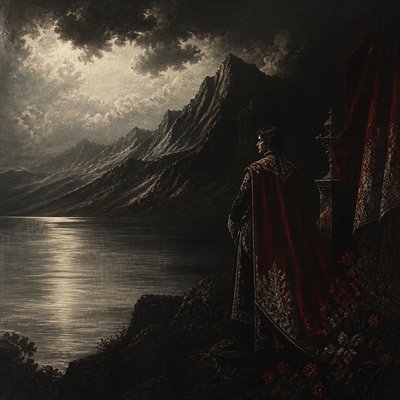
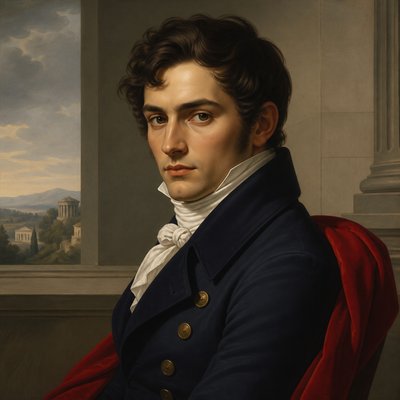
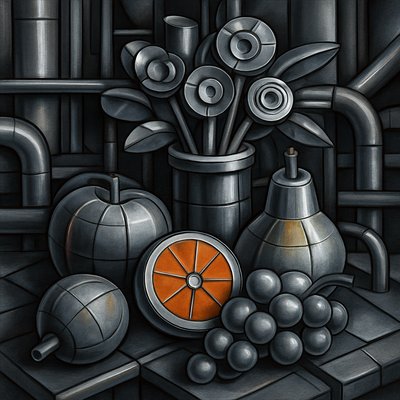
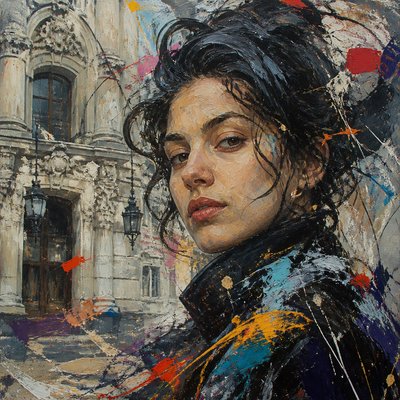
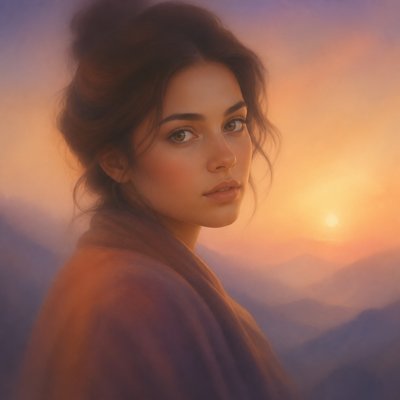
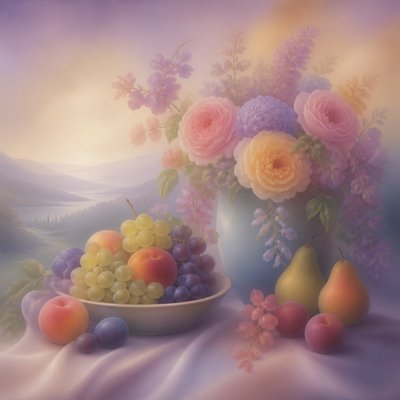
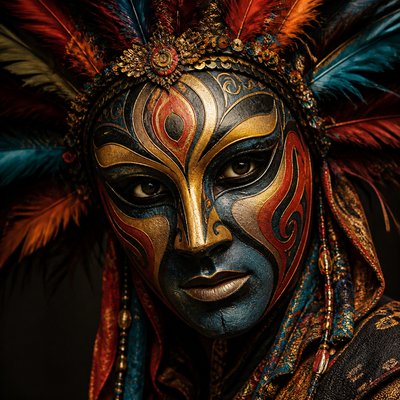
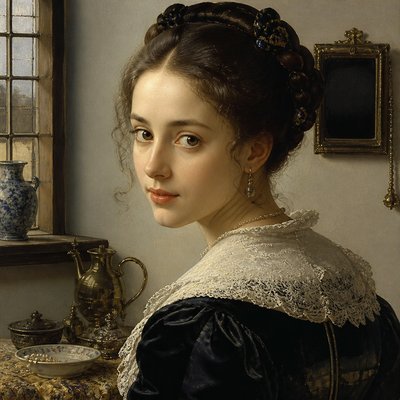
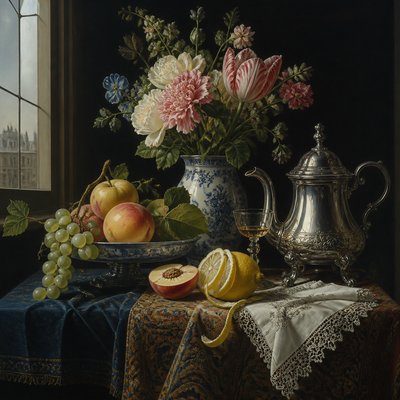
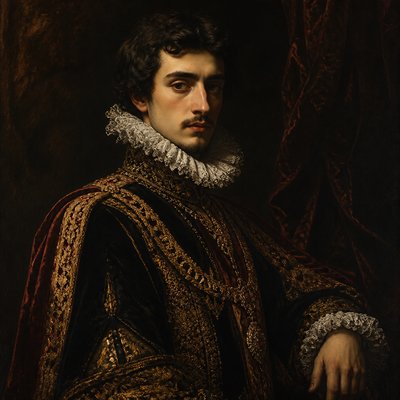
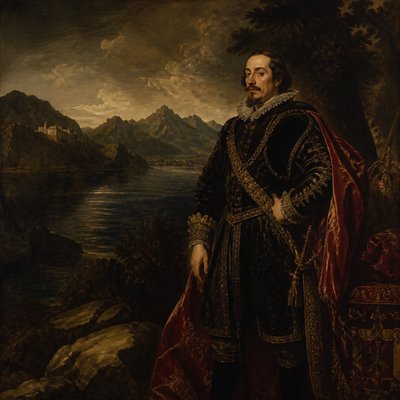
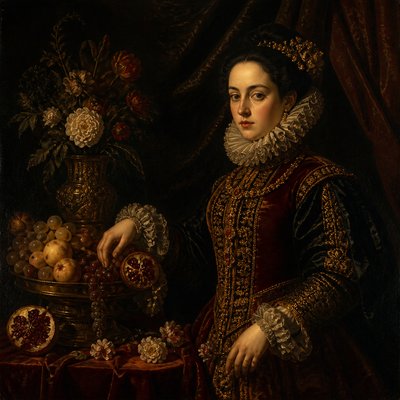
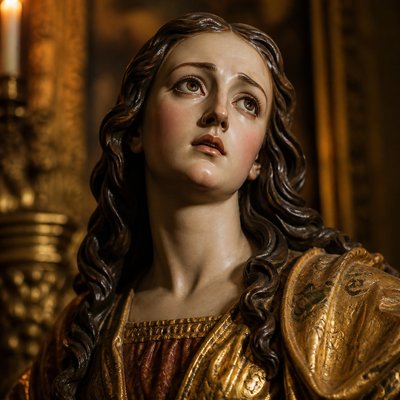
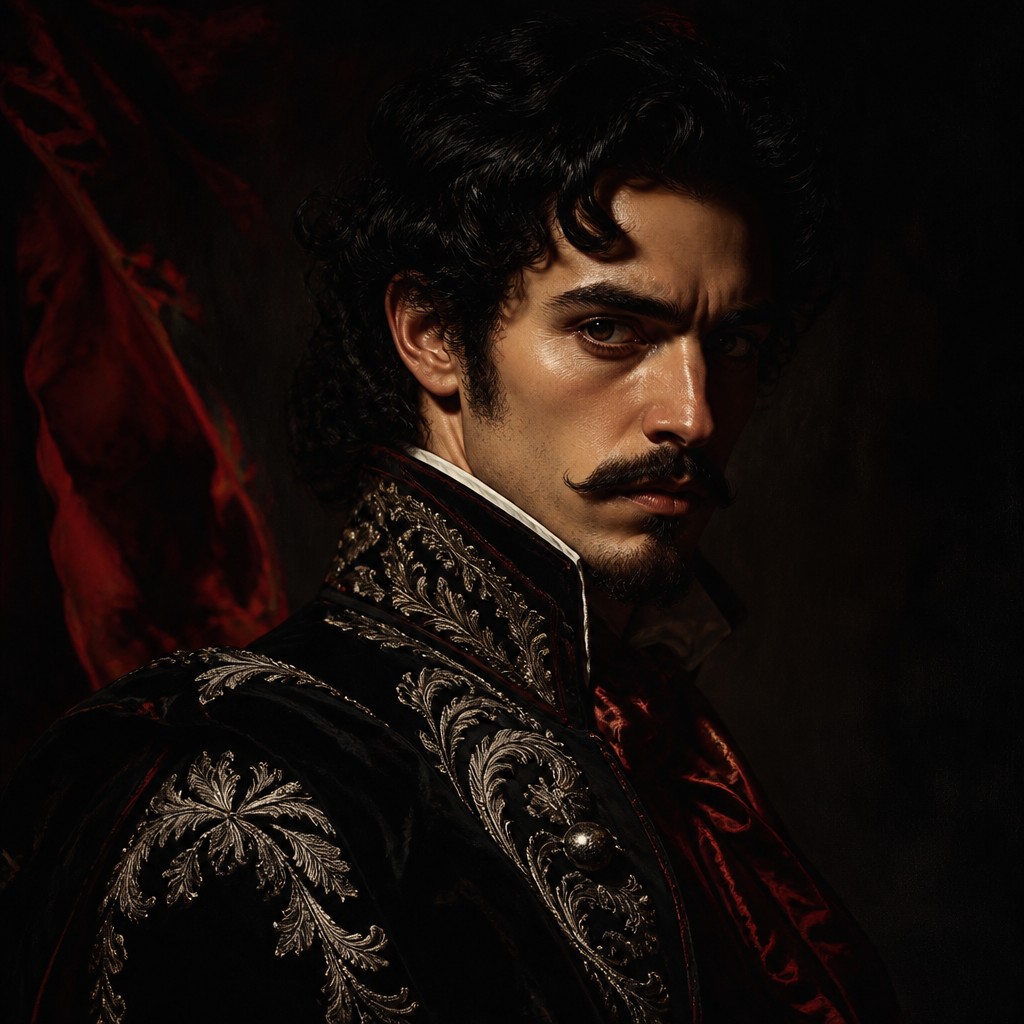
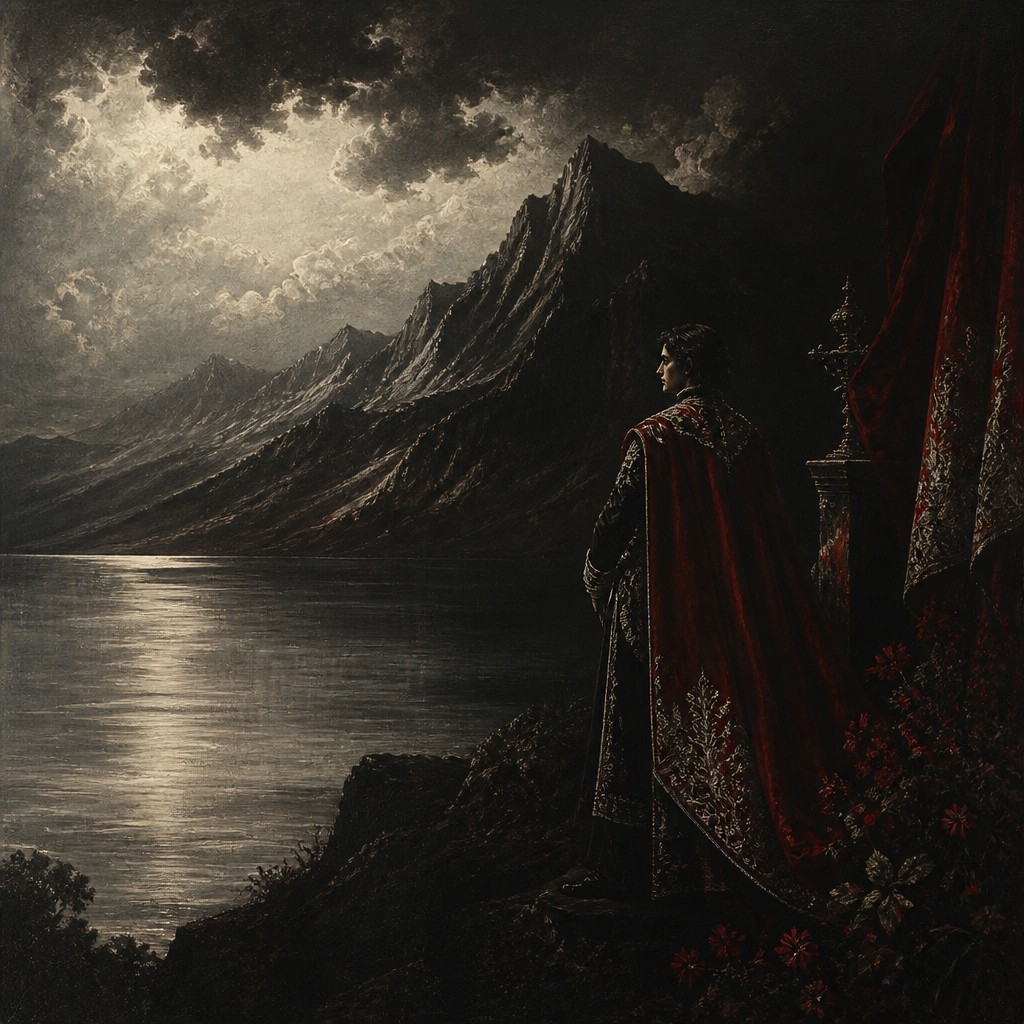
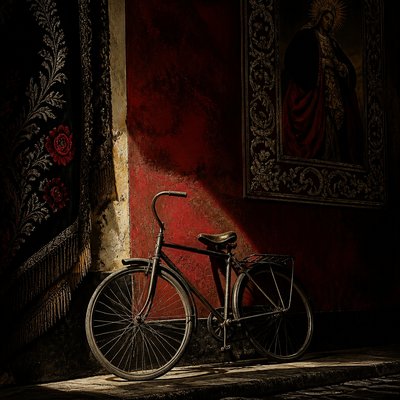
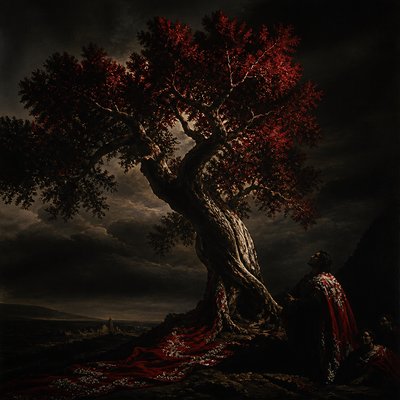
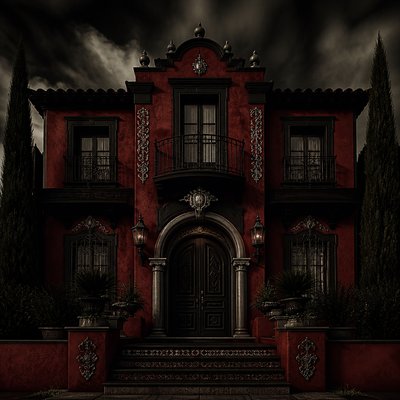
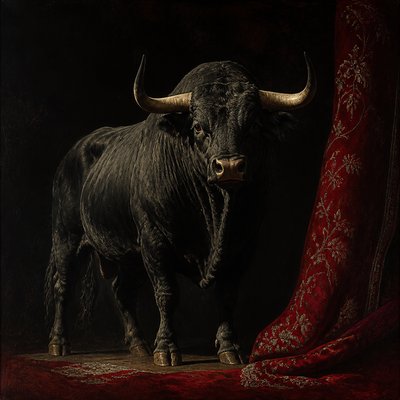
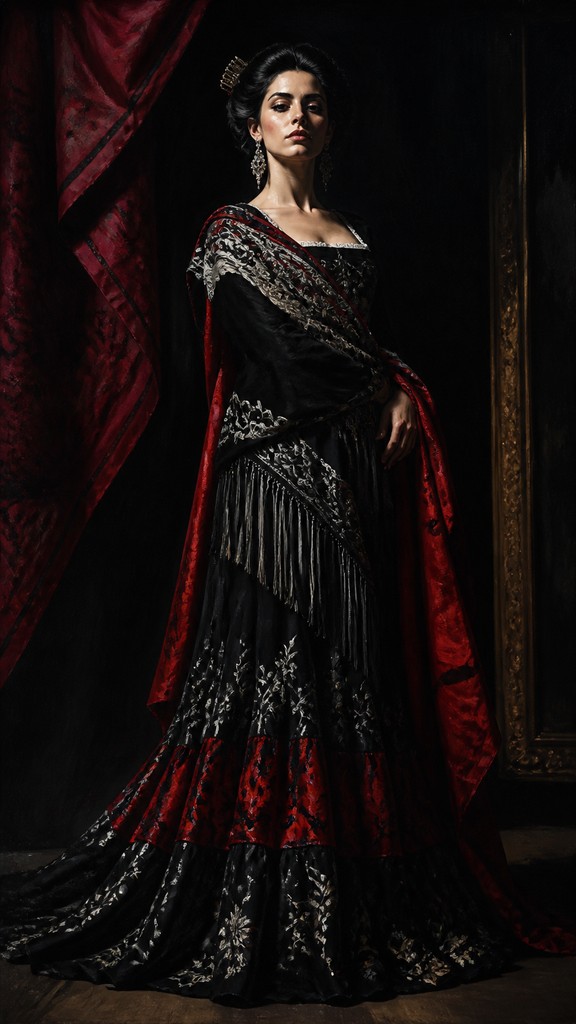
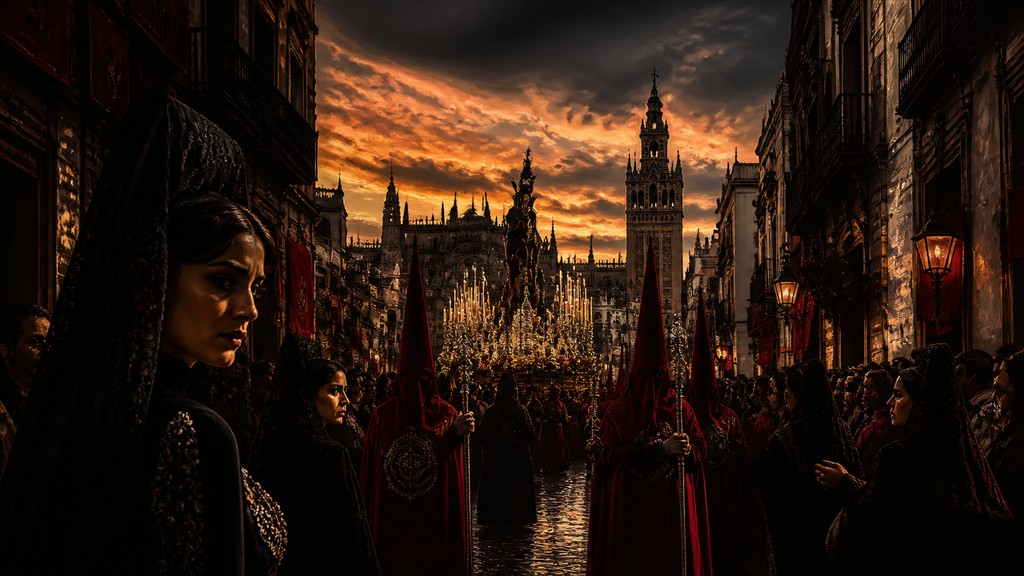
Spanish Art Style is a dramatic visual synthesis rather than a single historical movement. It draws on the severe spirituality of Spanish Baroque painting, using figures that emerge from near-black backgrounds, concentrated illumination, restrained color, and an atmosphere of solemn intensity. Deep blacks, muted earth tones, crimsons, and occasional silver or pale highlights create a visual language of shadowed grandeur.
Its emotional power comes from contrast and control. Faces, hands, textiles, and symbolic objects receive the strongest light, while surrounding space recedes into velvet darkness. The result is passionate without being chaotic: proud postures, grave expressions, rich but limited materials, and carefully directed light convey dignity, sacrifice, devotion, authority, or contained desire.
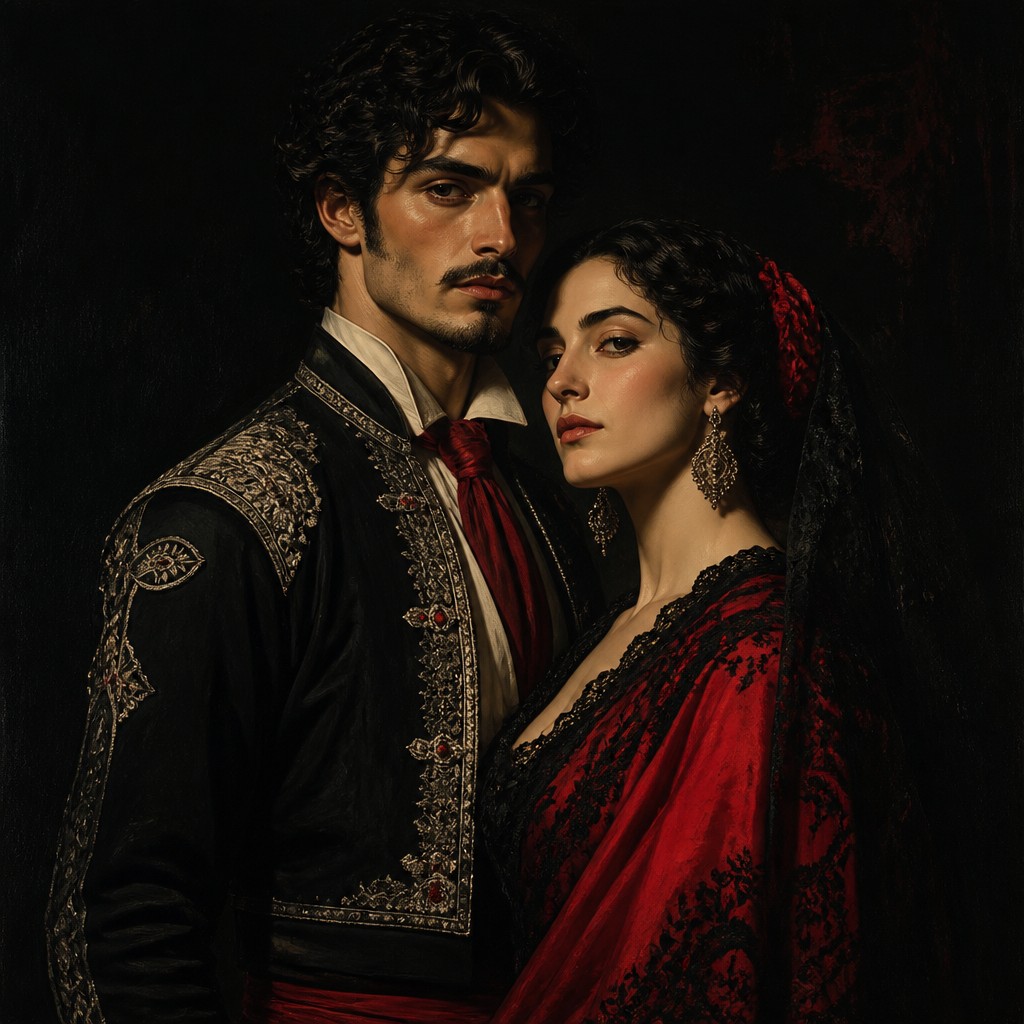
Try It On Your Photos
Upload any photo and convert it into Spanish Art Style — drag the sliders to compare before and after.
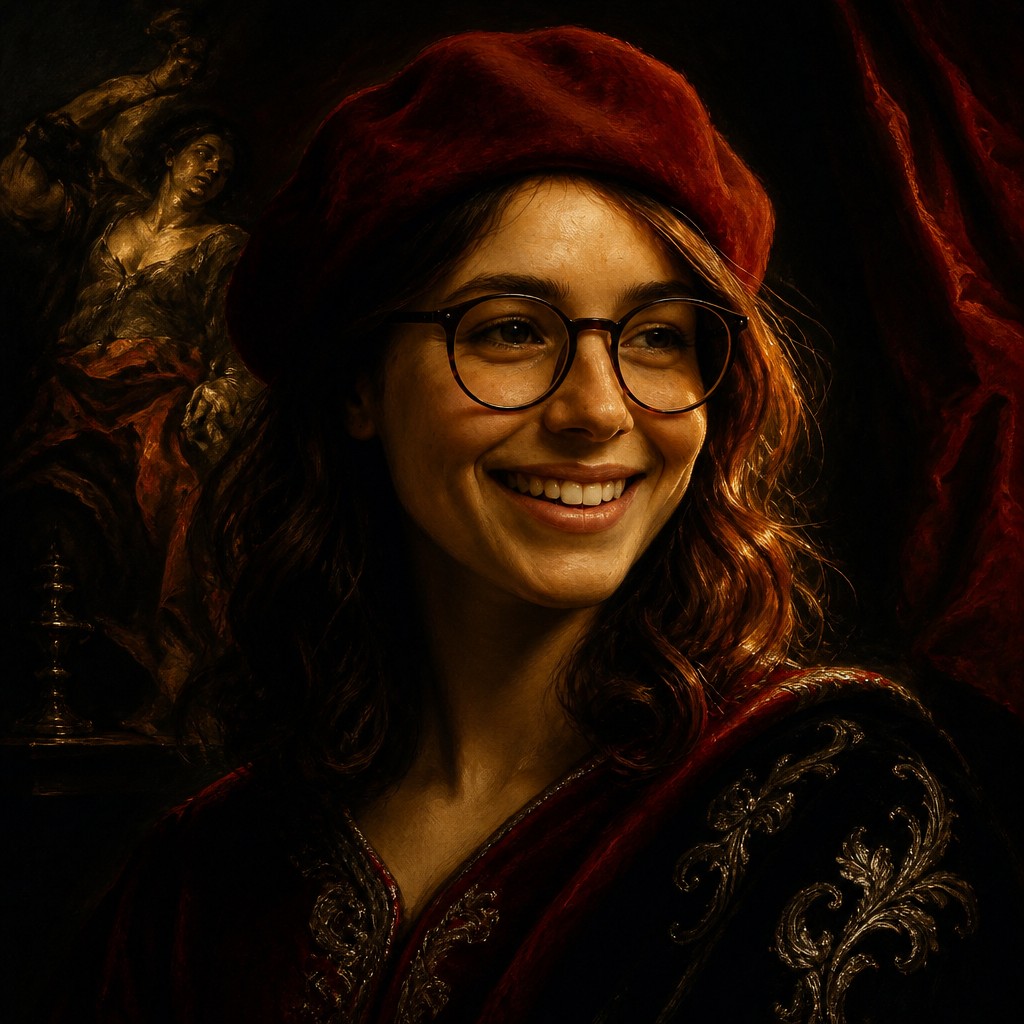

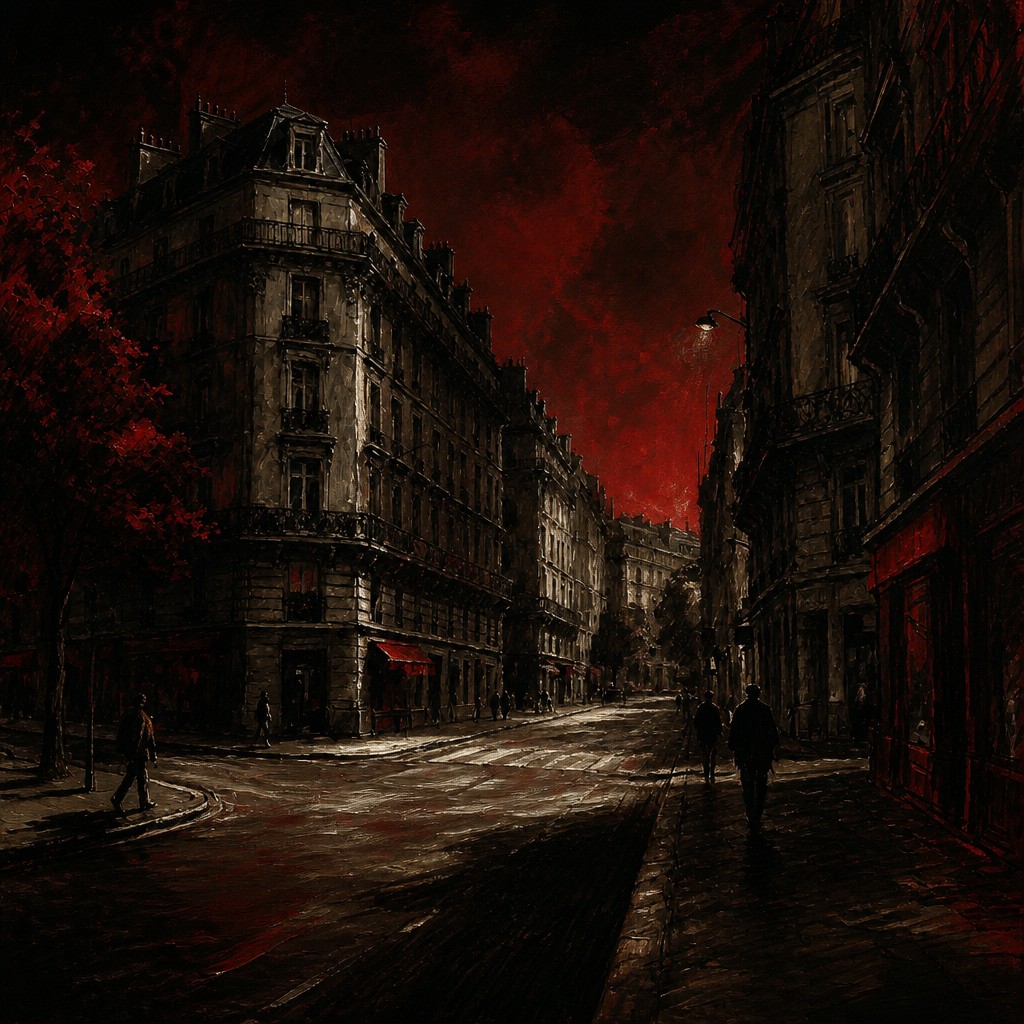

What Defines Spanish Art Style
The signature details, up close
Velvet darkness
Backgrounds are commonly reduced to deep brown-black or near-black fields, allowing the subject to appear as if revealed from obscurity. The darkness is atmospheric rather than empty, with subtle tonal variation preserving depth.
Fierce directional light
A narrow, forceful light source illuminates the face, hands, fabric, or a symbolic object from one side. Strong light-to-shadow transitions create volume and guide the viewer through the composition.
Austere palette
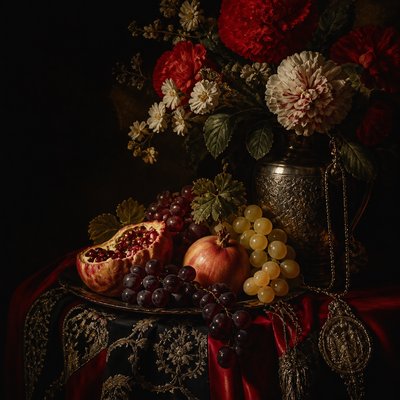
Black, umber, ochre, muted ivory, and dark crimson dominate the image. Silver, pewter, or cool white accents may be used sparingly for embroidery, jewelry, armor, or illuminated edges.
Solemn human presence
Figures tend to stand or sit with proud, restrained posture and grave expressions. Gesture is economical, making a slight turn of the head or movement of the hands carry considerable emotional weight.
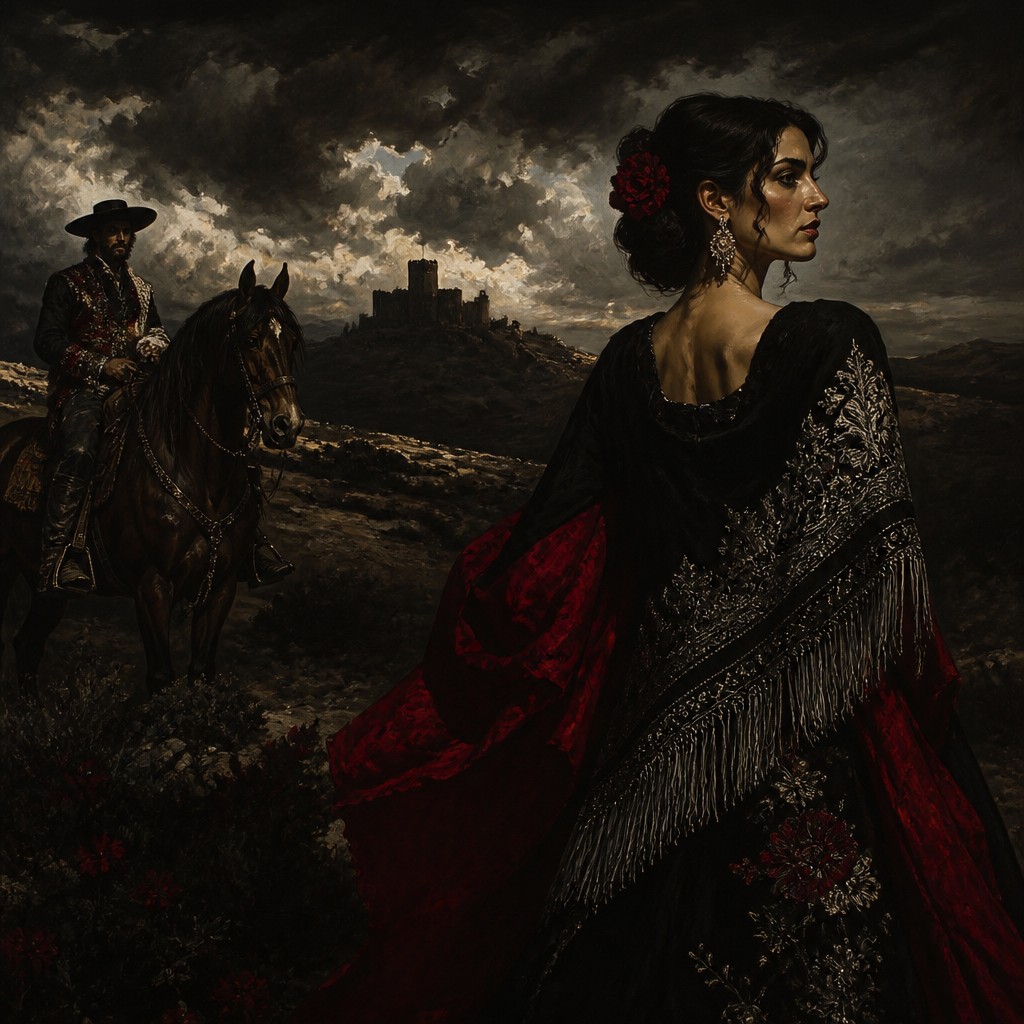
Material specificity
Velvet, wool, brocade, leather, metal, lace, and embroidered textiles are described through carefully controlled highlights and tactile surface detail. Rich materials appear ceremonial without requiring a bright or crowded composition.
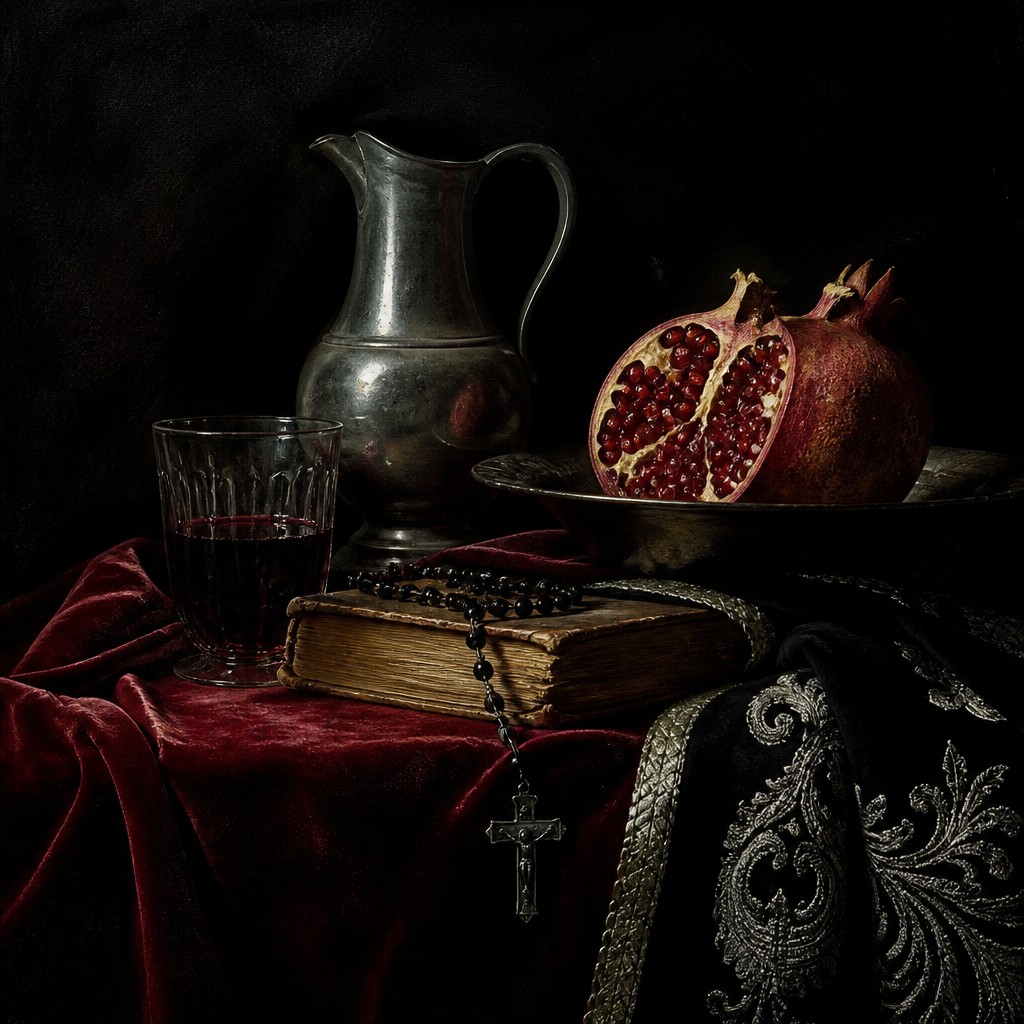
Composed theatricality
The style favors staged arrangements, cropped close views, frontal or three-quarter poses, and deliberate visual silence. Drama comes from lighting, posture, and implication rather than excessive action.
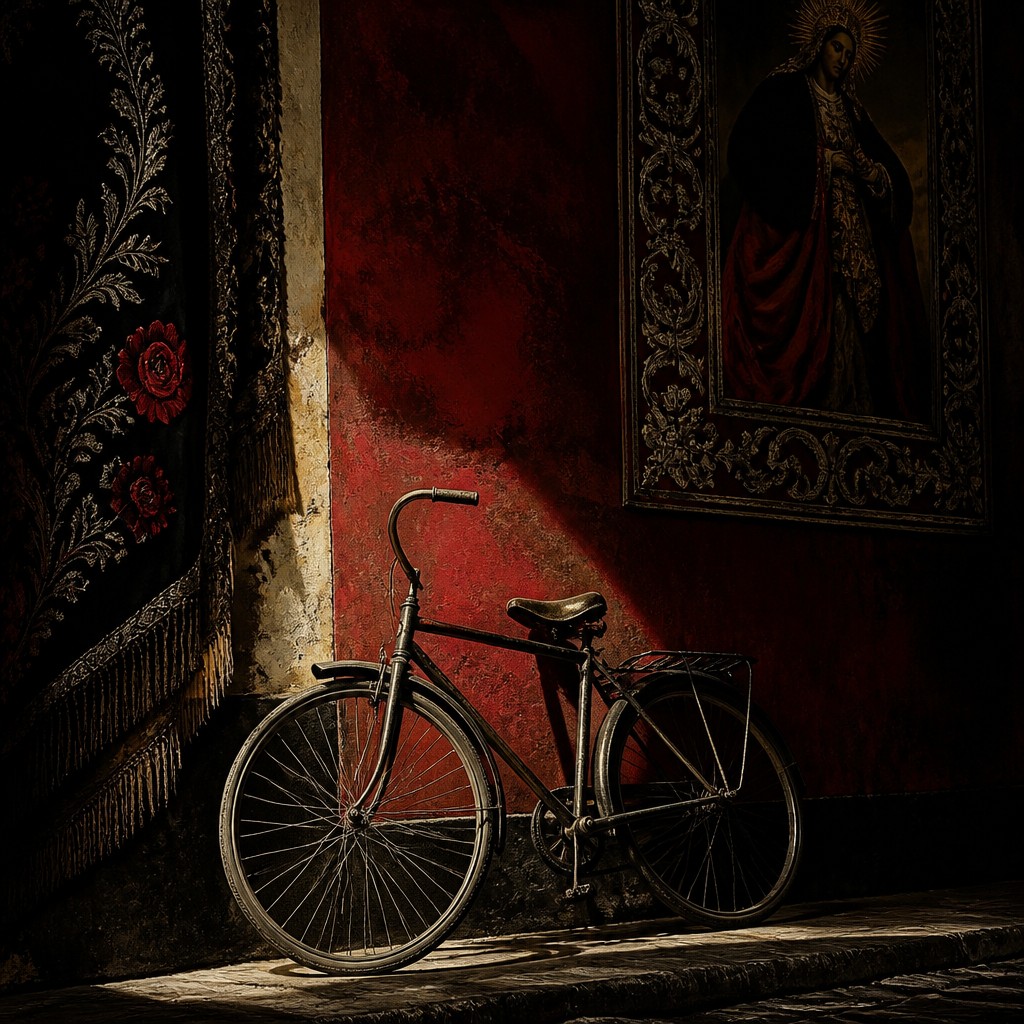
Shadowed symbolism
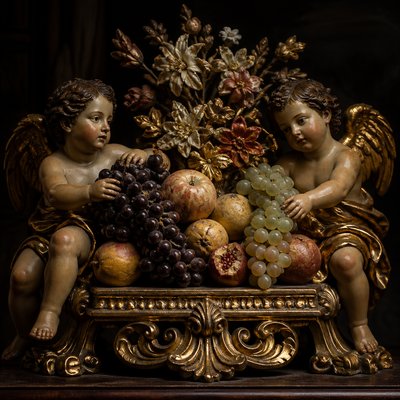
Candles, rosaries, flowers, books, weapons, mirrors, crowns, and ritual objects can add moral, devotional, or psychological meaning. Such details are usually isolated and subordinate to the central figure.
Try It
Create Videos in Spanish Art Style
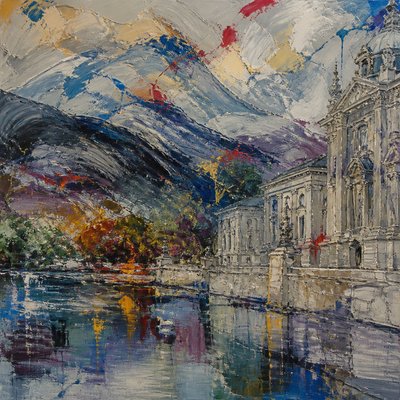
Styles aren't just for stills — describe a scene or animate an image and get a short video rendered in Spanish. Press play to see this pond come to life.
Make a VideoSpanish Prompt Ideas
Start from an idea — each one opens the generator with the style ready to go. See all 40 Spanish prompts →
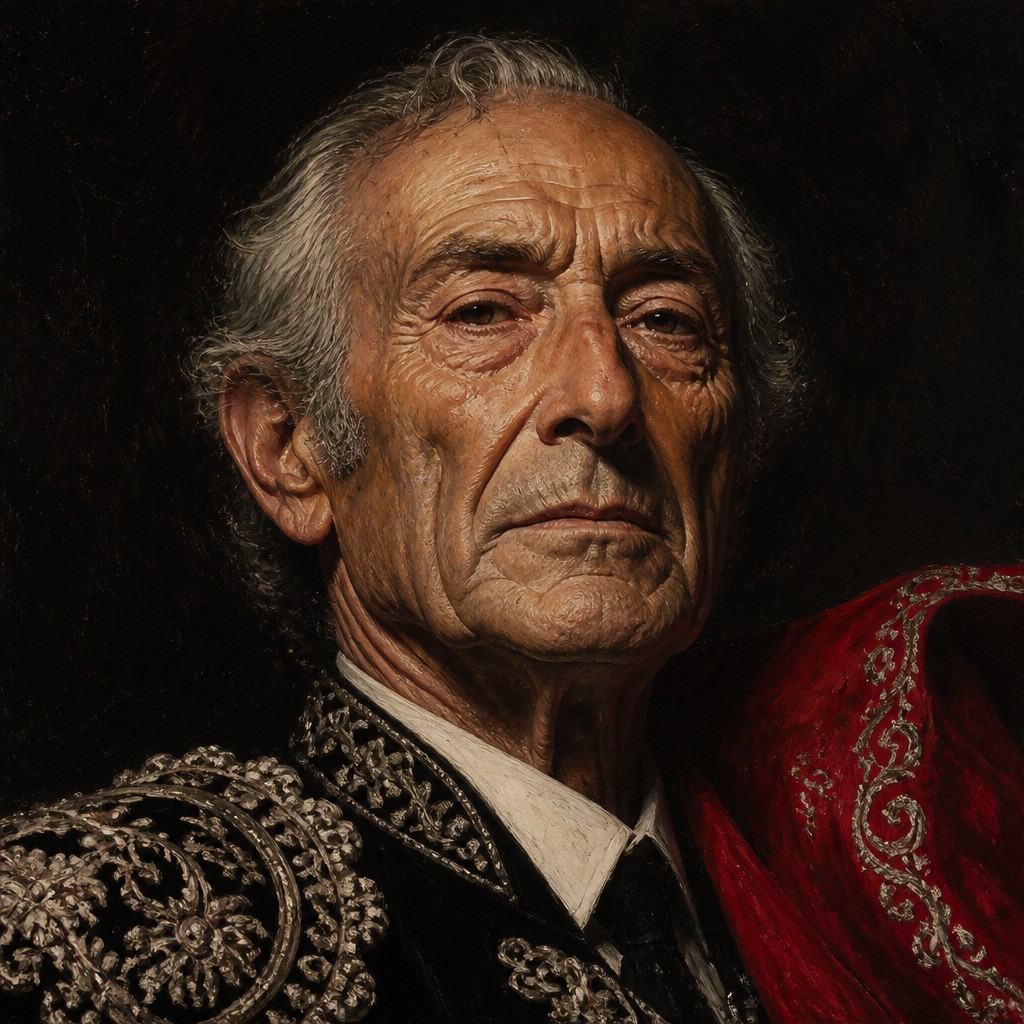
“close-up portrait of an elderly person with expressive weathered features”
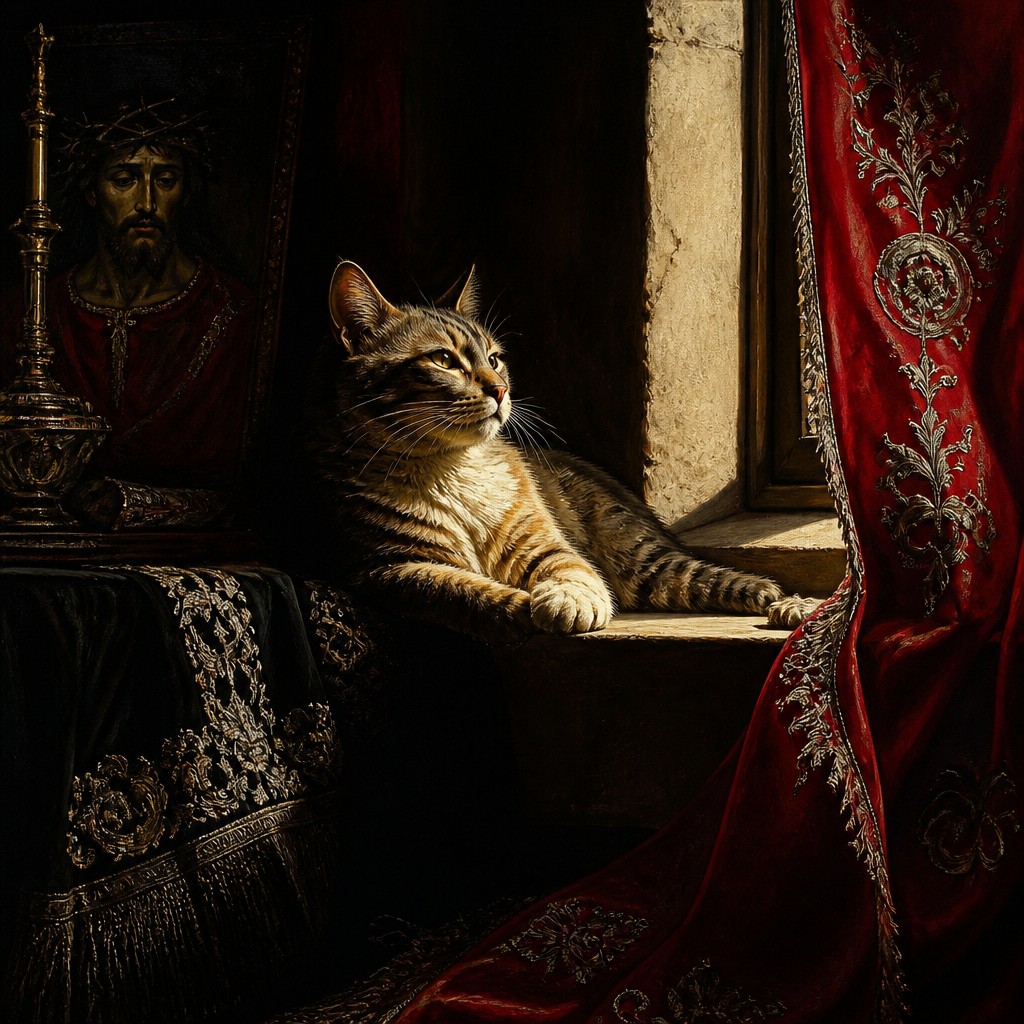
“a cat lounging in a sunlit window”
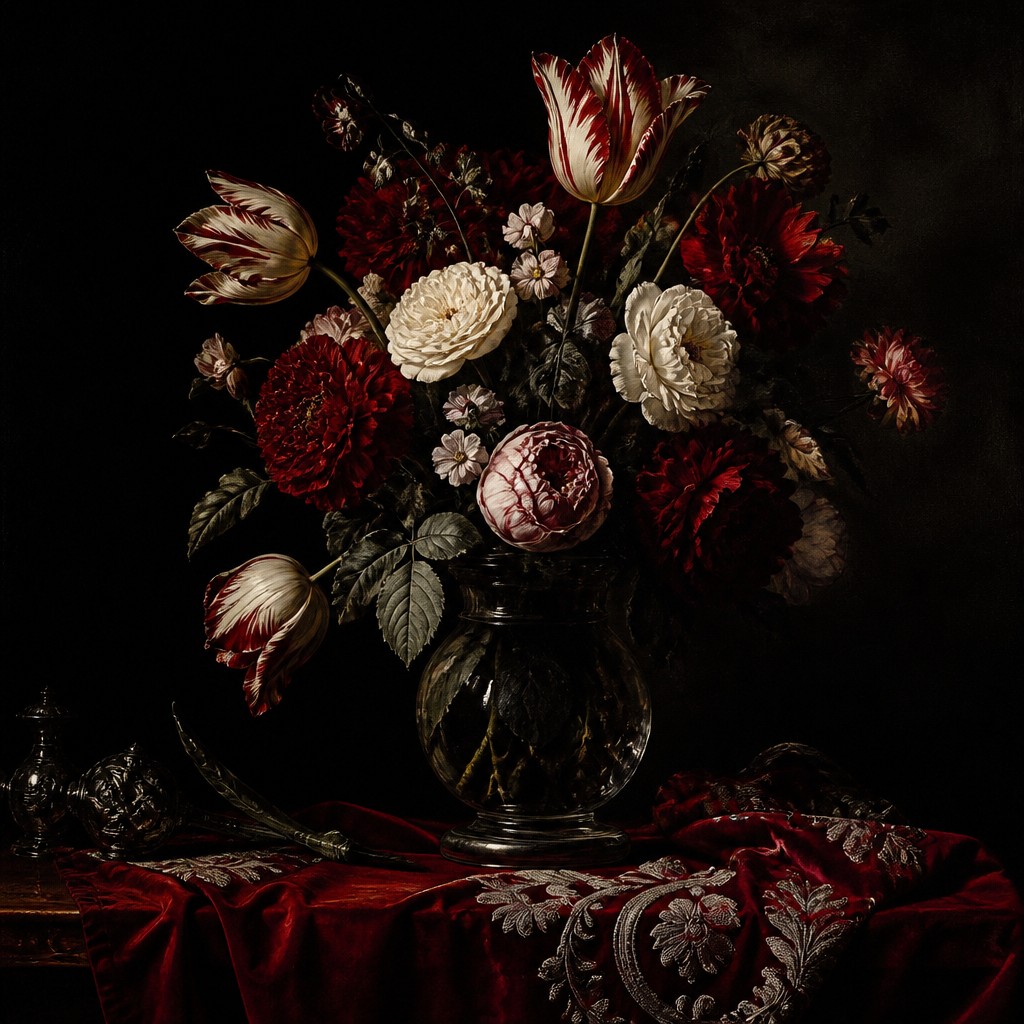
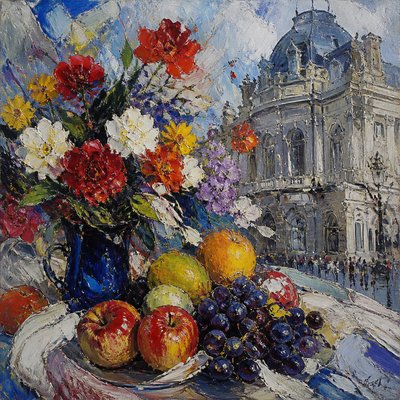
“bouquet of flowers in a glass vase”
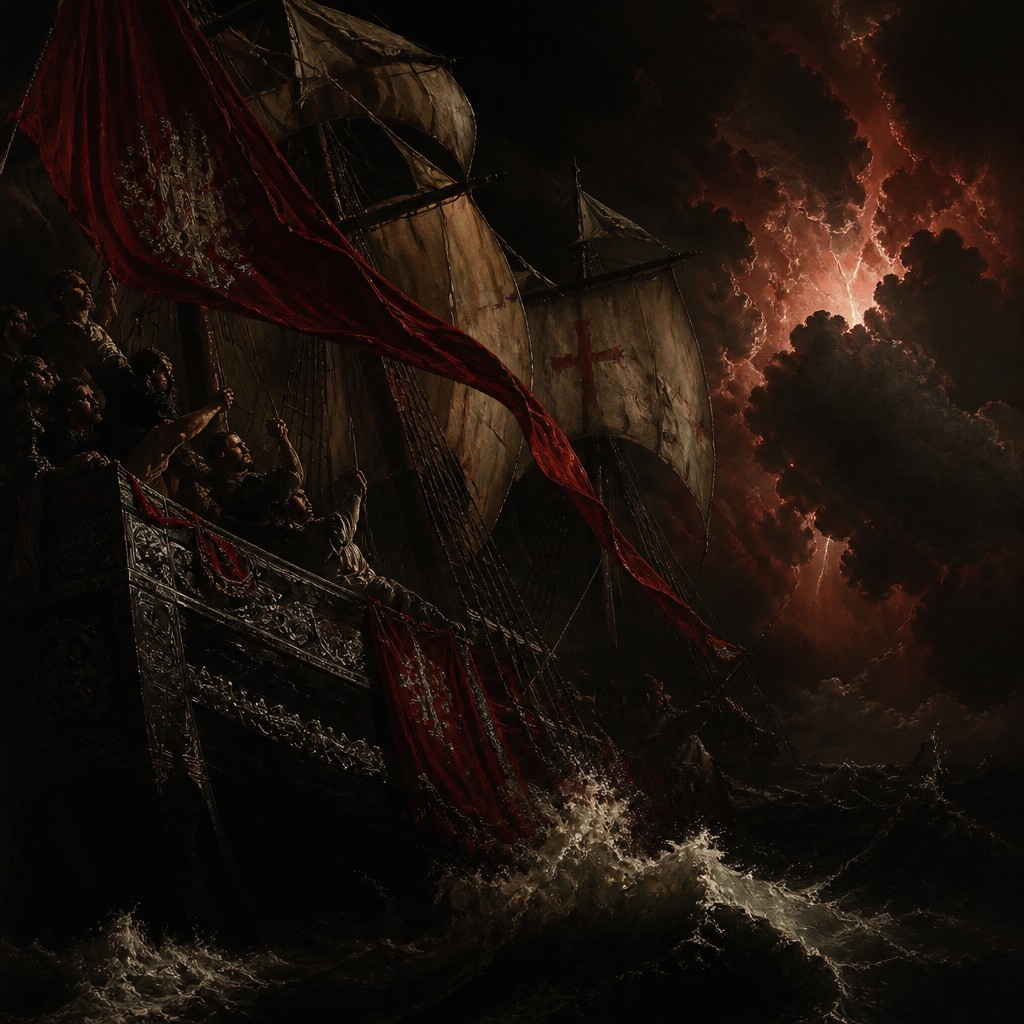
“sailing ship on a stormy sea”
How to Create Spanish Art
Master the craft step by step — or skip straight to creating. Read the full guide →
- 1
Build the value structure first
Begin with a dark ground and establish the dominant silhouette before adding detail. Reserve the lightest values for the face, hands, and one or two meaningful objects.
- 2
Use one decisive light source
Place a window, candle, or unseen lamp to one side and keep fill light minimal. In digital work, use a large soft key light with controlled falloff, then deepen shadows without crushing every contour.
- 3
Limit and discipline the palette
Work with black, warm brown, muted cream, deep crimson, and a restrained metallic accent. Desaturate secondary colors so that a single red textile or silver highlight carries visual emphasis.
- 4
Emphasize tactile surfaces
Paint or render directional strokes for velvet, woven cloth, leather, and metal rather than applying uniform texture. Small edge highlights and irregular material transitions make the ceremonial surfaces convincing.
- 5
Direct the pose and expression
Use a still, upright pose, a lowered gaze, or a controlled three-quarter turn. Avoid broad smiles and unnecessary gestures; the intended emotion should feel contained but intense.
- 6
Write focused generation prompts
Specify the subject, pose, single-sided light, black background, limited crimson-and-silver palette, solemn mood, and tactile textiles. For image-to-image work, preserve the original subject’s identity while reducing background detail and increasing directional contrast.
The Story
History & Origins of Spanish
This label is best understood as an aesthetic lineage rather than a formally defined historical school. Its foundations lie in the religious and courtly art of Spain during the late sixteenth and seventeenth centuries, when dramatic naturalism, tenebrism, devotional intensity, and highly observed surfaces became central features of Spanish Baroque practice.
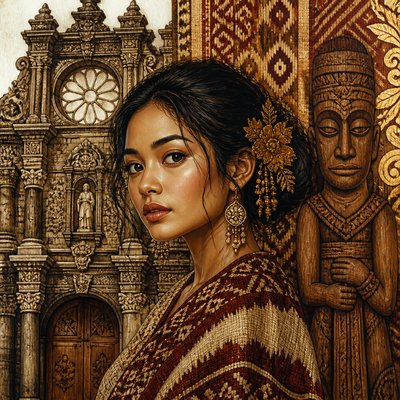
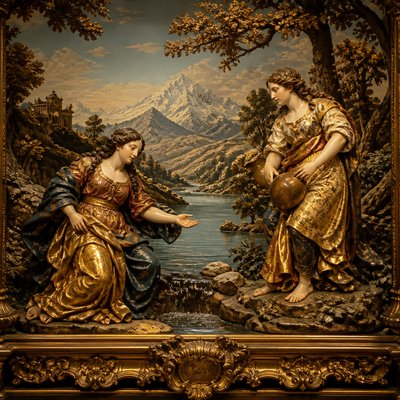
The style also recalls Spanish portrait traditions, ecclesiastical painting, embroidered ceremonial clothing, carved polychrome sculpture, and the austere visual culture of Iberian Catholicism. In contemporary illustration, photography, fashion imagery, and digital art, these sources are often condensed into a cinematic formula of black space, directional light, crimson accents, and dignified human presence.
Influences: The style is related to Spanish Baroque painting, European tenebrism, Catholic devotional imagery, court portraiture, Iberian ceremonial dress, and polychrome religious sculpture. It also shares methods with chiaroscuro-based photography, cinematic low-key lighting, gothic portraiture, and contemporary editorial fashion imagery, while remaining more restrained and materially focused than many gothic or fantasy treatments.

Frequently Asked Questions
What defines Spanish Art Style?
Its defining features are deep shadow, severe directional light, a limited black-and-crimson palette, tactile fabrics, and solemn, proud figures. The mood is intense but controlled, with drama created through stillness, contrast, and symbolic detail.
Is Spanish Art Style a historical art movement?
No. The term is a contemporary descriptive label rather than the name of one unified historical movement. It refers to an aesthetic synthesis inspired chiefly by Spanish Baroque, tenebrism, devotional art, portraiture, and Iberian material culture.
How does it differ from general Baroque art?
Baroque art encompasses many regions and moods, including bright color, movement, elaborate space, and exuberant ornament. This Spanish-derived interpretation is narrower and more austere, emphasizing black backgrounds, concentrated illumination, restrained gestures, and solemn psychological presence.
Can this style be used for modern subjects?
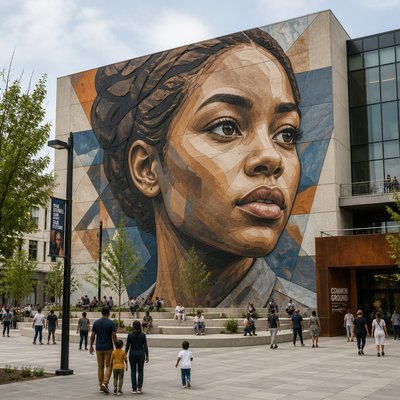
Yes. Contemporary clothing, musicians, architecture, still life, or photographic portraits can be treated with the same lighting, palette, and compositional discipline. The historical references come primarily from the atmosphere and materials, not from requiring period costumes.
How can I make an image look more authentic to the style?
Use one strong side light, remove distracting background information, and reserve bright highlights for the focal subject. Limit the palette, describe specific textiles or metal surfaces, and request a solemn pose rather than relying on generic words such as dramatic or cinematic.
Where is Spanish Art Style commonly used?
It suits portraiture, editorial fashion, historical scenes, devotional or symbolic imagery, still life, theatrical posters, album artwork, and atmospheric photography. Its strong value contrast also makes it effective for striking digital compositions and character studies.
Create your first Spanish artwork
Describe anything — or upload a photo — and see it in Spanish Art Style in seconds.
Related Styles
Discover similar art styles