Luminism Art Style
Explore Luminism: serene American landscapes with glassy water, low horizons, radiant light, and finely controlled atmospheric detail.
Instantly rendered in Luminism — or transform a photo
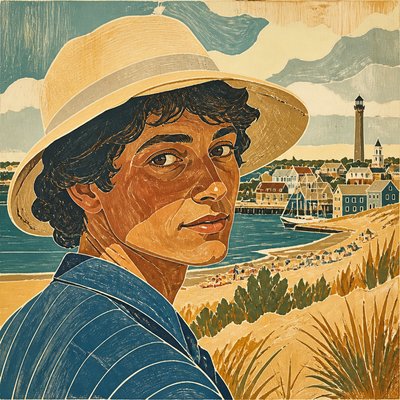
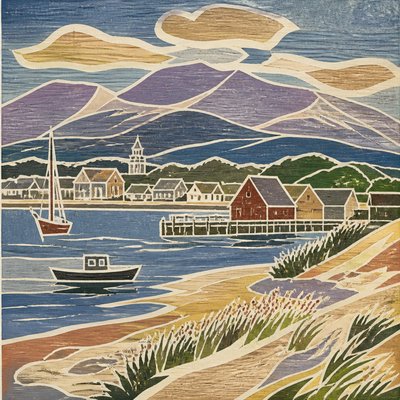
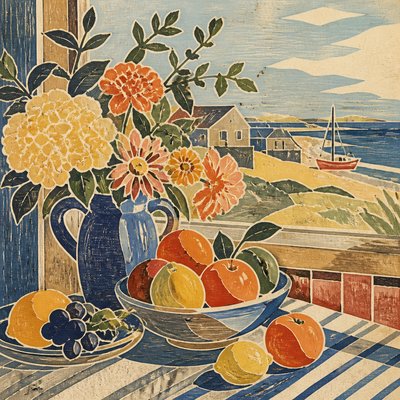
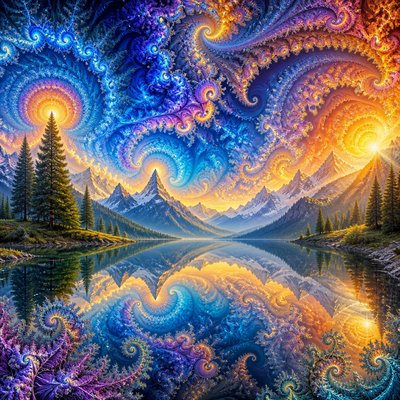
Luminism Gallery
Tap any artwork to explore it
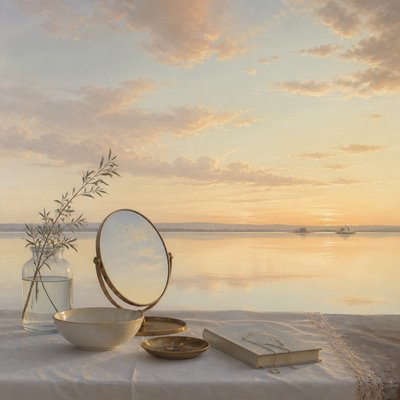
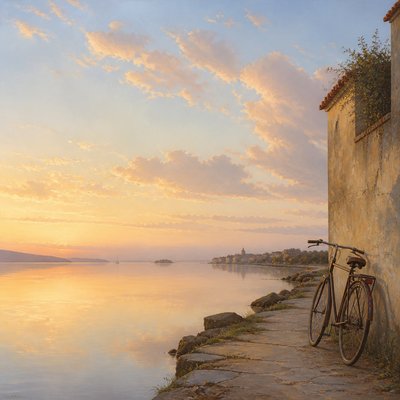
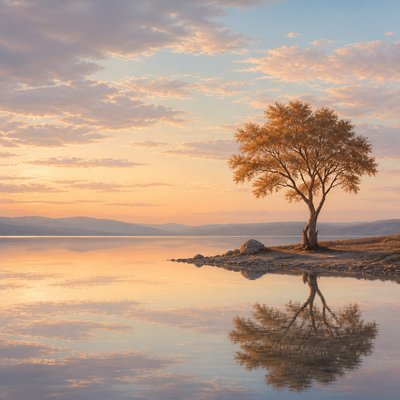
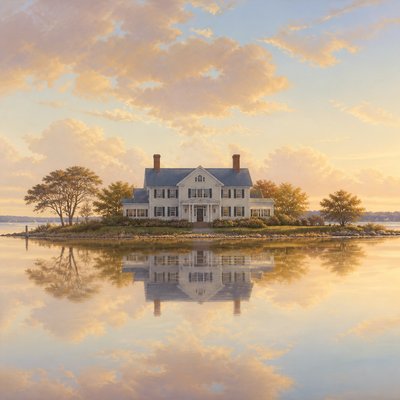
What is Luminism Art Style?
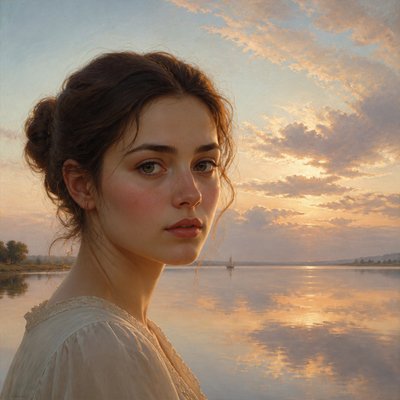
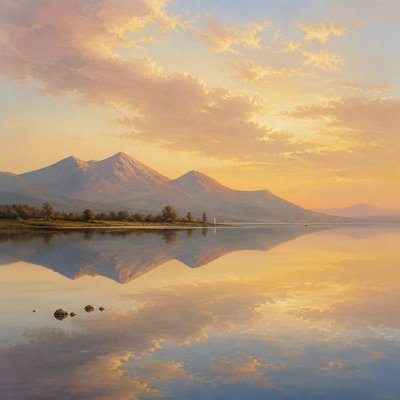
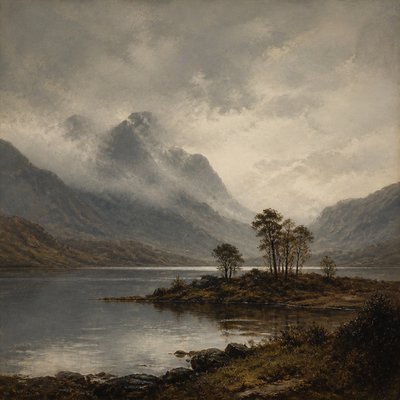
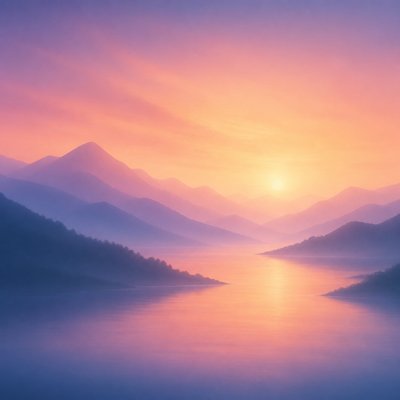
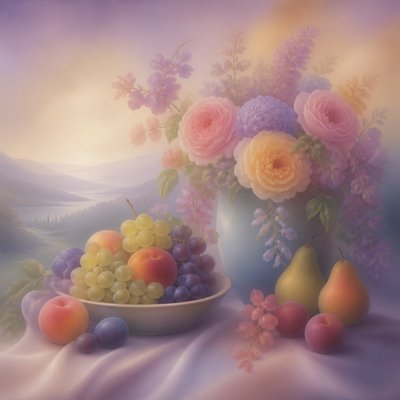
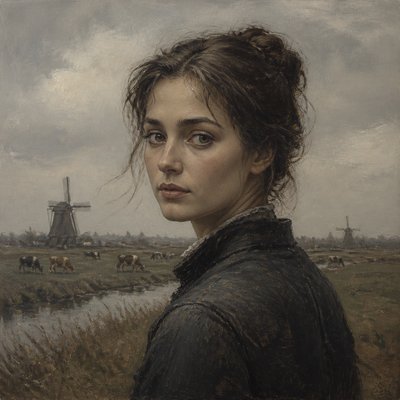
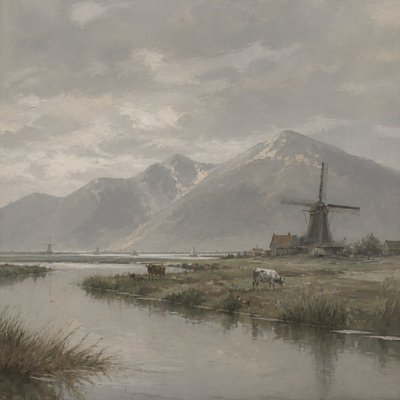
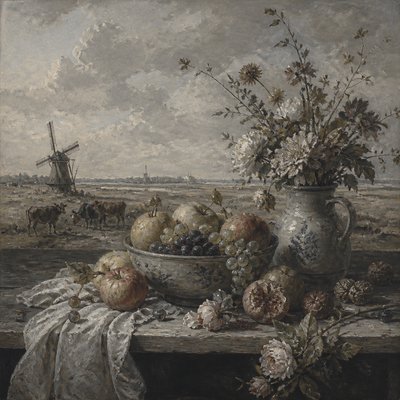
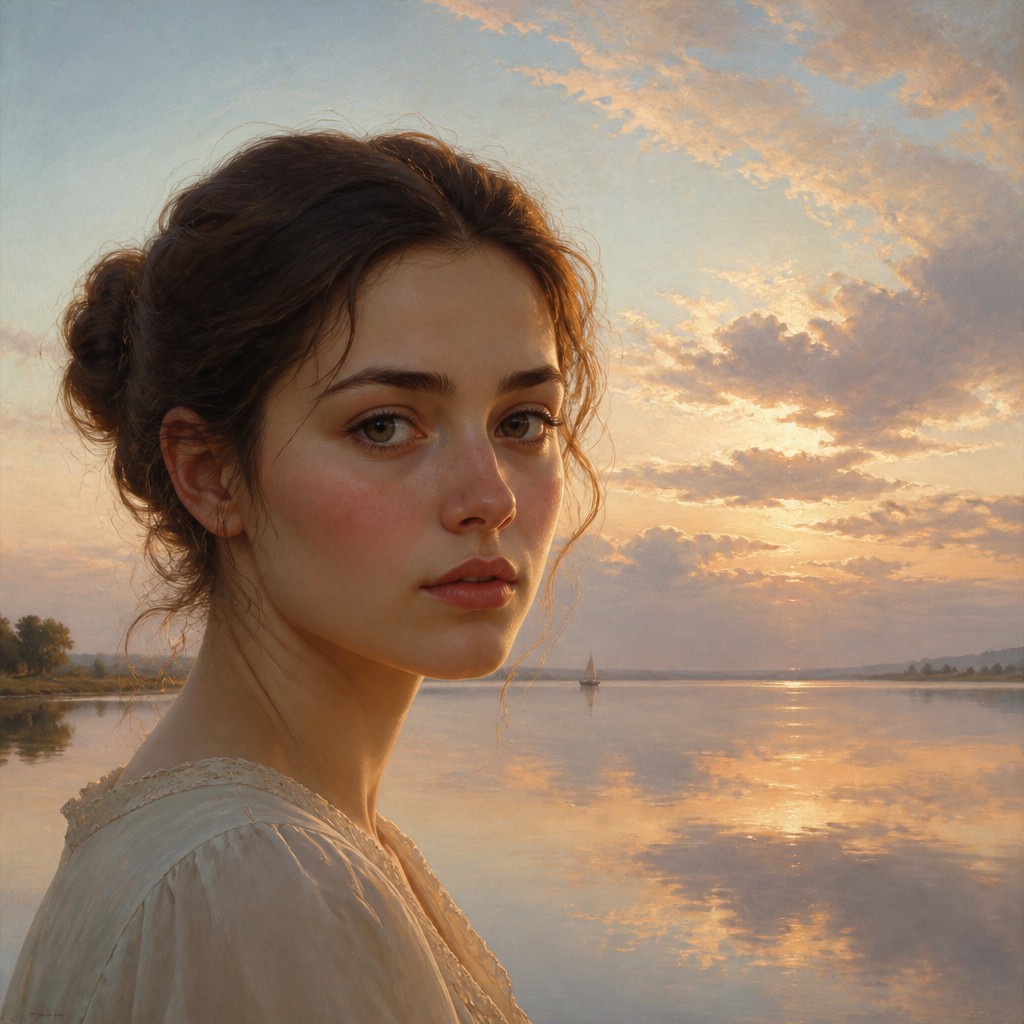
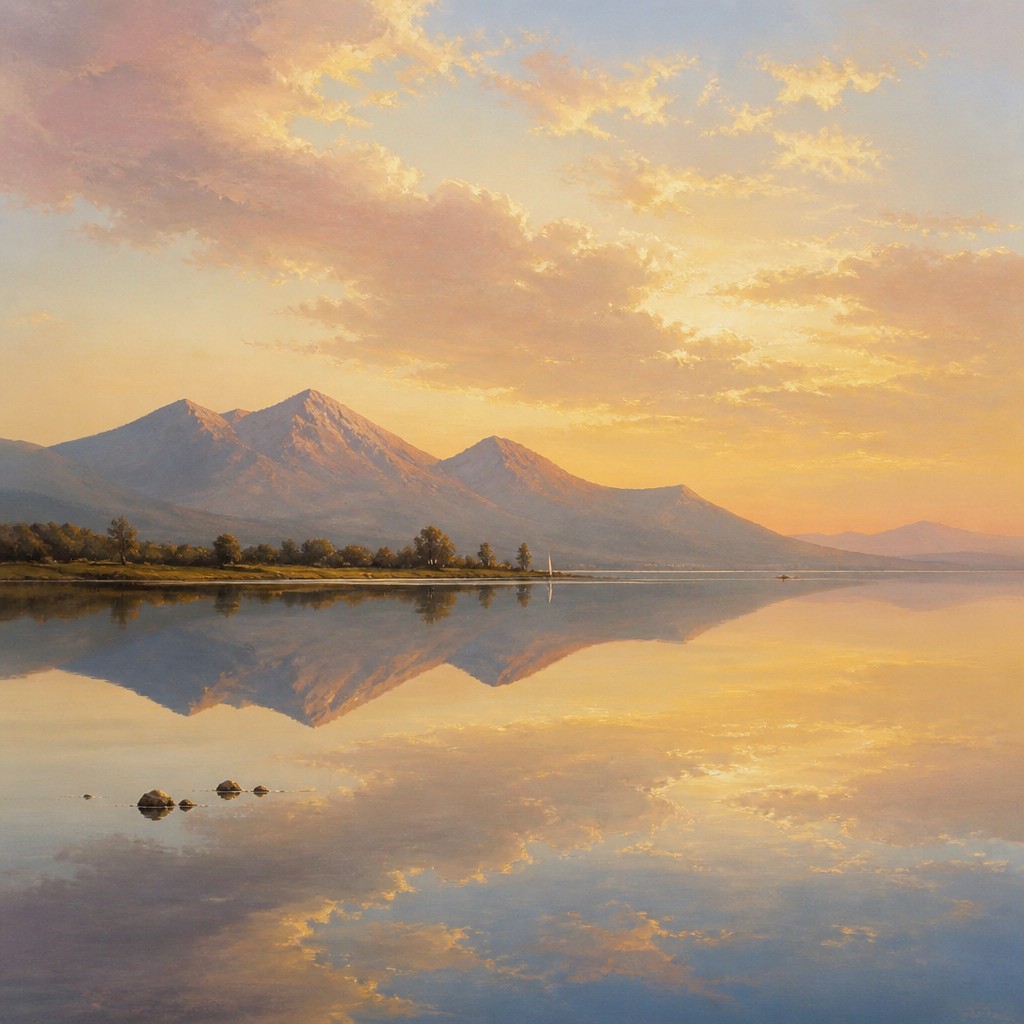
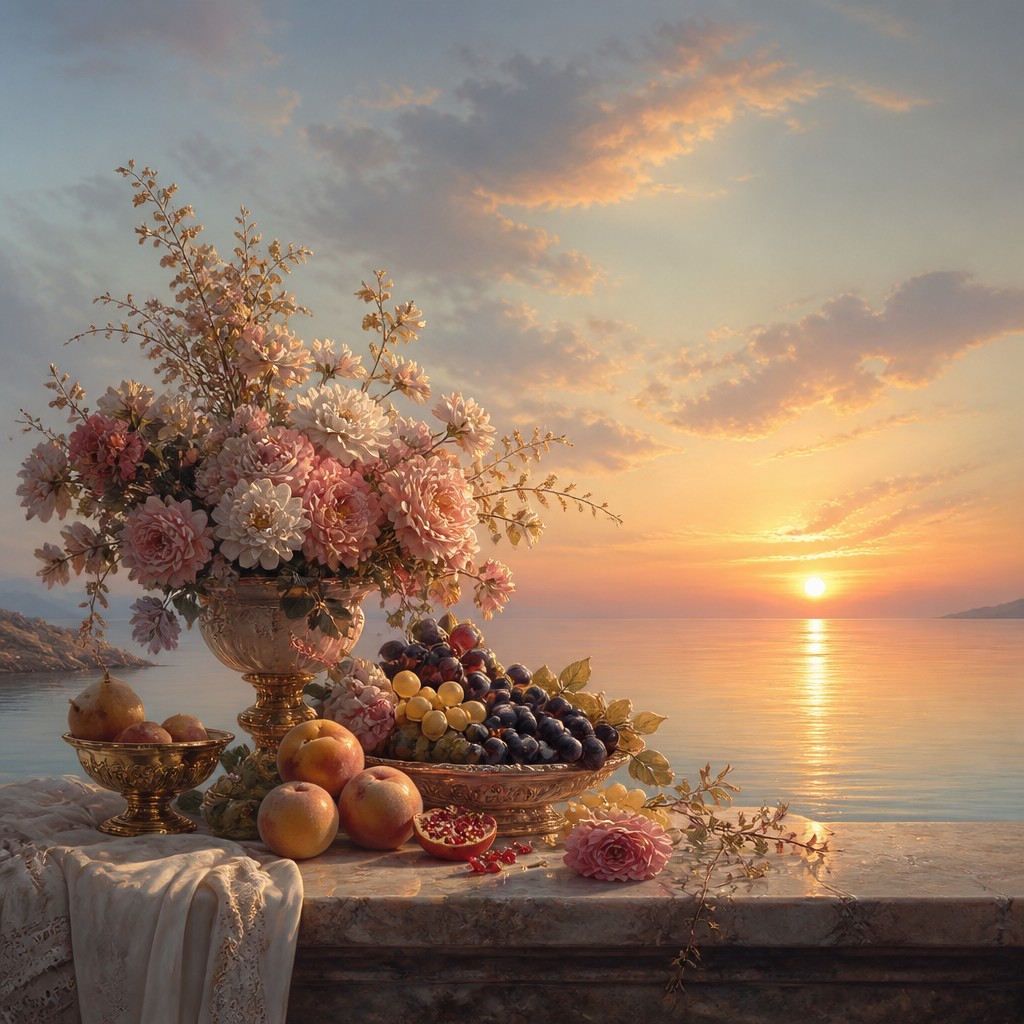
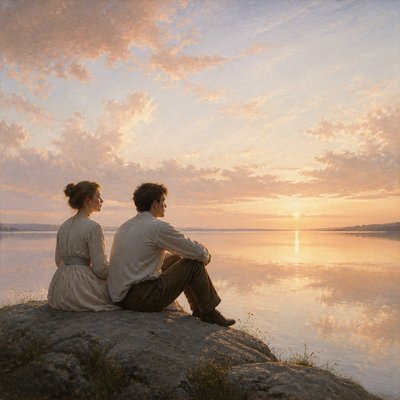
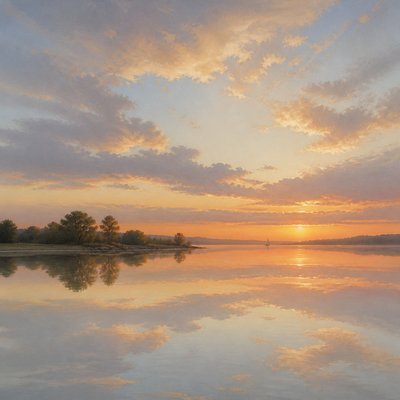
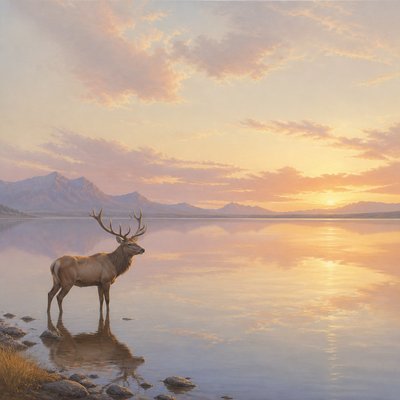
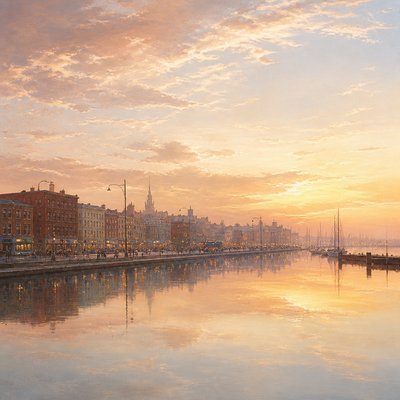
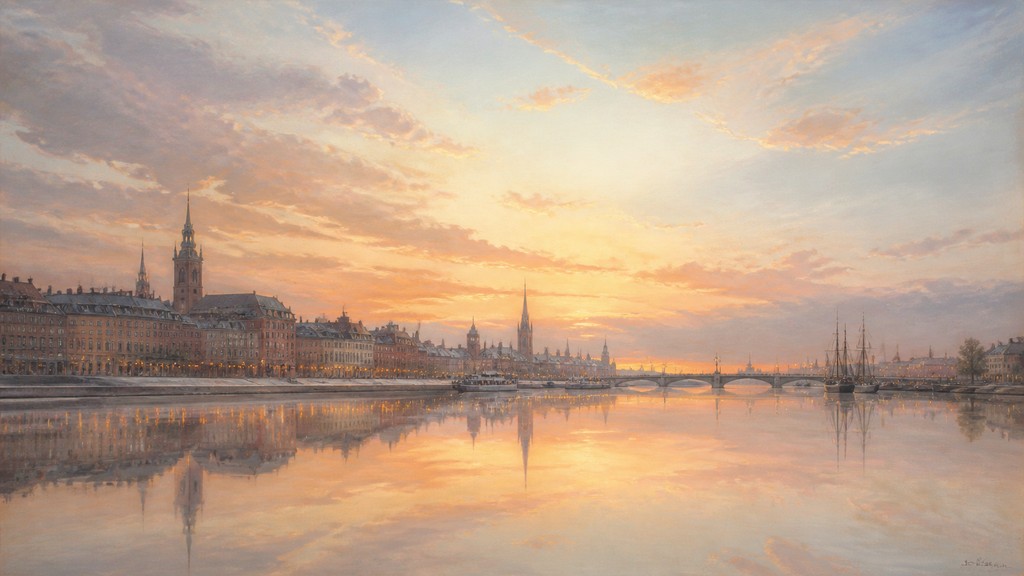
Luminism is a mid-19th-century American landscape painting style defined by tranquil scenes, luminous atmosphere, and an unusually controlled surface. Its compositions often place a low horizon beneath a broad sky, with still water, distant landforms, small boats, or isolated figures arranged to create a sense of spaciousness and contemplation. Light is not merely an effect within the scene; it becomes the principal subject and organizing force.
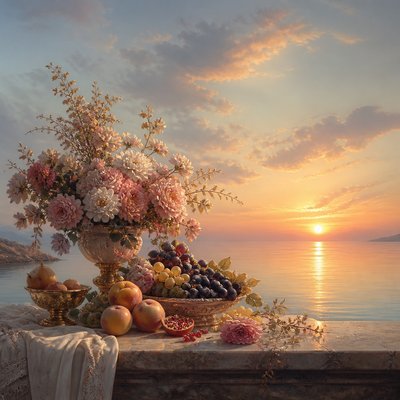
The style is recognized by smooth, nearly invisible brushwork, sharply observed atmospheric detail, quiet tonal transitions, and reflective surfaces that appear almost glasslike. Soft silver, pale blue, warm ochre, rose, and amber hues establish a hushed mood, while balanced horizontal structures and sparse subject matter produce visual stillness. Although Luminism is associated with American painting, its emphasis on light, silence, and expansive nature can be adapted to contemporary digital imagery, photography, and image-based transformations.
Try It On Your Photos
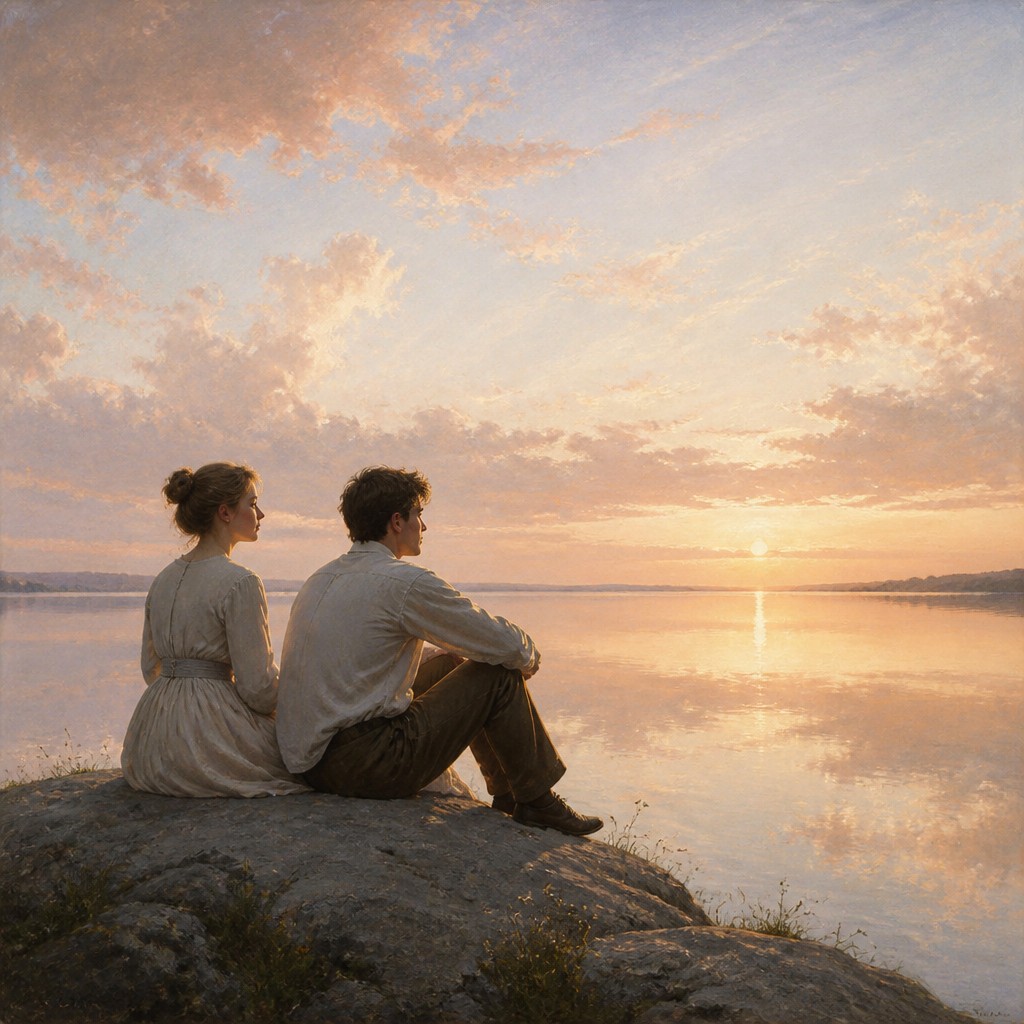
Upload any photo and convert it into Luminism Art Style — drag the sliders to compare before and after.



What Defines Luminism Art Style
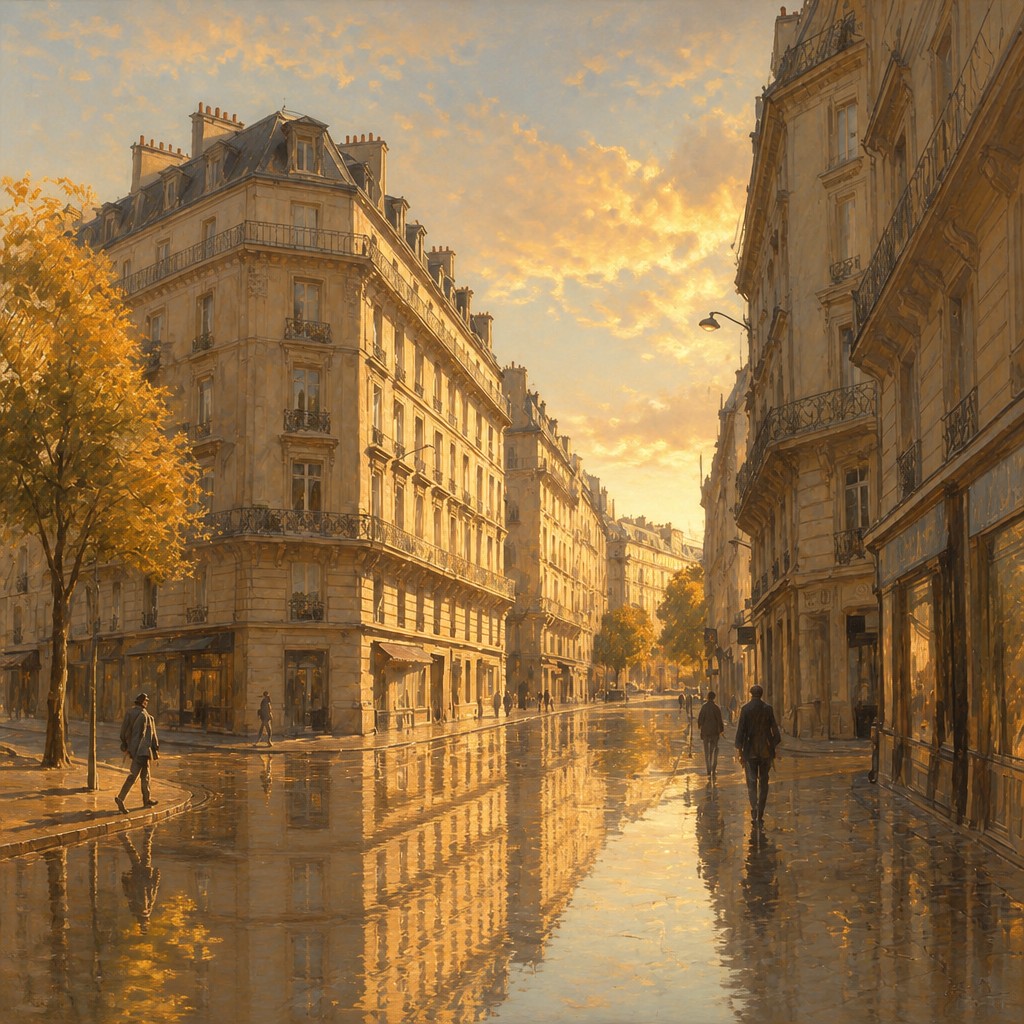
The signature details, up close
Radiant atmospheric light
Light spreads evenly across the scene, often appearing to come from a low sun near dawn or late afternoon. Glowing skies, thin haze, and delicate transitions between illumination and shadow create a quietly transcendent mood.
Low horizons and horizontal structure
The horizon is commonly placed low in the composition, giving the sky a dominant role. Long, stable bands of shoreline, cloud, and water reinforce balance and calm.
Mirror-calm water
Lakes, bays, rivers, and coastal waters are rendered with restrained ripples and precise reflections. The water often functions as a second sky, extending the image's light and symmetry.
Invisible brushwork
Surfaces are smooth and carefully blended rather than visibly gestural. Fine tonal control creates crystalline clarity without the broken strokes associated with Impressionism.
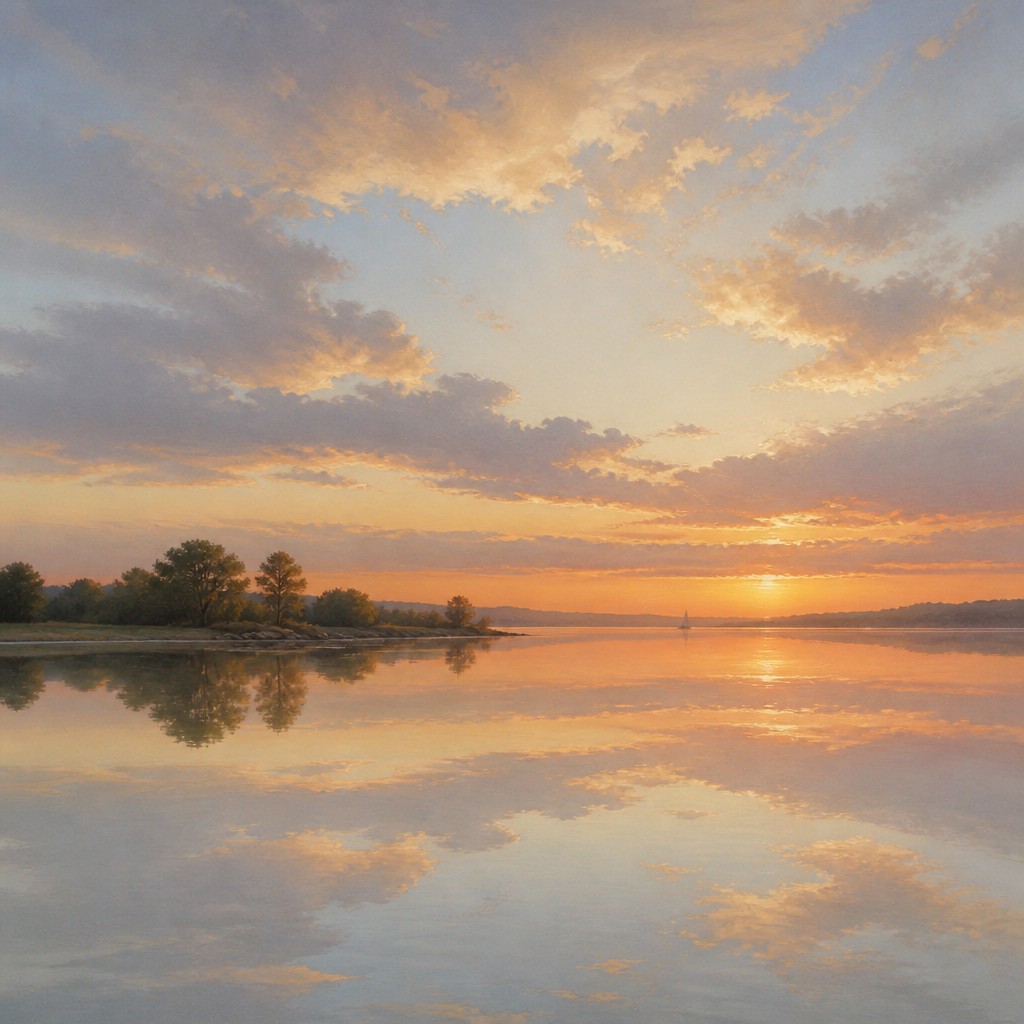
Hushed tonal palette
Common colors include cool silver-blue, pale gray, muted green, soft rose, amber, and warm cream. Saturation is controlled so that luminosity, rather than vivid pigment, carries the emotional impact.
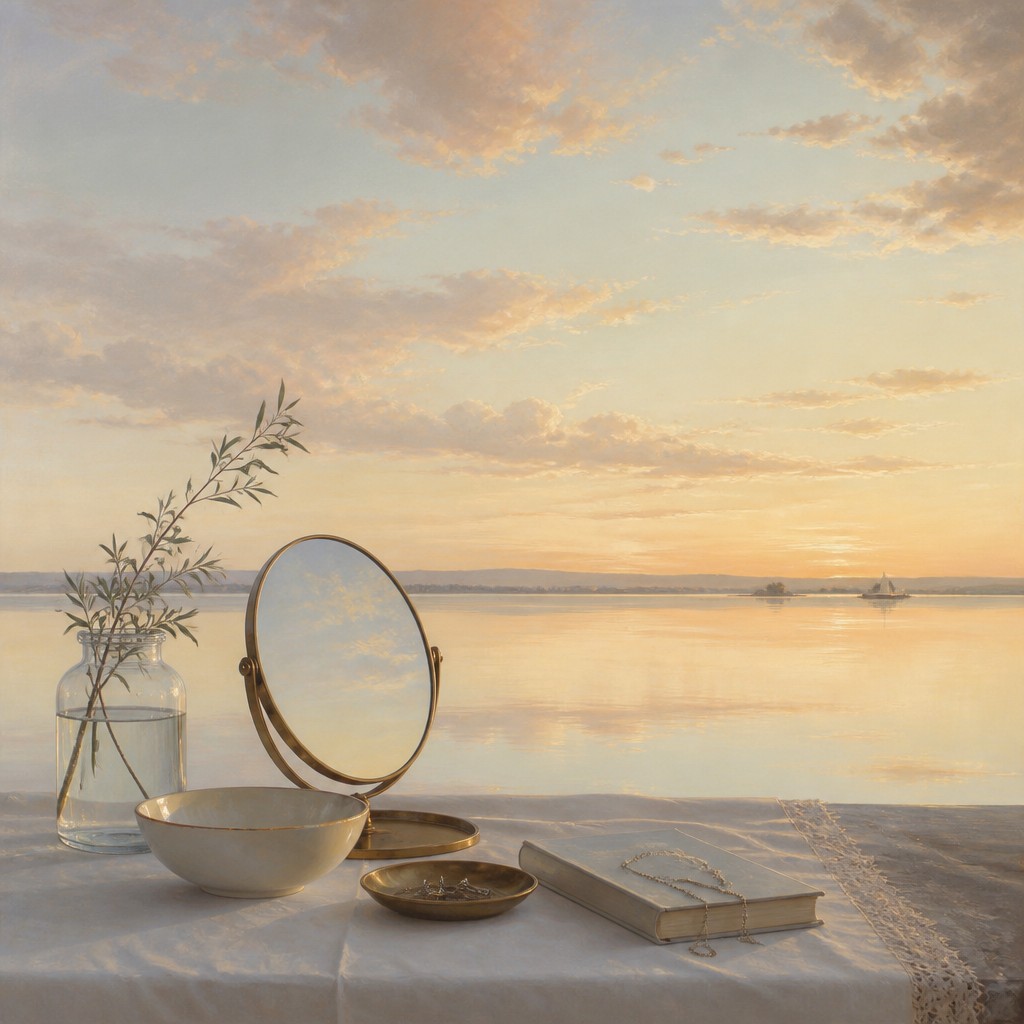
Sparse, contemplative subject matter
The scene may contain only a distant boat, a small figure, a low shoreline, or a few trees. Such details provide scale while preserving a feeling of solitude and spaciousness.
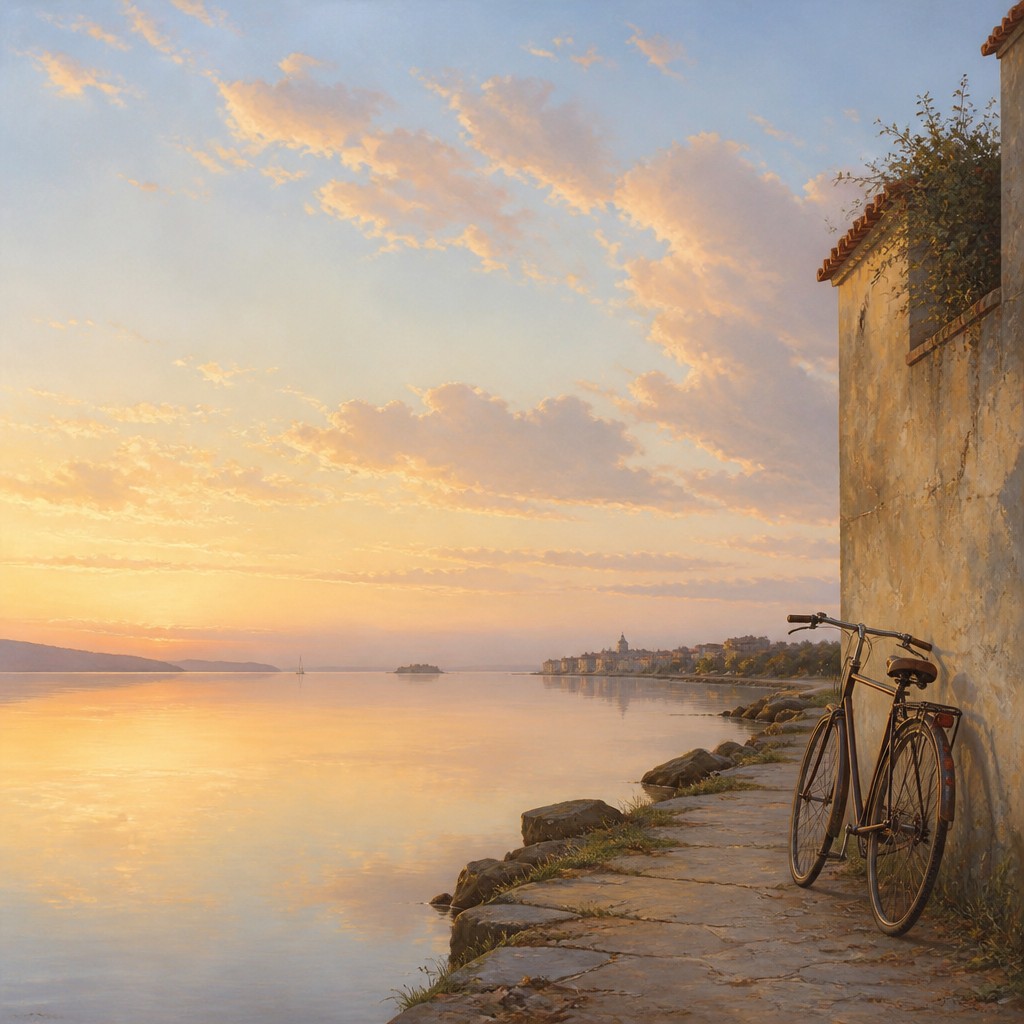
Crystalline distance
Distant landforms and atmospheric layers remain legible but softened by air and light. The result balances exact observation with a serene, almost suspended sense of space.
Try It
Create Videos in Luminism Art Style
Styles aren't just for stills — describe a scene or animate an image and get a short video rendered in Luminism. Press play to see this pond come to life.
Make a VideoLuminism Prompt Ideas
Start from an idea — each one opens the generator with the style ready to go. See all 40 Luminism prompts →
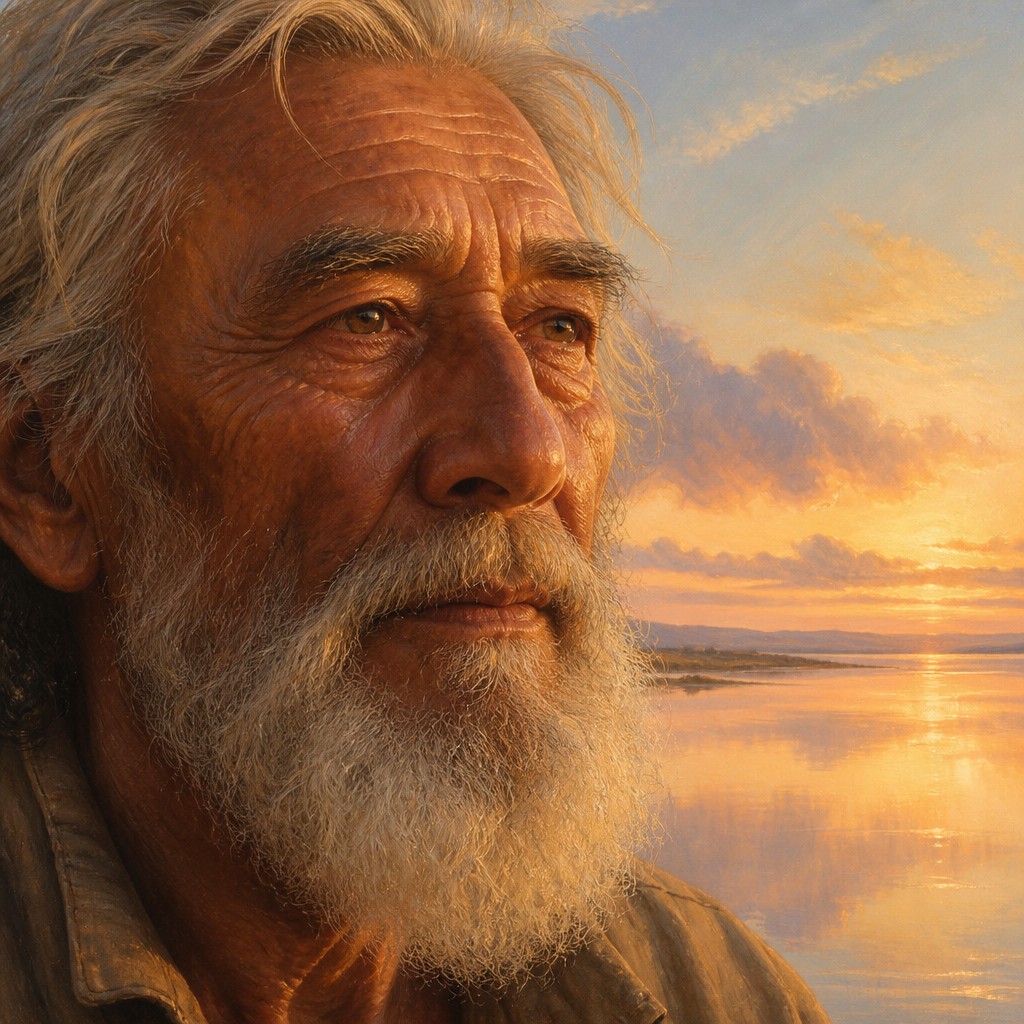
“close-up portrait of an elderly person with expressive weathered features”
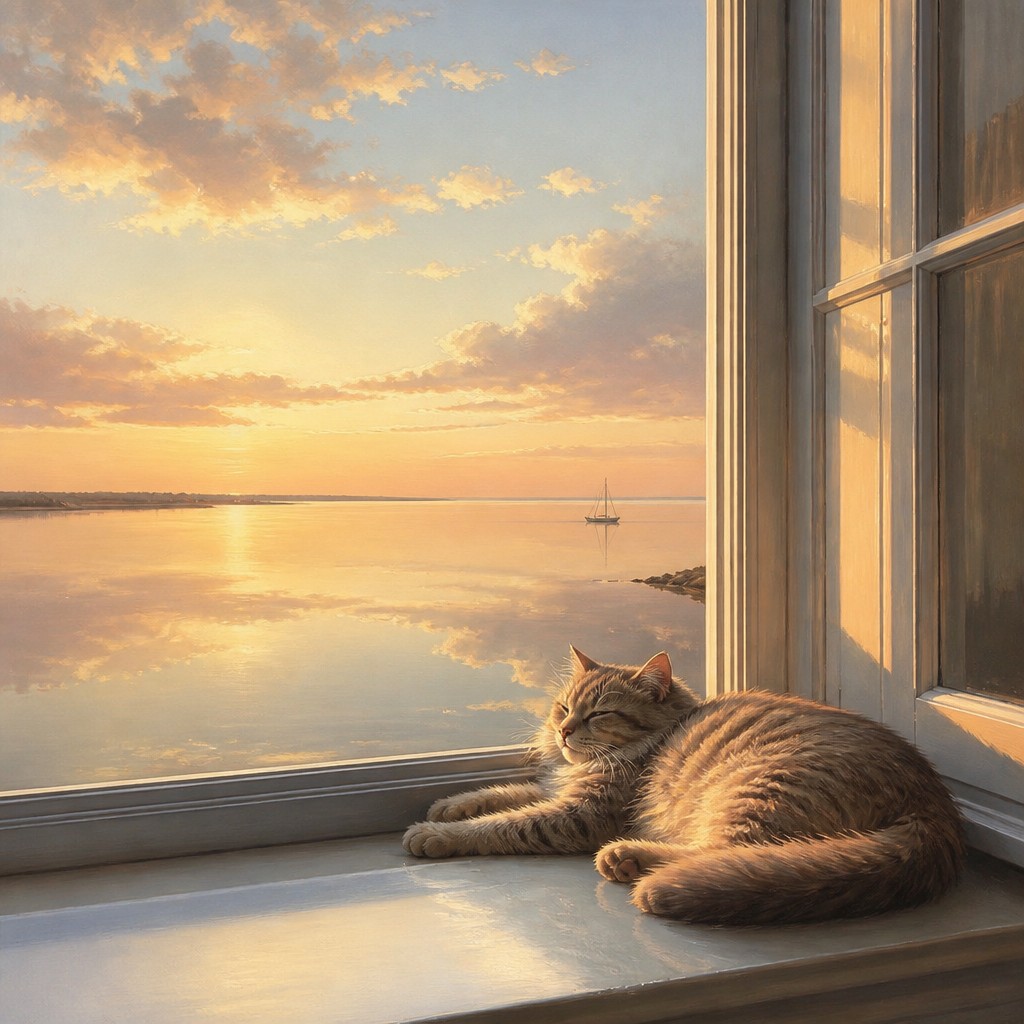
“a cat lounging in a sunlit window”
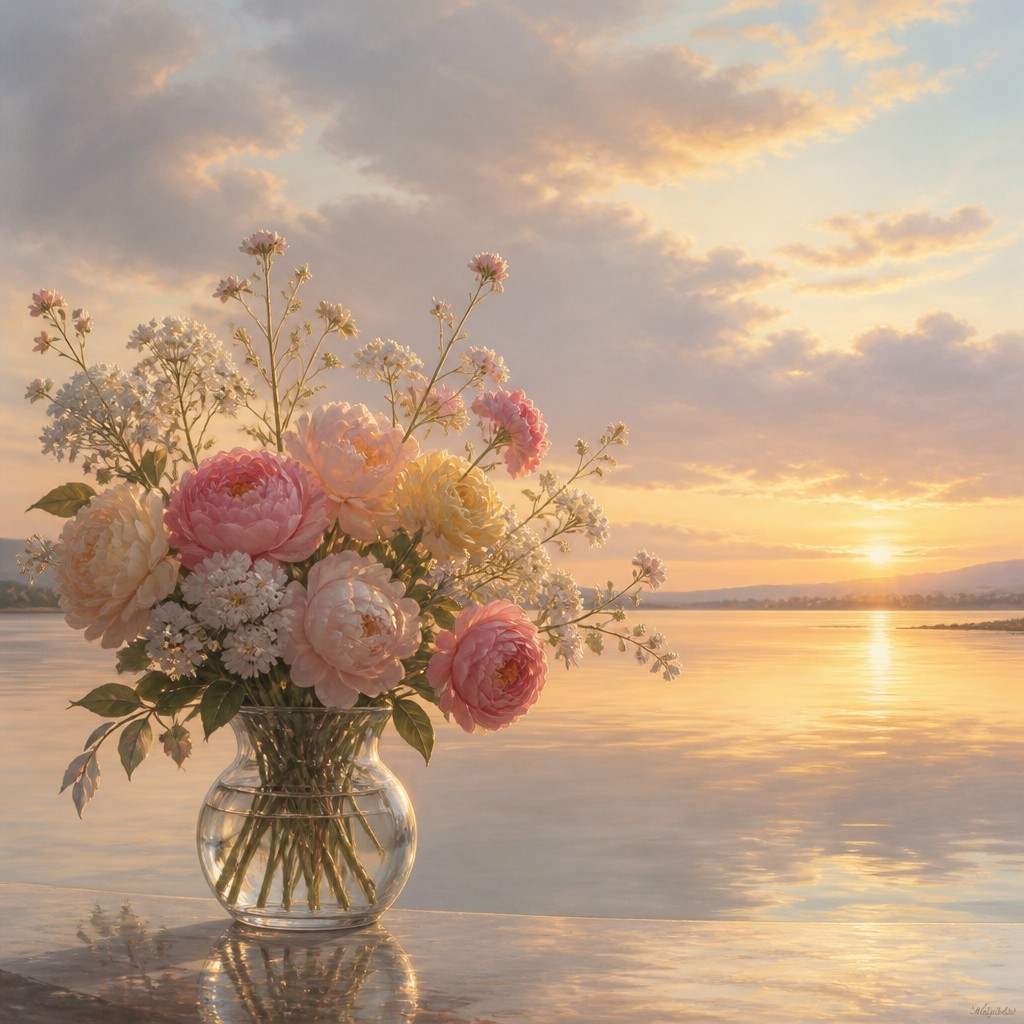
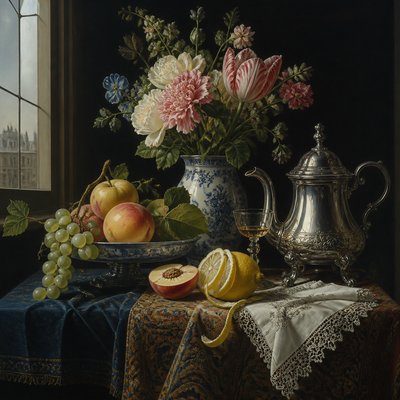
“bouquet of flowers in a glass vase”
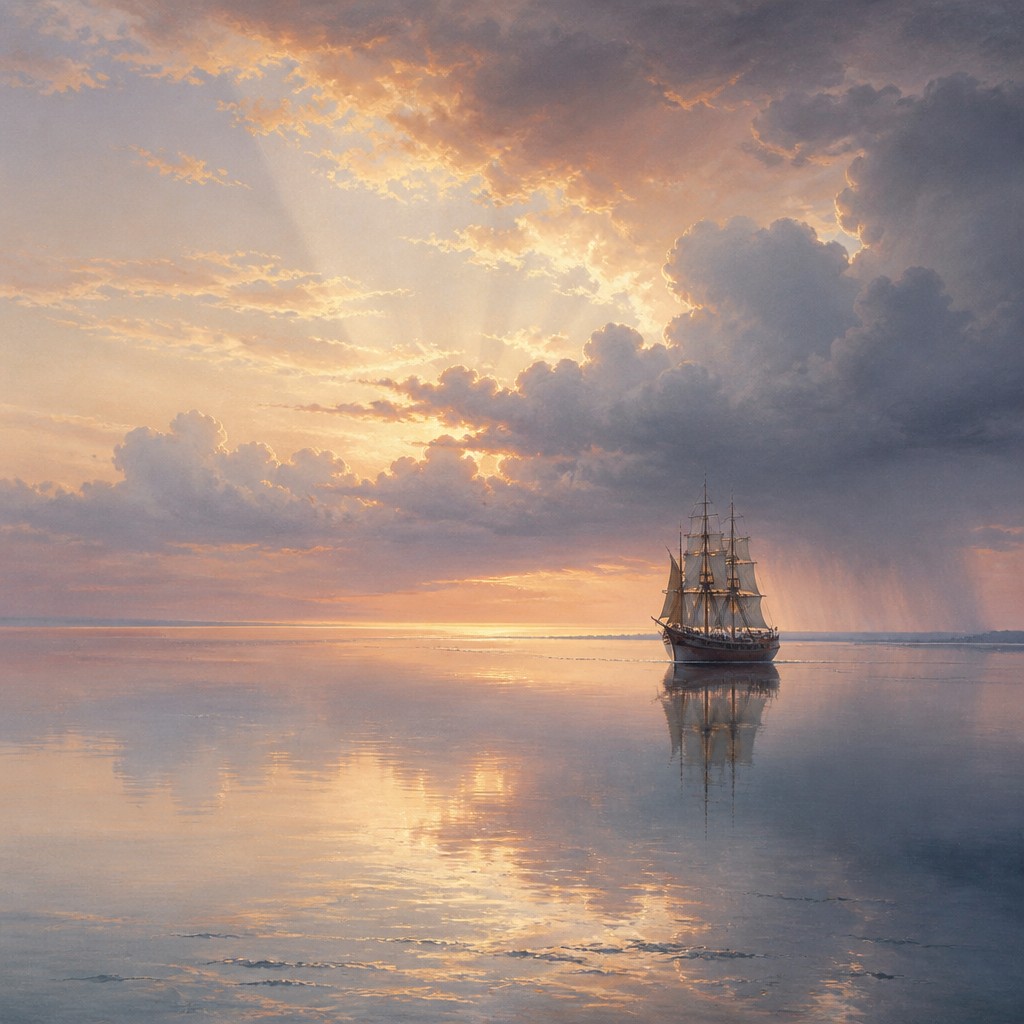
“sailing ship on a stormy sea”
How to Create Luminism Art
Master the craft step by step — or skip straight to creating. Read the full guide →
- 1
Build a stable horizontal composition
Begin with a low horizon, broad sky, and a large, quiet field of water or land. Keep major forms widely spaced and avoid diagonals or dense foreground activity that would disrupt the meditative rhythm.
- 2
Establish light before detail
Work from a unified atmospheric glow, then develop reflections, distant forms, and small accents within that light. In traditional painting, use thin layers and soft blending; digitally, use low-opacity gradients and restrained tonal adjustments.
- 3
Control edges and surface texture
Reserve sharp edges for a few important elements such as a shoreline, mast, or silhouetted tree. Blend most transitions smoothly and avoid conspicuous brush marks, heavy impasto, or excessive texture.
- 4
Use a limited, luminous palette
Combine pale amber or rose light with cool blue-gray shadows and silver atmospheric tones. Lower saturation across most of the image, allowing only subtle warm-cool contrast to suggest depth.
- 5
Write prompts around atmosphere and structure
For prompt-based creation, specify a low horizon, mirror-calm water, expansive glowing sky, smooth invisible brushwork, crystalline distance, and a quiet late-day palette. Add a restrained subject and explicitly exclude dramatic waves, crowded scenery, harsh outlines, and intense saturation.
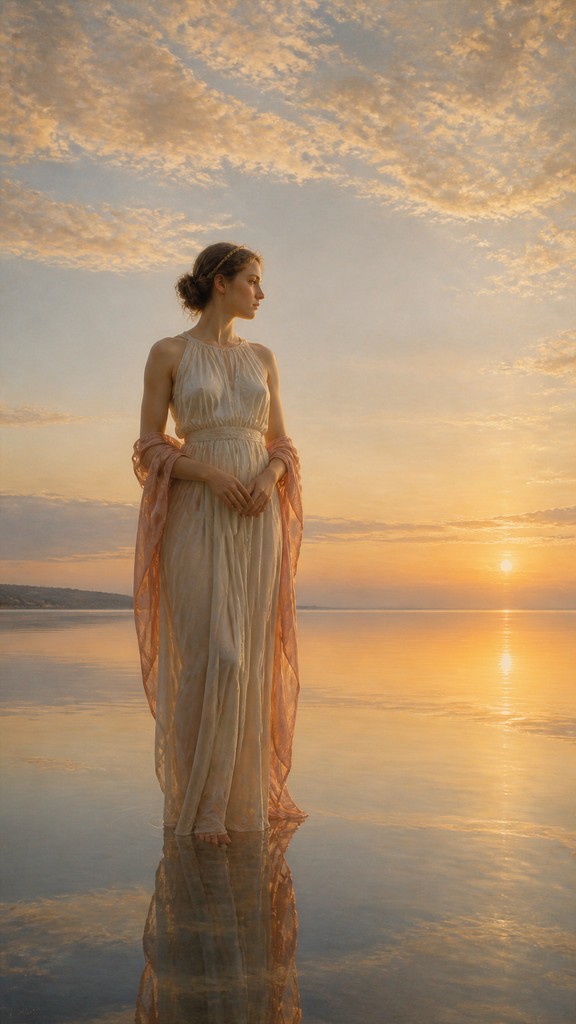
The Story
History & Origins of Luminism
Luminism developed in the United States during the 1850s and remained influential through the 1870s, emerging from the broader landscape tradition associated with the Hudson River School. It was not originally a tightly organized artists' group; the term was applied retrospectively to paintings that shared distinctive treatments of light, atmosphere, water, and compositional calm. The style reflected growing interest in the American landscape as both a national subject and a setting for spiritual reflection.
Its development coincided with advances in landscape observation, expanded travel, and a cultural fascination with wilderness, coastlines, rivers, and distant horizons. Later American landscape painting moved toward looser brushwork, stronger color, and more expressive or impressionistic effects, but Luminism continued to influence traditions of atmospheric painting, maritime imagery, tonalism, and contemplative nature photography.
Influences: Luminism grew from the American landscape tradition associated with the Hudson River School, while drawing on broader Romantic ideas about nature, sublime space, and spiritual contemplation. It is related to tonalism through its subdued palette and atmospheric unity, to maritime painting through its interest in water and horizons, and to realist landscape practice through its careful observation. Its calm geometry and emphasis on empty space also anticipate aspects of modern minimalist composition and contemplative landscape photography.

Frequently Asked Questions
What defines Luminism in art?
Luminism is defined by radiant, carefully controlled light; still water; low horizons; smooth surfaces; and a quiet, spacious composition. Small human or nautical details are often included for scale, but nature and atmosphere remain dominant.
When and where did Luminism originate?
Luminism developed in the United States during the 1850s and 1860s and continued into the 1870s. It emerged from the American landscape tradition connected with the Hudson River School, although it was not a formal organization with a fixed membership.
How is Luminism different from Impressionism?
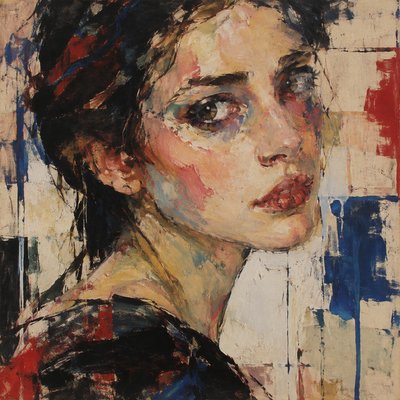
Luminism generally favors invisible brushwork, smooth tonal modeling, precise reflections, and composed stillness. Impressionism more often emphasizes visible, broken strokes, shifting color, immediate sensation, and the changing effects of light.
How is Luminism different from Romantic landscape painting?
Both traditions can treat nature as spiritually meaningful, but Romantic landscapes often emphasize dramatic scale, rugged terrain, storms, or theatrical contrasts. Luminism typically achieves emotion through restraint, silence, even illumination, and expansive calm.
Can Luminism be created digitally or from a photograph?
Yes. A digital artist can use broad gradients, low-opacity layers, controlled atmospheric haze, and selective sharpening to reproduce its smooth luminosity. A photograph can be adapted by simplifying visual clutter, lowering saturation, emphasizing reflections, and shaping the tonal range around a quiet horizon and glowing sky.
What subjects work best in a Luminist composition?
Coastal inlets, lakes, rivers, marshes, distant mountains, open ocean, and broad skies are especially suitable. A single boat, figure, lighthouse, or tree can add scale without overwhelming the spacious, contemplative design.
Create your first Luminism artwork
Describe anything — or upload a photo — and see it in Luminism Art Style in seconds.
Related Styles
Discover similar art styles