New York Art Style
Explore New York Art Style: gritty Ashcan urban realism, luminous Hudson River light, WPA mural color, and dynamic tenement compositions.
Instantly rendered in New York — or transform a photo
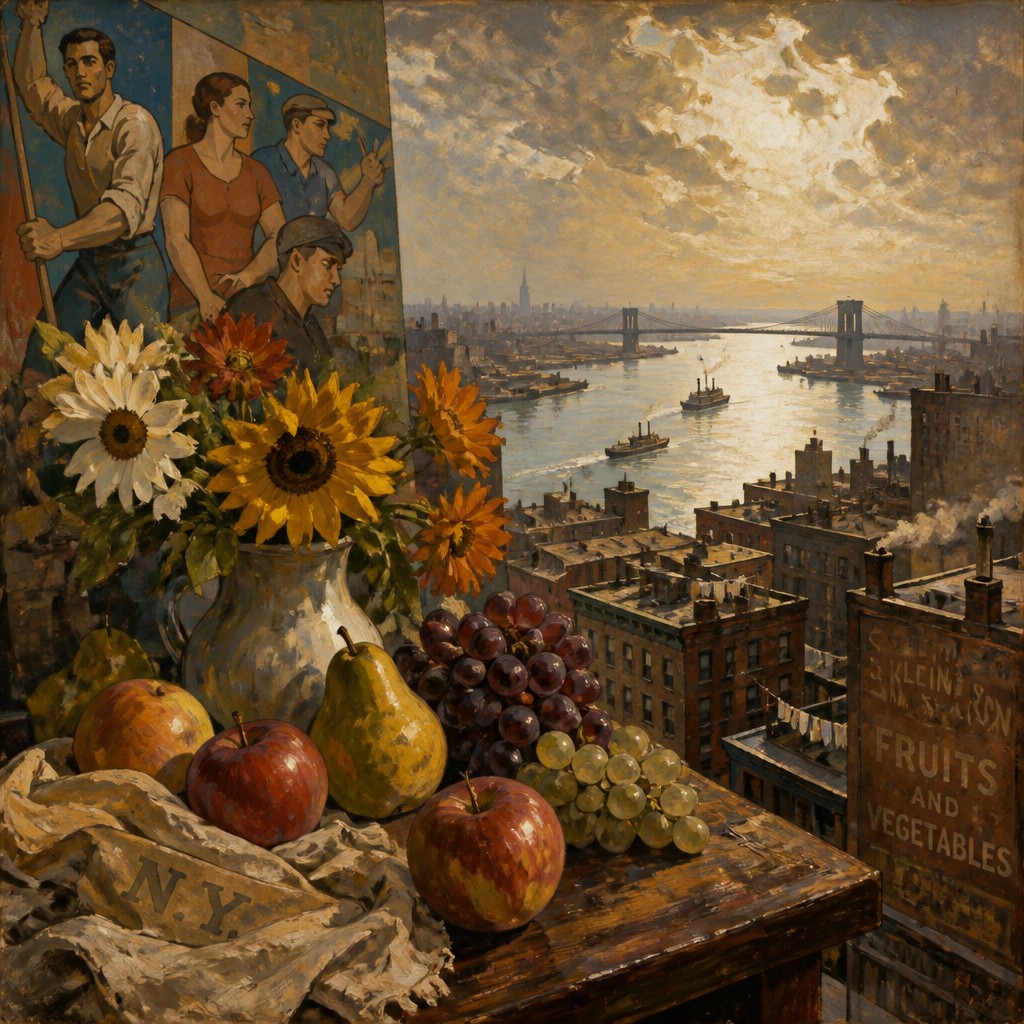
New York Gallery
Tap any artwork to explore it
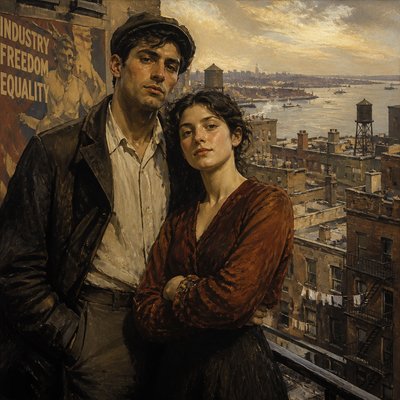
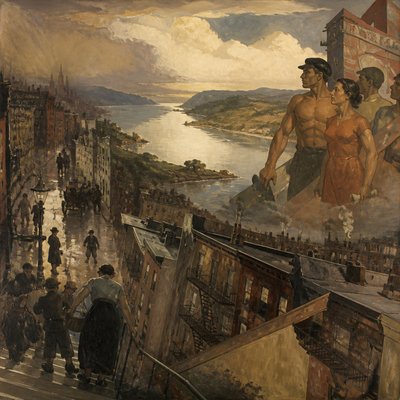
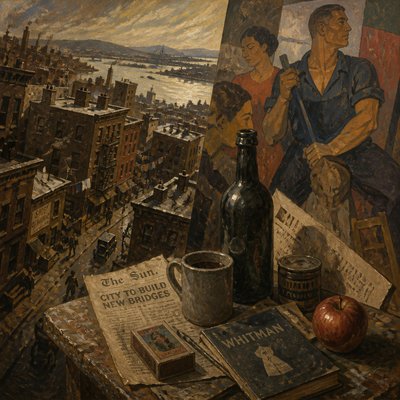
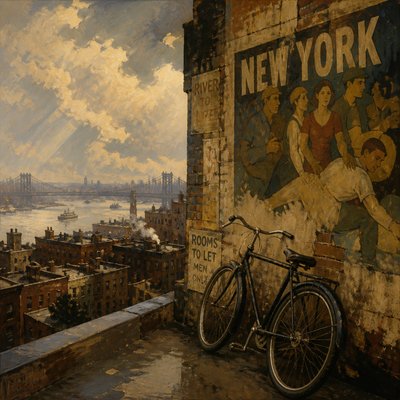
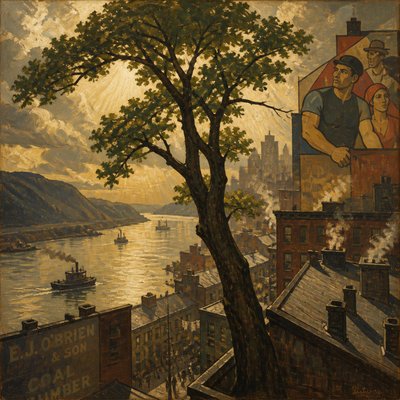
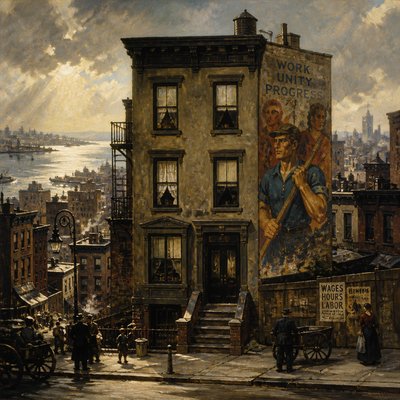
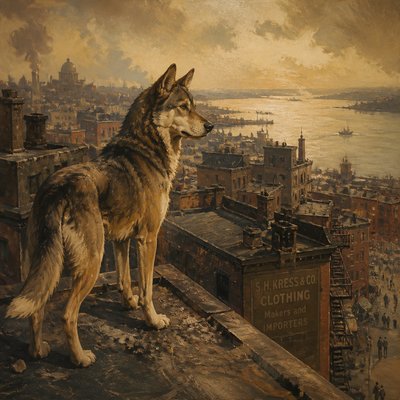
What is New York Art Style?
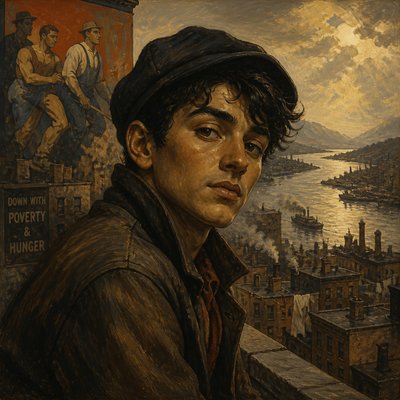
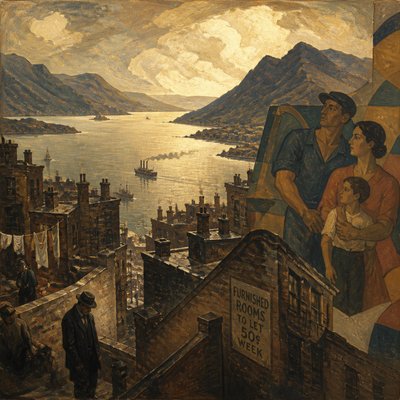
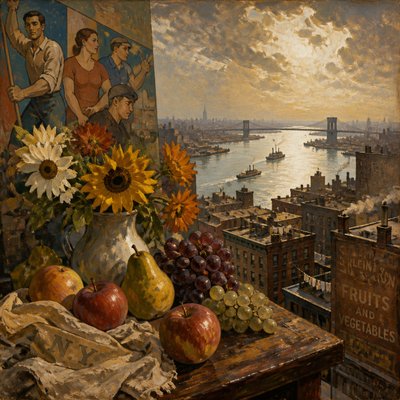
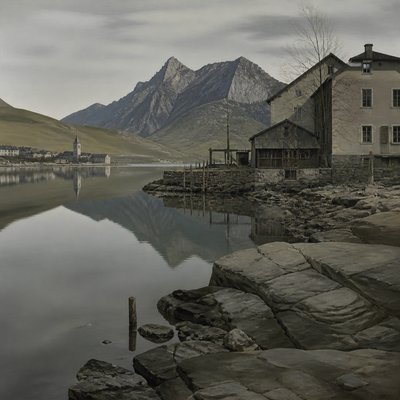
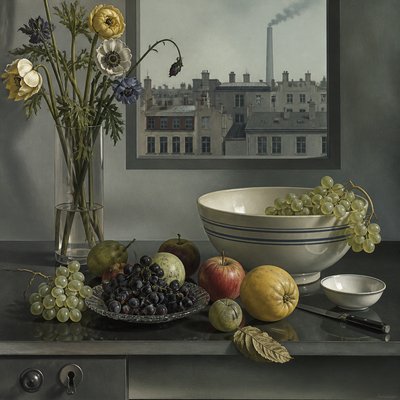
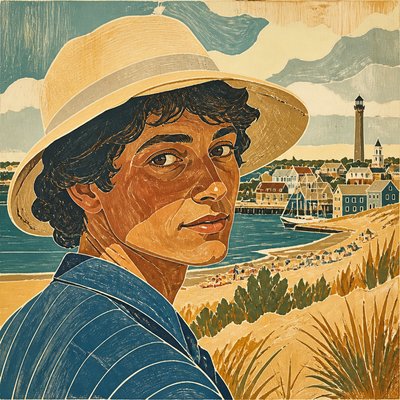
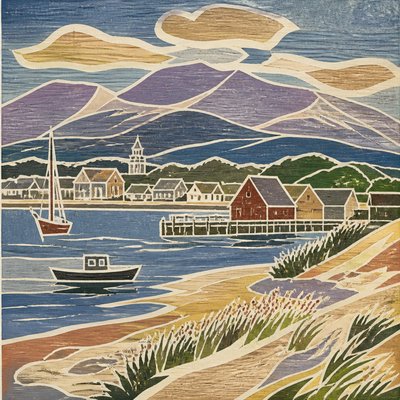
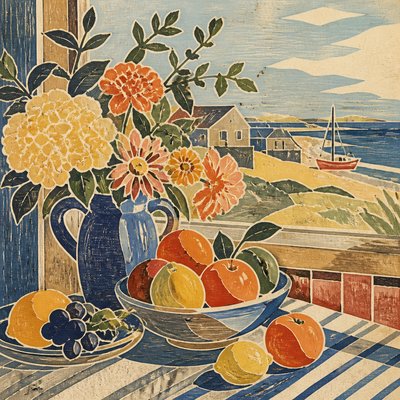
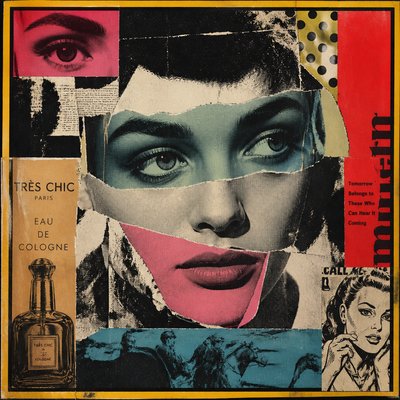
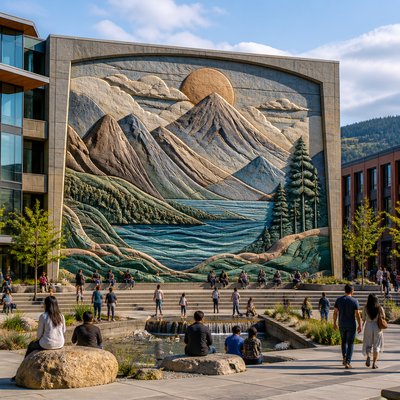
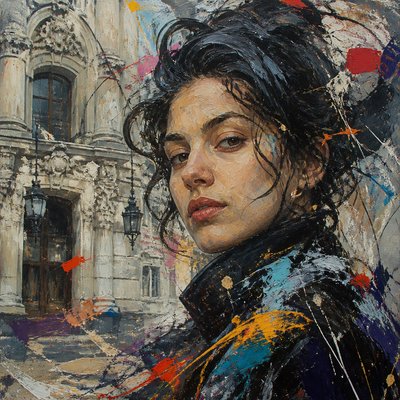
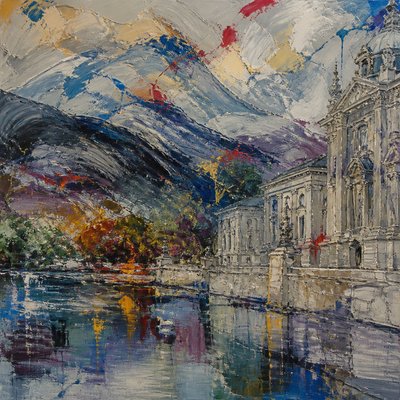
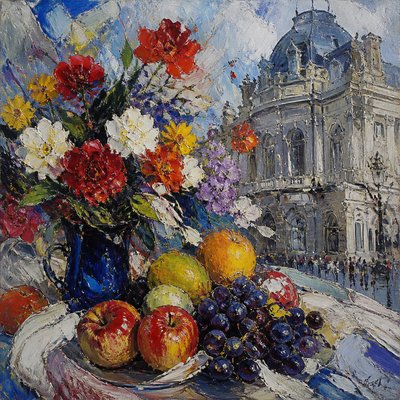
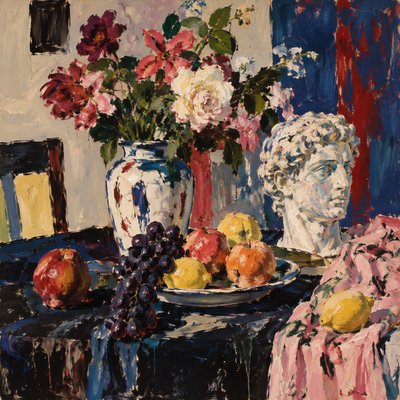
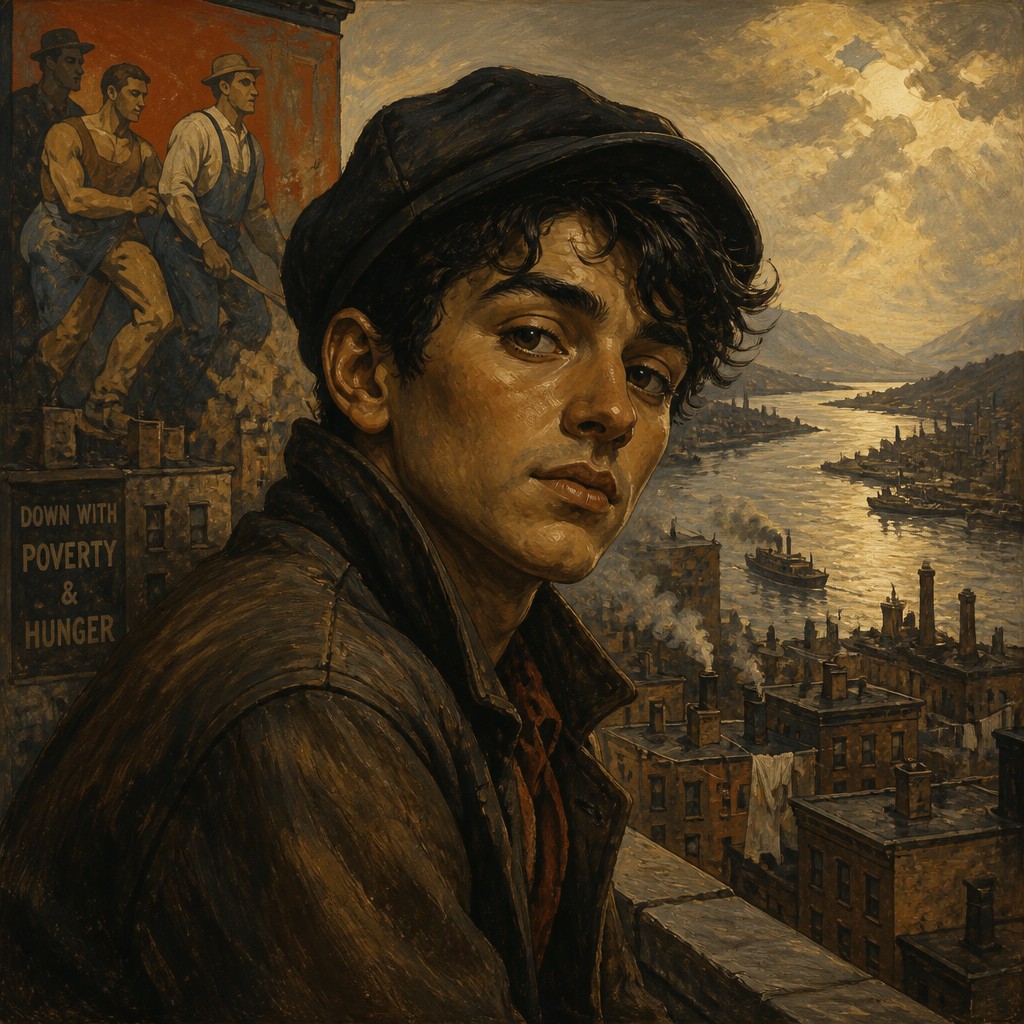
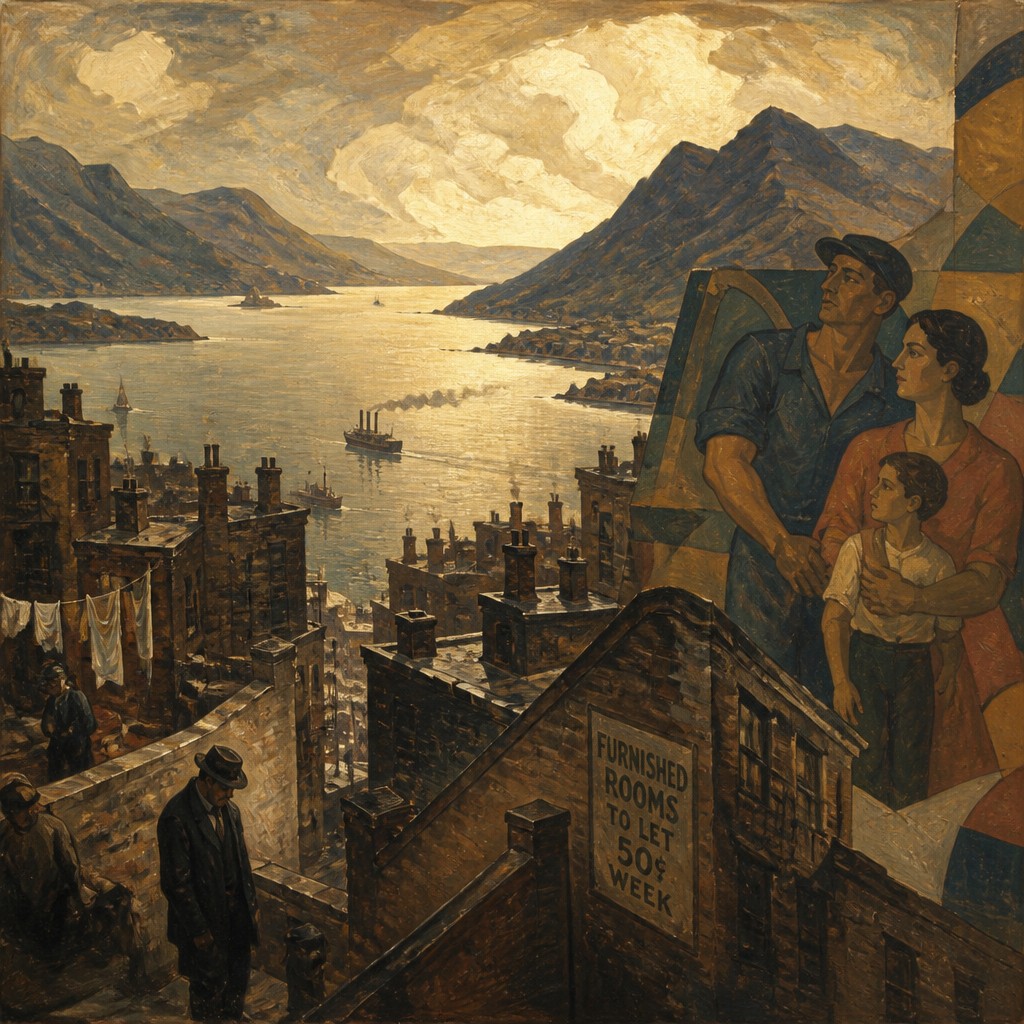
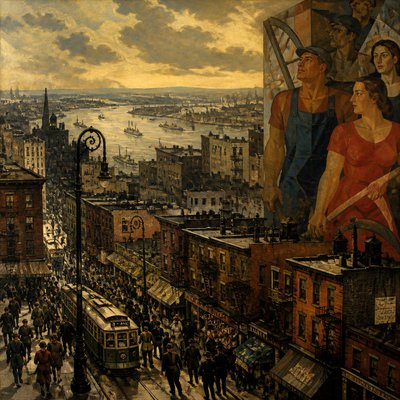
New York Art Style is a contemporary hybrid aesthetic combining gritty urban realism with luminous American landscape light and monumental public-art design. Its subjects often include tenement rooftops, crowded streets, elevated rail lines, bridges, river vistas, industrial waterfronts, and working-class neighborhoods rendered with energetic, visibly expressive brushwork.
The style gains its distinctive tension by placing city grime, smoke, brick, and weathered surfaces against broad atmospheric light. Warm sepia, ochre, rust, charcoal, and muted blue-gray passages suggest urban age and density, while bold flat color and large simplified figures introduce the directness of mural painting. Diagonal rooflines, converging streets, and dramatic horizons create a sense of movement within otherwise observational scenes.
Try It On Your Photos
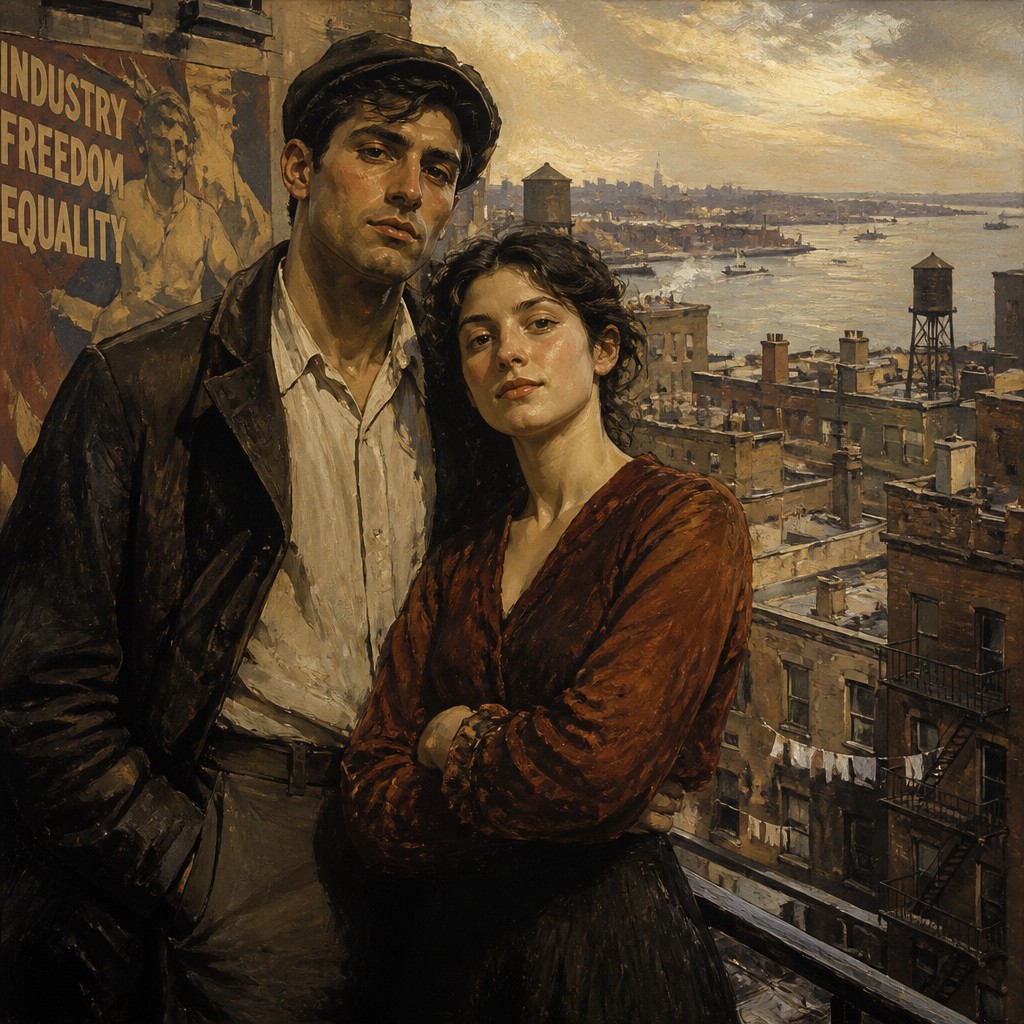
Upload any photo and convert it into New York Art Style — drag the sliders to compare before and after.


What Defines New York Art Style
The signature details, up close
Gritty urban surfaces
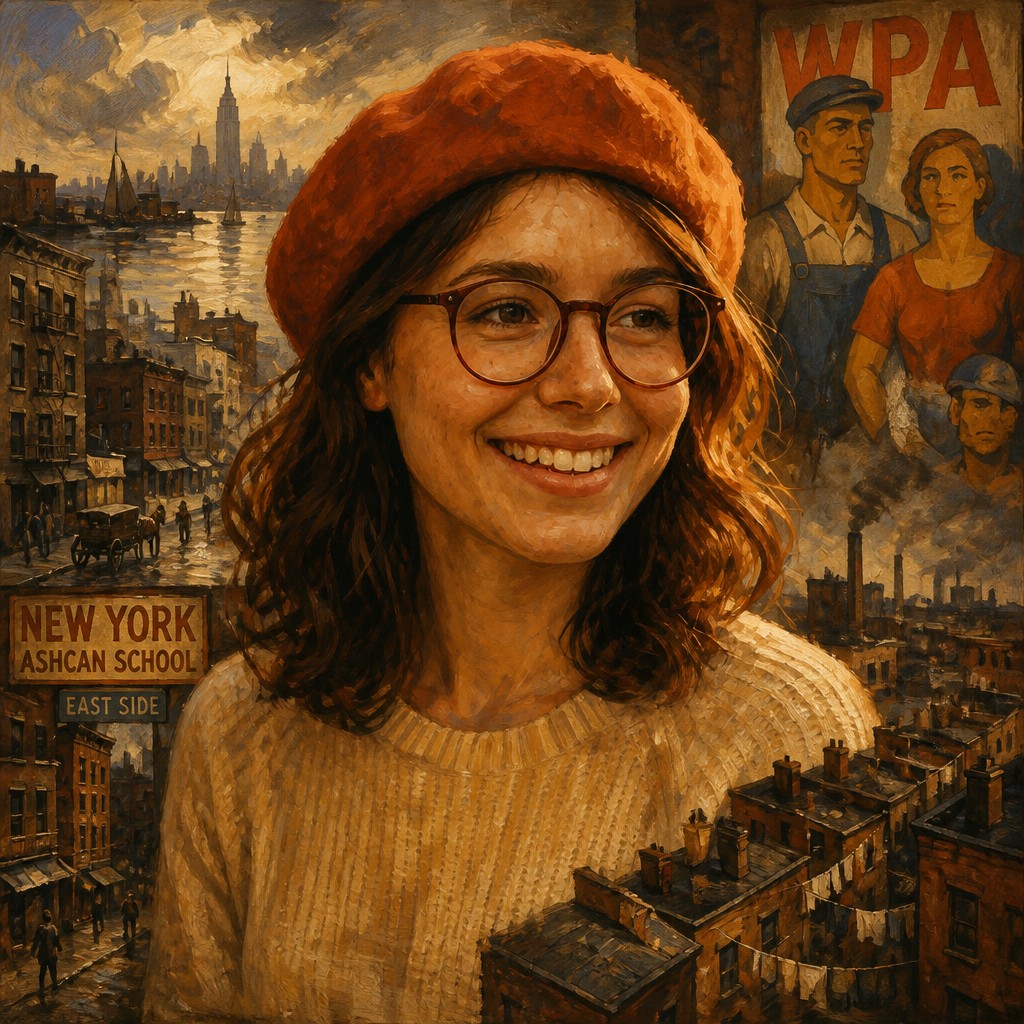
Brick, soot, rust, peeling paint, pavement, and smoke are emphasized through warm, textured passages. Surfaces feel weathered and materially present rather than polished.
Expressive brushwork
Loose, directional strokes describe architecture, figures, clouds, and traffic without eliminating the marks of the hand. Edges may remain broken or partially unresolved.
Luminous river light
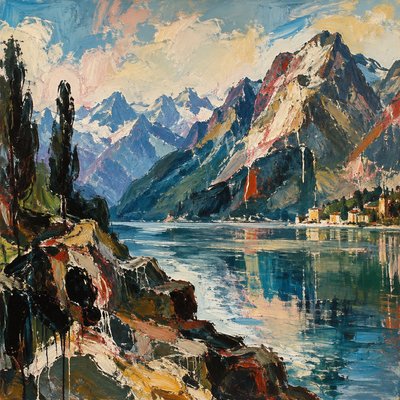
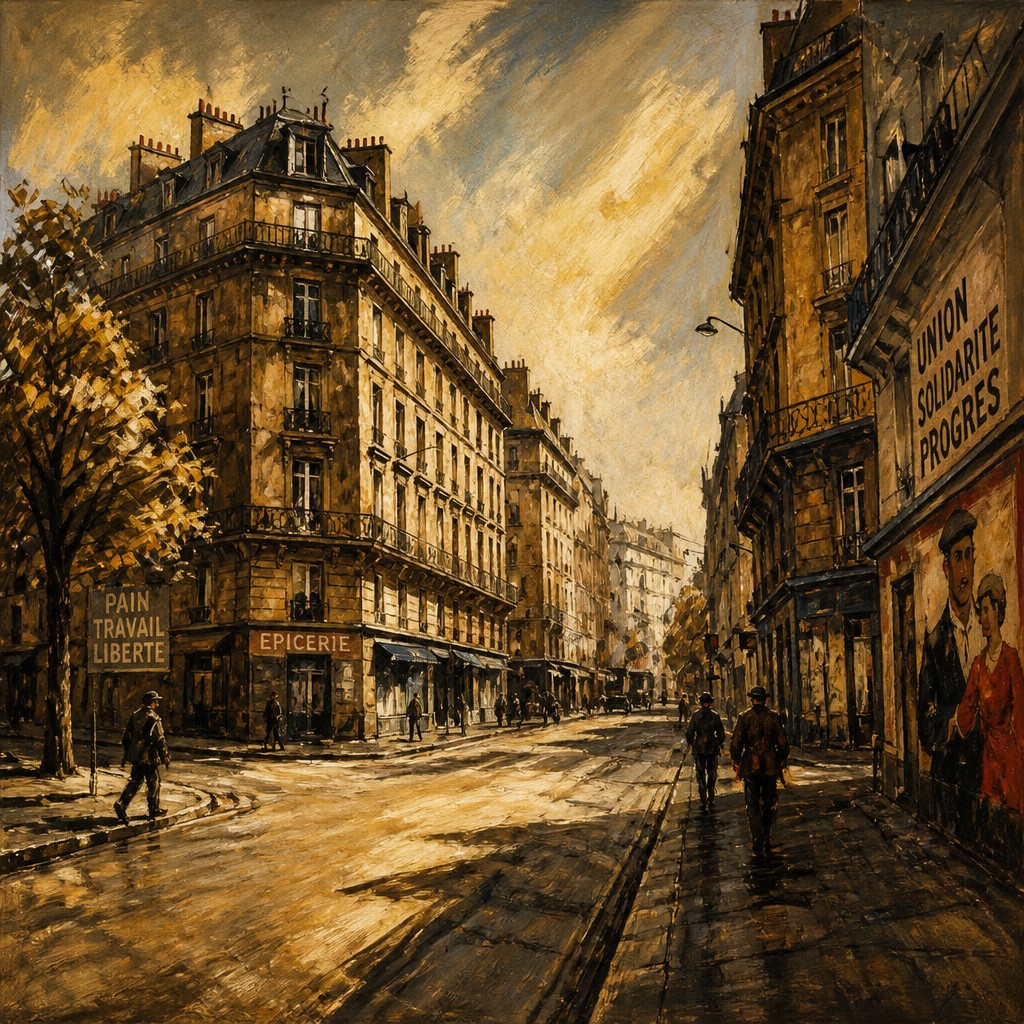
Broad atmospheric illumination recalls American landscape painting, with glowing horizons, reflective water, and shafts of light breaking through haze or cloud.
WPA-inspired monumentality
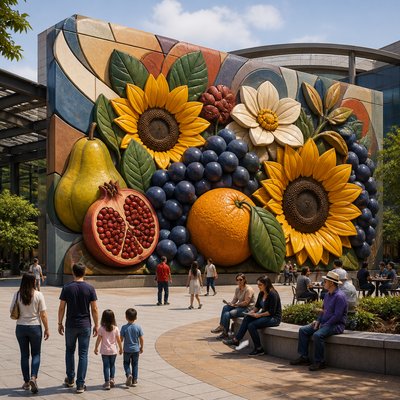
Figures and buildings are often simplified into sturdy, readable shapes with a mural-like sense of public scale. Bold flat color can sit beside more modeled passages.
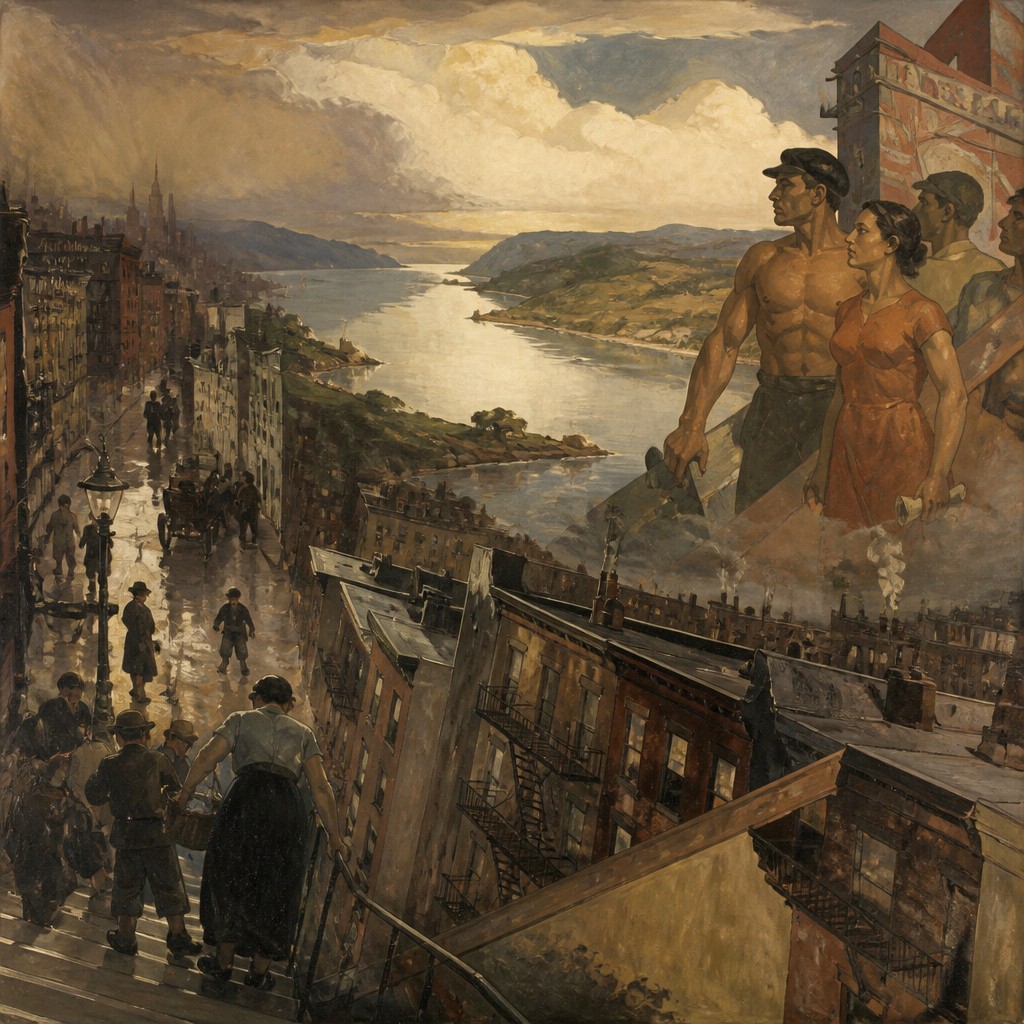
Dynamic diagonal structure
Tenement roofs, fire escapes, bridges, streets, and waterfront edges form strong diagonals that lead the eye through the composition and convey metropolitan energy.
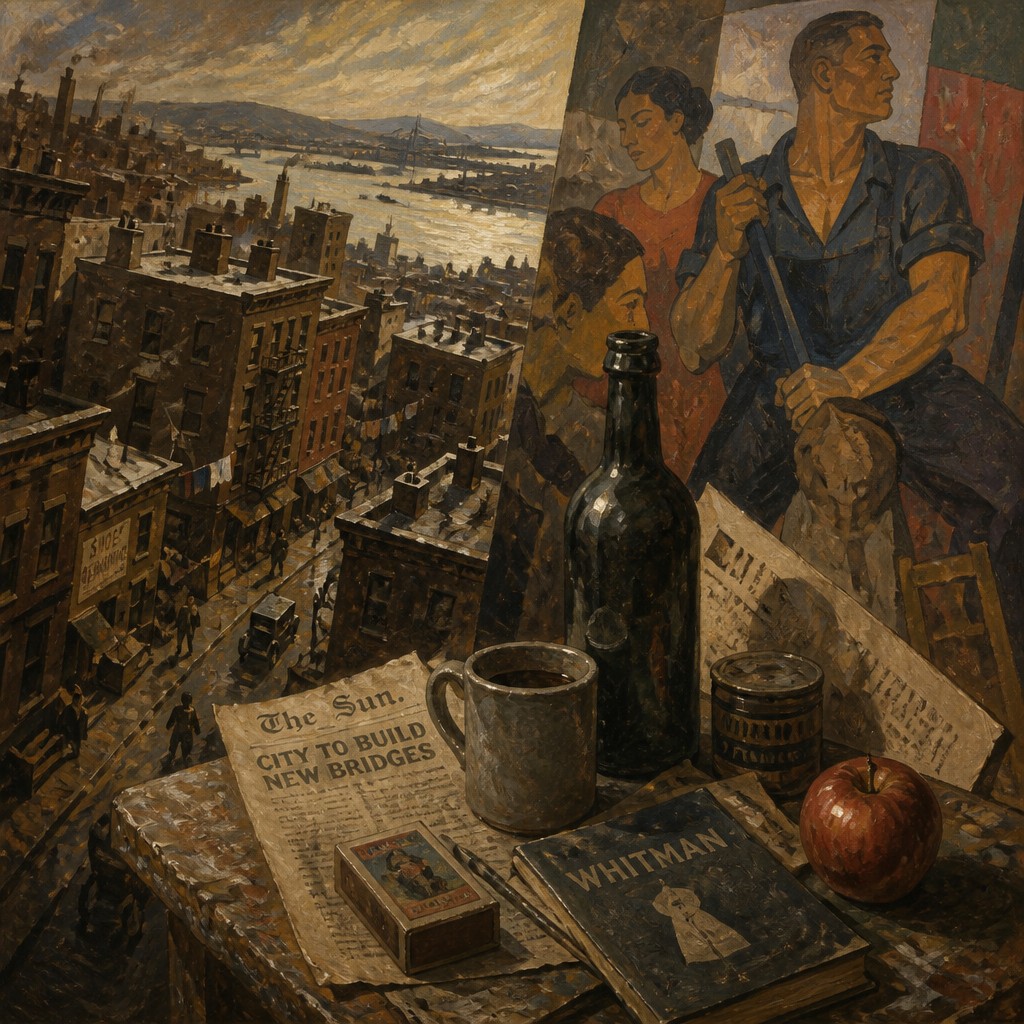
Restricted urban palette
Sepia, umber, ochre, brick red, charcoal, cream, and blue-gray establish a period-inflected atmosphere. Brighter accents are used selectively for signage, clothing, windows, or sunset light.
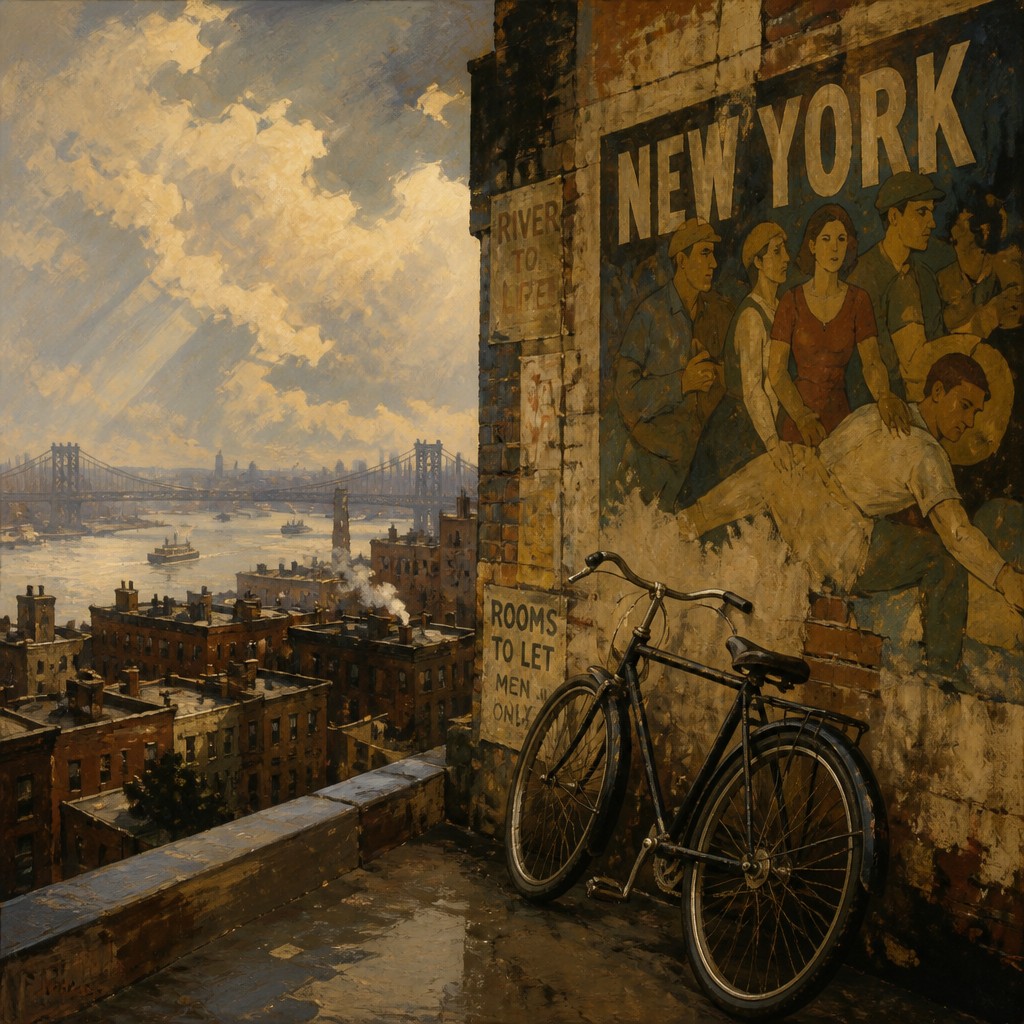
Observational social realism
The style favors ordinary people, dense neighborhoods, labor, transit, and public space over idealized celebrity or luxury imagery. Human activity gives architectural scenes their emotional weight.
New York Prompt Ideas
Start from an idea — each one opens the generator with the style ready to go. See all 40 New York prompts →
How to Create New York Art
Master the craft step by step — or skip straight to creating. Read the full guide →
- 1
Build a strong perspective framework
Start with a clear horizon and place rooftops, streets, bridges, or river edges on forceful diagonals. Establish large masses before adding windows, fire escapes, signs, and pedestrians.
- 2
Block in a restrained palette
Use umber, ochre, rust, charcoal, cream, and muted blue-gray as the foundation, then reserve saturated color for focal details. Glazing or translucent digital layers can create smoky depth.
- 3
Contrast grime with atmosphere
Paint tactile foreground textures with dry-brush or broken strokes, while keeping distant buildings and water softer. A bright horizon or reflective river passage prevents the image from becoming uniformly dark.
- 4
Simplify figures and architecture
Use compact silhouettes, broad planes, and readable gestures rather than overly detailed anatomy. Treat groups of people and blocks of buildings as mural-scale shapes within the larger composition.
- 5
Combine handwork with digital structure
In digital painting, use textured brushes, overlayed color washes, and selectively sharpened edges to balance roughness with clarity. Scanned charcoal, dry-brush marks, or paper grain can add physical irregularity.
- 6
Write prompts with layered visual priorities
For prompt-based creation, specify the subject first, then request gritty urban brushwork, luminous river light, warm sepia grime, bold mural-like figures, and diagonal rooftop or street composition. Add era, weather, palette, and camera viewpoint to control the result.
The Story
History & Origins of New York
New York Art Style is not a formally established historical movement; it is an invented synthesis of several American visual traditions. Its primary lineage comes from early twentieth-century Ashcan realism, which emphasized unsentimental scenes of city life through vigorous brushwork and everyday subject matter, combined with the expansive atmospheric effects of the nineteenth-century Hudson River School.
It also draws on the monumental figures, simplified forms, and public-minded visual language associated with New Deal-era WPA murals. The resulting aesthetic treats New York as both a lived urban environment and a symbolic landscape, joining documentary grit, romantic river light, and civic-scale composition without claiming a single historical origin.
Influences: The style is related to Ashcan realism, the Hudson River School, New Deal-era WPA mural painting, American regionalism, urban social documentary, and twentieth-century public art. It also shares techniques with plein-air landscape painting, editorial illustration, poster design, and contemporary street-art composition, especially in its use of simplified figures, strong silhouettes, compressed palettes, and large graphic shapes.
Frequently Asked Questions
What defines New York Art Style?
It combines gritty early American urban realism with luminous river and sky effects, bold mural-like forms, and diagonal compositions based on rooftops, streets, bridges, and waterfronts. The visual identity depends on the contrast between weathered city surfaces and expansive atmospheric light.
Is New York Art Style a historical art movement?
No. It is a contemporary hybrid label rather than a recognized historical movement with a fixed period or membership. Its aesthetic lineage comes from Ashcan realism, the Hudson River School, WPA murals, and related American traditions.
How does it differ from Ashcan realism?
Ashcan realism is the more specific historical tradition centered on direct, unsentimental depictions of urban life in the early twentieth century. New York Art Style expands that foundation by adding romantic landscape light, monumental mural design, and more deliberately dramatic color and composition.
How can I make an image in this style?
Choose an urban subject with visible structure, such as rooftops, tenements, transit, or a riverfront, and organize it around strong diagonals. Use a restricted sepia and ochre palette, expressive texture, simplified figures, and a bright atmospheric light source.
Can this style be used for portraits?
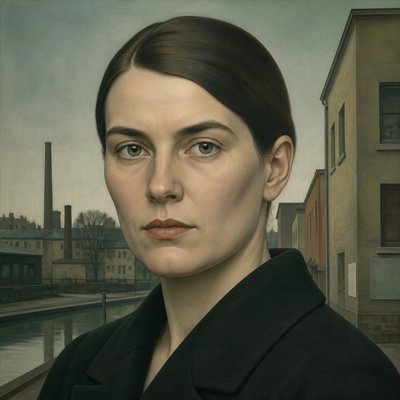
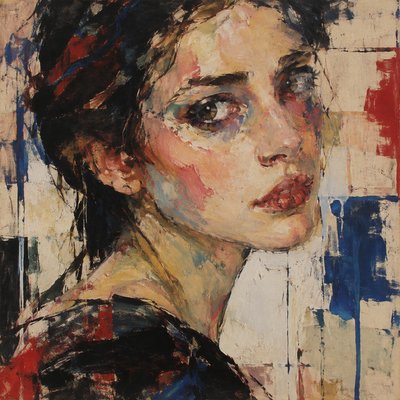
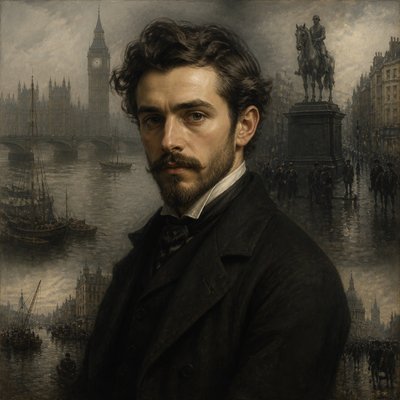
Yes, particularly for portraits set against stoops, rooftops, industrial streets, or waterfronts. Keep the face and gesture readable while using mural-like simplification, textured surroundings, and environmental light to connect the subject to the city.
Where is this visual style most useful?
It suits editorial illustration, historical or urban storytelling, travel imagery, poster art, book covers, murals, concept art, and atmospheric city scenes. It is especially effective when a work needs both documentary texture and a strong sense of civic or geographic identity.
Create your first New York artwork
Describe anything — or upload a photo — and see it in New York Art Style in seconds.
Related Styles
Discover similar art styles