Feminist Art Style
Explore Feminist Art Style: bold protest collage, quilted patterns, embroidery, fearless color, and handmade textures rooted in feminist visual culture.
Instantly rendered in Feminist — or transform a photo
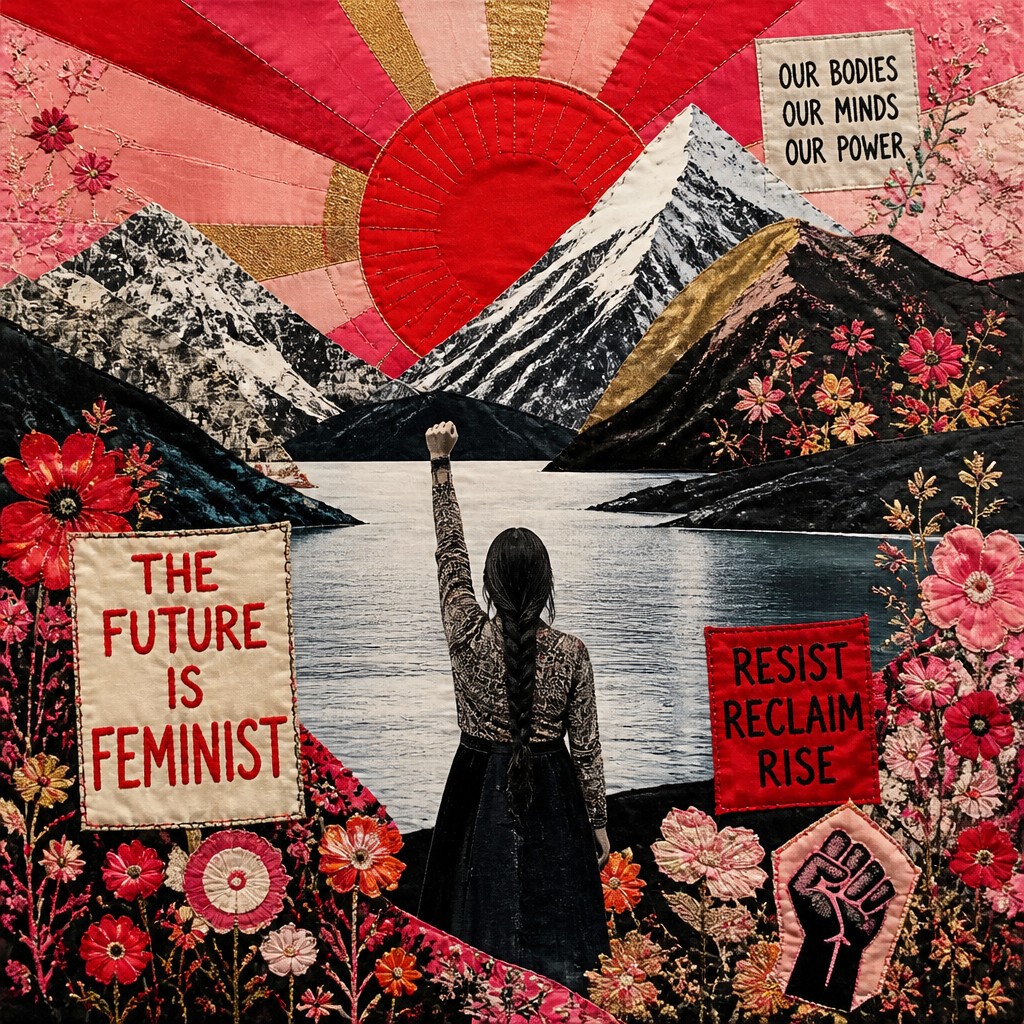
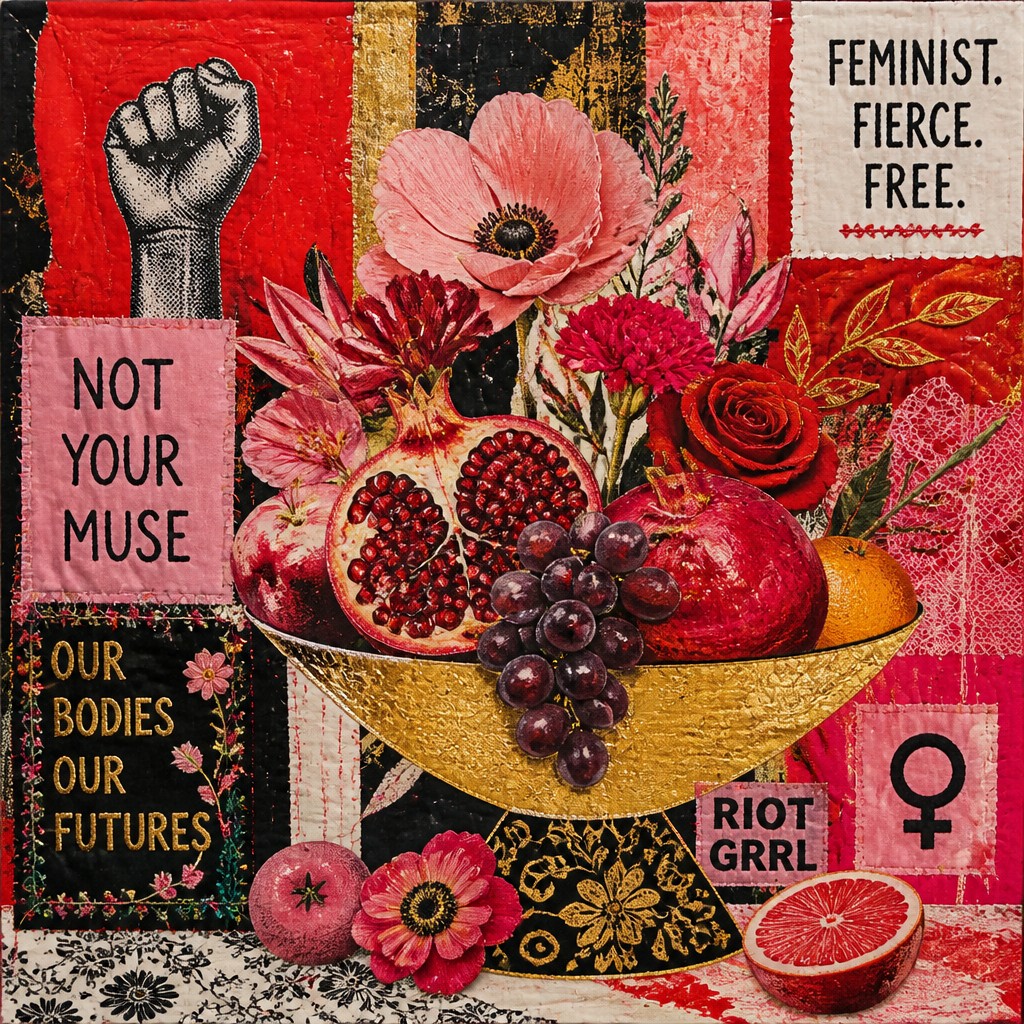
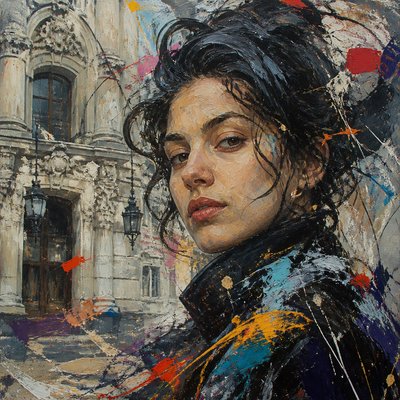
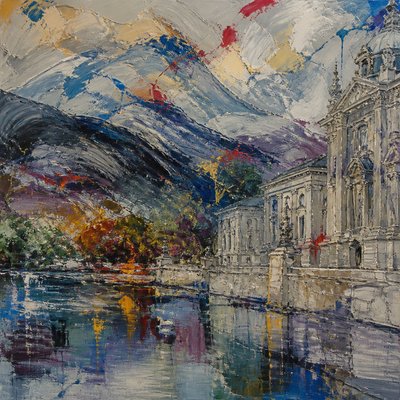
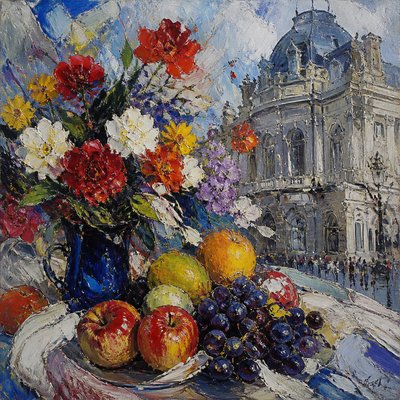
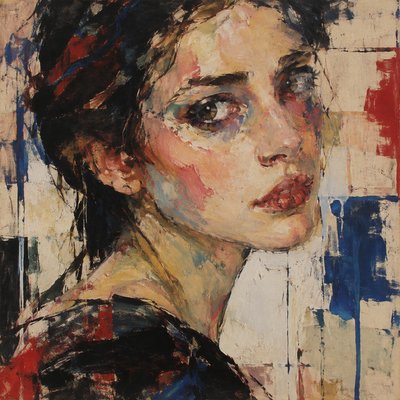
Feminist Gallery
Tap any artwork to explore it
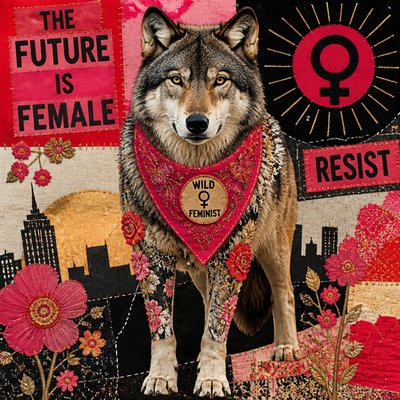
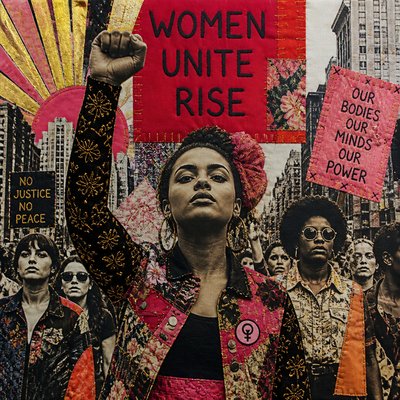
What is Feminist Art Style?
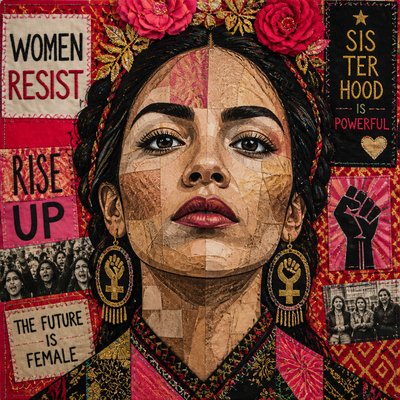
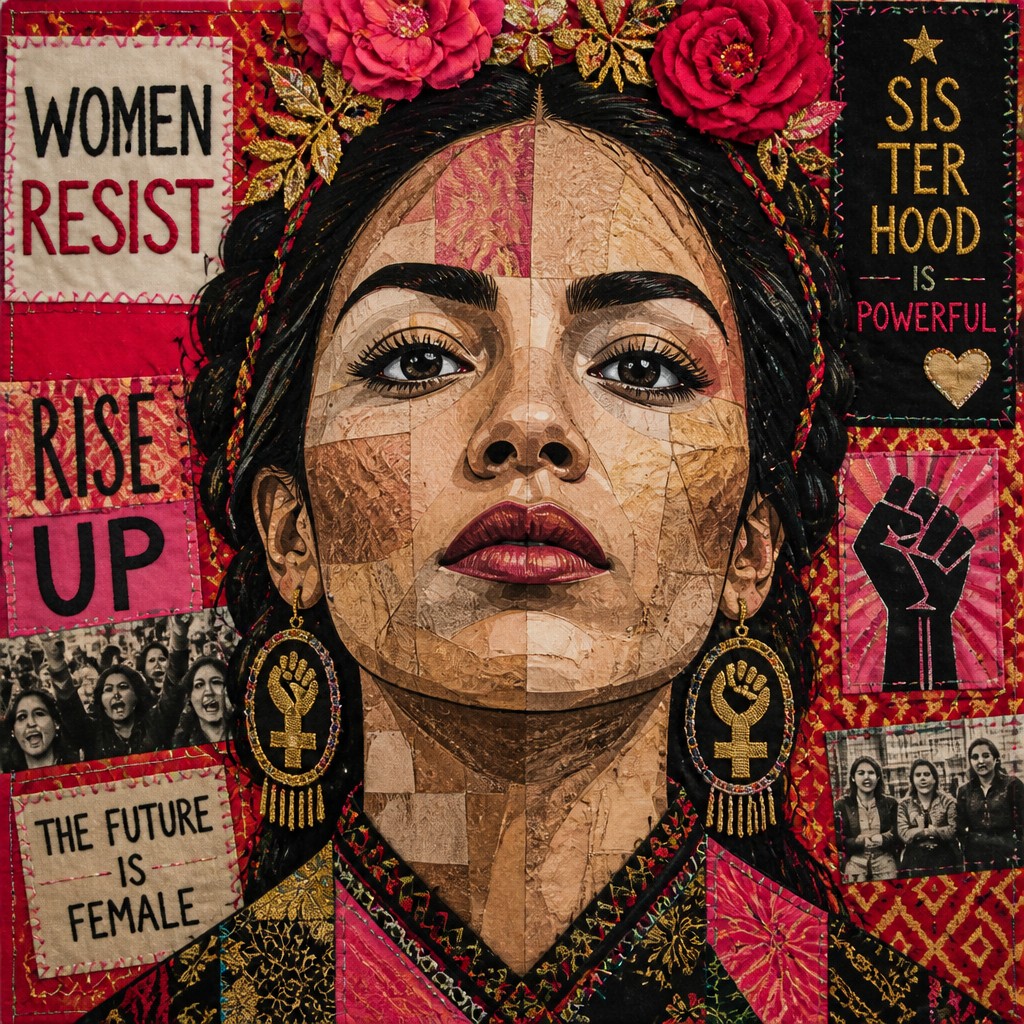
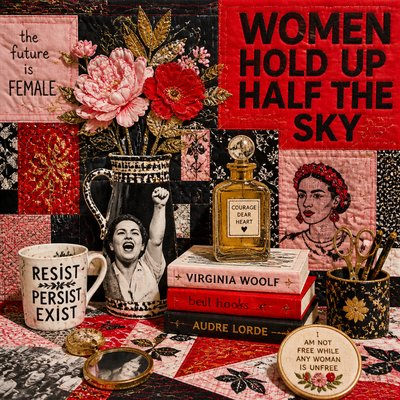
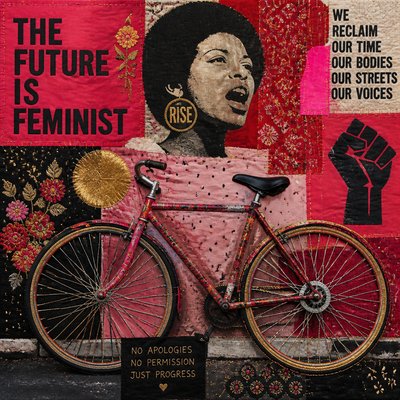
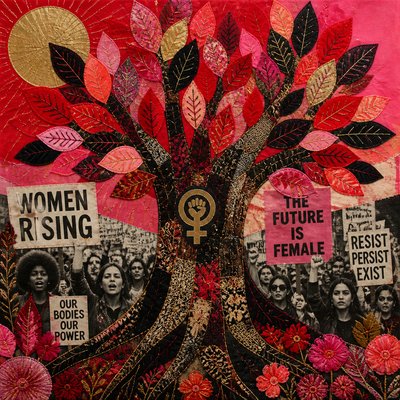
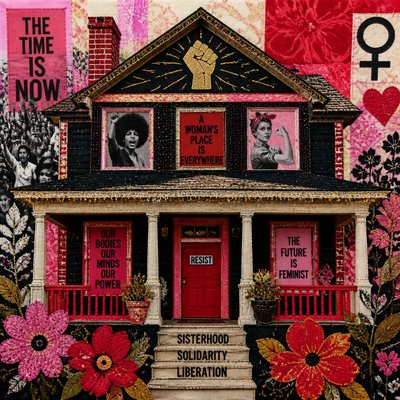
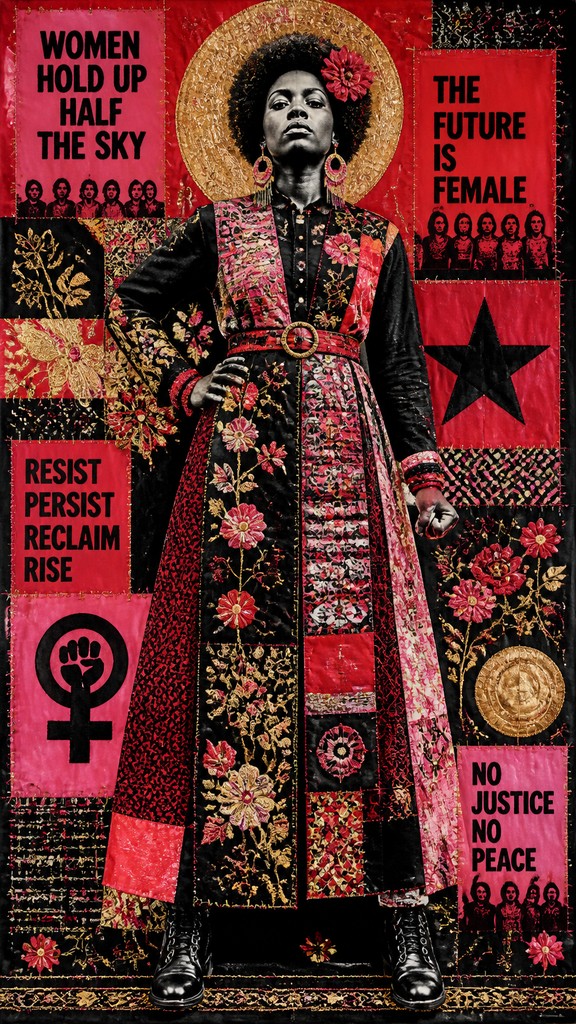
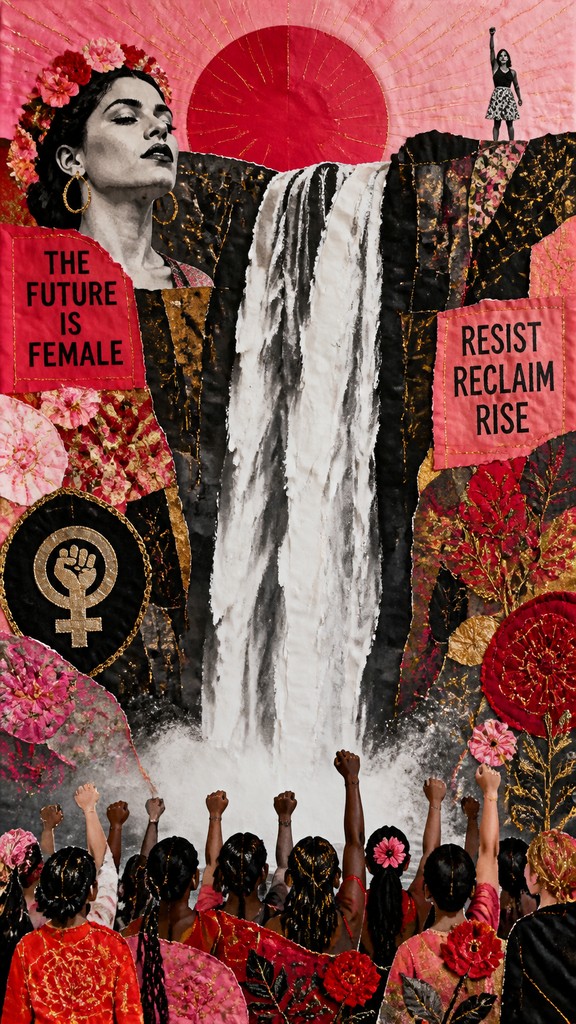
Feminist Art Style is a contemporary visual synthesis rather than a single historically codified movement. It combines the directness of political photomontage with the tactile language of quilting, embroidery, appliqué, poster graphics, and other traditionally undervalued forms of domestic labor. Its imagery is often frontal, declarative, and symbolically charged, using color and texture to turn personal experience into public argument.
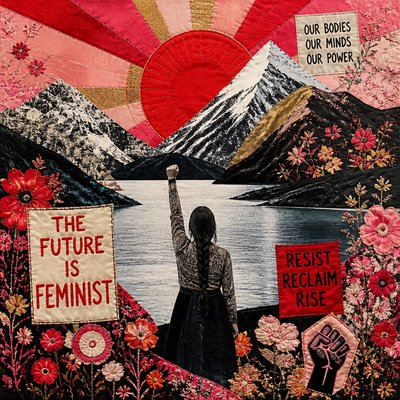
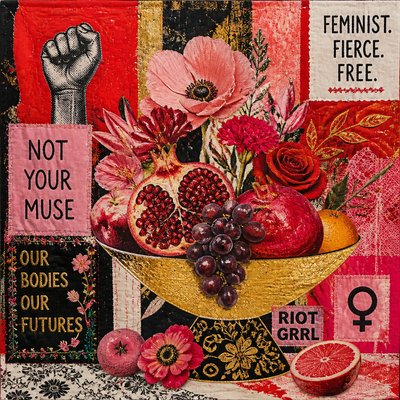
The style is recognizable for its assertive contrast: protest red, hot pink, black, cream, and metallic gold may appear in hard-edged blocks beside visible stitches, fabric grain, torn paper, photocopy artifacts, and layered photographic fragments. The visual tension between handmade irregularity and graphic control reflects recurring feminist concerns with labor, representation, power, bodily autonomy, solidarity, and the recovery of marginalized histories.
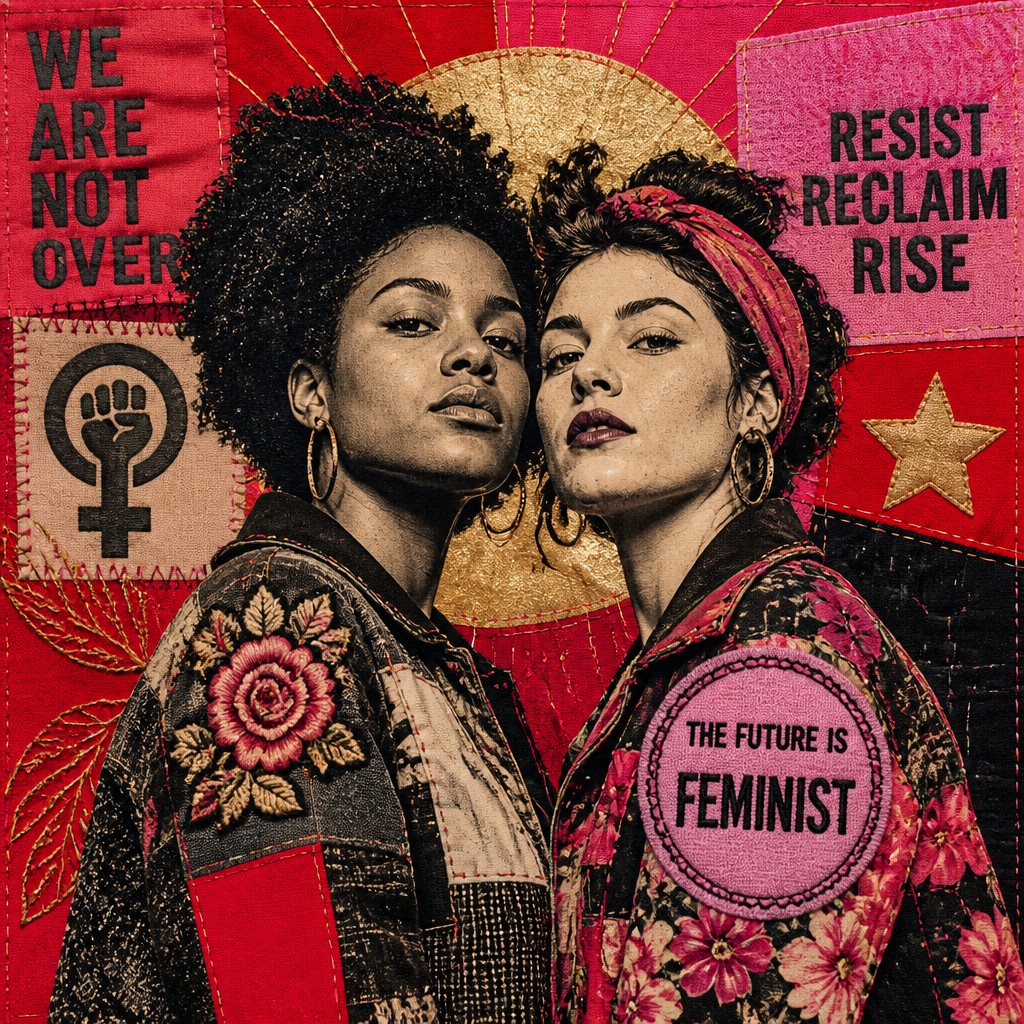
Try It On Your Photos
Upload any photo and convert it into Feminist Art Style — drag the sliders to compare before and after.
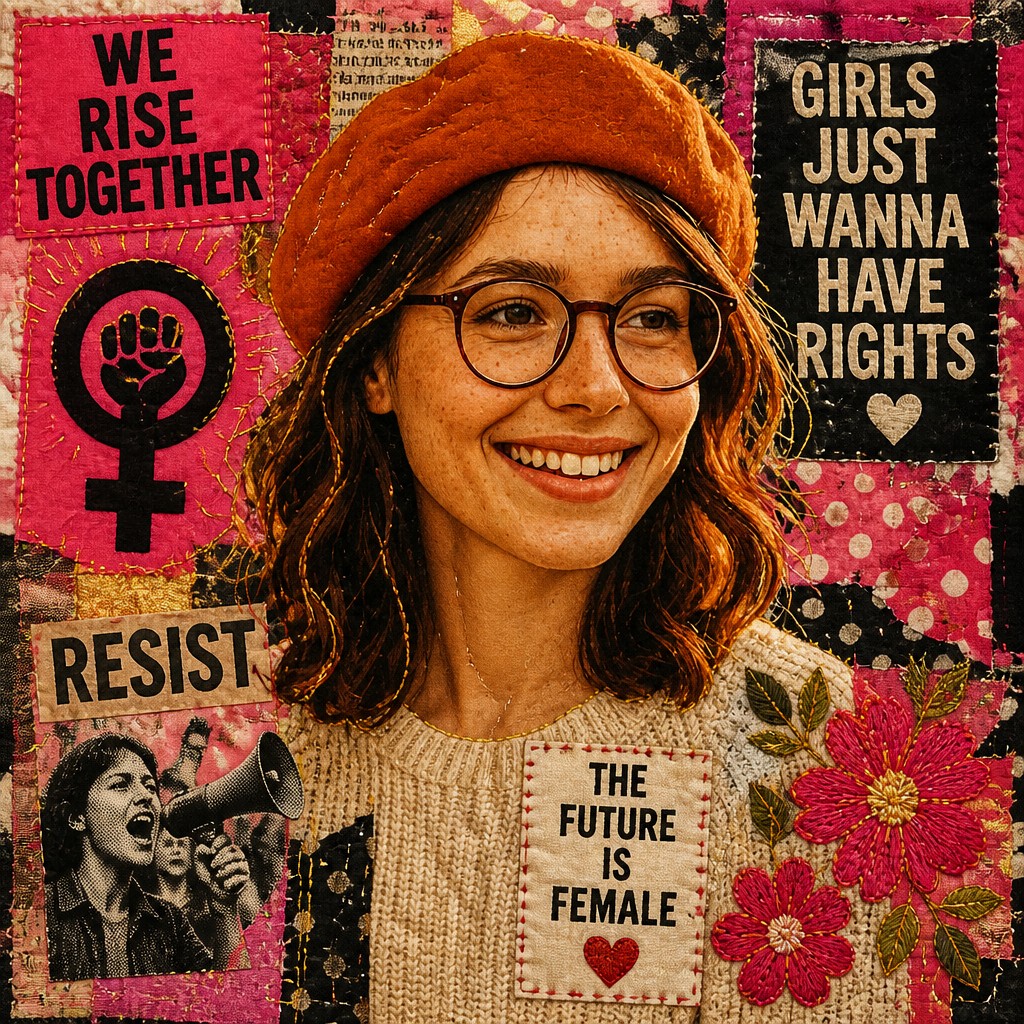

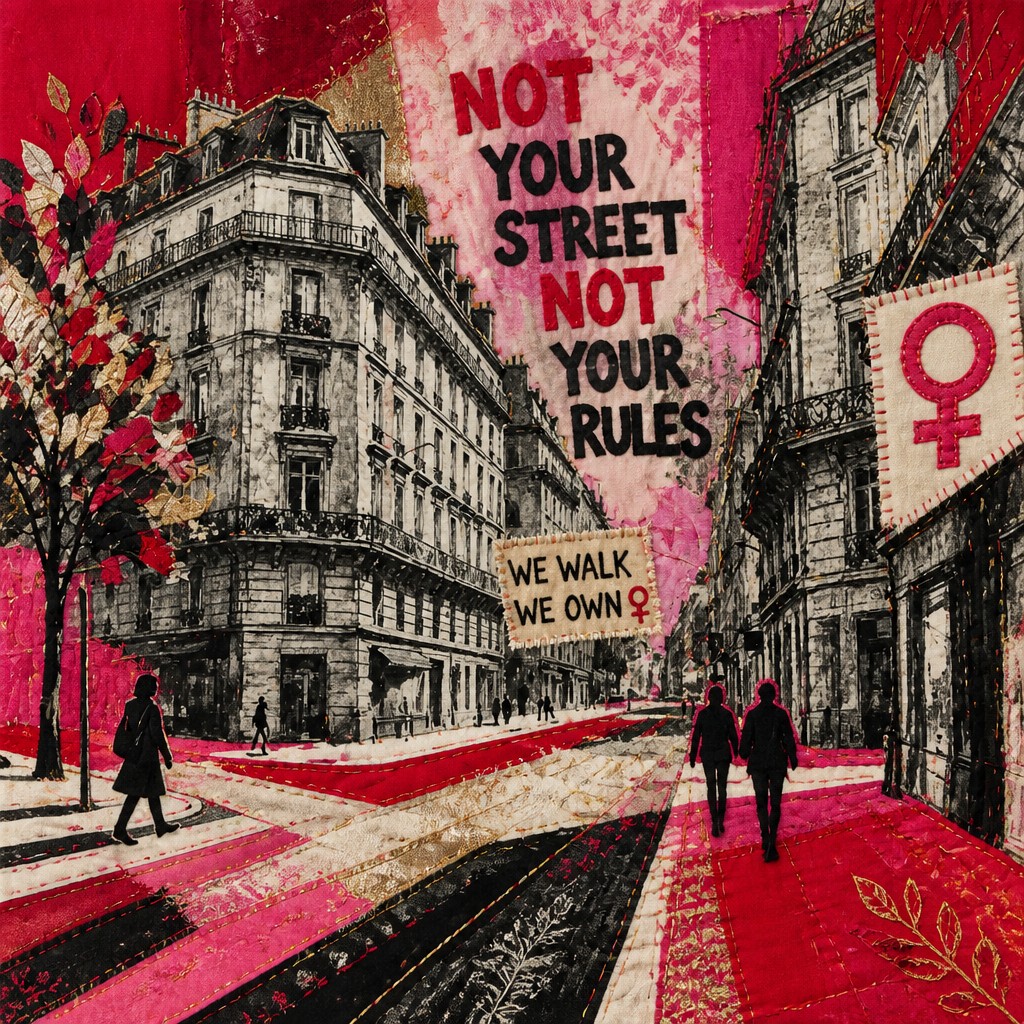

What Defines Feminist Art Style
The signature details, up close
Photomontage and fragmented imagery
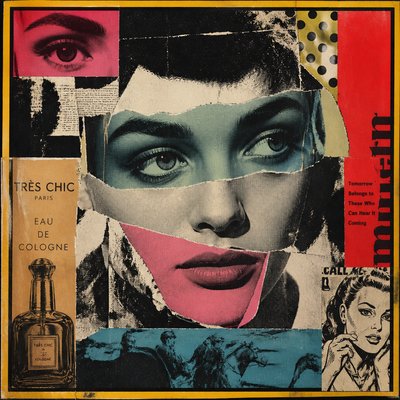
Photographic faces, bodies, objects, headlines, and documentary details are cut, repeated, obscured, or recombined to create political associations. Visible seams and abrupt transitions are often retained rather than polished away.
Quilted and embroidered structure
Patchwork grids, appliqué shapes, thread lines, blanket stitches, and fabric scraps provide a tactile framework. These craft references connect visual form to labor, memory, care, and collective making.
Protest color
Red, pink, black, white, and gold create a forceful palette with strong emotional and symbolic impact. Flat color fields are frequently placed beside distressed paper, faded photography, or rough textile surfaces.
Assertive composition
Central figures, frontal gazes, oversized symbols, and poster-like arrangements give the image a public, confrontational presence. Typography or emblematic forms may function as visual declarations even when no words are present.
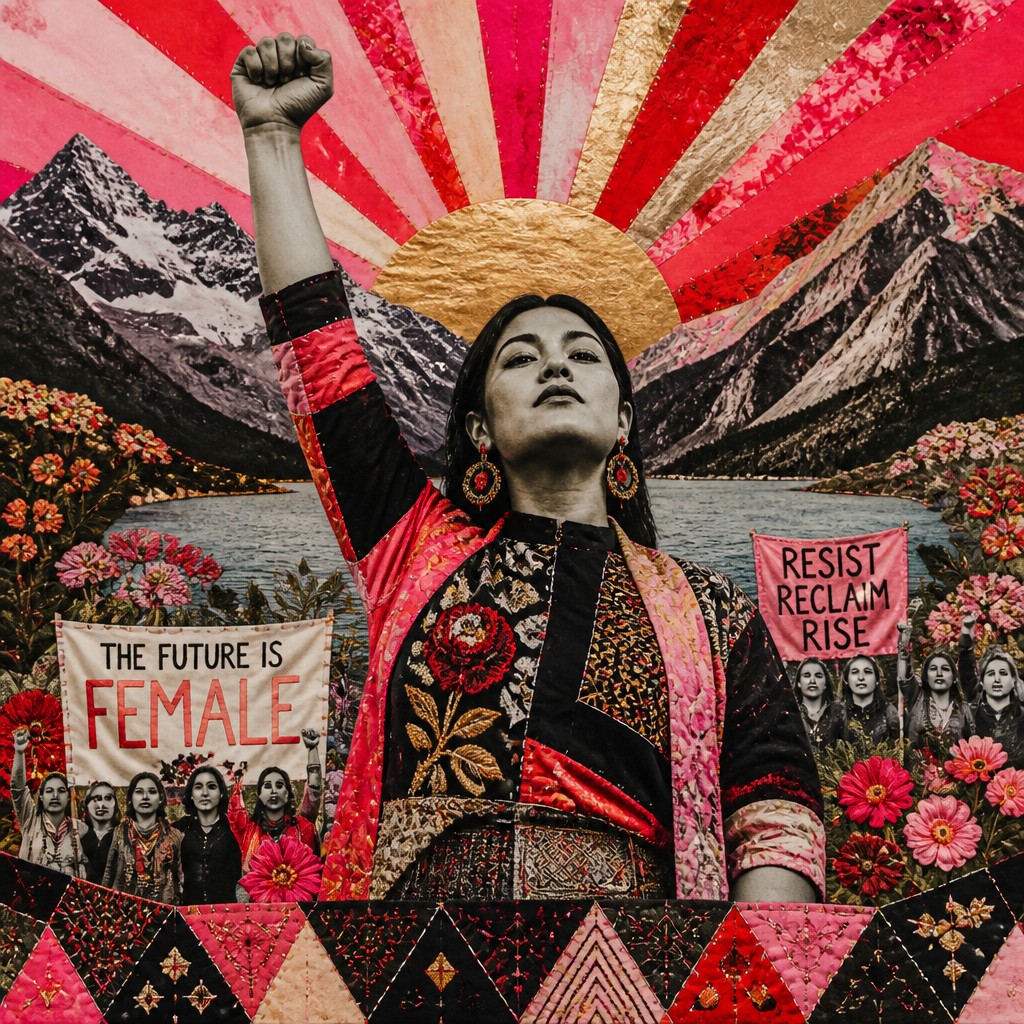
Layered mixed-media surfaces
The surface may combine newsprint, photocopy noise, paint, fabric, thread, tape, pencil, screen-print marks, and digital texture. Accumulation communicates history and resistance more effectively than a seamless finish.
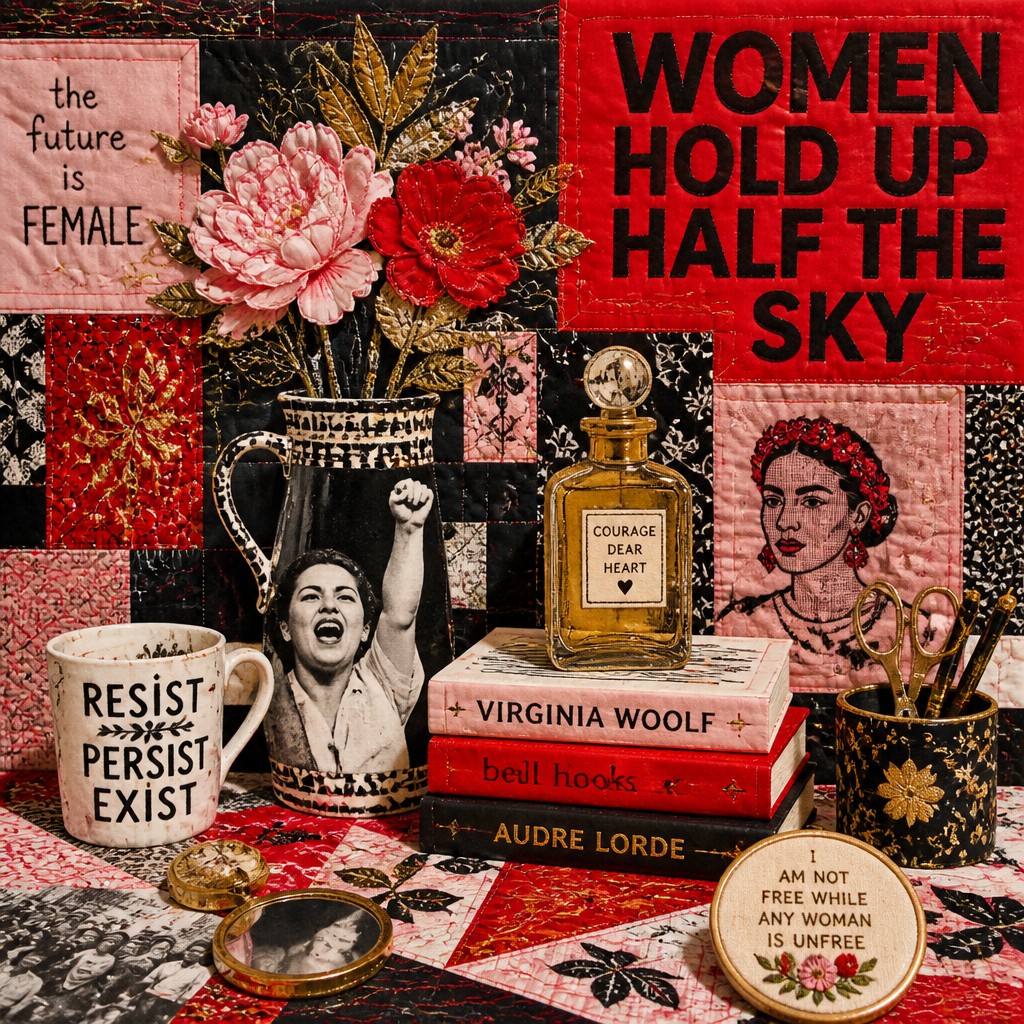
Embodied and symbolic subject matter
Hands, mouths, eyes, clothing, domestic objects, protest signs, reproductive symbols, and collective figures often carry the imagery. Symbols should remain specific enough to suggest lived experience rather than becoming generic decoration.
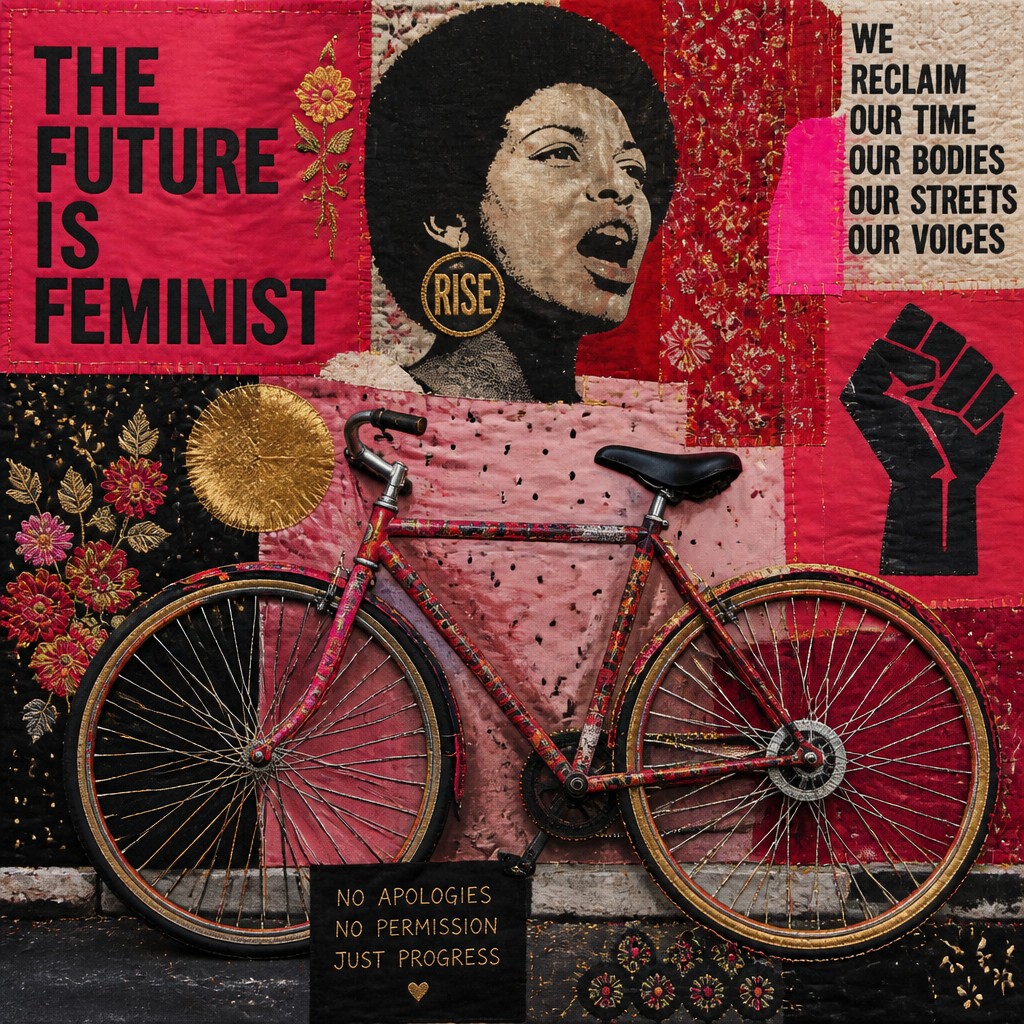
Defiant but celebratory energy
The mood can be angry, protective, humorous, mournful, or joyful, often combining several at once. Bright color and ornament do not soften the politics; they can make solidarity, survival, and visibility feel emphatic.
Try It
Create Videos in Feminist Art Style
Styles aren't just for stills — describe a scene or animate an image and get a short video rendered in Feminist. Press play to see this pond come to life.
Make a VideoFeminist Prompt Ideas
Start from an idea — each one opens the generator with the style ready to go. See all 40 Feminist prompts →
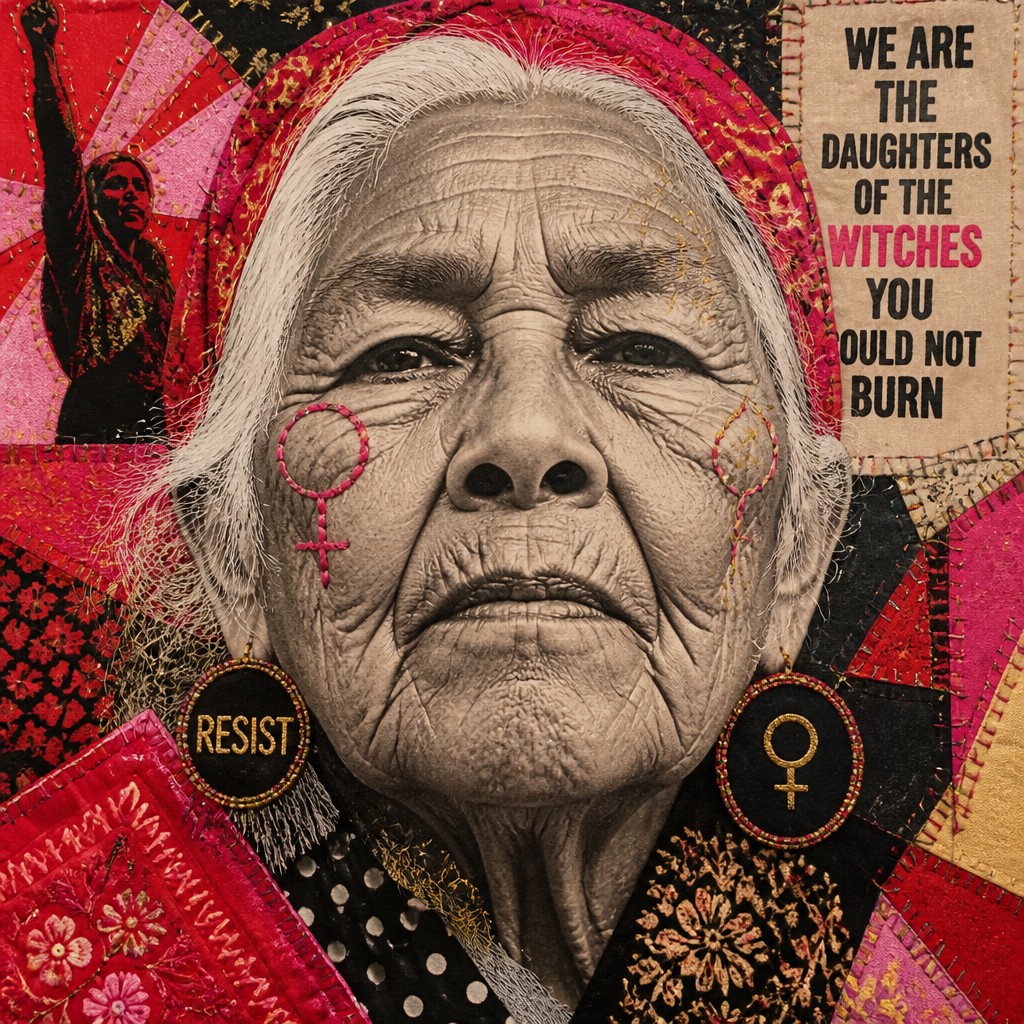
“close-up portrait of an elderly person with expressive weathered features”
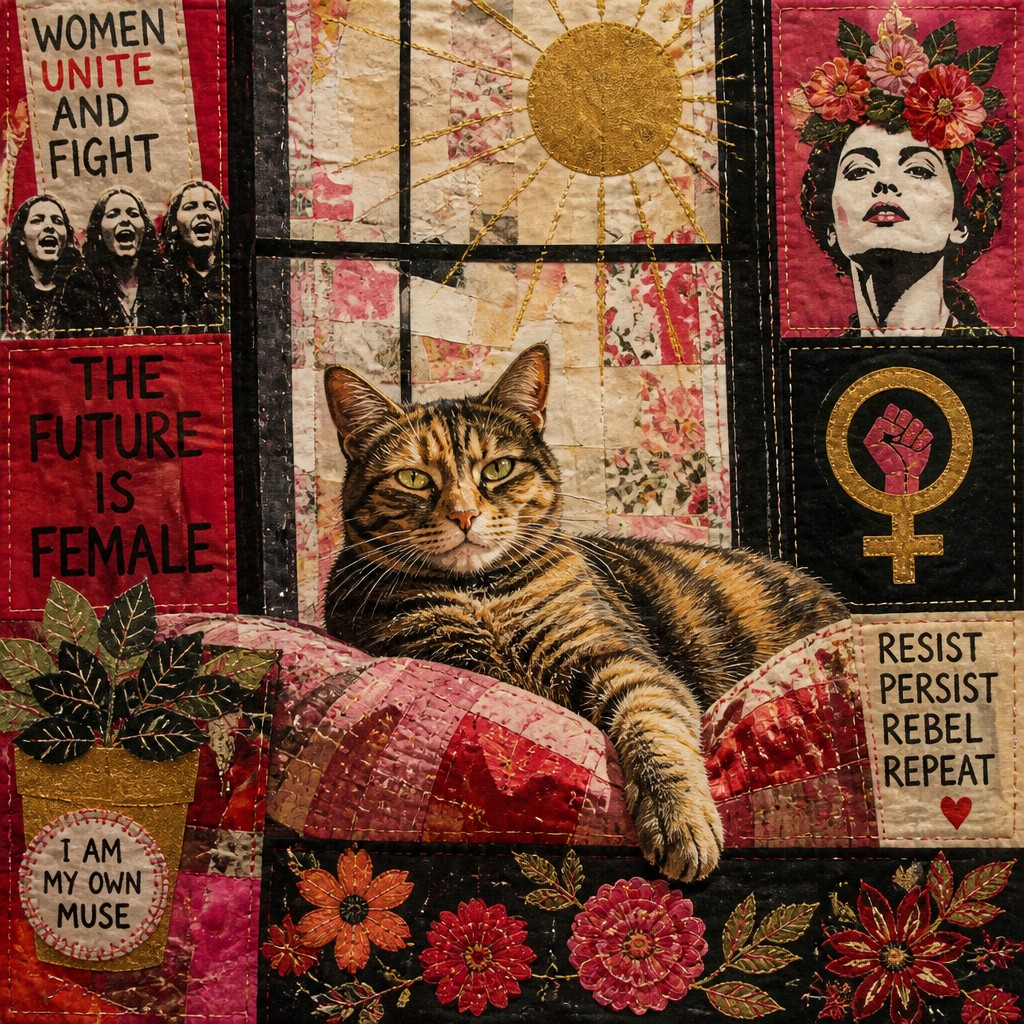
“a cat lounging in a sunlit window”
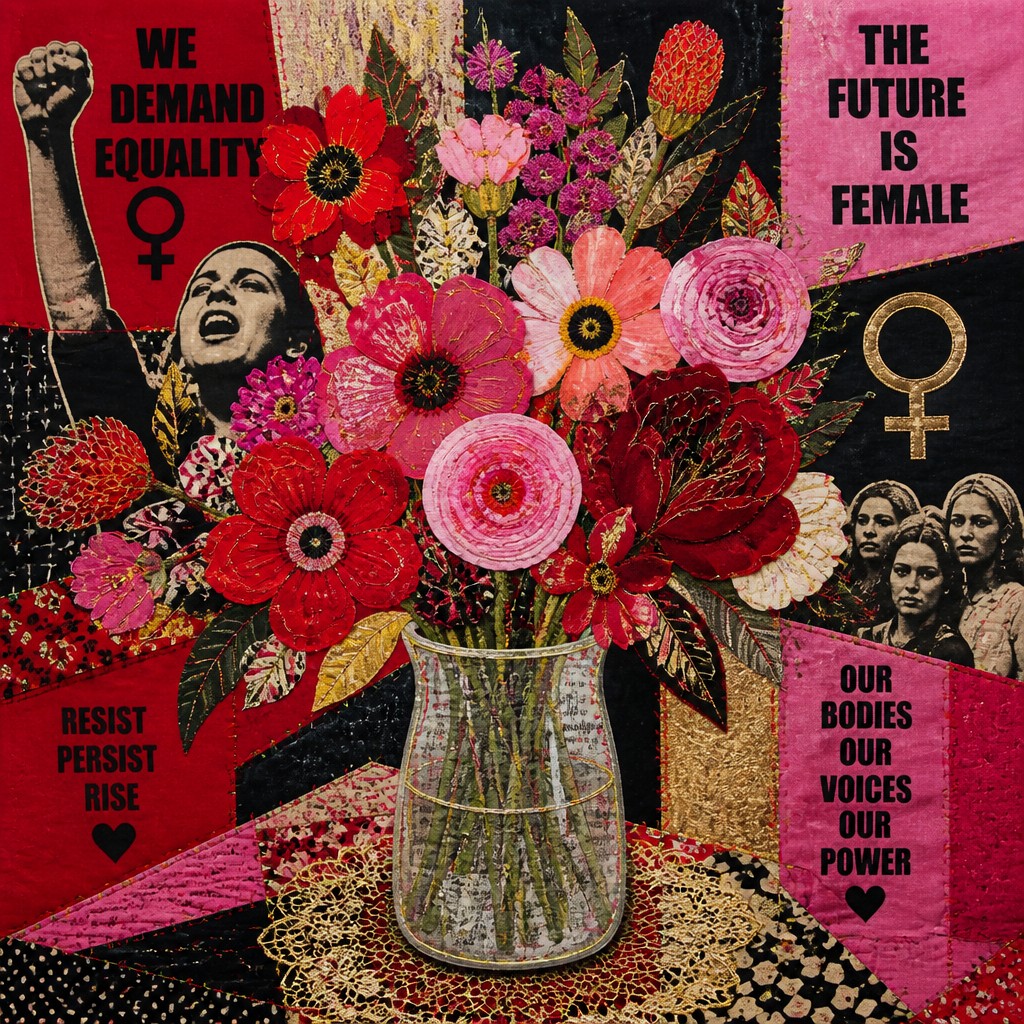
“bouquet of flowers in a glass vase”
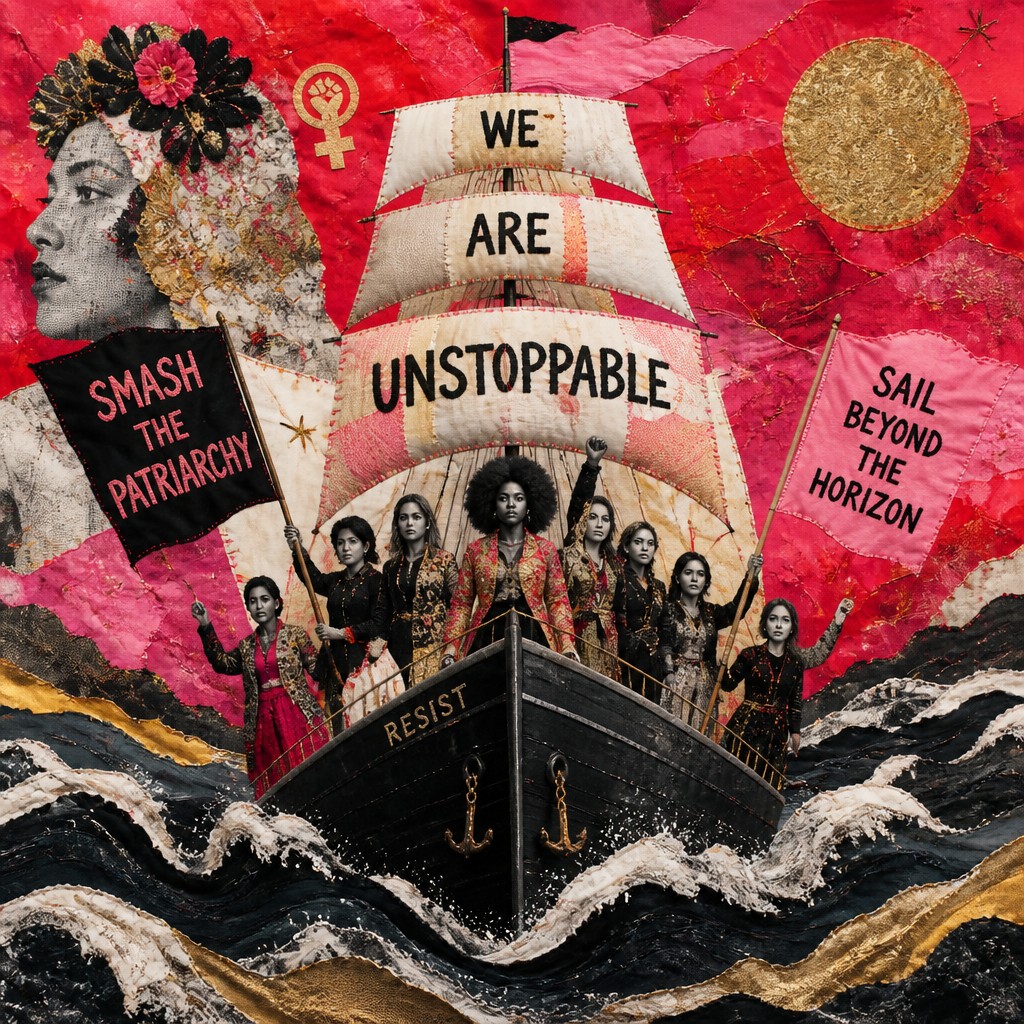
“sailing ship on a stormy sea”
How to Create Feminist Art
Master the craft step by step — or skip straight to creating. Read the full guide →
- 1
Build a physical collage
Collect photographs, photocopies, colored paper, fabric, thread, and printed text, then arrange them in overlapping blocks before fixing the composition. Leave tears, registration errors, exposed edges, and uneven cuts visible to preserve the handmade character.
- 2
Use textile marks as structure
Add quilting lines, embroidery, appliqué, or drawn stitch patterns to divide the image into panels and direct attention. Repeated stitches can create rhythm, while irregular thread tension can keep the work from feeling mechanically perfect.
- 3
Control the palette
Begin with two or three dominant colors, such as red, pink, and black, then introduce cream or gold as a controlled accent. Reserve the brightest contrast for the face, gesture, symbol, or area carrying the central argument.
- 4
Compose like a poster
Use a strong focal figure, cropped scale, clear silhouettes, and broad graphic shapes. Test the image at a distance or in monochrome to ensure that its main gesture and hierarchy remain legible.
- 5
Finish digitally with material evidence
In image-editing software, combine scanned fabric, paper fibers, brush marks, halftone patterns, and photographed stitches using separate layers and masks. Slightly misalign selected layers or add restrained grain to emulate physical assembly without obscuring the subject.
- 6
Write a precise generation prompt
Specify the subject, frontal viewpoint, collage materials, limited protest palette, textile techniques, graphic contrast, and desired emotional tone. Request visible seams, layered surfaces, and handmade imperfections, while excluding glossy realism or generic decorative patterns if they weaken the political clarity.
The Story
History & Origins of Feminist
This style draws from the feminist art movement that developed in diverse forms during the late 1960s and 1970s, particularly in North America and Europe, while also connecting to feminist practices in many other regions. Feminist artists challenged the exclusion of women and other marginalized groups from art institutions, questioned idealized representations of the body, and brought domestic crafts, personal testimony, performance, and collective production into contemporary art. There was never one unified feminist aesthetic; the movement included conceptual, performance-based, photographic, activist, craft-based, and community practices.
The present-day collage language described here is best understood as a later synthesis of those histories with protest graphics, punk and activist poster design, zine culture, street-art techniques, digital compositing, and craftivism. Its use of quilting and embroidery also acknowledges the complex history of textile labor: these materials can signify care and community while exposing how gendered labor has been dismissed or made invisible.
Influences: The style is related to feminist art, political photomontage, activist poster design, protest graphics, craftivism, quilting and appliqué traditions, embroidery, textile art, zine culture, punk collage, screen printing, and community-based art. It also shares methods with Dada-derived collage and contemporary digital compositing, especially the use of juxtaposition, repetition, appropriation, and visible process. Its distinctive character comes from placing these strategies in dialogue with gendered labor, embodied experience, collective memory, and social justice.
Frequently Asked Questions
What defines Feminist Art Style?
It is defined by the combination of politically charged imagery, bold graphic composition, and tactile references to textile and domestic craft. Photomontage, quilting, embroidery, protest color, and visible handmade surfaces are more central to the style than any single subject.
Is Feminist Art Style a historical art movement?
Feminist art is a major historical movement with important developments from the late 1960s onward, but this particular collage-and-craft combination is not a single official school. It is a contemporary aesthetic lineage assembled from feminist art practices and related visual traditions.
How does it differ from ordinary protest poster art?
Protest posters often prioritize immediate readability through simplified shapes and typography. Feminist Art Style adds intimate, bodily, and domestic references—such as fabric, stitching, family photographs, and accumulated labor—so the surface can carry personal and historical meaning alongside the public message.
Can this style be made without using political slogans?
Yes. A work can express feminist concerns through posture, gaze, collective figures, domestic materials, bodily symbolism, or the depiction of overlooked labor. Removing text can also make the image more open-ended while preserving its emphasis on agency and solidarity.
What materials work best for making it by hand?
Useful materials include magazines, photocopies, newsprint, fabric scraps, embroidery floss, acrylic paint, colored paper, thread, tape, and found packaging. Combining fragile and durable materials creates the layered sense of memory and labor associated with the style.
Where is this visual language commonly used?
It appears in activist posters, exhibition graphics, editorial illustration, zines, murals, textiles, community workshops, book covers, social campaigns, and personal mixed-media artworks. It is especially effective where an image needs to communicate both collective action and lived experience.

Create your first Feminist artwork
Describe anything — or upload a photo — and see it in Feminist Art Style in seconds.
Related Styles
Discover similar art styles