Antwerp Baroque Art Style
Explore Antwerp Baroque art: dynamic diagonals, luminous oil paint, muscular figures, rich color, dramatic light, and theatrical abundance.
Instantly rendered in Antwerp Baroque — or transform a photo
Antwerp Baroque Gallery
Tap any artwork to explore it
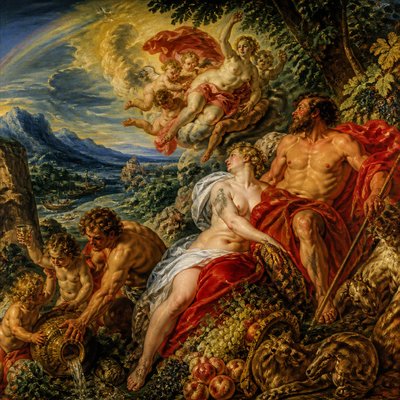
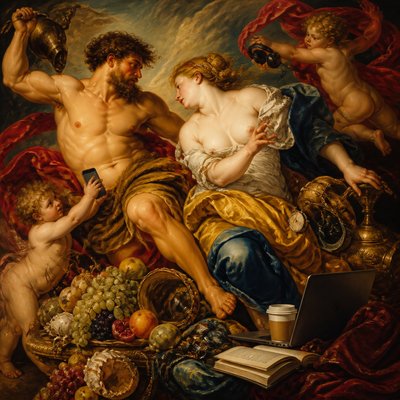
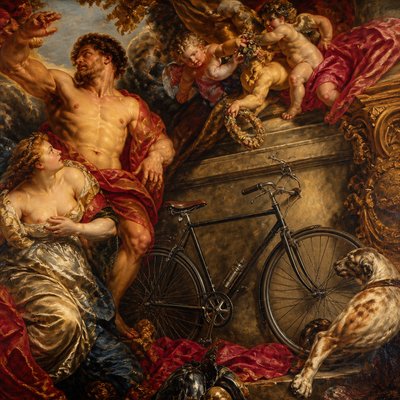
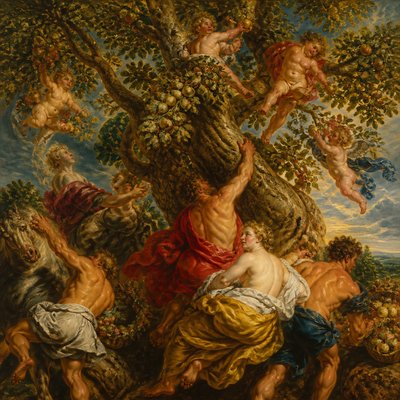
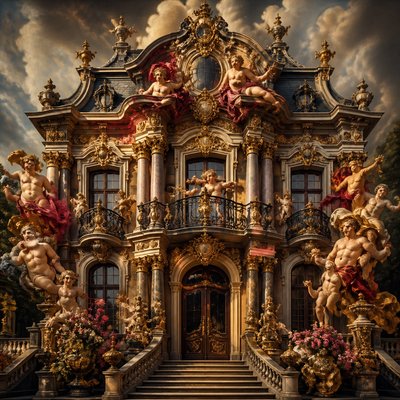
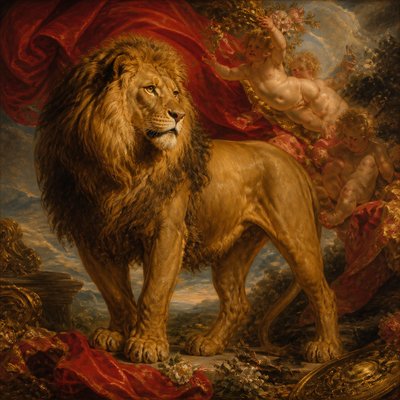
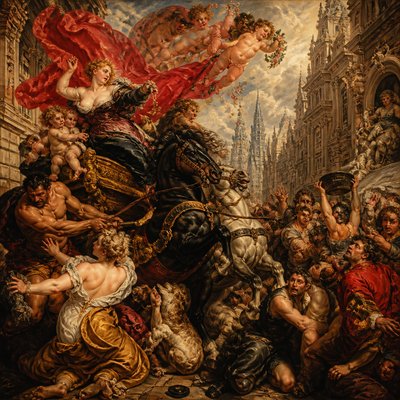
What is Antwerp Baroque Art Style?
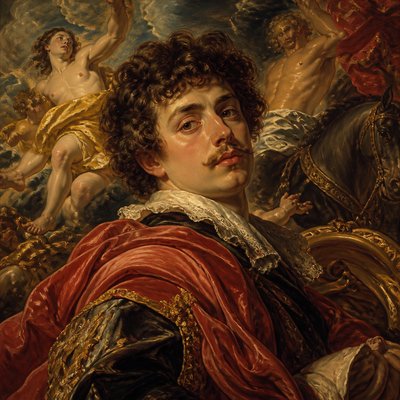
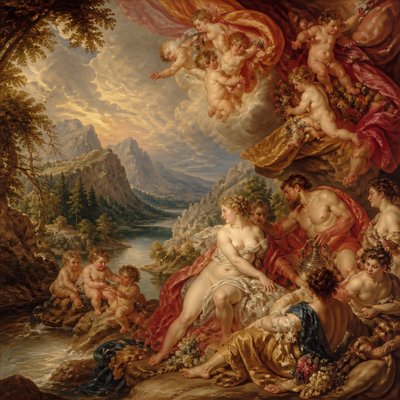
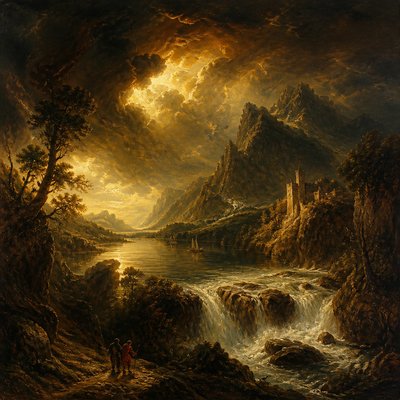
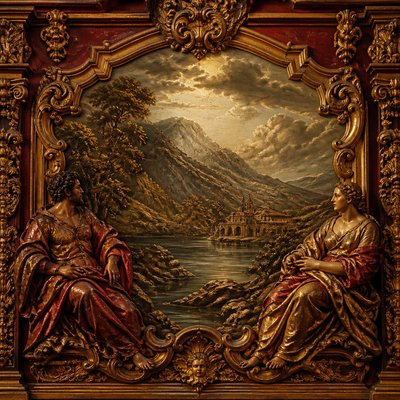
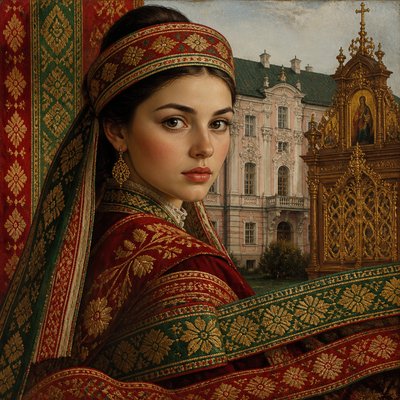
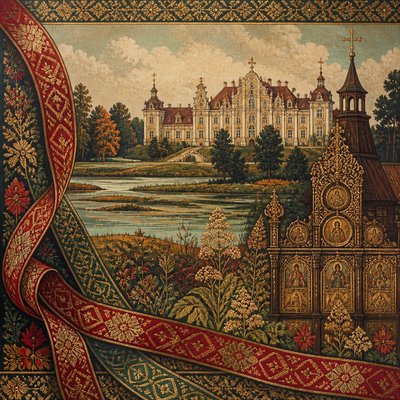
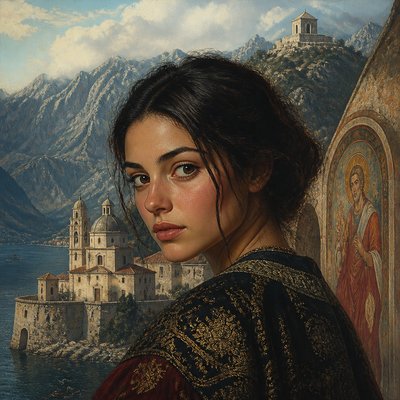
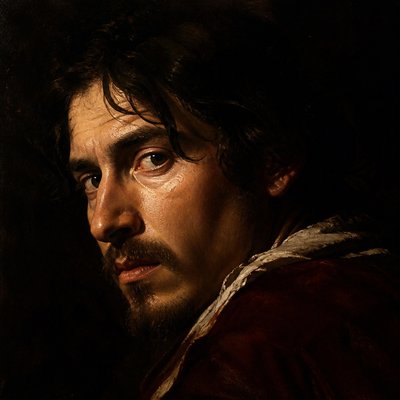
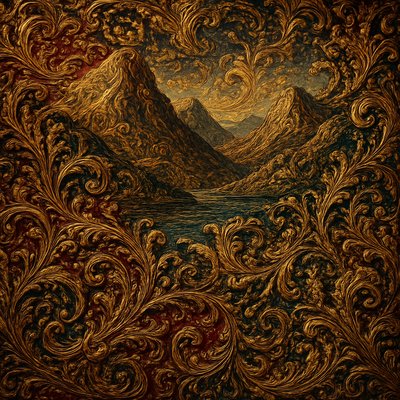
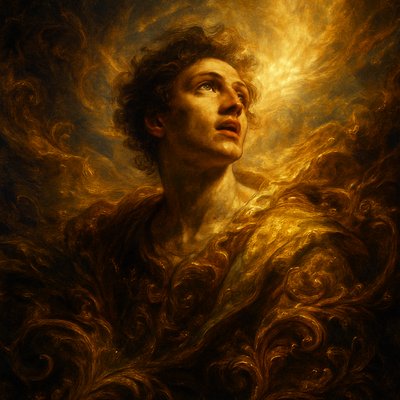
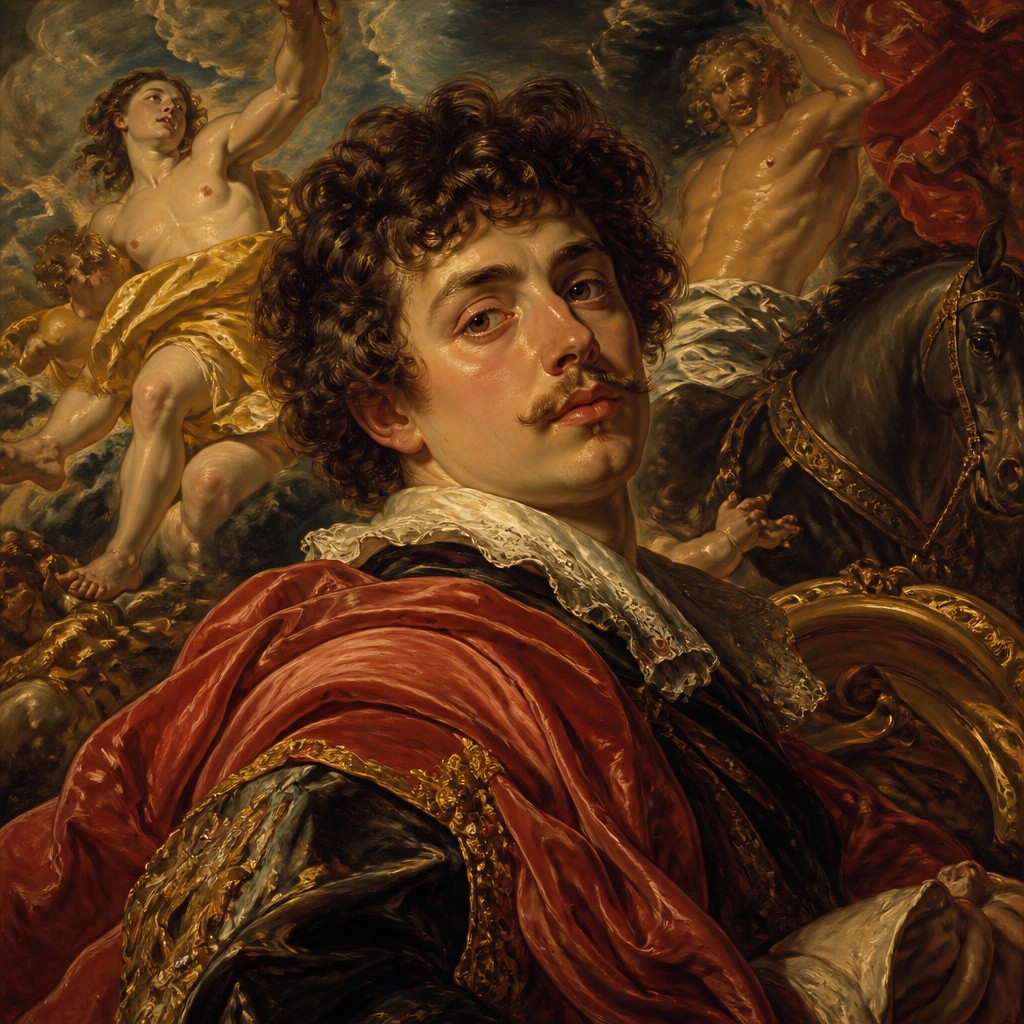
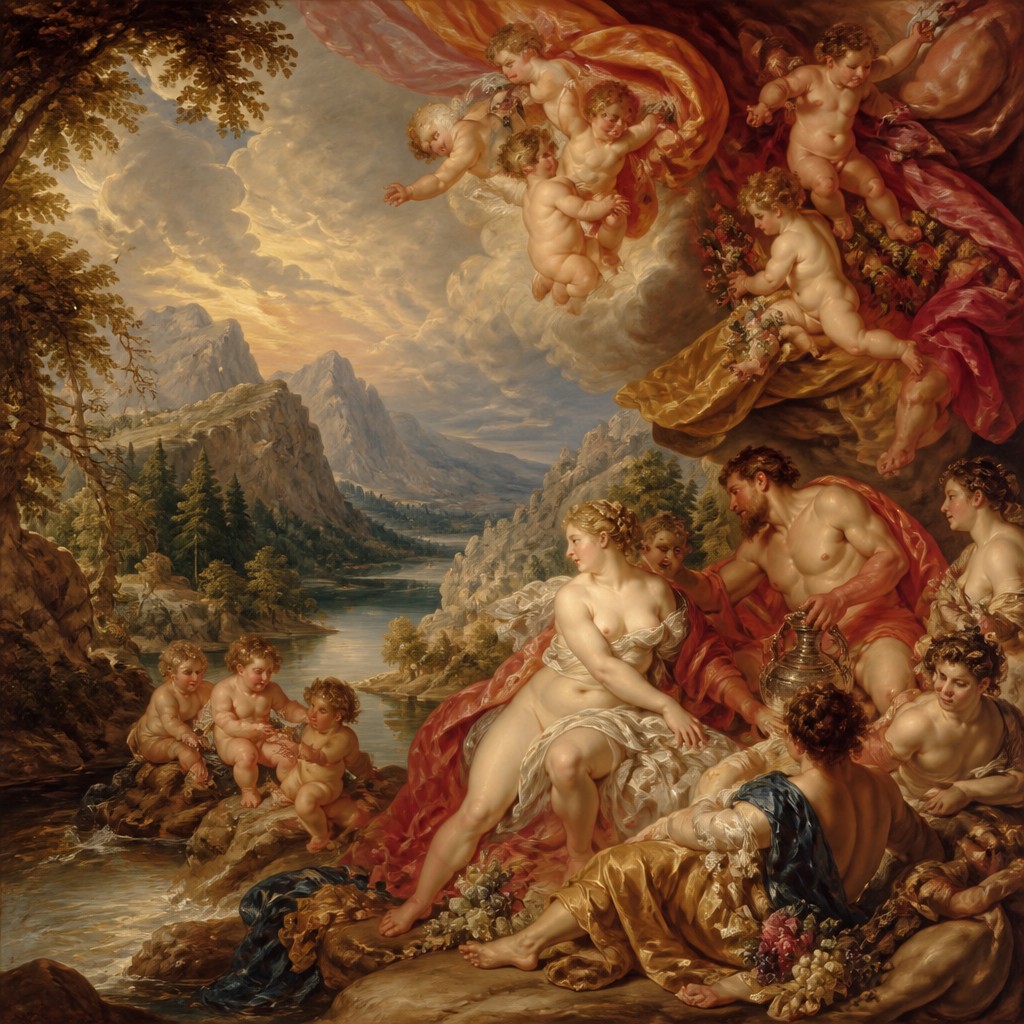
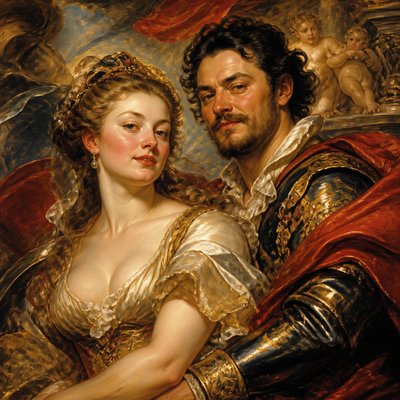
Antwerp Baroque art is the exuberant Southern Netherlandish form of Baroque painting that flourished in Antwerp during the seventeenth century. It is recognized by forceful movement, muscular anatomy, billowing fabrics, expressive gestures, saturated reds and golds, and compositions that seem to surge beyond the picture plane. Religious narratives, mythological scenes, portraits, allegories, hunting episodes, and monumental historical subjects often receive the same sense of theatrical momentum.
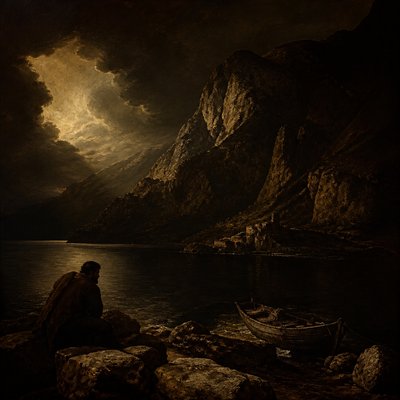
The style combines the Northern European attention to material detail with the Italian Baroque interest in movement, illusion, and emotional persuasion. Its visual richness reflects Antwerp's role as a major Catholic, commercial, publishing, and workshop center. Strong diagonals, dramatic contrasts of light and shade, warm flesh tones, and carefully orchestrated abundance guide the eye through crowded scenes while emphasizing a central emotional or spiritual action.
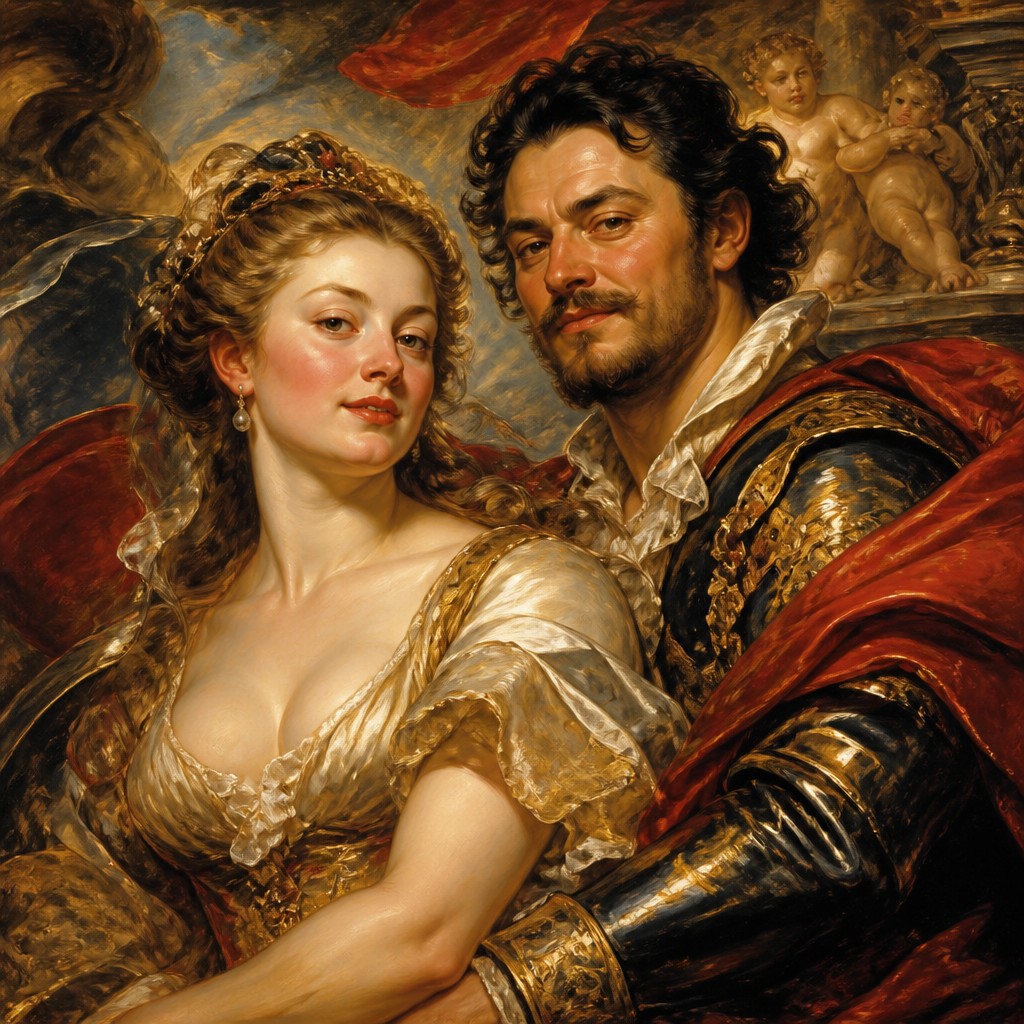
Try It On Your Photos
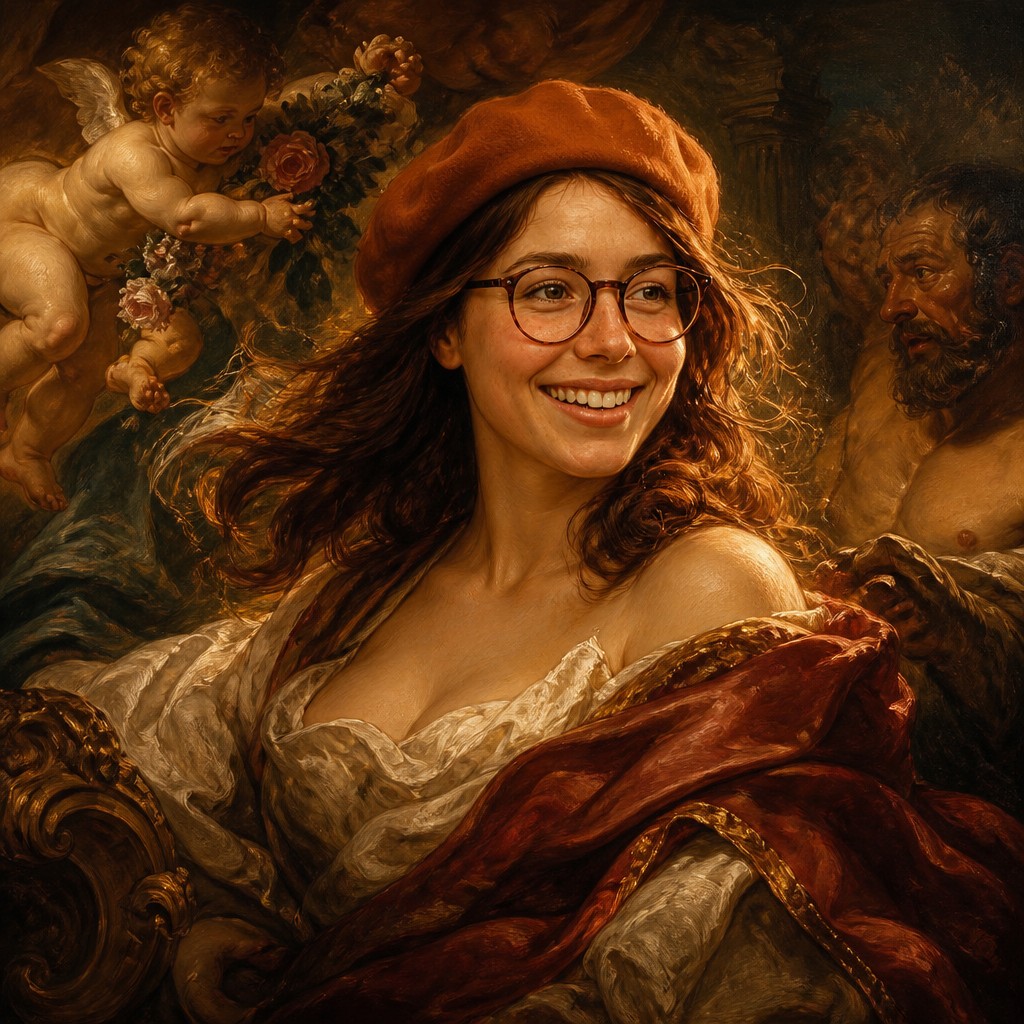
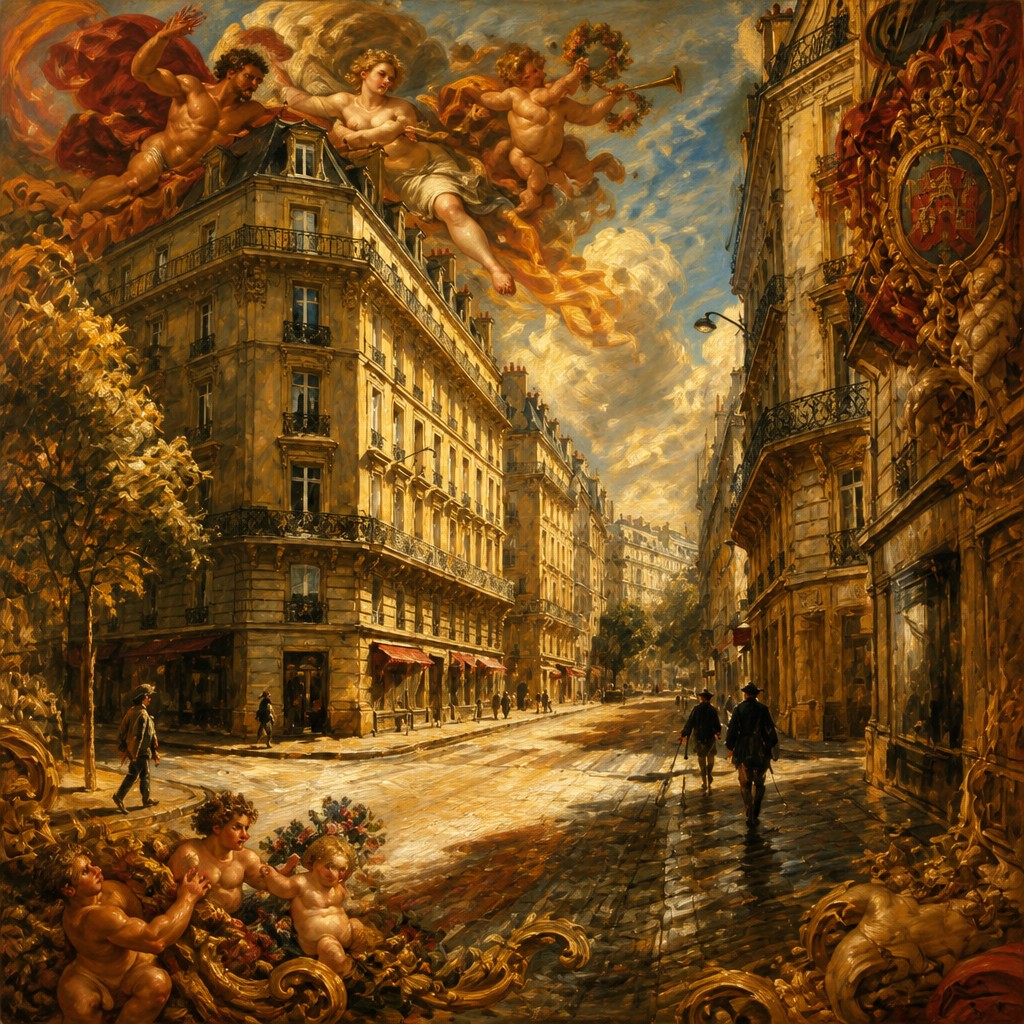
Upload any photo and convert it into Antwerp Baroque Art Style — drag the sliders to compare before and after.


What Defines Antwerp Baroque Art Style
The signature details, up close
Dynamic diagonal compositions
Figures, weapons, limbs, architectural elements, and shafts of light often cross the canvas on strong diagonals. This directional structure creates urgency and makes scenes feel active rather than static.
Muscular, animated figures
Bodies are frequently robust and forcefully modeled, with twisting poses, extended gestures, and clearly articulated anatomy. Even allegorical or sacred figures may possess a heightened physical presence.
Billowing drapery
Heavy cloth folds swell, spiral, and catch the light, amplifying movement and clarifying the emotional rhythm of the composition. Crimson, ultramarine, ocher, and gold fabrics also provide large areas of saturated color.
Warm, luminous color
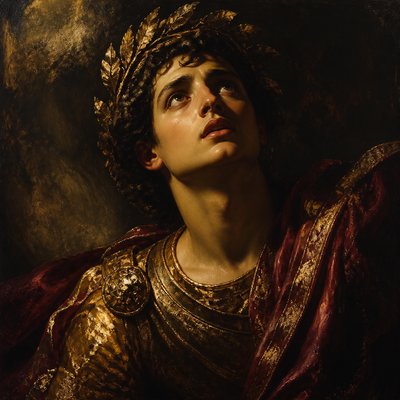
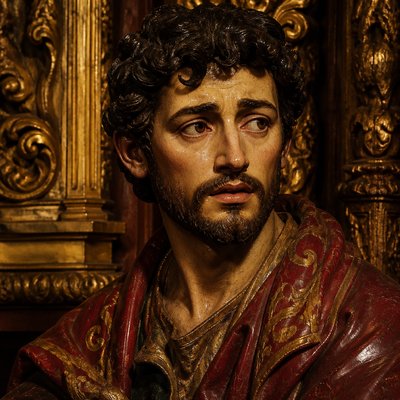
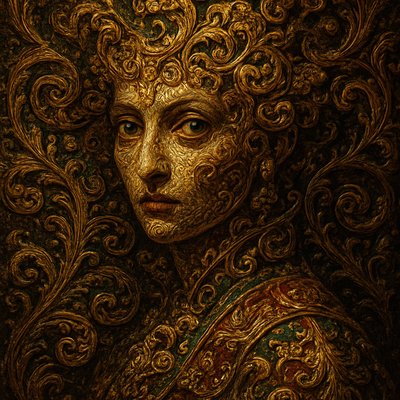
The palette commonly emphasizes coral and peach flesh tones, deep crimson, warm brown, gold, and energized blue accents. Layered oil paint, glazing, and light-catching highlights produce a rich, tactile surface.
Theatrical light and emotion
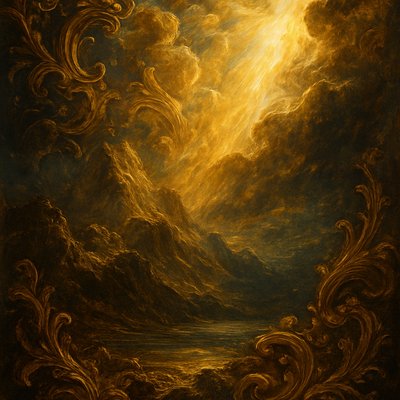
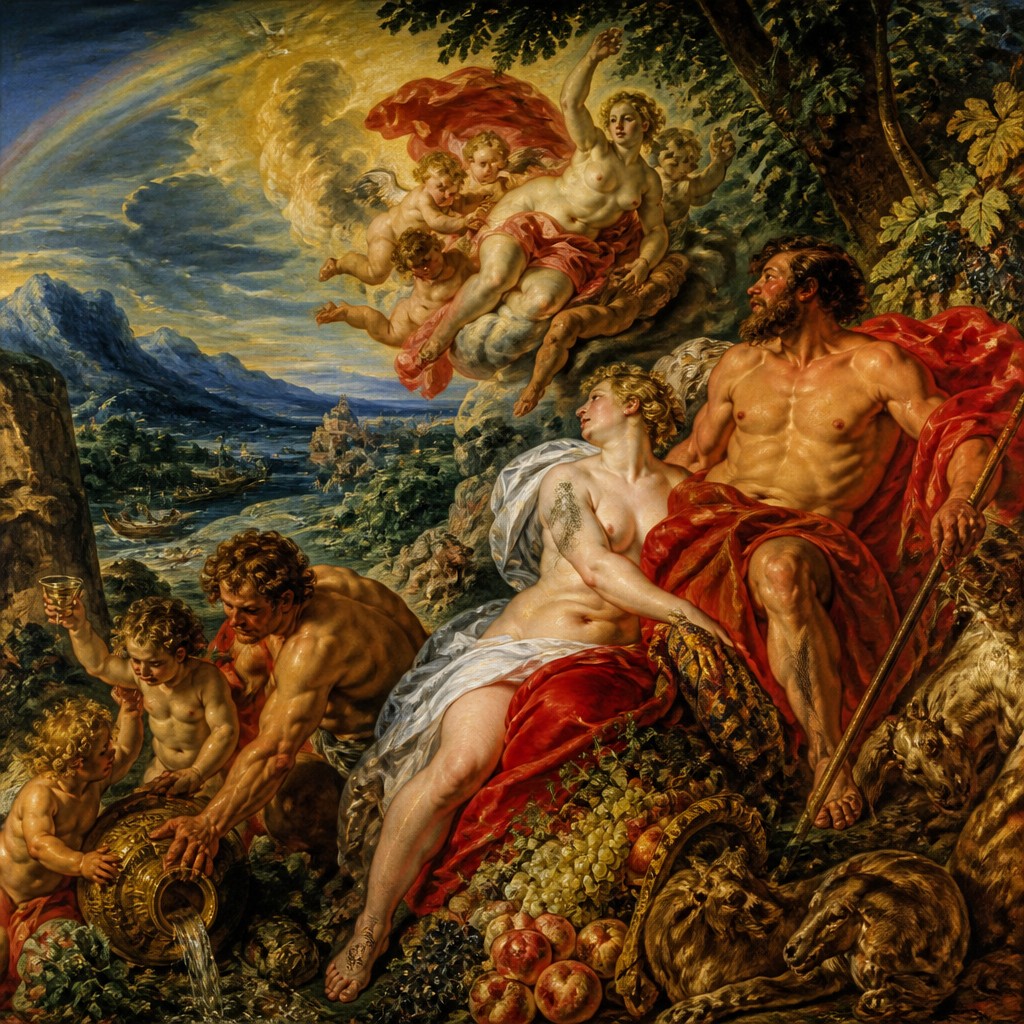
Illumination is used to reveal faces, gestures, and important objects while allowing surrounding areas to recede into shadow. Expressions and poses are heightened to communicate ecstasy, conflict, triumph, grief, or revelation.
Opulent abundance
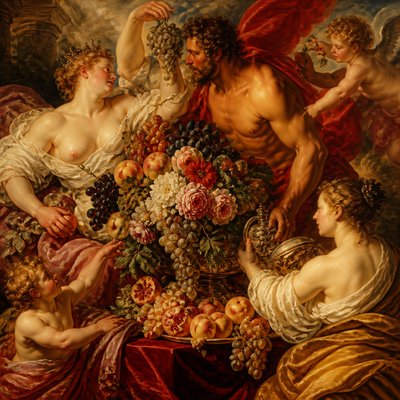
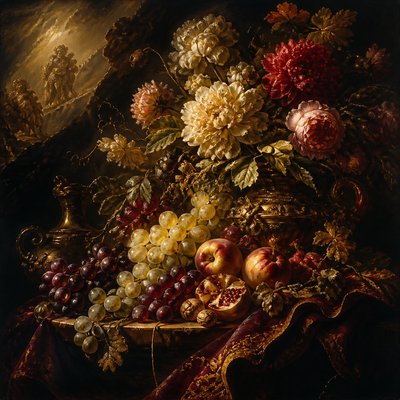
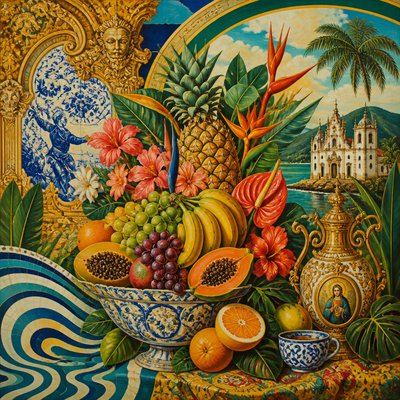
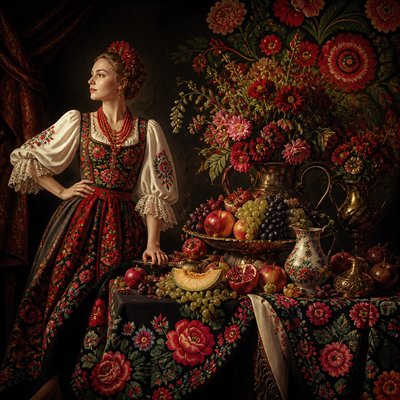
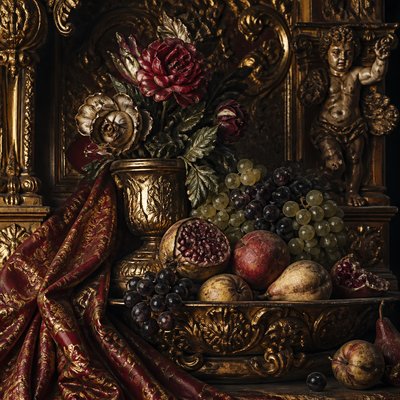
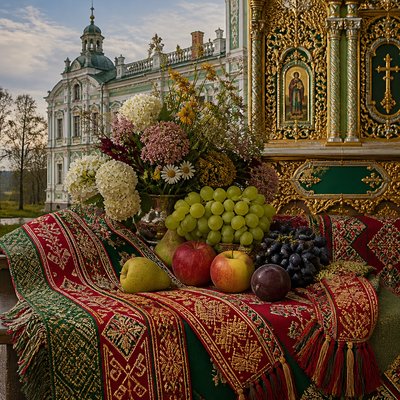
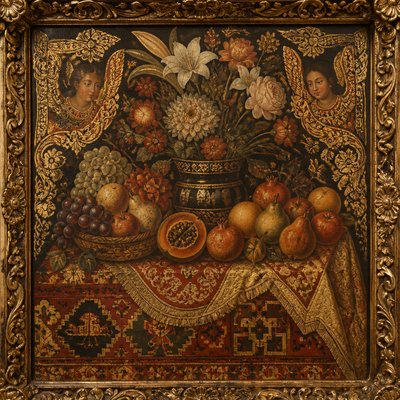
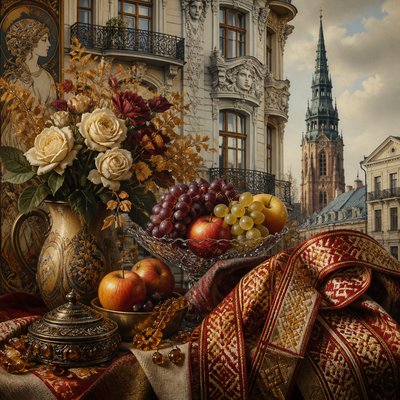
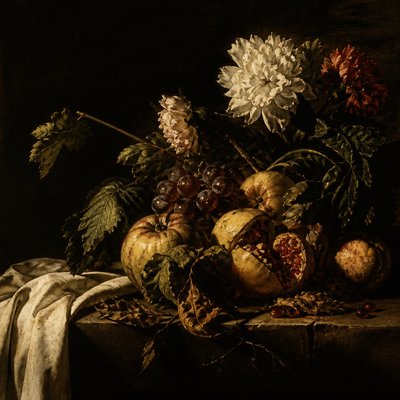
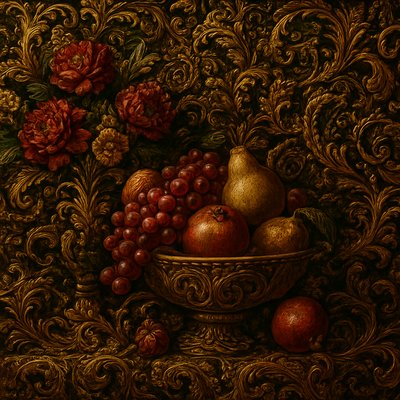
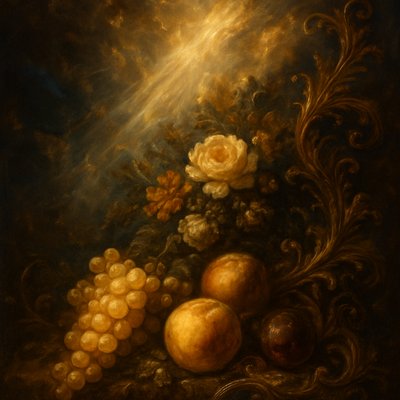
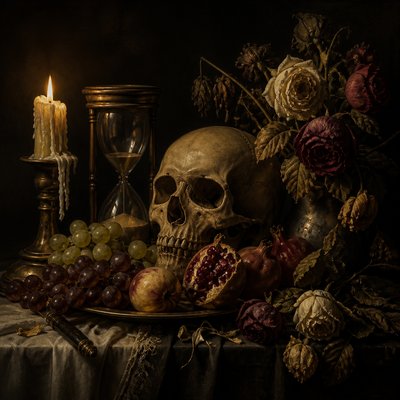
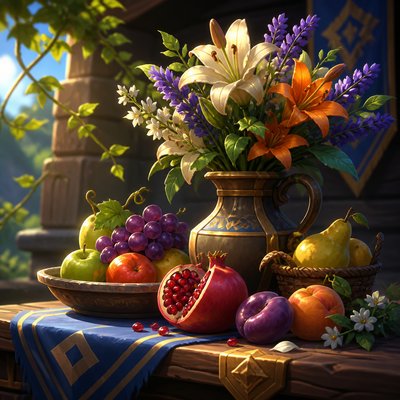
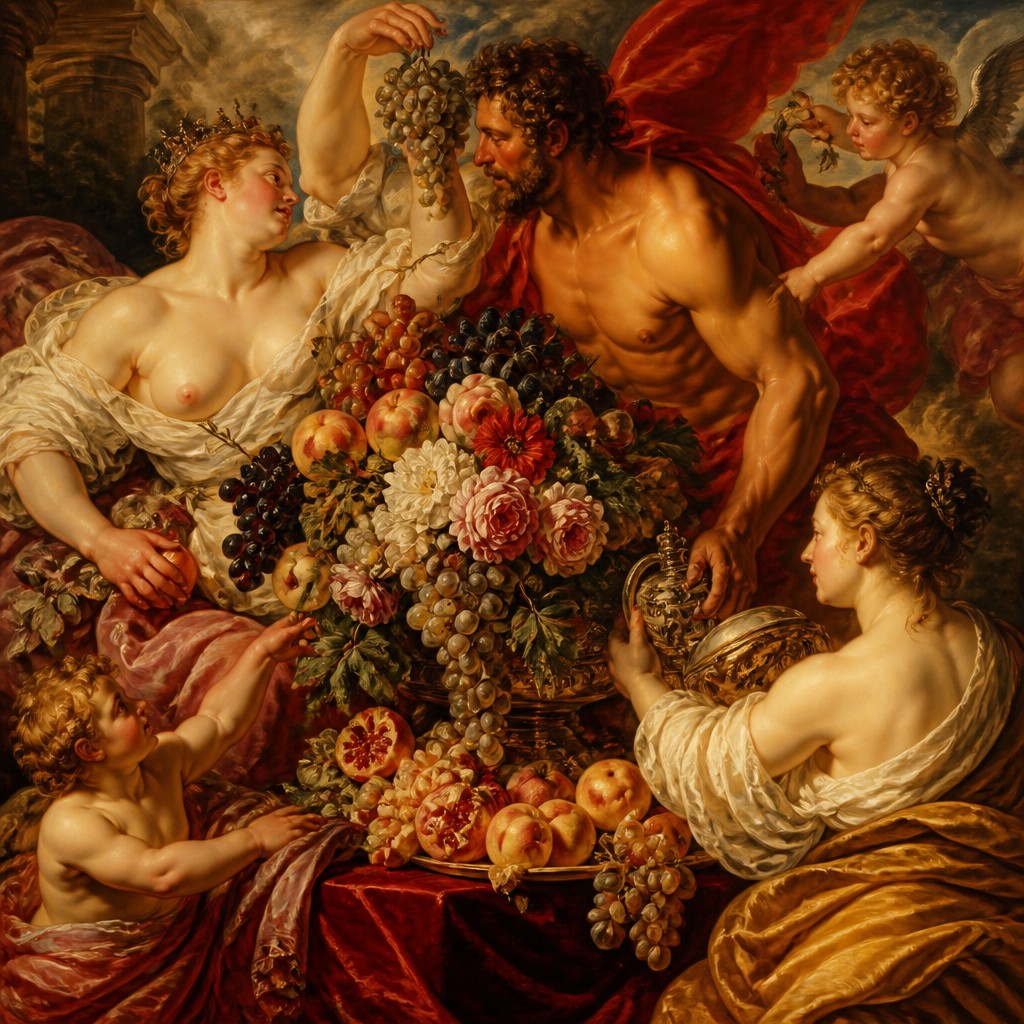
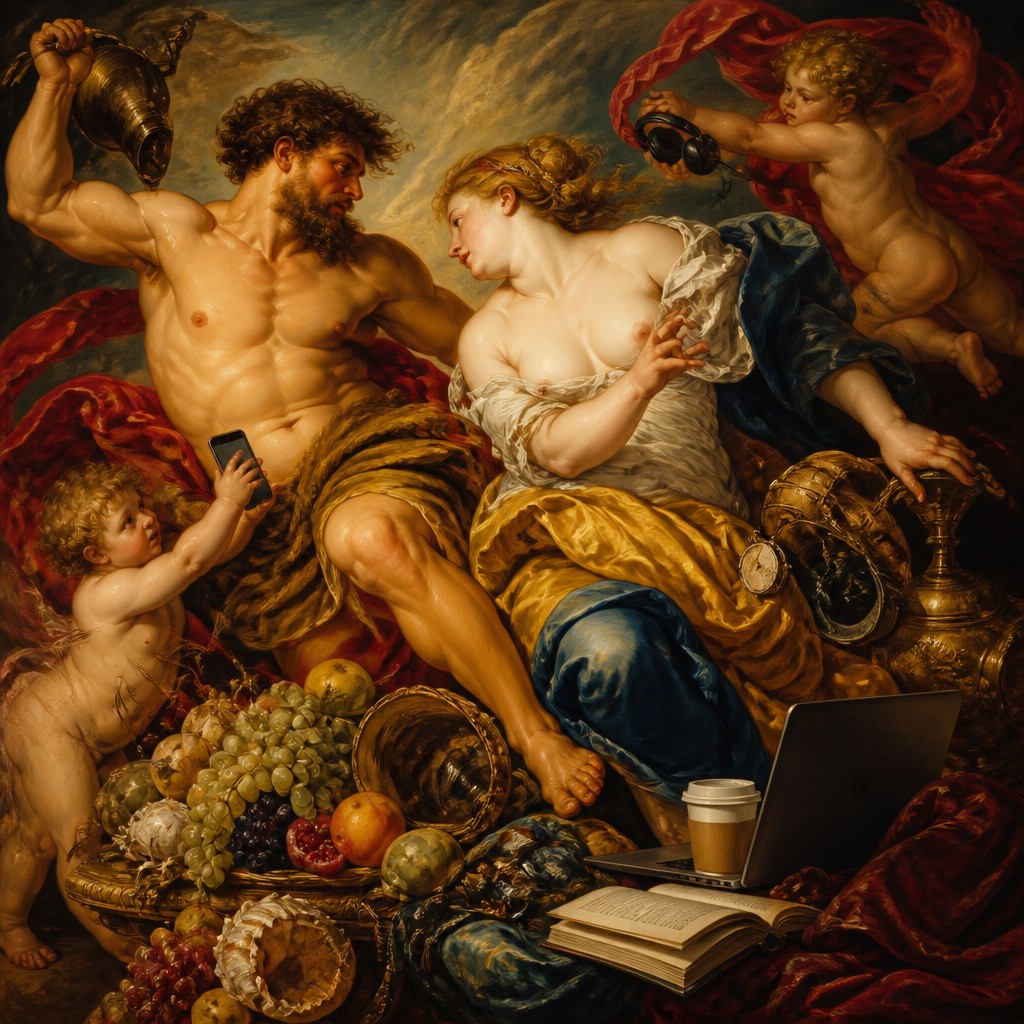
Crowds, animals, armor, fruit, flowers, architecture, precious objects, and elaborate costumes may fill the image. Abundance is organized rather than random, reinforcing ideas of power, devotion, wealth, or spectacle.
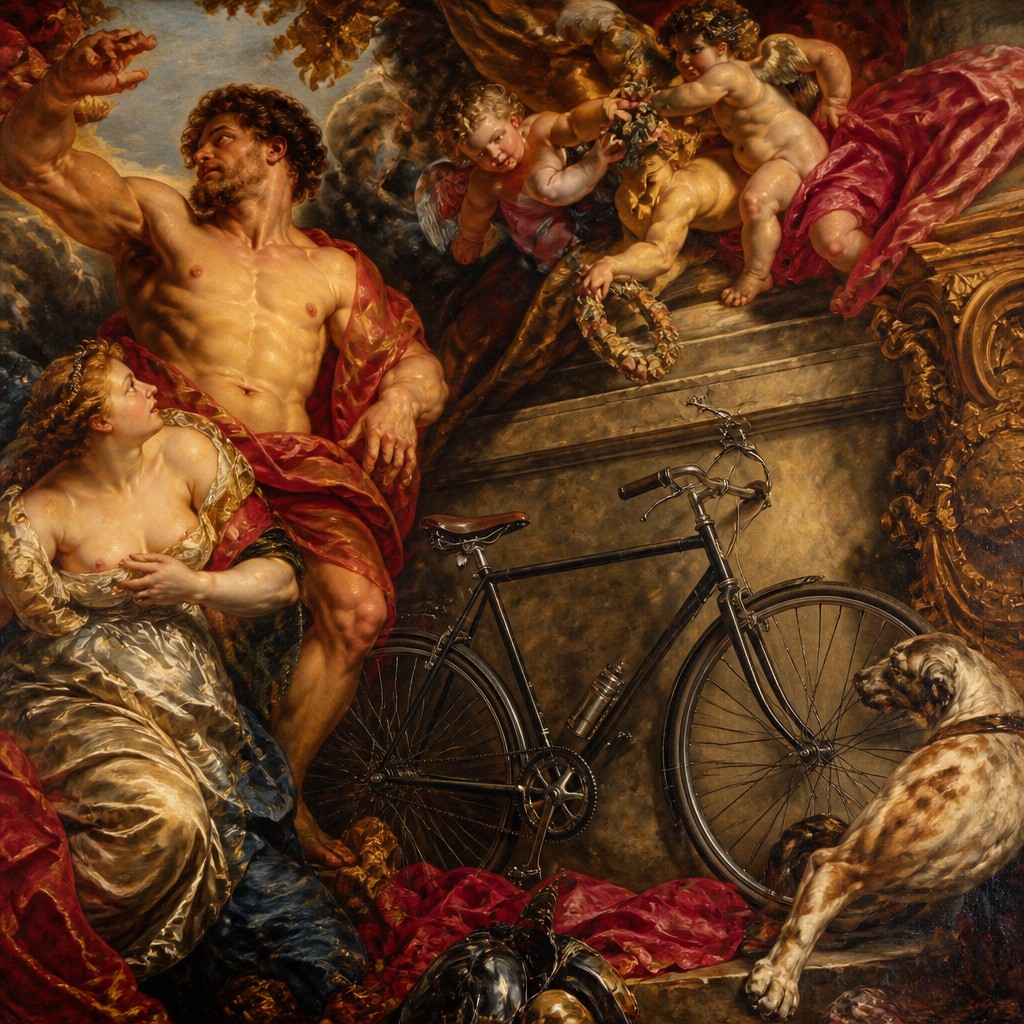
Material and surface realism
Silk, metal, flesh, wood, stone, fur, and polished vessels are differentiated through changes in brushwork, color temperature, and reflected light. This descriptive precision anchors the larger theatrical design.
Try It
Create Videos in Antwerp Baroque Art Style
Styles aren't just for stills — describe a scene or animate an image and get a short video rendered in Antwerp Baroque. Press play to see this pond come to life.
Make a VideoAntwerp Baroque Prompt Ideas
Start from an idea — each one opens the generator with the style ready to go. See all 40 Antwerp Baroque prompts →
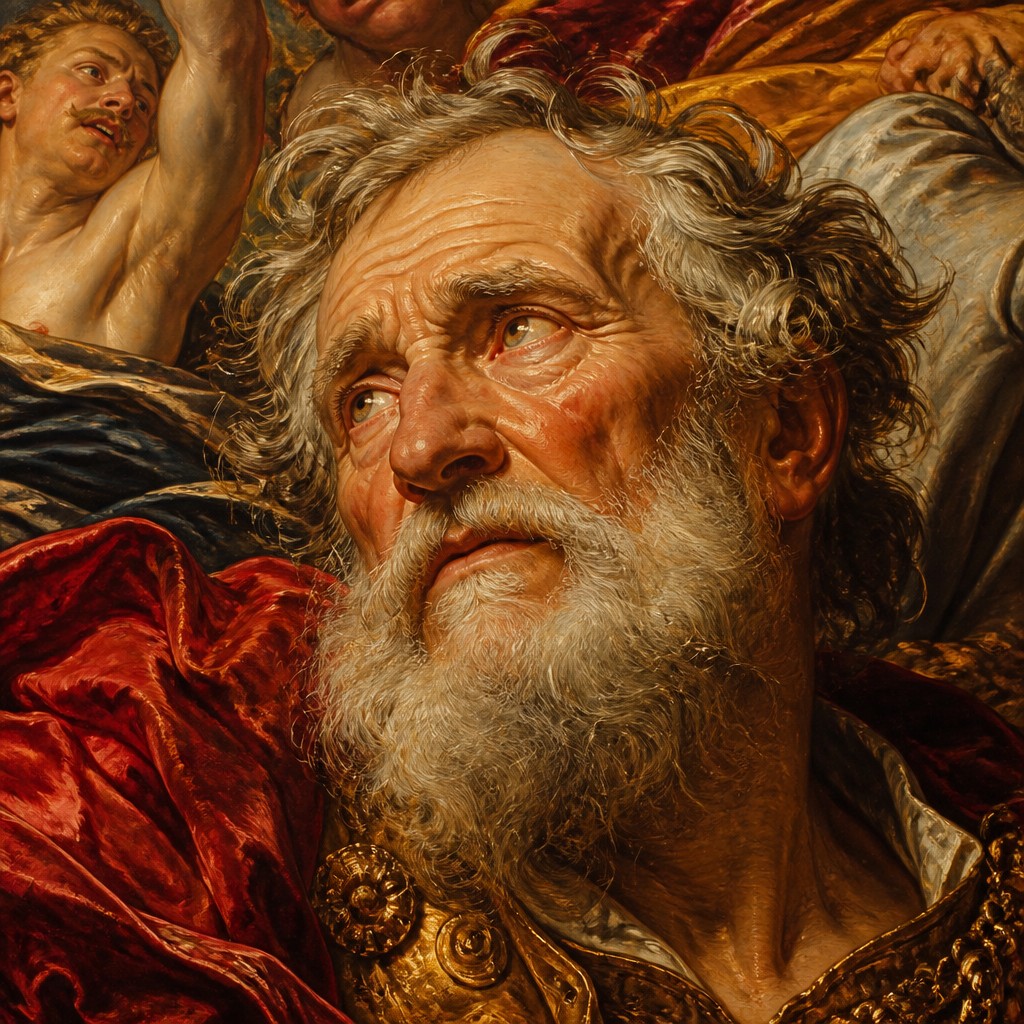
“close-up portrait of an elderly person with expressive weathered features”
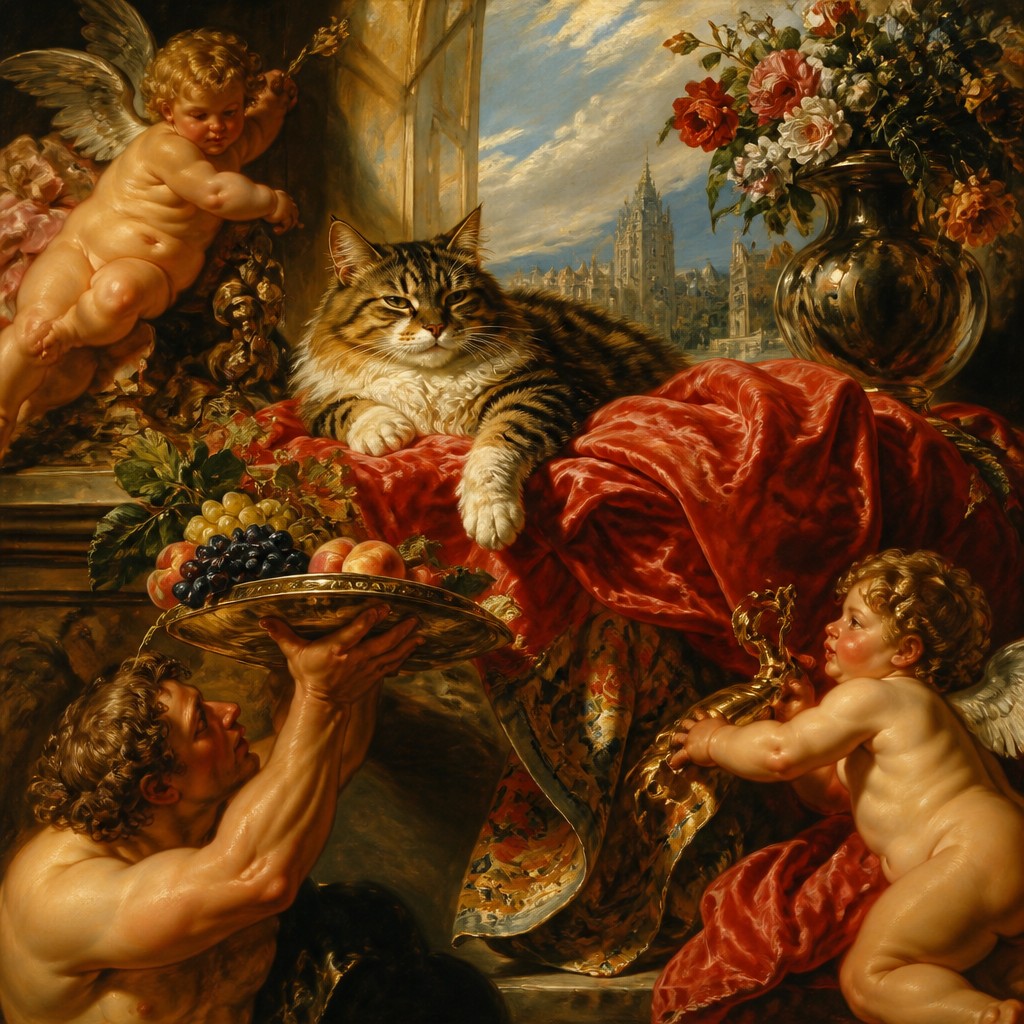
“a cat lounging in a sunlit window”
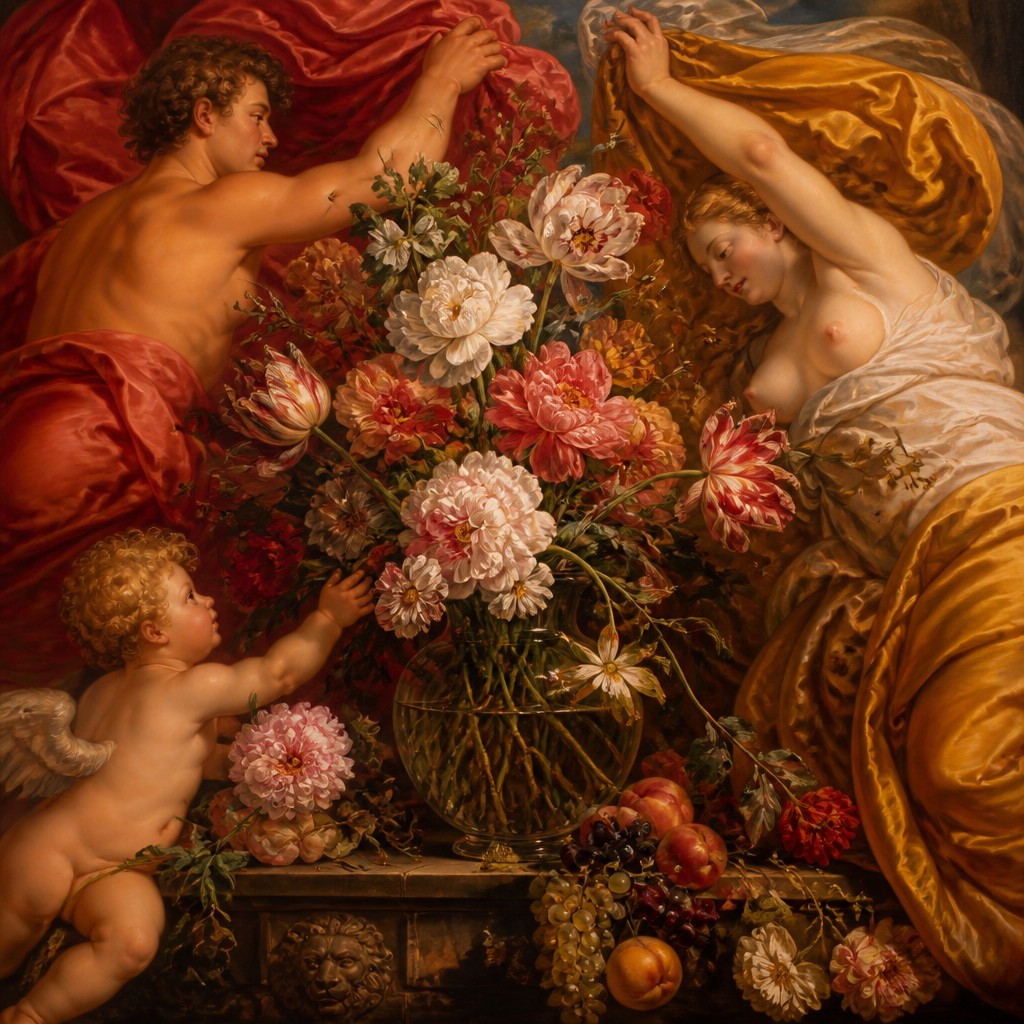
“bouquet of flowers in a glass vase”
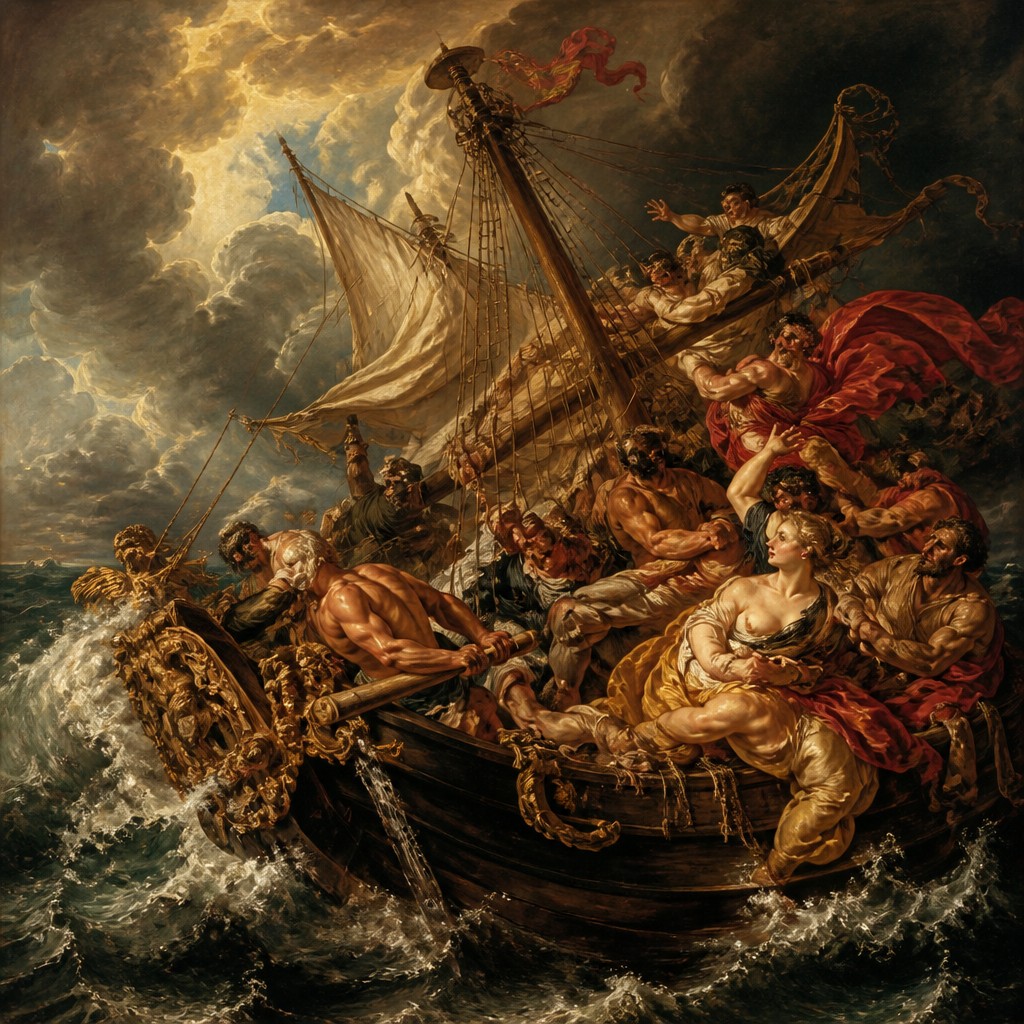
“sailing ship on a stormy sea”
How to Create Antwerp Baroque Art
Master the craft step by step — or skip straight to creating. Read the full guide →
- 1
Build a strong action structure
Begin with a thumbnail dominated by one or two diagonals, then arrange bodies and props around a clear focal action. Avoid evenly distributing every figure across the frame; use compression and overlap to create momentum.
- 2
Model forms with warm light
For traditional painting, establish a warm underpainting and develop flesh with transparent glazes, opaque highlights, and carefully controlled shadow. In digital work, use layered brushes and warm reflected light rather than flat local color.
- 3
Use drapery as movement
Design fabric folds as large directional shapes before adding smaller creases. Let cloth echo the gestures of the figures and use contrasting colors or bright edges to make important forms readable.
- 4
Create a theatrical focal point
Place the strongest contrast, clearest facial expression, or most energetic gesture near the narrative center. Surround it with darker passages, secondary figures, and partially obscured details to control visual hierarchy.
- 5
Prompt for structure, not just ornament
For text-to-image creation, specify the subject, action, period-appropriate materials, diagonal composition, warm oil-paint surface, dramatic illumination, and controlled abundance. For image-to-image transformation, preserve the source subject while requesting muscular modeling, swirling drapery, saturated crimson and gold, and a theatrical Baroque arrangement.
- 6
Refine anatomy and edges
Check hands, faces, joints, and overlapping limbs carefully, since energetic poses can easily become confusing. Vary edges between sharp focal details, soft transitions in flesh, and lost contours in shadow.
The Story
History & Origins of Antwerp Baroque
Antwerp Baroque developed in the Southern Netherlands, particularly in Antwerp, during the early seventeenth century and remained influential throughout the century. Its emergence followed the religious and political upheavals of the sixteenth century, including the division of the Low Countries and the renewed importance of Catholic patronage in the south. Churches, religious institutions, courts, civic organizations, and wealthy merchants commissioned large altarpieces, devotional works, portraits, and decorative cycles.
The movement grew from late Renaissance and Mannerist traditions in the Netherlands while absorbing compositional and anatomical ideas circulating from Italy. Antwerp's highly organized workshops supported large-scale production through assistants, preparatory drawings, repeated motifs, and specialized expertise. The resulting style spread through prints, diplomatic exchange, collecting, and international commissions, helping shape the broader development of Flemish Baroque art.
Influences: Antwerp Baroque draws on late Renaissance monumentality, Northern European naturalism, Italian Baroque movement and chiaroscuro, Catholic devotional imagery, classical mythology, court portraiture, and the visual culture of Antwerp's print and workshop industries. It is closely related to Flemish Baroque painting and shares with broader Baroque art an interest in persuasion, spectacle, emotional immediacy, and the integration of figure, setting, and light. Its distinctive character comes from combining those international sources with Northern attention to textures, surfaces, domestic objects, landscape, and material abundance.
Frequently Asked Questions
What defines Antwerp Baroque art?
It is defined by dynamic diagonals, powerful figures, swirling drapery, warm luminous color, dramatic light, and crowded but carefully organized compositions. The style often turns religious, mythological, or historical subjects into emotionally immediate spectacles.
When and where did Antwerp Baroque develop?
It developed primarily in Antwerp and the Southern Netherlands during the seventeenth century, especially from the early 1600s onward. Catholic patronage, international trade, workshop production, and the circulation of prints helped the style flourish and spread.
How is Antwerp Baroque different from Italian Baroque?
Both share movement, theatrical lighting, emotional intensity, and strong diagonals. Antwerp Baroque is especially associated with Northern European attention to textures, objects, landscapes, surface detail, and workshop-based production, while incorporating ideas that circulated from Italy.
What subjects are common in this style?
Common subjects include biblical narratives, saints and martyrdoms, mythological scenes, allegories, portraits, courtly ceremonies, hunting scenes, landscapes, and monumental historical events. Still lifes and decorative cycles may also adopt its sense of abundance and theatrical display.
What materials and techniques are associated with Antwerp Baroque?
Oil paint on panel or canvas is central, supported by detailed preparatory drawings and layered paint. Glazing, opaque highlights, varied brushwork, warm underpainting, strong tonal modeling, and carefully rendered textures help create its depth and tactile richness.
How can I create an image in this style?
Start with a clear action and arrange the subject along dramatic diagonals. Request or build muscular anatomy, expressive gestures, billowing fabric, warm flesh tones, crimson and gold accents, theatrical light, and abundant but hierarchical detail; for photo transformation, preserve the original pose while applying these compositional and surface qualities.

Create your first Antwerp Baroque artwork
Describe anything — or upload a photo — and see it in Antwerp Baroque Art Style in seconds.
Related Styles
Discover similar art styles