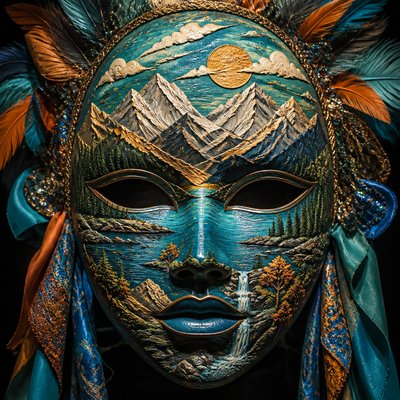
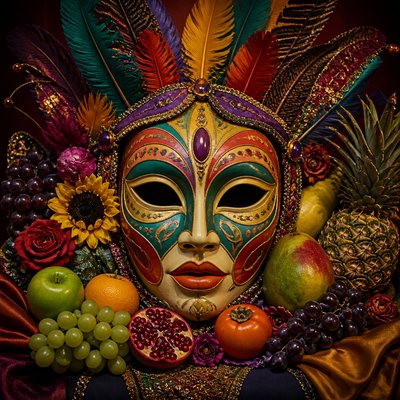
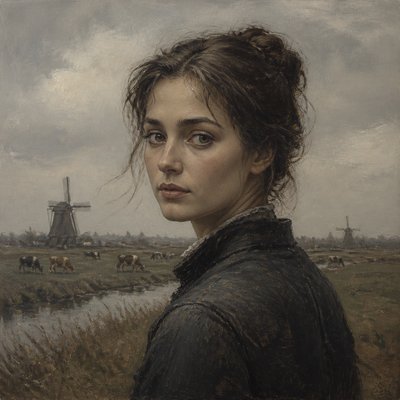
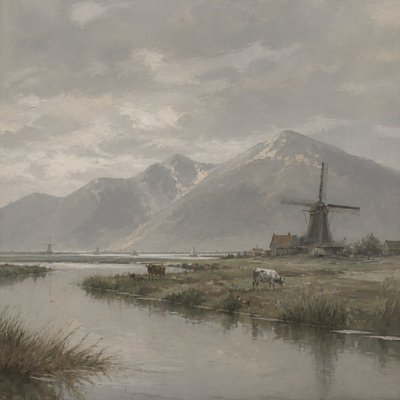
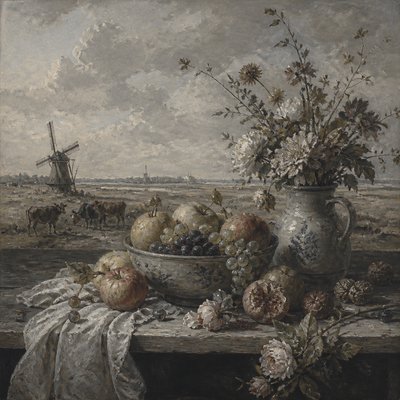
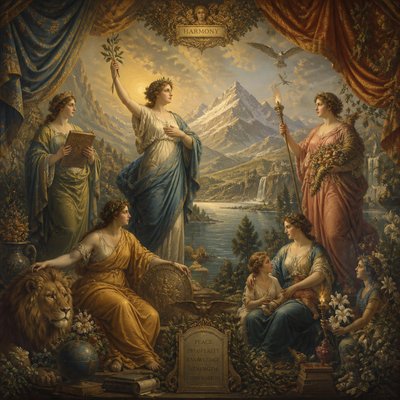
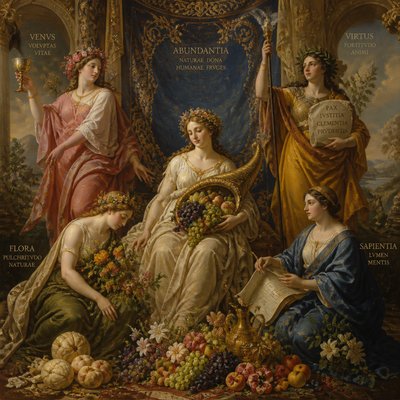
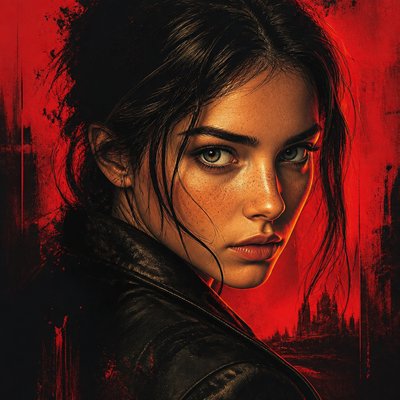
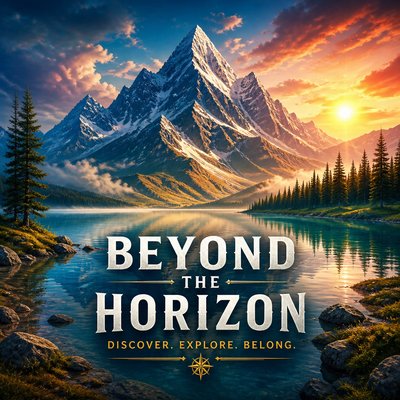
Naive Art Style
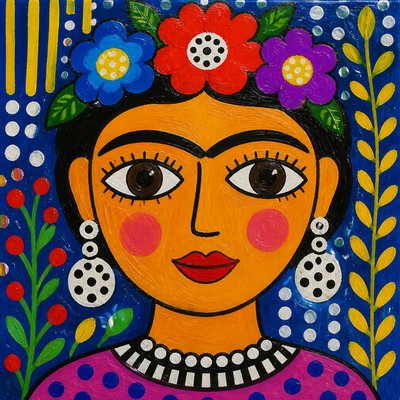
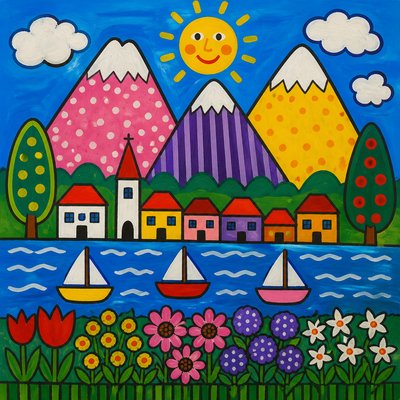
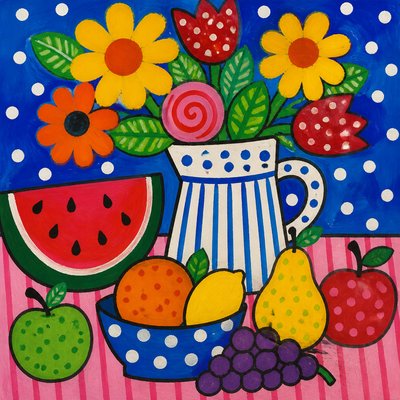
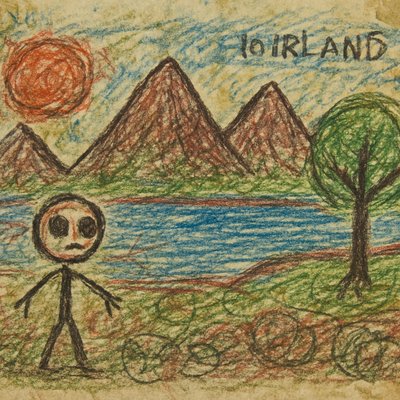
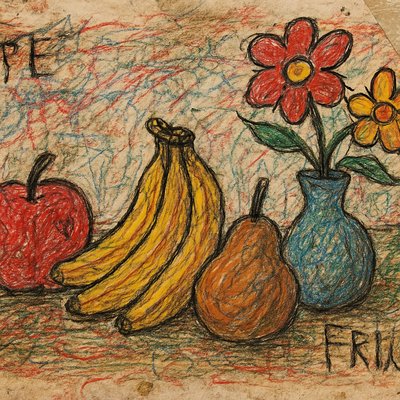
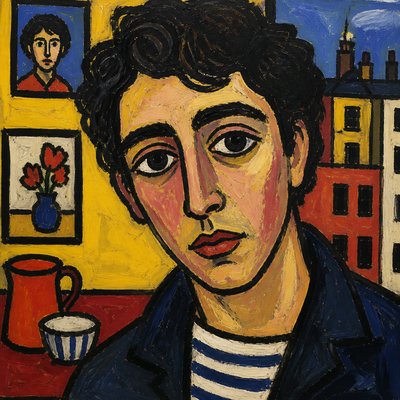
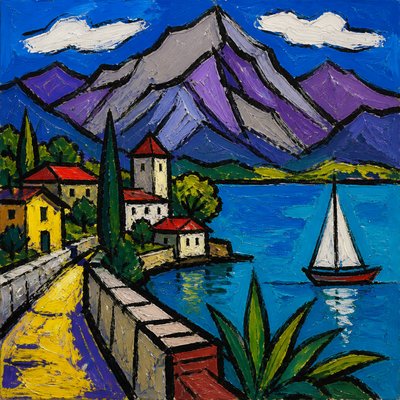
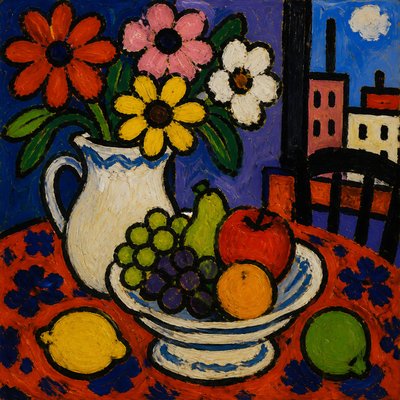
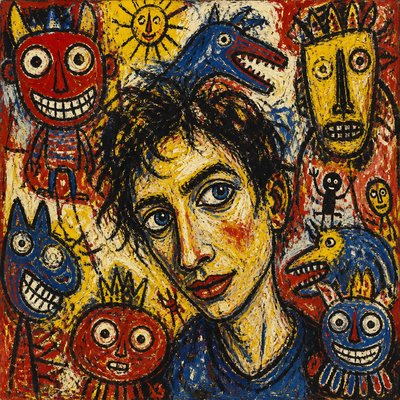
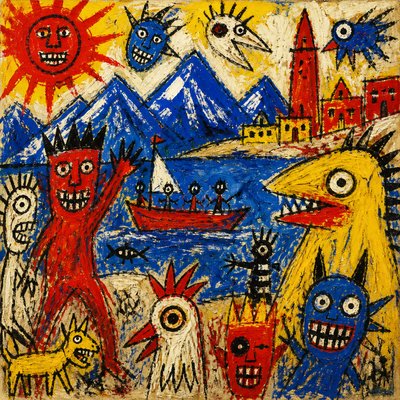
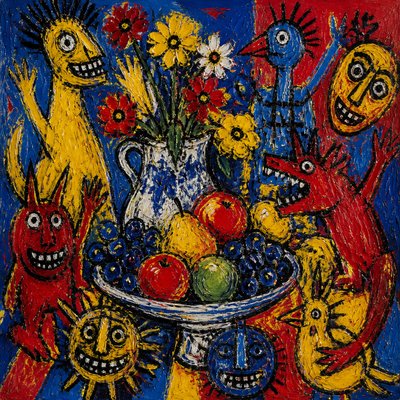
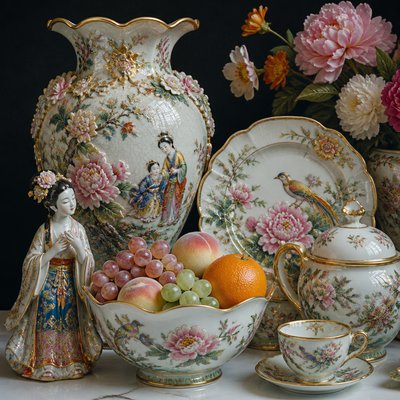
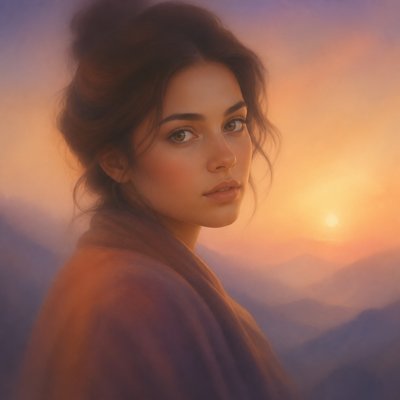
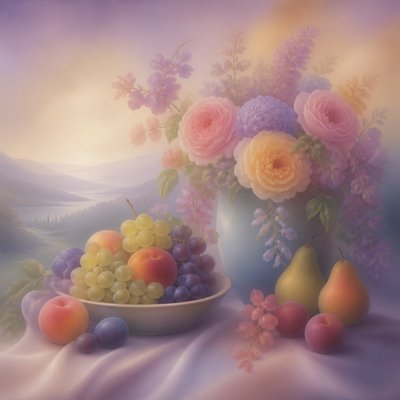
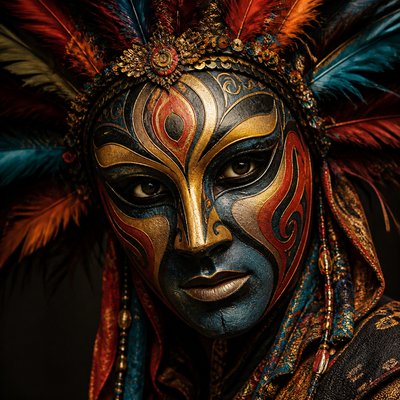
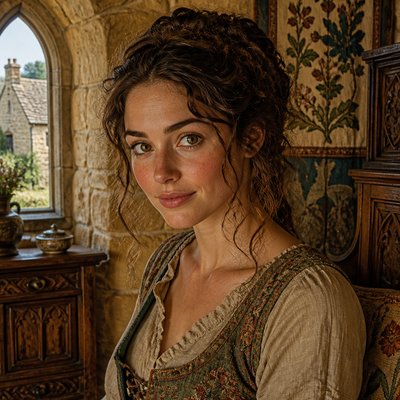
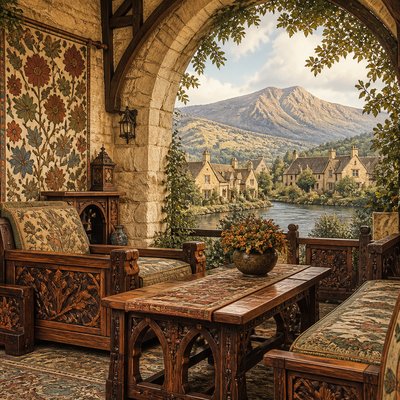
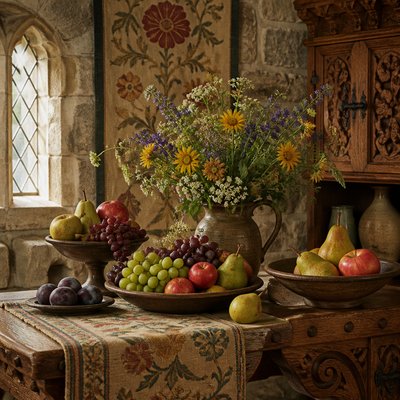
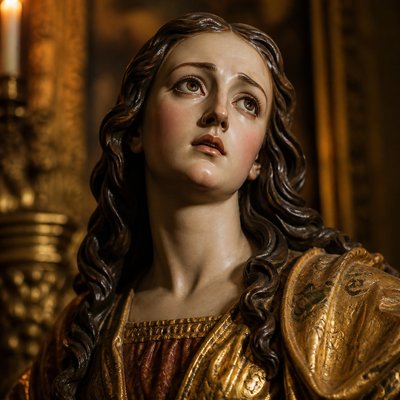
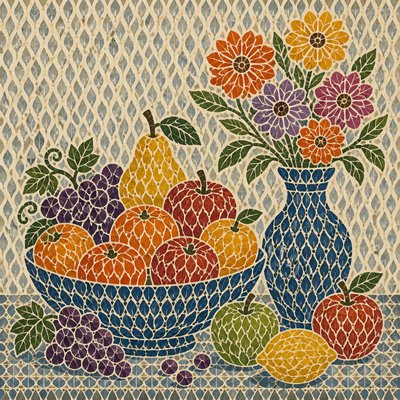
Childlike, bright, flattened painting with simple shapes, wonky proportions, and folk-art honesty rooted in outsider and vernacular traditions.
Instantly rendered in Naive — or transform a photo
Naive Gallery
Tap any artwork to explore it
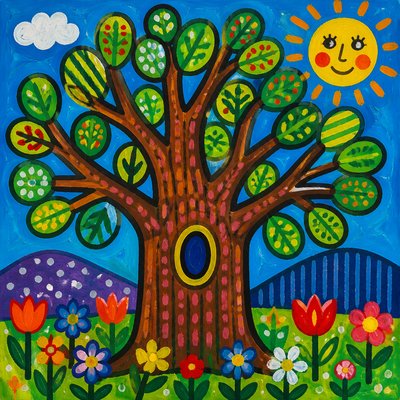
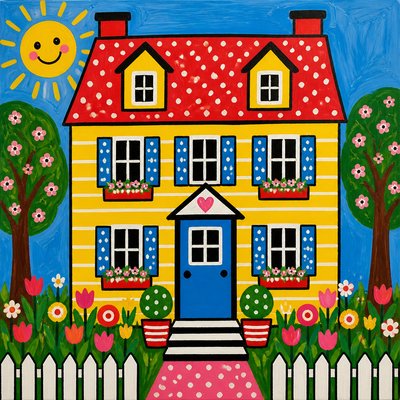
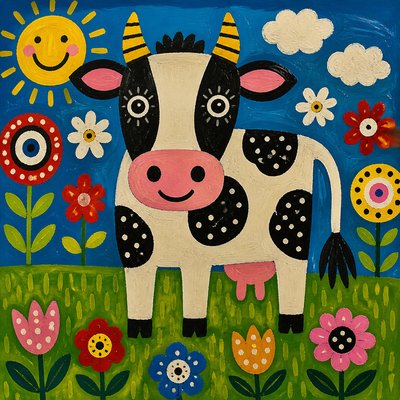
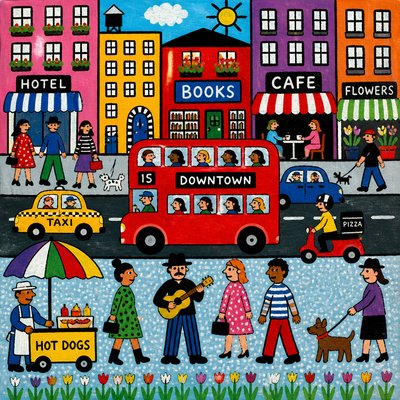
What is Naive Art Style?
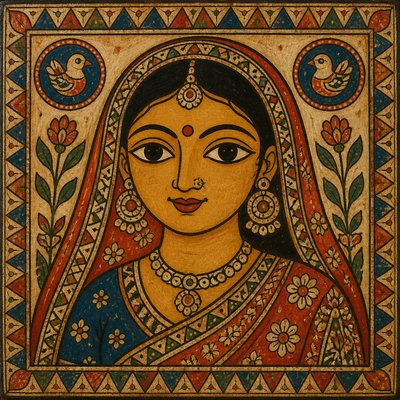
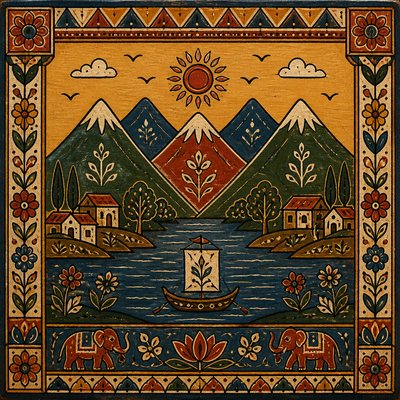
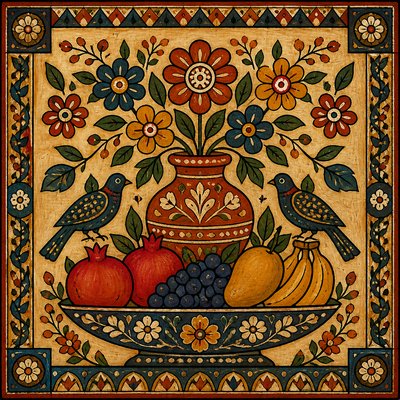
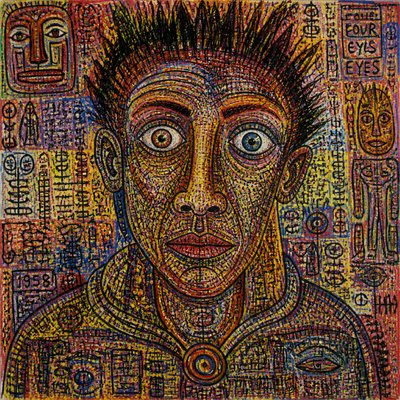
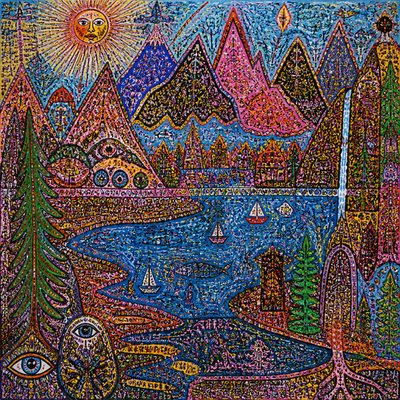
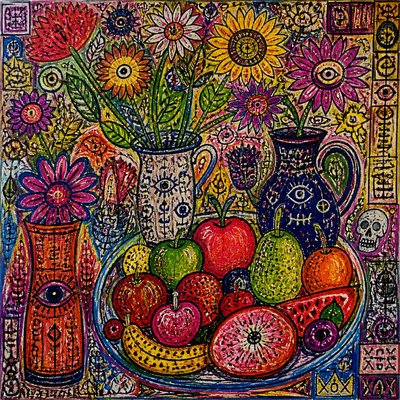
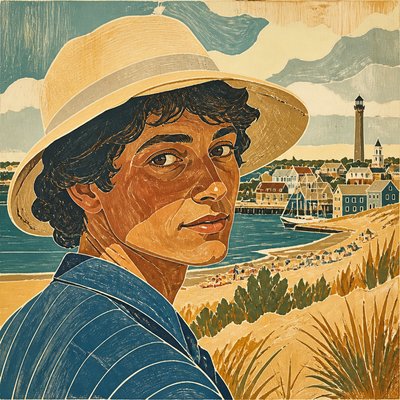
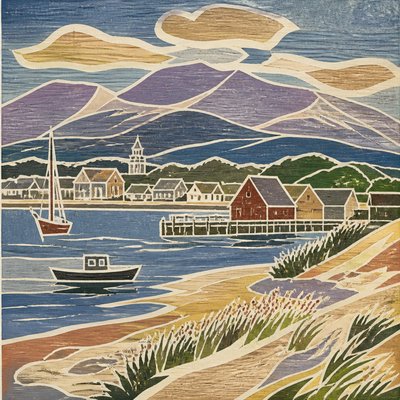
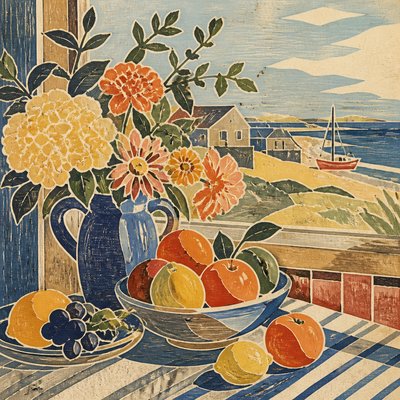
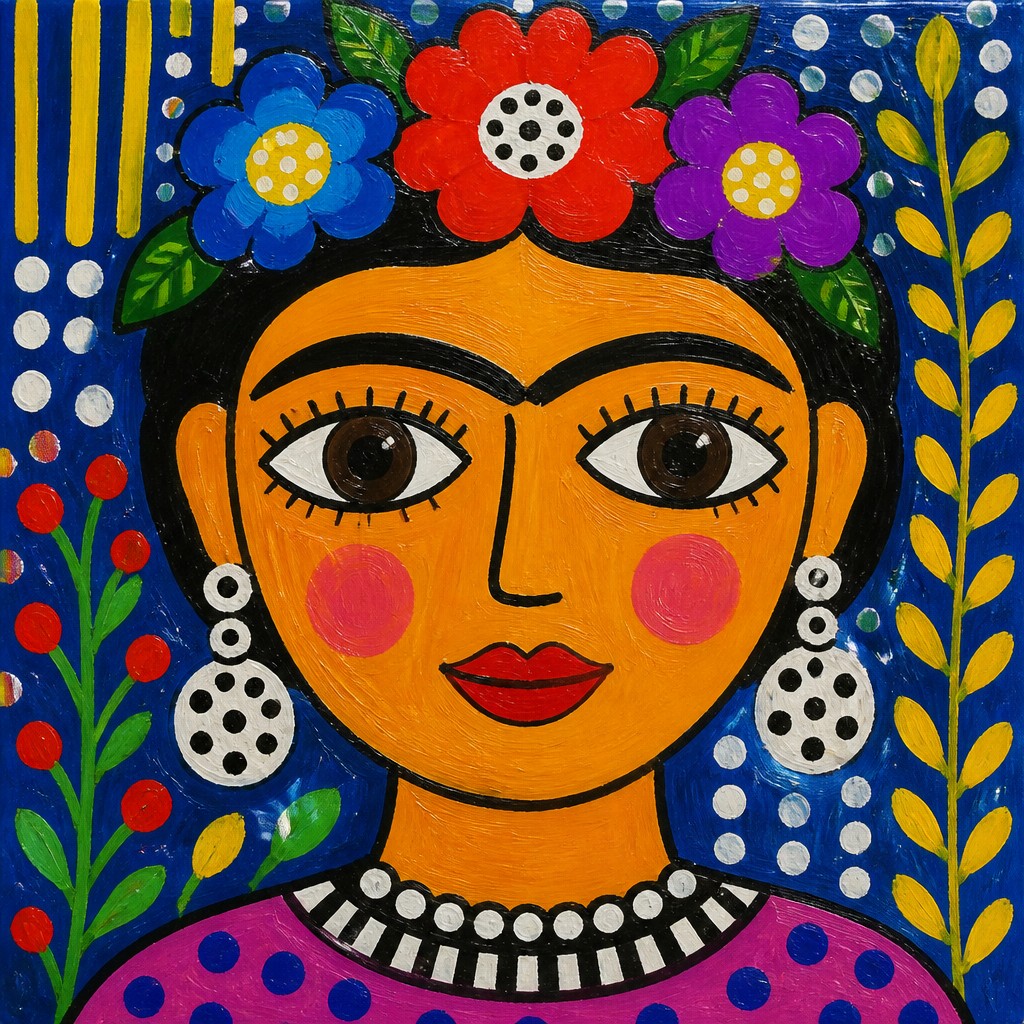
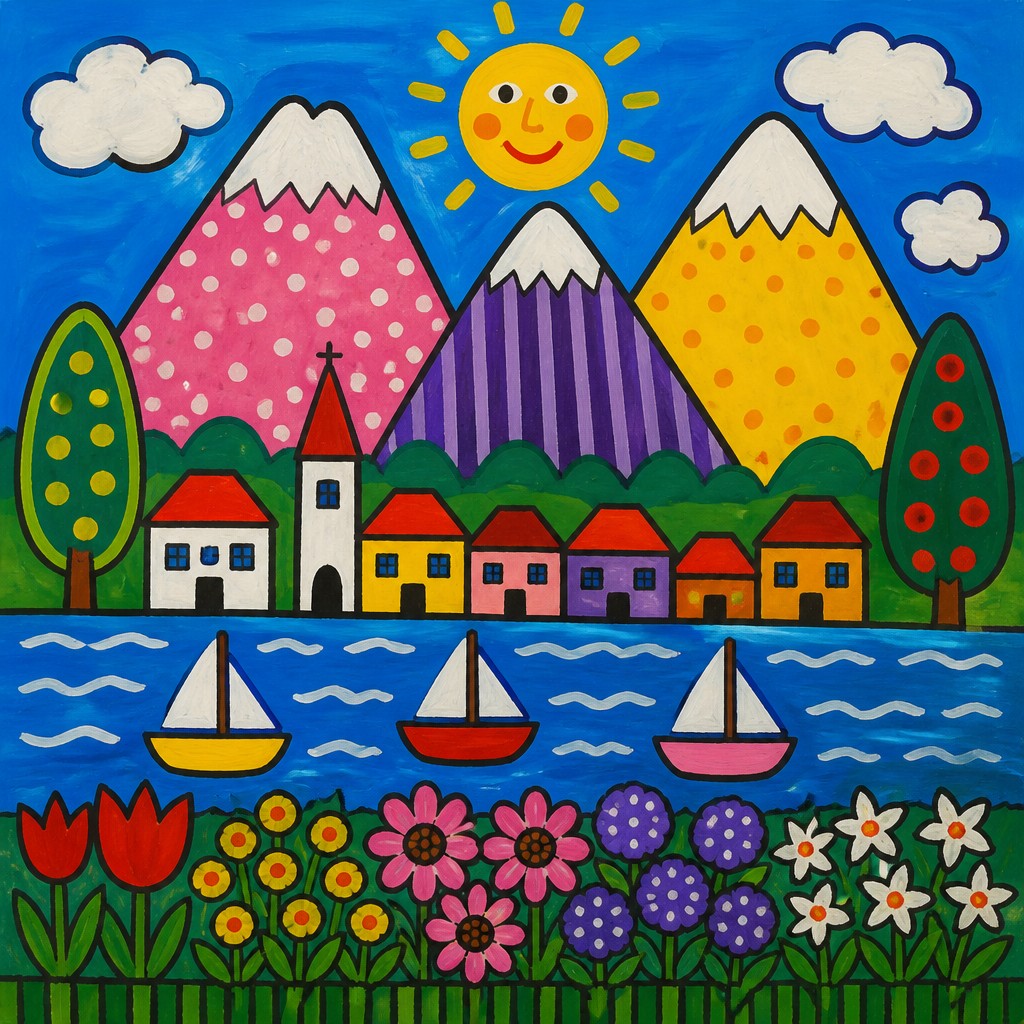
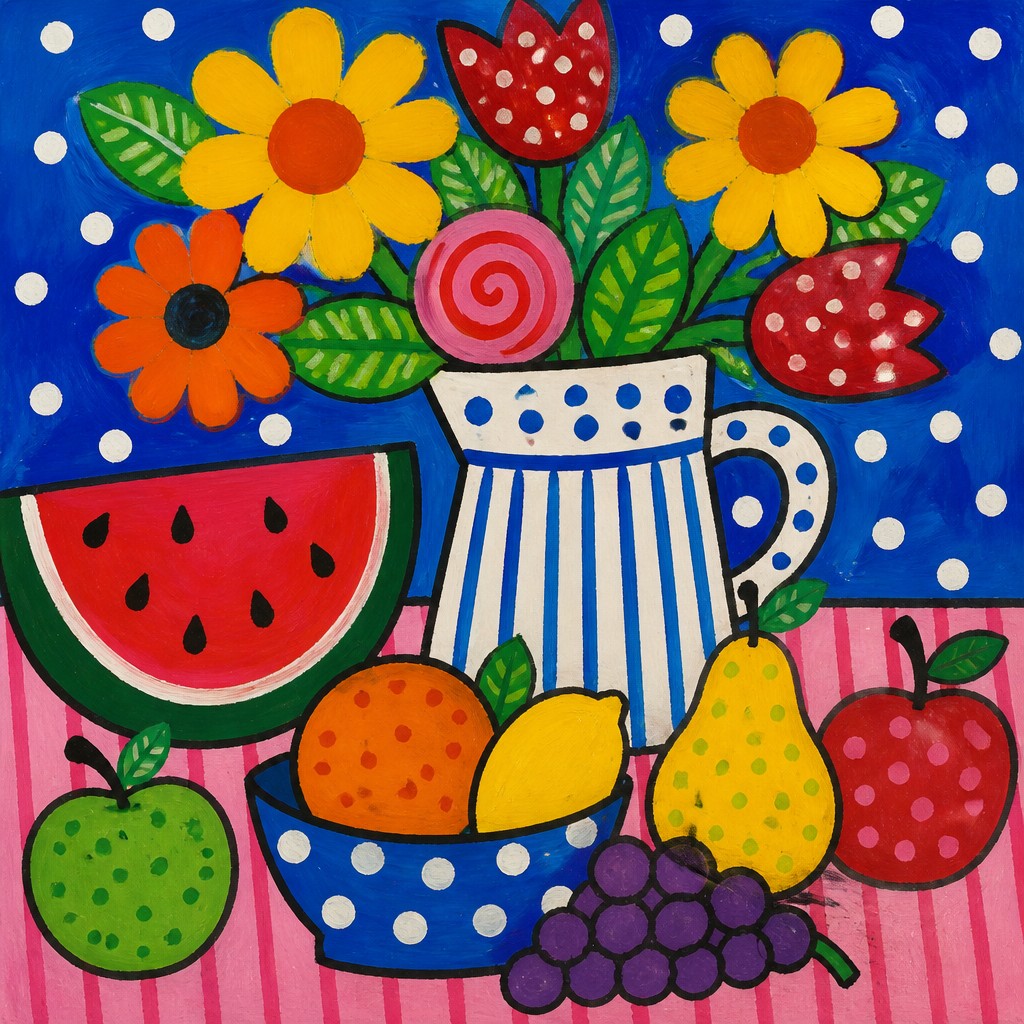
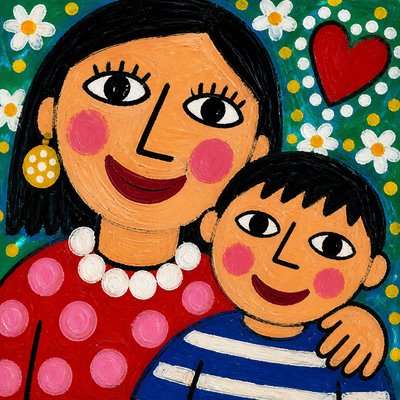
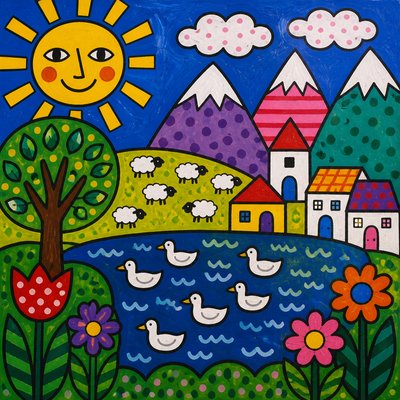
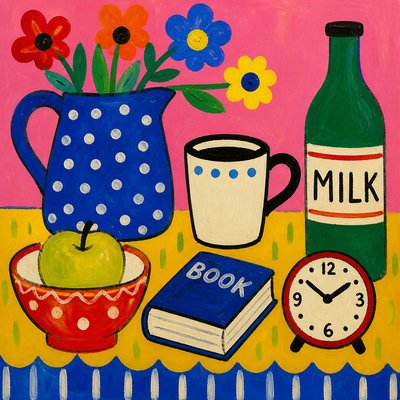
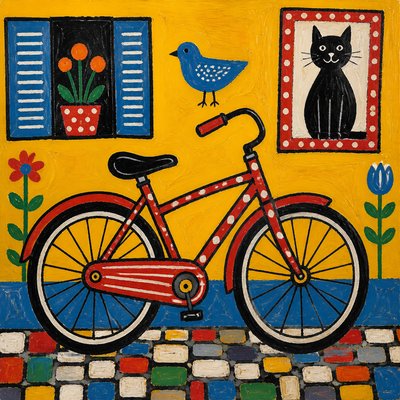
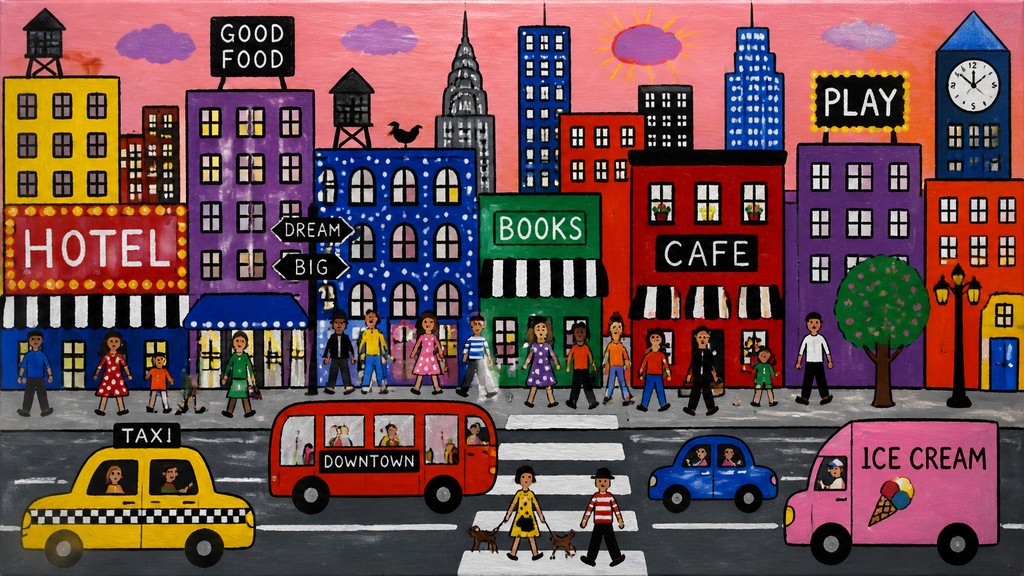
Naive art is a mode of representation marked by deliberate or natural simplicity: flattened space, direct frontal views, bright colors, and forms reduced to their most legible essentials. Figures, buildings, trees, and animals often appear outlined clearly, arranged with little concern for linear perspective, chiaroscuro, or academic anatomy. The result can feel playful, sincere, and disarmingly direct, with an emphasis on visual clarity over illusionistic realism.
What gives naive art its distinctive character is not merely a lack of technical polish, but a different set of priorities. Scale may follow emotional importance rather than optical logic, decorative patterning may replace modeled volume, and handmade marks often remain visible. Whether created by self-taught artists or by trained artists adopting a consciously simplified idiom, the style tends to communicate narrative, memory, folk tradition, or childhood perception with an honest, unguarded energy.
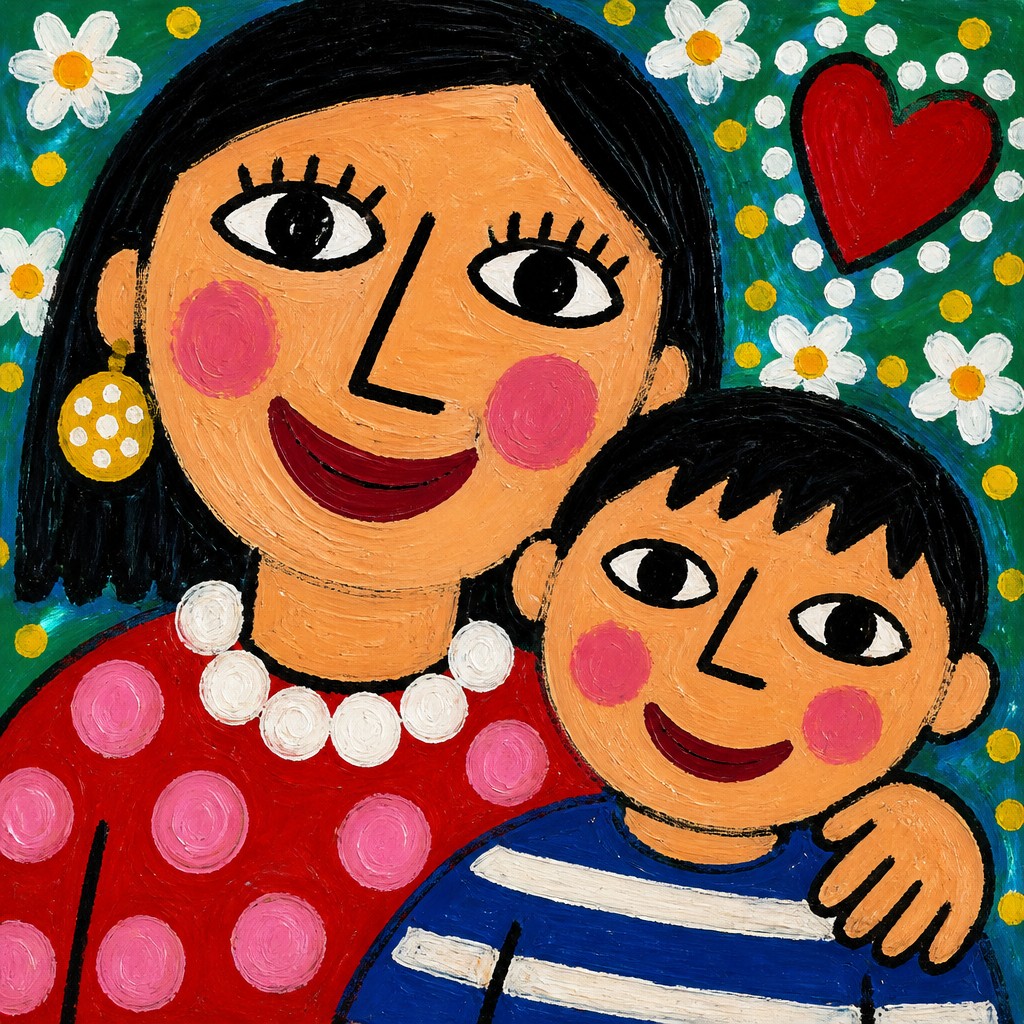
Try It On Your Photos
Upload any photo and convert it into Naive Art Style — drag the sliders to compare before and after.


What Defines Naive Art Style
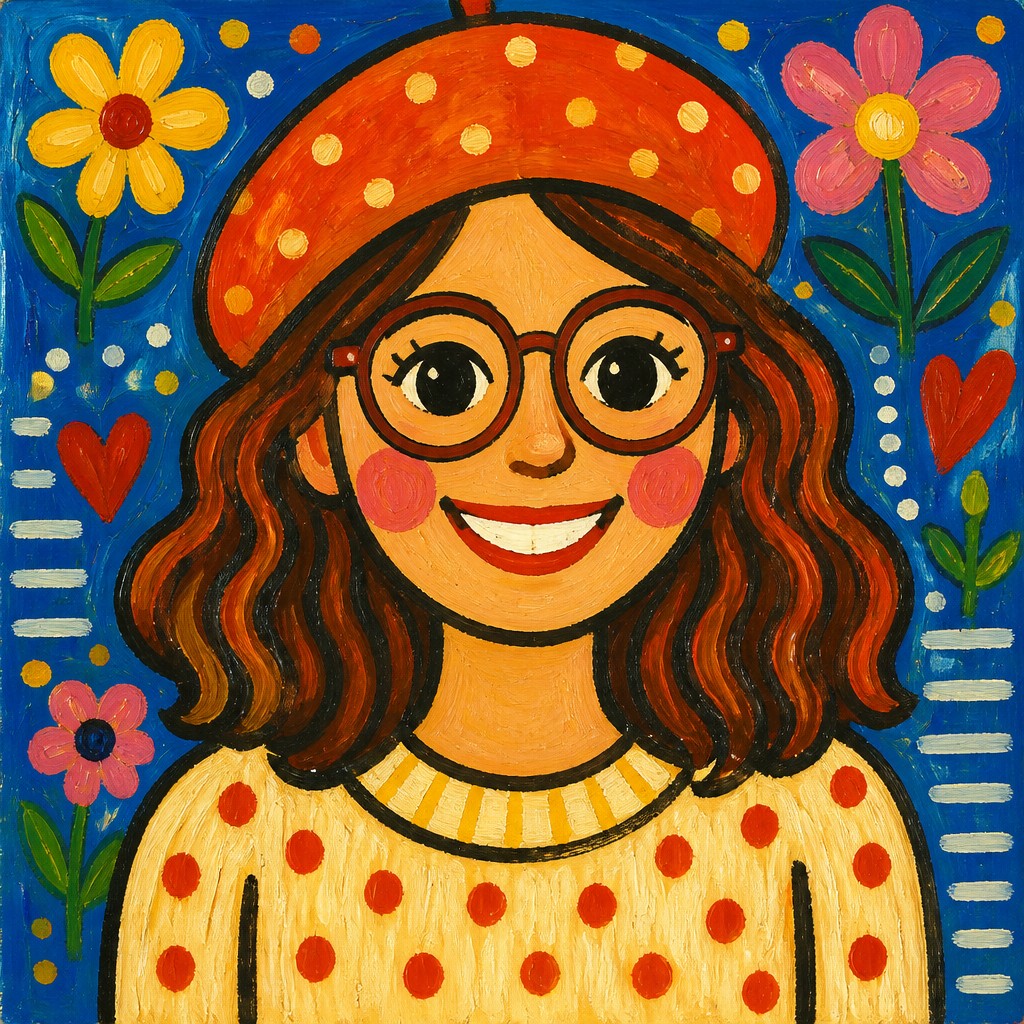
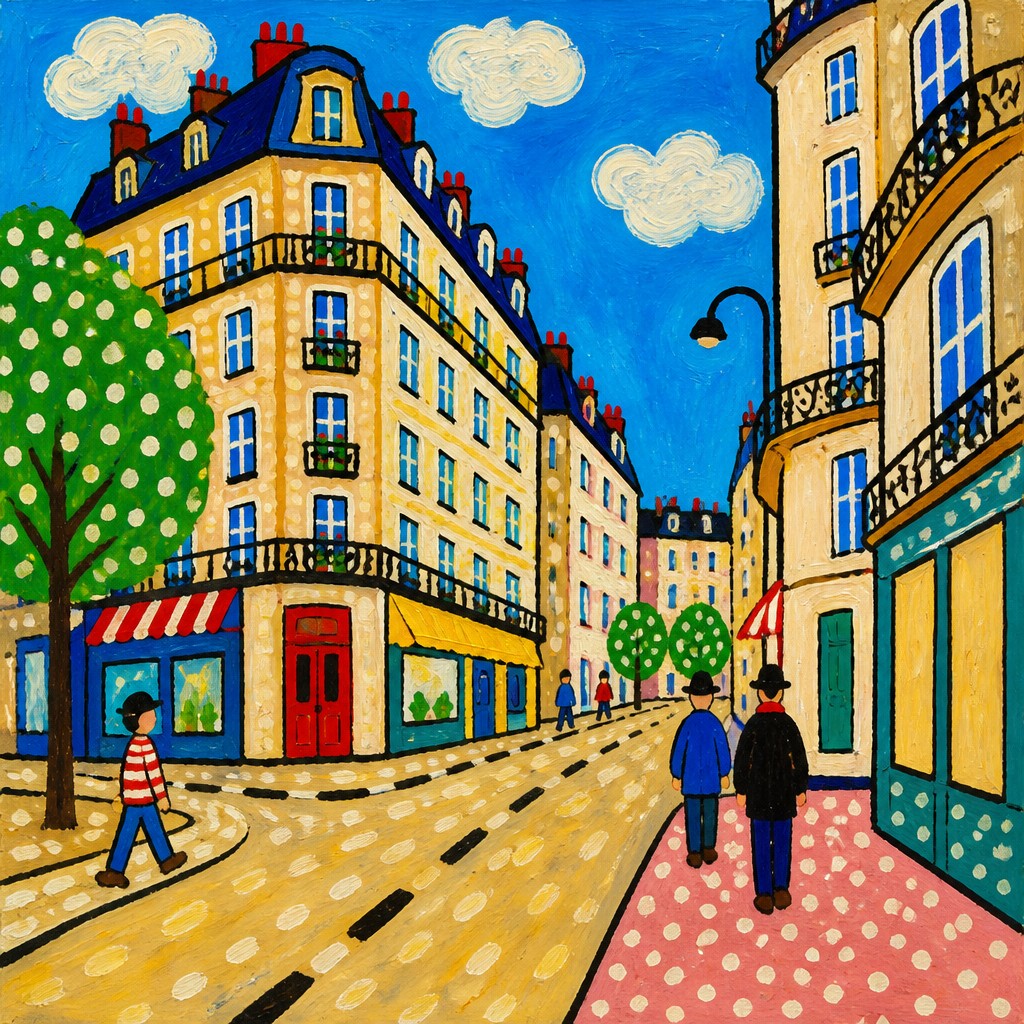
The signature details, up close
Flattened space
Depth is minimized or ignored, so scenes read as layered surfaces rather than receding environments. Objects may be arranged vertically or side by side without consistent perspective.
Bright, direct color
Colors are often saturated and applied plainly, with little blending or tonal modeling. The palette tends to feel cheerful, immediate, and decorative.
Simplified forms
Figures and objects are reduced to clear, basic shapes with easy-to-read contours. Details are selective rather than anatomically exact.
Wonky proportion
Bodies, houses, animals, and trees may be intentionally or intuitively mis-scaled. Important elements are often made larger for expressive emphasis.
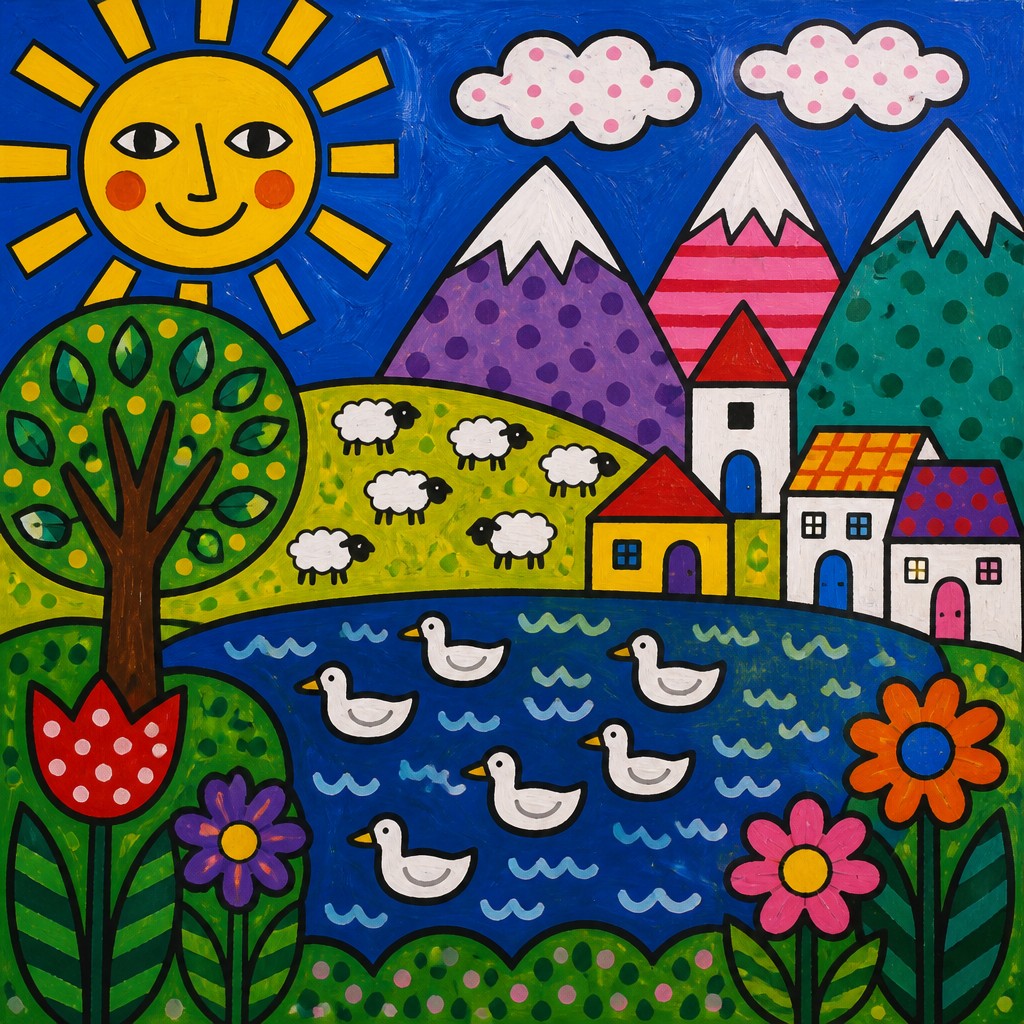
Decorative surfaces
Pattern fills such as dots, stripes, florals, and repeated motifs often replace realistic texture. These patterns help build visual richness without traditional shading.
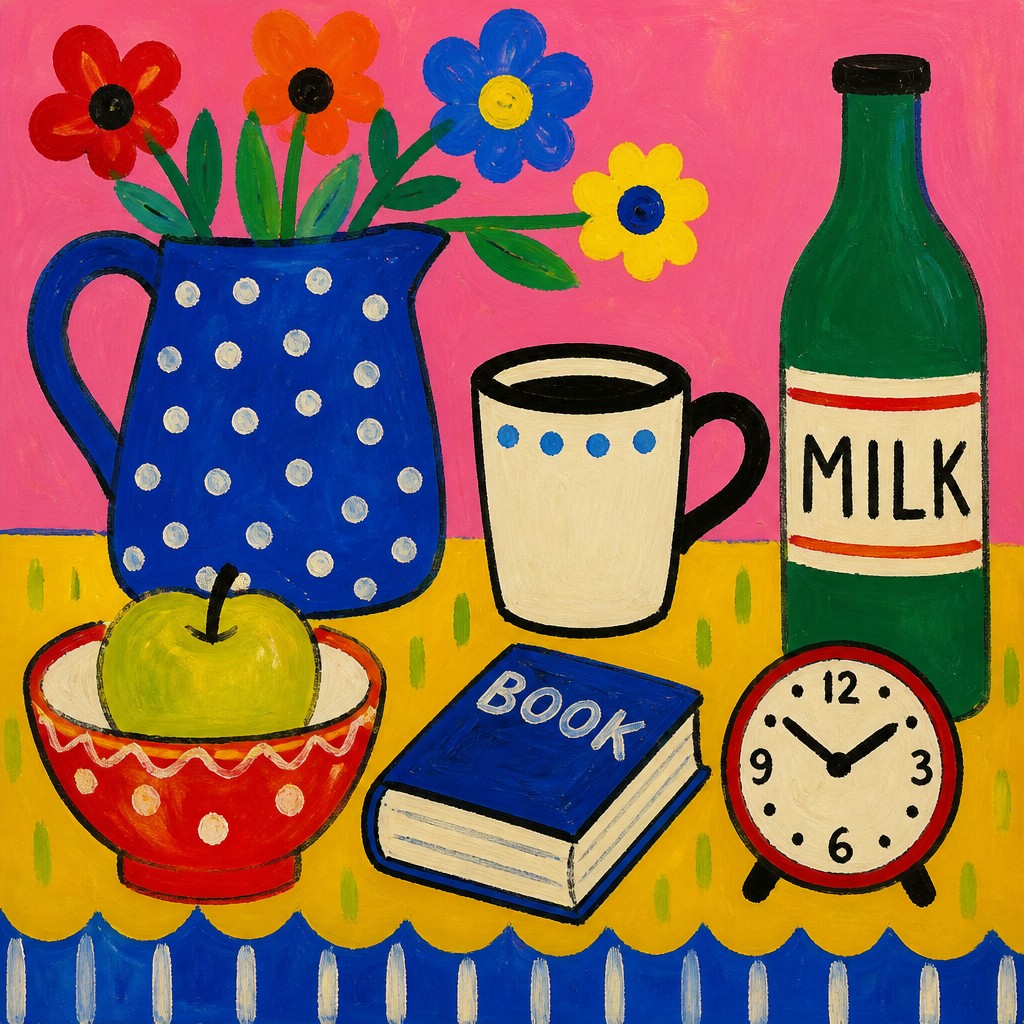
Front-facing clarity
Subjects are commonly presented head-on or in an easily legible profile, which strengthens the sense of directness. Composition usually favors plain storytelling over dramatic viewpoint.
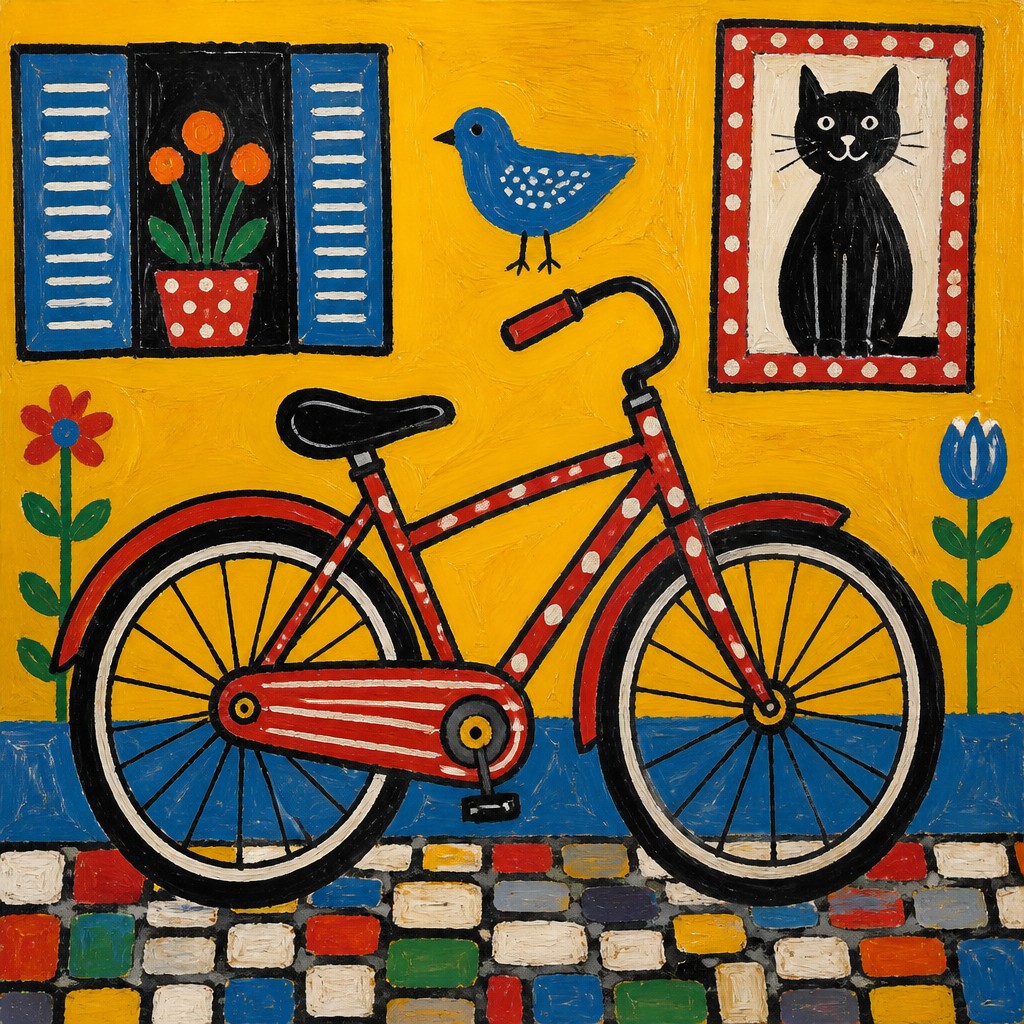
Visible handmade marks
Brushstrokes, outlines, and imperfections are often left apparent, reinforcing the handmade character. The surface may feel unpolished in a deliberate or authentic way.
Try It
Create Videos in Naive Art Style
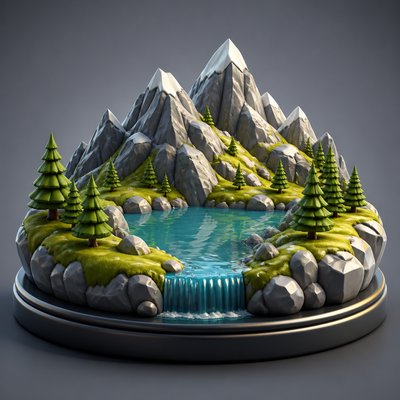
Styles aren't just for stills — describe a scene or animate an image and get a short video rendered in Naive. Press play to see this pond come to life.
Make a VideoNaive Prompt Ideas
Start from an idea — each one opens the generator with the style ready to go. See all 40 Naive prompts →
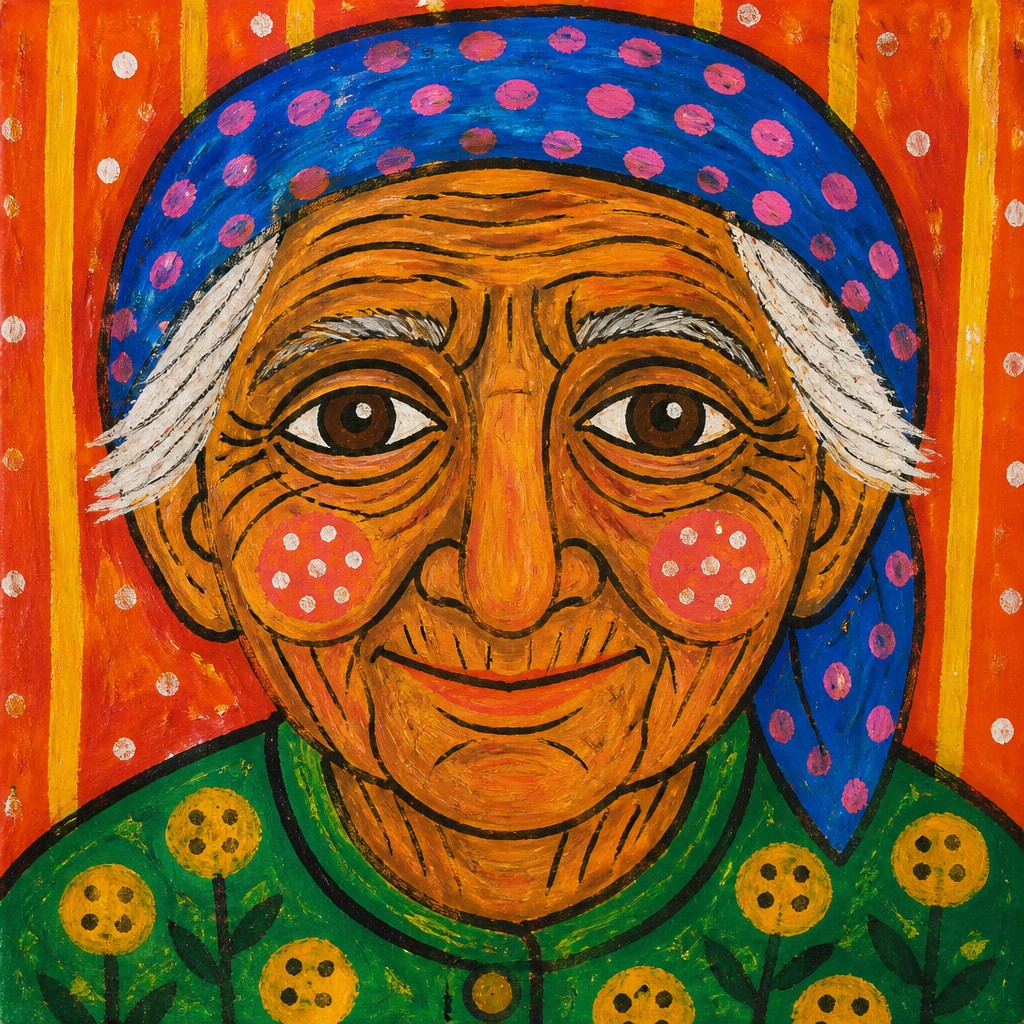
“close-up portrait of an elderly person with expressive weathered features”
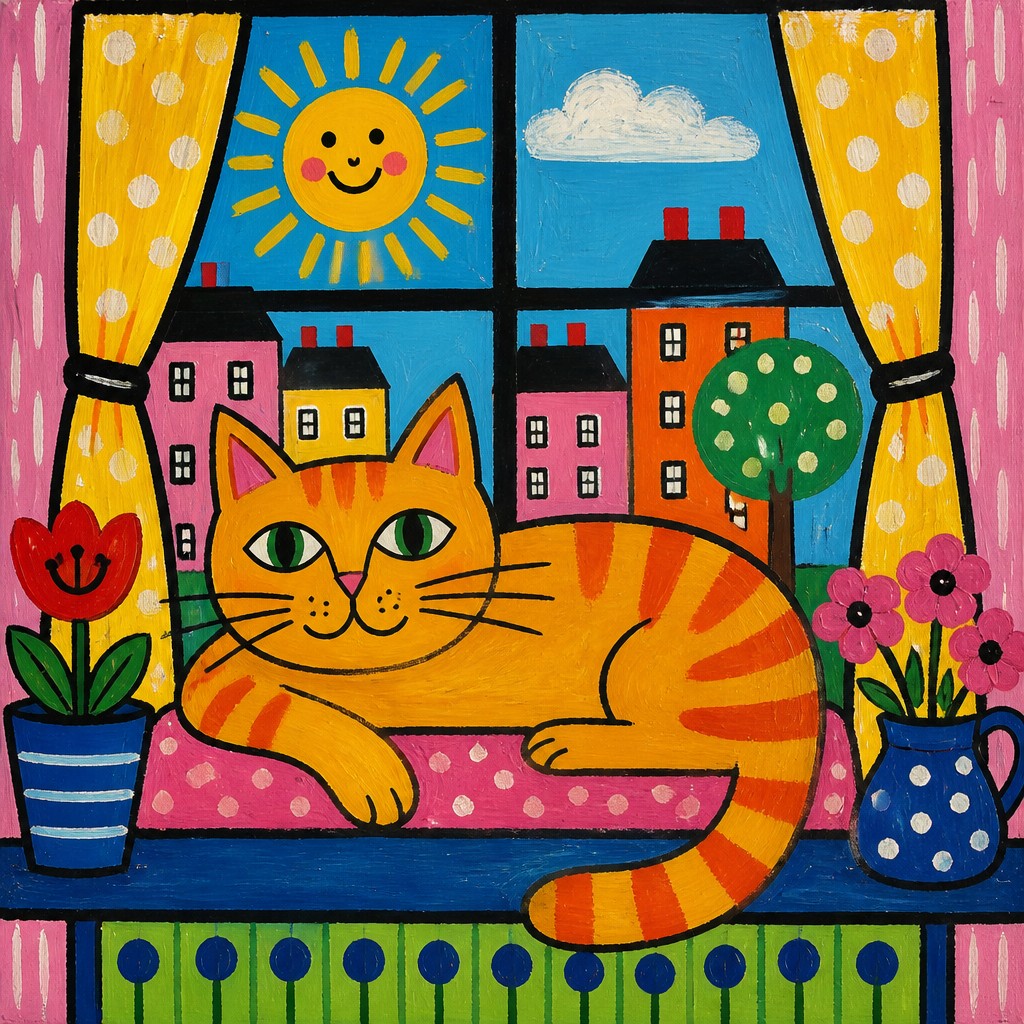
“a cat lounging in a sunlit window”
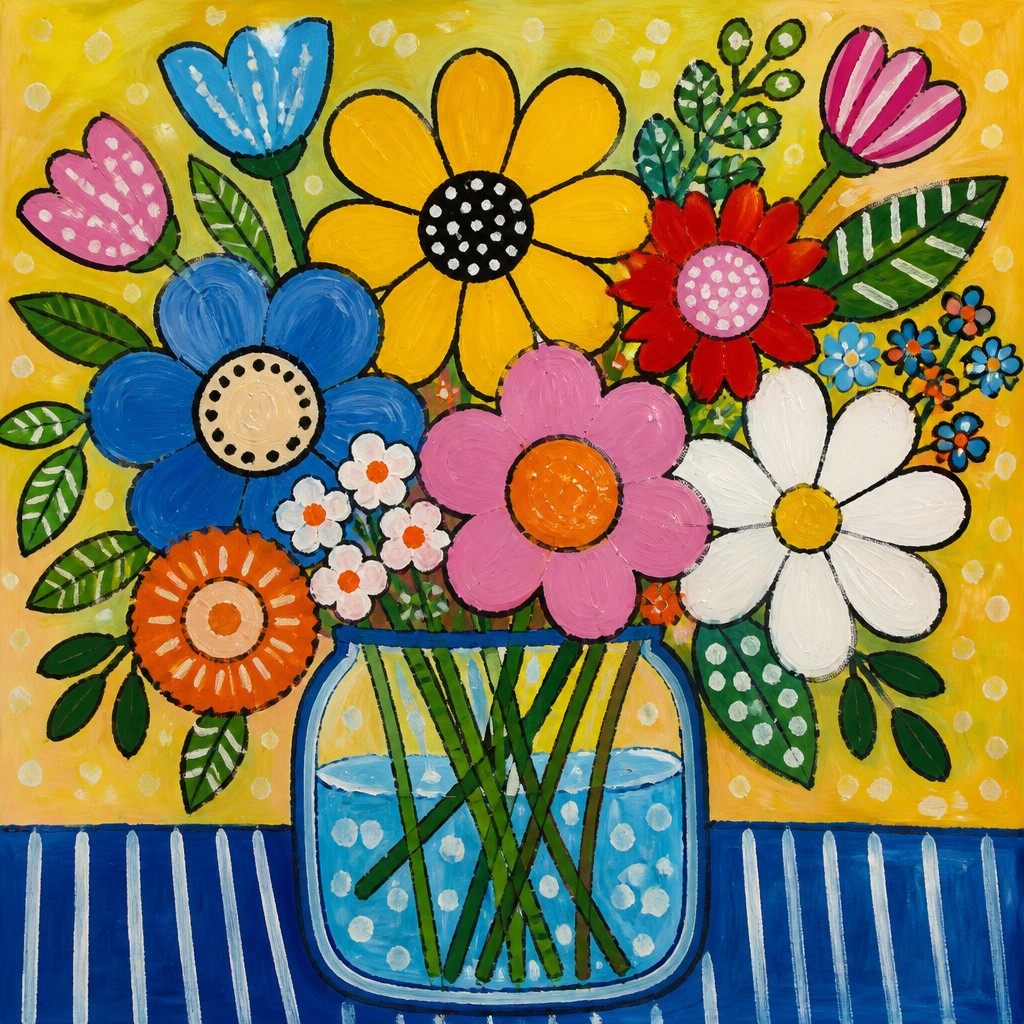
“bouquet of flowers in a glass vase”
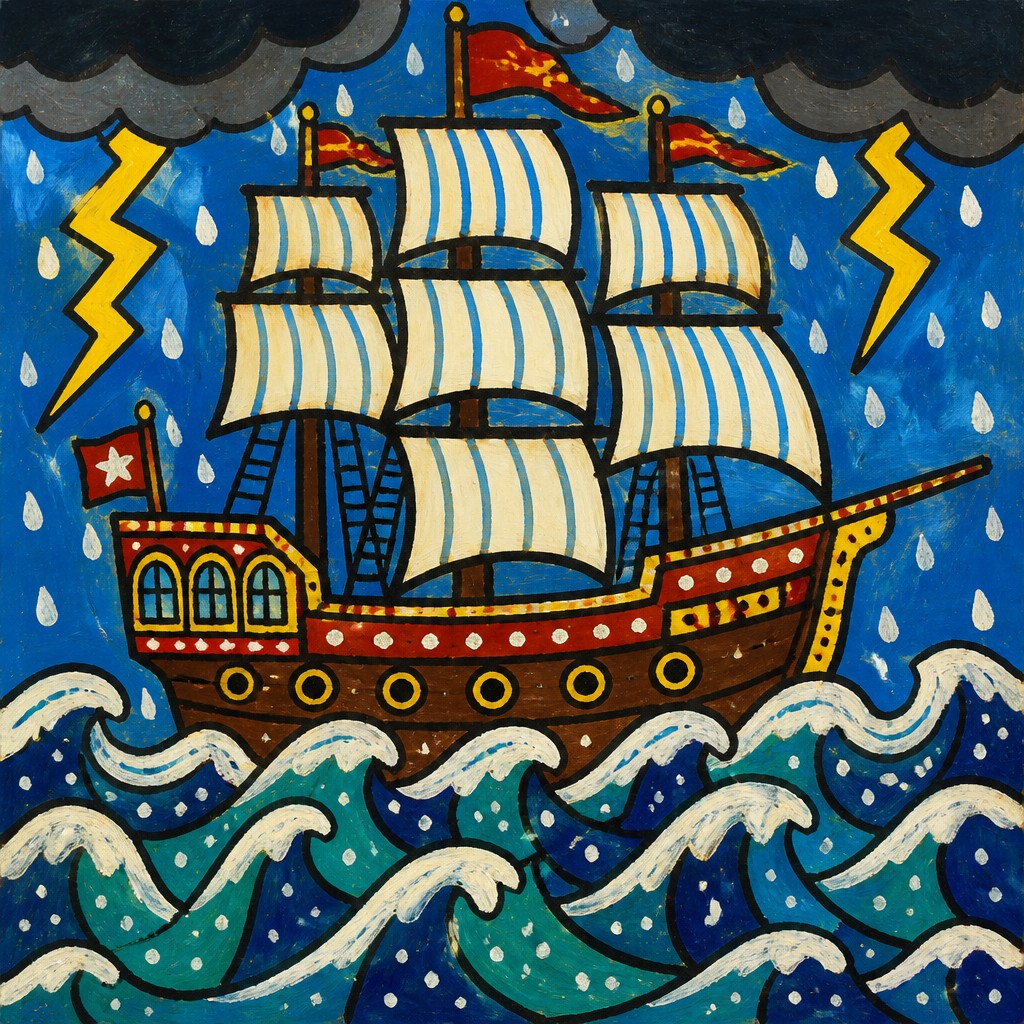
“sailing ship on a stormy sea”
How to Create Naive Art
Master the craft step by step — or skip straight to creating. Read the full guide →
- 1
Prioritize clarity over realism
Start with simple silhouettes and make every object easy to recognize at a glance. Avoid complex perspective systems; instead, place forms in a straightforward, almost diagrammatic arrangement.
- 2
Use a limited but bright palette
Choose saturated primary and secondary colors, then apply them in even, bold areas. Keep shadows minimal and let color carry the mood instead of tonal realism.
- 3
Simplify anatomy and architecture
Draw people, animals, and buildings with basic shapes and slight proportional quirks. Let charm come from directness and imperfection rather than correction.
- 4
Add decorative details sparingly
Use repeated motifs, patterned clothing, leaf shapes, or stylized textures to enrich the image without increasing realism. Patterns should feel hand-placed and rhythmic rather than mechanically uniform.
- 5
Keep the image emotionally legible
In traditional media, work with confident outlines, flat fills, and visible brushwork or crayon texture. For digital or prompt-based creation, ask for flattened perspective, bold unmodulated color blocks, simplified geometry, thick outlines, and folk-art sincerity.
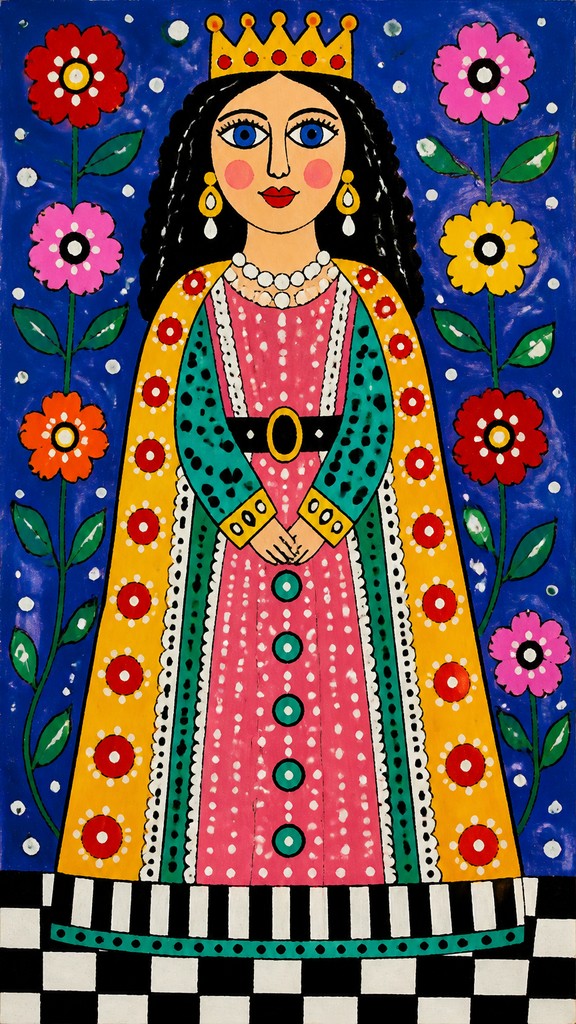
The Story
History & Origins of Naive
As a historical label, naive art is associated with self-taught artists working outside academic conventions, especially in the late 19th and early 20th centuries, when museums and critics began to distinguish vernacular and outsider-made work from academic painting. It is closely related to, but not identical with, folk art and outsider art. Canonical artists frequently associated with naive art include a self-taught painter whose dreamlike scenes and flattened space became emblematic of the style, along with painters such as a celebrated French self-taught artist and a much-loved American self-taught painter, each valued for highly individual, non-academic approaches.
The style’s visual lineage reaches into children’s drawing, popular illustration, sign painting, folk painting, and decorative craft traditions, as well as the broader modernist interest in art made outside academic rules. Modern artists sometimes borrowed naive qualities intentionally to evoke immediacy, sincerity, or an anti-elitist stance. In contemporary visual culture, naive art continues to appear in illustration, editorial graphics, picture-book imagery, and digitally produced work that seeks a handmade, simplified, and emotionally direct look.
Influences: Naive art is closely related to folk art, children’s drawing, and outsider art, while also intersecting with modernism’s interest in non-academic expression. The most widely recognized canonical figure associated with the style is a self-taught painter known for dreamlike scenes and flattened space, and the vernacular imagination of a celebrated American self-taught painter and a French self-taught painter is often discussed in the same orbit. It also overlaps with picture-book illustration, sign painting, and decorative crafts that favor directness, pattern, and handmade simplicity.
Frequently Asked Questions
What defines naive art?
Naive art is defined by its direct, simplified visual language: flattened perspective, bright colors, clear outlines, and forms that often ignore academic rules of proportion. It usually feels sincere, handmade, and visually approachable. The style can come from self-taught artists or from trained artists intentionally adopting a naive look.
Is naive art the same as folk art?
Not exactly. Folk art is broader and usually refers to traditional, community-based making with practical or ceremonial roots, while naive art is more specifically a visual mode characterized by simplicity and non-academic treatment. The two overlap strongly, and many works can be described as both.
How is naive art different from outsider art?
Outsider art usually refers to artists working outside formal institutions, often with little or no connection to mainstream art systems. Naive art describes a look as well as, sometimes, a context: simplified, childlike, and untrained in appearance. Some artists belong to both categories, but they are not identical terms.
Why does naive art look flat?
The flatness comes from minimizing perspective, shading, and realistic spatial cues. Instead of constructing illusionistic depth, the artist arranges the scene as a surface filled with readable shapes and colors. This can make the image feel decorative, narrative, or memory-like.
What subjects work best in this style?
Everyday scenes, villages, animals, gardens, celebrations, domestic interiors, and landscapes are especially effective because they benefit from direct storytelling and pattern-rich detail. The style also works well for scenes of memory or imagination. Complex subjects can be simplified into clear, symbolic forms.
How can I make a digital image look naive?
Use simple shapes, thick outlines, bright flat colors, and minimal depth cues. Avoid photorealistic textures, dramatic lighting, or precise perspective corrections, and let proportions feel slightly off in a deliberate, charming way. If using prompt-based tools, specify flattened perspective, unmodulated color blocks, decorative patterns, and handmade brushwork.
Create your first Naive artwork
Describe anything — or upload a photo — and see it in Naive Art Style in seconds.
Make Something with Naive
Compare Naive
Related Styles
Discover similar art styles