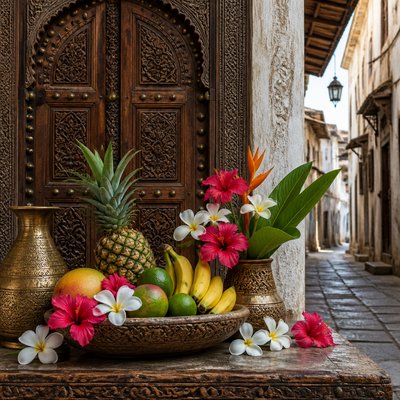
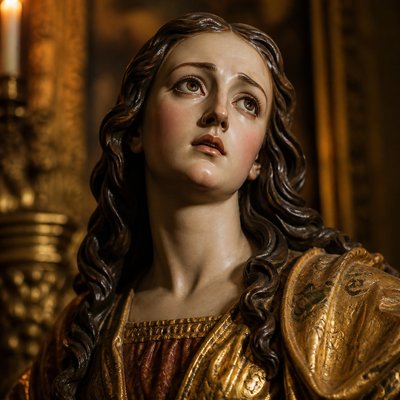
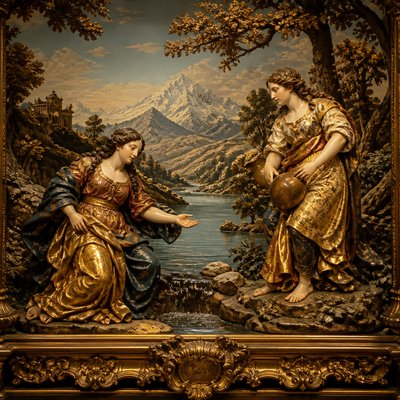
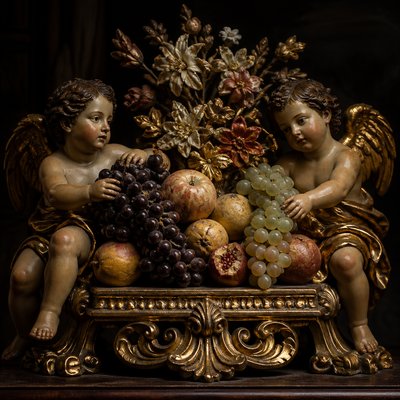
Macchiaioli Art Style
Discover Macchiaioli art: 19th-century Italian plein-air painting defined by bold light-dark patches, earthy color, and everyday Mediterranean scenes.
Instantly rendered in Macchiaioli — or transform a photo
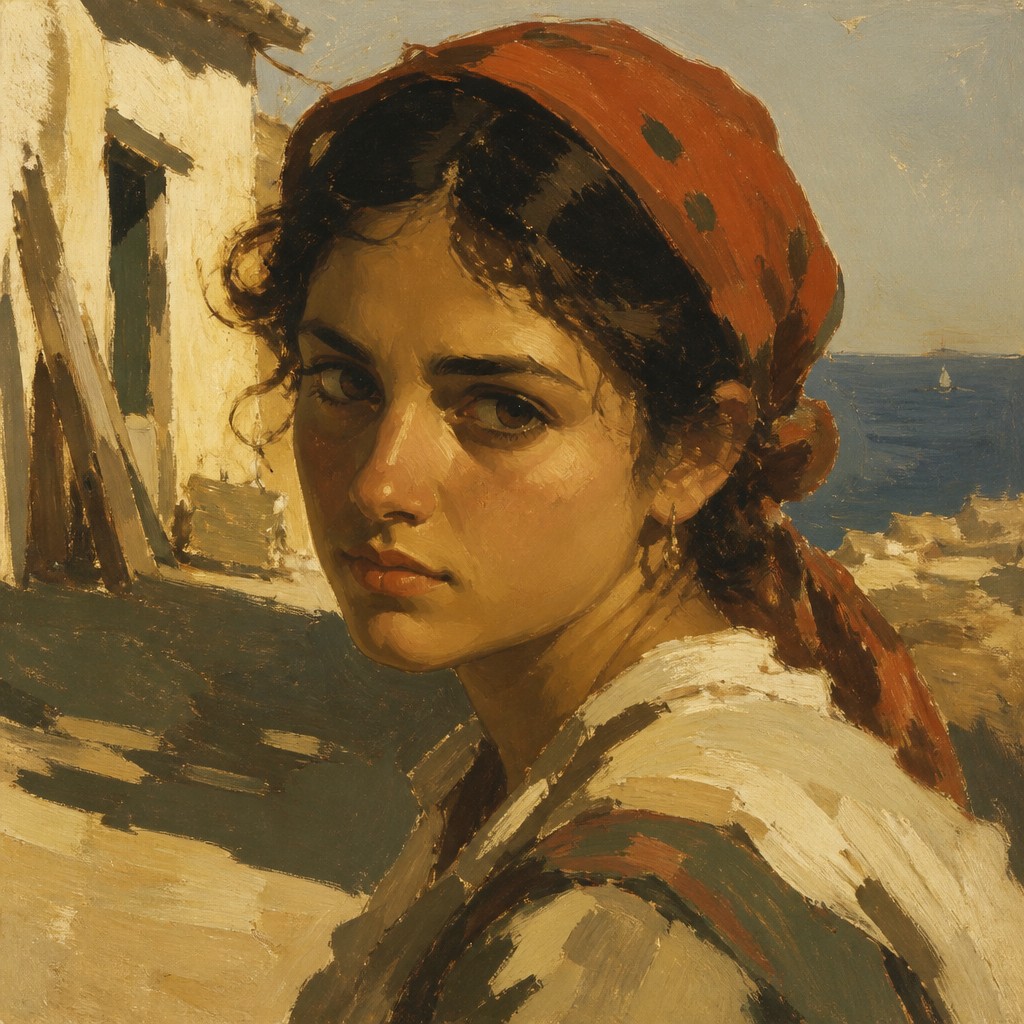
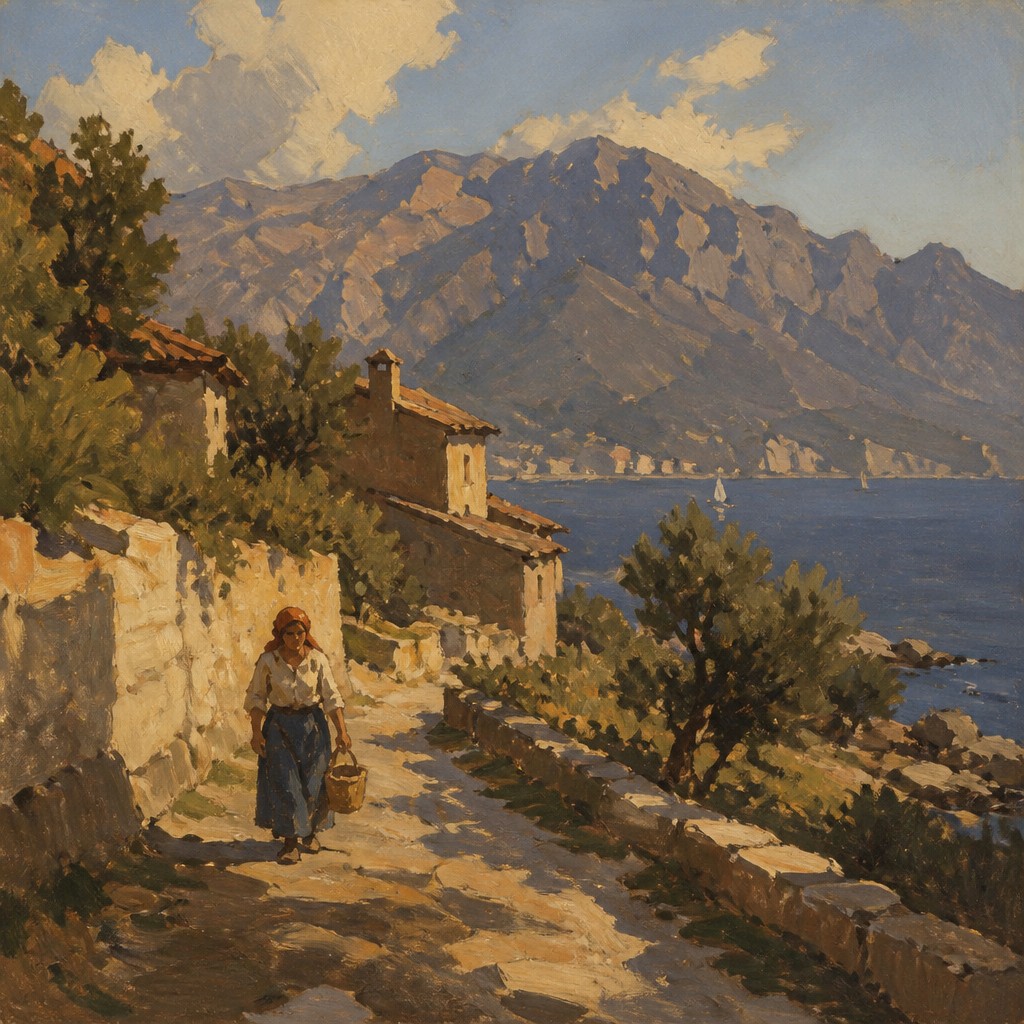
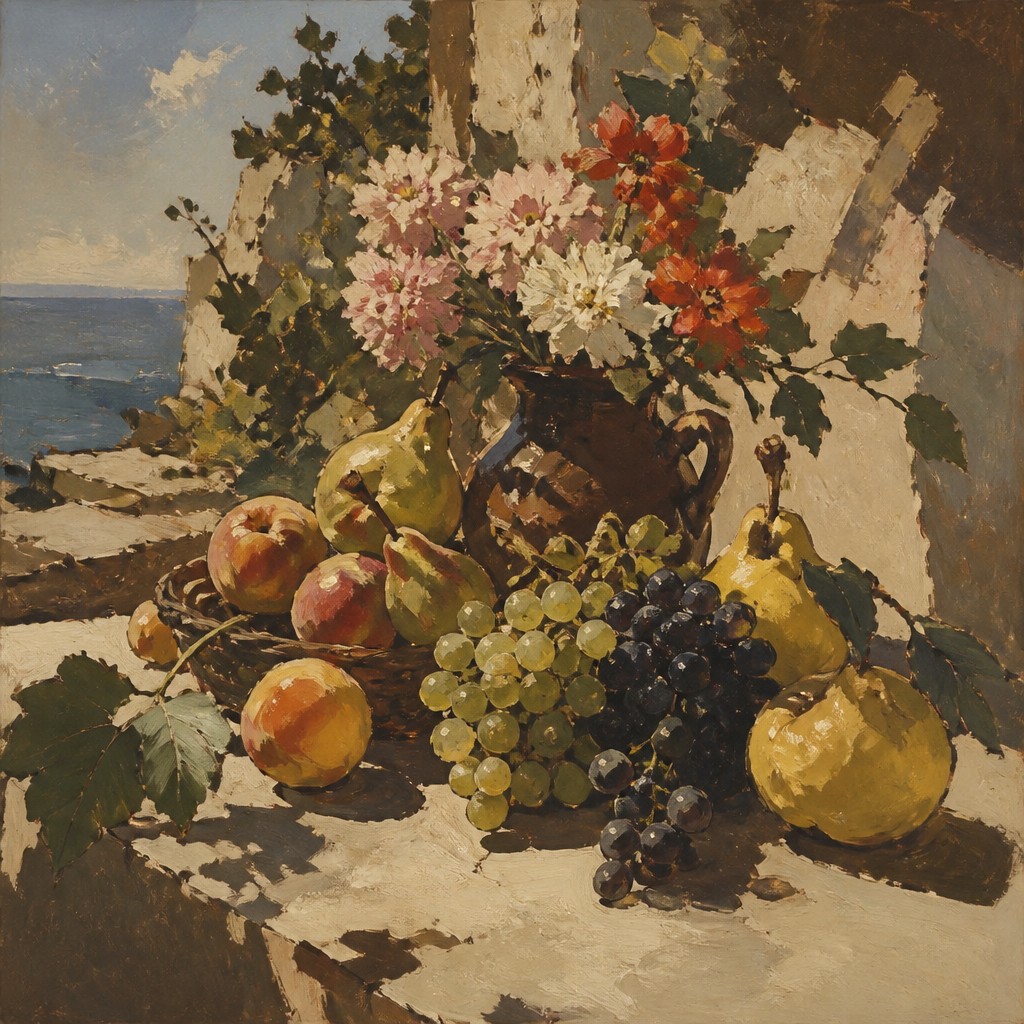
Macchiaioli Gallery
Tap any artwork to explore it
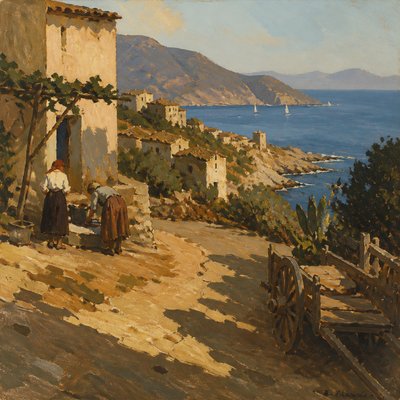
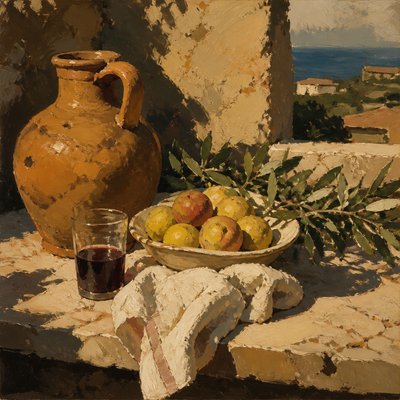
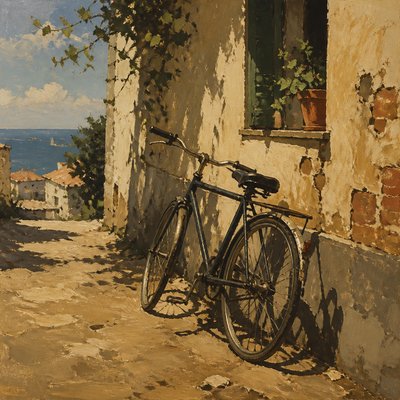
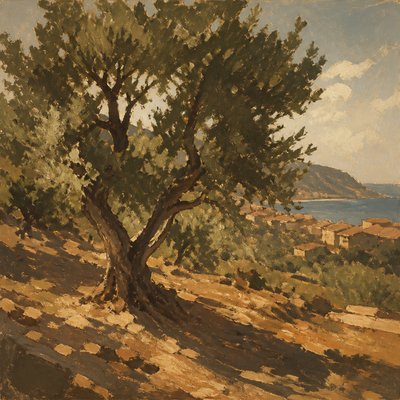
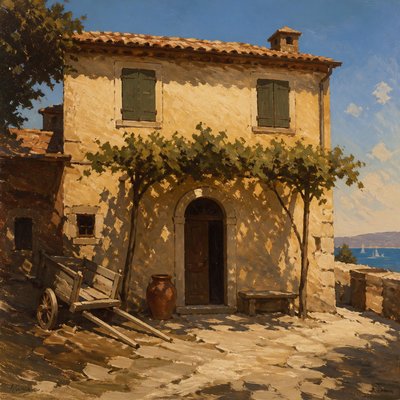
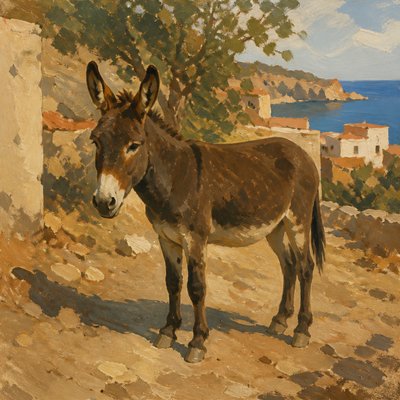
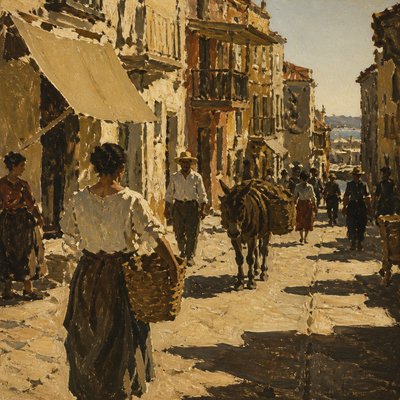
What is Macchiaioli Art Style?
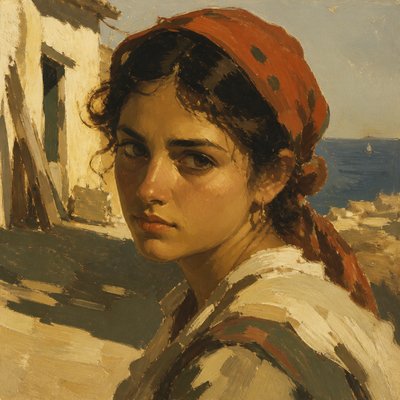
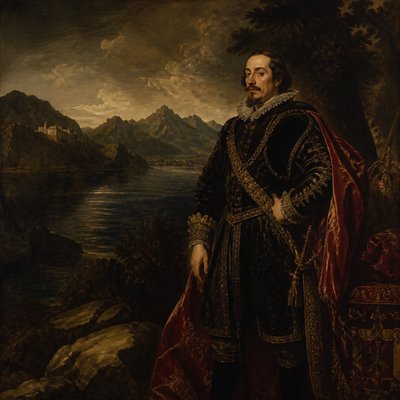
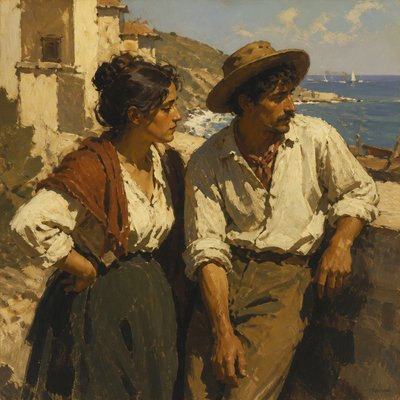
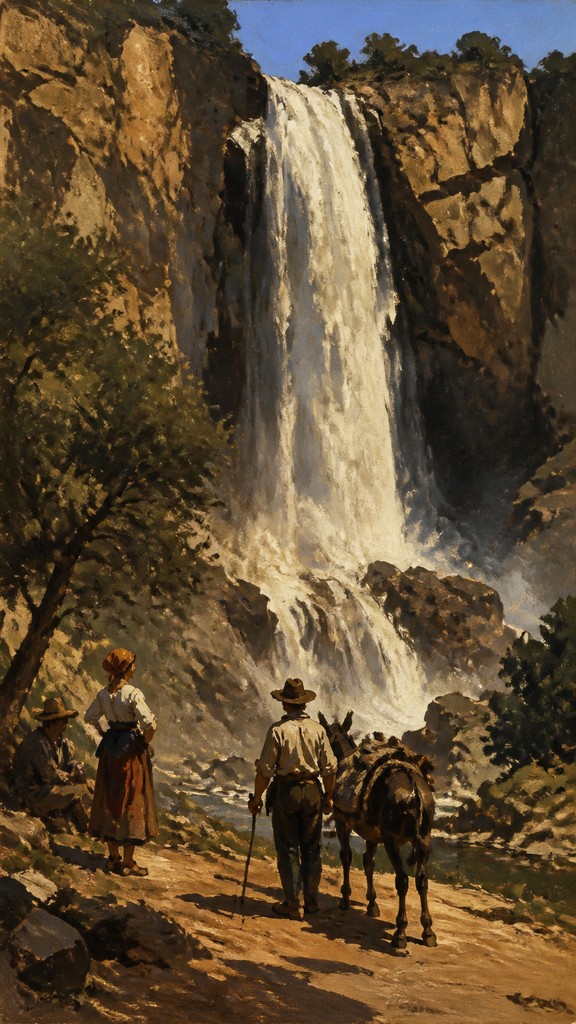
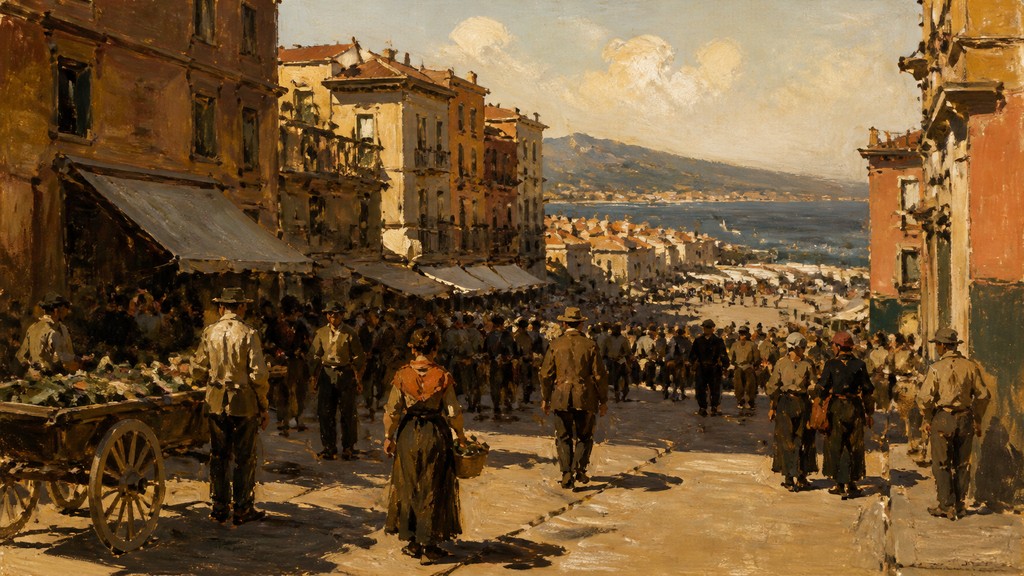
The Macchiaioli were a group of Italian painters active mainly in Tuscany from the 1850s through the 1870s. Their name derives from macchia, meaning a spot, stain, or patch, referring to their method of constructing images from broad areas of contrasting light and dark rather than from finely modeled outlines or polished academic detail. The movement is associated with plein-air observation, rural landscapes, coastal views, military and civic subjects, and scenes of ordinary life.
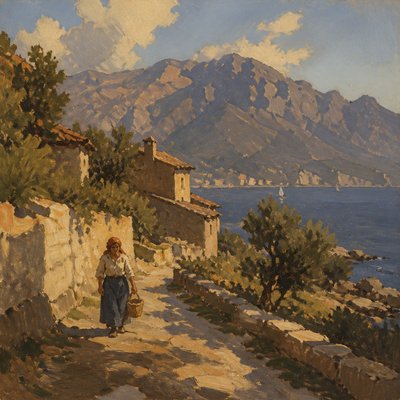
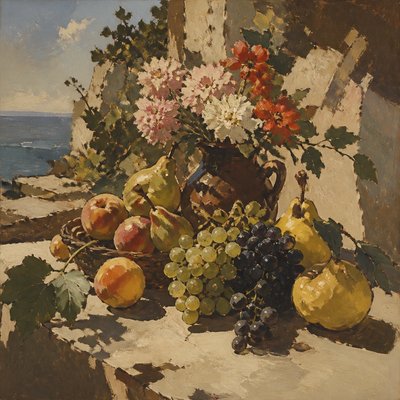
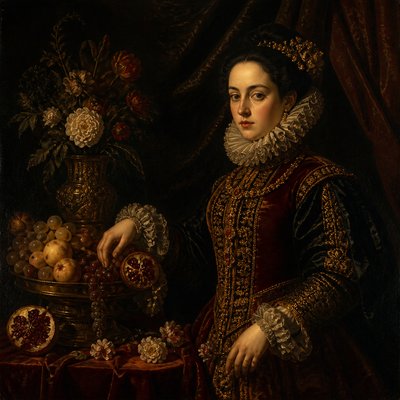
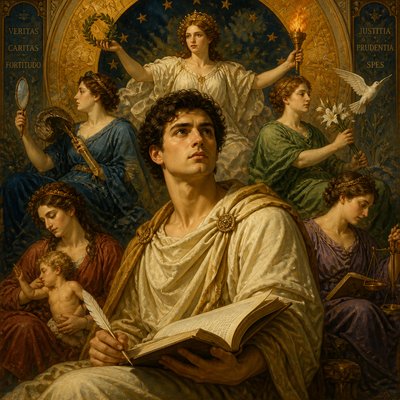
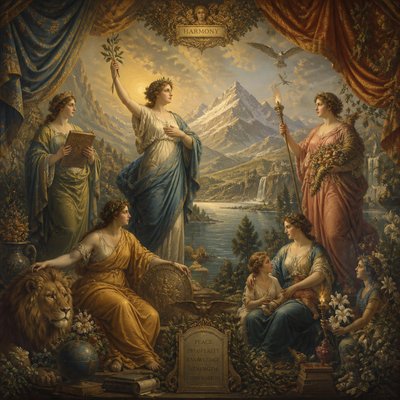
Macchiaioli painting has a direct, sunlit identity: ochres, umbers, olive greens, terracottas, dusty blues, and warm creams are organized into solid tonal masses. Crisp cast shadows and sharply divided planes suggest the intense light of central Italy, while visible brushwork and simplified forms preserve the immediacy of a sketch. The result is more structured and earthbound than Impressionism, with visual impact coming primarily from tonal relationships rather than shimmering color or atmospheric effects.
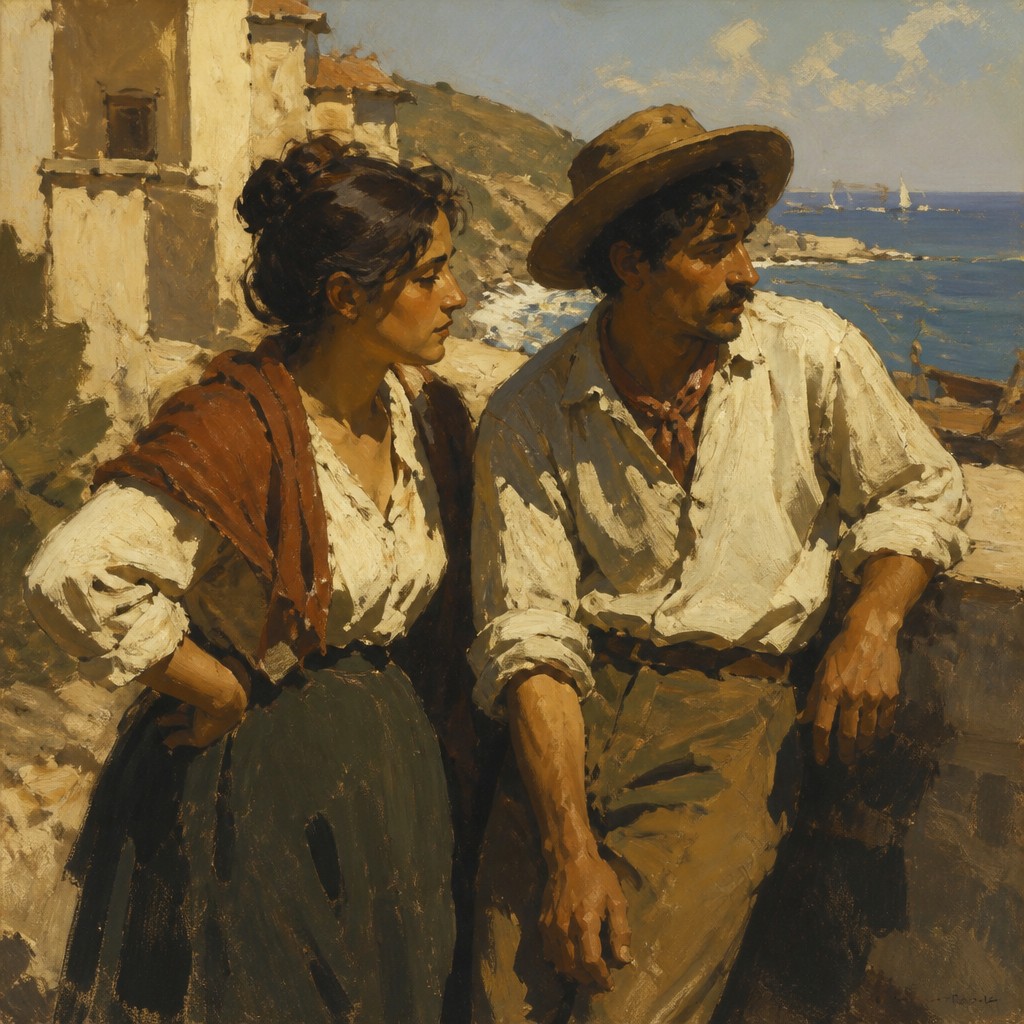
Try It On Your Photos
Upload any photo and convert it into Macchiaioli Art Style — drag the sliders to compare before and after.
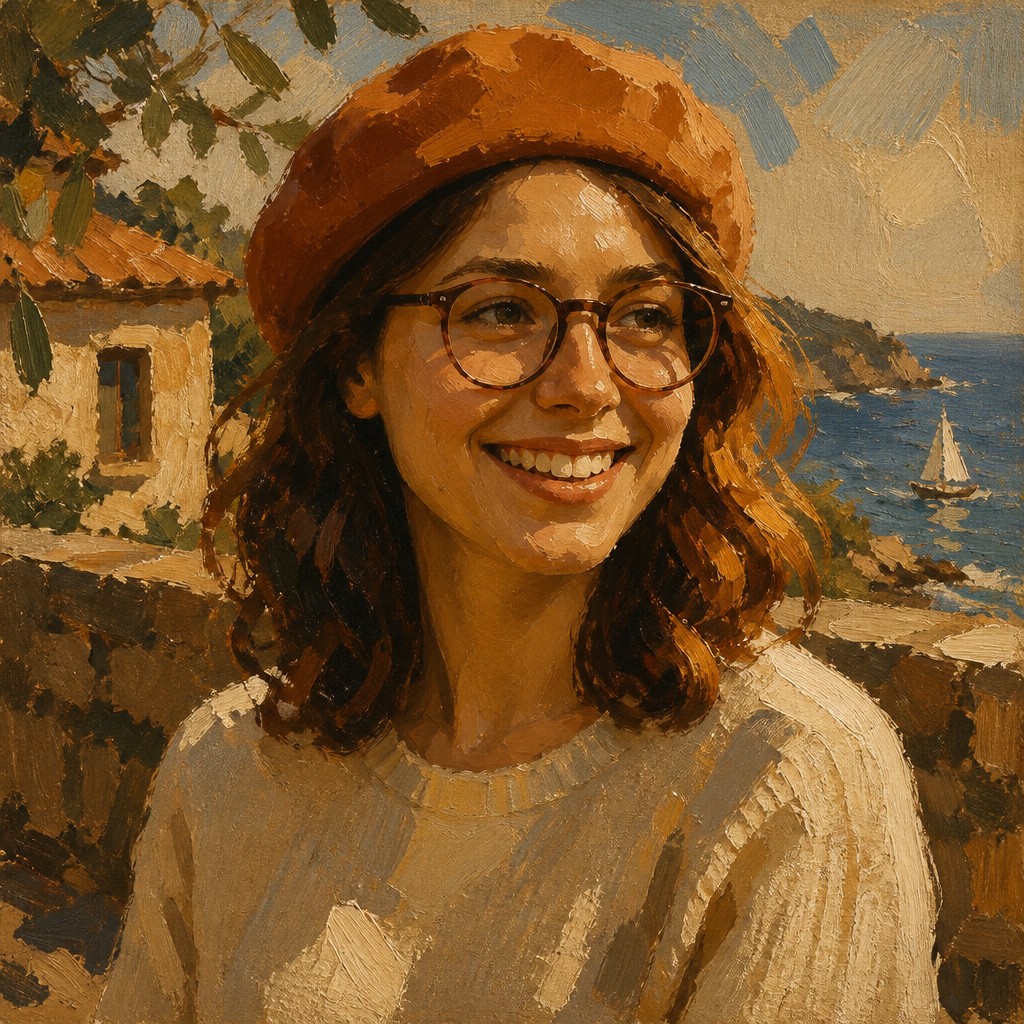

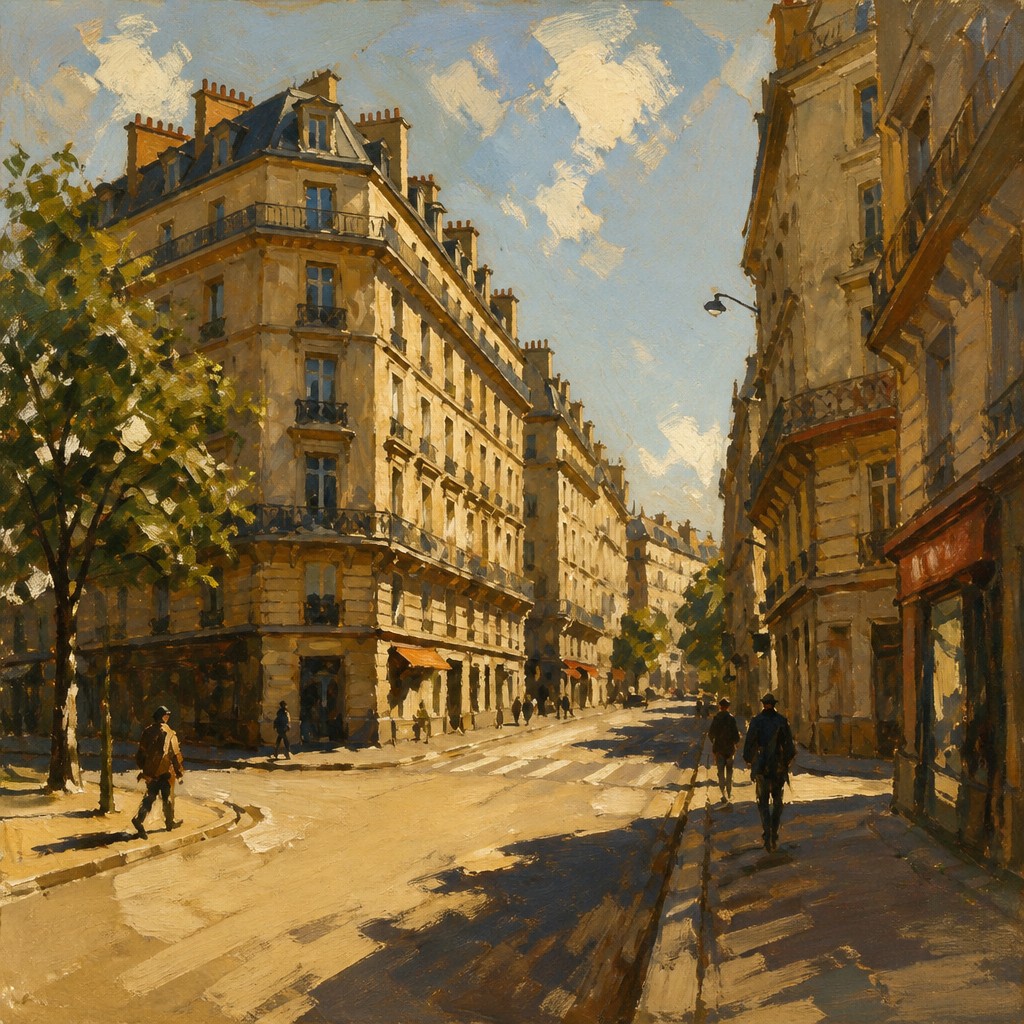

What Defines Macchiaioli Art Style
The signature details, up close
Broad tonal patches
Forms are built from decisive areas of light, half-tone, and shadow rather than intricate contour drawing. These macchie create the composition's structure and visual rhythm.
Crisp Mediterranean sunlight
Strong directional light produces sharply defined cast shadows and clear divisions between illuminated and shaded planes. The atmosphere is usually dry, bright, and observational rather than hazy.
Earthy regional palette
Ochre, sienna, umber, olive, terracotta, muted blue, and warm cream dominate the color range. Saturated accents may appear, but they are generally subordinated to the overall tonal harmony.
Plein-air immediacy
Outdoor observation gives the work a quick, unpolished quality, with visible brushstrokes and simplified passages. The surface often suggests a study made directly in changing natural light.
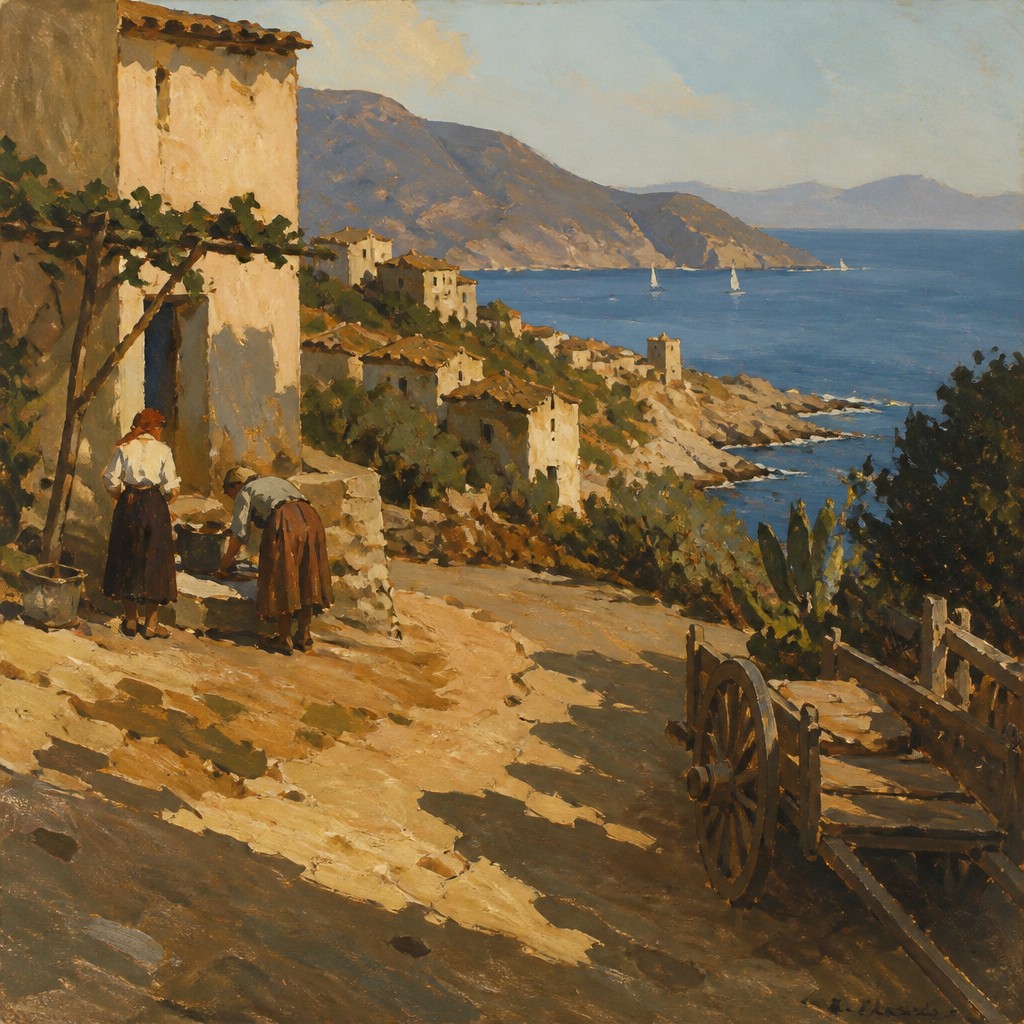
Everyday Italian subjects
Rural workers, farm roads, coastal villages, fields, livestock, soldiers, and domestic scenes replace grand mythological or historical spectacle. Figures are treated as part of the landscape's tonal pattern.
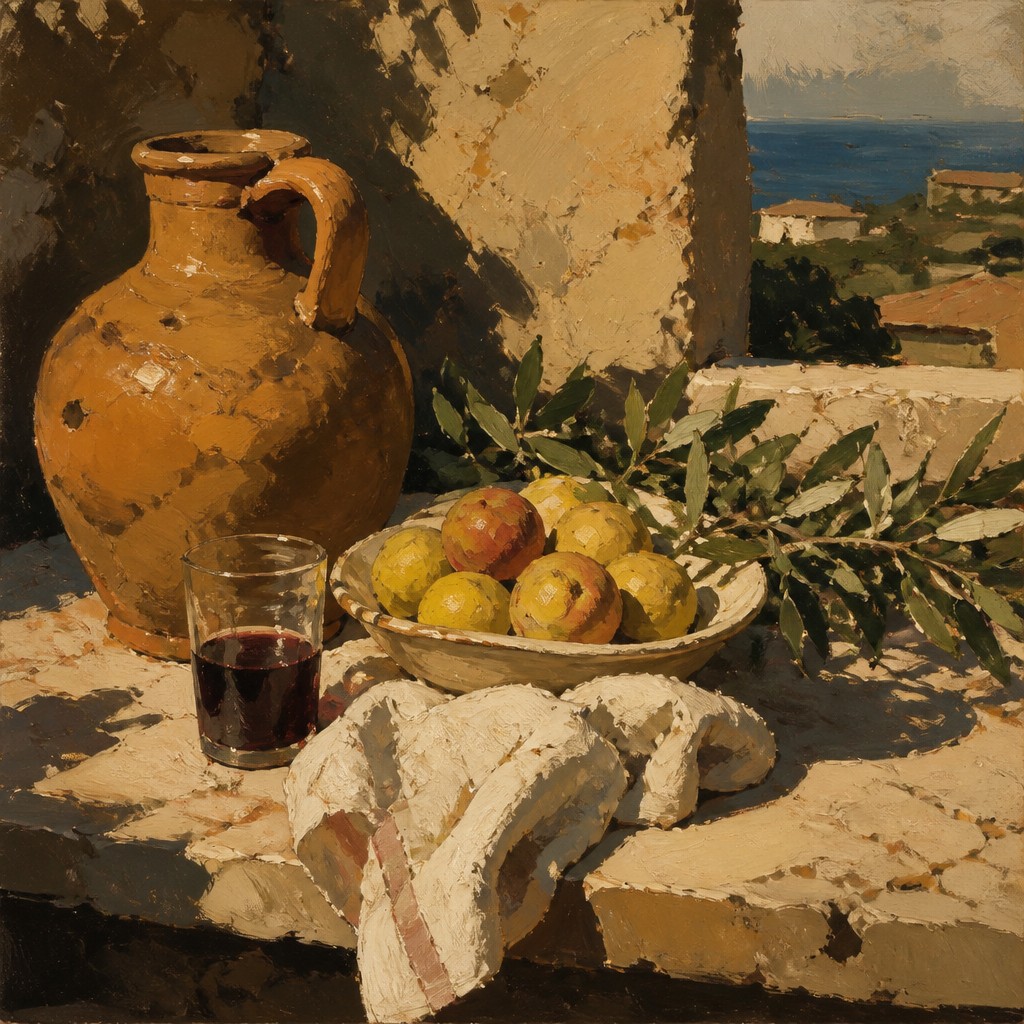
Solid, simplified forms
Buildings, trees, hills, and figures are reduced to clear masses with firm silhouettes. Fine detail is less important than weight, placement, and the relationship between light and shadow.
Try It
Create Videos in Macchiaioli Art Style
Styles aren't just for stills — describe a scene or animate an image and get a short video rendered in Macchiaioli. Press play to see this pond come to life.
Make a VideoMacchiaioli Prompt Ideas
Start from an idea — each one opens the generator with the style ready to go. See all 40 Macchiaioli prompts →
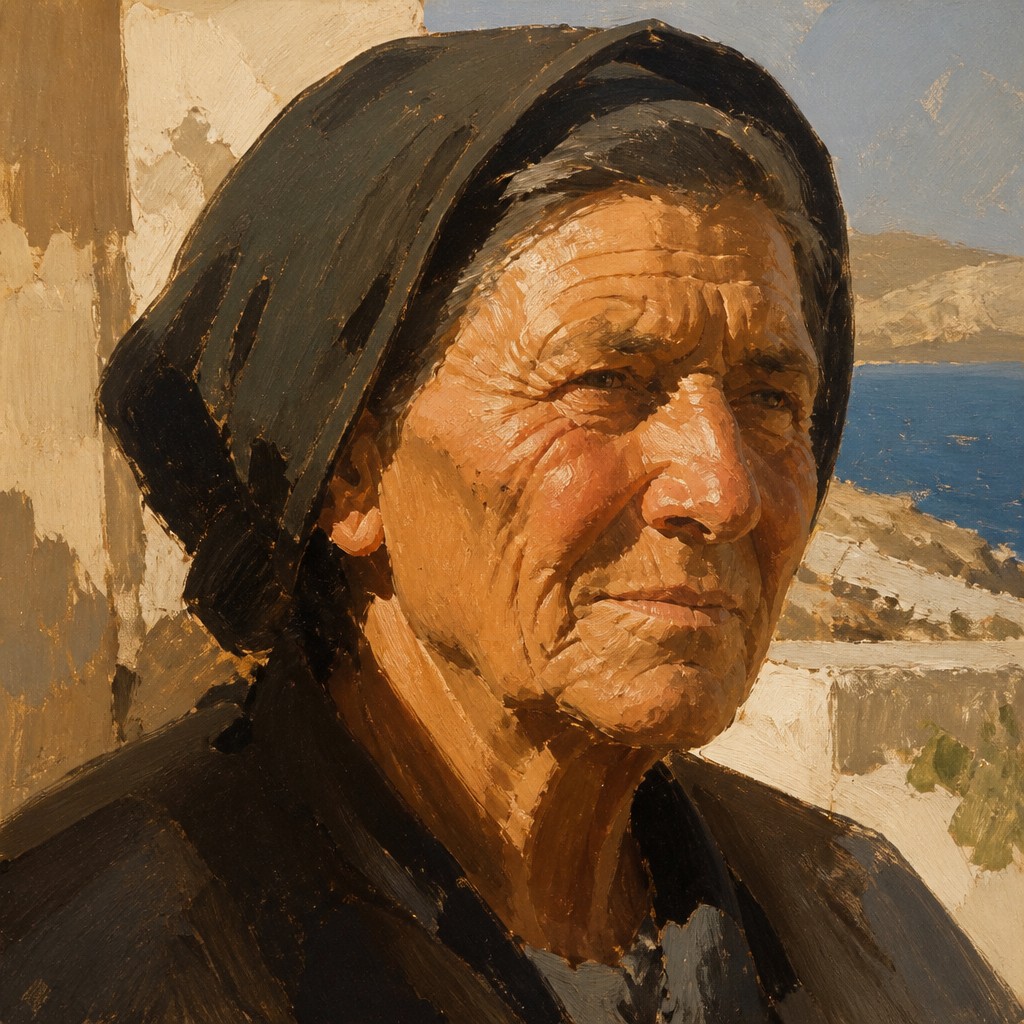
“close-up portrait of an elderly person with expressive weathered features”
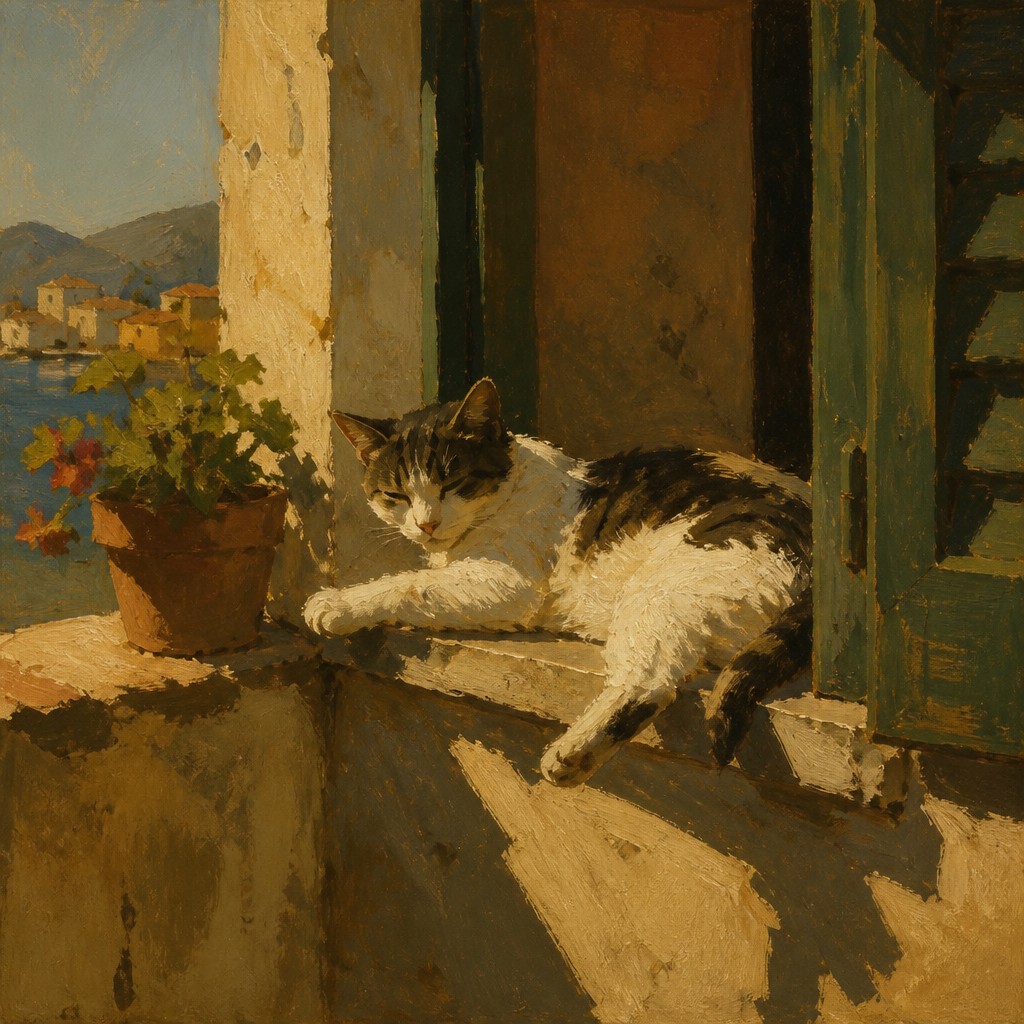
“a cat lounging in a sunlit window”
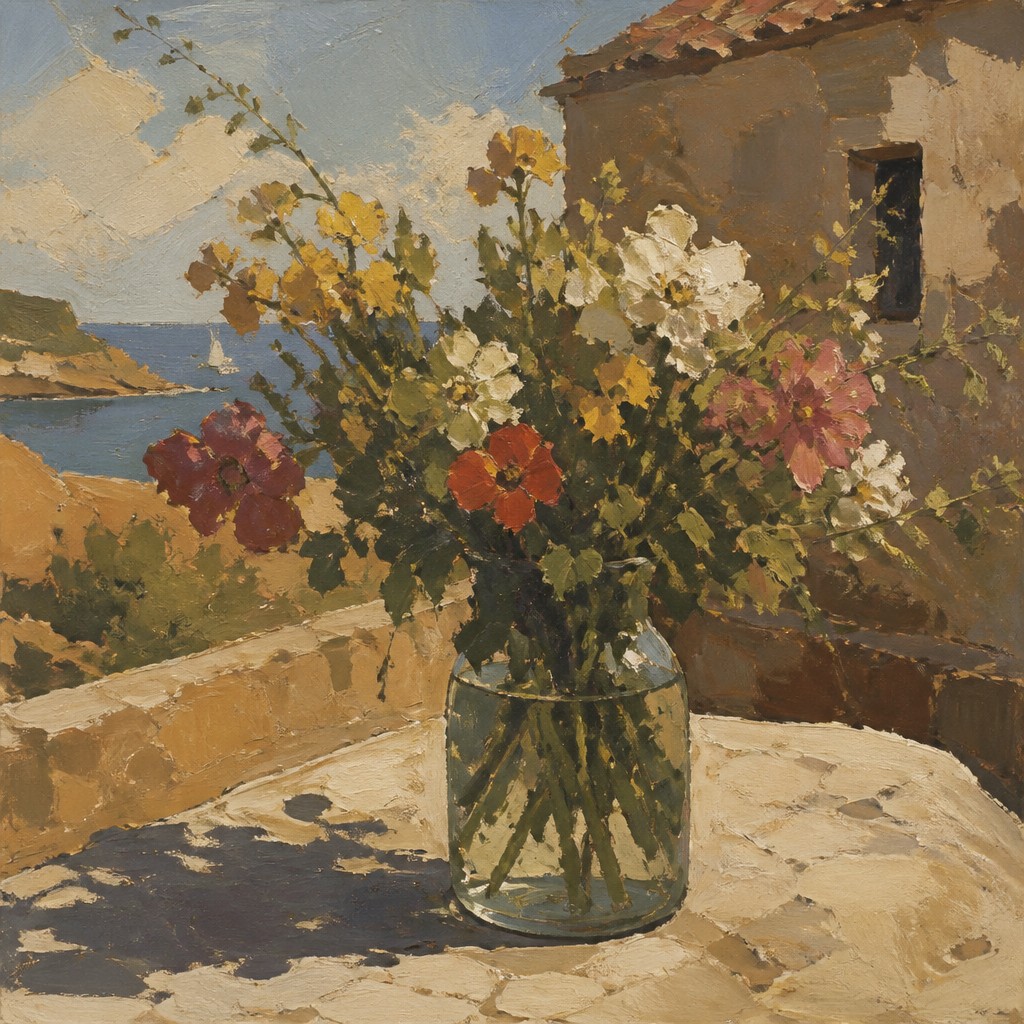
“bouquet of flowers in a glass vase”
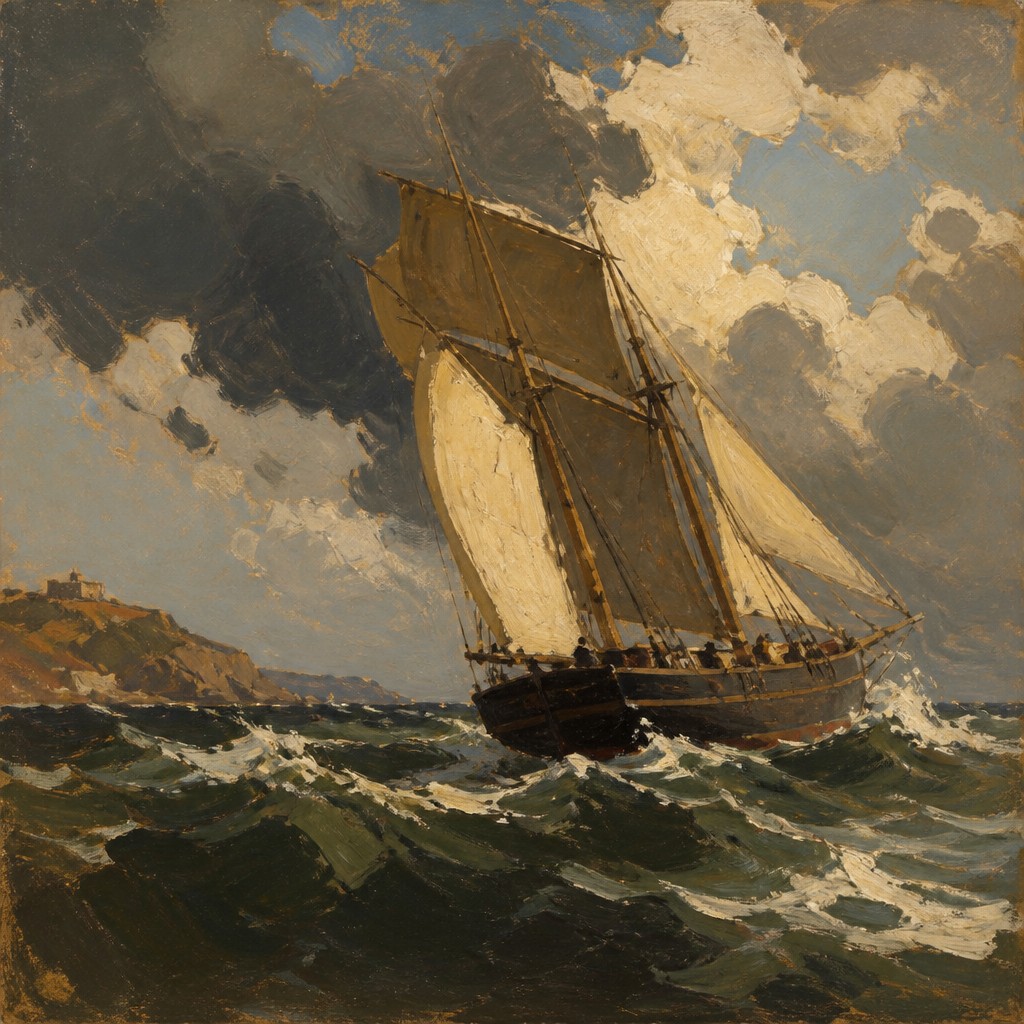
“sailing ship on a stormy sea”
How to Create Macchiaioli Art
Master the craft step by step — or skip straight to creating. Read the full guide →
- 1
Block in the major values first
Begin with a limited underpainting of the darkest shadows, middle tones, and lightest planes. Check that the image reads clearly before adding local color or small details.
- 2
Use decisive, opaque brushwork
Apply broad strokes or flattened patches of paint instead of blending every transition. Oil, gouache, acrylic, and digital opaque brushes can all produce the required solid tonal construction.
- 3
Choose hard sunlight and simple subjects
Work from a scene with a strong, low or midday light source, such as a cypress-lined road, Tuscan field, stone village, or Mediterranean shore. Keep cast shadows legible and avoid excessive atmospheric fog.
- 4
Limit and warm the palette
Build the image from ochre, sienna, umber, olive, terracotta, cream, and a restrained blue. Vary temperature within each value group while preserving clear light-dark separation.
- 5
Preserve the study-like surface
Leave some brush marks, uneven edges, and abbreviated details visible so the work feels observed rather than mechanically polished. In digital painting, use textured opaque brushes and resist over-rendering.
- 6
Describe tonal logic in a prompt
For prompt-based creation, specify the subject, Tuscan or Mediterranean setting, broad light-dark patches, crisp cast shadows, earthy colors, plein-air immediacy, and simplified forms. For image transformation, emphasize preserving the original composition while replacing fine detail with strong tonal masses.

The Story
History & Origins of Macchiaioli
The movement emerged in Tuscany during the mid-19th century, especially in Florence, as younger painters challenged the conventions of academic history painting and studio-based finish. They gathered to debate art, observe contemporary life, and work directly from nature, seeking a more truthful account of modern Italian landscapes and society. The term Macchiaioli was initially dismissive but became associated with their distinctive use of tonal patches.
The style developed during a period of political and cultural change connected with Italian unification. Its artists combined local traditions of landscape observation with lessons from European realism, seventeenth-century naturalism, and French plein-air practice. Although the movement remained distinct from French Impressionism, its emphasis on outdoor painting, optical observation, and modern subjects made it an important parallel and precursor to later forms of modern landscape painting.
Influences: Macchiaioli painting draws on Tuscan landscape traditions, European realism, seventeenth-century naturalism, and the plein-air studies of nineteenth-century painters. It is related to Impressionism through its outdoor practice and interest in contemporary life, but its visual logic is closer to tonal realism: large value blocks, firm silhouettes, and earthy local color take precedence over flickering complementary brushstrokes. Later realist landscape painting, cinematic location studies, and contemporary digital matte-style environments can also echo its emphasis on light-driven structure.
Frequently Asked Questions
What defines the Macchiaioli art style?
It is defined by broad patches of light and dark, strong outdoor sunlight, earthy color, simplified forms, and visible plein-air brushwork. The image is organized through tonal relationships rather than fine outlines or elaborate surface detail.
Where did the Macchiaioli movement originate?
The movement originated in Tuscany, especially around Florence, during the mid-19th century. It developed among painters who opposed academic conventions and sought to depict modern life and nature through direct observation.
How is Macchiaioli different from Impressionism?
Both approaches value outdoor observation and contemporary subjects, but Macchiaioli painting generally uses larger, firmer blocks of tone and a more earthy palette. Impressionism more often emphasizes broken color, atmospheric vibration, and changing optical effects.
What subjects work best in this style?
Rural roads, farmhouses, fields, coastal villages, working people, livestock, military scenes, and ordinary domestic moments are especially suitable. Subjects with clear sunlight and strong cast shadows make the tonal method easiest to see.
Can Macchiaioli art be made digitally?
Yes. Use an opaque textured brush, a limited warm palette, and a value-first workflow that separates the major shadow and light masses. Avoid glossy gradients and excessive detail so the result retains the movement's direct, study-like character.
What should a prompt include to create this look?
Describe a Tuscan or Mediterranean setting, broad decisive patches of light and shadow, crisp cast shadows, earthy ochre and terracotta colors, simplified solid forms, and unpolished plein-air brushwork. Naming the subject and specifying the direction or intensity of sunlight helps establish the composition.
Create your first Macchiaioli artwork
Describe anything — or upload a photo — and see it in Macchiaioli Art Style in seconds.
Related Styles
Discover similar art styles