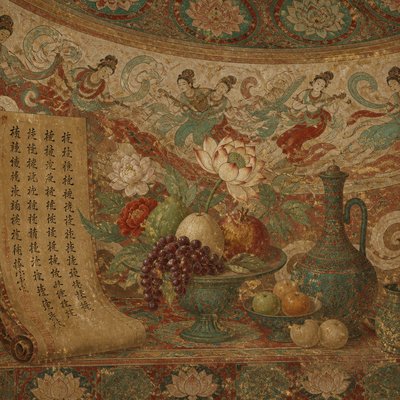
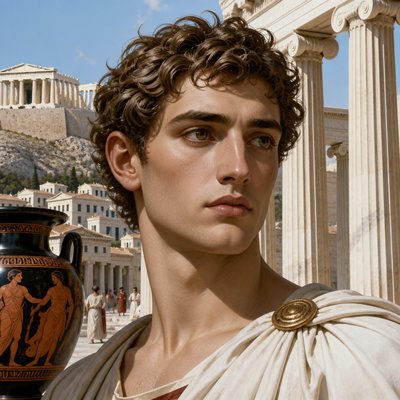
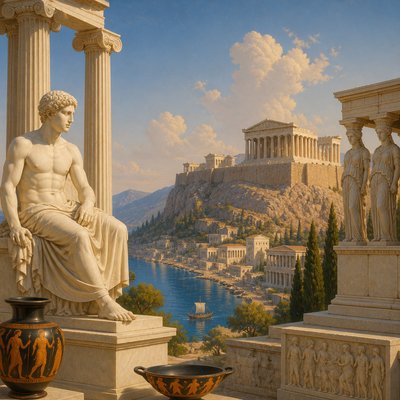
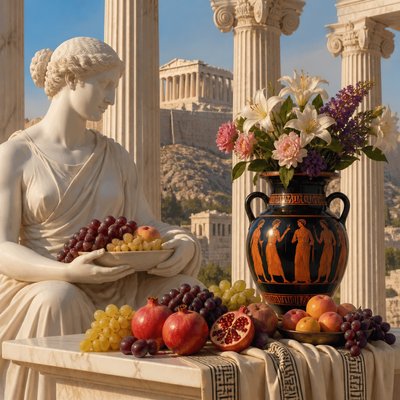
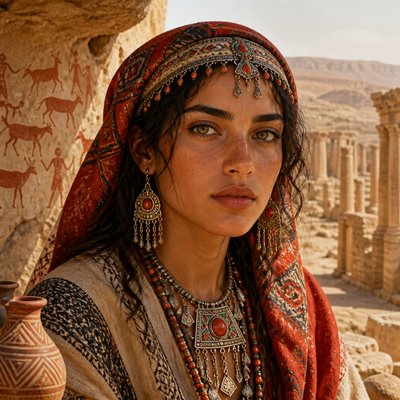
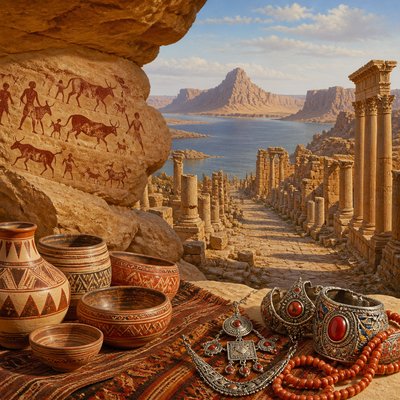
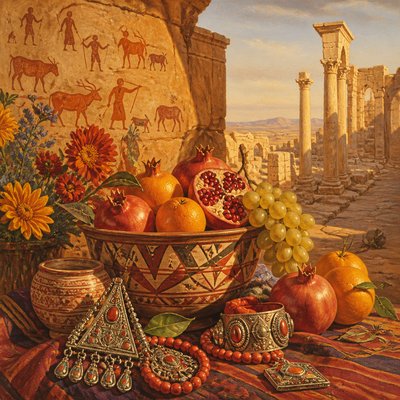
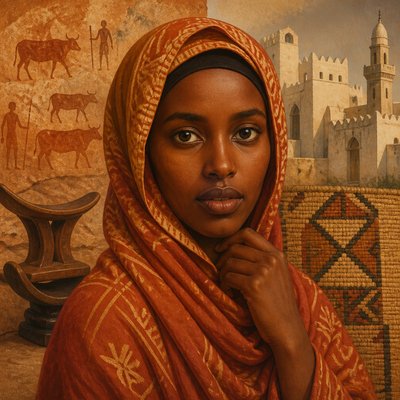
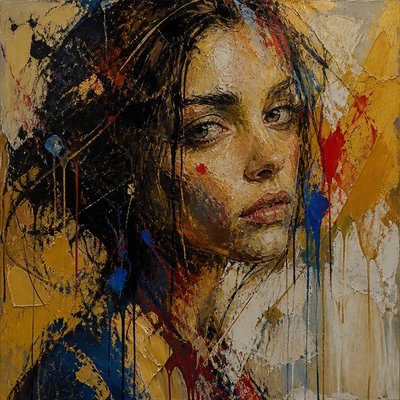
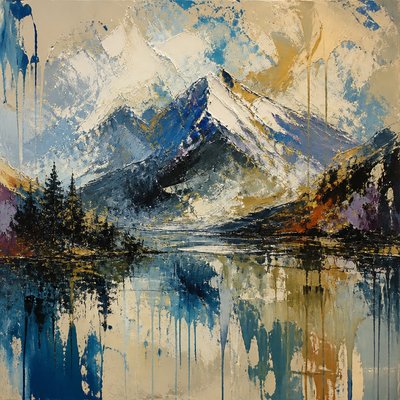
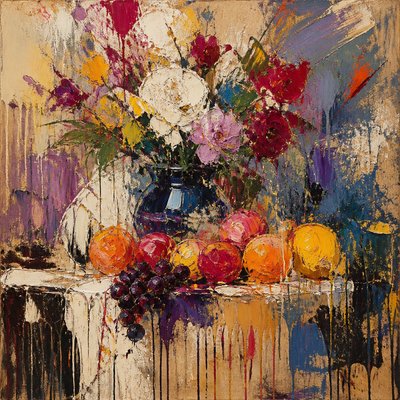
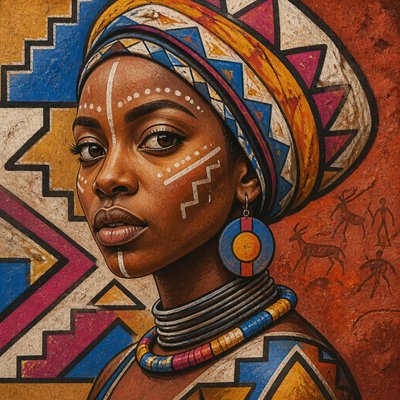
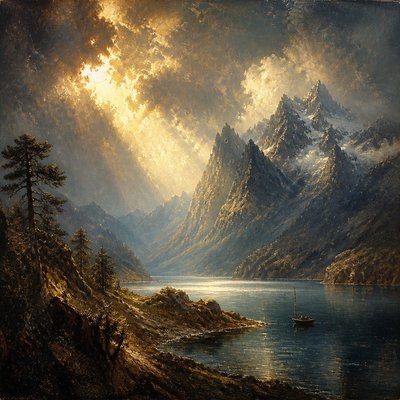
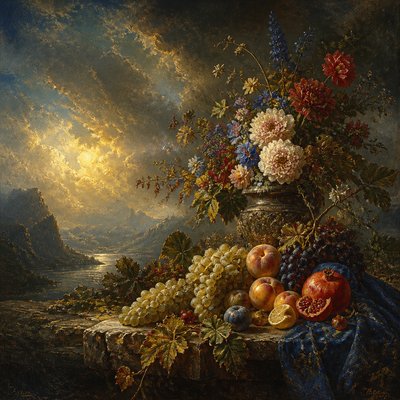
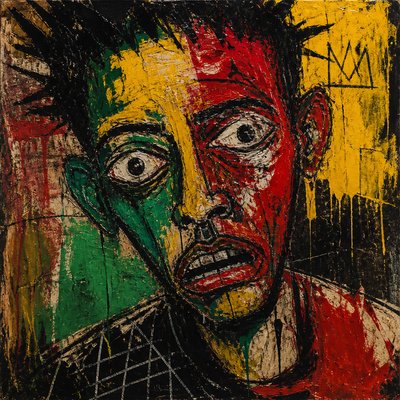
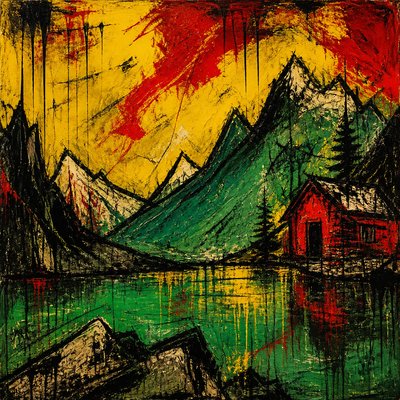
History Painting Art Style
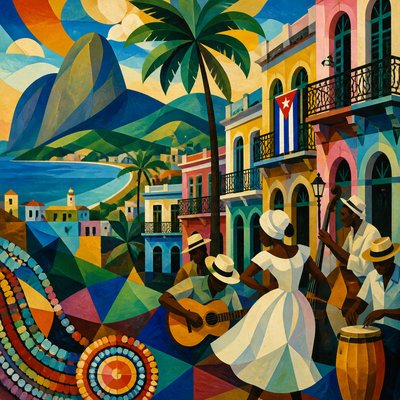
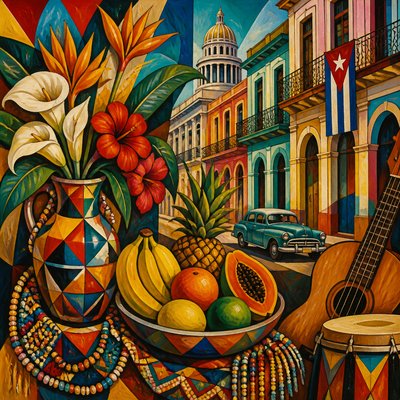
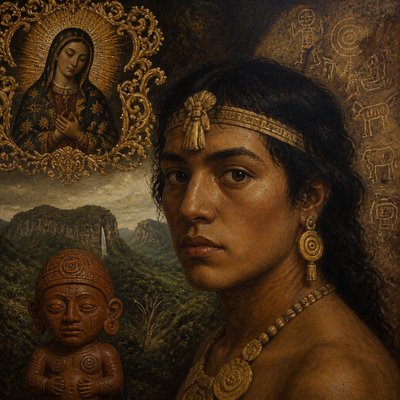
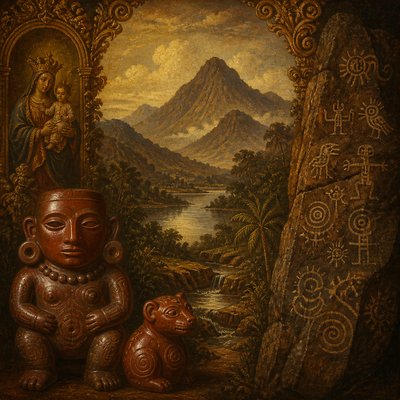
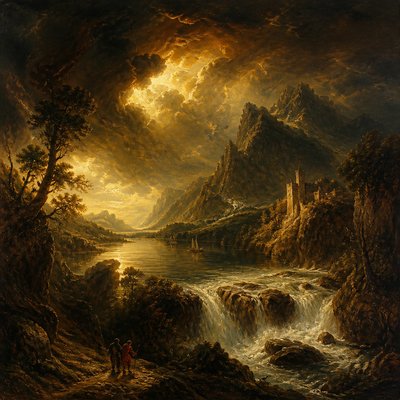
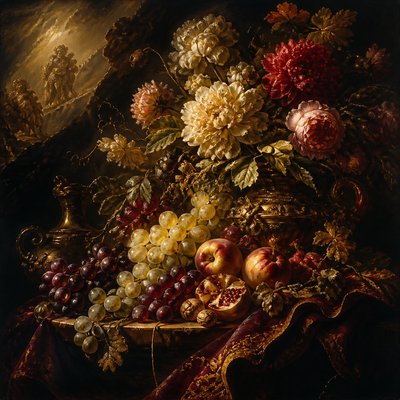
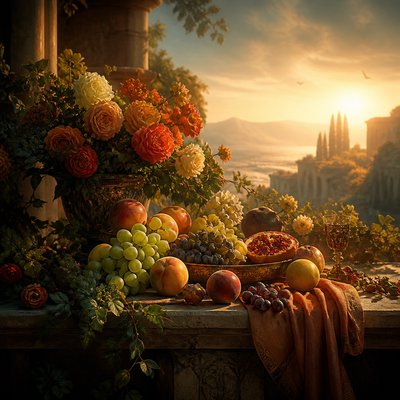
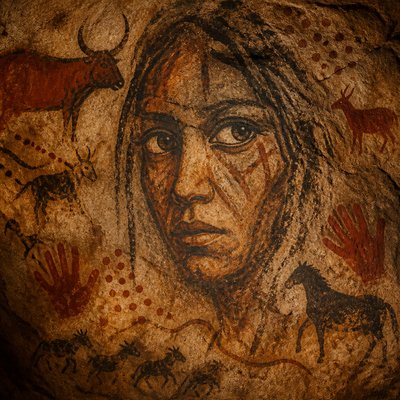
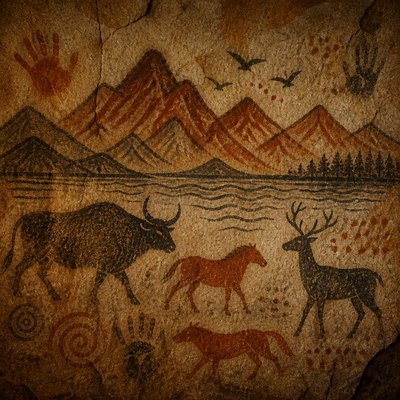
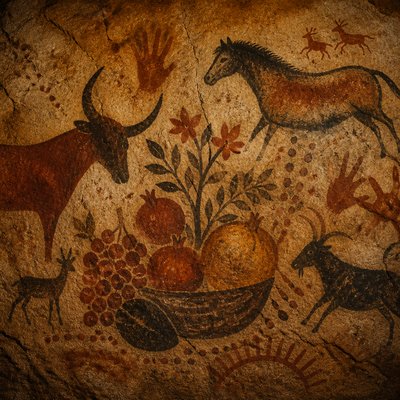
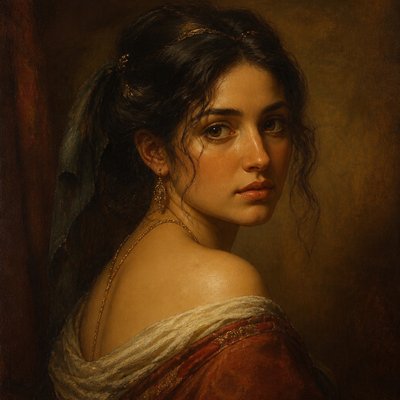
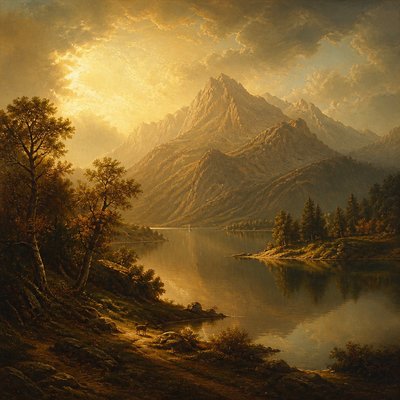
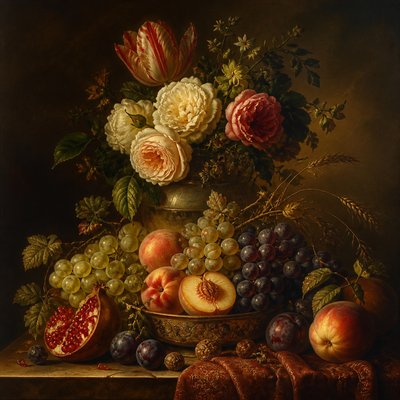
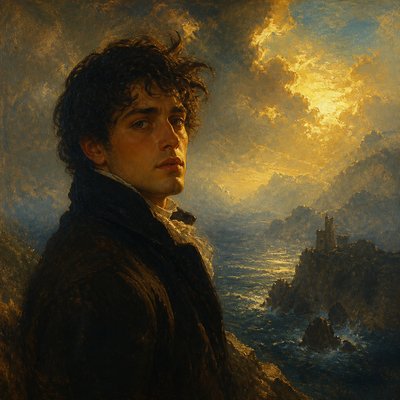
Explore history painting: monumental narratives, heroic gestures, theatrical light, and academic grandeur rendered with dramatic oil-painting depth.
Instantly rendered in History Painting — or transform a photo
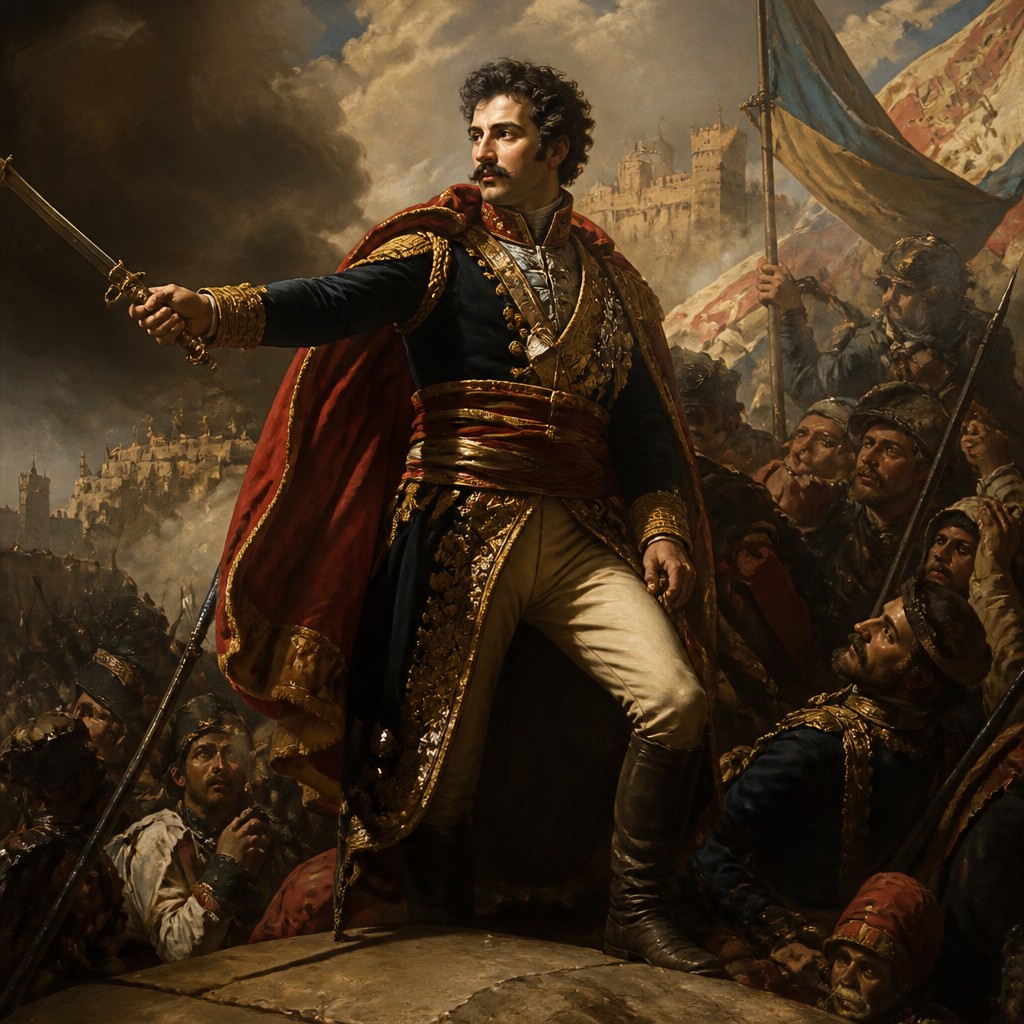
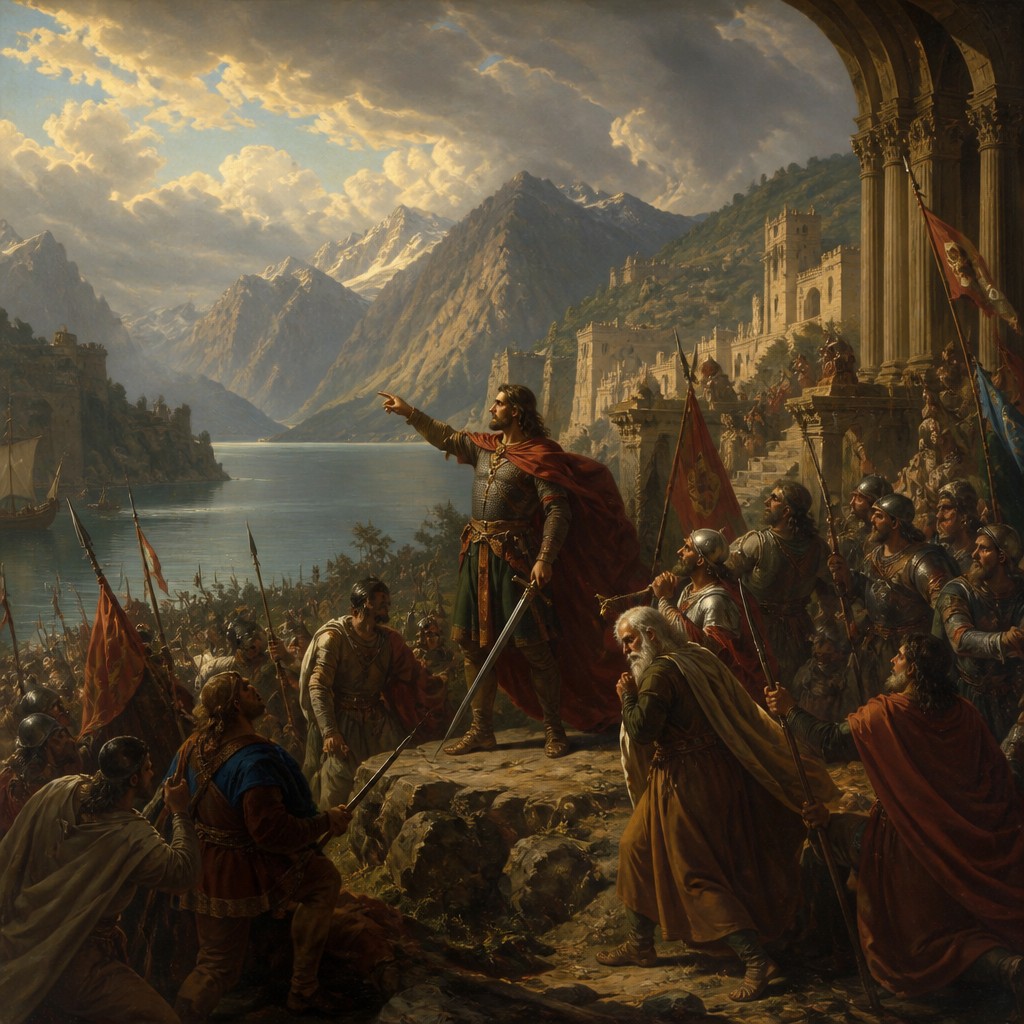
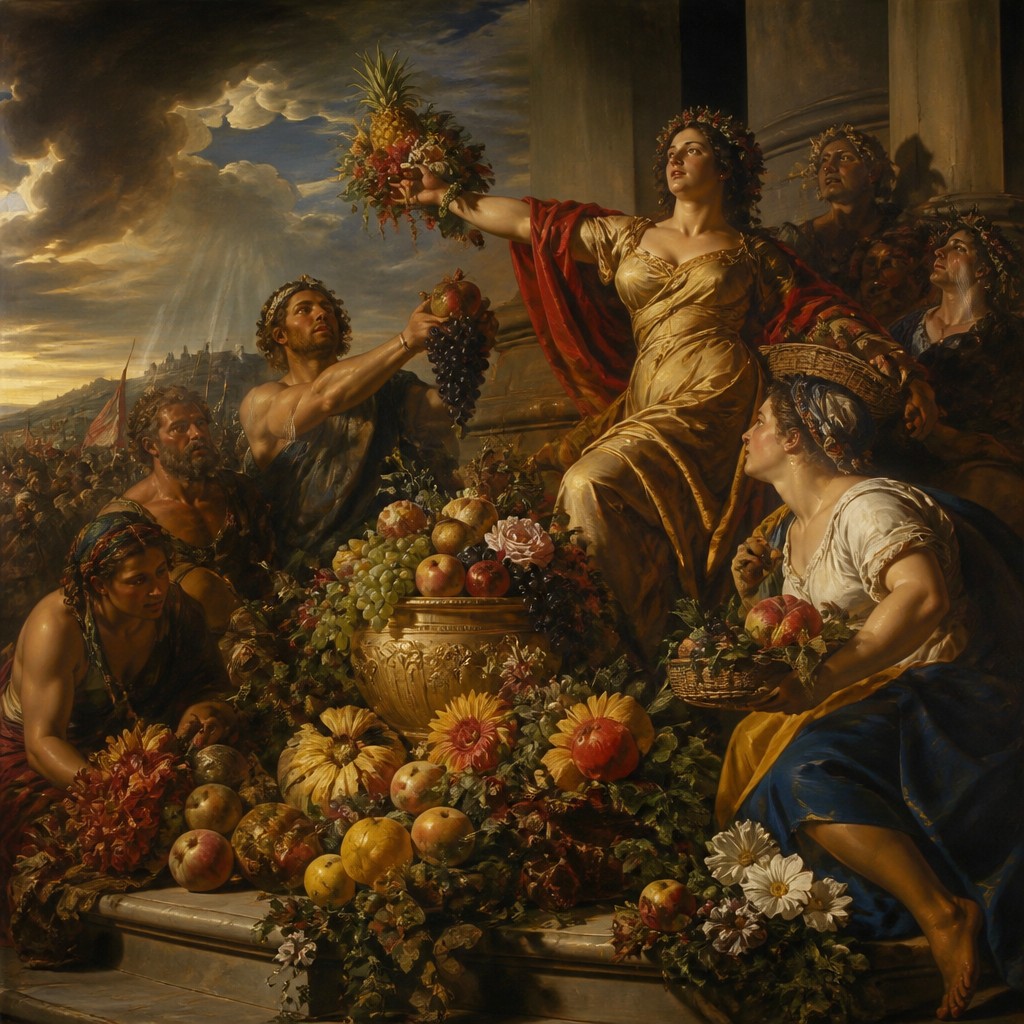
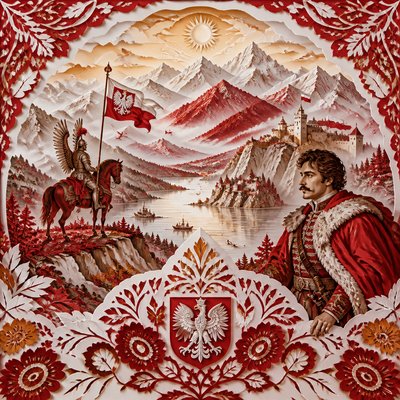
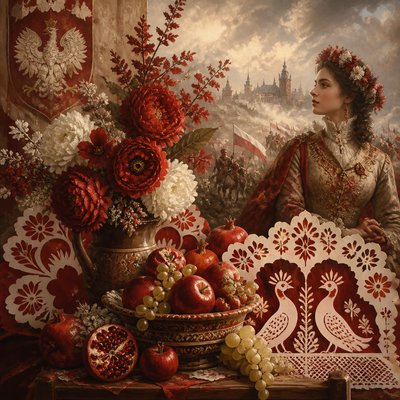
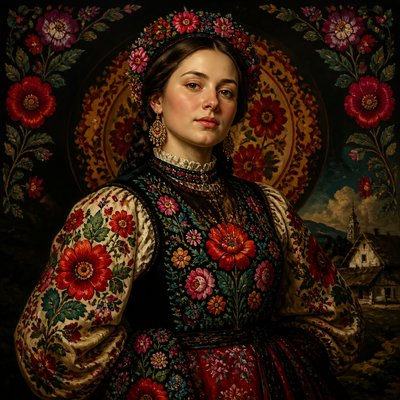
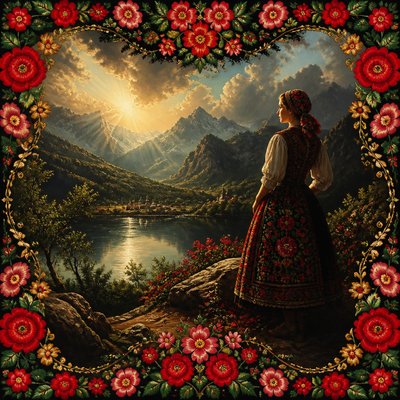
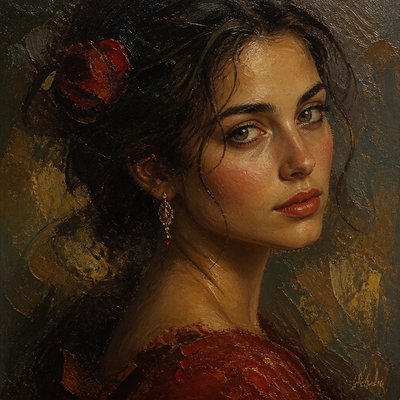
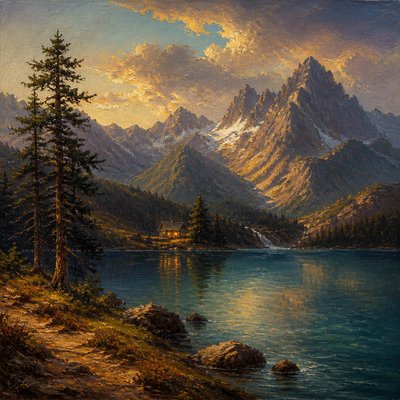
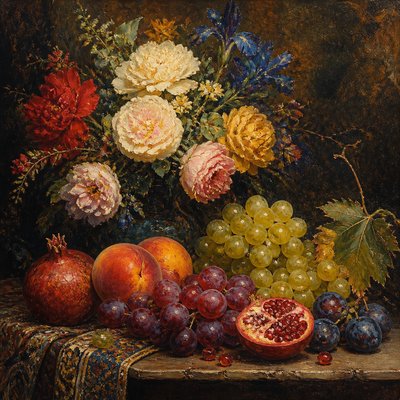
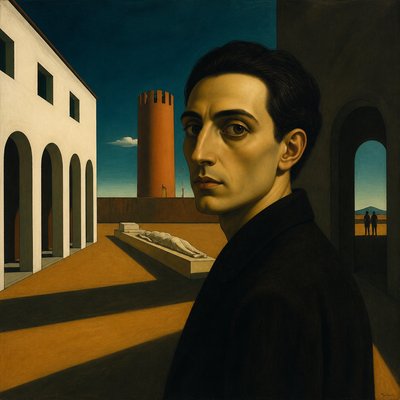
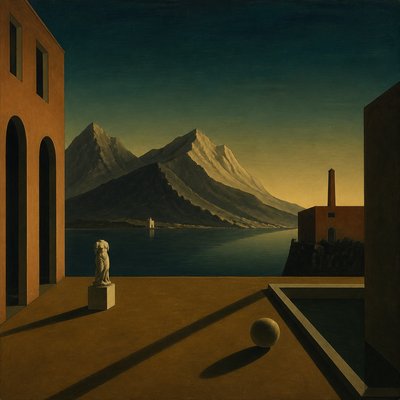
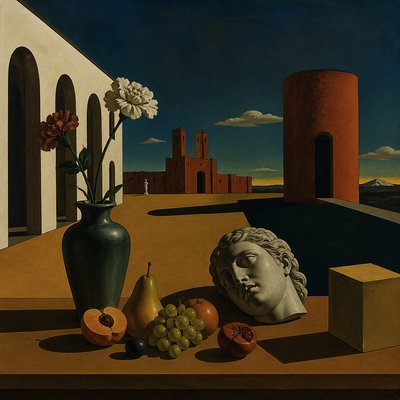
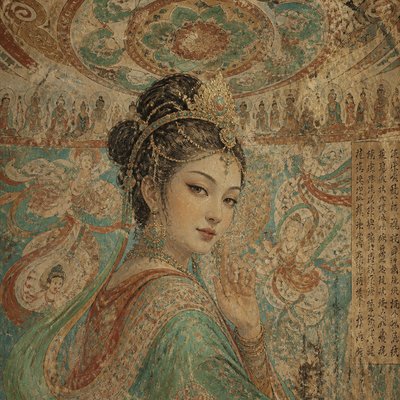
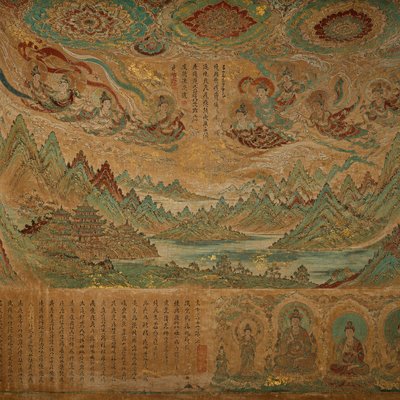
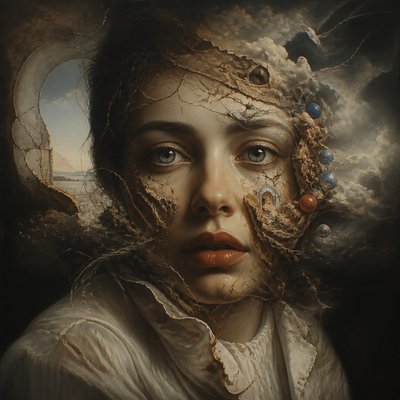
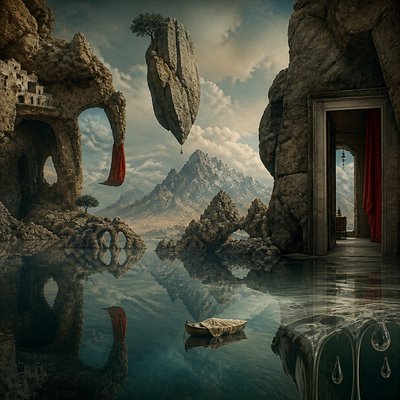
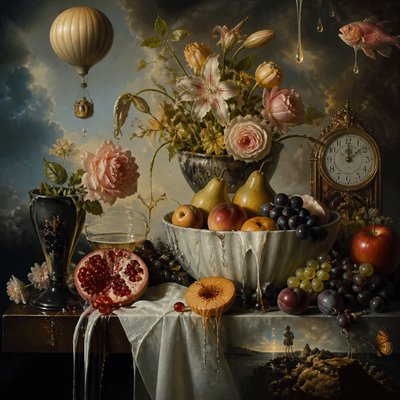
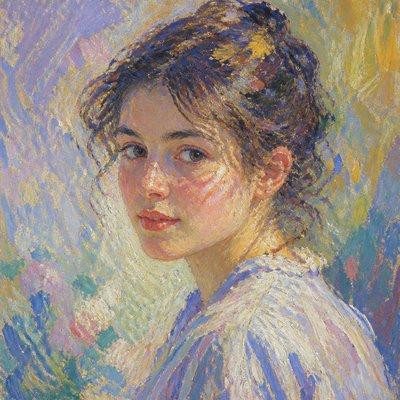
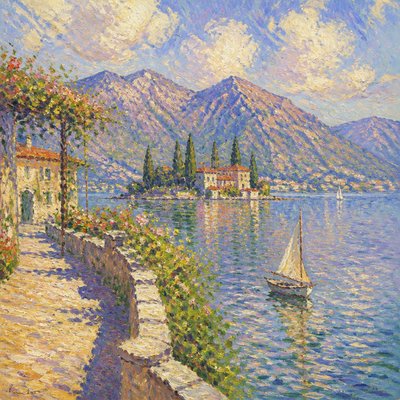
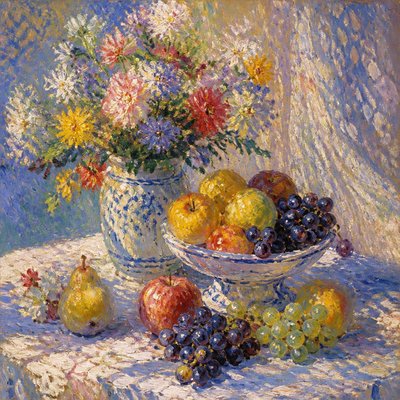
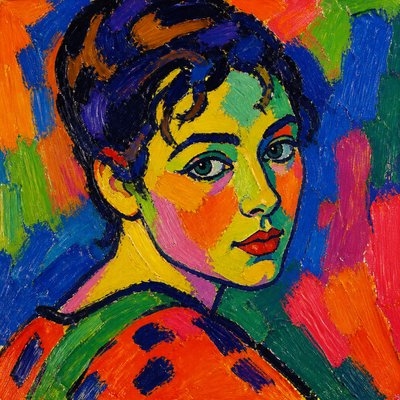
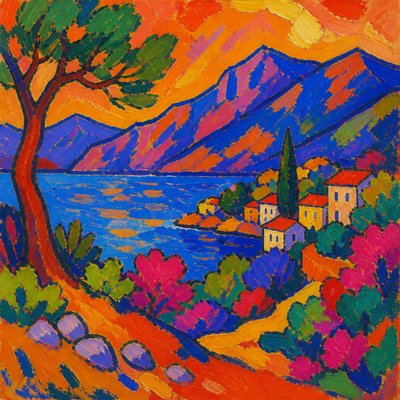
History Painting Gallery
Tap any artwork to explore it
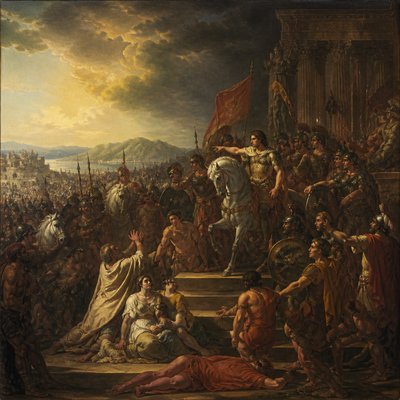
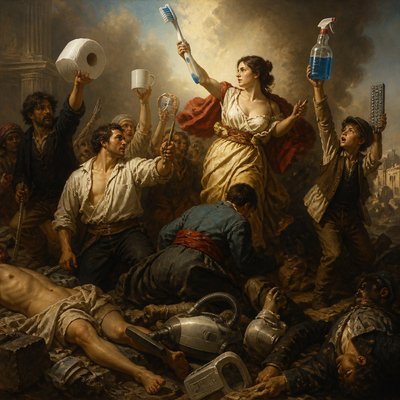
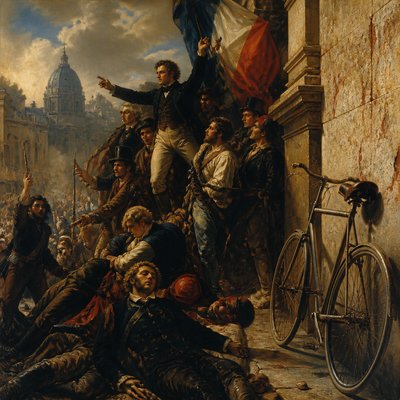
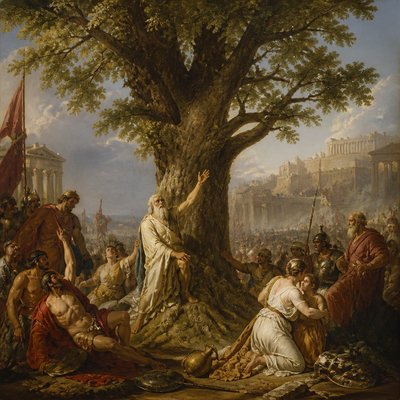
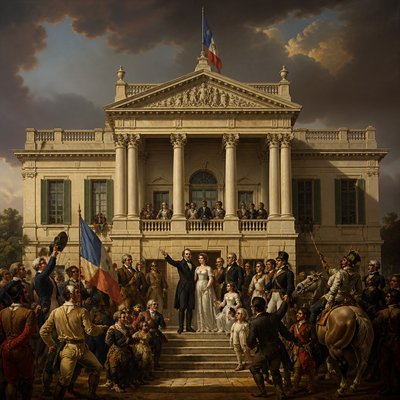
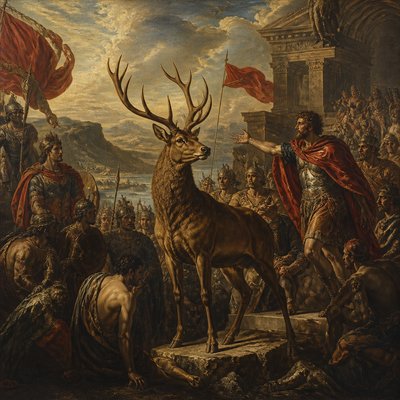
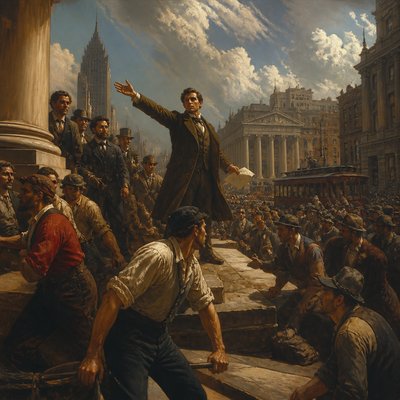
What is History Painting Art Style?
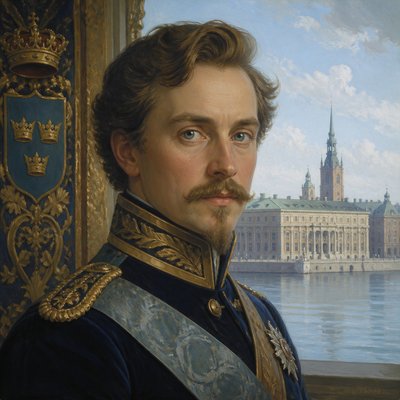
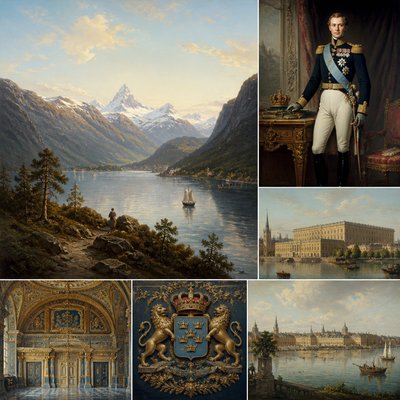
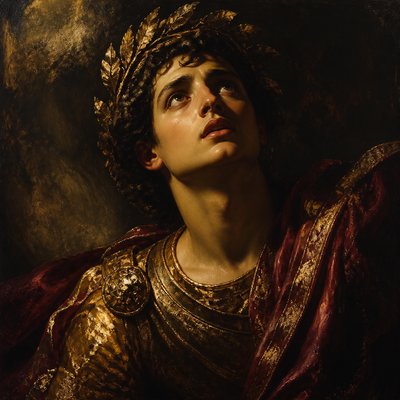
History painting is a grand-scale narrative style devoted to important events, moral exemplars, religious episodes, mythology, allegory, and scenes from national or civic history. Its compositions typically gather several figures into a carefully staged moment, using expressive gestures, dramatic diagonals, monumental settings, and concentrated lighting to make the story immediately legible and emotionally powerful.
The style looks authoritative because it combines theatrical presentation with academic control. Figures are arranged like actors on a stage, architectural or battlefield backdrops establish historical scale, and polished oil rendering gives fabrics, armor, flesh, and stone a weighty presence. Even when the subject is tragic or violent, the intended effect is often solemn, exemplary, and public rather than intimate or spontaneous.
Try It On Your Photos
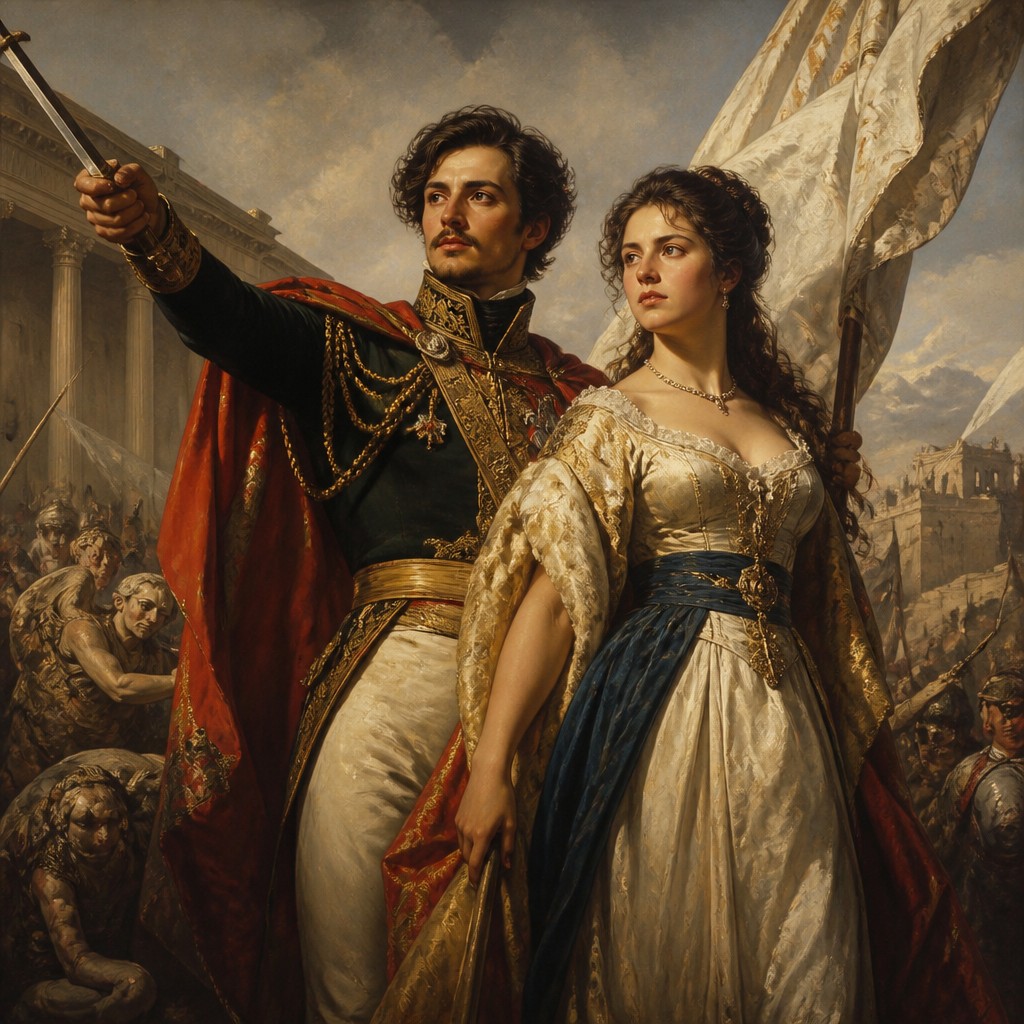
Upload any photo and convert it into History Painting Art Style — drag the sliders to compare before and after.
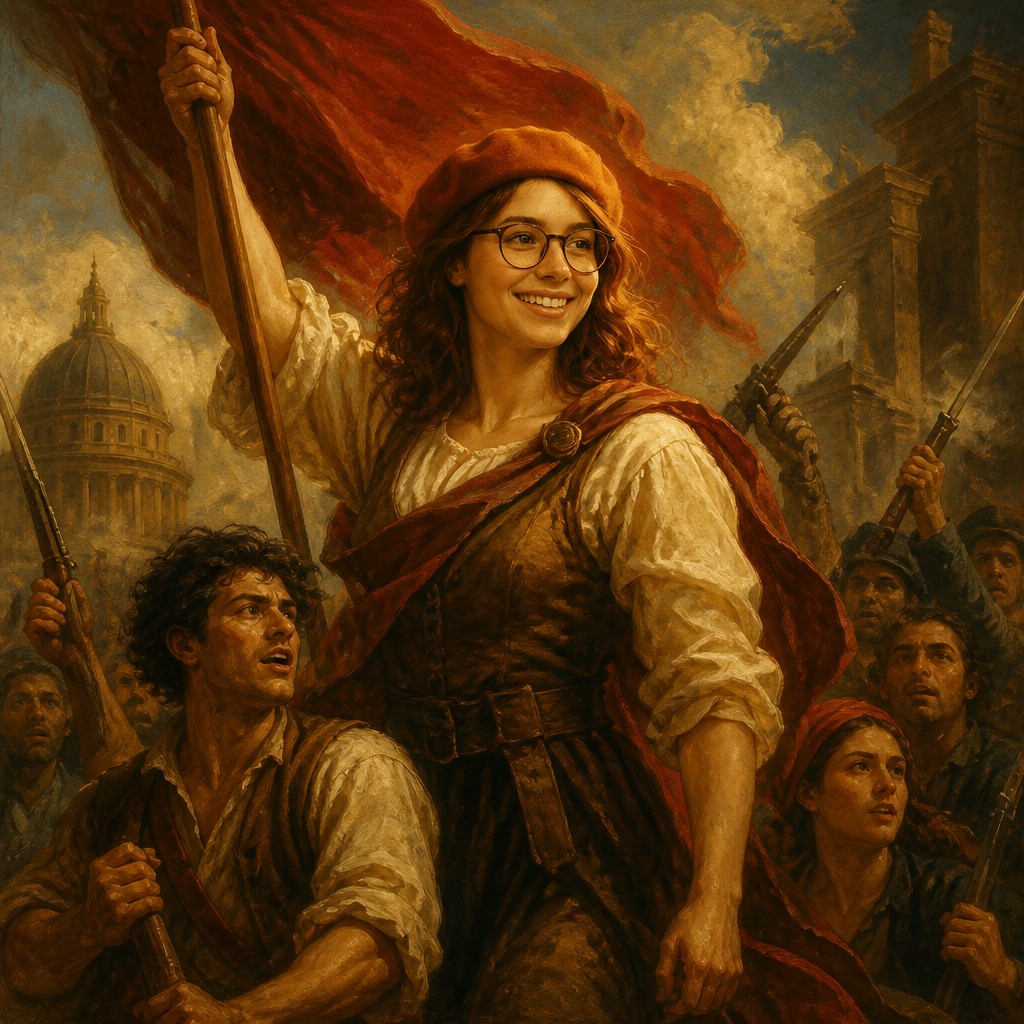

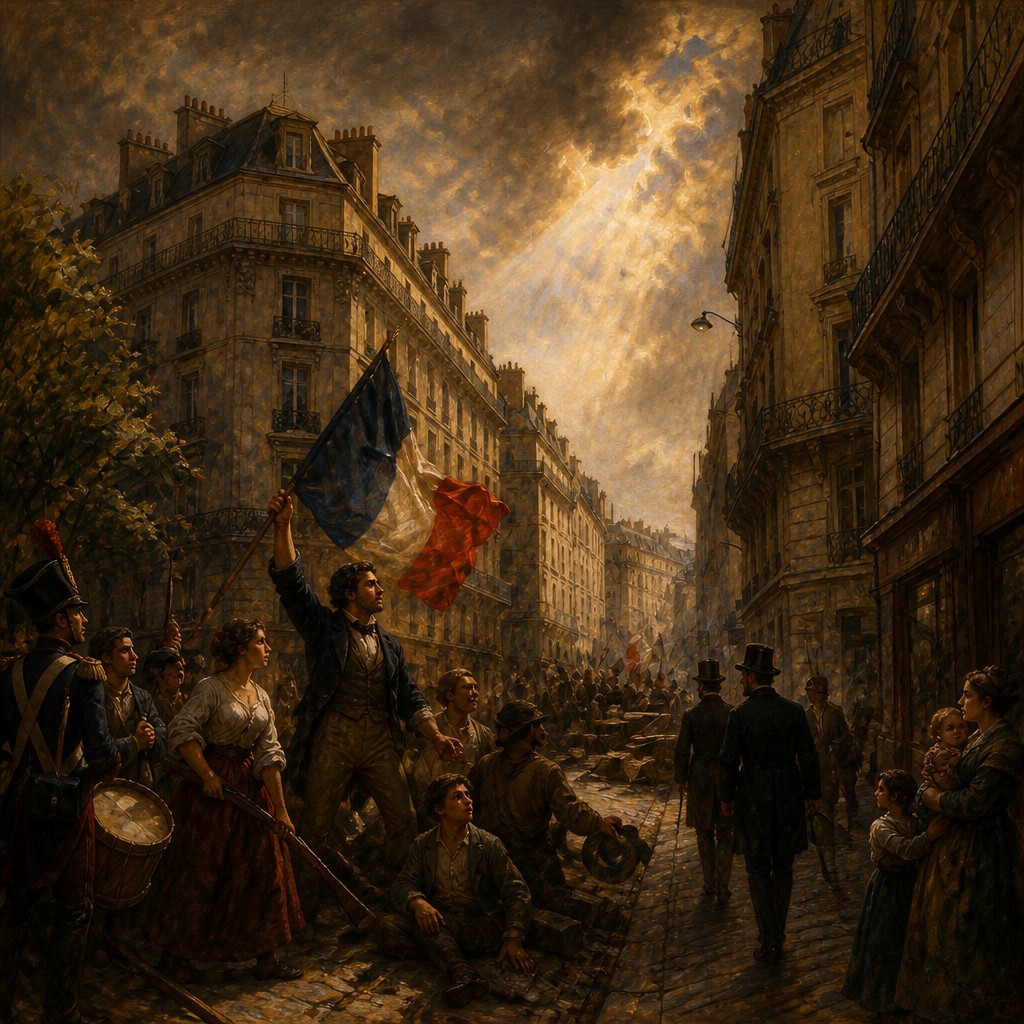

What Defines History Painting Art Style
The signature details, up close
Multi-figure narrative
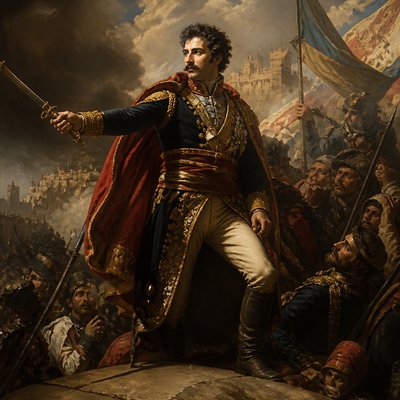
Several characters occupy a carefully organized scene, each contributing a readable reaction, gesture, or action. The composition presents a decisive moment in a larger story.
Heroic gesture and pose
Extended arms, raised weapons, kneeling figures, turning bodies, and expressive faces direct attention and communicate duty, sacrifice, conflict, or revelation.
Dramatic diagonals
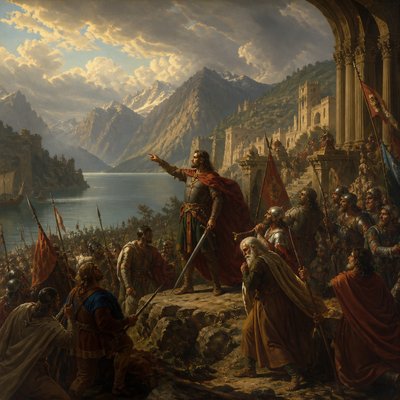
Intersecting lines of bodies, architecture, banners, weapons, and terrain create movement and guide the eye through the narrative. Diagonal structure prevents a large composition from feeling static.
Theatrical illumination
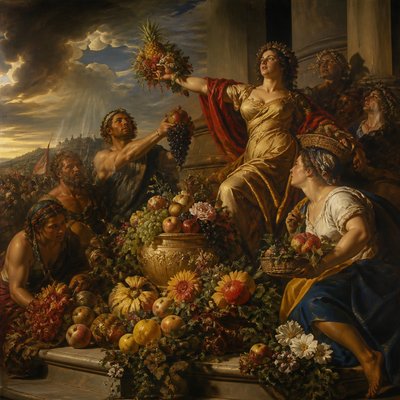
Directional light isolates the principal figures and heightens emotional focus, often contrasting luminous flesh or fabric with deep shadow. Atmosphere and haze can separate foreground action from distant space.
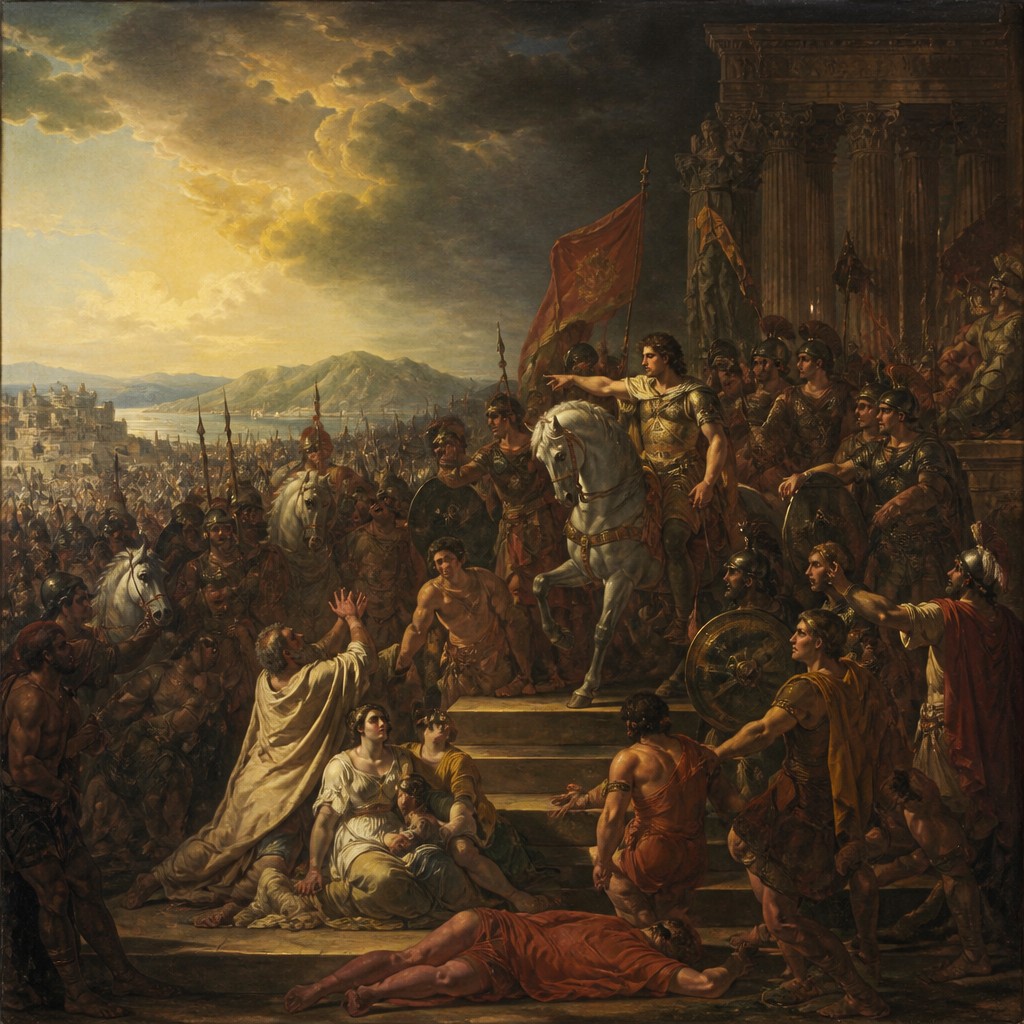
Monumental setting
Columns, arches, temples, palaces, ruins, cliffs, or battlefields provide scale and historical atmosphere. Background elements support the story without competing with the main action.
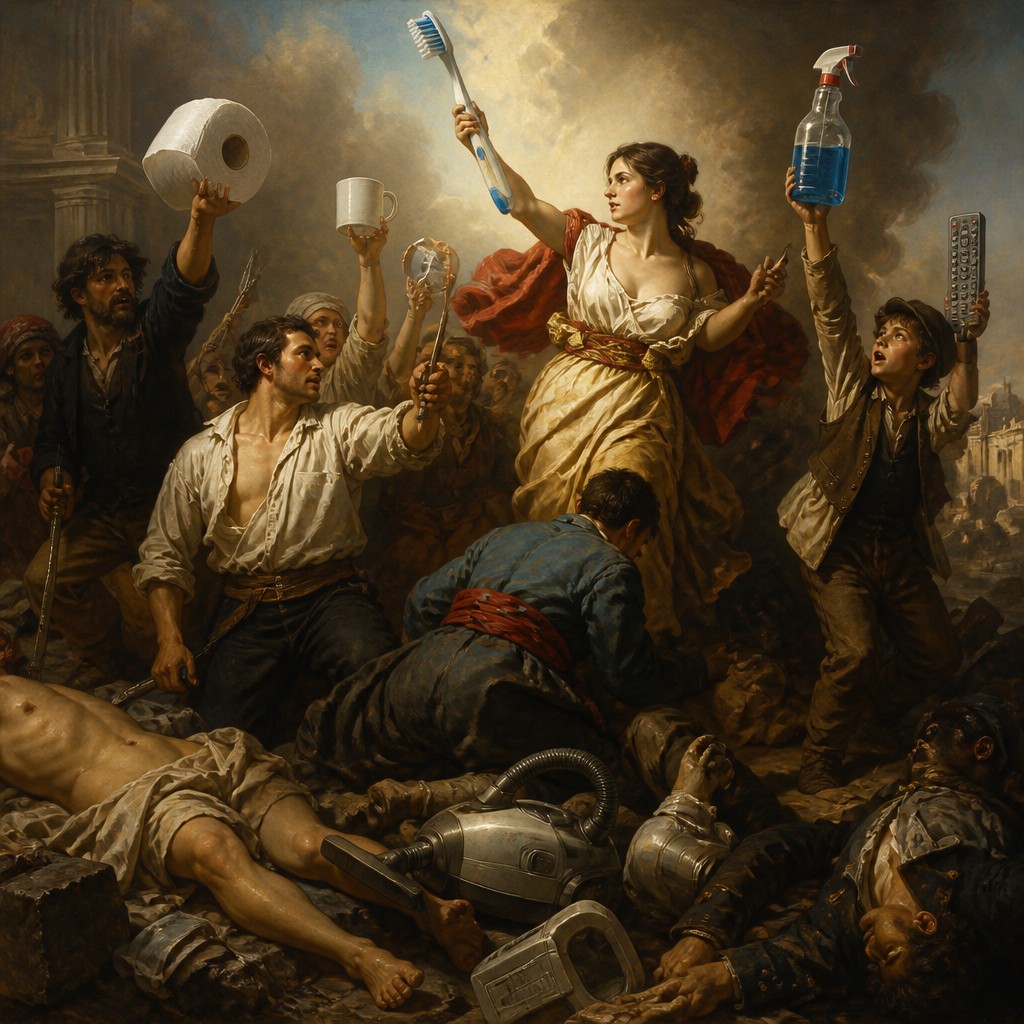
Rich oil surface
Layered color, controlled edges, glazing, and substantial modeling create convincing volume in figures and materials. The finish is generally polished, deliberate, and more academic than sketchlike.
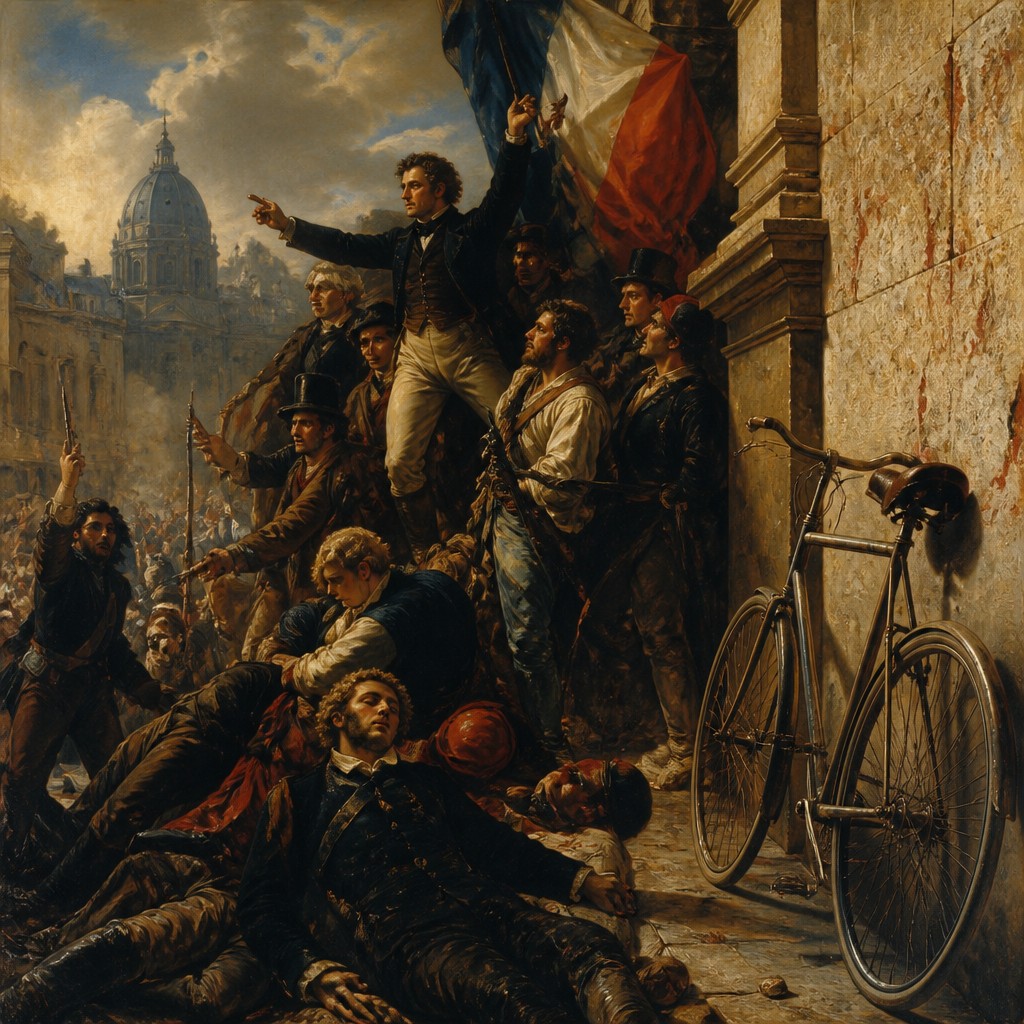
Moral and civic gravity
Subjects commonly emphasize courage, loyalty, martyrdom, justice, mourning, liberation, or political consequence. Even fictional scenes often carry the tone of a public historical record.
Try It
Create Videos in History Painting Art Style
Styles aren't just for stills — describe a scene or animate an image and get a short video rendered in History Painting. Press play to see this pond come to life.
Make a VideoHistory Painting Prompt Ideas
Start from an idea — each one opens the generator with the style ready to go. See all 40 History Painting prompts →
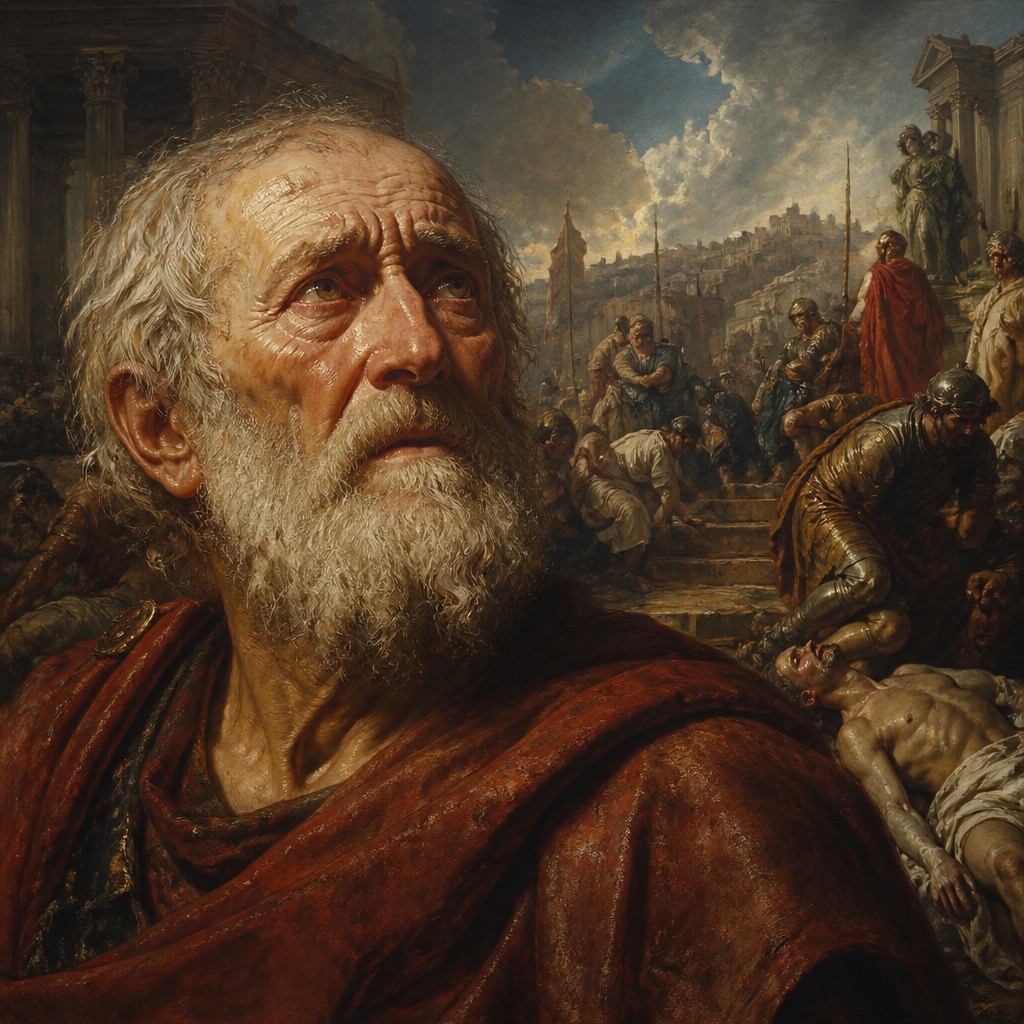
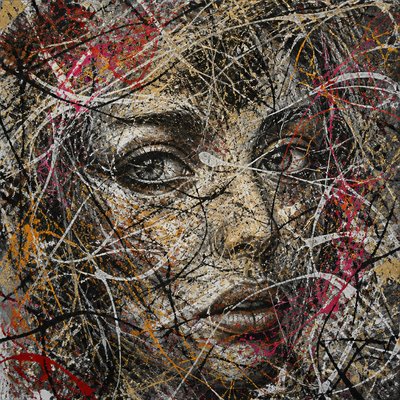
“close-up portrait of an elderly person with expressive weathered features”
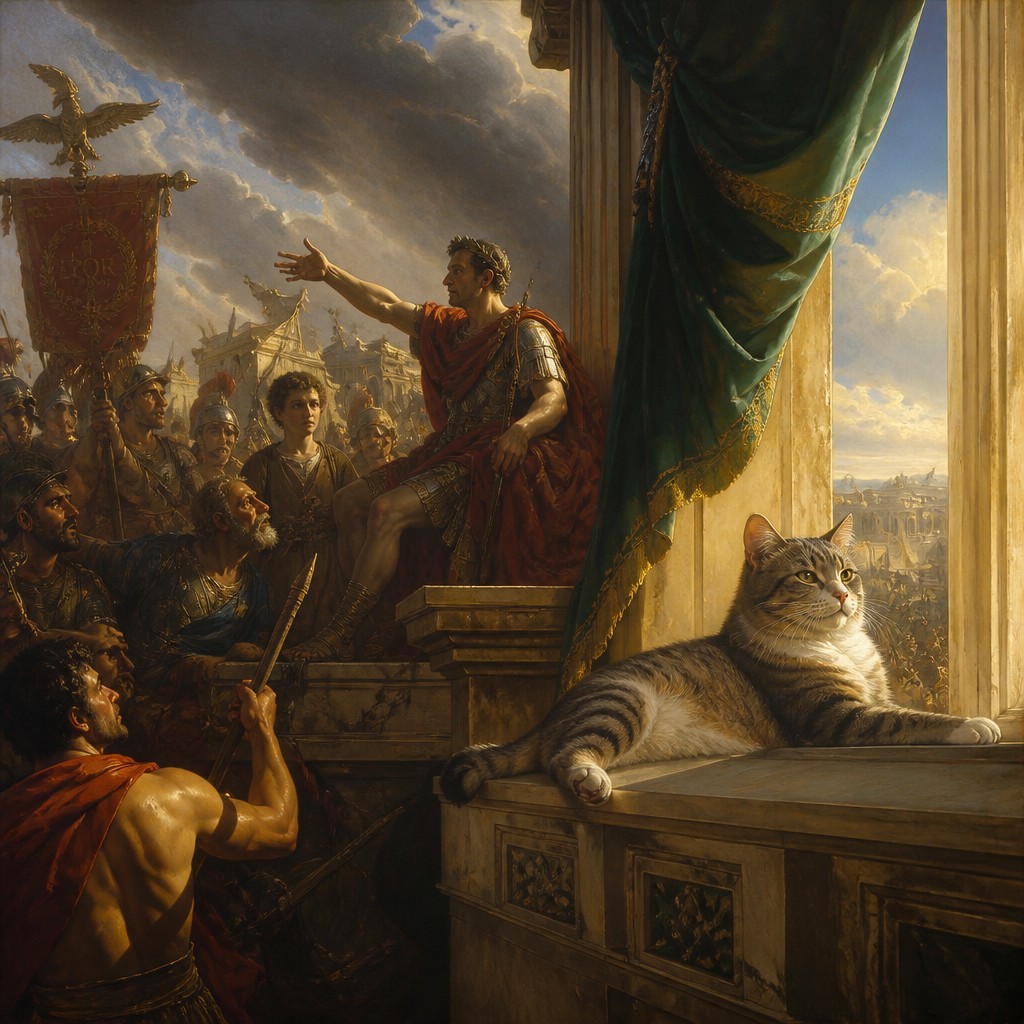
“a cat lounging in a sunlit window”
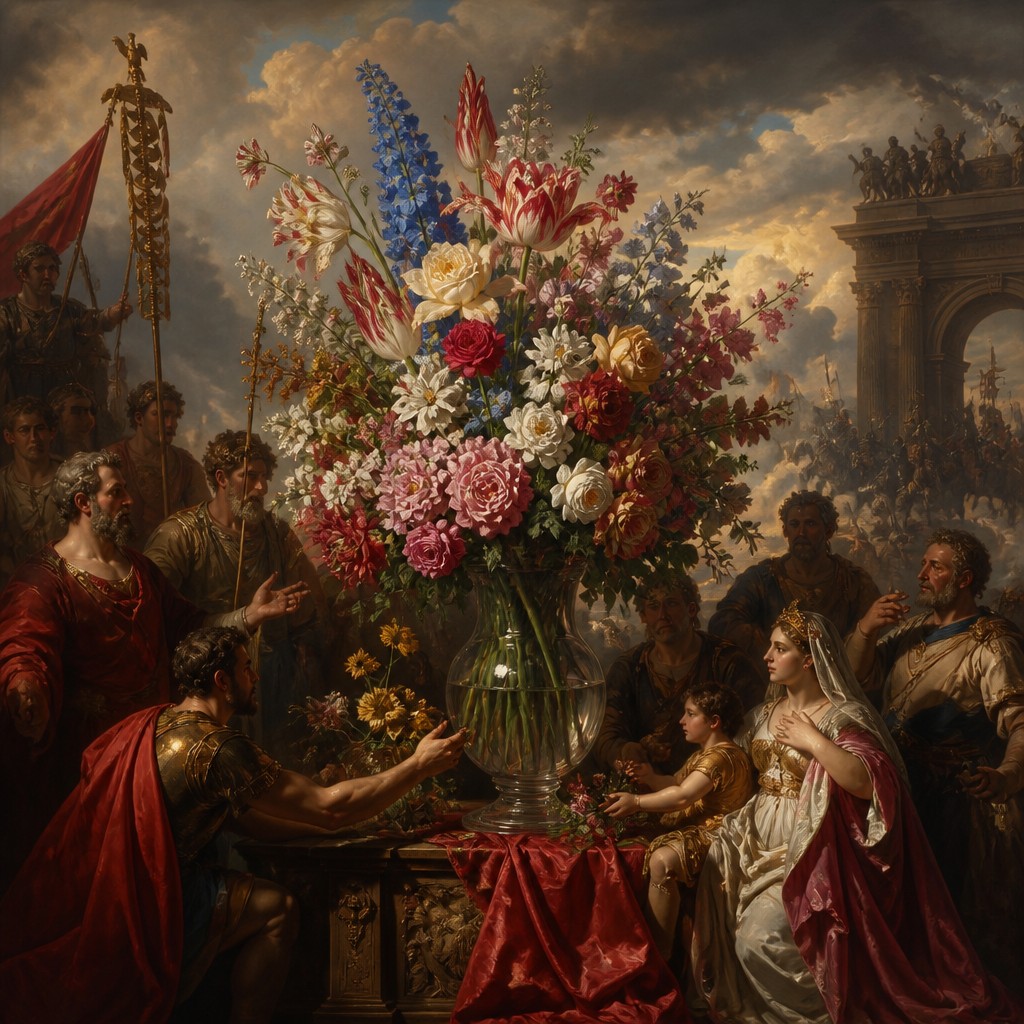
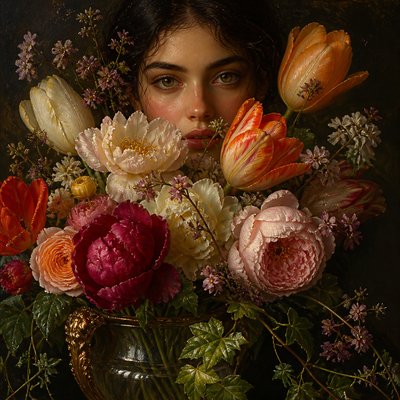
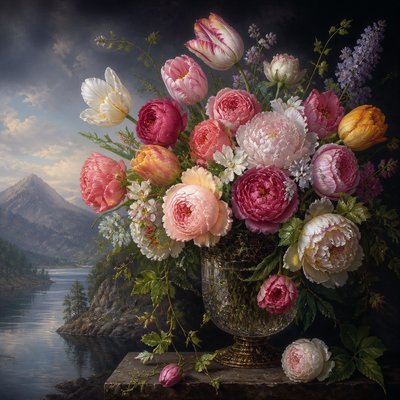
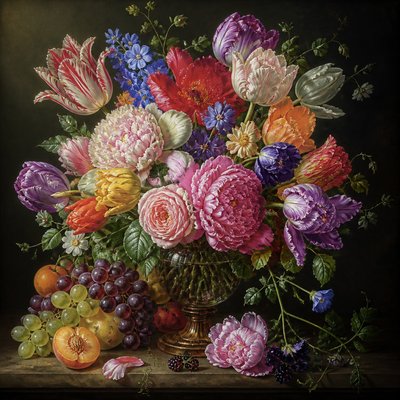
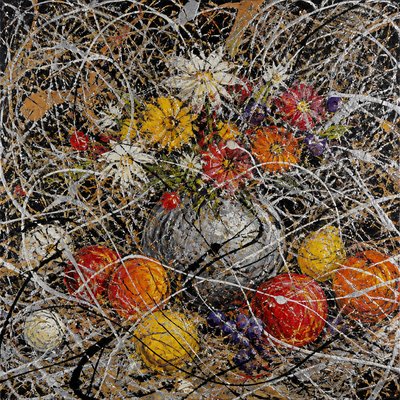
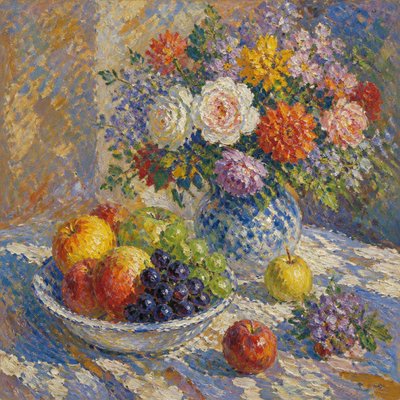
“bouquet of flowers in a glass vase”
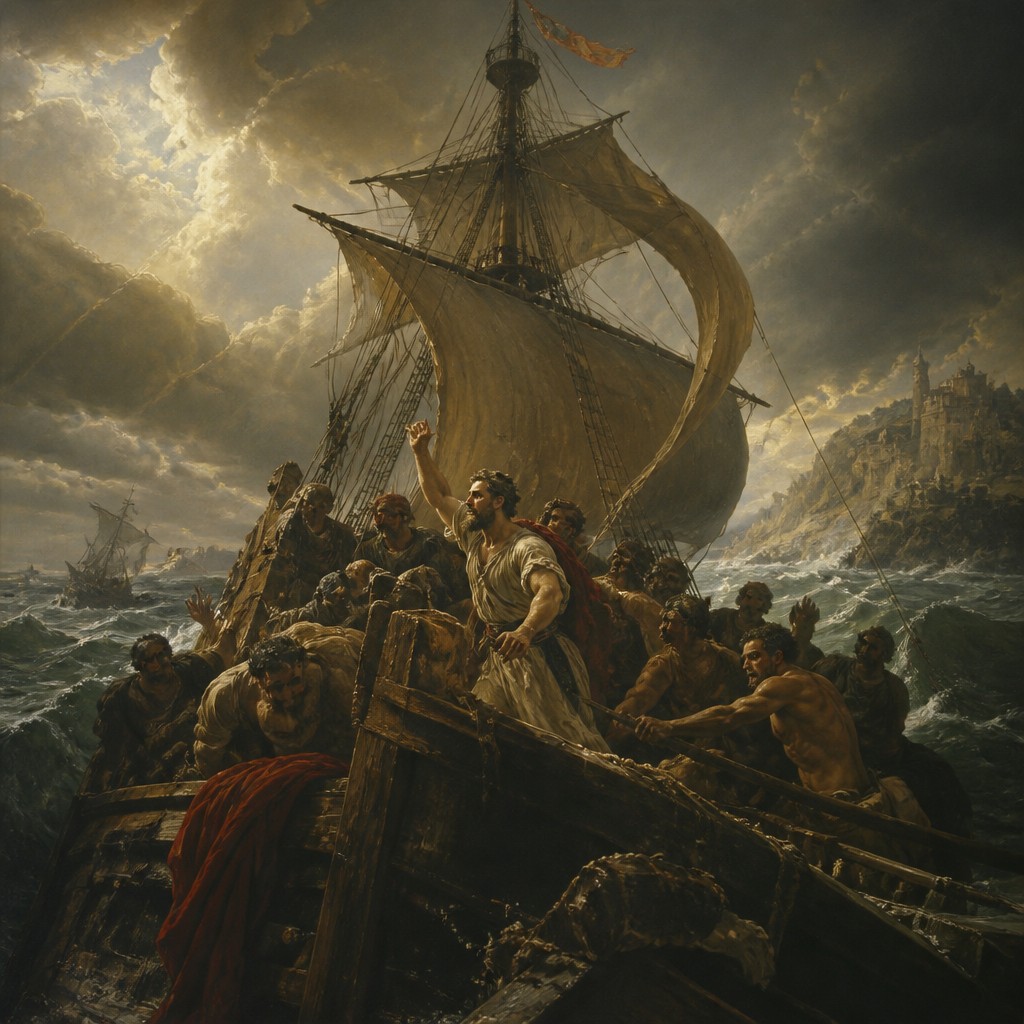
“sailing ship on a stormy sea”
How to Create History Painting Art
Master the craft step by step — or skip straight to creating. Read the full guide →
- 1
Choose a decisive event
Build the image around a moment of revelation, sacrifice, victory, betrayal, or public consequence. Give the central action a clear visual cause and effect.
- 2
Block the composition first
Arrange thumbnail sketches into a pyramid, frieze, or strong diagonal before refining details. Establish the focal group, secondary reactions, horizon, and major light shape early.
- 3
Model figures with academic structure
Use believable anatomy, weight-bearing poses, and varied gestures rather than identical standing figures. Study how drapery, armor, uniforms, and tools reinforce each character’s role.
- 4
Build depth with light and atmosphere
Place the brightest values near the narrative focal point and reserve darker passages for framing. Reduce contrast, saturation, and edge sharpness in distant architecture or crowds.
- 5
Use layered rendering
Traditionally, begin with a tonal underpainting, develop opaque forms, and add transparent glazes for depth and color unity. Digitally, separate the scene into value, figure, architecture, atmosphere, and texture passes.
- 6
Direct a prompt precisely
Specify the event, number and roles of figures, camera angle, gesture pattern, setting, lighting direction, palette, and oil surface. For image-to-image work, preserve the source subject while adding a staged composition, monumental scale, and controlled academic finish.

The Story
History & Origins of History Painting
History painting developed from Renaissance traditions of religious, mythological, and civic narrative art, then became a central category in European academic art during the seventeenth through nineteenth centuries. Art academies placed it at the top of a hierarchy of genres because it was believed to demand the greatest command of drawing, composition, anatomy, expression, perspective, and learned subject matter.
Its subjects expanded from biblical and classical stories to royal ceremonies, national conflicts, revolutions, and contemporary political events. The style remained influential through the nineteenth century, but its institutional dominance weakened as realism, modernism, photography, and everyday-life painting challenged academic ideals. Its visual language continues in monumental murals, historical illustration, cinema, fantasy concept art, editorial images, and digitally constructed scenes.
Influences: The style draws on Renaissance religious and classical narrative, Baroque theatricality, academic figure study, Neoclassical order, Romantic historical drama, civic mural traditions, and the visual grammar of stage tableaux. It also relates to allegorical painting, military art, monumental public sculpture, illustrated epics, historical cinema, and contemporary fantasy concept art.
Frequently Asked Questions
What defines history painting?
History painting is defined by an ambitious narrative subject presented on a grand scale, usually with multiple figures and a morally or politically significant theme. Its visual language emphasizes controlled composition, expressive action, idealized or carefully studied anatomy, dramatic light, and historical atmosphere.
Is history painting limited to real historical events?
No. The category traditionally includes biblical stories, classical mythology, allegory, religious events, literary episodes, and contemporary political subjects as well as documented history. What unites them is their elevated narrative importance and public, exemplary treatment.
How is it different from Baroque painting?
Baroque is a broad period and style associated with movement, theatrical light, intense emotion, and visual dynamism. History painting is a subject category and academic genre that can use Baroque effects, but it can also appear in more restrained Neoclassical, Romantic, realist, or contemporary forms.
How can I make a history painting traditionally?
Start with research into the event, clothing, architecture, objects, and social roles represented. Develop small compositional studies, prepare a tonal underpainting, establish the figures and light, then refine materials and expressions with layered oil color and controlled edges.
How can I create this look digitally or with a prompt?
Describe a specific narrative event along with a multi-figure arrangement, heroic gestures, monumental architecture or battlefield scenery, directional light, and rich oil modeling. Digital painting benefits from separate layers for anatomy, costume, environment, atmosphere, and final glazing or color grading.
Where is history painting used today?
Its conventions appear in museum commissions, civic murals, editorial illustration, historical textbooks, religious imagery, game and film concept art, fantasy scenes, and commemorative public works. Contemporary creators may adapt its scale and drama while questioning older ideals of heroism, empire, and national identity.

Create your first History Painting artwork
Describe anything — or upload a photo — and see it in History Painting Art Style in seconds.
Related Styles
Discover similar art styles