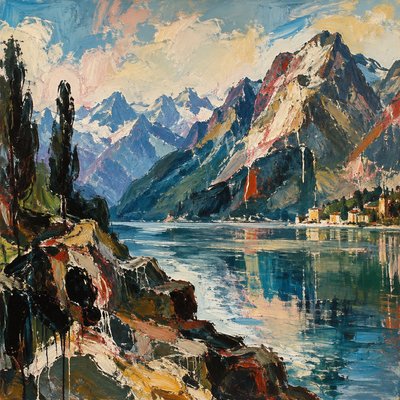
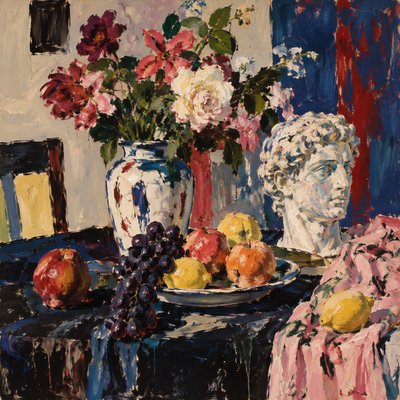
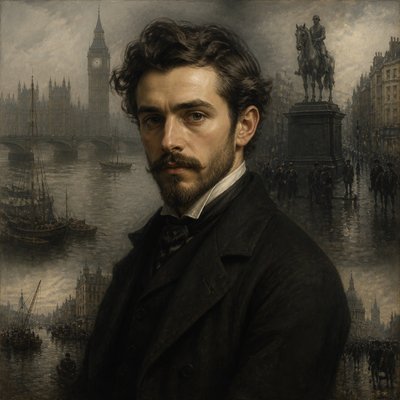
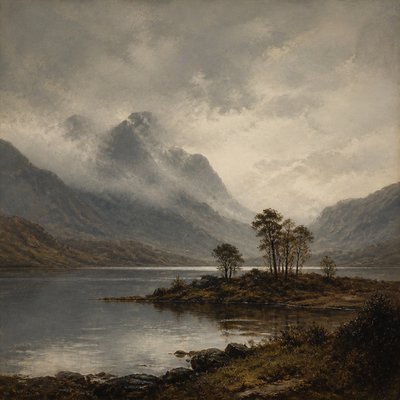
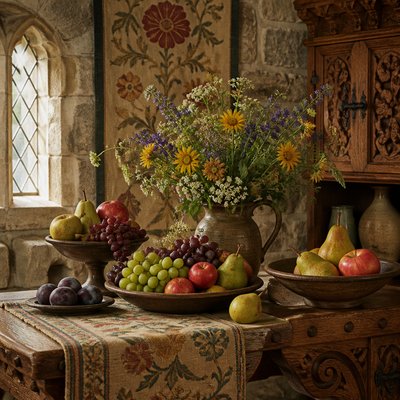
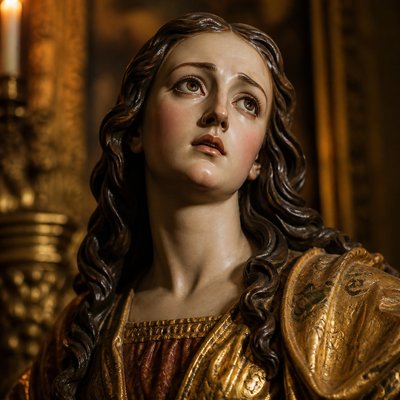
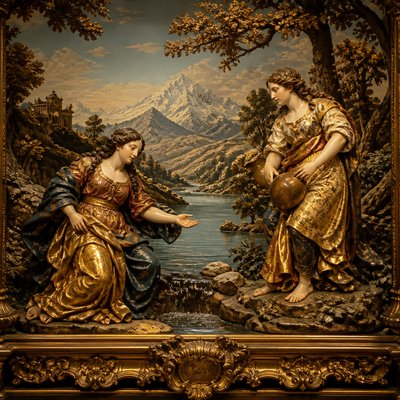
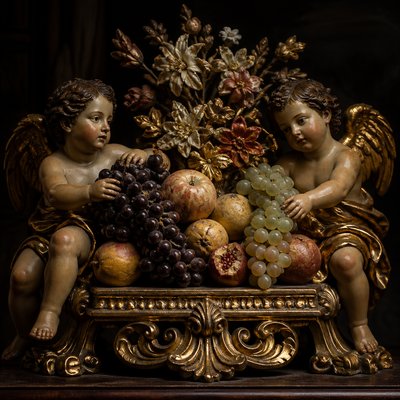
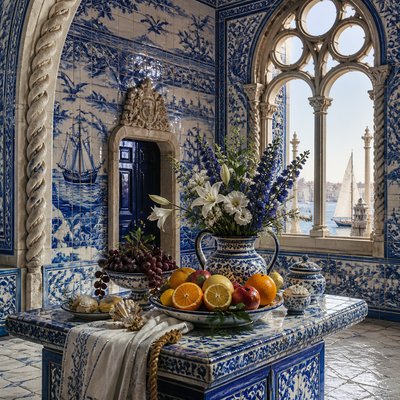
Czech Art Style
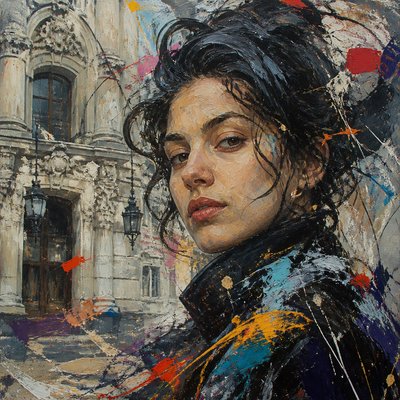
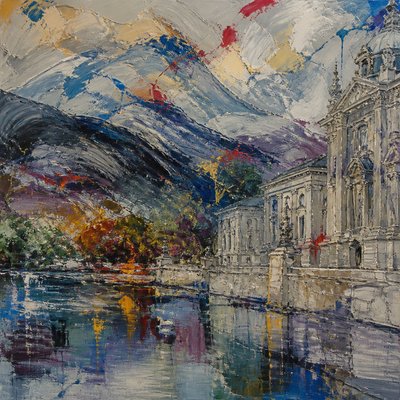
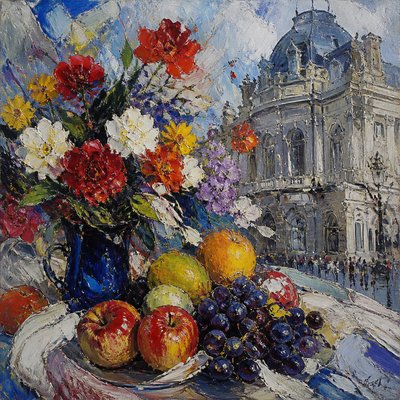
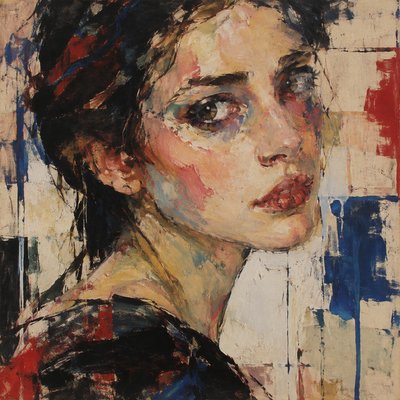
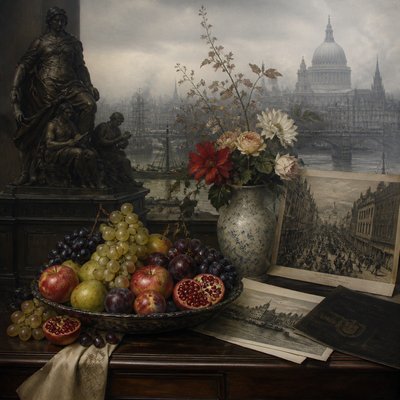
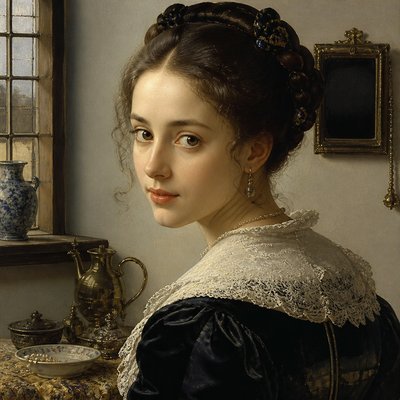
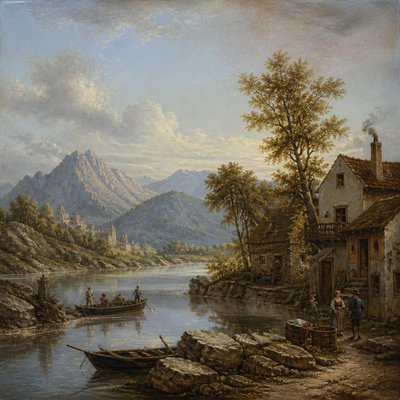
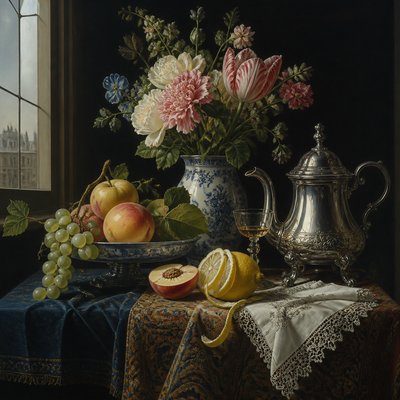
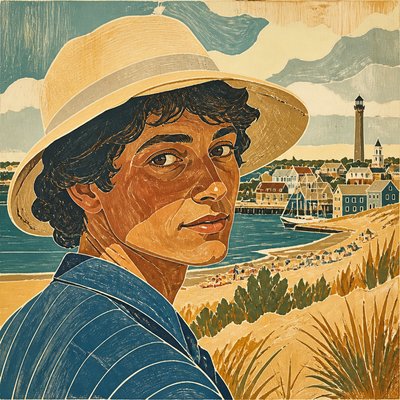
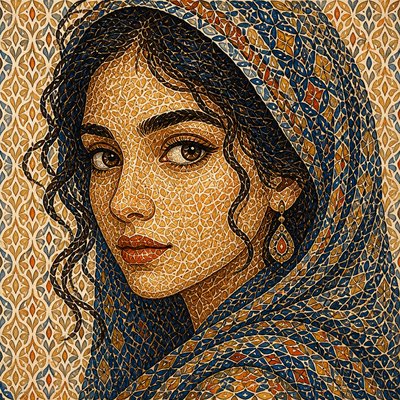
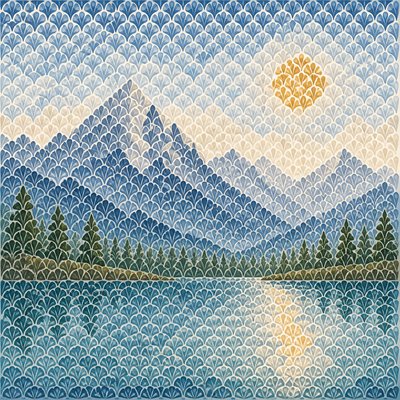
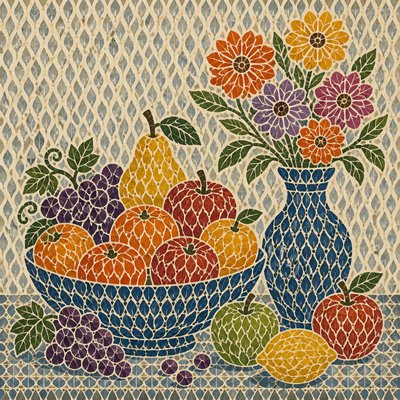
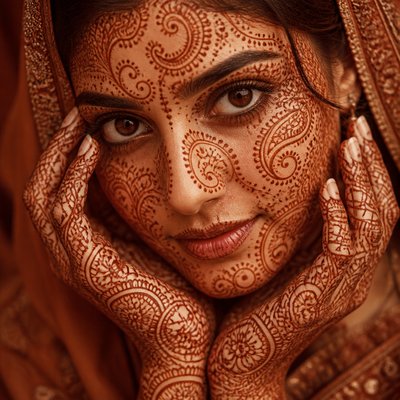
Discover Czech Art Style: Prague-inspired Art Nouveau halos, mystical symbolism, mosaic borders, muted color, and alchemical elegance.
Instantly rendered in Czech — or transform a photo
Czech Gallery
Tap any artwork to explore it
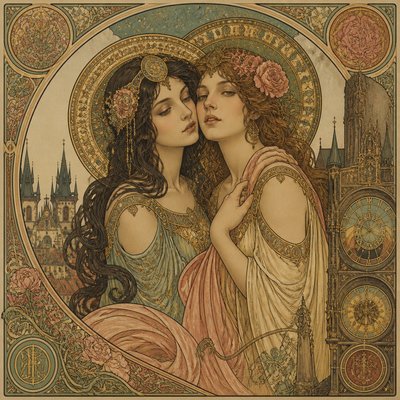
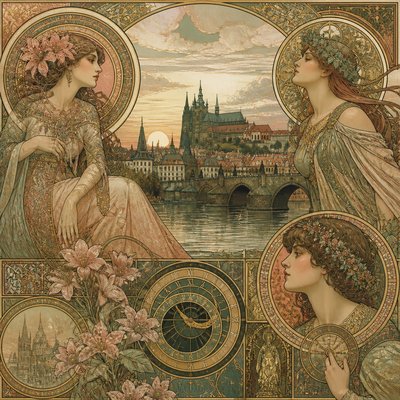
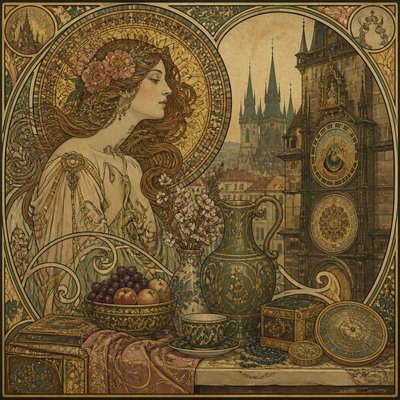
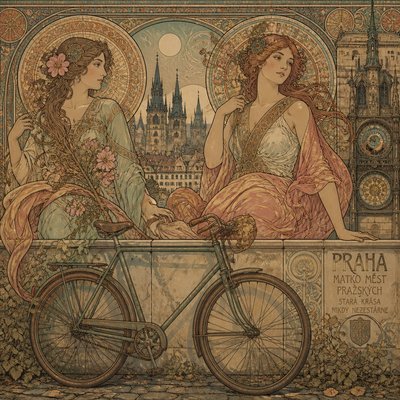
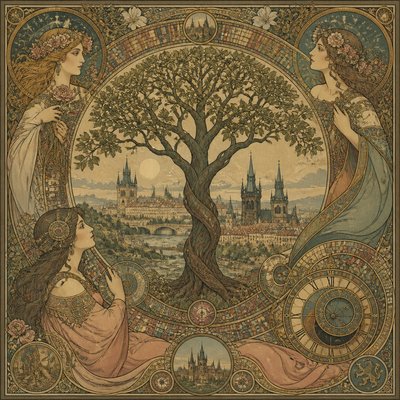
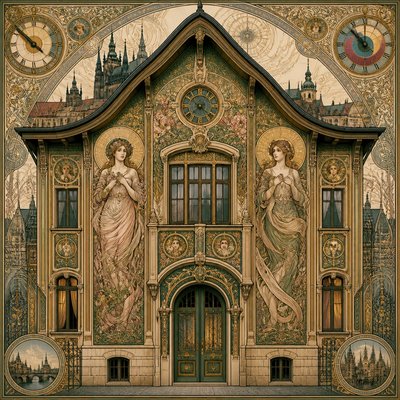
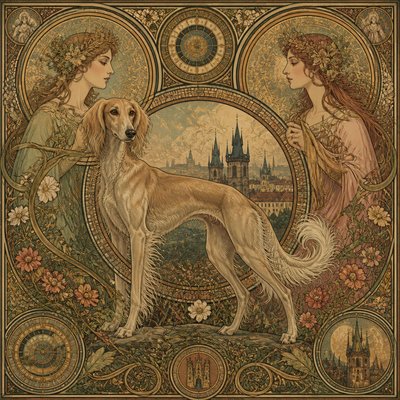
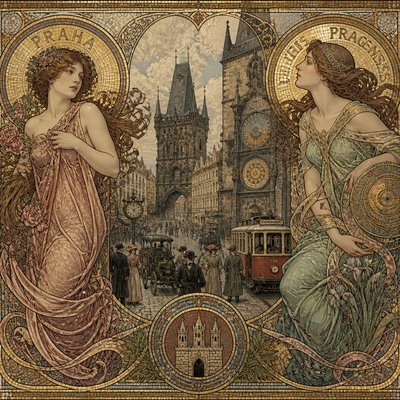
What is Czech Art Style?
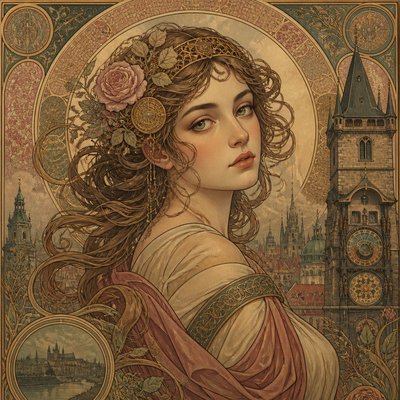
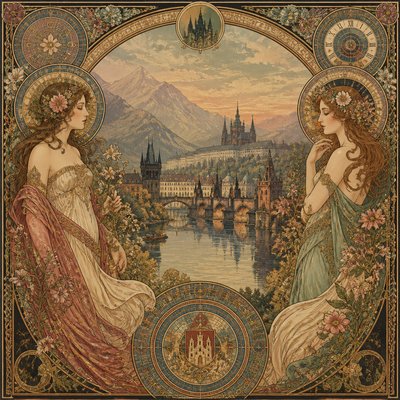
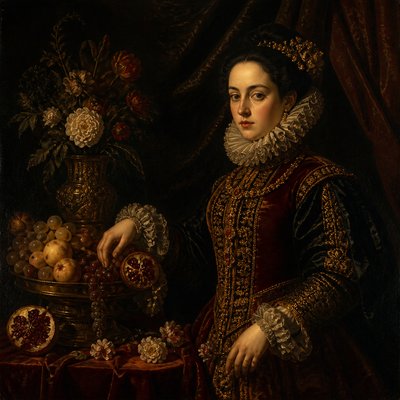
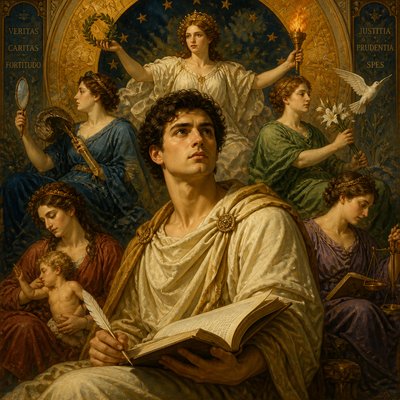
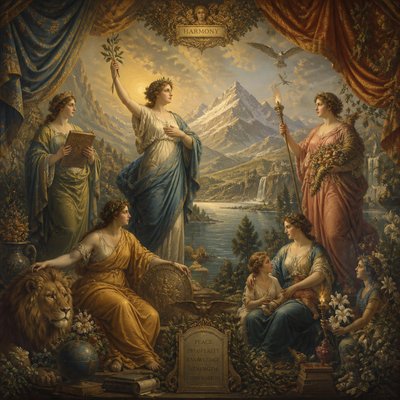
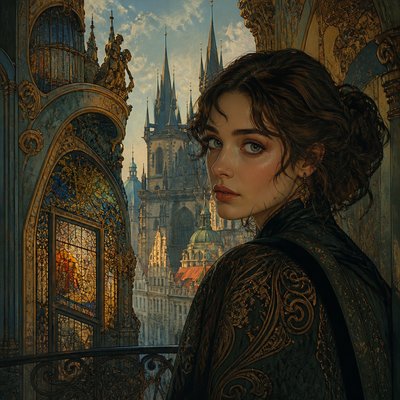
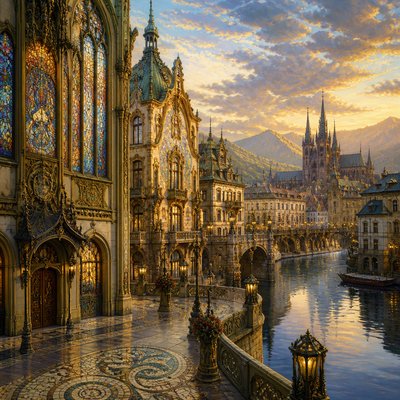
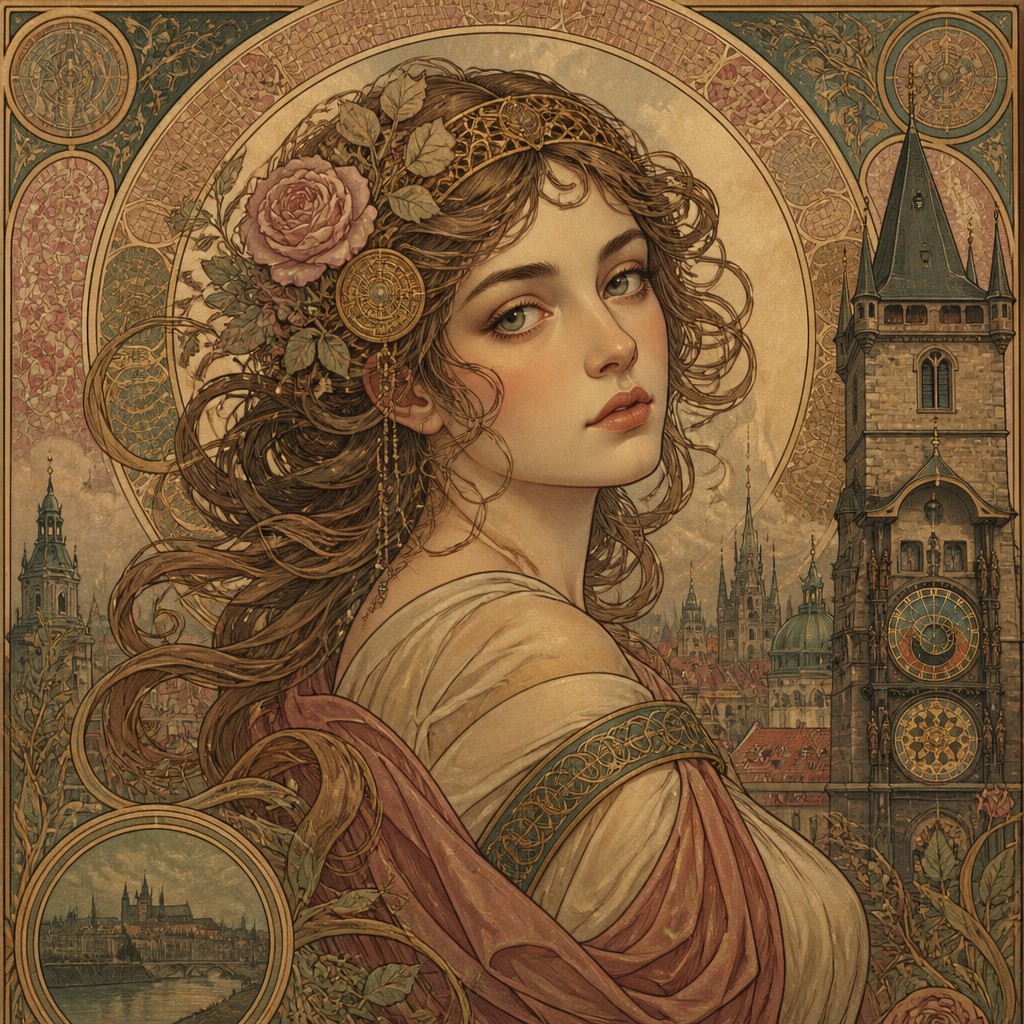
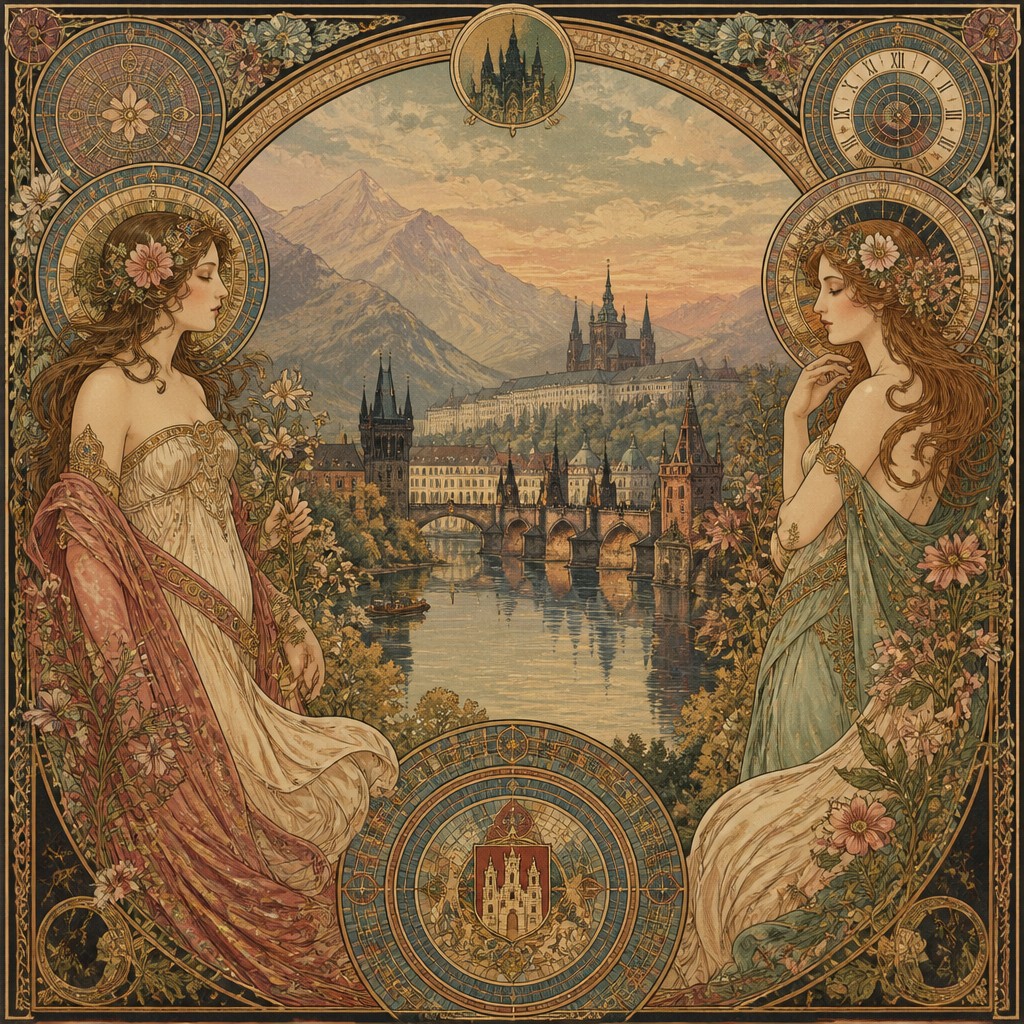
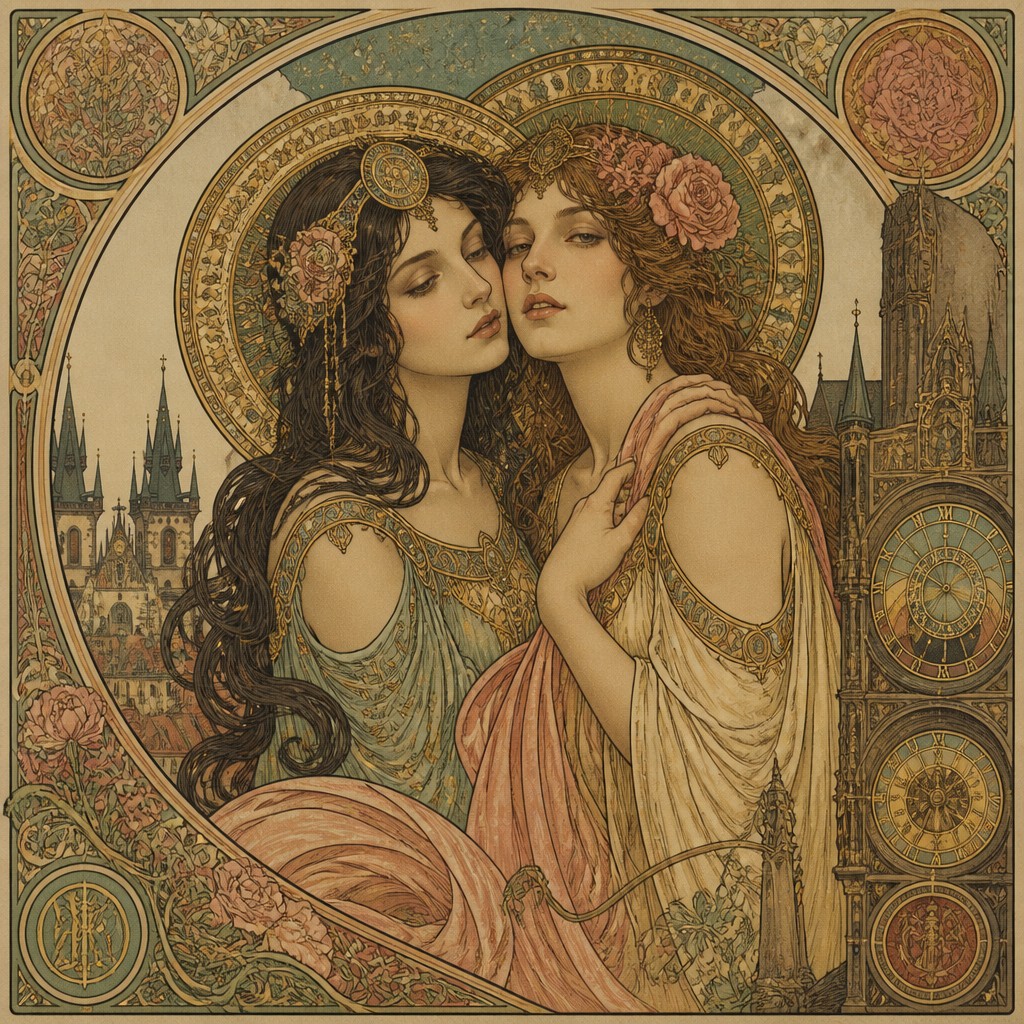
Czech Art Style is a contemporary aesthetic synthesis rather than a formally defined historical movement. It combines the ornamental line, botanical decoration, circular halos, and elegant figures of Central European Art Nouveau with visual references to Prague's spires, astronomical instruments, medieval streets, and alchemical imagination.
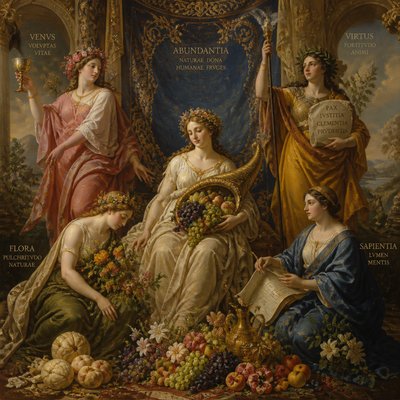
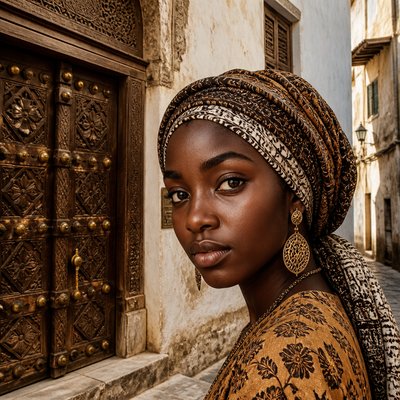
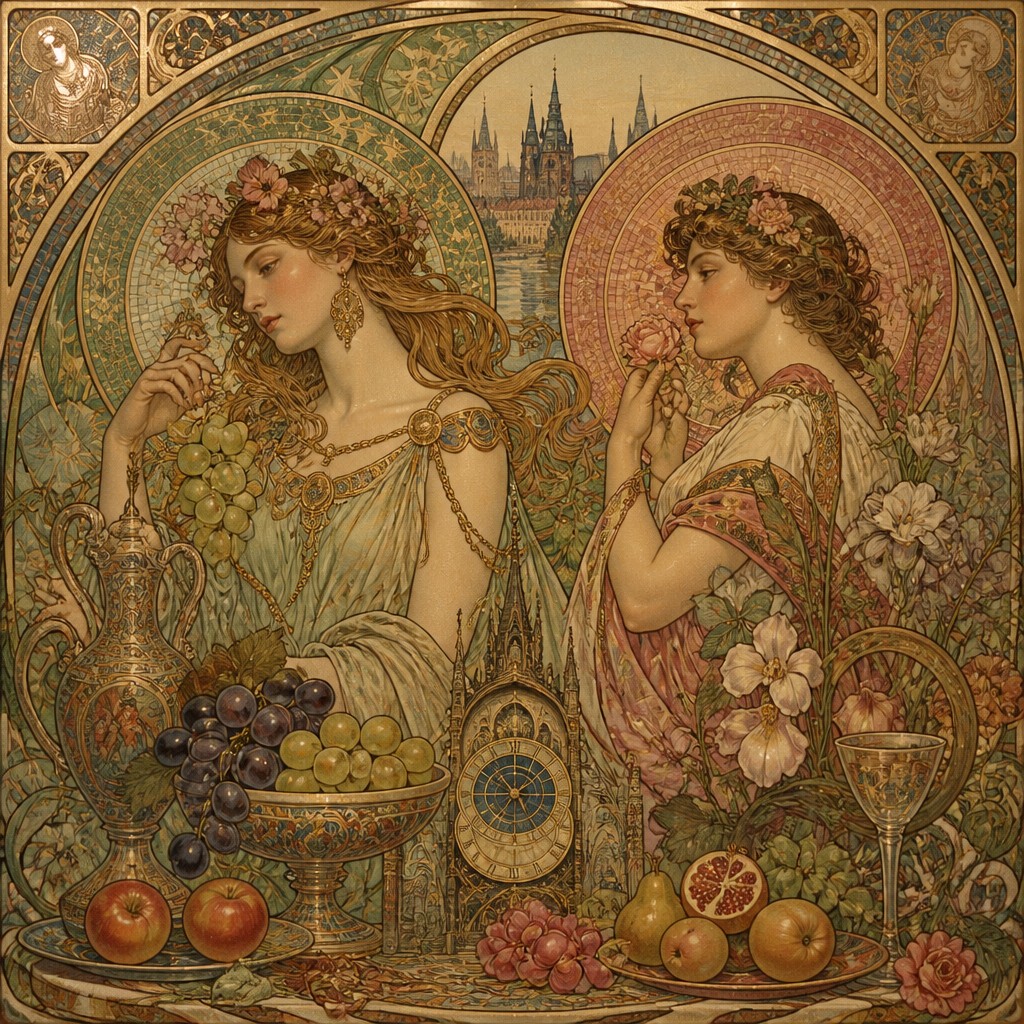
Its identity depends on controlled ornament and a subdued palette. Maidens, saints, celestial figures, and symbolic animals are often arranged frontally within medallions or mosaic-like frames, while flowing hair and drapery create a rhythmic whiplash line. Muted rose, sage, cream, smoke blue, and antique gold give the imagery a timeworn, poetic atmosphere rather than the brighter commercial palette associated with some forms of Art Nouveau.
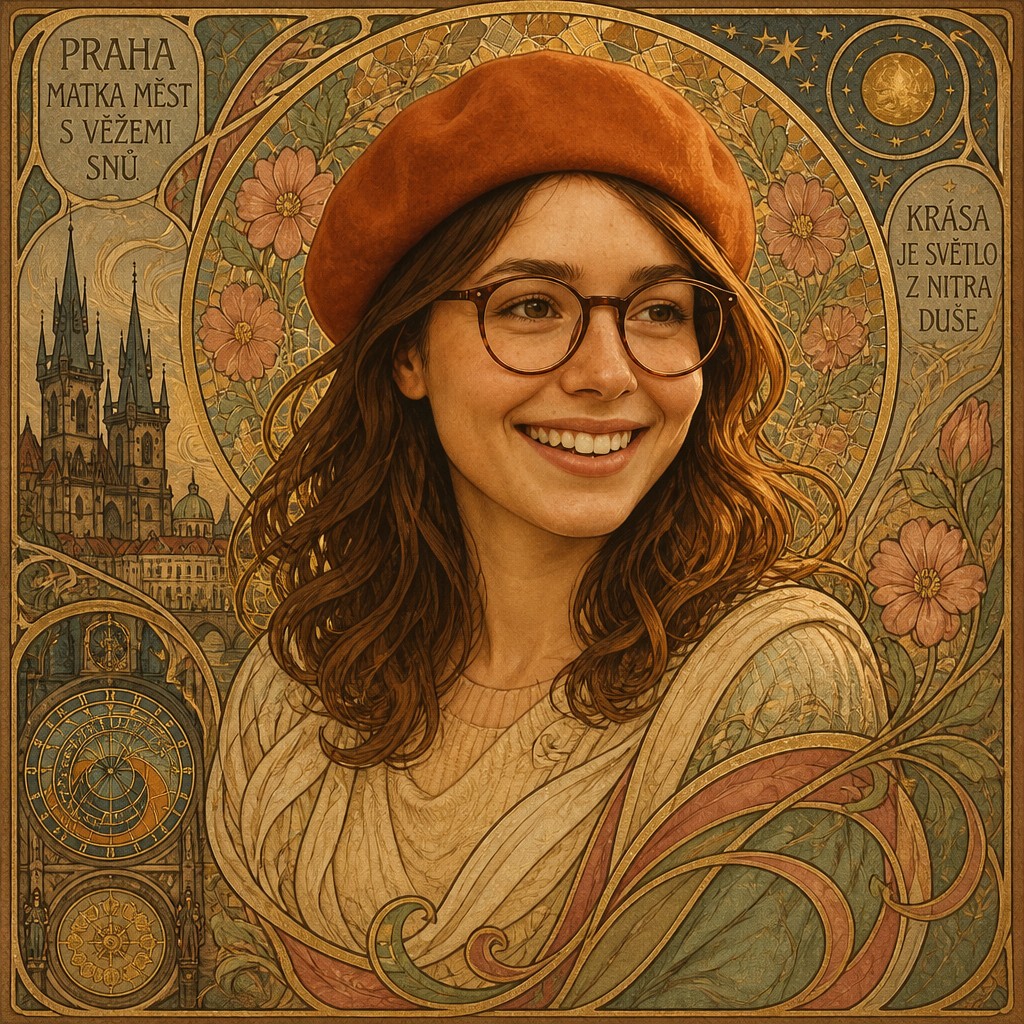
Try It On Your Photos
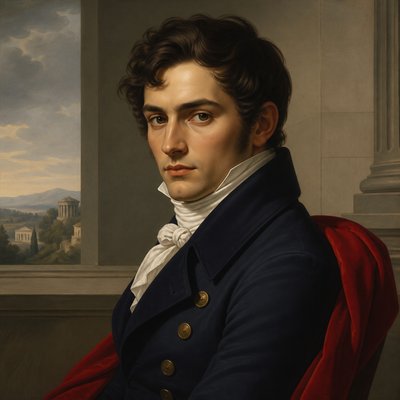
Upload any photo and convert it into Czech Art Style — drag the sliders to compare before and after.


What Defines Czech Art Style
The signature details, up close
Circular halos and medallions
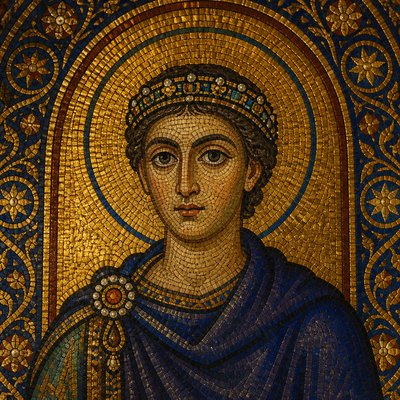
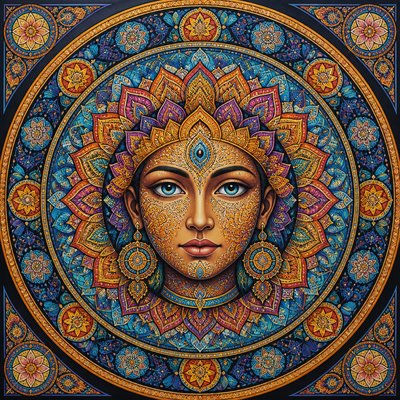
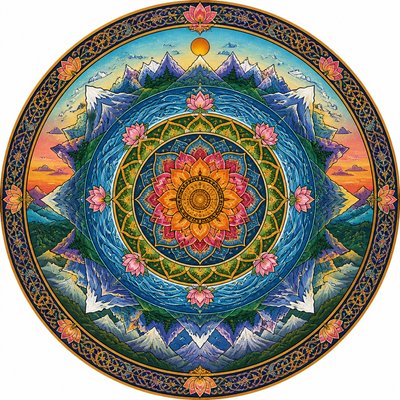
Figures are commonly enclosed by round halos, medallions, windows, or ornamental discs. These shapes create a devotional and icon-like focus while organizing the surrounding decoration.
Whiplash line and flowing contours
Hair, fabric, vines, smoke, and architectural ornament follow long, curling lines that guide the eye through the composition. The line is decorative as well as descriptive.
Muted rose, sage, and antique gold
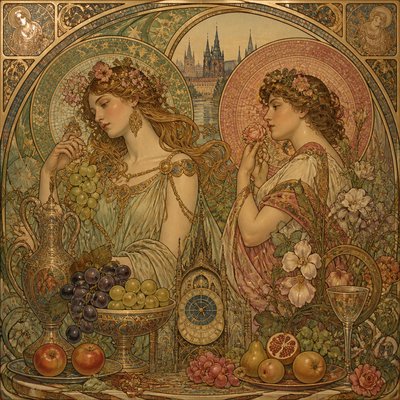
A restrained palette of dusty pink, sage green, parchment, brown, blue-gray, and aged gold establishes a nostalgic, mineral-like surface. Strong black outlines or deep umber shadows often provide structure.
Prague architectural motifs
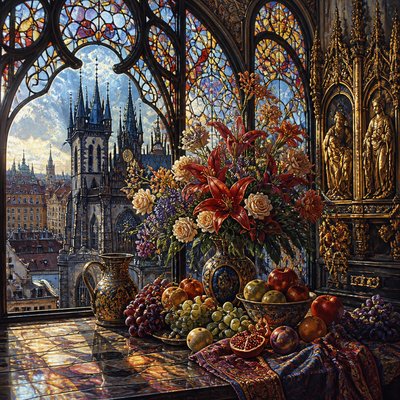
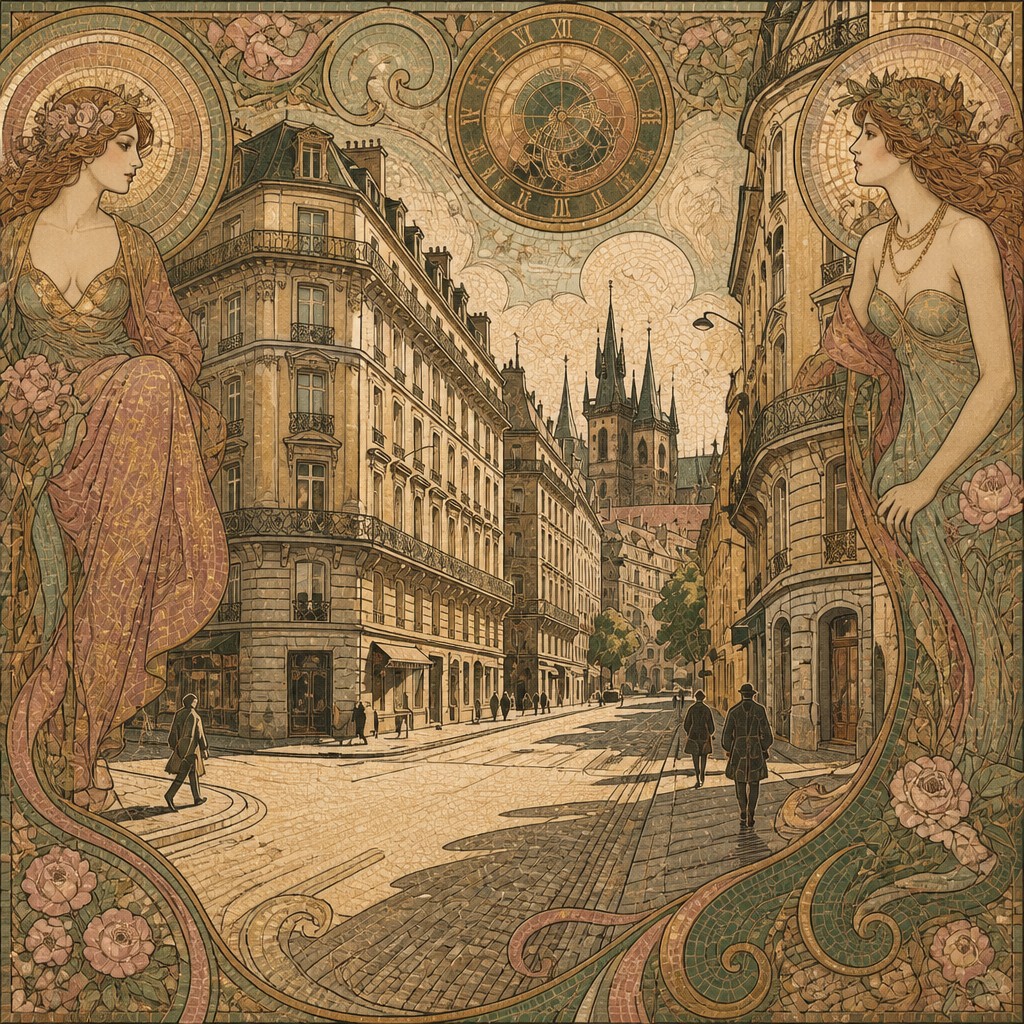
Gothic spires, rooflines, bridges, arcades, narrow streets, and astronomical dials supply a distinctly Central European setting. Architecture is often simplified into emblematic silhouettes rather than rendered as strict documentary perspective.
Mosaic and panel-like framing
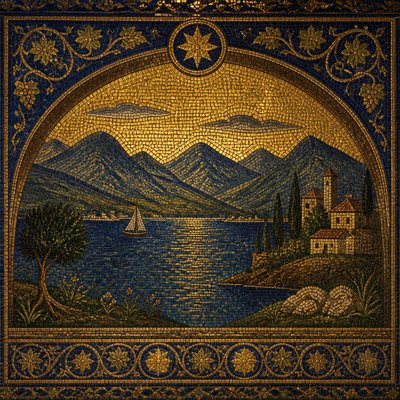
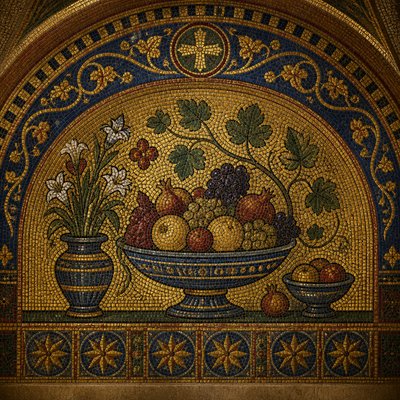
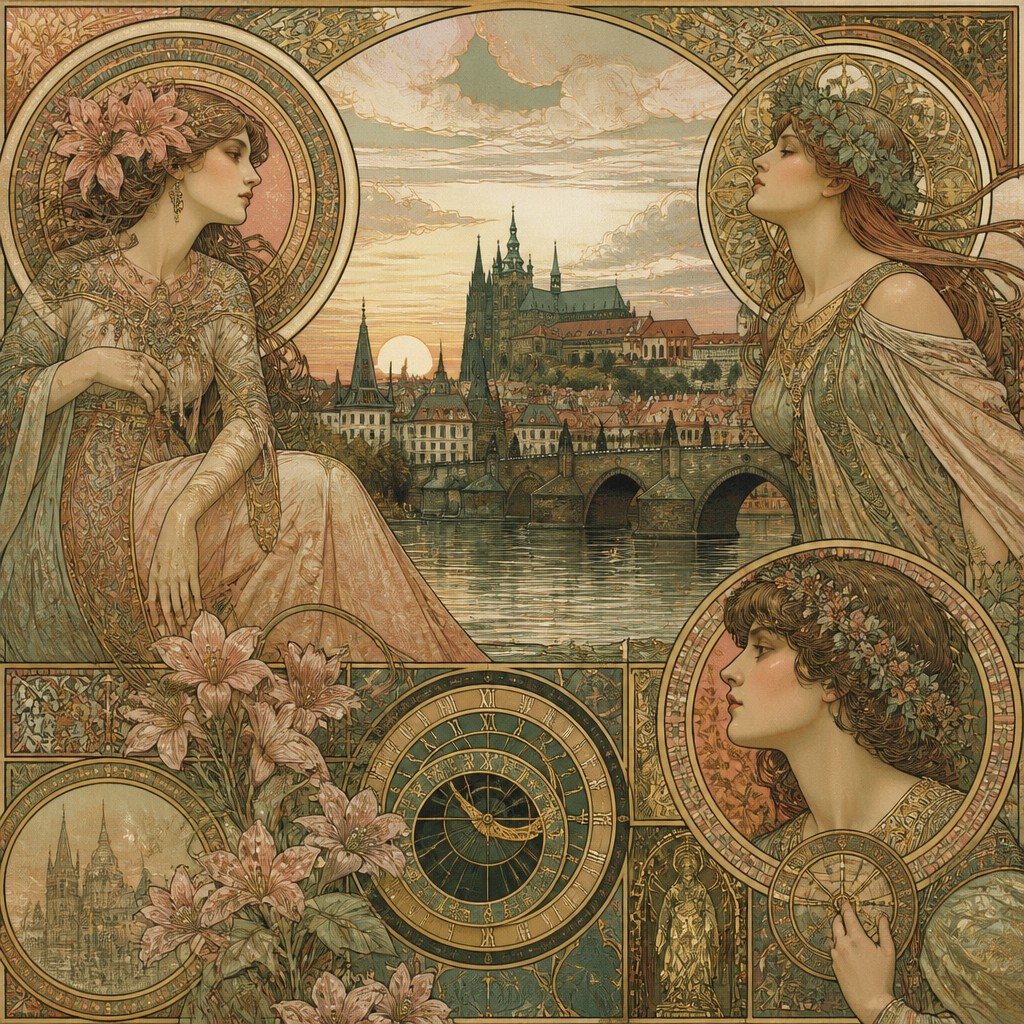
Borders may resemble stained glass, tile mosaics, carved wood, metalwork, or illuminated manuscript margins. Repeated flowers, stars, geometric tessellations, and small symbolic compartments reinforce the decorative surface.
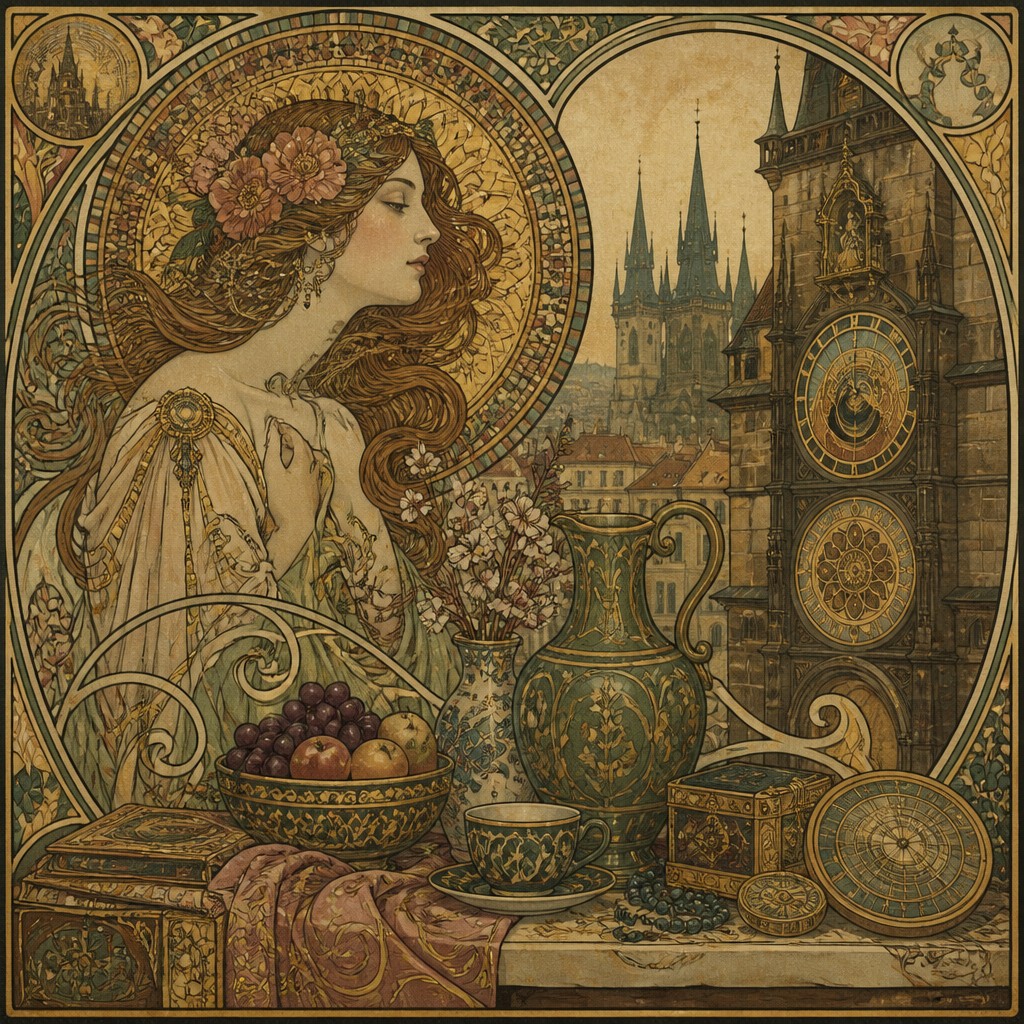
Poetic mystical symbolism
Stars, moons, keys, vessels, birds, serpents, herbs, crystals, and celestial charts suggest transformation, fate, knowledge, or hidden correspondences. The symbolism is evocative and open-ended rather than tied to a single doctrine.
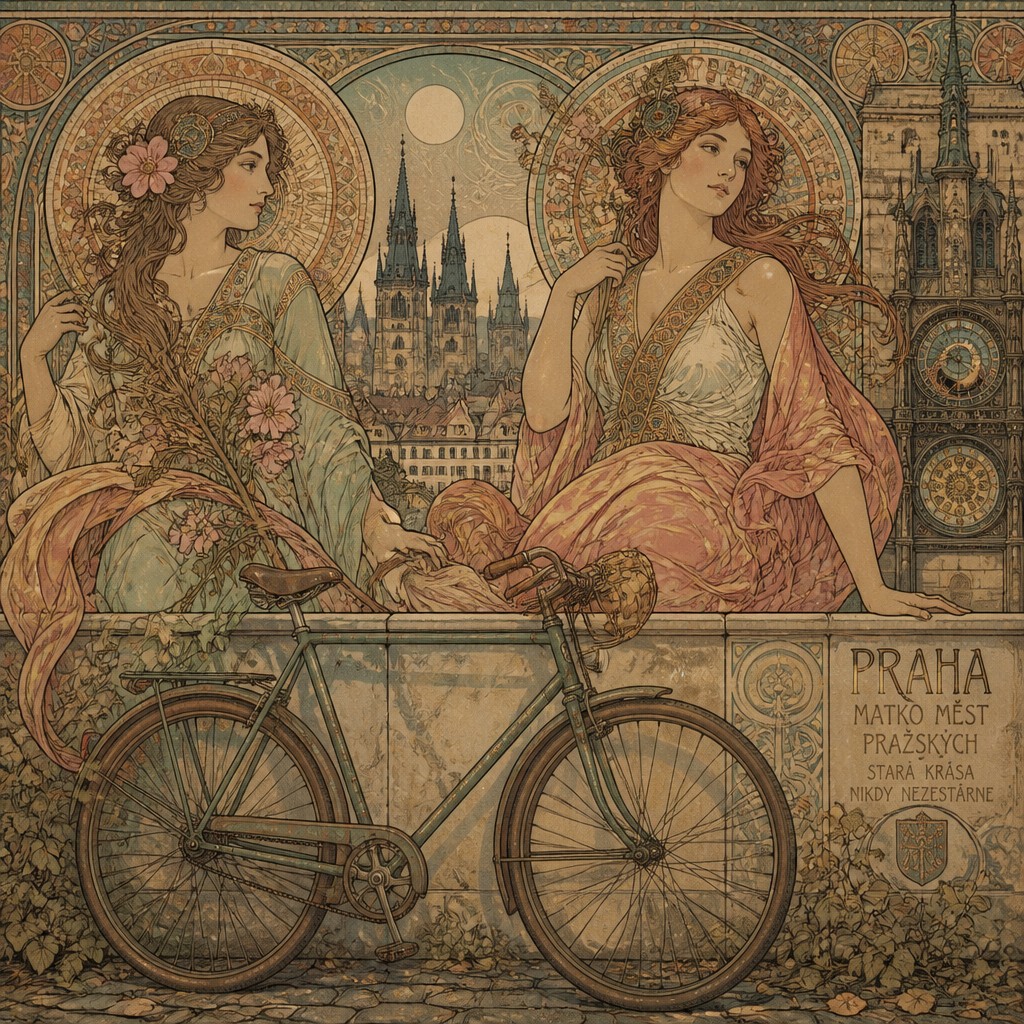
Flattened, iconic composition
Depth is compressed in favor of frontal presentation, clear silhouettes, and layered pattern. Faces and hands may be delicately modeled, but the overall image remains closer to an emblem, poster, or decorative panel than to naturalistic painting.
Try It
Create Videos in Czech Art Style
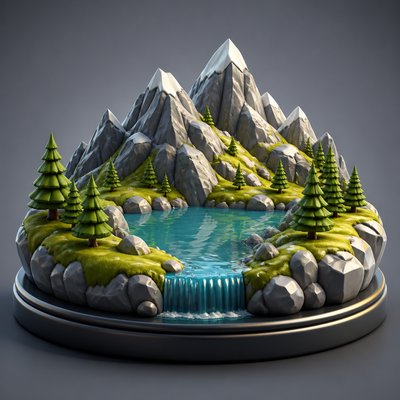
Styles aren't just for stills — describe a scene or animate an image and get a short video rendered in Czech. Press play to see this pond come to life.
Make a VideoCzech Prompt Ideas
Start from an idea — each one opens the generator with the style ready to go. See all 40 Czech prompts →
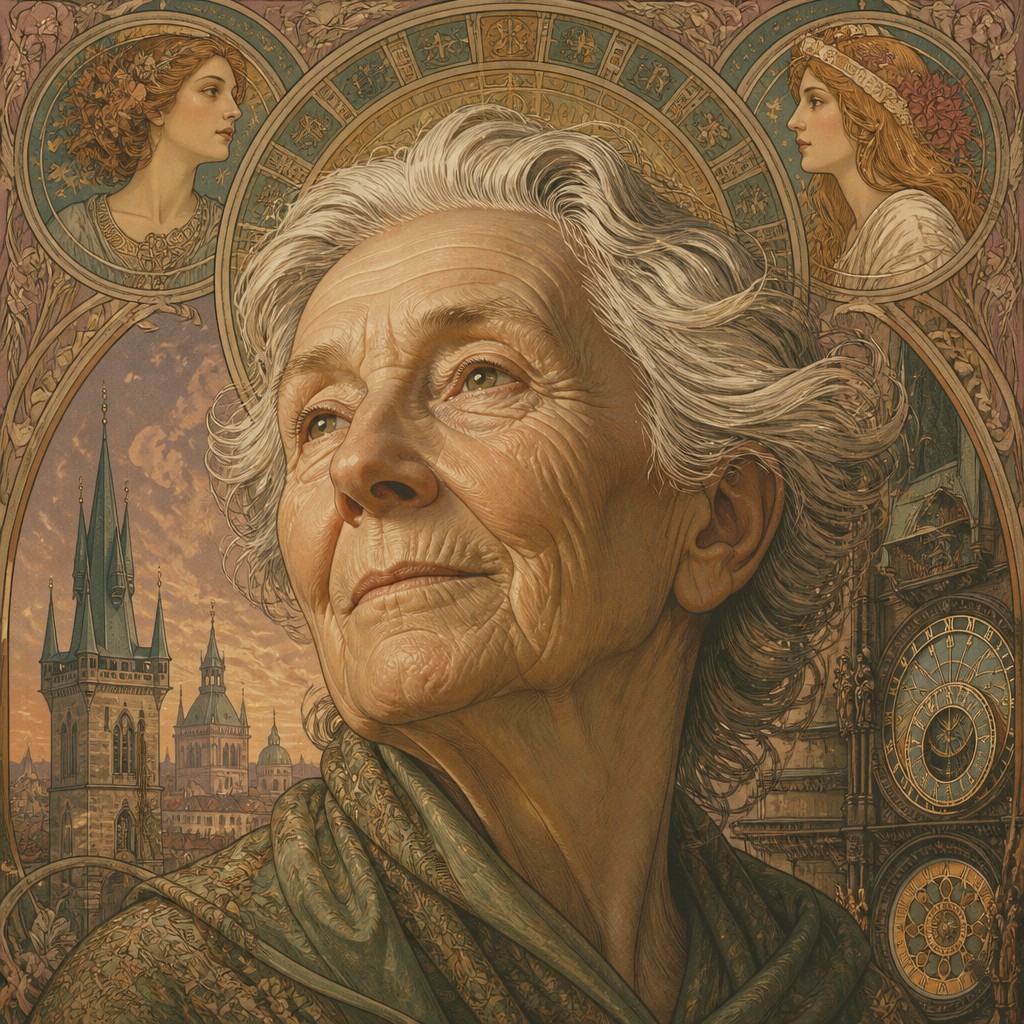
“close-up portrait of an elderly person with expressive weathered features”
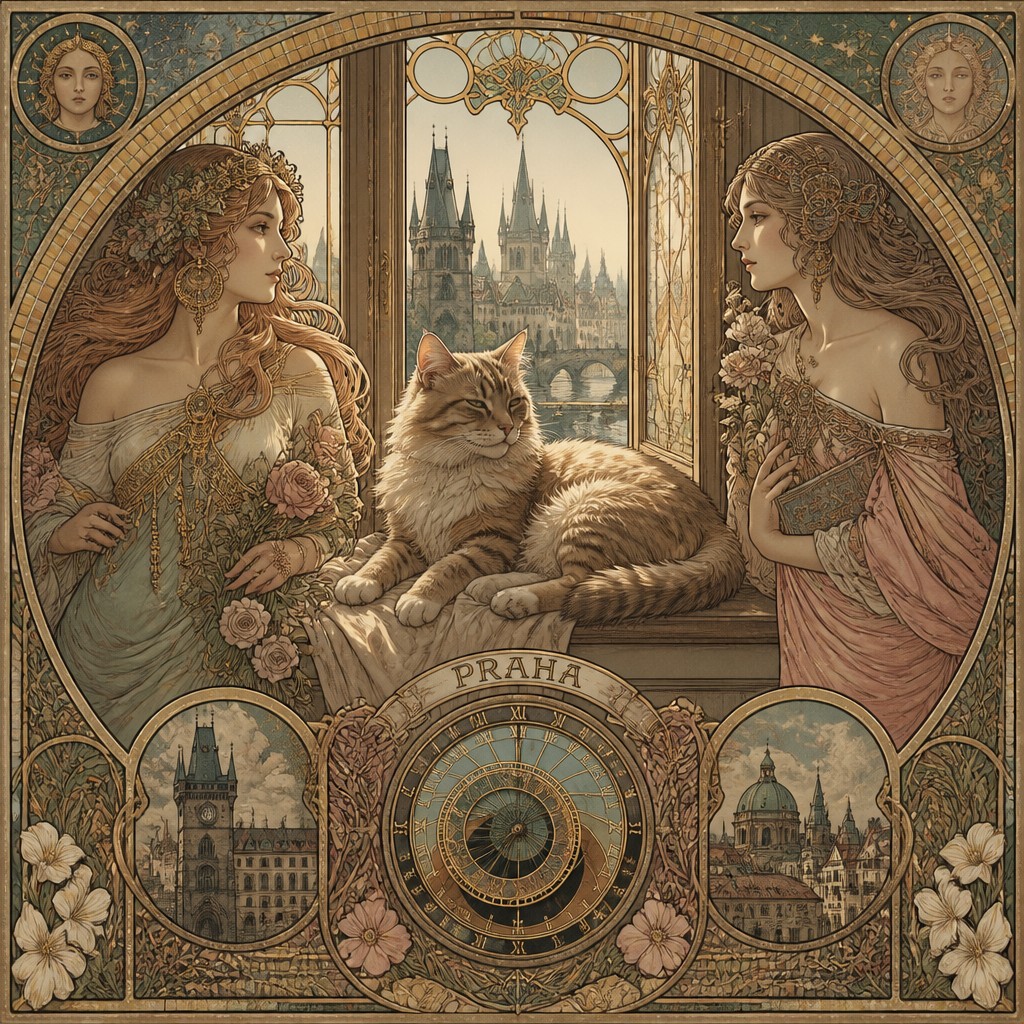
“a cat lounging in a sunlit window”
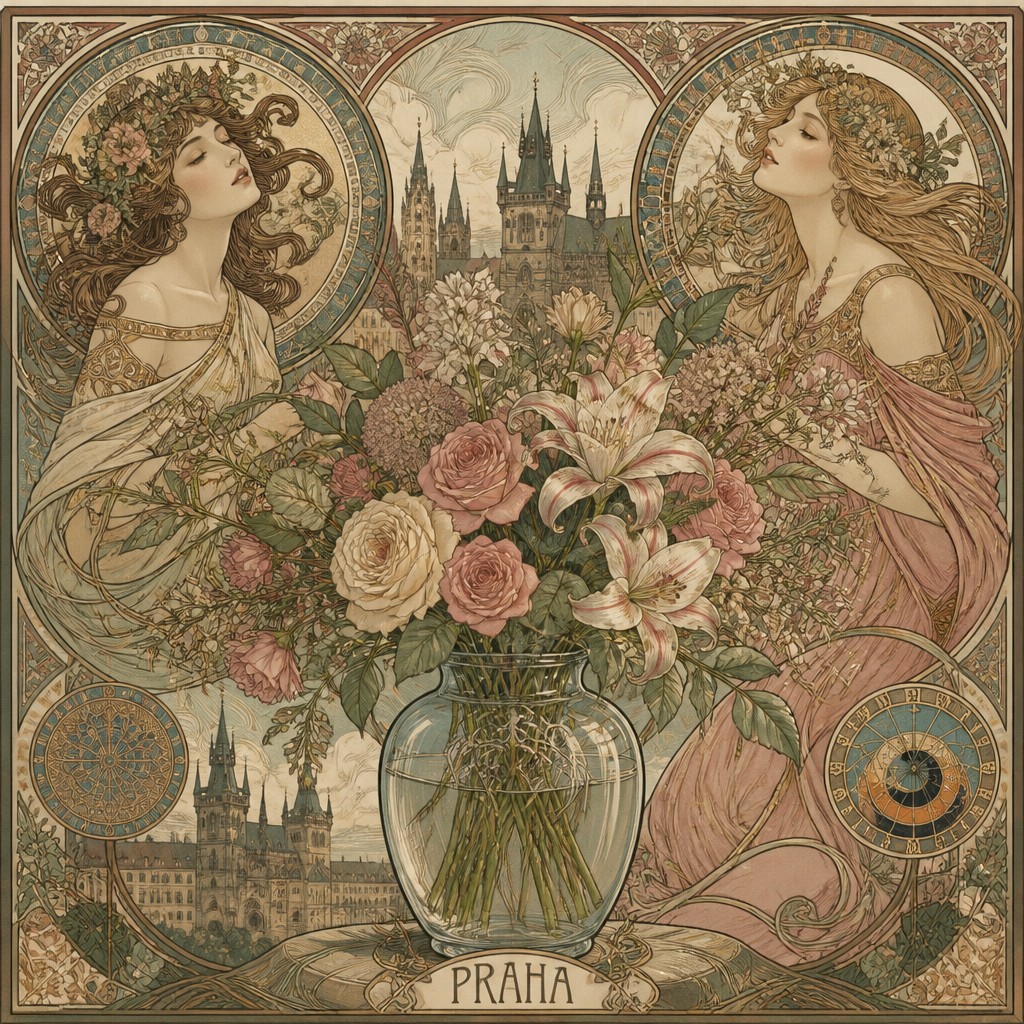
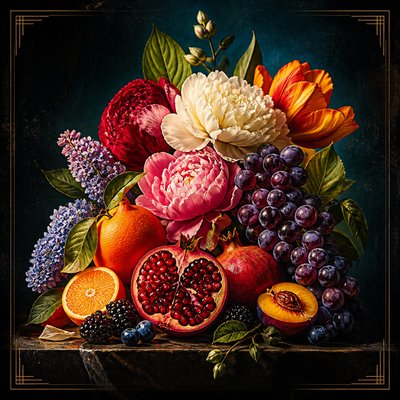
“bouquet of flowers in a glass vase”
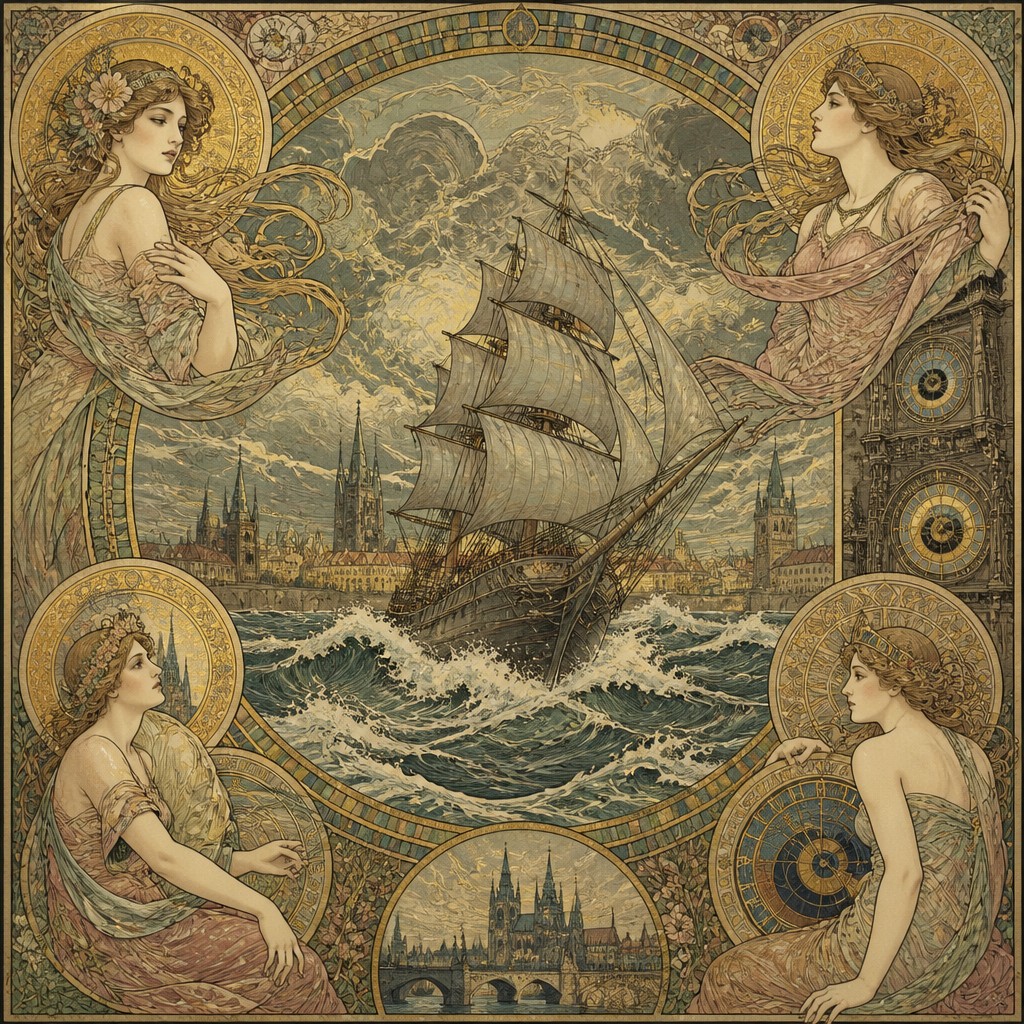
“sailing ship on a stormy sea”
How to Create Czech Art
Master the craft step by step — or skip straight to creating. Read the full guide →
- 1
Build a strong central silhouette
Start with one frontal or three-quarter figure, animal, or object and place it inside a circular frame. Keep the pose calm and legible so the surrounding ornament does not overwhelm the subject.
- 2
Design the line before the details
Use sweeping curves for hair, drapery, vines, and smoke, then repeat those curves in the border and background. In traditional media, try ink, colored pencil, gouache, or watercolor over toned paper; digitally, use pressure-sensitive vector or textured brush lines.
- 3
Limit and age the palette
Choose three to six dominant colors, such as muted rose, sage, parchment, blue-gray, umber, and antique gold. Add paper grain, slight unevenness, or restrained patina rather than relying on bright saturation.
- 4
Layer symbolic architecture
Combine a simplified Prague-like skyline or astronomical dial with botanical and celestial motifs. Keep architectural elements subordinate to the figure and treat them as pattern, emblem, or backdrop.
- 5
Construct a decorative border
Repeat flowers, stars, geometric tiles, or small medallions around the image to create a unified frame. Symmetry is useful, but small variations in spacing and texture can prevent the result from feeling mechanically sterile.
- 6
Guide a text-to-image or image-to-image workflow
Describe the subject first, then specify the circular halo, whiplash line, mosaic border, restrained palette, Prague architecture, and surface texture. For a photo transformation, preserve the subject's pose and key features while requesting flattened ornament, period-inspired linework, and a decorative framed composition.

The Story
History & Origins of Czech
The term Czech Art Style describes a modern, descriptive blend of influences rather than a documented school with a fixed period or manifesto. Its principal historical lineage is Czech and broader Central European Art Nouveau of the late nineteenth and early twentieth centuries, especially its interest in decorative unity, stylized nature, flattened pattern, and symbolic female figures.
The style also draws on Prague's layered cultural imagery: Gothic towers, astronomical dials, illuminated manuscripts, devotional panels, masonry ornament, and legends of laboratories, minerals, and transformation. Contemporary illustration and digital image-making have brought these elements together into an atmospheric visual language that may resemble historical Art Nouveau while freely combining periods and symbols.
Influences: The style is related to Czech and Central European Art Nouveau, Symbolism, decorative poster design, stained glass, mosaic, illuminated manuscripts, Gothic architecture, medieval devotional imagery, and the ornamental traditions of botanical illustration. It also borrows atmosphere from Prague's alchemical legends and astronomical instruments, while its flattened compositions connect with modern editorial illustration, fantasy art, and digitally constructed decorative panels.

Frequently Asked Questions
Is Czech Art Style a recognized historical art movement?
Not in the strict art-historical sense. The term is best understood as a contemporary aesthetic label for a Czech- and Prague-inflected synthesis of Art Nouveau, Symbolism, Gothic ornament, and mystical illustration.
What defines the style most clearly?
Its clearest features are ornamental Art Nouveau linework, central figures enclosed by circular halos, mosaic or stained-glass borders, muted rose and sage colors, and Prague-related architectural or astronomical motifs. A poetic sense of mystery is as important as any individual symbol.
How does it differ from general Art Nouveau?
General Art Nouveau covers a wide international movement with many regional forms and materials. This style narrows the emphasis toward Central European atmosphere, Prague architecture, mystical symbolism, aged colors, and icon-like framed compositions.
Can I make this style with traditional materials?
Yes. Ink, watercolor, gouache, colored pencil, and metallic paint work well on cream or toned paper. Begin with a clean decorative contour drawing, add flat layers of restrained color, and finish with a carefully designed border and selective gold accents.
How can I describe it in an image-generation prompt?
Name the subject and composition first, then add circular halo or medallion framing, Art Nouveau whiplash lines, mosaic borders, muted rose and sage, antique gold, Prague spires, and astronomical details. Mention flattened decorative illustration and aged paper texture when you want less photographic depth.
Where is this aesthetic commonly used?
It suits posters, book covers, tarot-like cards, editorial illustration, album artwork, character portraits, stationery, fashion graphics, and decorative interiors. Its strong framing and symbolic vocabulary also make it effective for icons and narrative world-building.
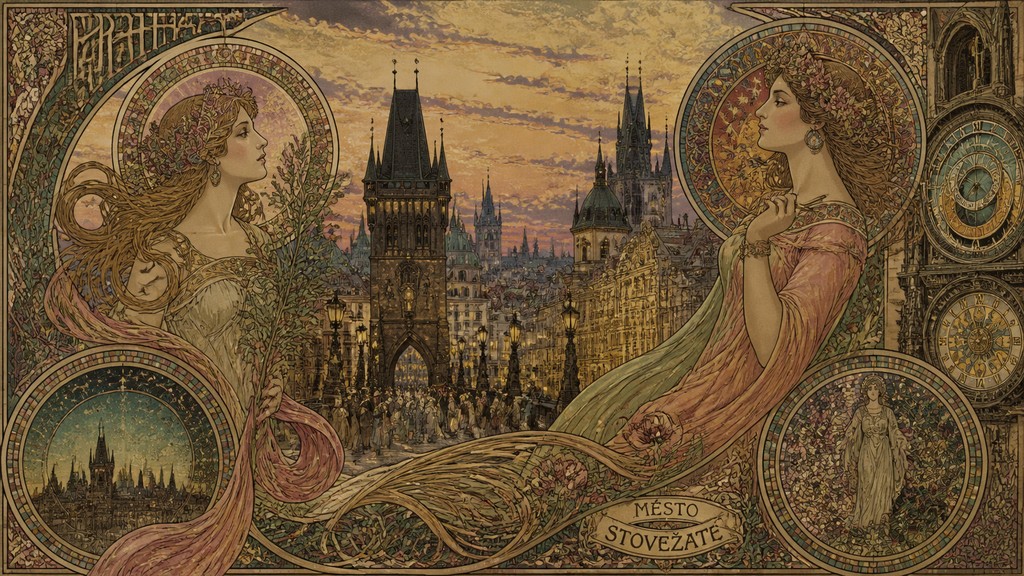
Create your first Czech artwork
Describe anything — or upload a photo — and see it in Czech Art Style in seconds.
Related Styles
Discover similar art styles