Bologna Art Style
Explore Bologna Art Style: grand Baroque frescoes, academic figure drawing, theatrical gestures, illusionistic skies, rich color, and golden light.
Instantly rendered in Bologna — or transform a photo
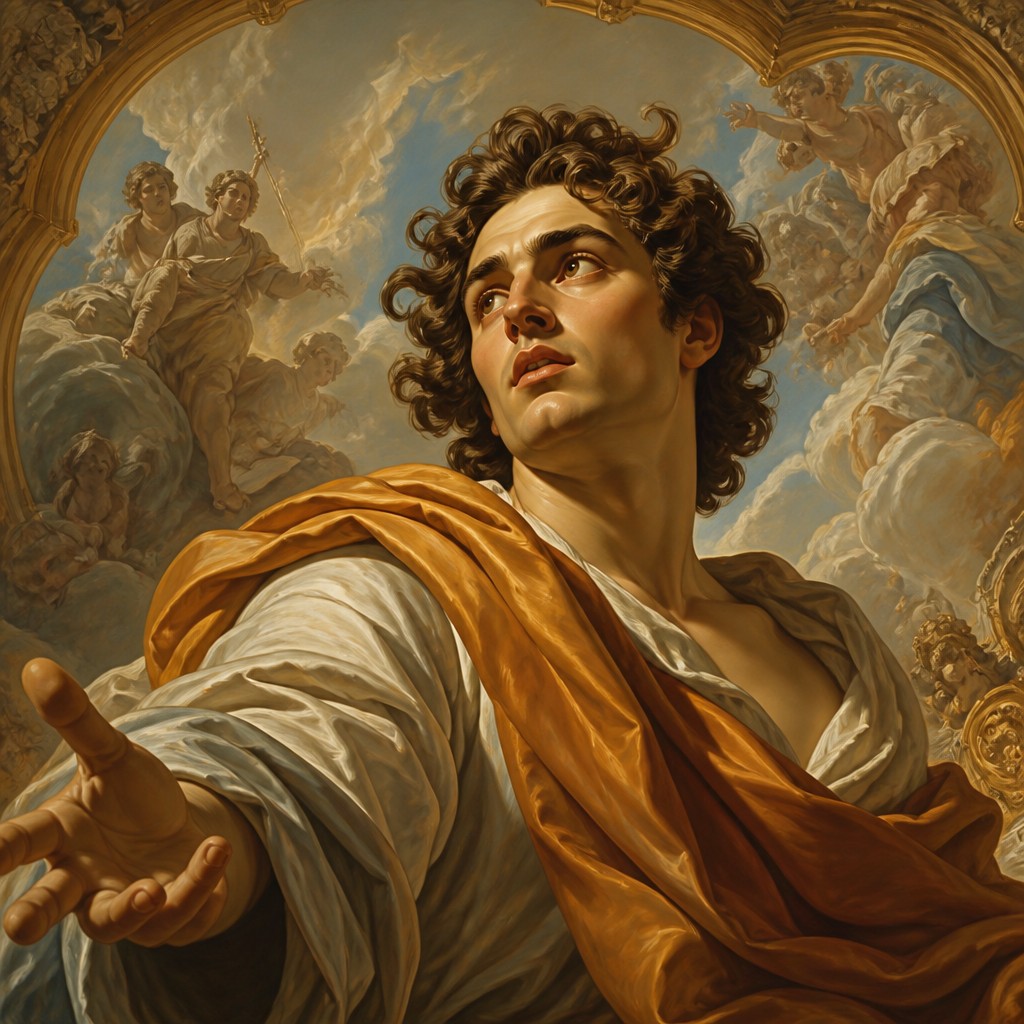
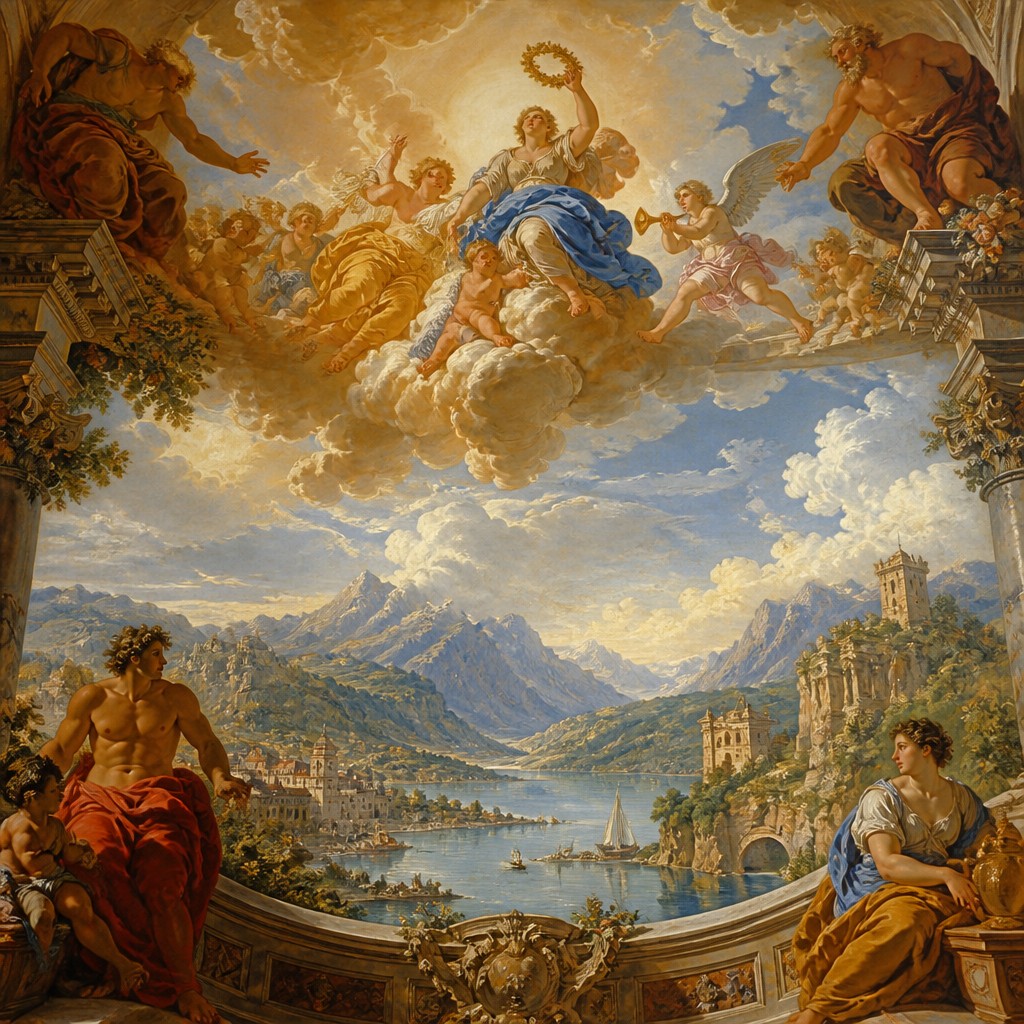
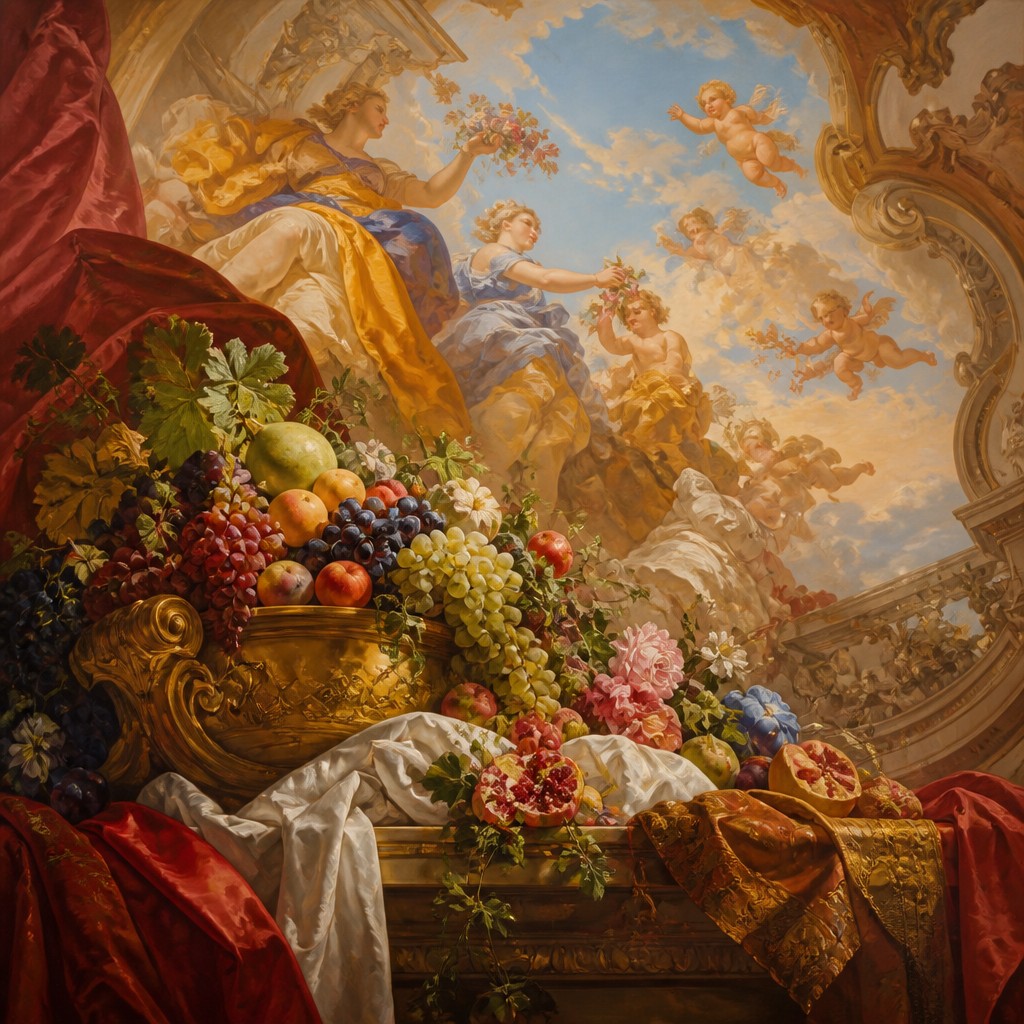
Bologna Gallery
Tap any artwork to explore it
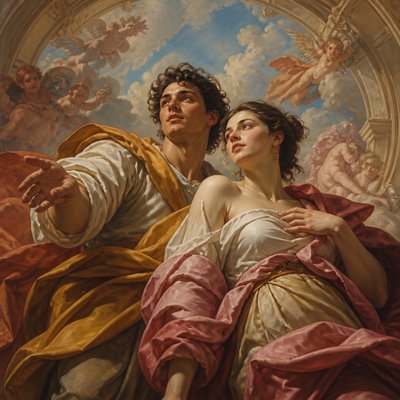
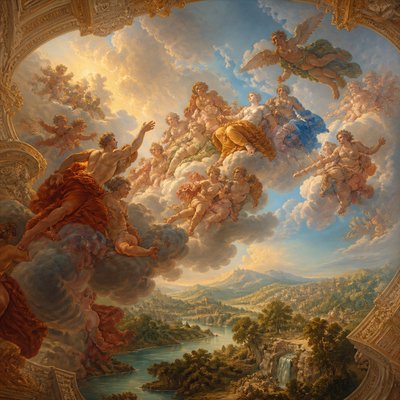
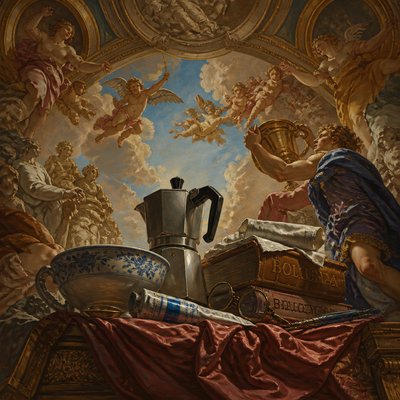
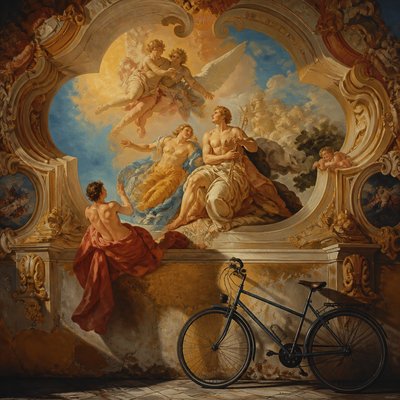
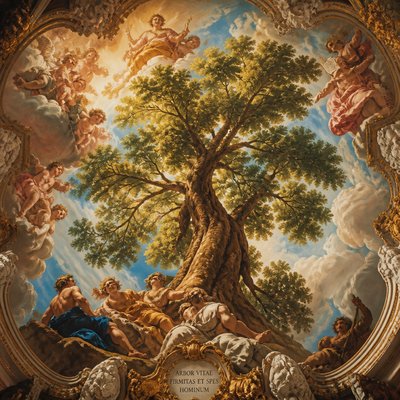
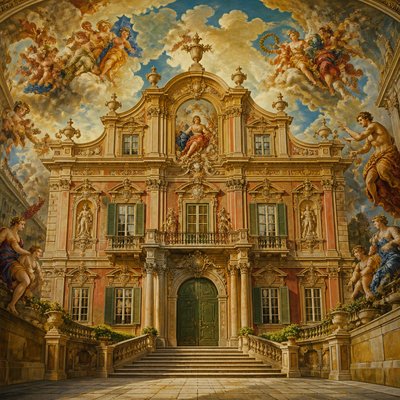
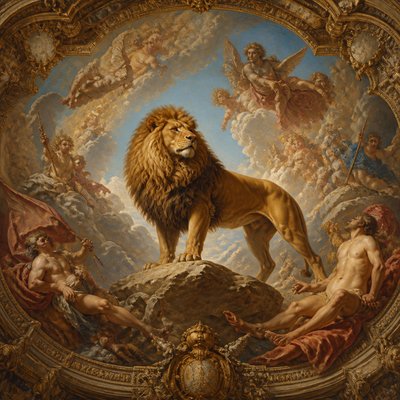
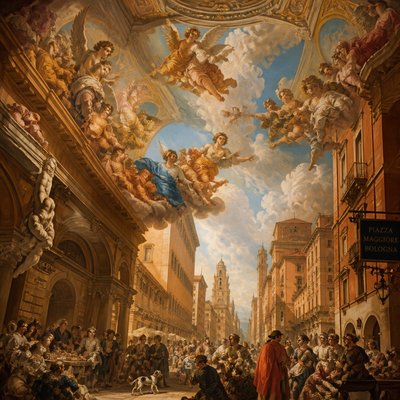
What is Bologna Art Style?
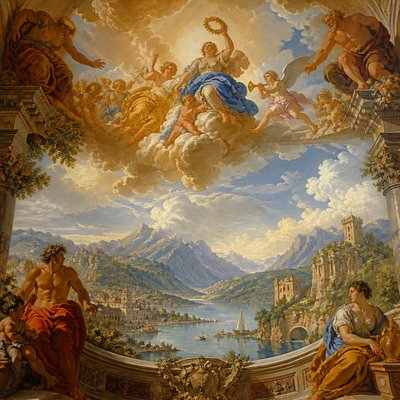
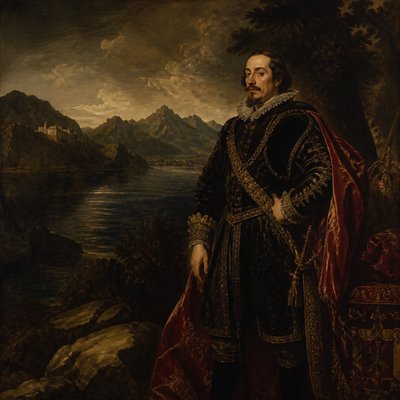
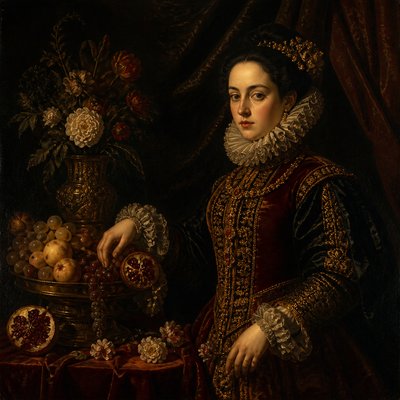
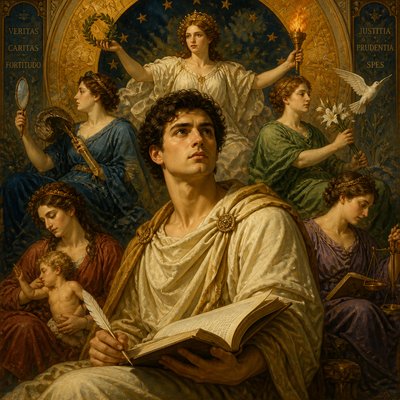
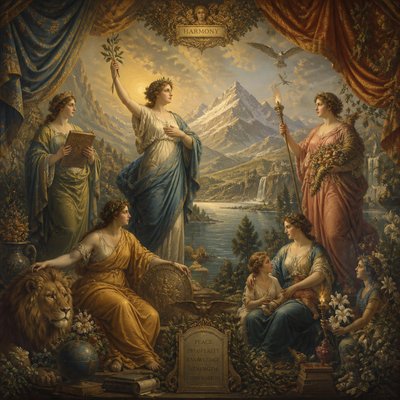
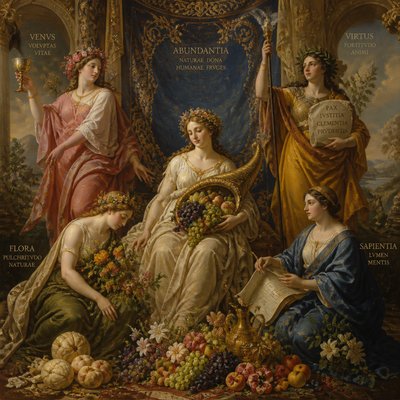
Bologna Art Style is a historical-looking aesthetic built from the visual language of seventeenth-century Bolognese Baroque painting. It combines rigorous academic draftsmanship with dynamic composition, idealized figures, theatrical gestures, elaborate drapery, and richly saturated color. Its most characteristic setting is the monumental fresco cycle, where painted architecture opens into luminous skies and imagined celestial space.
The style looks both disciplined and dramatic because it balances scholarly study of anatomy, proportion, and perspective with the emotional intensity of Baroque spectacle. Warm golden illumination models bodies and fabrics, while sweeping diagonals, foreshortening, and illusionistic ceilings create movement across a large surface. The result is a grand, ceremonial image that feels designed for a palace, church, or civic interior.
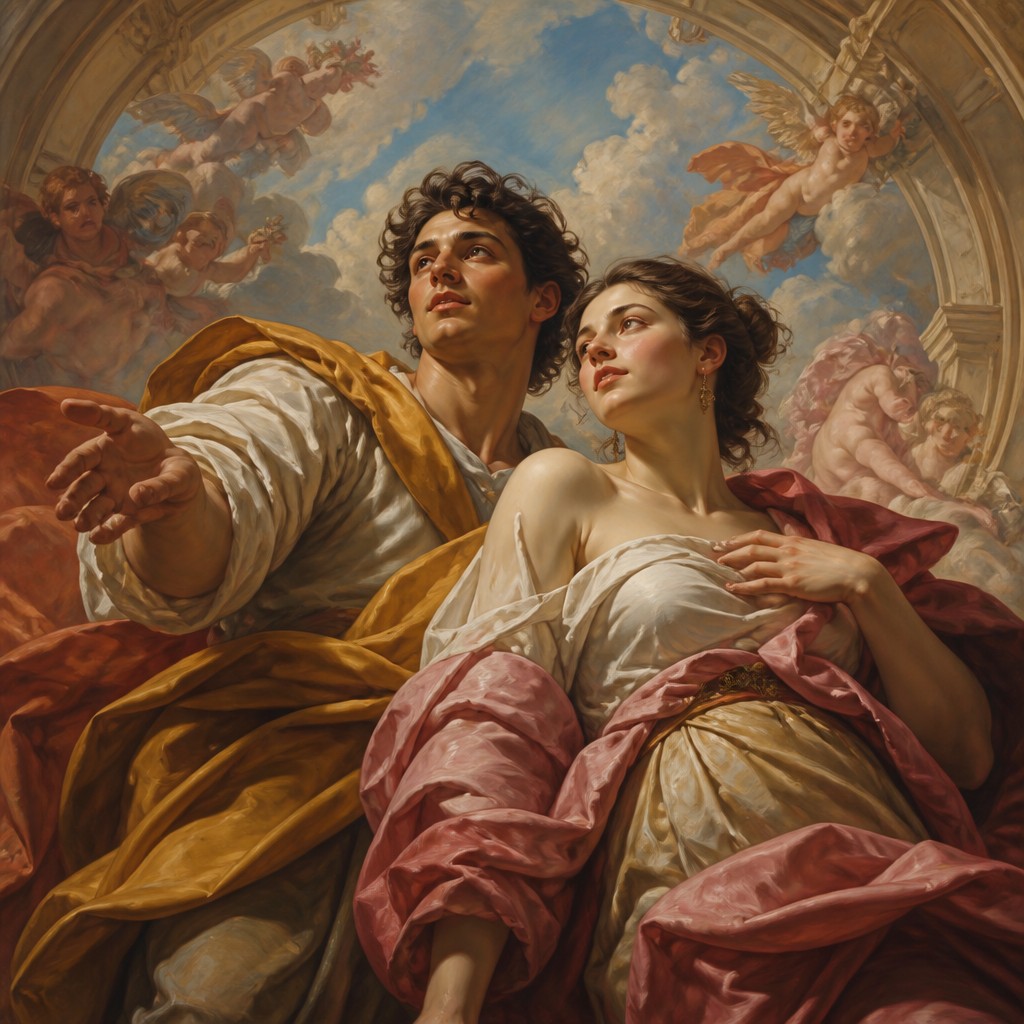
Try It On Your Photos
Upload any photo and convert it into Bologna Art Style — drag the sliders to compare before and after.
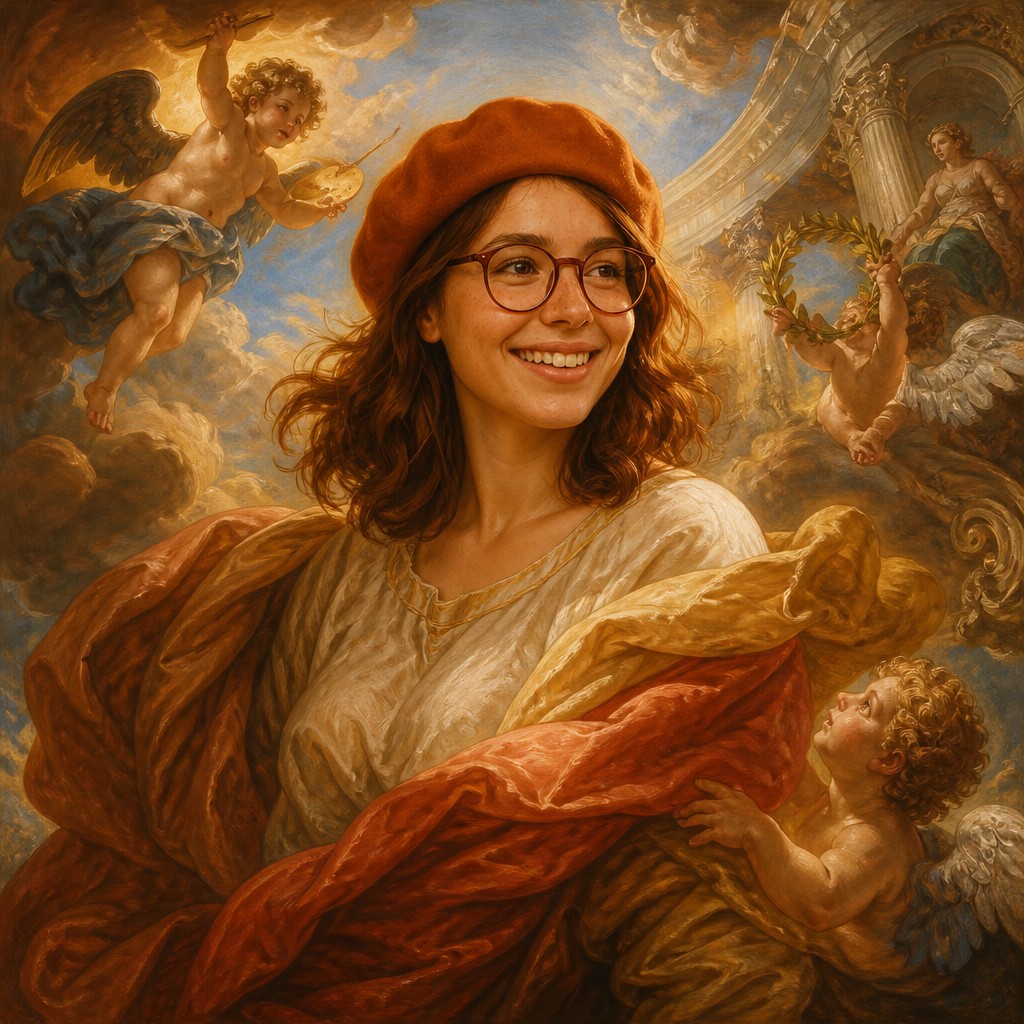

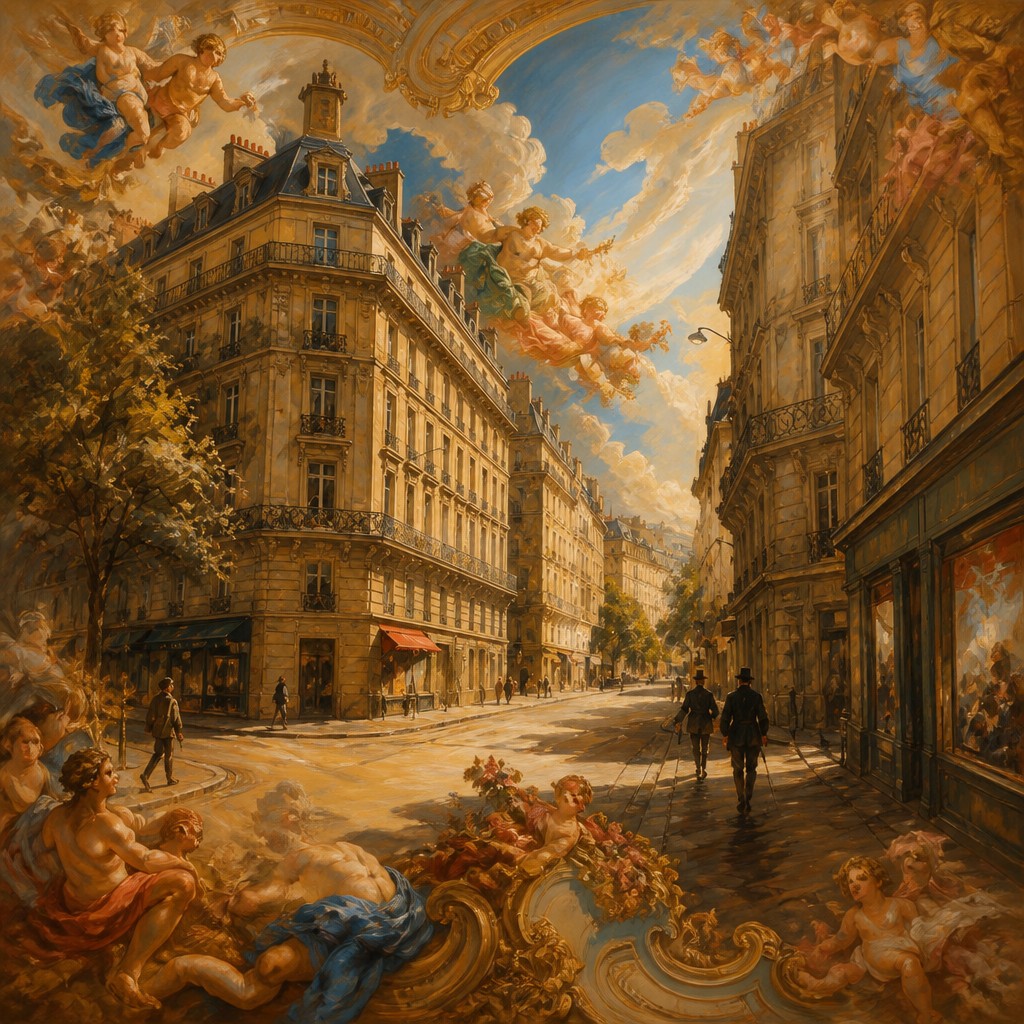

What Defines Bologna Art Style
The signature details, up close
Dynamic Baroque composition
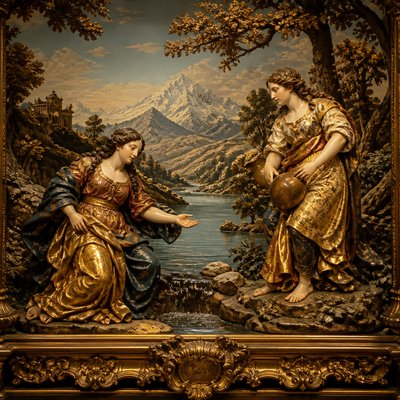
Figures and architectural elements are arranged along sweeping diagonals rather than in static horizontal rows. Spiraling movement and carefully staged gestures guide the eye through the scene.
Academic draftsmanship
Bodies are idealized but structurally convincing, with clear anatomy, balanced proportions, and deliberate contour work. The style favors studied poses over casual or fragmentary observation.
Illusionistic ceiling space
Painted architecture, balustrades, clouds, and distant skies appear to open the ceiling or wall into a larger realm. Foreshortened figures may seem to hover above the viewer.
Theatrical gesture
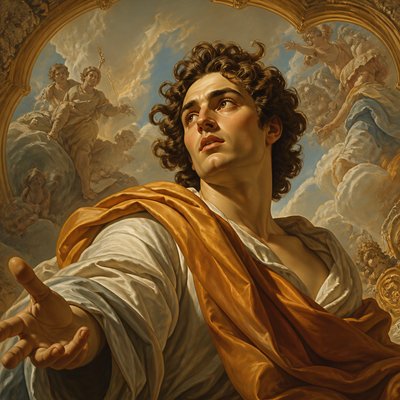
Hands, faces, and body positions communicate narrative meaning with heightened clarity. Poses are expansive and expressive, often resembling a carefully directed stage performance.
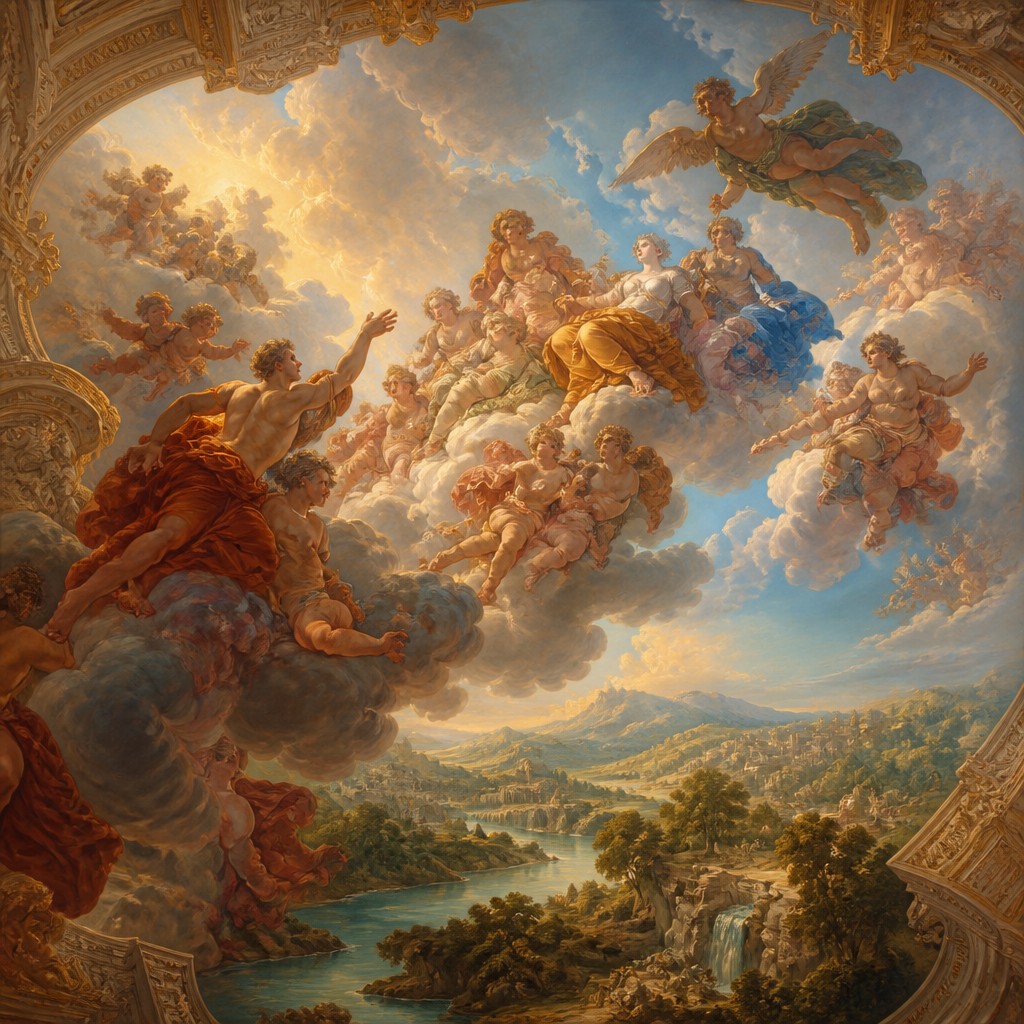
Rich color harmonies
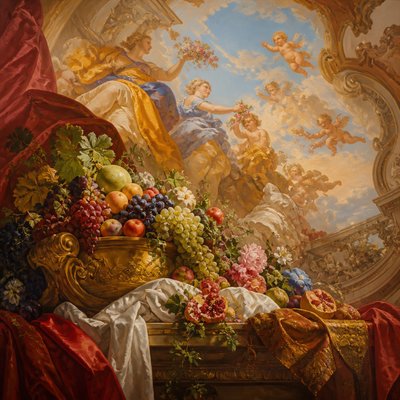
Deep reds, ultramarine blues, ochres, creams, and muted greens are organized into balanced, resonant color schemes. Saturation is controlled by tonal unity rather than scattered across the image.
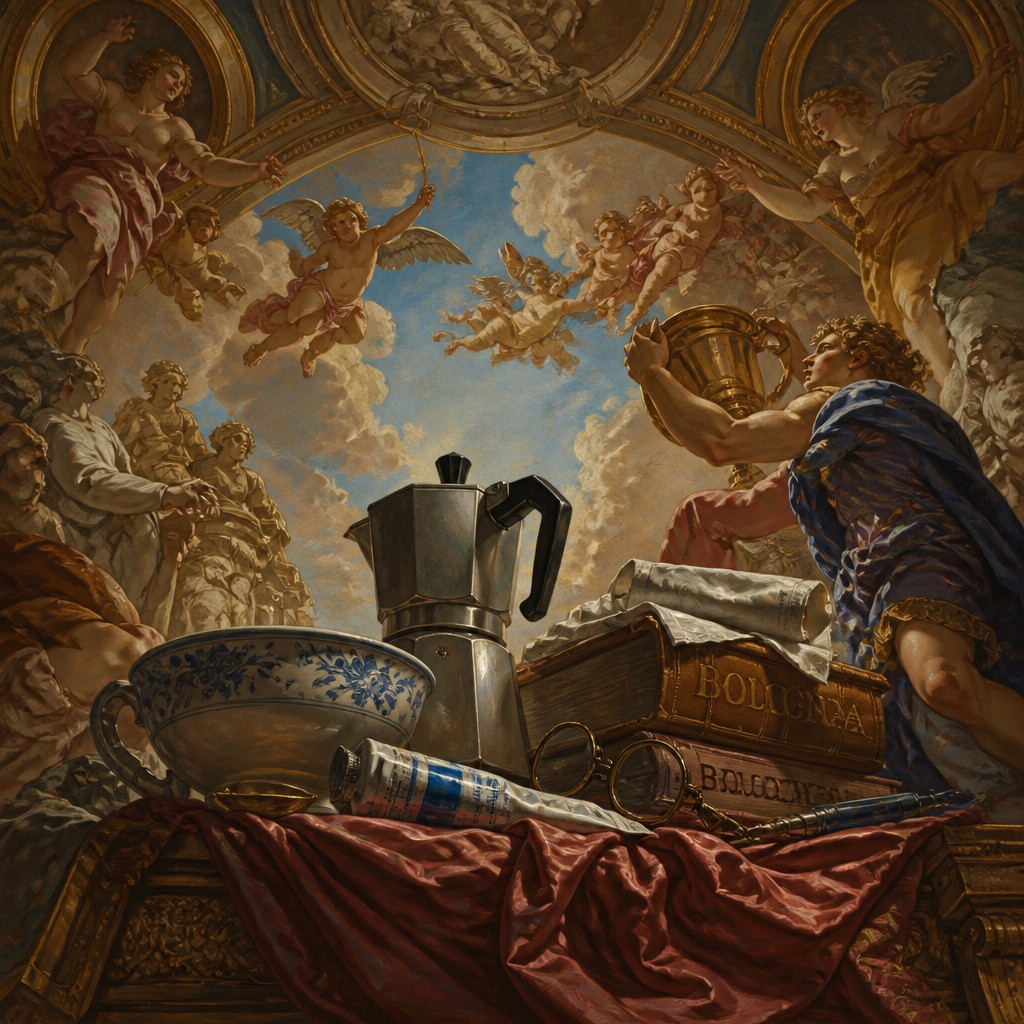
Dramatic drapery
Heavy fabrics form broad, angular folds that amplify movement and clarify the direction of light. Drapery also adds ceremonial grandeur and helps connect separate figures within the composition.
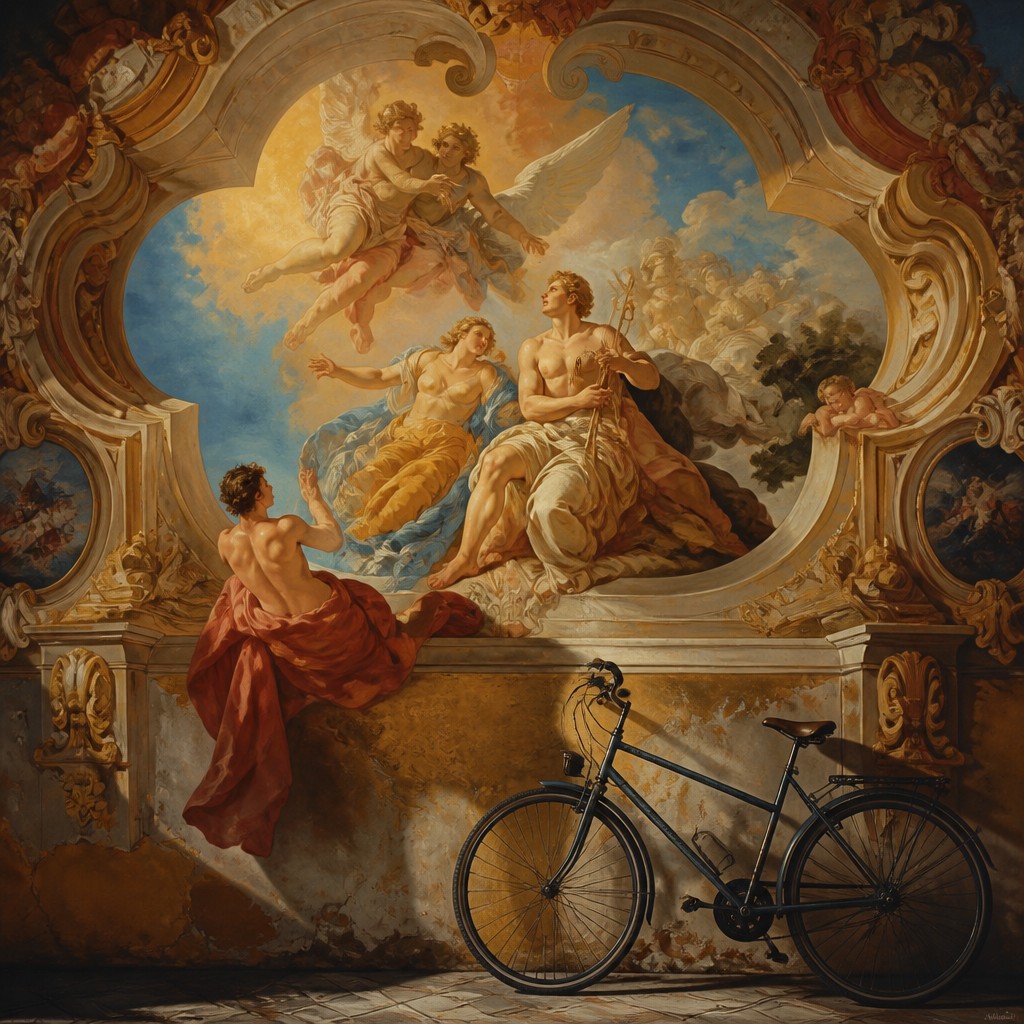
Warm golden illumination
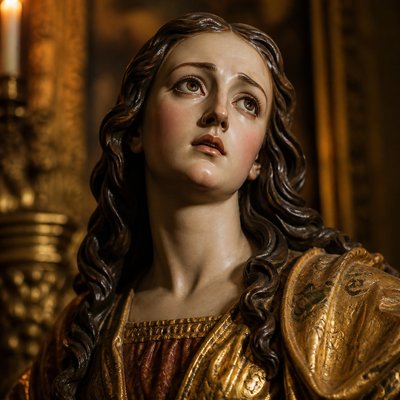
Golden light models idealized bodies, faces, clouds, and architectural details with a soft but directional glow. Shadow is used to establish depth while preserving the clarity of the narrative.
Bologna Prompt Ideas
Start from an idea — each one opens the generator with the style ready to go. See all 40 Bologna prompts →
How to Create Bologna Art
Master the craft step by step — or skip straight to creating. Read the full guide →
- 1
Plan the composition
Begin with thumbnail sketches organized around a strong diagonal, spiral, or rising triangular structure. Reserve the brightest area for the narrative focus and use secondary gestures to lead the eye toward it.
- 2
Build figures academically
Study the figure through gesture drawing, simplified anatomical forms, and weight-bearing poses before adding costume. Keep silhouettes readable and use foreshortening selectively for dramatic emphasis.
- 3
Establish fresco-like color
Use a warm ground or underpainting, then develop a restrained palette of reds, blues, ochres, creams, and umbers. In digital work, unify the colors with a warm glaze or low-opacity overlay rather than relying on isolated bright hues.
- 4
Create architectural illusion
Add painted cornices, balustrades, clouds, and receding perspective to make the scene feel integrated with a ceiling or monumental wall. Check that architectural lines converge consistently toward the intended viewpoint.
- 5
Model light and fabric
Choose one dominant golden light source and use it to describe planes of the face, torso, and limbs. Treat drapery as large geometric masses with a few decisive folds instead of many thin, random creases.
- 6
Write focused generation prompts
Specify a monumental fresco, academic figure drawing, sweeping Baroque diagonals, illusionistic sky, theatrical gestures, saturated color harmony, dramatic drapery, and warm golden modeling. For image transformation, preserve the subject's recognizable pose while asking for fresco texture, idealized anatomy, and period-inspired architectural framing.
The Story
History & Origins of Bologna
The style draws primarily from the Bolognese school of the late sixteenth and seventeenth centuries, a regional tradition that helped shape Italian Baroque painting. This tradition developed through a synthesis of Renaissance balance, close observation of nature, classical ideals, and the heightened theatricality of the Baroque. Bologna became associated with organized artistic education, figure study, compositional design, and ambitious fresco decoration.
Its visual language matured in large-scale religious and allegorical cycles, especially ceiling frescoes using quadratura, the illusionistic painting of architectural frameworks that appear to extend beyond the real structure. The contemporary label “Bologna Art Style” is best understood as a descriptive revival or synthesis of these traditions rather than as the name of a single officially defined historical movement.
Influences: The style is related to Italian Baroque painting, the Bolognese academic tradition, Renaissance ideals of proportion and perspective, quadratura fresco, theatrical stage design, and classical allegory. It also draws on the broader Baroque interest in movement, emotional communication, illusionistic space, and light-driven composition, while retaining the measured drawing and balanced color structure associated with academic art.
Frequently Asked Questions
What defines the Bologna Art Style?
It is defined by grand Baroque composition combined with disciplined academic drawing. Key features include sweeping diagonals, idealized figures, theatrical gestures, illusionistic architecture, rich color, dramatic drapery, and warm golden light.
Is Bologna Art Style an official historical movement?
The phrase is best treated as a descriptive style label rather than the universally accepted name of one separate movement. It refers to an aesthetic inspired by the Bolognese school and its role in the development of Italian Baroque fresco and academic painting.
How is it different from general Baroque art?
Both styles use movement, drama, strong light, and emotional staging. The Bologna-oriented version places particular emphasis on academic figure construction, balanced color harmonies, fresco cycles, and the synthesis of classical order with theatrical Baroque energy.
What subjects work well in this style?
Religious visions, mythological scenes, allegories, heroic history, civic ceremonies, and celestial narratives are especially suitable. Subjects with groups of figures, rising movement, symbolic gestures, or architectural settings allow the style's visual language to operate fully.
How can I make an image look like a monumental fresco?
Use a broad composition with clear narrative zones, architectural framing, a warm mineral-like palette, and light that models large forms. Add subtle plaster irregularity, aged pigment variation, and a slightly matte surface, but keep the drawing and perspective crisp.
Can this style be used for portraits or modern subjects?
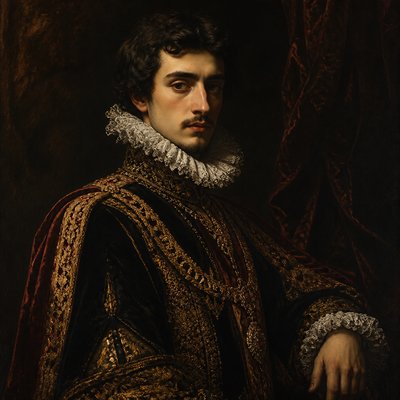
Yes. A portrait can be adapted through idealized anatomy, formal gestures, rich drapery, and a warm directional light. Modern subjects can be placed within an allegorical or illusionistic setting while retaining their recognizable features.
Create your first Bologna artwork
Describe anything — or upload a photo — and see it in Bologna Art Style in seconds.
Related Styles
Discover similar art styles