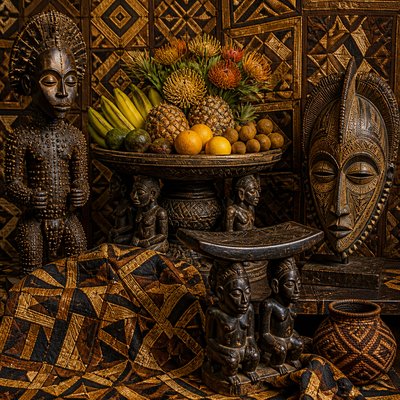
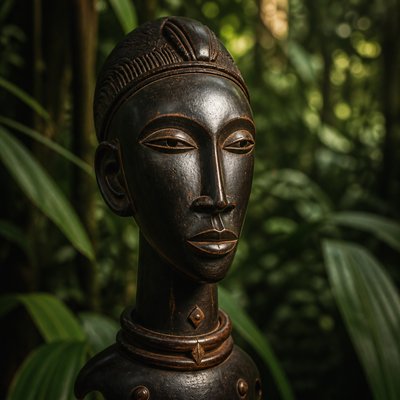
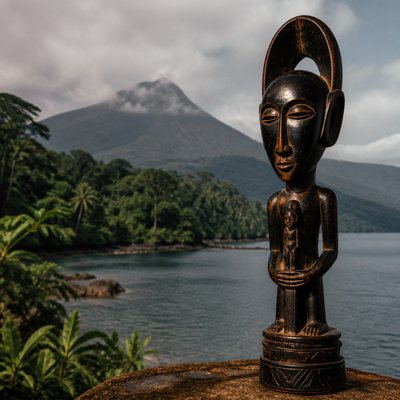
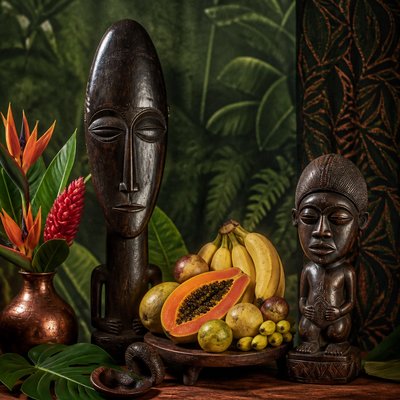
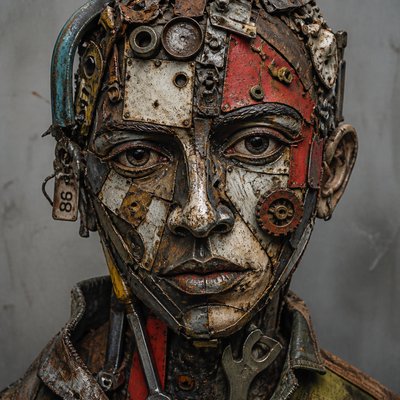
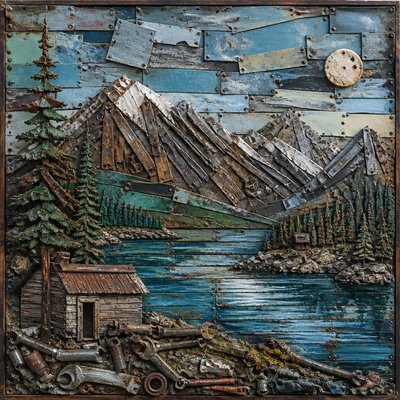
Relief Carving Sculpture Style
Explore relief carving sculpture: raised narrative forms, shallow-to-deep planes, undercut shadows, and warm stone or aged bronze surfaces.
Instantly rendered in Relief Carving Sculpture — or transform a photo
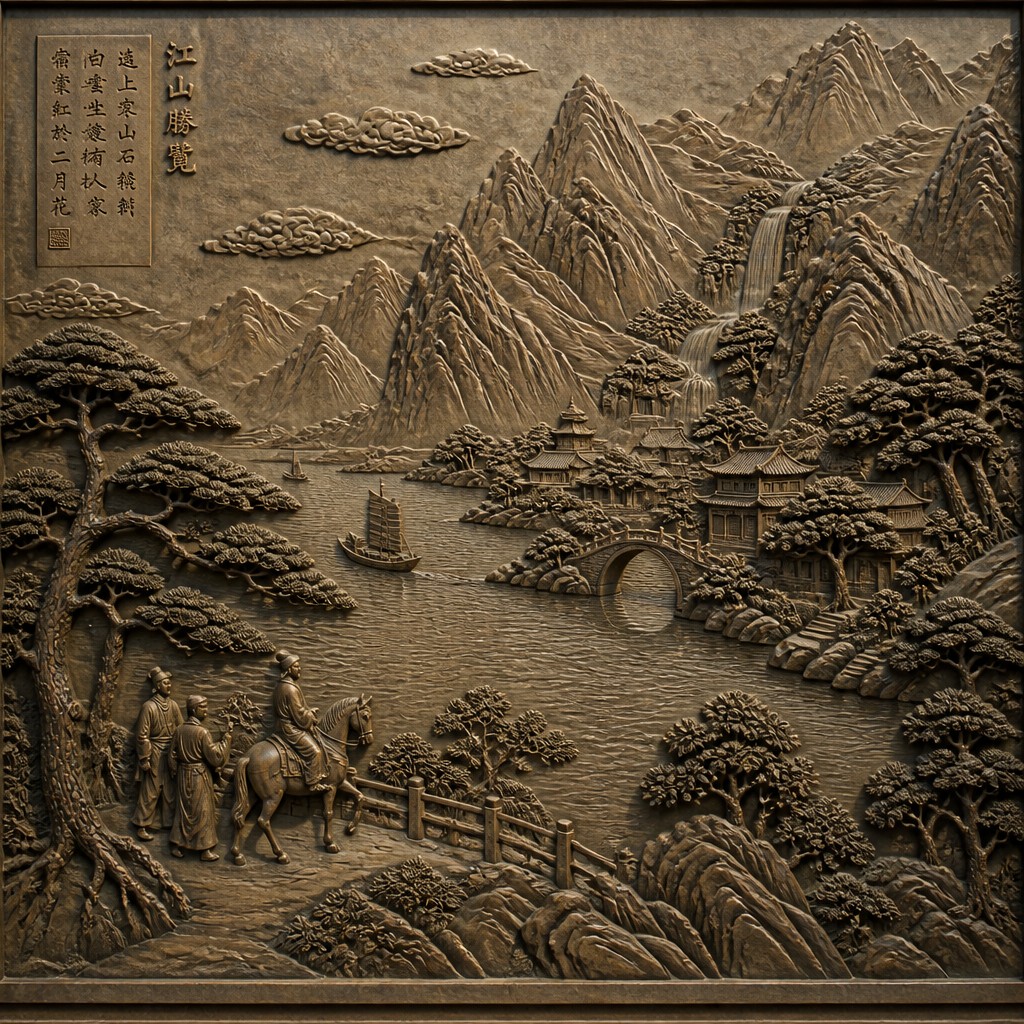
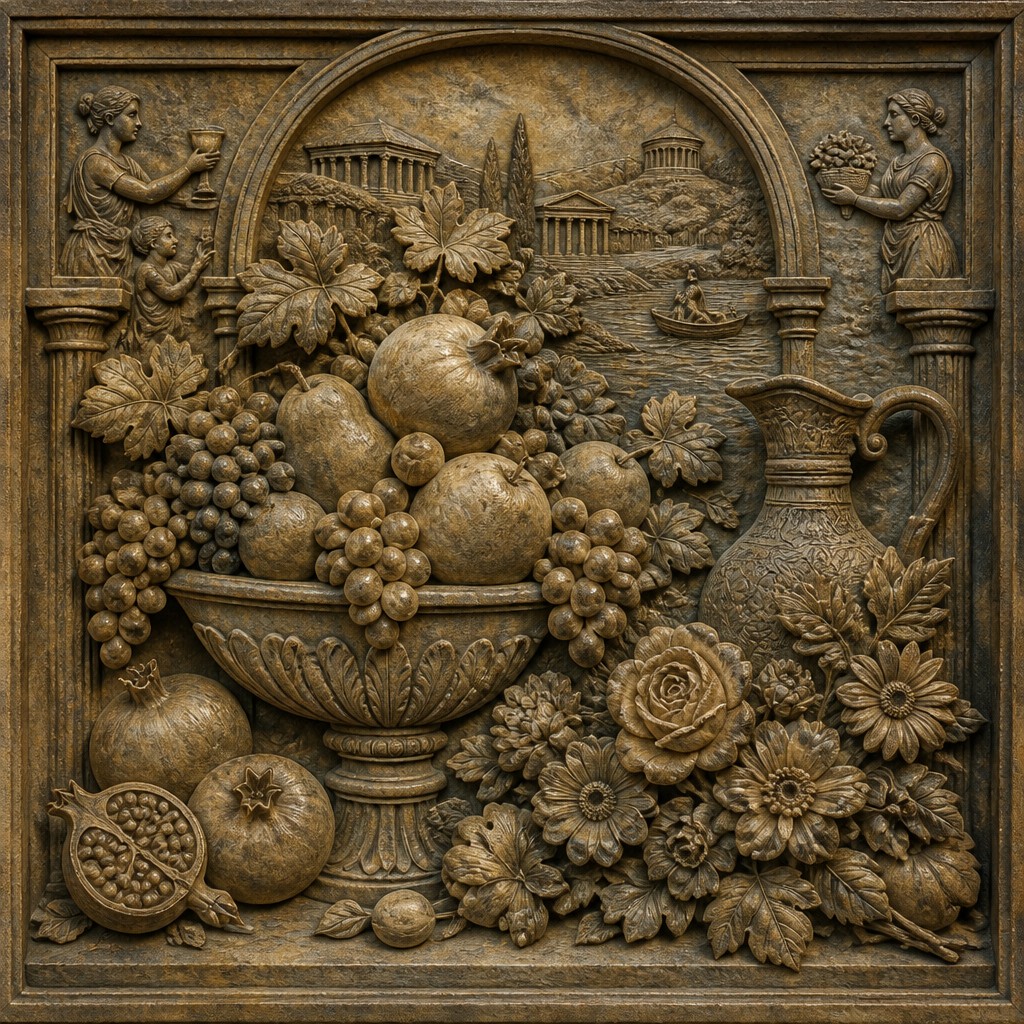
Relief Carving Sculpture Gallery
Tap any artwork to explore it
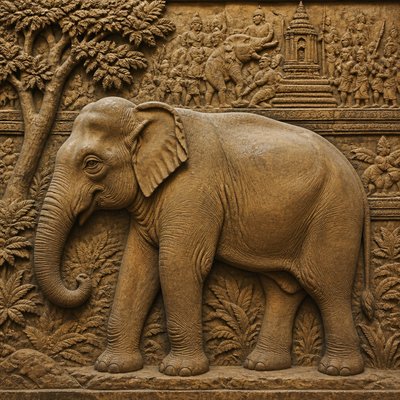
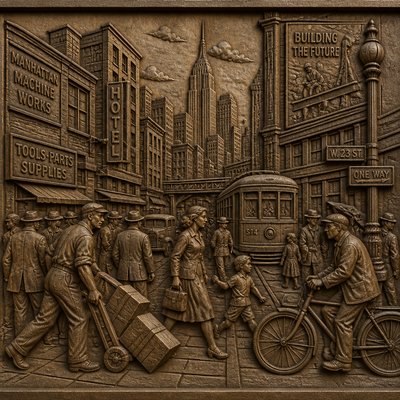
What is Relief Carving Sculpture Style?
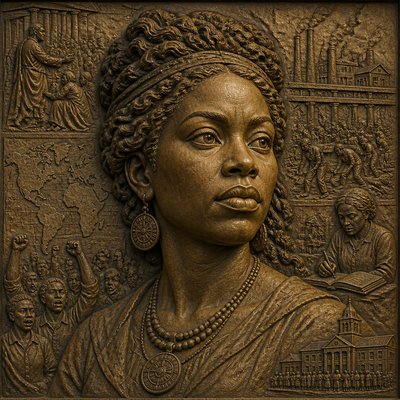
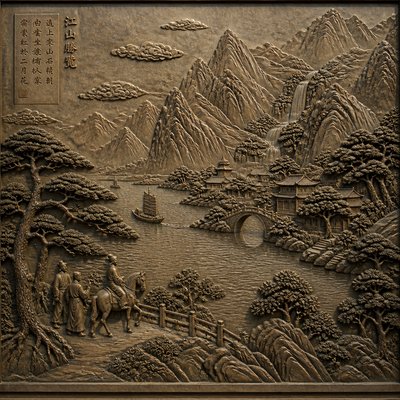
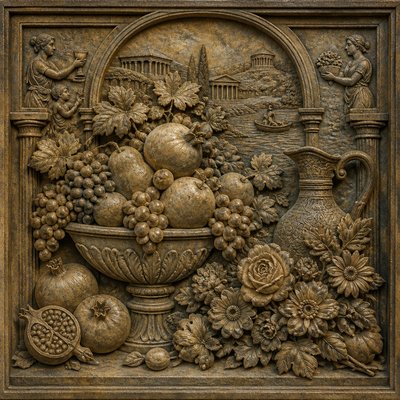
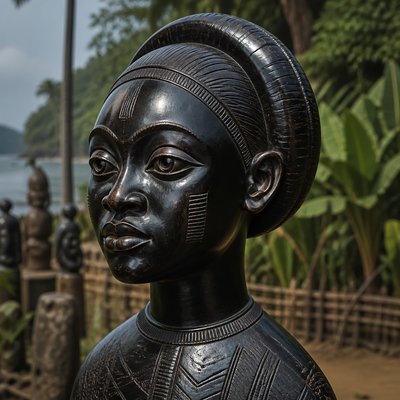
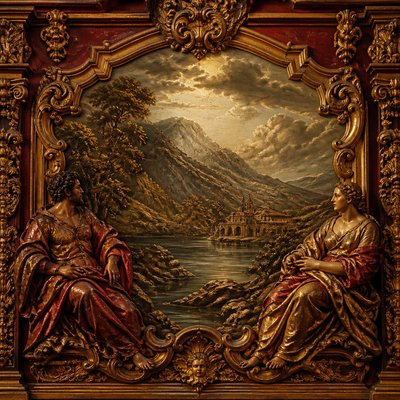
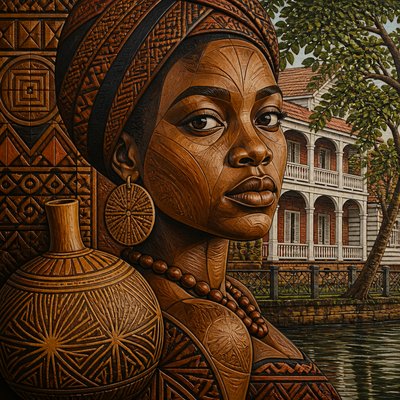
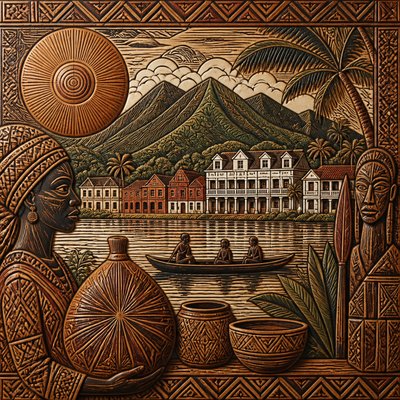
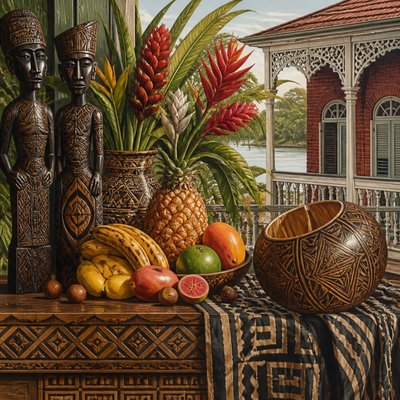
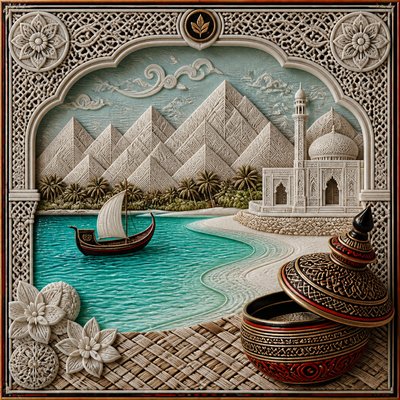
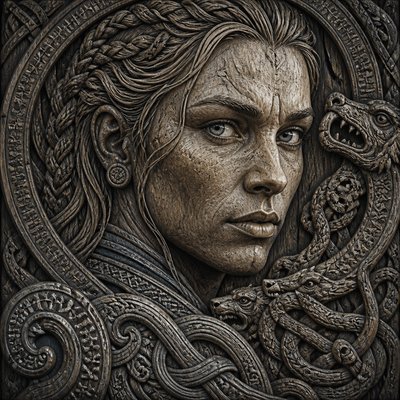
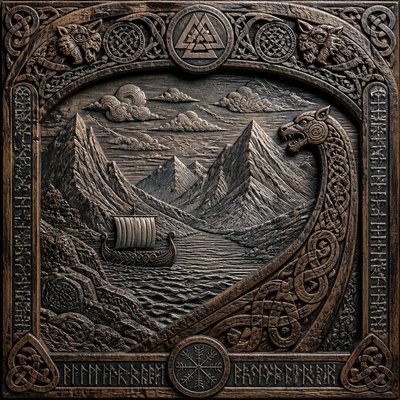
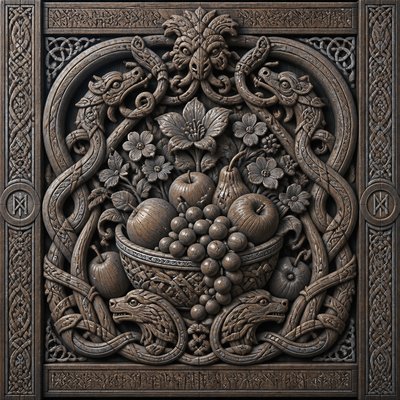
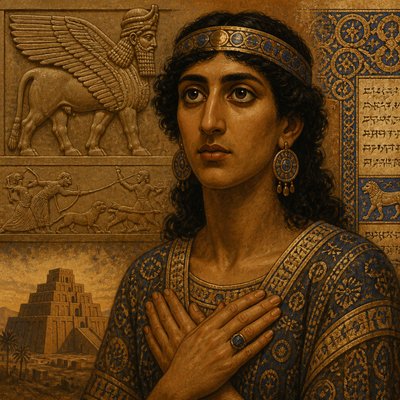
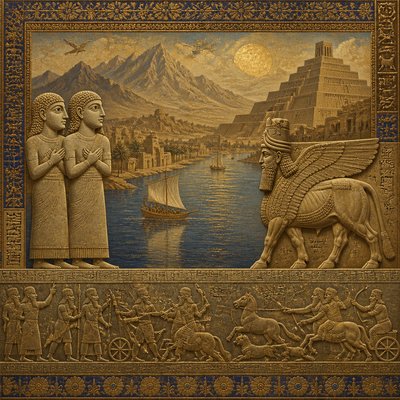
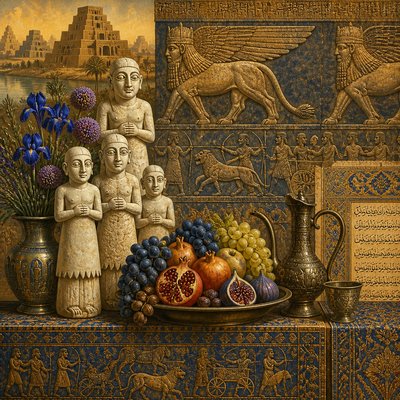
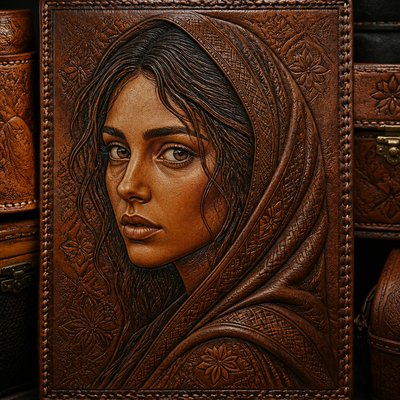
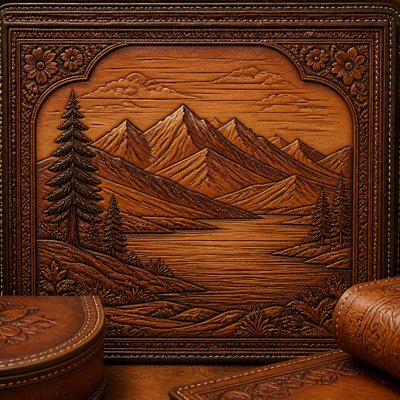
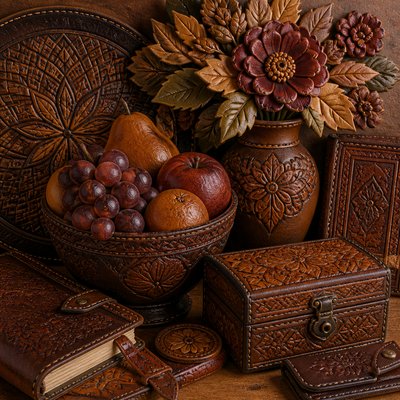
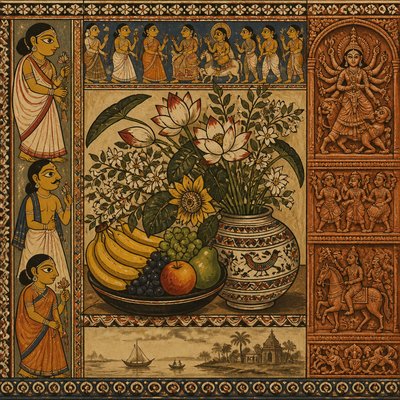
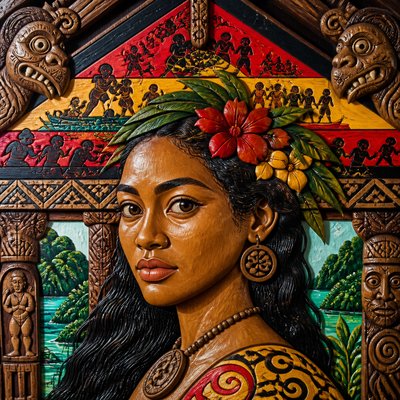
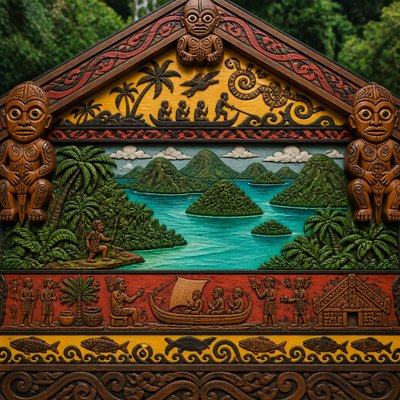
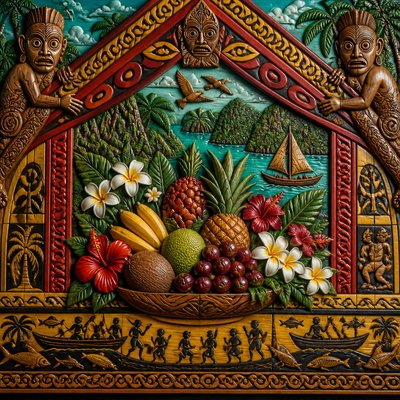
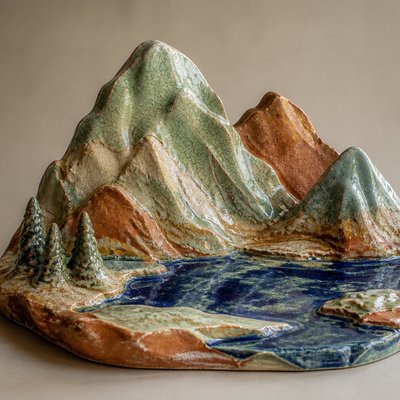
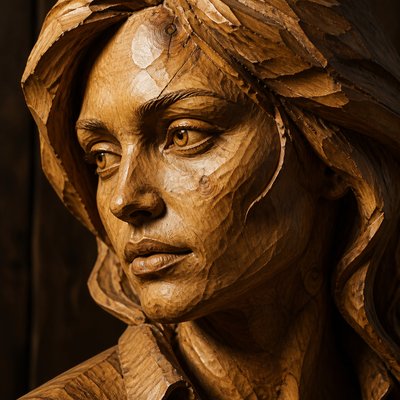
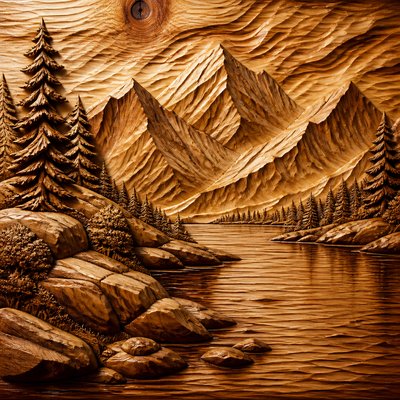
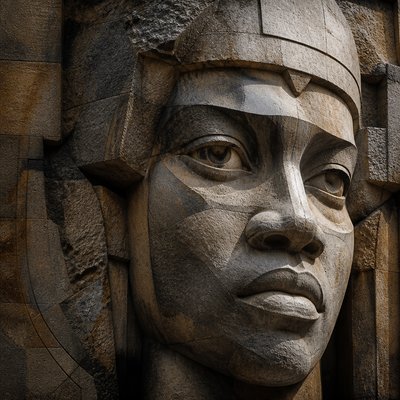
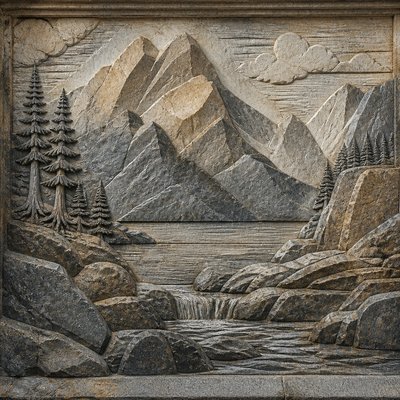
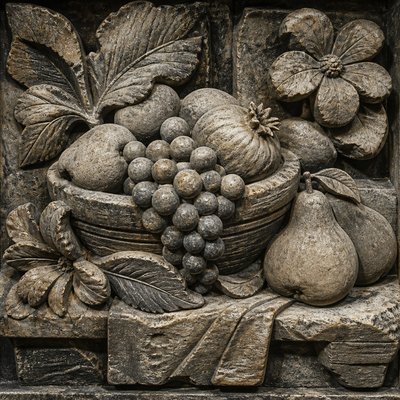
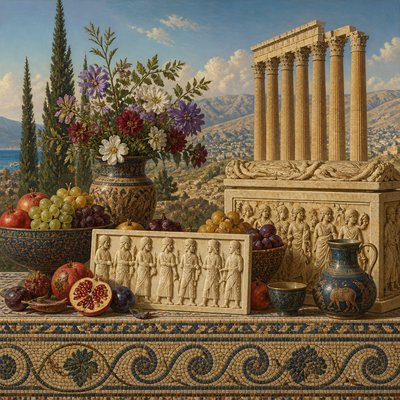
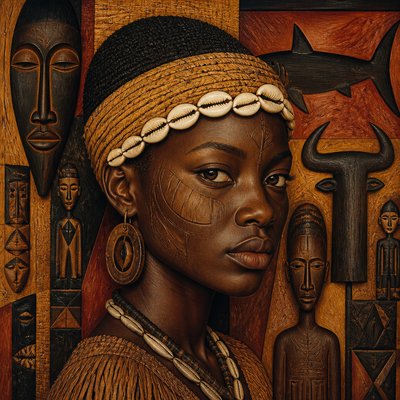
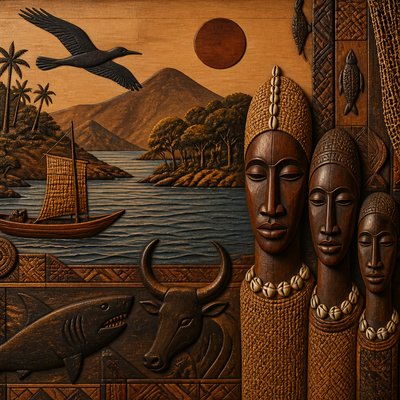
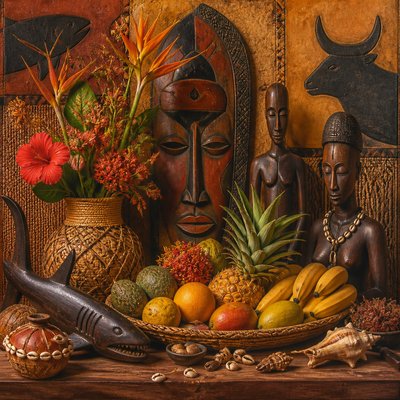
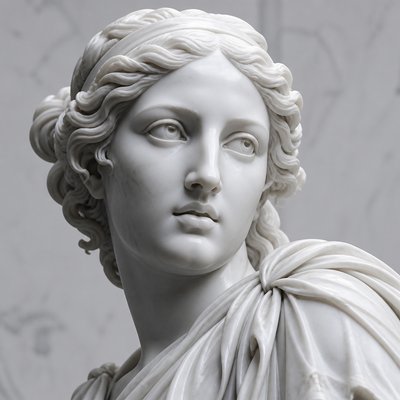
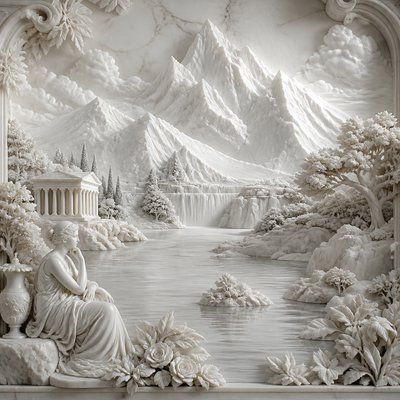
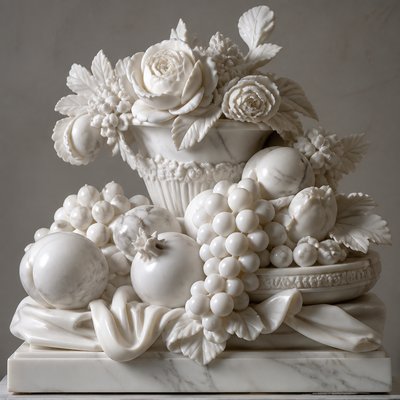
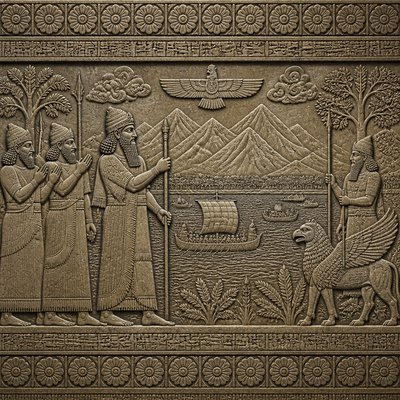
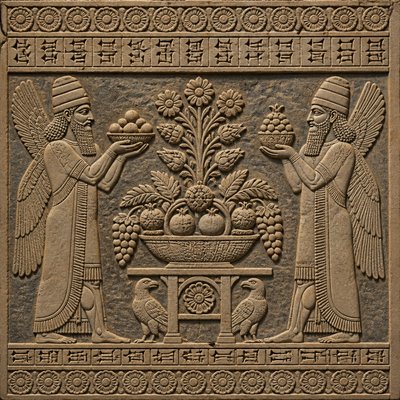
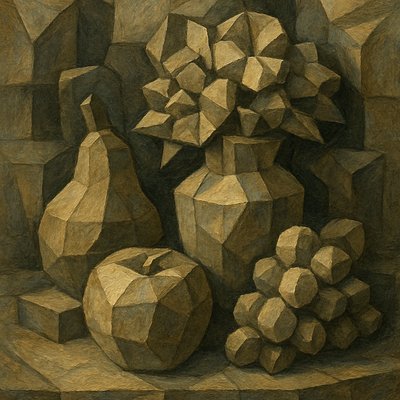
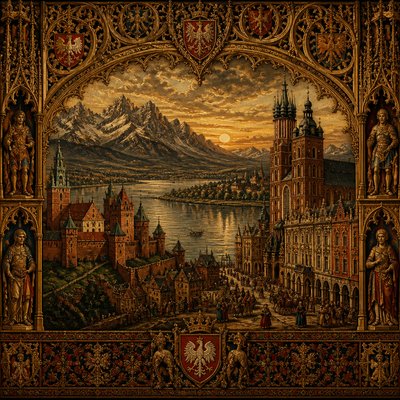
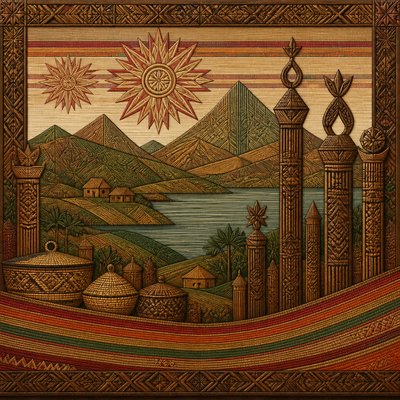
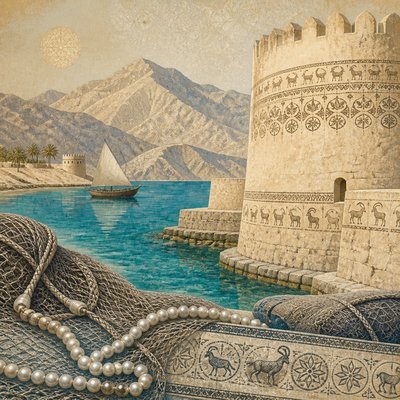
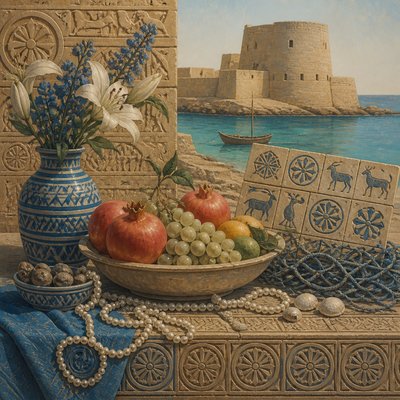
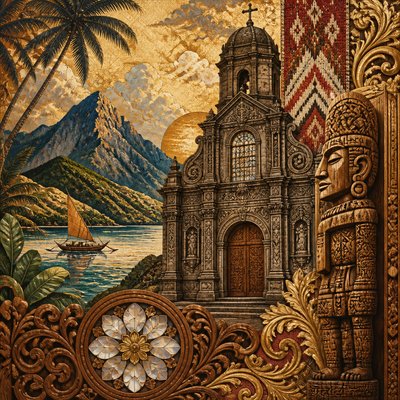
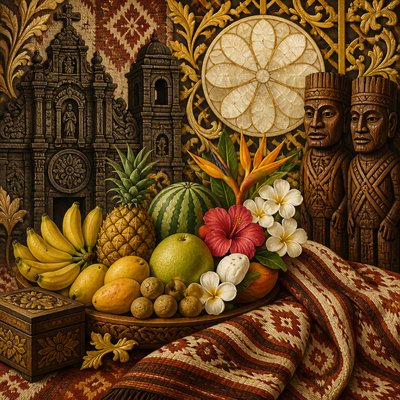
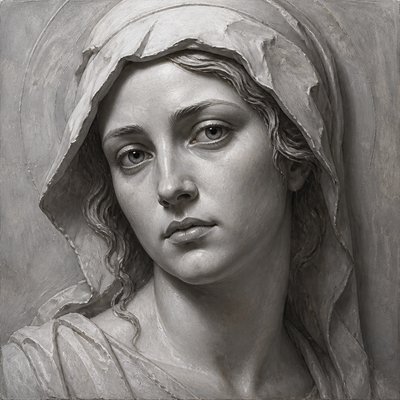
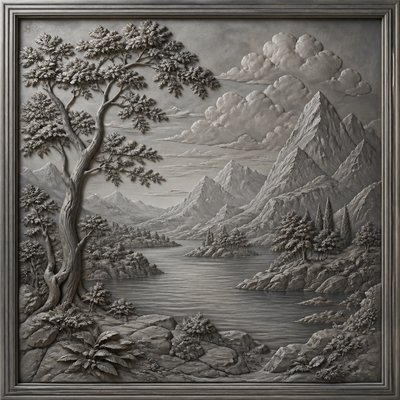
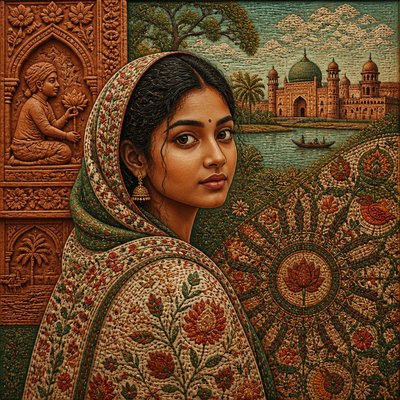
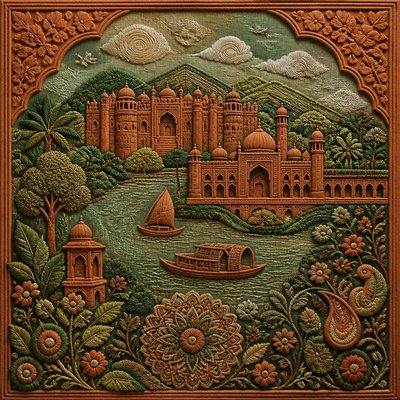
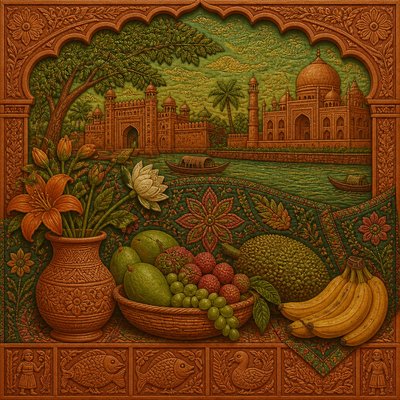
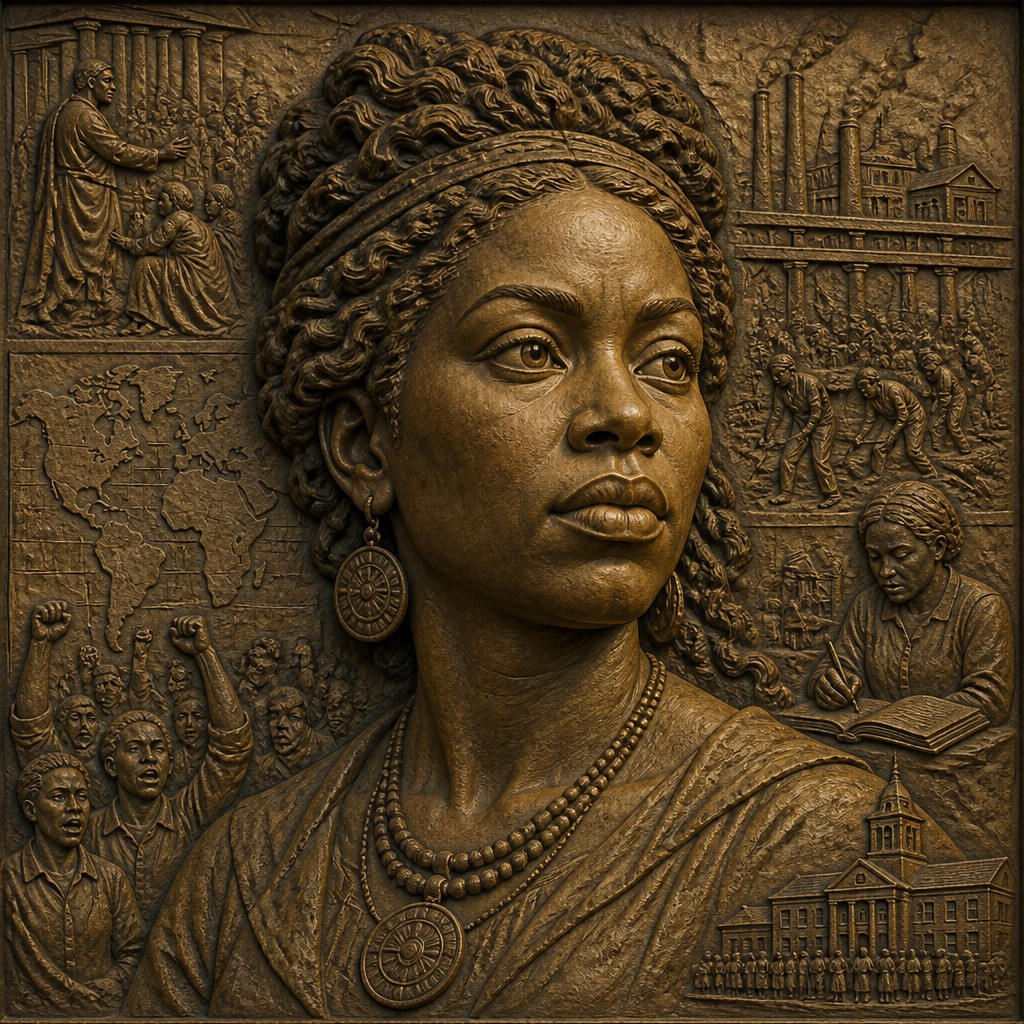
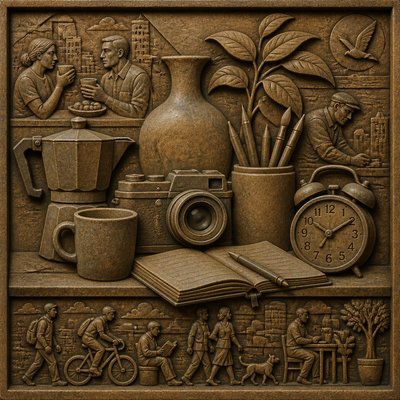
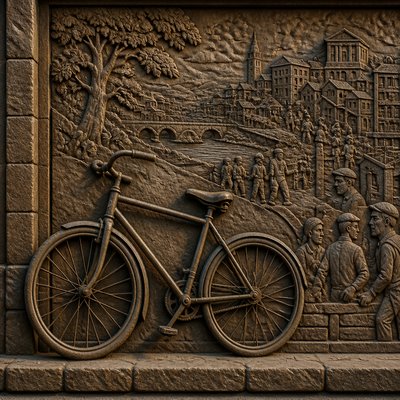
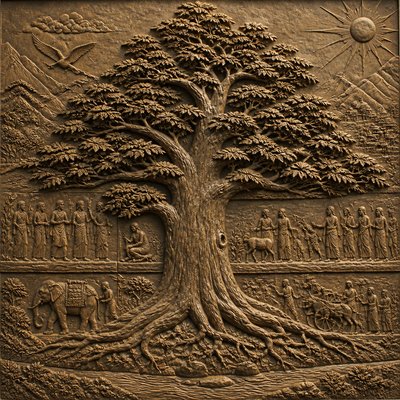
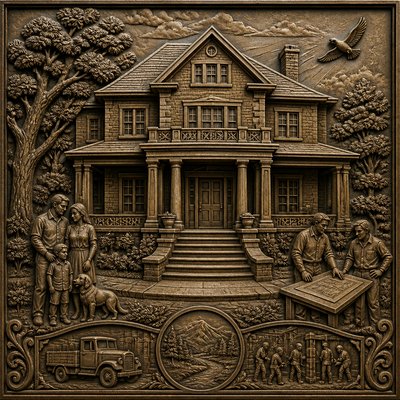
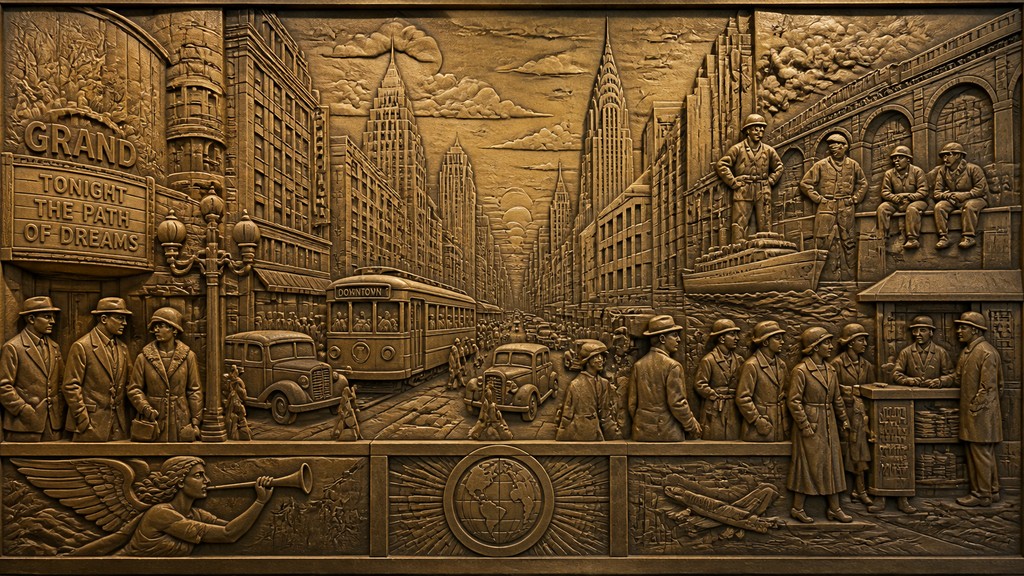
Relief carving sculpture is an image-making style in which figures, objects, and architectural settings project from a flat supporting surface. Rather than presenting fully freestanding forms, it compresses bodies and space into a readable panel, using shallow, medium, and high relief to establish hierarchy, depth, and narrative emphasis. The result is sculpture that can be visually read like an illustrated page while retaining the weight and material presence of carved stone or cast metal.
Its visual identity depends on the tension between a disciplined ground plane and forms that emerge from it. Crisp edges, stepped depth, planar anatomy, and dark undercut shadows make the scene legible from a distance and richly tactile up close. Warm limestone, sandstone, marble, terracotta, or aged bronze surfaces reinforce the sense of a monumental artifact, while frontal poses, overlapping figures, and compressed perspective allow complex stories to fit within a bounded panel.
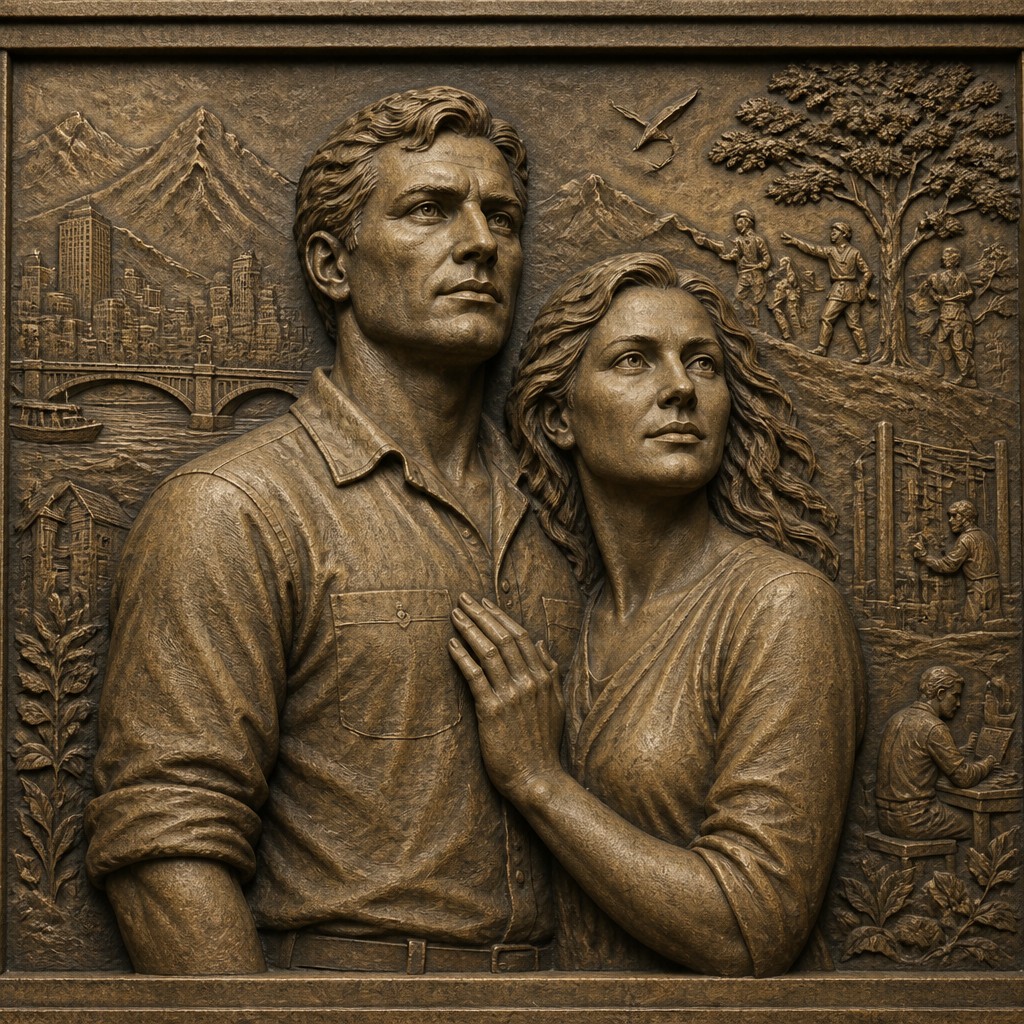
Try It On Your Photos
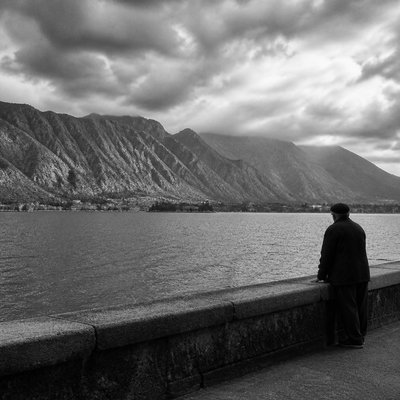
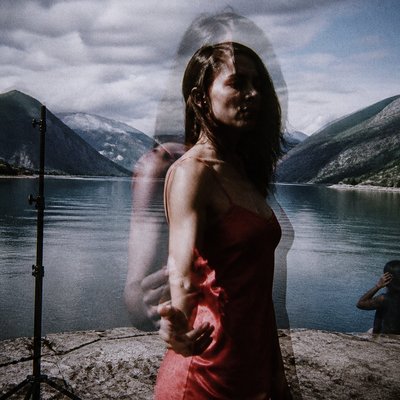
Upload any photo and convert it into Relief Carving Sculpture Style — drag the sliders to compare before and after.


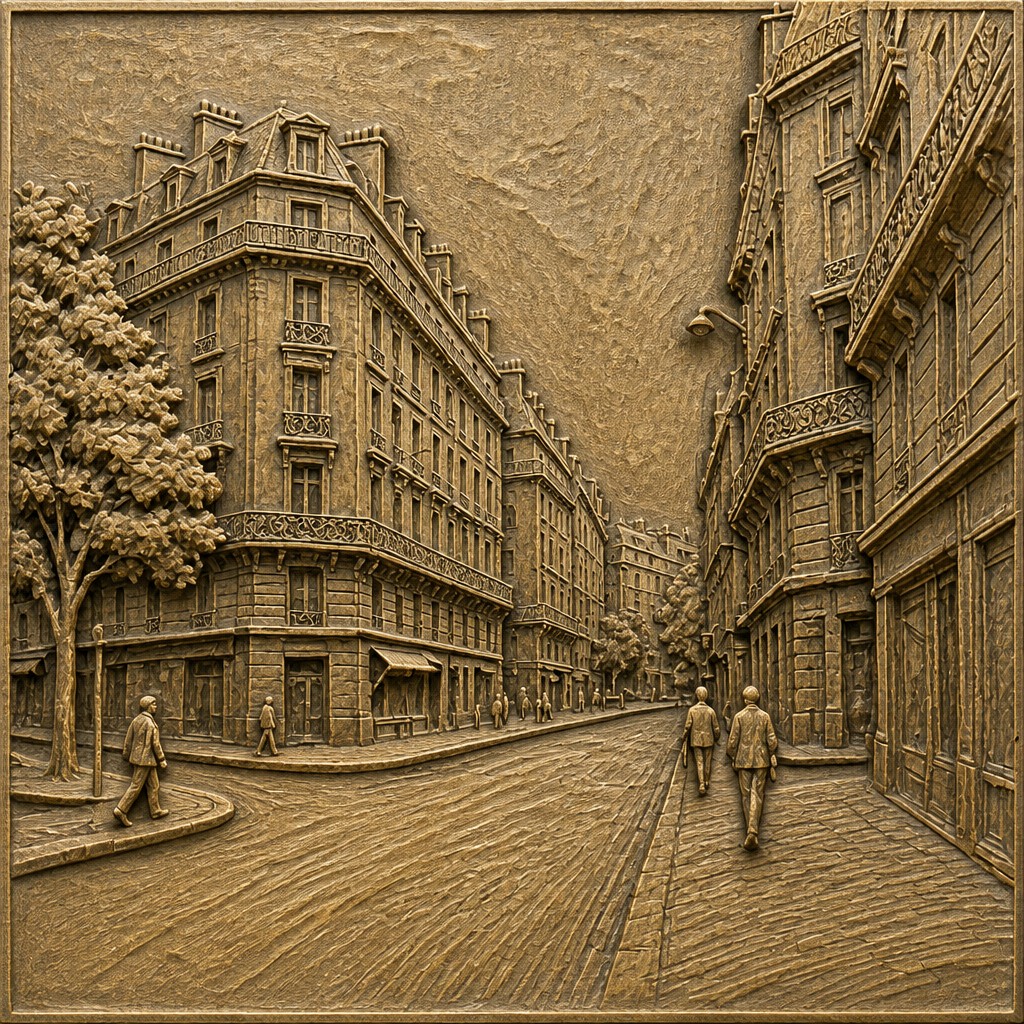

What Defines Relief Carving Sculpture Style
The signature details, up close
Raised figures on a fixed ground
The scene remains attached to a planar slab or architectural panel. Bodies, animals, foliage, and objects project outward instead of becoming fully freestanding sculpture.
Layered relief depth
Foreground forms use deeper projection while distant figures and backgrounds are kept shallow. These stepped planes create spatial order without conventional pictorial perspective.
Crisp undercut shadows
Narrow recesses beneath arms, garments, hair, tools, and architectural edges produce strong graphic shadows. Undercutting also separates overlapping forms and increases the impression of physical carving.
Compressed sculptural perspective
Space is flattened and stacked, with important figures often enlarged or placed frontally. Scale expresses narrative importance as much as optical distance.
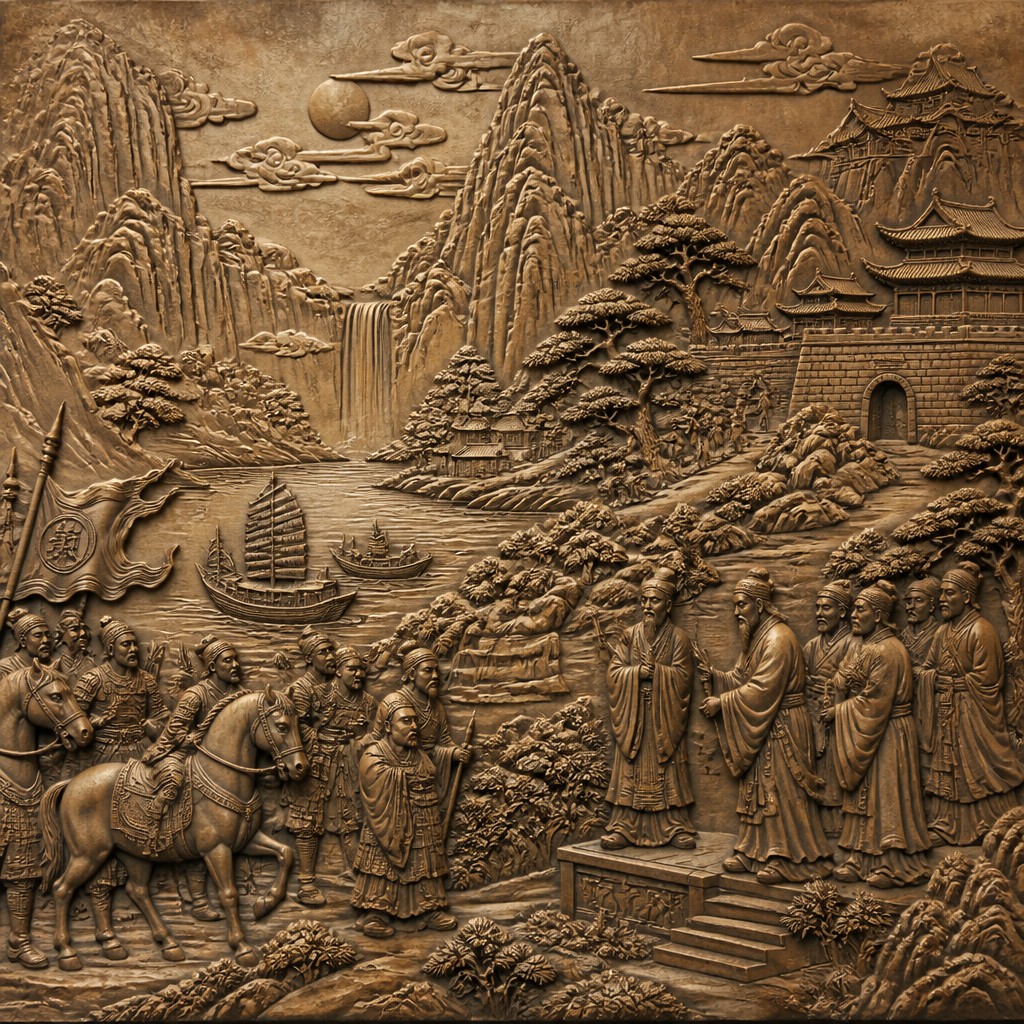
Monumental narrative composition
Panels favor processions, battles, ceremonies, myths, historical episodes, and symbolic encounters. Repetition, rhythm, symmetry, and overlapping silhouettes help organize many figures within a limited field.
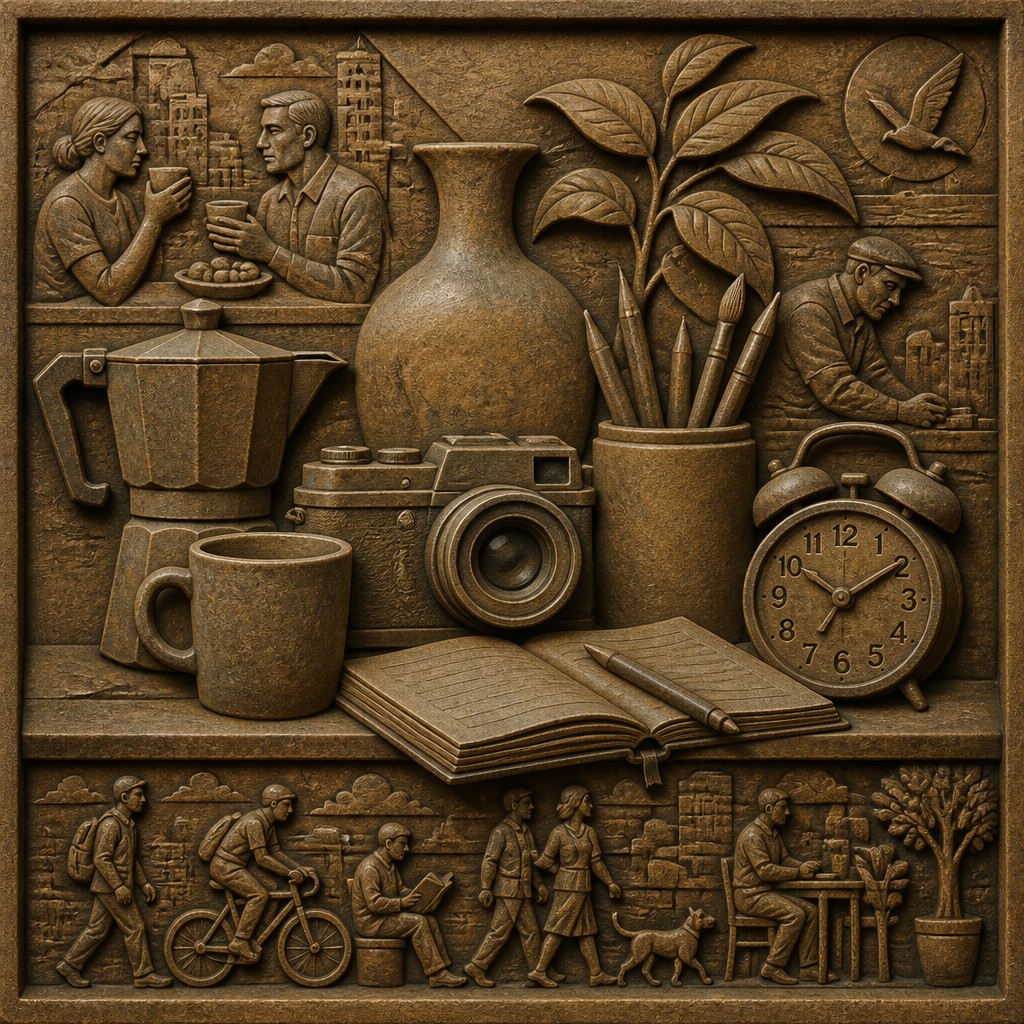
Stone and aged-metal surfaces
Granular limestone, warm sandstone, pale marble, terracotta, and oxidized bronze are common surface cues. Patina, chips, tool marks, and restrained tonal variation suggest age and material weight.
Try It
Create Videos in Relief Carving Sculpture Style
Styles aren't just for stills — describe a scene or animate an image and get a short video rendered in Relief Carving Sculpture. Press play to see this pond come to life.
Make a VideoRelief Carving Sculpture Prompt Ideas
Start from an idea — each one opens the generator with the style ready to go. See all 40 Relief Carving Sculpture prompts →
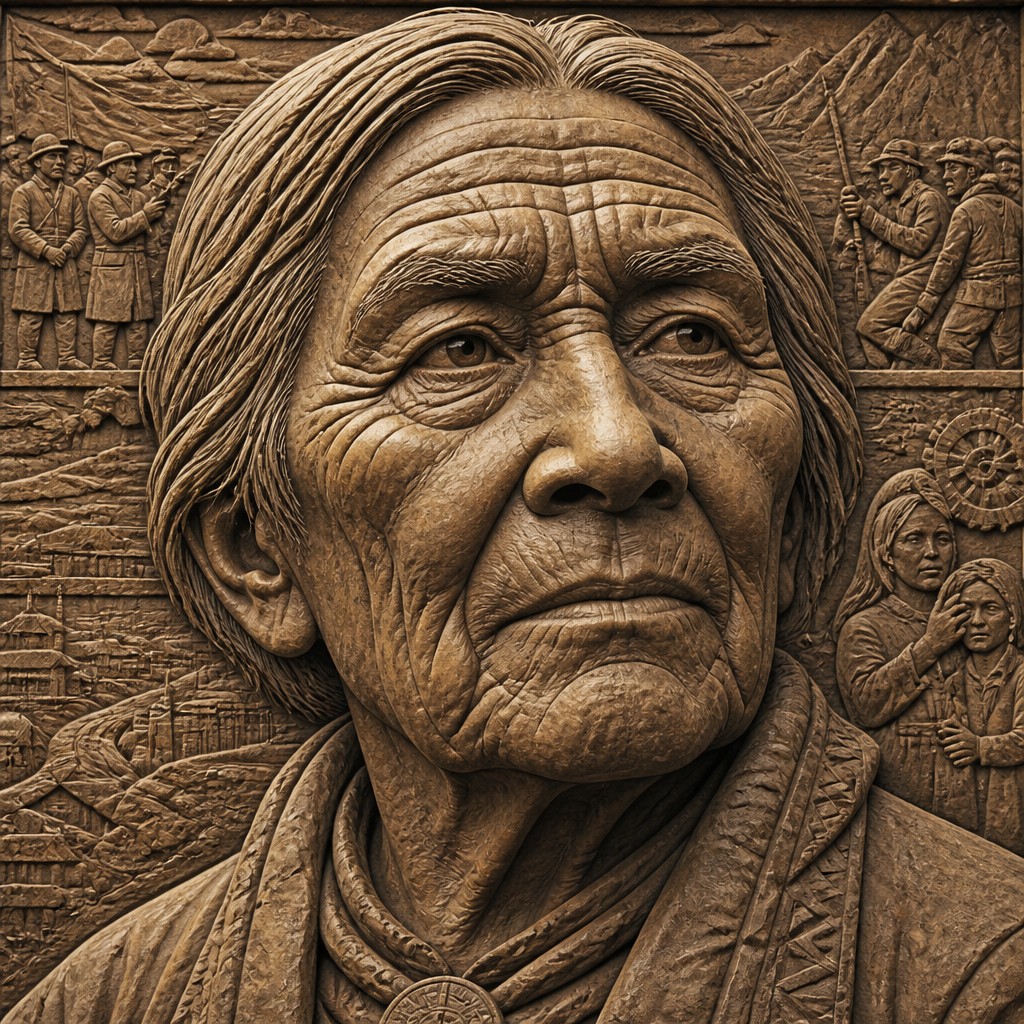
“close-up portrait of an elderly person with expressive weathered features”
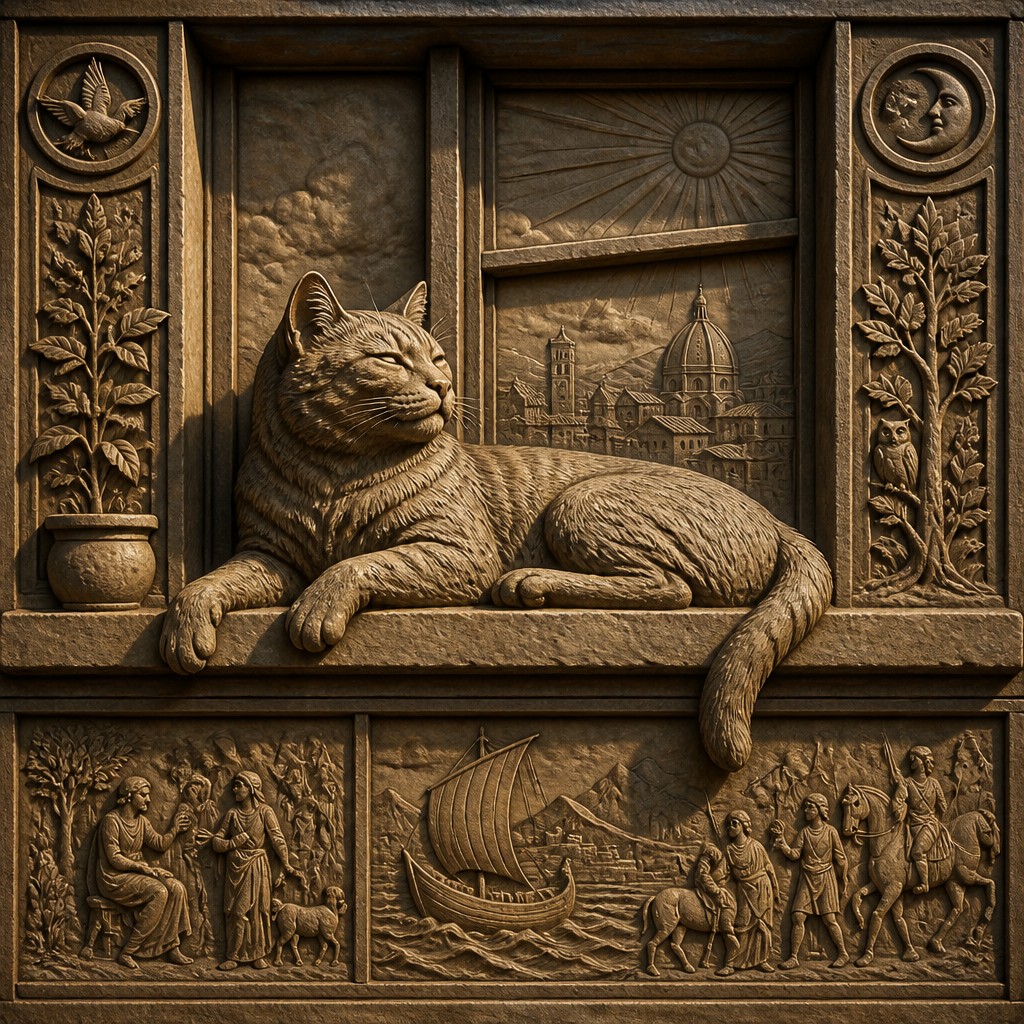
“a cat lounging in a sunlit window”
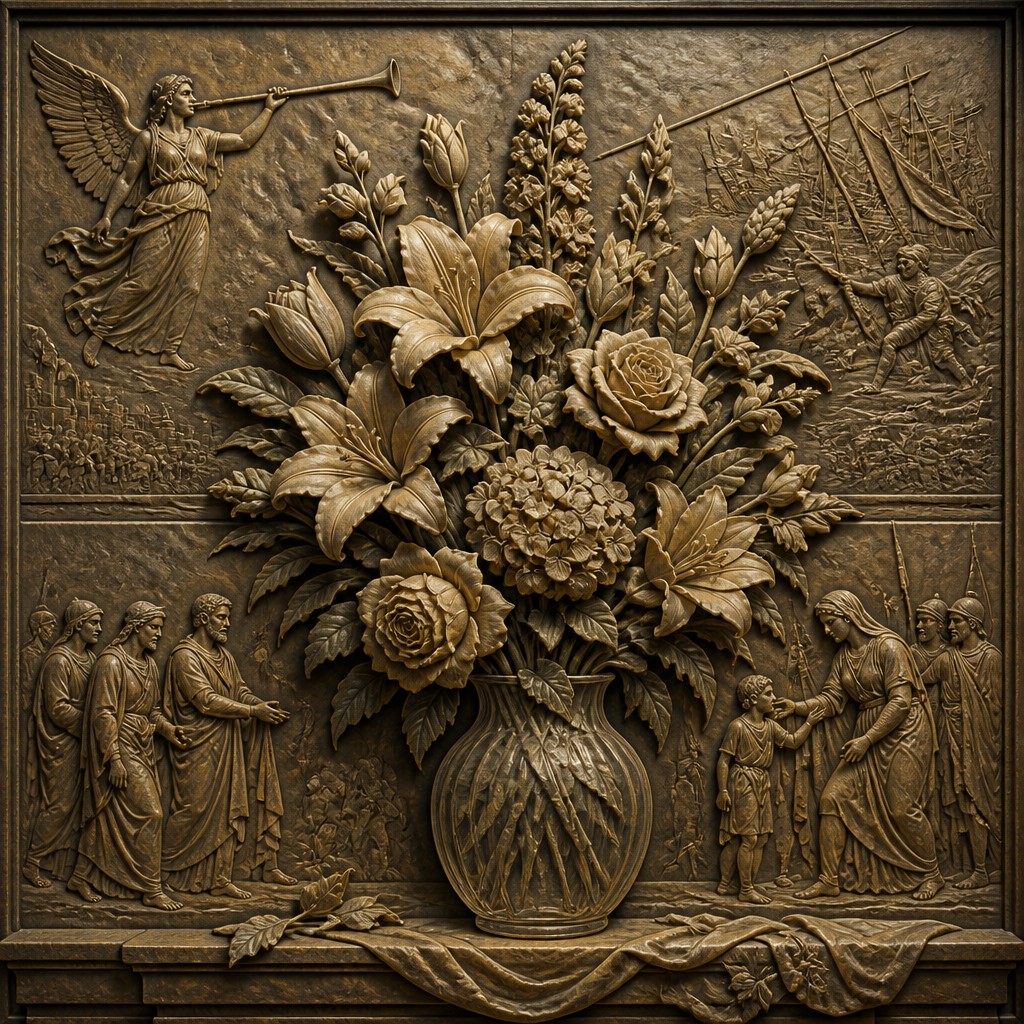
“bouquet of flowers in a glass vase”
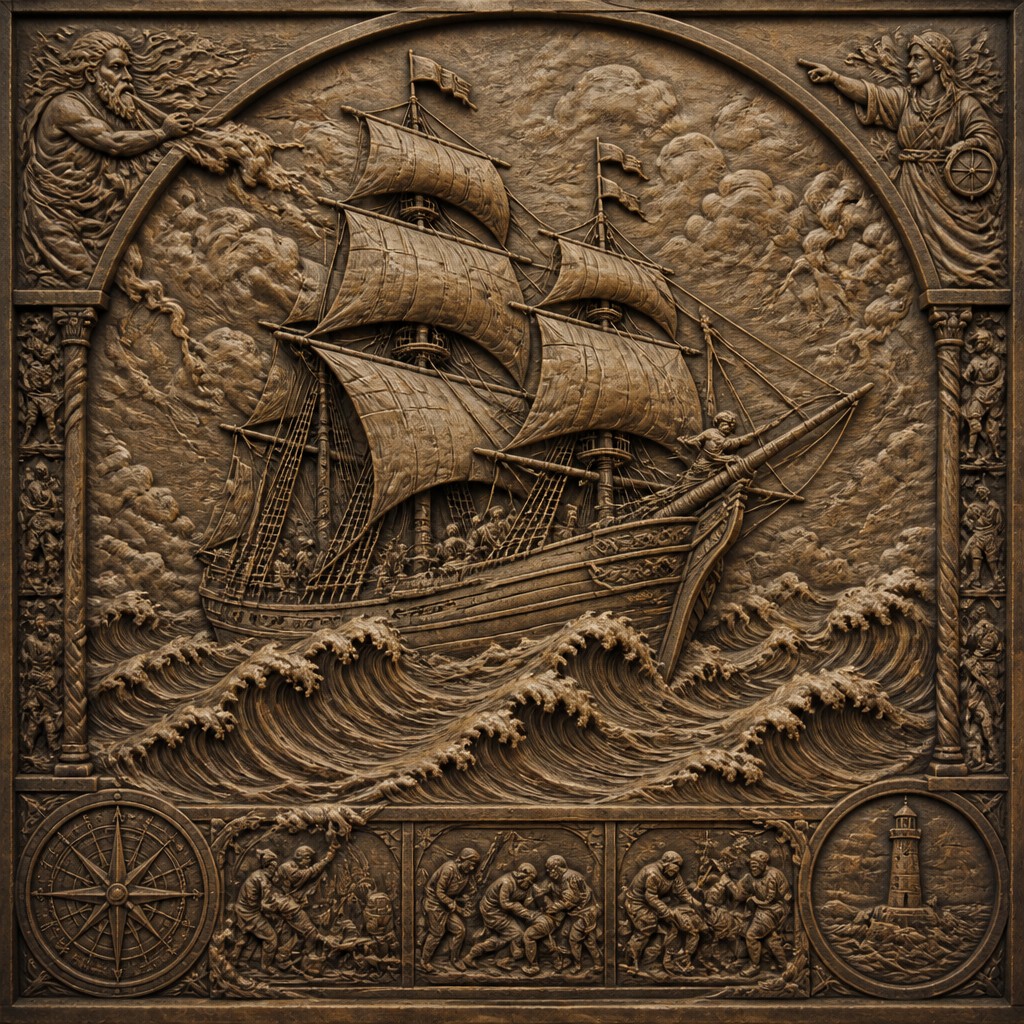
“sailing ship on a stormy sea”
How to Create Relief Carving Sculpture Art
Master the craft step by step — or skip straight to creating. Read the full guide →
- 1
Plan the panel and depth hierarchy
Begin with a rectangular ground and arrange the largest narrative shapes first. Assign each element a shallow, middle, or deep projection so the composition reads clearly before adding texture.
- 2
Carve from broad planes to details
In traditional work, establish the background and major masses with chisels or rotary tools, then refine contours, folds, faces, and undercuts. Keep details subordinate to the overall silhouette and readable shadow structure.
- 3
Use directional lighting
Light the relief from one strong side or from above at a shallow angle. This reveals the depth hierarchy and makes recesses, tool marks, and raised edges more legible than soft frontal lighting.
- 4
Build a believable material surface
For digital sculpting or rendering, use rough stone or patinated bronze materials with subtle color variation, edge wear, pores, and controlled weathering. Avoid a uniformly glossy finish, which weakens the carved impression.
- 5
Describe depth explicitly in a prompt
For prompt-based generation, specify a flat carved ground, shallow-to-deep planes, raised figures, crisp undercut shadows, compressed perspective, and a chosen material such as limestone or aged bronze. Add the subject, panel shape, lighting direction, and narrative mood.
The Story
History & Origins of Relief Carving Sculpture
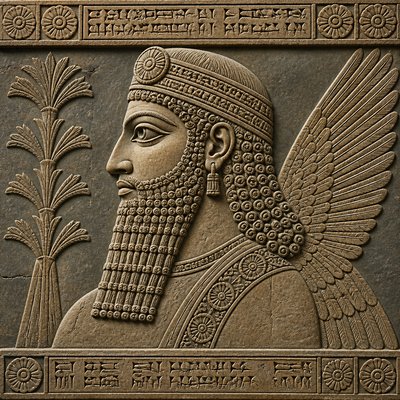
This is a contemporary descriptive style rather than a single historical movement. Its aesthetic lineage reaches back to ancient Egyptian and Mesopotamian narrative reliefs, classical Greek and Roman architectural sculpture, Buddhist and Hindu temple panels across South and Southeast Asia, and the carved portals, pulpits, screens, and tomb monuments of medieval Europe. These traditions used relief to record religious narratives, civic power, ceremony, mythology, and historical events on durable architectural surfaces.
Later European traditions refined the differences between low relief, medium relief, and high relief, while Renaissance, Baroque, neoclassical, and modern sculptural practices explored increasingly complex depth and movement. The present style combines these precedents into a generalized monumental language: a flat carved ground, layered projection, compressed space, and weathered mineral or metallic material, without belonging to one period or culture.
Influences: The style draws on ancient Egyptian and Mesopotamian narrative panels, classical architectural relief, South and Southeast Asian temple sculpture, Buddhist stupa and cave imagery, medieval Romanesque and Gothic stone carving, Renaissance and Baroque relief composition, neoclassical monument design, and modern bas-relief experimentation. It also shares strategies with illustrated manuscripts, friezes, medals, coinage, and architectural ornament, especially their use of contour, hierarchy, repetition, and symbolic scale.
Frequently Asked Questions
What defines relief carving sculpture style?
It is defined by figures and scenes raised from a flat supporting ground rather than modeled as fully freestanding sculpture. Layered depth, compressed perspective, crisp undercuts, and a stone or aged-bronze surface are central visual cues.
How is relief sculpture different from a statue?
A statue occupies space independently and is generally intended to be viewed around its full form. Relief sculpture remains attached to a panel, wall, slab, or other background, so composition and lighting are designed primarily for frontal viewing.
What is the difference between bas-relief and high relief?
Bas-relief, or low relief, projects only slightly from the ground, while high relief uses deeper projection and may include forms that approach or partially detach from the background. The style can combine several depths within one panel to control emphasis and spatial layering.
What subjects work best in this style?
Narrative subjects with clear silhouettes and repeated figures work especially well, including ceremonies, myths, battles, processions, religious stories, wildlife scenes, and historical events. Strong horizontal or vertical organization helps complex subjects remain readable.
How can I make a digital image look carved?
Specify a flat panel, raised forms, stepped depth, chiseled edges, undercut shadows, and a rough stone or oxidized-metal material. Use directional lighting and avoid soft, painterly shading; the image should communicate both the subject and the physical behavior of carved surfaces.
Where is relief carving traditionally used?
Relief appears on temples, tombs, palaces, civic monuments, churches, gateways, friezes, altars, screens, coins, medals, and decorative objects. Across cultures it has served both narrative and commemorative purposes because it combines durable material with easily organized imagery.
Create your first Relief Carving Sculpture artwork
Describe anything — or upload a photo — and see it in Relief Carving Sculpture Style in seconds.
Related Styles
Discover similar art styles