Chicago Art Style
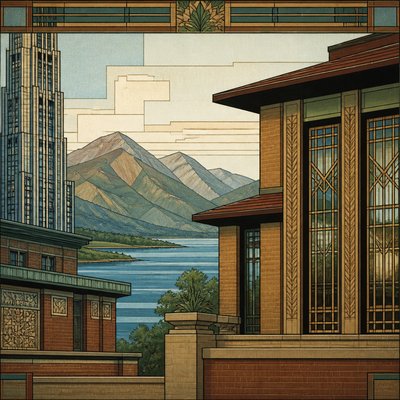
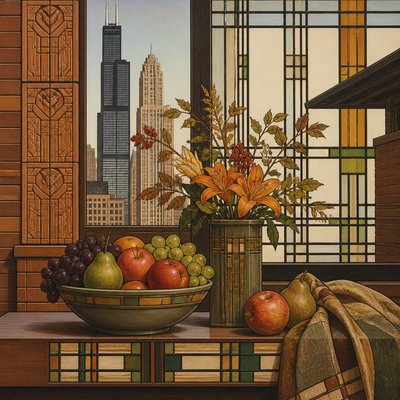
Explore Chicago Art Style: steel-frame skyscrapers, Prairie lines, terra-cotta ornament, brick masonry, and geometric stained glass.
Instantly rendered in Chicago — or transform a photo
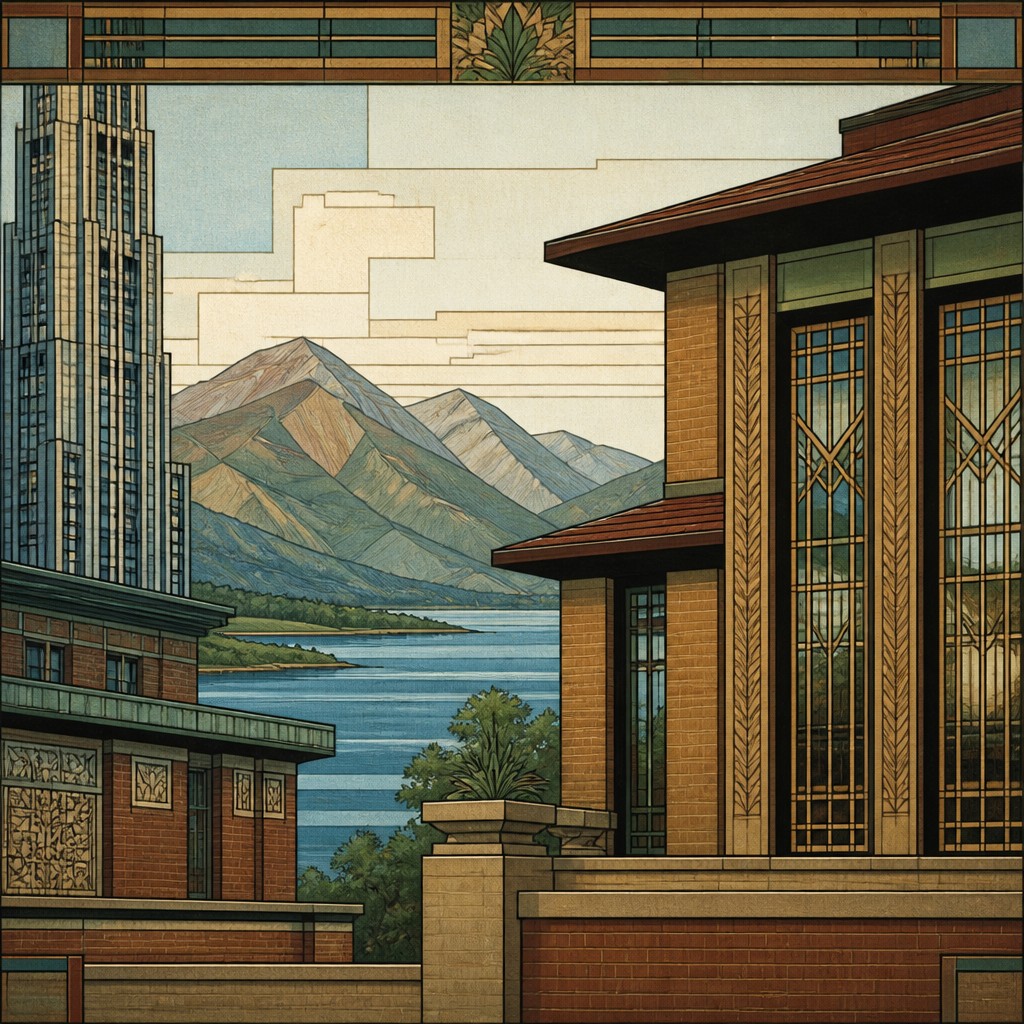
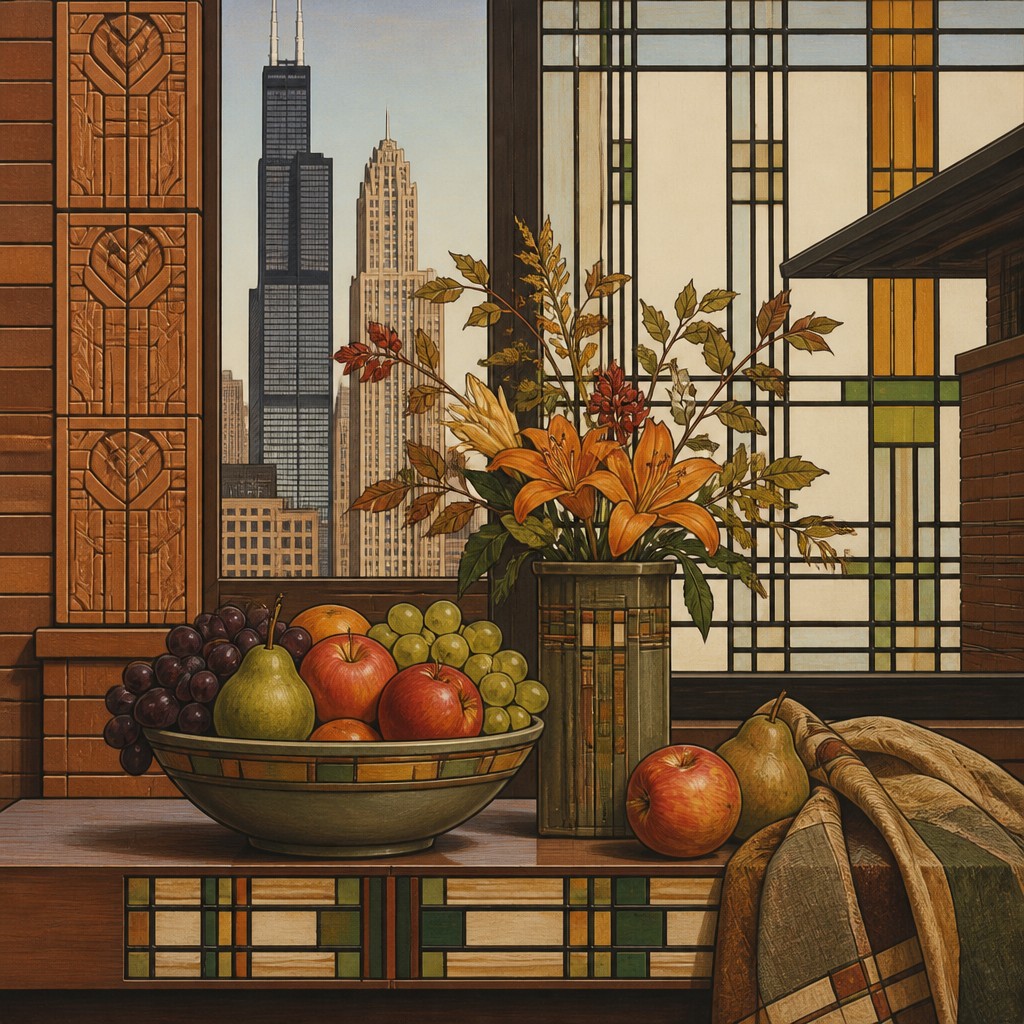
Chicago Gallery
Tap any artwork to explore it

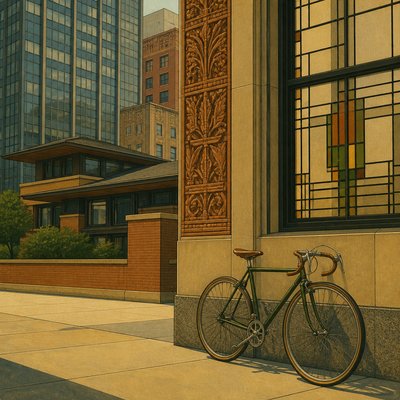
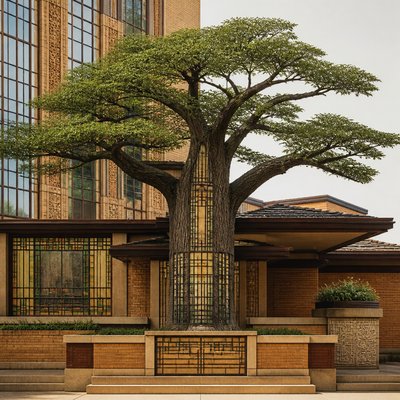
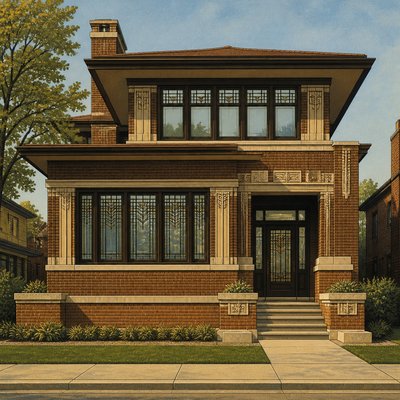
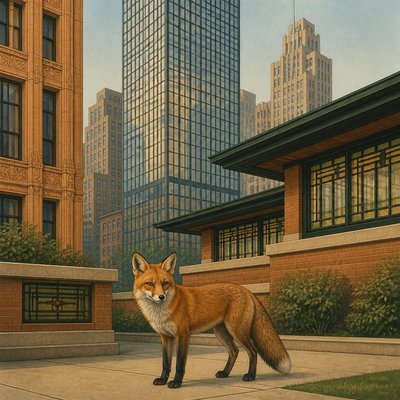
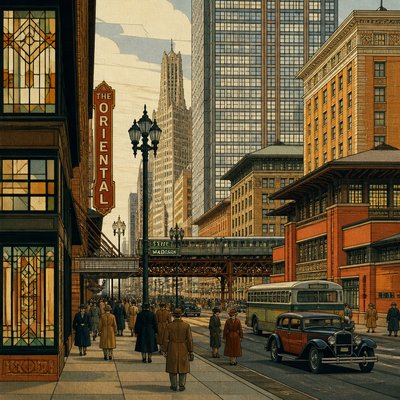
What is Chicago Art Style?
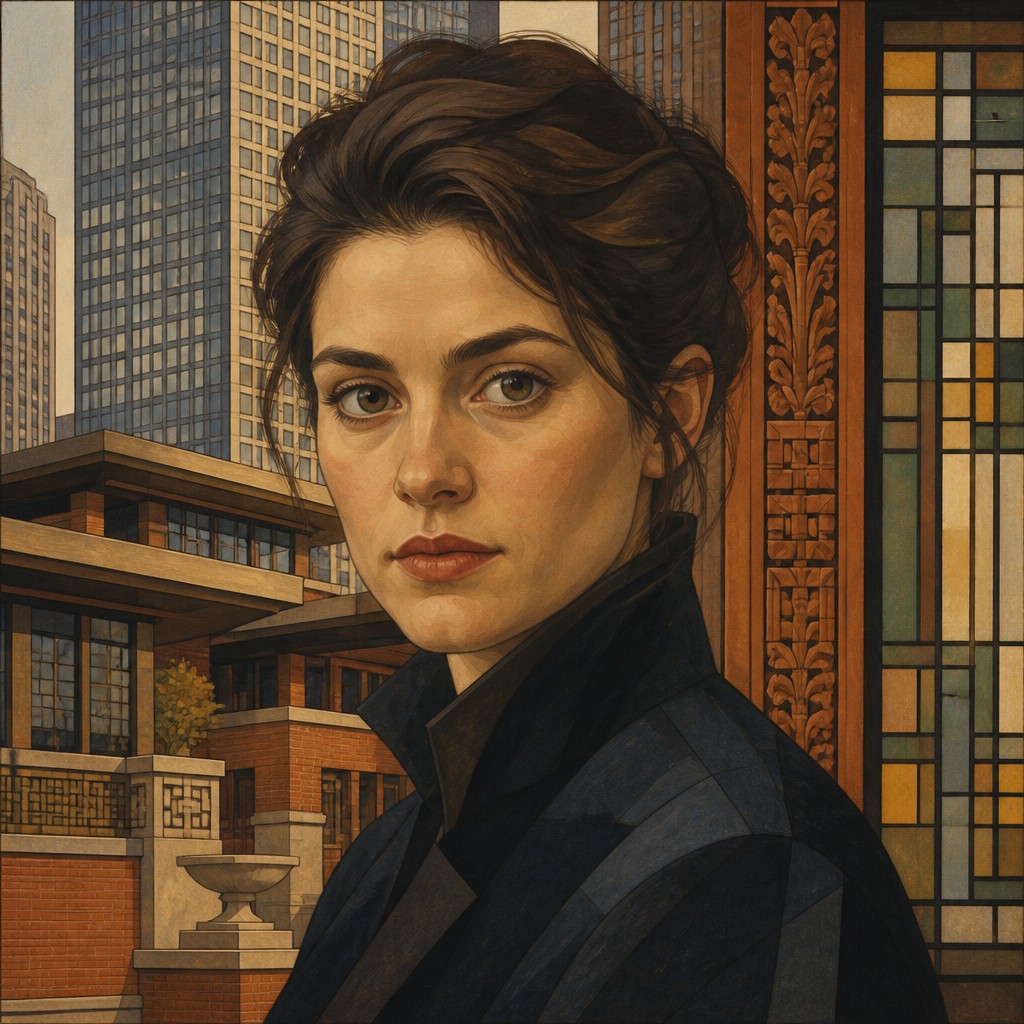
Chicago Art Style is a contemporary hybrid aesthetic built from the visual language of Midwestern architecture. It combines the vertical force of steel-frame skyscrapers with the broad, horizontal profiles of Prairie School design, using warm brick, earth-toned masonry, ornate terra-cotta detail, plate-glass window grids, and geometric stained-glass patterning.
The style is defined by a productive contrast between upward momentum and grounded horizontality. Its compositions often place tall façades, elevated perspectives, and dense urban geometry beside low rooflines, open plains, expansive skies, and flat Midwestern daylight. The result is architectural imagery that feels both industrial and regional, balancing modern construction with handcrafted ornament.
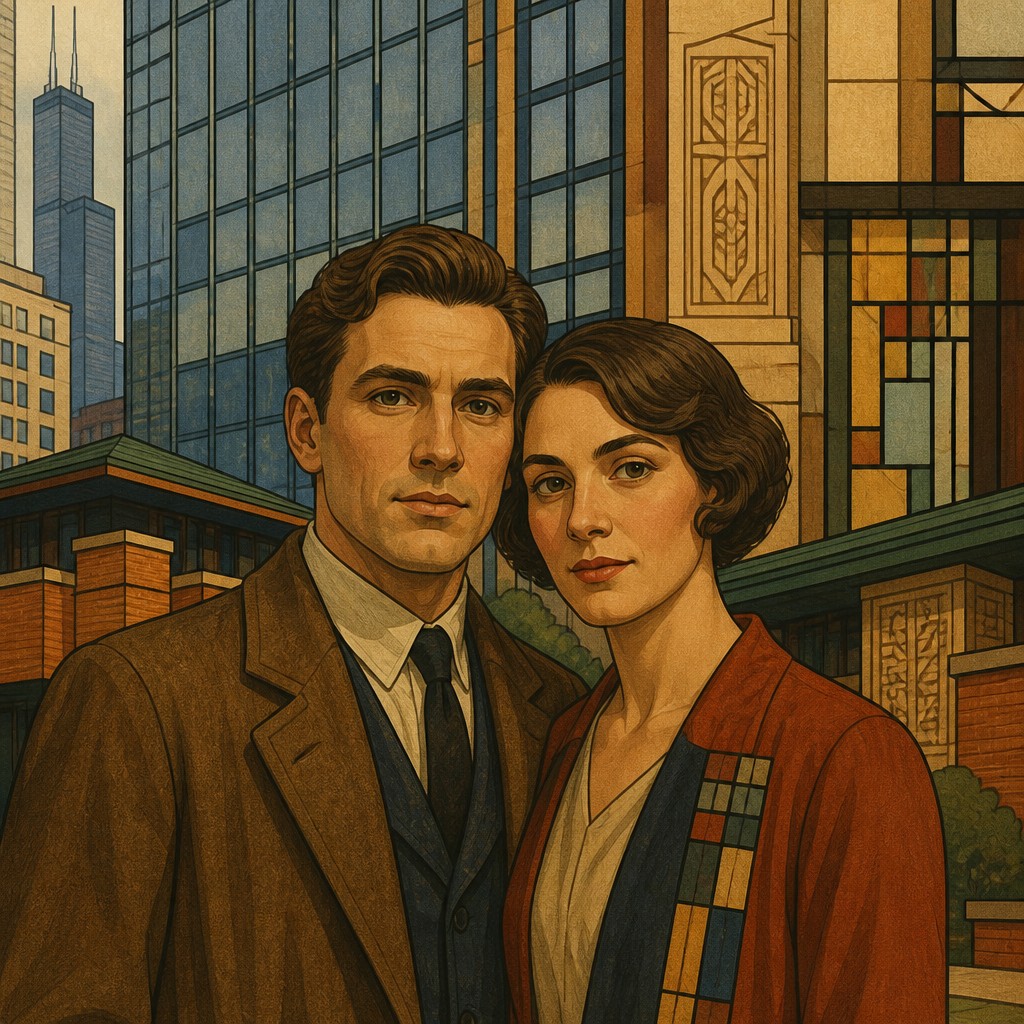
Try It On Your Photos
Upload any photo and convert it into Chicago Art Style — drag the sliders to compare before and after.


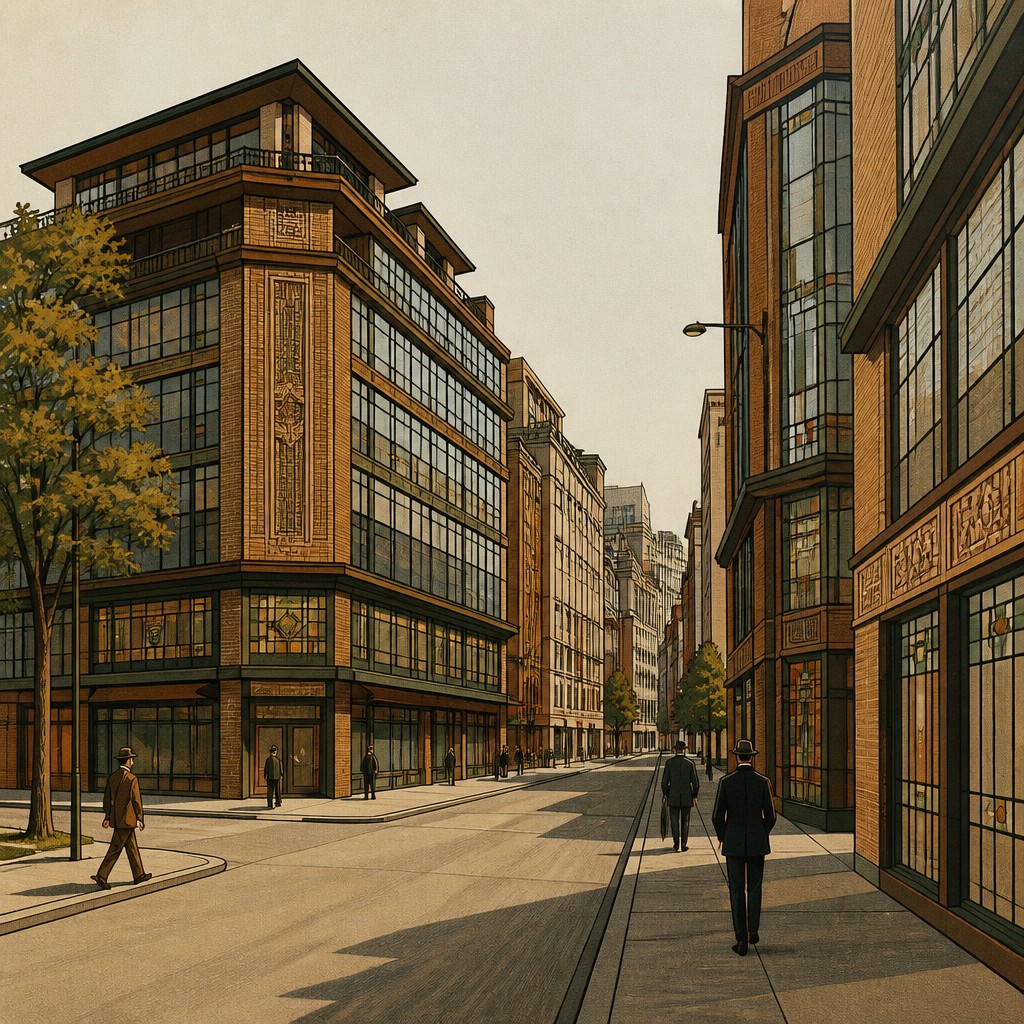

What Defines Chicago Art Style
The signature details, up close
Steel-frame verticality
Tall façades rise in clearly articulated structural bays, emphasizing columns, setbacks, and the repetitive rhythm of modern high-rise construction.
Plate-glass window grids
Large rectangular panes create ordered façades with strong horizontal and vertical divisions. Reflections are usually controlled so the building's geometry remains legible.
Prairie horizontality
Low rooflines, projecting eaves, long bands, and broad terraces counterbalance skyscraper height. These elements connect the architecture to open Midwestern terrain.
Terra-cotta ornament
Relief panels, friezes, cornices, and geometric flourishes provide a tactile decorative layer over otherwise rational structural forms.
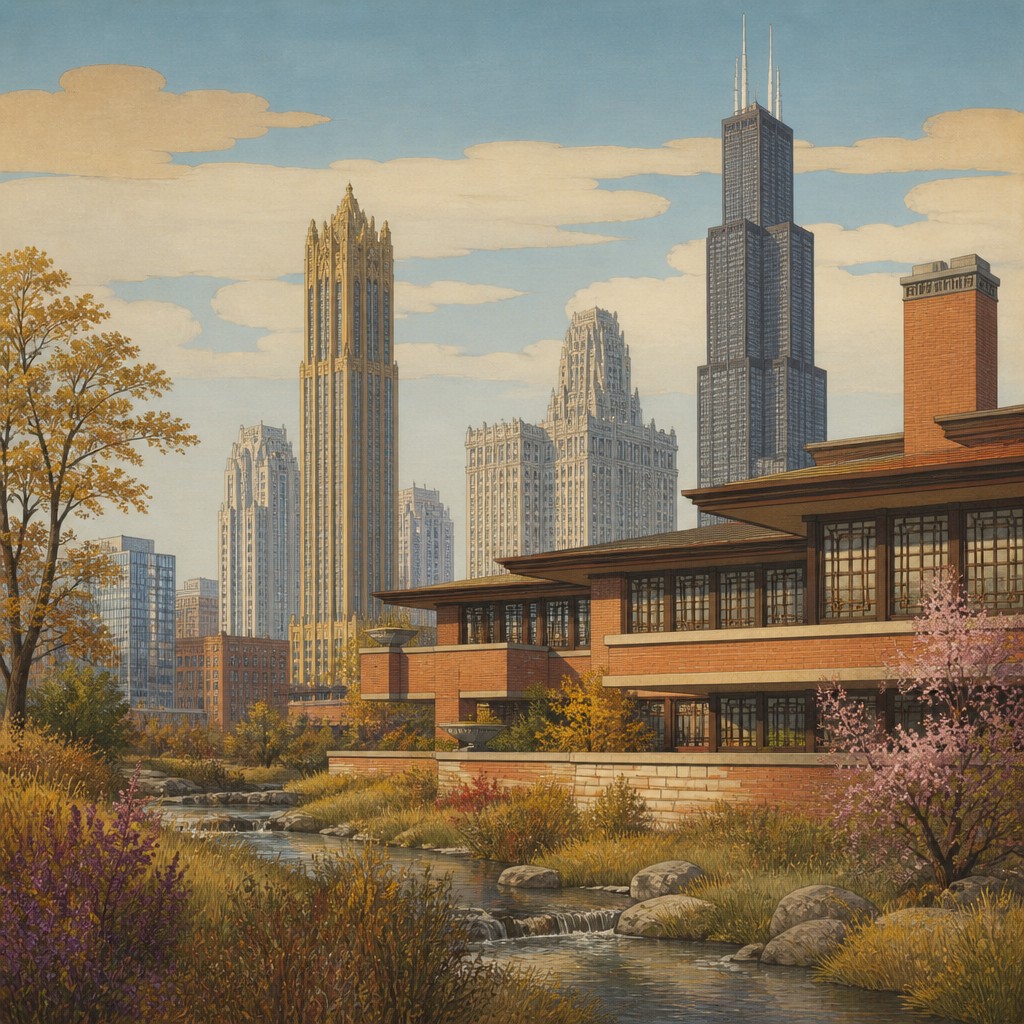
Warm masonry palette
Red brick, ochre stone, brown masonry, cream terra cotta, and muted bronze create an earthy palette associated with urban building materials and regional soil.
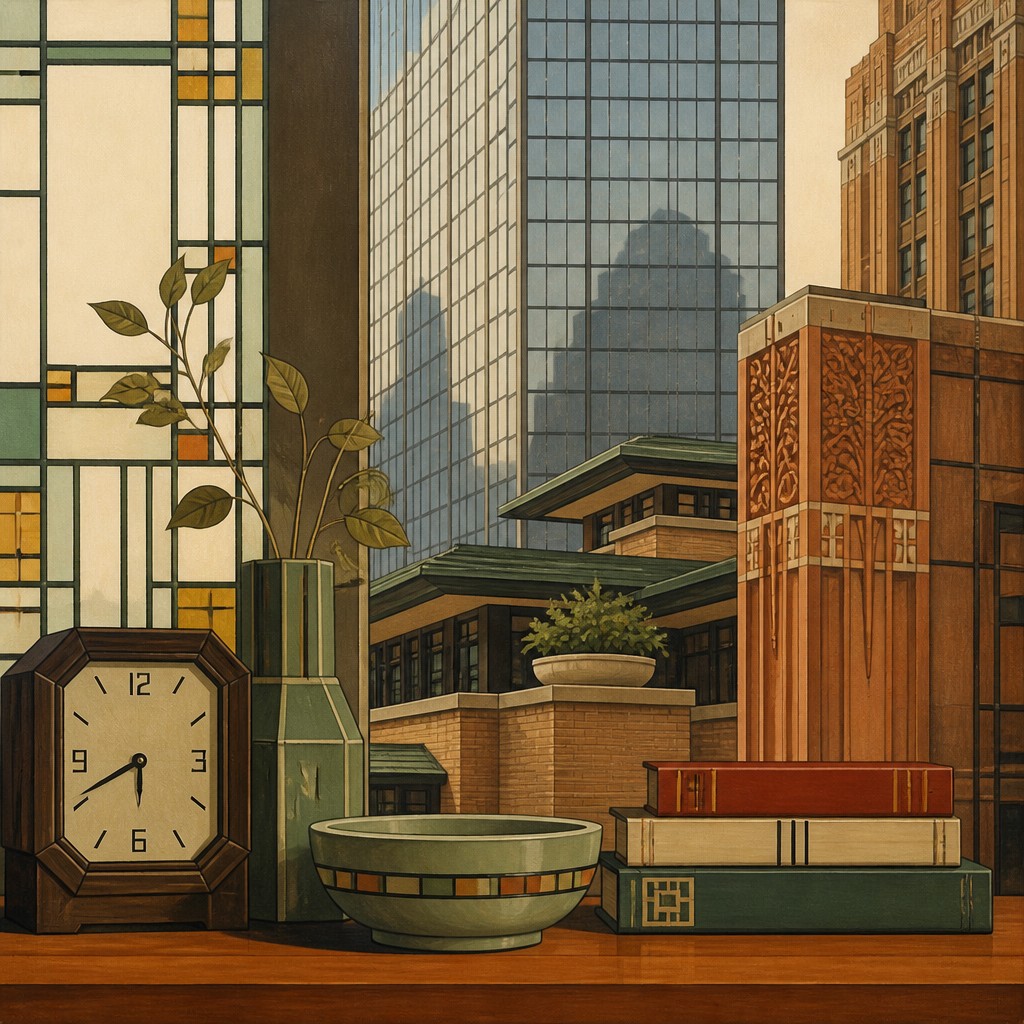
Geometric stained glass
Abstract window patterns use stepped forms, rectangles, bands, and symmetrical color blocks rather than naturalistic scenes, adding luminous interior accents.
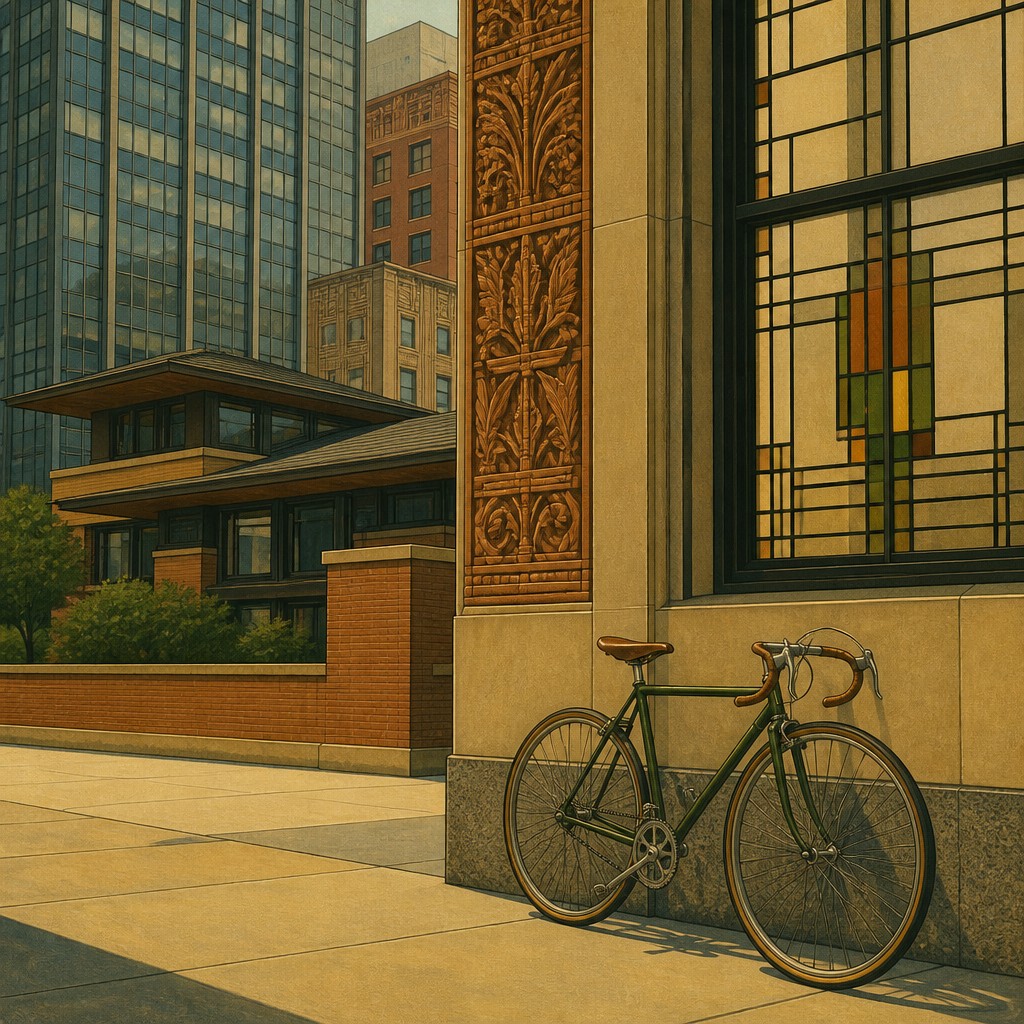
Flat Midwestern illumination
Even daylight, broad skies, and relatively soft shadows clarify architectural planes. The lighting favors atmosphere and structure over dramatic theatrical contrast.
Chicago Prompt Ideas
Start from an idea — each one opens the generator with the style ready to go. See all 40 Chicago prompts →
How to Create Chicago Art
Master the craft step by step — or skip straight to creating. Read the full guide →
- 1
Establish the structural silhouette
Begin with a clear massing study: use a tall, gridded tower for urban subjects or a low, spreading structure for Prairie influence. Keep the major vertical and horizontal axes readable before adding decoration.
- 2
Layer materials selectively
Combine brick or earth-toned masonry with pale terra cotta, steel, and glass. Reserve ornate relief for entrances, cornices, window surrounds, and other focal zones so the image does not become visually noisy.
- 3
Use disciplined geometry
Build windows, stained-glass panels, and façade ornament from rectangles, bands, stepped motifs, and repeated modules. A measured grid helps unify the tension between skyscraper verticality and Prairie horizontality.
- 4
Control the light and perspective
Choose flat or lightly overcast Midwestern daylight, moderate contrast, and a viewpoint that reveals both height and façade detail. Wide-angle views work well for towers, while frontal elevations emphasize ornament and pattern.
- 5
Work traditionally or digitally
For drawing or painting, block in the silhouette with rulers, perspective guides, and broad opaque color before refining masonry and glass. In digital work, use layered vector shapes, texture masks, and controlled perspective correction to preserve architectural precision.
- 6
Write focused generation prompts
Specify the subject, viewpoint, materials, window geometry, ornament, roofline, and lighting rather than relying on a style label alone. For image-to-image work, preserve the source composition while guiding the façade toward brick, terra cotta, steel grids, and Prairie-inspired horizontal forms.
The Story
History & Origins of Chicago
Chicago Art Style is best understood as an invented or niche synthesis rather than a single historical movement. Its lineage draws primarily from the Chicago School of architecture, which developed in the late nineteenth and early twentieth centuries around steel-frame construction, commercial high-rises, large windows, and increasingly vertical urban form.
It also incorporates the Prairie School's early twentieth-century emphasis on horizontal lines, low-pitched roofs, integrated ornament, natural materials, and a strong relationship to the Midwestern landscape. Terra-cotta façades, geometric stained glass, and restrained early modern massing broaden the reference field, producing a stylized visual vocabulary rather than a historically uniform period style.
Influences: The style relates most closely to the Chicago School's commercial high-rise architecture and the Prairie School's regional horizontality and integrated ornament. It also draws on American terra-cotta architecture, Arts and Crafts material honesty, geometric stained-glass traditions, early modern architectural abstraction, and the orderly visual language of historic urban photography and architectural illustration.
Frequently Asked Questions
What defines Chicago Art Style?
It combines steel-frame skyscraper construction with Prairie School horizontality, warm brick and earth-toned masonry, terra-cotta ornament, large window grids, and geometric stained glass. Flat Midwestern daylight and a balance of vertical and horizontal forms are central to its identity.
Is Chicago Art Style a historical movement?
No. The name describes a contemporary hybrid aesthetic rather than a single documented movement with a fixed period or membership. It synthesizes historically grounded elements from Chicago School architecture, Prairie School design, terra-cotta ornament, and related modern traditions.
How does it differ from Art Deco?
Both may use geometric ornament and vertical emphasis, but Chicago Art Style gives greater weight to steel-frame commercial architecture, exposed masonry, Prairie rooflines, and regional Midwestern atmosphere. Art Deco more often favors streamlined luxury, dramatic symmetry, and a broader international decorative vocabulary.
How can I make an image in this style?
Start with a strong architectural subject and specify its structure, materials, viewpoint, and lighting. Combine terms such as steel-frame façade, plate-glass grid, warm brick, terra-cotta relief, low Prairie roofline, geometric stained glass, and flat Midwestern daylight.
What subjects work best with this aesthetic?
Skyscrapers, civic buildings, train stations, apartment blocks, houses, interiors, and urban streets are especially suitable. Landscapes can also work when they place low horizontal architecture or a distant skyline against open prairie and broad skies.
Can the style be used for interior or graphic design?
Yes. Its window patterns, masonry palette, structural grids, and geometric ornament translate well into interiors, posters, maps, editorial illustrations, and architectural visualizations. Use the material and pattern vocabulary while preserving clear alignment and restrained color.
Create your first Chicago artwork
Describe anything — or upload a photo — and see it in Chicago Art Style in seconds.
Related Styles
Discover similar art styles