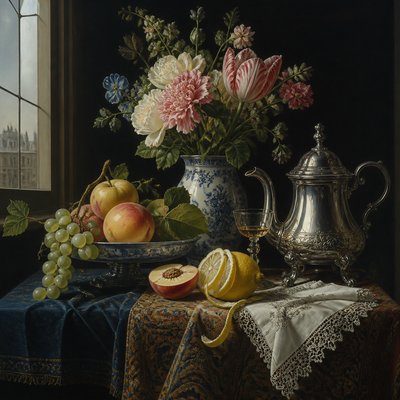
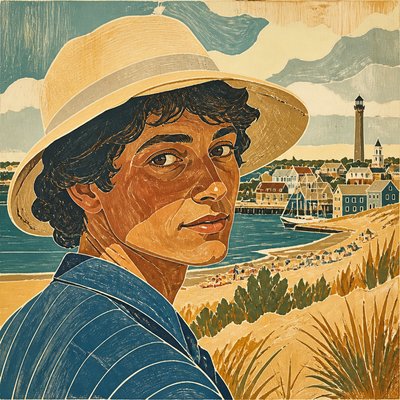
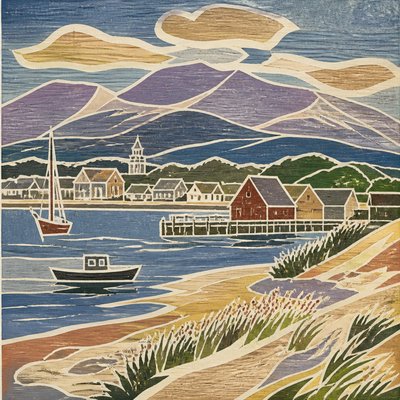
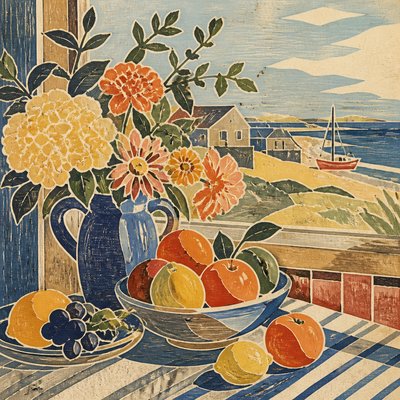
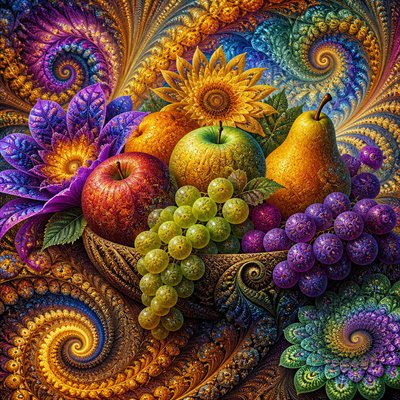
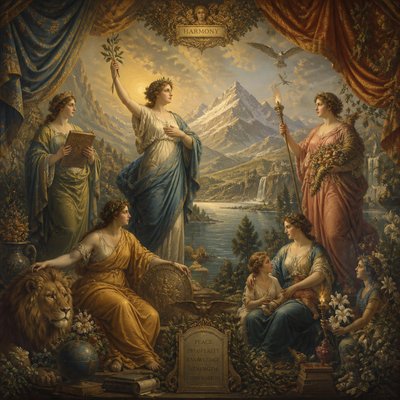
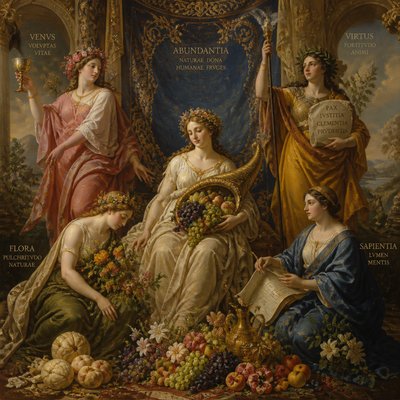
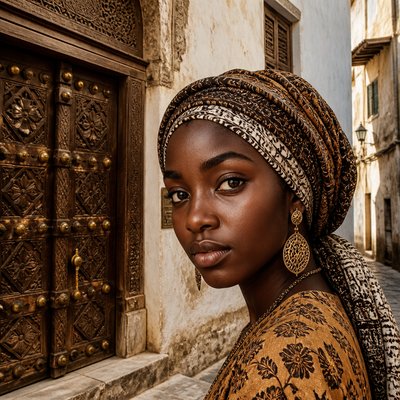
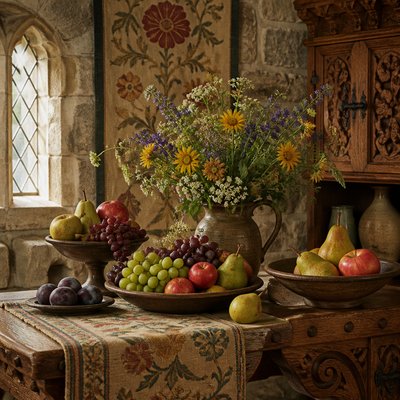
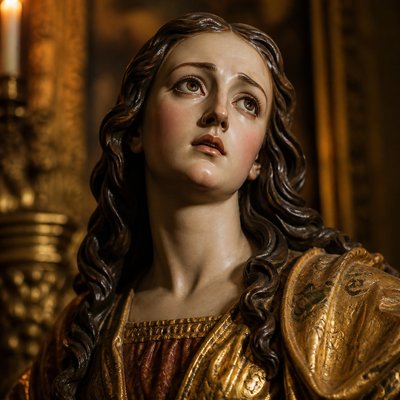
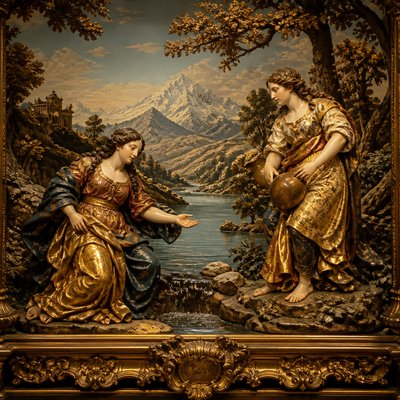
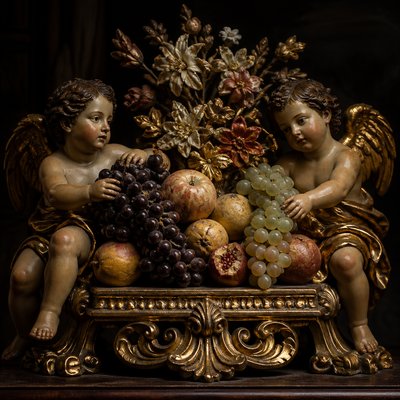
Padua Art Style
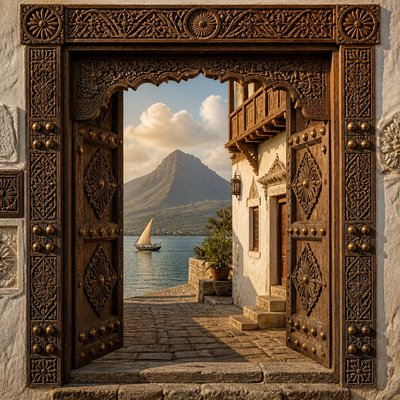
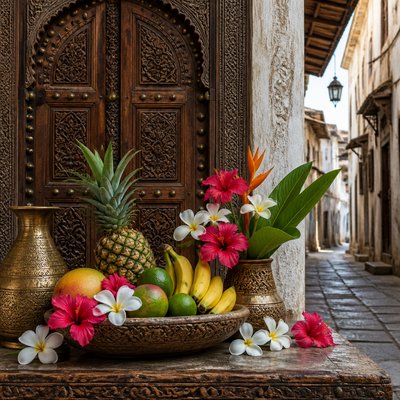
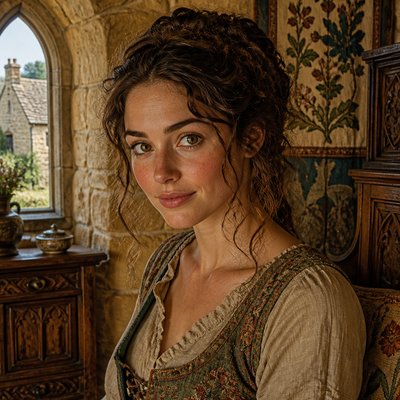
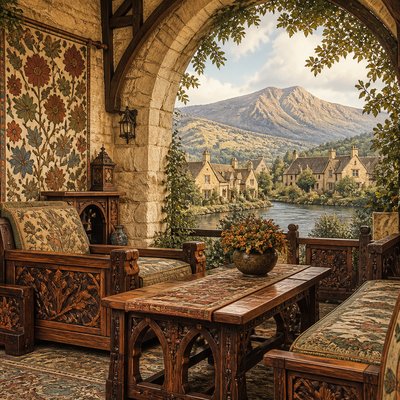
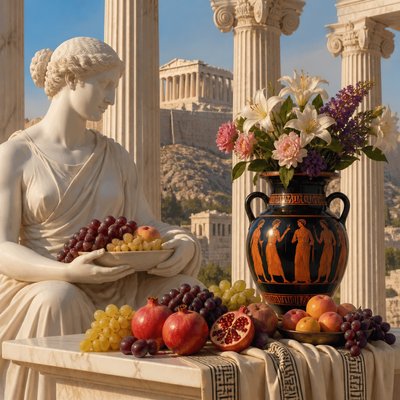
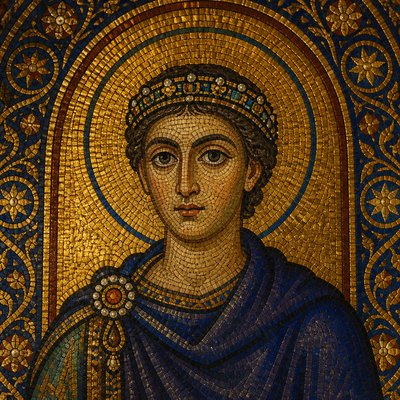
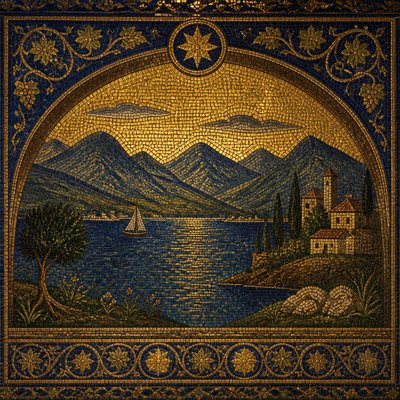
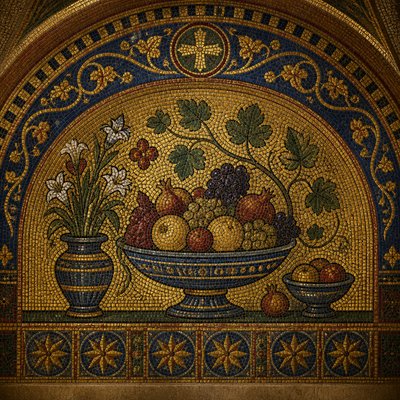
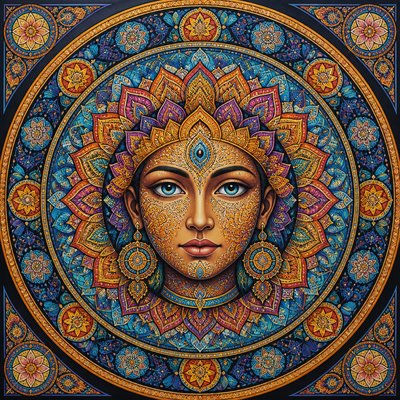
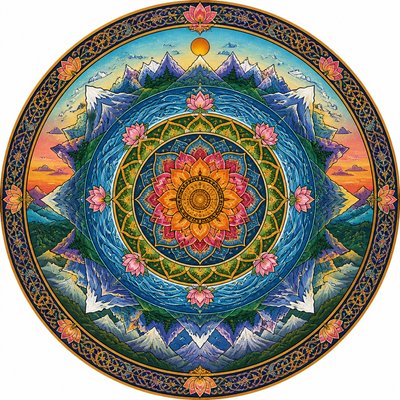
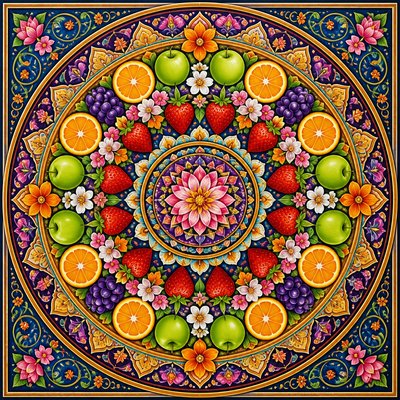
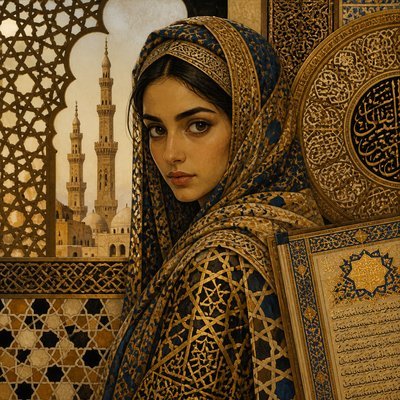
Explore Padua Art Style: weighty early Renaissance figures, ultramarine fresco fields, geometric perspective, and warm bronze-like modeling.
Instantly rendered in Padua — or transform a photo
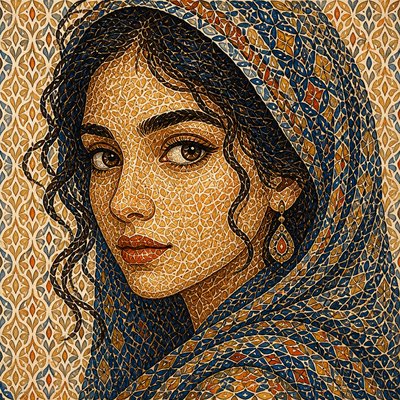
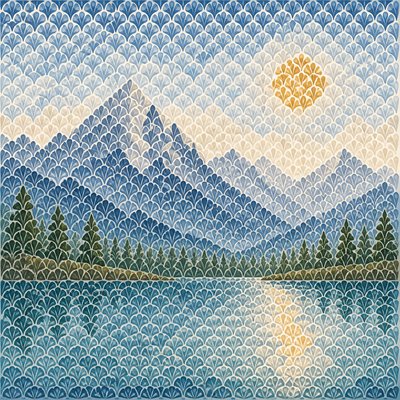
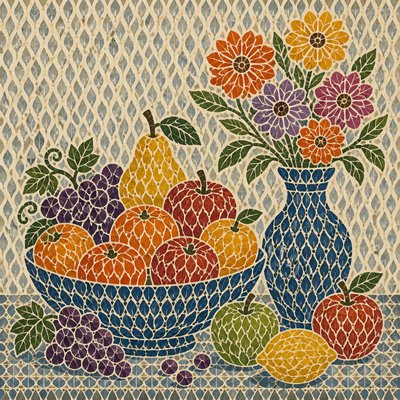
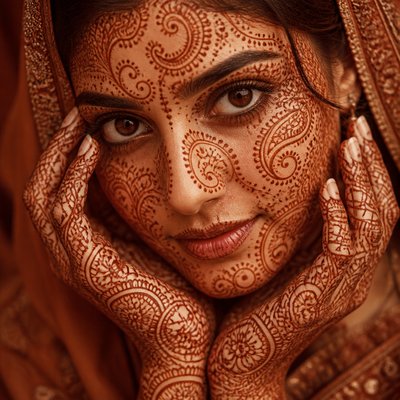
Padua Gallery
Tap any artwork to explore it
What is Padua Art Style?
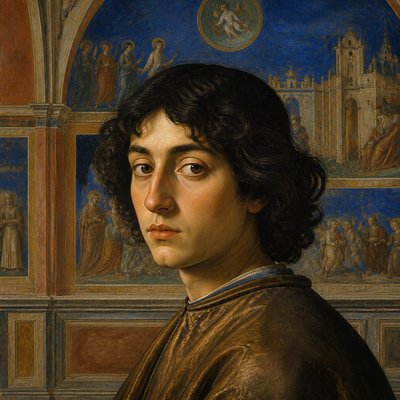
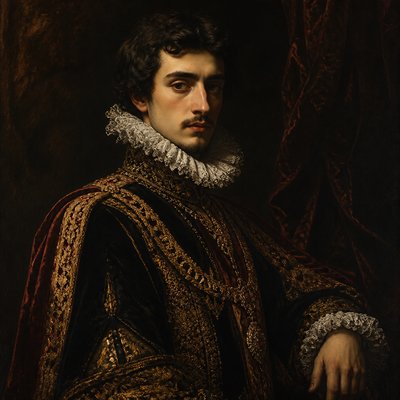
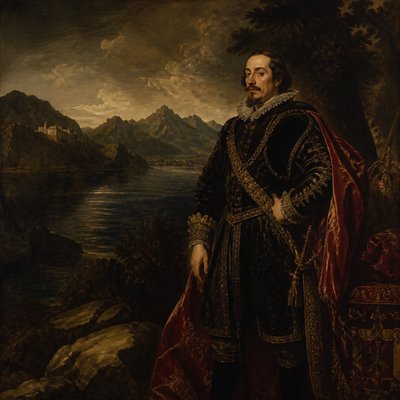
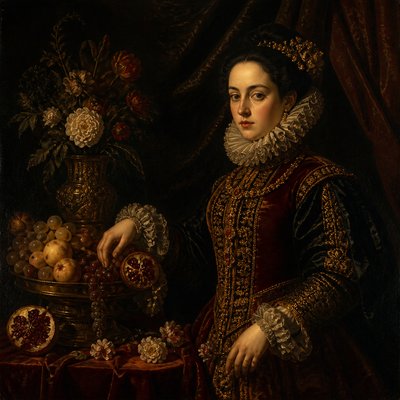
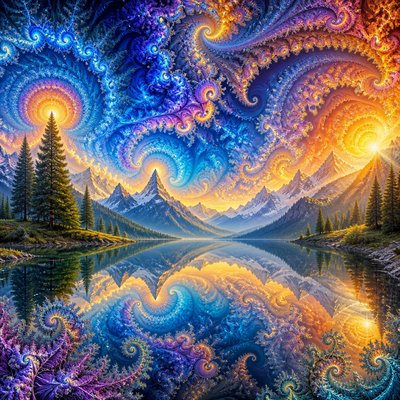
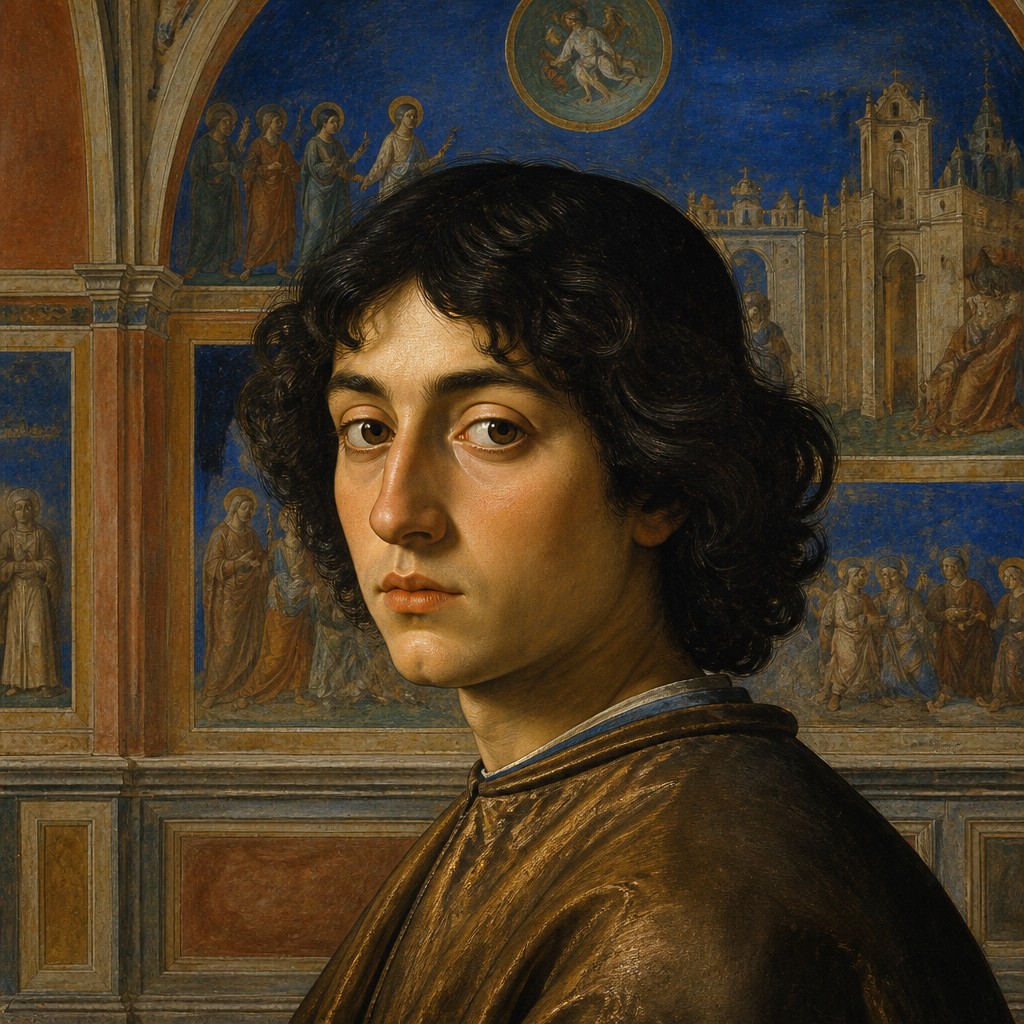
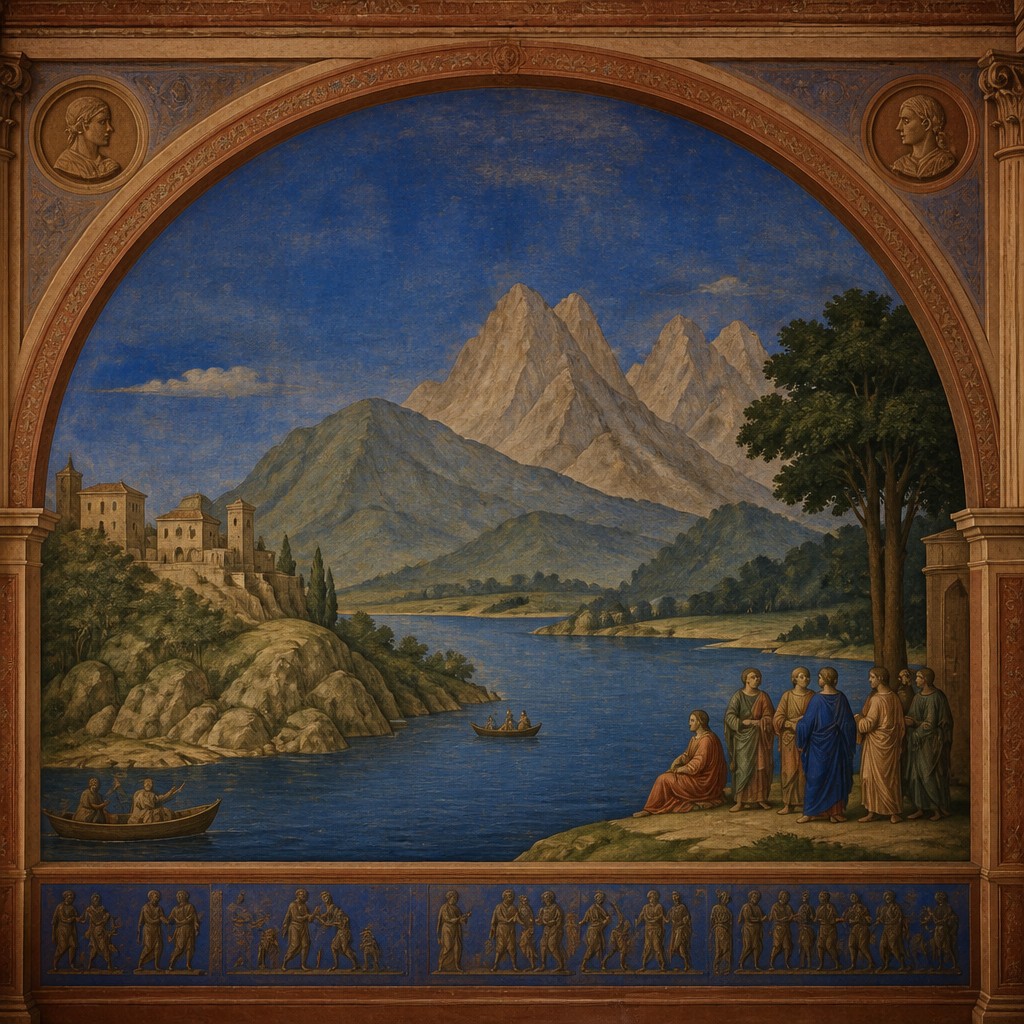
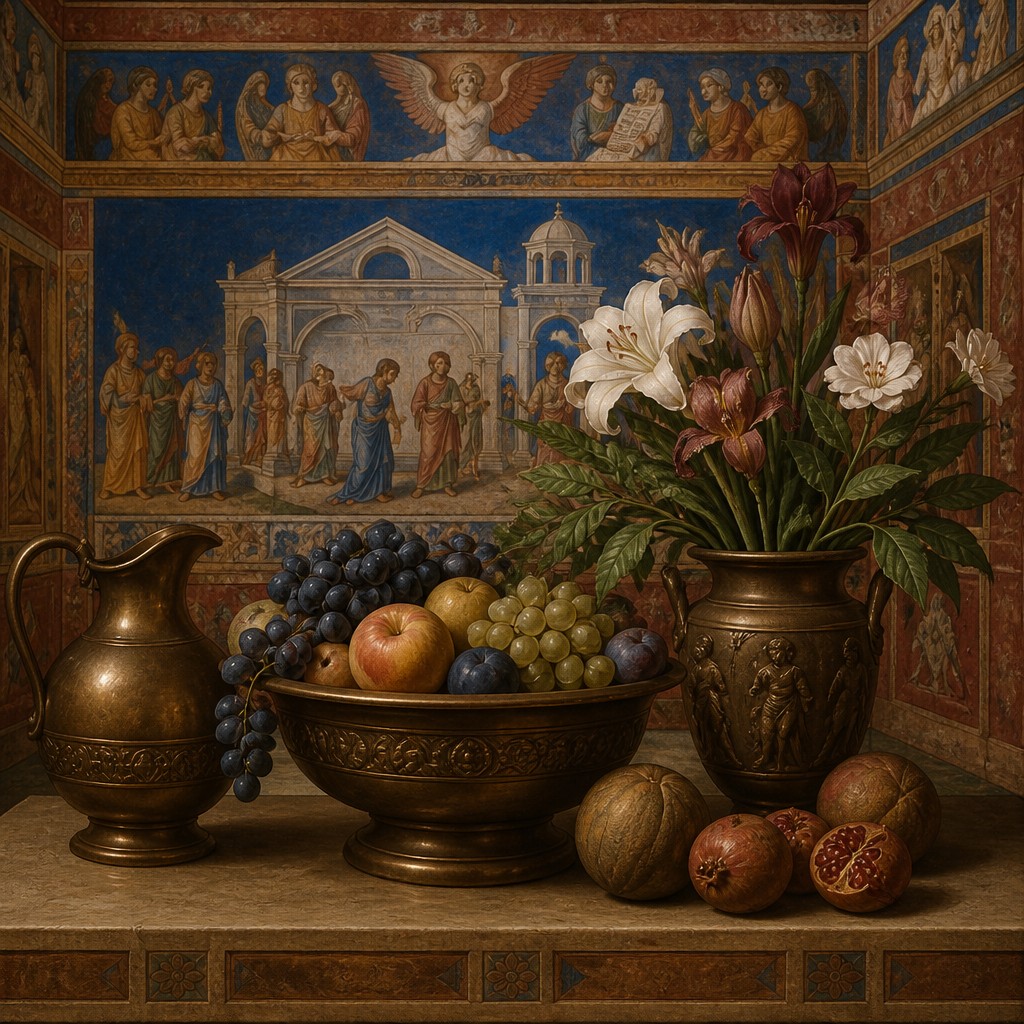
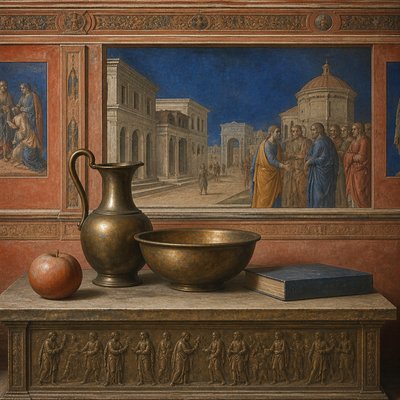
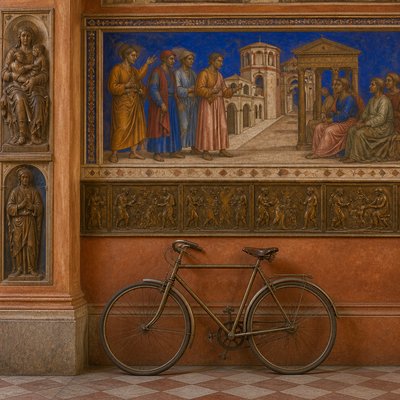
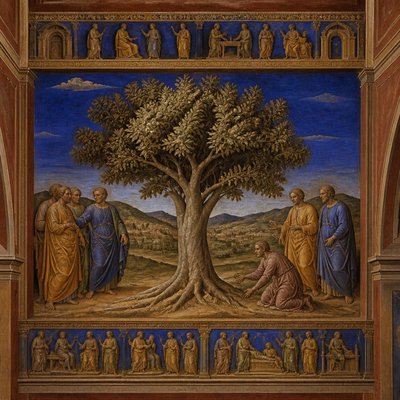
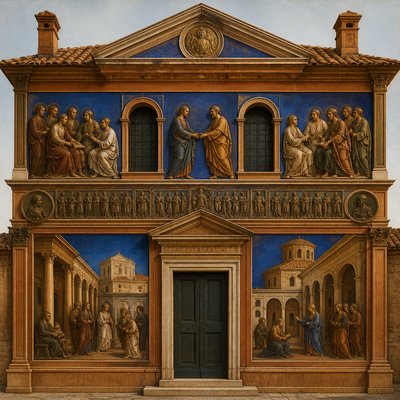
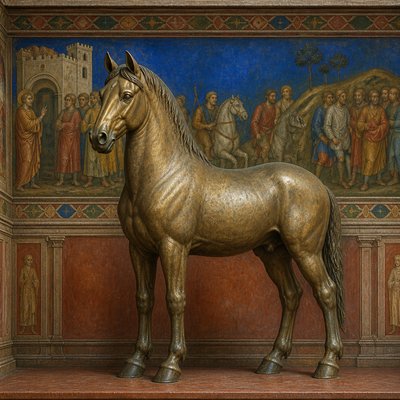
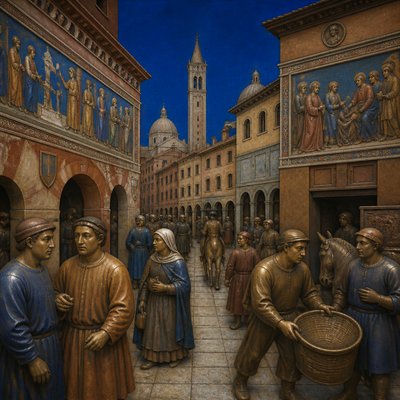
Padua Art Style is a historically informed, contemporary synthesis inspired by the fresco culture of early Renaissance Padua. It presents figures as solid, self-contained forms with broad anatomical structure, simplified expressive faces, and a deliberate sense of physical weight. Narrative scenes are commonly set against saturated ultramarine backgrounds, terracotta chapel walls, and clearly ordered architectural interiors.
Its visual identity depends on the meeting of painted illusion and sculptural presence. Strong contours, restrained emotion, frontal or carefully profiled poses, and warm bronze-like modeling make the figures resemble reliefs translated into fresco. Geometric perspective supplies order rather than spectacle, directing attention toward a compact story, devotional gesture, or symbolic exchange.
Try It On Your Photos
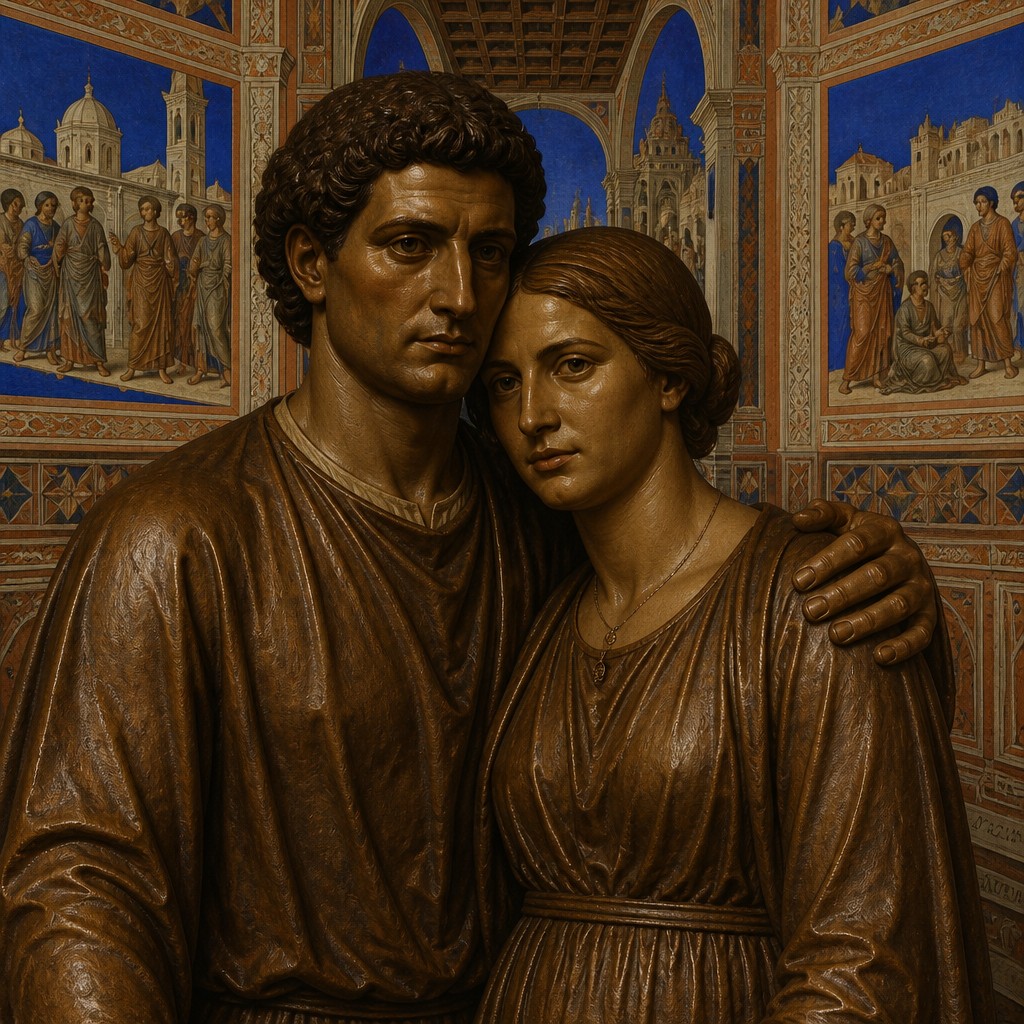
Upload any photo and convert it into Padua Art Style — drag the sliders to compare before and after.

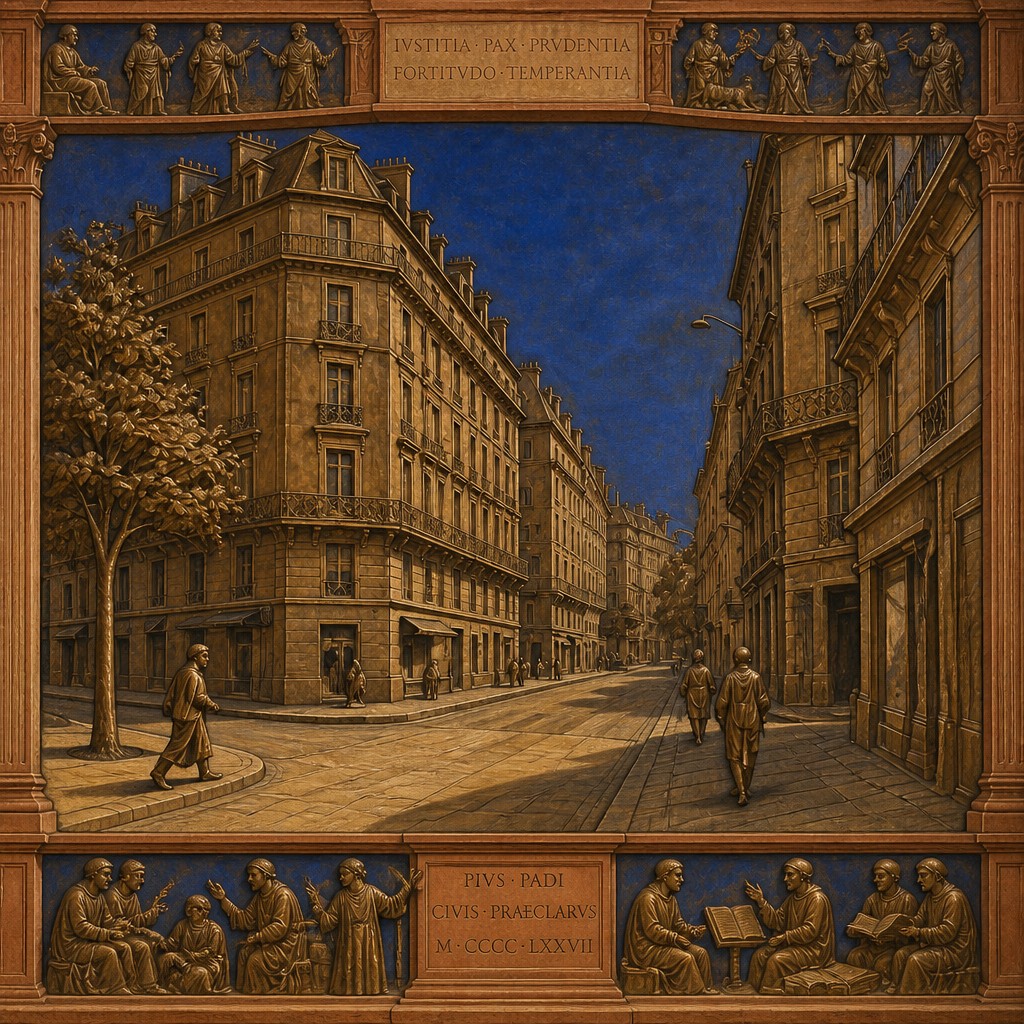

What Defines Padua Art Style
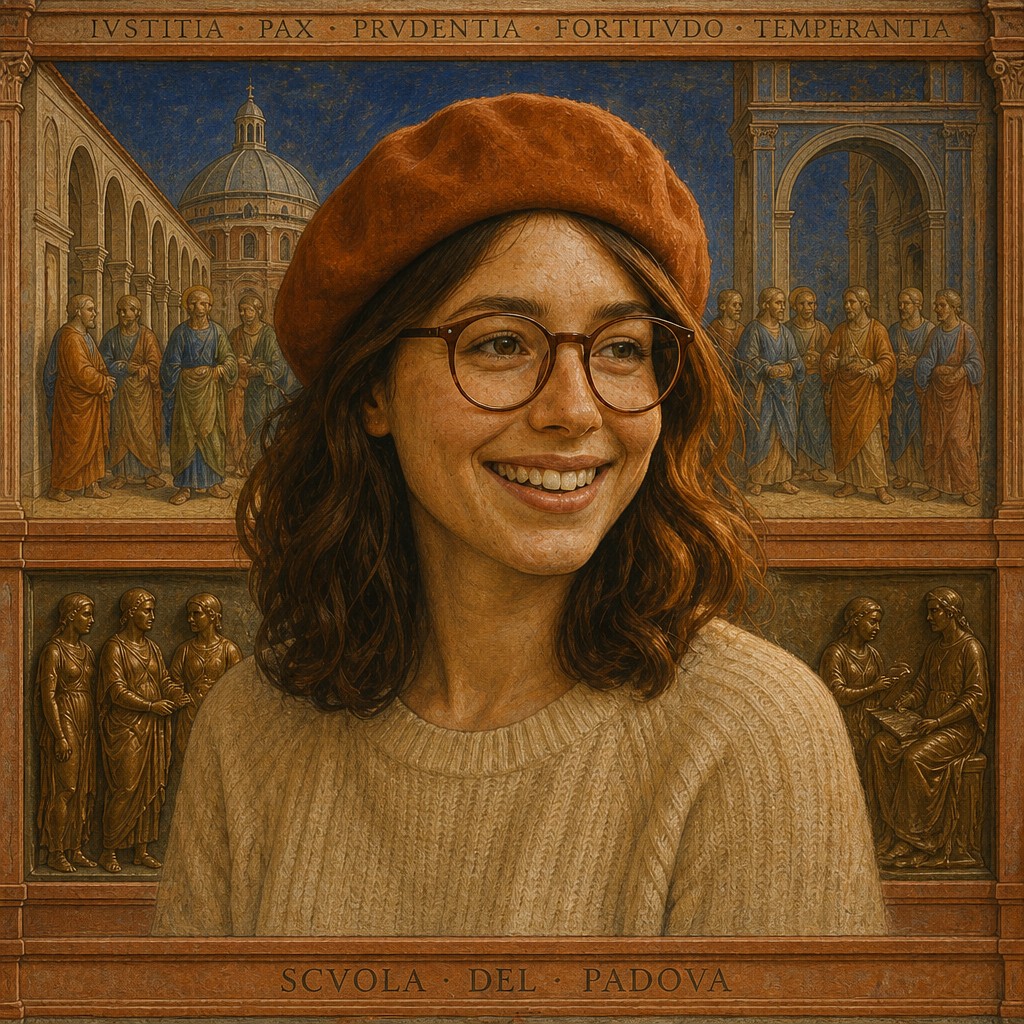
The signature details, up close
Sculptural figure modeling
Bodies are built from broad, weight-bearing masses with pronounced torsos, grounded feet, and clearly articulated hands and drapery. The result suggests carved or cast forms translated into paint.
Saturated ultramarine backgrounds
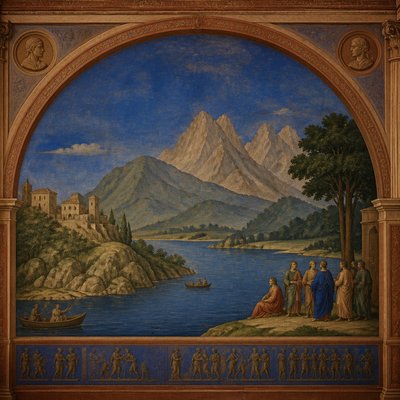
Deep blue fields frame figures and narrative action, functioning as both atmospheric space and a strong decorative plane. The color creates a jewel-like contrast with ochre, terracotta, and bronze tones.
Geometric perspective
Floors, walls, arches, and architectural openings are arranged with visible spatial logic. Perspective is used to stabilize the story and establish hierarchy rather than to create extreme optical drama.
Restrained facial expression
Faces are simplified and emotionally controlled, relying on calm gazes, slight head turns, and economical gestures. Meaning comes from posture and relationship as much as from facial detail.
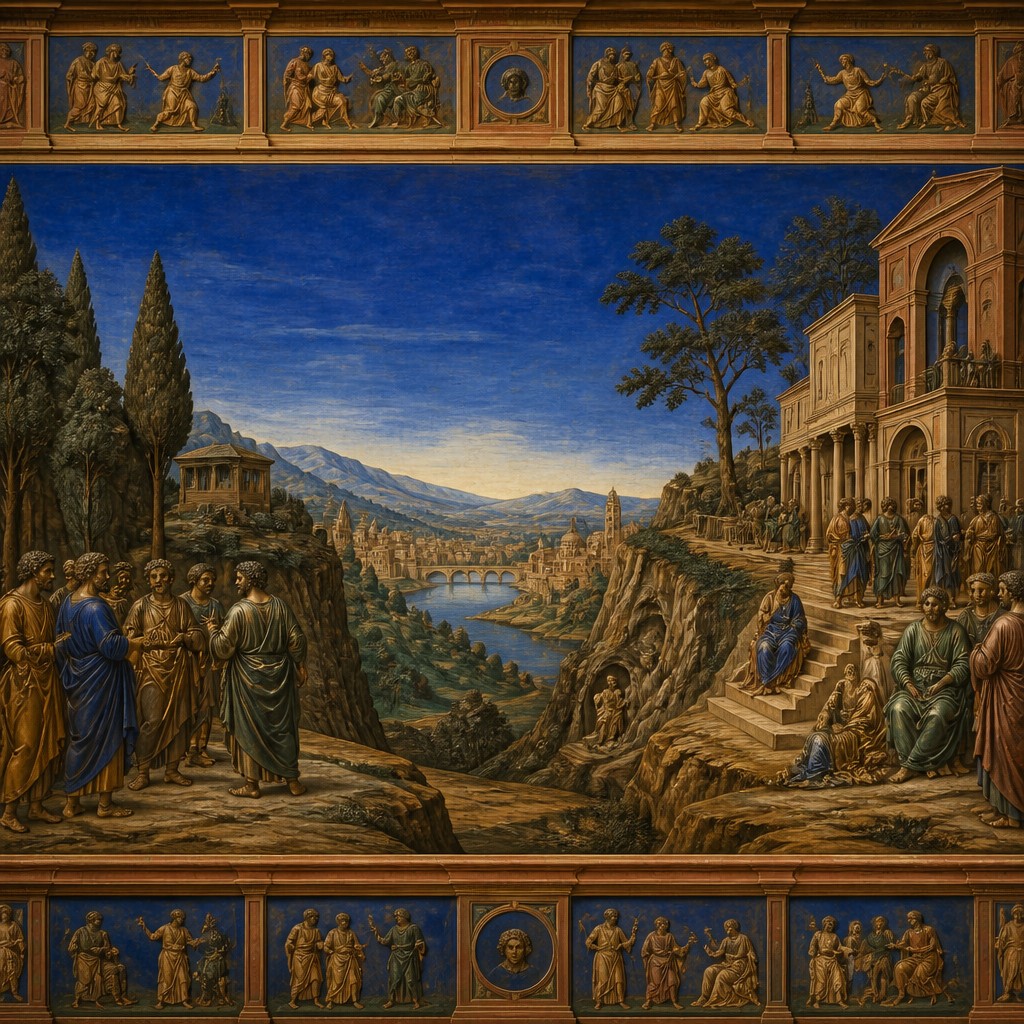
Bronze-relief surface quality
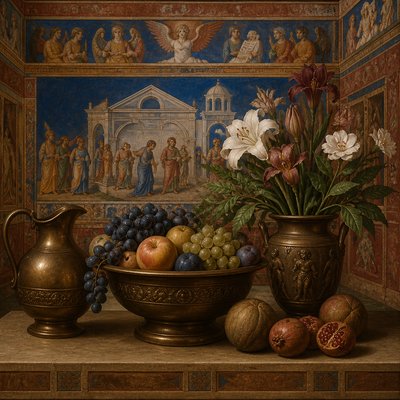
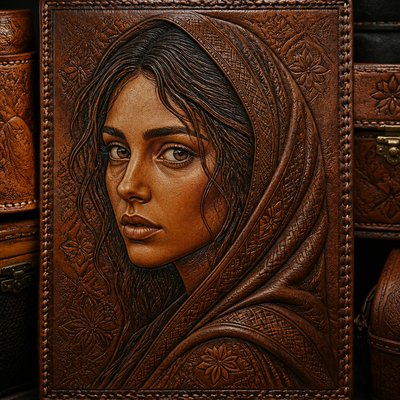
Warm umbers, muted golds, greenish patinas, and concentrated highlights give painted surfaces the impression of polished bronze or shallow relief. Texture remains tactile without becoming photorealistic.
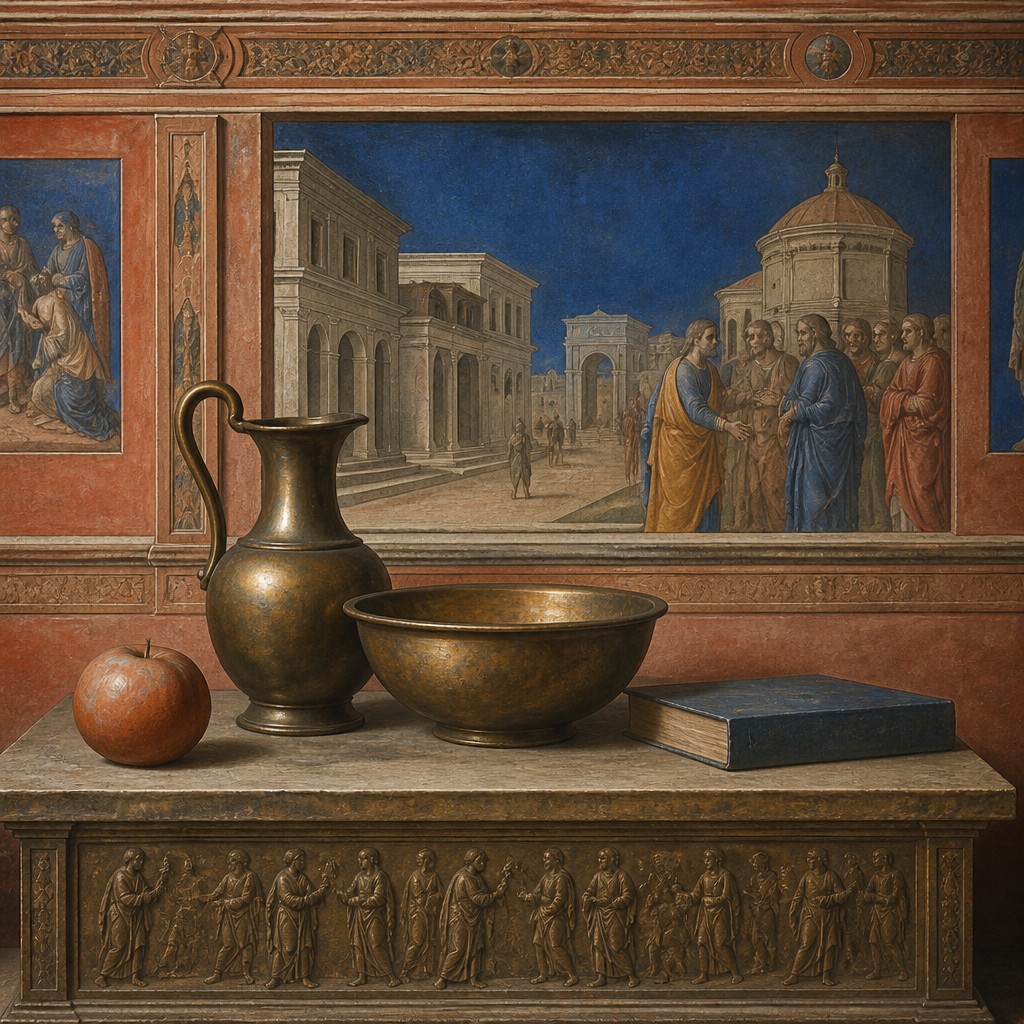
Terracotta architectural framing
Reddish earthen walls, pilasters, cornices, and chapel-like bands create a material frame around the scene. These structures help divide images into legible narrative compartments.
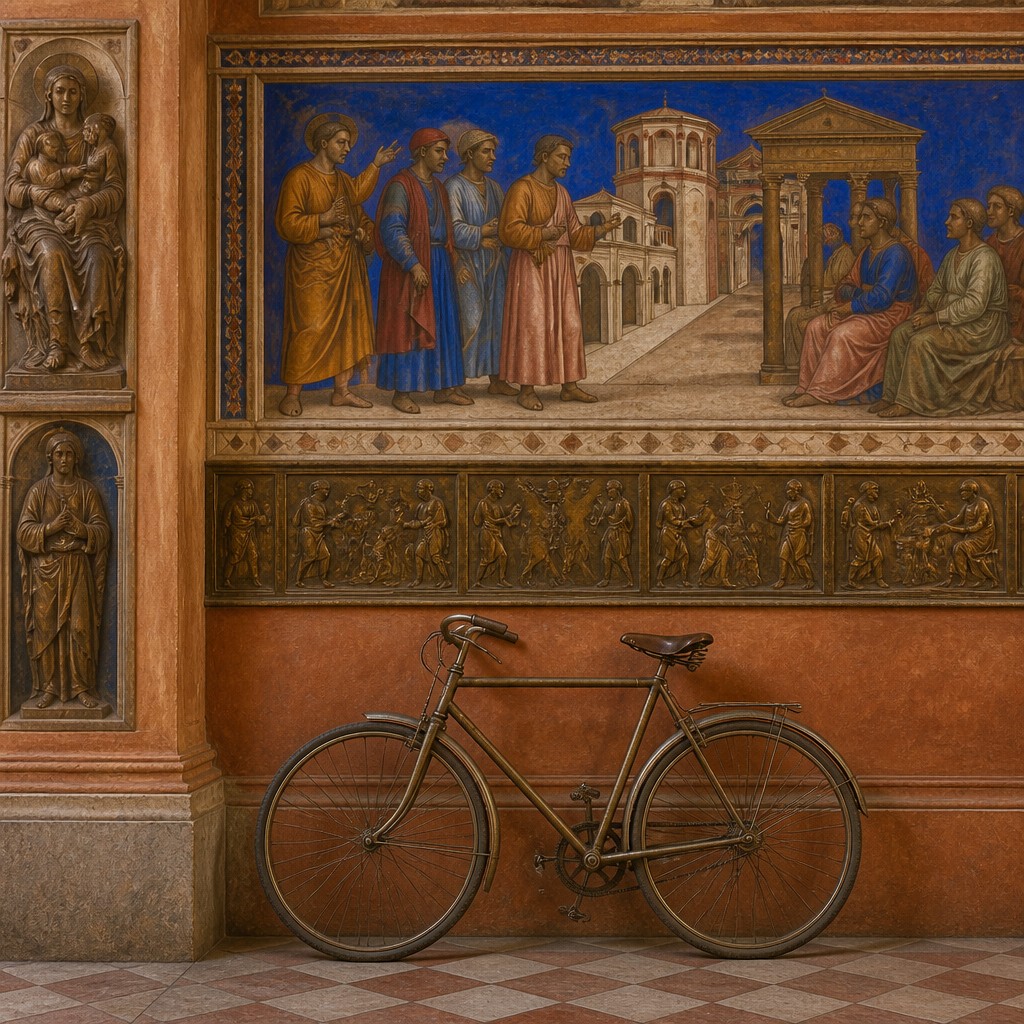
Compact narrative staging
Scenes favor a small number of clearly posed figures engaged in a recognizable action. Symmetry, centered groupings, and visual pauses support devotional, historical, or allegorical storytelling.
Padua Prompt Ideas
Start from an idea — each one opens the generator with the style ready to go. See all 40 Padua prompts →
How to Create Padua Art
Master the craft step by step — or skip straight to creating. Read the full guide →
- 1
Build figures from solid masses
Begin with simplified geometric volumes for the rib cage, pelvis, limbs, and head before adding garments. Keep feet grounded and use broad shadow planes to make the bodies feel weighty.
- 2
Plan the architecture first
Establish a horizon line, vanishing points, floor grid, and major wall or arch shapes before placing the figures. Let the architecture frame the action without overwhelming it.
- 3
Use a fresco-like palette
Combine saturated ultramarine with terracotta, ochre, warm gray, muted green, and bronze brown. In traditional media, work with thin mineral-like layers and matte surfaces; digitally, reduce excessive gloss and preserve a granular wall texture.
- 4
Model faces with economy
Use a few strong planes for the brow, nose, cheek, and jaw rather than highly detailed skin rendering. Convey emotion through gaze direction, head angle, hand position, and the spacing between figures.
- 5
Add relief and patina cues
Place restrained highlights along raised edges, folds, noses, knuckles, and architectural moldings, then soften them with warm patina colors. Avoid metallic reflections that would make the scene look like polished CGI.
- 6
Write prompts around structure and materials
Specify the subject, compact narrative action, chapel architecture, ultramarine field, geometric perspective, sculptural anatomy, and fresco or bronze-relief surface. For image-to-image work, preserve the source pose while simplifying facial detail and strengthening the architectural framing.
The Story
History & Origins of Padua
Padua Art Style is best understood as an invented or niche style rather than a formally recognized historical movement. Its aesthetic lineage comes from the late medieval and early Renaissance fresco traditions of northern Italy, especially the devotional cycles produced in Padua between the fourteenth and fifteenth centuries. Those traditions combined narrative clarity, monumental wall painting, solidly modeled bodies, architectural settings, and growing interest in spatial organization.
The style also draws on the era's renewed study of classical sculpture, the use of fresco on chapel walls, and the visual language of bronze and terracotta relief. Its ultramarine fields, simplified faces, and polished patinated surfaces are a modern stylistic construction that concentrates these historical references into a consistent visual system rather than reproducing one specific period artifact.
Influences: The style relates to northern Italian early Renaissance fresco, late medieval devotional wall painting, classical relief sculpture, bronze and terracotta modeling, and the emerging use of linear perspective in architectural scenes. It also echoes Romanesque and Gothic narrative bands through its compartmentalized storytelling, while its saturated blue fields connect it to the decorative color traditions of sacred mural painting. Contemporary digital matte painting and image synthesis contribute the ability to combine these references into a deliberately hybrid visual language.
Frequently Asked Questions
Is Padua Art Style a recognized historical art movement?
No. The term is best treated as a niche or invented style label rather than the name of a documented historical school. It draws on real early Renaissance and northern Italian fresco traditions while adding a modern combination of bronze-relief surfaces, ultramarine fields, and terracotta framing.
What defines the Padua Art Style?
Its key features are sculptural, weighty figures; simplified faces; restrained emotion; saturated ultramarine backgrounds; and carefully organized architectural perspective. Warm bronze, ochre, and terracotta tones give the painted scene a tactile, relief-like presence.
How is it different from general Renaissance painting?
It narrows the broad Renaissance vocabulary into a more monumental and material-focused system. Compared with later Renaissance naturalism, it favors simplified anatomy, compact storytelling, matte fresco surfaces, and emotional restraint over delicate detail or theatrical movement.
Can this style be used for subjects outside religious scenes?
Yes. Its chapel framing and narrative bands suit devotional subjects, but the same visual language works for myths, historical events, portraits, civic ceremonies, and speculative stories. The strongest results usually involve a small group of figures engaged in a clearly readable action.
What media work well for creating this look?
Fresco, tempera, gouache, casein, and textured digital painting are suitable because they support matte color and layered modeling. Sculptural studies, relief references, and carefully constructed perspective can help establish the style before surface details are added.
How should I prompt for an image in this style?
Describe the subject first, then specify weighty early Renaissance anatomy, a saturated ultramarine background, terracotta architecture, geometric perspective, restrained faces, and a warm bronze-relief surface. Mention matte fresco texture and avoid terms such as glossy, photorealistic, or cinematic if you want to preserve its historical, mural-like character.
Create your first Padua artwork
Describe anything — or upload a photo — and see it in Padua Art Style in seconds.
Related Styles
Discover similar art styles