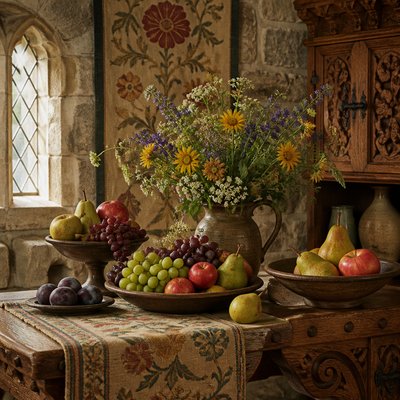
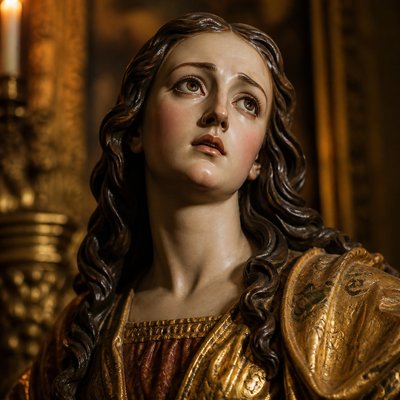
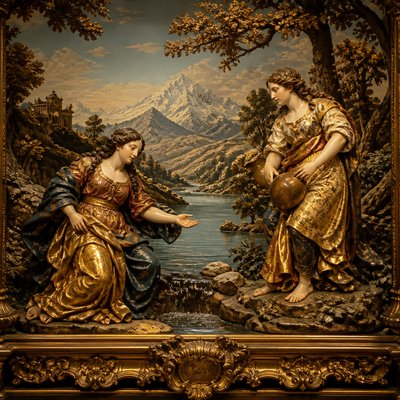
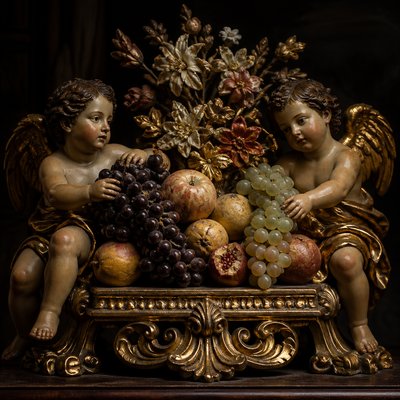
Genoa Art Style
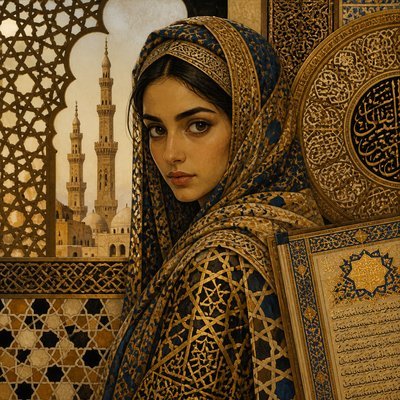
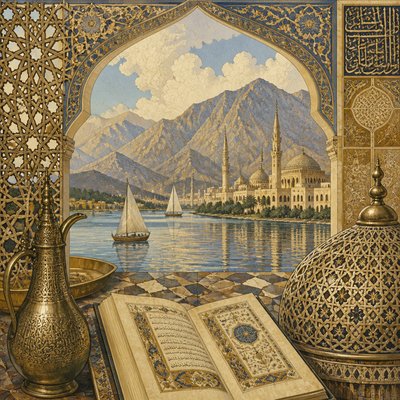
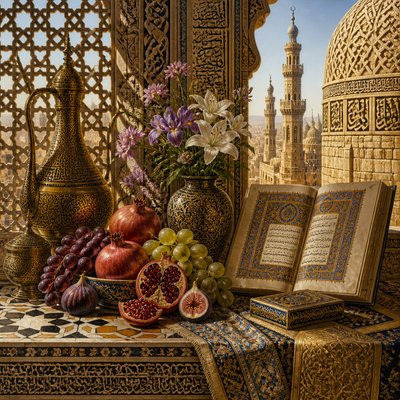
Explore Genoa Art Style: Baroque palazzo interiors, illusionistic frescoes, crimson-and-gold oil tones, marble ornament, and dramatic chiaroscuro.
Instantly rendered in Genoa — or transform a photo
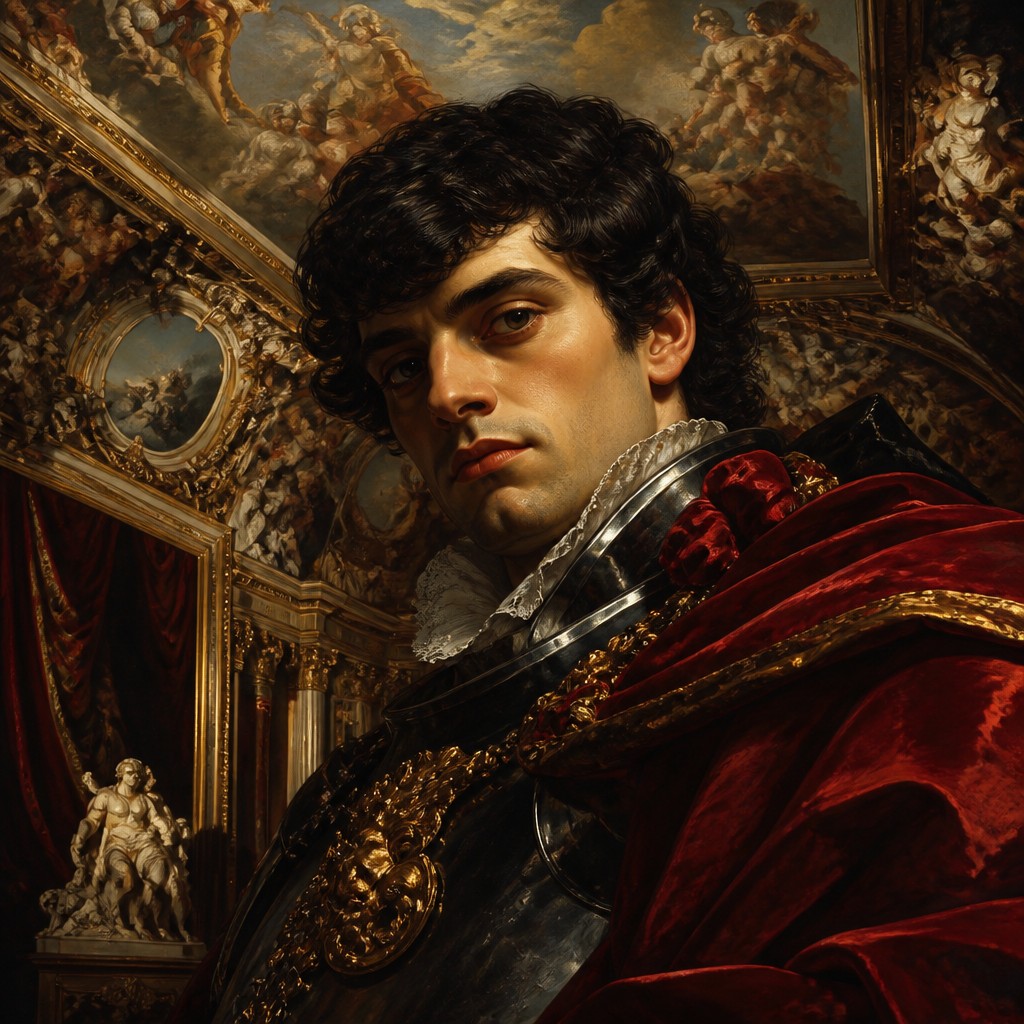
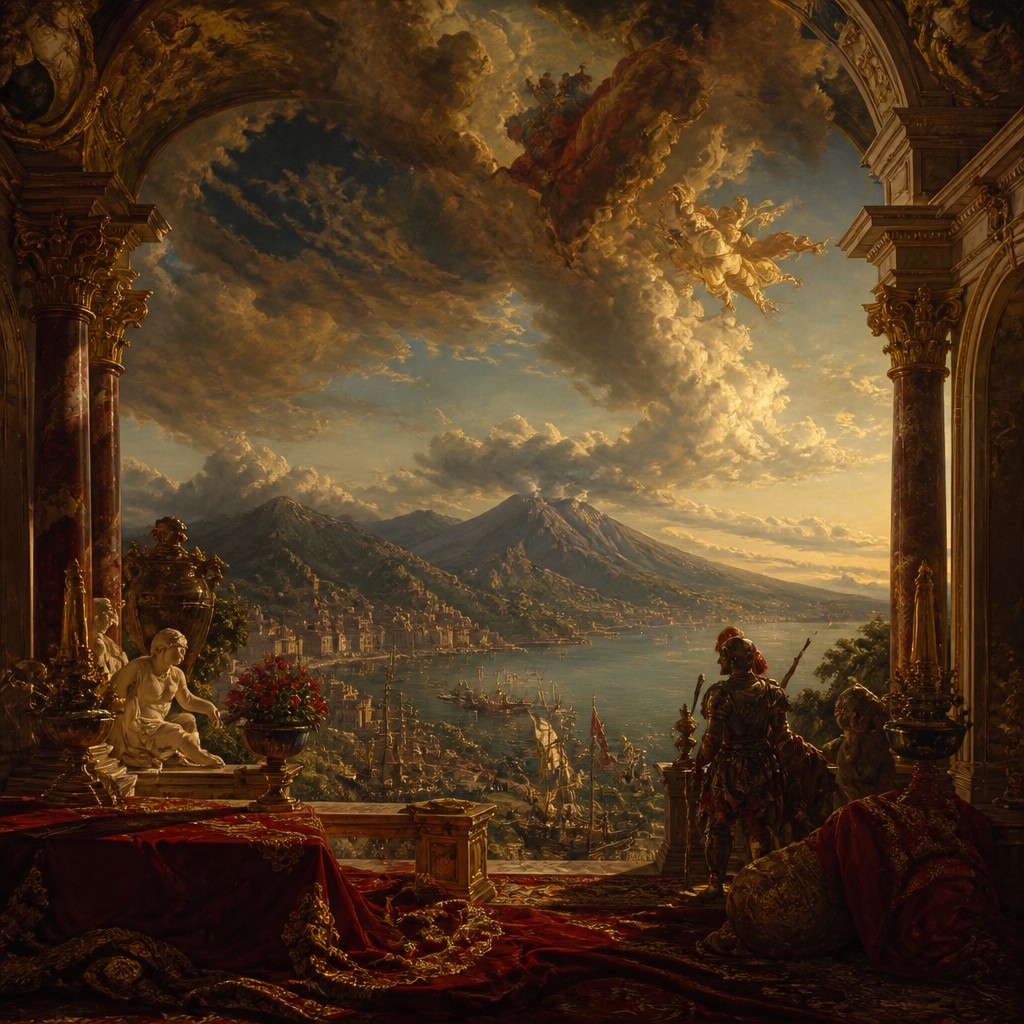
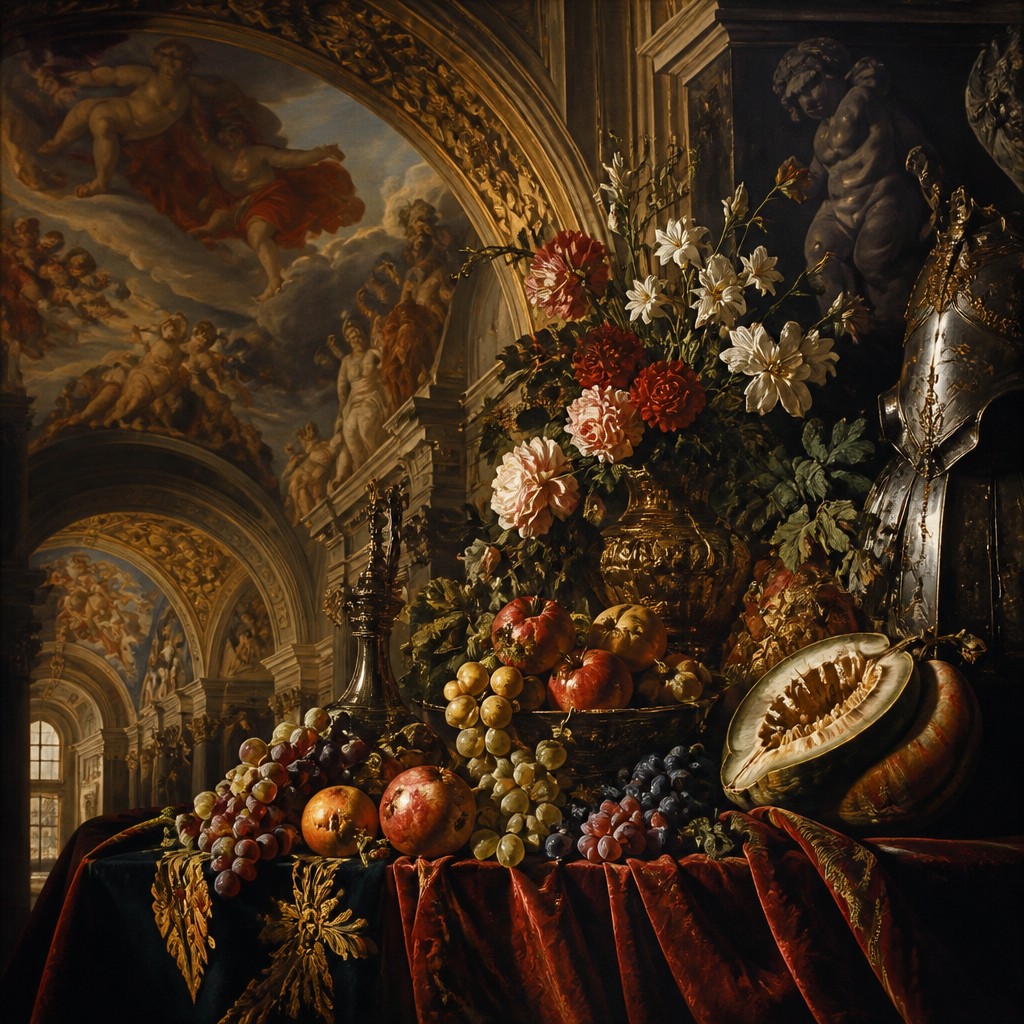
Genoa Gallery
Tap any artwork to explore it
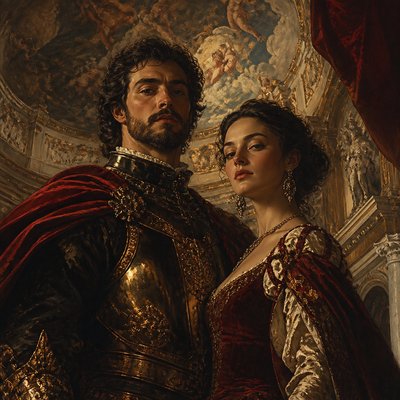
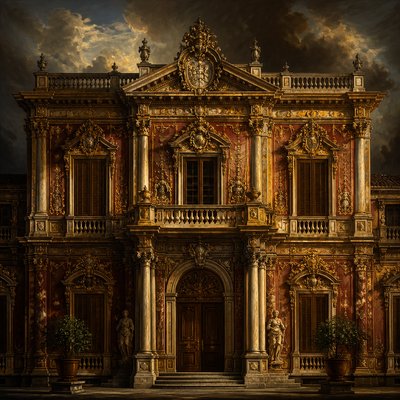
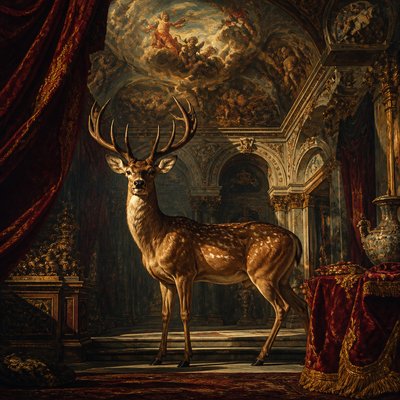
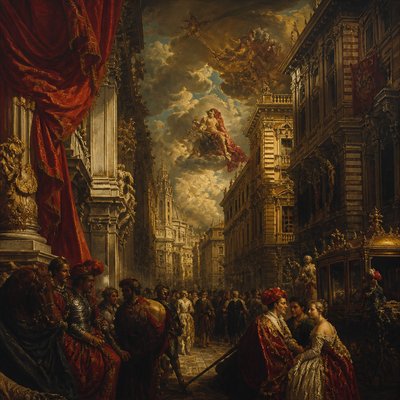
What is Genoa Art Style?
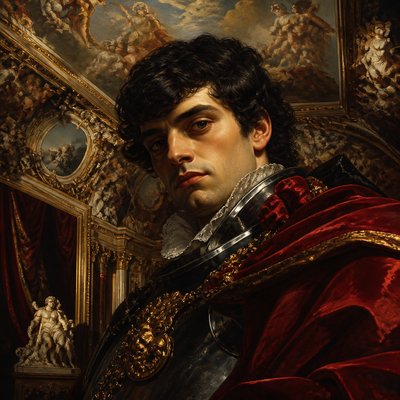
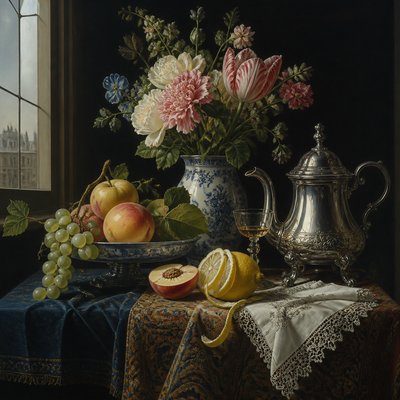
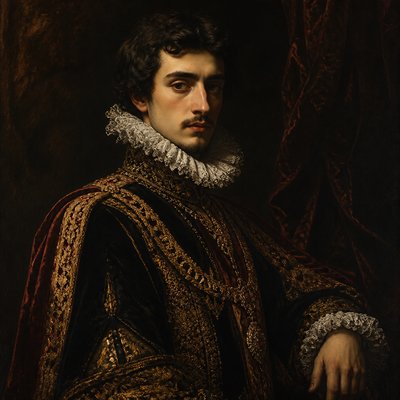
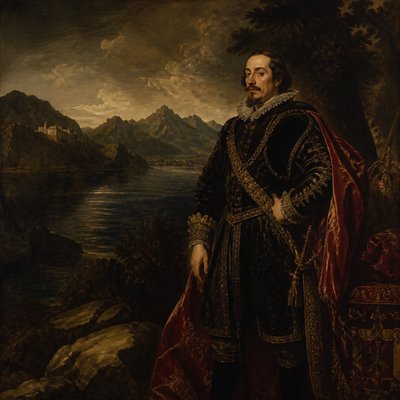
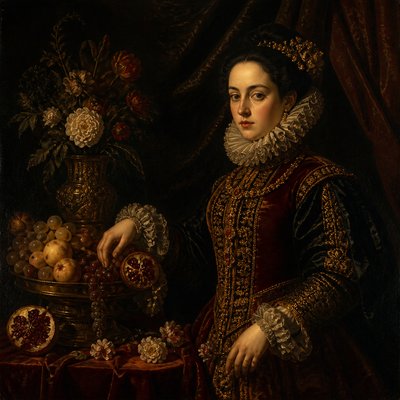
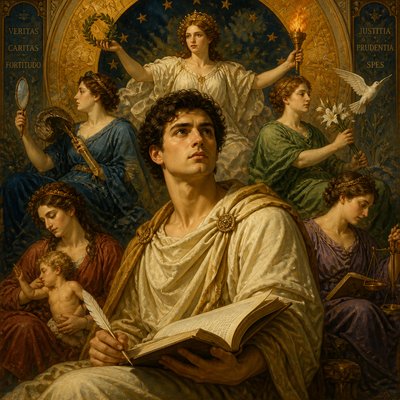
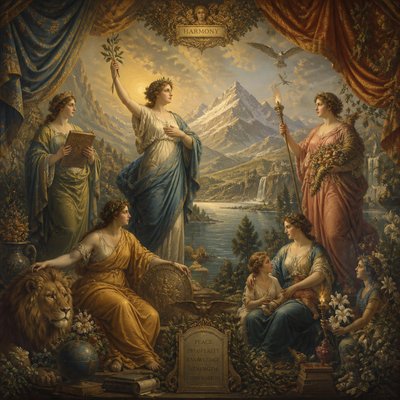
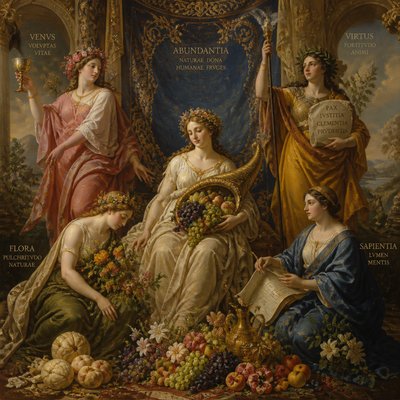
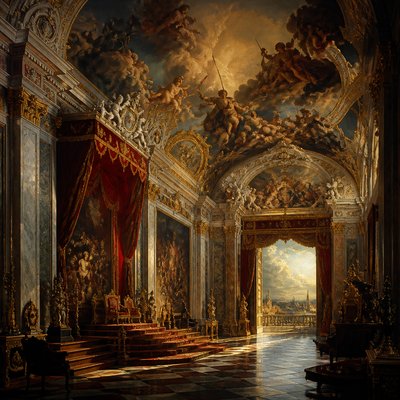
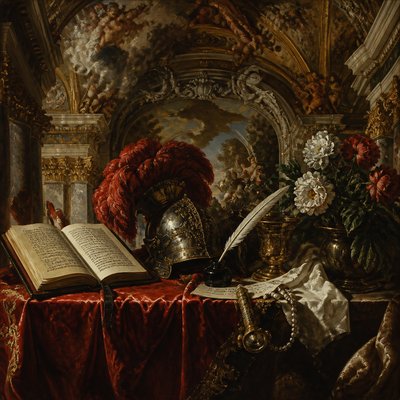
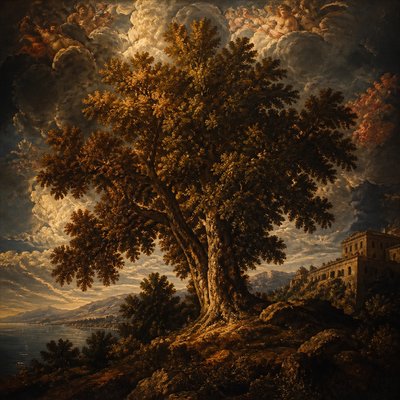
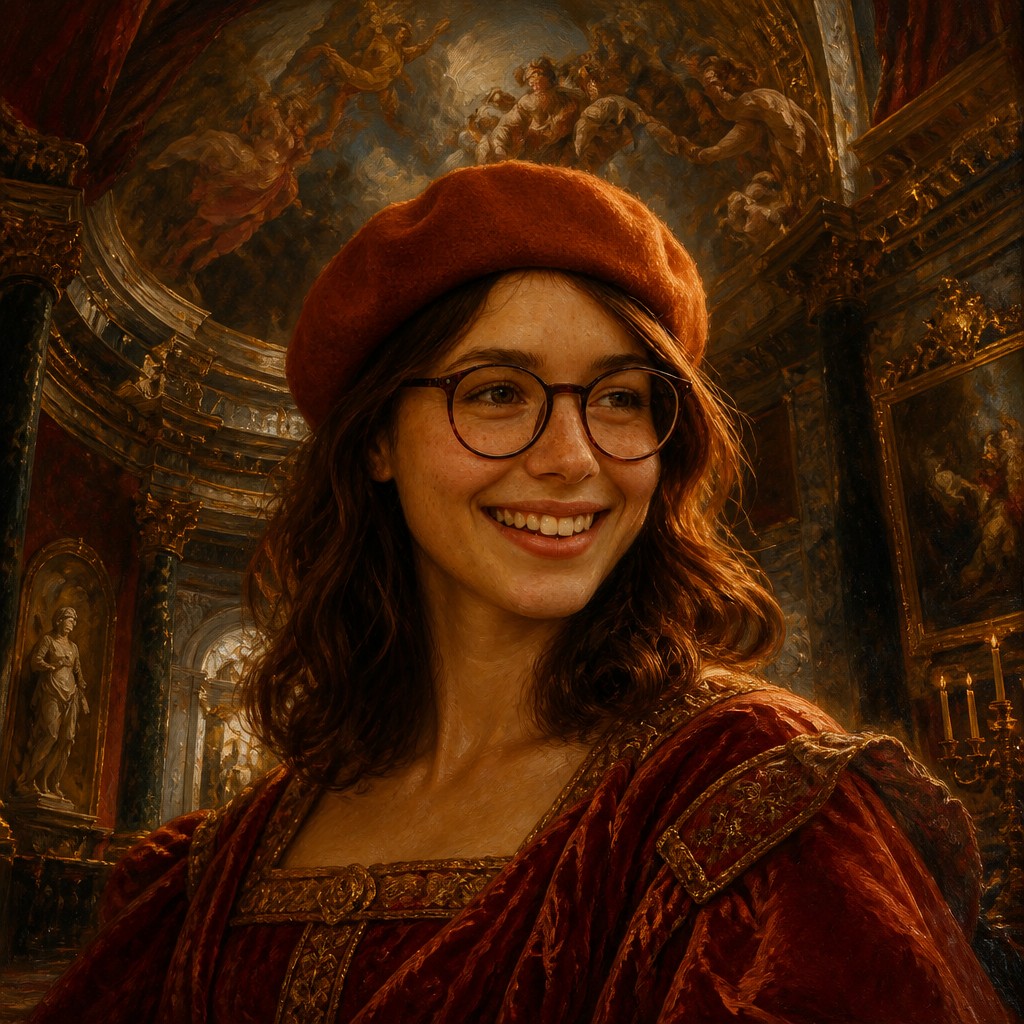
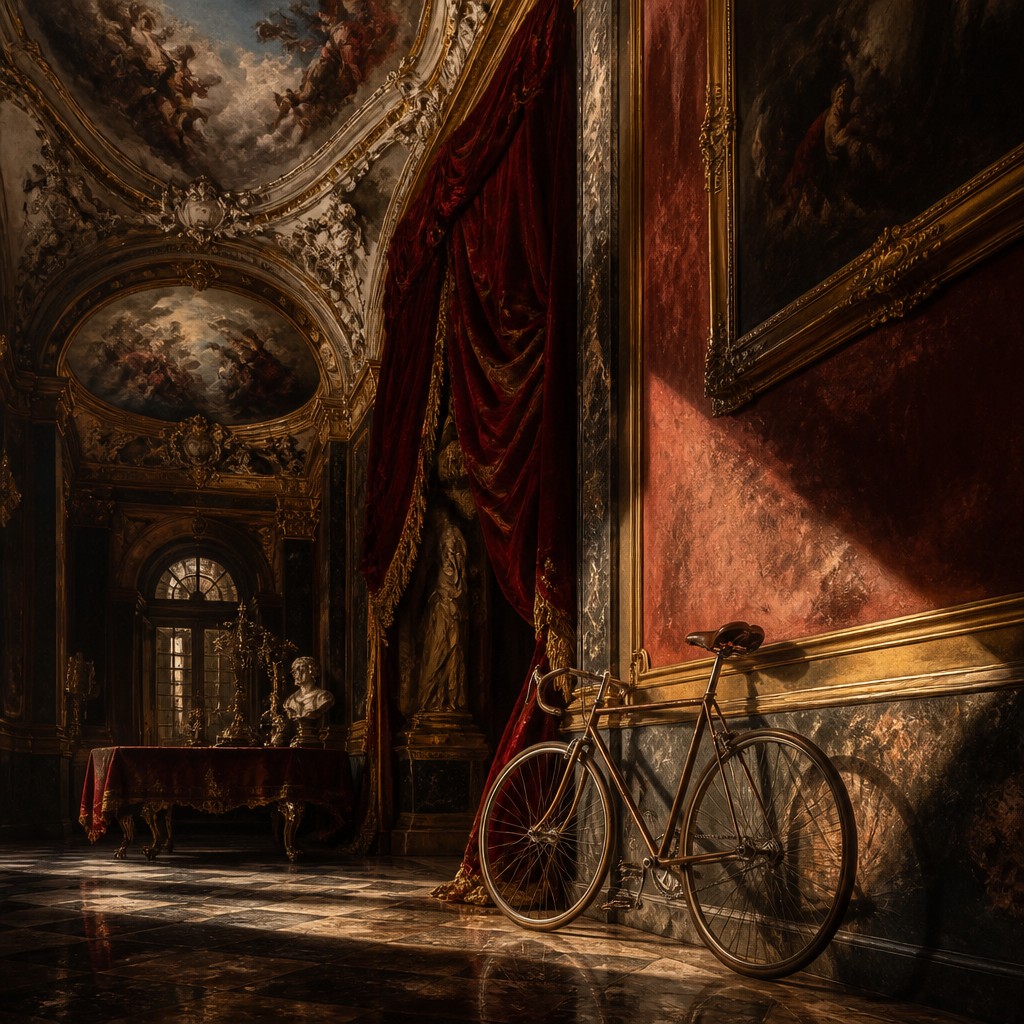
Genoa Art Style is an evocative, historically informed visual aesthetic inspired by the Baroque art and architecture of Genoa and Liguria. It combines deep chiaroscuro oil painting with the theatrical grandeur of patrician palazzi: frescoed vaults, gilded cornices, carved marble, velvet drapery, armor, mythological imagery, and elaborately staged interiors.
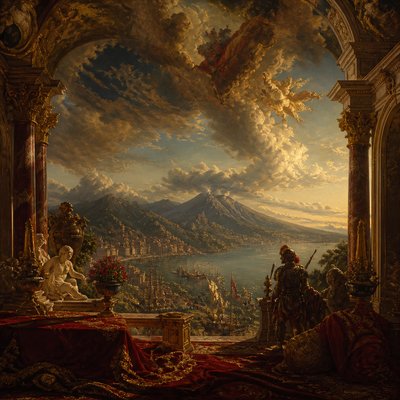
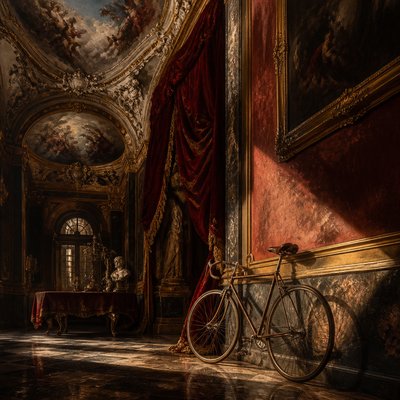
Its visual identity depends on contrast. Dark, warm backgrounds make crimson textiles, burnished gold, pale marble, and illuminated skin appear especially luminous, while diagonal light introduces movement and drama. Ceiling frescoes use illusionistic perspective to dissolve architectural boundaries, extending rooms into imagined skies populated by clouds, allegorical figures, and mythic narratives.
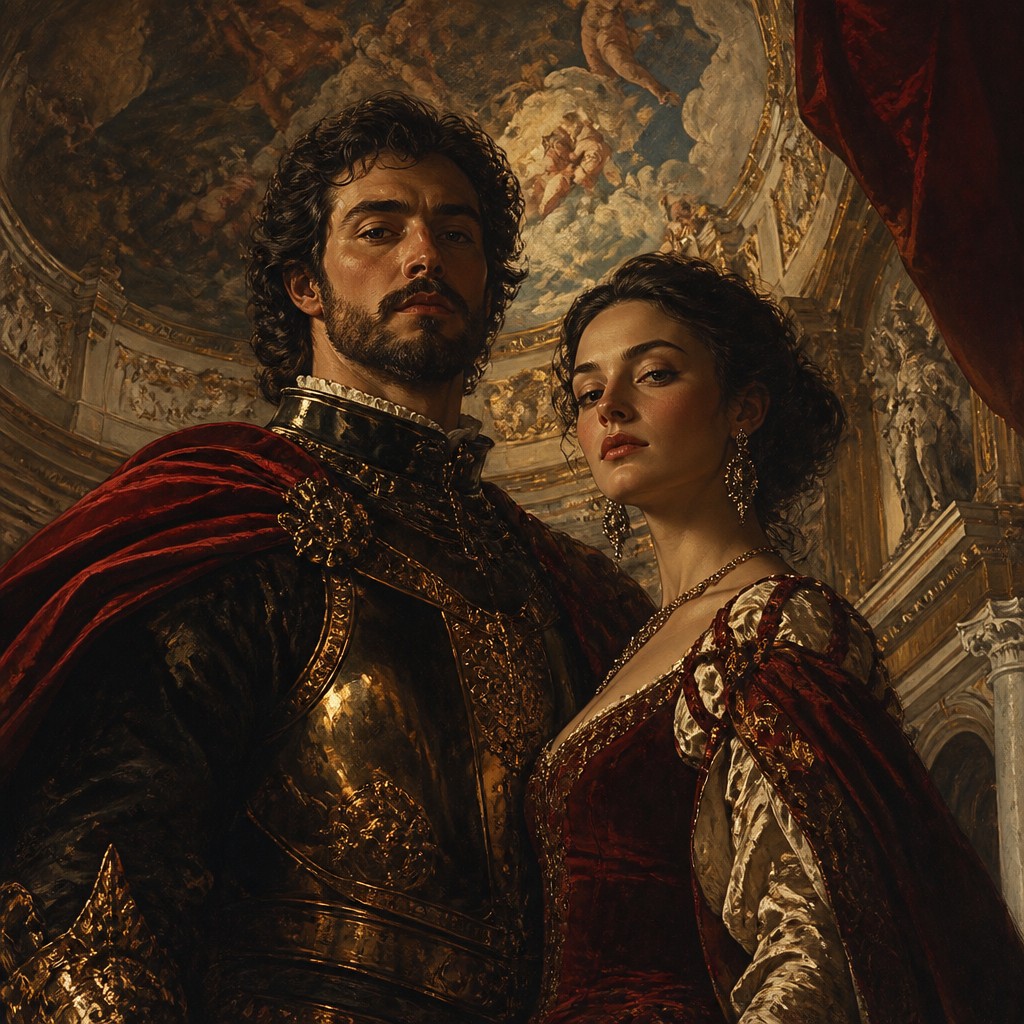
Try It On Your Photos
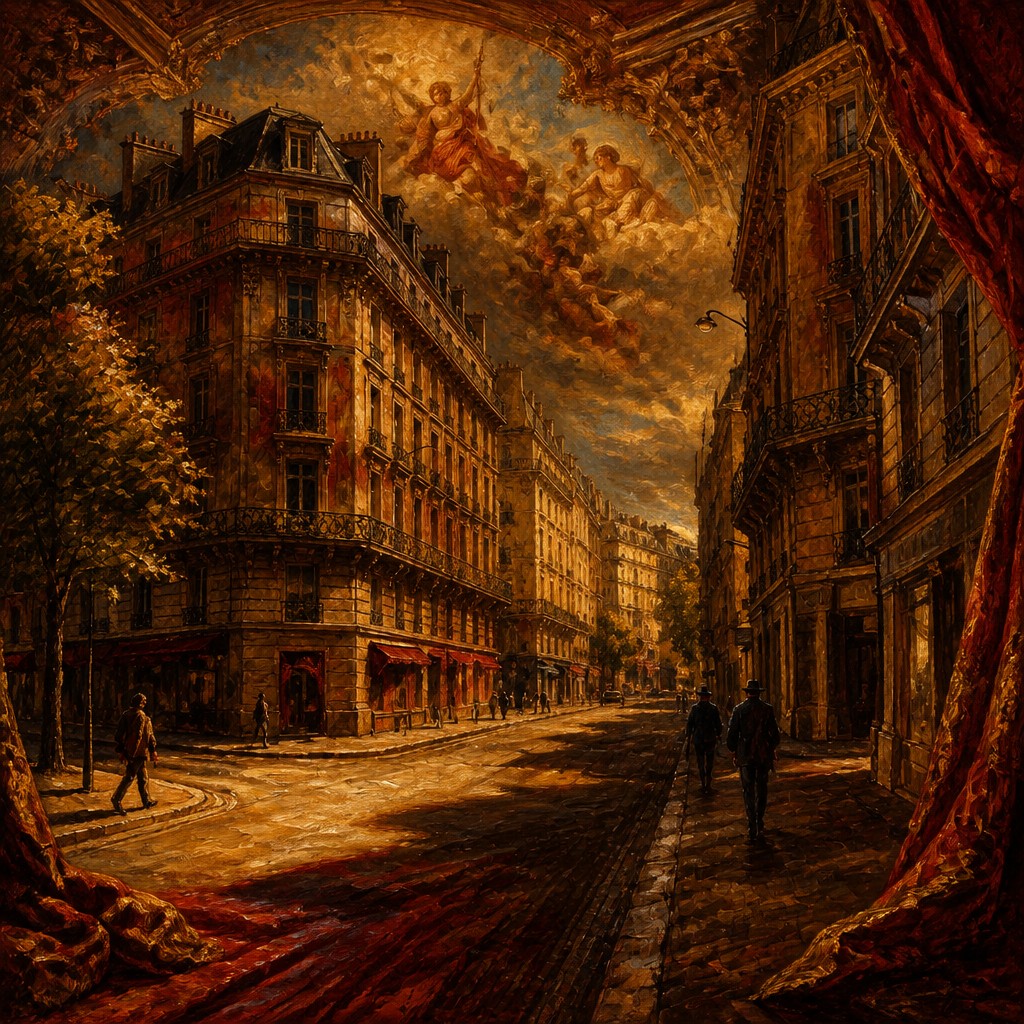
Upload any photo and convert it into Genoa Art Style — drag the sliders to compare before and after.


What Defines Genoa Art Style
The signature details, up close
Deep chiaroscuro
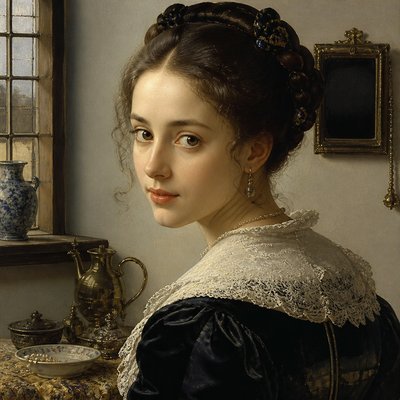
Strong directional light cuts through otherwise shadowed interiors, producing theatrical contrast and concentrating attention on figures, fabrics, armor, or architectural details.
Crimson and gilded palette
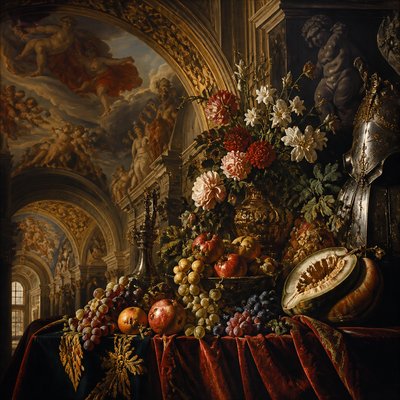
Rich reds, aged gold, umber, black-brown, ivory, and warm marble tones create an opulent but historically grounded color range.
Illusionistic fresco ceilings
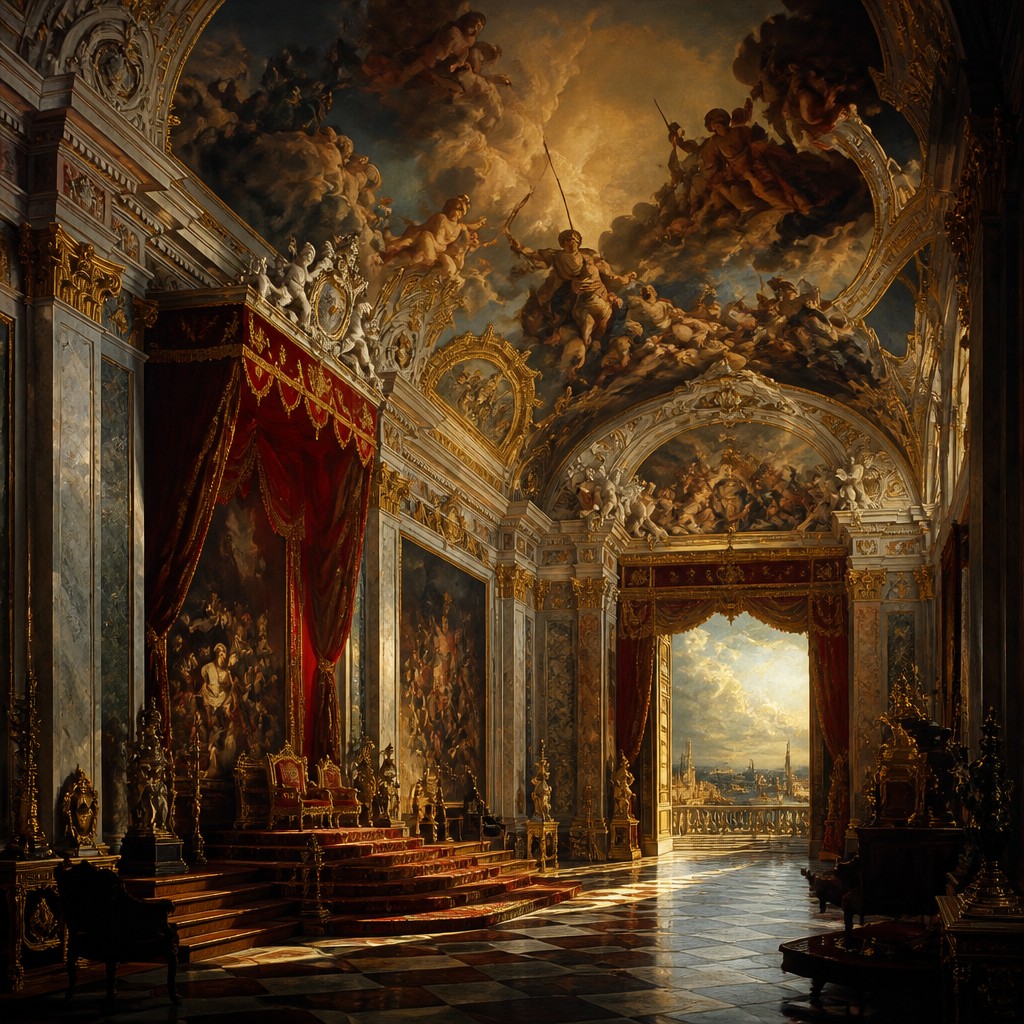
Painted vaults appear to open into expansive skies, clouds, architectural extensions, and mythological or allegorical scenes viewed from below.
Palazzo ornament
Marble panels, gilded moldings, stucco frames, carved cornices, columns, and patterned floors establish a dense architectural setting.
Material richness
Velvet, brocade, polished metal, stone, wood, and painted plaster are distinguished through dense brushwork and carefully observed highlights.
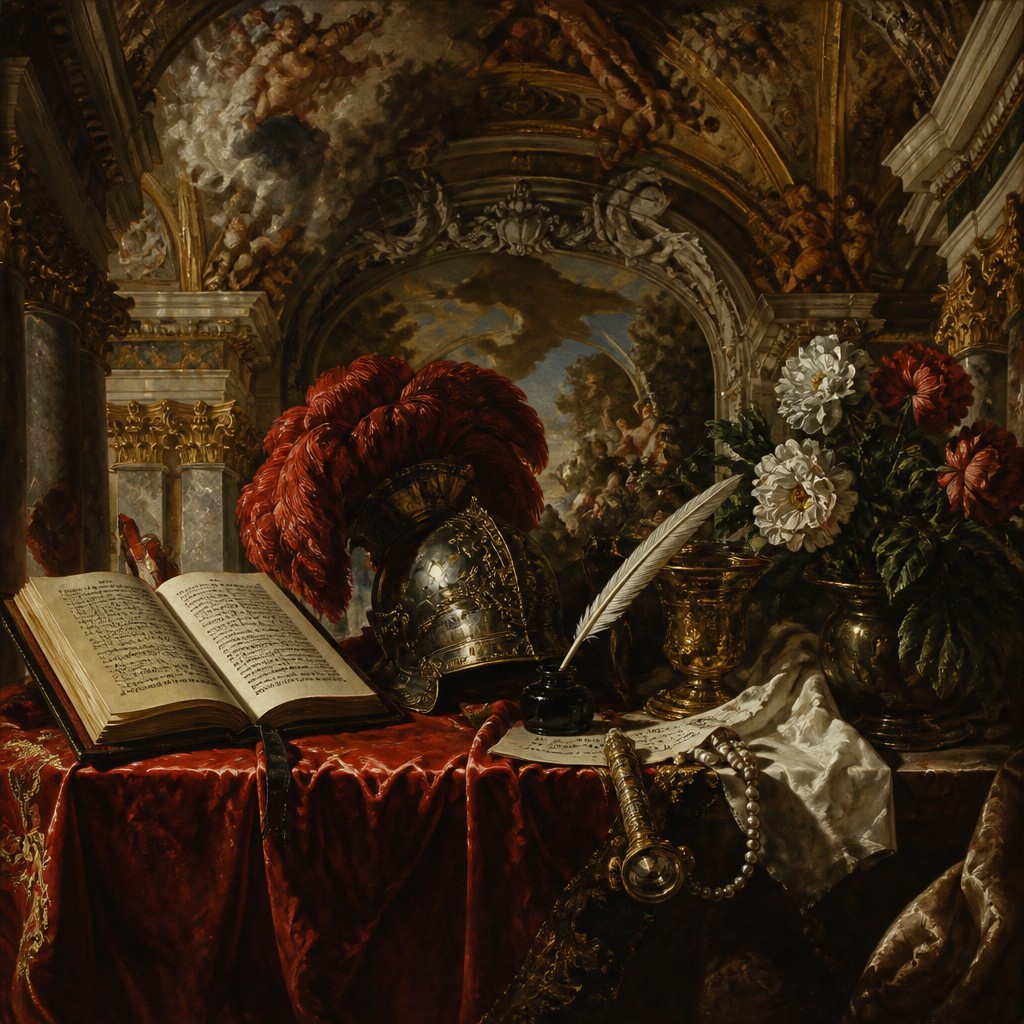
Theatrical composition
Diagonal arrangements, sweeping drapery, elevated viewpoints, and staged gestures lend the image a ceremonial and dynamic quality.
Painterly surface
Visible, substantial brushwork softens fine detail while preserving the tactile weight of fabrics, fresco plaster, carved stone, and oil-laid shadows.
Genoa Prompt Ideas
Start from an idea — each one opens the generator with the style ready to go. See all 40 Genoa prompts →
How to Create Genoa Art
Master the craft step by step — or skip straight to creating. Read the full guide →
- 1
Build the value structure first
Begin with a dark umber or warm neutral ground and establish the major light path before adding color. Reserve the brightest highlights for focal materials such as gold leaf, marble, skin, or polished steel.
- 2
Design the architecture as a stage
Use a strong central axis, receding floor lines, framed wall panels, and a ceiling opening that creates upward movement. Sketch the perspective carefully so the illusionistic fresco feels attached to the room.
- 3
Layer color and texture
For traditional painting, combine transparent dark glazes with opaque warm lights and restrained impasto on reflective surfaces. Digitally, use separate layers for architecture, fresco, fabrics, illumination, and patina, then unify them with warm color grading.
- 4
Control ornament
Include marble, stucco, gilding, and textile patterns, but vary their sharpness so the image does not become uniformly busy. Keep the focal subject clearer than the surrounding decoration.
- 5
Use a precise generation brief
For prompt-based creation, specify the subject, palazzo setting, ceiling perspective, palette, light direction, materials, and painterly finish. Add constraints such as restrained modern objects, coherent architectural perspective, and no readable text.
- 6
Finish with historical atmosphere
Add subtle fresco cracking, softened edges, aged varnish, smoke-darkened recesses, or plaster irregularity without obscuring the principal forms. A final warm-black vignette can reinforce the intimate interior mood.
The Story
History & Origins of Genoa
This is not a formally named historical movement but a contemporary style label for an aesthetic lineage rooted in Genoese and Italian Baroque visual culture, especially the seventeenth and early eighteenth centuries. Genoa's mercantile wealth and aristocratic patronage supported lavish palaces, church interiors, fresco cycles, sculptural decoration, and richly colored easel painting.
The style draws on several features associated with the Genoese Baroque: dramatic lighting, energetic compositions, sumptuous materials, illusionistic ceiling decoration, and the integration of painting, architecture, and sculpture. It also reflects wider Mediterranean and Northern European exchanges, including the strong interest in oil technique, textile rendering, and worldly luxury found in early modern port cities.
Influences: The style is related to Italian Baroque painting and architecture, Genoese palazzo decoration, illusionistic quadratura fresco, theatrical chiaroscuro, late Renaissance courtly interiors, and the material sensitivity of Northern European oil painting. It also shares traits with Rococo ceiling decoration in its interest in architectural illusion and mythic imagery, though its darker palette, heavier shadows, and more monumental atmosphere remain distinctly Baroque.
Frequently Asked Questions
What defines the Genoa Art Style?
It is defined by the fusion of Genoese Baroque palazzo culture with dramatic oil-paint lighting and illusionistic fresco decoration. Key signs include crimson and gold, dark architectural recesses, marble and stucco ornament, theatrical diagonals, and ceilings that seem to open into mythic skies.
Is Genoa Art Style a recognized historical art movement?
No. The term is best understood as a contemporary descriptive label rather than the official name of a historical movement. It refers to an aesthetic lineage drawn from Baroque Genoa, Ligurian palace interiors, Italian fresco traditions, and related European oil-painting practices.
How does it differ from general Baroque art?
General Baroque art covers a broad international period and includes many subjects, techniques, and regional appearances. This style narrows that field toward Genoese palatial luxury, frescoed ceilings, dense interior ornament, maritime Italian grandeur, and a particularly rich crimson, gold, and umber palette.
Can this style be used for subjects outside palace interiors?
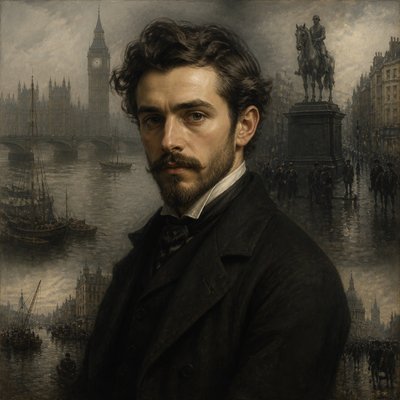
Yes. Portraits, fantasy scenes, still lifes, city views, interiors, and historical narratives can all use its lighting and material language. The strongest results usually retain at least one anchoring feature, such as dramatic chiaroscuro, illusionistic architecture, or lavish Baroque ornament.
How can I make an image look convincingly frescoed?
Describe plaster-based color, softened contours, mineral pigments, shallow surface irregularities, and architectural integration rather than simply requesting an old painting. Specify the viewpoint from below and make the painted forms follow the vault's curvature and perspective.
Where is this aesthetic commonly useful?
It suits historical fiction, fantasy worldbuilding, editorial portraiture, architectural visualization, museum-inspired interiors, ceremonial scenes, and dramatic still life. It can also transform modern subjects by placing them within a richly staged, period-inflected environment.
Create your first Genoa artwork
Describe anything — or upload a photo — and see it in Genoa Art Style in seconds.
Related Styles
Discover similar art styles