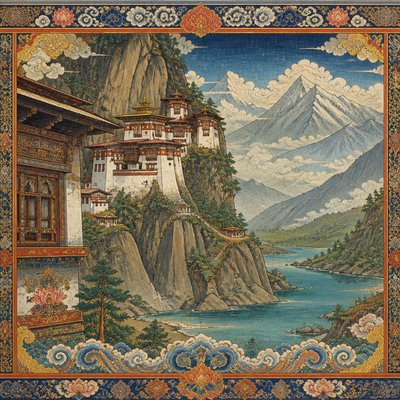
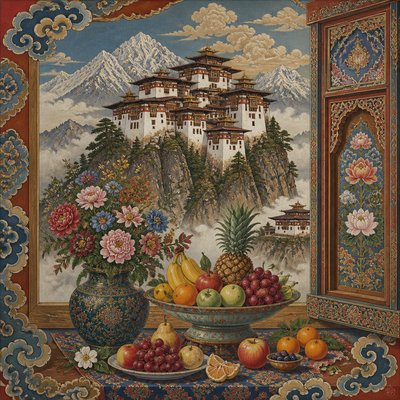
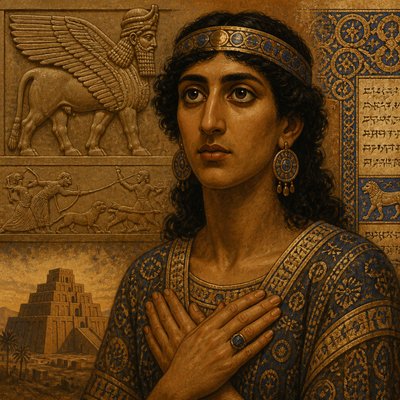
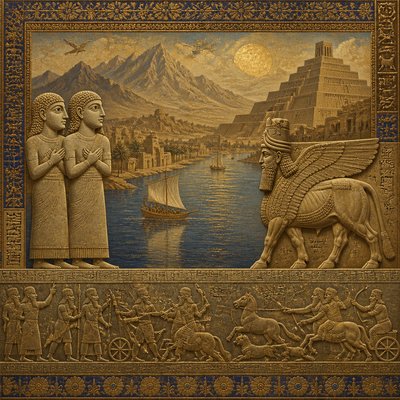
American Regionalism Art Style
Explore American Regionalism: crisp rural scenes, patterned fields, sturdy figures, and quiet monumental imagery rooted in Depression-era America.
Instantly rendered in American Regionalism — or transform a photo
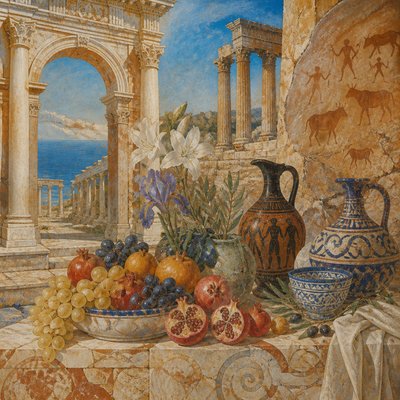
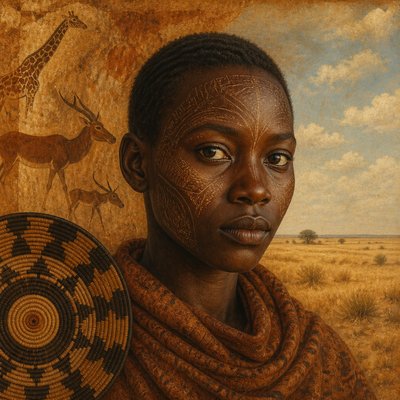
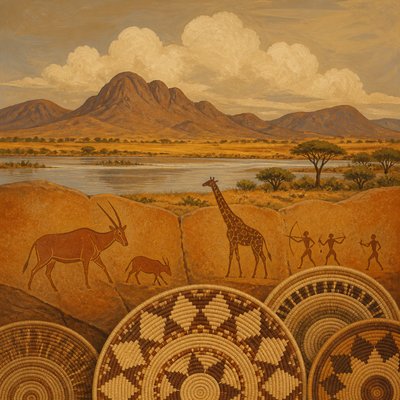
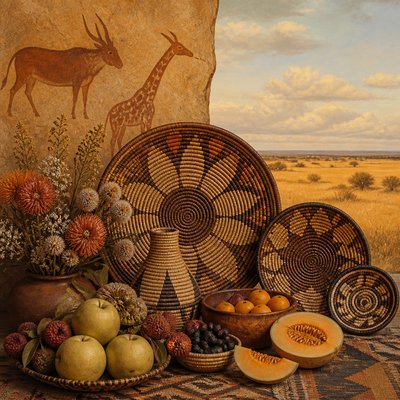
American Regionalism Gallery
Tap any artwork to explore it
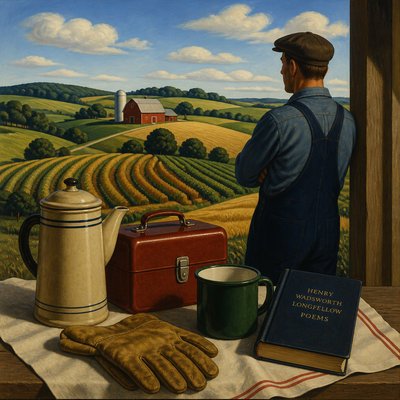
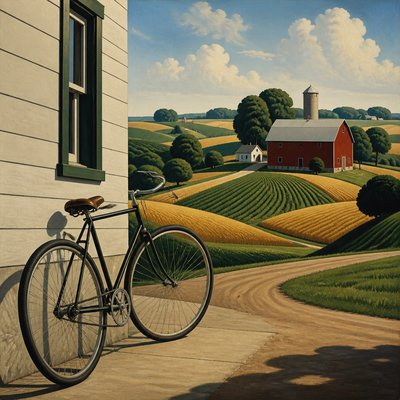
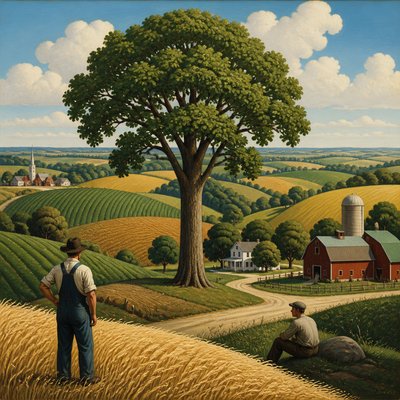
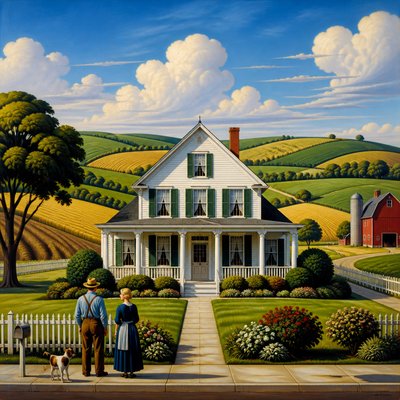
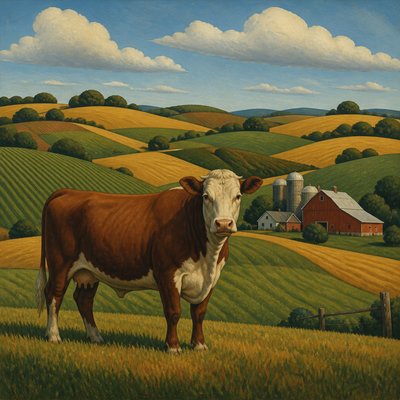
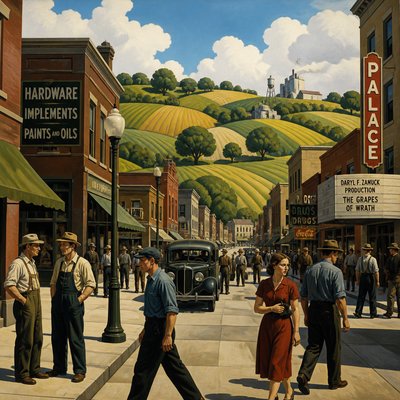
What is American Regionalism Art Style?
American Regionalism is a United States art movement associated primarily with the 1930s and early 1940s. It depicts rural communities, farms, industrial towns, domestic labor, and ordinary citizens, often presenting recognizable local life through simplified forms and carefully structured compositions. Its subjects are frequently Midwestern or broadly American, though the movement also included artists working in other regions and visual traditions.
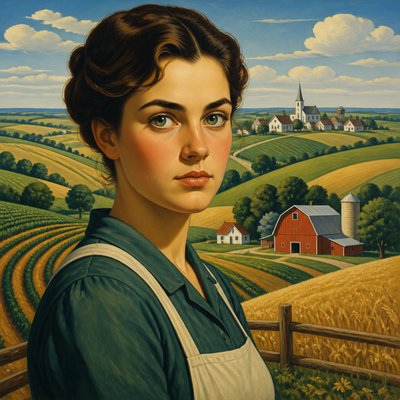
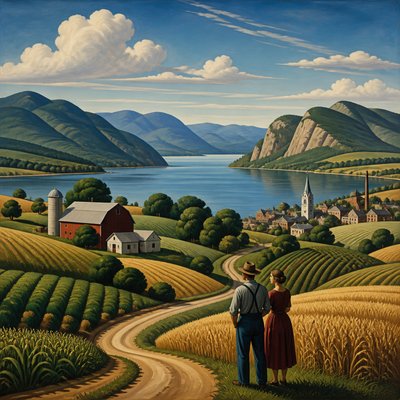
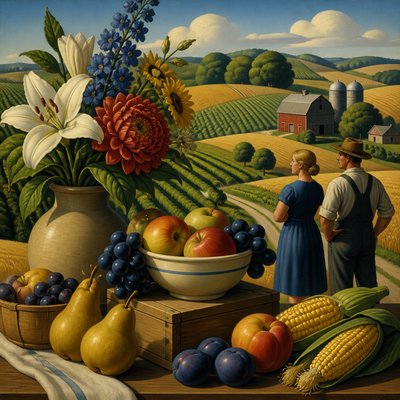
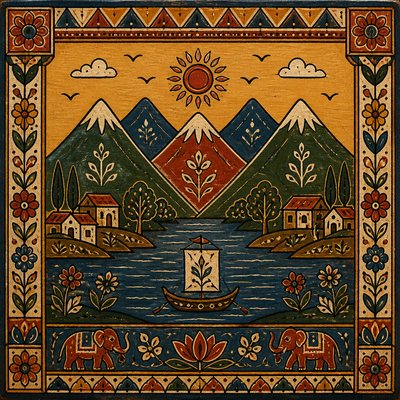
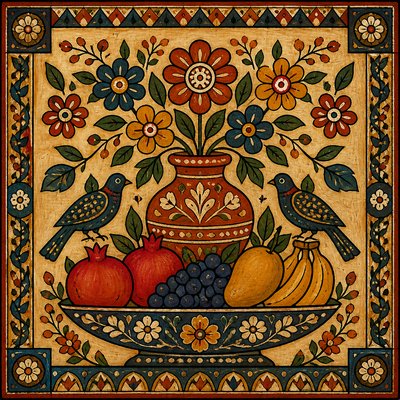
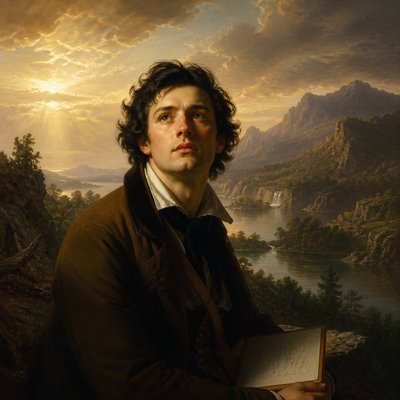
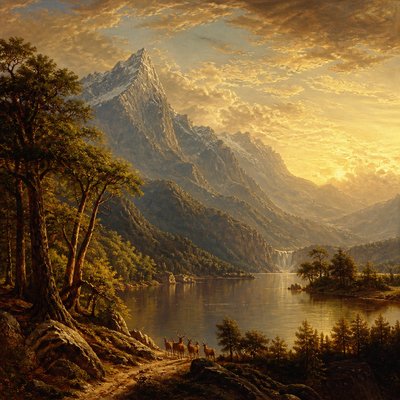
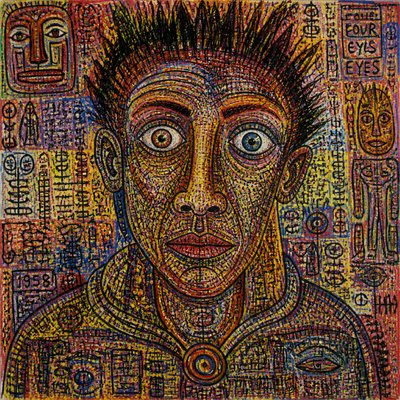
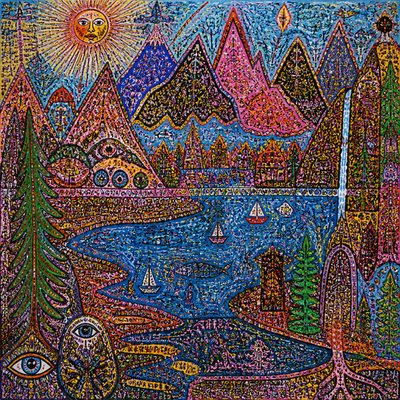
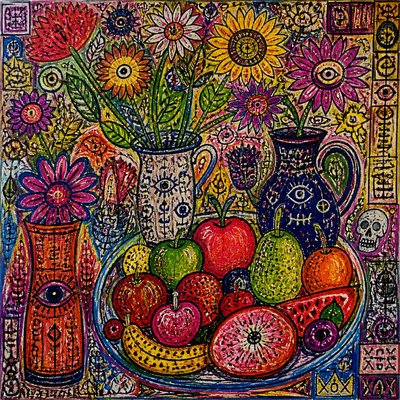
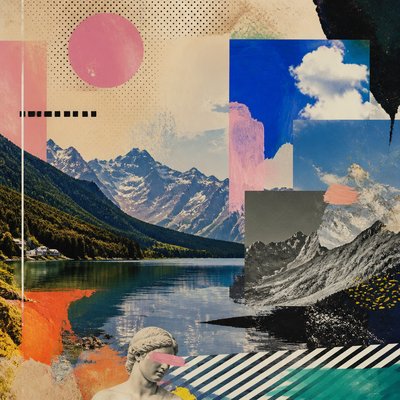
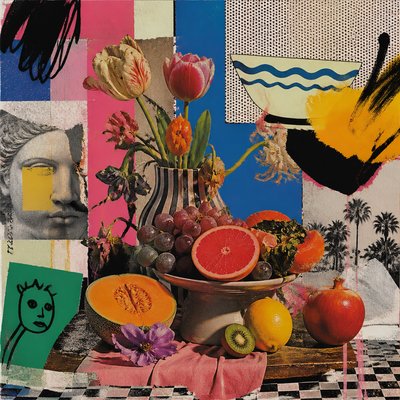
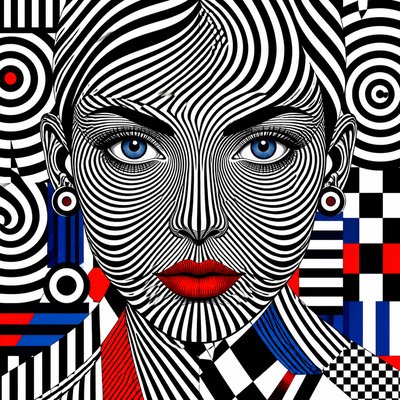
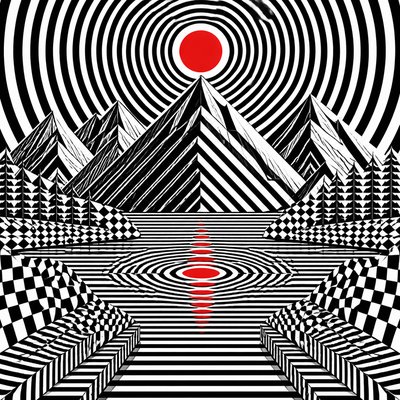
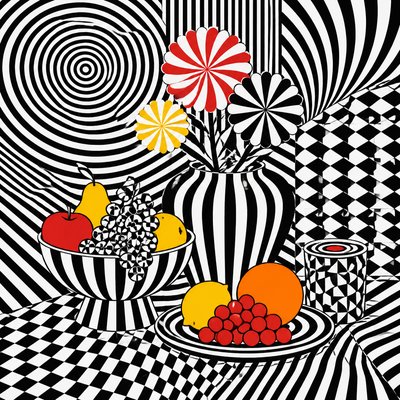
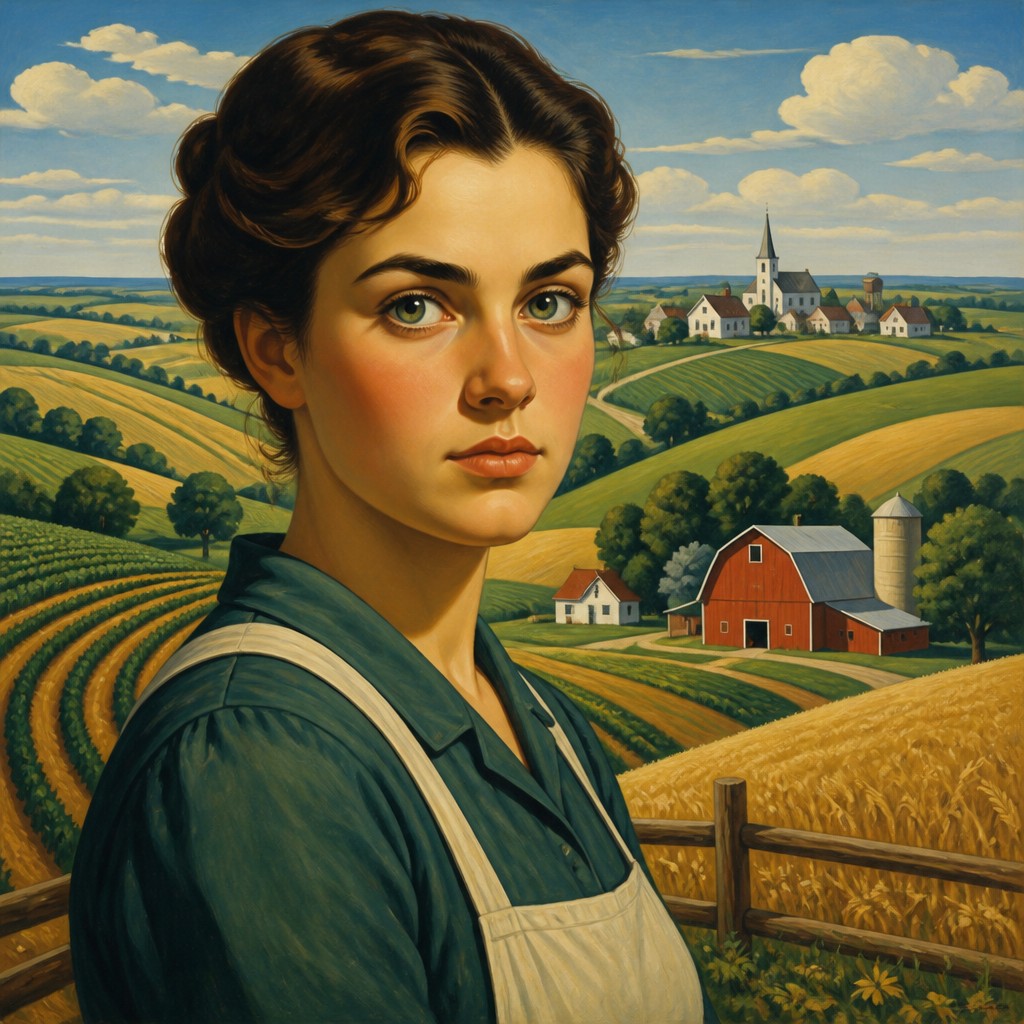
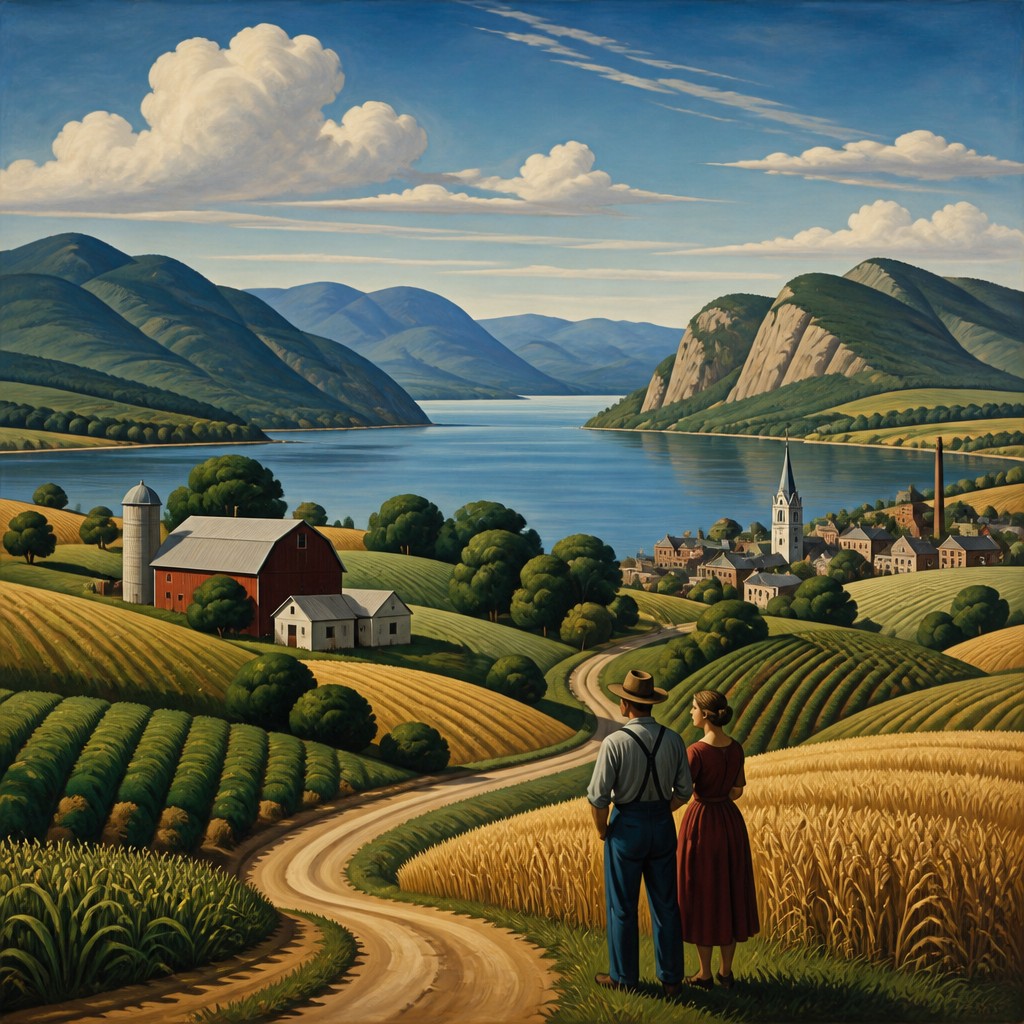
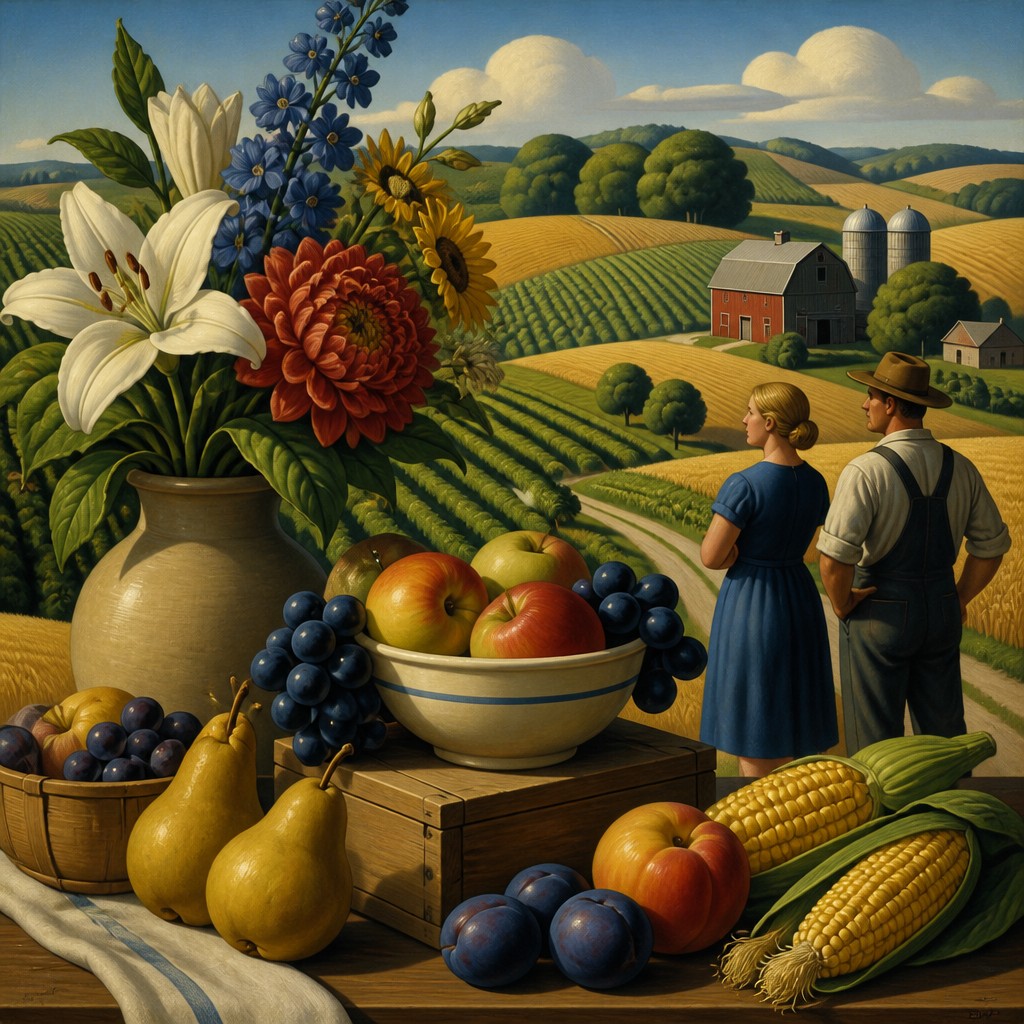
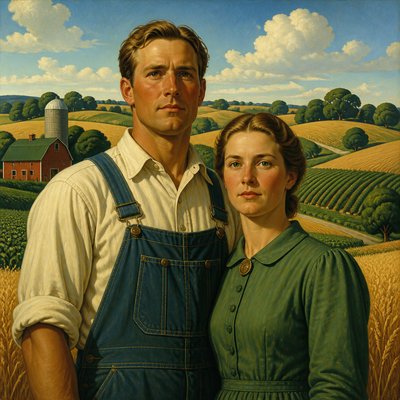
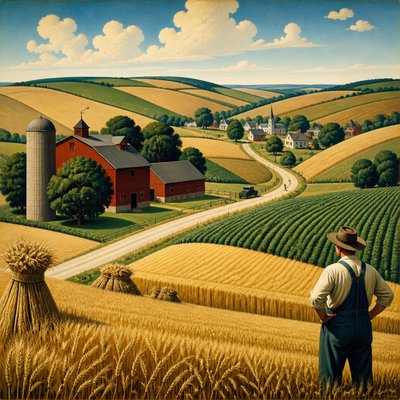
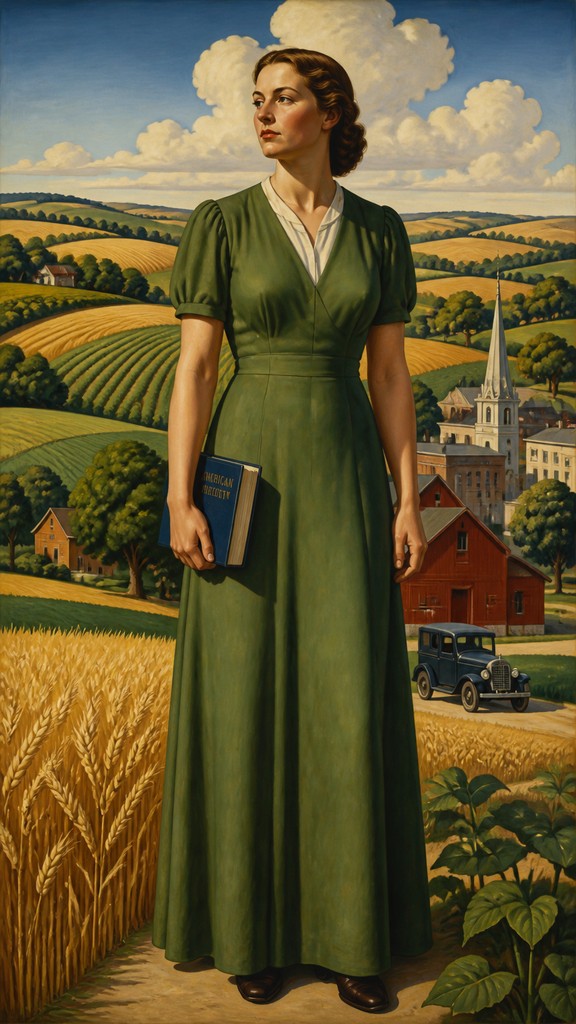
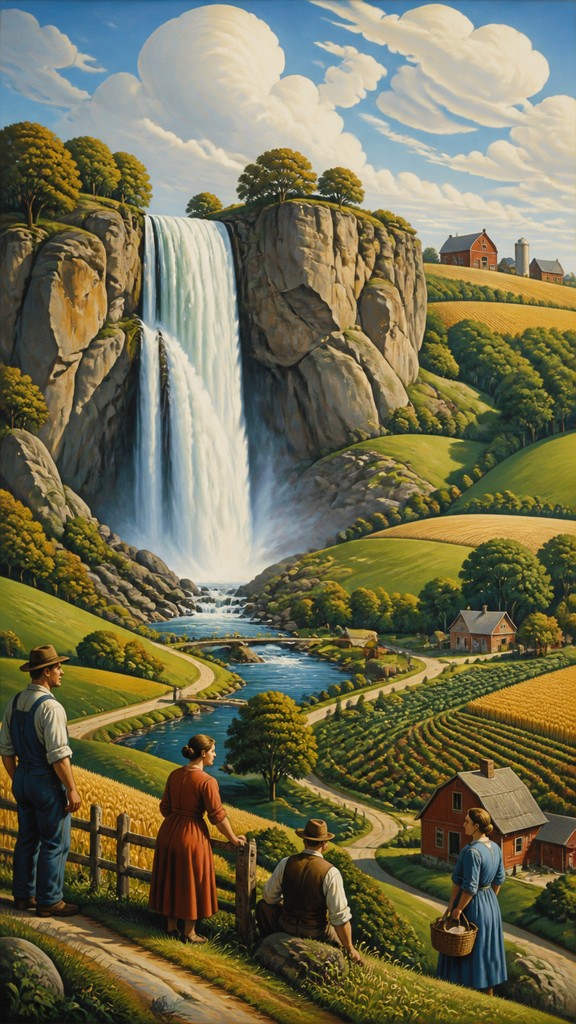
This interpretation emphasizes the movement's crisp, idealized side: rolling farmland arranged in smooth curves, orderly crop rows, rounded trees, clear daylight, and solemn figures with a sturdy physical presence. Warm wheat gold, barn red, prairie green, and open-sky blue create a restrained heartland palette. The polished surfaces and monumental stillness make familiar scenes feel emblematic rather than merely documentary.
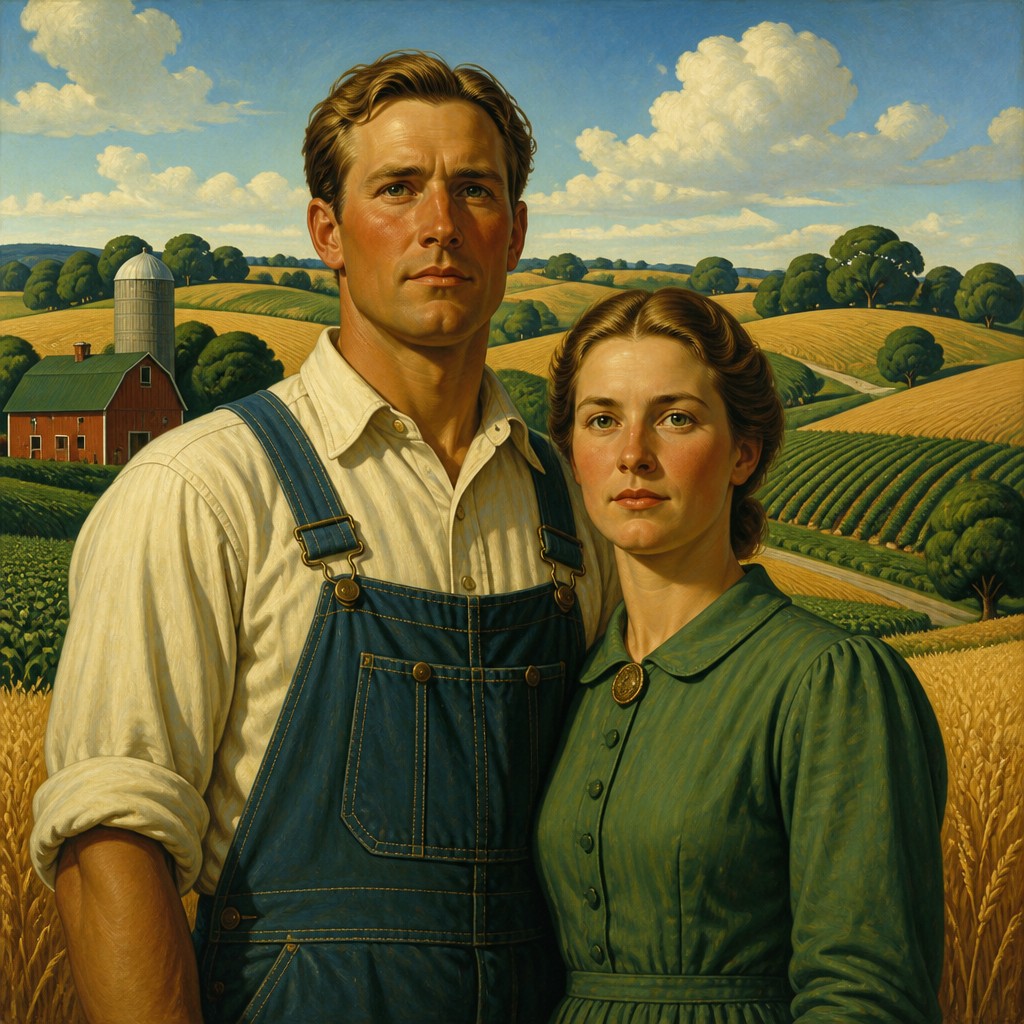
Try It On Your Photos
Upload any photo and convert it into American Regionalism Art Style — drag the sliders to compare before and after.
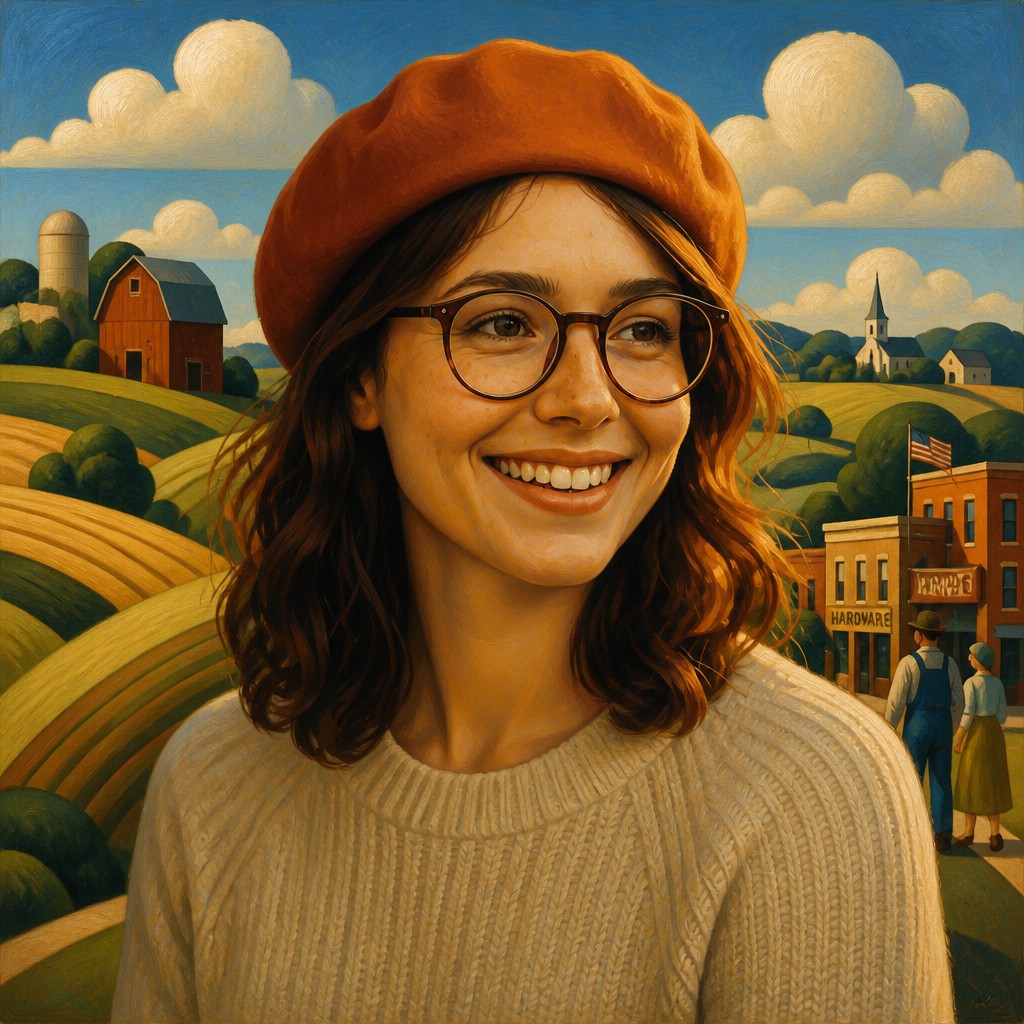

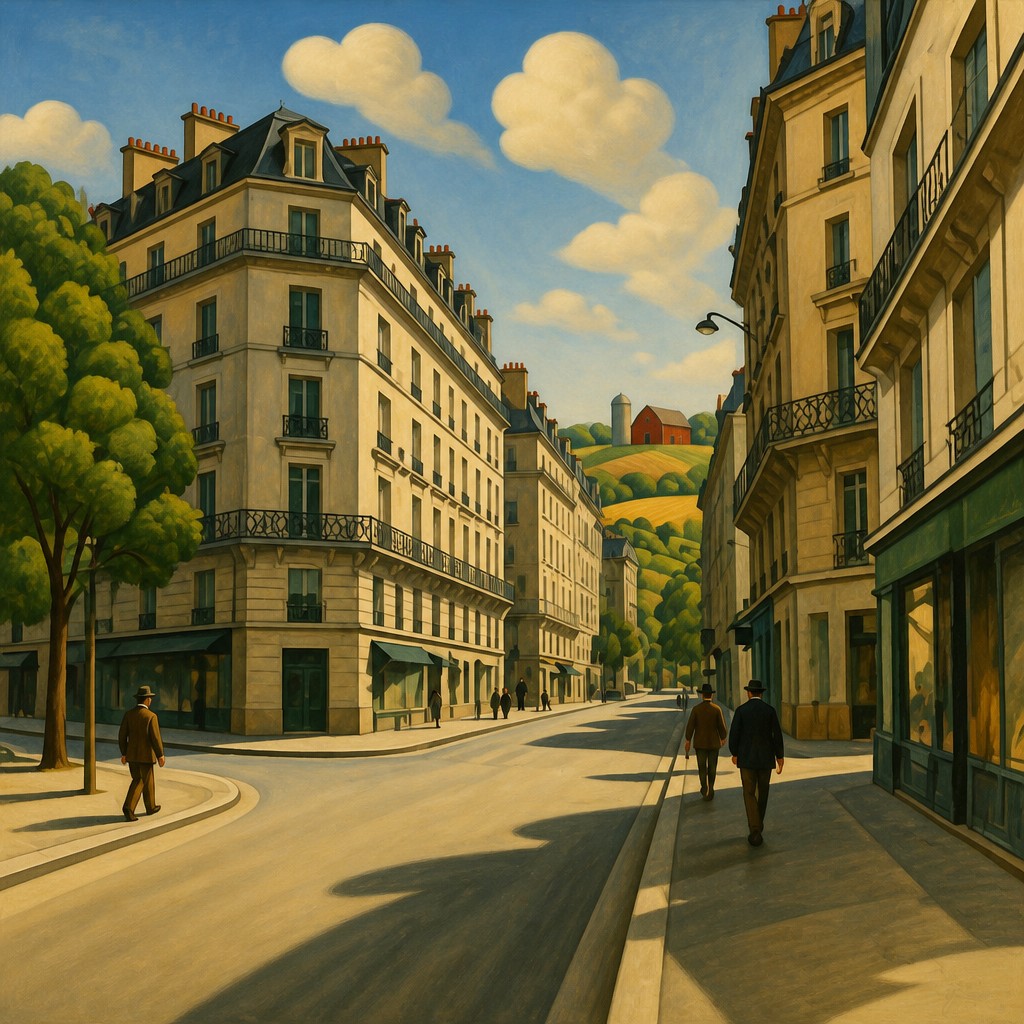

What Defines American Regionalism Art Style
The signature details, up close
Rolling agricultural geometry
Fields, hills, roads, and furrows are organized into broad, swelling curves that give the landscape a designed, almost sculptural structure. Repeated contours create rhythm and lead the eye across the scene.
Patterned crop rows
Plowed earth and planted fields are rendered as neat bands, stripes, or repeating marks rather than loose naturalistic texture. This patterning clarifies depth while reinforcing the theme of cultivated land.
Sturdy human figures
Farmers, workers, and townspeople tend to have solid silhouettes, plain clothing, deliberate poses, and restrained expressions. Their scale and composure often make them symbolic representatives of community and labor.
Clear, controlled light
Open skies and evenly defined illumination produce crisp edges and readable forms. Dramatic atmospheric haze is usually minimized in favor of direct daylight and visual clarity.
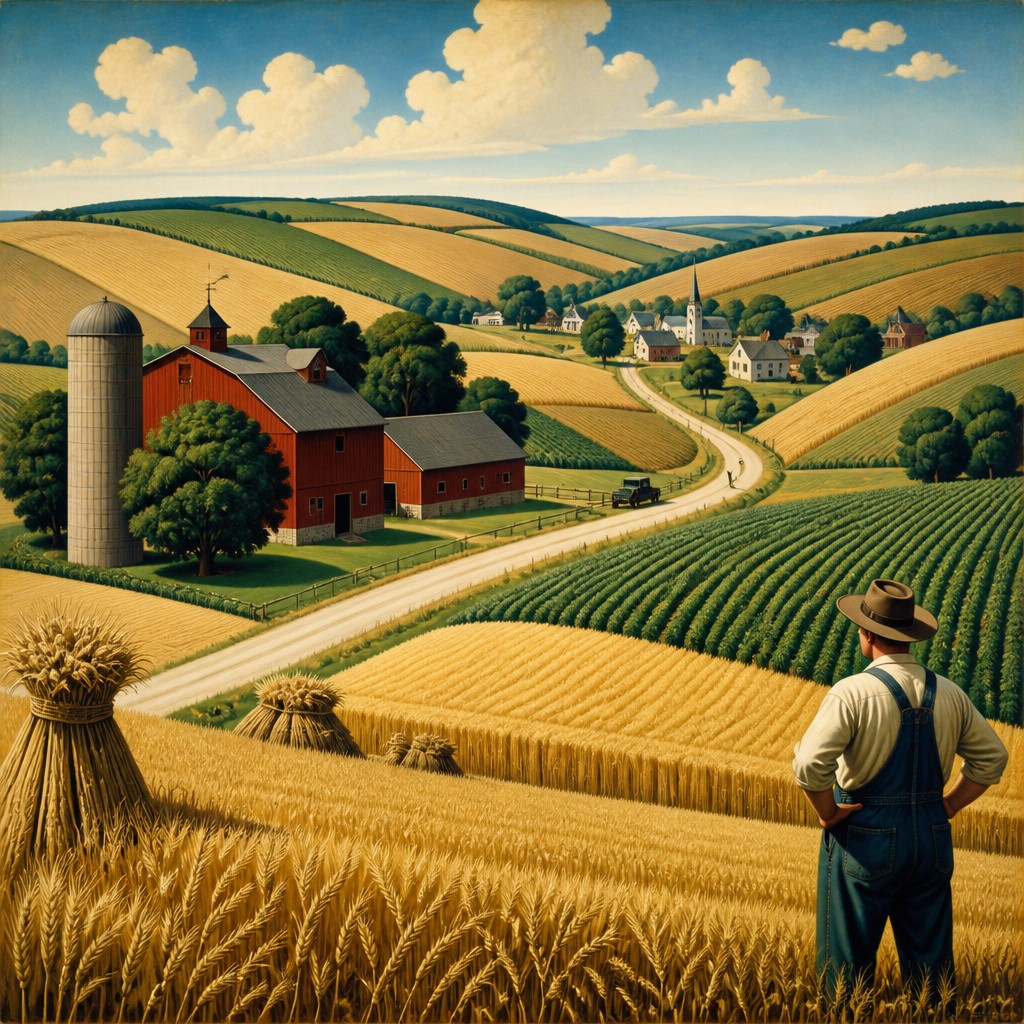
Warm heartland palette
Wheat gold, barn red, muted green, earth brown, and prairie blue establish a coherent rural color system. Saturation is controlled so that the image remains calm, solid, and grounded.
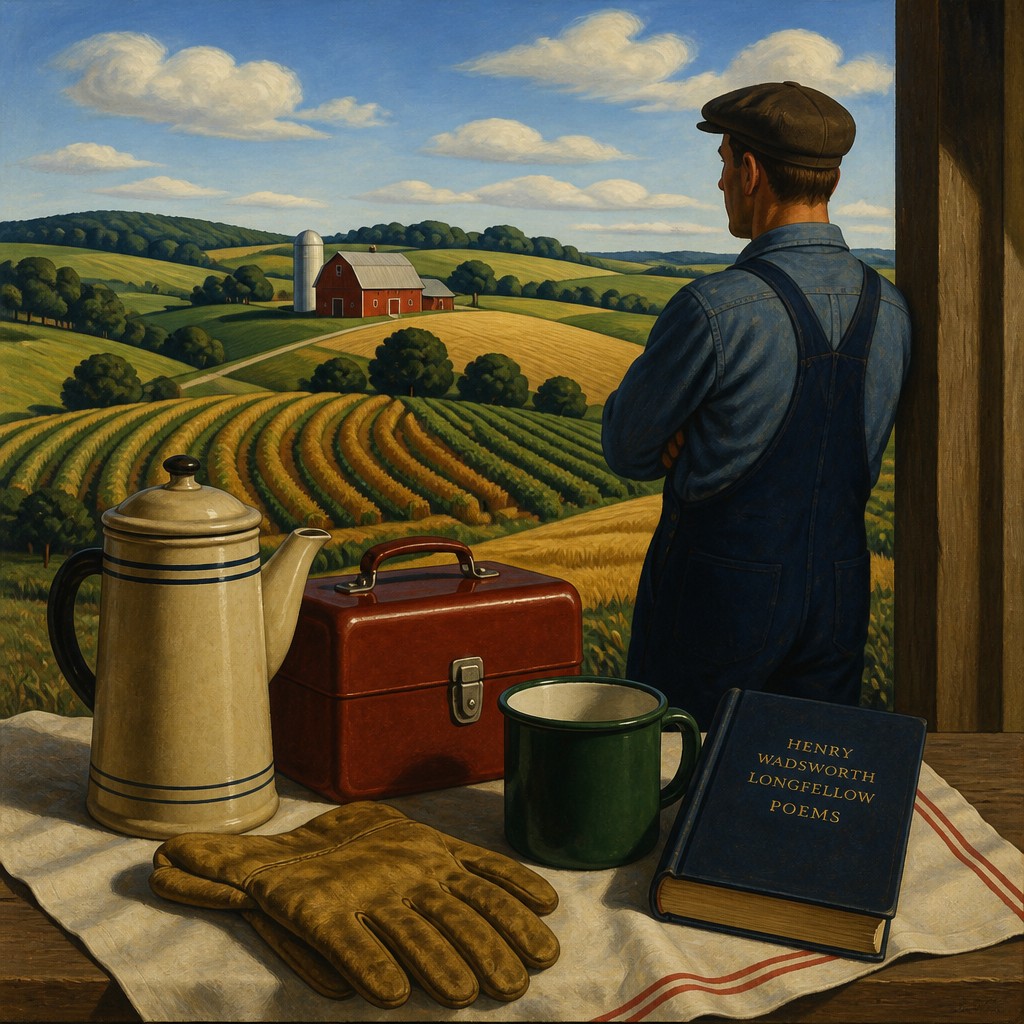
Tight, polished brushwork
Surfaces are smooth and deliberate, with limited visible impasto and carefully finished contours. Brushwork supports structure and pattern instead of calling attention to spontaneous gesture.
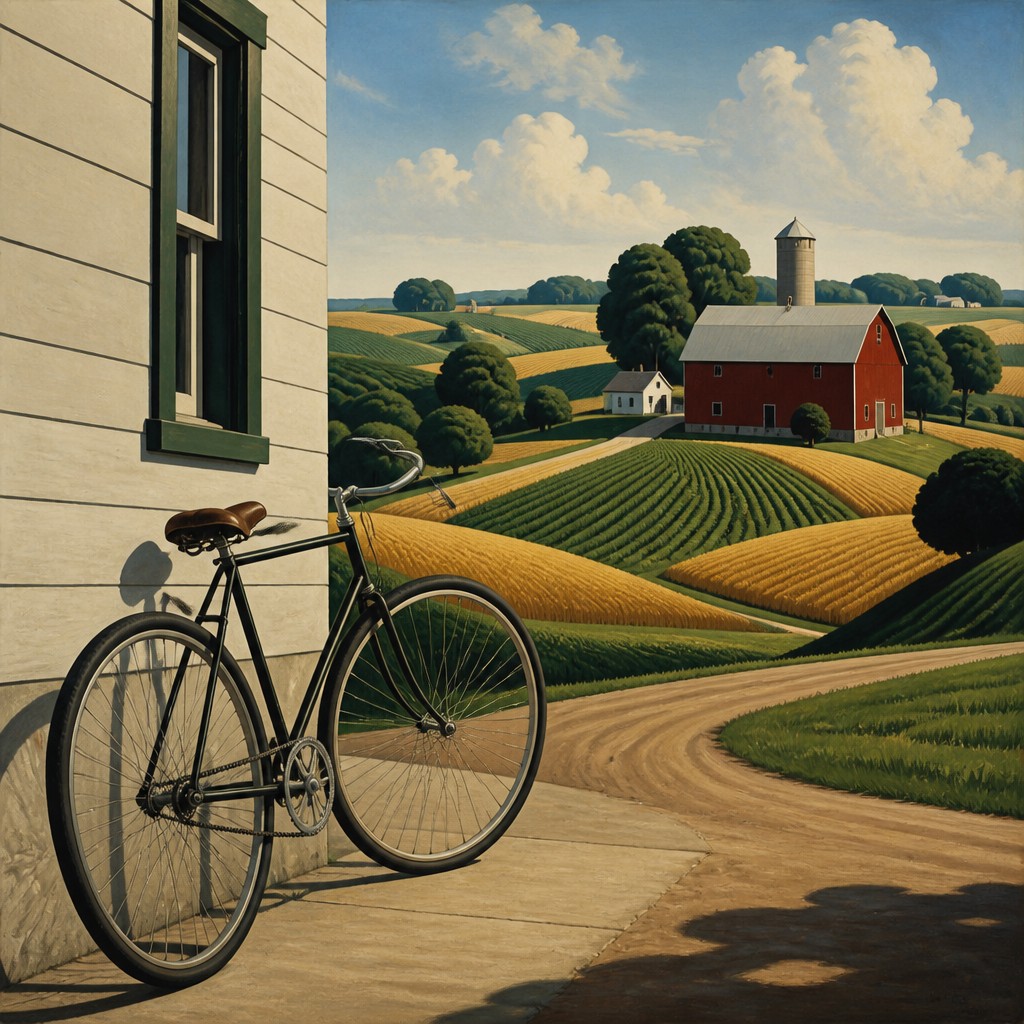
Quiet monumental composition
Ordinary houses, barns, fields, and people are arranged with the gravity of a historical scene. Balanced spacing, frontal viewpoints, and stable verticals give everyday Americana a sense of permanence.
Try It
Create Videos in American Regionalism Art Style
Styles aren't just for stills — describe a scene or animate an image and get a short video rendered in American Regionalism. Press play to see this pond come to life.
Make a VideoAmerican Regionalism Prompt Ideas
Start from an idea — each one opens the generator with the style ready to go. See all 40 American Regionalism prompts →
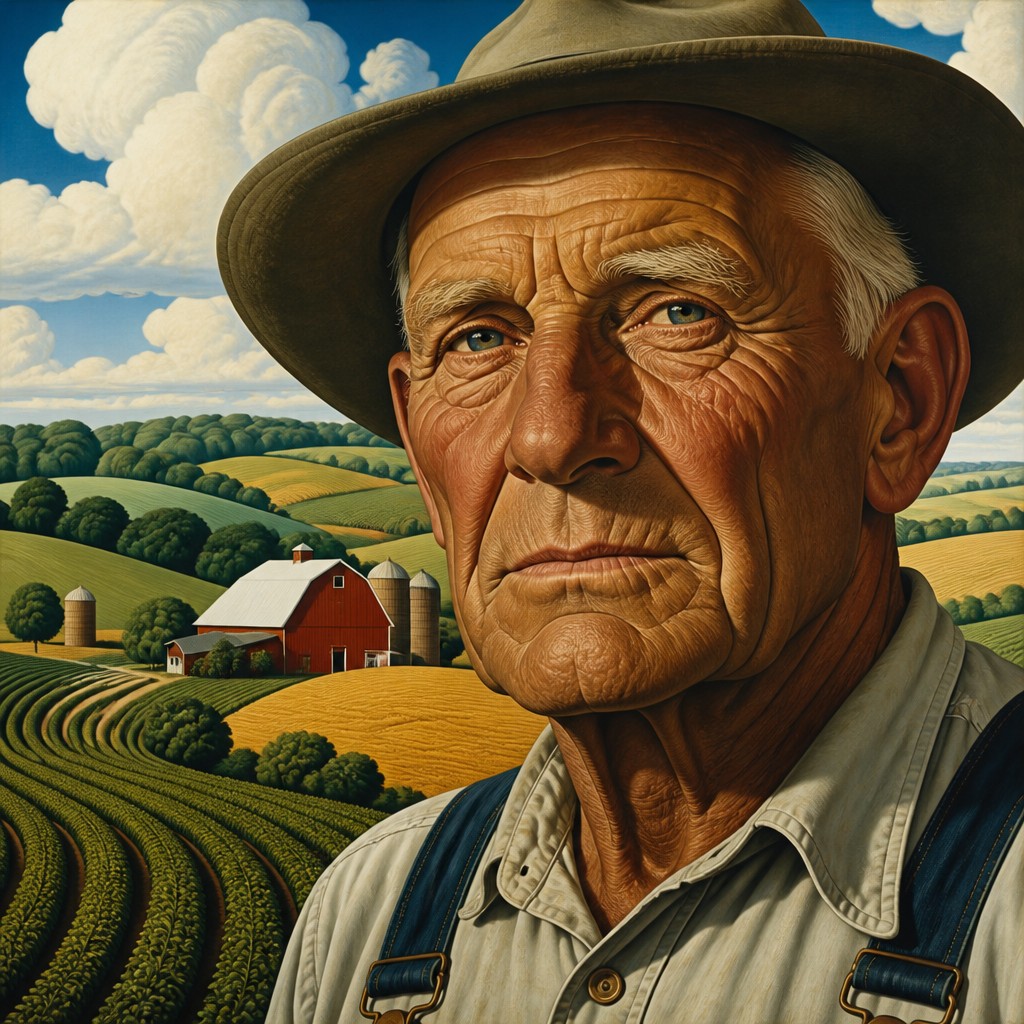
“close-up portrait of an elderly person with expressive weathered features”
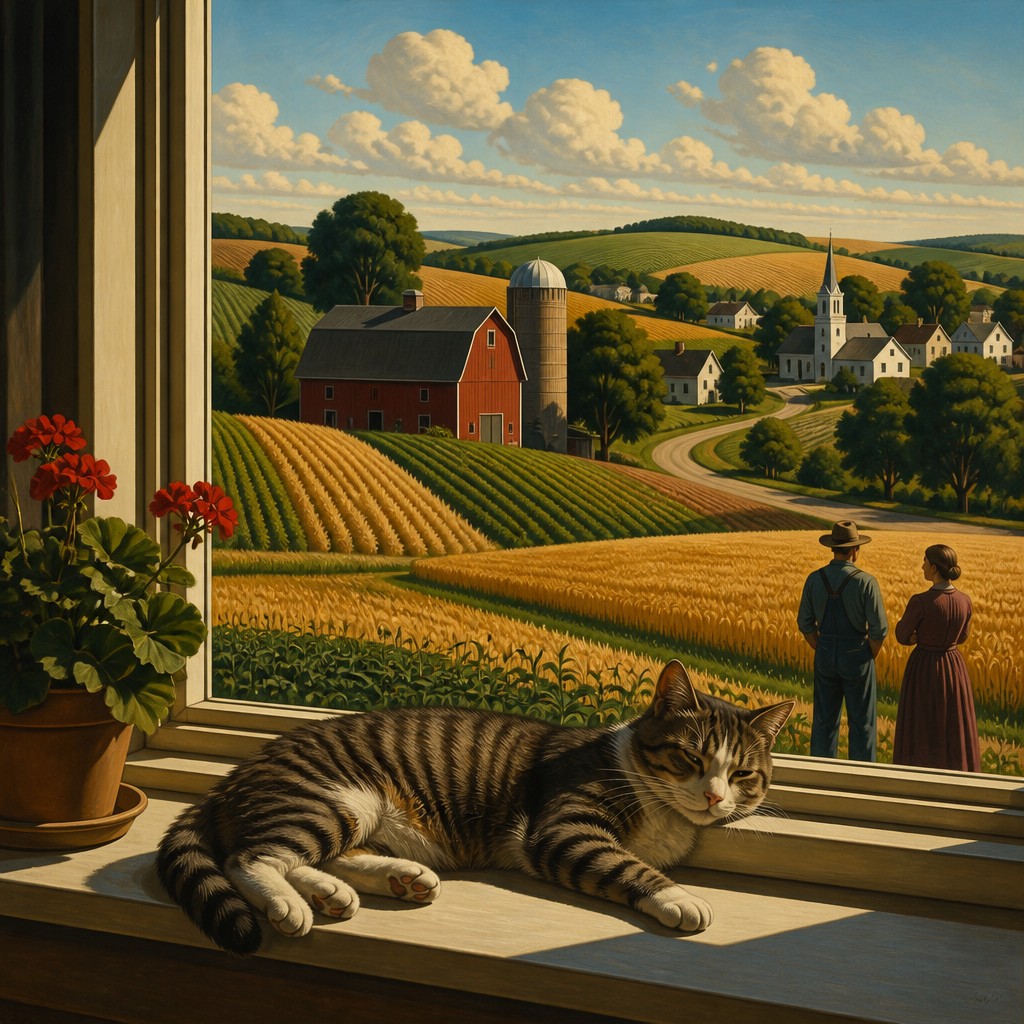
“a cat lounging in a sunlit window”
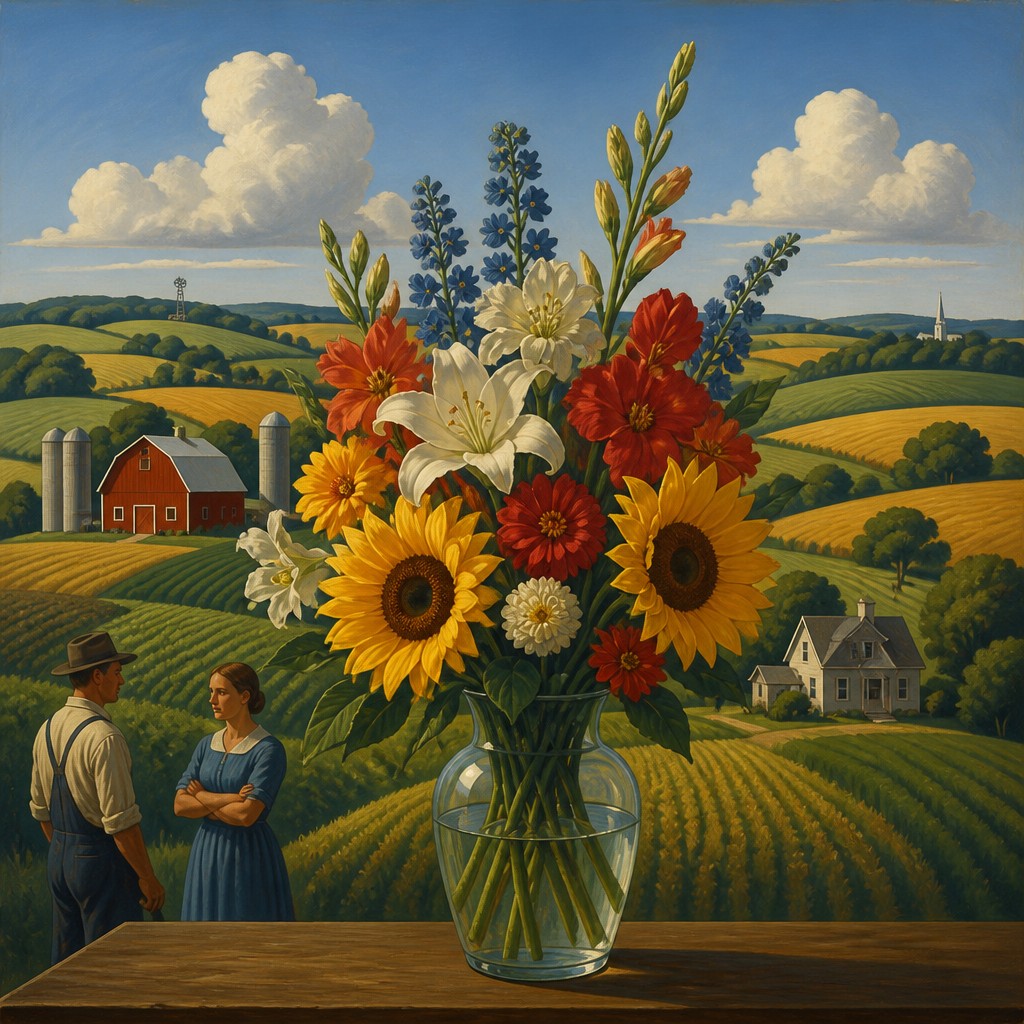
“bouquet of flowers in a glass vase”
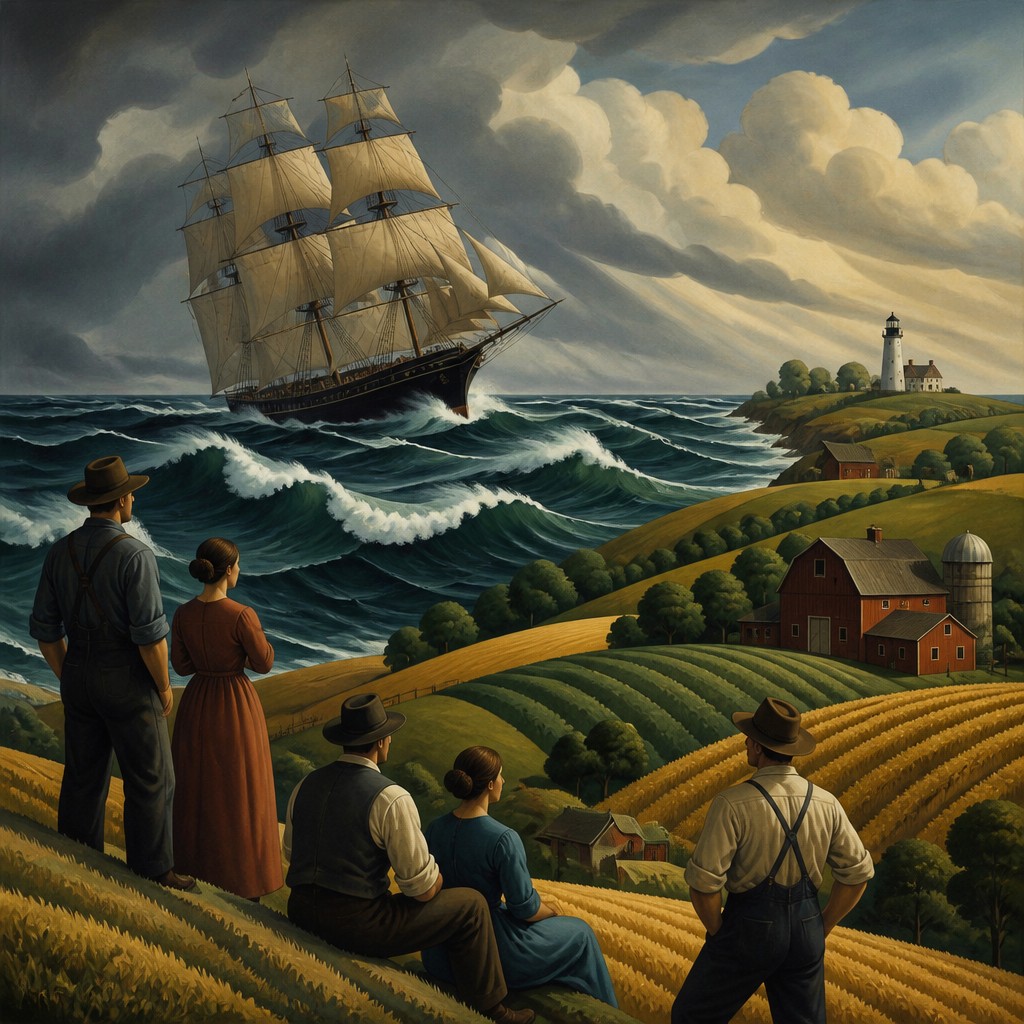
“sailing ship on a stormy sea”
How to Create American Regionalism Art
Master the craft step by step — or skip straight to creating. Read the full guide →
- 1
Build the landscape from large shapes
Begin with a simple horizon and block the scene into broad bands for sky, distant hills, fields, and foreground. Use sweeping curves and repeated contours before adding small details.
- 2
Use a restrained rural palette
Limit the palette to a few related colors such as wheat gold, barn red, prairie green, earth brown, and sky blue. Reserve stronger contrast for focal figures, buildings, or a central road.
- 3
Simplify figures into weighty silhouettes
Construct people with clear shoulders, grounded stances, and practical clothing rather than highly expressive gestures. Keep facial features economical and let posture communicate work, patience, or communal identity.
- 4
Finish surfaces with controlled edges
In traditional painting, use layered opaque passages and smaller brushes to refine contours, crop patterns, and architectural details. Digitally, use solid textured brushes, clean masks, and limited blending to preserve the polished appearance.
- 5
Design the prompt around place and structure
Specify the subject, season, viewpoint, field geometry, figure placement, palette, and lighting in that order. Useful descriptors include orderly crop rows, rounded trees, clear daylight, solemn rural figures, smooth curves, and quiet monumental composition.
- 6
Control unwanted stylistic drift
For prompt-based generation, request simplified forms, tight brushwork, restrained colors, and a balanced rural composition while excluding photorealism, loose impressionistic marks, excessive detail, and dramatic cinematic lighting. For image transformation, preserve the source subject's main silhouette while applying the flatter shapes and patterned landscape treatment.
The Story
History & Origins of American Regionalism
American Regionalism developed during the economic crisis of the Great Depression, when artists, cultural institutions, and public programs increasingly turned toward subjects drawn from everyday life in the United States. It emerged partly in reaction to European-oriented modernism and urban cosmopolitanism, favoring rural experience, national identity, labor, and local history. The movement was never completely uniform: some works were satirical or socially critical, while others presented pastoral life with nostalgia or idealization.
Its strongest period was the 1930s, although regionalist subjects and methods continued into the 1940s and later influenced illustration, public murals, advertising, editorial art, and popular visual culture. The style described here is a contemporary synthesis of Regionalist composition and a more deliberately polished, pattern-based treatment of landscape.
Influences: American Regionalism draws on rural American folk art, nineteenth-century landscape painting, academic realism, mural traditions, and the social concerns of Depression-era public art. It also shares Regionalist interests in local identity and ordinary labor with social realism, while its simplified contours and carefully arranged fields can overlap with modernist design. Popular illustration, calendar art, documentary photography, and later graphic treatments have further shaped contemporary versions of the look.
Frequently Asked Questions
What defines American Regionalism art?
It focuses on local American life, especially farms, small towns, workers, families, and regional landscapes. Clear forms, recognizable settings, structured compositions, and an emphasis on community or labor are central features, although individual works may be nostalgic, critical, humorous, or documentary.
When did American Regionalism begin?
The movement became prominent in the United States during the 1930s, amid the Great Depression. Its influence continued into the 1940s and later survived through murals, illustration, educational imagery, and other forms of popular visual culture.
How is Regionalism different from realism?
Realism is a broad approach based on representing observed life, while Regionalism is more specifically concerned with place, local identity, and American subjects. Regionalist works may simplify, idealize, exaggerate, or symbolically organize reality rather than reproduce it neutrally.
How is this style different from Impressionism?
Impressionism generally emphasizes changing light, visible brushstrokes, and the immediate sensation of a scene. American Regionalism typically uses firmer contours, more stable shapes, controlled surfaces, and a stronger interest in social identity, work, and regional setting.
Can American Regionalism depict cities or modern industry?
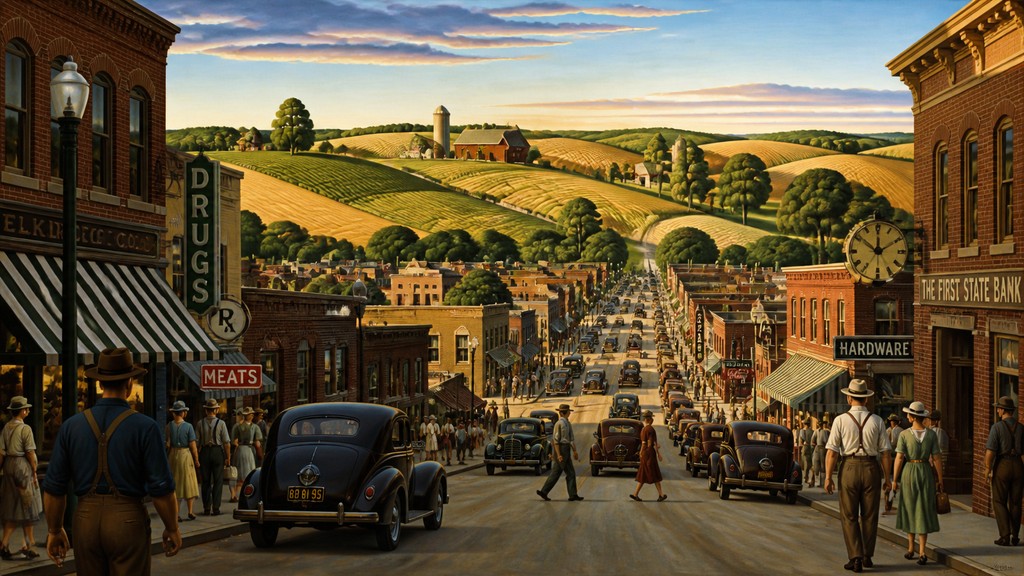
Yes. Although farms and small towns are especially common, Regionalism also includes factories, industrial workers, urban neighborhoods, and infrastructure when they represent a distinctive American community or region. The defining concern is not exclusively rural subject matter but the relationship between people and place.
How can I make an image in this style?
Start with a specific American setting and arrange it in broad, stable shapes. Request clear daylight, patterned fields or simplified architecture, sturdy figures, a restrained earth-and-sky palette, crisp edges, and polished brushwork; then adjust the prompt to control season, viewpoint, and mood.
Create your first American Regionalism artwork
Describe anything — or upload a photo — and see it in American Regionalism Art Style in seconds.
Related Styles
Discover similar art styles