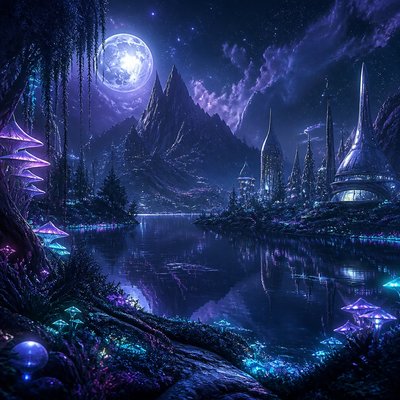
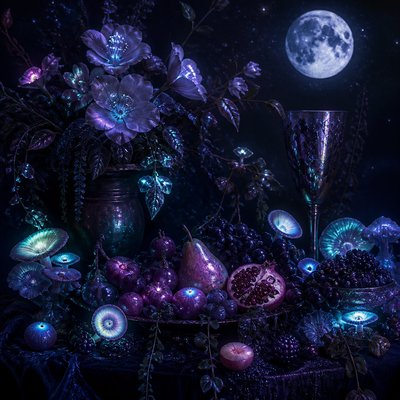
Nocturne Painting Style
Explore nocturne painting: moonlit landscapes, blue-black tonal harmonies, glowing windows, mist, and the quiet mystery of night.
Instantly rendered in Nocturne Painting — or transform a photo
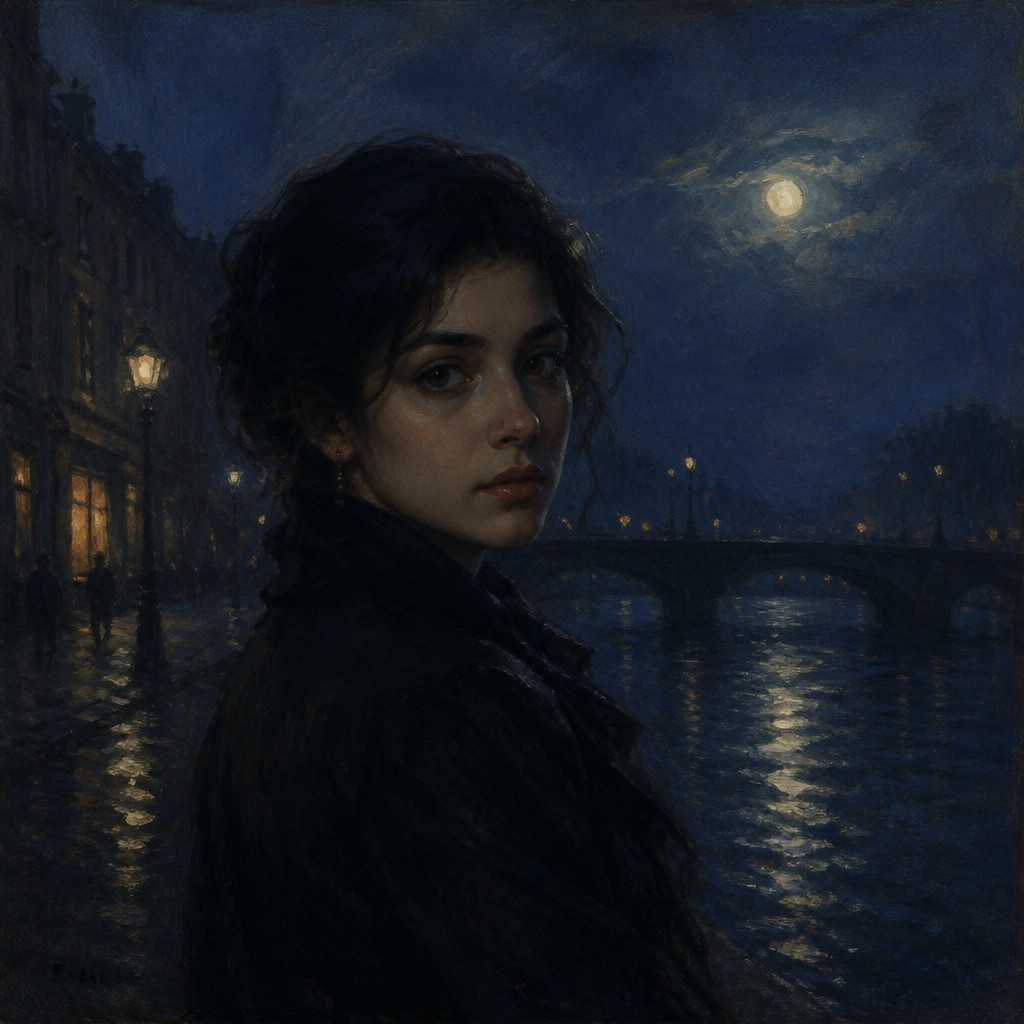
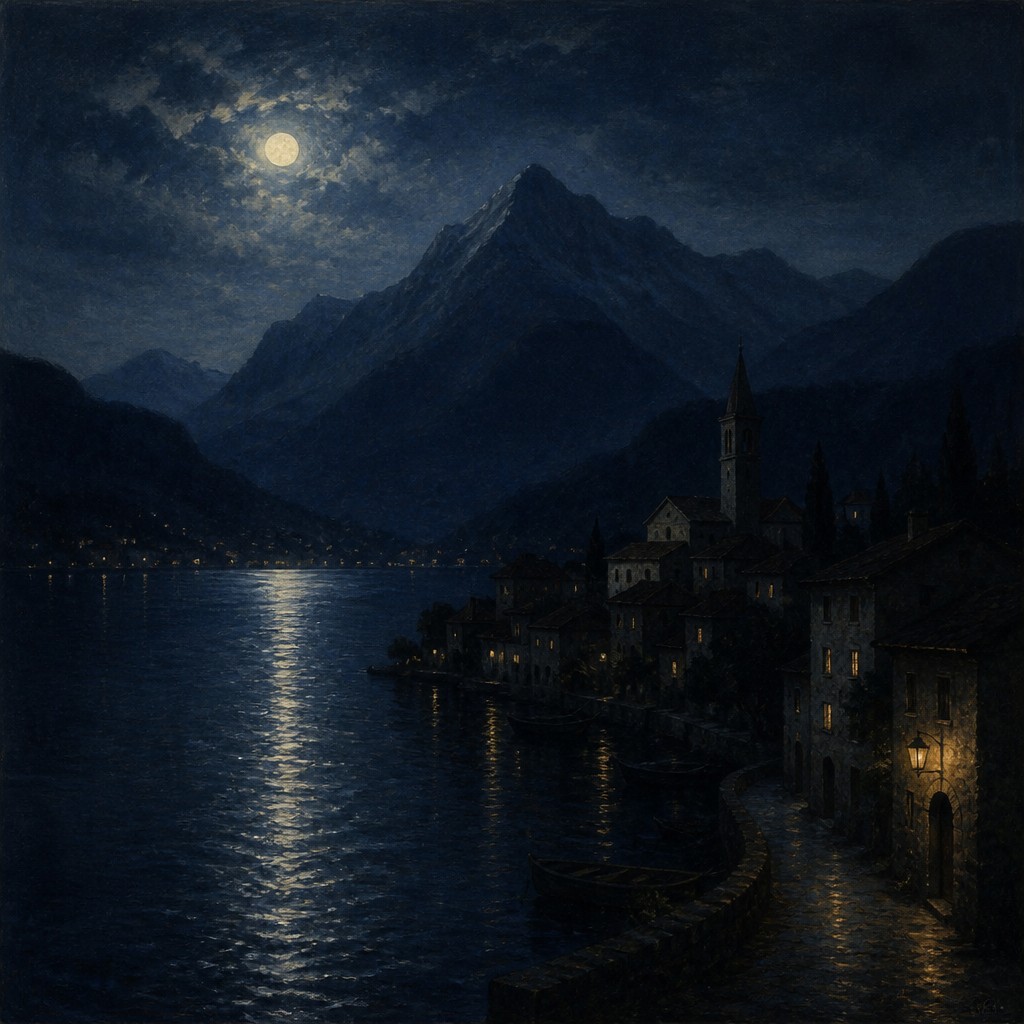
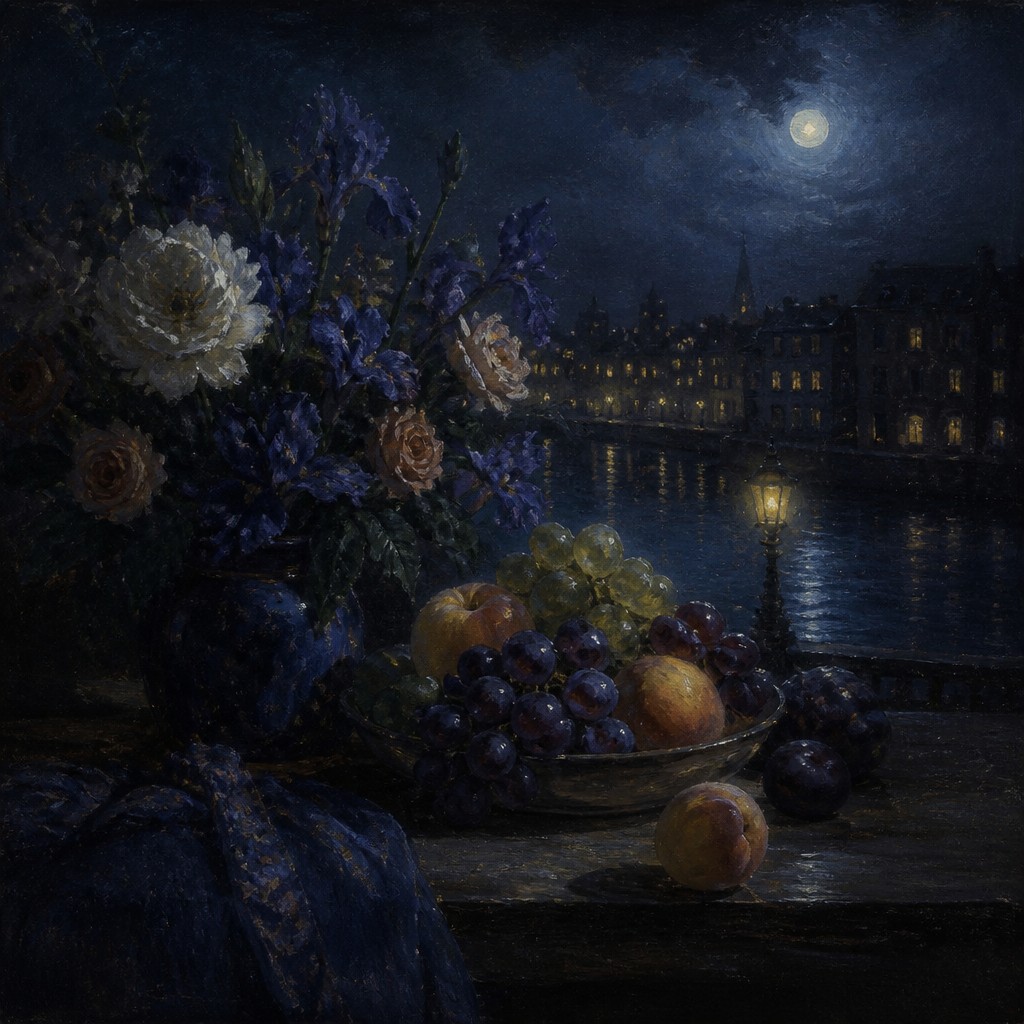
Nocturne Painting Gallery
Tap any artwork to explore it
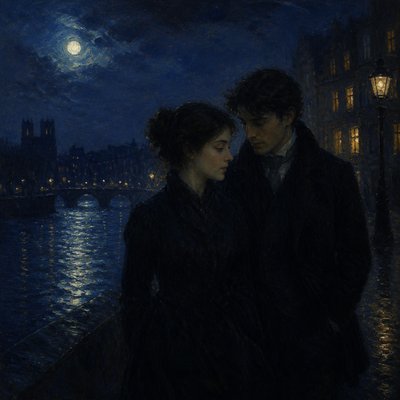
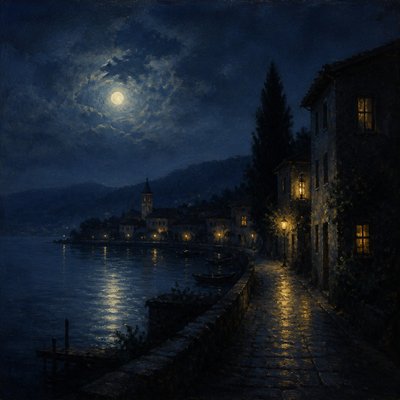
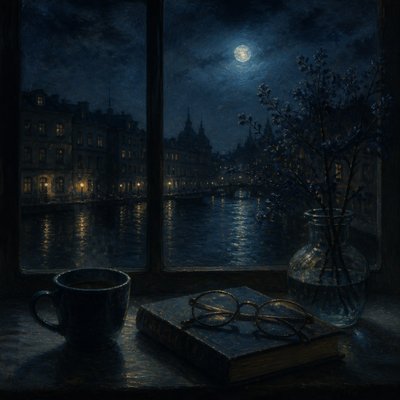
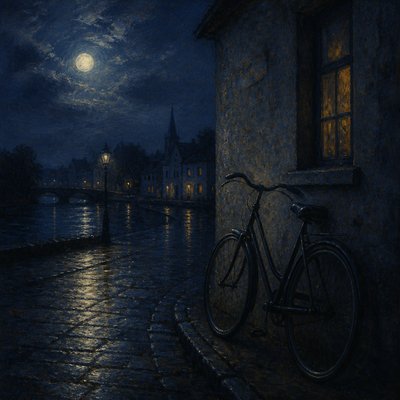
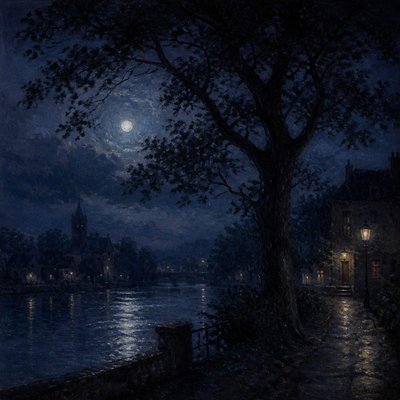
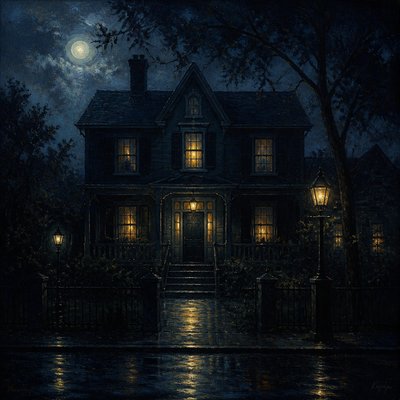
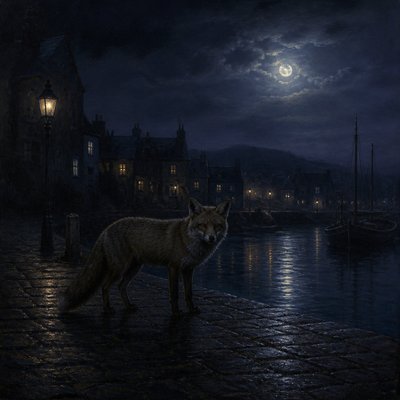
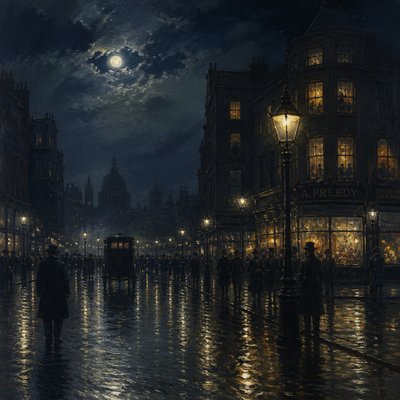
What is Nocturne Painting Style?
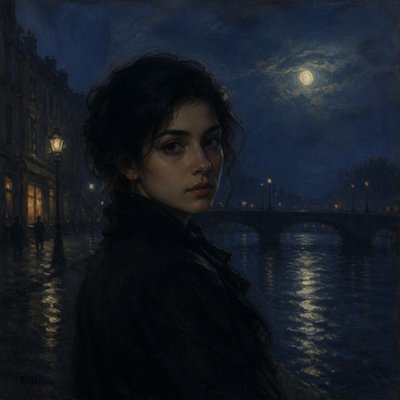
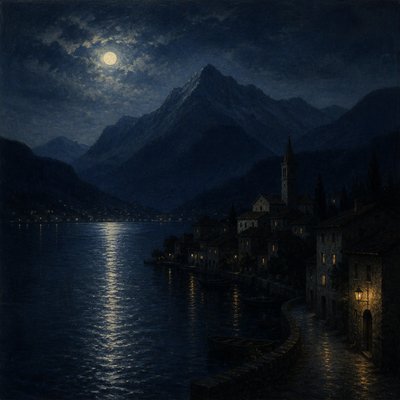
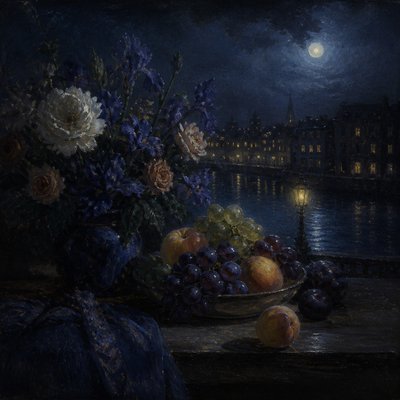
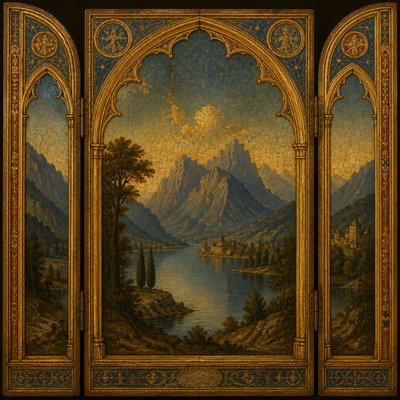
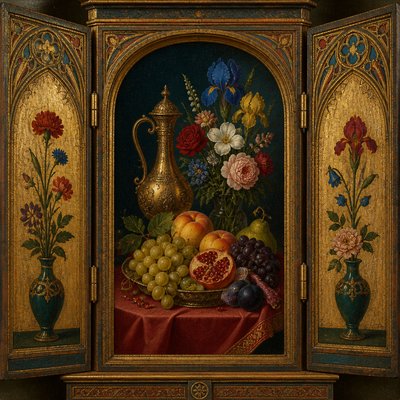
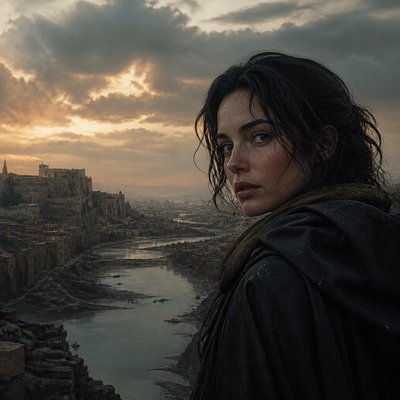
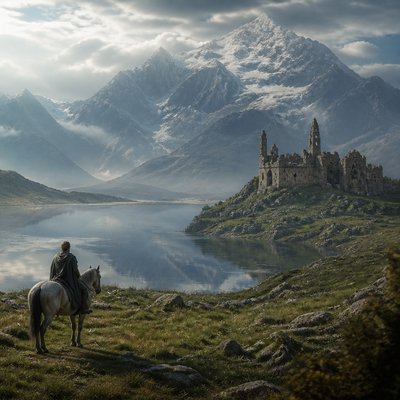
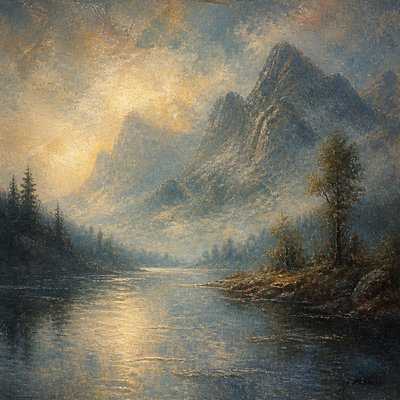
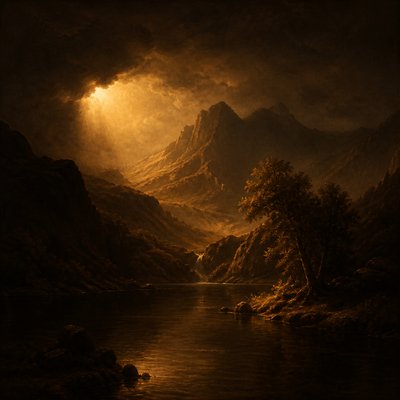
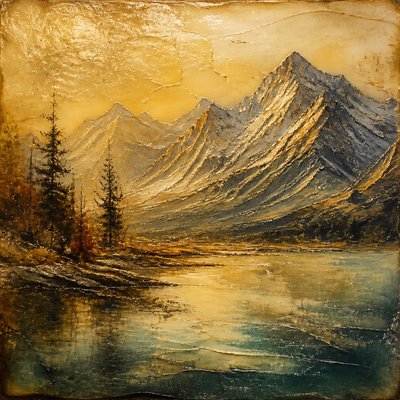
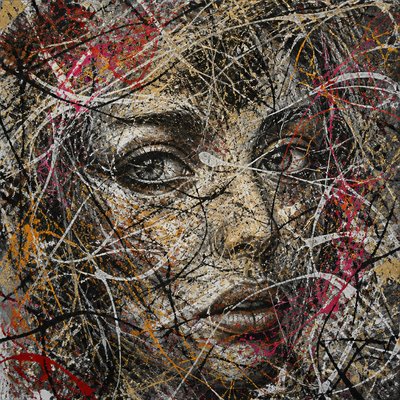
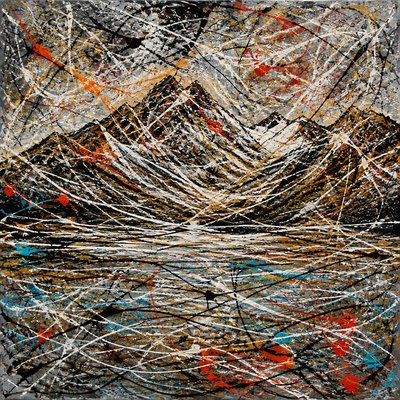
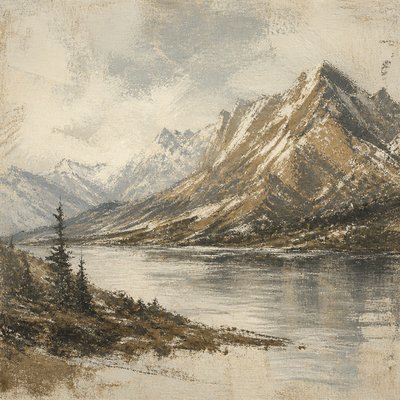
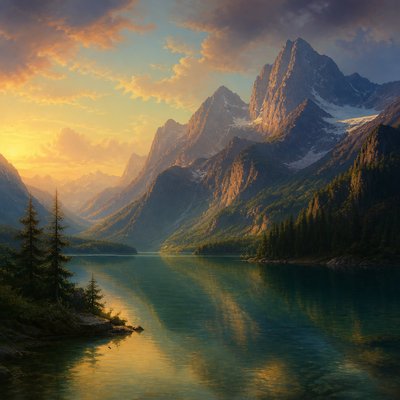
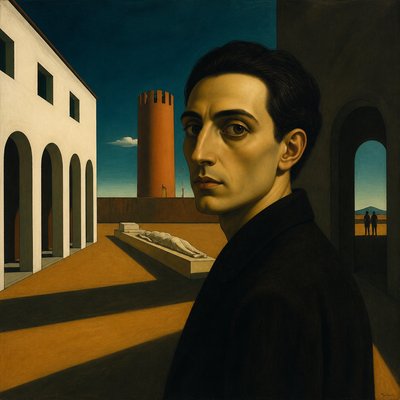
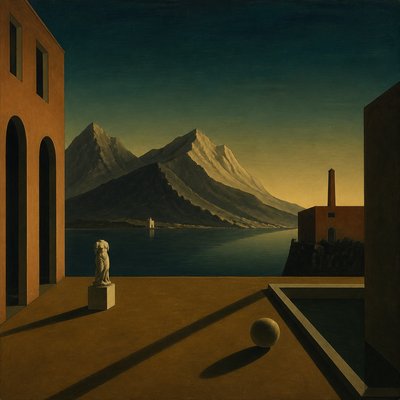
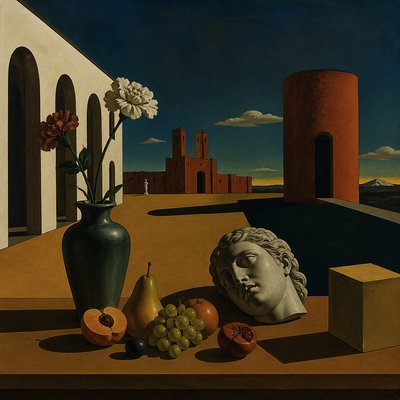
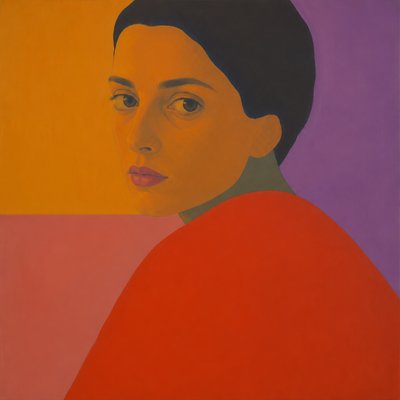
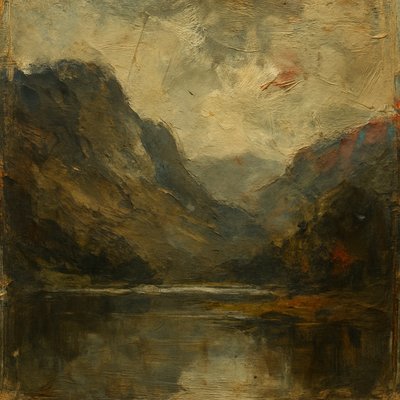
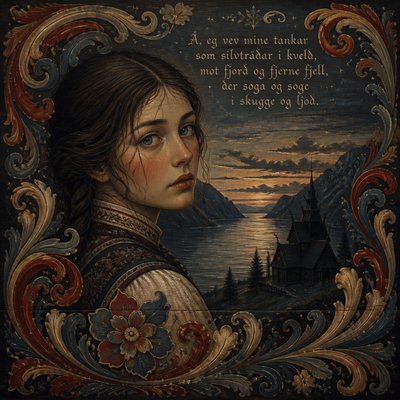
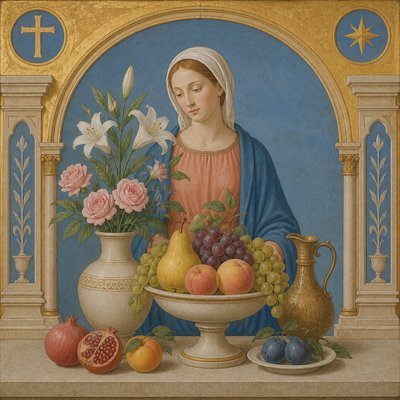
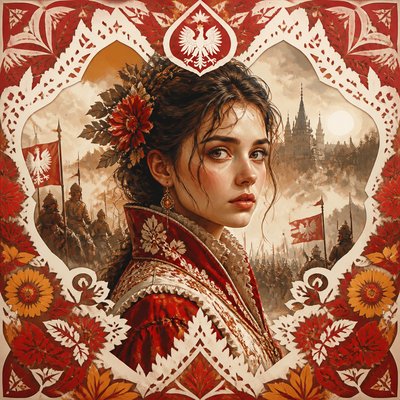
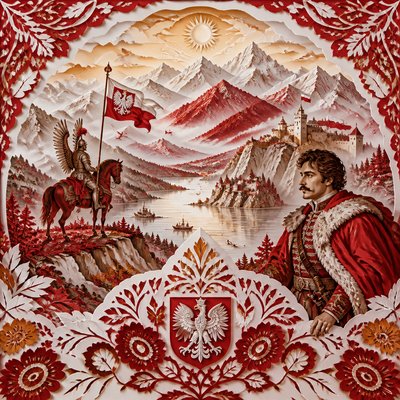
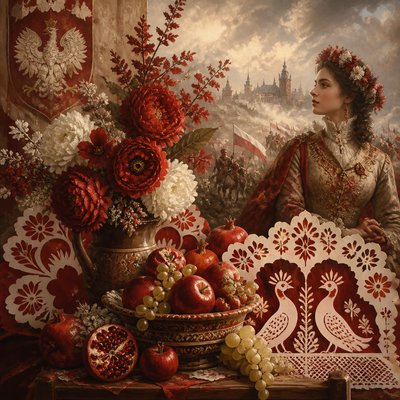
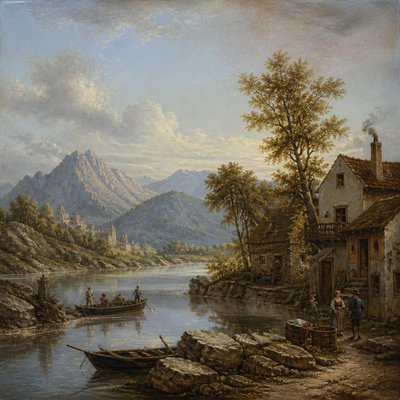
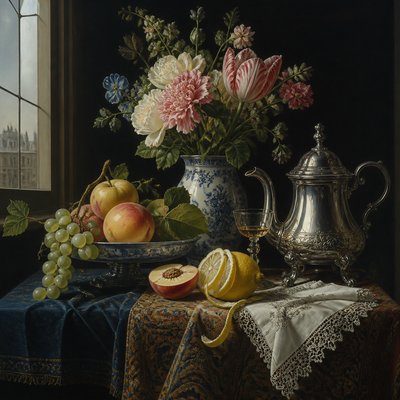
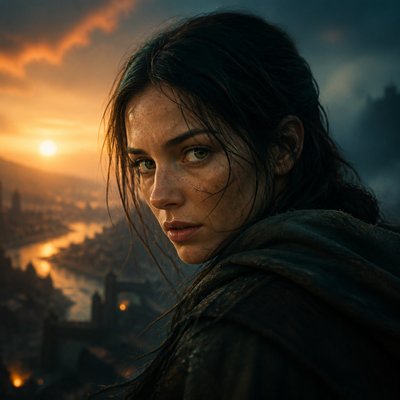
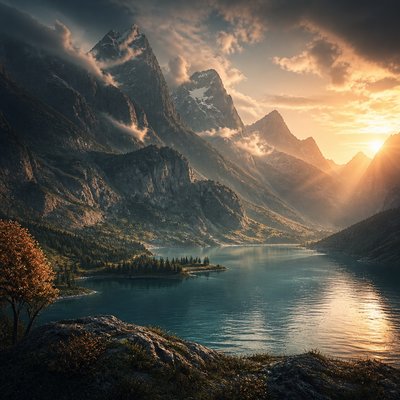
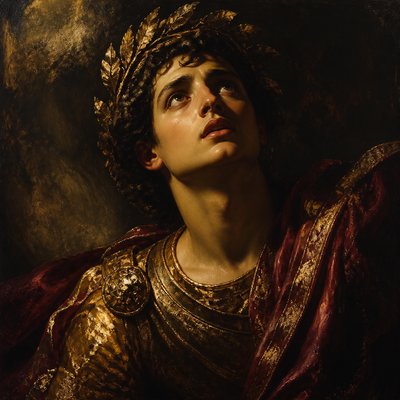
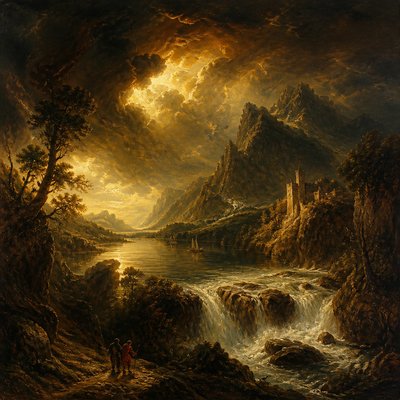
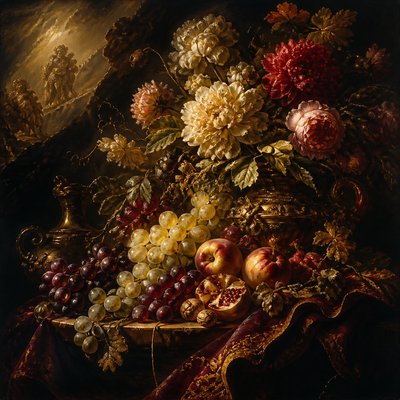
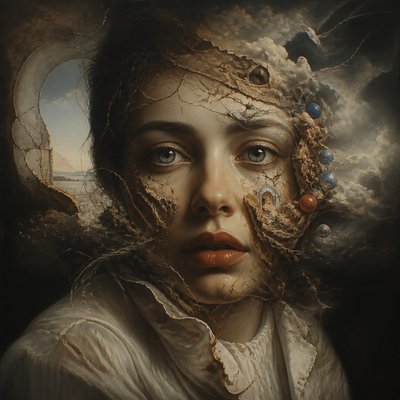
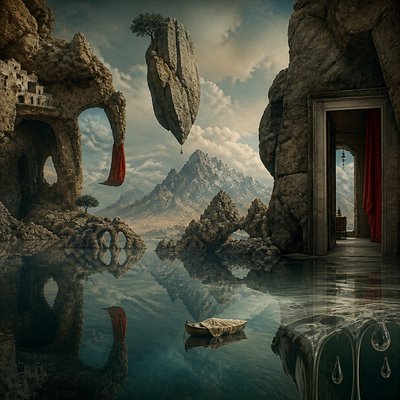
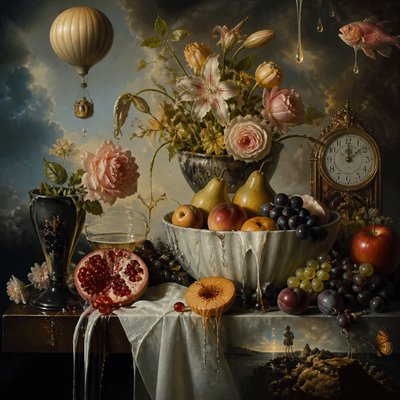
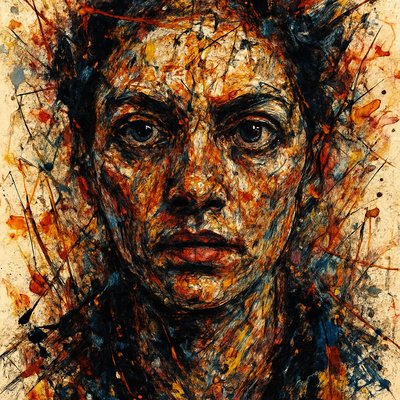
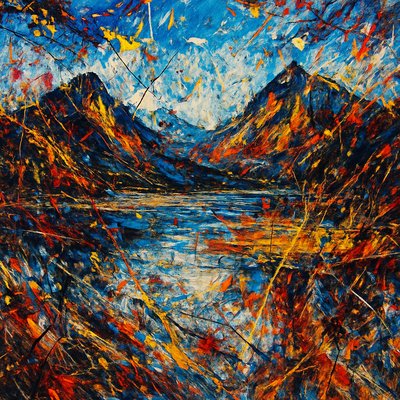
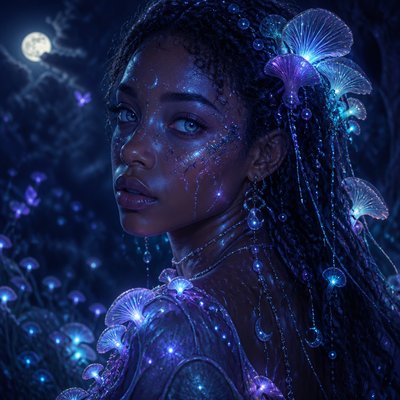
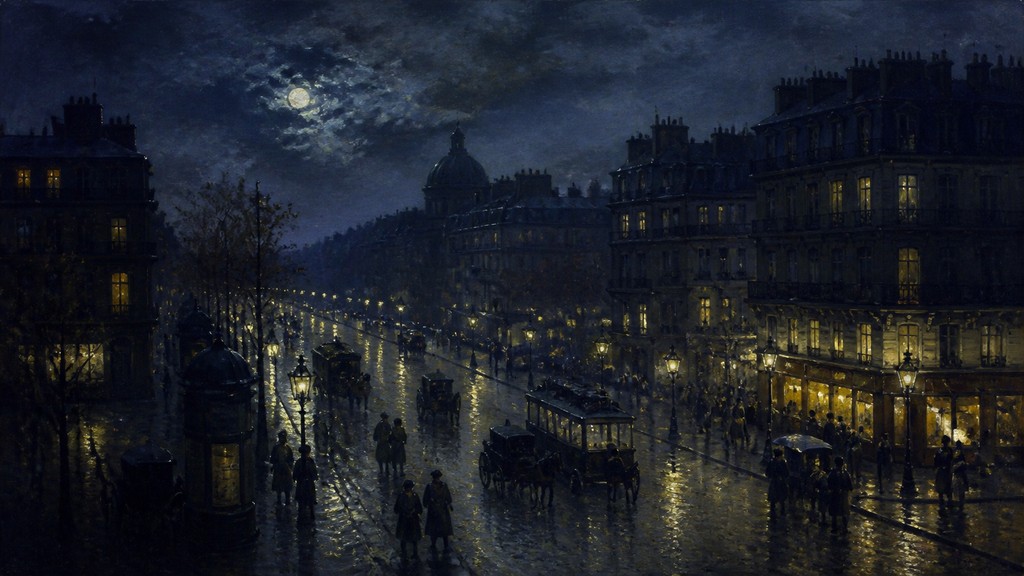
Nocturne painting is an approach to depicting the world after dark, emphasizing atmosphere, subdued color, and the visual effects of moonlight, artificial light, mist, and reflection. Rather than treating night as a simple absence of daylight, it builds an image from closely related tones: blue-black skies, violet shadows, silver water, muted earth, and small points of amber or white illumination.
The style is defined by tonal unity and visual quiet. Forms may be simplified or partially obscured, while wet streets, rivers, windows, and clouds become active surfaces for reflected light. Its emotional effect often combines stillness, solitude, mystery, and contemplation, with composition and value relationships carrying more weight than sharp detail.
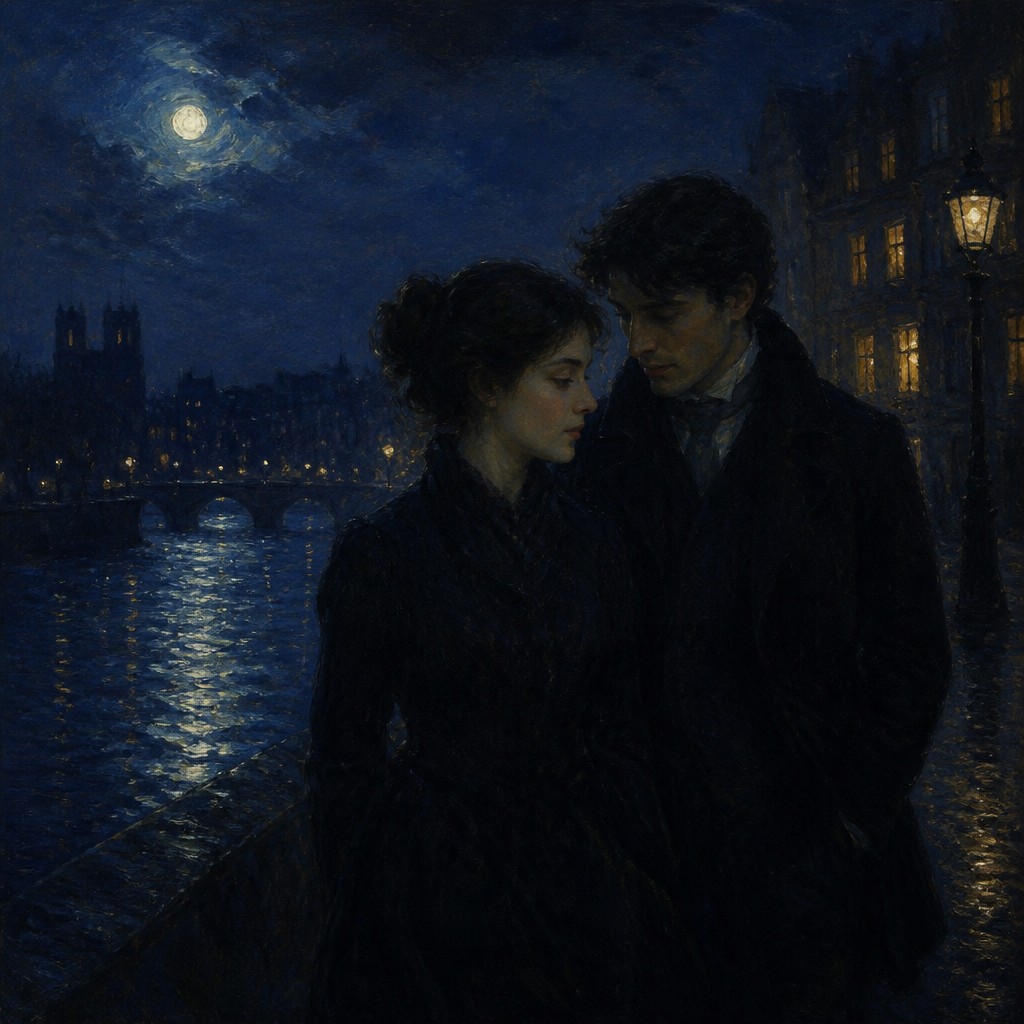
Try It On Your Photos
Upload any photo and convert it into Nocturne Painting Style — drag the sliders to compare before and after.
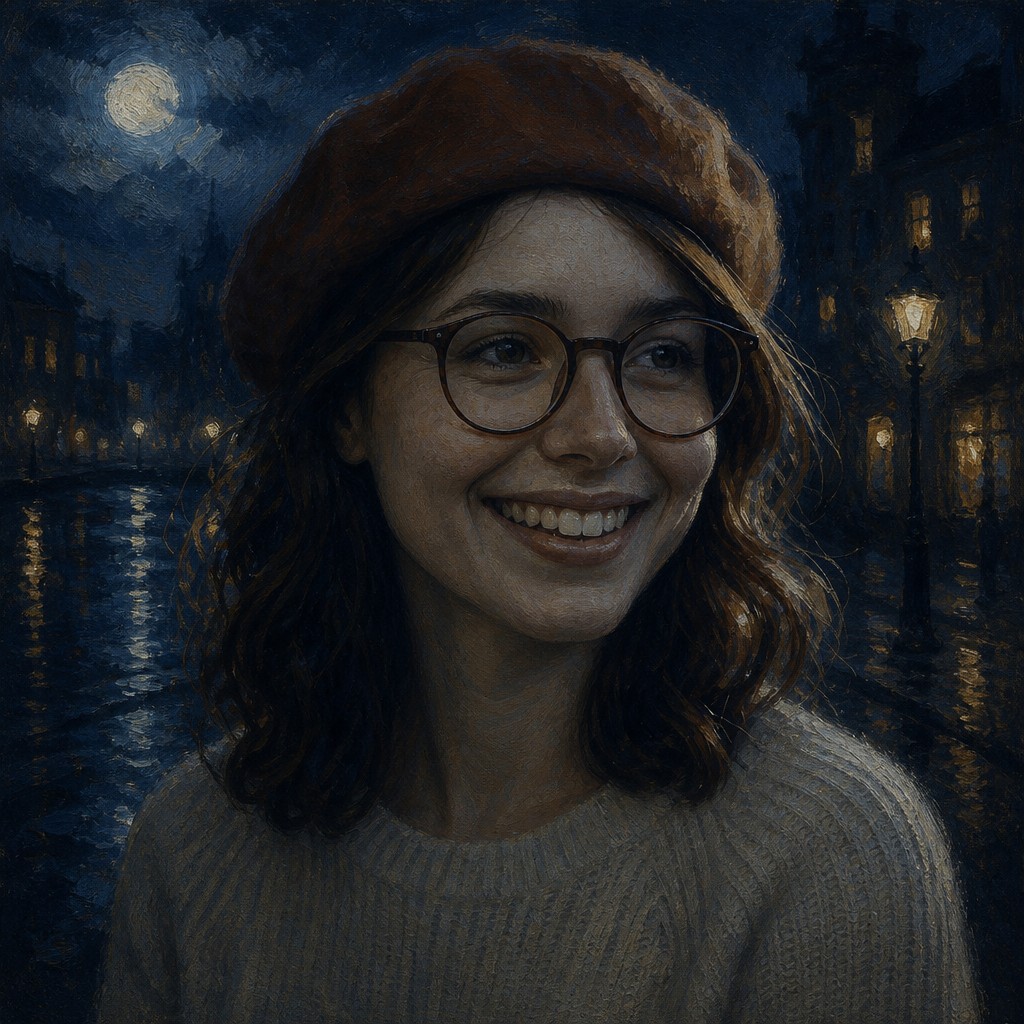

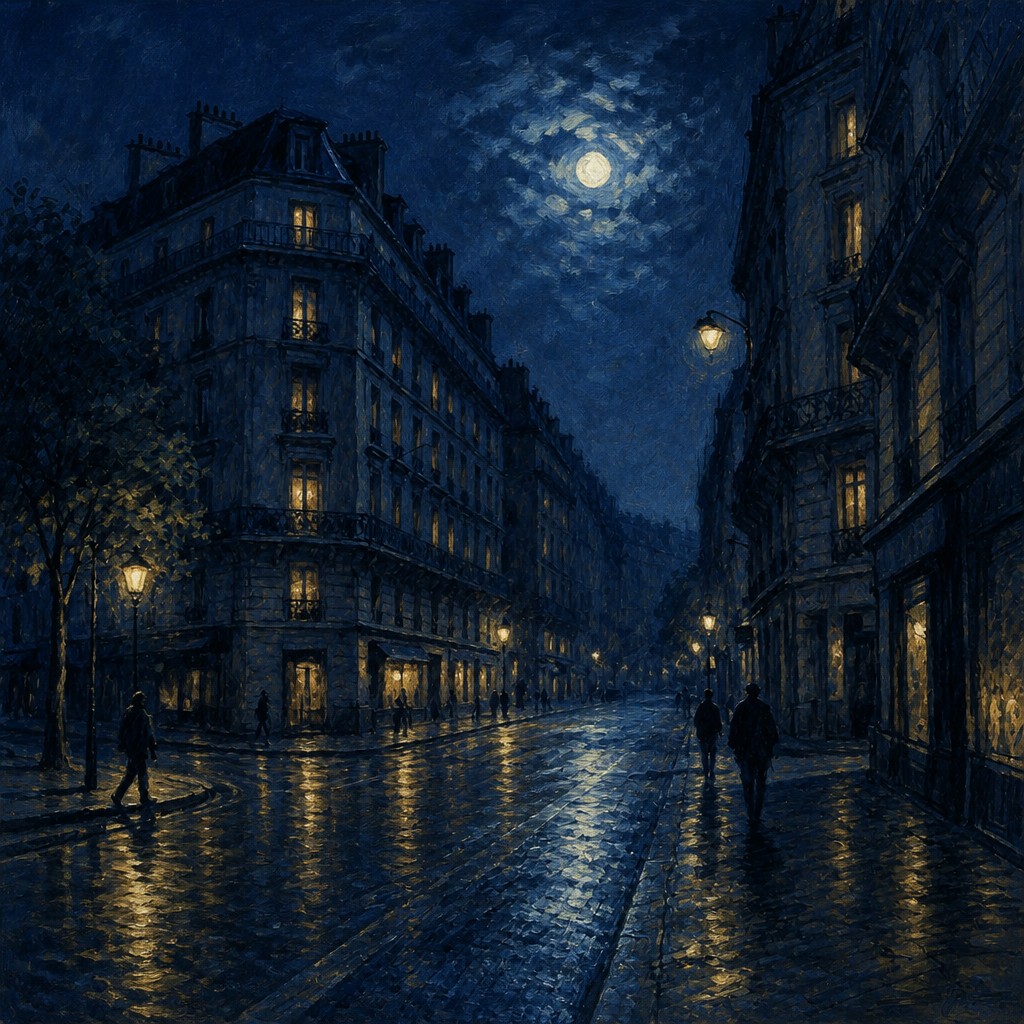

What Defines Nocturne Painting Style
The signature details, up close
Blue-black tonal harmony
The palette is organized around deep blues, blue-greens, violets, charcoal, and near-black values. Small variations in temperature and brightness create depth without requiring strong local color.
Selective illumination
Moonlight, lanterns, streetlights, fires, or glowing windows provide focused accents within a predominantly dark composition. Light is used to direct attention and establish mood.
Reflections and shimmering surfaces
Water, wet pavement, glass, and polished metal carry broken vertical or horizontal streaks of light. Reflections are suggestive rather than mechanically exact, preserving the scene's atmospheric character.
Soft atmospheric edges
Mist, darkness, haze, and low visibility dissolve distant contours and reduce detail. Foreground objects may remain more defined while background forms recede into tonal veils.
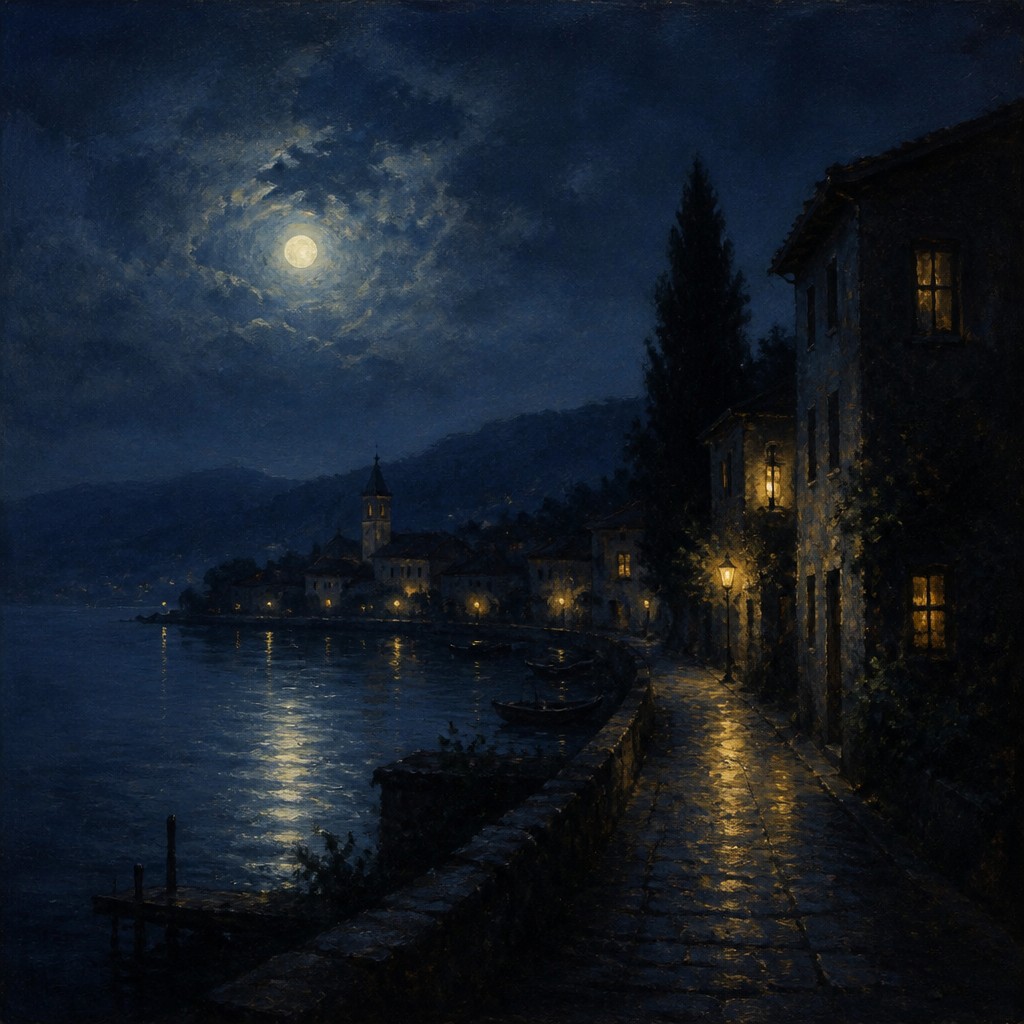
Simplified silhouettes
Trees, buildings, boats, bridges, and figures are often read as broad masses or silhouettes. Their placement and proportion matter more than descriptive surface detail.
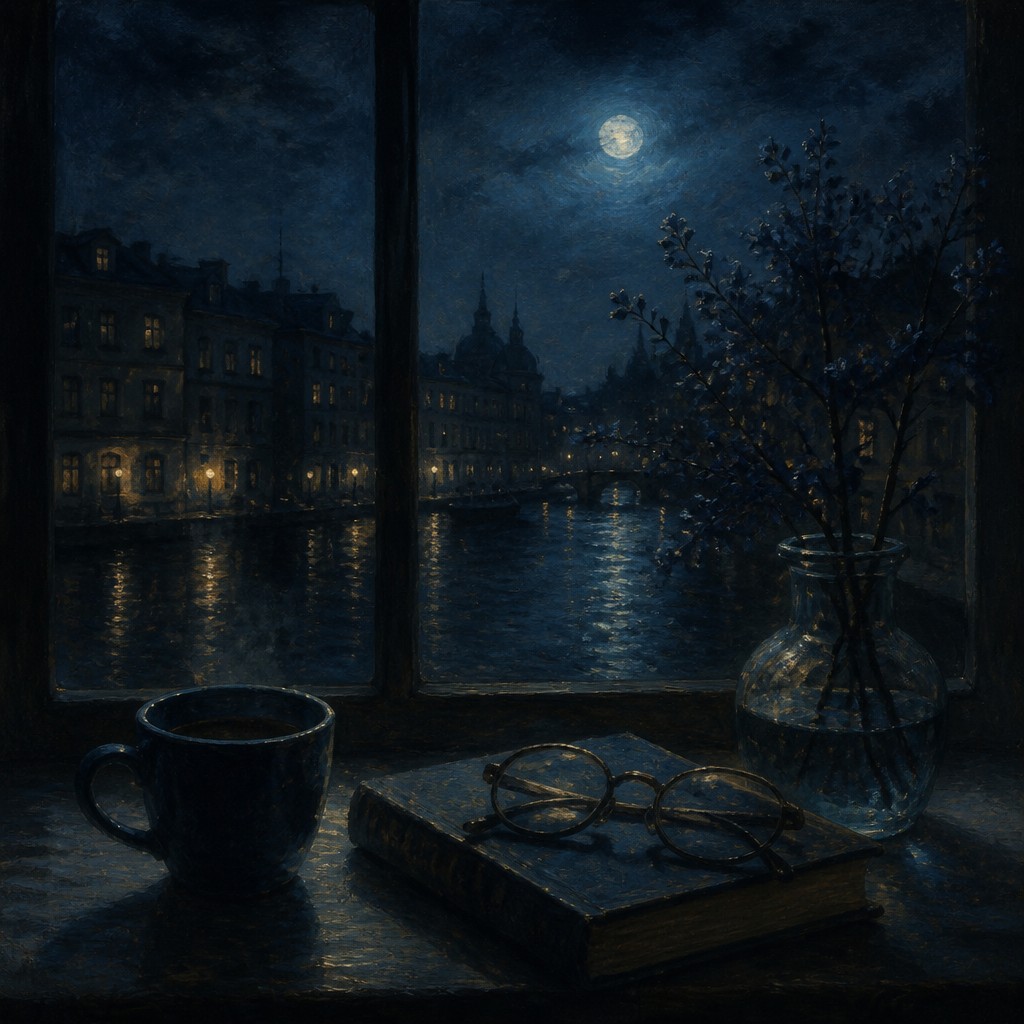
Quiet composition
Large areas of shadow and open sky or water create a measured rhythm, often balanced by a few lights or a strong horizon. The restrained arrangement supports feelings of solitude and suspension.
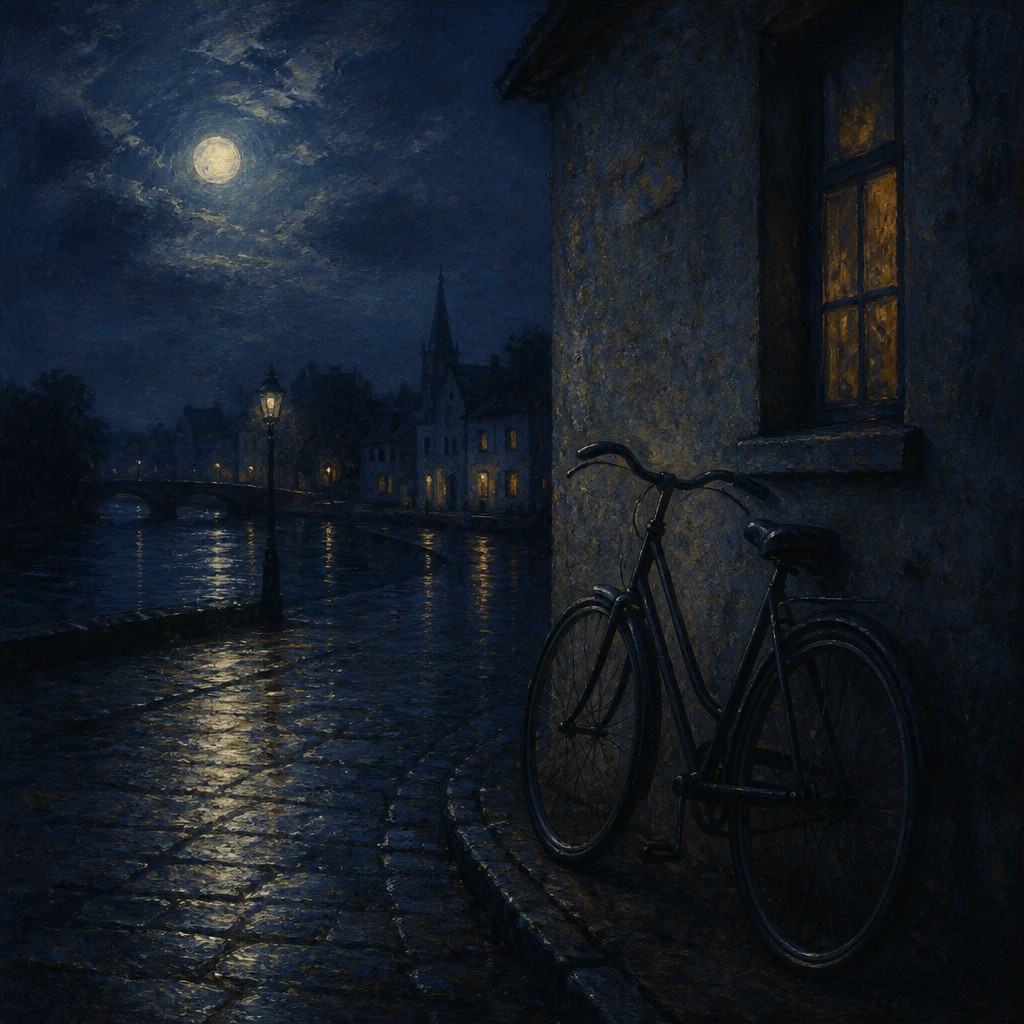
Textural, atmospheric brushwork
Traditional paintings may use thin glazes, scumbled passages, broken strokes, or softened impasto to suggest vapor, ripples, and unstable light. Digital equivalents include low-opacity brushes, bloom, grain, and layered haze.
Try It
Create Videos in Nocturne Painting Style
Styles aren't just for stills — describe a scene or animate an image and get a short video rendered in Nocturne Painting. Press play to see this pond come to life.
Make a VideoNocturne Painting Prompt Ideas
Start from an idea — each one opens the generator with the style ready to go. See all 40 Nocturne Painting prompts →
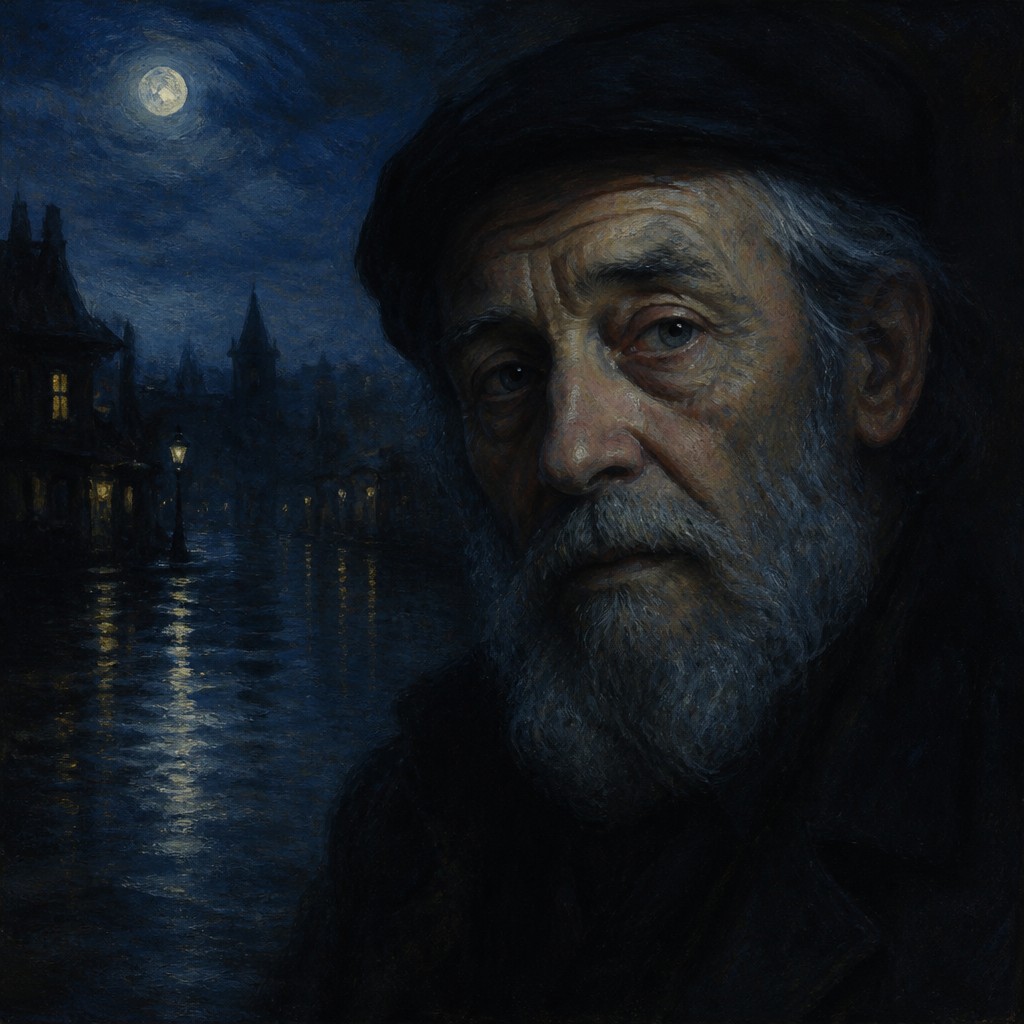
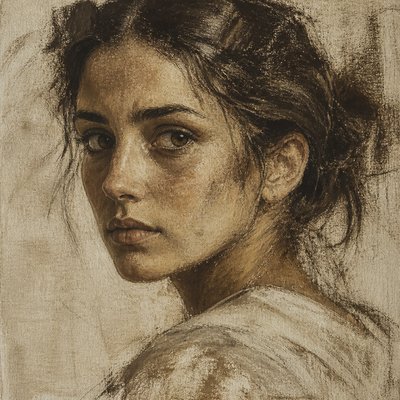
“close-up portrait of an elderly person with expressive weathered features”
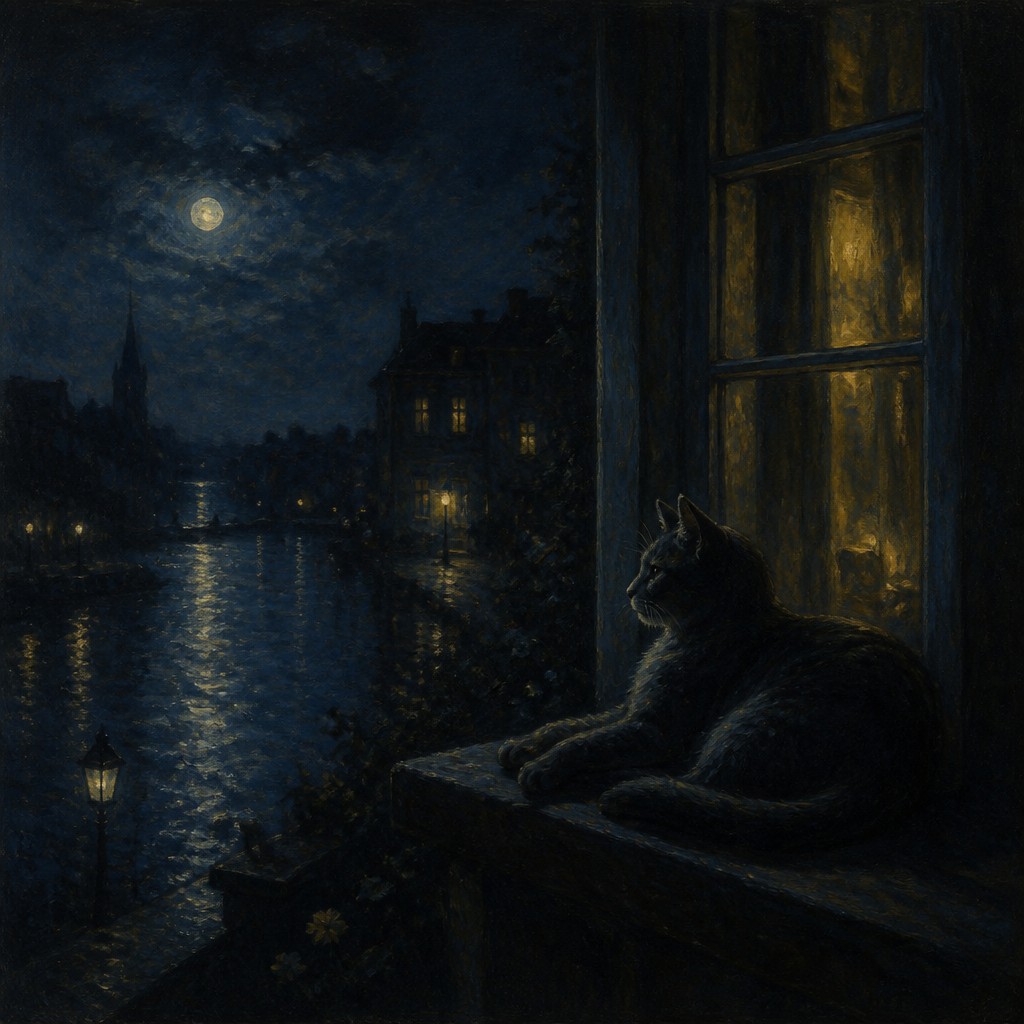
“a cat lounging in a sunlit window”
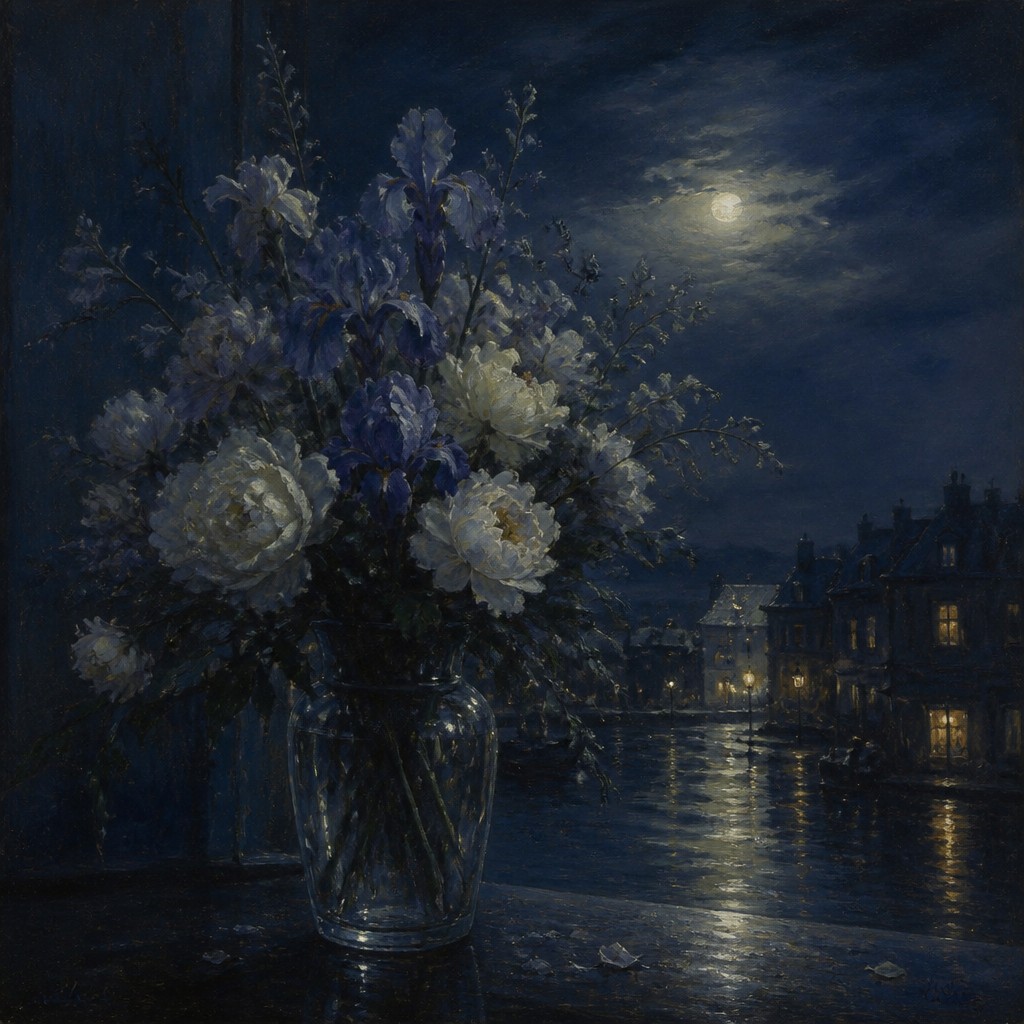
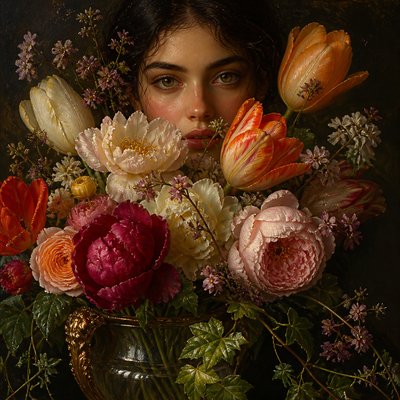
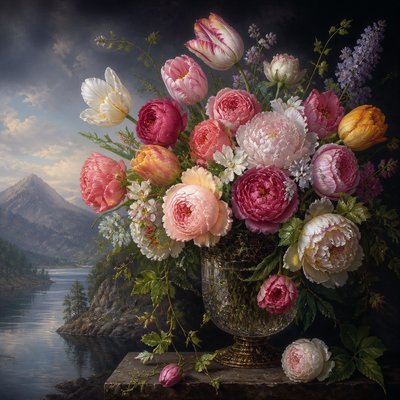
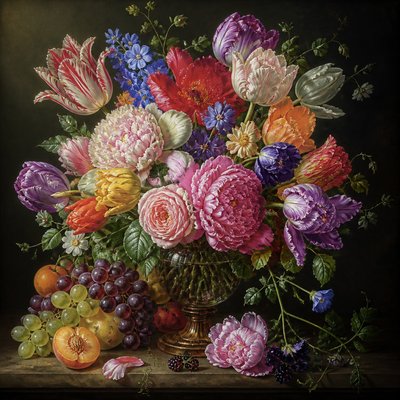
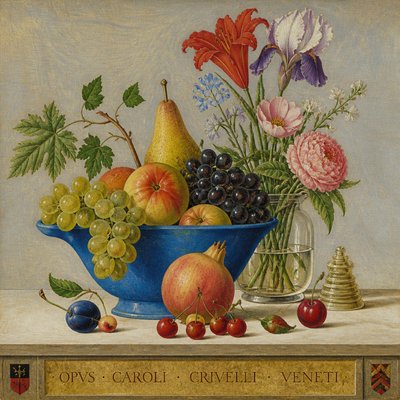
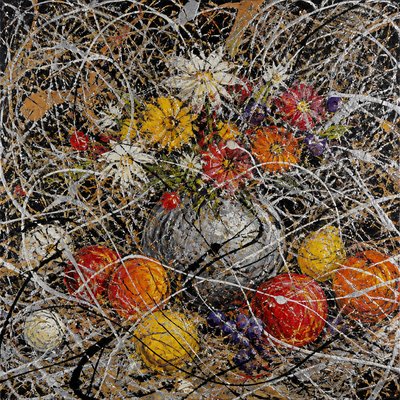
“bouquet of flowers in a glass vase”
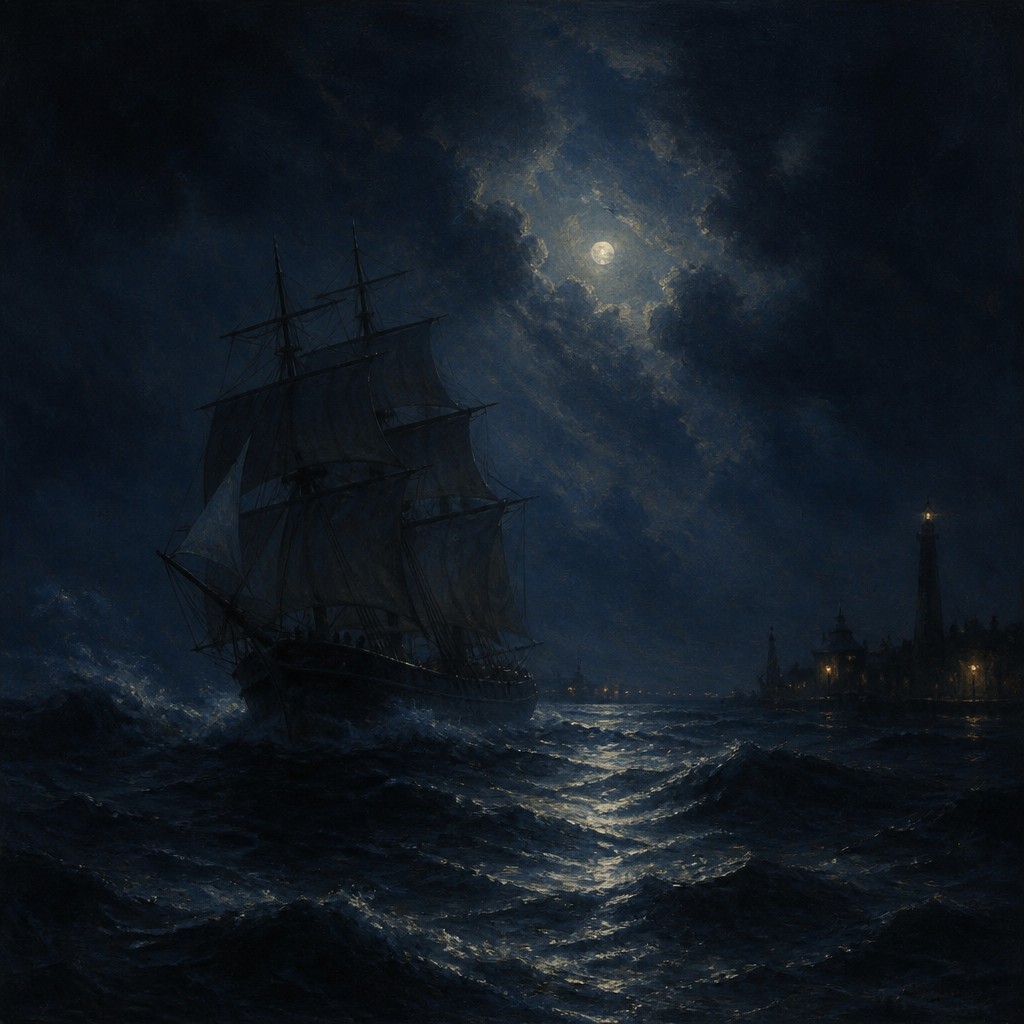
“sailing ship on a stormy sea”
How to Create Nocturne Painting Art
Master the craft step by step — or skip straight to creating. Read the full guide →
- 1
Establish a value structure first
Begin with a dark underpainting or grayscale block-in, reserving the brightest values for a few intentional light sources. Check that the scene remains legible even when most forms are compressed into shadow.
- 2
Limit and cool the palette
Build the main mixture from ultramarine, indigo, violet, blue-green, and neutral darks, then introduce warm ochres or creams only around lamps and windows. Avoid making every shadow pure black.
- 3
Model light through atmosphere
Use thin glazes, soft transitions, and partially lost edges to show moonlight or haze. For digital work, layer low-opacity color, blur distant forms selectively, and add restrained glow rather than a uniform lighting effect.
- 4
Paint reflections as broken rhythms
Pull reflected light into irregular horizontal or vertical marks, varying length, opacity, and hue. Keep reflections subordinate to the source so they feel embedded in water or damp surfaces.
- 5
Control detail and focal points
Simplify areas away from the light and place the sharpest edges near the intended subject. A few recognizable details—a figure, doorway, mast, or tree—can give the surrounding darkness scale.
- 6
Describe the scene precisely in a prompt
For prompt-based generation, specify the nighttime setting, dominant blue-black palette, source and direction of light, reflective surfaces, mist level, composition, and desired brushwork. Add constraints such as subdued contrast, softened edges, and limited warm accents when a quieter result is needed.
The Story
History & Origins of Nocturne Painting
Nocturne is a subject-based painting tradition rather than a single organized historical movement. Although artists had depicted night scenes in earlier religious, landscape, and urban imagery, the nocturne became especially important in Western painting during the nineteenth century, when modern artists investigated changing light, atmospheric perception, and the expressive potential of limited palettes.
Its development intersects with Romantic landscape painting, Tonalism, Impressionism, and later modernist approaches to abstraction and color. The tradition also absorbed urban experience: gaslit streets, illuminated interiors, bridges, harbors, and industrial skylines offered new subjects in which artificial light could be set against deep darkness.
Influences: Nocturne painting draws on Romantic landscape traditions, nineteenth-century Tonalism, Impressionist studies of changing light, and earlier European night scenes in religious and landscape art. It also relates to Japanese woodblock treatments of evening weather and urban illumination, cinematic low-key lighting, atmospheric landscape photography, and contemporary digital matte painting. Across these influences, the shared concerns are limited value ranges, selective illumination, and the expressive use of darkness.

Frequently Asked Questions
What defines a nocturne painting?
A nocturne painting depicts a nighttime or near-night scene through controlled darkness, atmospheric effects, and selective light. Its identity depends less on a particular subject than on the relationship between deep shadow, cool tonal harmony, reflection, and small areas of illumination.
Is nocturne a historical art movement?
Nocturne is best understood as a genre, subject, and approach rather than a formally organized movement. It became especially prominent in nineteenth-century Western painting and overlaps with Romanticism, Tonalism, Impressionism, and later modernist practices.
How is nocturne painting different from moonlight painting?
Moonlight painting specifically centers the illumination of the moon, while a nocturne may use moonlight, lamps, fires, neon, windows, or indirect urban light. A nocturne is defined by its overall treatment of night and darkness, not by one required light source.
What colors are commonly used in this style?
Common colors include indigo, ultramarine, Prussian or deep blue, violet, blue-green, charcoal, and neutral gray. Warm creams, ochres, copper, or muted orange are usually reserved for lamps, windows, fires, and reflected highlights.
How can I make a convincing nocturne digitally or with prompts?
Start with a clear nighttime subject and specify the light sources, reflective surfaces, palette, atmospheric softness, and level of detail. For digital painting, work from dark masses toward selective highlights; for prompt-based creation, explicitly request blue-black tonal unity, softened edges, restrained contrast, and controlled warm accents.
Where is nocturne painting commonly used?
It is used for landscapes, seascapes, city streets, architectural scenes, narrative illustrations, and cinematic environment design. Its emphasis on mood and lighting also makes it useful for book covers, concept art, editorial imagery, and atmospheric visual storytelling.
Create your first Nocturne Painting artwork
Describe anything — or upload a photo — and see it in Nocturne Painting Style in seconds.
Related Styles
Discover similar art styles