Dada Art Style
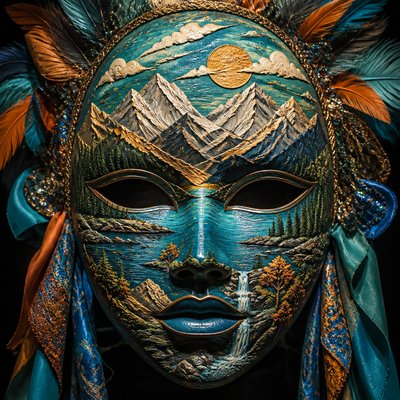
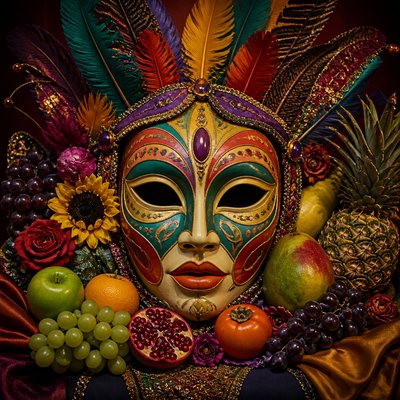
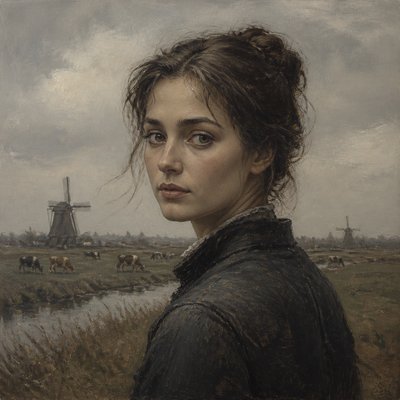
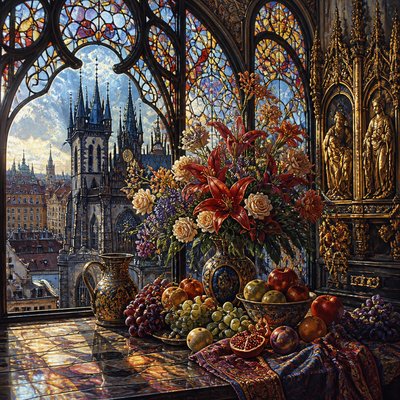
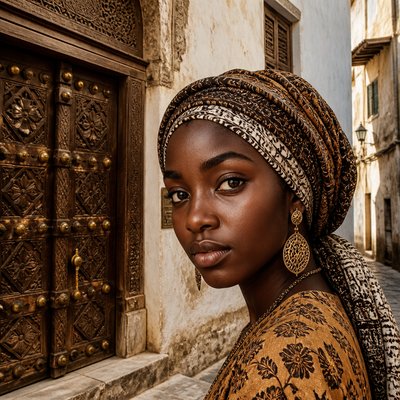
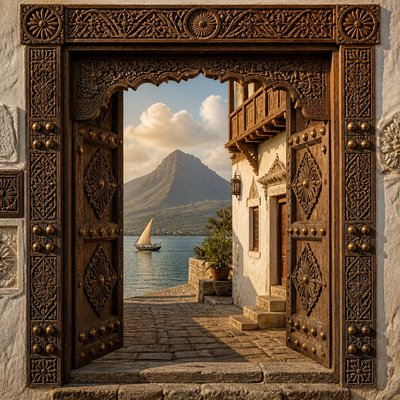
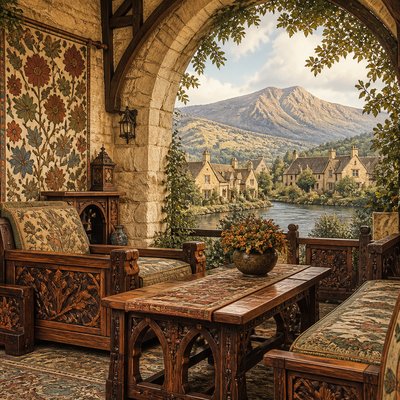
Dada art: absurd photomontage, found objects, torn paper, and anti-art tactics that challenge logic, taste, and convention.
Instantly rendered in Dada — or transform a photo
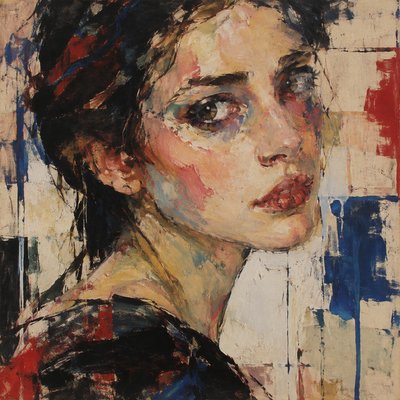
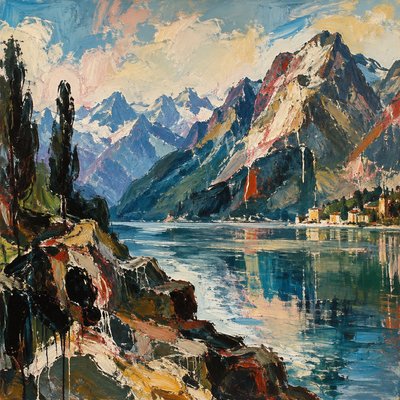
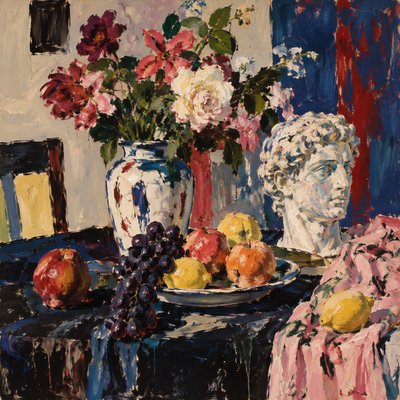
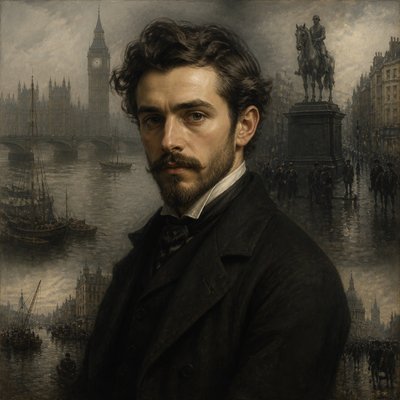
Dada Gallery
Tap any artwork to explore it
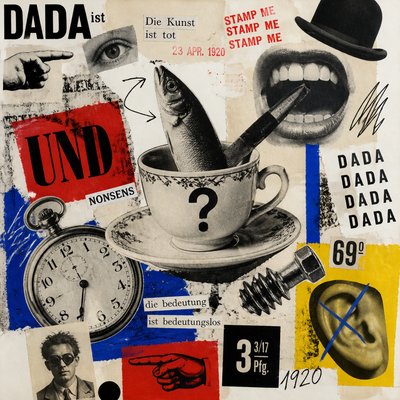
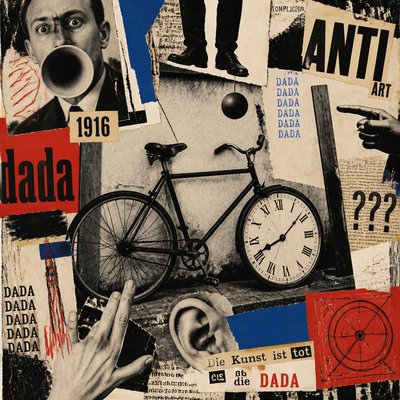

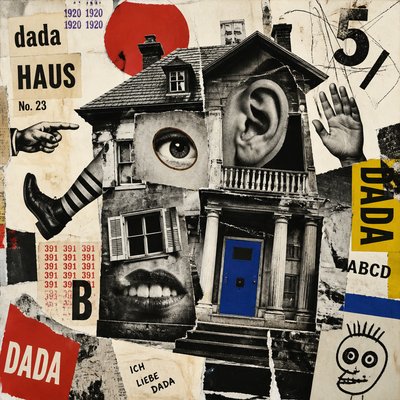
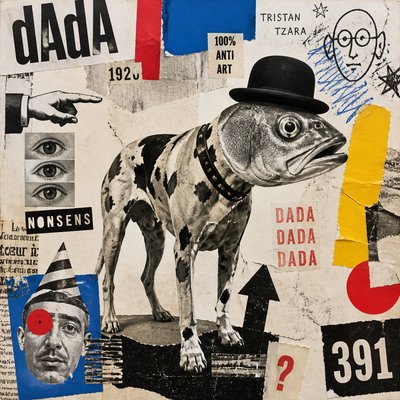
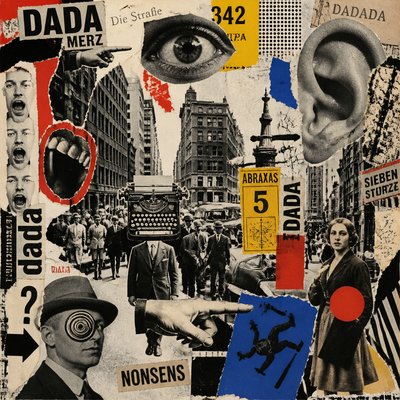
What is Dada Art Style?
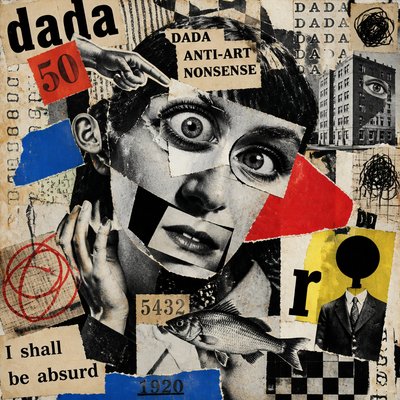
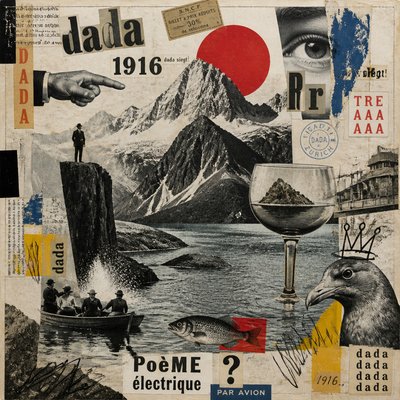
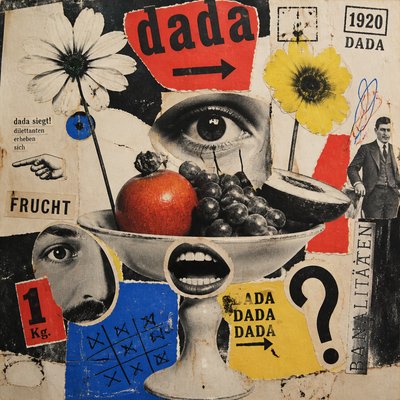
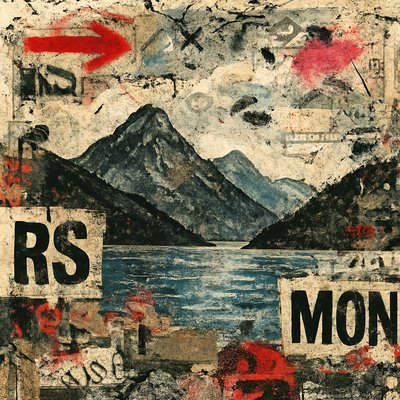
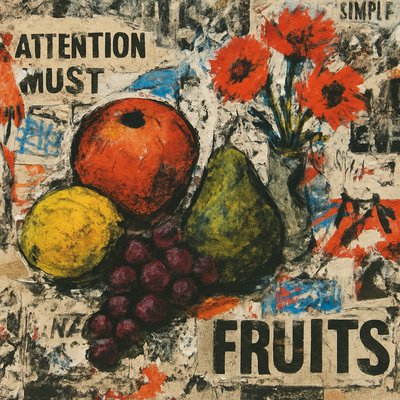
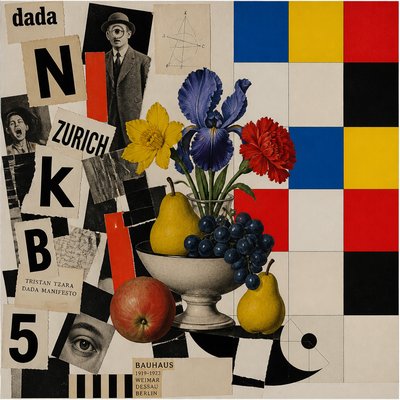
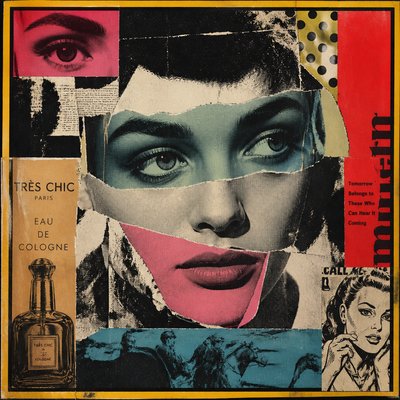
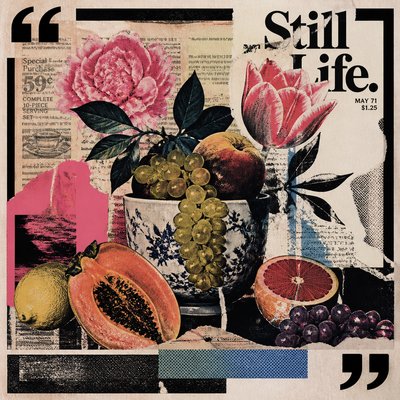
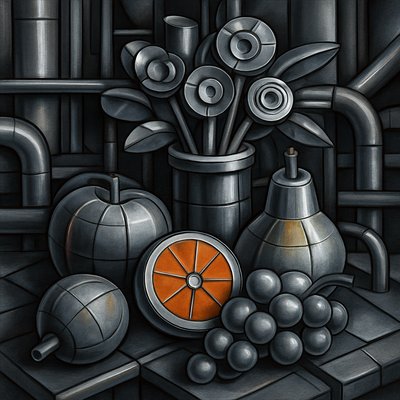
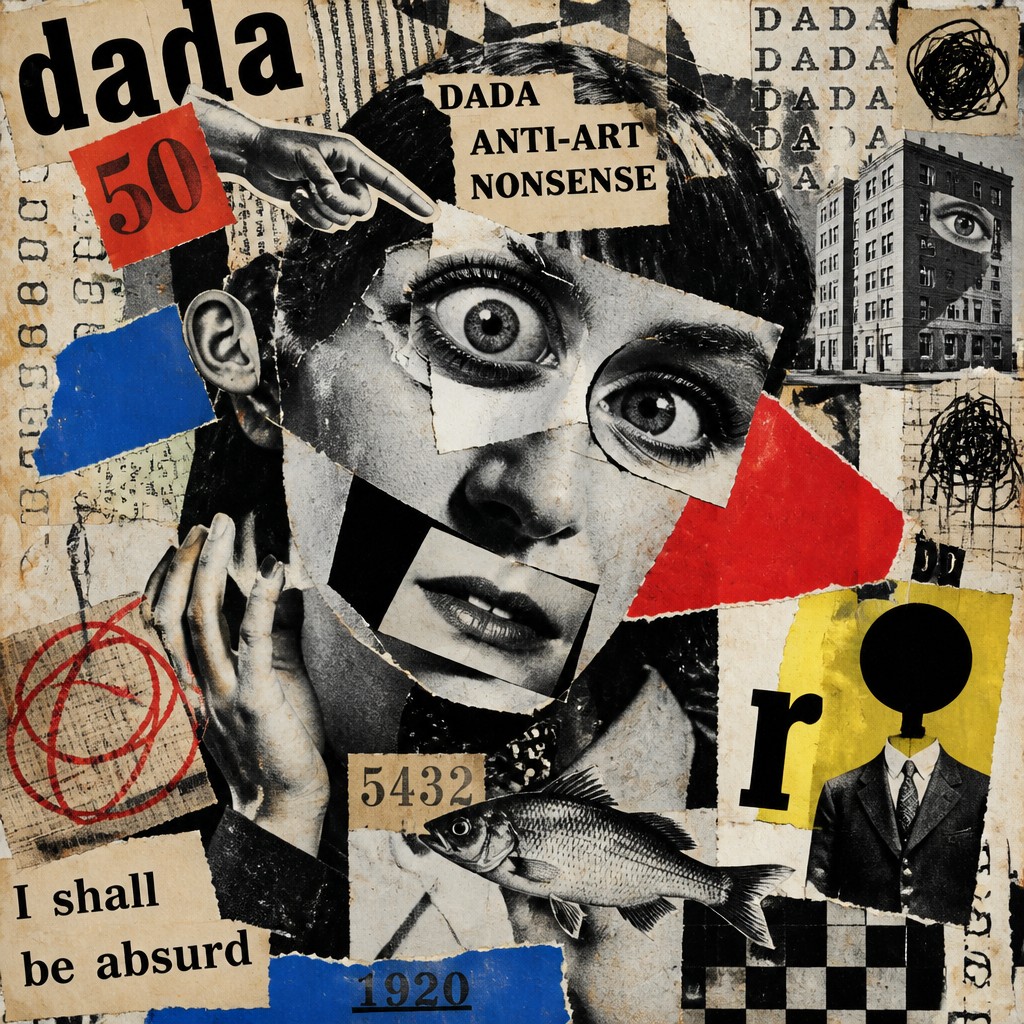
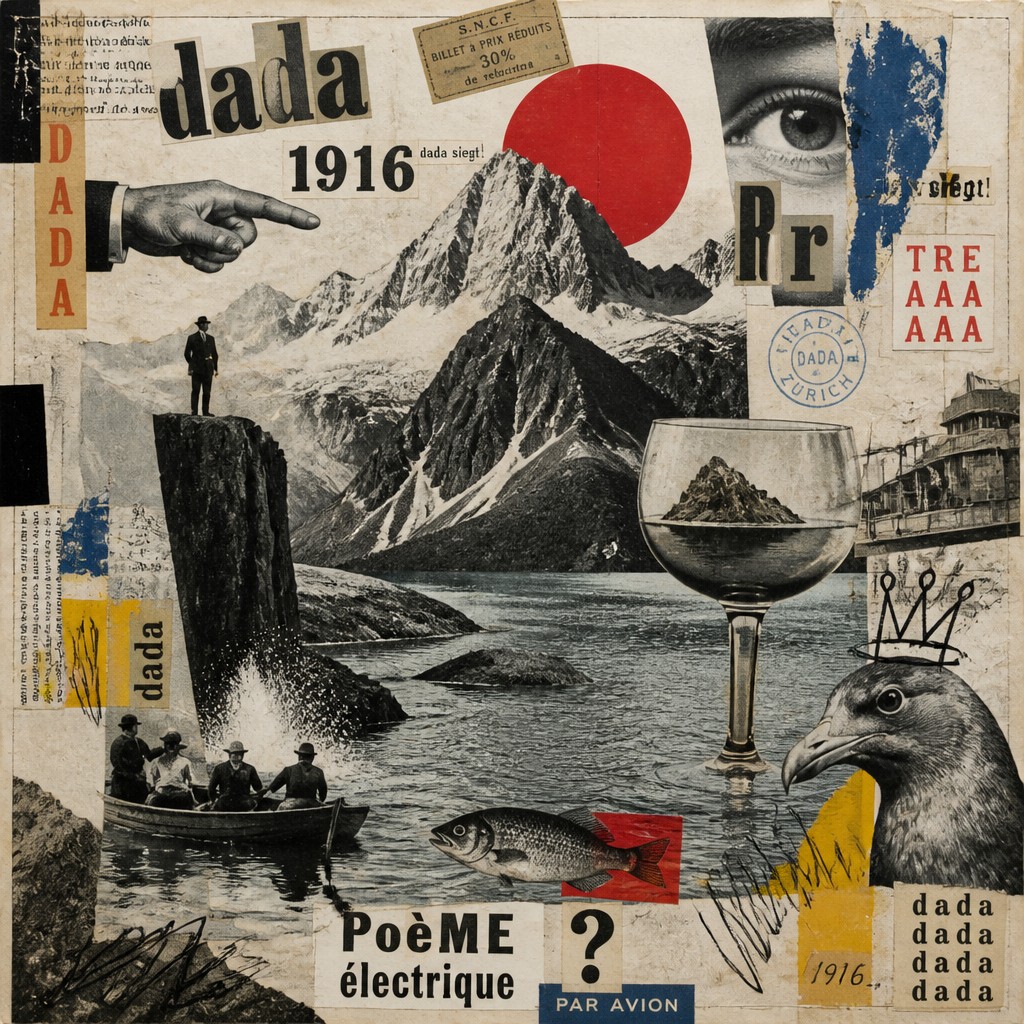
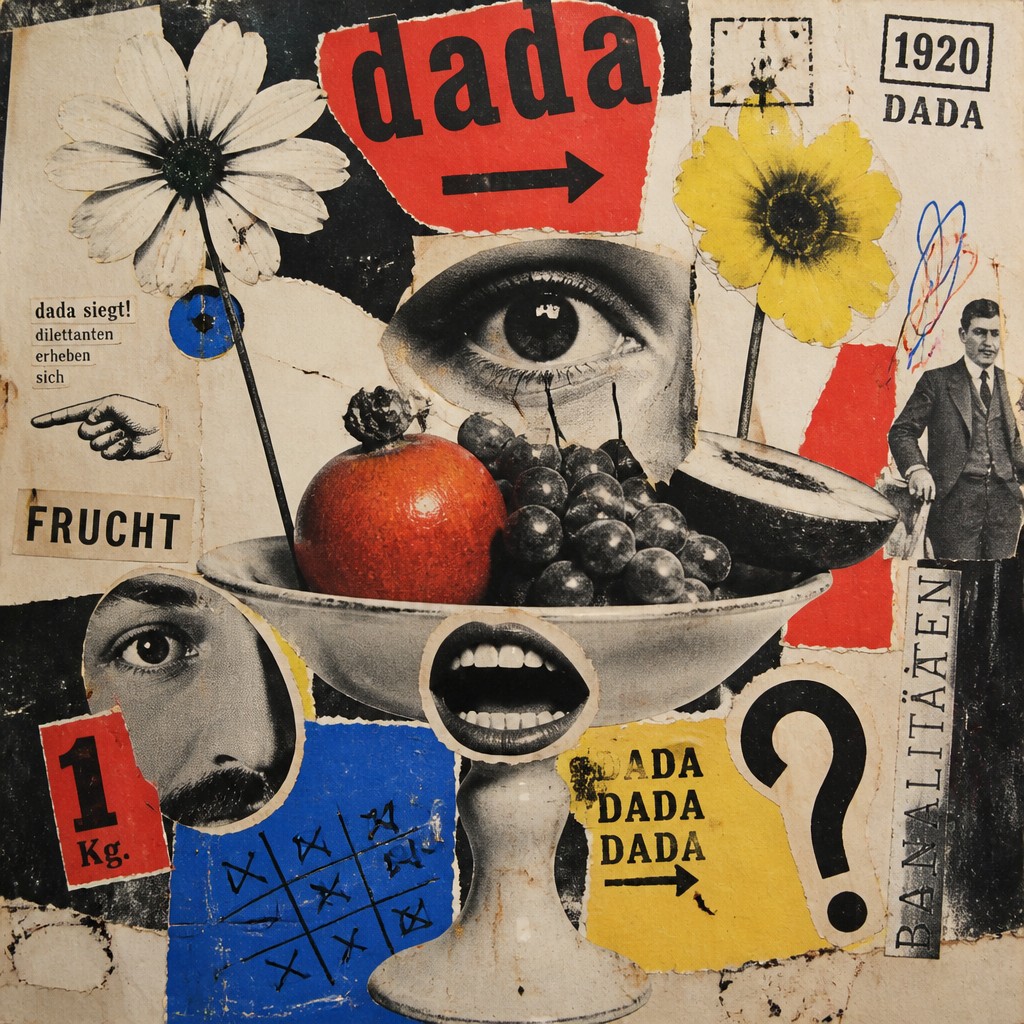
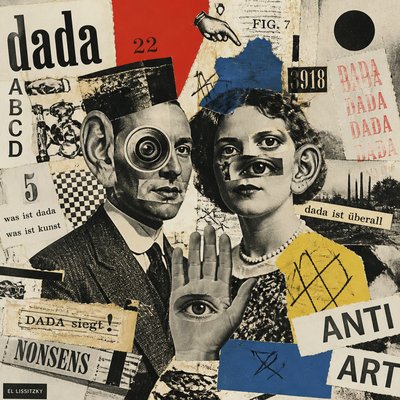
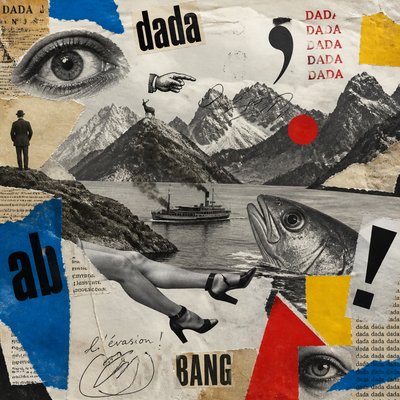
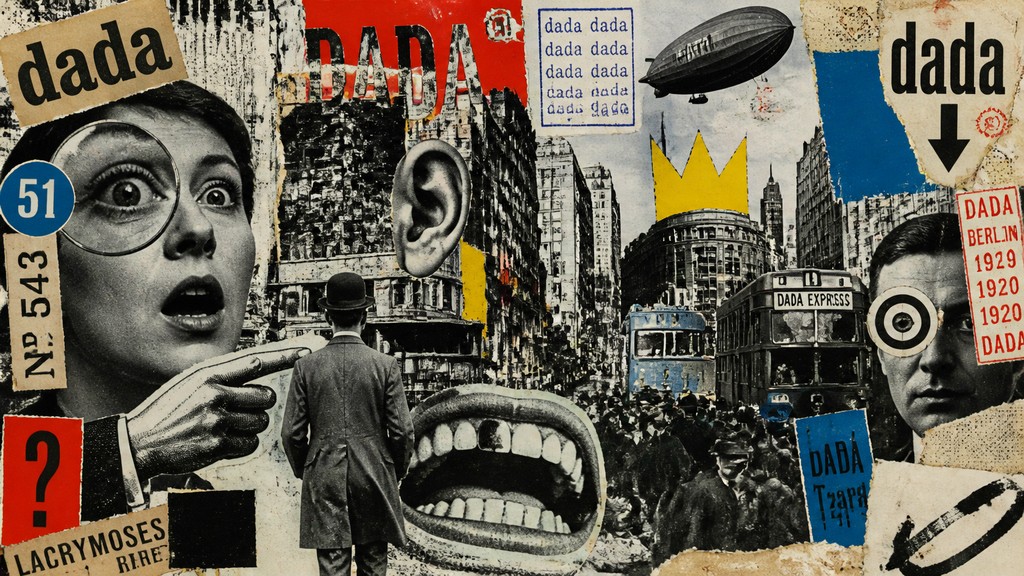
Dada is an anti-art movement that emerged during the First World War as a rejection of the cultural, political, and aesthetic values thought to have helped produce the conflict. Its images often look deliberately unstable: torn paper, pasted fragments, machine-made text, cut-and-paste faces, and objects combined in ways that refuse clear narrative or rational order. Humor, protest, chance, and sabotage of “good taste” are central to its visual identity.
The style is recognizable by its use of collage and assemblage as methods of disruption. Instead of unified perspective or polished finish, Dada prefers misregistration, abrupt scale changes, typographic noise, and contradictory materials placed side by side. The result can feel absurd, aggressive, witty, or nonsensical, but the inconsistency is intentional: Dada works by exposing how art conventions can be broken, mocked, and remade into a critique of modern life.
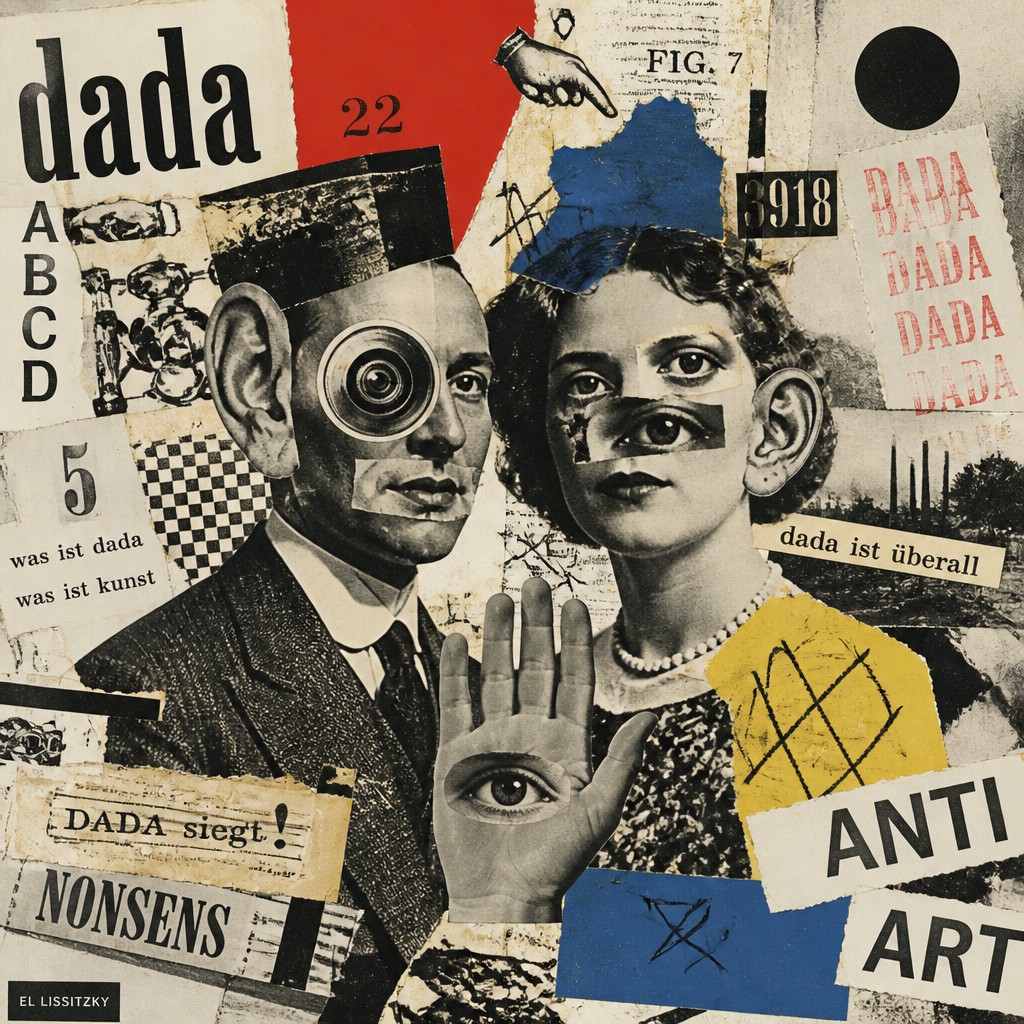
Try It On Your Photos
Upload any photo and convert it into Dada Art Style — drag the sliders to compare before and after.
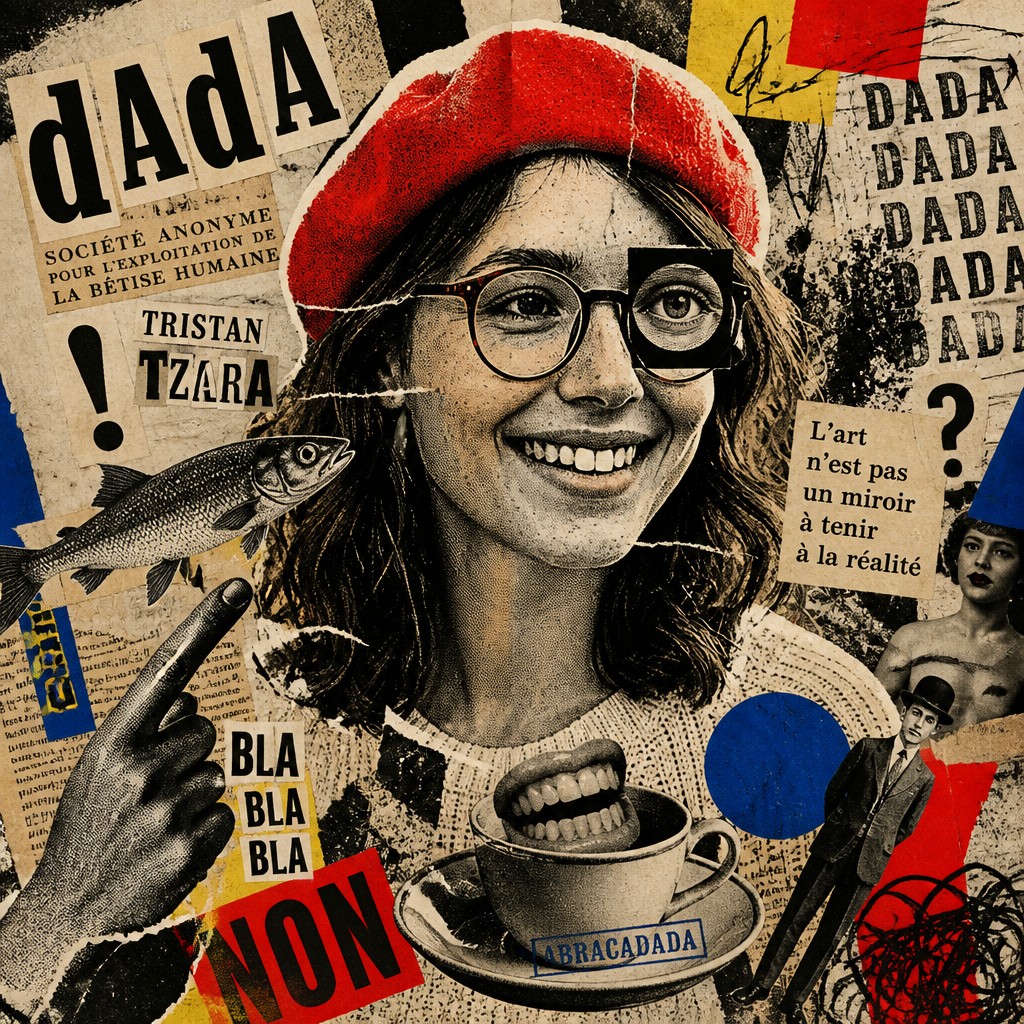

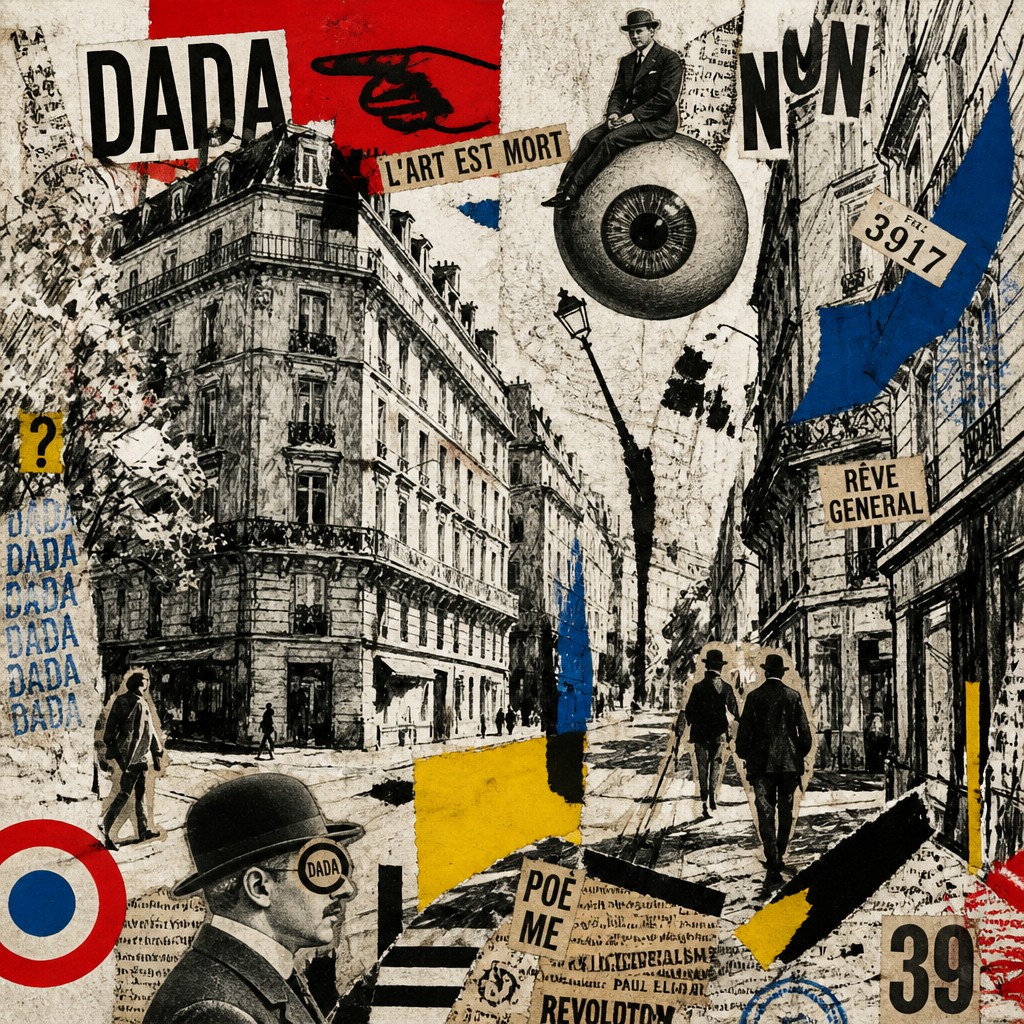

Or use the free Dada photo filter
What Defines Dada Art Style
The signature details, up close
Photomontage and collage structure
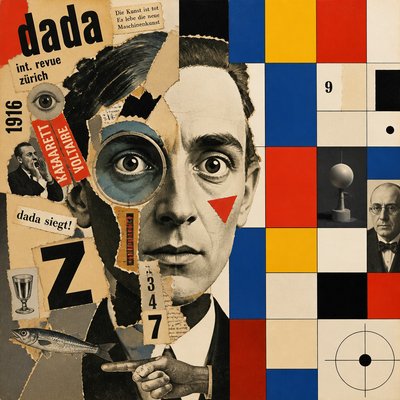
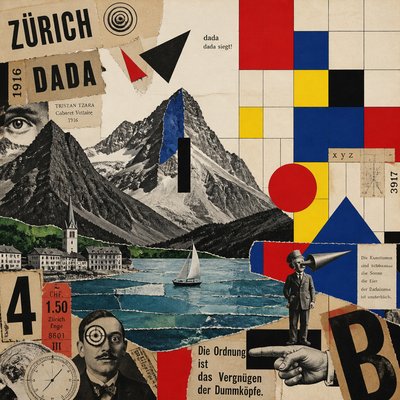
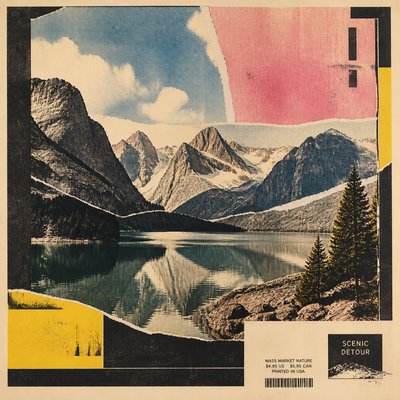
Images are assembled from cut photographs, printed fragments, newspaper scraps, and pasted elements rather than drawn as a single continuous scene. The seams are often left visible so the construction remains obvious.
Absurd juxtapositions
Unrelated objects, figures, and symbols are combined in ways that disrupt narrative logic. The resulting image may be comic, unsettling, or impossible on purpose.
Torn paper and raw edges
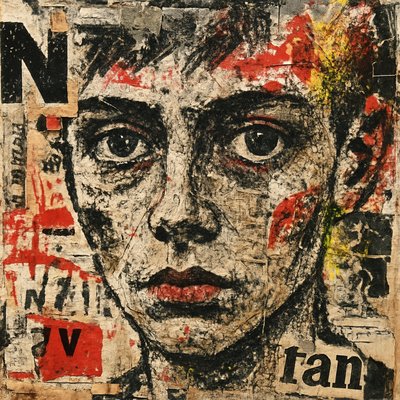
Rip marks, irregular borders, glue stains, and pasted-over layers are part of the look. These materials emphasize process and anti-polish rather than refinement.
Typographic intrusion
Letters, slogans, advertisements, and stamp-like repetitions often break into the image field. Text may function as noise, satire, or visual material rather than as readable copy.
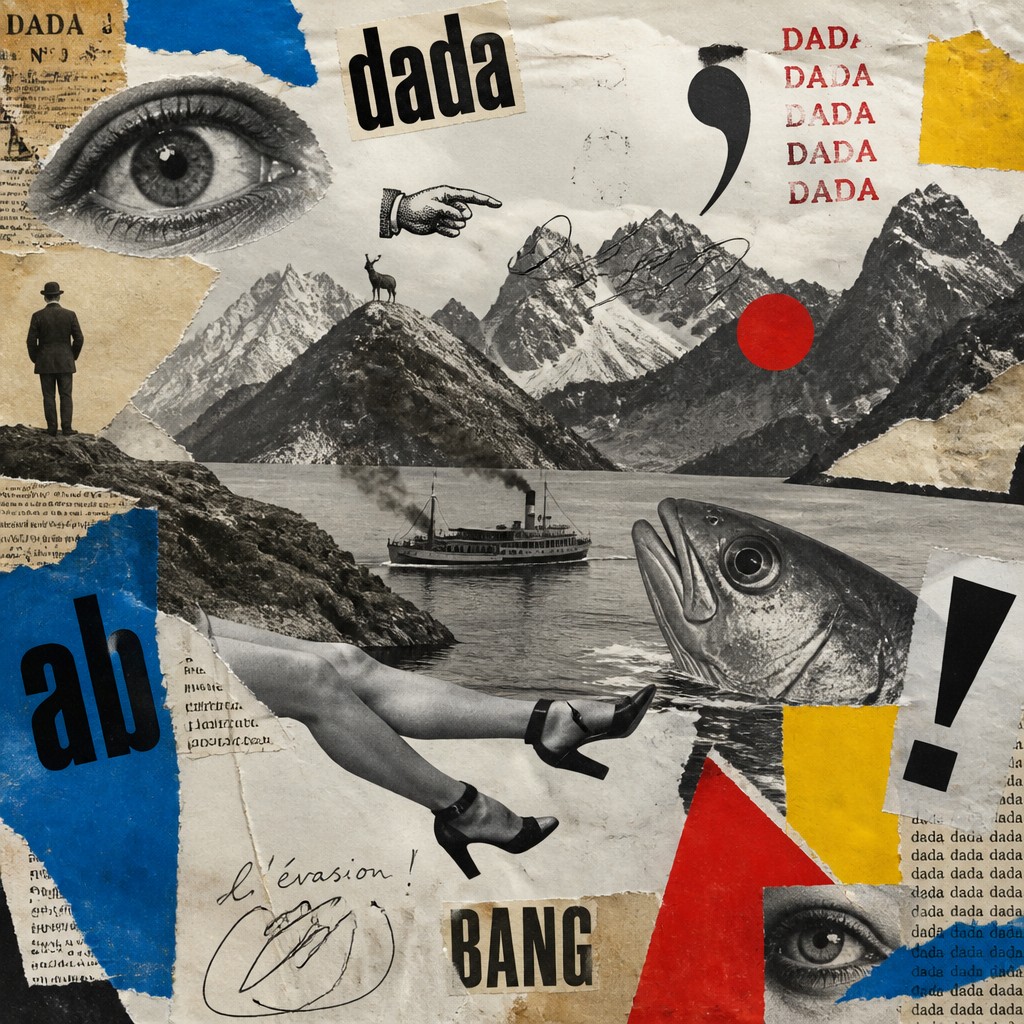
Misregistration and visual friction
Layers may be intentionally offset, cropped awkwardly, or printed in conflicting scales. This produces a sense of mechanical error and compositional instability.
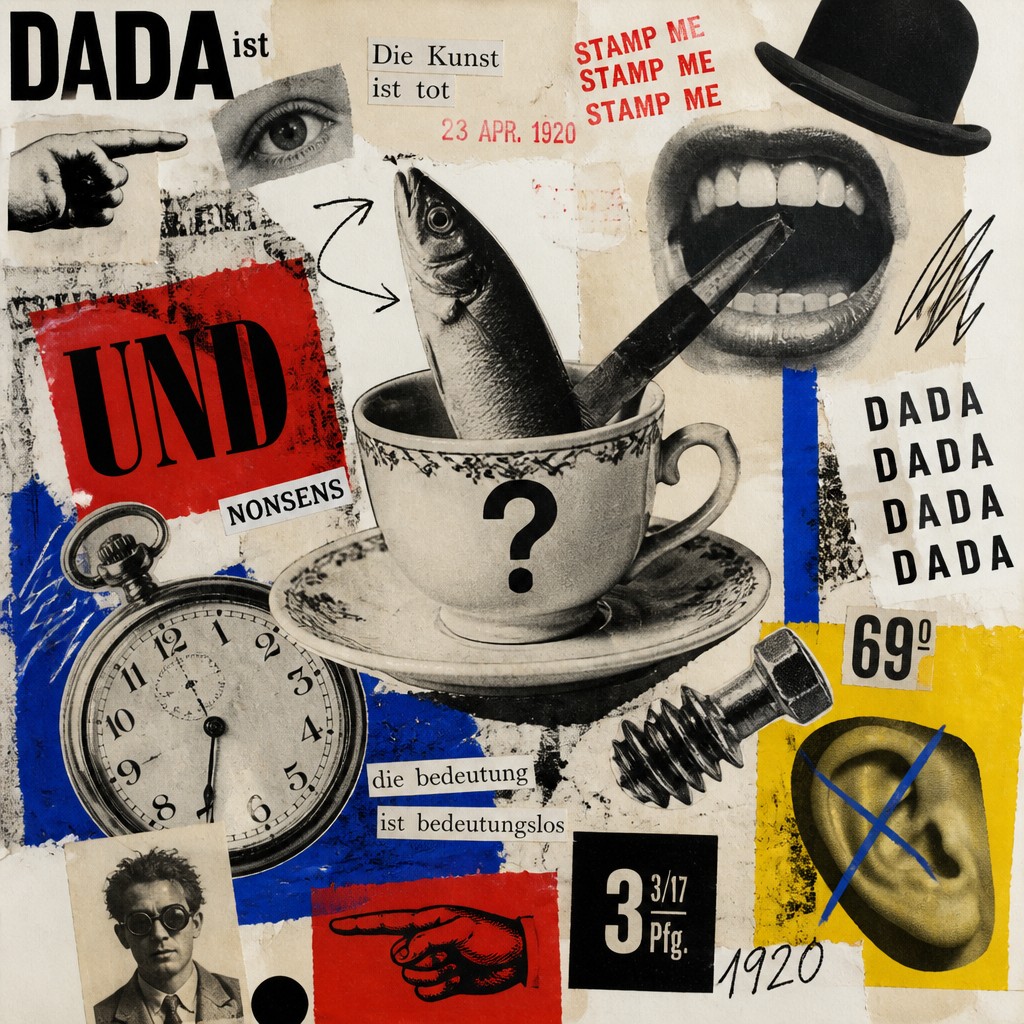
Contrast-driven palette
Many Dada works rely on stark black-and-white reproduction with abrupt accents of primary color. The limited palette heightens the graphic, newspaper-like quality.
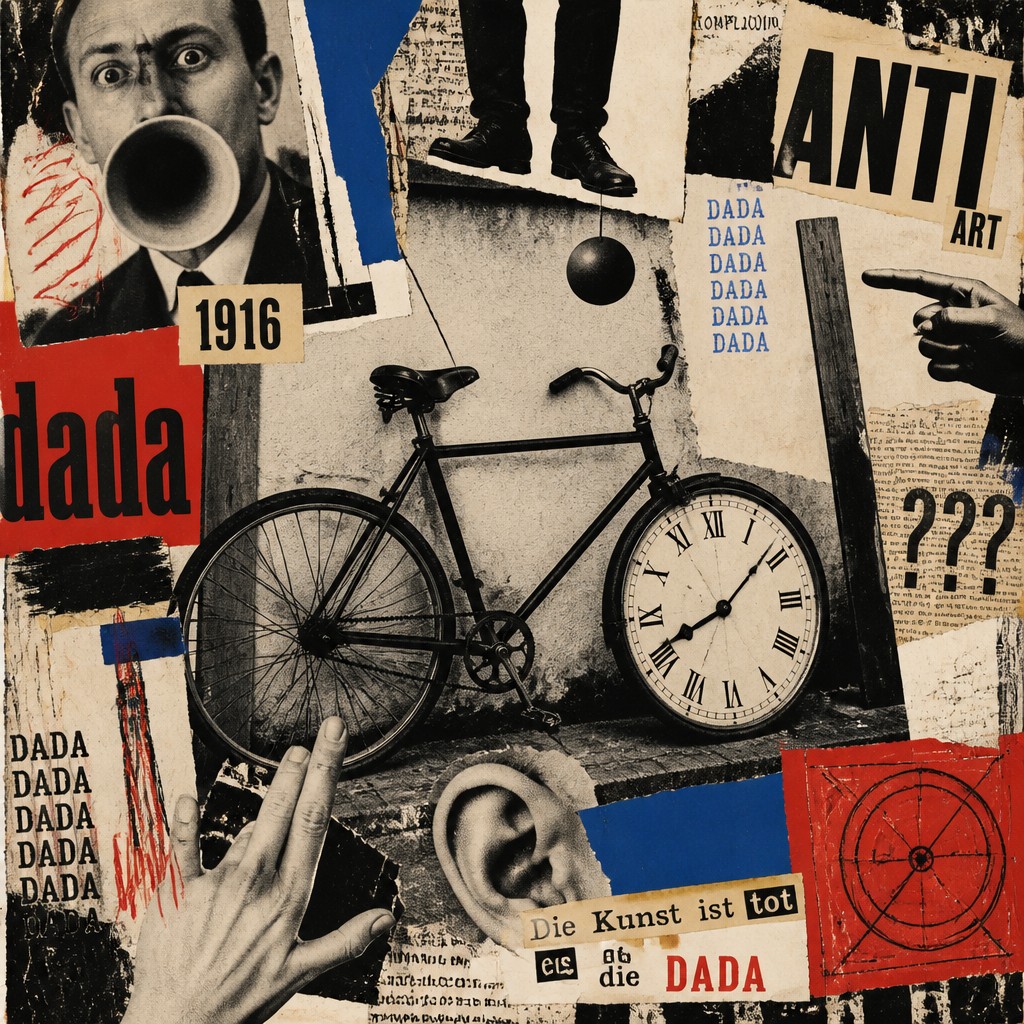
Found-object logic
Real-world materials and everyday printed matter are treated as artistic components. The style often feels assembled from the debris of modern mass media.
Try It
Create Videos in Dada Art Style
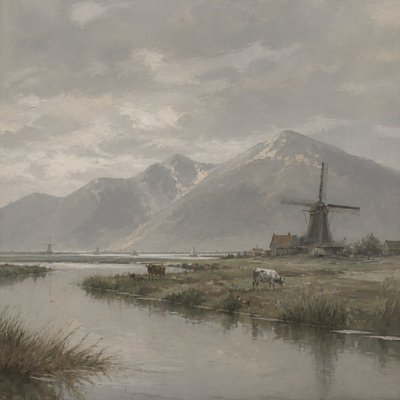
Styles aren't just for stills — describe a scene or animate an image and get a short video rendered in Dada. Press play to see this pond come to life.
Make a VideoDada Prompt Ideas
Start from an idea — each one opens the generator with the style ready to go. See all 40 Dada prompts →
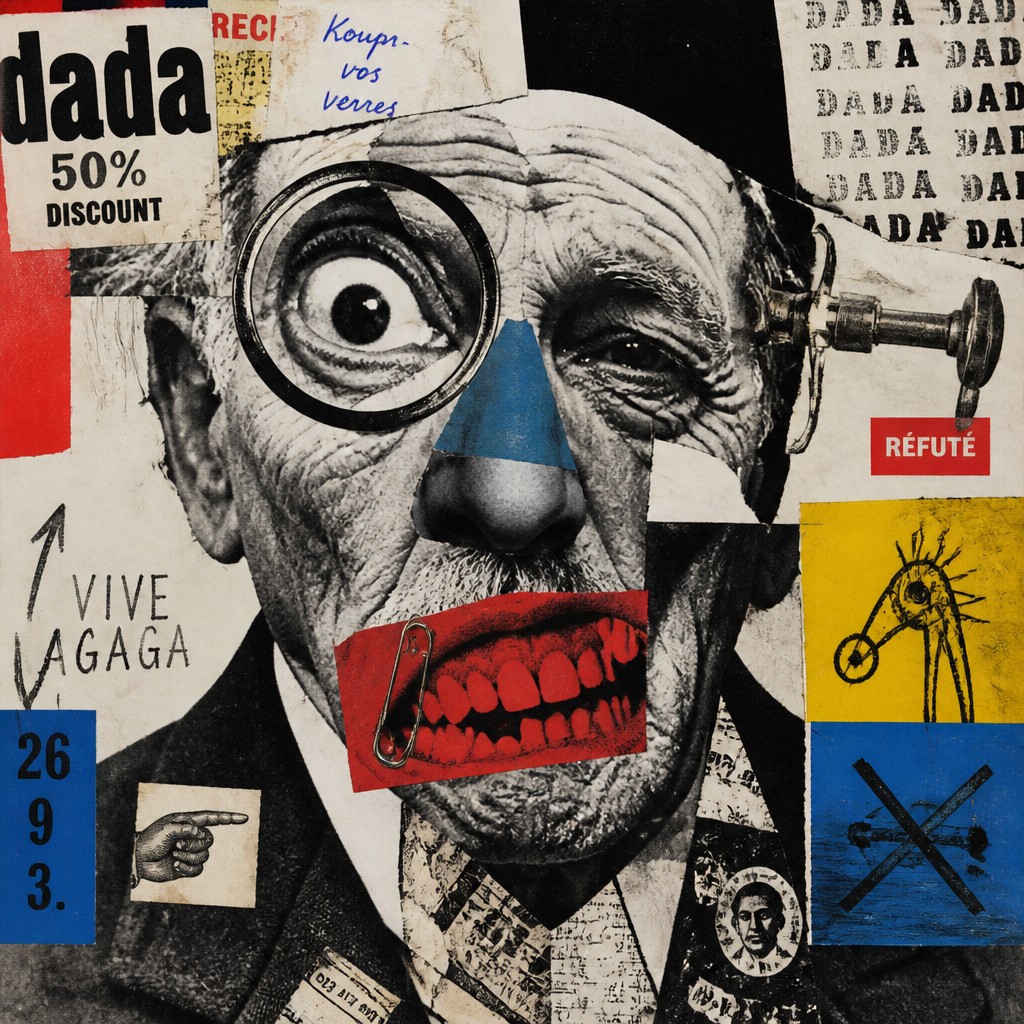
“close-up portrait of an elderly person with expressive weathered features”
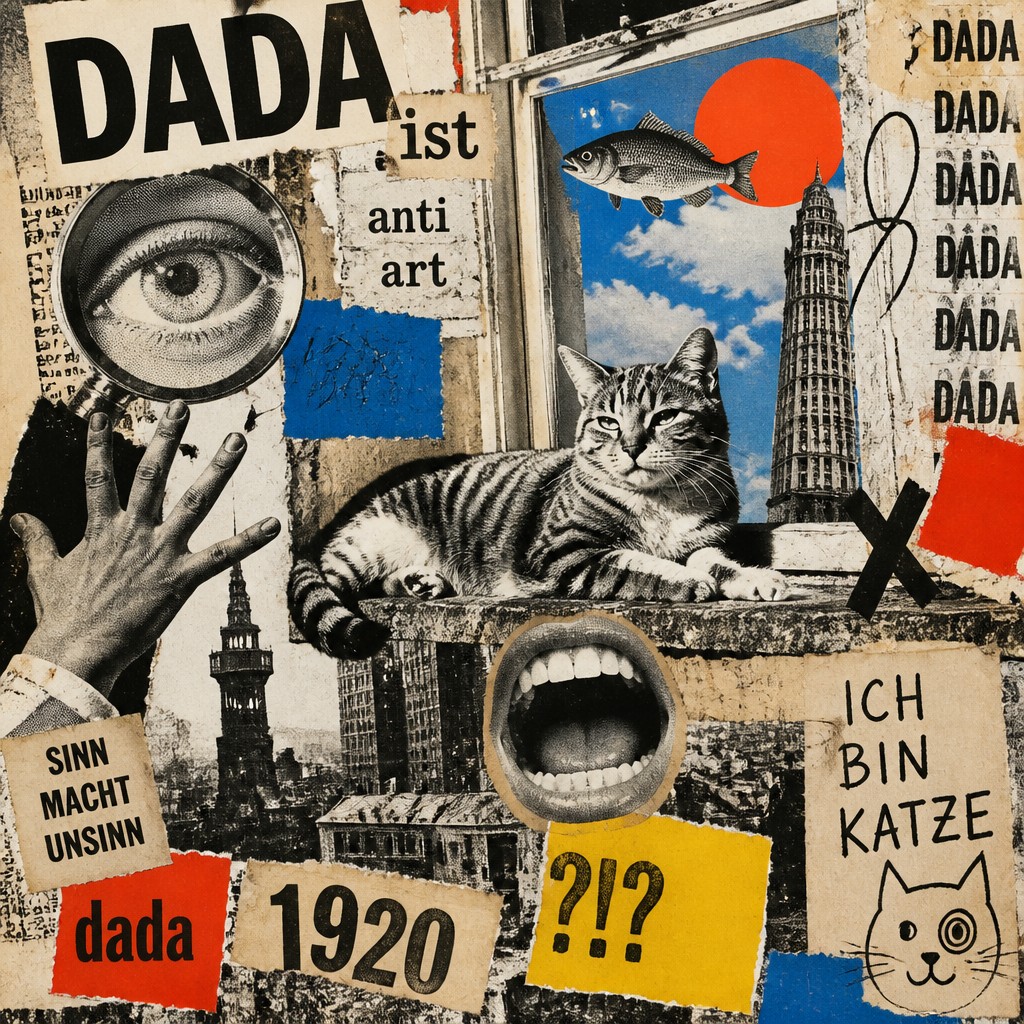
“a cat lounging in a sunlit window”
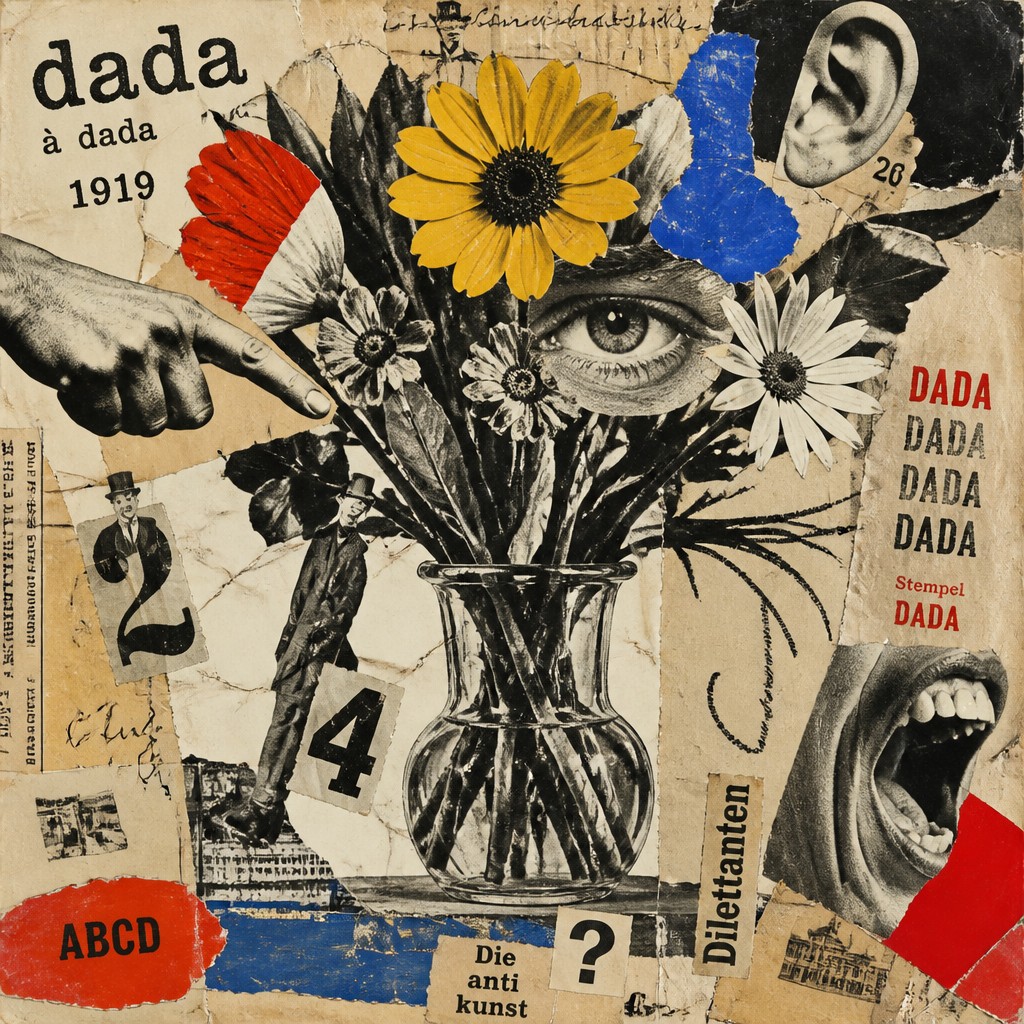
“bouquet of flowers in a glass vase”
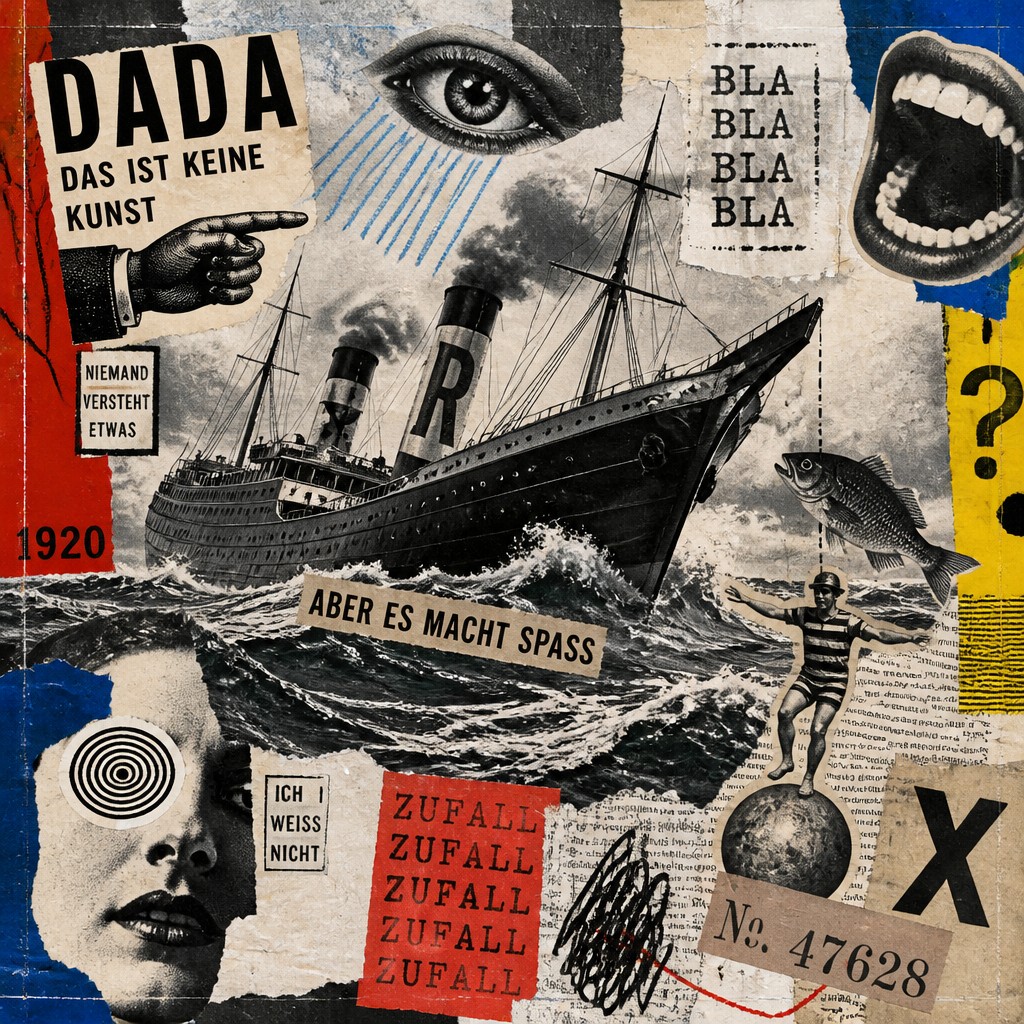
“sailing ship on a stormy sea”
How to Create Dada Art
Master the craft step by step — or skip straight to creating. Read the full guide →
- 1
Build from fragments, not a single drawing
Start with magazine clippings, photocopies, headlines, tickets, labels, and photographs, then assemble them into a composition that resists symmetry and clear hierarchy. Keep joins visible and let overlaps and crop marks become part of the image.
- 2
Use contrast and disruption
Mix black-and-white imagery with sudden color accents, and place mechanically produced textures beside rough hand-drawn marks. Aim for collisions between clean print language and messy intervention.
- 3
Let scale and perspective misbehave
Enlarge minor details, shrink major figures, or place objects together without regard to realistic space. In prompt-based generation, ask for irrational scale shifts, cut-paper seams, and nonsensical juxtapositions.
- 4
Introduce text as image material
Stamp, repeat, or partially obscure words so they feel fragmentary rather than explanatory. For digital work, layer typography at odd angles or with misaligned printing effects.
- 5
Preserve the handmade accident
Do not over-clean the composition; leave glue edges, miscuts, scratches, and pasted-over mistakes visible. In AI prompts, include terms such as torn paper, raw paste-up, visible seams, and deliberate misregistration.

The Story
History & Origins of Dada
Dada began in 1916 at the Cabaret Voltaire in Zürich, where artists and writers including the movement’s founding performers and poets, a leading Central European avant-gardist, an abstract collage pioneer, a key Dada dramatist and typographer, and later a notable French-Futurist-influenced provocateur and a celebrated multimedia experimenter developed performances, poems, and images that rejected bourgeois culture and wartime nationalism. The movement soon spread to Berlin, Cologne, Paris, and New York, where different local versions took shape. Berlin Dada in particular used photomontage and political satire; major figures include a leading female photomontage pioneer, a central Berlin Dada theorist and performance artist, and a prominent anti-war editorial artist, whose work turned newspapers, advertisements, and photographs into sharp social critique.
Dada did not last as a unified movement for long, but its methods had lasting influence. Its embrace of chance, nonsense, found materials, and anti-illusionism helped shape Surrealism, Constructivism, Fluxus, performance art, punk graphics, and later collage-based digital practices. In visual terms, contemporary uses of “Dada” usually refer to this legacy of deliberate irrationality: a graphic language built from fragmentation, contradiction, and the refusal of seamless composition.
Influences: Dada grew out of wartime modernism, avant-garde performance, and satirical print culture, and it overlaps with Cubist collage, Futurist provocation, and Russian Constructivist graphic experimentation. Among the best-known associated artists are leading female photomontage pioneers, influential German Dada collaborators, a prominent anti-war editorial artist, a leading abstract collage innovator, a major conceptual readymade pioneer, a notable French-Futurist-influenced provocateur, and a celebrated multimedia experimenter, though their practices ranged from photomontage to ready-mades to performance. Dada also anticipates later conceptual and collage-based work by treating the act of selection, disruption, and recontextualization as the artwork itself.
Frequently Asked Questions
What defines Dada art?
Dada is defined by its rejection of artistic and cultural conventions in favor of absurdity, chance, fragmentation, and satire. Visually, that usually means collage, found materials, inconsistent scale, and deliberately awkward composition. The point is not harmony but critique.
Is Dada the same as Surrealism?
No. Dada predates Surrealism and is generally more aggressively anti-art, ironic, and political in tone. Surrealism often explores dream imagery and the unconscious, while Dada tends to foreground contradiction, nonsense, and a refusal of meaning.
What materials are common in Dada-style work?
Common materials include newspaper, magazine clippings, photographs, tickets, labels, typed text, rubber stamps, ink, glue, and found objects. The material mix matters because the style relies on visible assembly and the collision of everyday printed culture with art.
How do I make a Dada-style image digitally?
Use collage layers, ripped-paper masks, halftone textures, uneven cutouts, and misaligned print effects. Add text fragments, stamps, and abrupt color interruptions, then avoid smoothing everything into a polished composite.
Where is Dada used today?
Its visual language appears in poster design, album art, zines, political graphics, editorial collage, and experimental digital imagery. It is especially useful when the goal is to communicate irony, protest, or deliberate visual disruption.
Why does Dada look unfinished?
The unfinished appearance is intentional and part of the meaning. Dada artists treated roughness, error, and visible construction as a rejection of academic polish and of the idea that art must be orderly or noble.
Create your first Dada artwork
Describe anything — or upload a photo — and see it in Dada Art Style in seconds.
Make Something with Dada
Compare Dada
Related Styles
Discover similar art styles