Etruscan Art Style
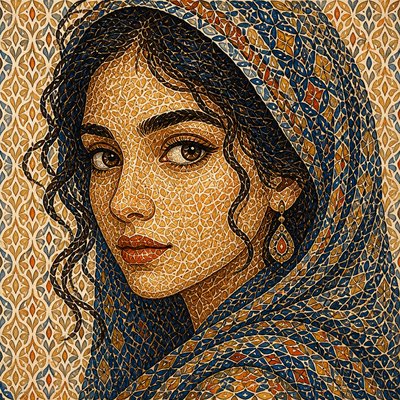
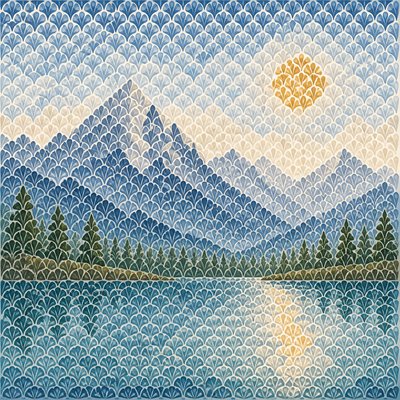
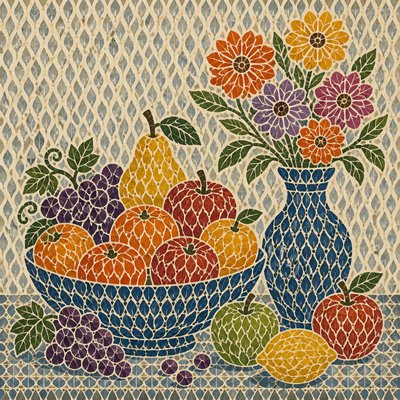
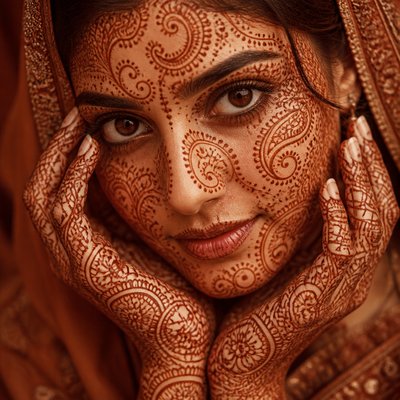
Explore Etruscan art: lively tomb frescoes, dancing profiles, terracotta warmth, patterned borders, and the festive visual culture of pre-Roman Italy.
Instantly rendered in Etruscan — or transform a photo
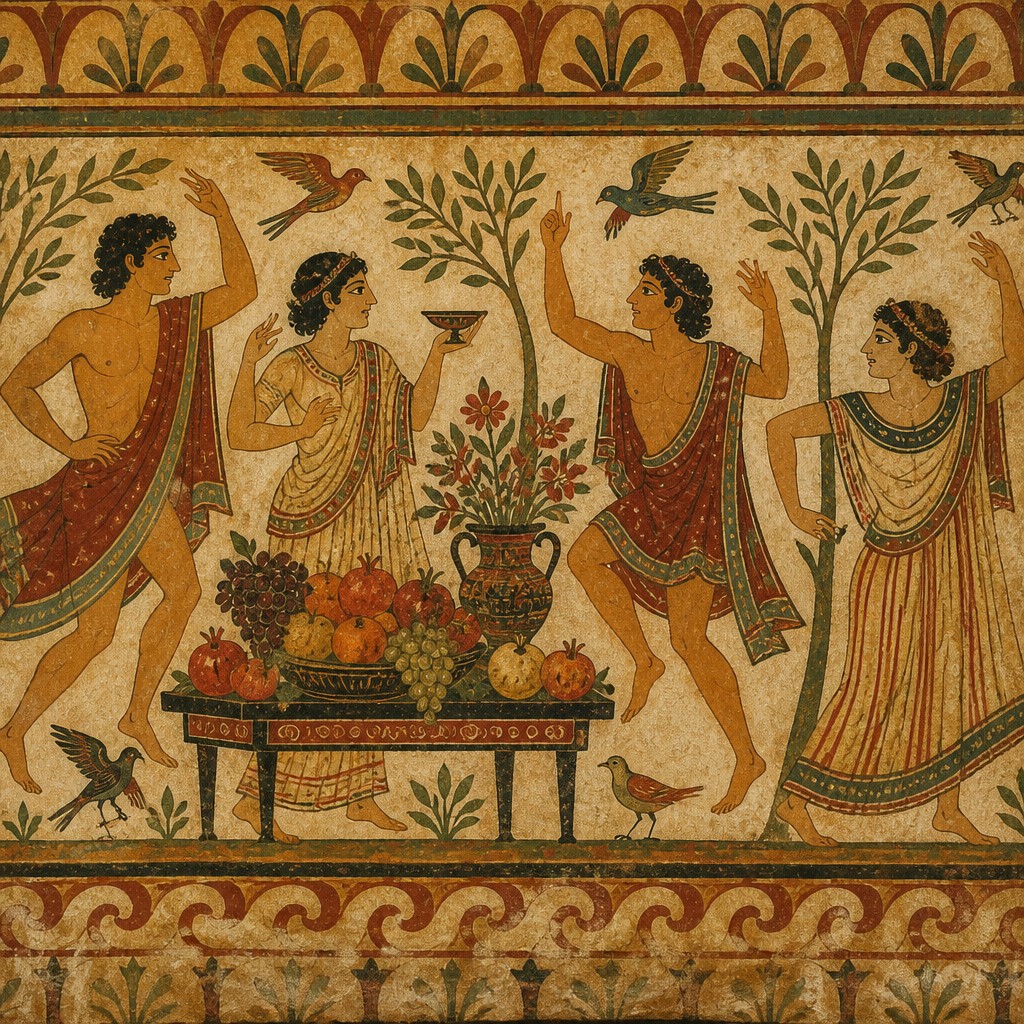
Etruscan Gallery
Tap any artwork to explore it
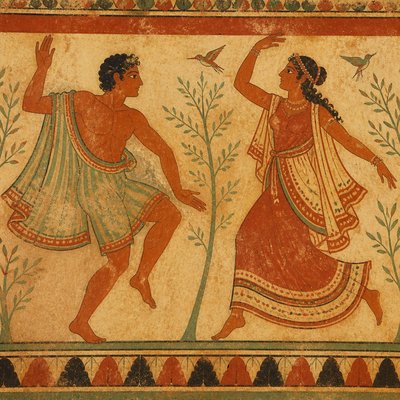
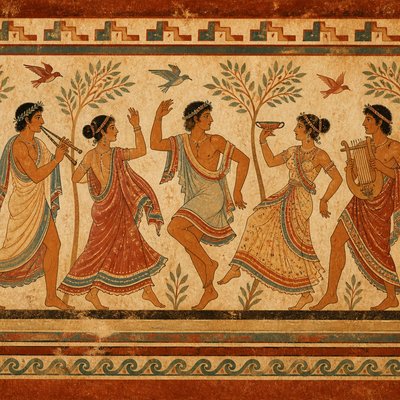
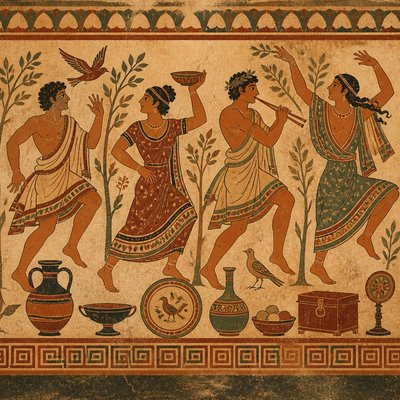
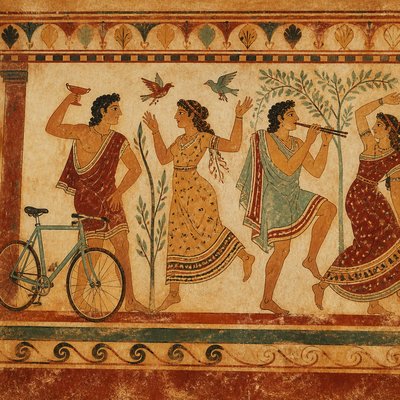
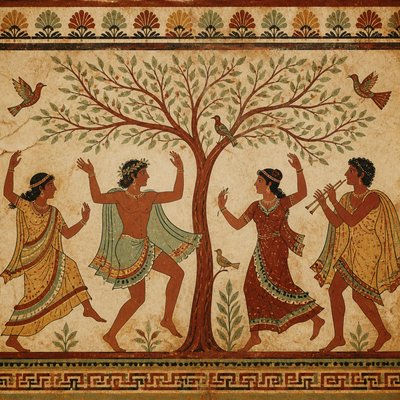
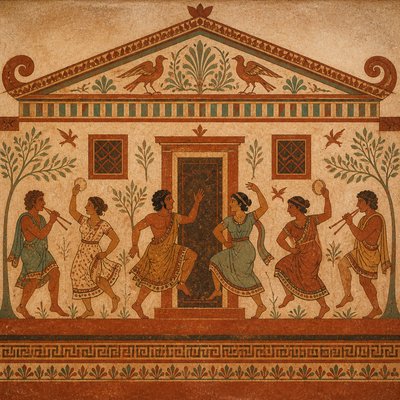
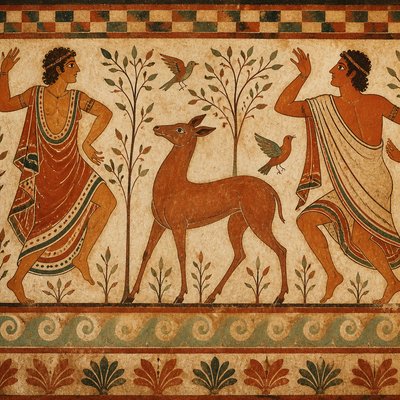
What is Etruscan Art Style?
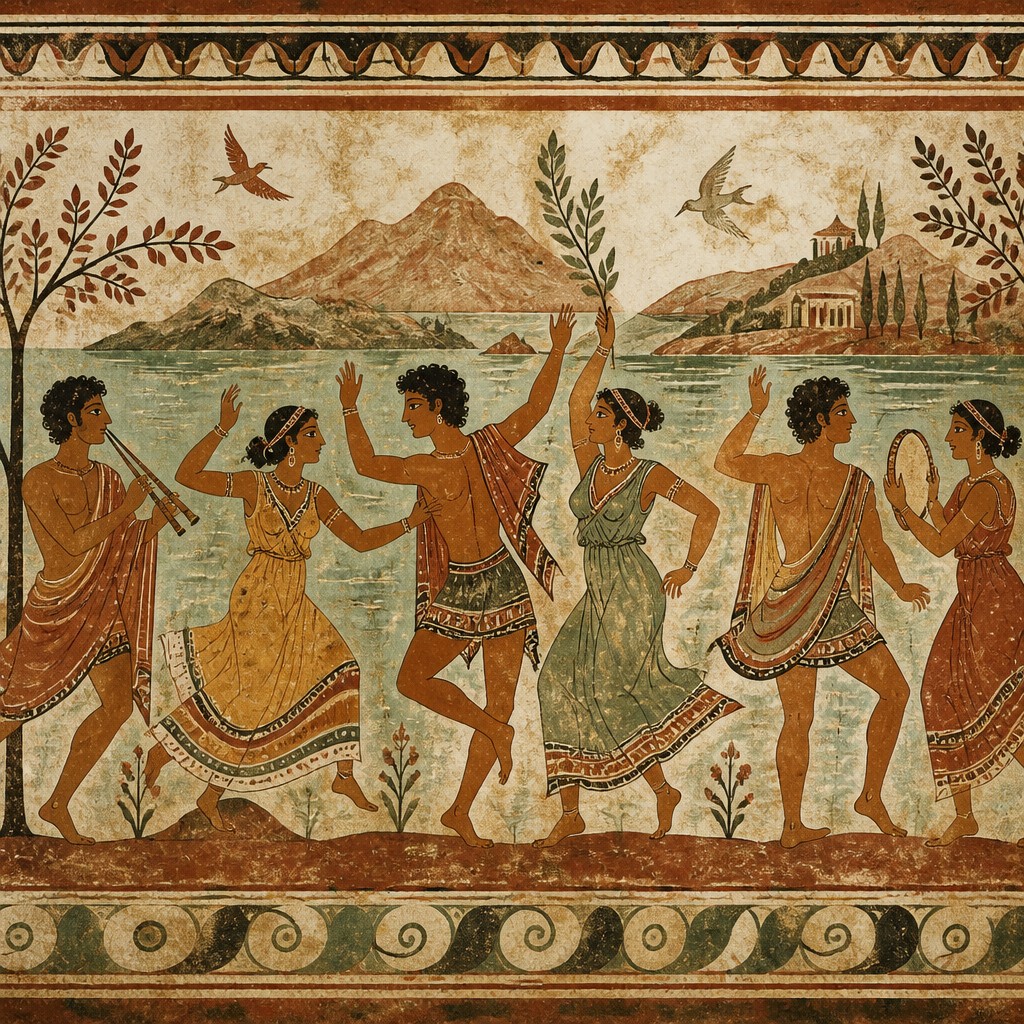
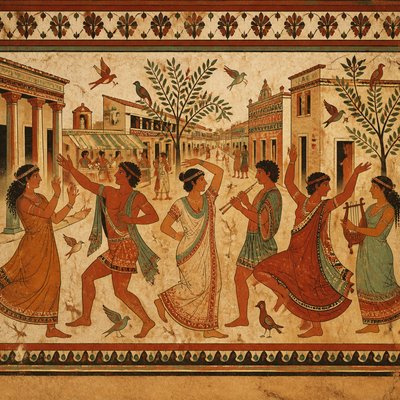
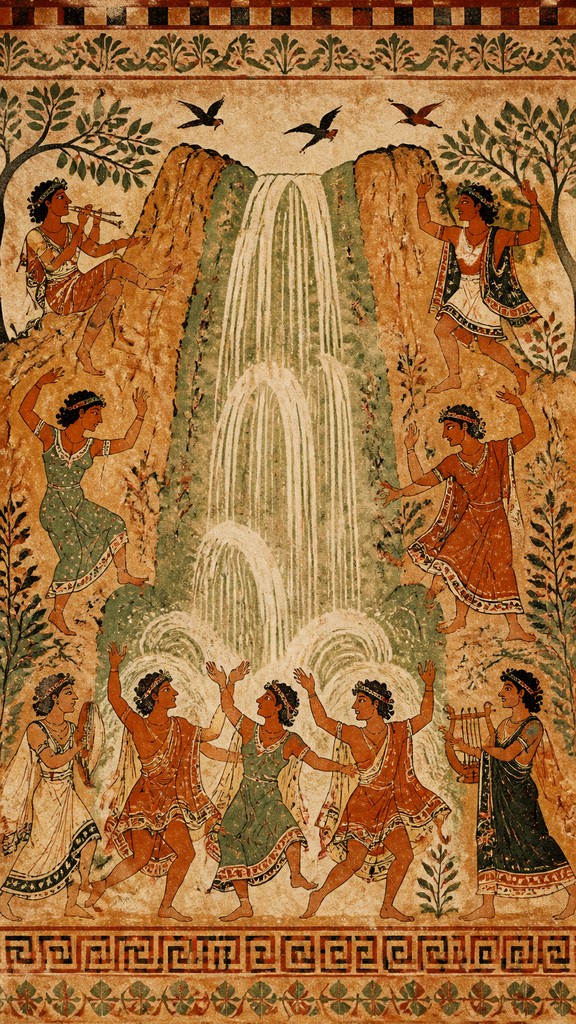
Etruscan art refers to the visual culture of the Etruscan city-states of central Italy, flourishing from approximately the ninth to the second century BCE before being absorbed into the expanding Roman world. It is especially recognized for painted chamber tombs filled with banquets, dancers, musicians, athletes, animals, plants, and scenes of communal celebration.
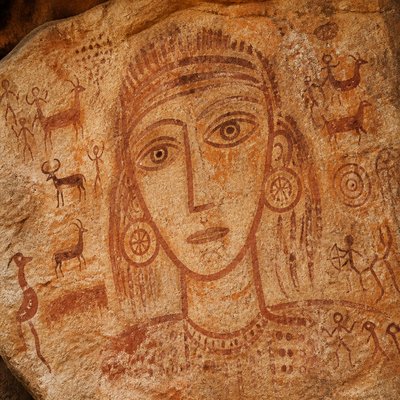
Its visual identity combines simplified profiles, animated gestures, strong contour lines, warm earth colors, and decorative patterning. Frescoes were painted onto plastered underground walls, while pottery, bronze, terracotta, jewelry, and carved stone extended the same preference for stylized movement and vivid surface detail. The apparent cheerfulness of many tomb paintings reflects ideas about status, ritual, family continuity, and the transition to the afterlife, rather than being merely decorative.
Try It On Your Photos
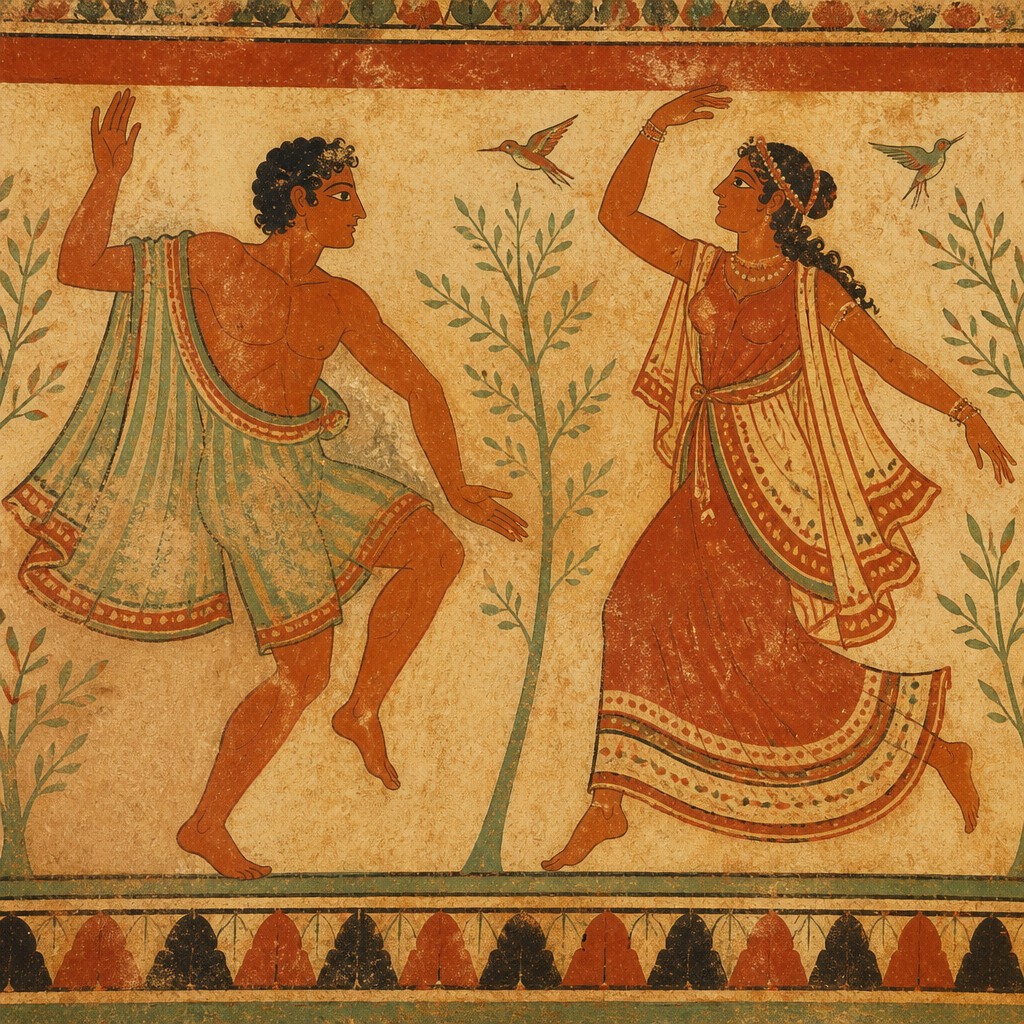
Upload any photo and convert it into Etruscan Art Style — drag the sliders to compare before and after.


What Defines Etruscan Art Style
The signature details, up close
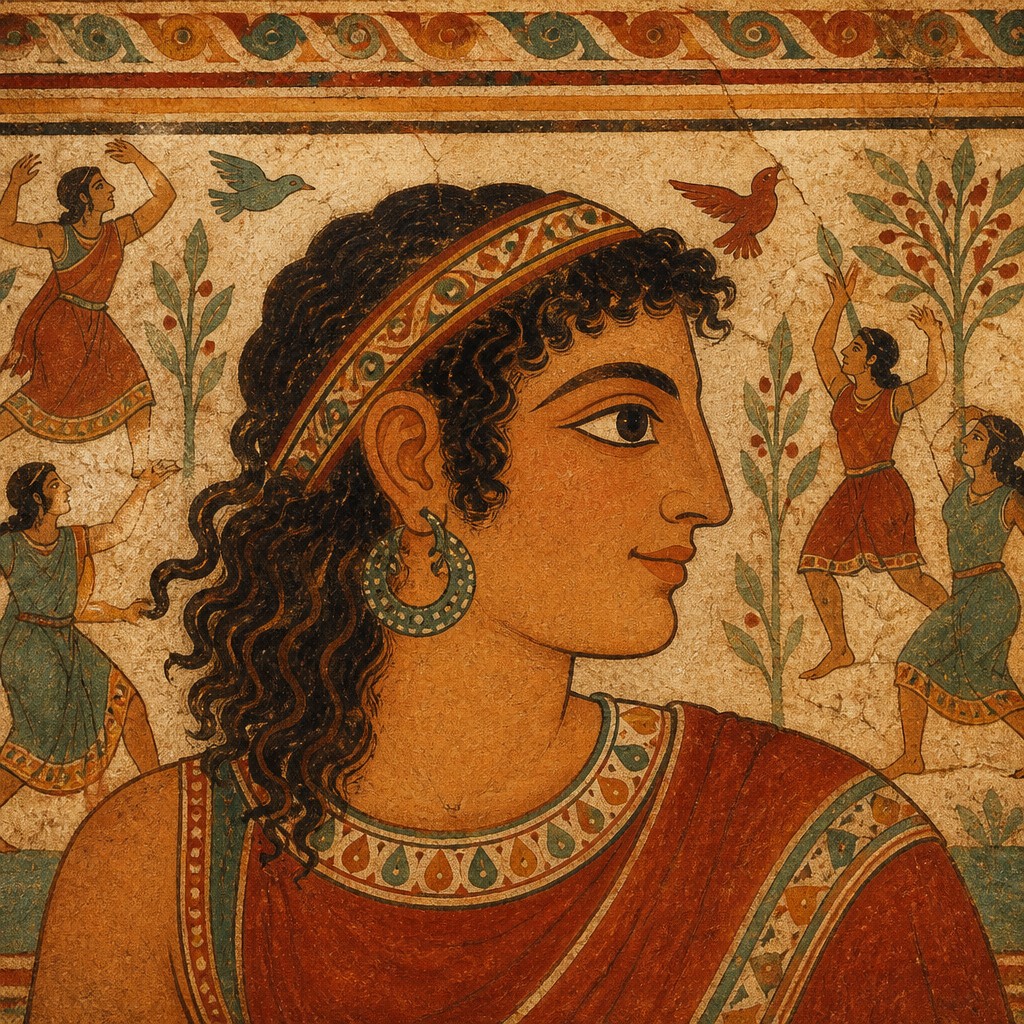
Animated profile figures
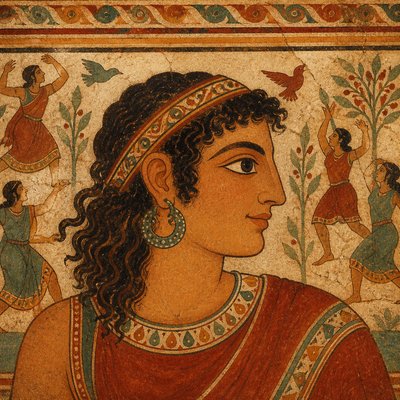
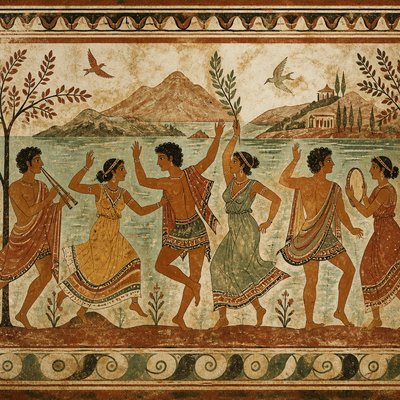
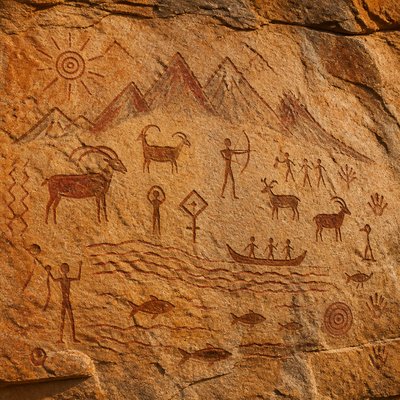
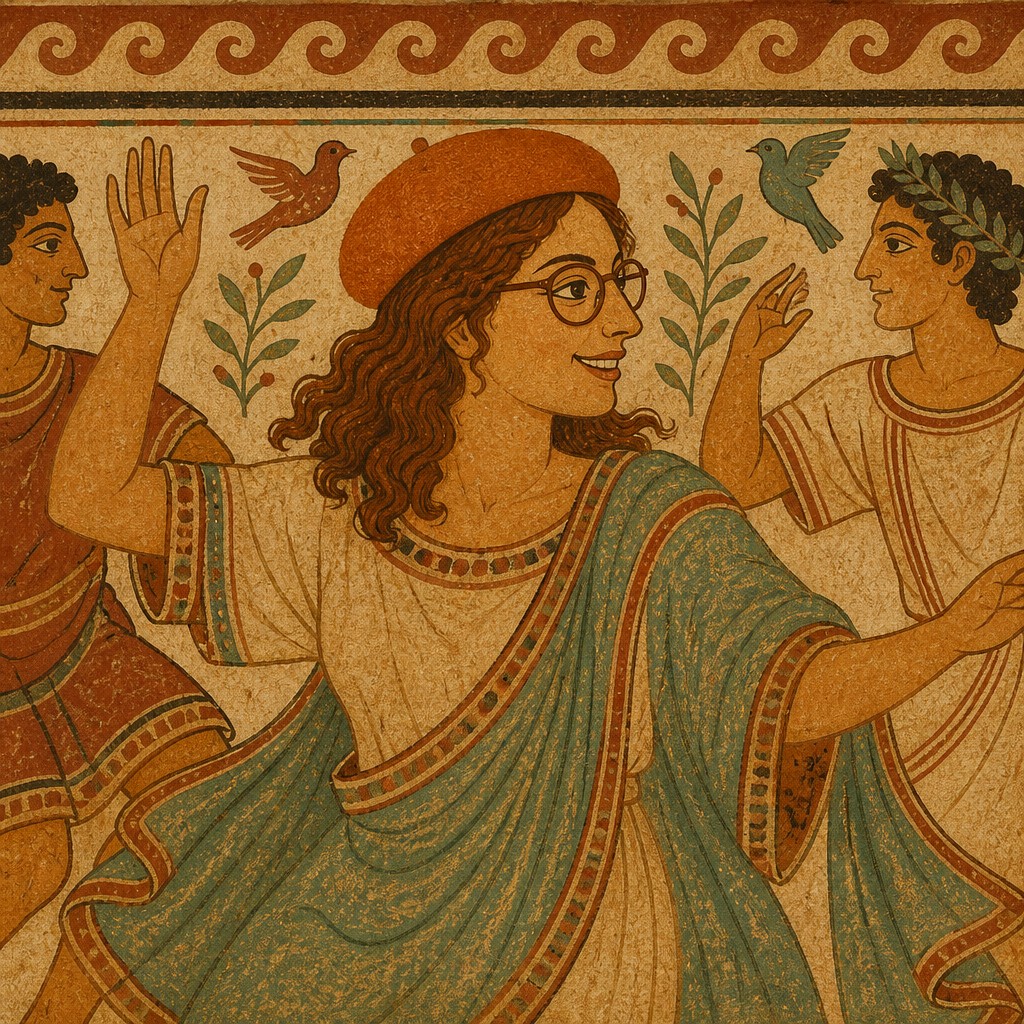
Human figures are often shown in profile with bent limbs, raised arms, turning torsos, and emphatic gestures. The result is a rhythmic sense of dance, music, procession, or athletic movement.
Warm fresco palette
Tomb paintings favor terracotta red, ochre yellow, cream, black, brown, and muted blue or sea-green accents. These colors harmonize with the earthy plaster surfaces and mineral pigments used in ancient wall painting.
Patterned borders and textiles
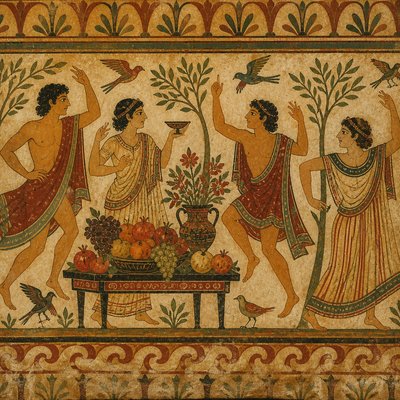
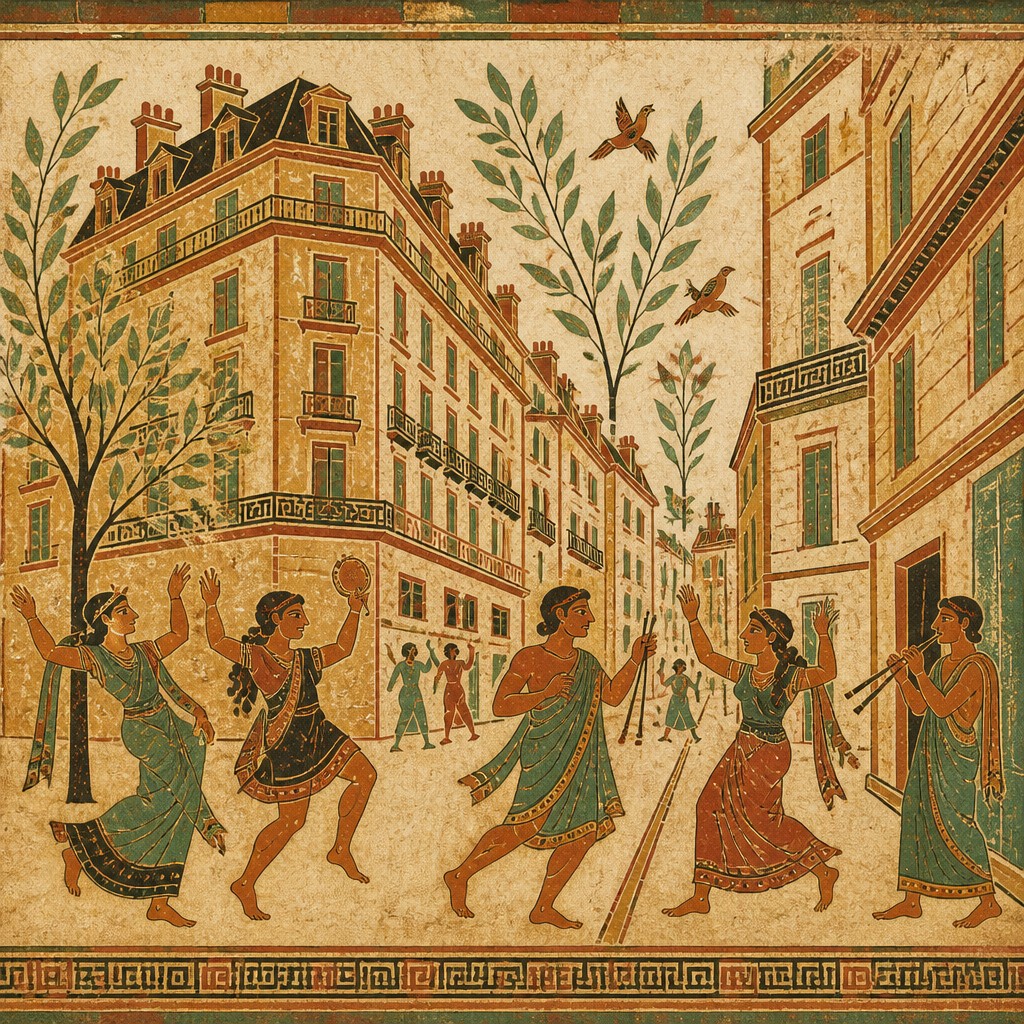
Garments, architectural frames, and wall divisions are enlivened with stripes, checks, zigzags, rosettes, and repeating geometric borders. Ornament often clarifies social rank and gives the composition a textile-like richness.
Tomb-fresco setting
Many of the best-preserved examples were painted in underground burial chambers, where walls and ceilings simulate a lively environment of banquets, gardens, games, or ritual gatherings. Plaster texture and age-related irregularity are integral to the visual effect.
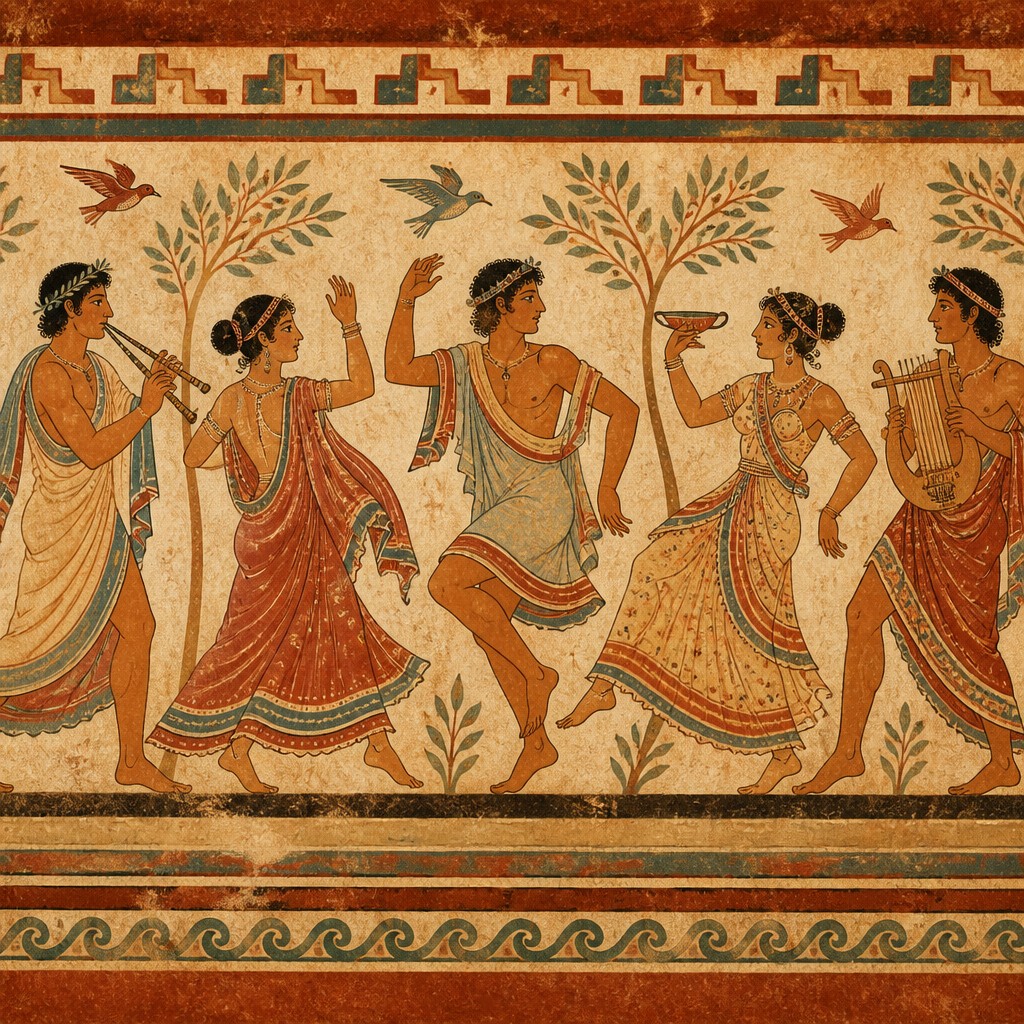
Nature as a decorative interval
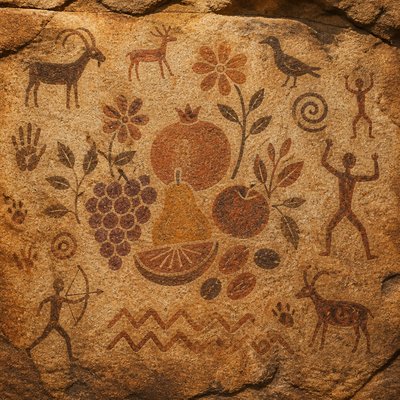
Stylized trees, vines, flowers, birds, dolphins, and other animals appear between human figures or across architectural fields. They function both as recognizable motifs and as rhythmic separators within the design.
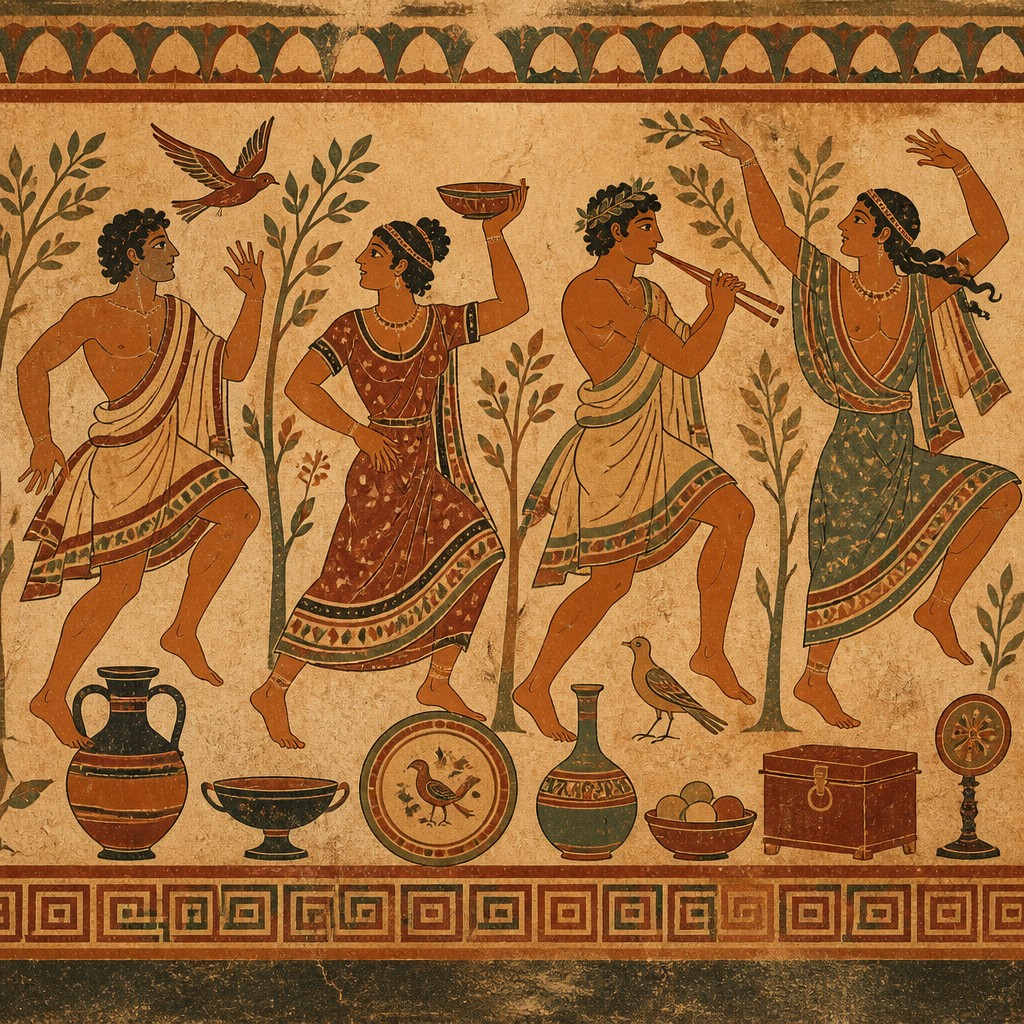
Flattened spatial organization
Rather than relying on continuous naturalistic perspective, compositions use overlapping figures, horizontal bands, simplified architecture, and symbolic placement. Space feels diagrammatic, ceremonial, and highly legible.
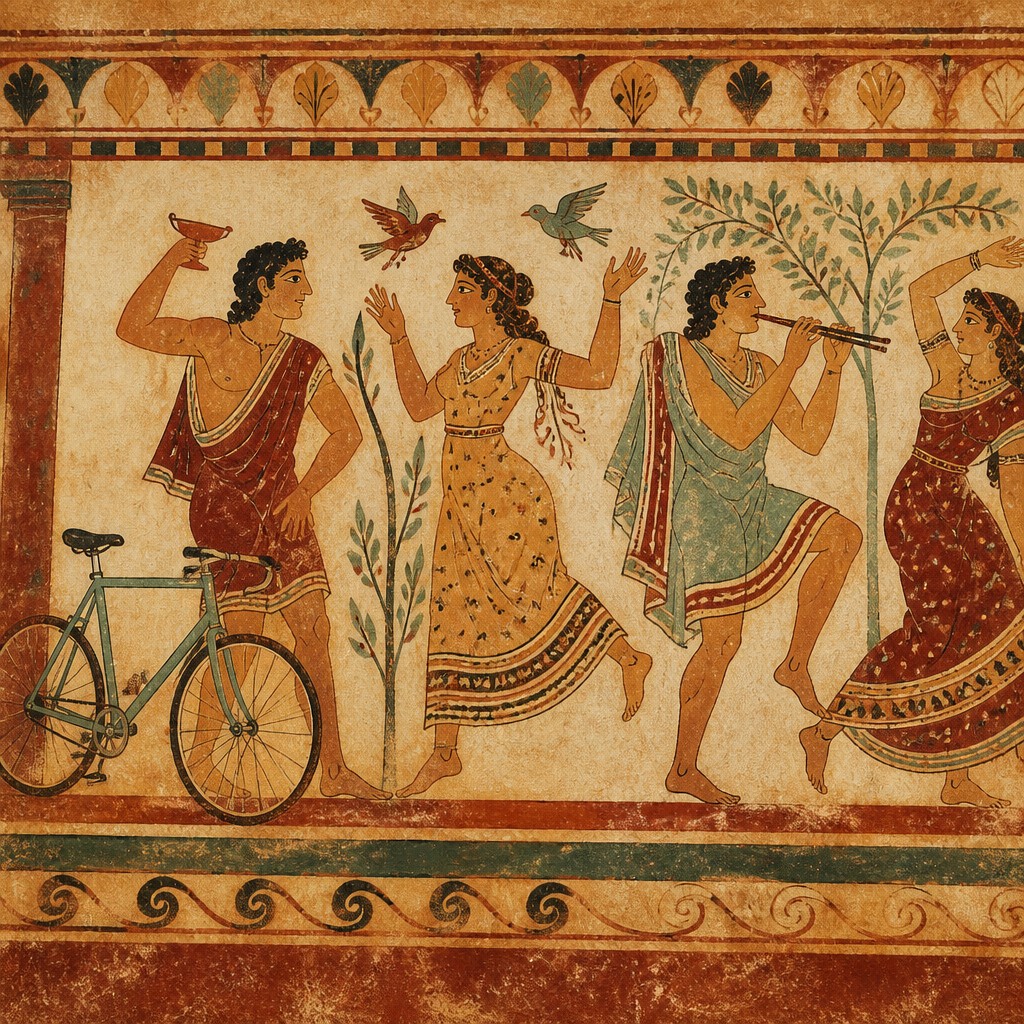
Terracotta and bronze sensibility
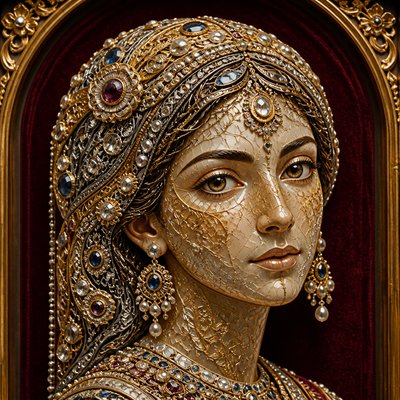
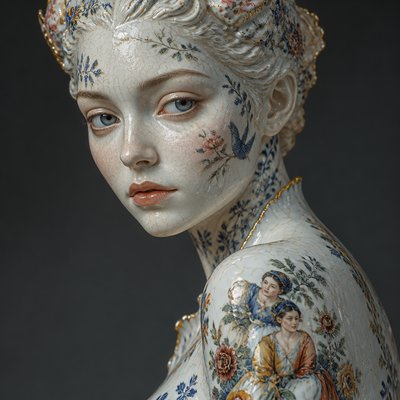
The style is associated not only with painting but also with modeled clay, cast bronze, carved stone, and decorated ceramics. Rounded forms, incised details, and tactile surfaces support its earthy, handcrafted character.
Try It
Create Videos in Etruscan Art Style
Styles aren't just for stills — describe a scene or animate an image and get a short video rendered in Etruscan. Press play to see this pond come to life.
Make a VideoEtruscan Prompt Ideas
Start from an idea — each one opens the generator with the style ready to go. See all 40 Etruscan prompts →
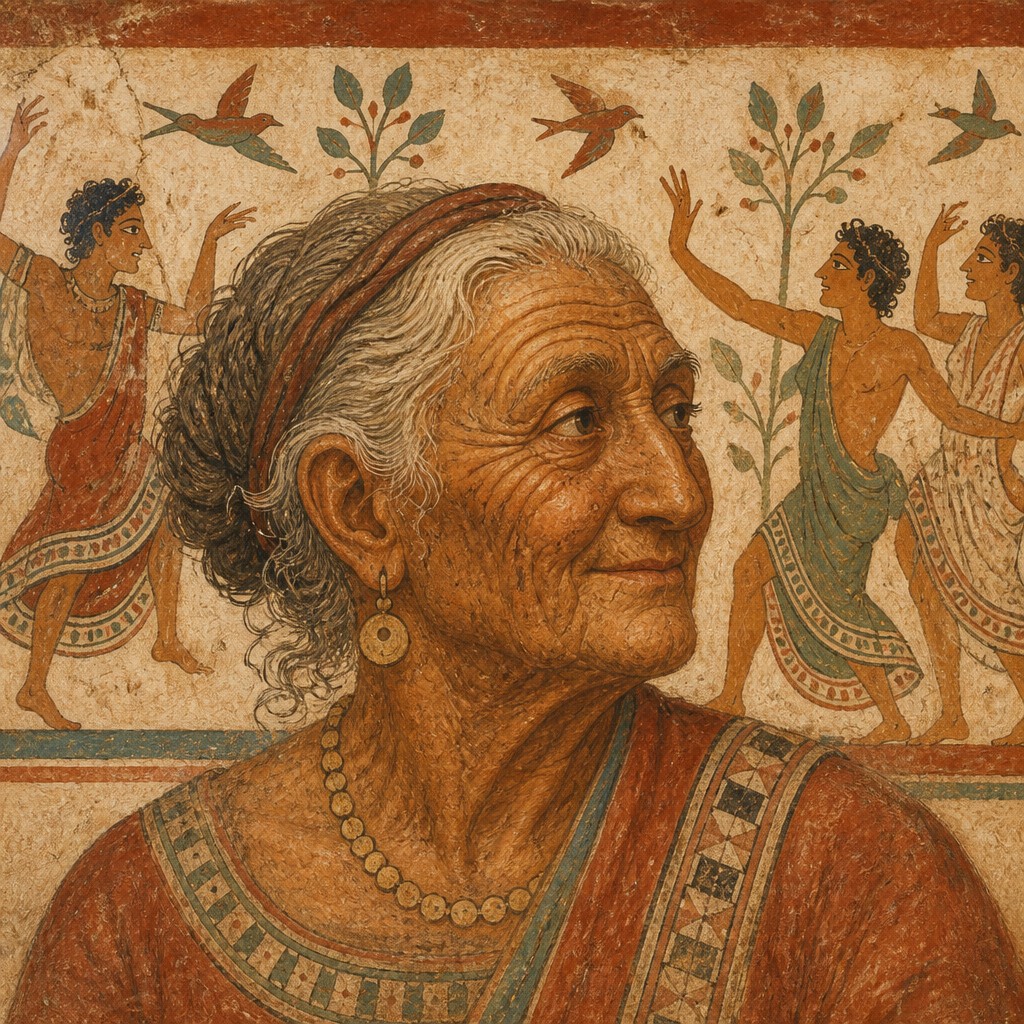
“close-up portrait of an elderly person with expressive weathered features”
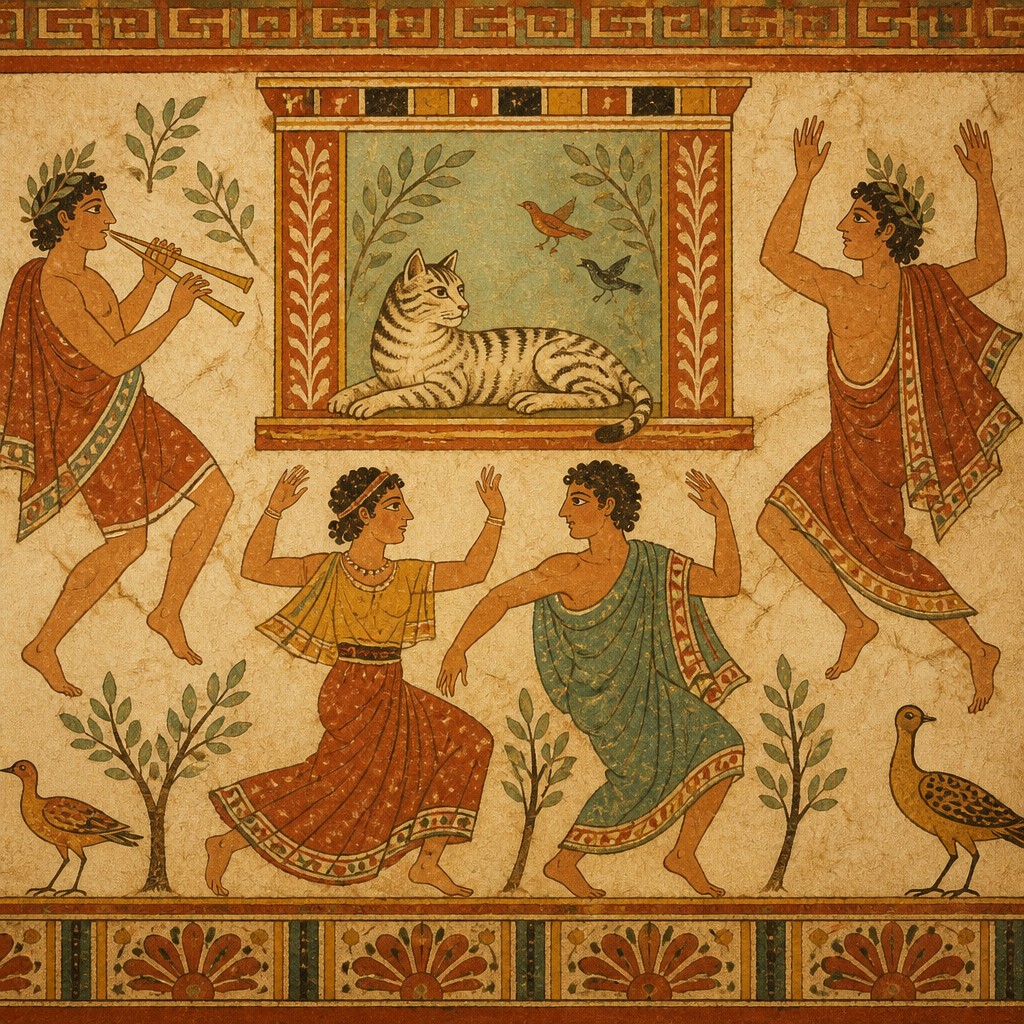
“a cat lounging in a sunlit window”
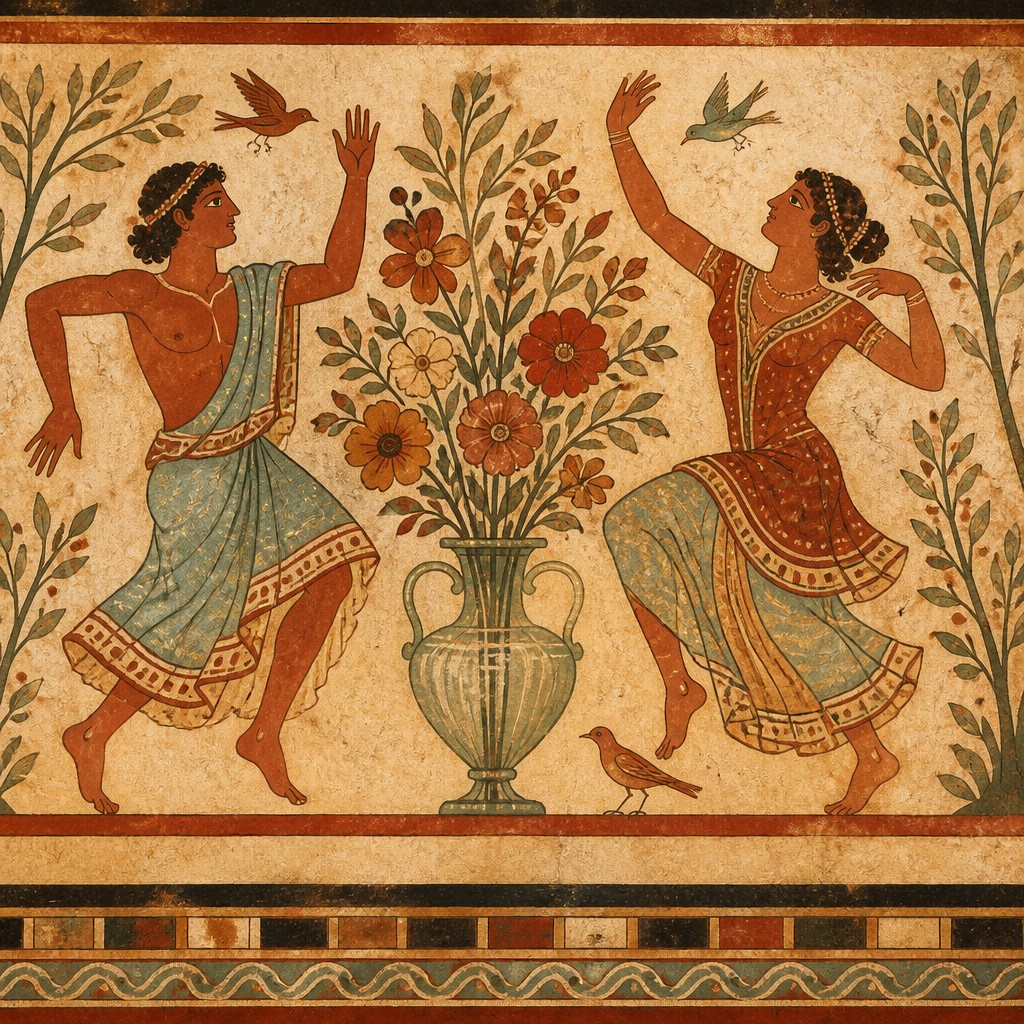
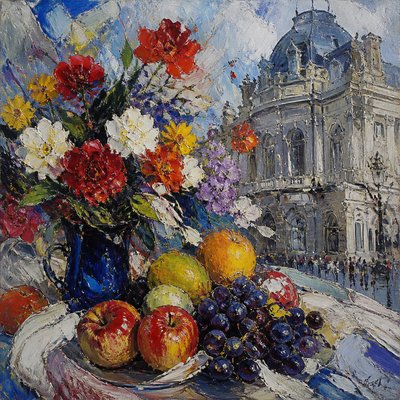
“bouquet of flowers in a glass vase”
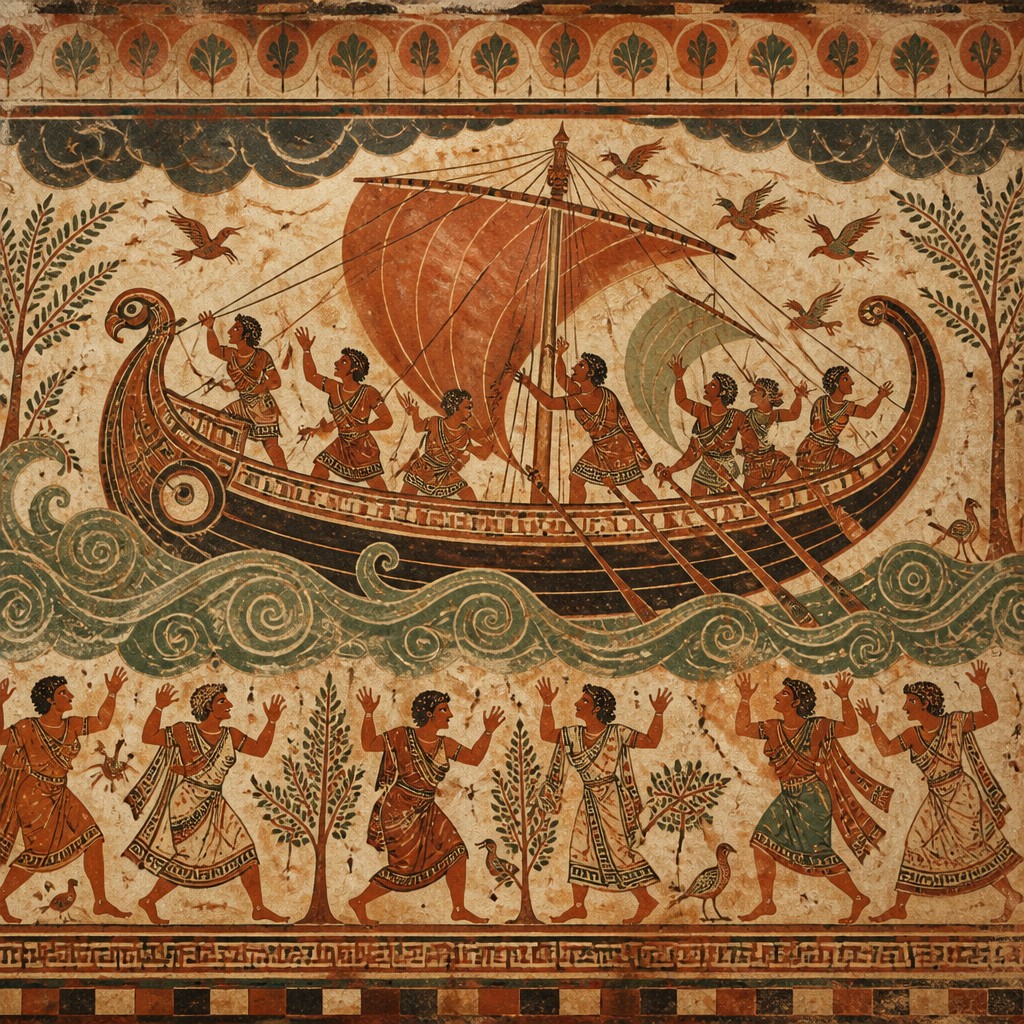
“sailing ship on a stormy sea”
How to Create Etruscan Art
Master the craft step by step — or skip straight to creating. Read the full guide →
- 1
Build a mineral palette
Begin with terracotta, burnt sienna, ochre, warm cream, charcoal, and a restrained blue-green. Keep saturation uneven and allow the plaster or ground to remain visible rather than using perfectly clean modern color fields.
- 2
Design figures as rhythmic silhouettes
Use side-facing heads, angular limbs, lively hand gestures, and repeated poses that suggest dancing, music, procession, or conversation. Favor clear contours and expressive posture over anatomical detail or photographic realism.
- 3
Create a tomb-wall surface
For traditional work, apply pigments over a matte plaster-like ground and add softened edges, cracks, abrasions, and faint tonal variation. Digitally, use layered paper, fresco, chalk, and pigment textures while keeping the image readable beneath the weathering.
- 4
Frame the composition with ornament
Add patterned garment hems, geometric borders, vines, birds, flowers, and simple architectural bands. Repeat motifs at measured intervals so the image feels planned as a chamber wall rather than assembled as an isolated modern illustration.
- 5
Use a prompt with material and gesture cues
Specify flat profile figures, animated poses, mineral fresco colors, patterned borders, stylized plants or birds, and chalky plaster texture. For image-to-image work, preserve the subject's main silhouette while asking for simplified contours and an archaeological wall-painting surface.
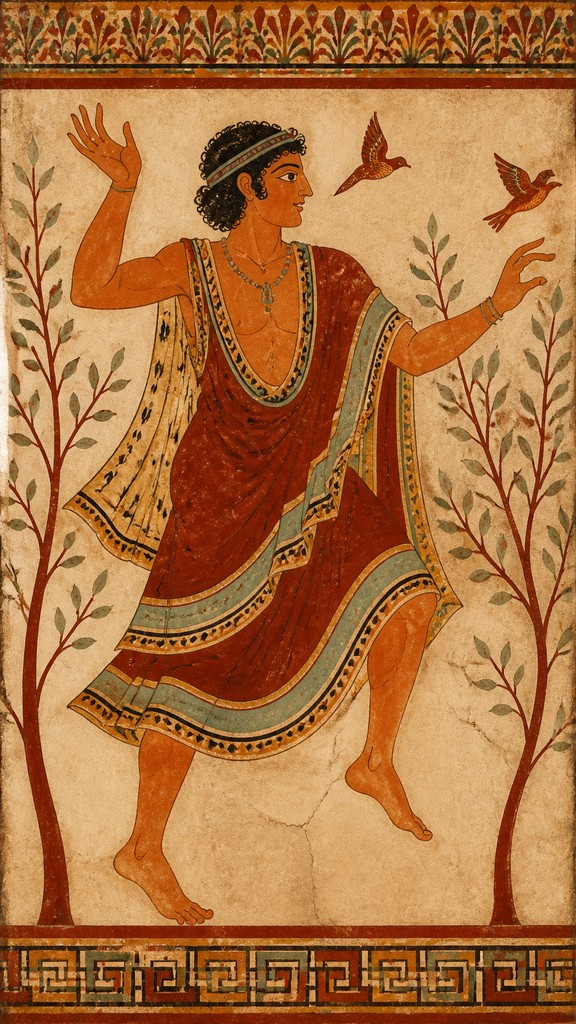
The Story
History & Origins of Etruscan
Etruscan art developed in settlements across central Italy, particularly in regions corresponding to modern Tuscany, northern Lazio, and parts of Umbria and Emilia-Romagna. Its early roots lie in the Villanovan culture of the early Iron Age, while later phases absorbed and transformed influences from Greek colonies, the eastern Mediterranean, and neighboring Italic communities. Artistic production expanded during the Orientalizing period and reached a distinctive maturity during the Archaic and Classical periods.
From the seventh through the third centuries BCE, painted tombs, bucchero pottery, bronze objects, terracotta sculptures, and architectural decoration became important vehicles for Etruscan identity. As Roman political control increased, Etruscan visual traditions were gradually integrated into Roman art, particularly in funerary imagery, temple terracotta, portrait sculpture, and architectural practice.
Influences: Etruscan art draws on Villanovan and other Italic traditions, Greek vase painting, Archaic Mediterranean ornament, eastern Mediterranean decorative motifs, and local funerary customs. It is closely related to ancient fresco painting, bucchero ceramics, bronze casting, terracotta architectural sculpture, and early Roman visual culture. In contemporary illustration, its flattened profiles and festive tomb imagery may also connect with folk mural traditions, archaeological reconstruction, and stylized historical fantasy.
Frequently Asked Questions
What defines the Etruscan art style?
It is defined by lively figures, strong profile views, expressive gestures, warm earth pigments, decorative borders, and scenes of music, dancing, feasting, animals, and ritual. Tomb frescoes are its most recognizable form, although Etruscan art also includes ceramics, bronze, sculpture, jewelry, and temple decoration.
When was Etruscan art made?
Etruscan art developed from approximately the ninth century BCE and continued in changing forms until the second century BCE. Its most distinctive painted tomb traditions flourished between the seventh and third centuries BCE, before and during the gradual Roman conquest of Etruscan territories.
Why do Etruscan tomb paintings show dancing and banquets?
These scenes communicated social identity, family status, ritual practice, and hopes concerning death and the afterlife. They may represent remembered ceremonies, idealized celebrations, or symbolic images of continued communal existence rather than literal records of a single event.
How is Etruscan art different from ancient Greek art?
Etruscan artists adopted and transformed Greek motifs, but their work often places greater emphasis on animated gestures, funerary settings, decorative movement, and scenes of everyday social life. Etruscan figure design can be less concerned with idealized anatomical proportion and more focused on readable action and patterned energy.
What materials were used in Etruscan art?
Major media included painted plaster, terracotta, bronze, carved stone, gold, and ceramics. Etruscan artists produced tomb frescoes, architectural sculpture, vessels, mirrors, jewelry, funerary objects, and large-scale temple decorations.
How can I make an image in this style without copying an archaeological work?
Use the broader visual language—profile figures, mineral colors, patterned textiles, stylized vegetation, and plaster texture—while inventing a new subject and composition. Avoid reproducing a specific tomb scene, inscription, artifact, or museum object exactly, especially when creating a contemporary narrative.

Create your first Etruscan artwork
Describe anything — or upload a photo — and see it in Etruscan Art Style in seconds.
Related Styles
Discover similar art styles