Danish Art Style
Explore Danish art style: pearly Nordic light, quiet realism, restrained color, hushed interiors, dunes, windows, and northern seas.
Instantly rendered in Danish — or transform a photo
Danish Gallery
Tap any artwork to explore it
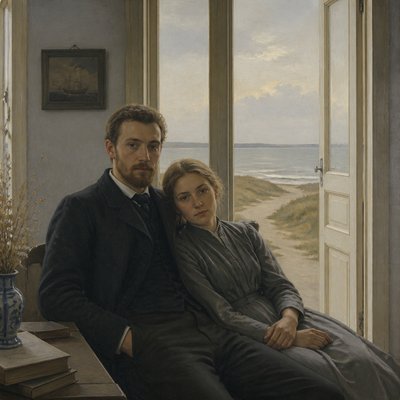
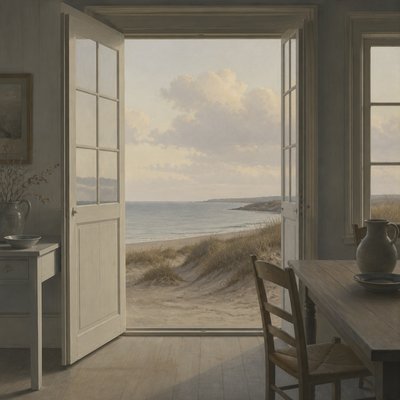
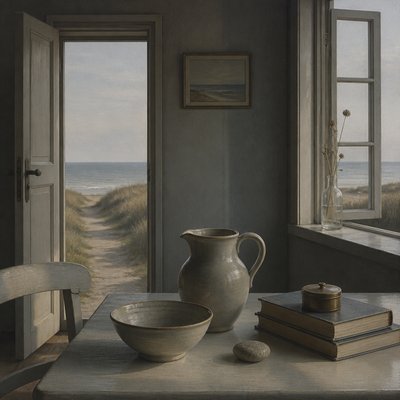
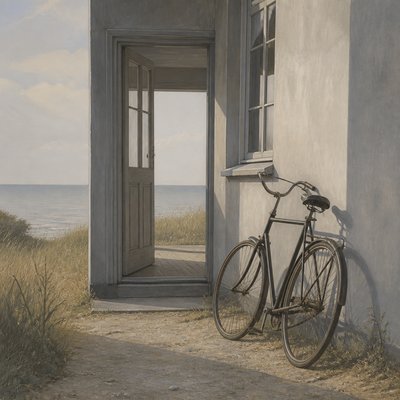
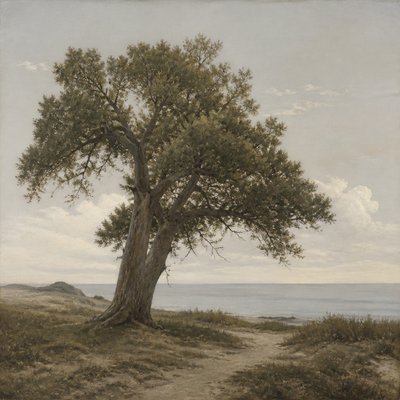
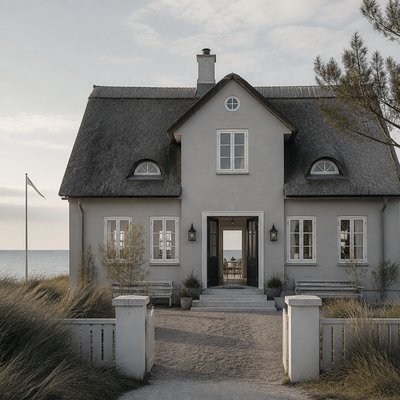
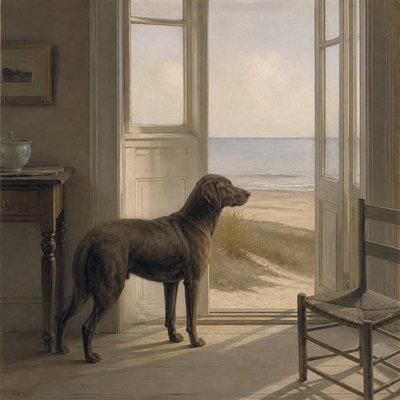
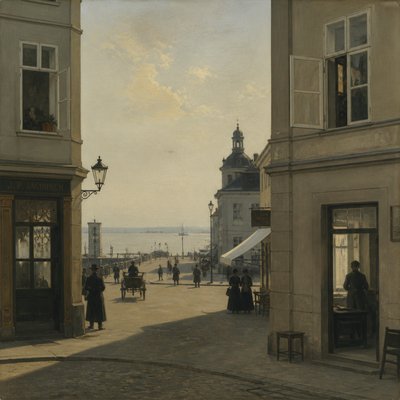
What is Danish Art Style?
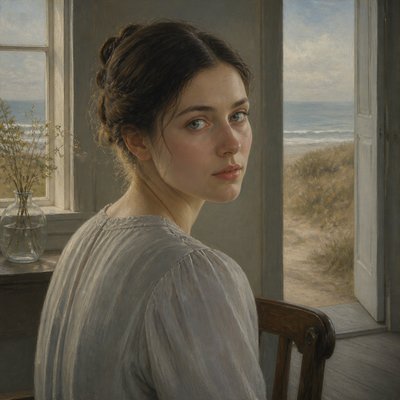
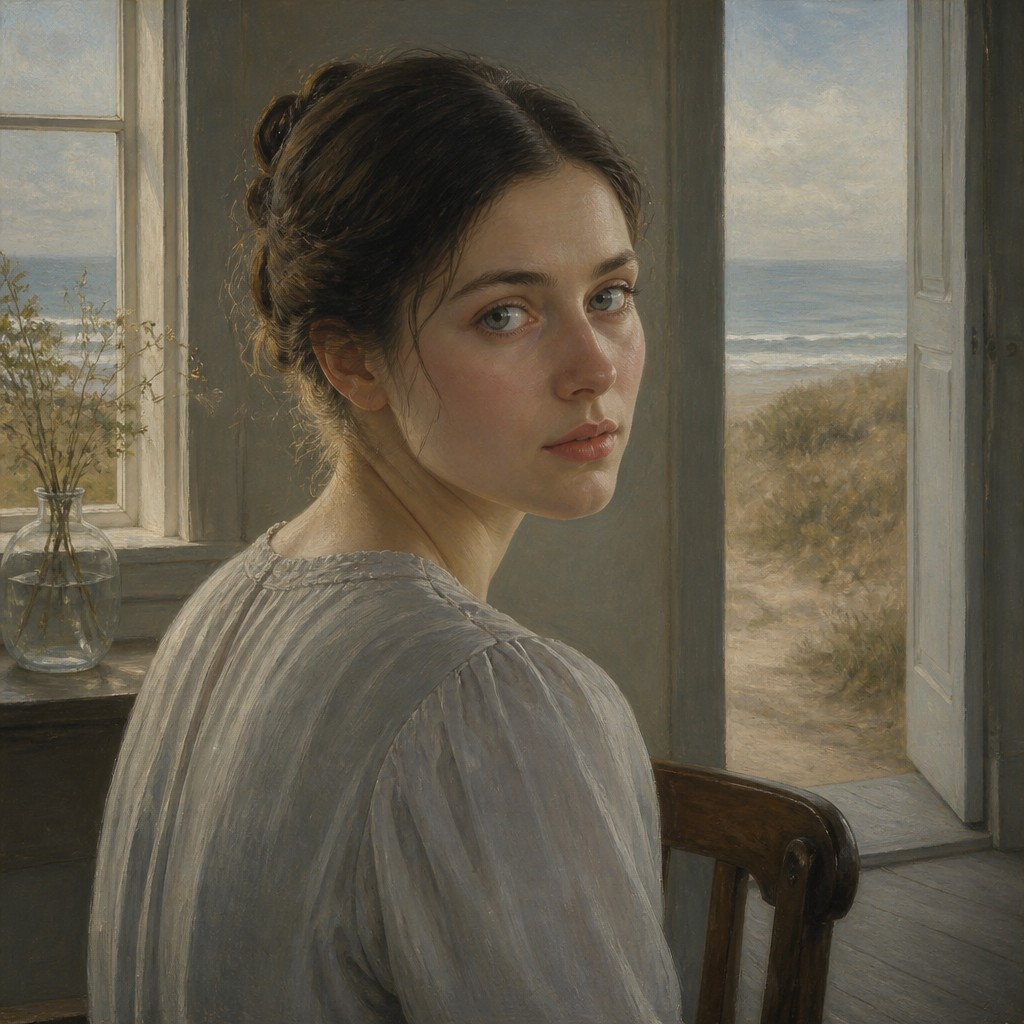
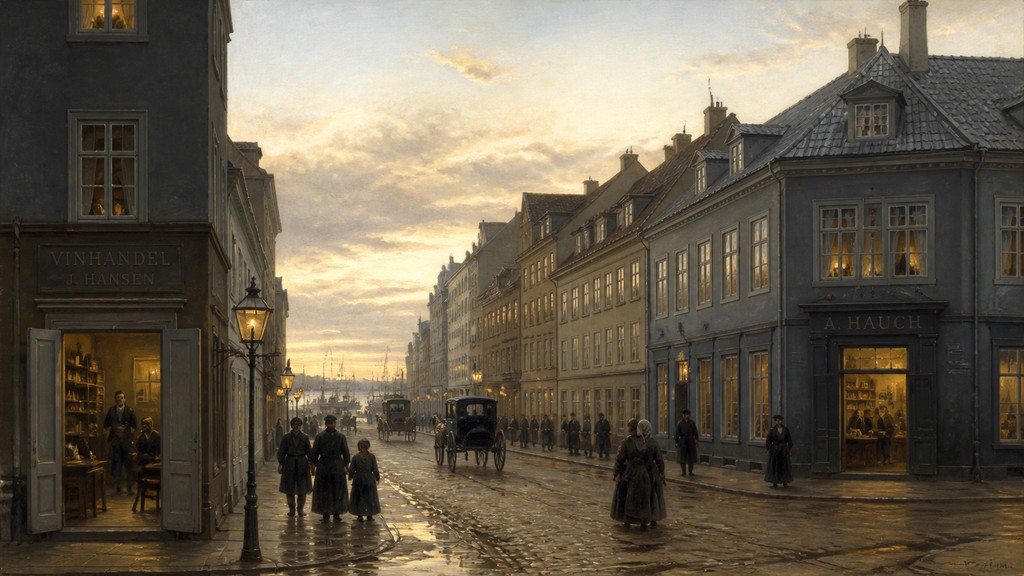
Danish art style refers here to a quiet Nordic visual language rooted in Denmark’s Golden Age painting of the early to mid-19th century, with particular emphasis on intimate interiors, modest domestic life, coastal landscapes, and clear but subdued observation. Its atmosphere is defined by pearly grey-gold daylight, soft horizons, pale walls, weathered wood, dune grass, and the visual stillness of rooms opened toward the sea.
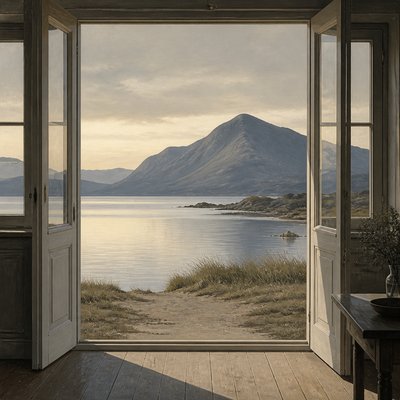
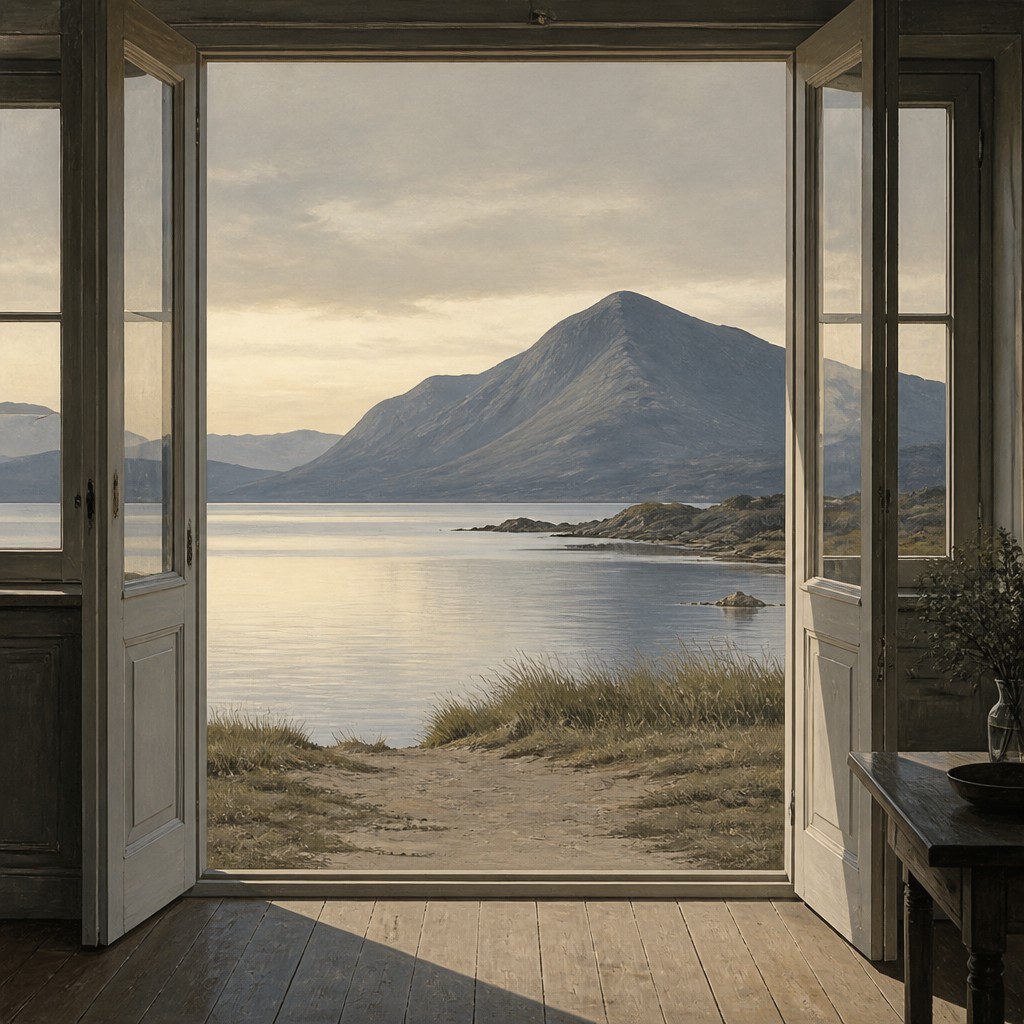
The style looks restrained rather than dramatic. Forms are carefully observed, edges are generally controlled, and compositions often use a doorway, window, or architectural opening to connect an enclosed foreground with a distant landscape. Muted dove grey, sand, dusty blue, cream, and faded green create a calm tonal structure in which light, air, and silence become the primary subjects.
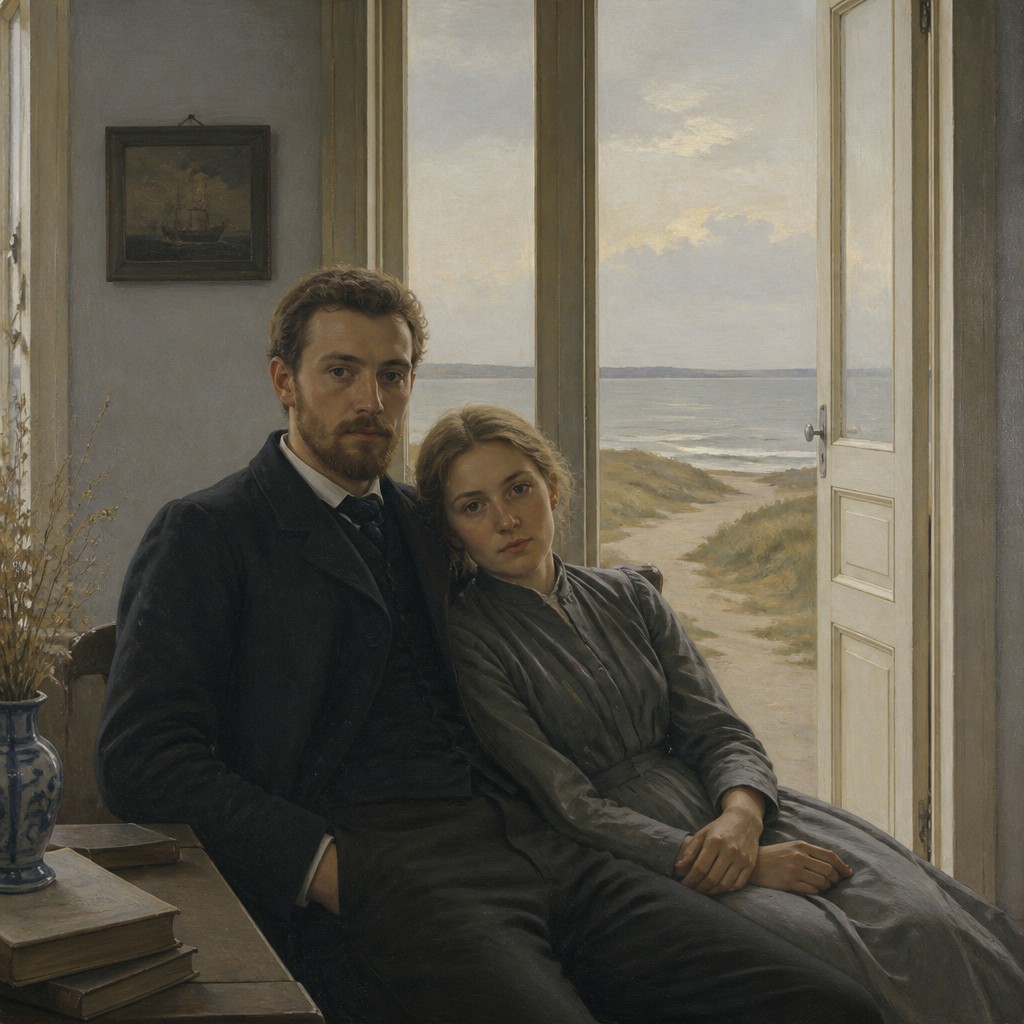
Try It On Your Photos
Upload any photo and convert it into Danish Art Style — drag the sliders to compare before and after.
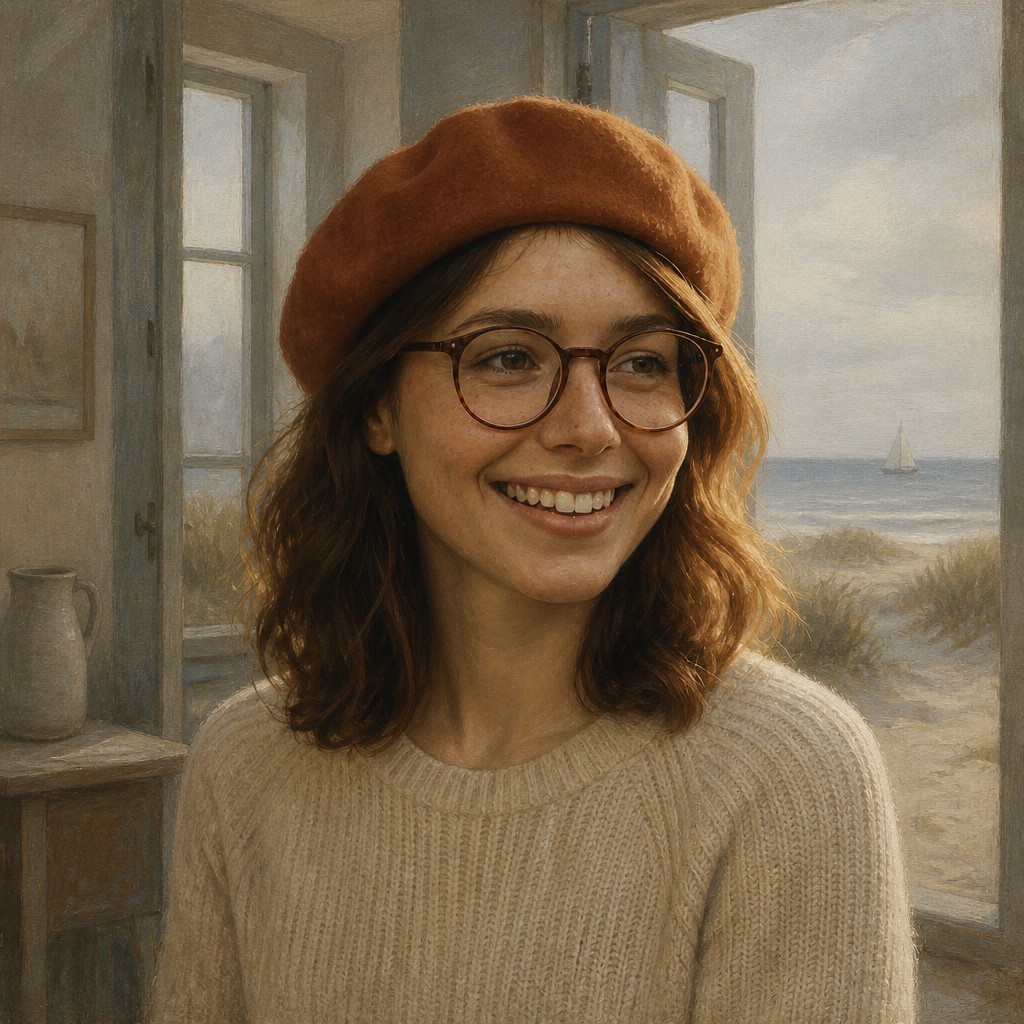

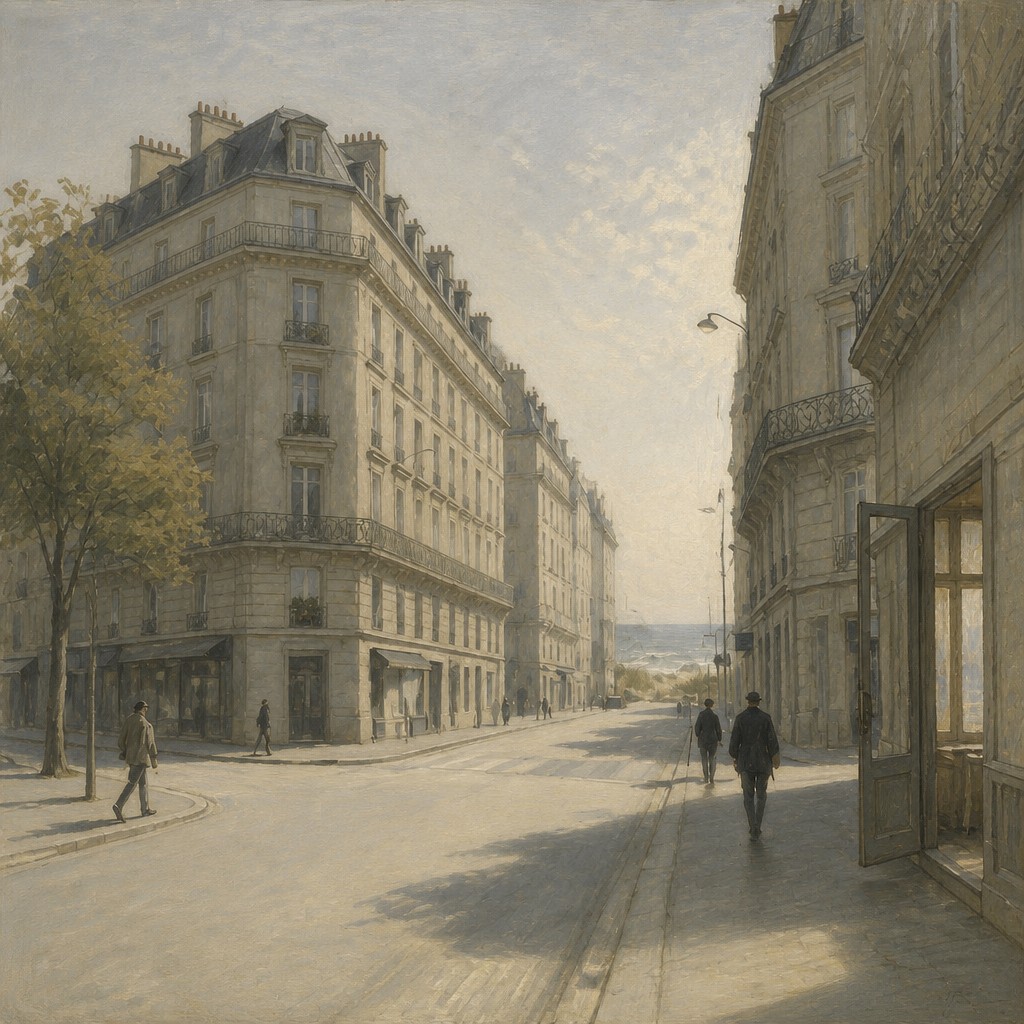

What Defines Danish Art Style
The signature details, up close
Pearly northern light
Light is diffuse, cool, and gently reflective rather than sharply theatrical. Grey skies and low sun produce a veil of silver, cream, and muted gold across walls, water, and sand.
Quiet realism
Objects, architecture, and landscapes are rendered with attentive observation and believable proportions. The realism is contemplative, favoring stillness and atmosphere over spectacle.
Restrained palette
Common colors include dove grey, sand, dusty blue, chalk white, faded green, umber, and subdued ochre. Strong saturation and aggressive contrast are usually avoided.
Threshold compositions
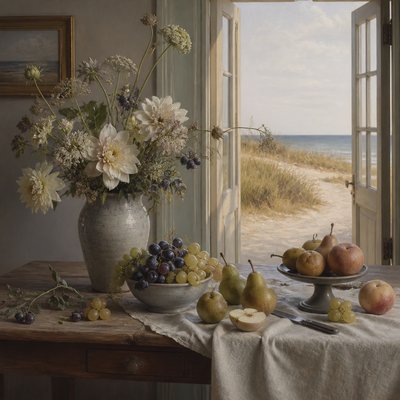
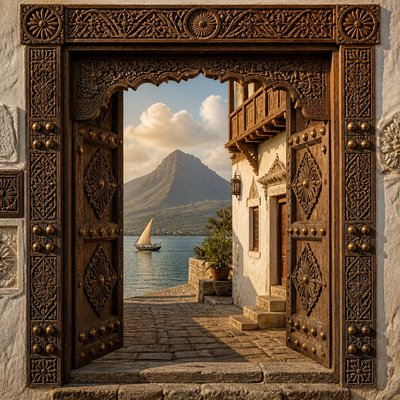
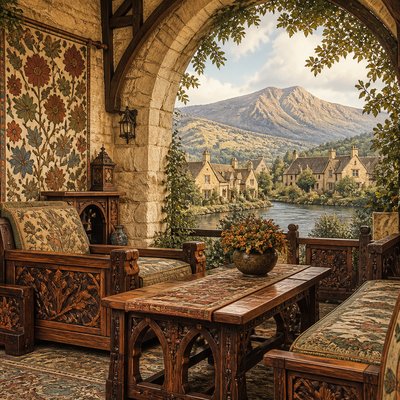
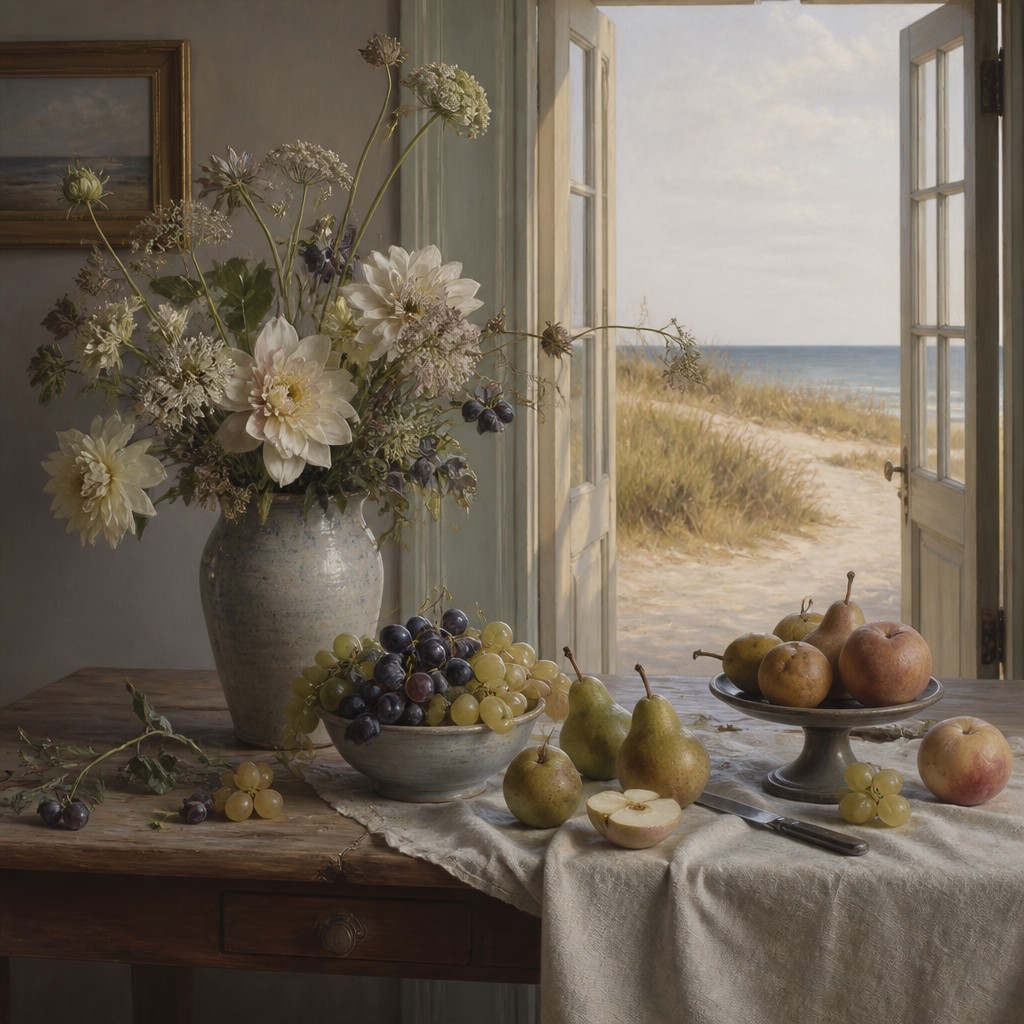
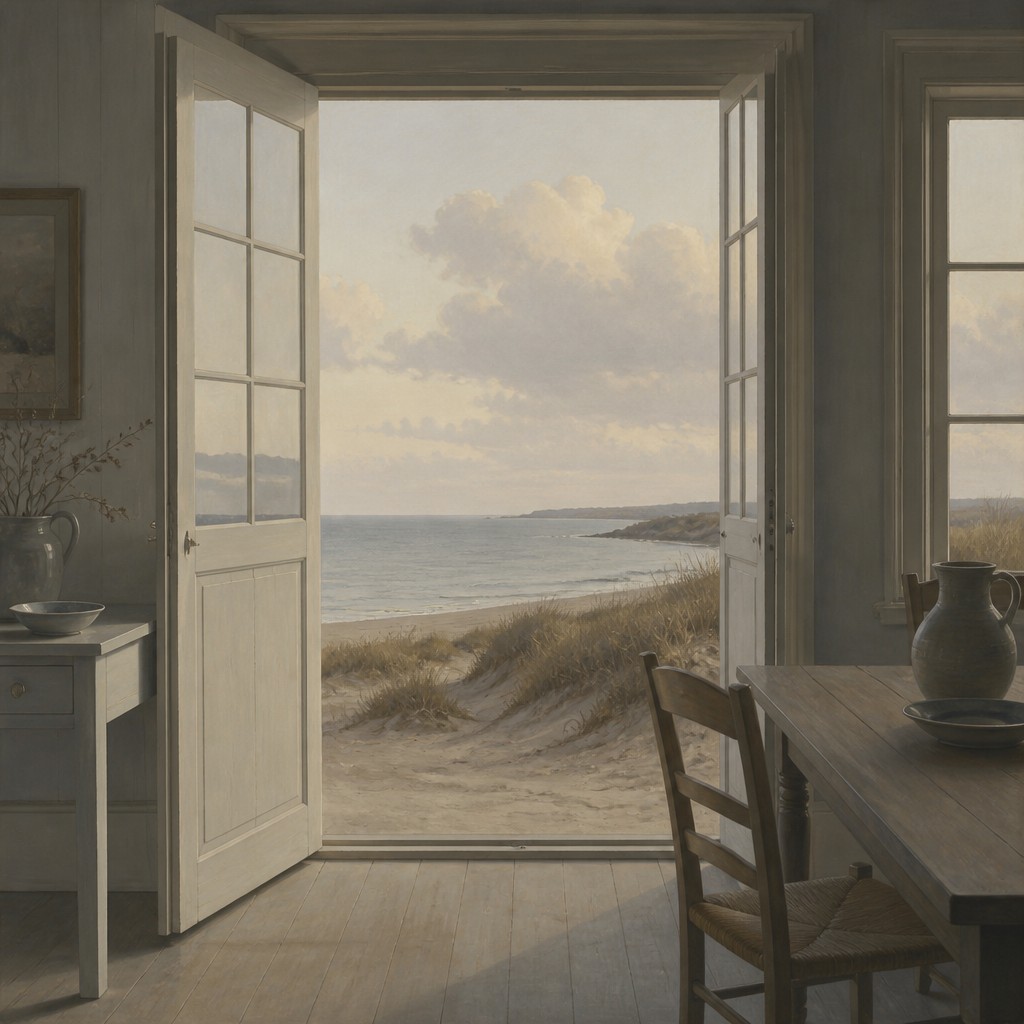
Open doors, windows, porches, and passages frame a secondary view toward fields, water, sky, or distant buildings. These devices give the image depth while linking domestic shelter with the open landscape.
Coastal and rural motifs
Dunes, sea paths, pale beaches, low farmhouses, harbors, meadow grass, and quiet village roads are characteristic subjects. The scenery is local and tangible rather than grandiose.
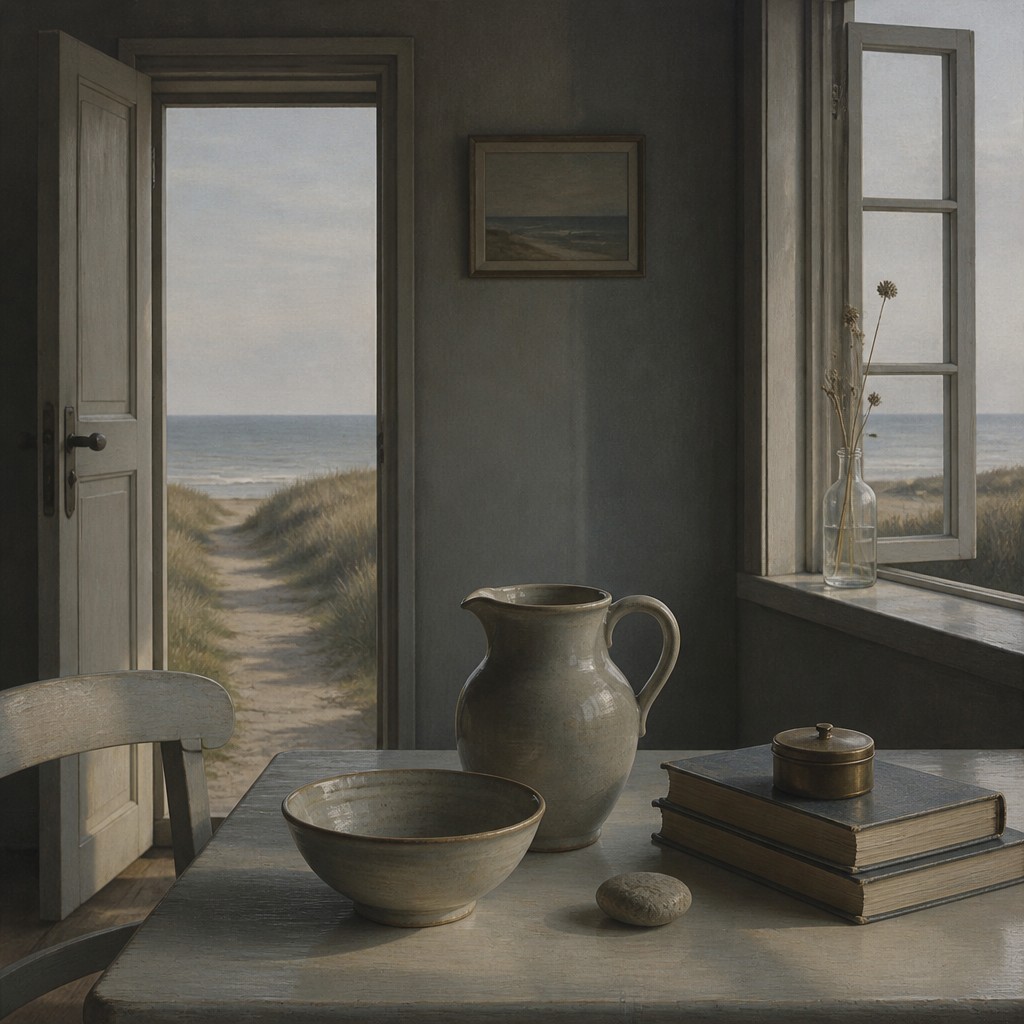
Domestic intimacy
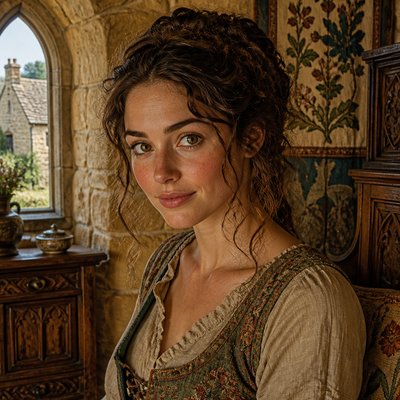
Interiors often contain simple furniture, folded textiles, ceramic vessels, books, or a solitary figure. Sparse arrangements allow small shifts in daylight and texture to carry the emotional weight.
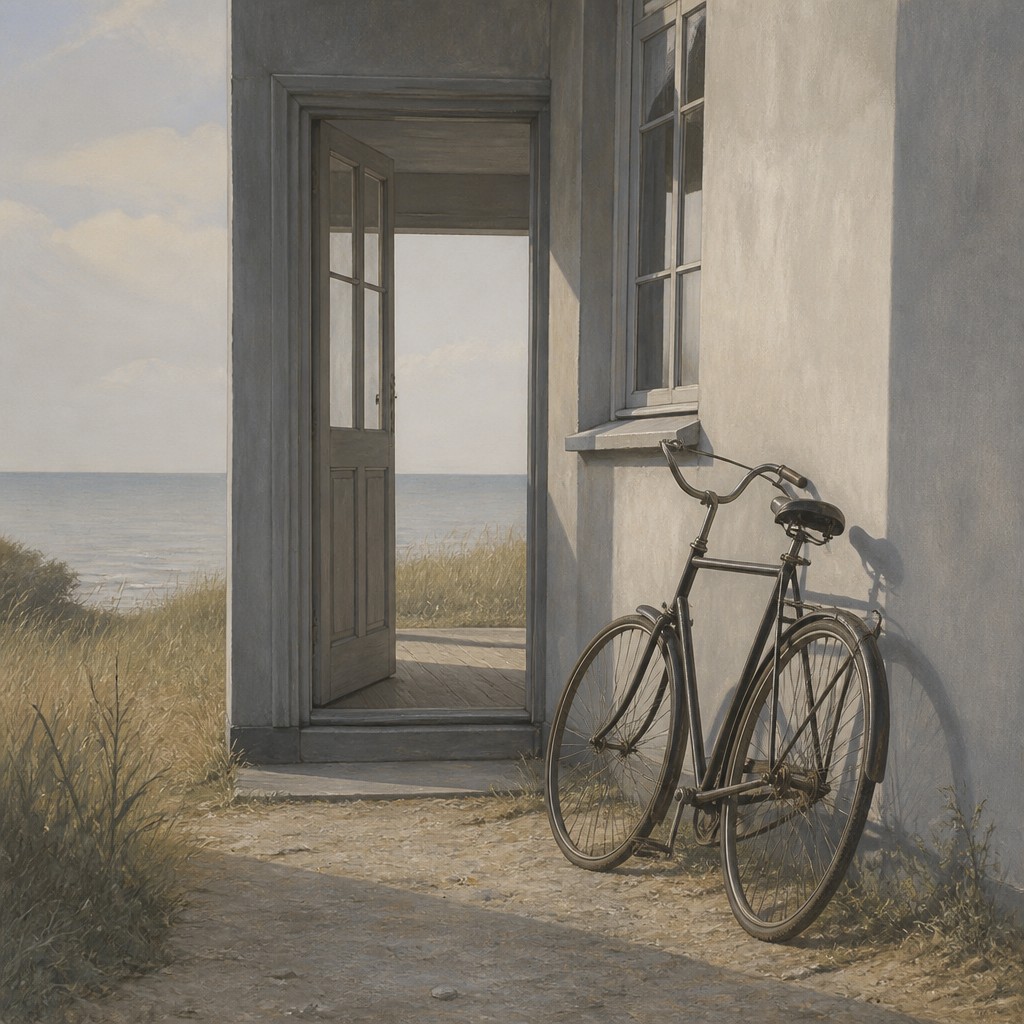
Measured composition
Balanced geometry, stable horizons, and carefully placed verticals create a sense of order. Empty space is used deliberately to extend the mood of contemplation.
Try It
Create Videos in Danish Art Style
Styles aren't just for stills — describe a scene or animate an image and get a short video rendered in Danish. Press play to see this pond come to life.
Make a VideoDanish Prompt Ideas
Start from an idea — each one opens the generator with the style ready to go. See all 40 Danish prompts →
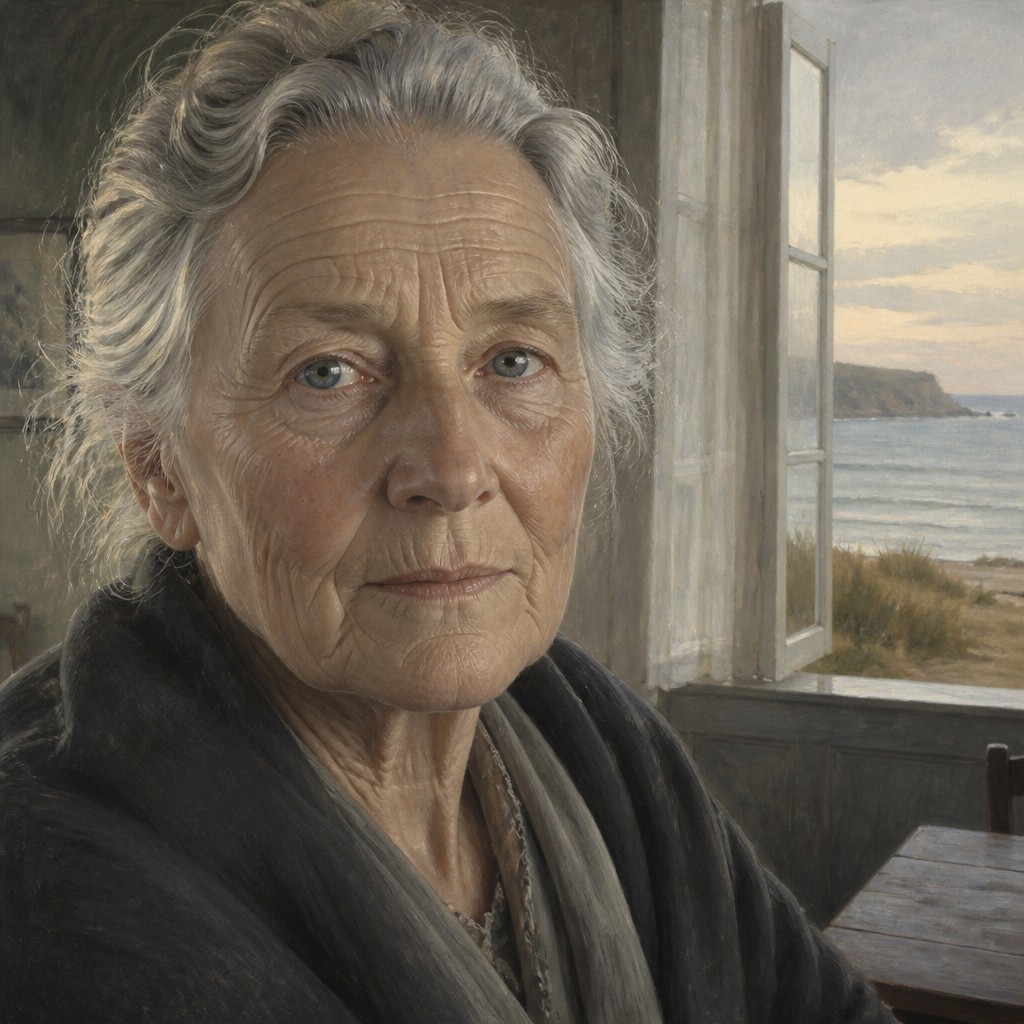
“close-up portrait of an elderly person with expressive weathered features”
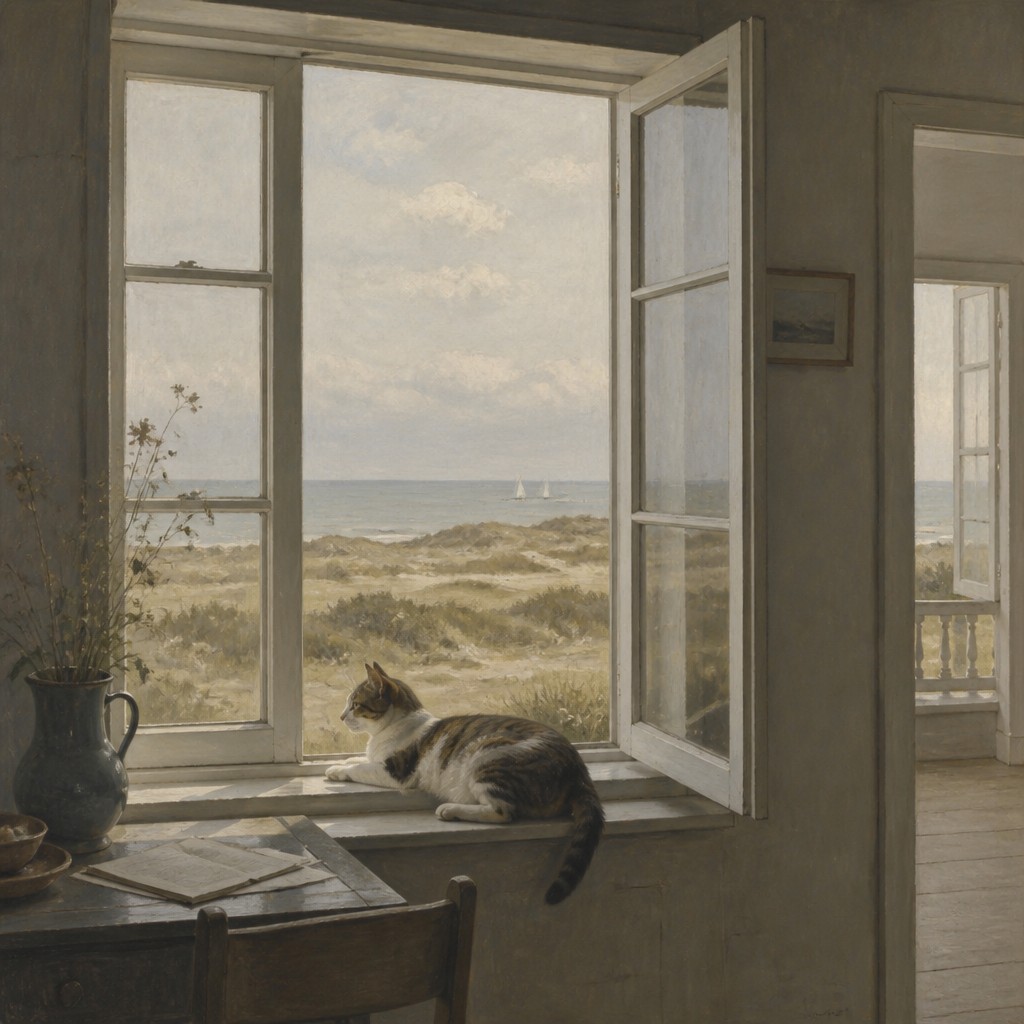
“a cat lounging in a sunlit window”
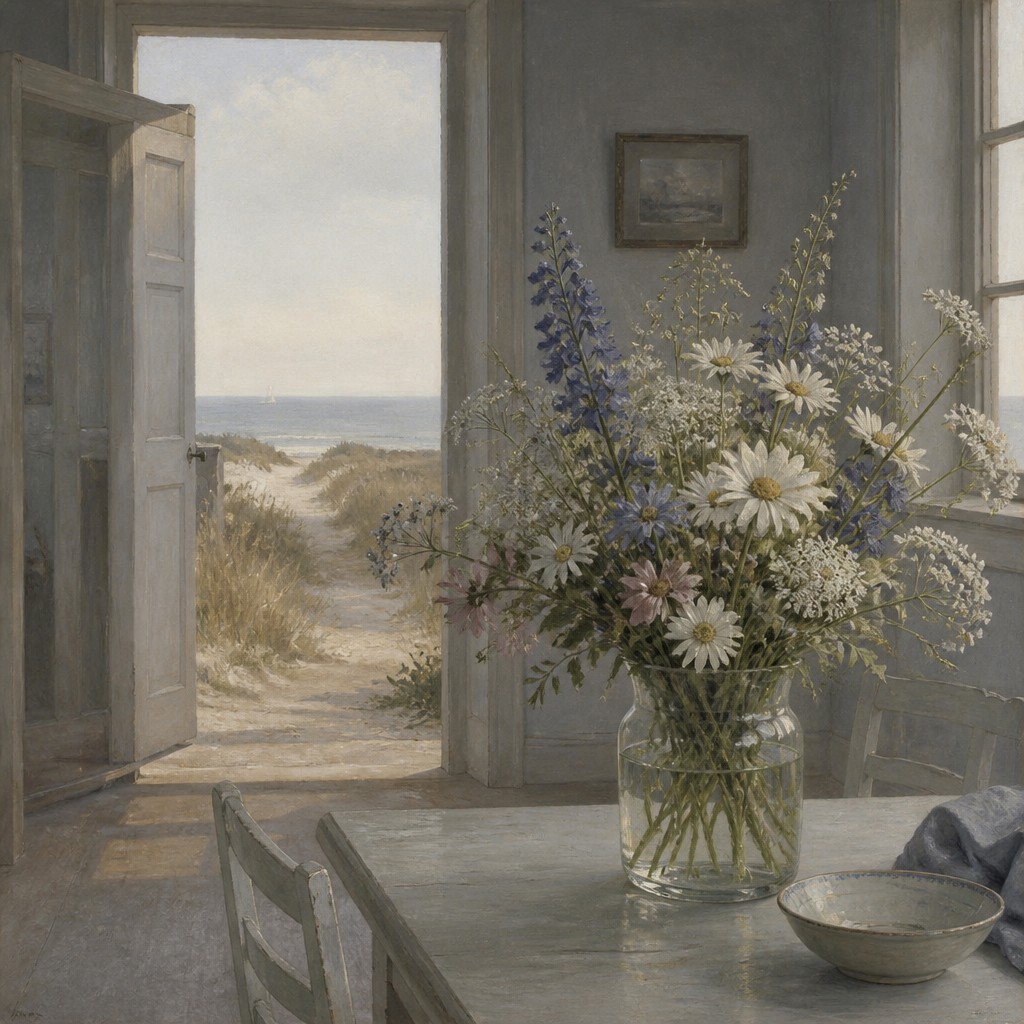
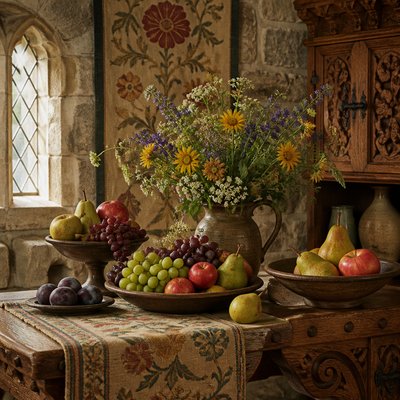
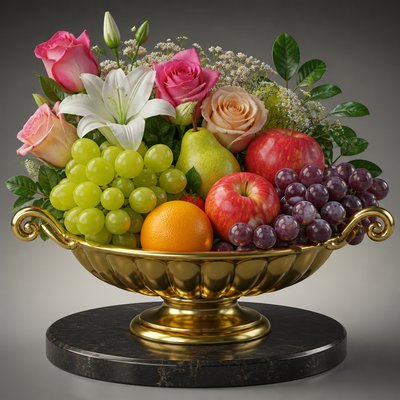
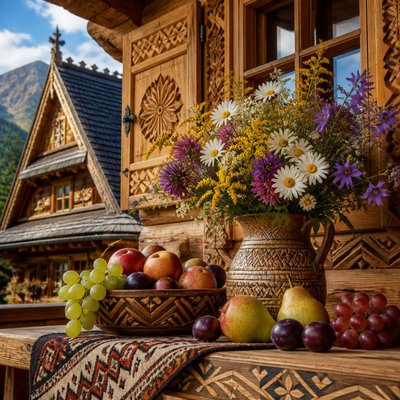
“bouquet of flowers in a glass vase”
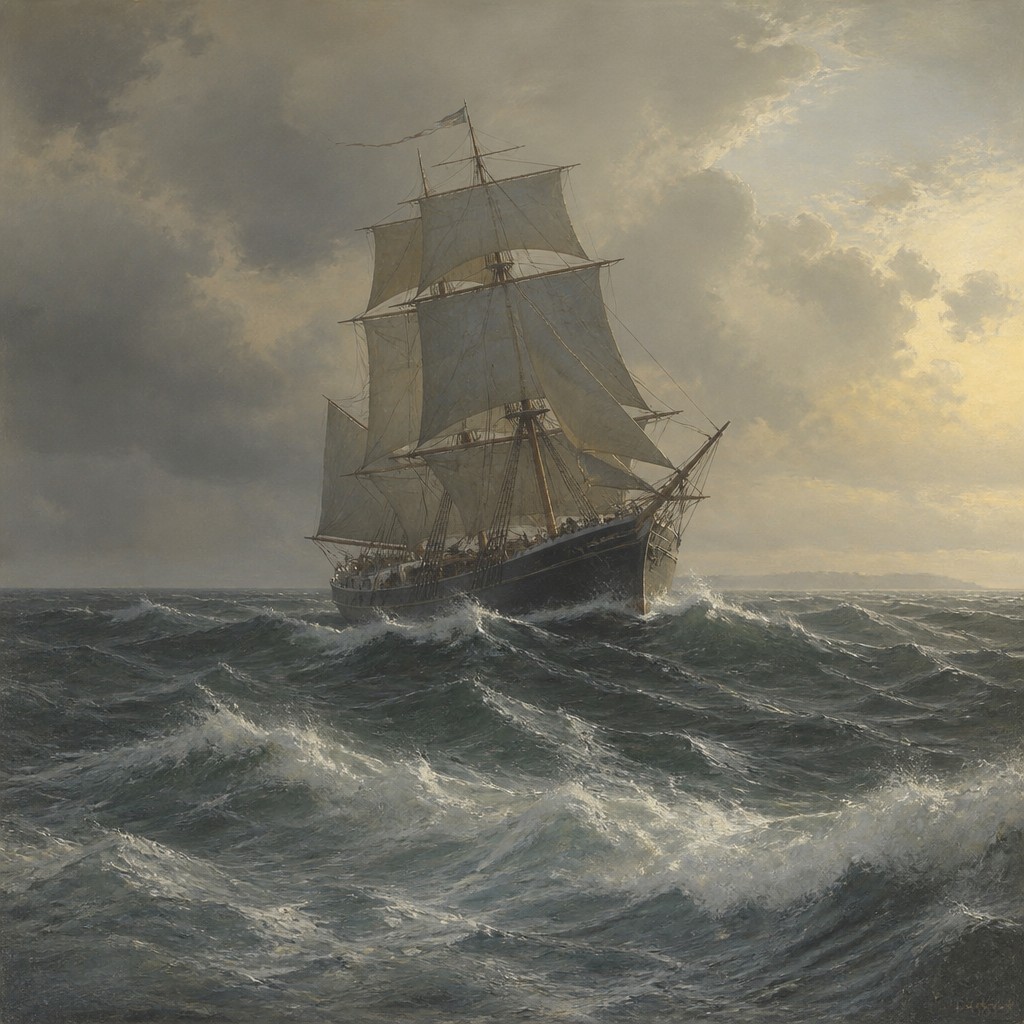
“sailing ship on a stormy sea”
How to Create Danish Art
Master the craft step by step — or skip straight to creating. Read the full guide →
- 1
Establish a cool tonal structure
Begin with a limited palette of grey, cream, sand, dusty blue, and muted green. Reserve the lightest values for windows, sky, sea haze, or sunlit walls rather than using pure white everywhere.
- 2
Use soft, directional daylight
Place a broad light source outside a window or just beyond the frame, then model objects with gentle transitions. Avoid hard rim lighting, deep black shadows, and theatrical spotlights.
- 3
Build a threshold composition
Frame the main scene with an open door, casement window, corridor, or porch. Let the opening reveal a subdued distance so the image moves naturally from intimate detail to atmospheric landscape.
- 4
Paint textures with restraint
Use controlled brushwork for plaster, wood, linen, dune grass, and water, keeping surfaces tactile but not excessively rough. In digital work, combine soft atmospheric brushes with crisp edges on key architectural forms.
- 5
Keep the subject ordinary and specific
Choose a quiet room, harbor path, seaside cottage, or person waiting near a window. Specific local details create authenticity more effectively than adding dramatic historical props.
- 6
Guide prompt-based generation precisely
Specify pearly grey-gold daylight, precise quiet realism, an open window or door, restrained Nordic colors, and a soft coastal distance. Add composition, season, materials, and camera viewpoint while excluding neon color, heavy contrast, fantasy effects, and glossy surfaces.
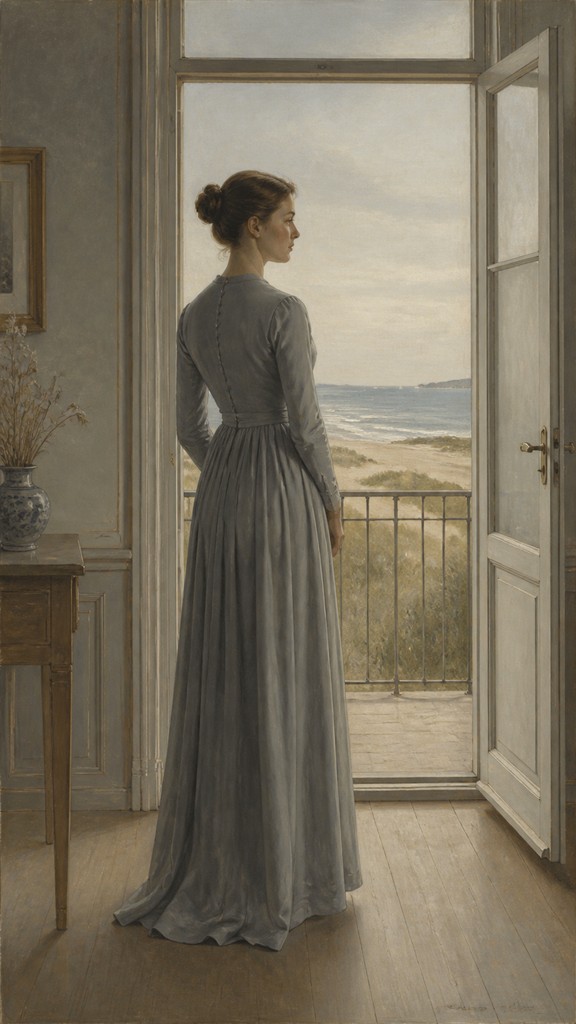
The Story
History & Origins of Danish
The historical lineage of this aesthetic lies chiefly in the Danish Golden Age, a period generally dated from the early 1800s to around the mid-19th century. Danish painters of the era combined academic draftsmanship with close study of local landscapes, domestic interiors, architecture, and everyday life. Their work developed within a broader European transition from formal classicism toward heightened observation, national landscape sentiment, and atmospheric realism.
The style described here is not a single officially defined movement. It is a contemporary synthesis of Golden Age Danish interior and landscape painting, Nordic realism, maritime observation, and later Scandinavian ideas of domestic simplicity. Its recurring quietness, modest scale, and cool northern light make it useful as an aesthetic category beyond the exact historical works of the period.
Influences: The aesthetic draws from Danish Golden Age painting, Nordic realism, European academic draftsmanship, national landscape traditions, maritime painting, and Scandinavian domestic minimalism. It also shares the quiet tonal discipline of plein-air observation and the compositional intimacy of interior painting, while remaining distinct from the brighter broken brushwork of Impressionism and the stark abstraction of modernist Nordic design.
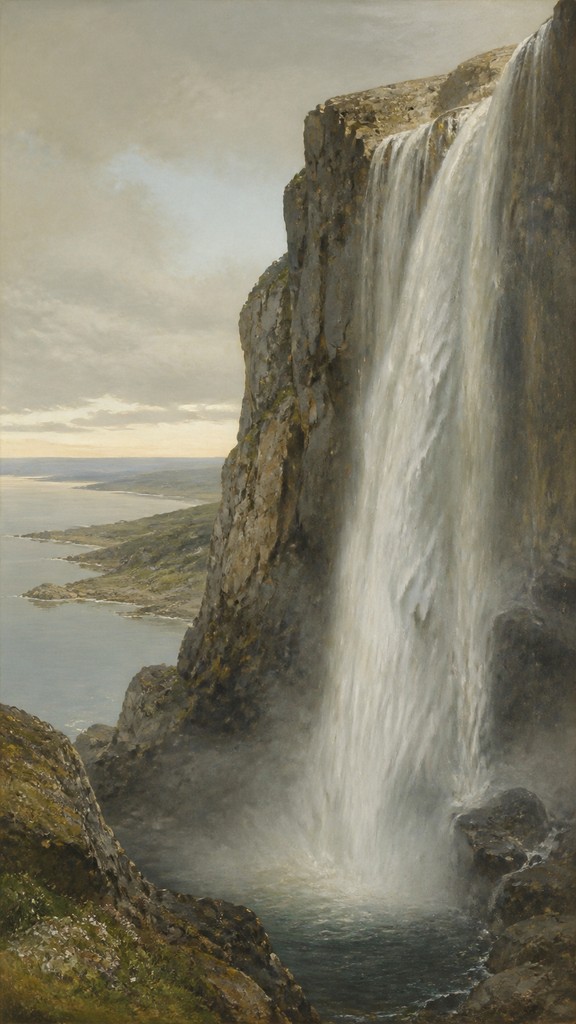
Frequently Asked Questions
What defines the Danish art style?
It is defined by quiet realism, cool northern daylight, restrained colors, and a strong relationship between interior space and open landscape. Common subjects include modest rooms, coastal paths, dunes, harbors, and everyday figures presented without theatrical drama.
Is Danish art style the same as the Danish Golden Age?
Not exactly. The Danish Golden Age is a historical period, generally associated with the first half of the 19th century, while Danish art style is a broader contemporary label that distills selected qualities from that period and later Nordic visual traditions.
How is it different from Scandinavian minimalism?
Scandinavian minimalism usually emphasizes simplified form, functional design, and uncluttered modern spaces. Danish art style can share that restraint but is more pictorial and atmospheric, with greater attention to weather, historical interiors, coastal geography, and painterly light.
What subjects work best for this style?
Quiet domestic interiors, open windows, rural lanes, dunes, low coastal buildings, harbors, and solitary figures are especially effective. Ordinary subjects work well because the style depends on observation, light, and atmosphere rather than spectacle.
How can I make an image in this style digitally?
Use a limited cool-warm palette, soft directional daylight, controlled edges, and atmospheric depth. For prompt-based creation, describe the subject first, then add pearly grey-gold light, precise quiet realism, open architectural thresholds, muted Nordic colors, and a calm coastal or rural distance.
Does this style require a historical costume or period setting?
No. Period clothing and architecture can reinforce its Golden Age lineage, but the visual language also works with contemporary rooms, modern clothing, and present-day coastlines. The essential qualities are light, restraint, composition, and contemplative observation.
Create your first Danish artwork
Describe anything — or upload a photo — and see it in Danish Art Style in seconds.
Related Styles
Discover similar art styles