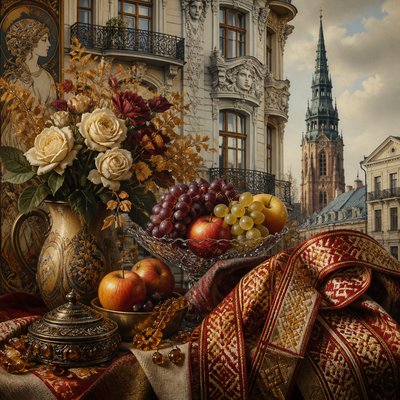
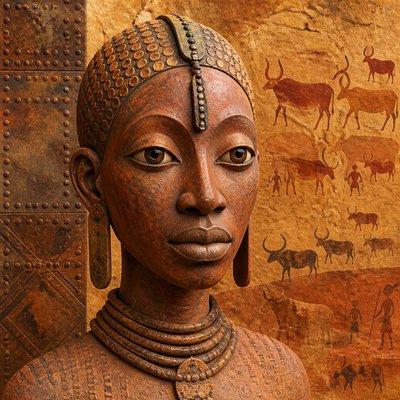
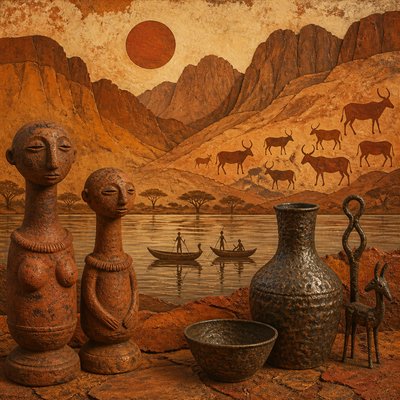
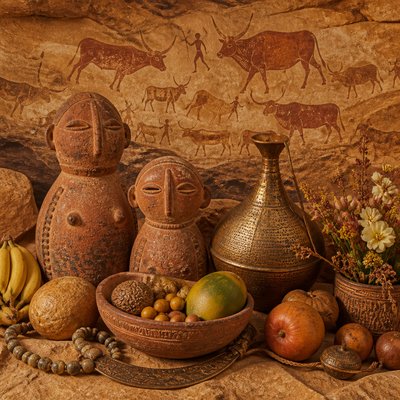
Mexican Muralism Art Style
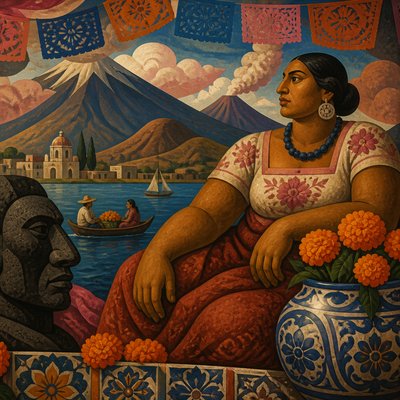
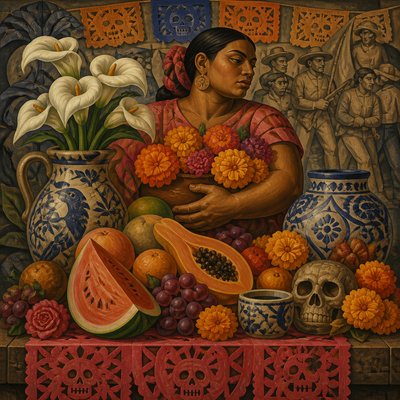
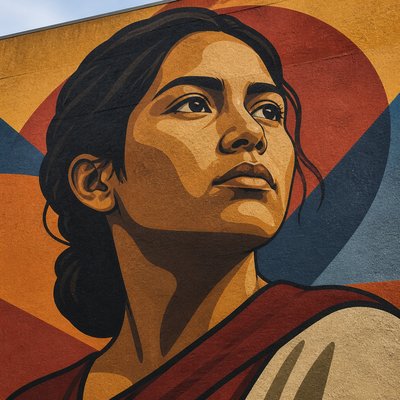
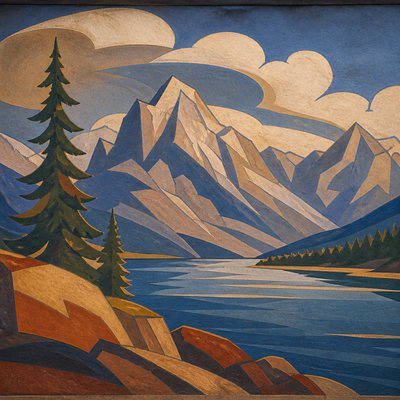
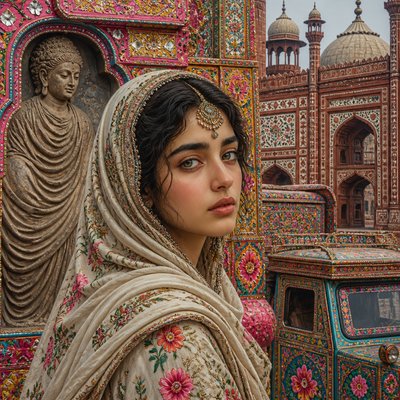
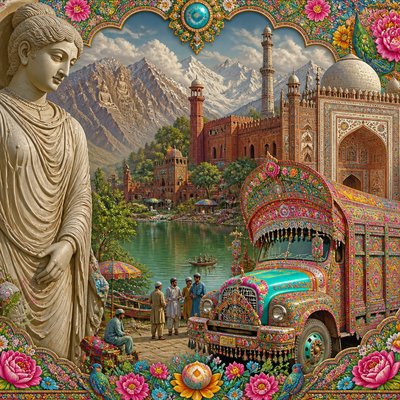
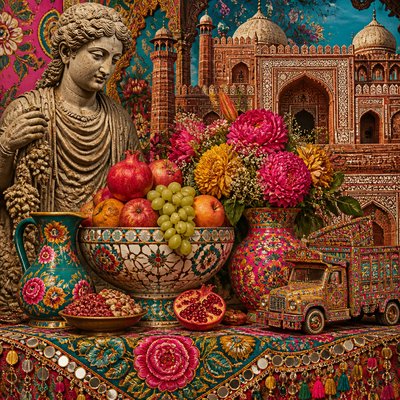
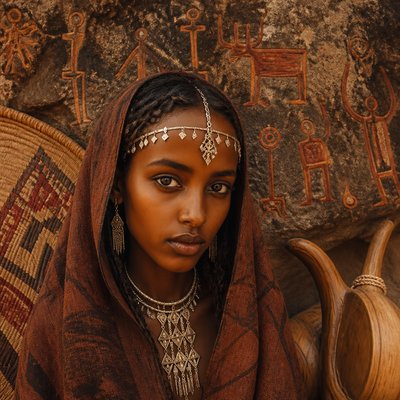
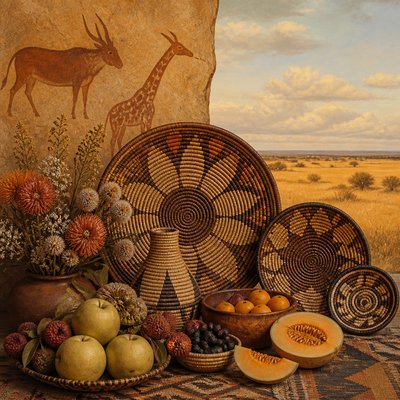
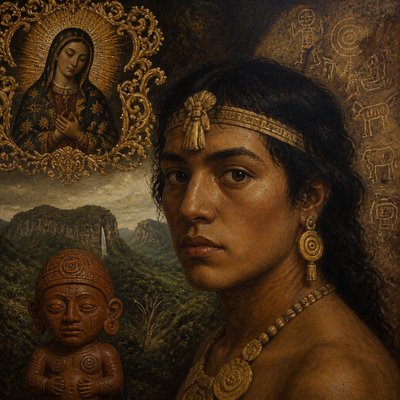
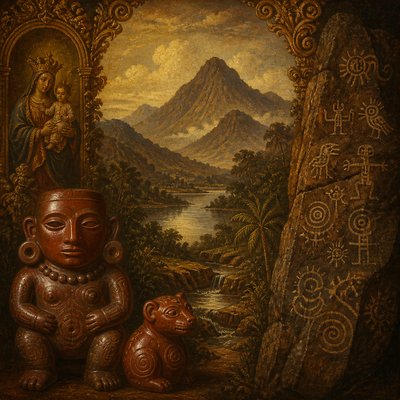
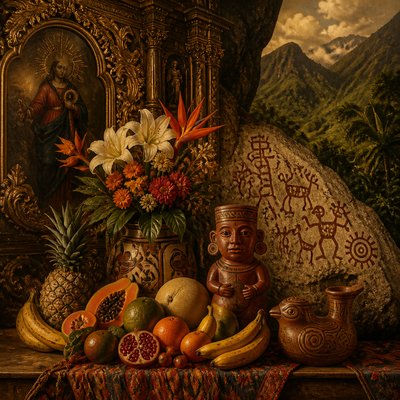
Mexican muralism: monumental public art with bold earth tones, indigenous imagery, and revolutionary themes in fresco-like form.
Instantly rendered in Mexican Muralism — or transform a photo
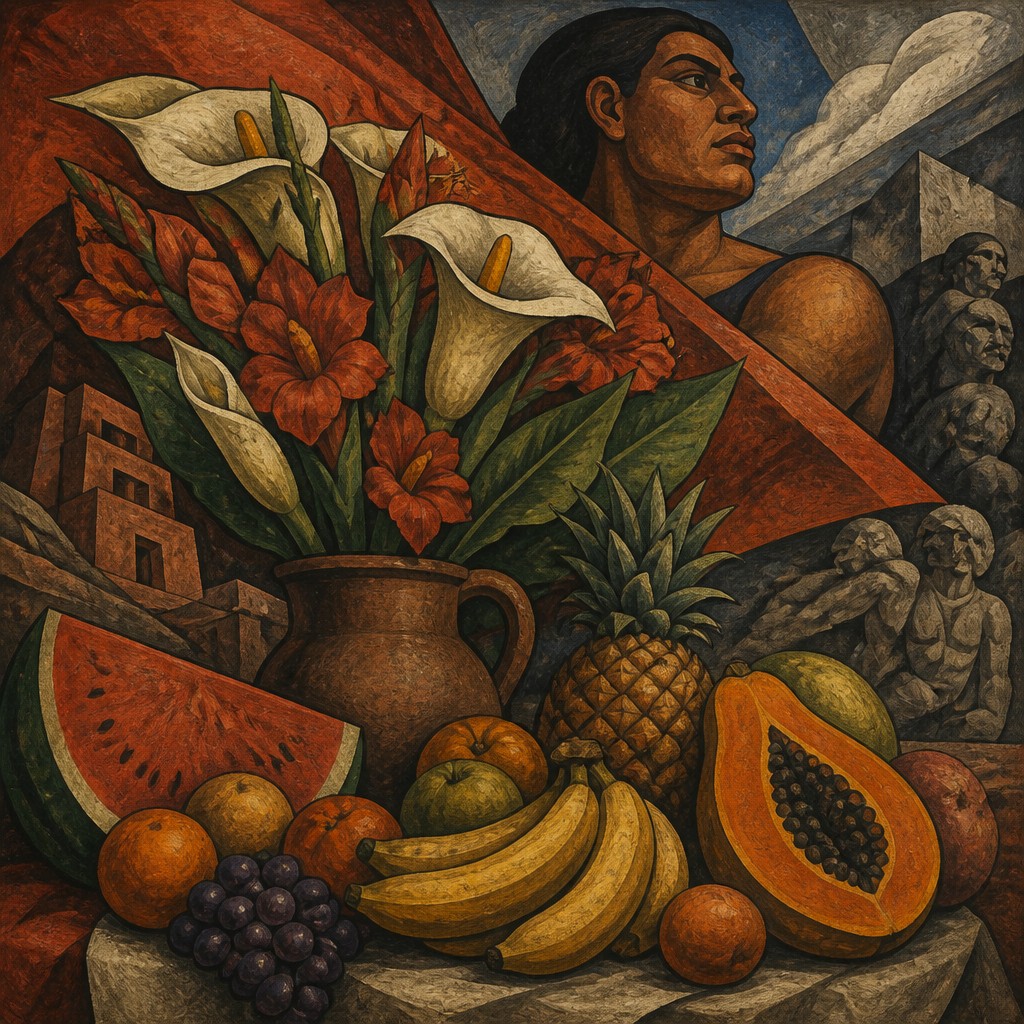
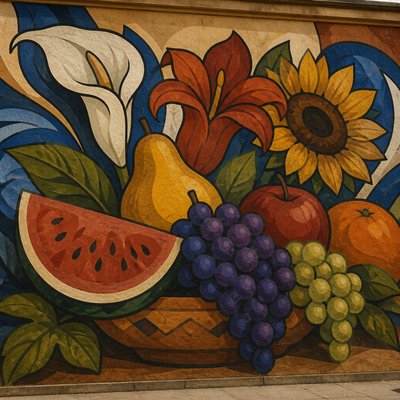
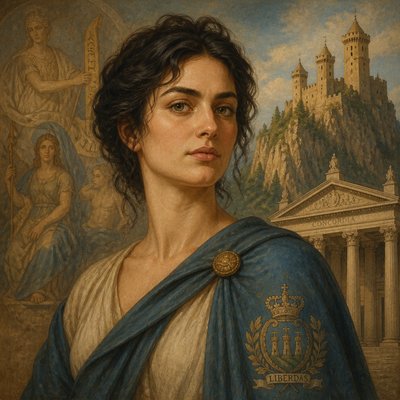
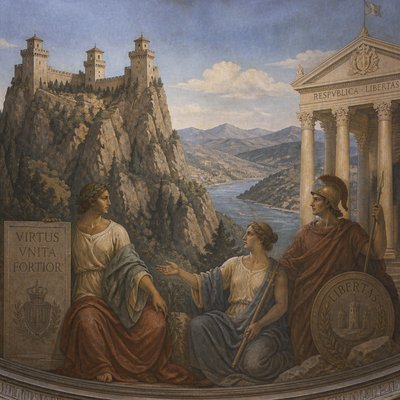
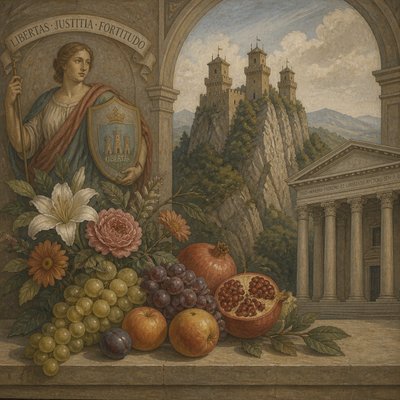
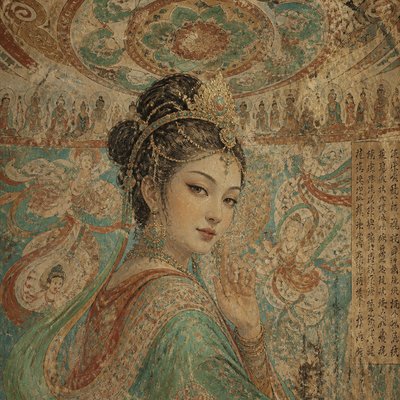
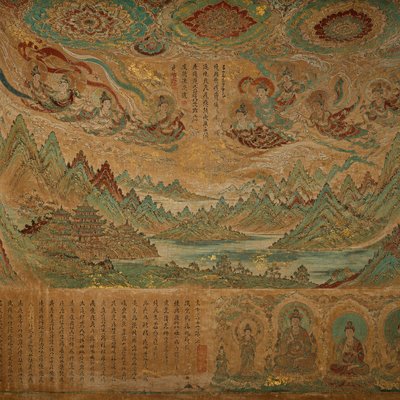
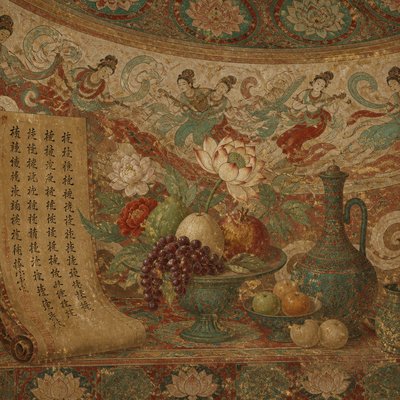
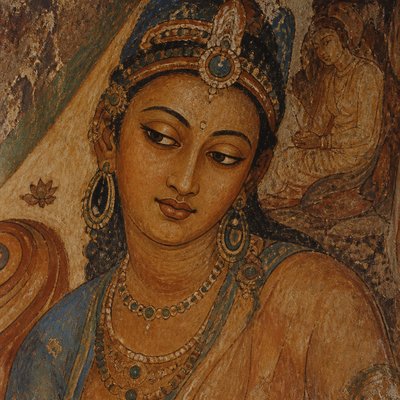
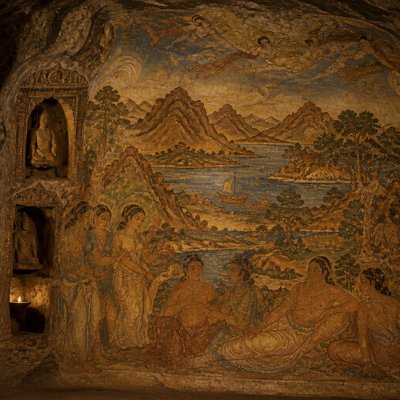
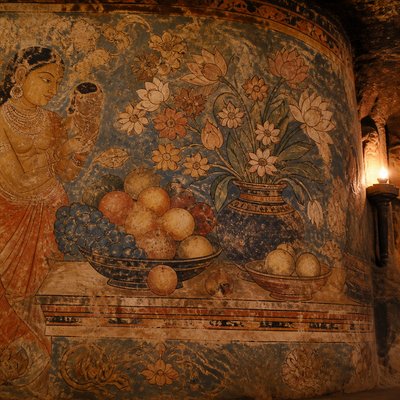
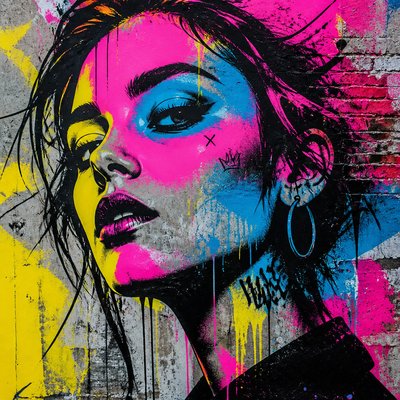
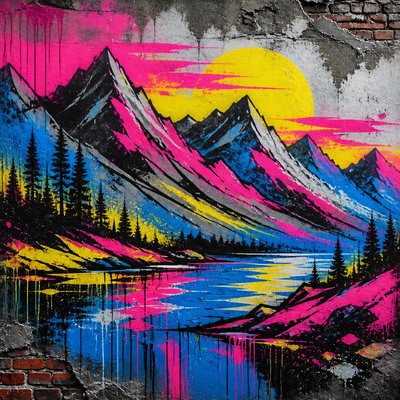
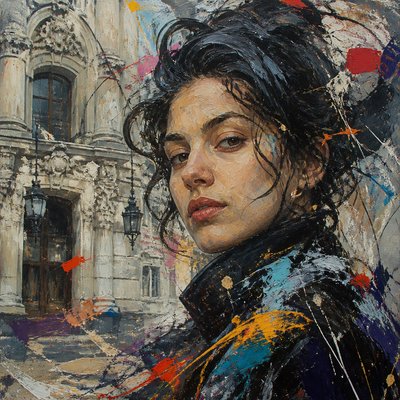
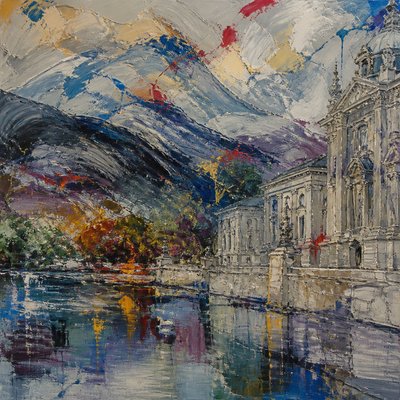
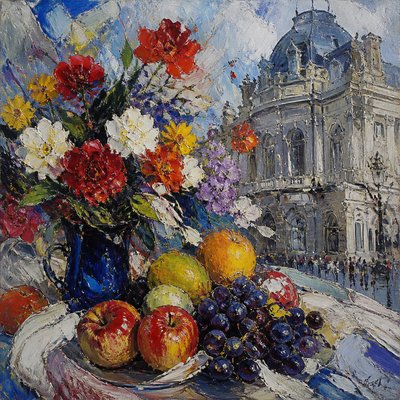
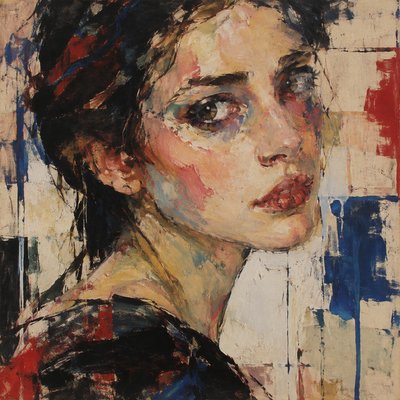
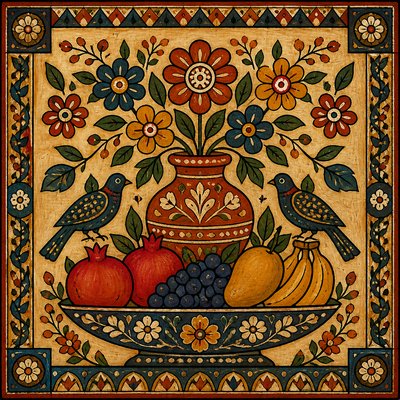
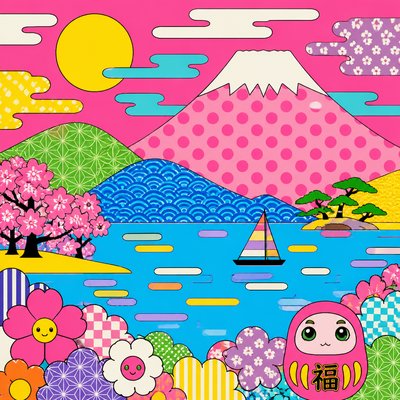
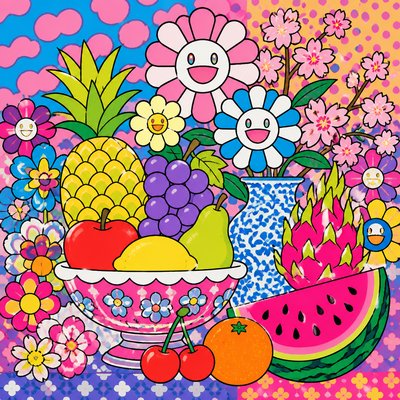
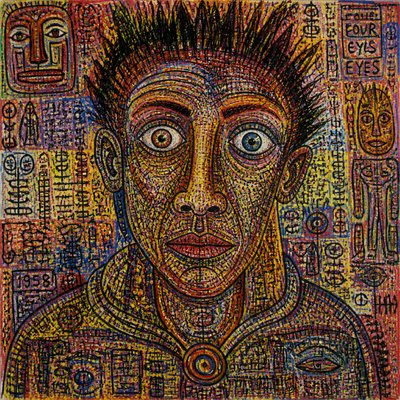
Mexican Muralism Gallery
Tap any artwork to explore it
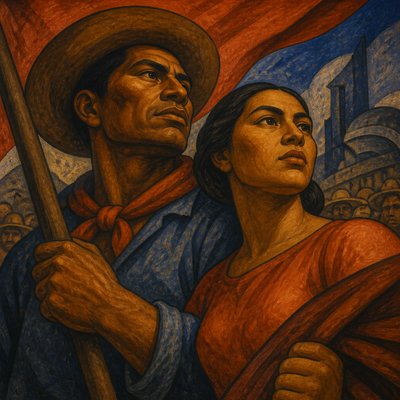
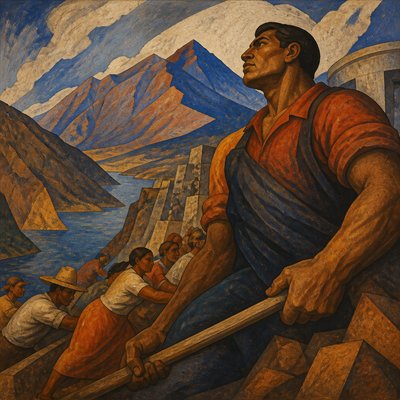
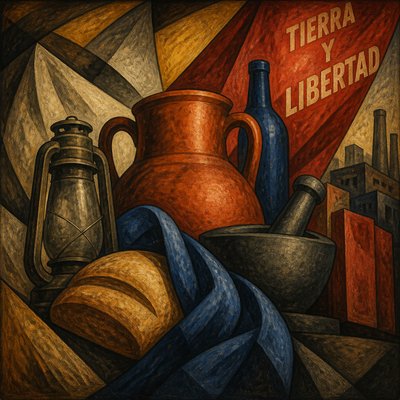
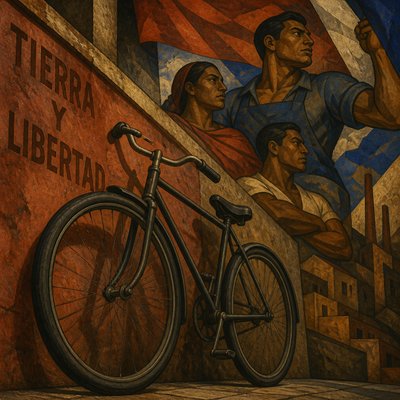
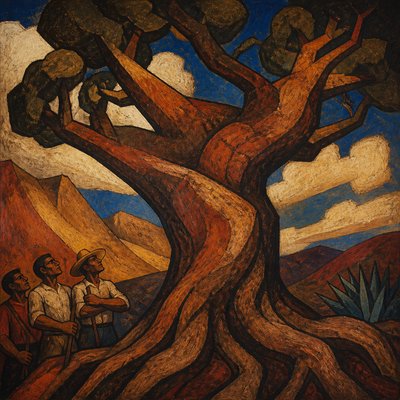
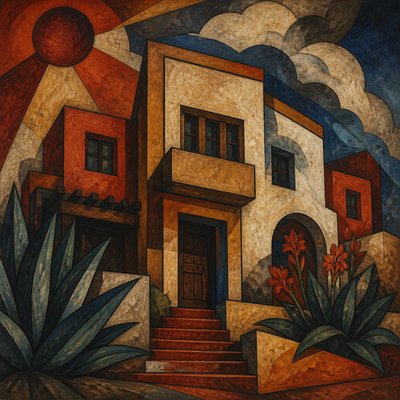
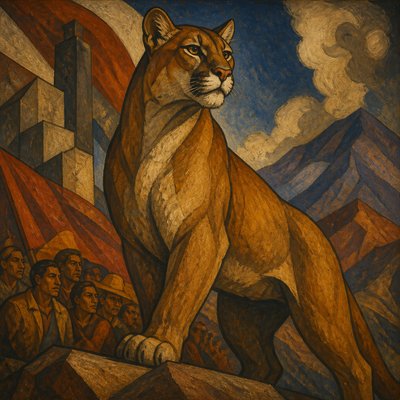
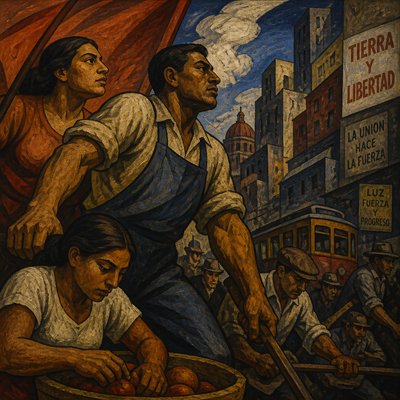
What is Mexican Muralism Art Style?
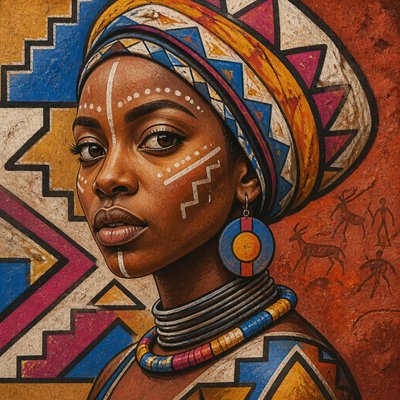
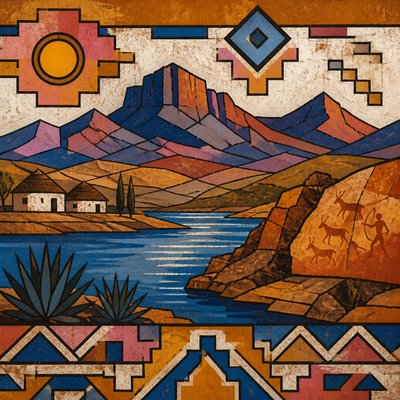
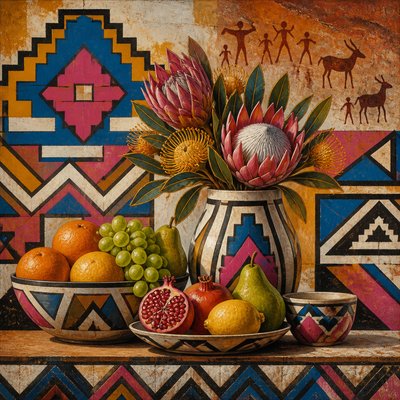
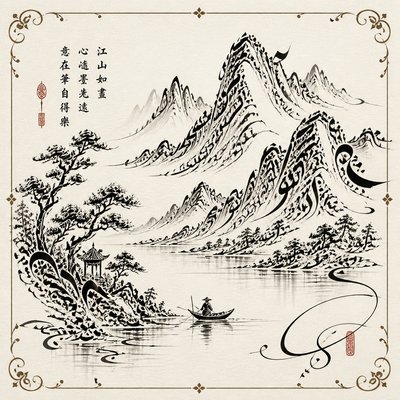
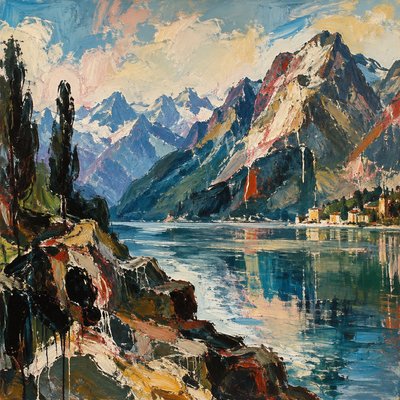
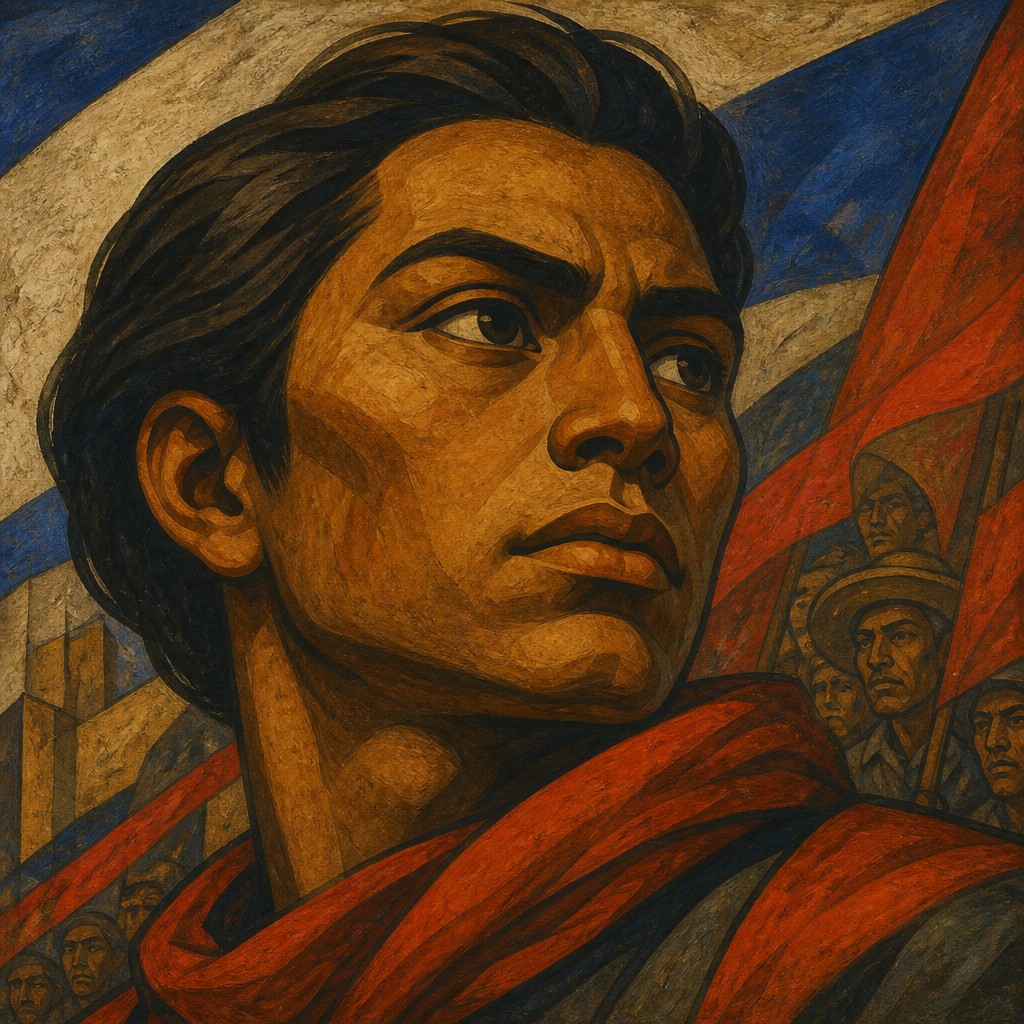
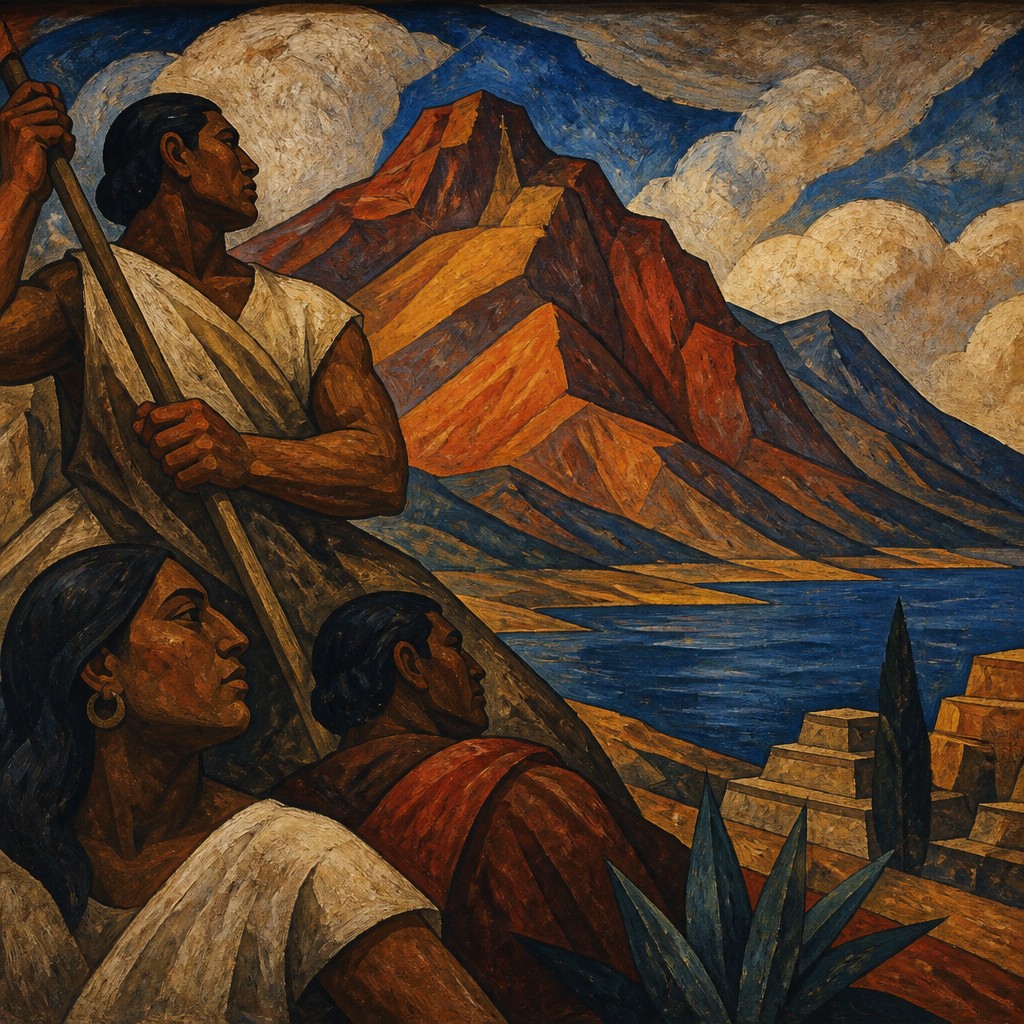
Mexican Muralism is a 20th-century public art tradition defined by large-scale, socially engaged murals that combine indigenous imagery, national history, labor politics, and revolutionary ideals. Its visual language is monumental and direct: heroic figures, compressed depth, strong contour, and bold color fields designed to be read from a distance on architecture and civic walls.
The style looks the way it does because it was meant to function as public education and political expression, not private decoration. Artists used fresco, encaustic, and later mixed media to achieve a matte, wall-bound surface with visible texture, while the composition often moves diagonally and upward to create urgency, collective force, and a sense of historical momentum.
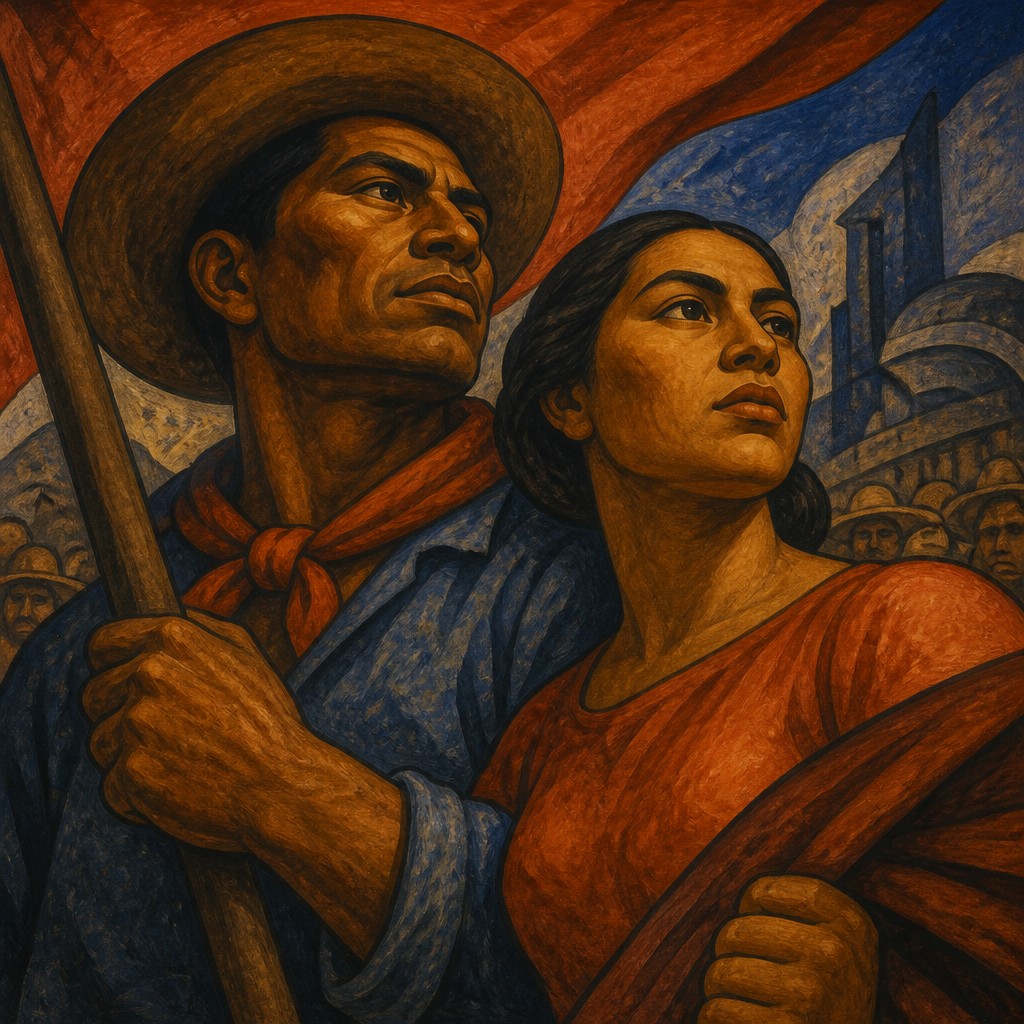
Try It On Your Photos
Upload any photo and convert it into Mexican Muralism Art Style — drag the sliders to compare before and after.
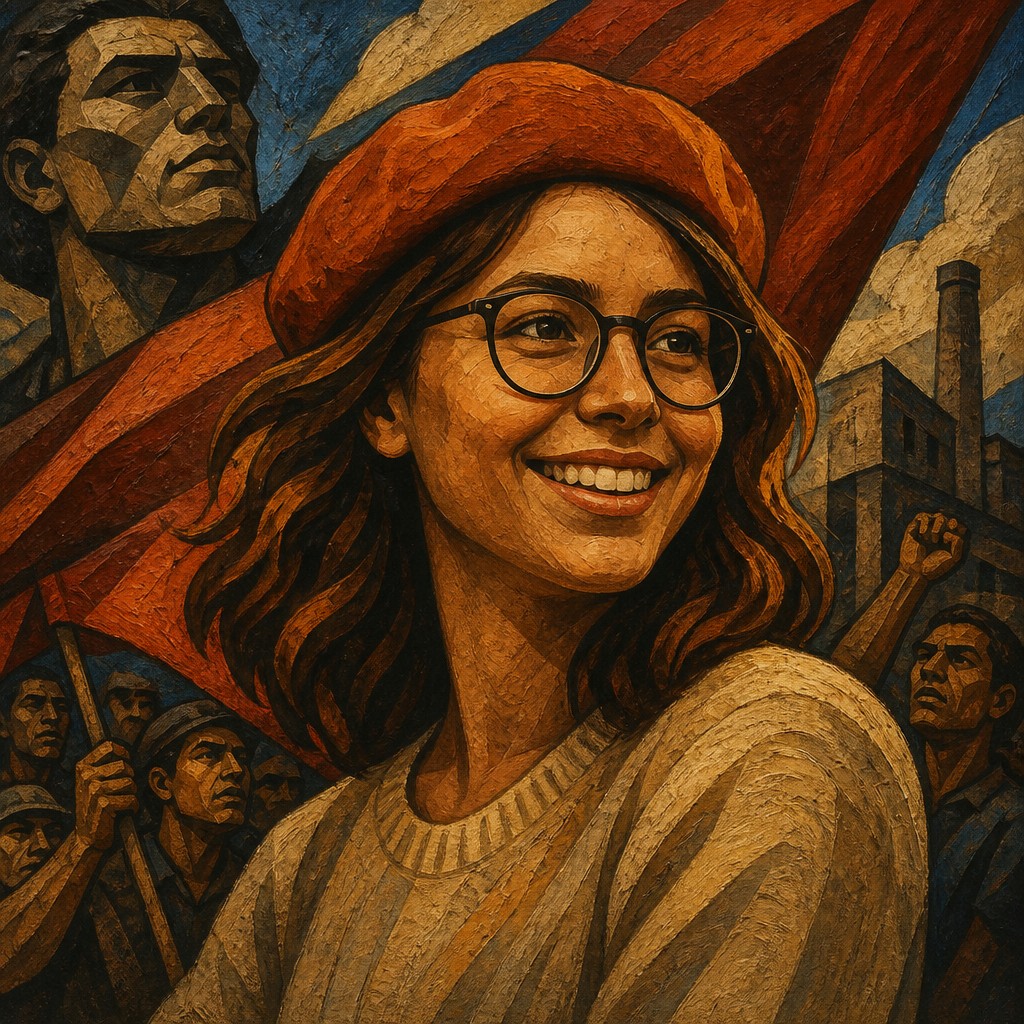

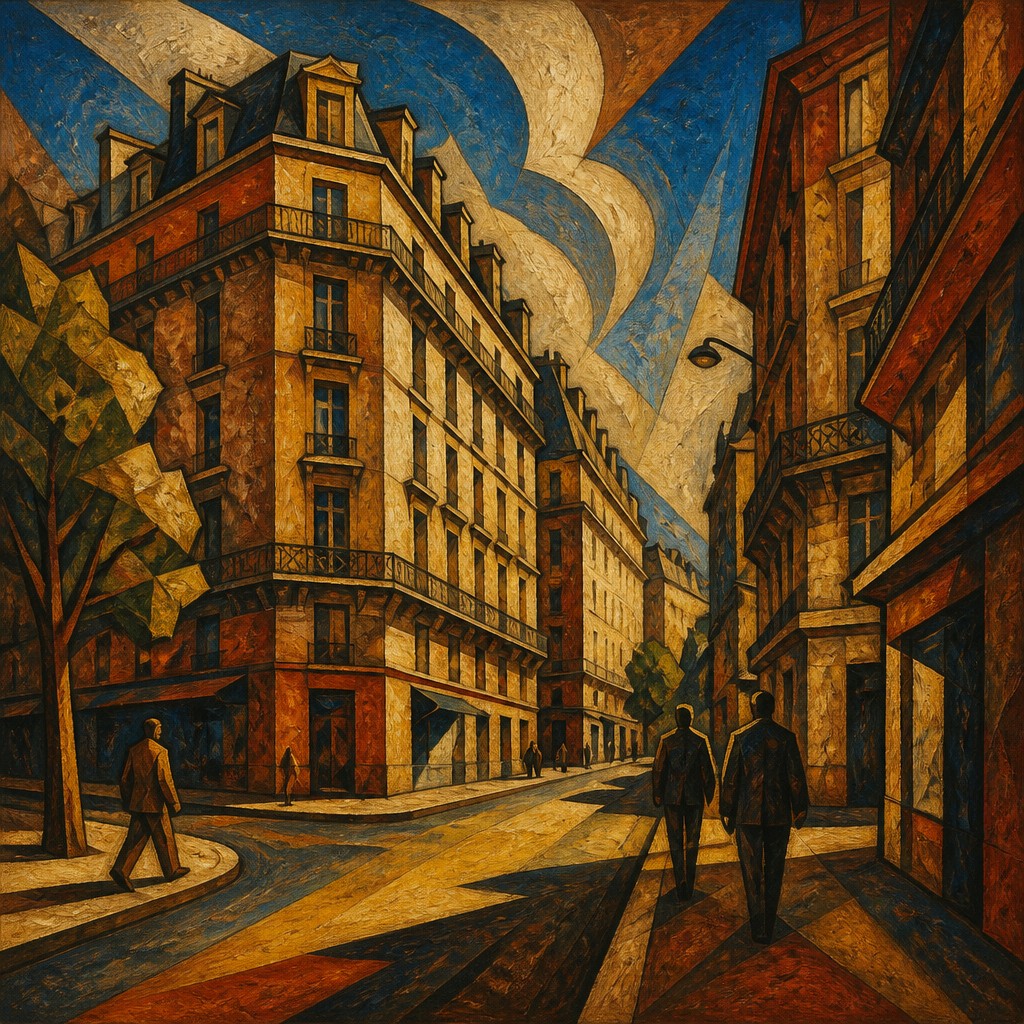

What Defines Mexican Muralism Art Style
The signature details, up close
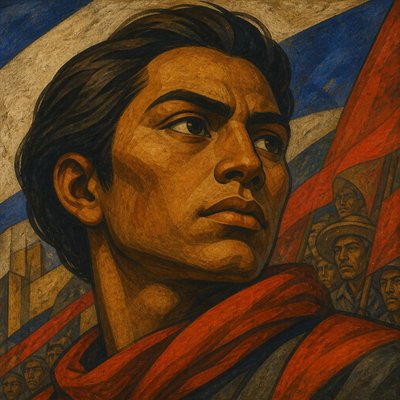
Monumental human figures
Bodies are oversized, sturdy, and sculptural, with simplified anatomy that emphasizes mass, labor, and collective presence. Even individual portraits tend to feel emblematic rather than intimate.
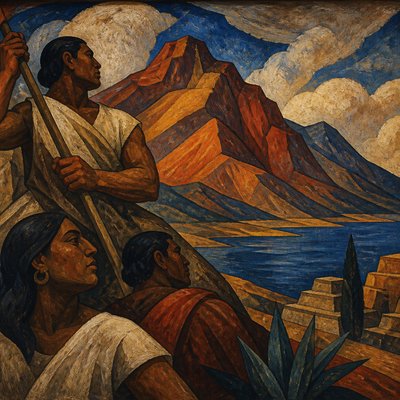
Social and historical narrative
Scenes often depict revolution, labor, indigenous resistance, education, myth, or national history. The image is usually meant to communicate a political or civic message rather than a purely decorative mood.
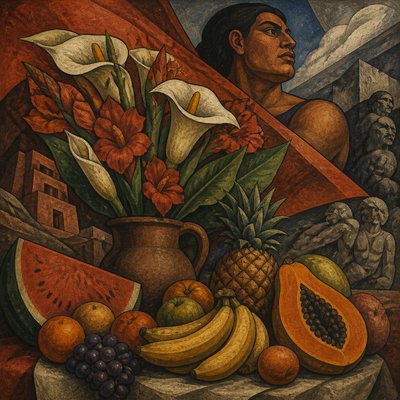
Bold earth-toned palette
Deep ochre, burnt sienna, vermillion, terracotta, black, and cobalt are common, often balanced by high-contrast highlights. The colors feel grounded, ceremonial, and materially tied to pigment and plaster.
Wall-integrated composition
Figures and symbols are arranged to fit architecture, with sweeping diagonals, friezes, and layered groupings that guide the eye across a broad surface. The composition typically feels panoramic and public.
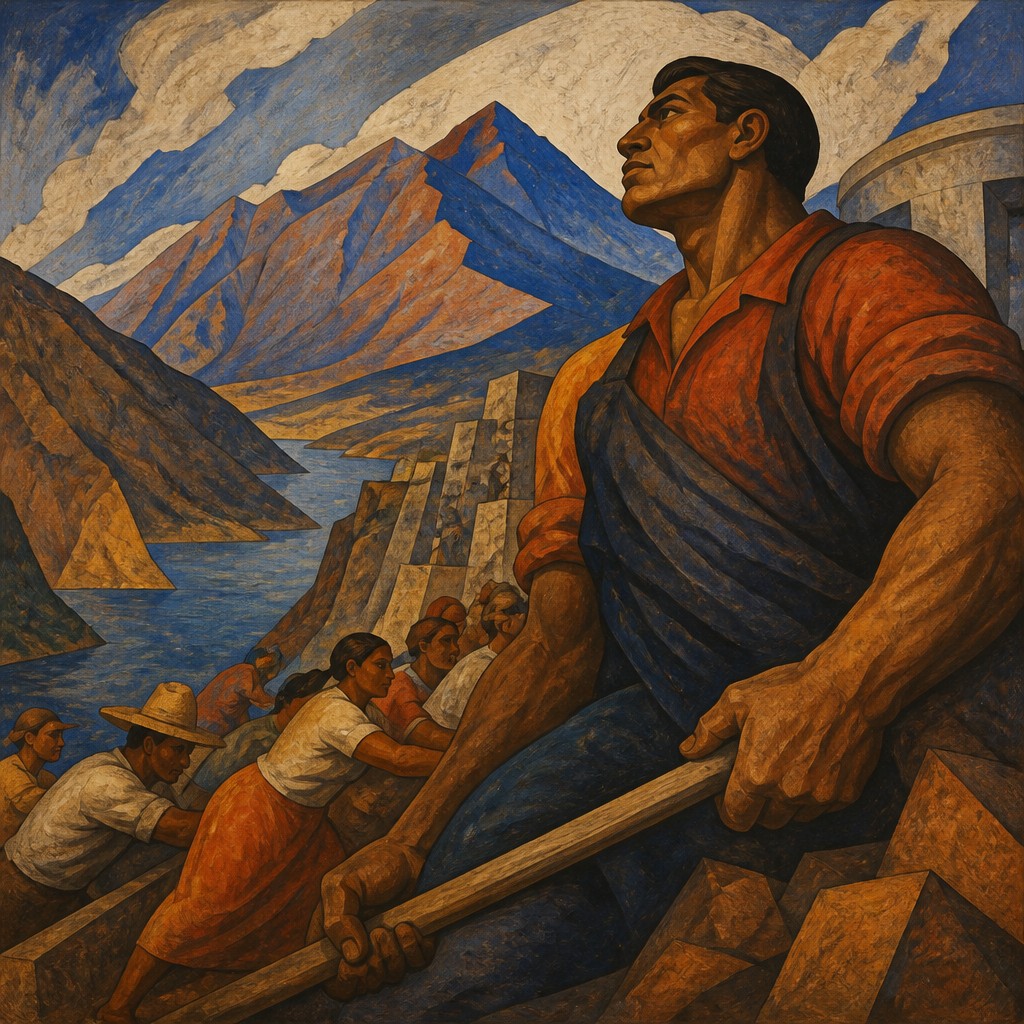
Matte, fresco-like surface
The finish is usually flat or softly absorbent rather than glossy, with rough plaster texture, brushwork, or pigment irregularities visible. This gives the image a mural presence rather than a studio-painting sheen.
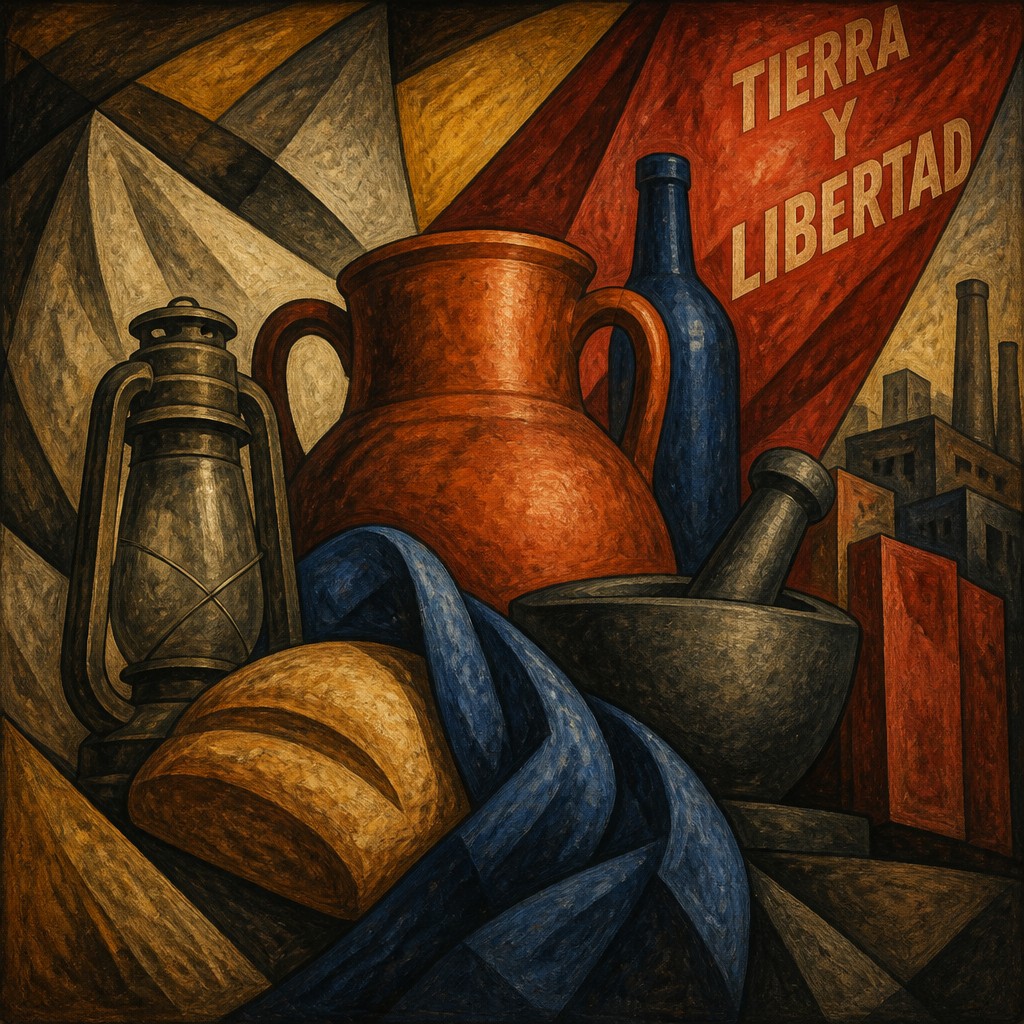
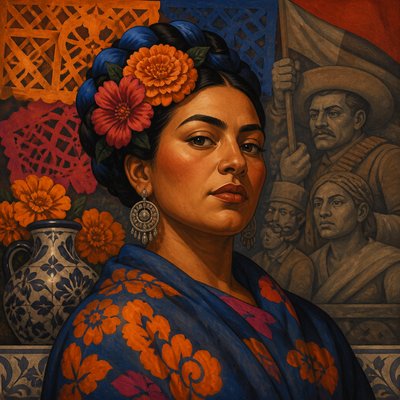
Sharp contour and simplified form
Forms are carved by thick outlines, strong value blocks, and angular shapes. This clarity makes the image readable at architectural scale and reinforces a sense of solidity.
Try It
Create Videos in Mexican Muralism Art Style
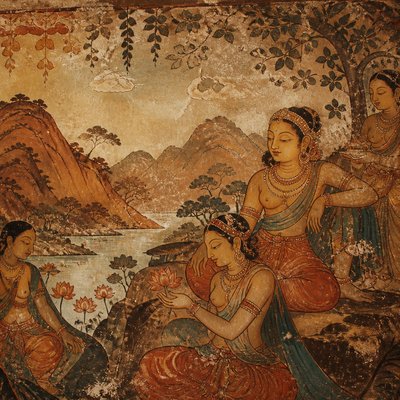
Styles aren't just for stills — describe a scene or animate an image and get a short video rendered in Mexican Muralism. Press play to see this pond come to life.
Make a VideoMexican Muralism Prompt Ideas
Start from an idea — each one opens the generator with the style ready to go. See all 40 Mexican Muralism prompts →
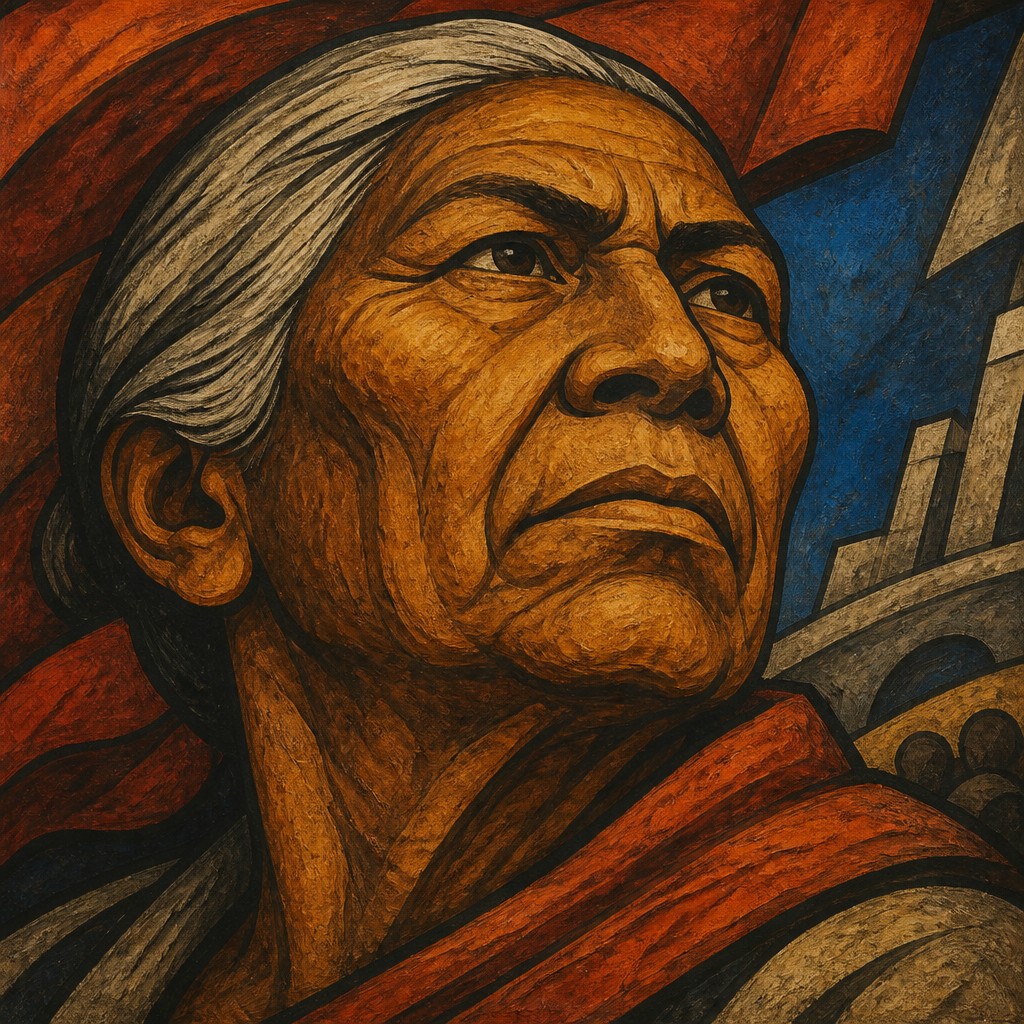
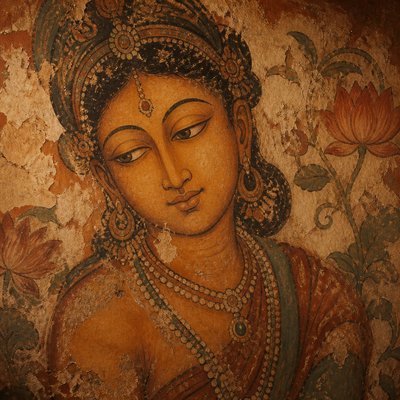
“close-up portrait of an elderly person with expressive weathered features”
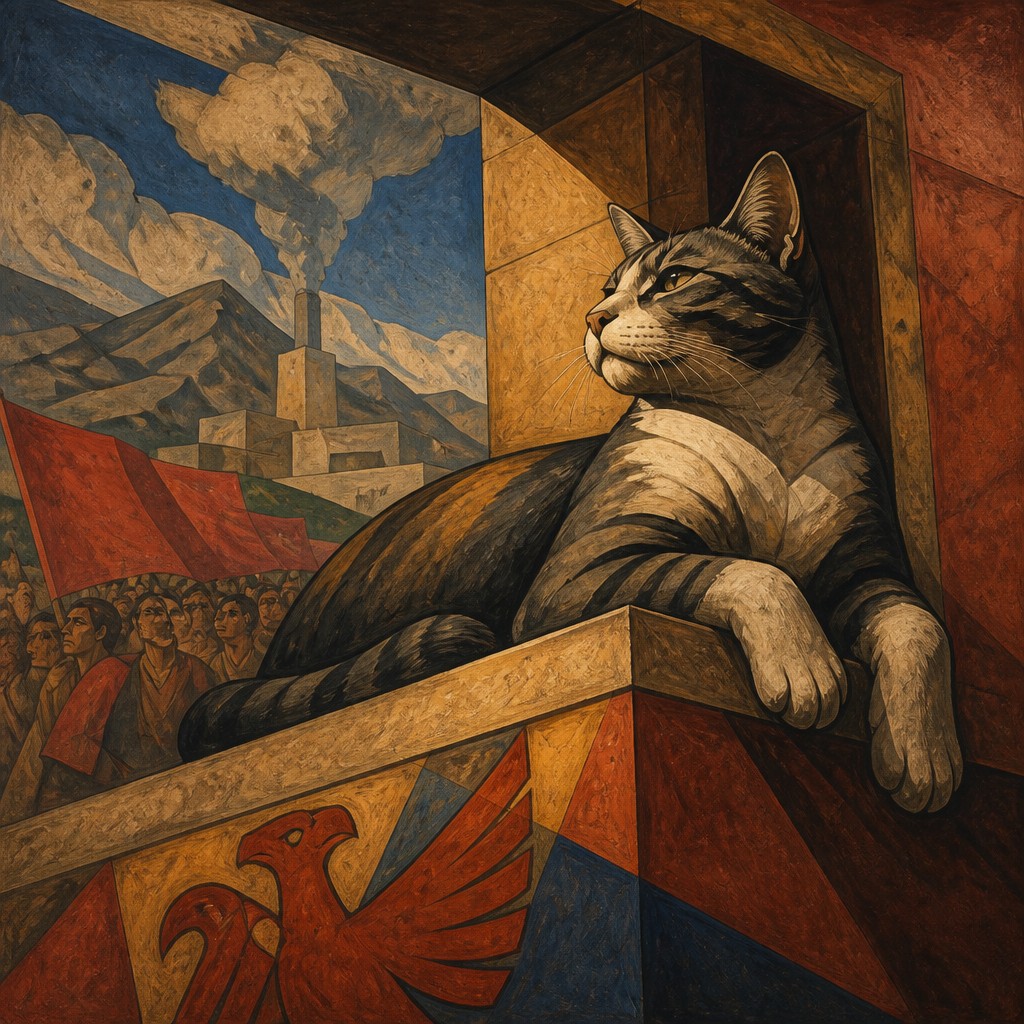
“a cat lounging in a sunlit window”
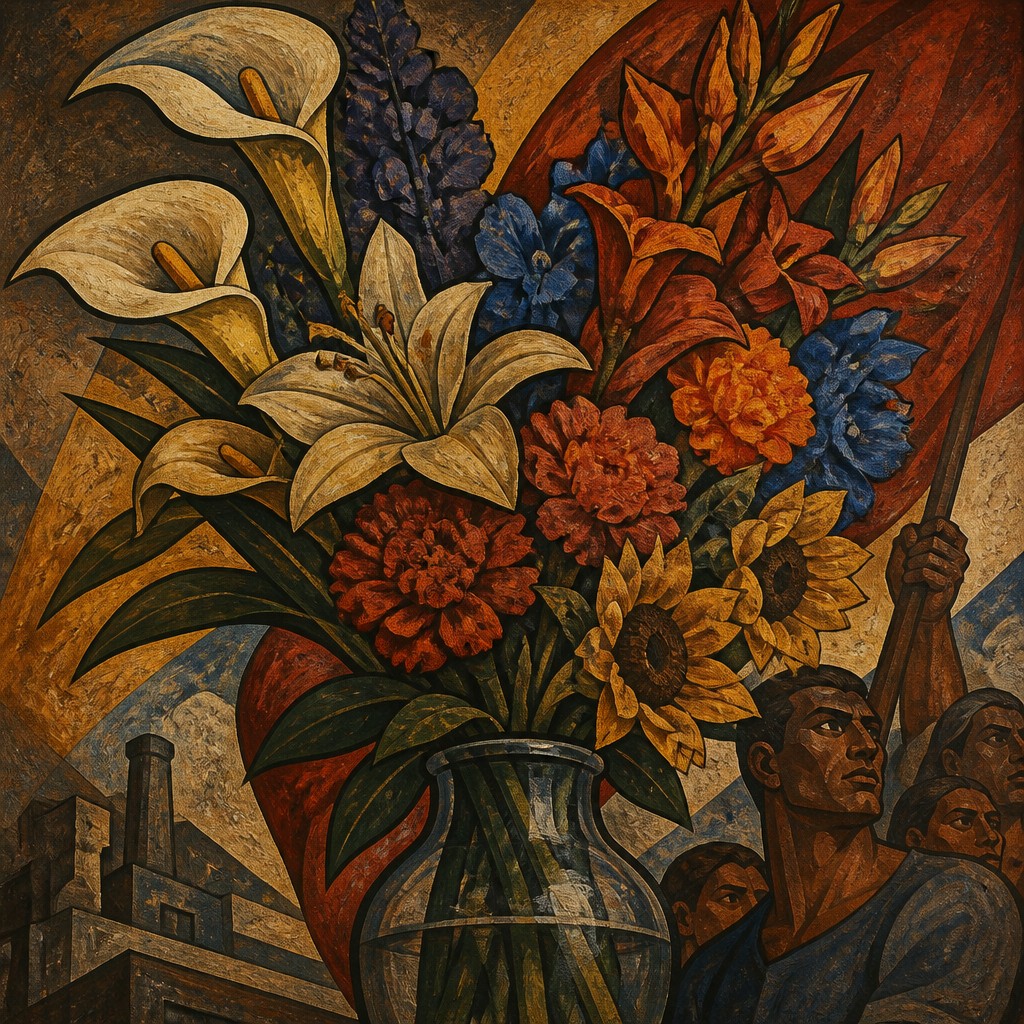
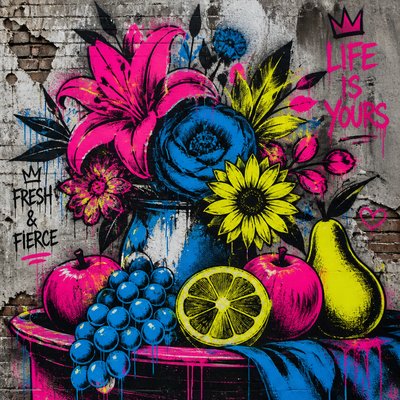
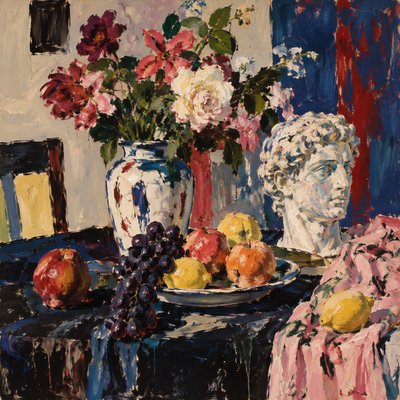
“bouquet of flowers in a glass vase”
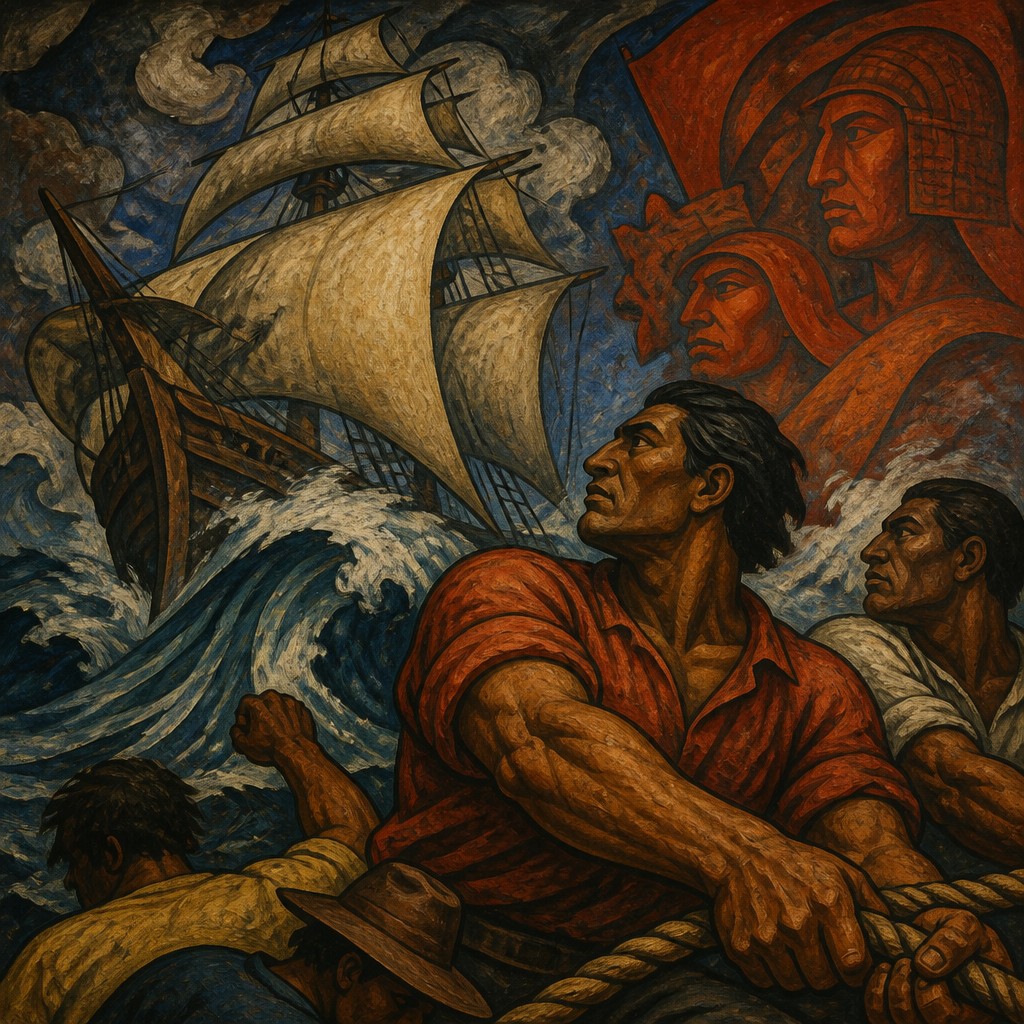
“sailing ship on a stormy sea”
How to Create Mexican Muralism Art
Master the craft step by step — or skip straight to creating. Read the full guide →
- 1
Design for a wall, not a canvas
Start with a wide architectural composition and think in terms of large readable masses, not small details. Place the main action in sweeping diagonals or frieze-like bands so the image feels built into a public surface.
- 2
Use monumental simplification
Enlarge hands, torsos, and heads slightly to emphasize force and presence. Reduce facial detail and texture where it would distract from the mural’s narrative clarity.
- 3
Build color from earth pigments
Choose a restrained palette of ochres, reds, browns, blacks, and deep blues, then reserve bright accents for symbolic emphasis. In digital work, lower gloss and increase matte contrast; in traditional work, emulate fresco or mural paint on textured ground.
- 4
Emphasize surface and brushwork
Let plaster grain, uneven edges, or layered paint remain visible so the image feels physically embedded in the wall. If generating with a model, specify matte surfaces, rough plaster texture, and visible brushwork.
- 5
Anchor the theme in civic or historical imagery
Subjects such as workers, farmers, teachers, protest scenes, indigenous figures, machinery, and allegorical symbols fit the tradition well. For prompt-based generation, pair the subject with terms like monumental scale, revolutionary intensity, and fresco-like finish.
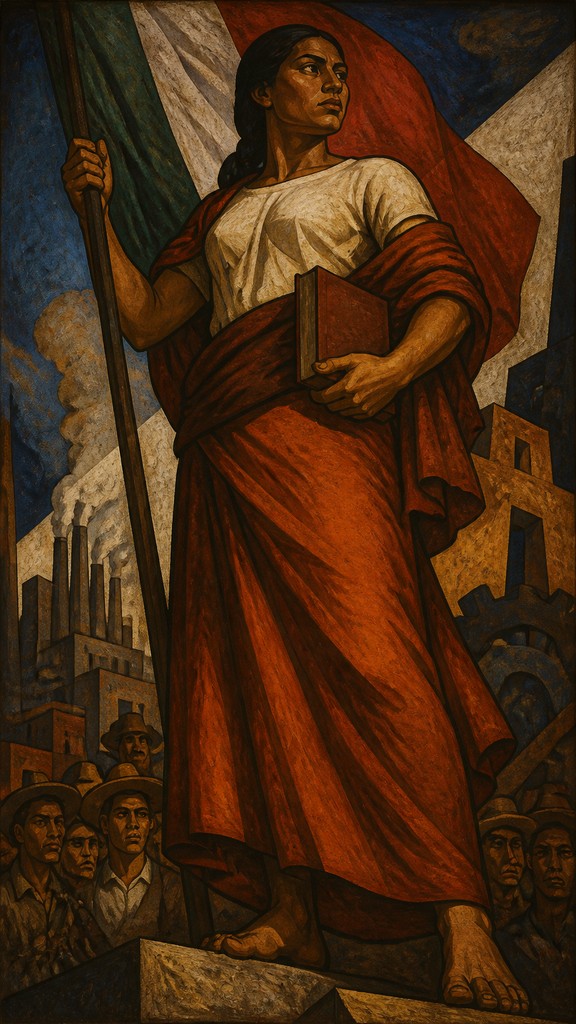
The Story
History & Origins of Mexican Muralism
Mexican Muralism emerged after the Mexican Revolution, especially in the 1920s and 1930s, when the postrevolutionary government commissioned murals for schools, ministries, and public buildings. It sought to create a national visual culture rooted in Mexico’s indigenous past and revolutionary present, rejecting elite European salon painting in favor of accessible public art. The movement is most closely associated with leading Mexican muralists.
Its aesthetic lineage also extends to pre-Columbian wall painting, Renaissance fresco cycles, and modern political art. The movement developed as artists experimented with techniques suited to architecture, large human forms, and legible narrative sequences. In later decades, its influence spread beyond Mexico into community mural projects, Latin American social realism, and public wall painting traditions worldwide.
Influences: Mexican Muralism draws from pre-Columbian sculpture and wall painting, Renaissance fresco traditions, and modern political realism. Among its canonical figures, leading Mexican muralists developed panoramic historical narratives with clear, accessible symbolism; others used more tragic, expressionist distortion; and experimental muralists pushed industrial materials, dynamic foreshortening, and mural painting as mass communication. The style also relates to later social realism and public mural traditions in the Americas.

Frequently Asked Questions
What defines Mexican Muralism?
Mexican Muralism is defined by large public murals with political, historical, and social themes. Its visual identity combines monumental figures, bold colors, and compositions designed for architecture and public viewing.
Is it the same as a mural in general?
No. A mural is any painting on a wall, while Mexican Muralism is a specific historical movement with a distinct ideological and visual program. It emphasizes Mexican identity, revolutionary politics, and public education.
Who are the most important artists associated with it?
The movement is most closely associated with leading Mexican muralists. These artists shaped its major themes and visual language, though each had a different approach to composition and expression.
How does it differ from European fresco painting?
Both can use wall-based painting and fresco-like techniques, but Mexican Muralism is more explicitly political and national in subject matter. Its figures are often more monumental and modern in scale, with stronger social narrative and revolutionary symbolism.
Where is this style commonly used?
Historically it appeared in schools, government buildings, and civic institutions. Today it also influences community murals, poster design, editorial illustration, and digital artwork that wants a public, activist, or monumental feel.
How can I make a modern image in this style?
Use a large-format composition, bold earthy colors, and simplified heroic figures with visible wall texture. Whether painting digitally or physically, keep the message clear and the surface matte, with the image structured as if it belongs on a public wall.
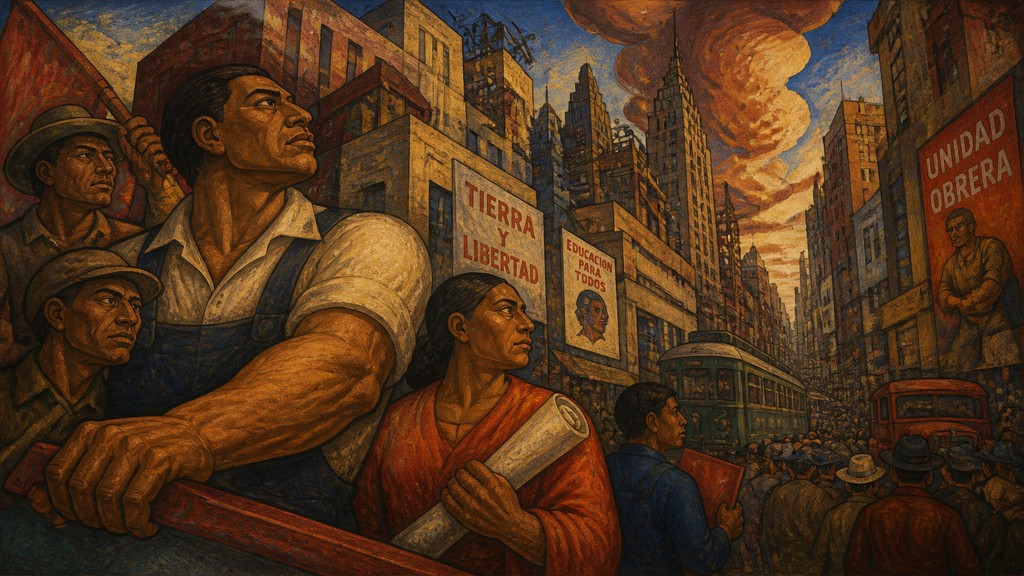
Create your first Mexican Muralism artwork
Describe anything — or upload a photo — and see it in Mexican Muralism Art Style in seconds.
Make Something with Mexican Muralism
Related Styles
Discover similar art styles