Synthetism Art Style
Explore Synthetism: a Post-Impressionist style of simplified forms, symbolic color, rhythmic contours, and memory-driven expression.
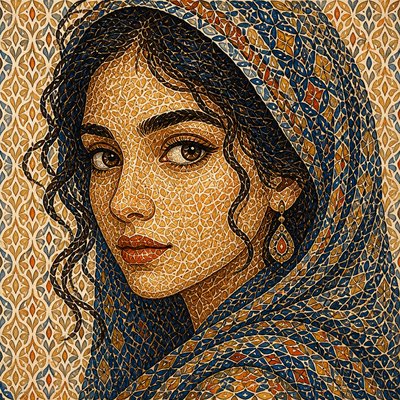
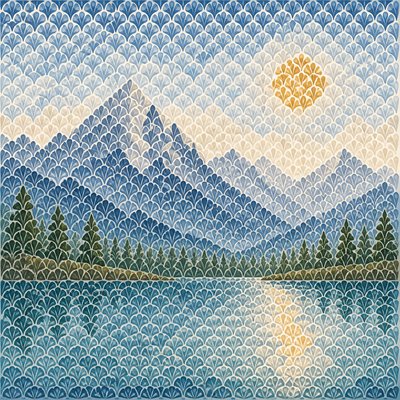
Instantly rendered in Synthetism — or transform a photo
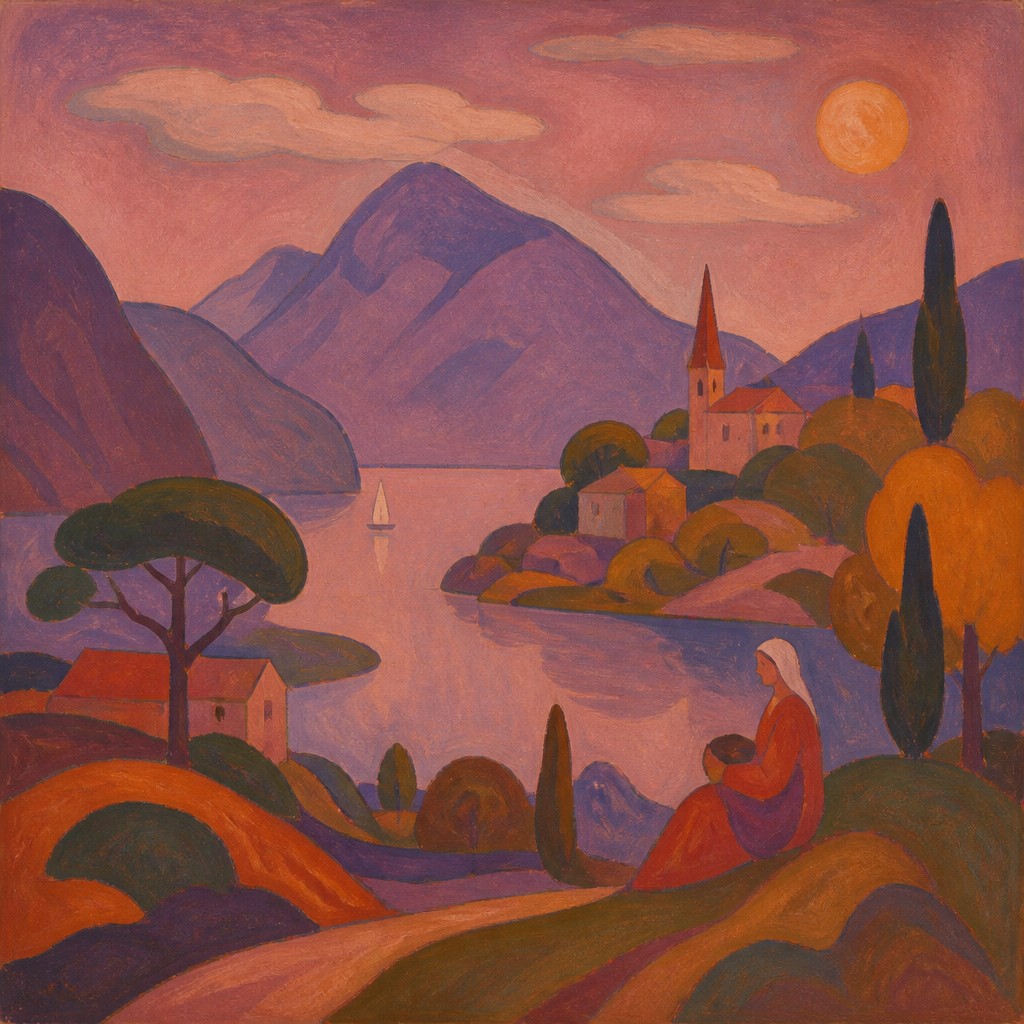
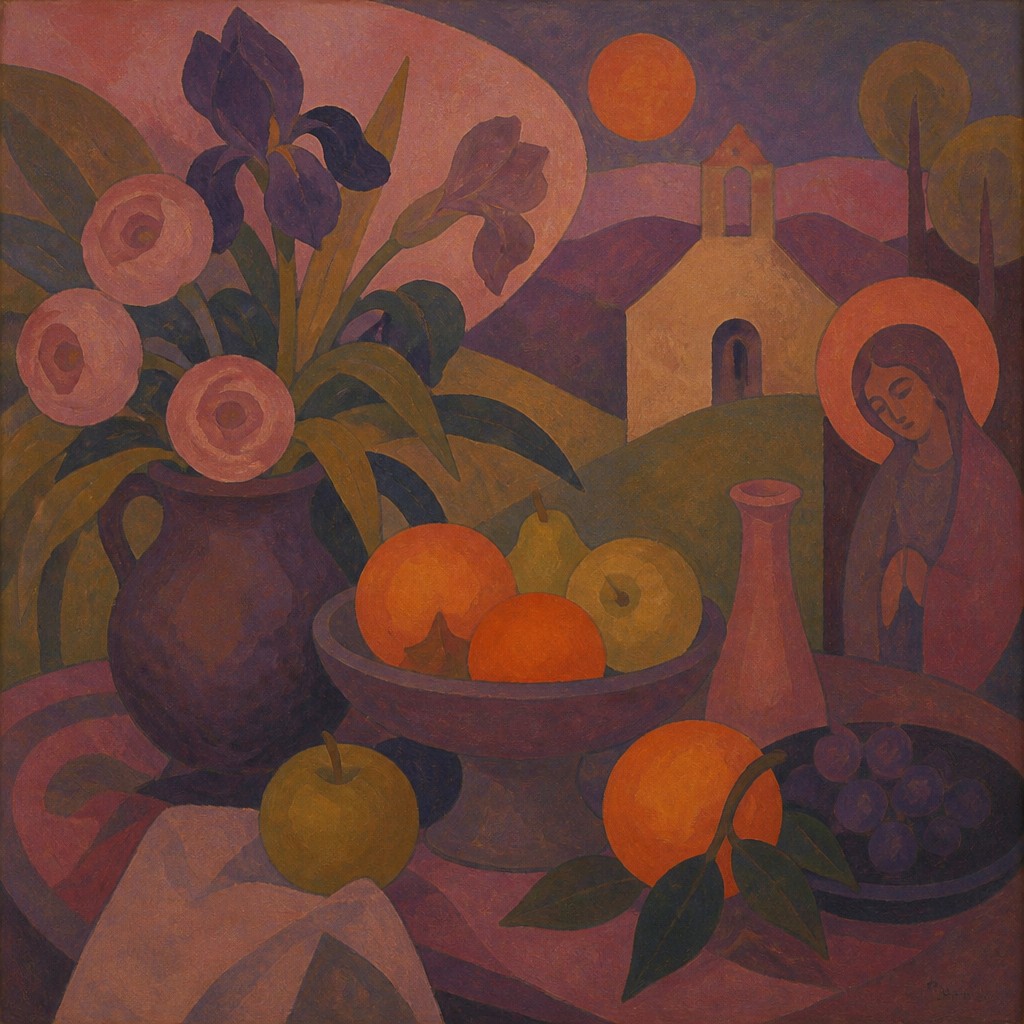
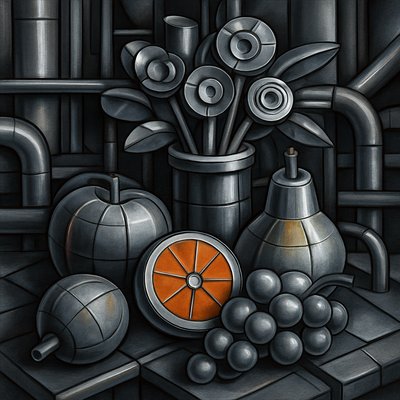
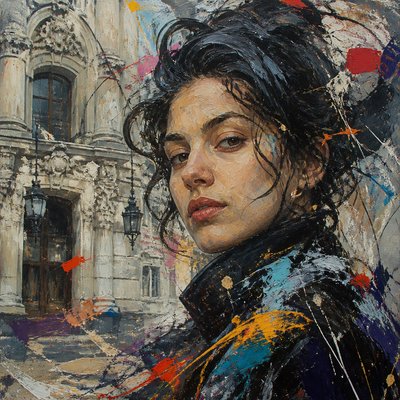
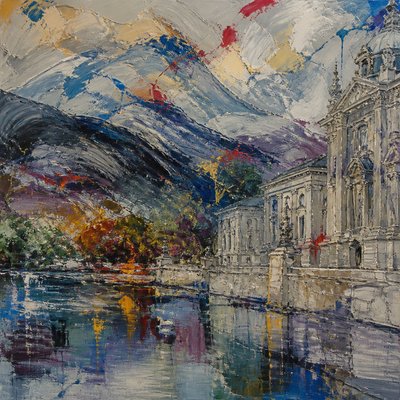
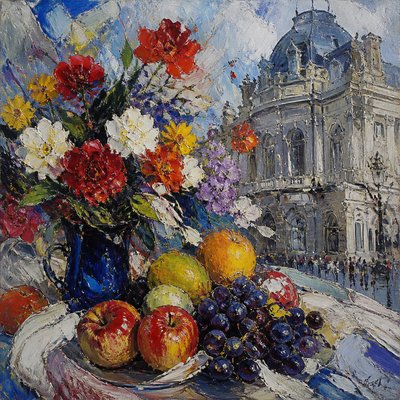
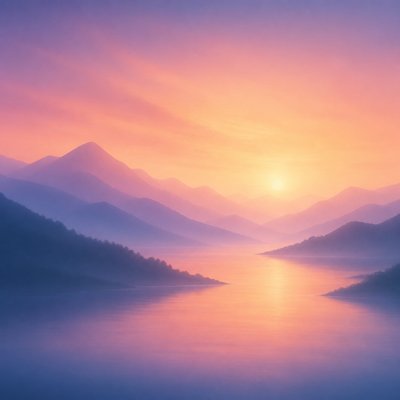
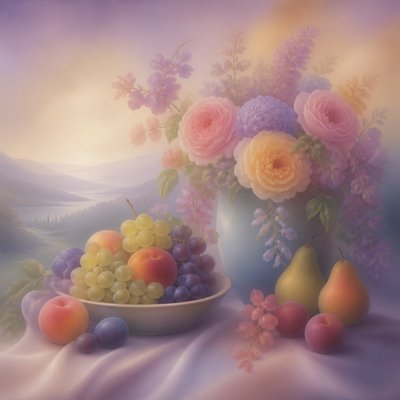
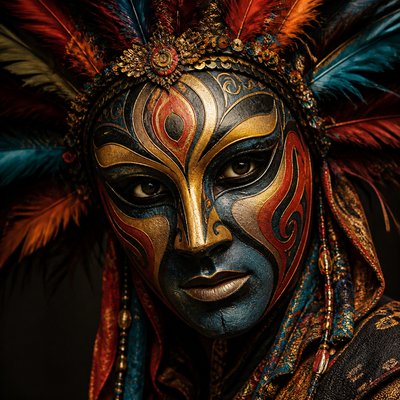
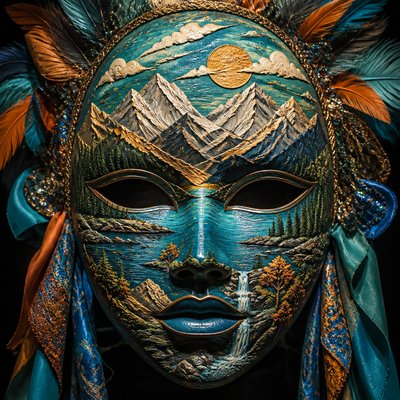
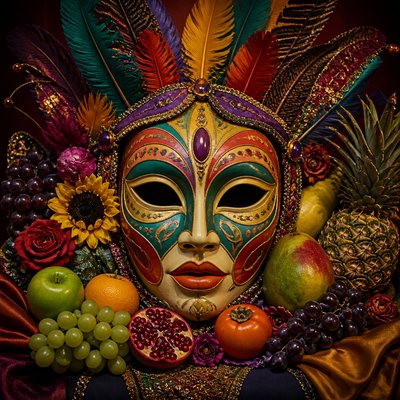
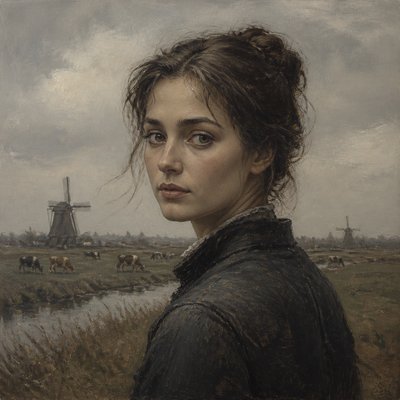
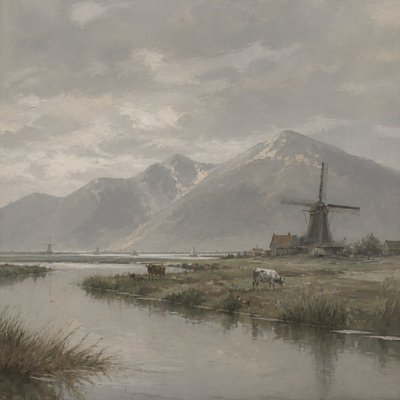
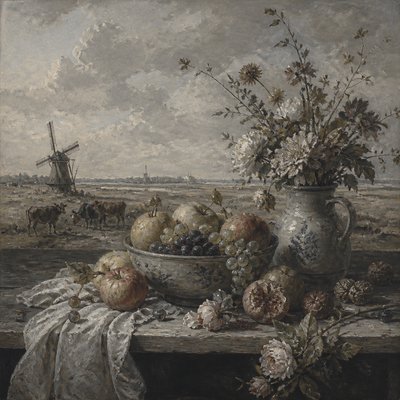
Synthetism Gallery
Tap any artwork to explore it
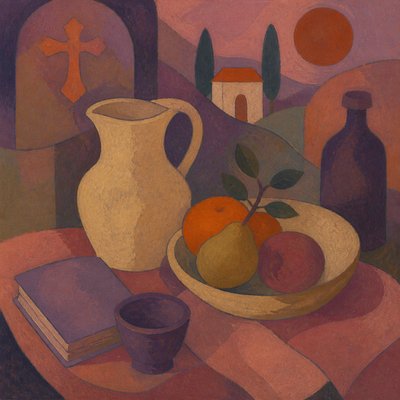
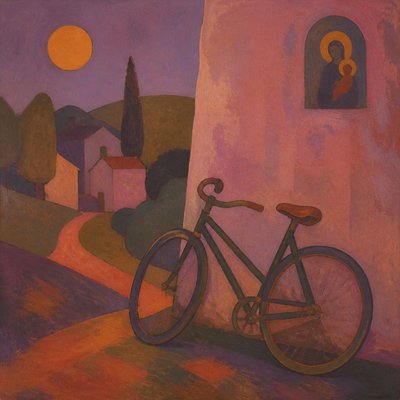
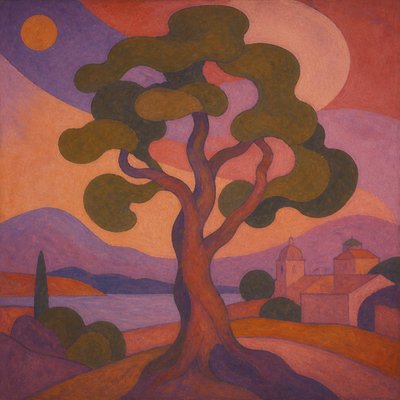
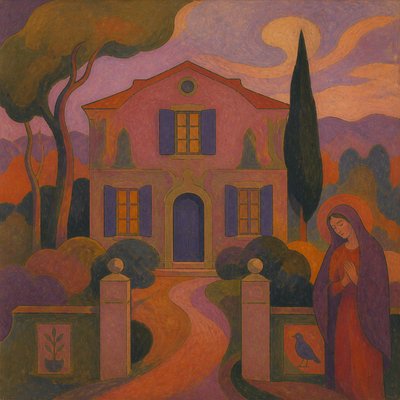
What is Synthetism Art Style?
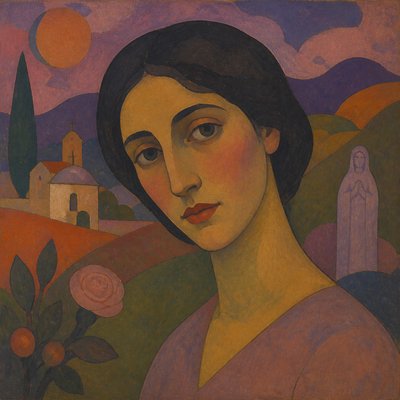
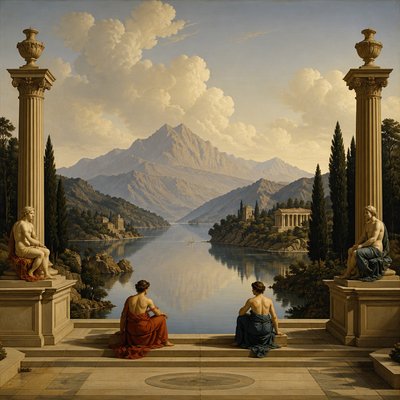
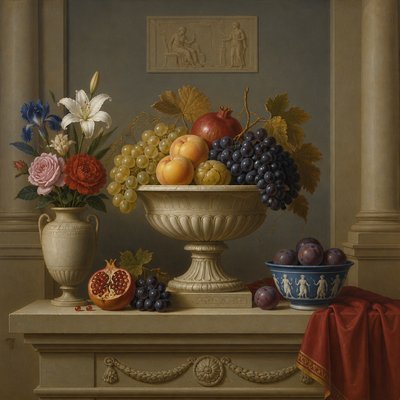
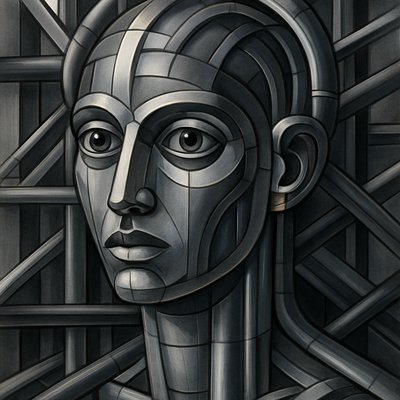
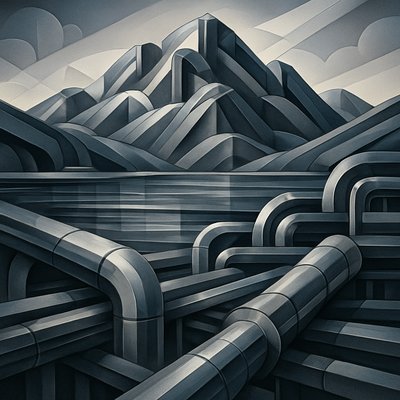
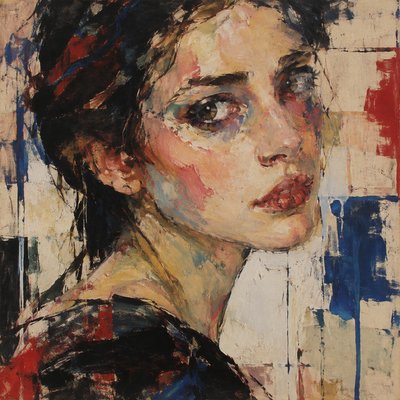
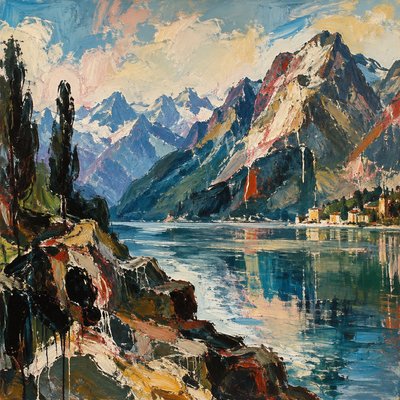
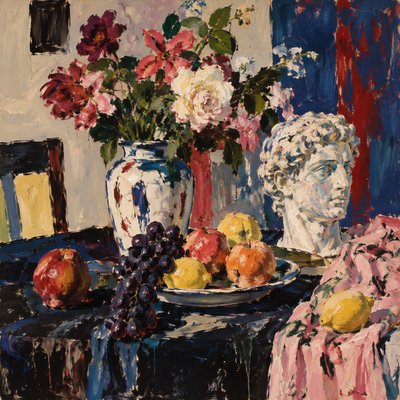
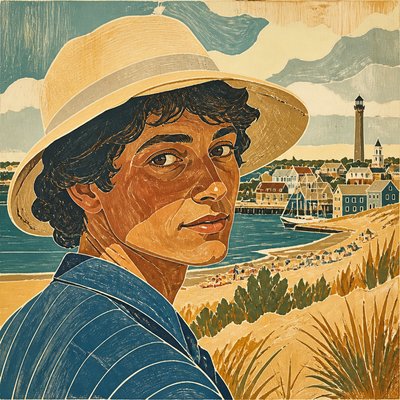
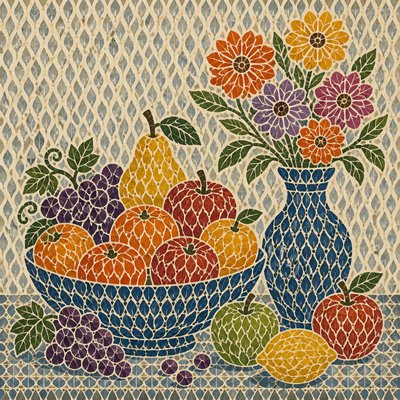
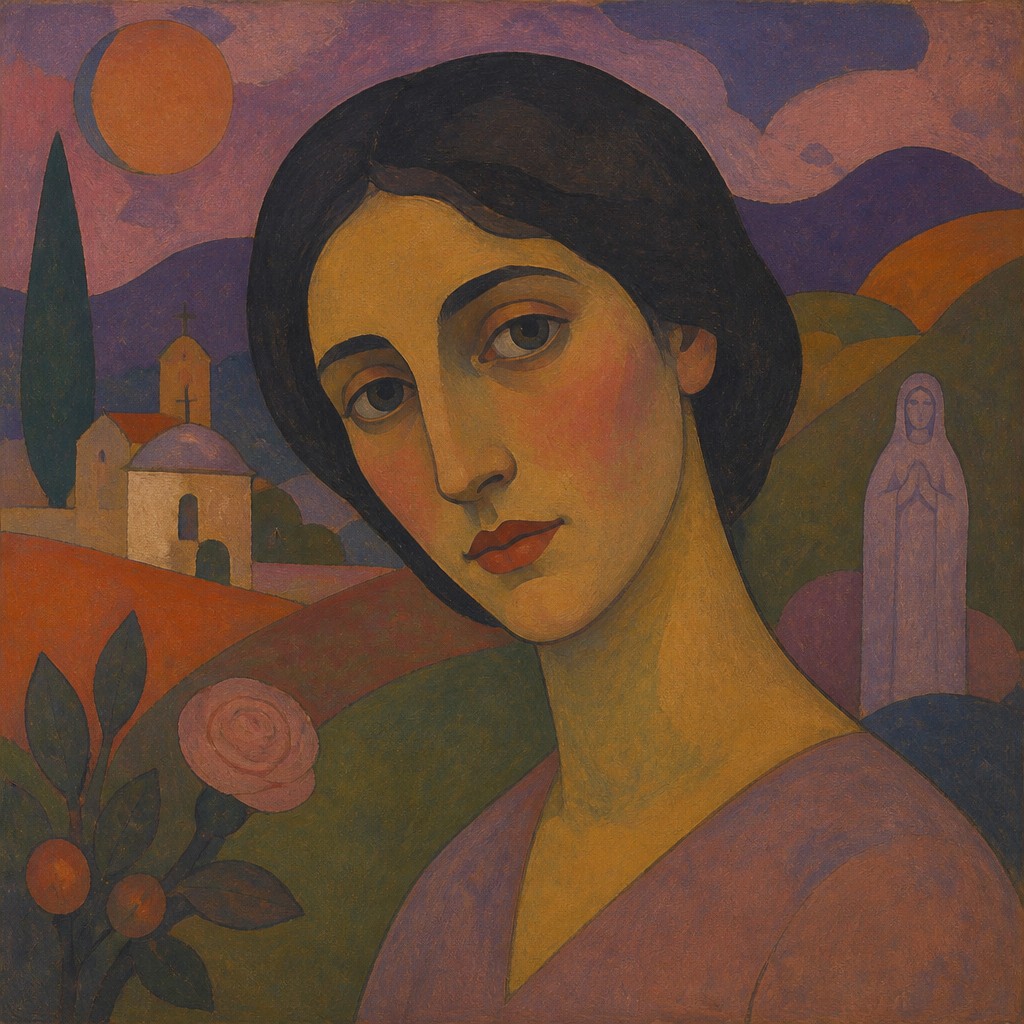
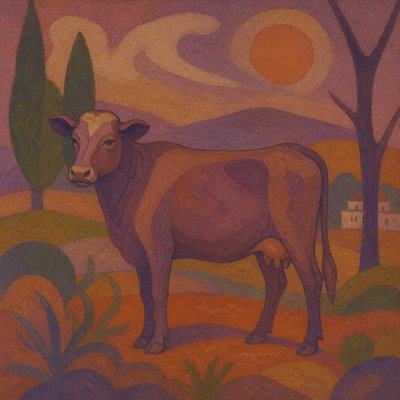
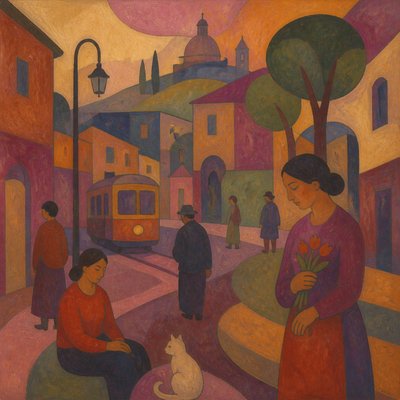
Synthetism is a late nineteenth-century Post-Impressionist approach that replaces close visual observation with a deliberate synthesis of appearance, memory, feeling, and decorative design. Its subjects are reduced to broad, clearly bounded shapes, while color is used symbolically rather than as a literal record of local light.
Try It On Your Photos
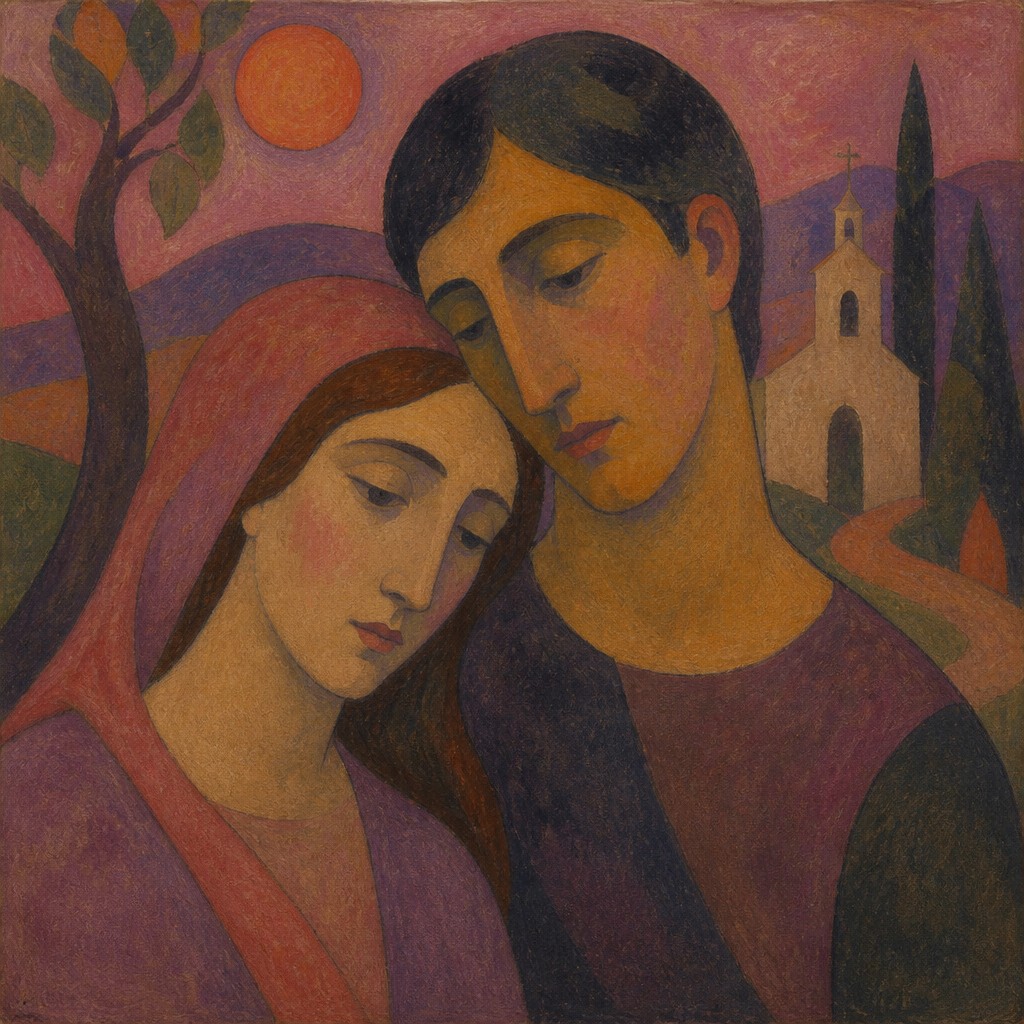
Upload any photo and convert it into Synthetism Art Style — drag the sliders to compare before and after.

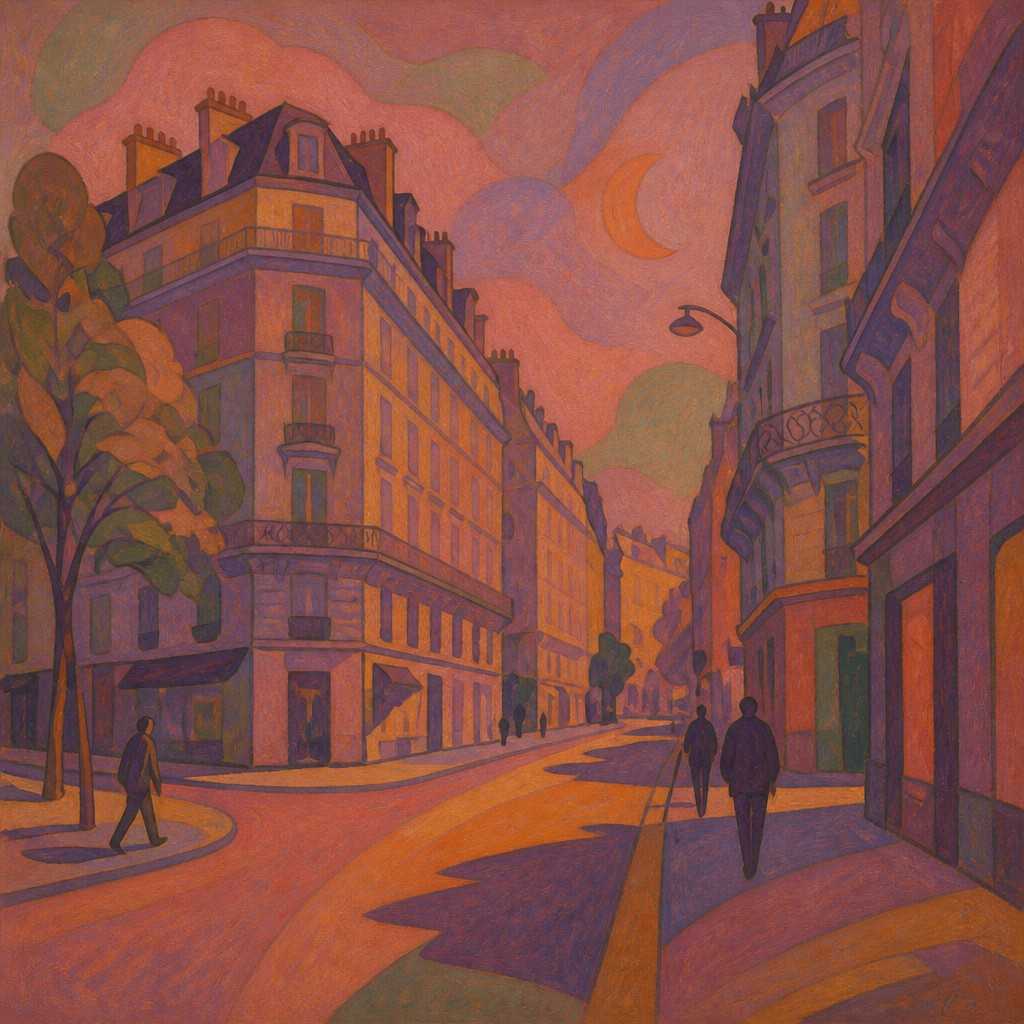

What Defines Synthetism Art Style
The signature details, up close
Simplified expressive forms
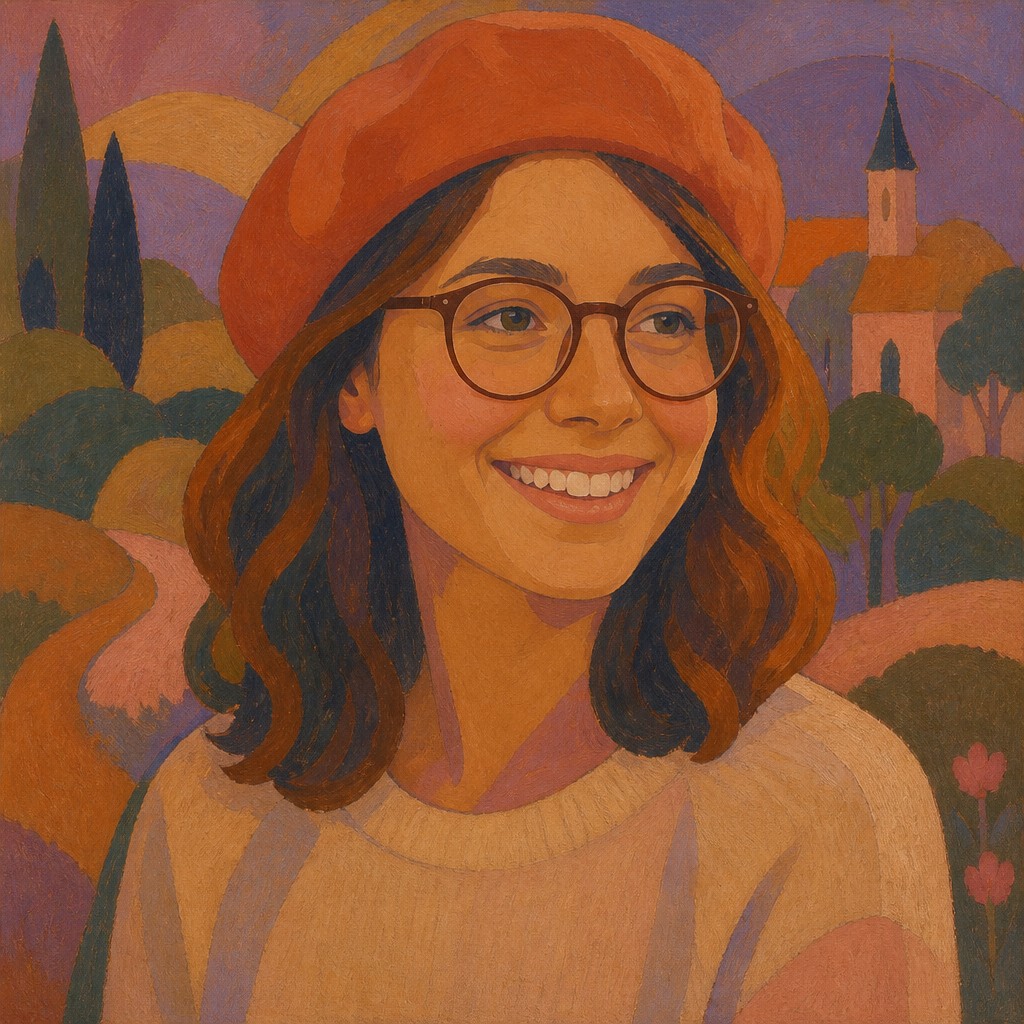
Figures, landscapes, and objects are reduced to essential silhouettes and broad planes. Small observational details give way to a legible, emotionally charged design.
Symbolic color
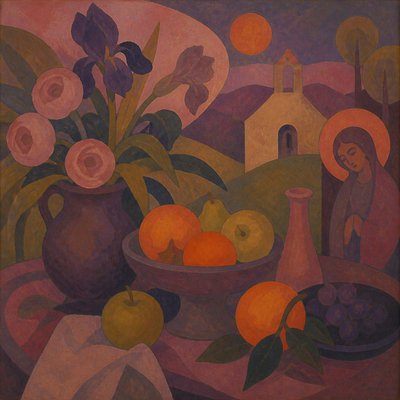
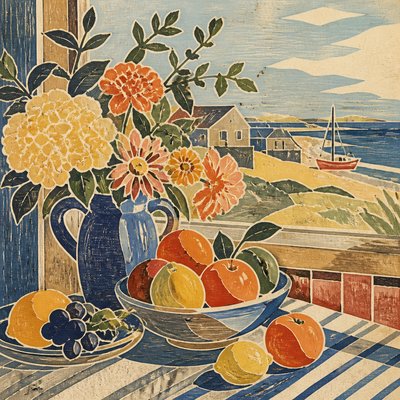
Color communicates mood, spiritual significance, or formal harmony rather than reproducing natural illumination. Rose, violet, olive, ochre, and deep orange can coexist in deliberately non-natural combinations.
Strong enclosing contours
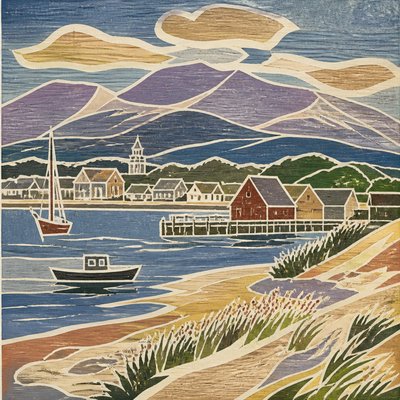
Dark or contrasting outlines separate adjacent color fields and give the composition a stained-glass or cloisonné-like clarity. Contours may be curved, rhythmic, and visibly authored.
Flattened pictorial space
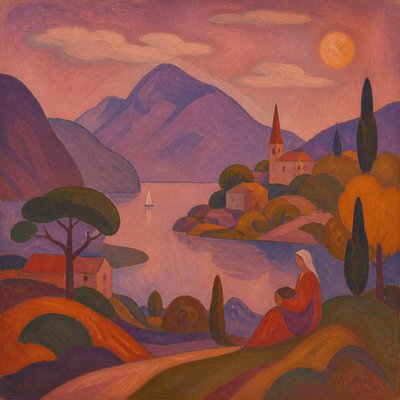
Depth is compressed through overlapping shapes, high horizons, broad color bands, and limited shading. The surface reads as a designed arrangement rather than a window onto optical reality.
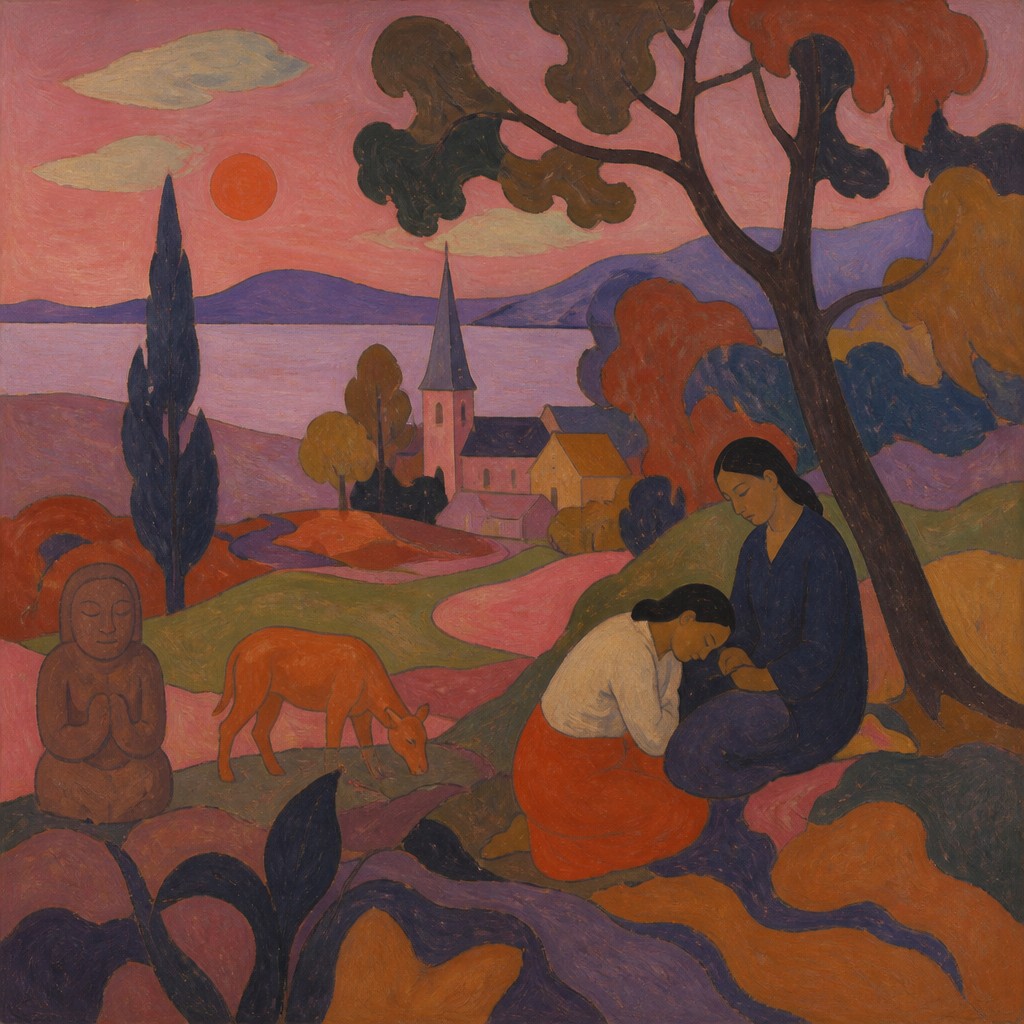
Memory and feeling
The image is conceived from recollection, imagination, and inner response instead of direct transcription. This produces stillness, simplification, and an occasionally dreamlike distance from ordinary perception.
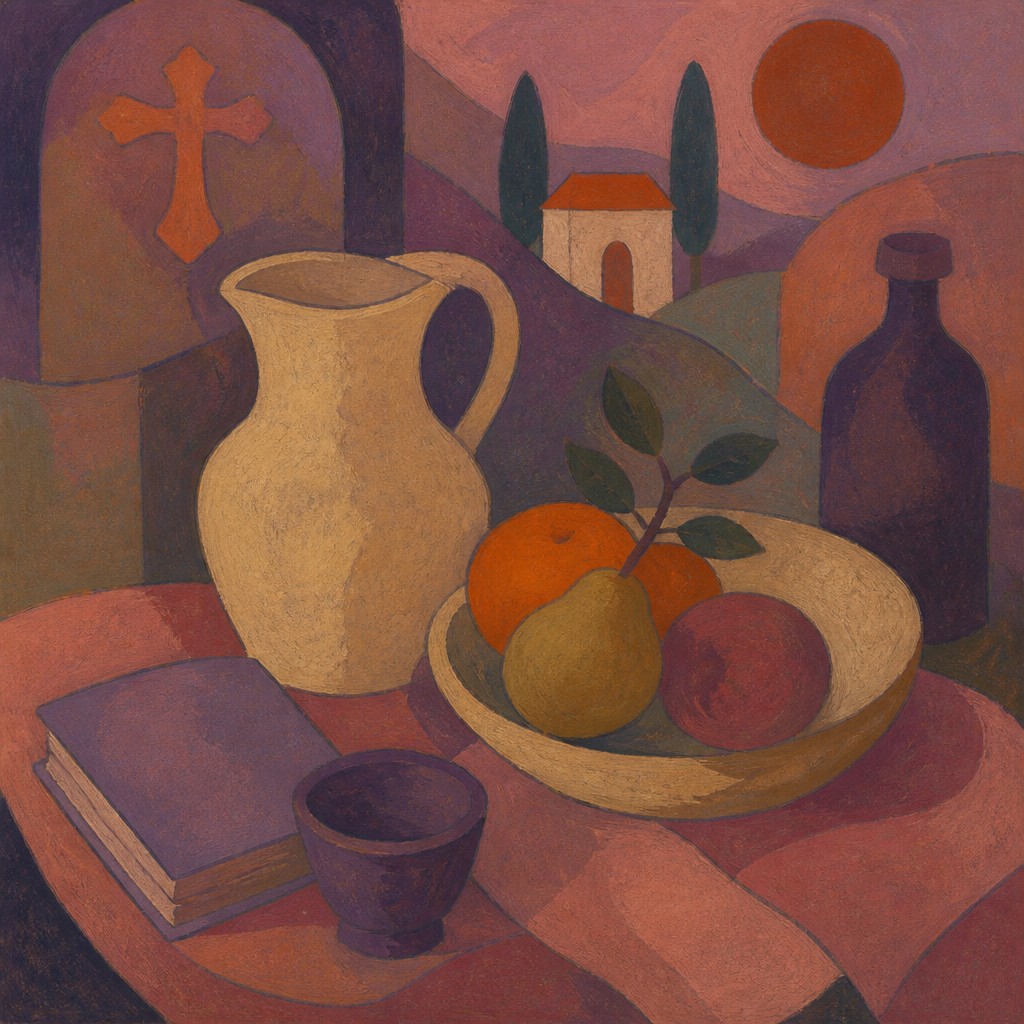
Decorative unity
Every shape and color contributes to the overall rhythm of the picture. Repeated curves, balanced color masses, and matte surfaces create a coherent, nearly tapestry-like effect.
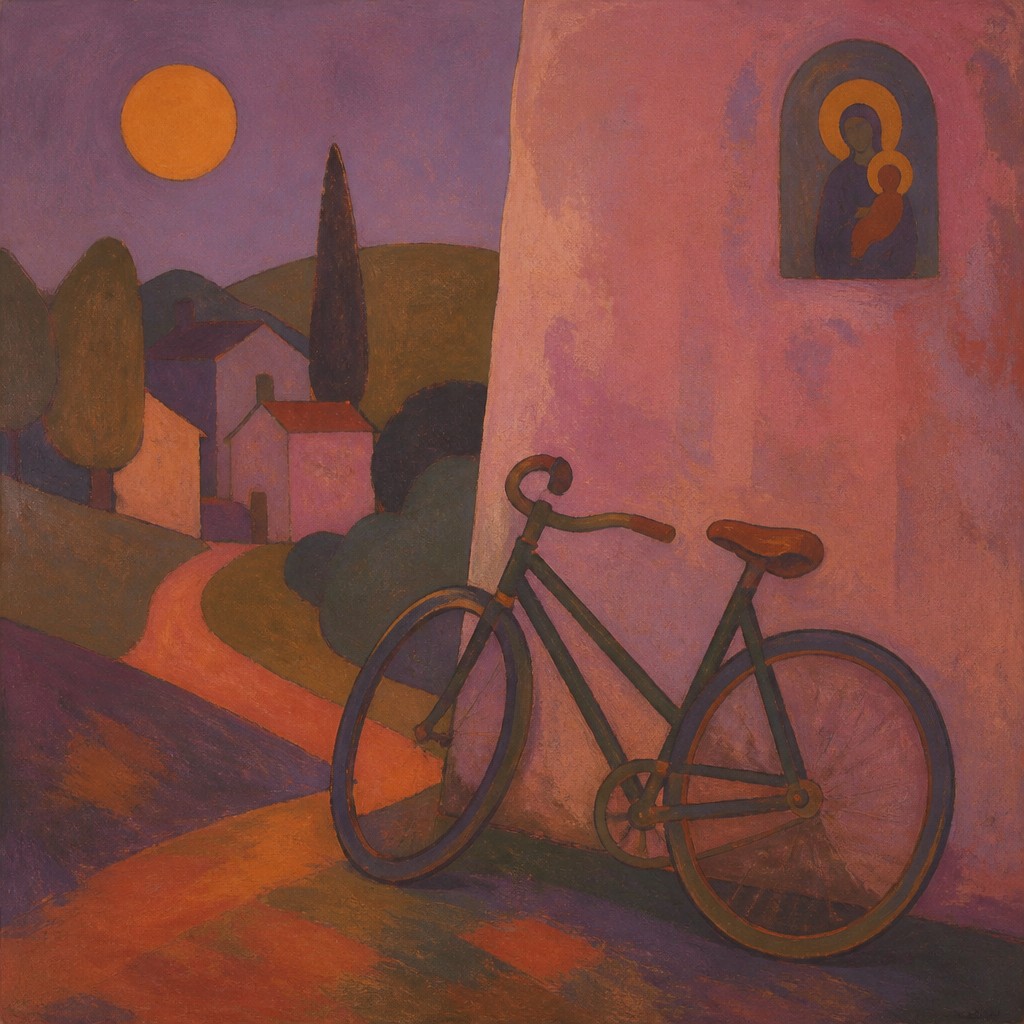
Spiritual and rural subjects
Fields, village interiors, trees, religious ceremonies, solitary figures, and quiet domestic scenes are especially compatible with the style. Their everyday setting is transformed into something symbolic or contemplative.
Try It
Create Videos in Synthetism Art Style
Styles aren't just for stills — describe a scene or animate an image and get a short video rendered in Synthetism. Press play to see this pond come to life.
Make a VideoSynthetism Prompt Ideas
Start from an idea — each one opens the generator with the style ready to go. See all 40 Synthetism prompts →
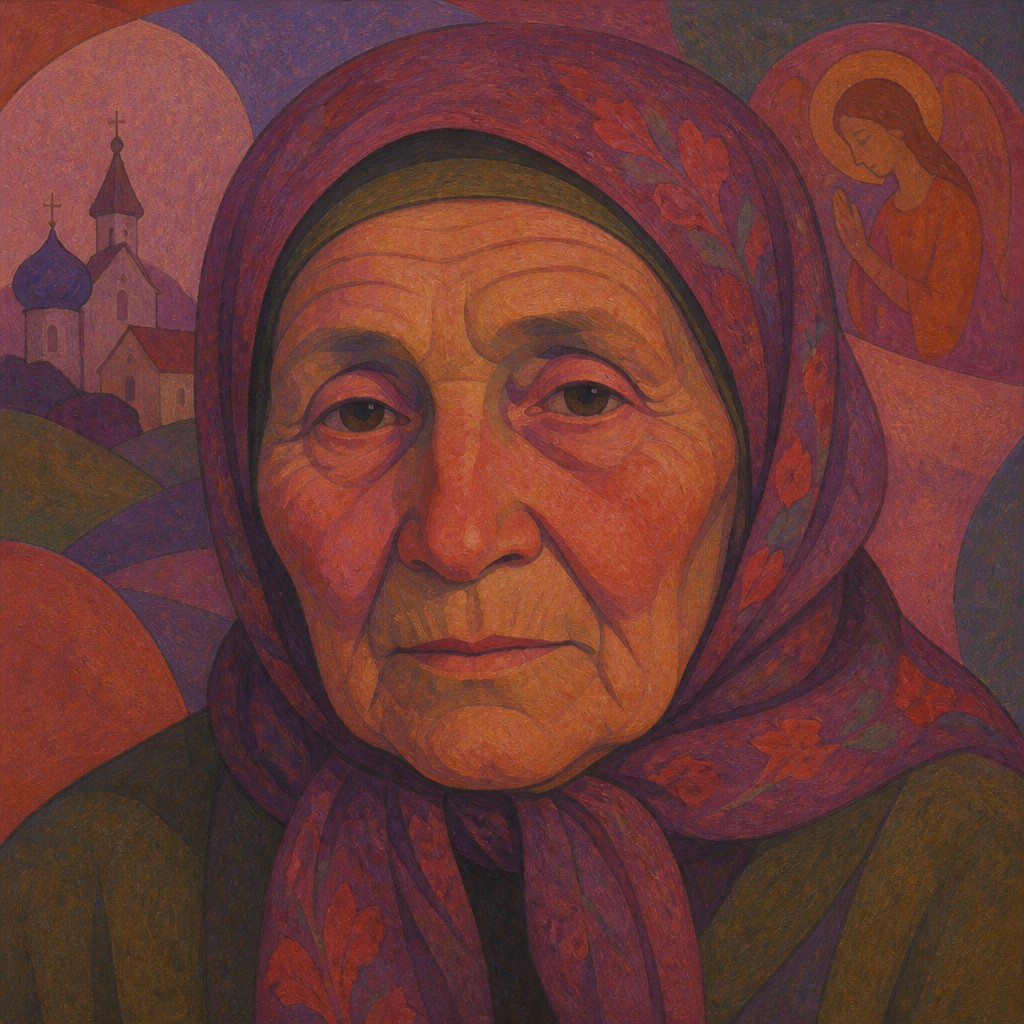
“close-up portrait of an elderly person with expressive weathered features”
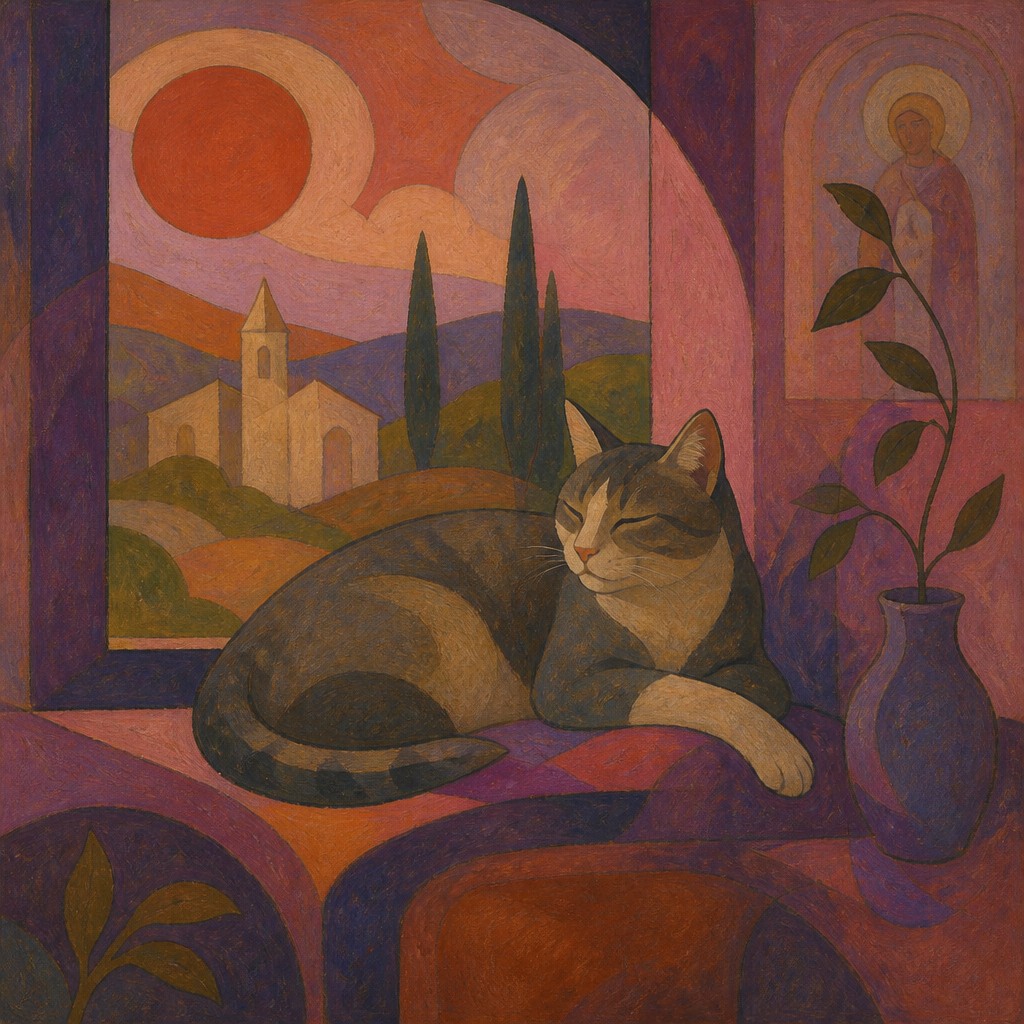
“a cat lounging in a sunlit window”
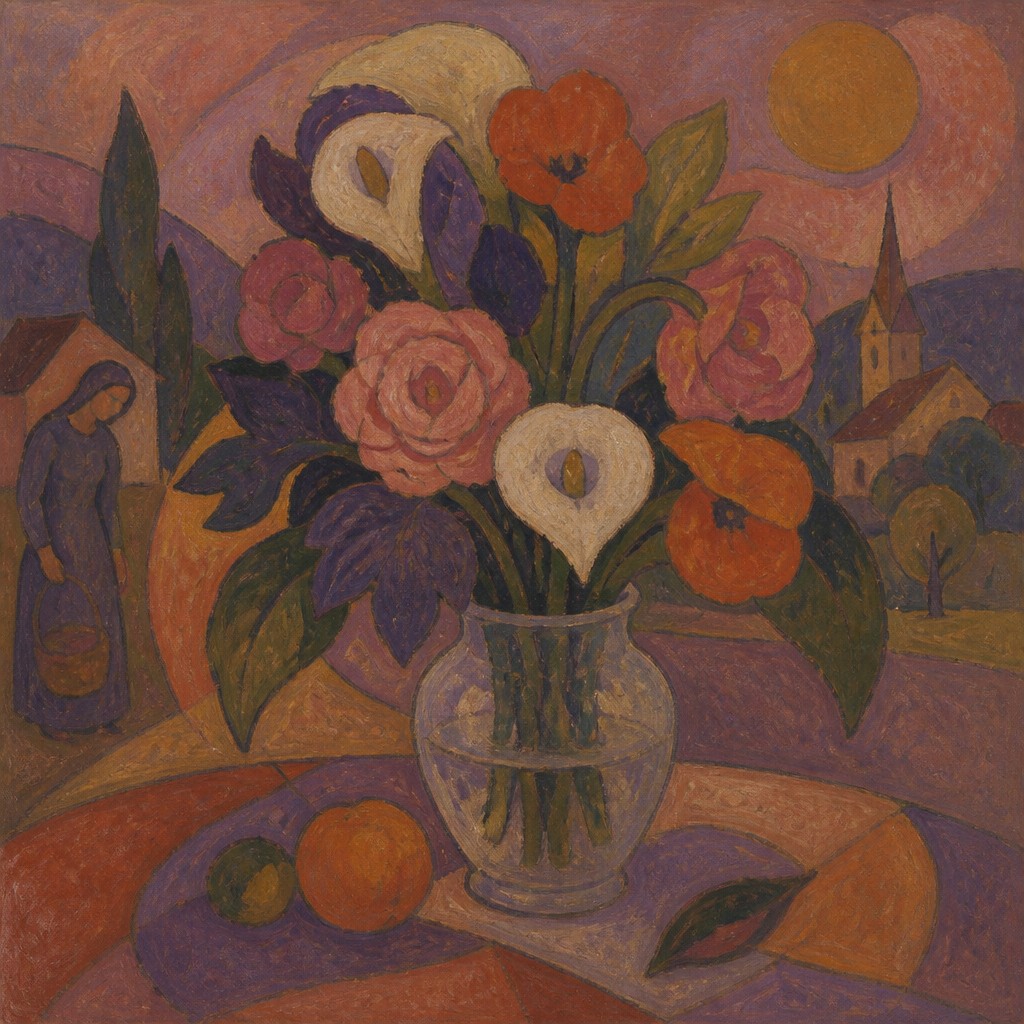
“bouquet of flowers in a glass vase”
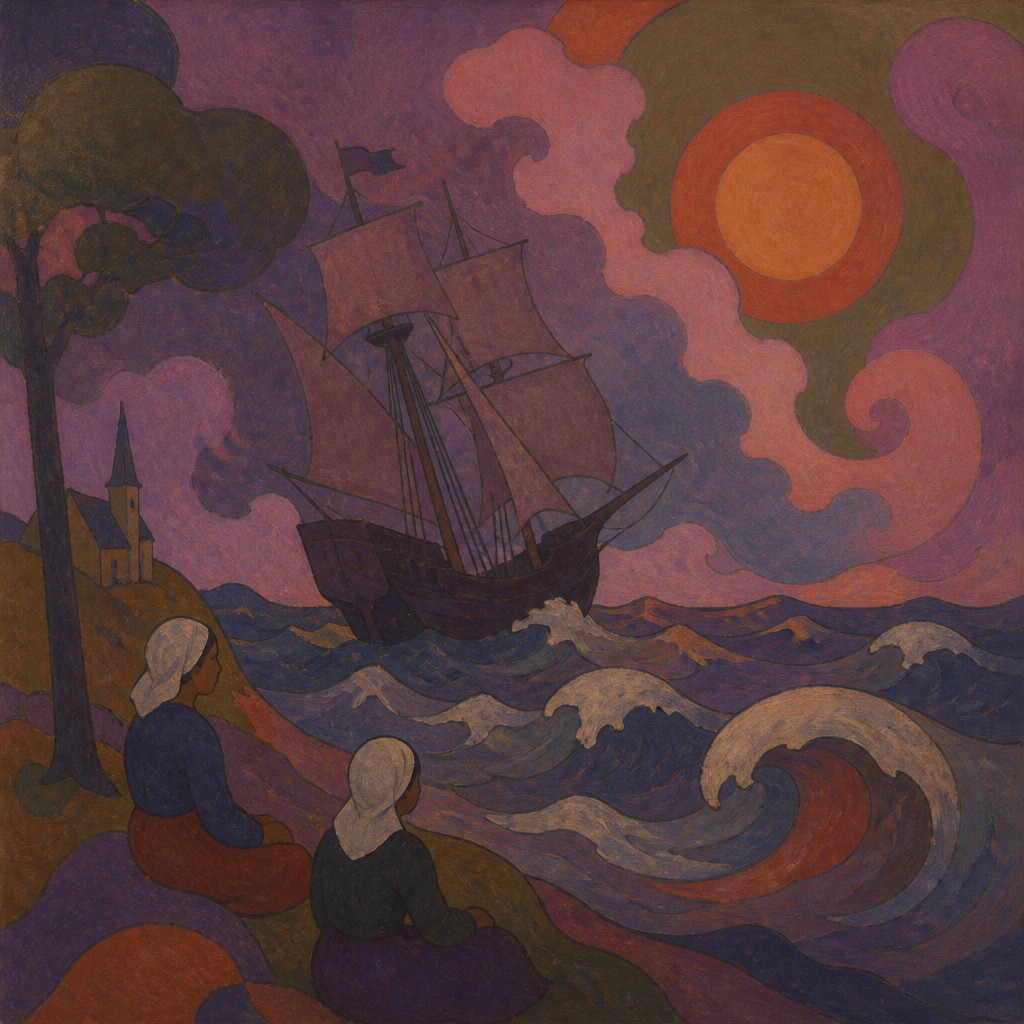
“sailing ship on a stormy sea”
How to Create Synthetism Art
Master the craft step by step — or skip straight to creating. Read the full guide →
- 1
Begin with a structural drawing
Sketch the subject as a few large silhouettes and directional curves before adding detail. Remove incidental shapes that do not strengthen the emotional or compositional idea.
- 2
Separate color from observation
Choose a restricted palette for mood and harmony, then assign colors symbolically rather than matching what the eye sees. Paint broad, mostly unblended passages with a matte finish.
- 3
Use contour as rhythm
Reinforce important boundaries with deliberate lines or contrasting edges. Let the contours echo one another across the image so they organize the composition like a visual melody.
- 4
Flatten depth intentionally
Limit realistic perspective, atmospheric effects, and cast shadows. Use overlapping planes, simplified backgrounds, and patterned or high-horizon arrangements to keep attention on the surface.
- 5
Adapt the process digitally
In digital painting, use opaque textured brushes, separate flat color layers, and a restrained palette before adding selective linework. For image-to-image or text-to-image generation, specify simplified forms, memory-based expression, symbolic non-natural color, rhythmic contours, and a matte painted surface.
- 6
Edit toward synthesis
Whether working traditionally or digitally, simplify after the first pass by merging minor details and balancing the largest color masses. The finished image should feel designed as a whole rather than assembled from observed fragments.
The Story
History & Origins of Synthetism
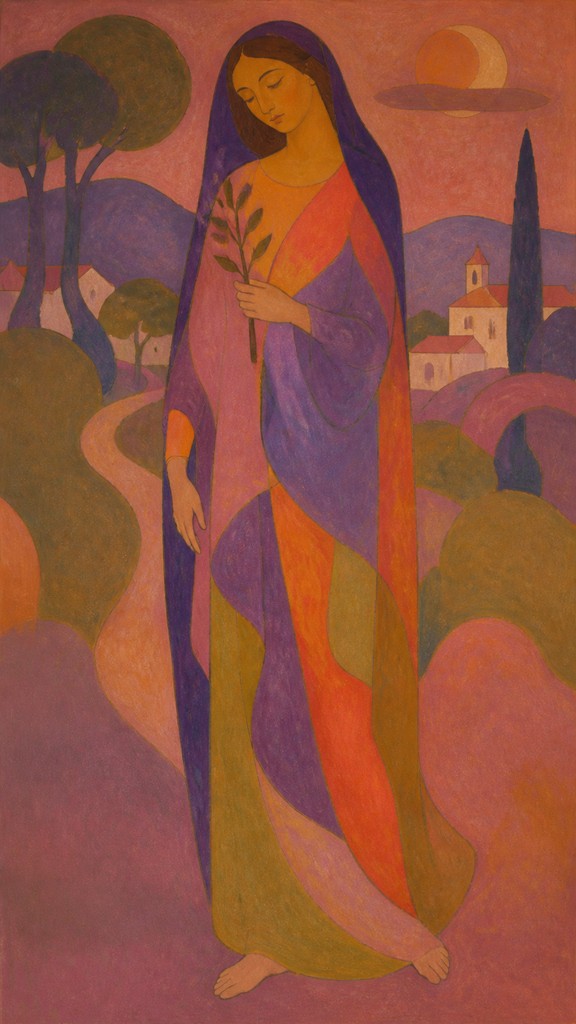
Its principles emphasized the synthesis of simplified forms, expressive color, memory, and subjective imagination. Synthetism overlapped with Cloisonnism, whose dark enclosing contours and flat color areas reinforced the influence of Japanese woodblock prints, medieval and folk art, stained glass, and decorative design. Its ideas helped open the way toward Symbolism, modernist abstraction, and later forms of expressive simplification.
Influences: Synthetism belongs to the Post-Impressionist field and is closely related to Cloisonnism, Symbolism, and the decorative flattening found in Japanese ukiyo-e prints. It also draws on medieval European art, folk traditions, stained glass, ceramics, and non-natural color systems. Its emphasis on contour, surface, and subjective reconstruction connects it to later Fauvism, Expressionism, modernist abstraction, and contemporary illustration that favors symbolic simplification.
Frequently Asked Questions
What defines Synthetism in art?
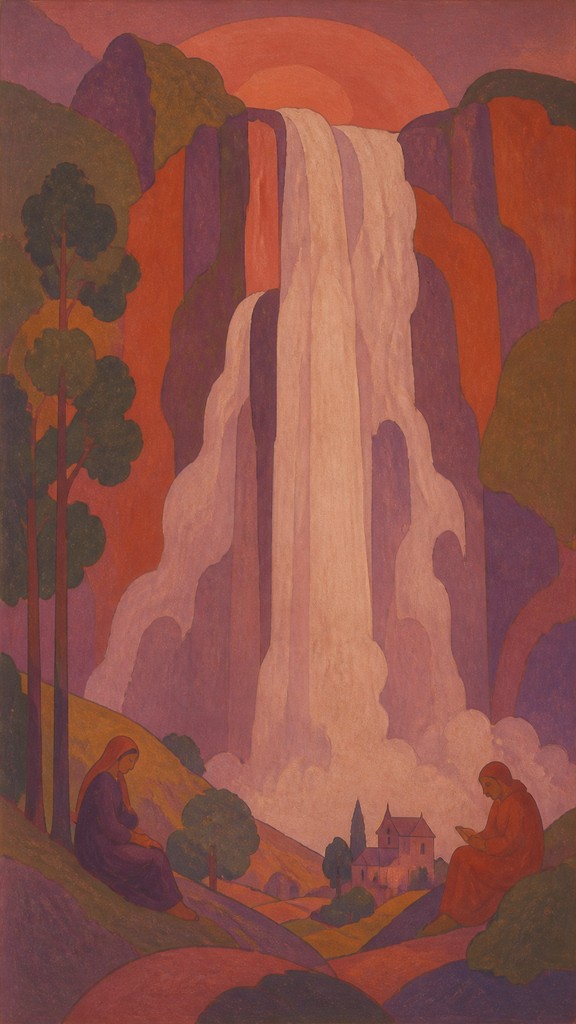
Synthetism is defined by the synthesis of simplified form, symbolic color, memory, and feeling. It favors flat, clearly organized shapes and expressive contours over detailed optical realism. The image is designed as an emotional and decorative whole.
When and where did Synthetism develop?
Synthetism developed in France during the 1880s, especially in artistic circles connected with Brittany and the Pont-Aven area. It formed within the broader Post-Impressionist reaction against Impressionism's focus on transient visual sensation.
How is Synthetism different from Impressionism?
Impressionism generally studies changing light, atmosphere, and immediate visual perception through broken or responsive brushwork. Synthetism simplifies the scene from memory or imagination, uses color symbolically, and organizes the image through broad flat areas and strong contours.
Is Synthetism the same as Cloisonnism?
They are closely related but not identical. Cloisonnism specifically describes the use of bold enclosing outlines and flat color zones, while Synthetism refers more broadly to the synthesis of observed appearance, memory, feeling, and decorative design.
How can I paint in a Synthetist manner?
Start with a simplified drawing of large silhouettes, select a limited symbolic palette, and flatten the depth of the scene. Add strong rhythmic contours, avoid excessive blending, and edit away details that do not contribute to the emotional unity of the composition.
What subjects work well in Synthetism?
Quiet rural landscapes, village life, religious or ceremonial scenes, domestic interiors, solitary figures, and symbolic nature studies are particularly compatible. The style can also be applied to portraits, still lifes, and contemporary subjects when they are treated as simplified emotional designs.
Create your first Synthetism artwork
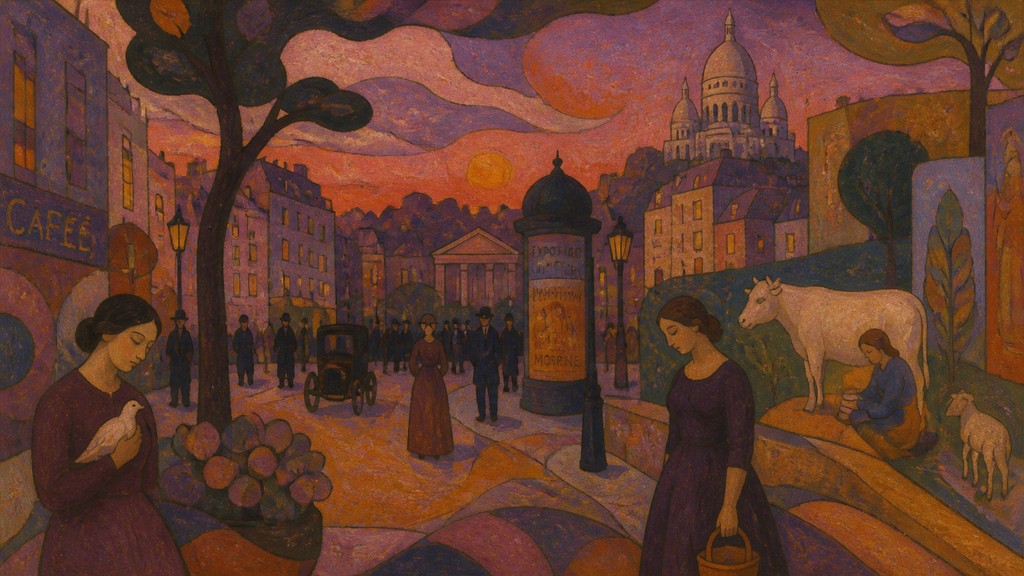
Describe anything — or upload a photo — and see it in Synthetism Art Style in seconds.
Related Styles
Discover similar art styles