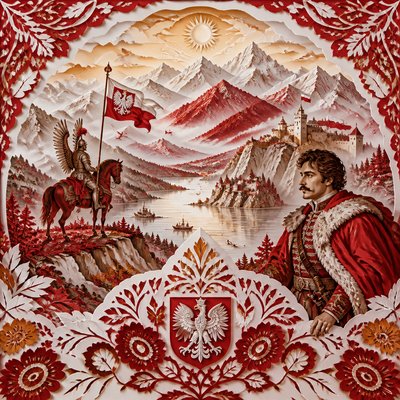
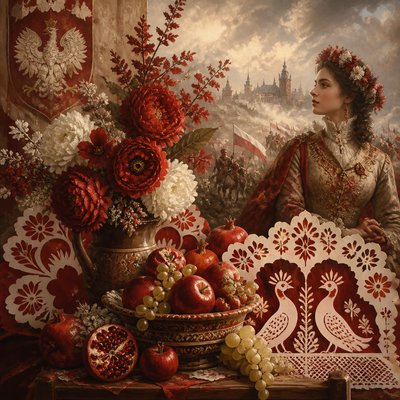
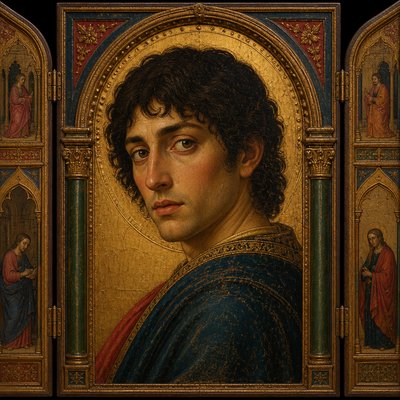
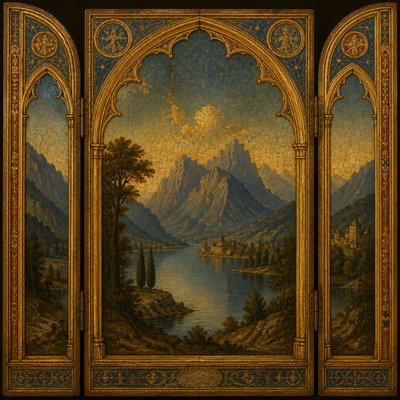
Battle Scene Painting Style
Explore Battle Scene Painting Style: panoramic cavalry, banners, smoke, and Romantic drama shaped by history painting and military art.
Instantly rendered in Battle Scene Painting — or transform a photo
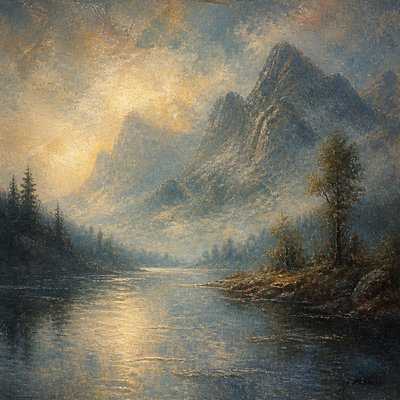
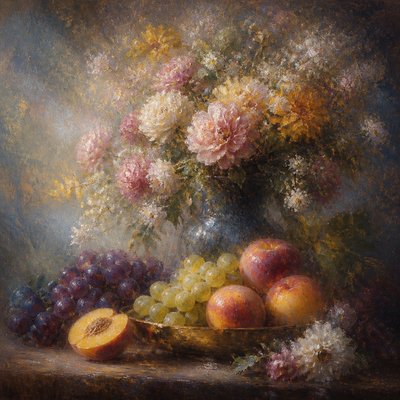
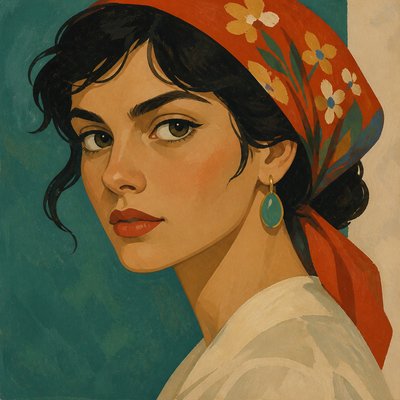
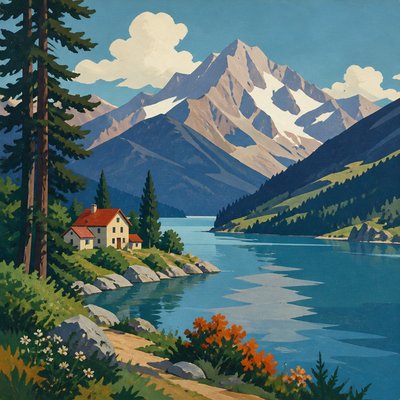
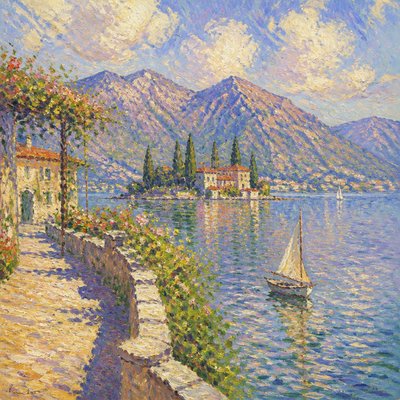
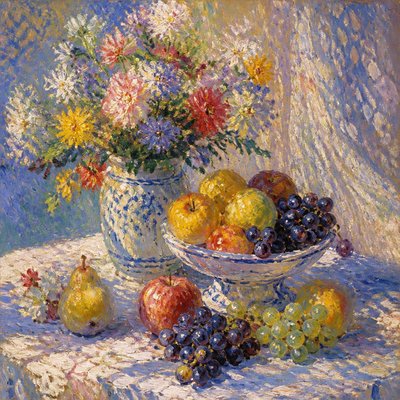
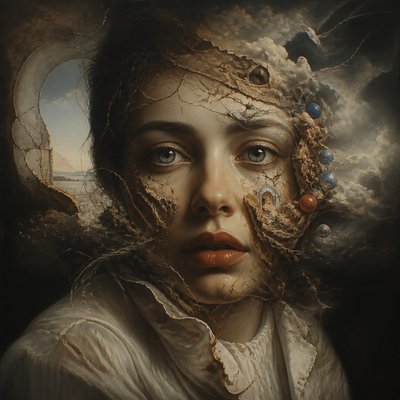
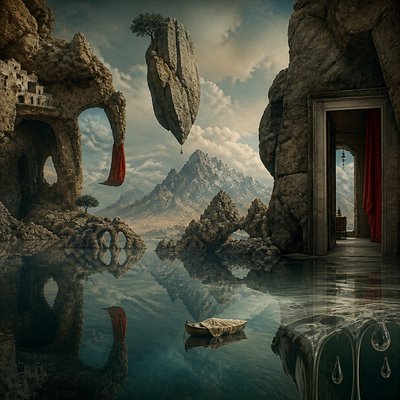
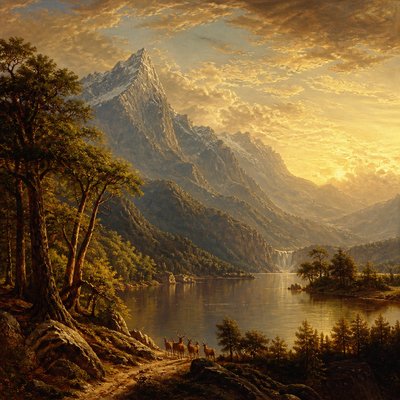
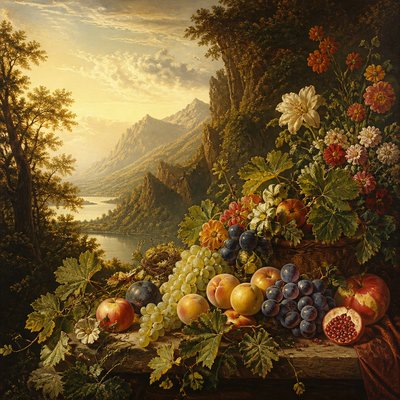
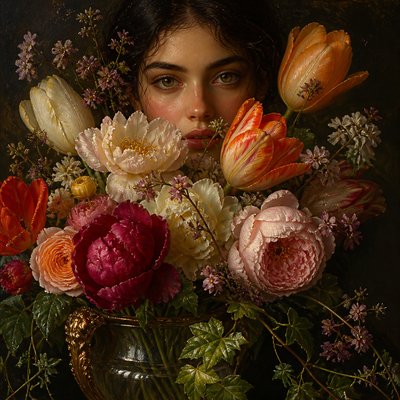
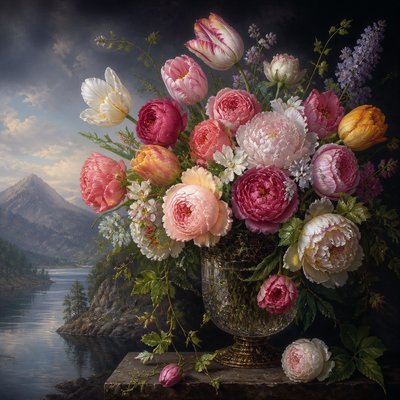
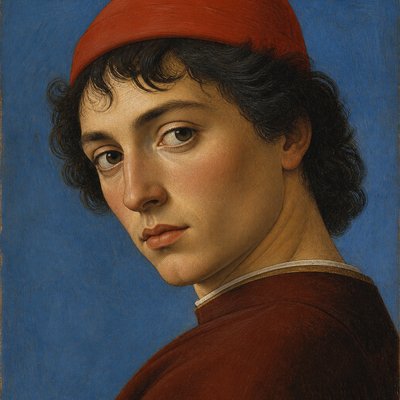
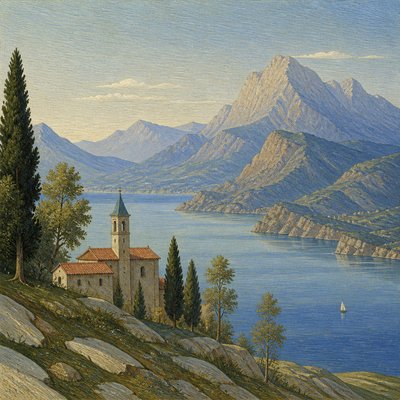
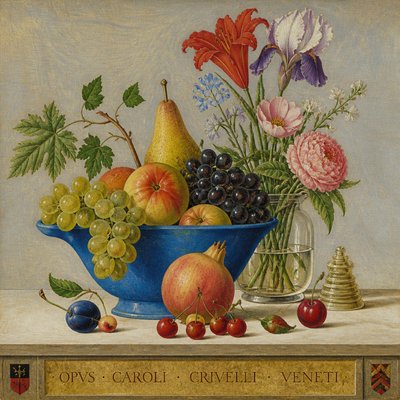
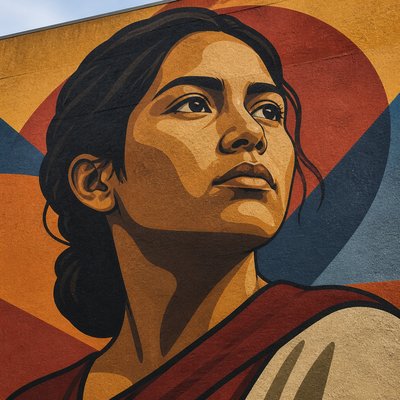
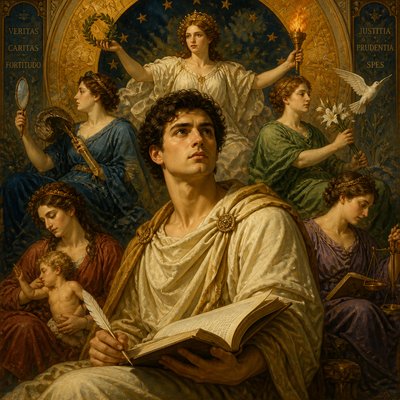
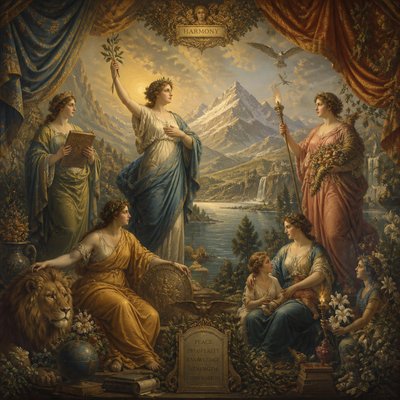
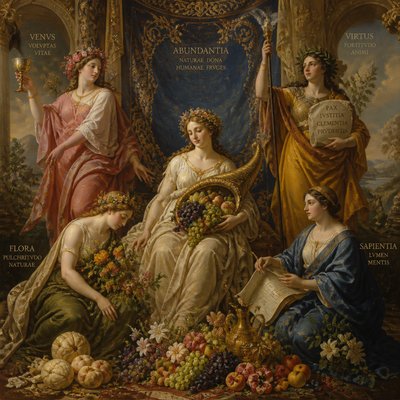
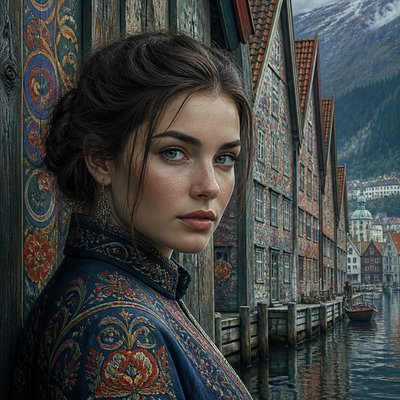
Battle Scene Painting Gallery
Tap any artwork to explore it
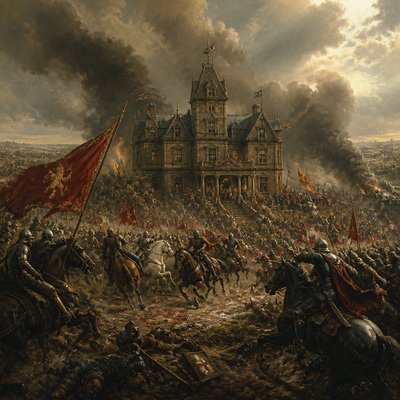
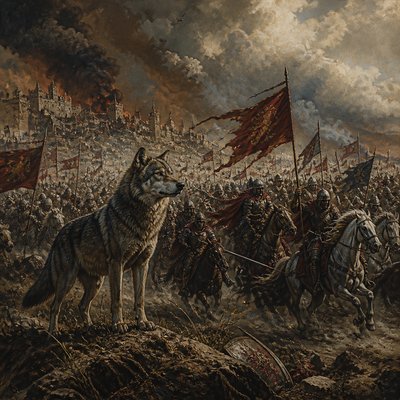
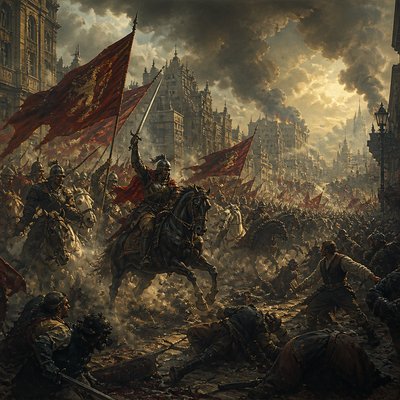
What is Battle Scene Painting Style?
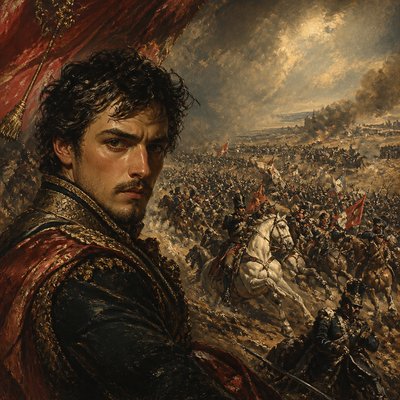
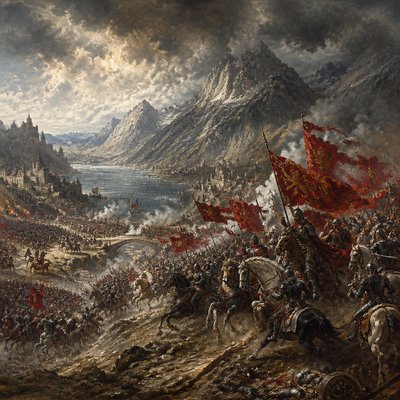
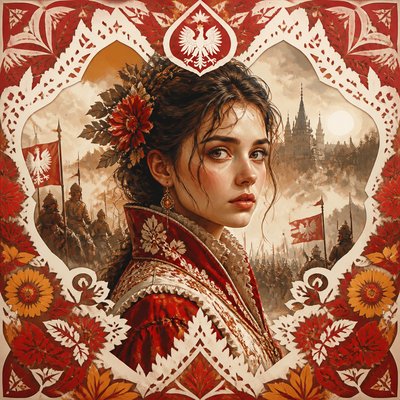
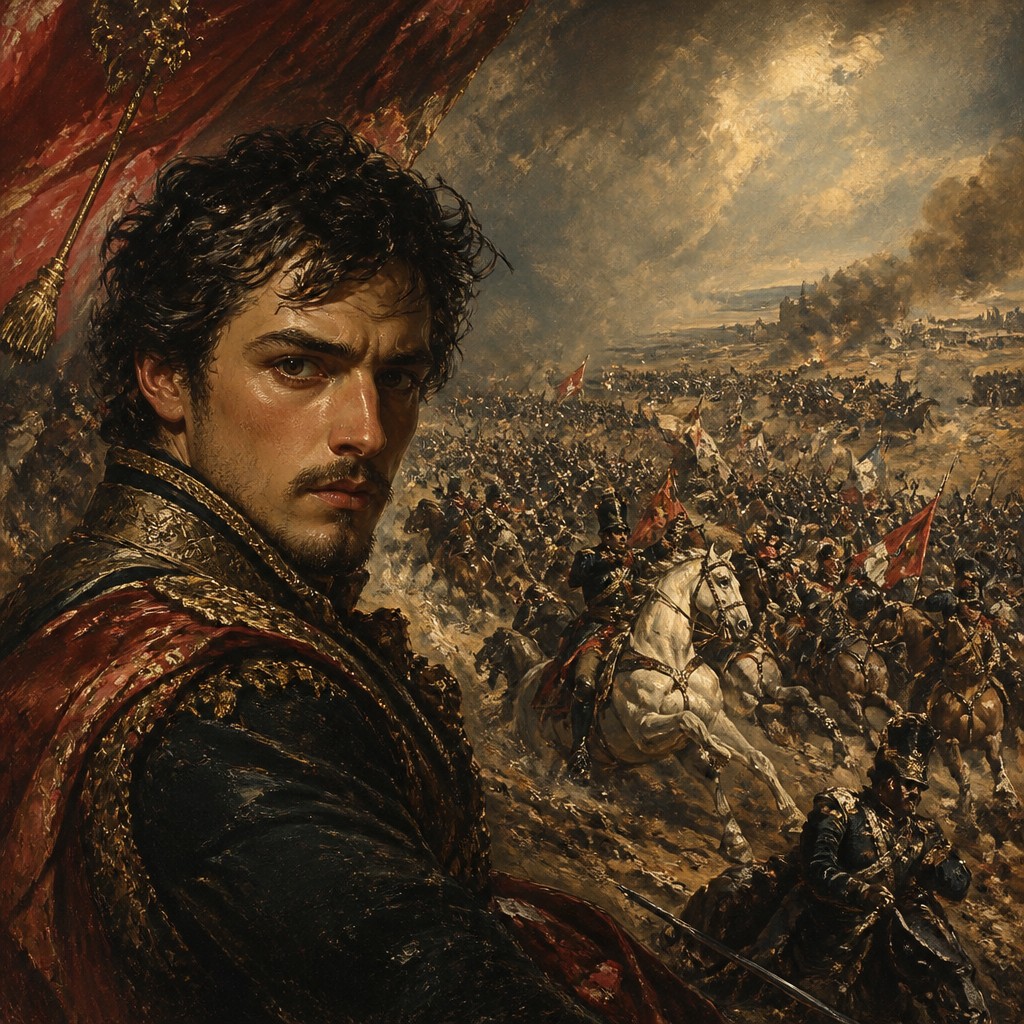
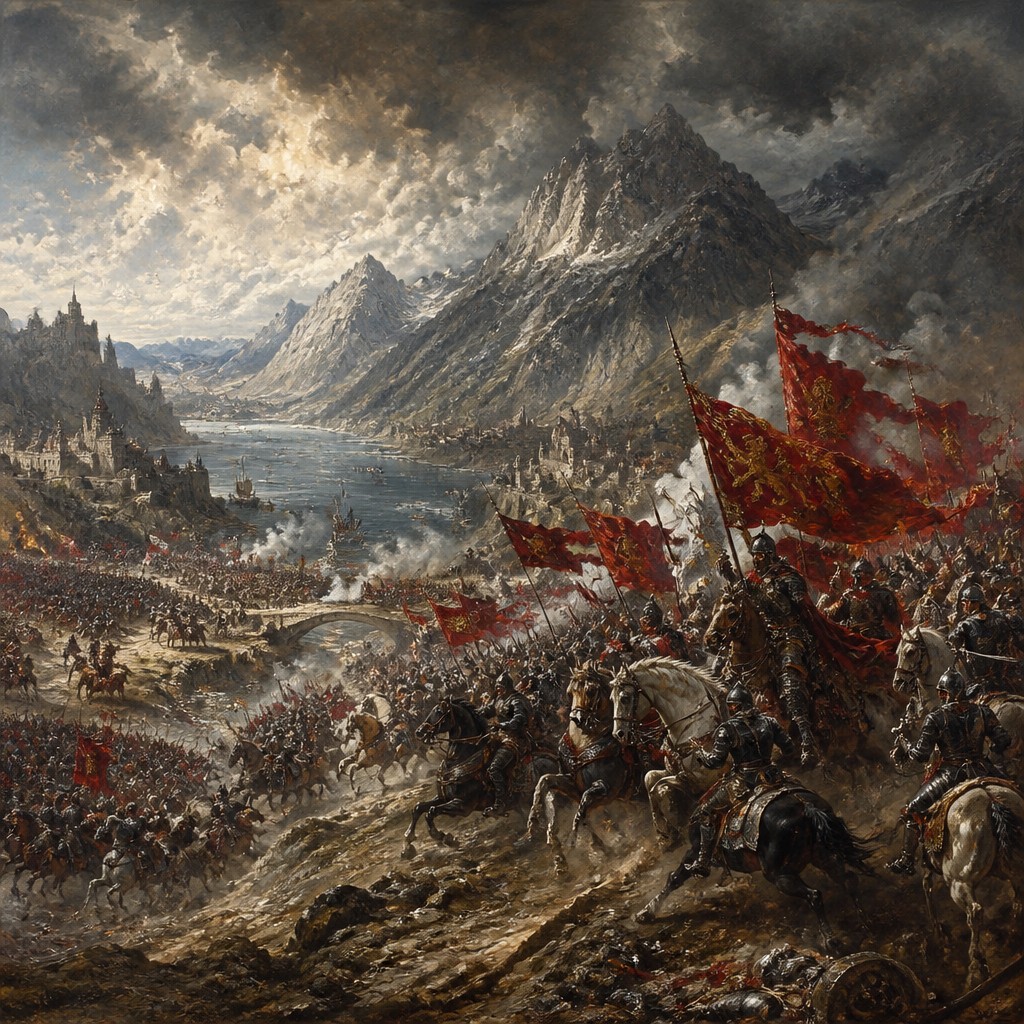
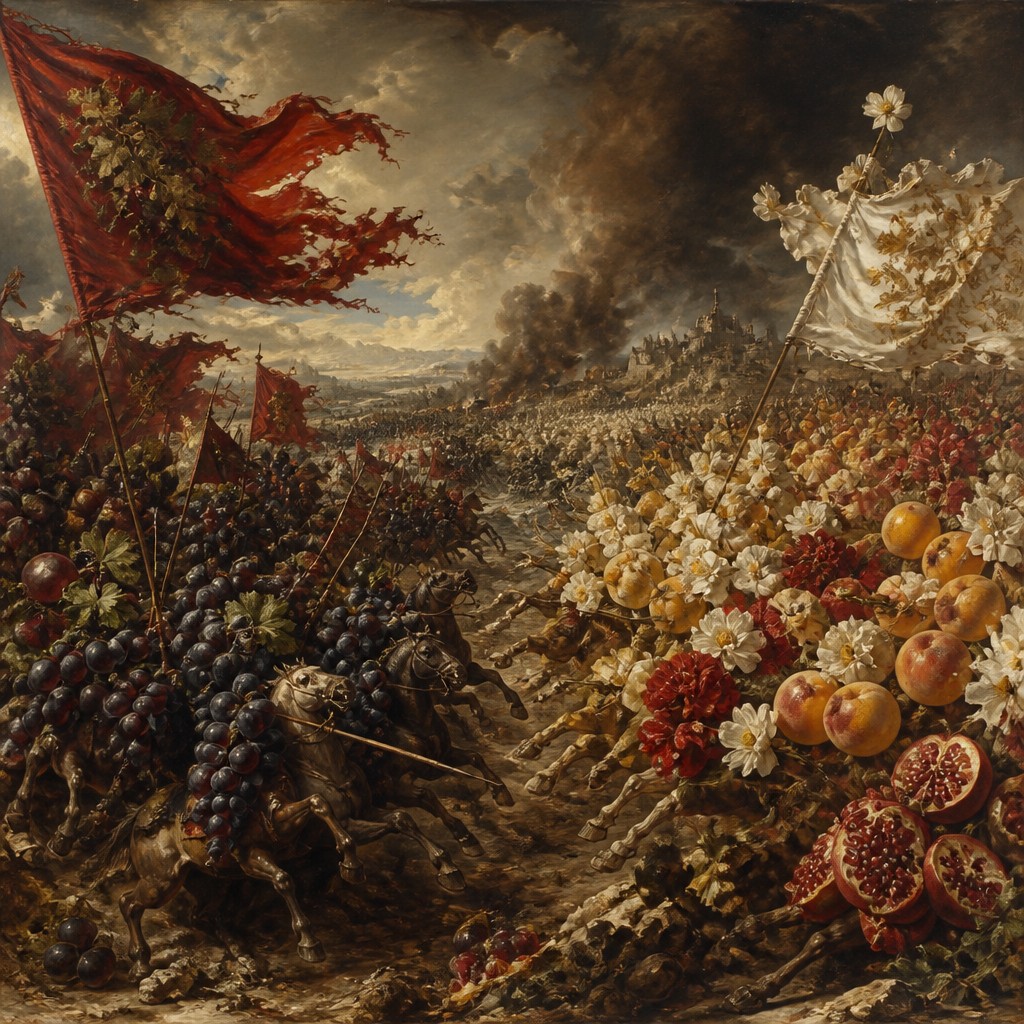
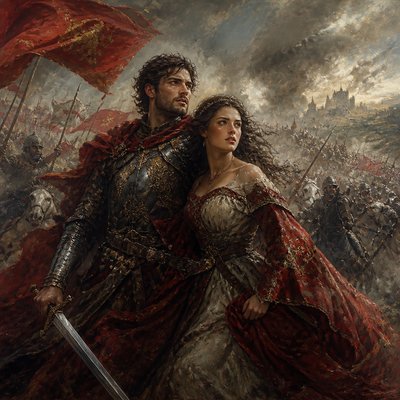
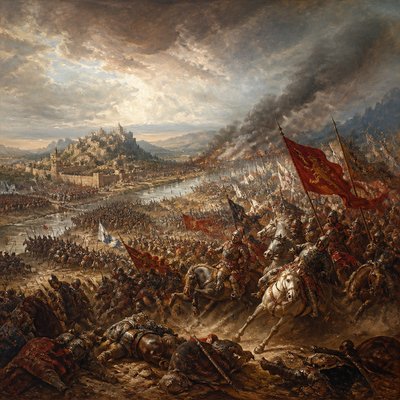
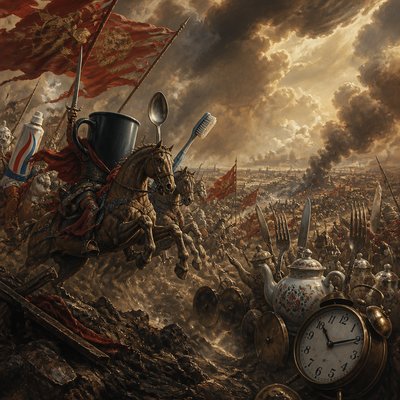
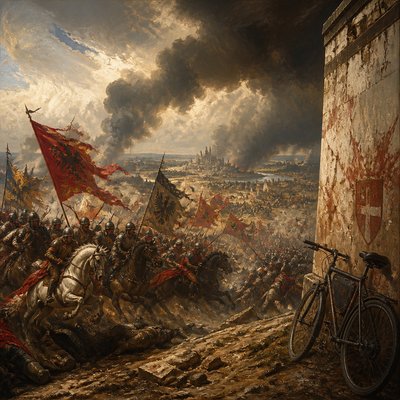
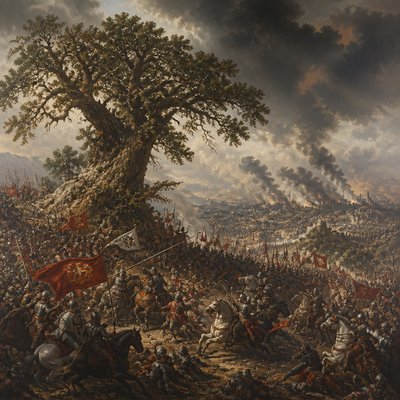
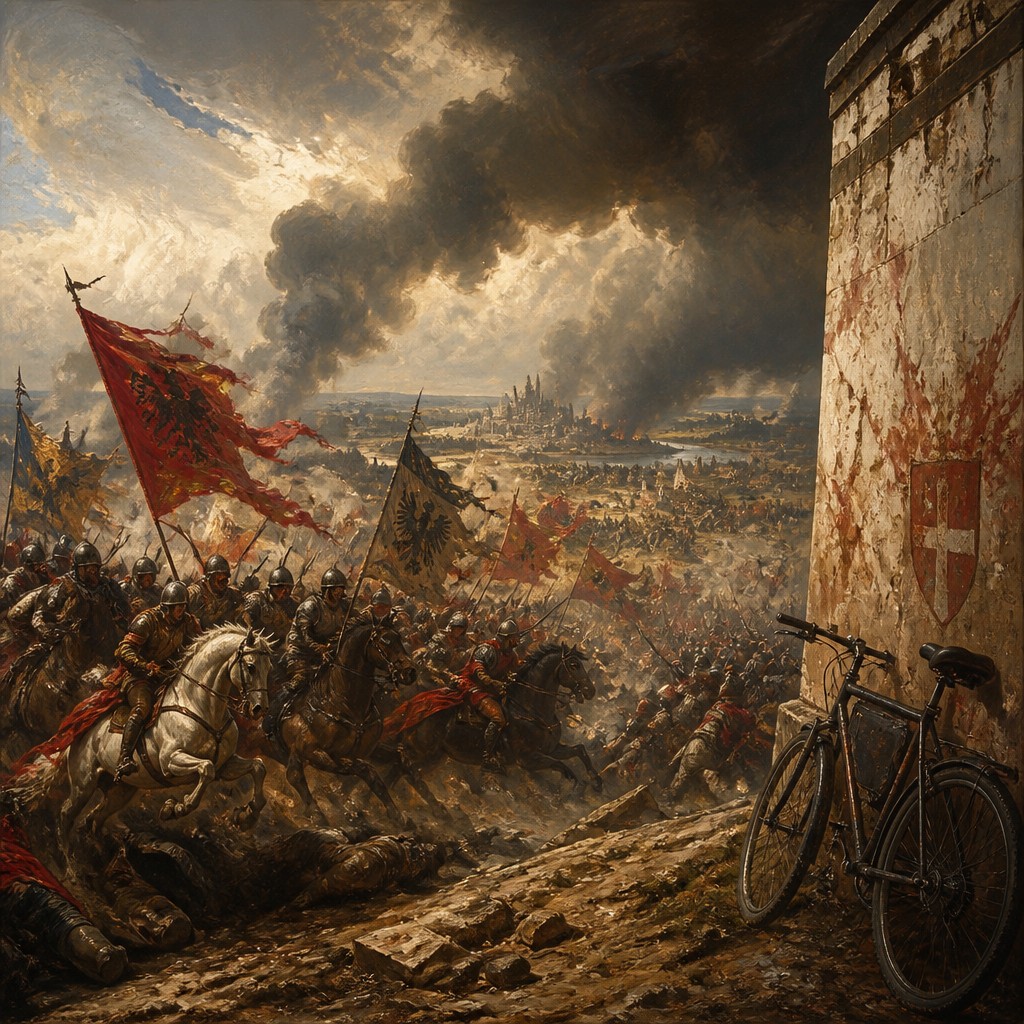
Battle Scene Painting Style is a dramatic visual language built around the spectacle and confusion of armed conflict. It typically presents a broad, panoramic field of action filled with surging cavalry, raised standards, distant formations, smoke, dust, and sharply angled movement. Earth browns, muted ochres, iron grays, and deep greens are energized by flashes of crimson, reflected steel, and warm firelight.
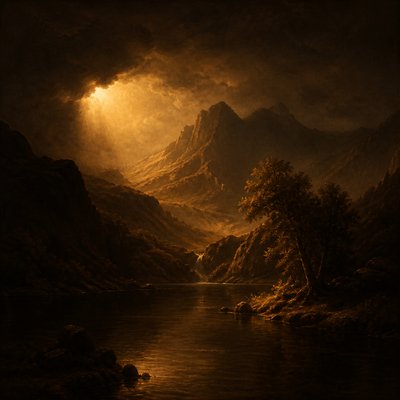
The style looks expansive and turbulent because it combines the compositional scale of history painting with the emotional intensity of Romantic battle imagery. Rather than documenting military events with neutral precision, it organizes chaos into a legible theatrical scene: foreground figures establish immediacy, diagonal formations create momentum, and a luminous or smoke-filled sky gives the conflict an epic atmosphere.
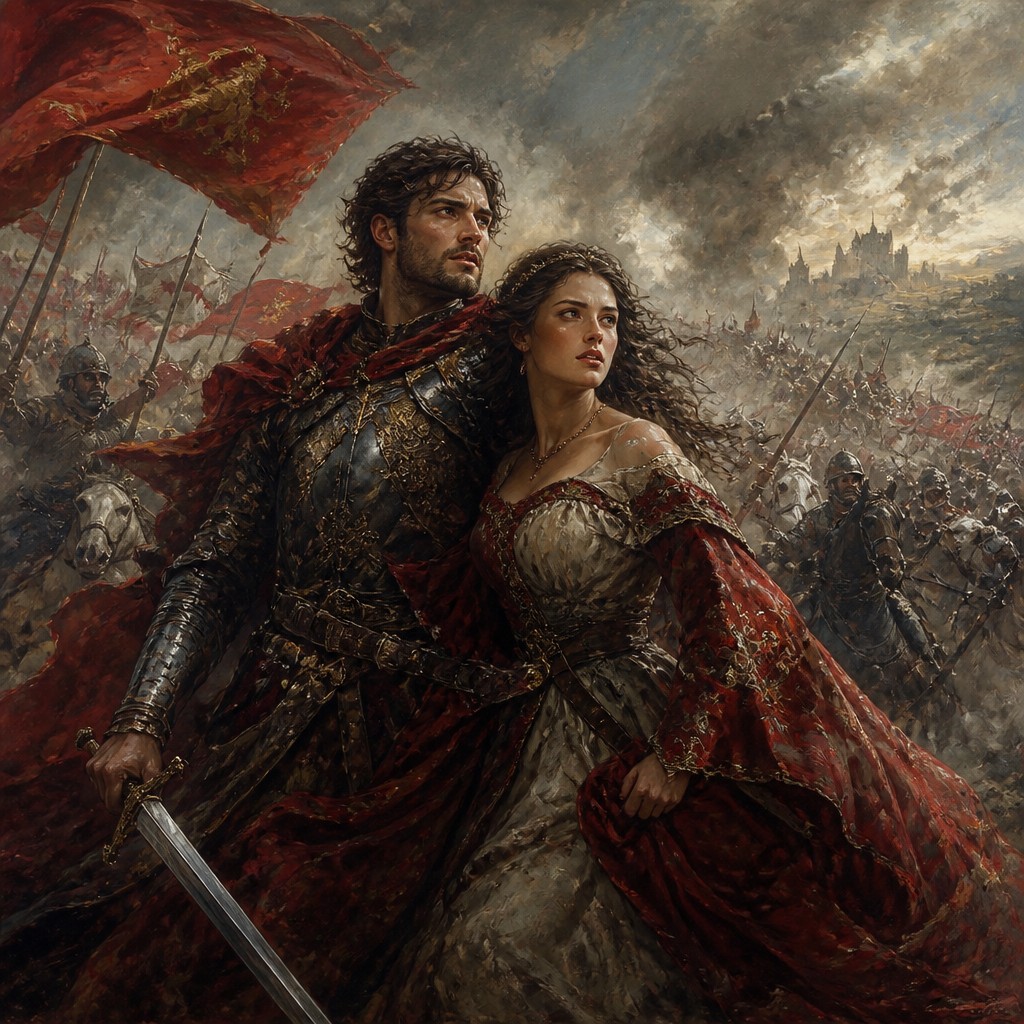
Try It On Your Photos
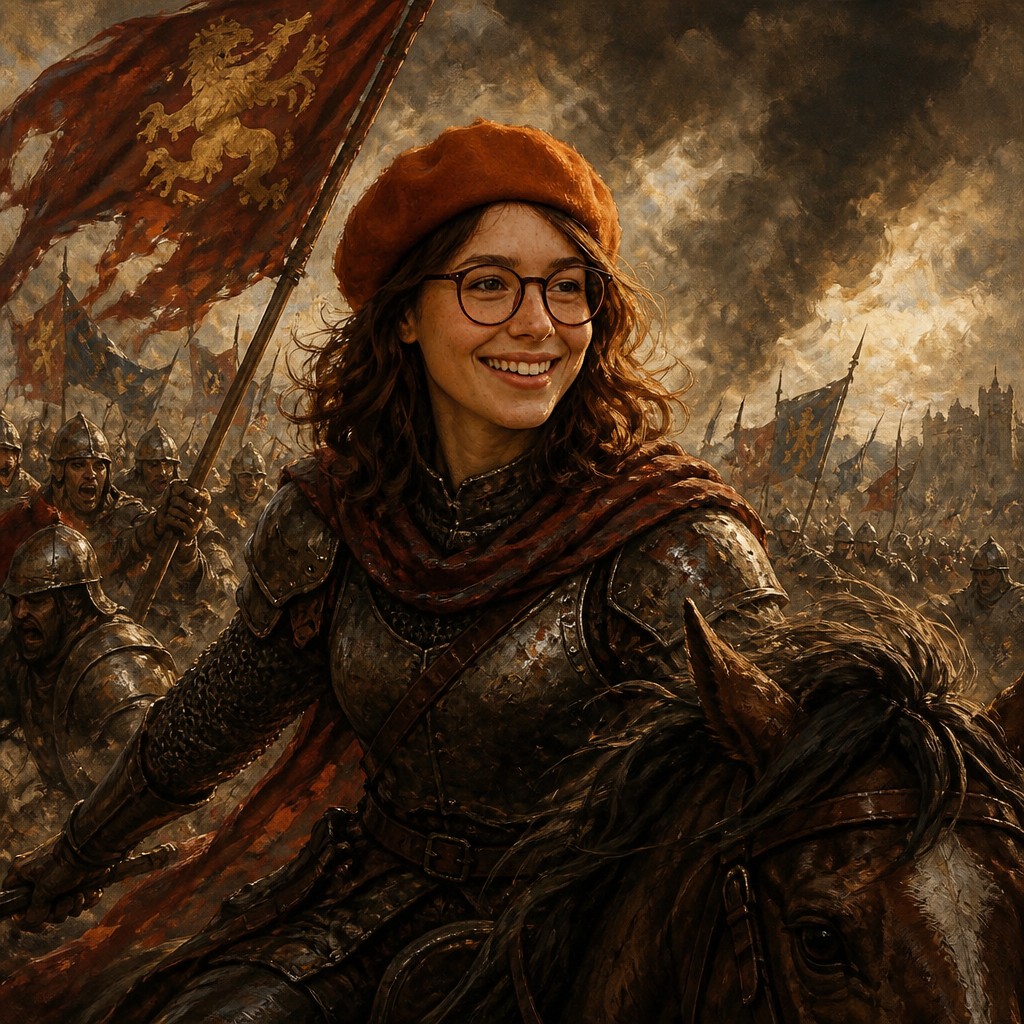
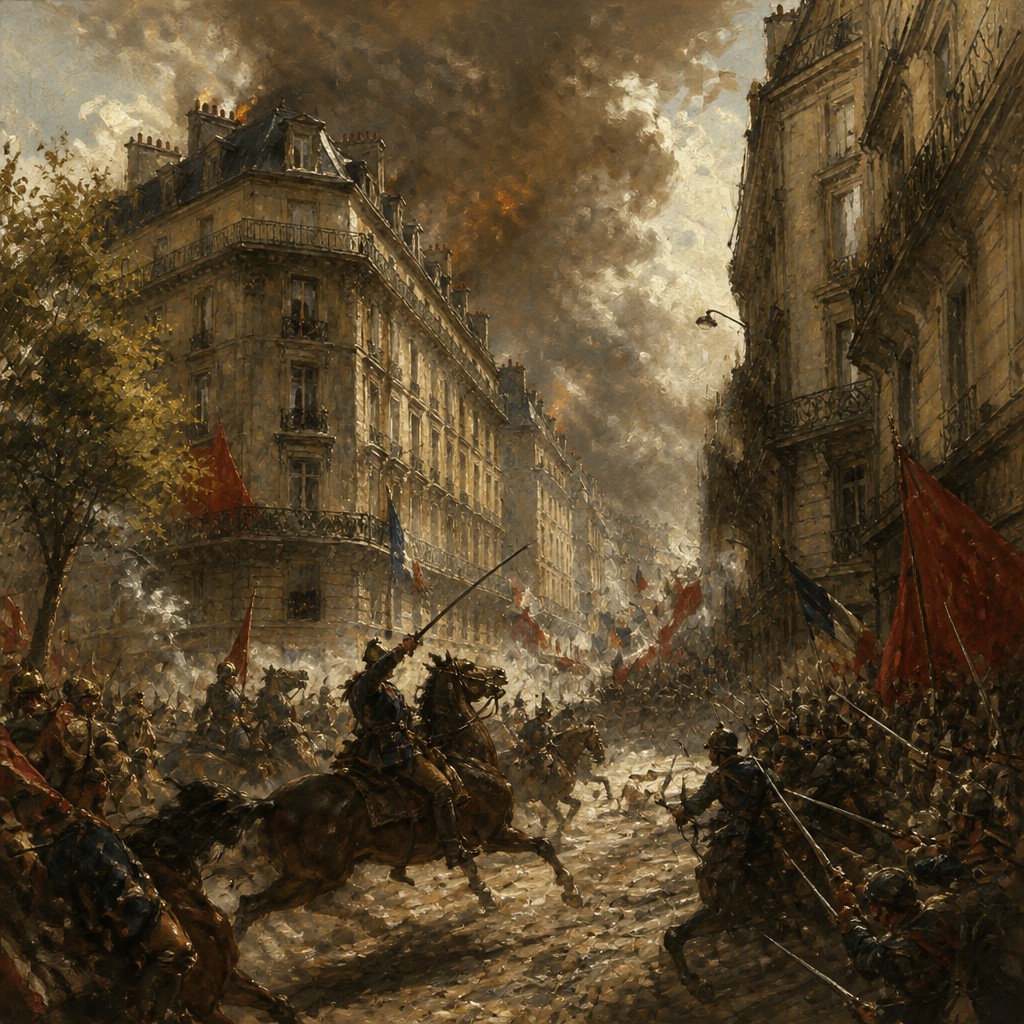
Upload any photo and convert it into Battle Scene Painting Style — drag the sliders to compare before and after.


What Defines Battle Scene Painting Style
The signature details, up close
Panoramic scale
Wide compositions place the viewer above or just behind the battlefield, allowing cavalry, infantry, terrain, and distant armies to unfold across the image.
Dynamic diagonals
Charging horses, sloping hills, weapon lines, and drifting smoke often run diagonally through the frame, creating urgency and directional movement.
Massing and depth
Large groups are organized into overlapping layers, from sharply described foreground figures to atmospheric ranks that dissolve toward the horizon.
Banners and visual signals
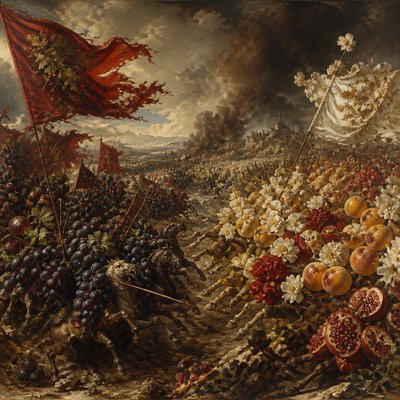
Flags, standards, pennants, uniforms, and flashes of metal provide recognizable points of color and help structure the visual chaos.
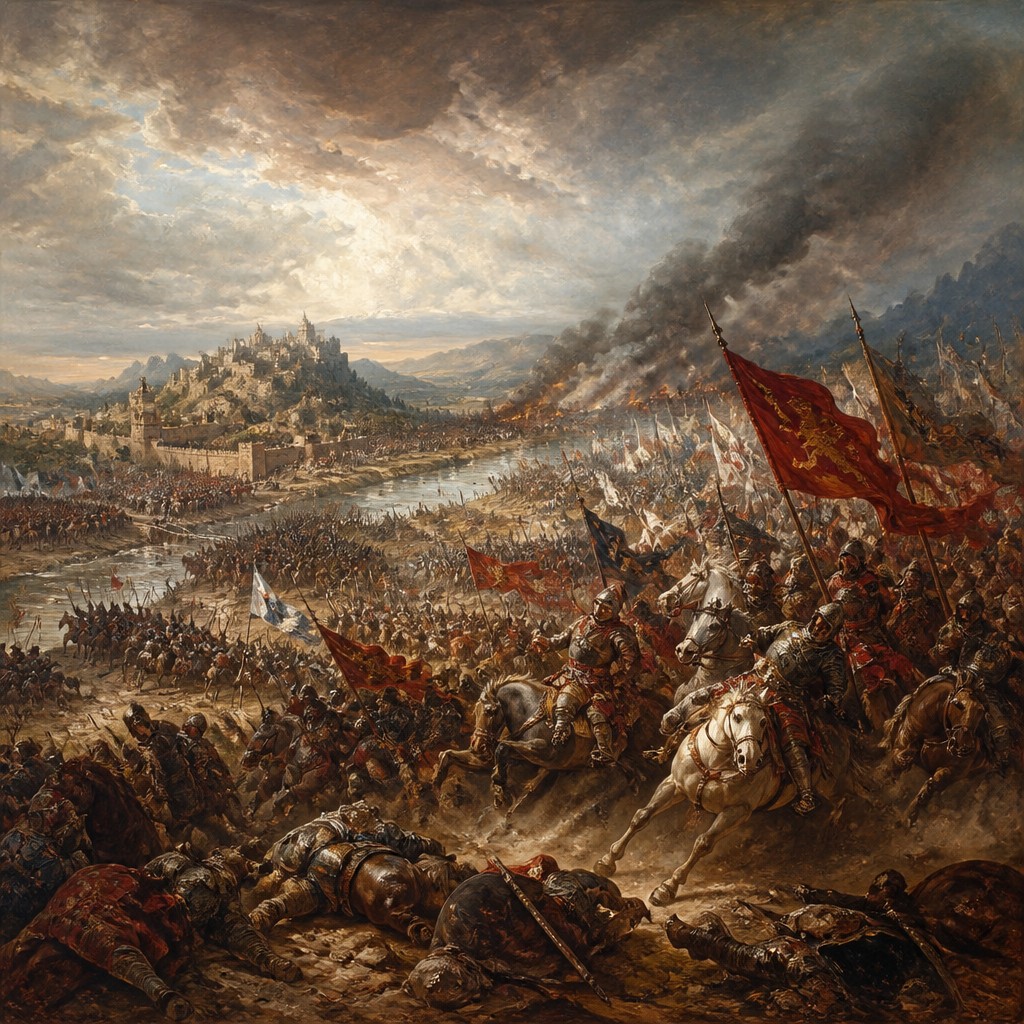
Smoke-filled atmosphere
Haze, dust, cannon smoke, and cloud cover soften distant forms while separating planes and adding uncertainty, danger, and scale.
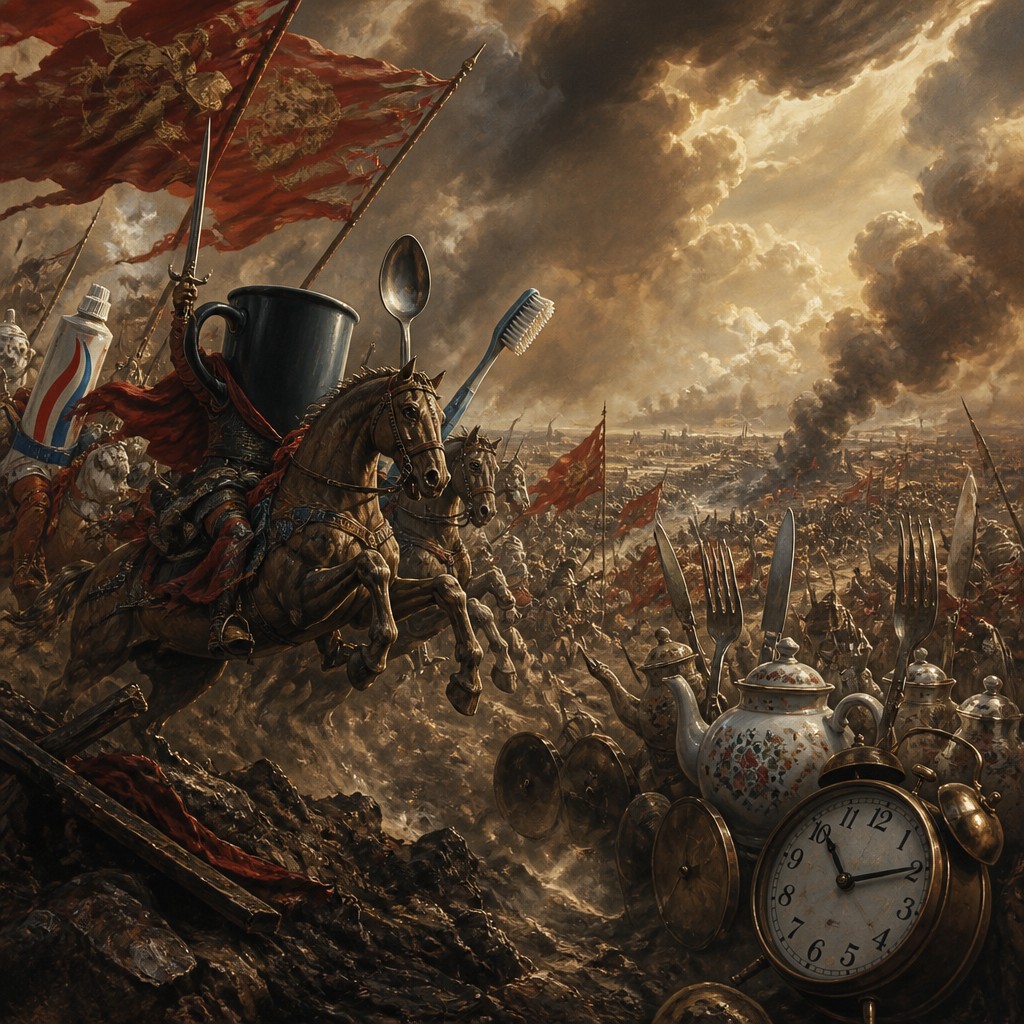
Earthy contrast palette
Mud, leather, worn cloth, and dark vegetation create a restrained base palette interrupted by crimson fabric, pale sky, sparks, or cold steel.
Romantic theatricality
Strong light, heightened weather, heroic silhouettes, and turbulent brushwork turn military action into an emotionally charged historical spectacle.
Try It
Create Videos in Battle Scene Painting Style
Styles aren't just for stills — describe a scene or animate an image and get a short video rendered in Battle Scene Painting. Press play to see this pond come to life.
Make a VideoBattle Scene Painting Prompt Ideas
Start from an idea — each one opens the generator with the style ready to go. See all 40 Battle Scene Painting prompts →
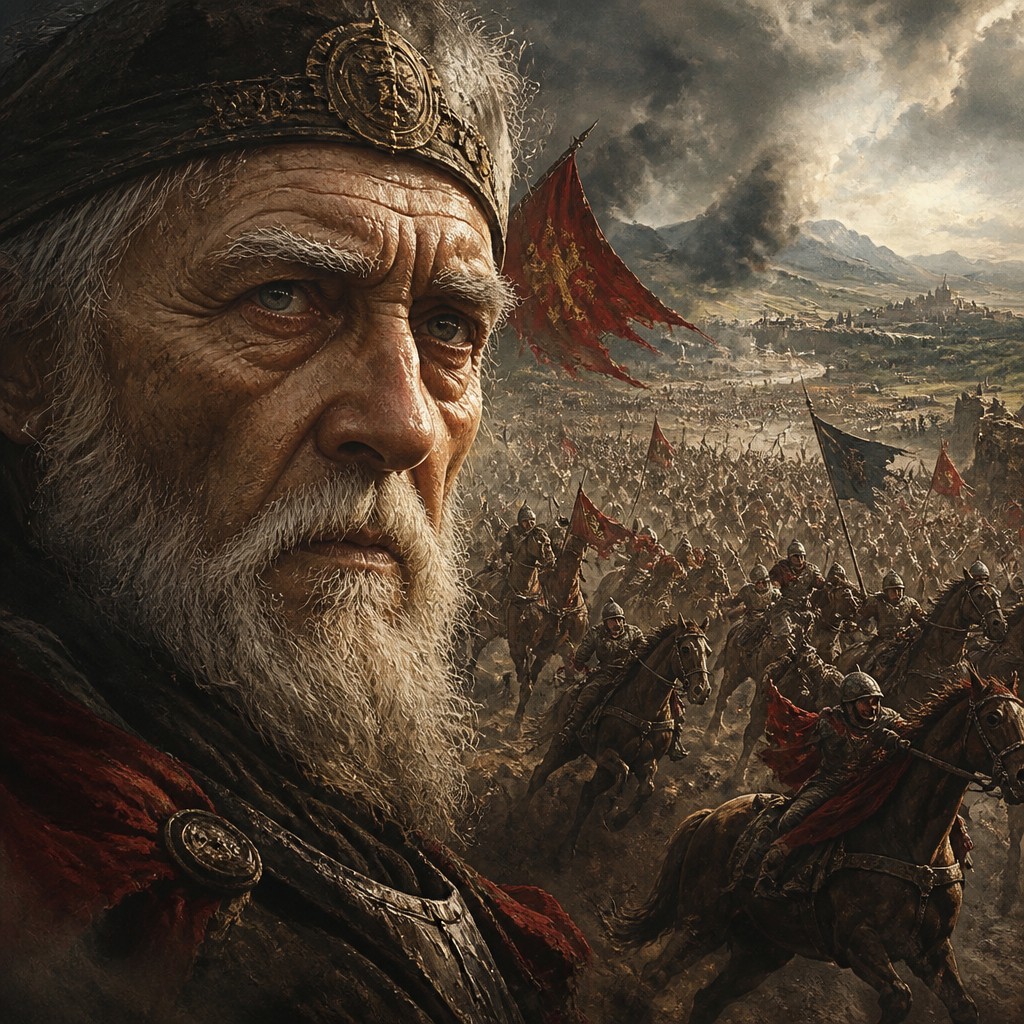
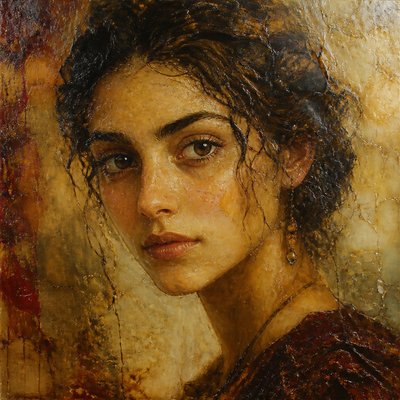
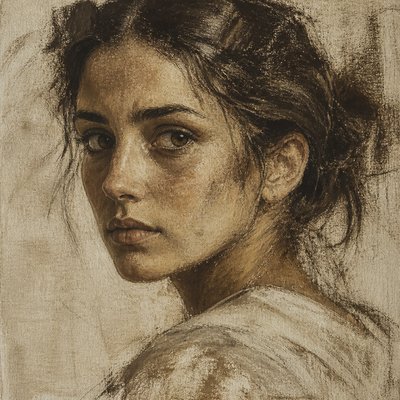
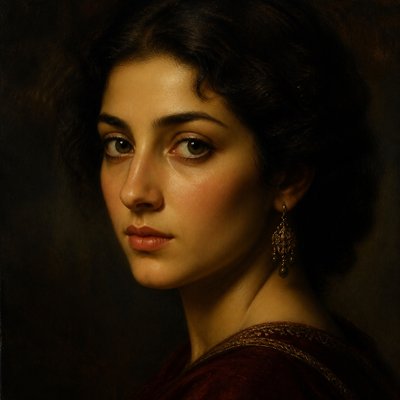
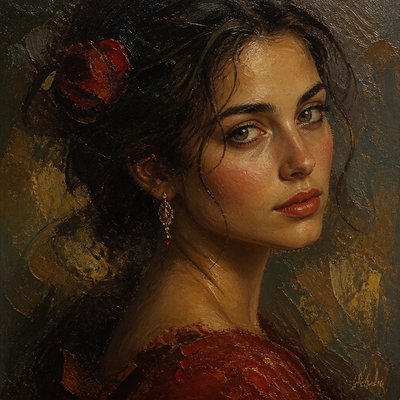
“close-up portrait of an elderly person with expressive weathered features”
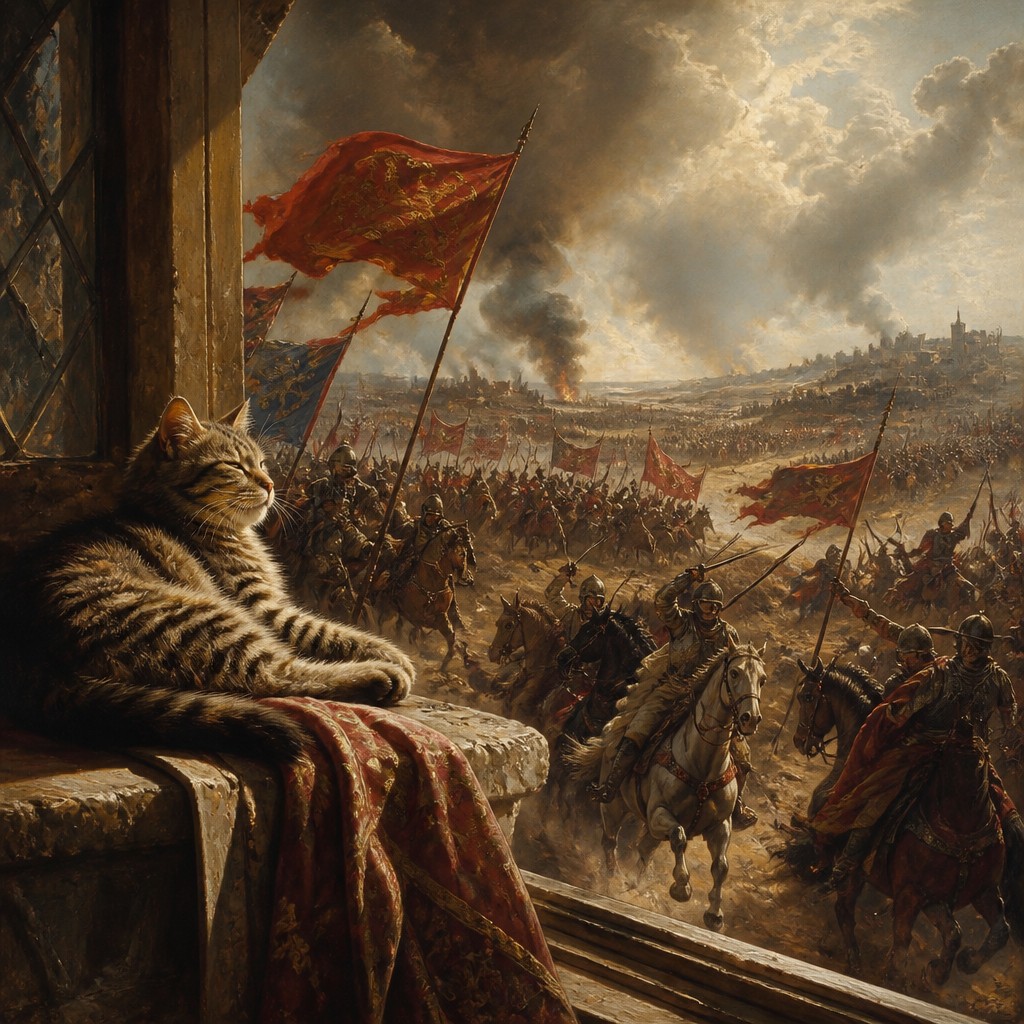
“a cat lounging in a sunlit window”
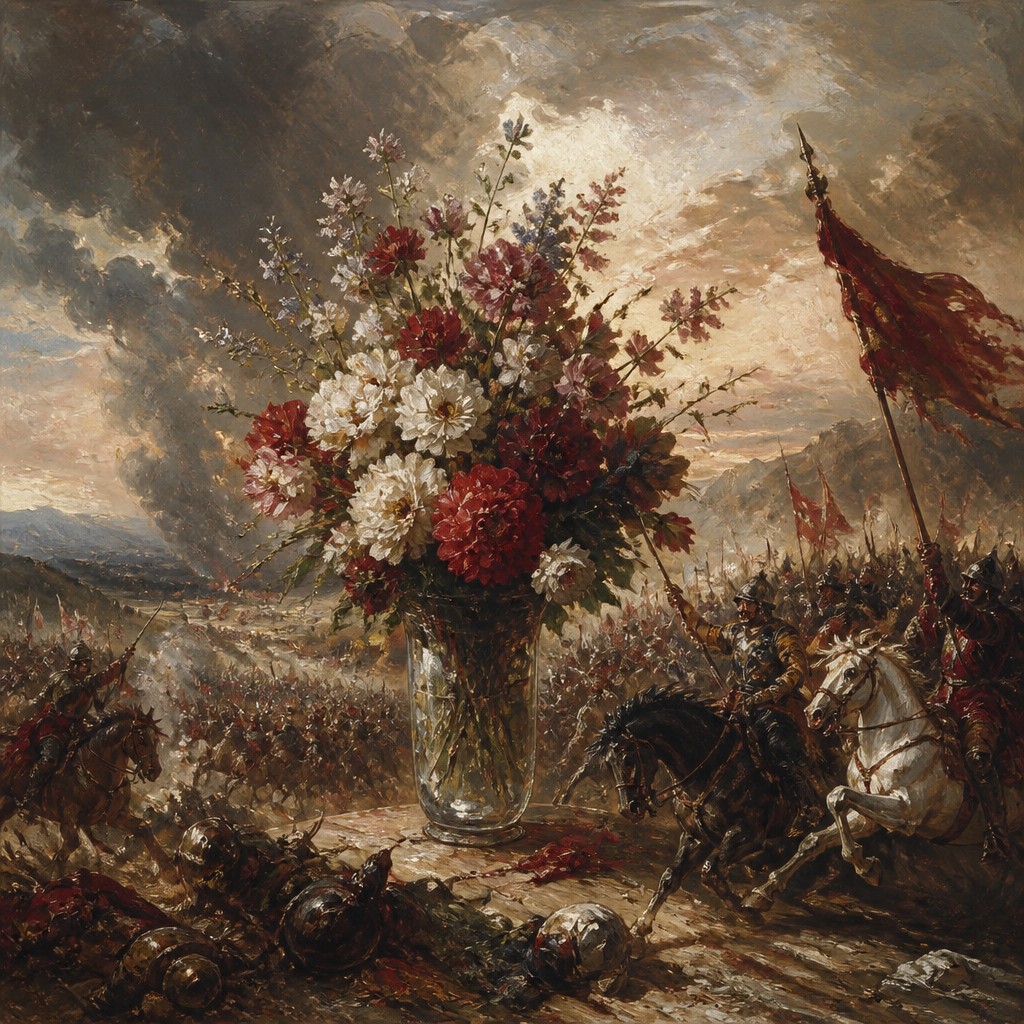
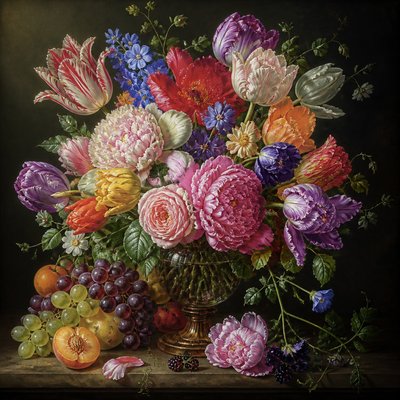
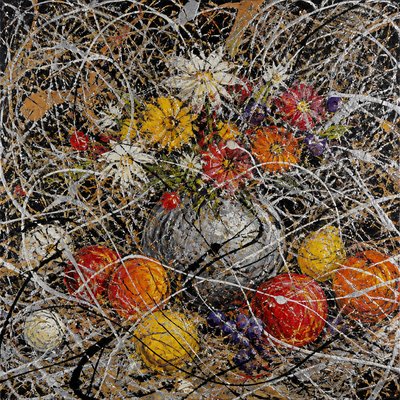
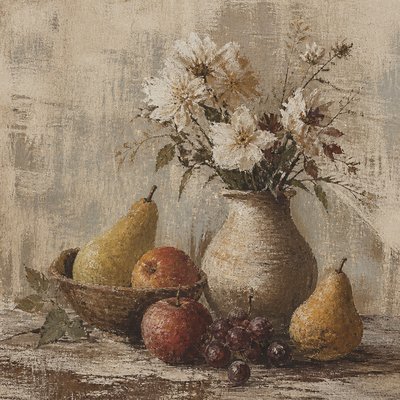
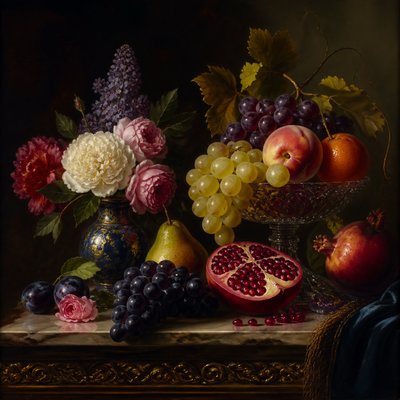
“bouquet of flowers in a glass vase”
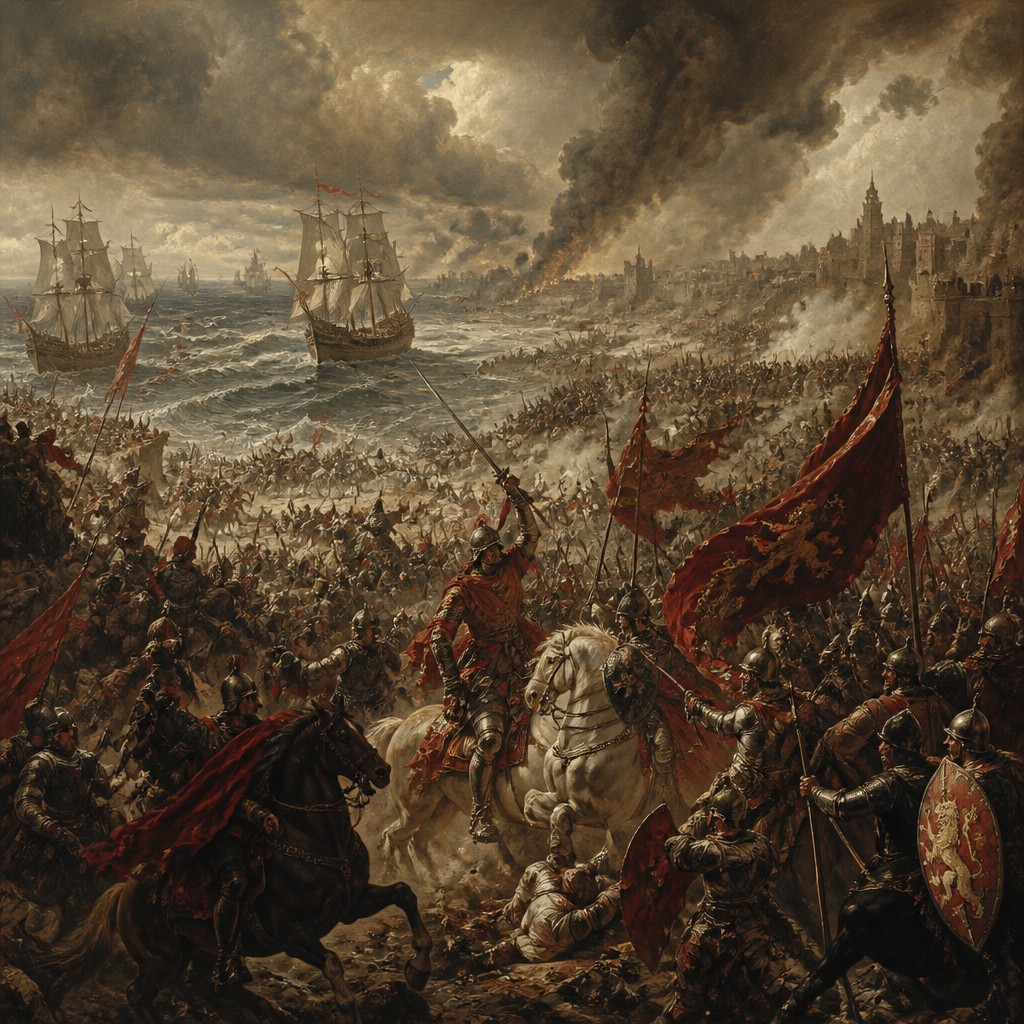
“sailing ship on a stormy sea”
How to Create Battle Scene Painting Art
Master the craft step by step — or skip straight to creating. Read the full guide →
- 1
Establish the battlefield structure
Begin with a thumbnail that separates foreground action, middle-distance formations, and a distant horizon. Use a dominant diagonal to guide the eye through the charge rather than distributing figures evenly.
- 2
Build masses before details
Block in broad shapes for cavalry, infantry, smoke, hills, and banners before painting faces, weapons, or tack. This preserves the sense of collective movement and prevents the scene from becoming a collection of unrelated figures.
- 3
Control atmospheric depth
Keep foreground edges darker and more sharply contrasted, then reduce saturation, detail, and contrast in the distance. Layer translucent gray, ochre, or blue-gray haze over remote armies and smoke.
- 4
Use a restrained palette
Start with earth colors such as umber, ochre, olive, and muted gray, then reserve crimson, warm highlights, and bright metal for focal accents. In digital painting, textured brushes and multiply or glaze layers can imitate oil-paint depth.
- 5
Direct the light
Choose one strong source, such as a break in the clouds, firelight, or low sun, and use it to pick out horses, standards, weapons, and smoke edges. Uneven illumination creates drama while preserving atmospheric unity.
- 6
Write focused generation prompts
Specify the subject, viewpoint, action, weather, palette, depth structure, and medium together—for example, a low-angle cavalry charge, distant infantry, smoke-filled sky, earthy pigments, and visible painterly brushwork. For image transformation, preserve the source subject while requesting stronger diagonals, banners, atmospheric smoke, and historical-painting lighting.
The Story
History & Origins of Battle Scene Painting
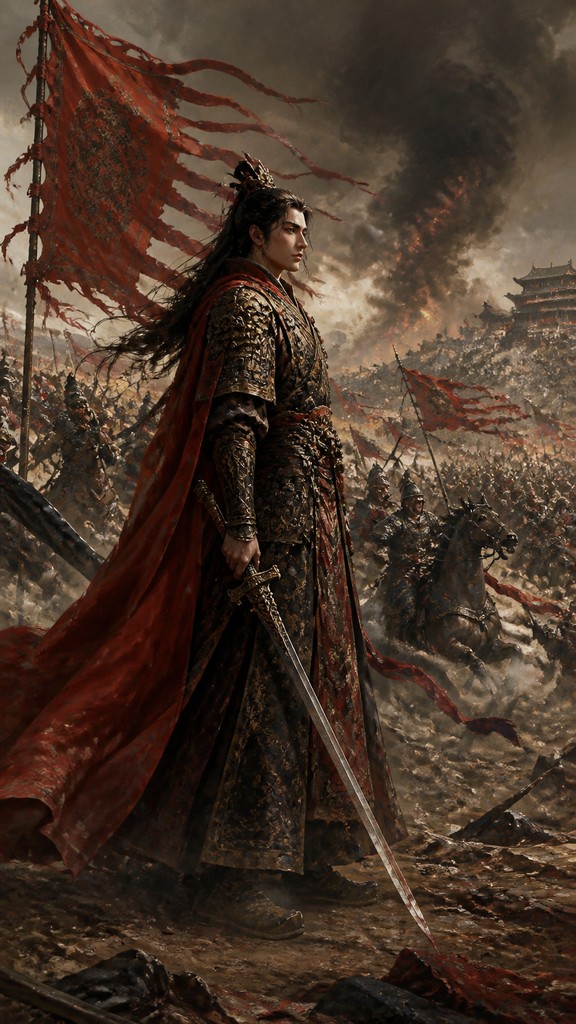
Battle Scene Painting Style is best understood as a contemporary descriptive category rather than a formally recognized historical movement. Its aesthetic lineage reaches back to European history painting, military panoramas, equestrian studies, and illustrated accounts of warfare, especially those that treated battles as monumental subjects requiring large compositions and carefully staged action.
Its visual vocabulary also draws from nineteenth-century Romanticism, academic painting, war reportage, historical illustration, cinematic spectacle, and modern concept art. Digital compositing and text-to-image workflows have further popularized the combination of painterly surfaces, massed armies, dramatic atmosphere, and simplified narrative impact without tying the style to a single period or school.
Influences: The style is closely related to Romantic history painting, academic battle composition, military illustration, equestrian art, nineteenth-century panorama traditions, and cinematic historical spectacle. It also borrows from plein-air landscape observation for weather and light, from reportage for the impression of immediate action, and from concept art for its controlled staging of large-scale environments. Its defining synthesis is less about period accuracy than about combining narrative clarity, atmospheric force, and collective motion.
Frequently Asked Questions
What defines Battle Scene Painting Style?
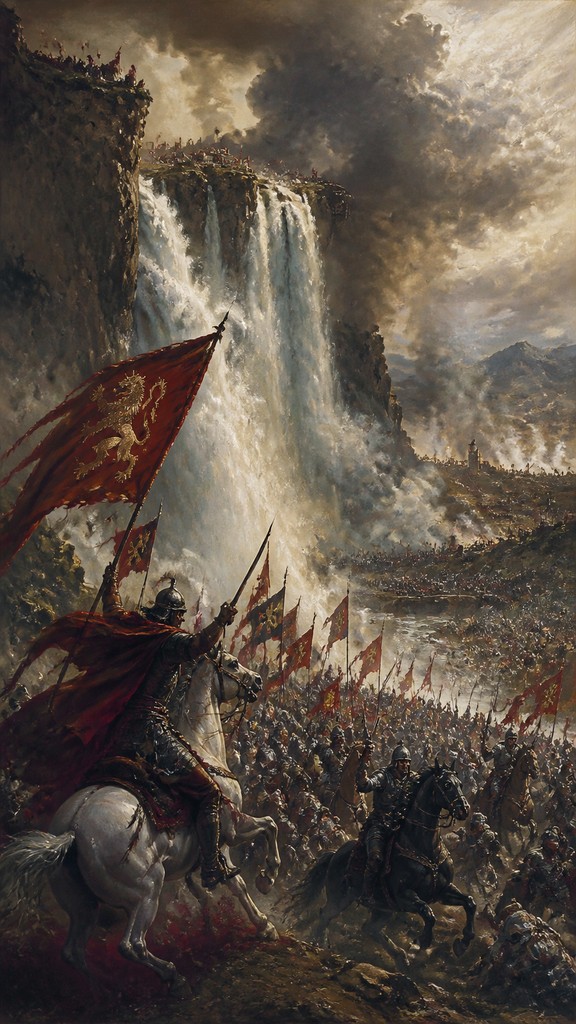
It is defined by panoramic scale, surging movement, massed armies, banners, smoke, and a dramatic atmosphere. The composition usually relies on diagonals and layered depth to make a large conflict readable while maintaining a sense of turbulence.
Is this a recognized historical art movement?
No. The term is a contemporary stylistic label rather than the name of a fixed historical movement. It describes a hybrid aesthetic derived from Romantic history painting, military art, illustration, cinema, and digital concept imagery.
How does it differ from realistic military documentation?
Military documentation prioritizes factual observation, identifiable equipment, and accurate recording of events. Battle Scene Painting Style generally prioritizes emotional scale, dramatic lighting, symbolic color, and a carefully staged composition, even when it includes historically researched details.
How can I make an image in this style without overcrowding it?
Use a clear focal action in the foreground and simplify the army into readable groups behind it. Limit the brightest colors and sharpest details to a few focal areas, while using smoke and atmospheric perspective to merge secondary forms.
What subjects work well with this visual language?
Cavalry charges, sieges, historical campaigns, ancient armies, naval landings, frontier conflicts, and fictional wars all suit the format. The same techniques can also depict ceremonial marches or post-battle landscapes when banners, terrain, and atmosphere carry the narrative.
Can the style be created digitally or from a photograph?
Yes. Digital painting can reproduce its layered glazing, textured brushwork, atmospheric haze, and controlled color accents. A photograph can be transformed by emphasizing diagonal action, painterly edges, smoke, banners, and a restrained earth-and-crimson palette while retaining the original subject's basic structure.
Create your first Battle Scene Painting artwork
Describe anything — or upload a photo — and see it in Battle Scene Painting Style in seconds.
Related Styles
Discover similar art styles