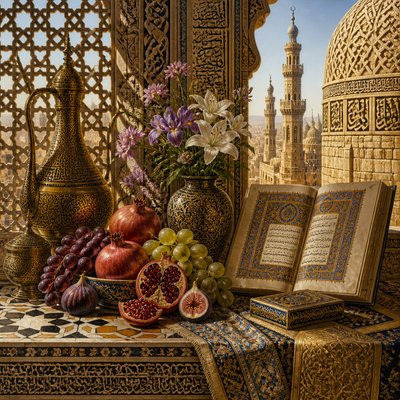
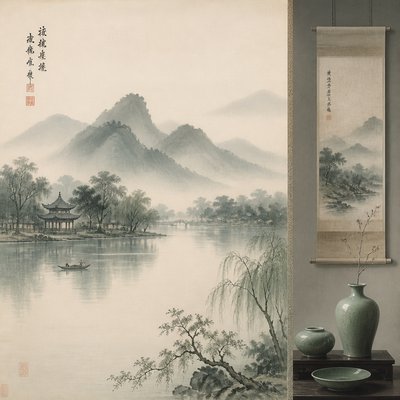
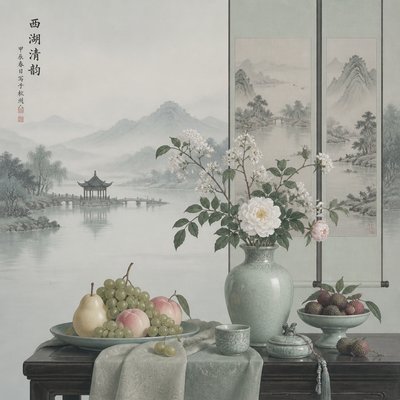
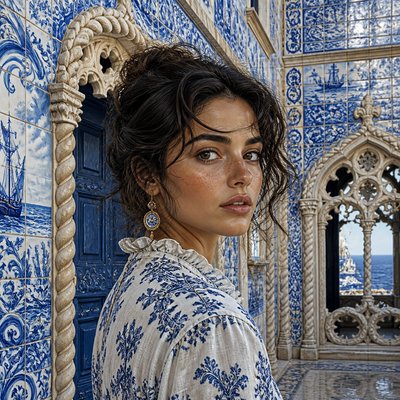
Fluxus Art Style
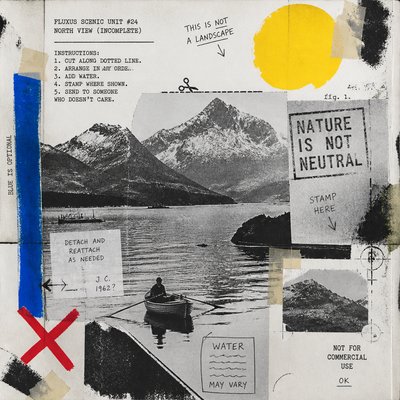
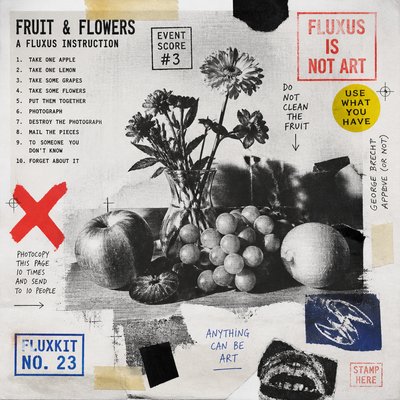
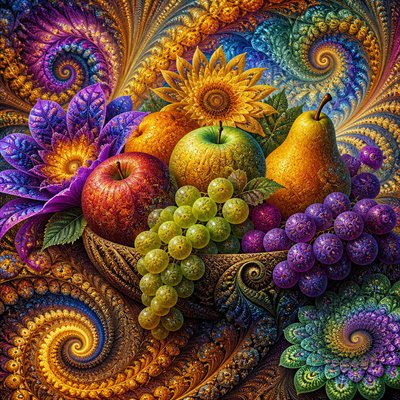
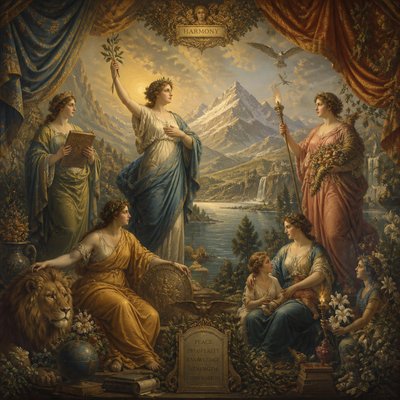
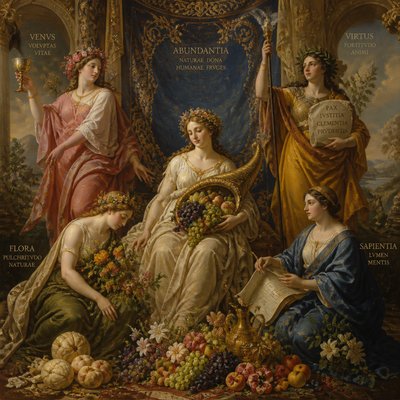
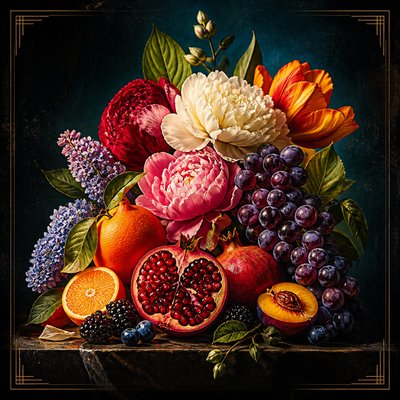
Fluxus art: anti-art collages, instructions, text, humor, audience participation, and raw Xerox-like process over polish.
Instantly rendered in Fluxus — or transform a photo
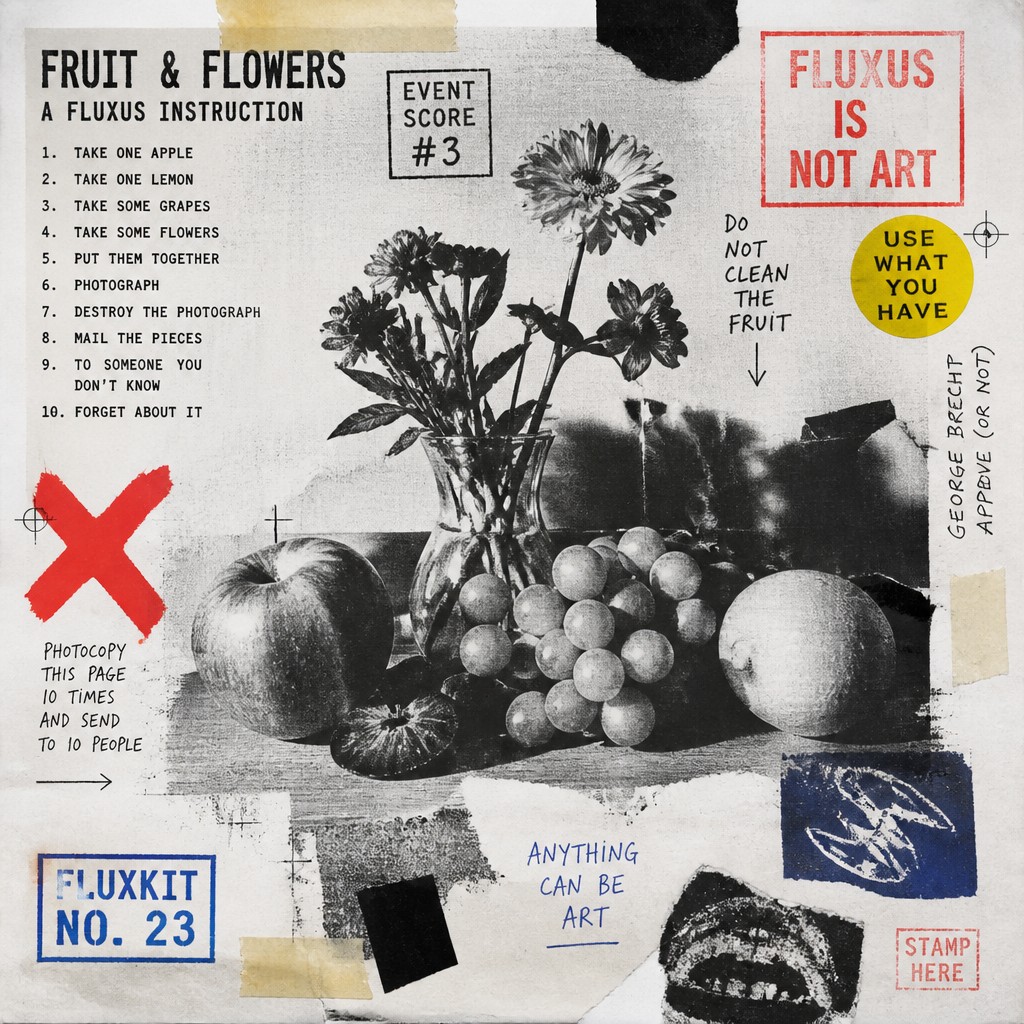
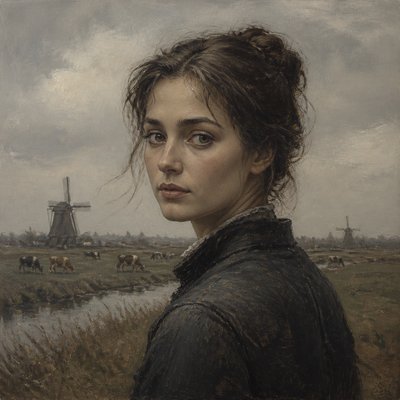
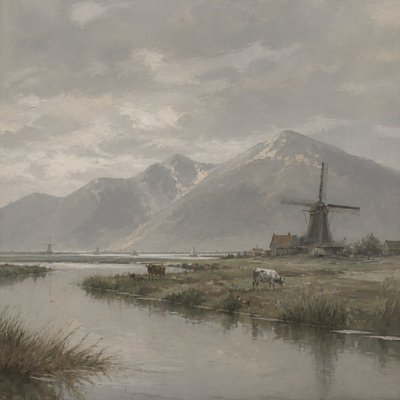
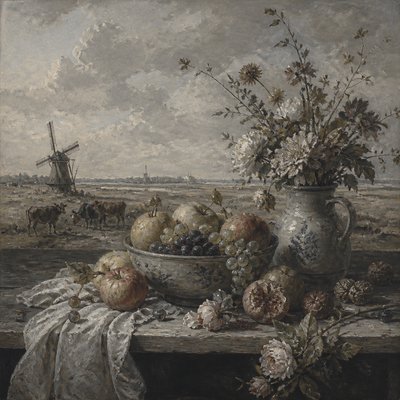
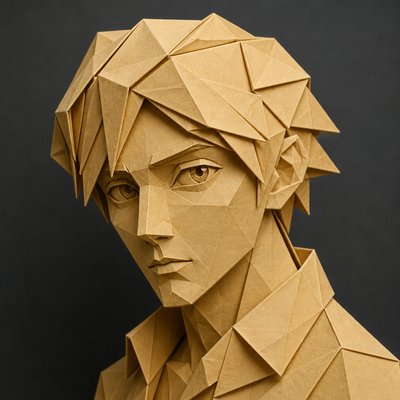
Fluxus Gallery
Tap any artwork to explore it
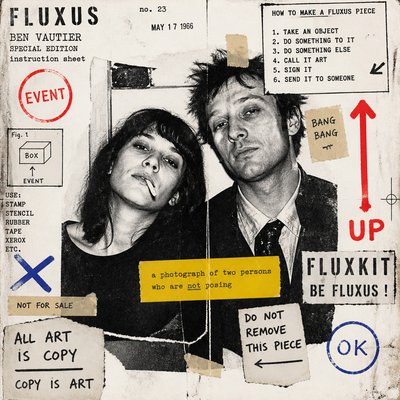
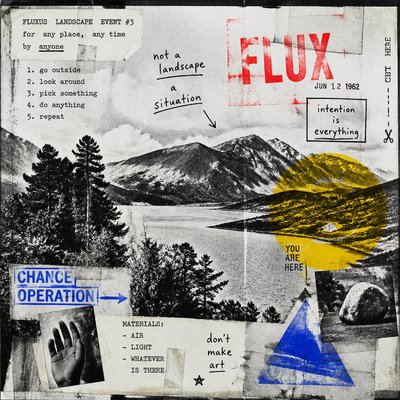
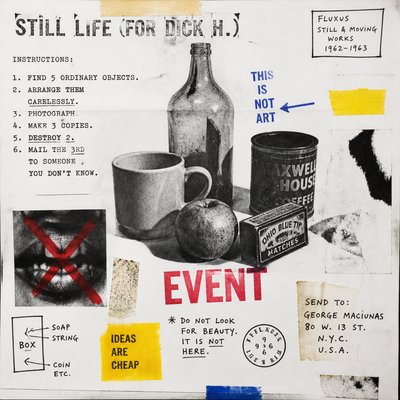
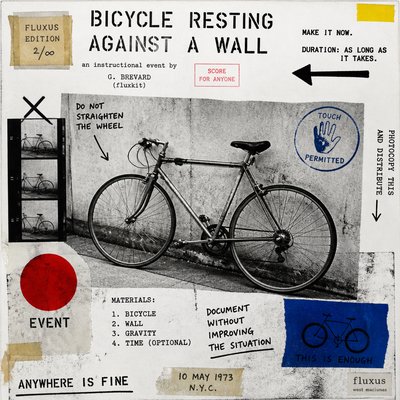

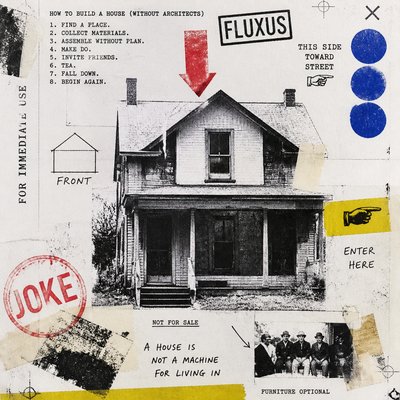
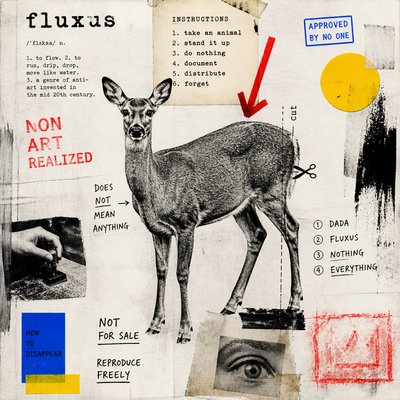
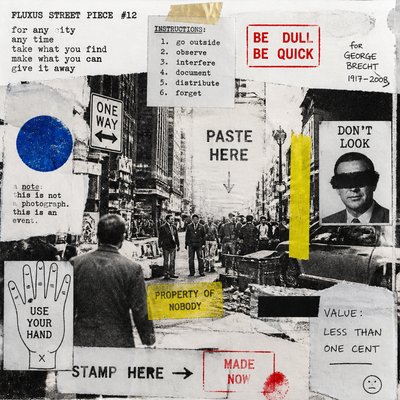
What is Fluxus Art Style?
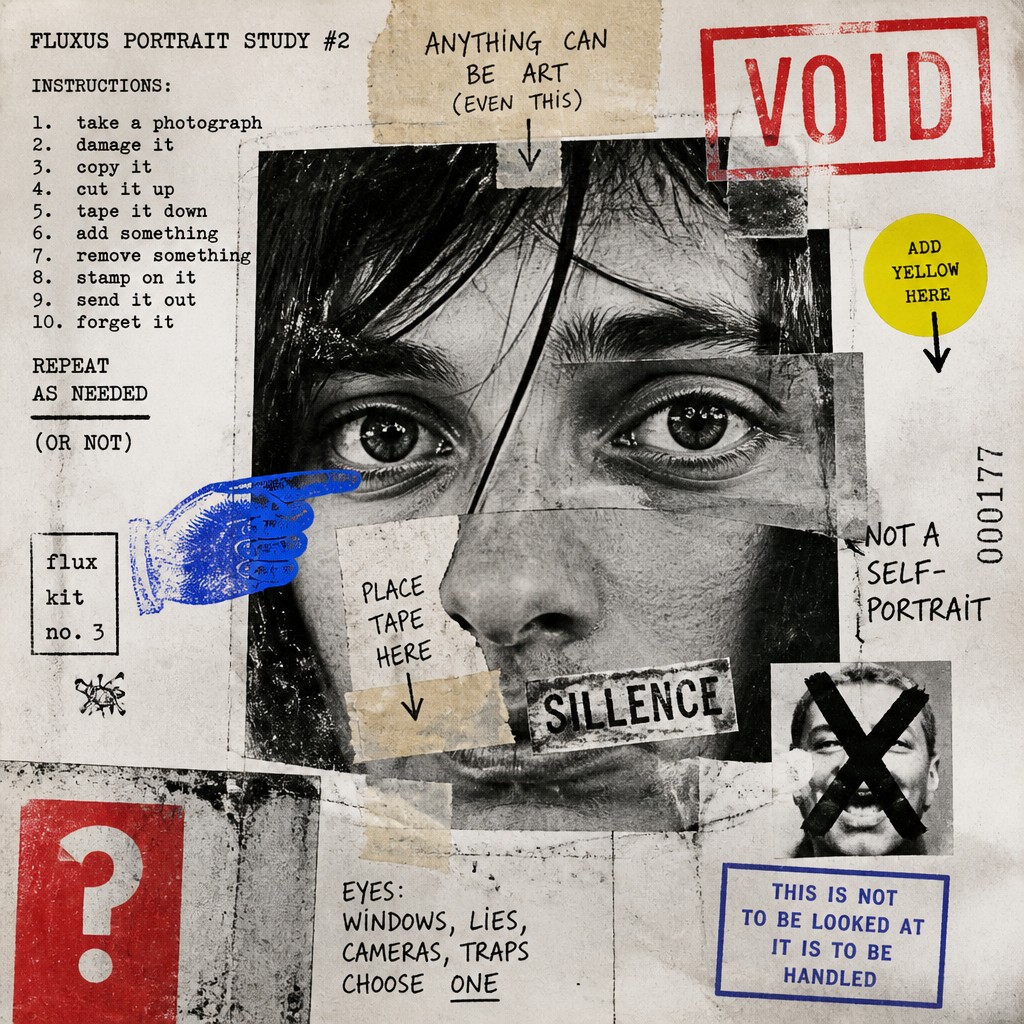
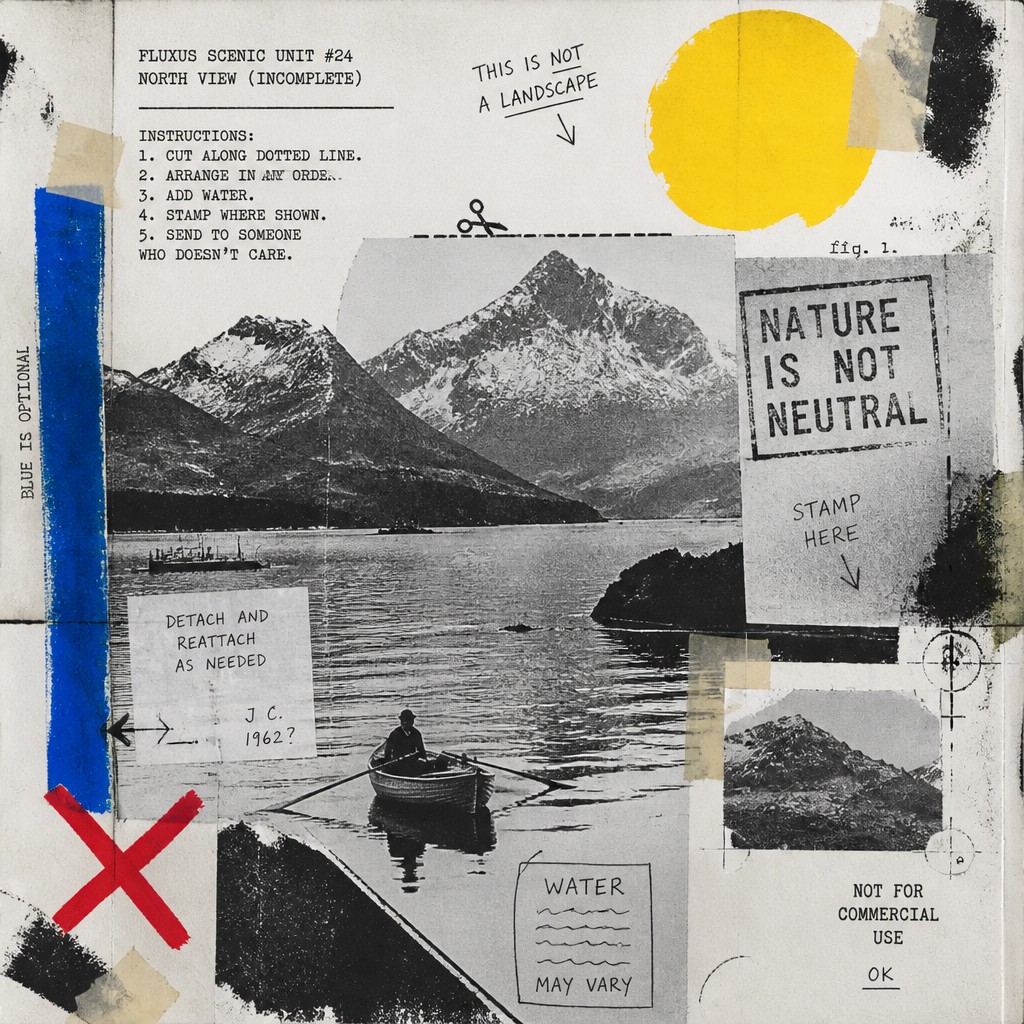
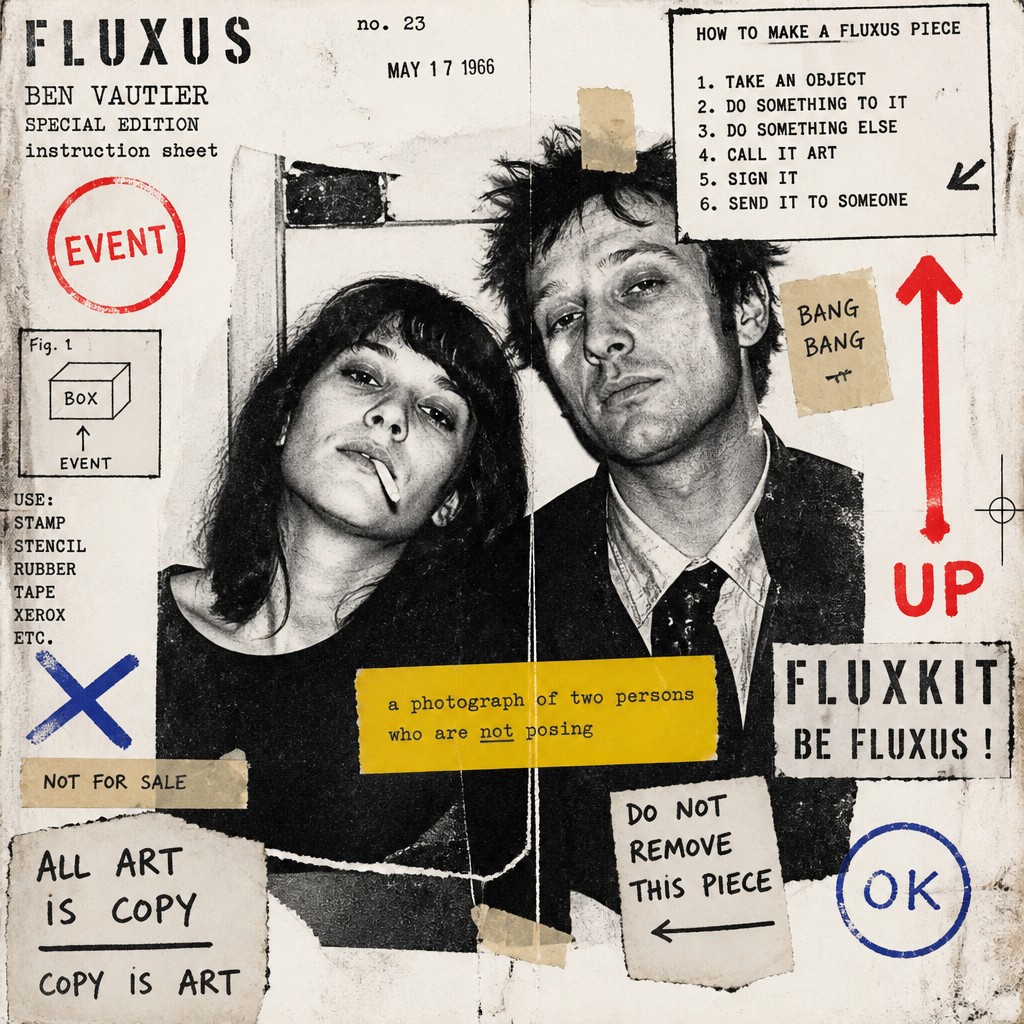
Fluxus is an anti-art, process-centered style associated with instructions, chance operations, audience participation, and the use of everyday materials as art. Visually, it often looks deliberately provisional: terse text, stamps, photocopied textures, found imagery, and rough assemblage replace traditional finish and compositional polish.
Its look comes from an emphasis on idea and action over precious objects. Rather than presenting art as a refined, singular image, Fluxus tends to feel like a score, a joke, a notice, or a set of directions—something that could be performed, copied, altered, or carried out by anyone.
Try It On Your Photos
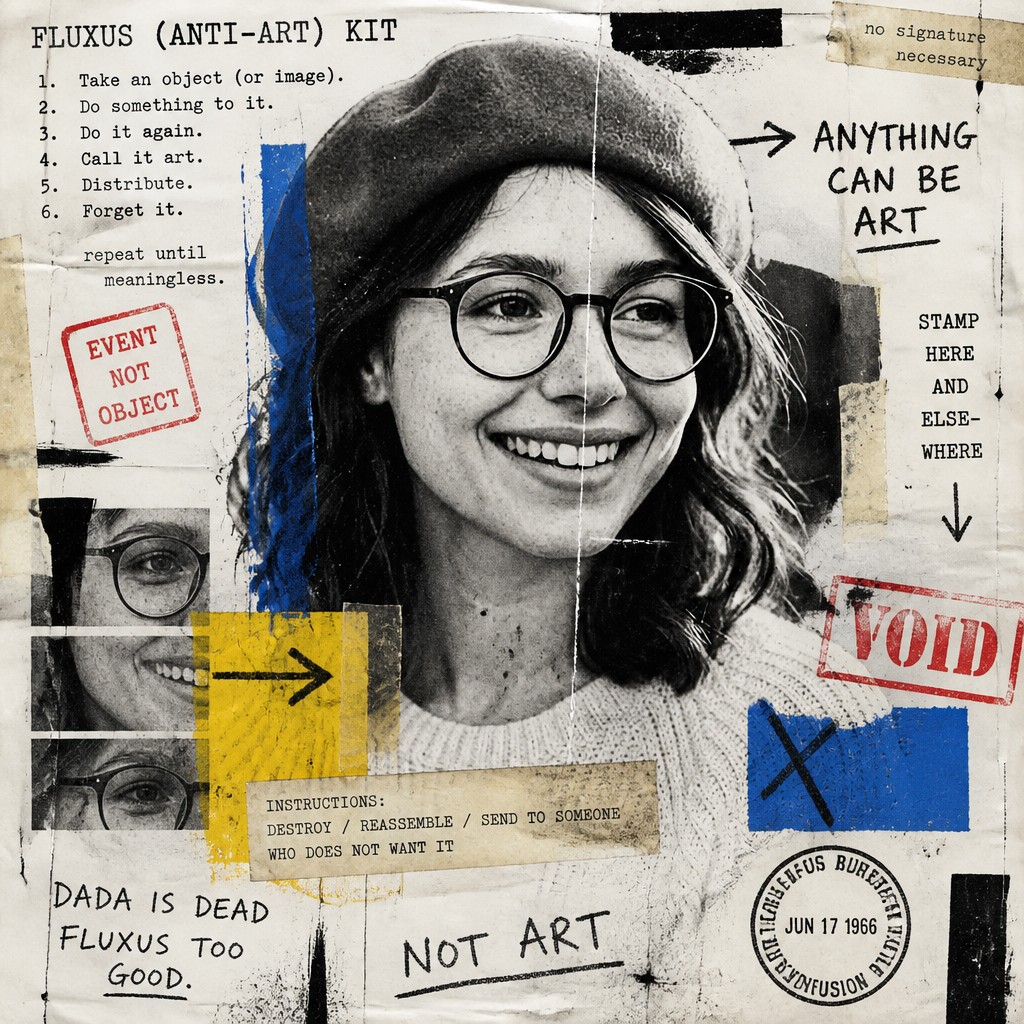
Upload any photo and convert it into Fluxus Art Style — drag the sliders to compare before and after.


What Defines Fluxus Art Style
The signature details, up close
Instructional text
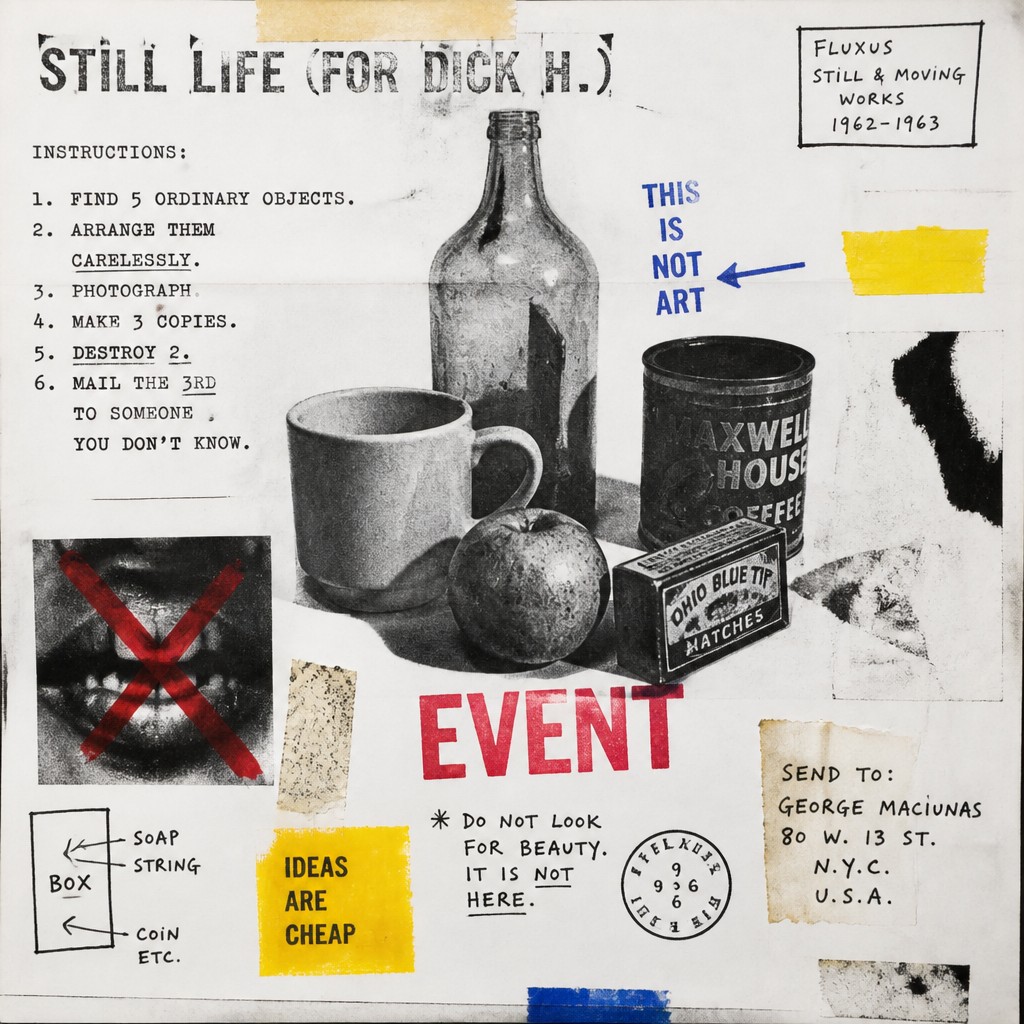
Short commands, event scores, captions, and notes are central. The text often reads like a deadpan manual or private joke, making the work feel performative even when it is only printed.
Everyday materials and found images
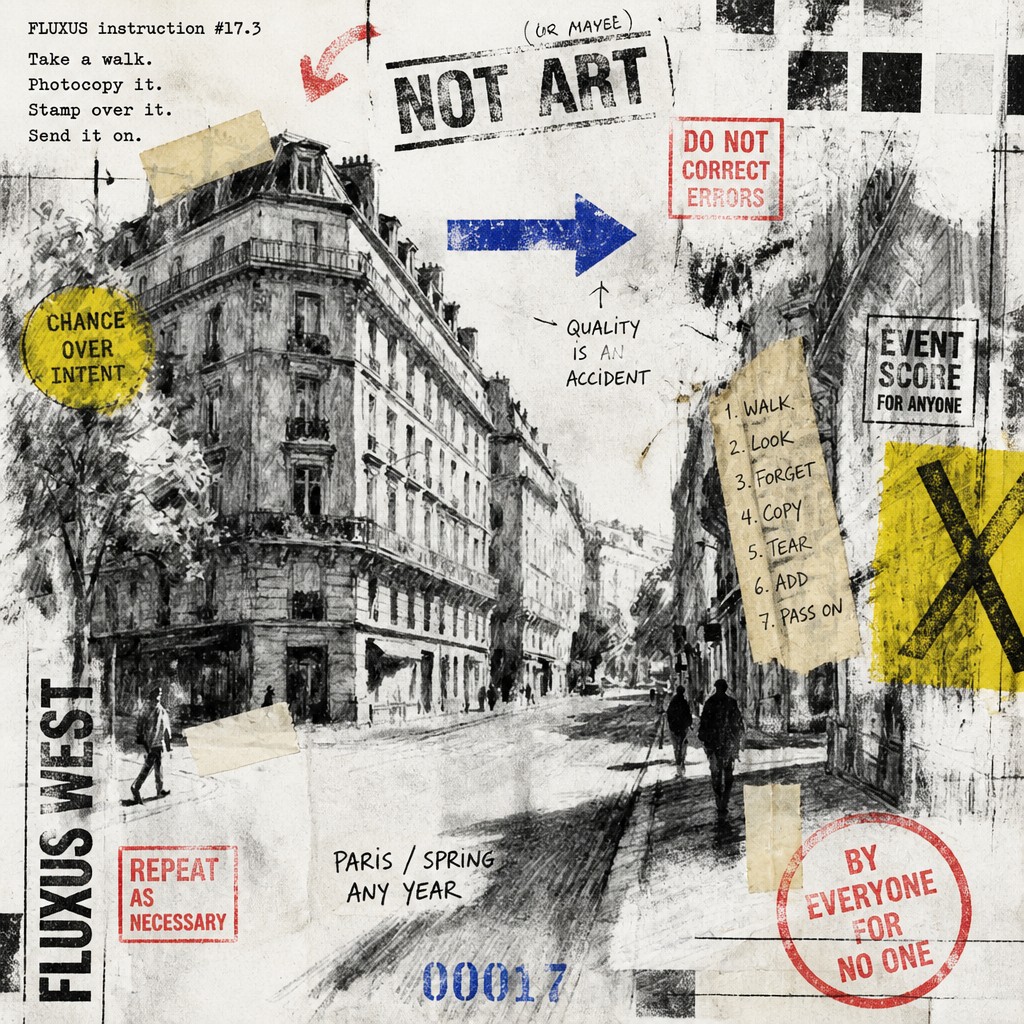
Fluxus works frequently reuse photographs, newspaper clippings, diagrams, packaging, and ordinary objects. This gives the style a low-tech, familiar texture that rejects the hierarchy of fine-art materials.
Rough collage and assemblage
Elements are layered visibly rather than blended seamlessly. Torn edges, taped seams, mismatched scale, and abrupt insertions reinforce the sense of a work assembled through action rather than polished design.
Cheap reproduction aesthetics
Photocopying, mimeograph, rubber stamps, and xerox-like degradation are common visual cues. Blur, contrast shifts, registration errors, and repeated copying help create a sense of circulation and ephemerality.
Humor and anti-seriousness
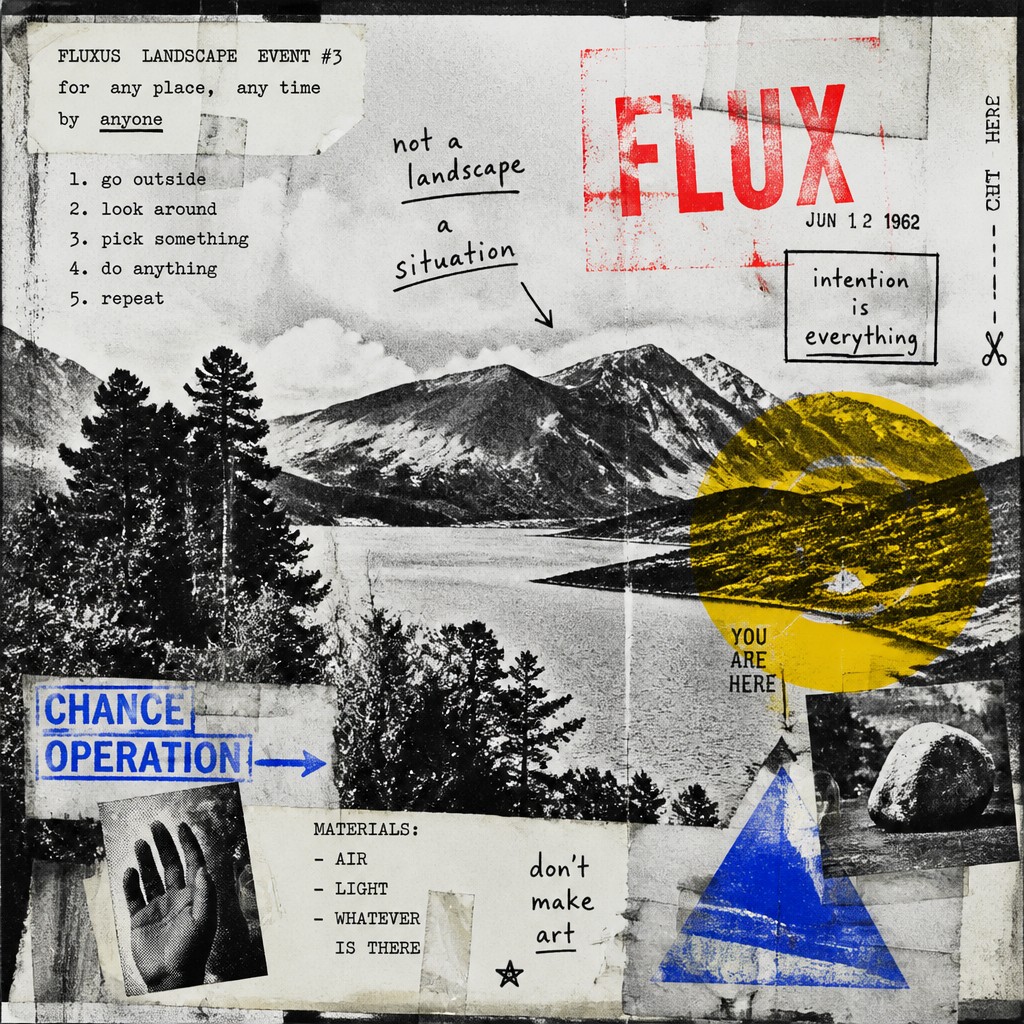
Fluxus often uses absurdity, understatement, and deadpan wit. The humor is usually conceptual rather than decorative, inviting viewers to notice the gap between expectation and execution.
Chance and participation
The style often implies open-ended procedures, improvisation, or viewer involvement. This makes the work feel less like a fixed image and more like a prompt for an action or event.
Try It
Create Videos in Fluxus Art Style
Styles aren't just for stills — describe a scene or animate an image and get a short video rendered in Fluxus. Press play to see this pond come to life.
Make a VideoFluxus Prompt Ideas
Start from an idea — each one opens the generator with the style ready to go. See all 40 Fluxus prompts →
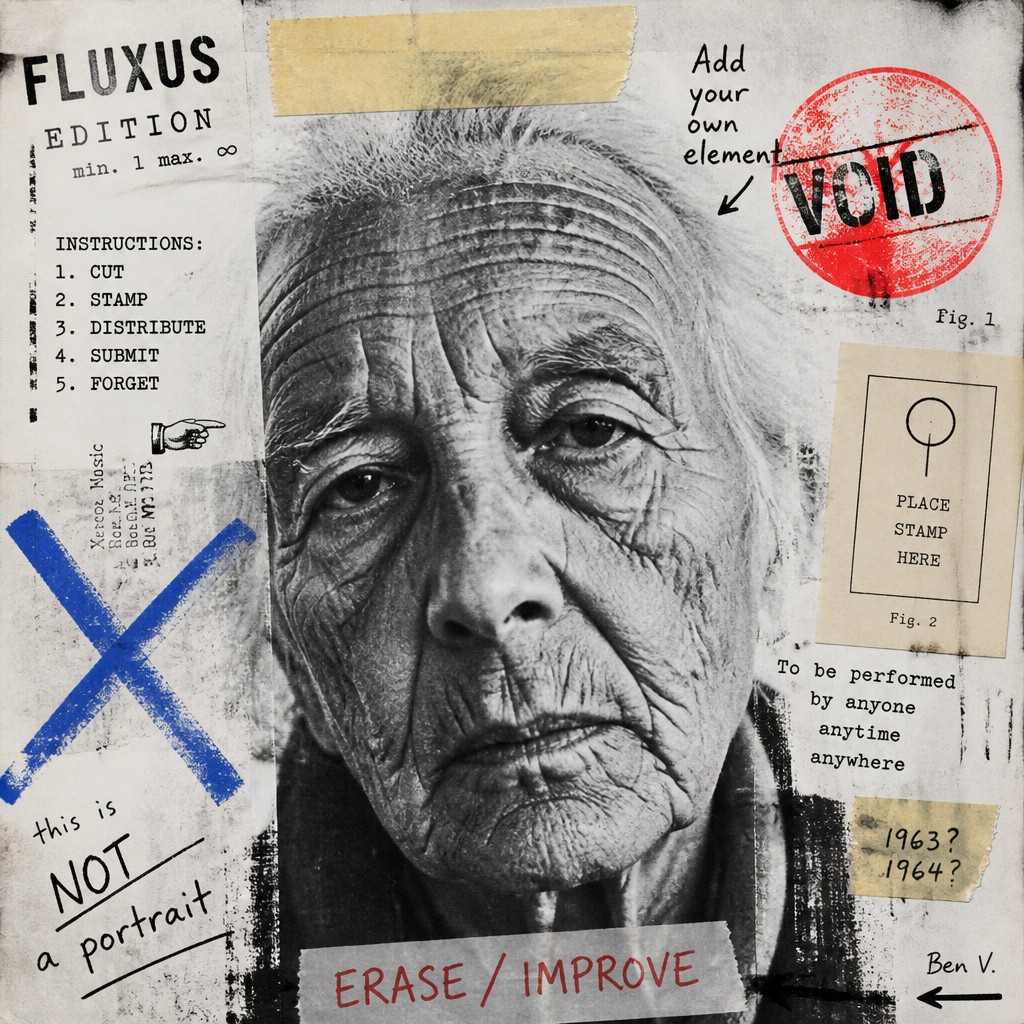
“close-up portrait of an elderly person with expressive weathered features”
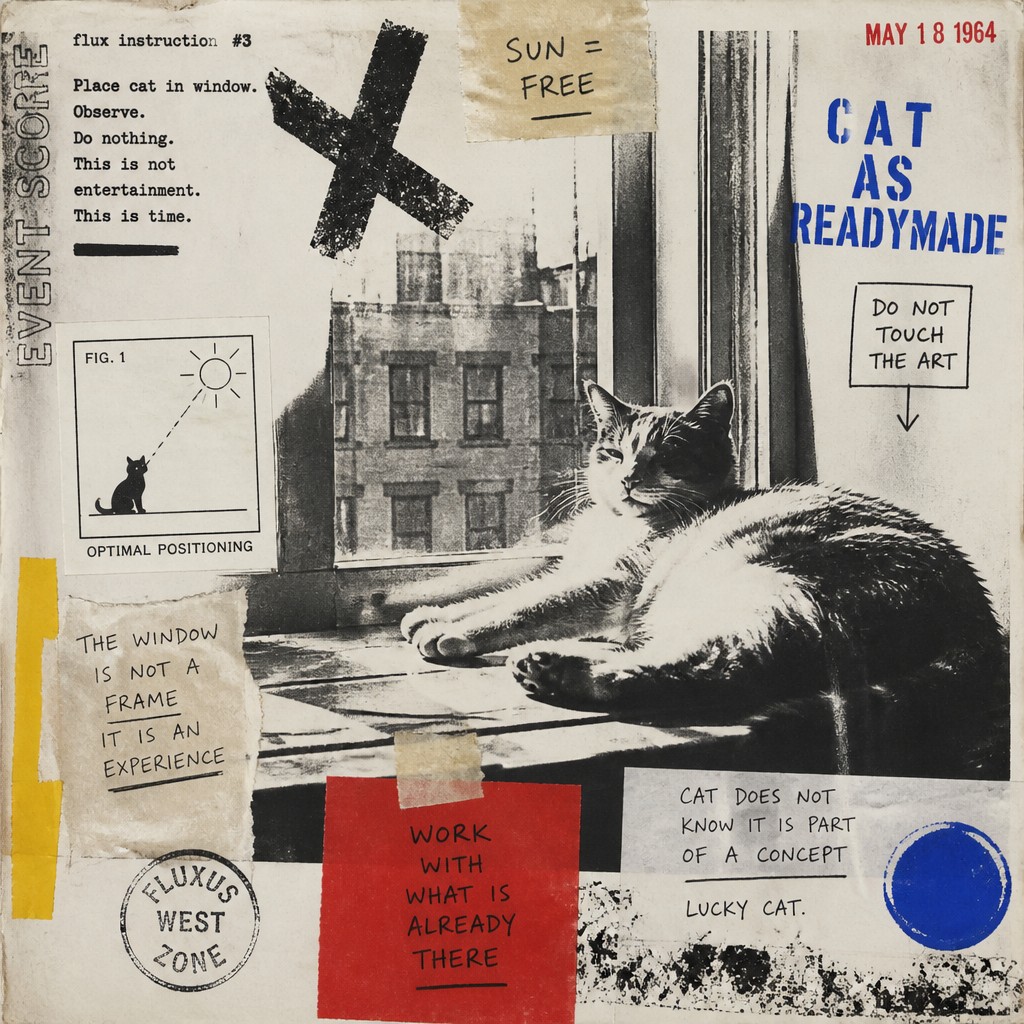
“a cat lounging in a sunlit window”
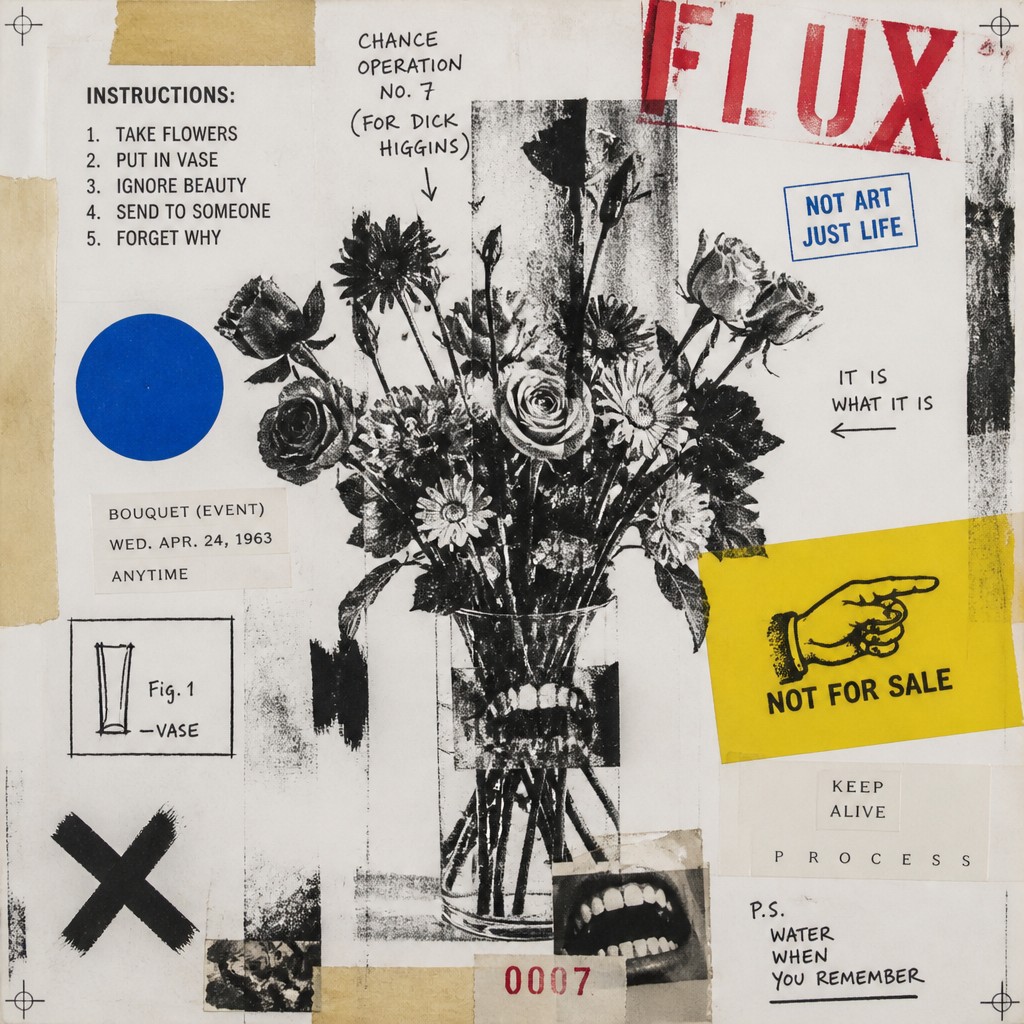
“bouquet of flowers in a glass vase”
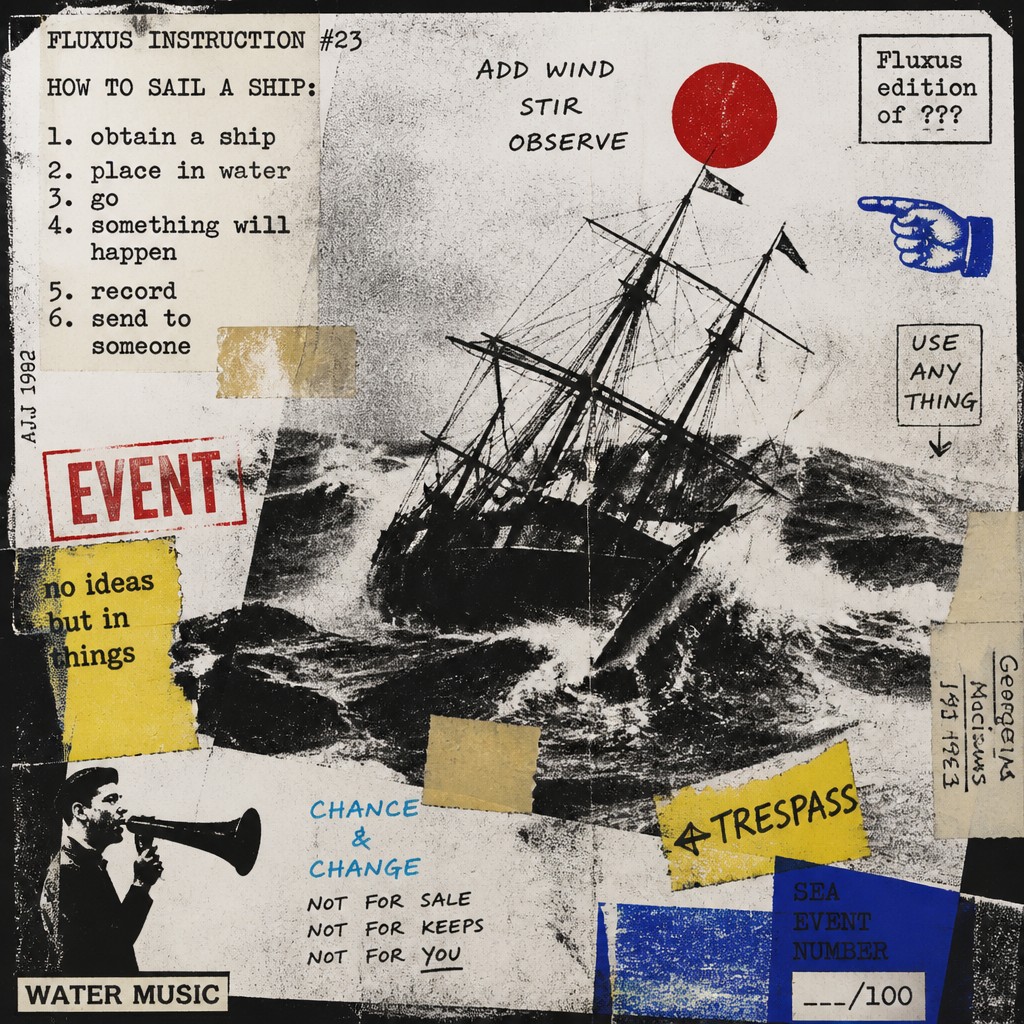
“sailing ship on a stormy sea”
How to Create Fluxus Art
Master the craft step by step — or skip straight to creating. Read the full guide →
- 1
Build around a score or instruction
Start with a simple action-based prompt, then let the image support that idea rather than dominate it. In traditional media, handwrite the instruction prominently; in digital work, use clean but intentionally imperfect text placement so the text behaves like part of the composition.
- 2
Use collage with visible seams
Layer photographic fragments, scraps of paper, stamps, and sketchy marks without hiding the joins. Let tape, tears, edge roughness, and uneven alignment remain visible so the piece feels assembled in real time.
- 3
Favor reproduction artifacts over polish
Introduce photocopy noise, halftone breakup, misregistration, smudges, and contrast clipping. Whether working by hand or digitally, avoid smooth gradients and pristine edges; the surface should feel copied, handled, and redistributed.
- 4
Keep the palette restrained with sudden accents
Use black and white as the main structural field, then add small bursts of primary color where emphasis is needed. Those color accents should feel like a blunt intervention rather than a decorative scheme.
- 5
Write prompts that include process and material cues
For generation, specify concrete actions and surfaces: rubber-stamp marks, xerox degradation, taped fragments, handwritten annotations, instructional text, and chance composition. Mention the subject first, then describe the anti-art treatment so the scene remains legible.
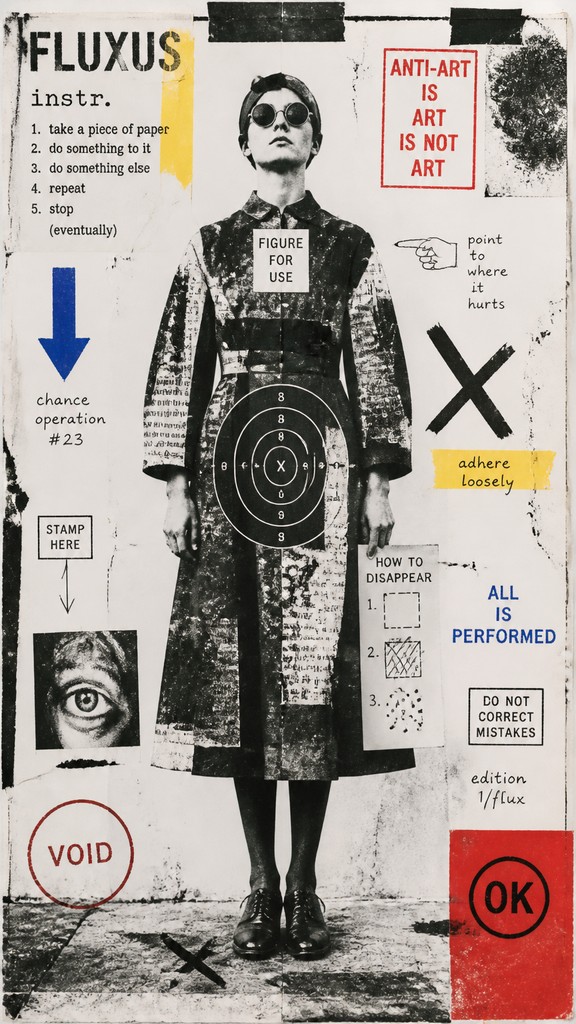
The Story
History & Origins of Fluxus
Fluxus emerged in the early 1960s as an international network of artists, composers, writers, and performers associated with a movement organizer and publisher. It developed in dialogue with earlier avant-garde traditions such as Dada, Constructivism, and a pioneering experimental composer’s approach to indeterminacy, all of which challenged the separation between art and life and questioned the authority of the finished art object.
Rather than a single unified visual style, Fluxus became a loose set of practices: event scores, mail art, performance, artist books, and printed multiples. Its graphic identity was shaped by cheap reproduction, typewritten or handwritten text, and the aesthetics of ephemera, giving it a look that values immediacy, circulation, and anti-elitist irreverence.
Influences: Fluxus draws from Dada’s anti-art irreverence, the logic of readymade objects developed by a major early-20th-century avant-garde artist, chance-based composition associated with a pioneering experimental composer, and later mail art and conceptual art practices. Its graphic and textual handling also overlaps with constructivist experimentation, experimental book design, and the rough materiality of photocopy culture, but its defining impulse is less formal purity than the collapse of art into everyday action.

Frequently Asked Questions
What defines Fluxus art?
Fluxus is defined by process, instruction, humor, and the use of ordinary materials or actions as art. The visual style usually combines text with collage, performance-like cues, and low-finish reproduction effects.
Is Fluxus the same as Dada?
No, but they are closely related. Dada is an earlier anti-art movement that strongly influenced Fluxus, especially in its skepticism toward artistic seriousness and its use of chance, absurdity, and ready-made materials.
Why does Fluxus art often look like photocopies or posters?
Fluxus artists often used inexpensive, reproducible formats because the movement valued circulation, ephemera, and accessibility over precious objects. The photocopied look reinforces that ethos by making the work feel temporary, copied, and democratic.
How is Fluxus different from conceptual art?
Fluxus and conceptual art overlap in their emphasis on ideas, but Fluxus tends to be more playful, performative, and materially rough. Conceptual art can be austere and systematic, while Fluxus often includes humor, improvisation, and everyday absurdity.
What kinds of subjects work well in Fluxus style?
Ordinary objects, actions, notices, maps, tools, and fragments of daily life fit naturally because the style turns commonplace things into events or instructions. The subject can be simple; the point is the treatment, sequence, and framing.
Can Fluxus be made digitally?
Yes. Digital methods are useful for layering text, scanned collage, fake photocopy textures, and misregistration effects. The key is to preserve a handmade, provisional look rather than a sleek graphic finish.
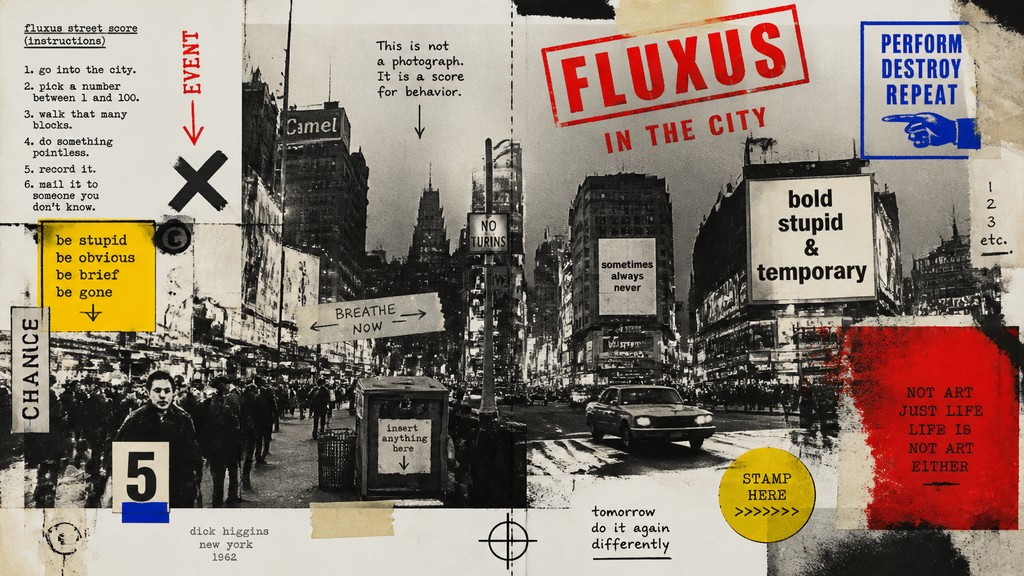
Create your first Fluxus artwork
Describe anything — or upload a photo — and see it in Fluxus Art Style in seconds.
Make Something with Fluxus
Related Styles
Discover similar art styles