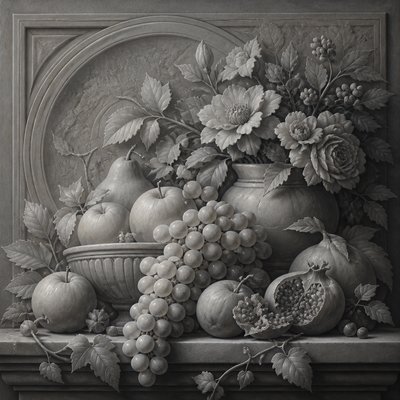
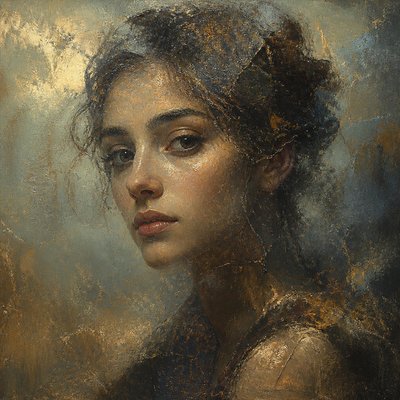
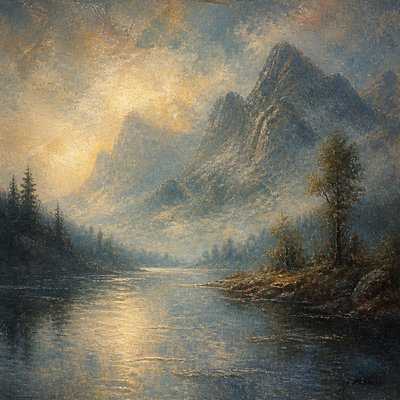
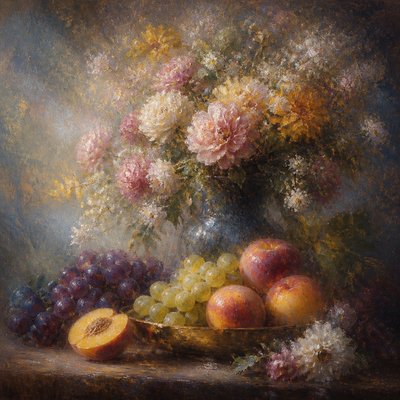
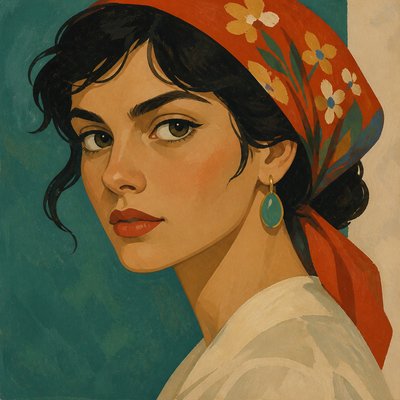
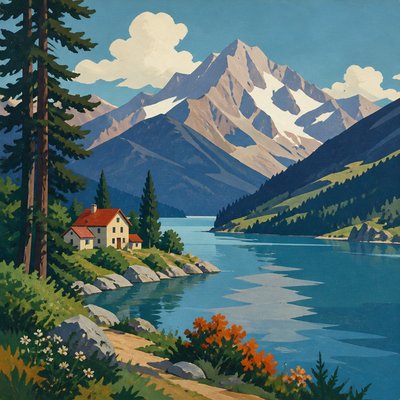
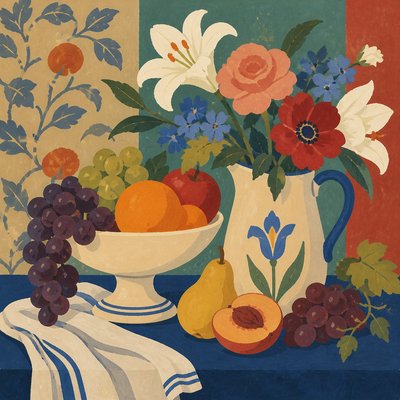
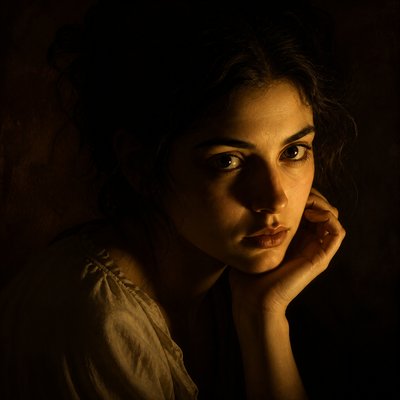
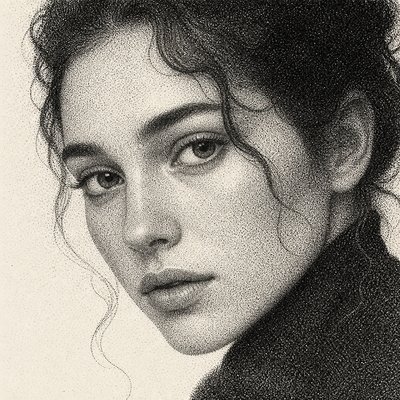
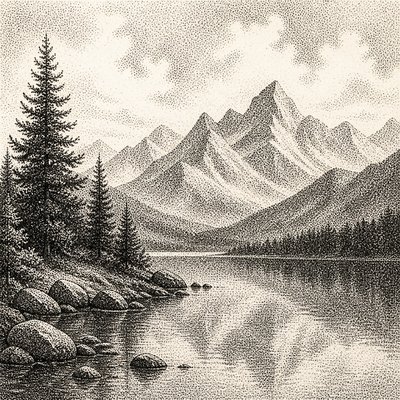
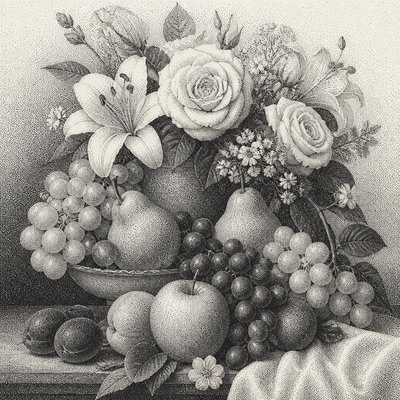
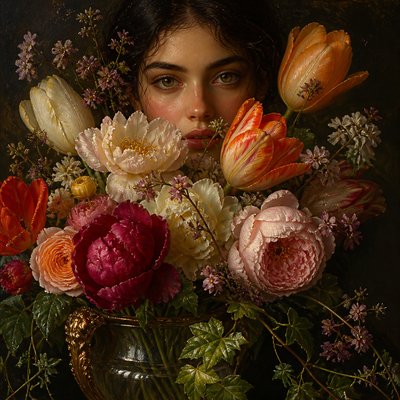
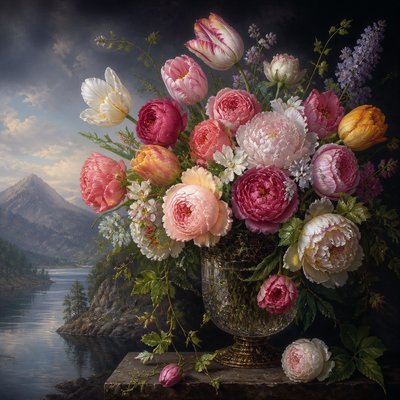
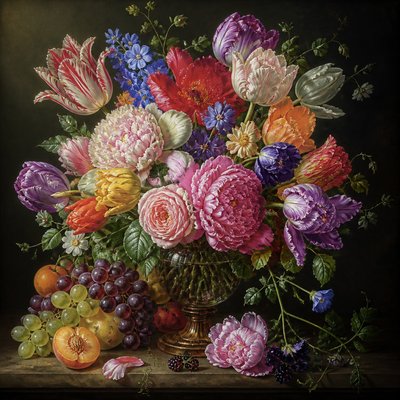
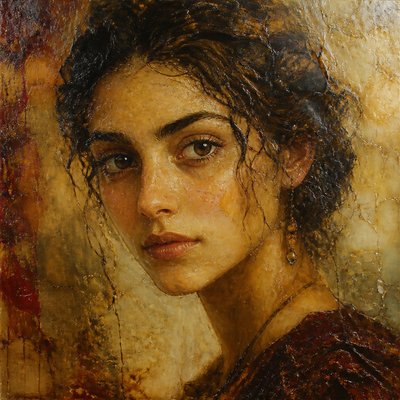
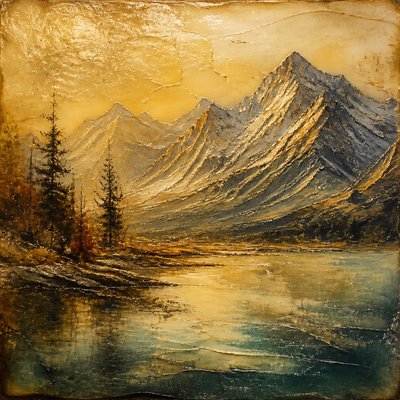
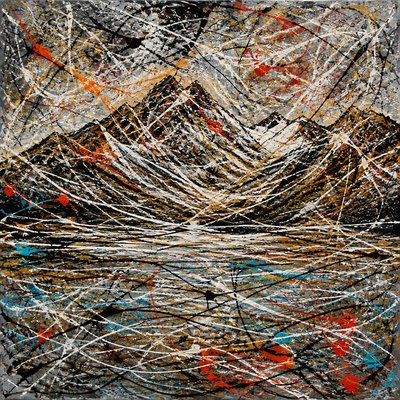
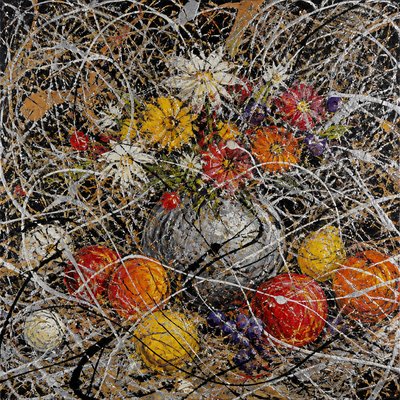
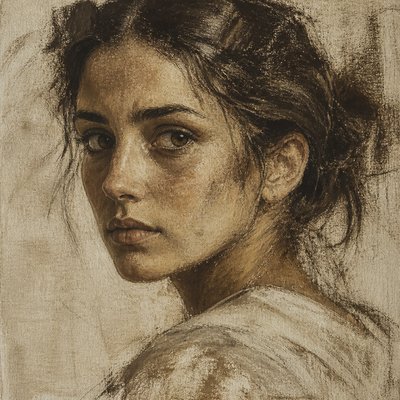
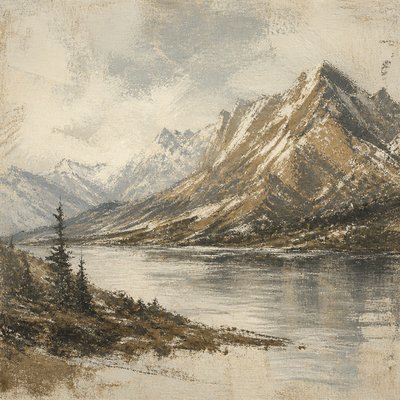
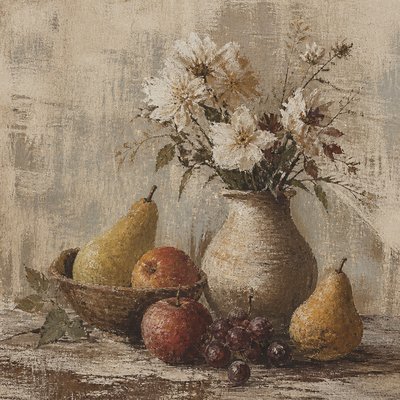
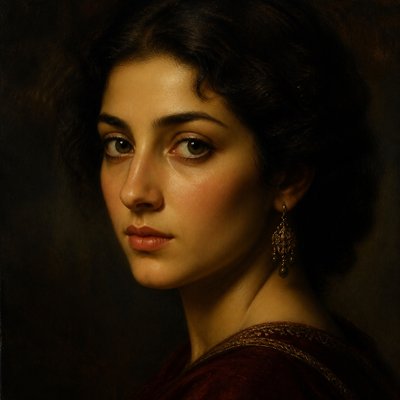
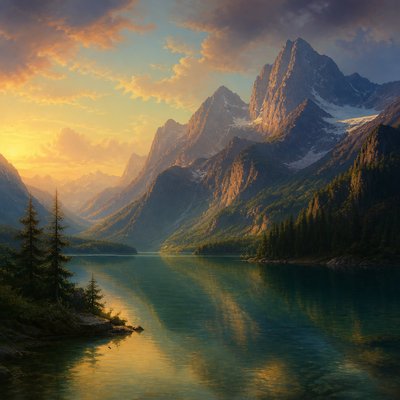
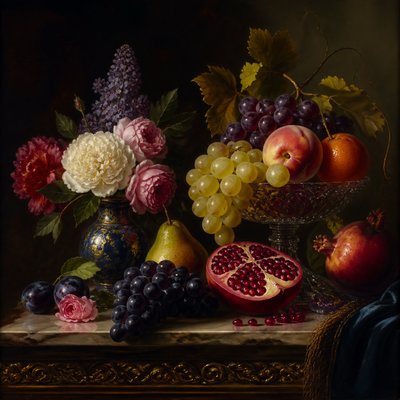
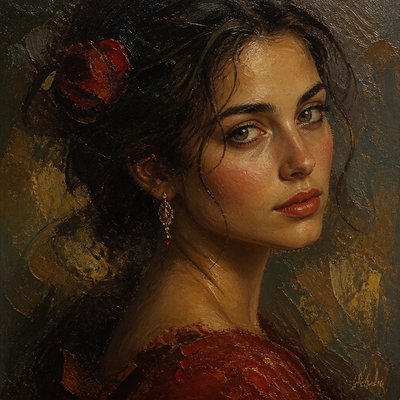
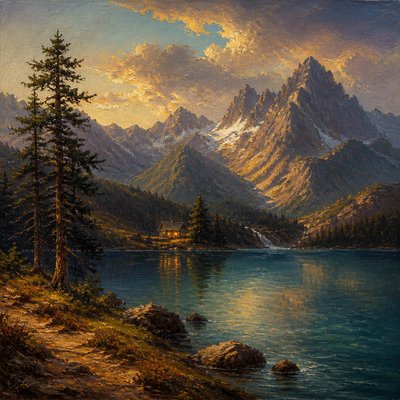
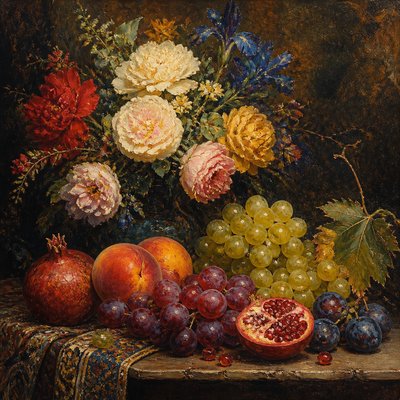
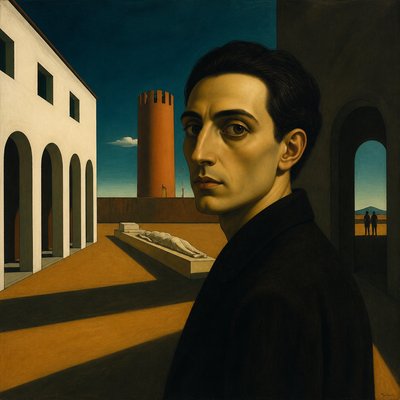
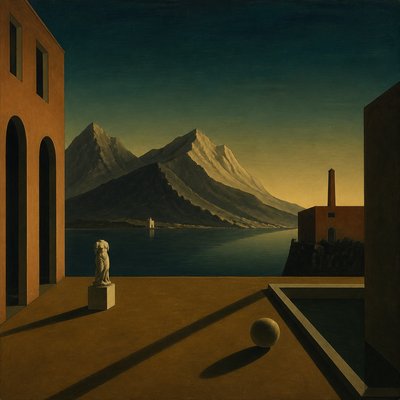
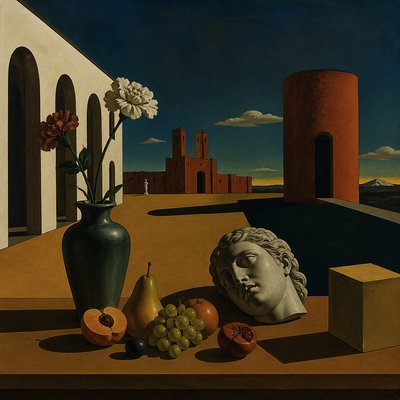
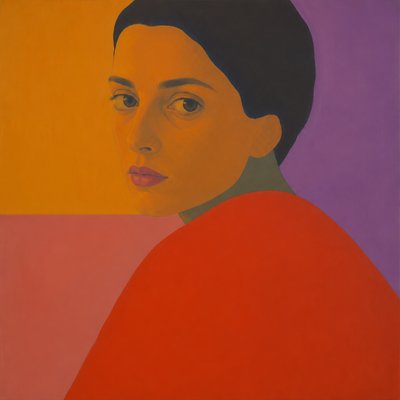
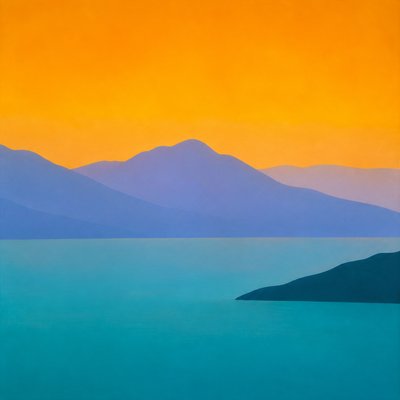
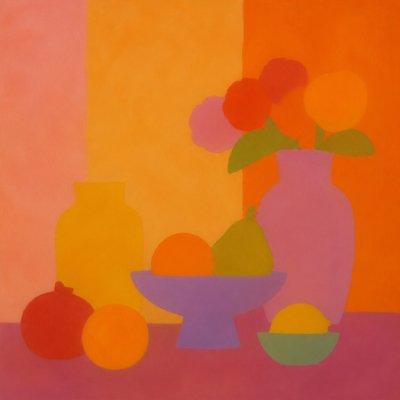
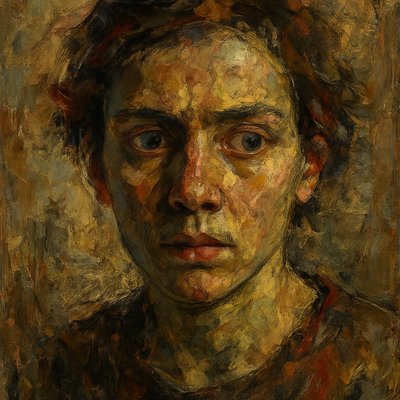
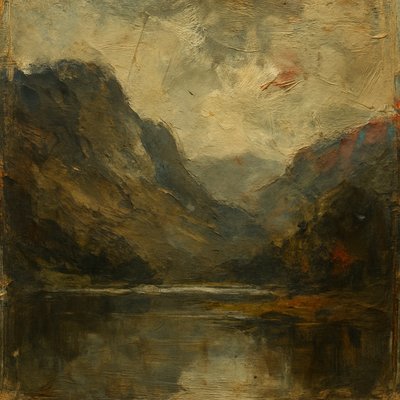
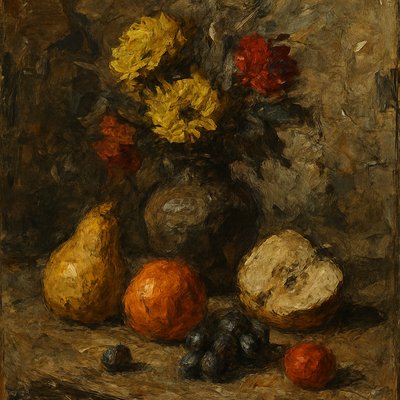
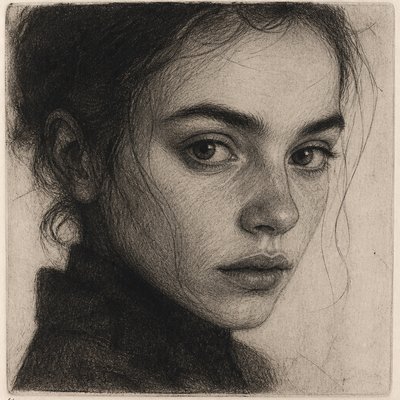
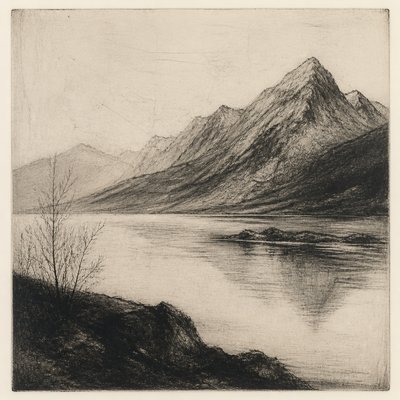
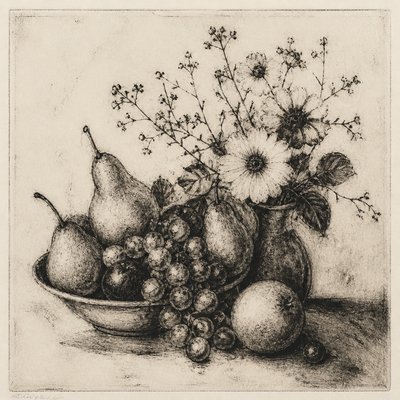
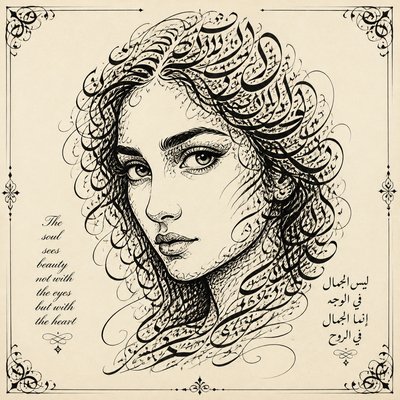
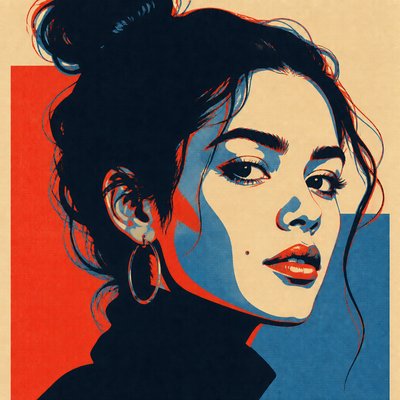
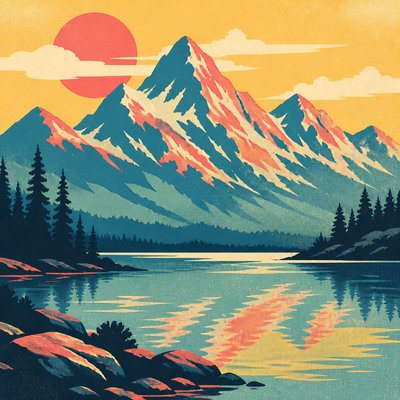
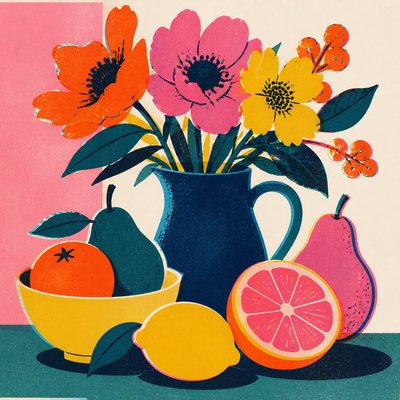
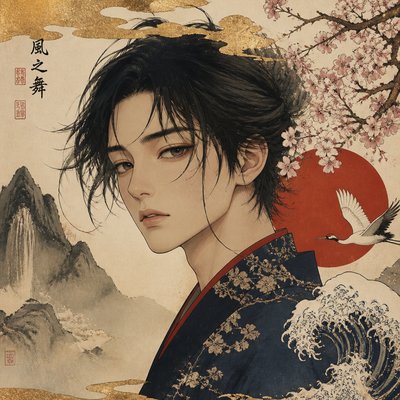
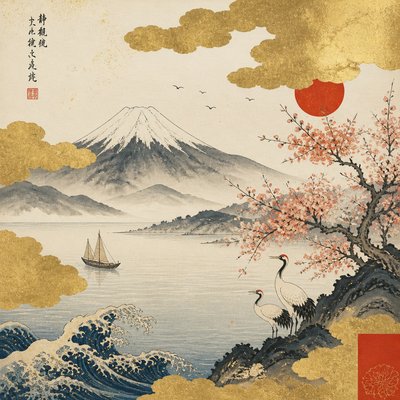
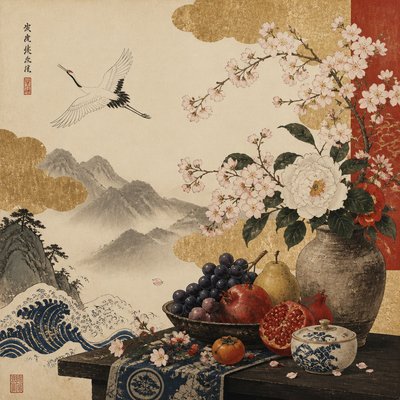
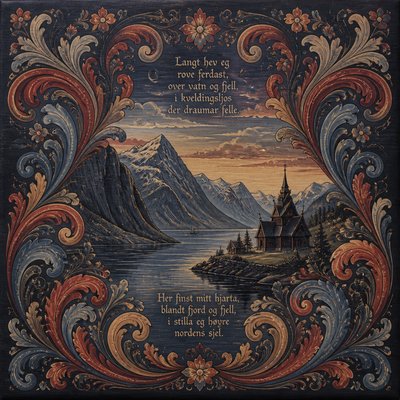
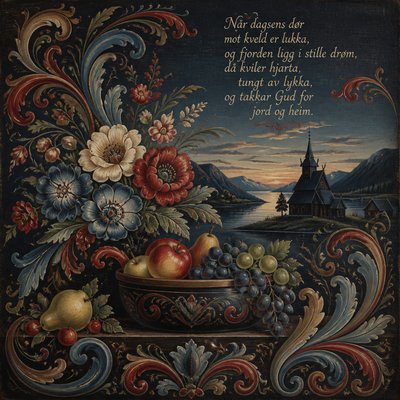
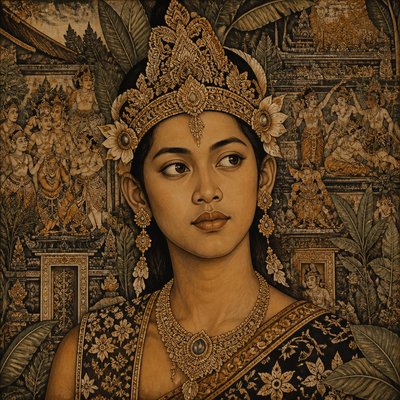
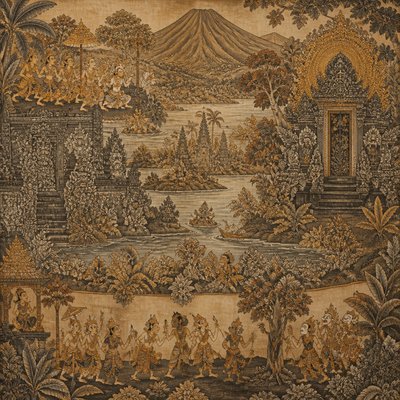
Song Dynasty Ink Painting Style
Explore Song Dynasty ink painting: monumental mountains, misty voids, disciplined brushwork, and contemplative Chinese landscape aesthetics.
Instantly rendered in Song Dynasty Ink Painting — or transform a photo
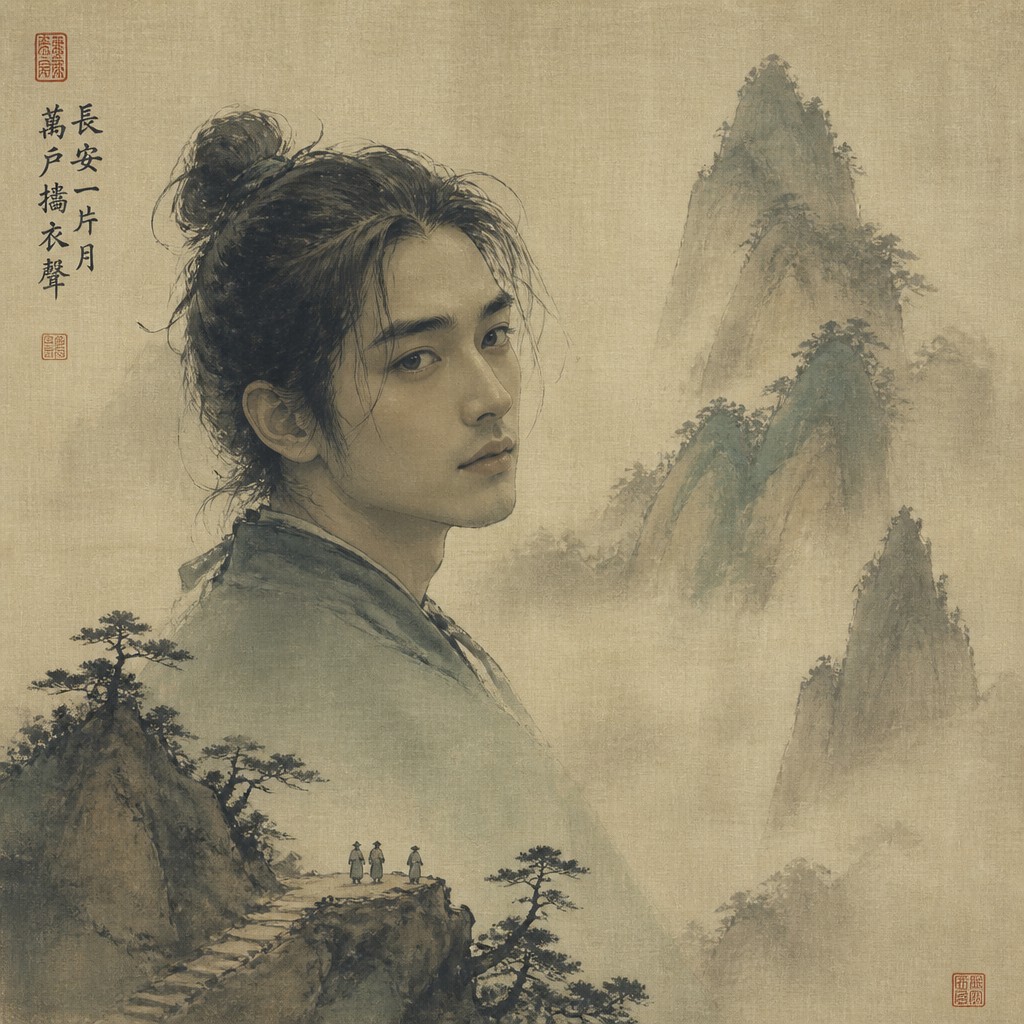
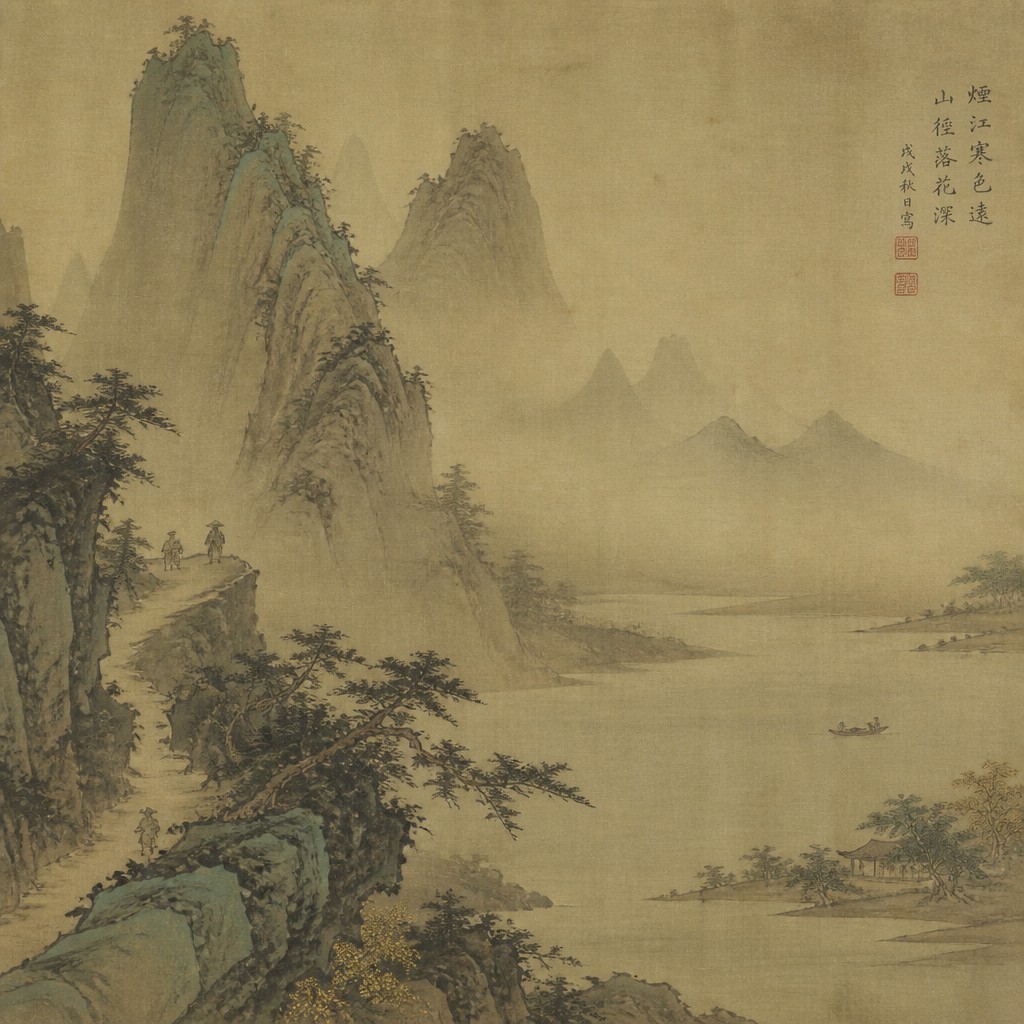
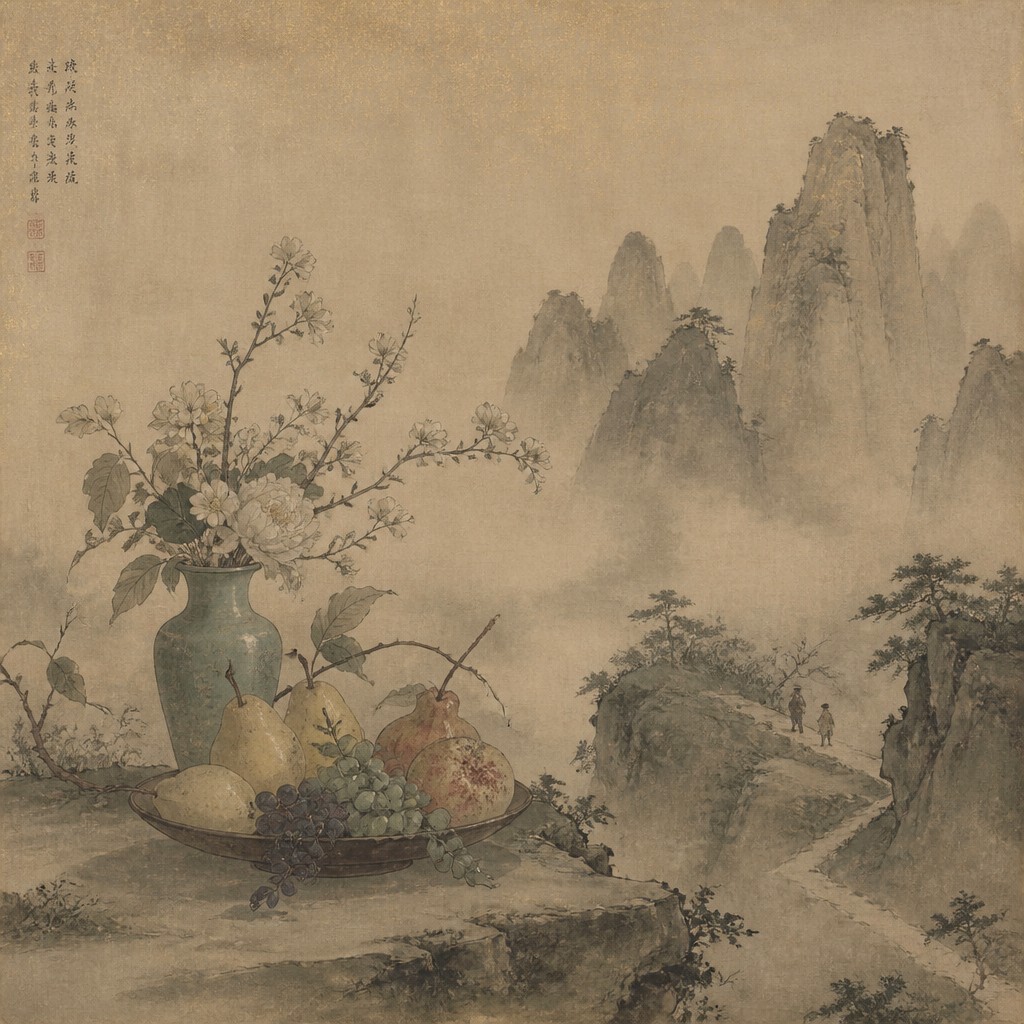
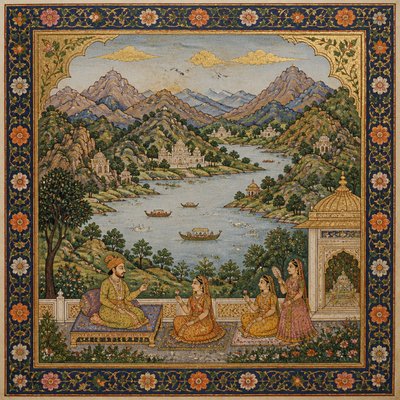
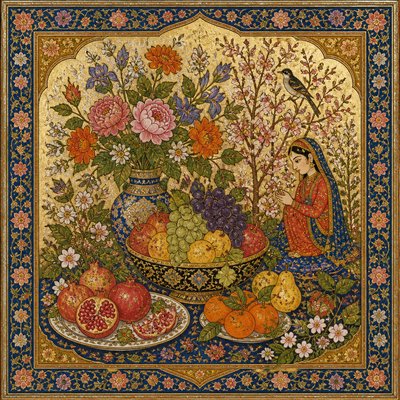
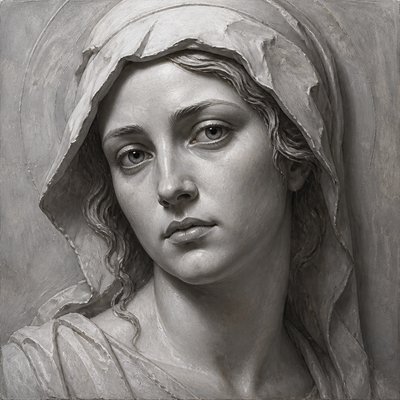
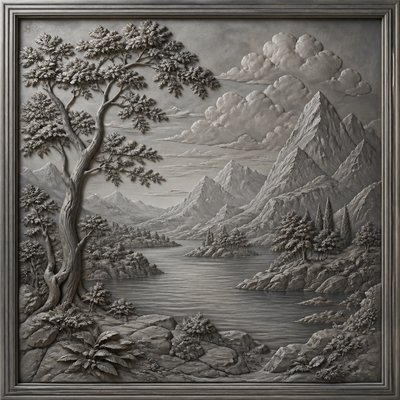
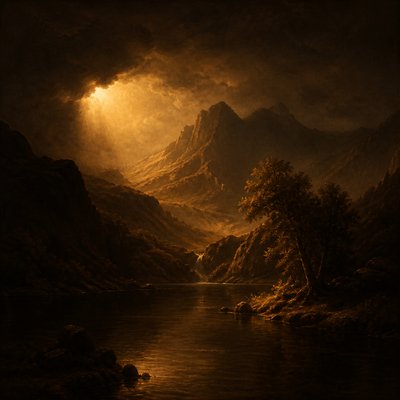
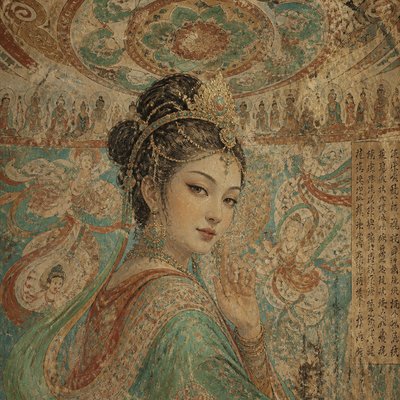
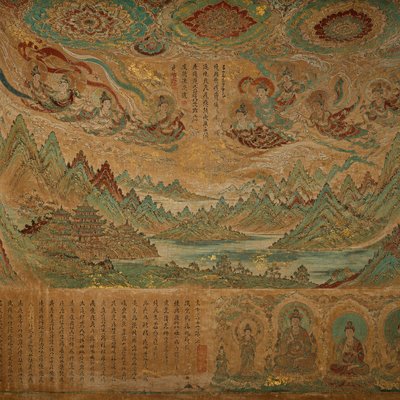
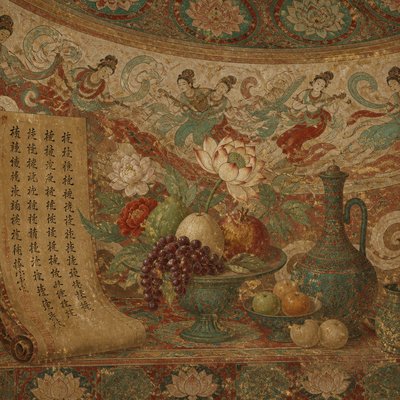
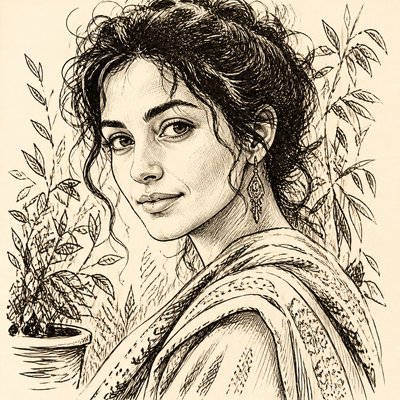
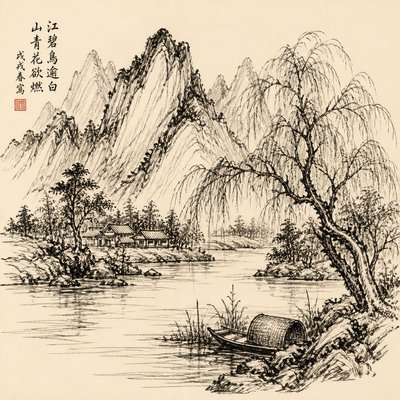
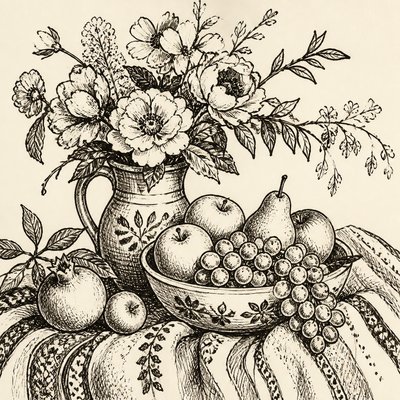
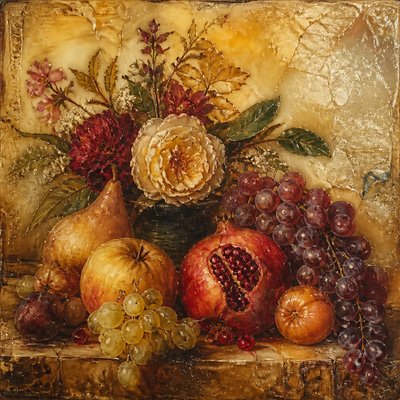
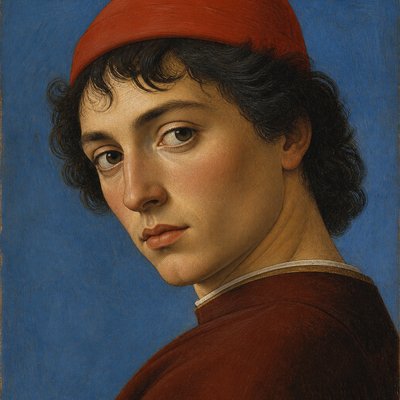
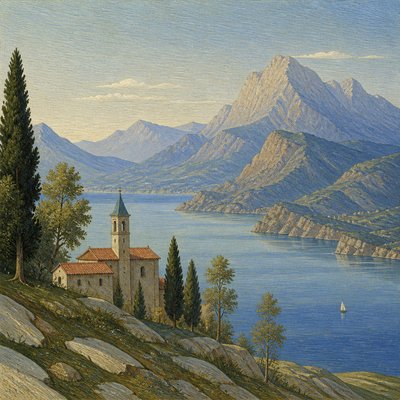
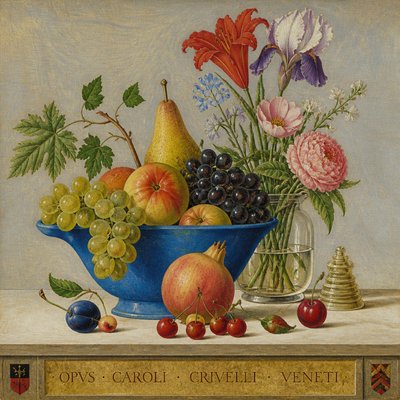
Song Dynasty Ink Painting Gallery
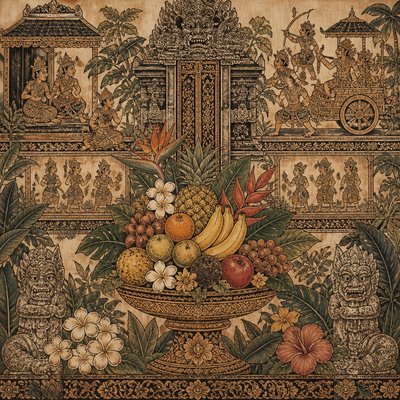
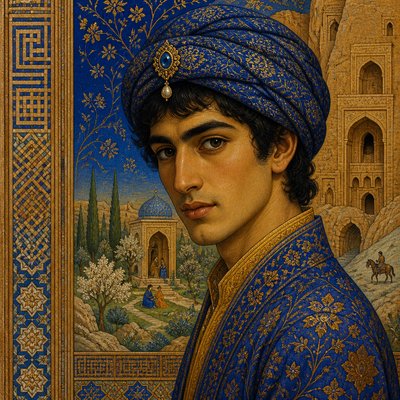
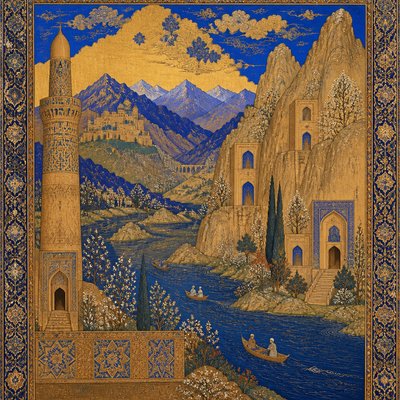
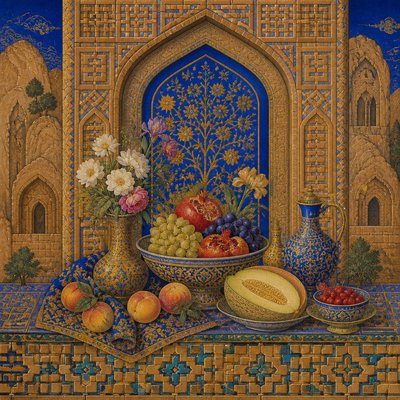
Tap any artwork to explore it
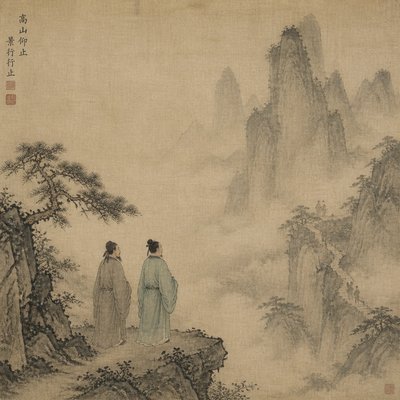
What is Song Dynasty Ink Painting Style?
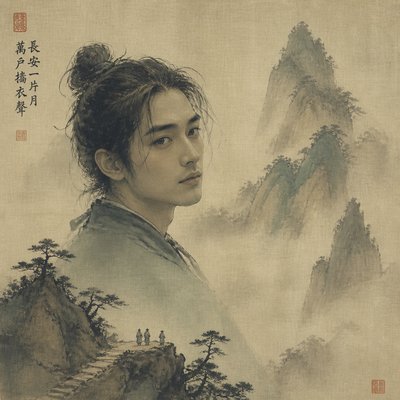
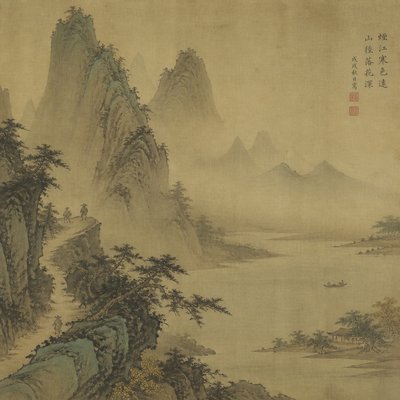
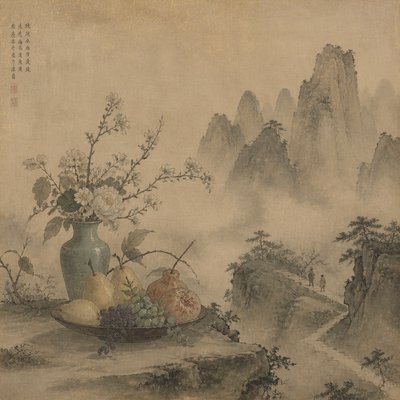
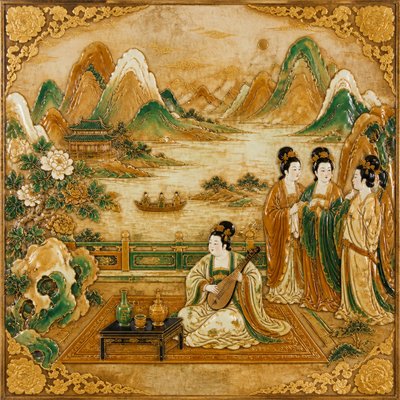
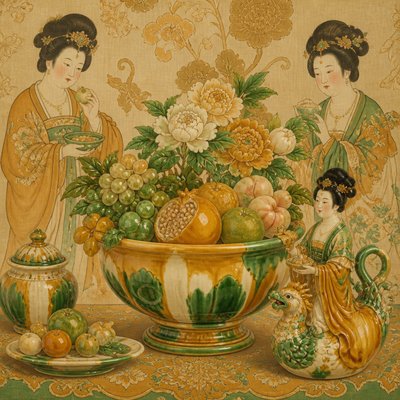
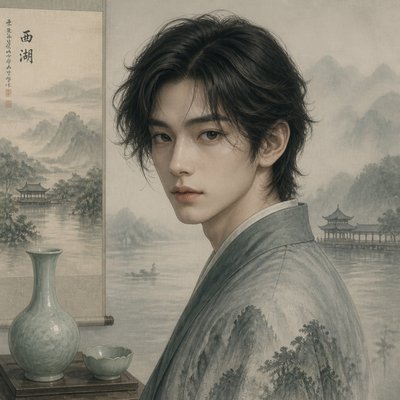
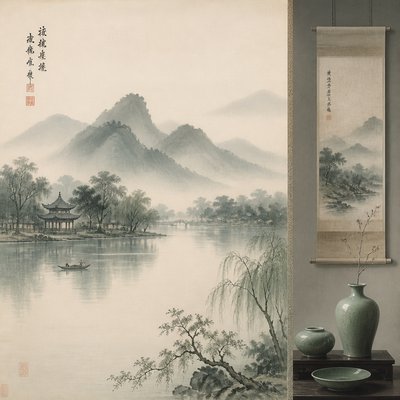
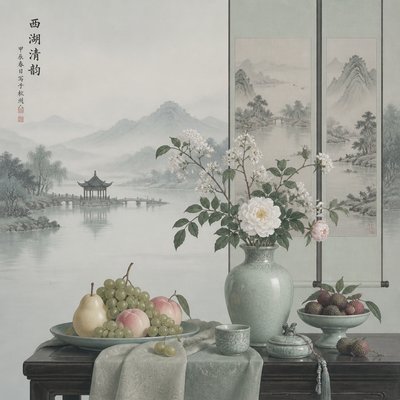
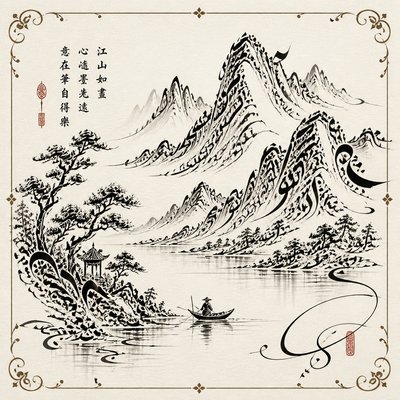
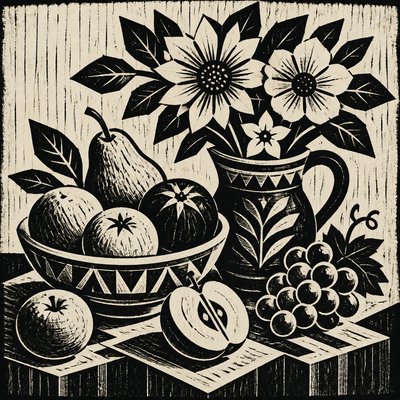
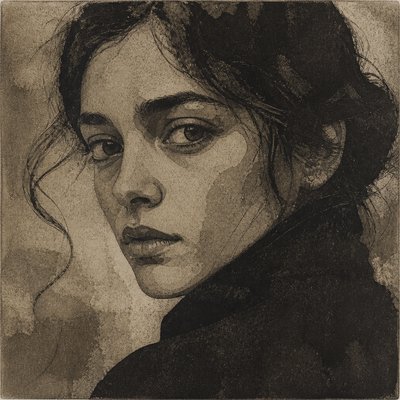
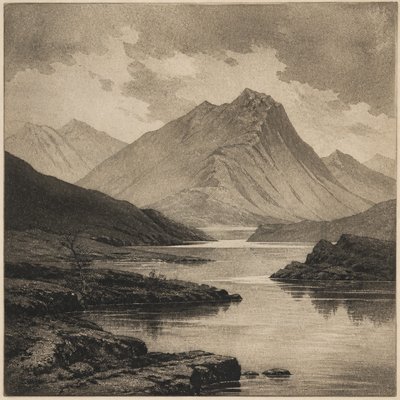
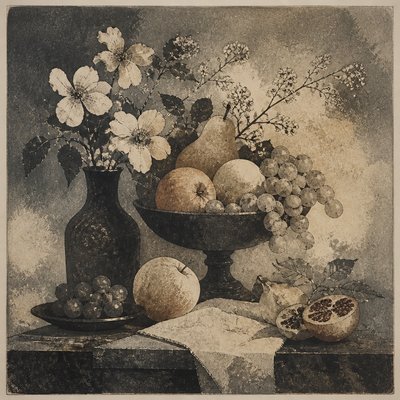
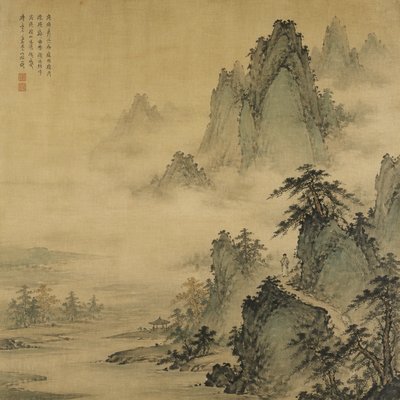
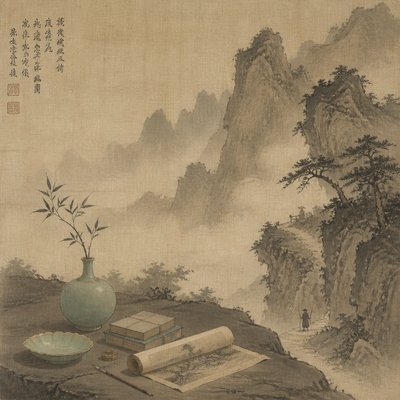
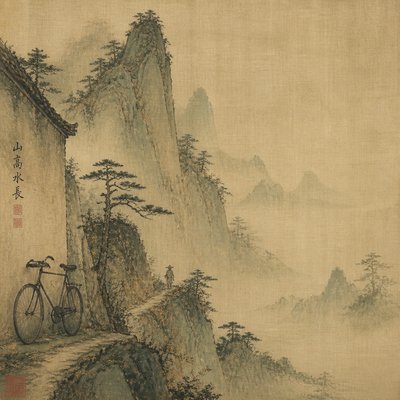
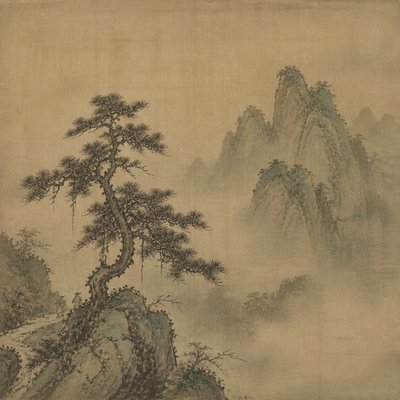
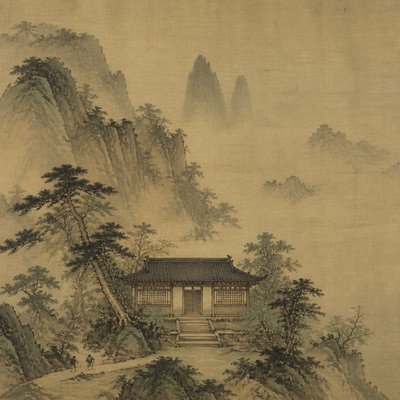
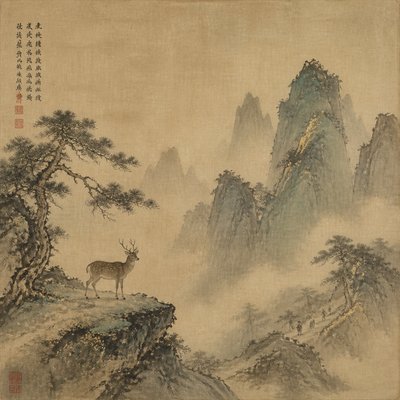
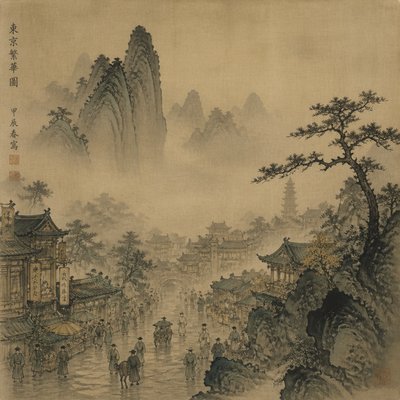
Song Dynasty ink painting style refers to the landscape tradition that flourished in China during the Northern Song (960–1127) and Southern Song (1127–1279) periods. Its defining image is a world of towering mountains, remote valleys, rivers, pavilions, and travelers rendered through layered ink washes rather than dense descriptive detail. Forms emerge and disappear within mist, creating an expansive sense of distance and silence.
The style looks contemplative because it treats landscape as more than a literal view. Uneven brush texture suggests rock, trees, and weather, while blank or lightly washed areas function as active space representing fog, water, atmosphere, or the unseeable. Monumental compositions, restrained color, and carefully varied ink tones balance physical scale with meditative stillness.
Try It On Your Photos
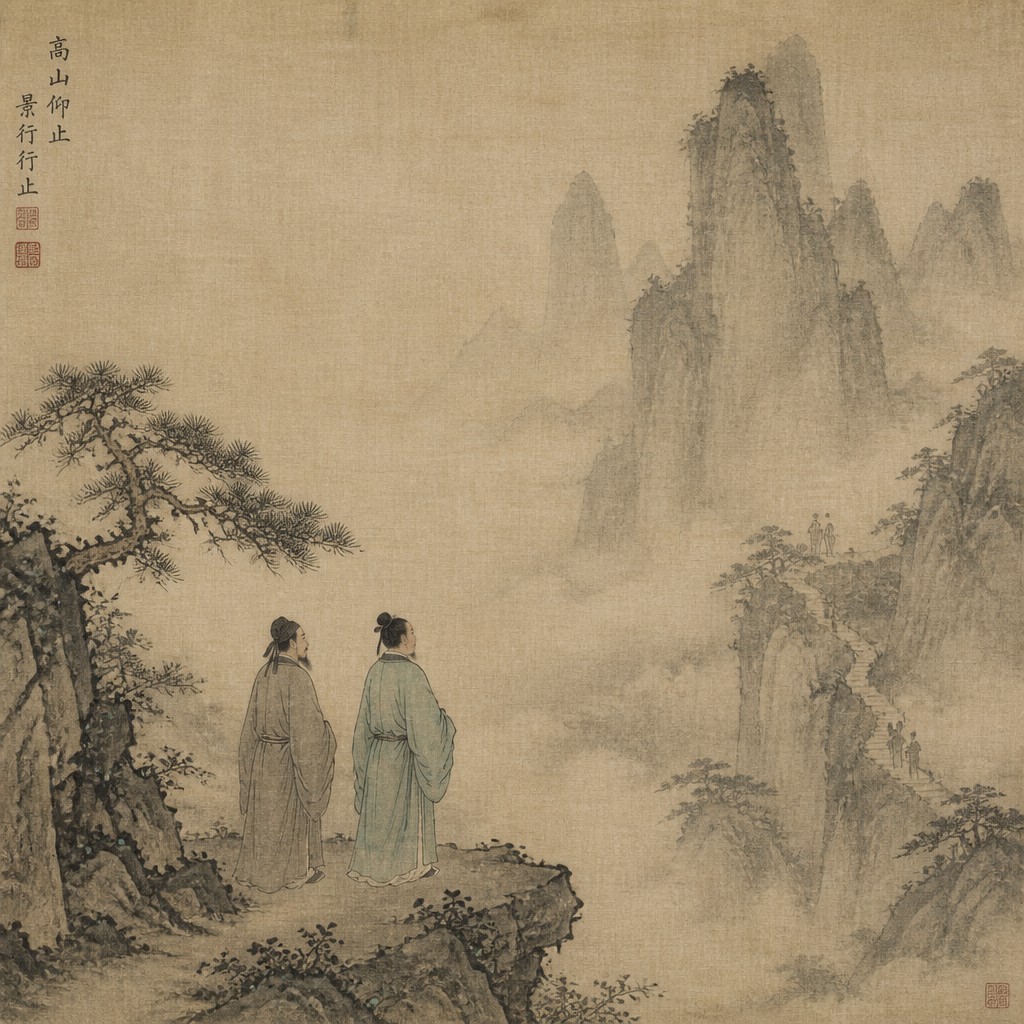
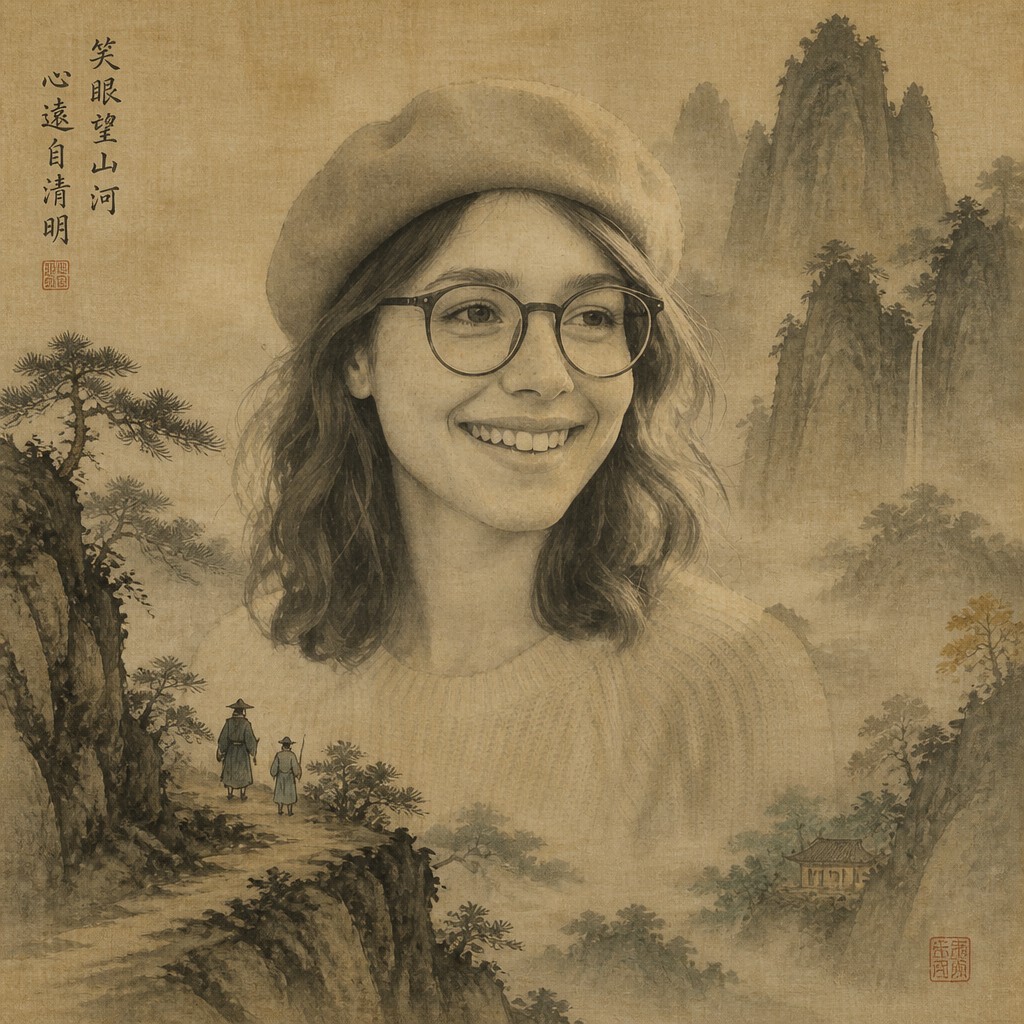
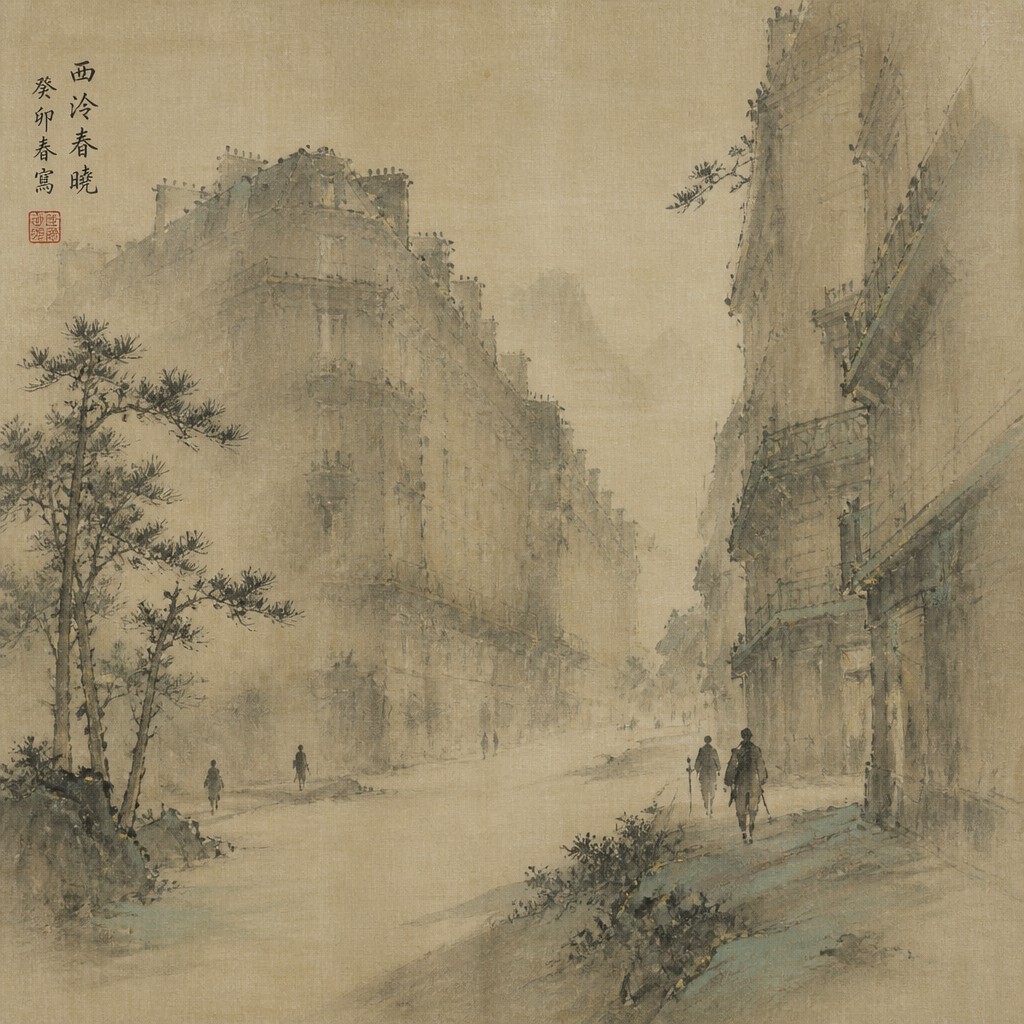
Upload any photo and convert it into Song Dynasty Ink Painting Style — drag the sliders to compare before and after.


What Defines Song Dynasty Ink Painting Style
The signature details, up close
Monumental mountain structures
Large peaks, cliffs, and ridges organize the composition and create a strong vertical scale. Mountains may occupy most of the picture while human figures remain deliberately tiny.
Layered ink wash
Diluted ink builds atmospheric distance through successive gray tones, from translucent veils to deep black accents. The variation between wet and dry passages gives surfaces both softness and material weight.
Mist and negative space
Unpainted or lightly washed areas represent fog, water, sky, and visual uncertainty. These spaces separate forms and make the landscape feel larger than the physical sheet or silk.
Angular brush texture
Controlled strokes describe fractured rock faces, ledges, ravines, and tree trunks without modeling every detail. Distinct brush textures suggest geological structure while preserving the handmade character of the image.
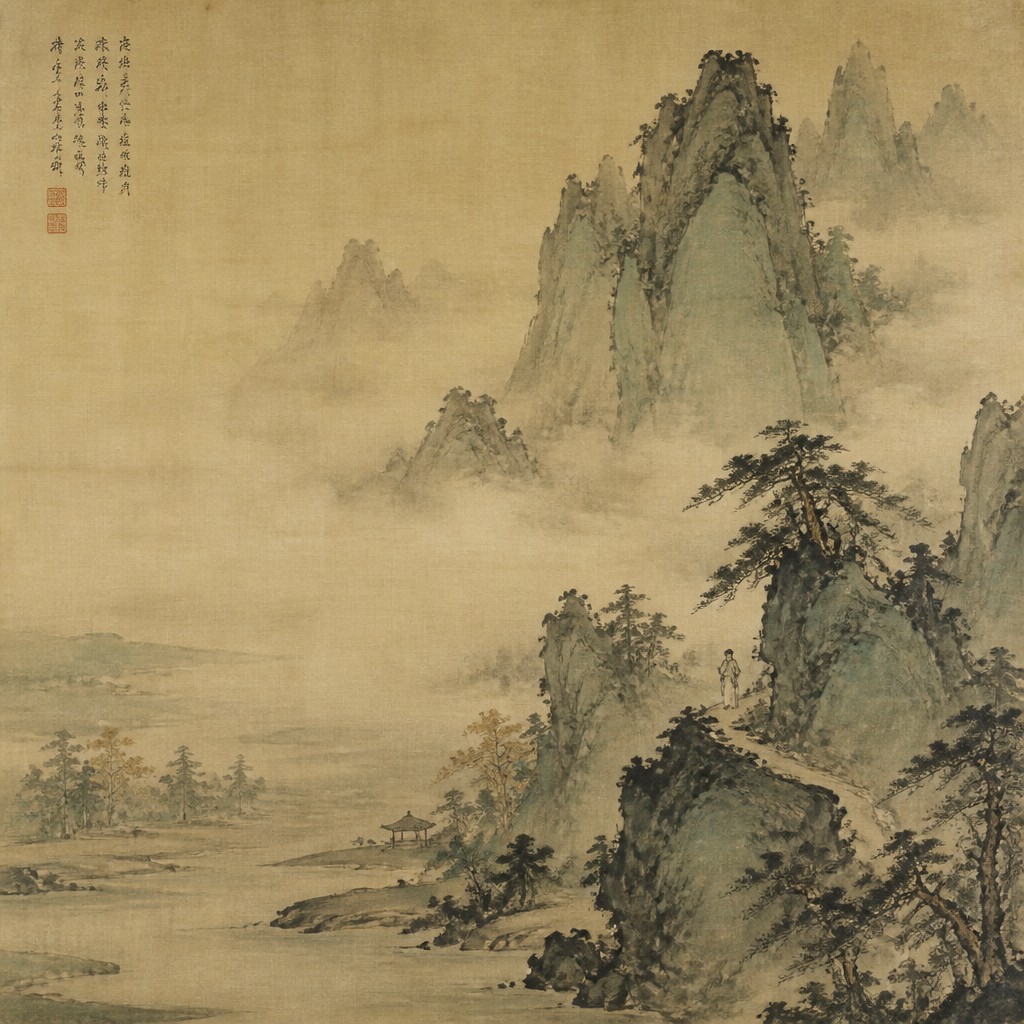
Sparse human presence
Travelers, bridges, dwellings, boats, and temple structures appear as small scale markers. Their placement emphasizes the relationship between human life and an immense natural environment.
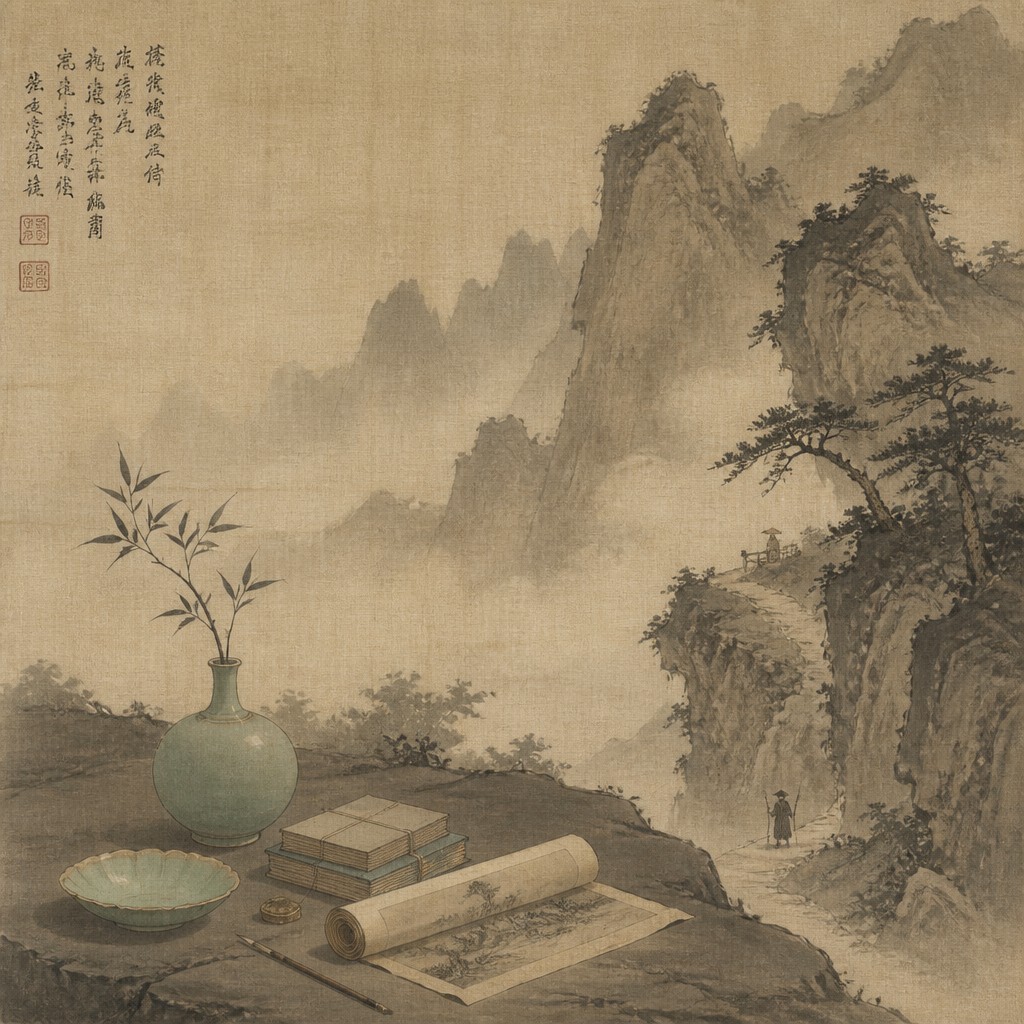
Restrained coloration
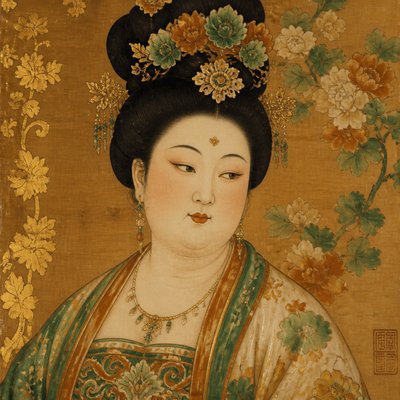
Traditional examples can be monochrome or lightly colored, with mineral and vegetal pigments used selectively. Contemporary interpretations may add muted celadon, pale gold, or warm beige without overpowering the ink.
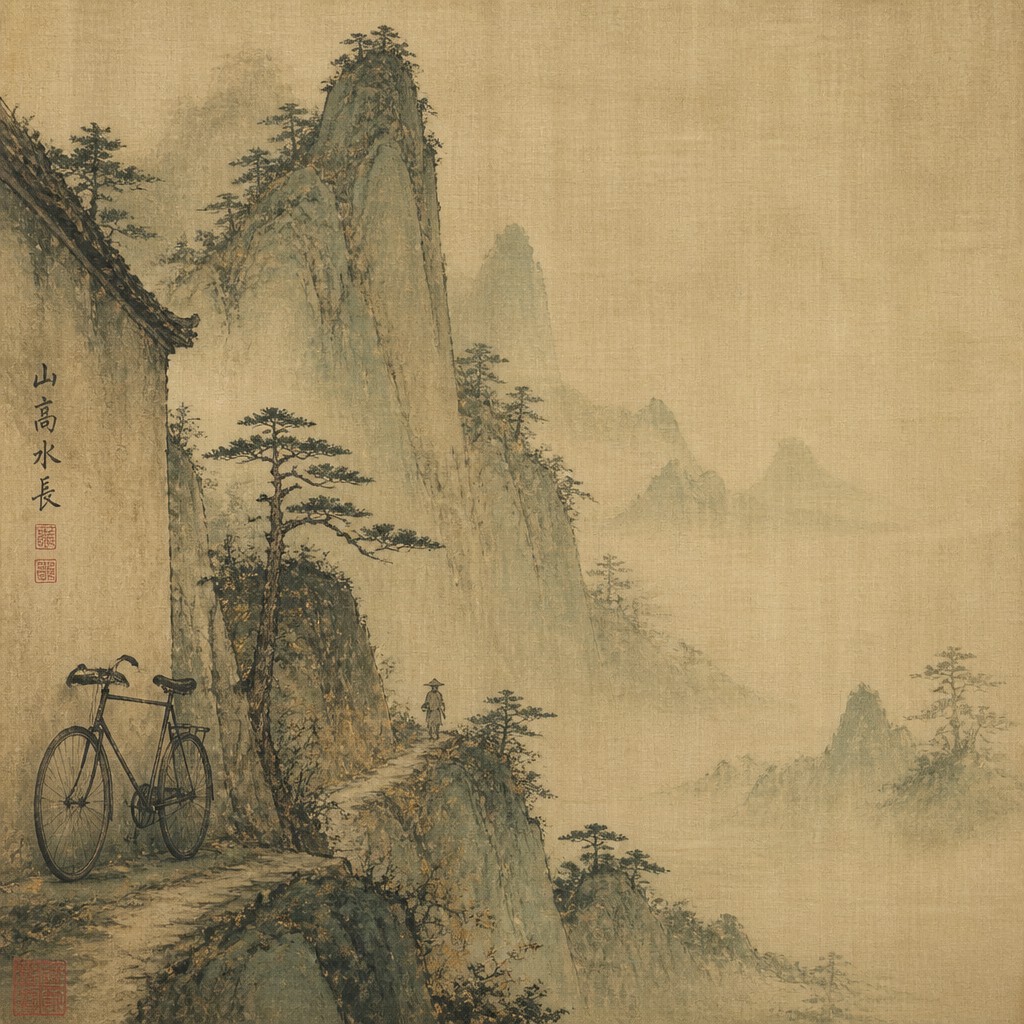
Asymmetrical, contemplative composition
Paths, rivers, and mountain contours guide the eye through unfolding spatial zones rather than presenting a single fixed viewpoint. The result encourages slow looking and a sense of poetic discovery.
Try It
Create Videos in Song Dynasty Ink Painting Style
Styles aren't just for stills — describe a scene or animate an image and get a short video rendered in Song Dynasty Ink Painting. Press play to see this pond come to life.
Make a VideoSong Dynasty Ink Painting Prompt Ideas
Start from an idea — each one opens the generator with the style ready to go. See all 40 Song Dynasty Ink Painting prompts →
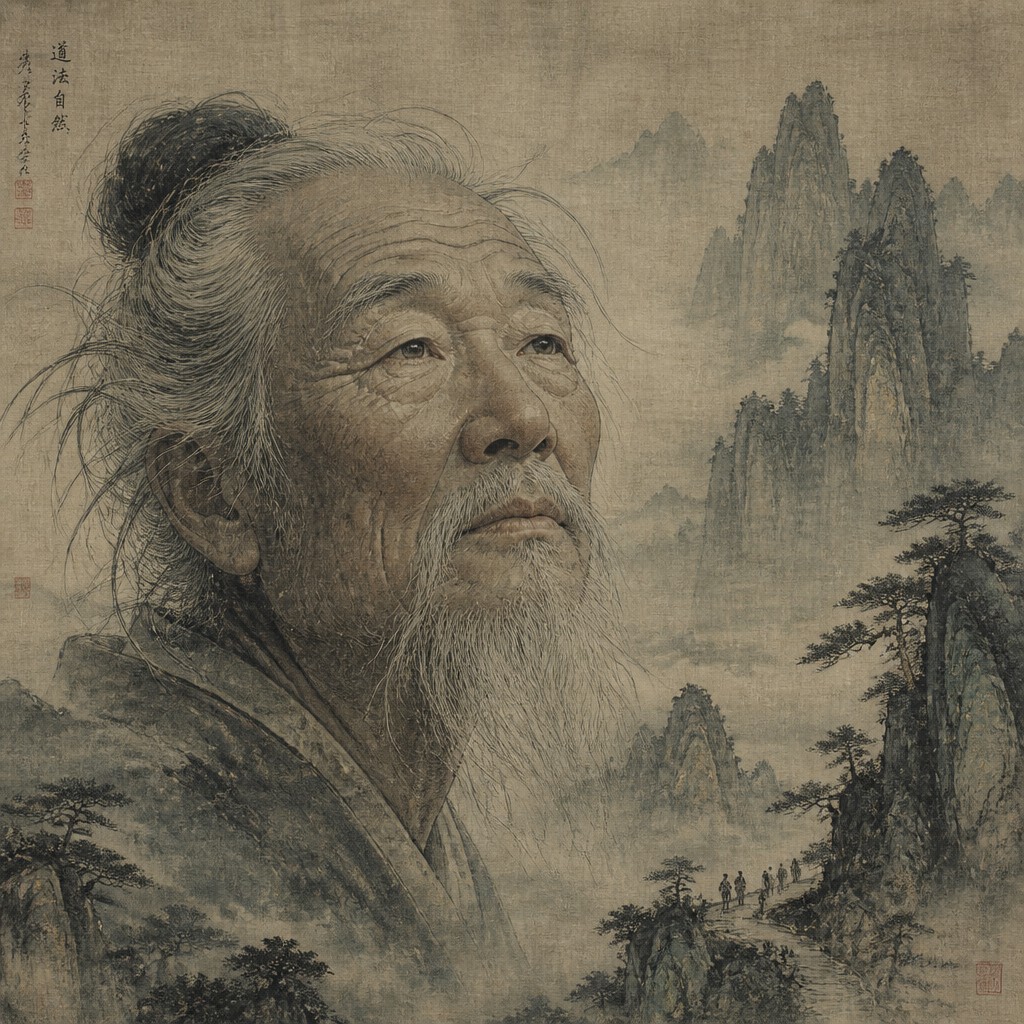
“close-up portrait of an elderly person with expressive weathered features”
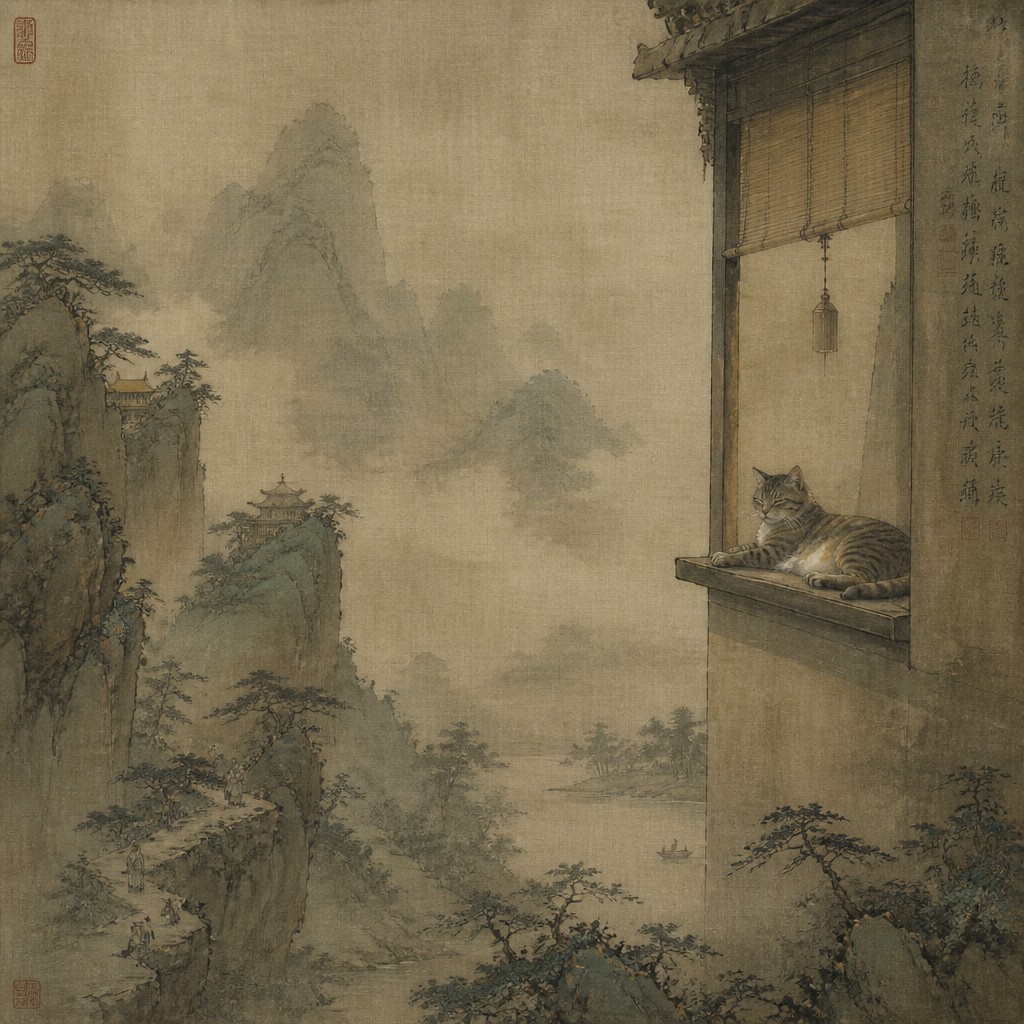
“a cat lounging in a sunlit window”
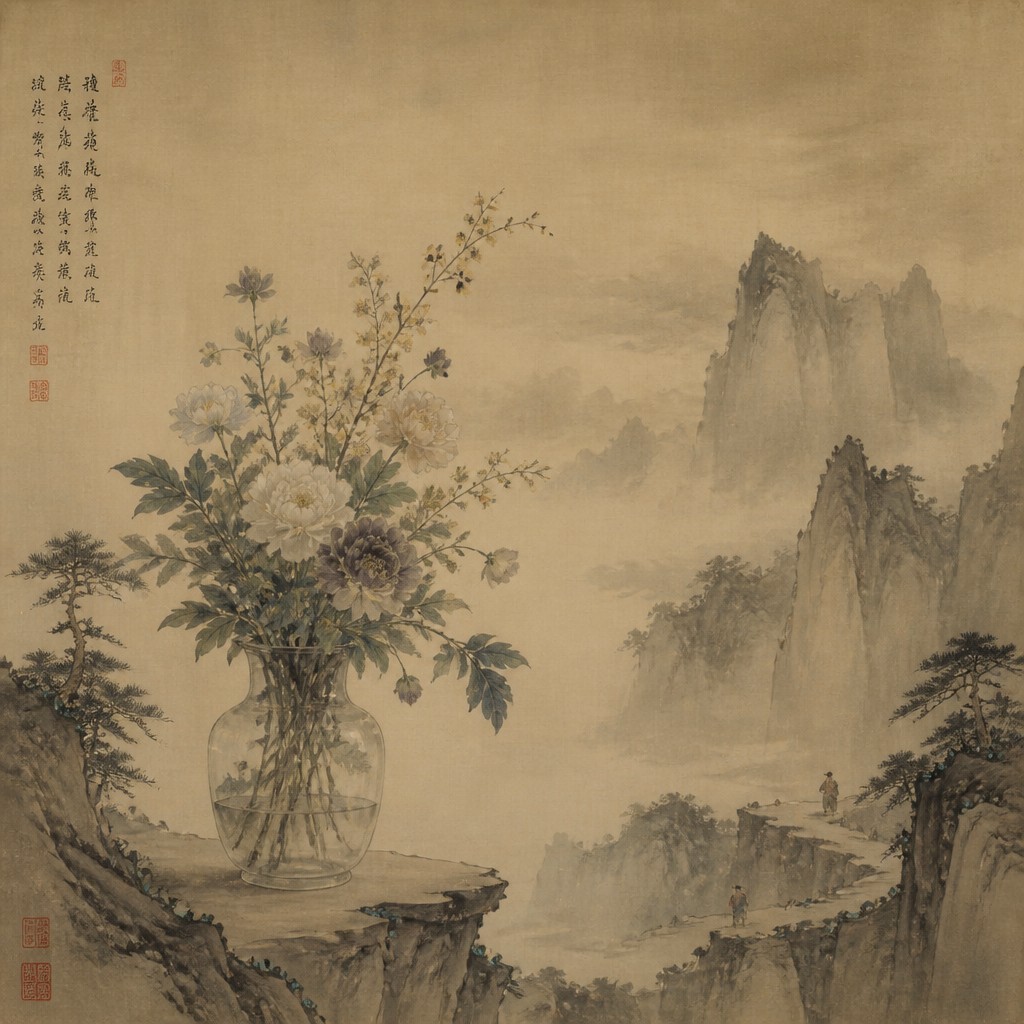
“bouquet of flowers in a glass vase”
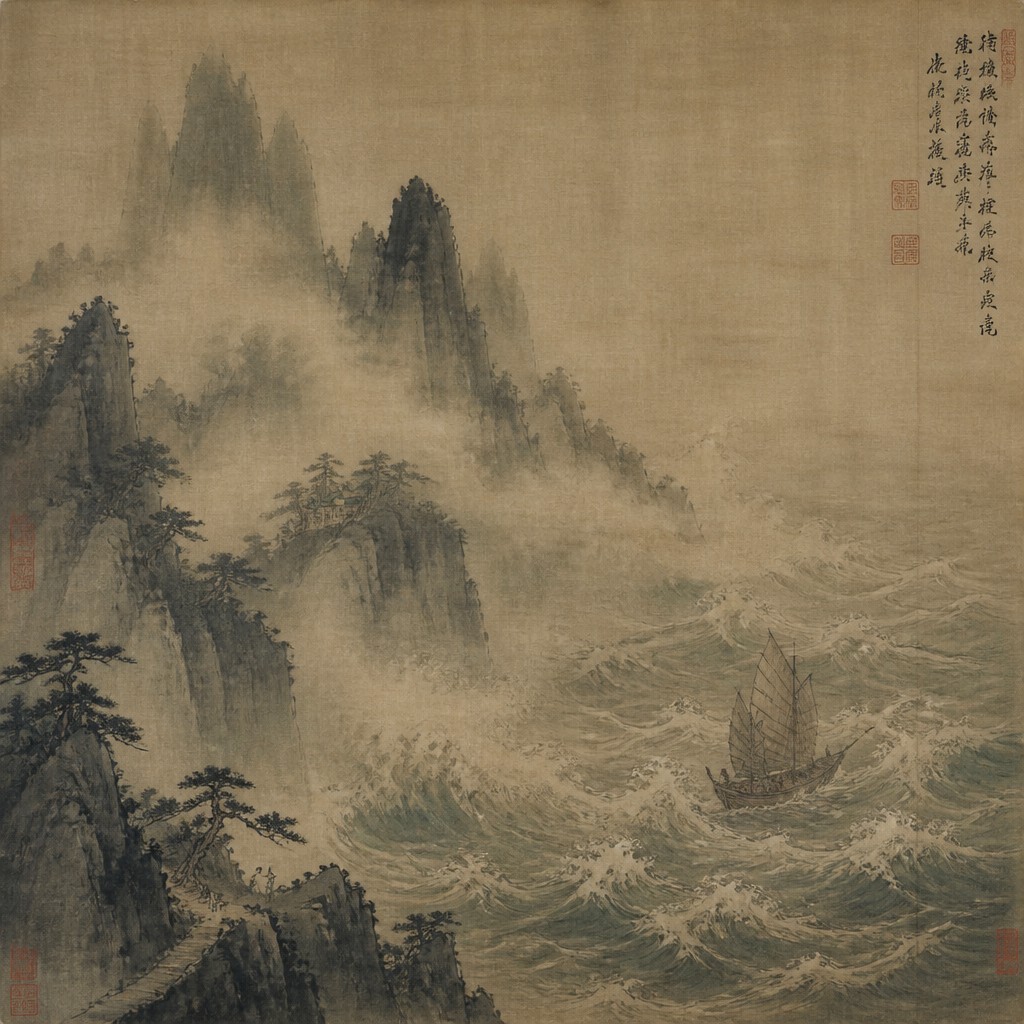
“sailing ship on a stormy sea”
How to Create Song Dynasty Ink Painting Art
Master the craft step by step — or skip straight to creating. Read the full guide →
- 1
Establish a tonal architecture
Begin with a pale gray wash for distant mountains and atmospheric zones, then reserve the darkest ink for foreground rocks, tree trunks, and selected structural edges. Build depth through value and opacity rather than sharp linear perspective alone.
- 2
Use brush texture selectively
Combine wet, diluted strokes for mist and distant forms with drier, more angular marks for cliffs, pines, and exposed ledges. Avoid outlining every object; let broken marks imply texture and allow some forms to dissolve.
- 3
Compose in visual layers
Plan a foreground anchor, a middle-distance passage, and a receding mountain or water zone. Insert a winding path, bridge, or stream to lead the eye through the mist and add a few tiny figures for scale.
- 4
Work traditionally or digitally
On paper or silk, use ink, water, absorbent and resistant brushes, and controlled drying to vary edges. Digitally, layer transparent gray washes, textured brushes, softened masks, and erasure to recreate absorbency, fading, and dry-brush grain.
- 5
Prompt for structure and atmosphere
Describe the subject, spatial hierarchy, ink range, mist behavior, brush texture, and degree of human detail in that order. For image-to-image work, preserve the source composition while reducing photographic detail and introducing layered wash, atmospheric gaps, and restrained accents.
The Story
History & Origins of Song Dynasty Ink Painting
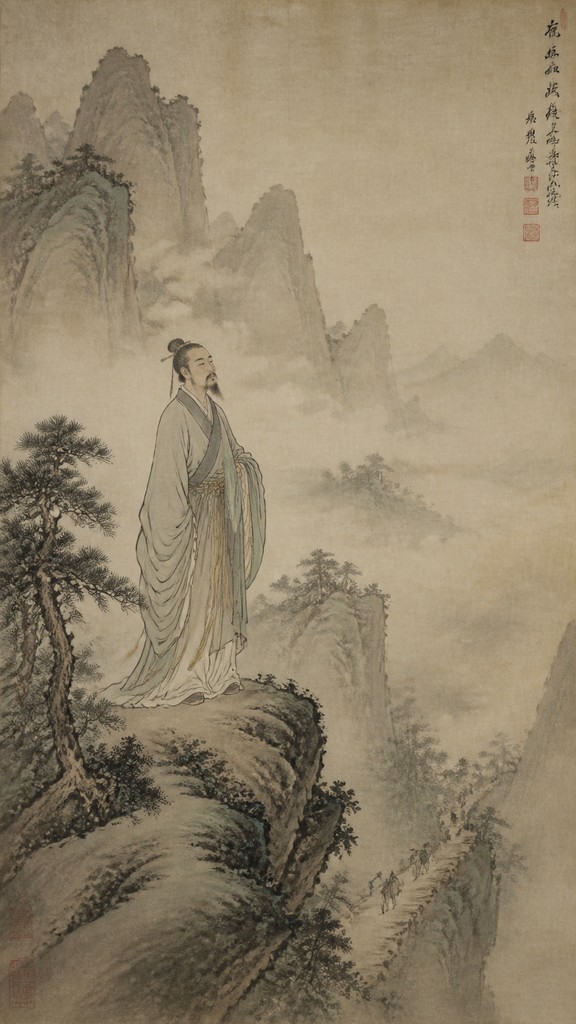
Chinese landscape painting developed over earlier centuries, but the Song Dynasty established landscape as one of the central subjects of scholarly and court painting. Northern Song works often emphasize imposing mountain structures, layered recession, and a coherent natural order; Southern Song painting generally favors more intimate, asymmetrical views, suggestive corners, and atmospheric cropping. Ink wash on silk or paper became especially important, supported by disciplined brush methods and the expressive possibilities of dry, wet, dark, and diluted ink.
The tradition later informed literati painting, which placed value on personal brush expression, cultivated restraint, and the relationship between painting, poetry, and calligraphy. The contemporary label often combines historical Song landscape principles with a modern preference for soft mist, vast negative space, and selectively muted celadon or pale-gold accents; those color accents are interpretive rather than universal features of Song painting.
Influences: The style draws primarily from Northern and Southern Song Chinese landscape painting, brush-and-ink calligraphy, traditional Chinese theories of atmospheric distance, and the literati painting tradition that connected visual expression with poetry and cultivated brushwork. It also relates to Chan-influenced ink aesthetics, later monochrome landscape schools, handscroll and album composition, and modern East Asian ink wash illustration. Contemporary versions often merge these historical principles with cinematic wide framing, digital matte-painting atmosphere, and selectively applied muted color.
Frequently Asked Questions
What defines Song Dynasty ink painting style?
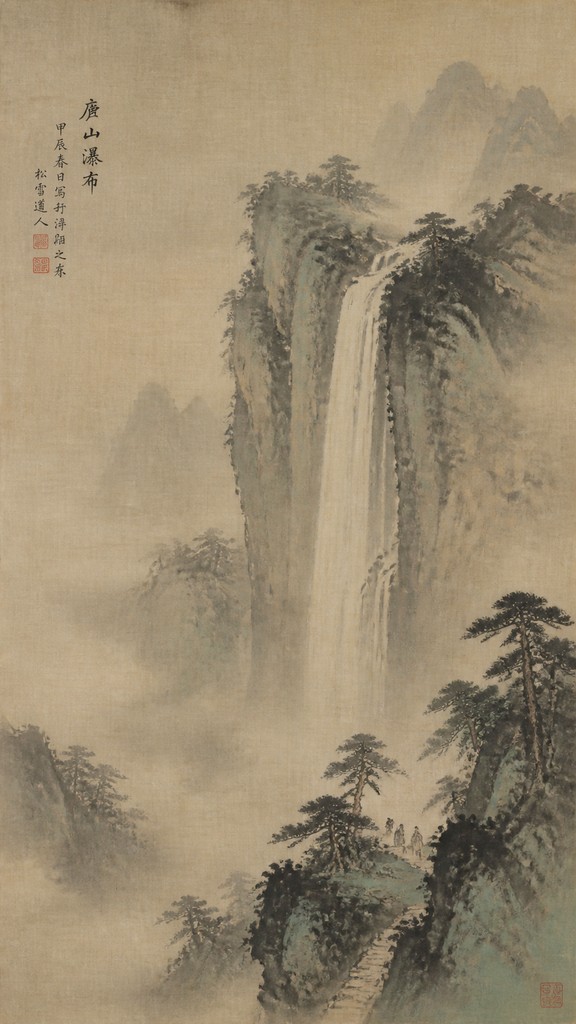
It is defined by layered ink washes, monumental or carefully cropped mountains, atmospheric mist, varied brush textures, and substantial negative space. Small human details provide scale, while the composition emphasizes contemplation and the relationship between people and nature.
Is Song Dynasty ink painting always monochrome?
No. Ink is usually the structural foundation, but historical Chinese paintings could include restrained mineral or vegetal pigments. Gray, blue-green, ochre, and other subdued colors may appear; vivid color is generally subordinate to tonal wash and brushwork.
How does it differ from Japanese sumi-e?
Both traditions value expressive ink, dilution, and empty space, but Song landscape painting typically places greater emphasis on layered mountain recession, complex geological texture, and expansive pictorial environments. Sumi-e is a broader Japanese ink tradition and can be much more minimal or focused on individual subjects.
What materials are traditionally used?
Traditional works are commonly made with ink on paper or silk, using brushes that produce both flowing washes and textured strokes. Mineral or vegetal pigments may be added sparingly, and the finished work may take the form of a hanging scroll, handscroll, album leaf, or fan painting.
How can I make a convincing image in this style?
Start with a clear foreground, middle distance, and atmospheric background, then use a narrow tonal range with a few very dark accents. Specify mist, dissolving contours, angular rock marks, sparse pines, tiny travelers, and generous negative space rather than asking only for a generic Chinese landscape.
Where is this style used today?
It appears in traditional ink practice, museum-inspired illustration, book and editorial art, contemplative landscape studies, animation backgrounds, digital painting, and image-to-image transformations. Contemporary artists often adapt its spatial principles while changing the subject, palette, or level of abstraction.
Create your first Song Dynasty Ink Painting artwork
Describe anything — or upload a photo — and see it in Song Dynasty Ink Painting Style in seconds.
Related Styles
Discover similar art styles