Harlem Renaissance Art Style
Explore Harlem Renaissance art: jazz-inspired rhythm, Art Deco geometry, expressive silhouettes, rich color, and African American cultural modernism.
Instantly rendered in Harlem Renaissance — or transform a photo
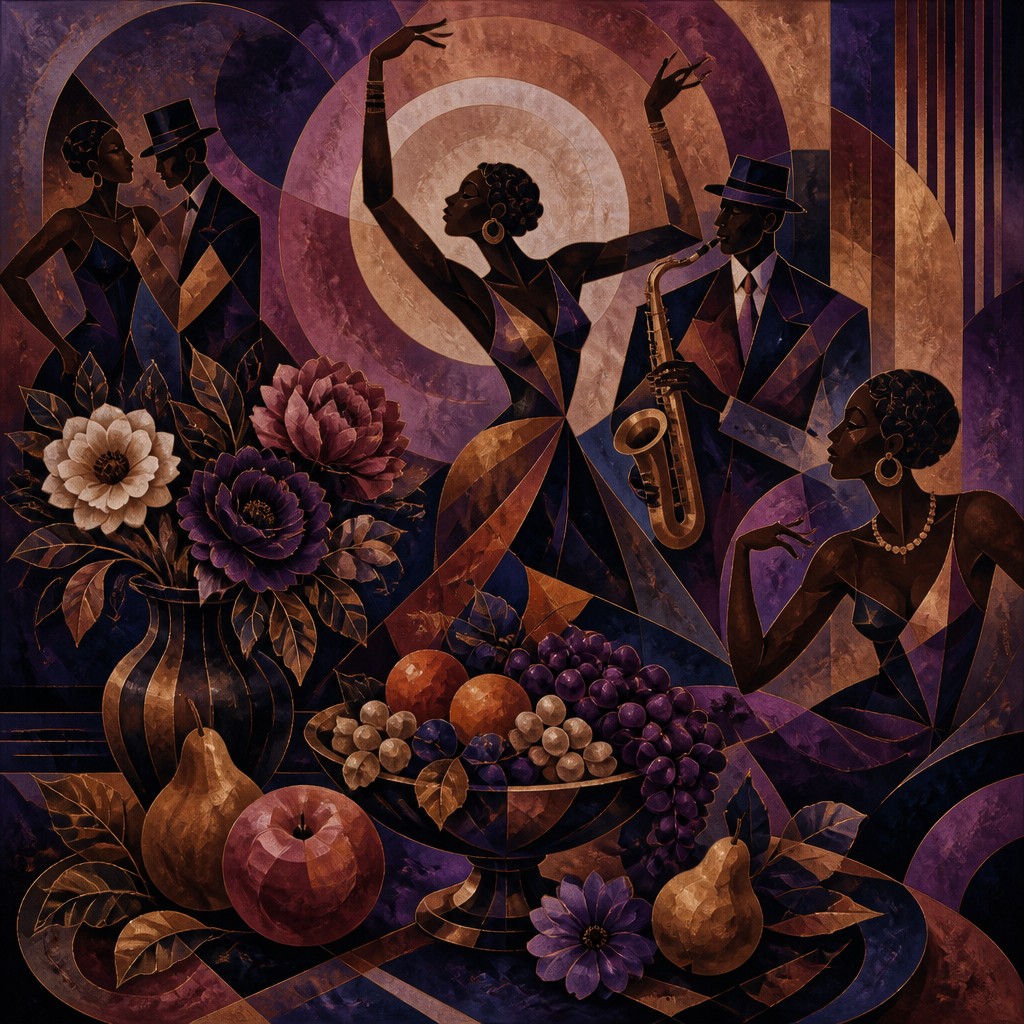
Harlem Renaissance Gallery
Tap any artwork to explore it
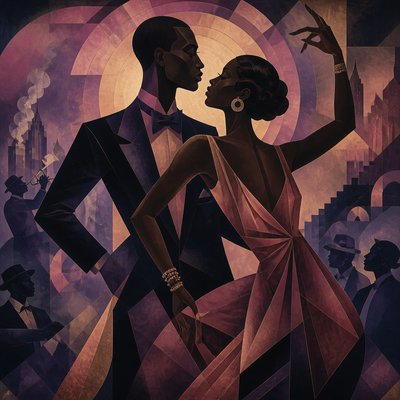
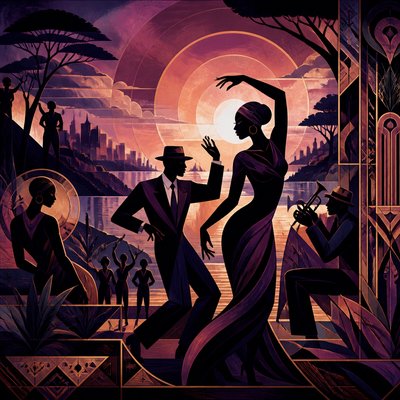
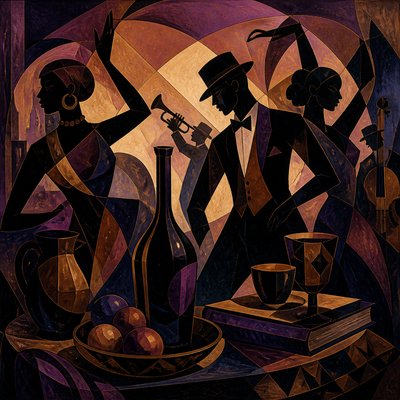
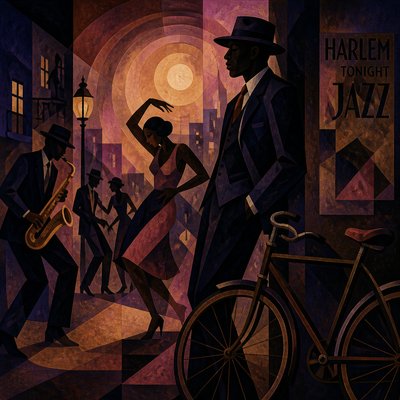
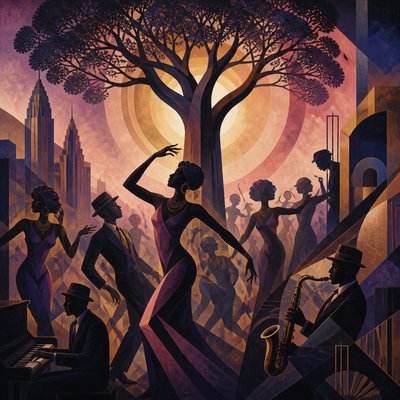
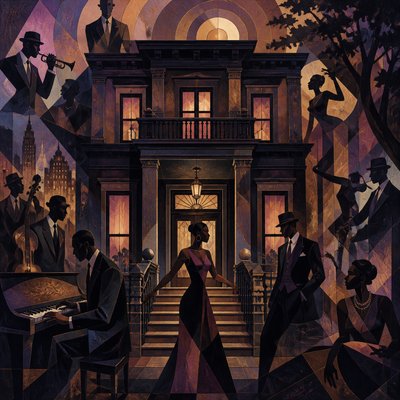
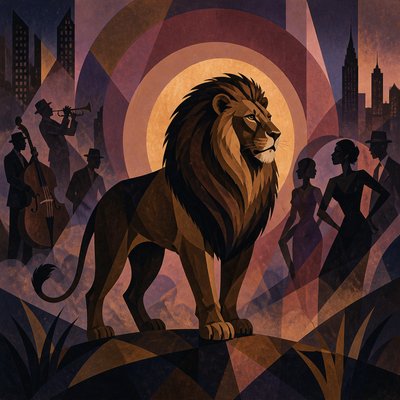
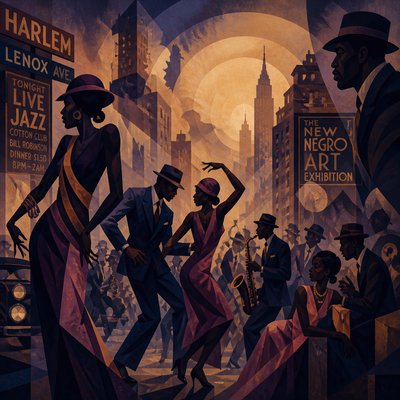
What is Harlem Renaissance Art Style?
Harlem Renaissance art refers to the visual culture associated with the African American cultural movement that flourished primarily in Harlem and other urban centers during the 1920s and 1930s. Its imagery is not a single unified technique or palette, but often emphasizes racial pride, modern identity, intellectual life, music, dance, everyday community, and the recovery or reinvention of African and African American visual traditions.
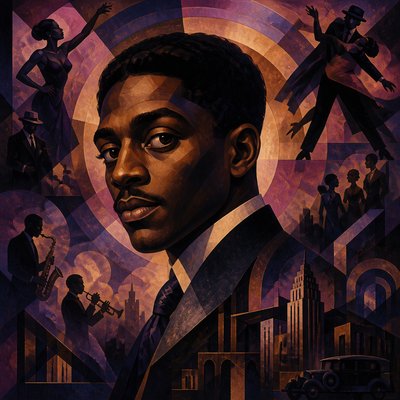
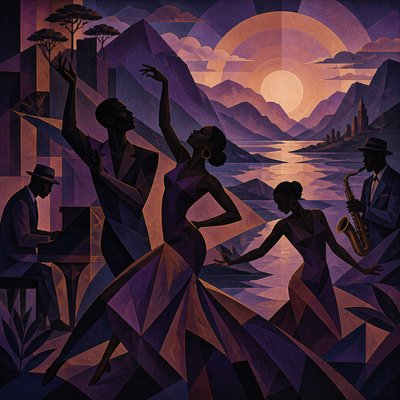
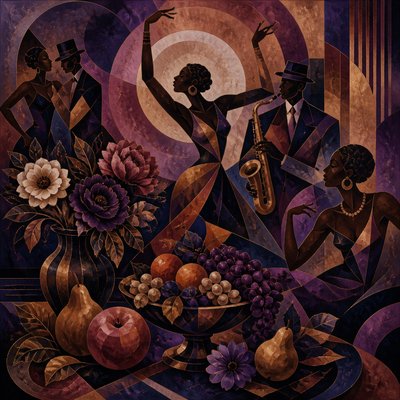
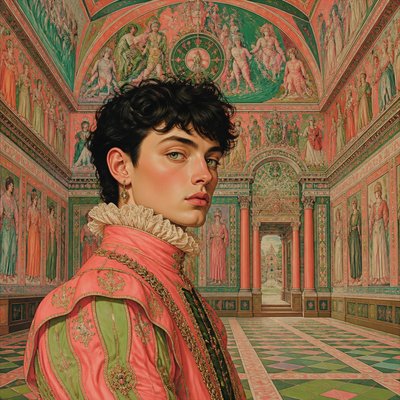
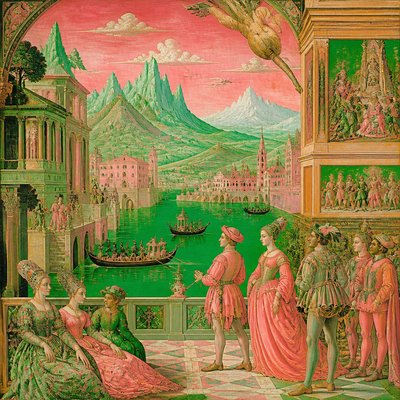
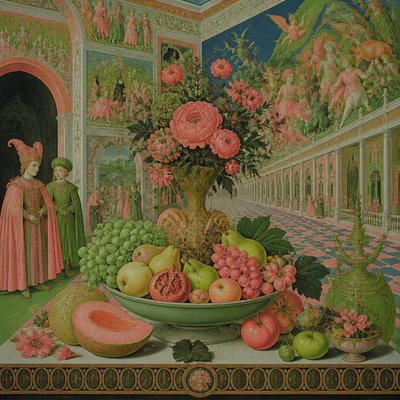
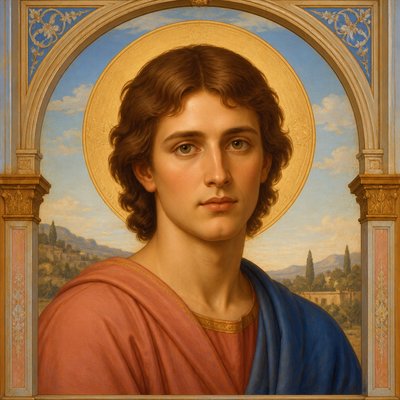
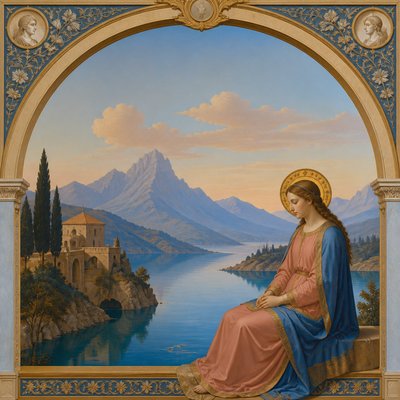
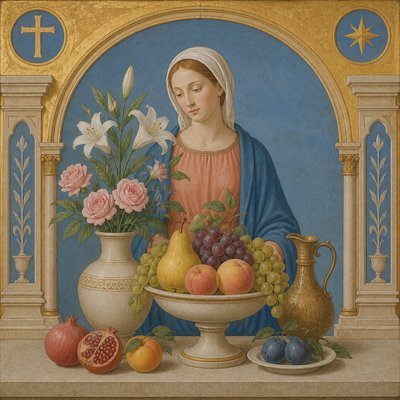
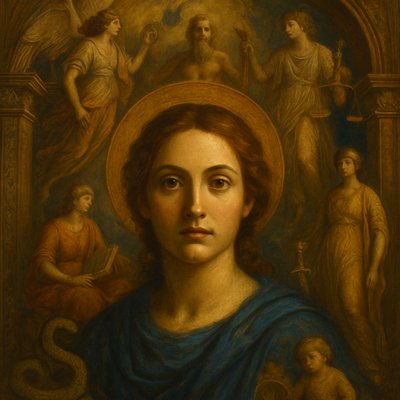
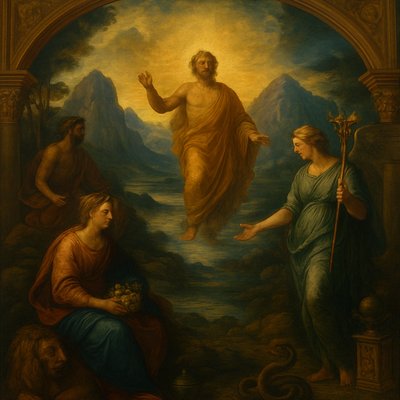
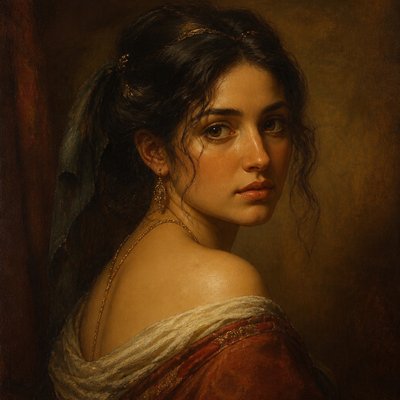
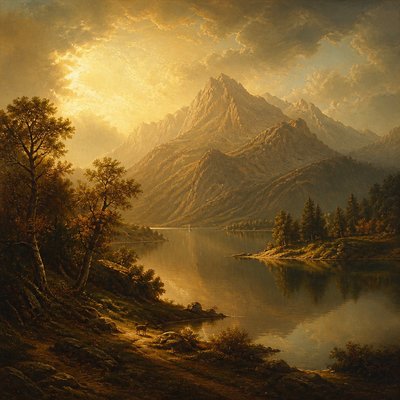
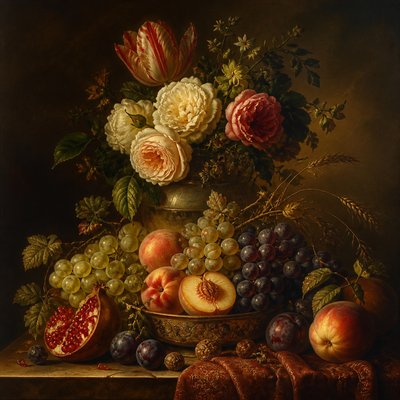
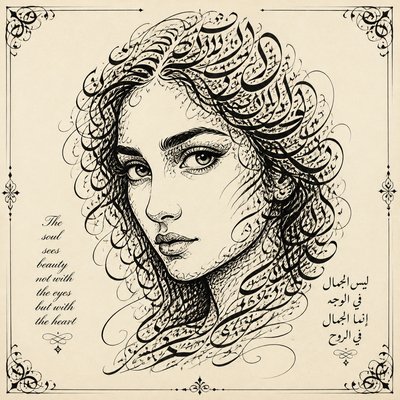
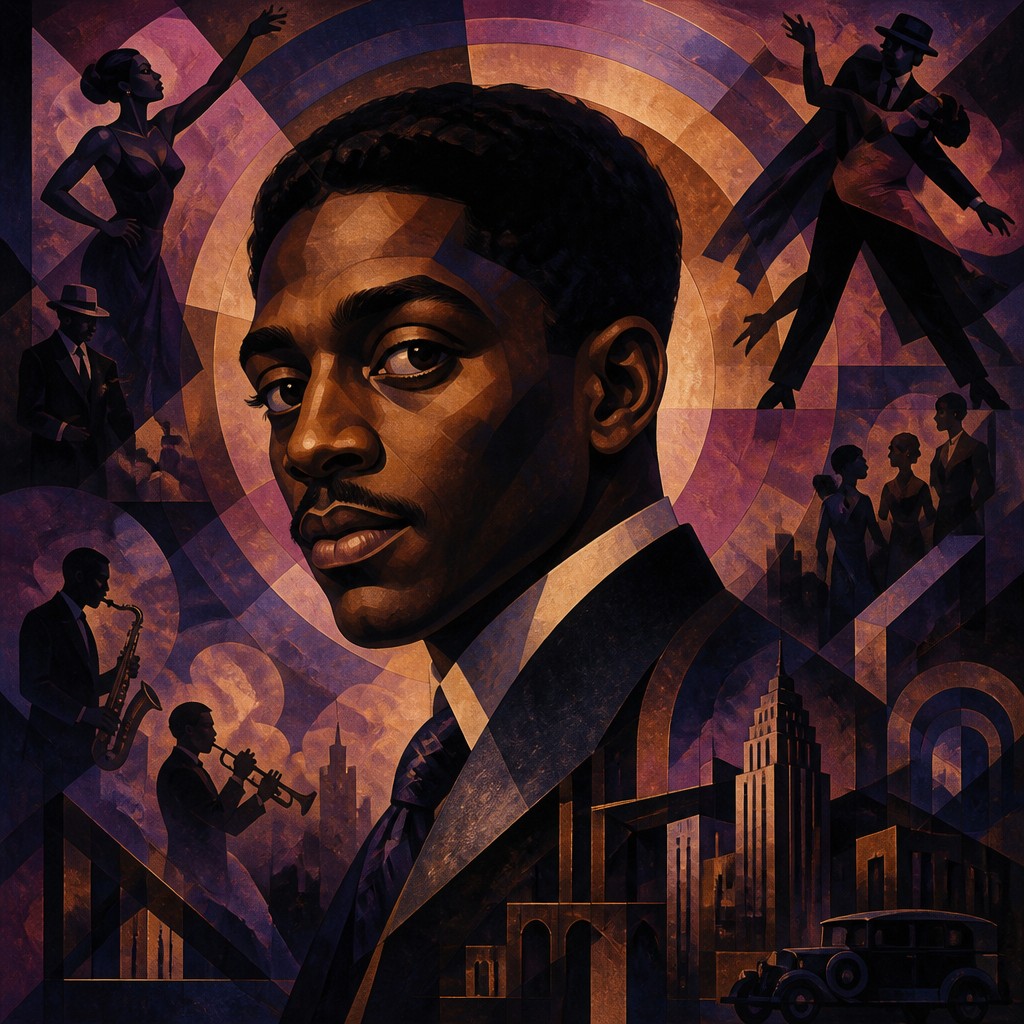
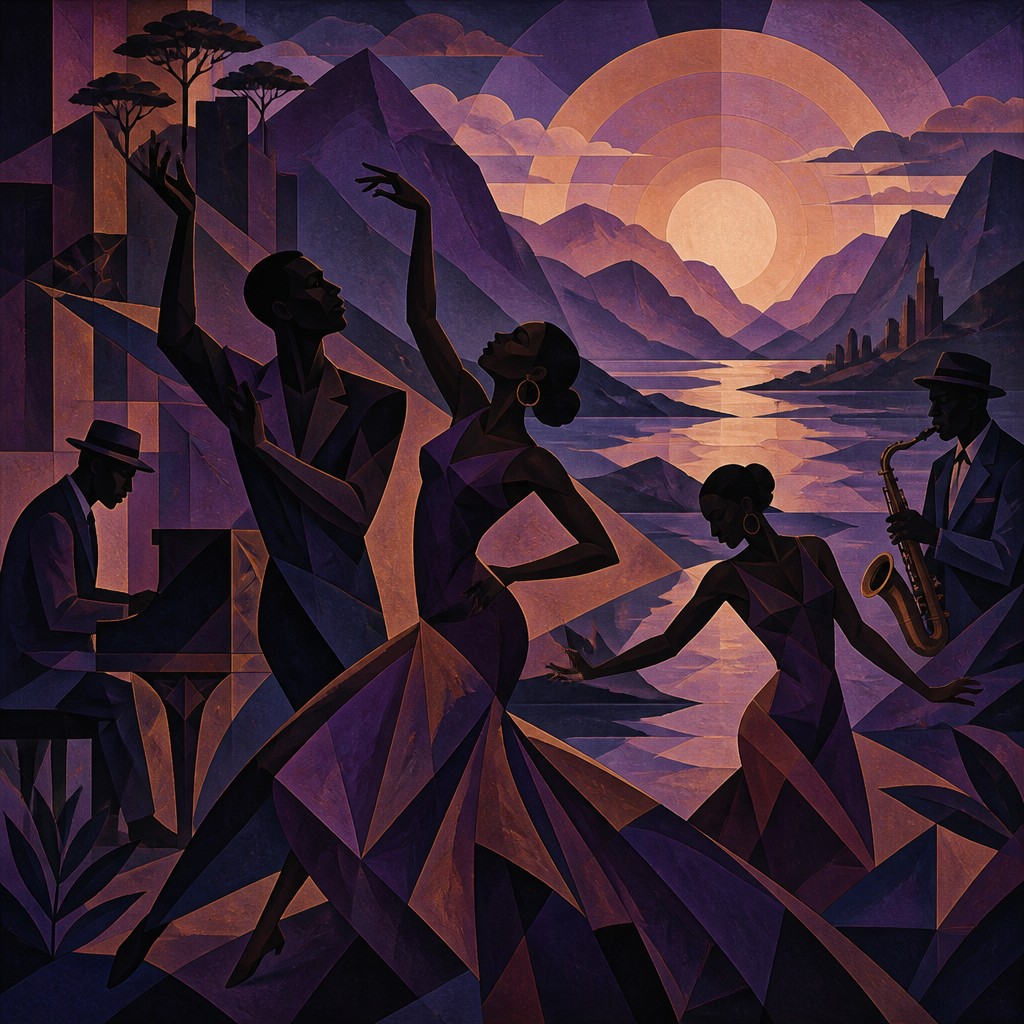
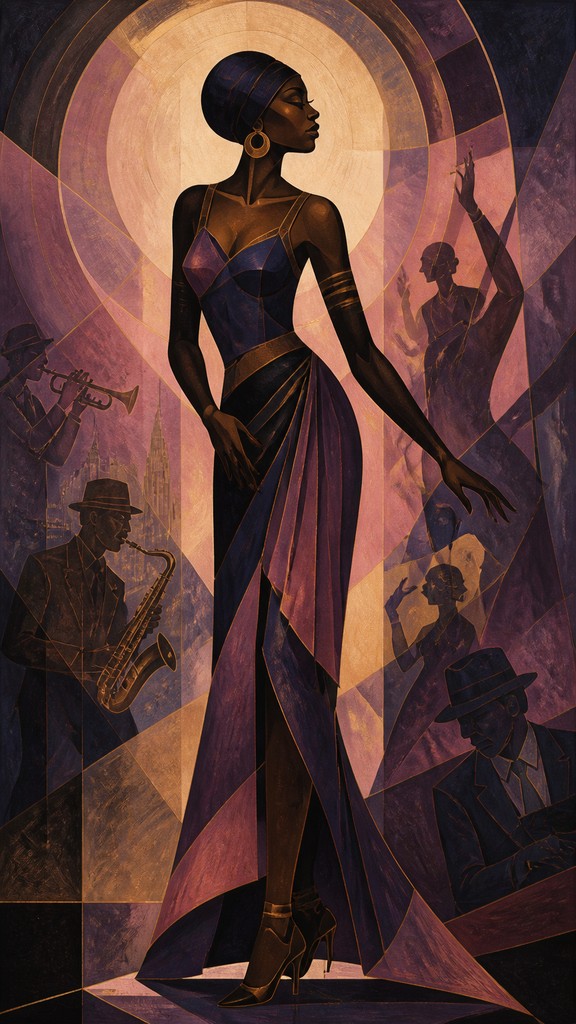
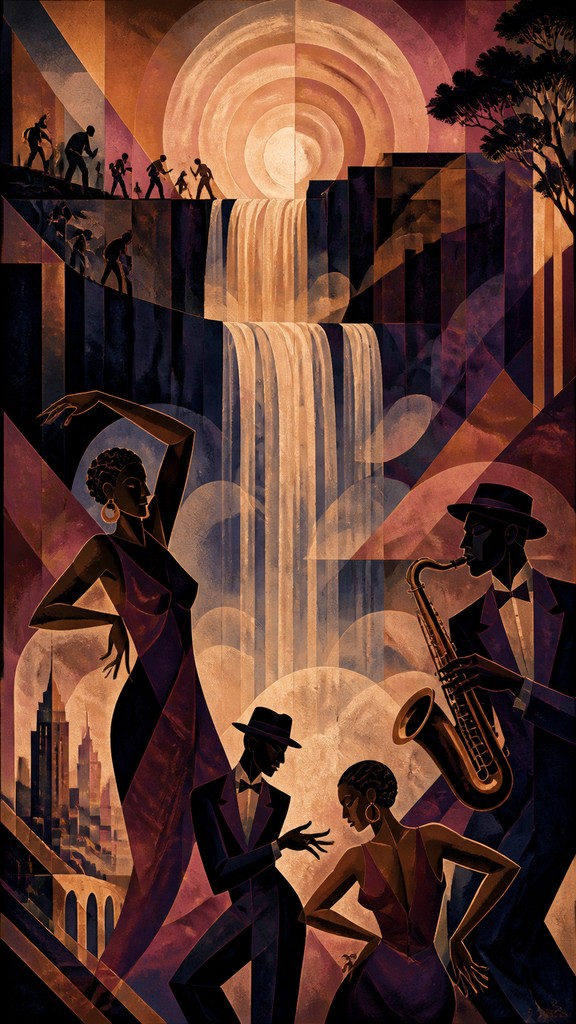
This art-style interpretation distills that historical context into a rhythmic, poster-like language of dignified silhouettes, angular arrangements, saturated dusk colors, and radiating light. Jazz-age geometry and concentric halos suggest sound, movement, nightlife, spiritual intensity, and urban modernity; they are a contemporary synthesis rather than universal characteristics of every Harlem Renaissance artwork.
Try It On Your Photos
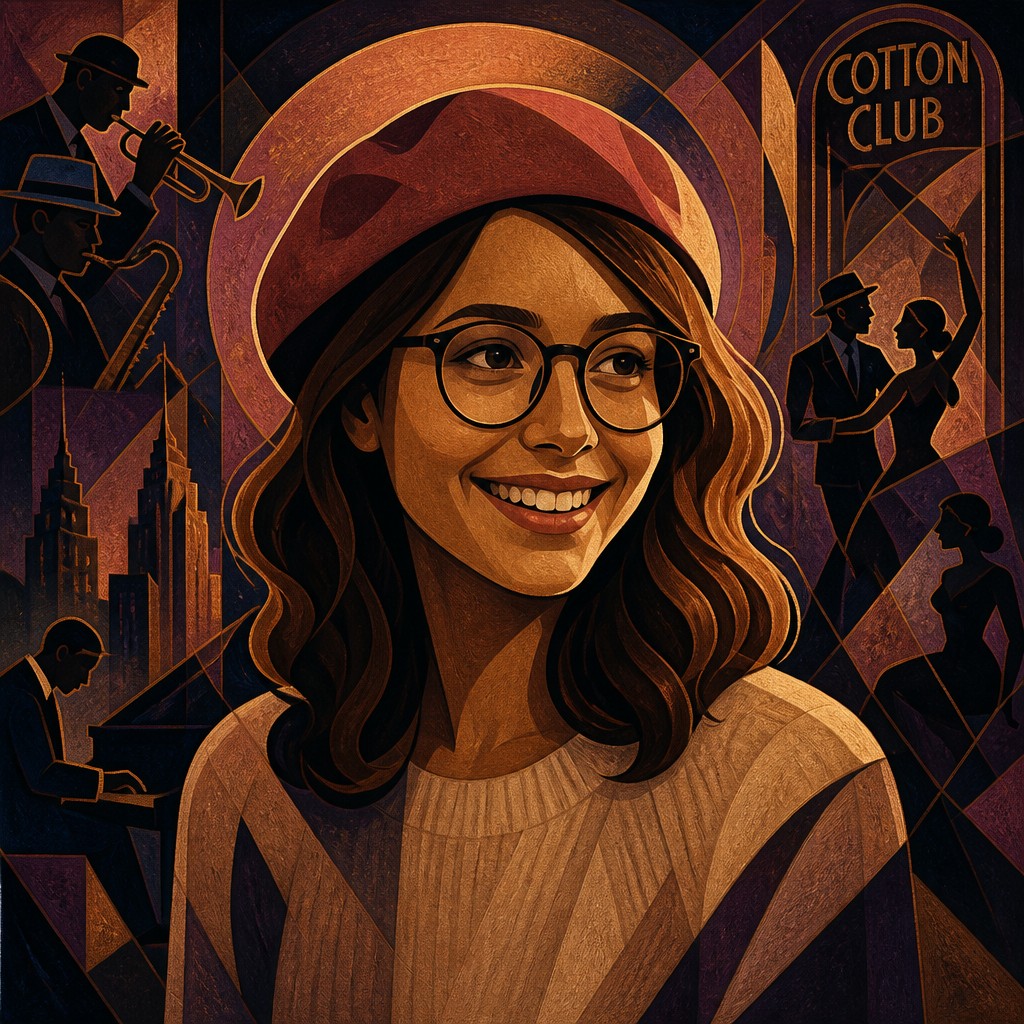
Upload any photo and convert it into Harlem Renaissance Art Style — drag the sliders to compare before and after.


What Defines Harlem Renaissance Art Style
The signature details, up close
Rhythmic silhouettes
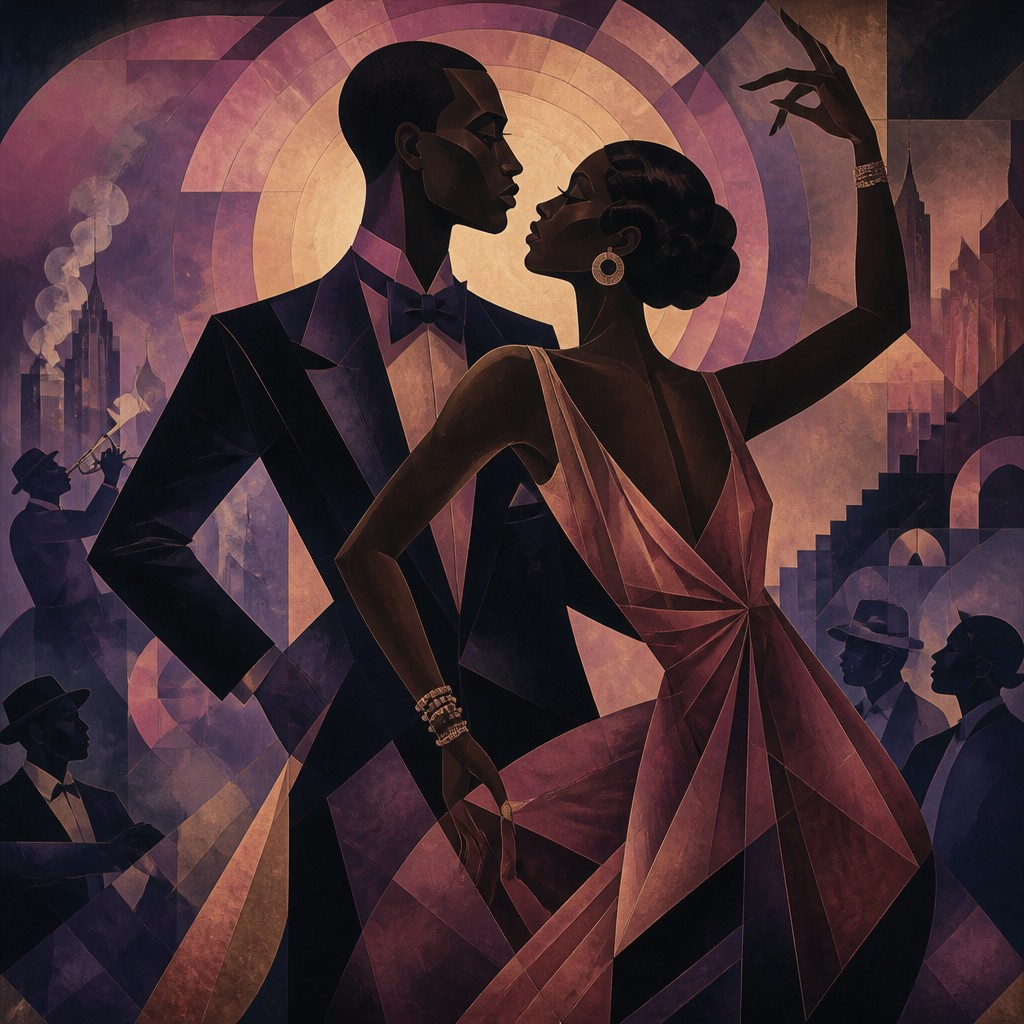
Figures are simplified into poised, elongated or monumental silhouettes that imply dancing, performance, procession, or social interaction. Their gestures carry the sense of syncopated movement associated with jazz and nightlife.
Jazz-age geometry
Angular diagonals, stepped forms, fan shapes, and streamlined contours give compositions an Art Deco-inflected structure. Geometry organizes the image without eliminating the expressive energy of the figures.
Concentric radiance
Nested circles, halos, and bands of light create visual rhythm and a sense of vibration. They can suggest stage illumination, sound made visible, spiritual presence, or light diffused through urban mist.
Dusky jewel palette
Deep violet, midnight blue, bronze, muted gold, and dusky rose provide a nocturnal, theatrical atmosphere. Controlled highlights against dark fields make figures and circular motifs appear luminous.
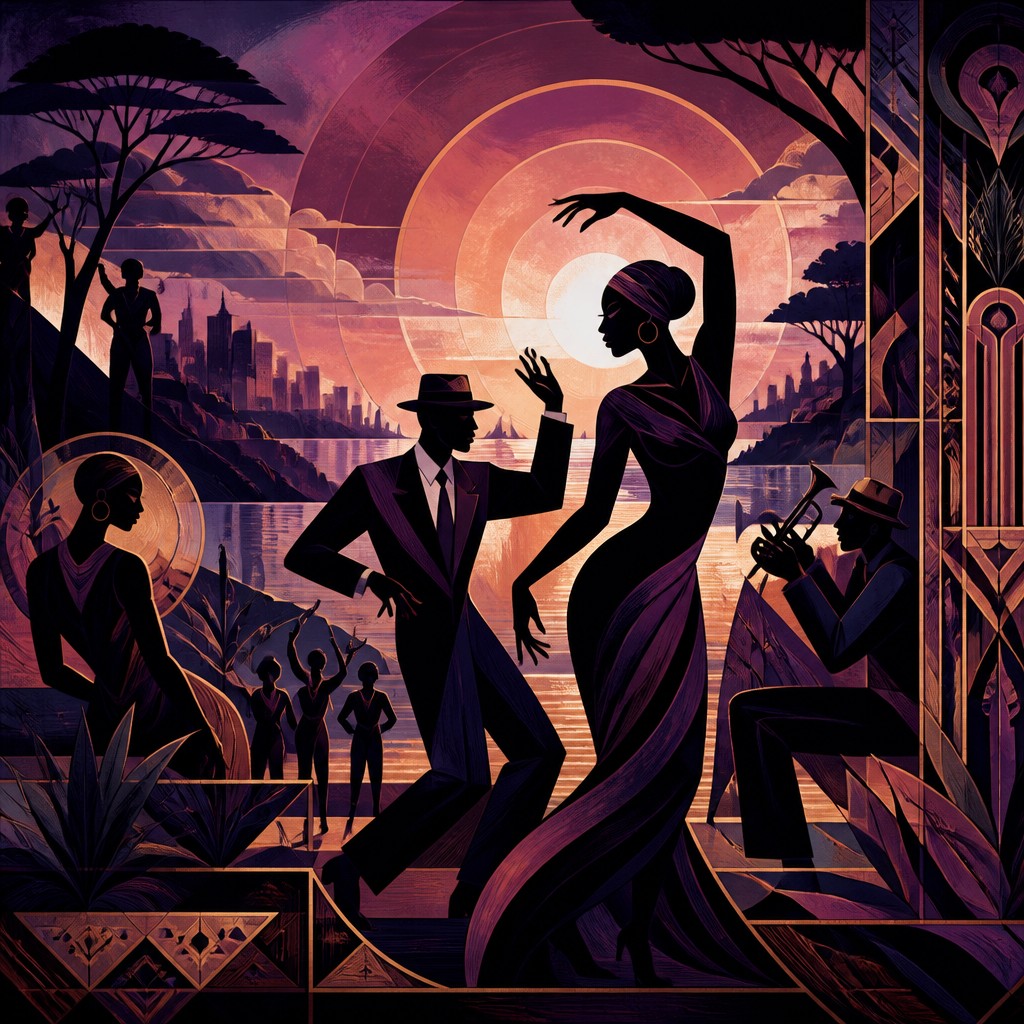
Dignified monumental presence
Subjects are presented with confidence, composure, and visual weight rather than caricature or casual snapshot realism. Strong posture and frontal or three-quarter poses reinforce identity and collective pride.
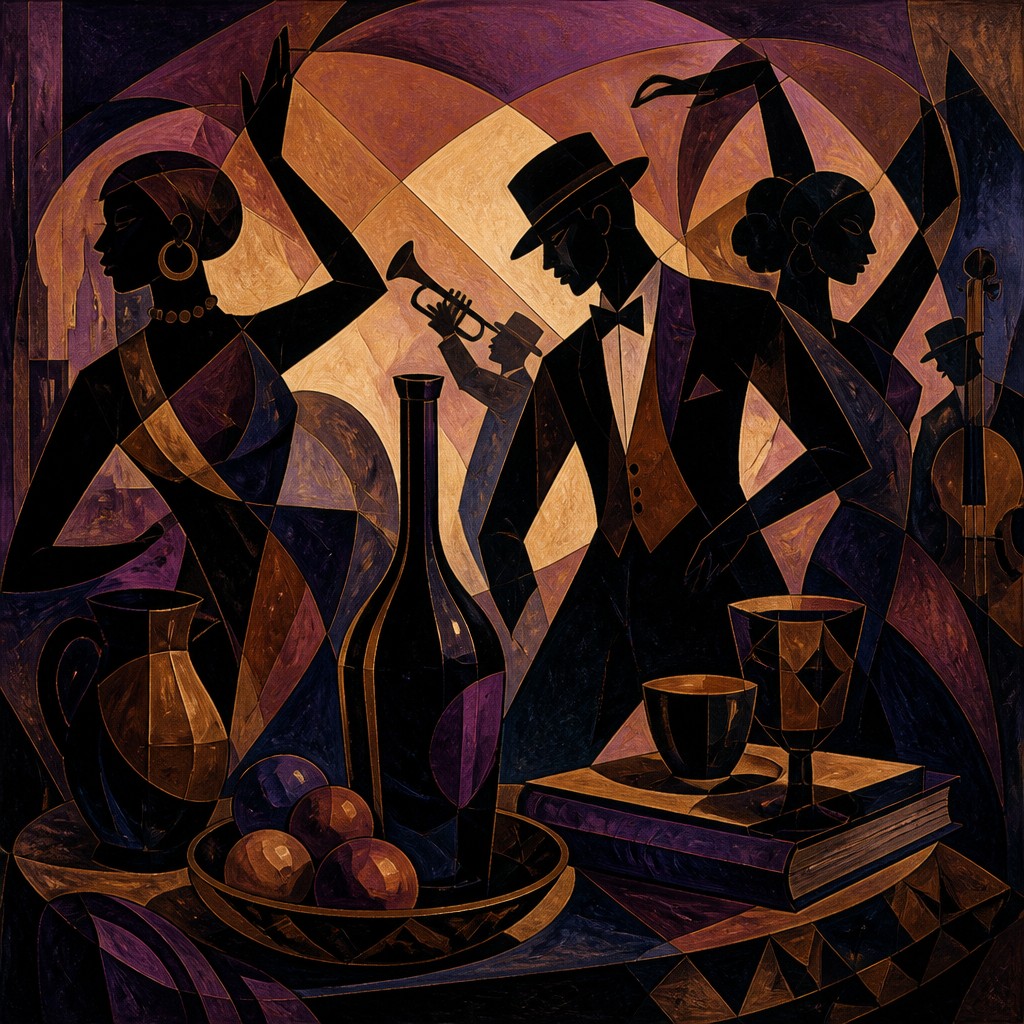
Layered atmospheric space
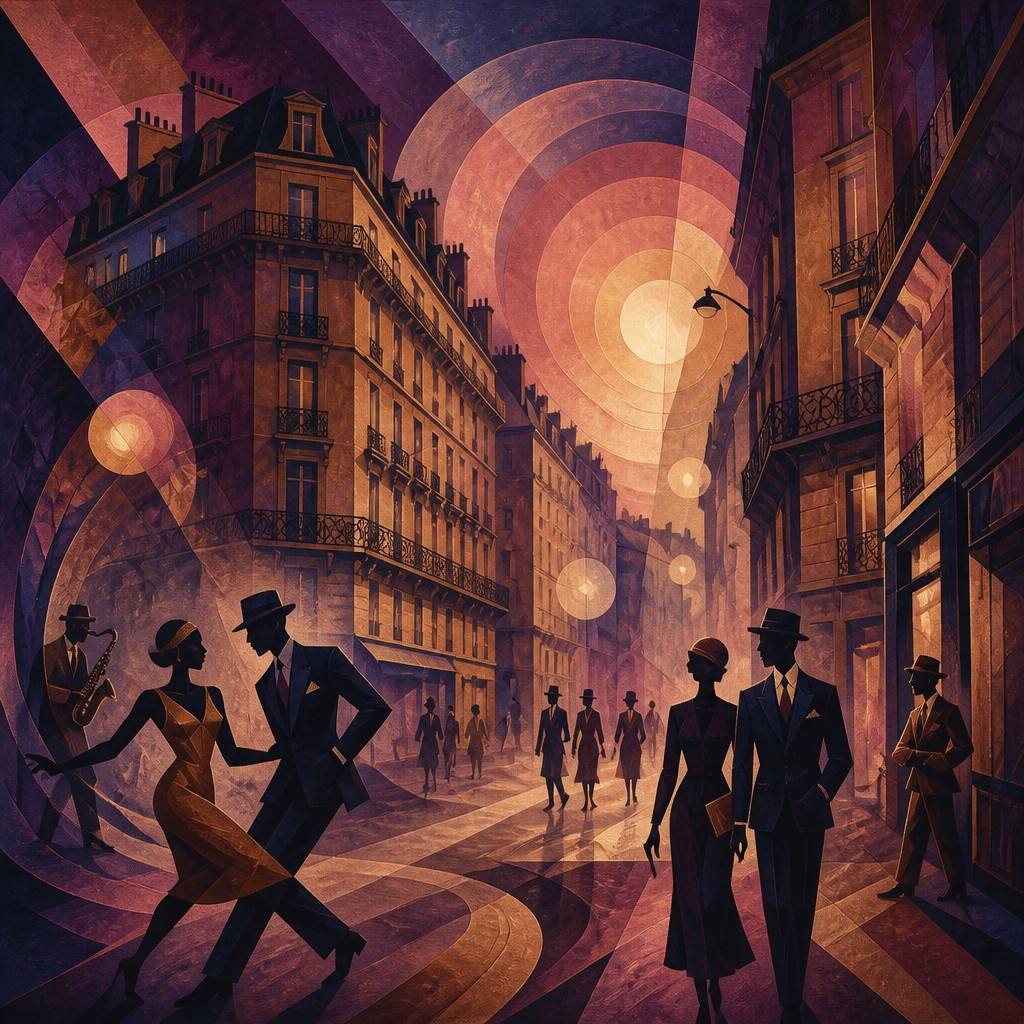
Misty backgrounds, translucent planes, overlapping silhouettes, and soft gradients create depth without relying on strict naturalistic perspective. The result may resemble a stage, city nightscape, dream, or symbolic interior.
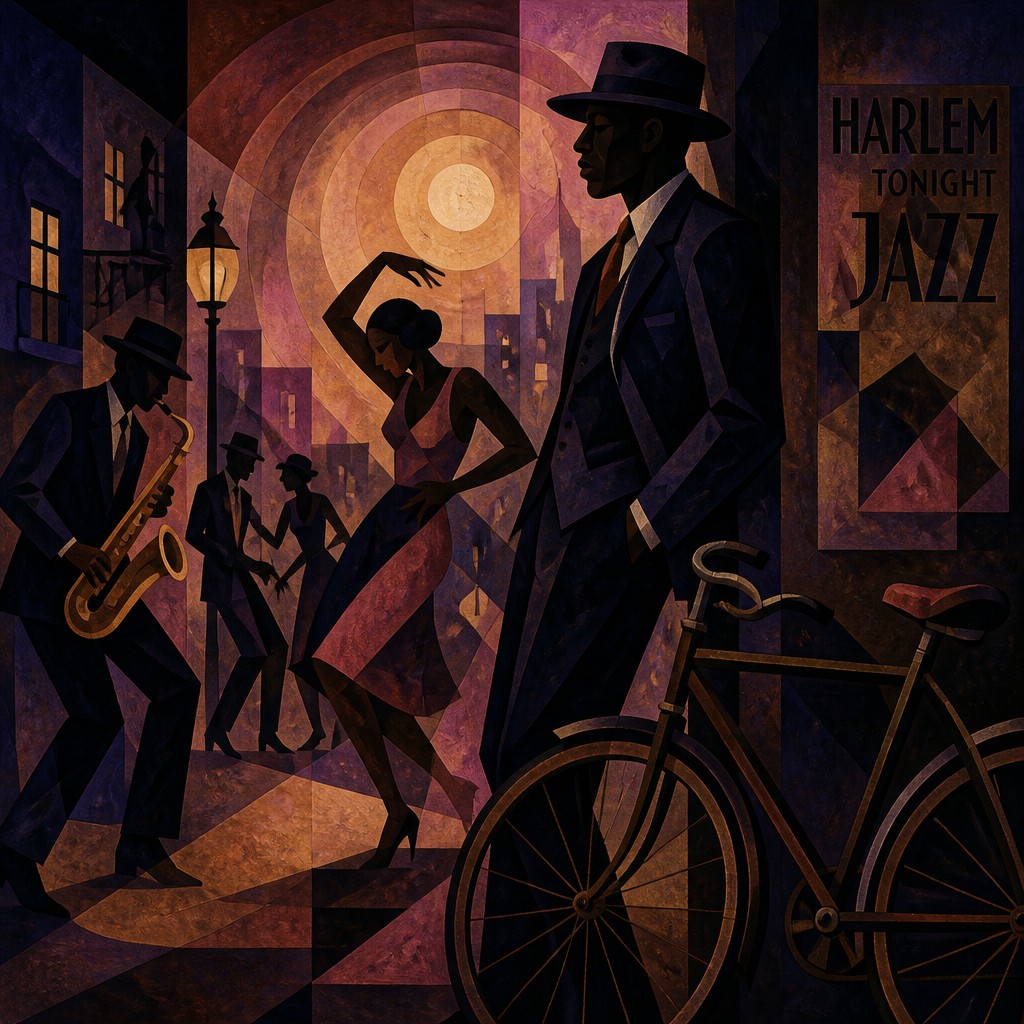
Expressive poster composition
The image often reads clearly at a glance through bold framing, simplified shapes, and a strong focal hierarchy. Decorative pattern and pictorial storytelling work together in the manner of cultural posters, covers, and performance graphics.
Try It
Create Videos in Harlem Renaissance Art Style
Styles aren't just for stills — describe a scene or animate an image and get a short video rendered in Harlem Renaissance. Press play to see this pond come to life.
Make a VideoHarlem Renaissance Prompt Ideas
Start from an idea — each one opens the generator with the style ready to go. See all 40 Harlem Renaissance prompts →
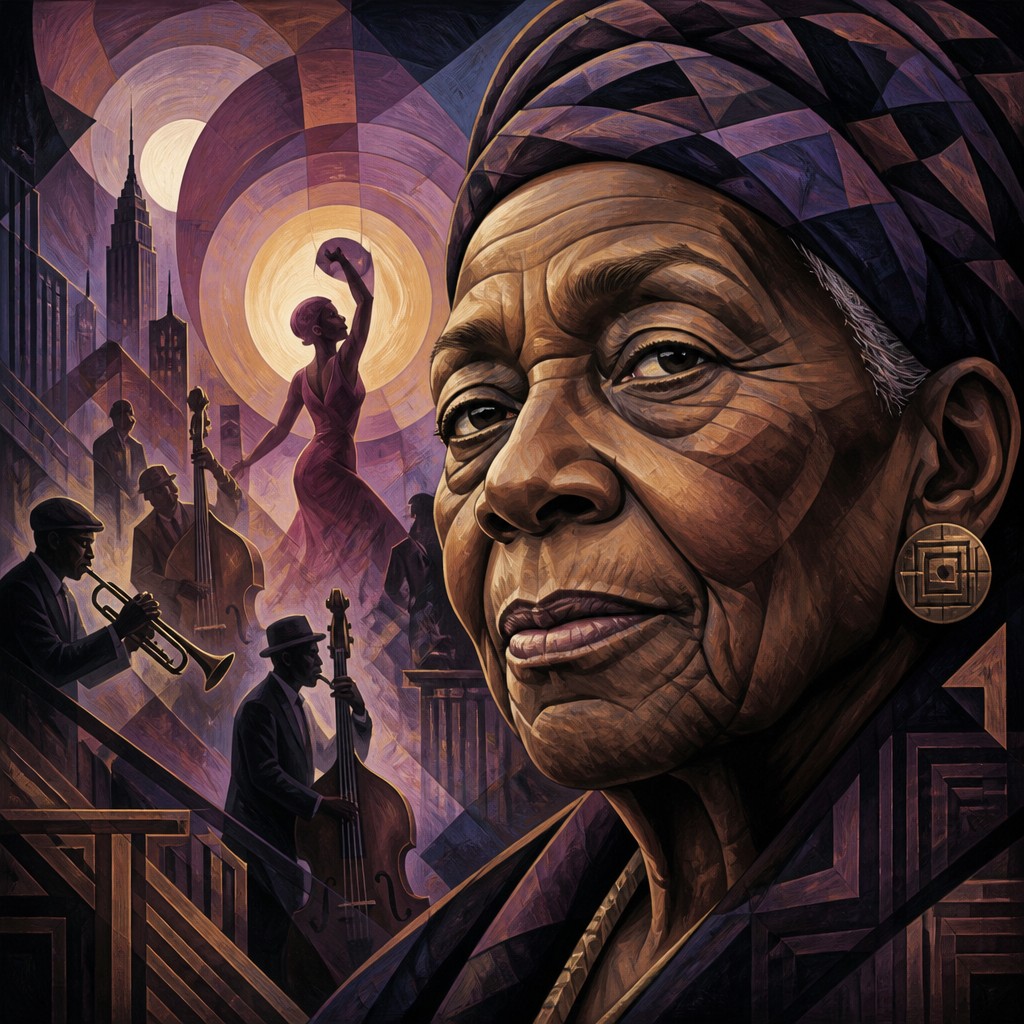
“close-up portrait of an elderly person with expressive weathered features”
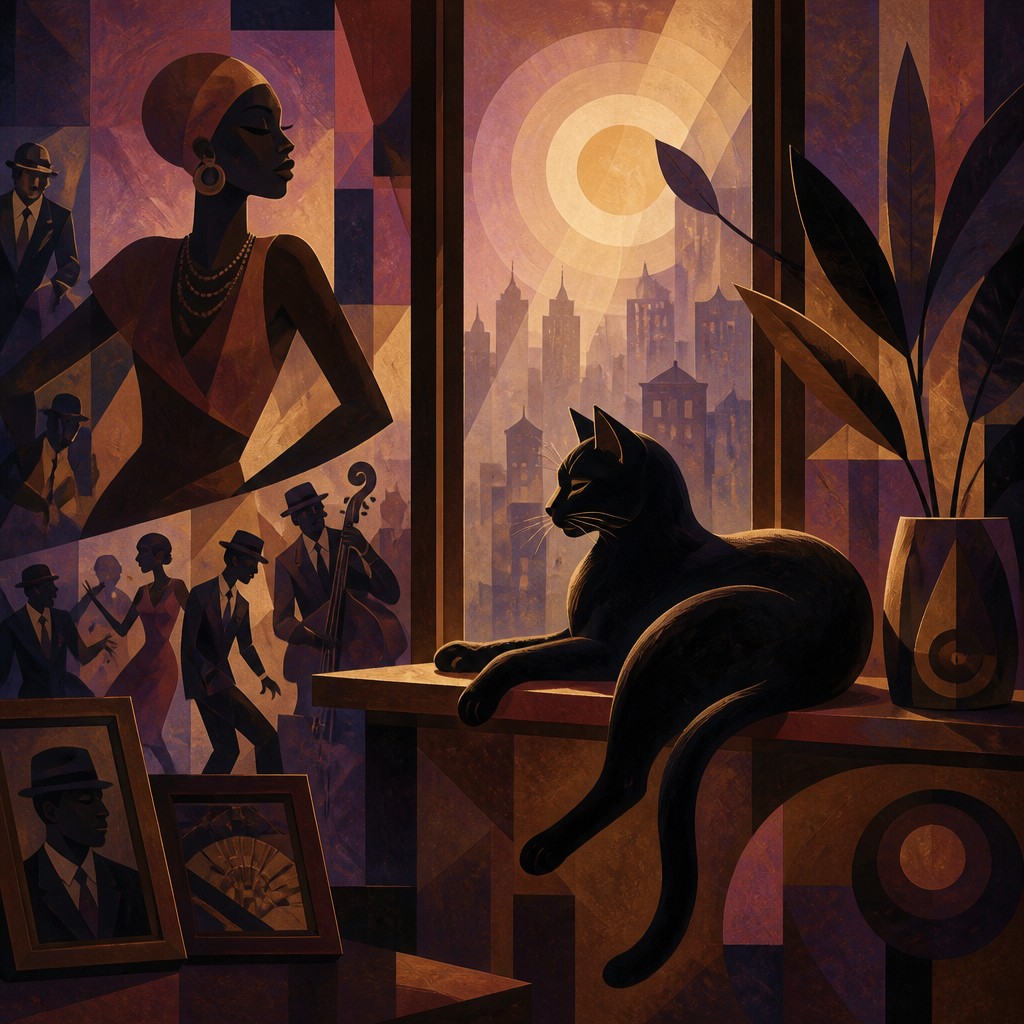
“a cat lounging in a sunlit window”
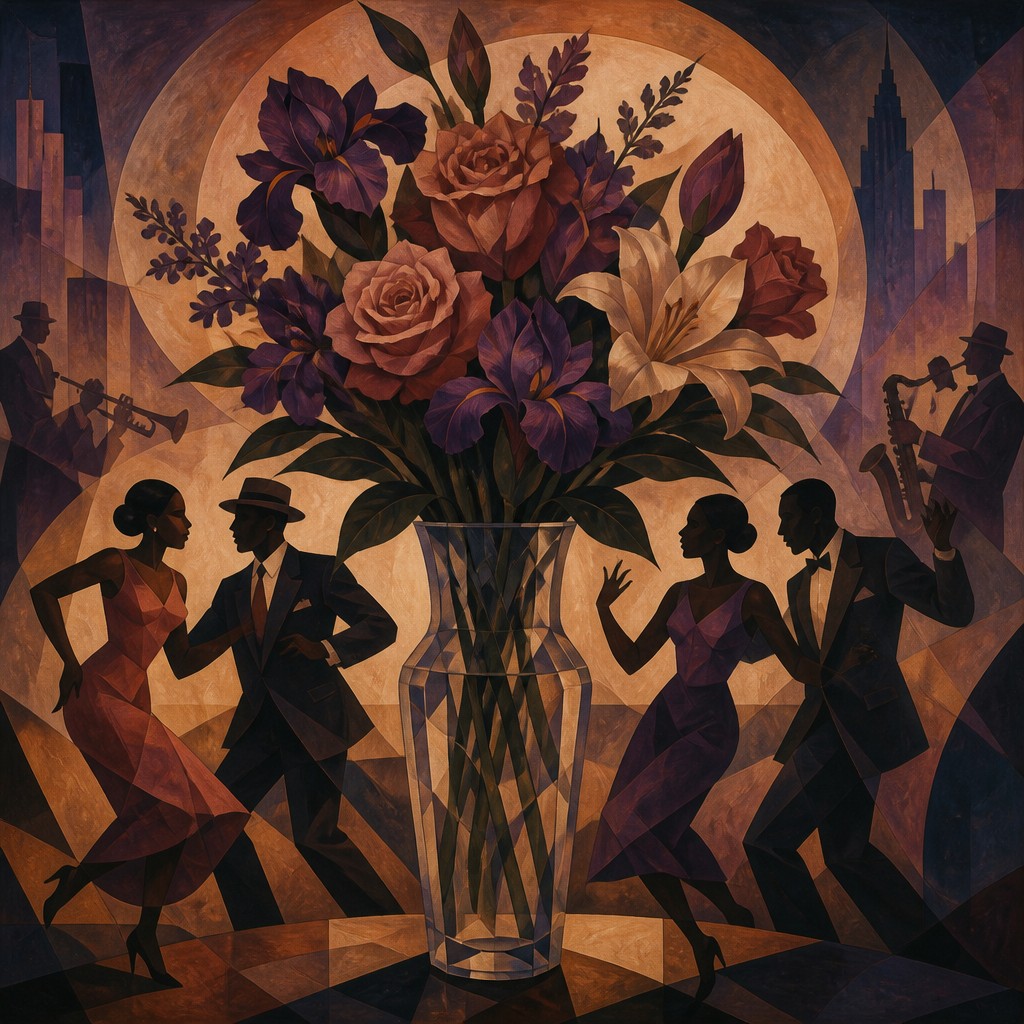
“bouquet of flowers in a glass vase”
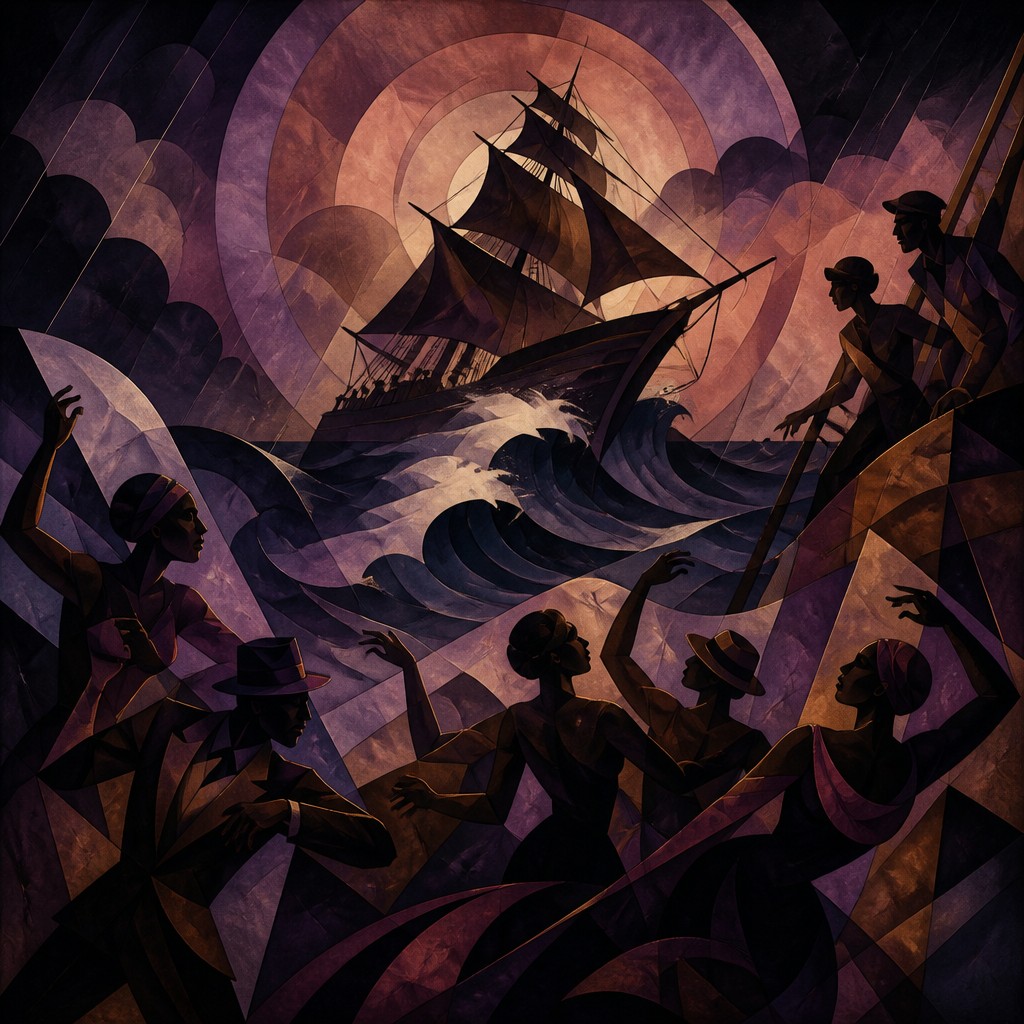
“sailing ship on a stormy sea”
How to Create Harlem Renaissance Art
Master the craft step by step — or skip straight to creating. Read the full guide →
- 1
Build a strong silhouette
Begin with a clear pose and recognizable gesture before adding clothing or facial detail. Use elongated proportions, deliberate negative space, and a confident stance to give the subject dignity and rhythm.
- 2
Organize the composition geometrically
Place the main figure along a diagonal, central axis, or stepped arrangement, then echo its movement with circles, rays, or angular architectural forms. Keep a readable focal point instead of distributing detail evenly.
- 3
Use controlled nocturnal color
Start with midnight blue, violet, or charcoal, then introduce bronze, dusky rose, and restrained gold as accents. Reserve the palest tones for faces, hands, rim light, and the centers of radiating forms.
- 4
Create light in layers
For traditional work, glaze or dry-brush translucent rings and atmospheric veils over a dark ground; for digital work, use low-opacity gradient layers, softened edges, and selective bloom. Keep some contours sharp so the mist does not flatten the design.
- 5
Add historically aware details
Draw from jazz-club interiors, period clothing, urban architecture, print textures, and African American cultural life without reducing the subject to generic retro decoration. Research the 1920s and 1930s context when using specific clothing, instruments, or settings.
- 6
Write focused generation prompts
Specify the subject, pose, setting, palette, lighting, silhouette treatment, and geometric structure in that order. Request dignified figures, layered mist, rhythmic diagonals, and concentric illumination while avoiding vague instructions that can produce stereotyped or purely decorative results.
The Story
History & Origins of Harlem Renaissance
The Harlem Renaissance developed during the early twentieth century amid the Great Migration, when millions of African Americans moved from the rural South to Northern and Midwestern cities. Harlem became a major center of publishing, theater, music, visual art, political debate, and literary production. The movement reached its greatest prominence in the 1920s and early 1930s, although its cultural influence continued well beyond that period.
Its visual language drew on modernist abstraction, Art Deco design, poster graphics, African and African American cultural traditions, vernacular photography, printmaking, portraiture, and the spectacle of jazz and dance. The radiant circles, monumental figures, and syncopated compositions in this interpretation extend those lineages into a unified contemporary aesthetic rather than reproducing one historical artist or medium.
Influences: This interpretation connects the Harlem Renaissance to African American modernism, jazz and blues performance culture, Art Deco, modernist poster design, printmaking, theatrical lighting, portraiture, and African diasporic visual traditions. It also shares the simplified contours and symbolic radiance of contemporary editorial illustration, while retaining the movement's emphasis on cultural identity, urban life, self-definition, and collective presence.
Frequently Asked Questions
What defines the Harlem Renaissance art style?
Historically, it is defined by visual engagement with African American identity, modern urban life, cultural pride, music, literature, and community during the 1920s and 1930s. In this stylized interpretation, those themes appear through rhythmic silhouettes, Art Deco geometry, saturated nocturnal color, and radiant circular light.
Is this the same as all art made during the Harlem Renaissance?
No. The Harlem Renaissance included painting, sculpture, illustration, photography, printmaking, murals, and design with many different approaches. The concentric light and highly unified silhouette language described here is a contemporary synthesis inspired by the period, not a complete definition of its historical art.
How is it different from Art Deco?
Art Deco is primarily a broad international design movement known for streamlined forms, symmetry, luxury materials, and geometric ornament. Harlem Renaissance art may use Art Deco geometry, but it places greater emphasis on African American cultural experience, expressive figures, music, community, and social identity.
What colors work best for this style?
A dark foundation of midnight blue, indigo, charcoal, or deep violet works well with bronze, muted gold, dusky rose, and occasional cream highlights. Contrast is important: luminous accents should emerge from the darker field rather than turning the whole image into an equally bright rainbow.
Can I create this style from a photograph?
Yes. Choose a photograph with a clear pose, strong gesture, or readable group arrangement, then simplify clothing and anatomy into graphic masses. Preserve the subject's identity and expression while adding geometric framing, atmospheric layers, and selective radiating light.
Where is this visual language commonly used?
It is well suited to editorial illustration, music and theater posters, book covers, portraits, cultural event graphics, murals, album artwork, and narrative scenes about urban or creative life. Historical references should be researched carefully when the image depicts specific people, places, or periods.

Create your first Harlem Renaissance artwork
Describe anything — or upload a photo — and see it in Harlem Renaissance Art Style in seconds.
Related Styles
Discover similar art styles